diagram MERCEDES-BENZ ML320 1997 Complete Owner's Guide
[x] Cancel search | Manufacturer: MERCEDES-BENZ, Model Year: 1997, Model line: ML320, Model: MERCEDES-BENZ ML320 1997Pages: 4133, PDF Size: 88.89 MB
Page 1157 of 4133
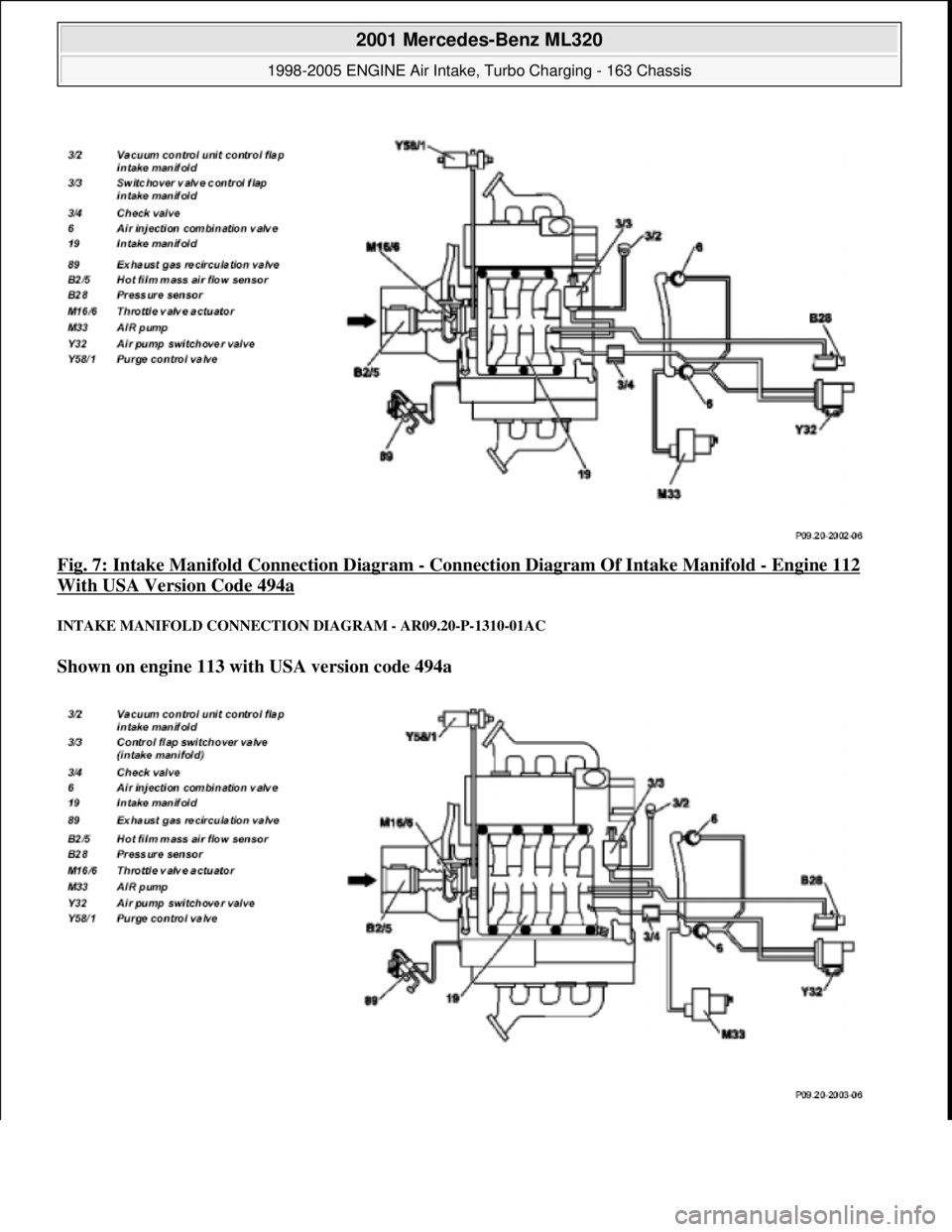
Fig. 7: Intake Manifold Connection Diagram - Connection Diagram Of Intake Manifold - Engine 112
With USA Version Code 494a
INTAKE MANIFOLD CONNECTION DIAGRA M - AR09.20-P-1310-01AC
Shown on engine 113 with USA version code 494a
2001 Mercedes-Benz ML320
1998-2005 ENGINE Air Intake, Turbo Charging - 163 Chassis
me
Saturday, October 02, 2010 3:16:57 PMPage 6 © 2006 Mitchell Repair Information Company, LLC.
Page 1158 of 4133
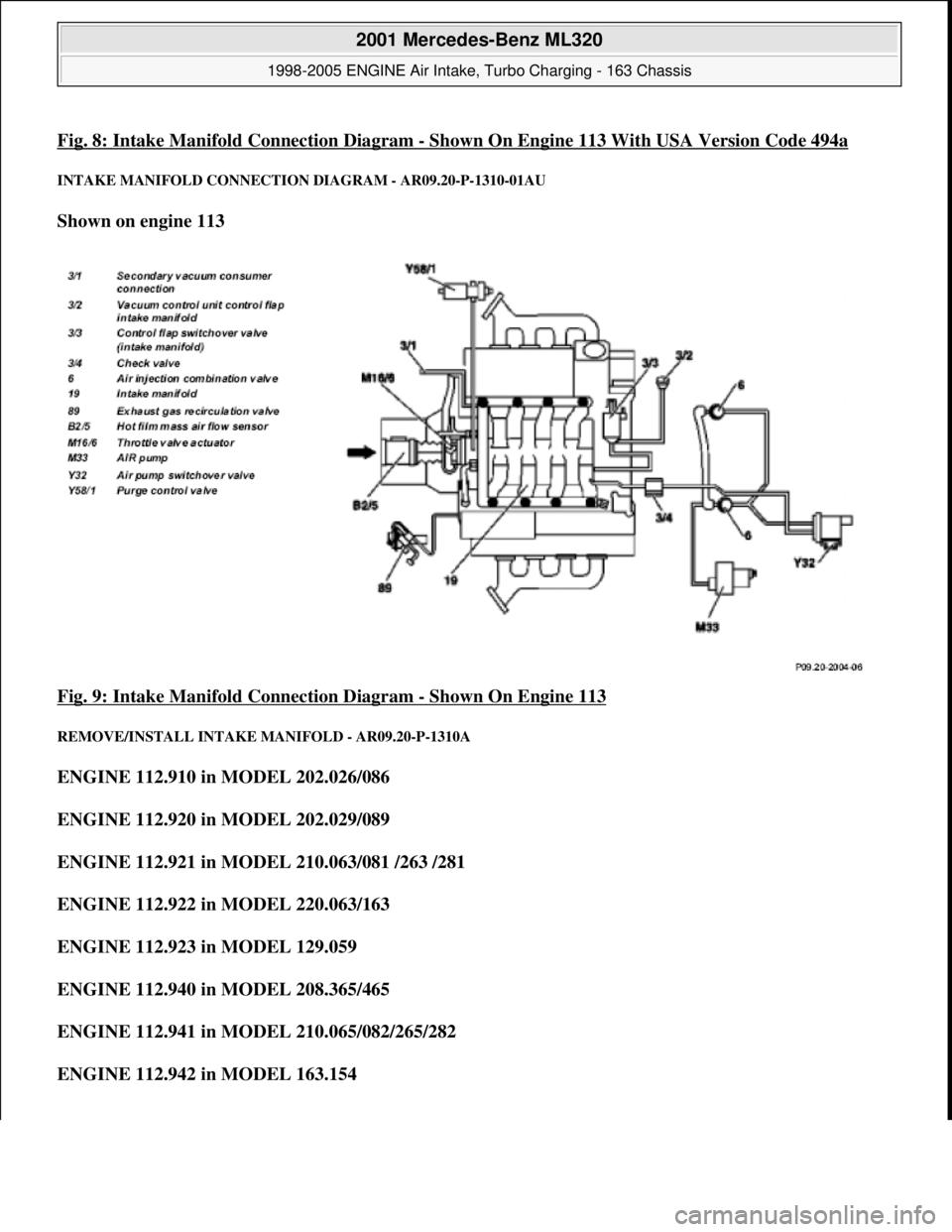
Fig. 8: Intake Manifold Connection Diagram -Shown On Engine 113 With USA Version Code 494a
INTAKE MANIFOLD CONNECTION DIAGRAM - AR09.20-P-1310-01AU
Shown on engine 113
Fig. 9: Intake Manifold Connection Diagram
- Shown On Engine 113
REMOVE/INSTALL INTAKE MANIFOLD - AR09.20-P-1310A
ENGINE 112.910 in MODEL 202.026/086
ENGINE 112.920 in MODEL 202.029/089
ENGINE 112.921 in MODEL 210.063/081 /263 /281
ENGINE 112.922 in MODEL 220.063/163
ENGINE 112.923 in MODEL 129.059
ENGINE 112.940 in MODEL 208.365/465
ENGINE 112.941 in MODEL 210.065/082/265/282
ENGINE 112.942 in MODEL 163.154
2001 Mercedes-Benz ML320
1998-2005 ENGINE Air Intake, Turbo Charging - 163 Chassis
me
Saturday, October 02, 2010 3:16:57 PMPage 7 © 2006 Mitchell Repair Information Company, LLC.
Page 1163 of 4133
7.1cylinder head
cover (2/1) boltModel 230.475 only
*BA01.20
P-1001-
01E
7.2
Remove
crankshaft
ventilation
hose (2) and
line (89/2) and
place to one
side
Model 171.473 only
Remove cylinder head cover (2/1) bolt in order to detach exhaust gas
recirculation valve (89) bracket.
*BA01.20
P-1001-
01E
8
Disconnect
vacuum lines
from intake
pipe (19)
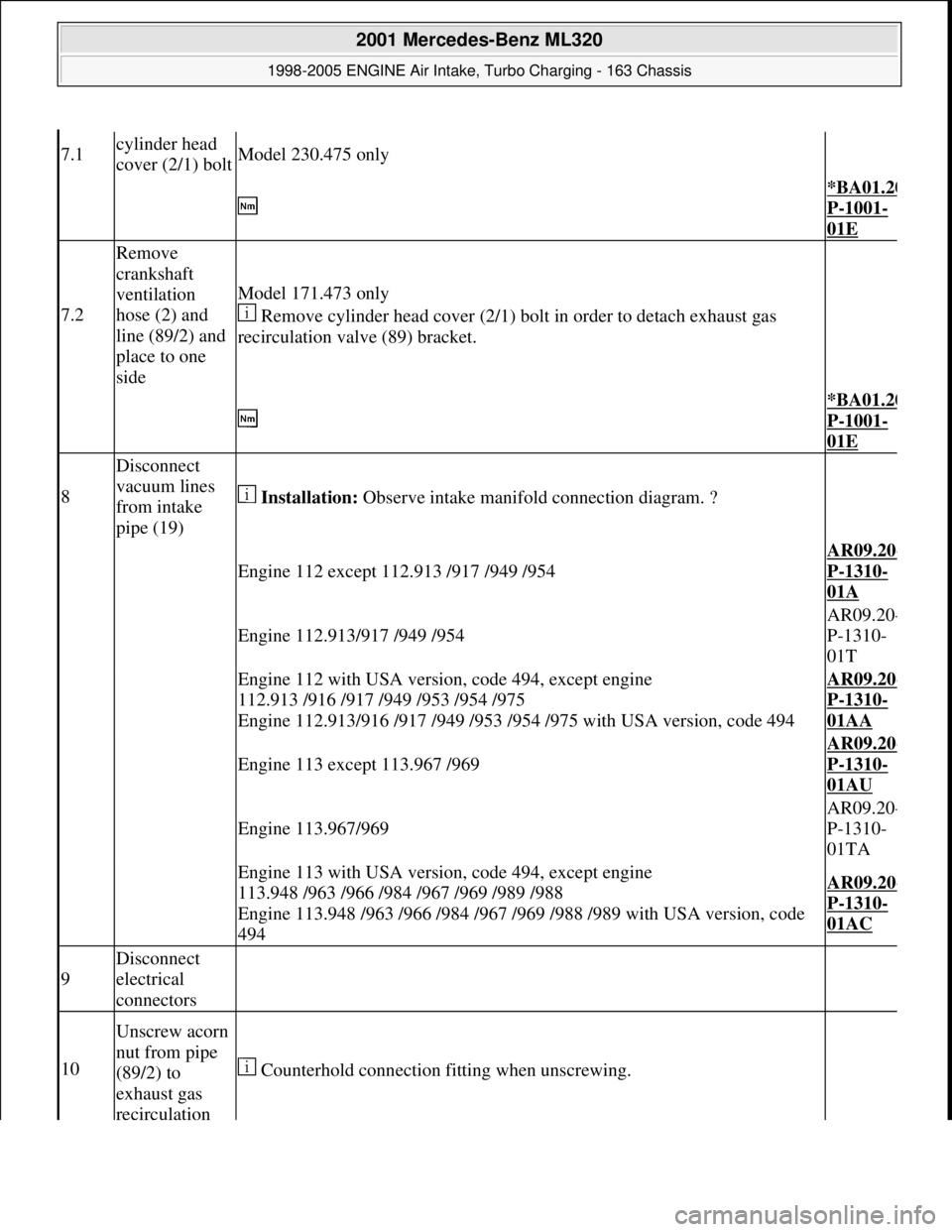
Installation: Observe intake manifold connection diagram. ?
Engine 112 except 112.913 /917 /949 /954AR09.20
-
P-1310-
01A
Engine 112.913/917 /949 /954AR09.20
-
P-1310-
01T
Engine 112 with USA version, code 494, except engine
112.913 /916 /917 /949 /953 /954 /975
Engine 112.913/916 /917 /949 /953 /954 /975 with USA version, code 494AR09.20-
P-1310-
01AA
Engine 113 except 113.967 /969AR09.20
-
P-1310-
01AU
Engine 113.967/969AR09.20
-
P-1310-
01TA
Engine 113 with USA version, code 494, except engine
113.948 /963 /966 /984 /967 /969 /989 /988
Engine 113.948 /963 /966 /984 /967 /969 /988 /989 with USA version, code
494AR09.20-
P-1310-
01AC
9
Disconnect
electrical
connectors
10
Unscrew acorn
nut from pipe
(89/2) to
exhaust gas
recirculation
Counterhold connection fitting when unscrewing.
2001 Mercedes-Benz ML320
1998-2005 ENGINE Air Intake, Turbo Charging - 163 Chassis
me
Saturday, October 02, 2010 3:16:57 PMPage 12 © 2006 Mitchell Repair Information Company, LLC.
Page 1342 of 4133
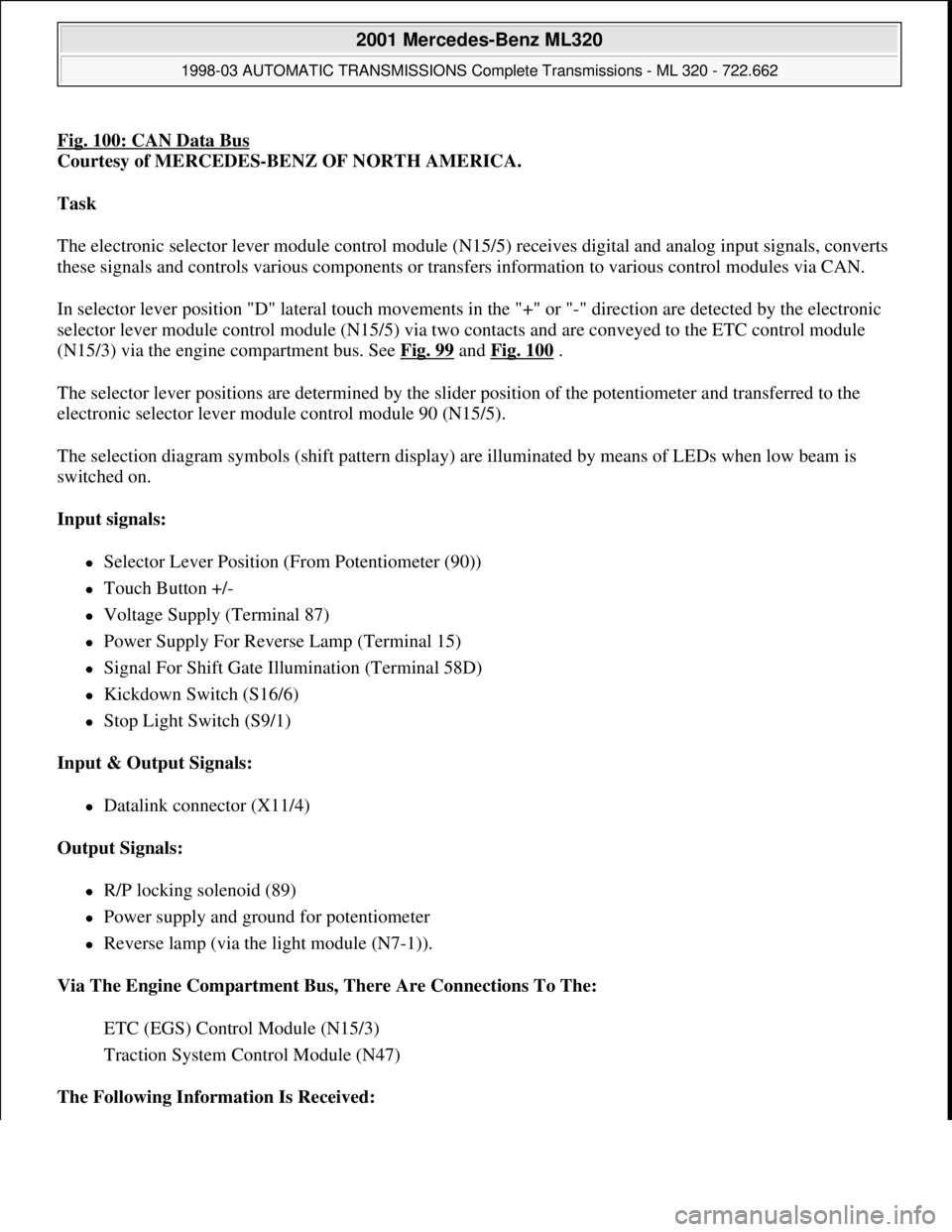
Fig. 100: CAN Data Bus
Courtesy of MERCEDES-BENZ OF NORTH AMERICA.
Task
The electronic selector lever module control module (N15/5) receives digital and analog input signals, converts
these signals and controls various components or transfers information to various control modules via CAN.
In selector lever position "D" lateral touch movements in the "+" or "-" direction are detected by the electronic
selector lever module control module (N15/5) via two contacts and are conveyed to the ETC control module
(N15/3) via the engine compartment bus. See Fig. 99
and Fig. 100 .
The selector lever positions are determined by the slider position of the potentiometer and transferred to the
electronic selector lever module control module 90 (N15/5).
The selection diagram symbols (shift pattern display) are illuminated by means of LEDs when low beam is
switched on.
Input signals:
Selector Lever Position (From Potentiometer (90))
Touch Button +/-
Voltage Supply (Terminal 87)
Power Supply For Reverse Lamp (Terminal 15)
Signal For Shift Gate Illumination (Terminal 58D)
Kickdown Switch (S16/6)
Stop Light Switch (S9/1)
Input & Output Signals:
Datalink connector (X11/4)
Output Signals:
R/P locking solenoid (89)
Power supply and ground for potentiometer
Reverse lamp (via the light module (N7-1)).
Via The Engine Compartment Bus, There Are Connections To The:
ETC (EGS) Control Module (N15/3)
Traction System Control Module (N47)
The Following Information Is Received:
2001 Mercedes-Benz ML320
1998-03 AUTOMATIC TRANSMISSIONS Complete Transmissions - ML 320 - 722.662
me
Saturday, October 02, 2010 3:15:27 PMPage 173 © 2006 Mitchell Repair Information Company, LLC.
Page 1452 of 4133

The aim of using the torque converter lockup clutch is to reduce the fuel consumption and exhaust gas
emissions of the vehicle by reducing torque converter slip. See Fig. 159
. This stands in contradiction to the ride
comfort demands made on the drive train with regard to its vibration behavior. The task of the electronic
transmission control is therefore to close the clutch in all driving situations relevant to fuel consumption, if
possible, and ensure that the engine vibrations are isolated from the drive train.
The characteristic curves shown in the diagram illustrate the different operating states of the torque converter
lockup clutch in relation to the accelerator pedal position and transmission output speed, plotted for one
transmission gear.
In addition to the evaluation of these characteristics, the status of the torque converter lockup clutch is also
determined by other variables.
Variables influencing the states of the torque converter lockup clutch:
Accelerator Pedal Movement
Uphill And Down Hill Gradients
Transmission Shift Functions
ATF Temperature
Durability Requirements
Load Condition
Engine Control Influences
Torque Converter Lockup Clutch Control Pressure, Function
See TORQUE CONVERTER LOCKUP CLUTCH CONTROL PRESSURE, FUNCTION
.
Torque Converter Lockup Clutch Control Pressure, Function
Apart from extreme states of open or closed, it is possible to operate the torque converter lockup clutch with
preset slip speeds. To enable this variable control pressure must be applied to the torque converter lockup clutch
regulating valve.
The torque converter lockup clutch control pressure is adapted to each operating state via the pulse-width
modulated torque converter lockup solenoid valve (Y3/6y6) which is actuated by the ETC control unit (N15/3).
Torque Converter Lockup Clutch PWM Solenoid Valve, Location/Task/Design/Function
See LOCATION/TASK/DESIGN/FUNCTION OF PWM SOLENOID VALVE, TORQUE
CONVERTER LOCKUP CLUTCH.
Torque Converter Lockup Clutch, Location/Task/Design/Function
See TORQUE CONVERTER LOCK
-UP CLUTCH, LOCATION/TASK/DESIGN/FUNCTION.
Torque Converter Lockup Clutch Regulating Valve, Location/Task/Function
2001 Mercedes-Benz ML320
1998-03 AUTOMATIC TRANSMISSIONS Complete Transmissions - ML 320 - 722.662
me
Saturday, October 02, 2010 3:15:29 PMPage 283 © 2006 Mitchell Repair Information Company, LLC.
Page 1465 of 4133
The aim of using the torque converter lockup clutch is to reduce the fuel consumption and exhaust gas
emissions of the vehicle by reducing torque converter slip. See Fig. 165
. This stands in contradiction to the ride
comfort demands made on the drive train with regard to its vibration behavior. The task of the electronic
transmission control is therefore to close to the clutch in all driving situations relevant to fuel consumption, if
possible, and ensure that the engine vibrations are isolated from the drive train.
The characteristic curves shown in the diagram illustrate the different operating states of the torque converter
lockup clutch in relation to the accelerator pedal position and transmission output speed, plotted for one
transmission gear.
In addition to the evaluation of these characteristics, the status of the torque converter lockup clutch is also
determined by other variables.
Variables influencing the states of the torque converter lockup clutch:
Accelerator Pedal Movement
Uphill And Down Hill Gradients
Transmission Shift Functions
ATF Temperature
Durability Requirements
Load Condition
Engine Control Influences
Torque Converter Lockup Clutch Control Pressure, Function
See TORQUE CONVERTER LOCKUP CLUTCH CONTROL PRESSURE, FUNCTION
.
REMOVE/INSTALL TRANSFER CASE
Remove/Install
2001 Mercedes-Benz ML320
1998-03 AUTOMATIC TRANSMISSIONS Complete Transmissions - ML 320 - 722.662
me
Saturday, October 02, 2010 3:15:30 PMPage 296 © 2006 Mitchell Repair Information Company, LLC.
Page 1522 of 4133
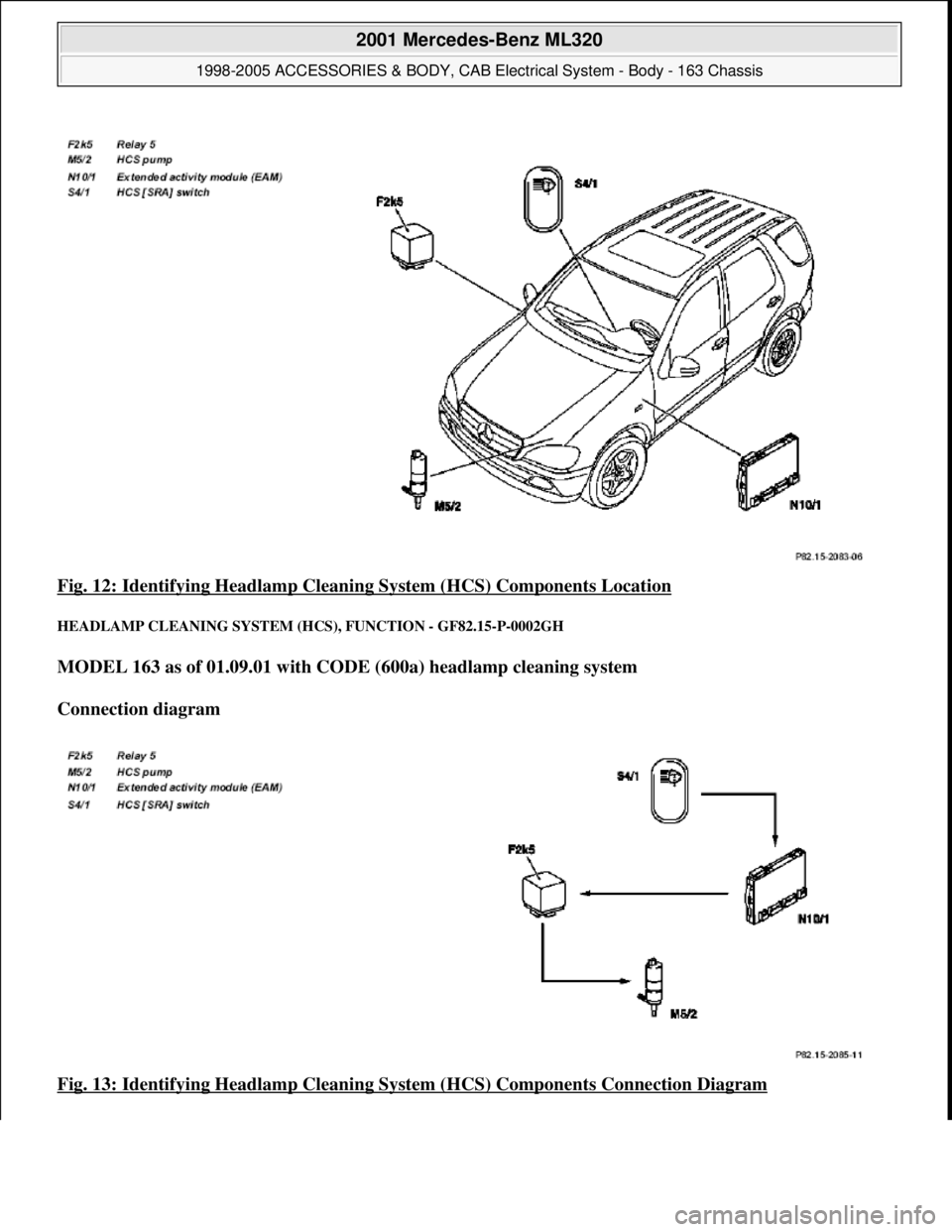
Fig. 12: Identifying Headlamp Cleaning System (HCS) Components Location
HEADLAMP CLEANING SYSTEM (HCS), FUNCTION - GF82.15-P-0002GH
MODEL 163 as of 01.09.01 with CODE ( 600a) headlamp cleaning system
Connection diagram
Fig. 13: Identifying Headlamp Cleaning Sy stem (HCS) Components Connection Diagram
2001 Mercedes-Benz ML320
1998-2005 ACCESSORIES & BODY, CAB Electr ical System - Body - 163 Chassis
me
Saturday, October 02, 2010 3:30:04 PMPage 27 © 2006 Mitchell Repair Information Company, LLC.
Page 1564 of 4133
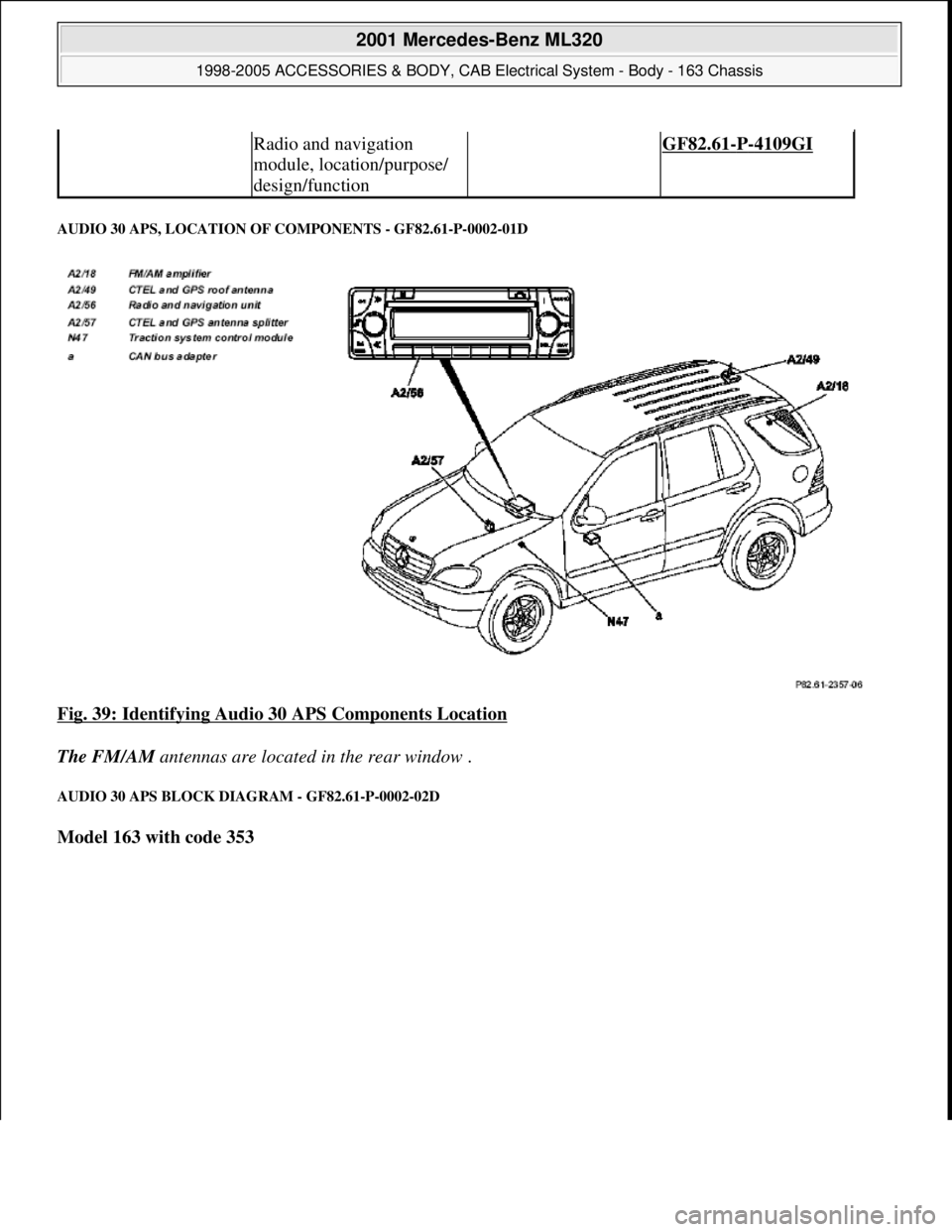
AUDIO 30 APS, LOCATION OF COMPONENTS - GF82.61-P-0002-01D
Fig. 39: Identifying Audio 30 APS Components Location
The FM/AM antennas are located in the rear window .
AUDIO 30 APS BLOCK DIAGRAM - GF82.61-P-0002-02D
Model 163 with code 353
Radio and navigation
module, location/purpose/
design/function GF82.61-P-4109GI
2001 Mercedes-Benz ML320
1998-2005 ACCESSORIES & BODY, CAB Electrical System - Body - 163 Chassis
me
Saturday, October 02, 2010 3:30:05 PMPage 69 © 2006 Mitchell Repair Information Company, LLC.
Page 1565 of 4133
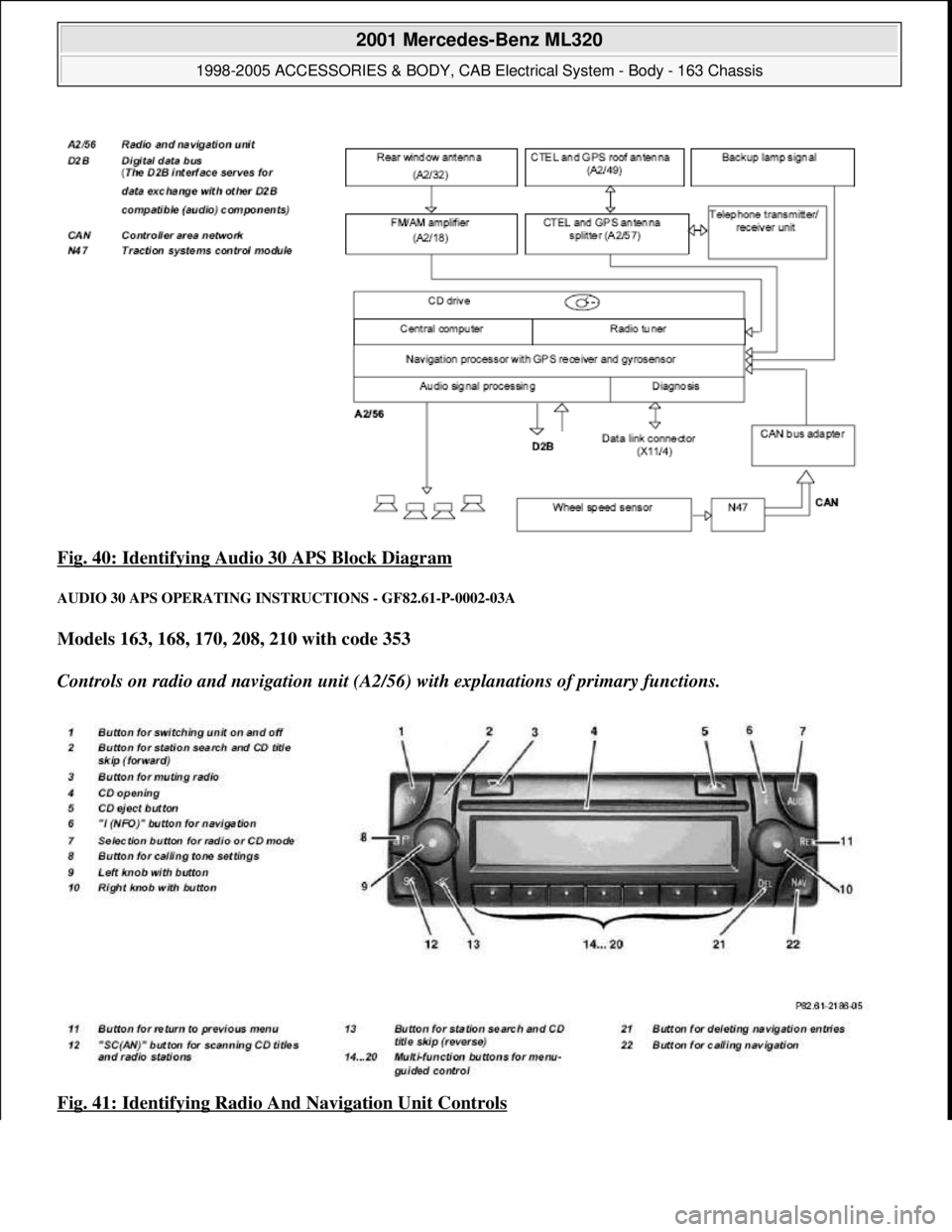
Fig. 40: Identifying Audio 30 APS Block Diagram
AUDIO 30 APS OPERATING INST RUCTIONS - GF82.61-P-0002-03A
Models 163, 168, 170, 208, 210 with code 353
Controls on radio and navigation unit (A2/56) with explanations of primary functions.
Fig. 41: Identifying Radio A nd Navigation Unit Controls
2001 Mercedes-Benz ML320
1998-2005 ACCESSORIES & BODY, CAB Electr ical System - Body - 163 Chassis
me
Saturday, October 02, 2010 3:30:05 PMPage 70 © 2006 Mitchell Repair Information Company, LLC.
Page 1569 of 4133
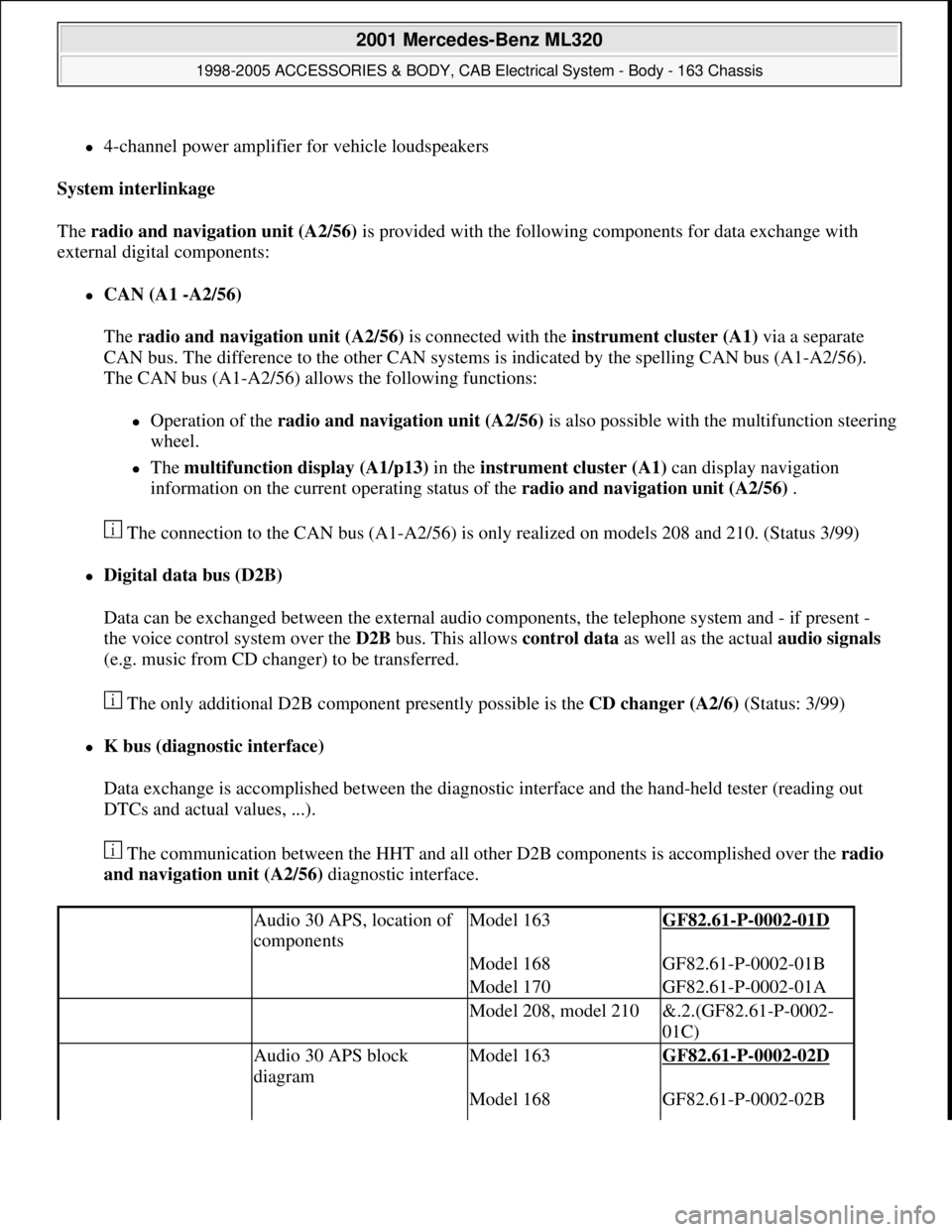
4-channel power amplifier for vehicle loudspeakers
System interlinkage
The radio and navigation unit (A2/56) is provided with the following components for data exchange with
external digital components:
CAN (A1 -A2/56)
The radio and navigation unit (A2/56) is connected with the instrument cluster (A1) via a separate
CAN bus. The difference to the other CAN systems is indicated by the spelling CAN bus (A1-A2/56).
The CAN bus (A1-A2/56) allows the following functions:
Operation of the radio and navigation unit (A2/56)is also possible with the multifunction steering
wheel.
The multifunction display (A1/p13) in the instrument cluster (A1) can display navigation
information on the current operating status of the radio and navigation unit (A2/56) .
The connection to the CAN bus (A1-A2/56) is only realized on models 208 and 210. (Status 3/99)
Digital data bus (D2B)
Data can be exchanged between the external audio components, the telephone system and - if present -
the voice control system over the D2B bus. This allows control data as well as the actual audio signals
(e.g. music from CD changer) to be transferred.
The only additional D2B component presently possible is the CD changer (A2/6) (Status: 3/99)
K bus (diagnostic interface)
Data exchange is accomplished between the diagnostic interface and the hand-held tester (reading out
DTCs and actual values, ...).
The communication between the HHT and all other D2B components is accomplished over the radio
and navigation unit (A2/56) diagnostic interface.
Audio 30 APS, location of
componentsModel 163GF82.61-P-0002-01D
Model 168GF82.61-P-0002-01B
Model 170GF82.61-P-0002-01A
Model 208, model 210&.2.(GF82.61-P-0002-
01C)
Audio 30 APS block
diagramModel 163GF82.61-P-0002-02D
Model 168GF82.61-P-0002-02B
2001 Mercedes-Benz ML320
1998-2005 ACCESSORIES & BODY, CAB Electrical System - Body - 163 Chassis
me
Saturday, October 02, 2010 3:30:05 PMPage 74 © 2006 Mitchell Repair Information Company, LLC.