brake AUDI A3 SEDAN 2018 Repair Manual
[x] Cancel search | Manufacturer: AUDI, Model Year: 2018, Model line: A3 SEDAN, Model: AUDI A3 SEDAN 2018Pages: 404, PDF Size: 62.3 MB
Page 362 of 404
Emergency assistance
Emergency assistance
Trunk escape latch
Applies to: vehicles with trunk escape latch (Sedan and Cab
r io let)
In case of an emergency , the rear lid can be
opened from the inside using the trunk escape
latch.
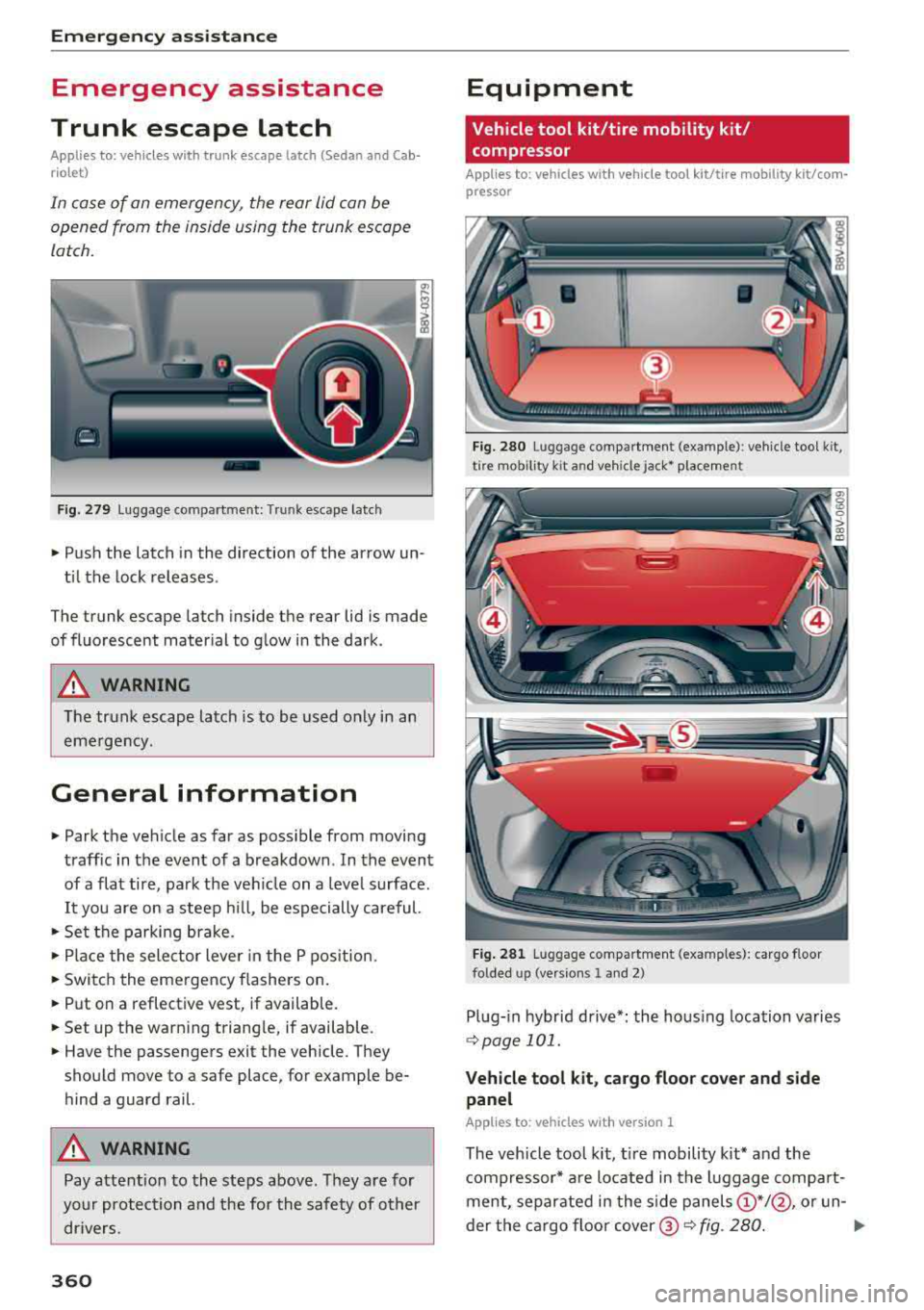
Fig. 279 L uggage co mpar tment: T runk esc ape latch
• Push the latch in the direction of the arrow un
til the lock releases .
The trunk escape latch inside the rear lid is made
of fluorescent material to glow in the dark .
_&. WARNING
The trunk escape latch is to be used only in an
emergency.
General information
• Park the vehicle as far as possible from moving
traff ic in the event of a breakdown . In the event
of a flat tire , park the vehicle on a leve l surface.
It you are on a steep hill, be especially careful.
• Set the parking brake.
• Place the selector lever in the P pos ition.
• Switch the emergency flashers on.
• Put on a reflective vest, if available.
• Setup the warning triangle, if available.
• Have the passengers exit the vehicle. They
should move to a safe place, for example be
hind a guard rail.
_&. WARNING
Pay attention to the steps above . They are for
your protection and the for the safety of other
dr ivers .
360
Equipment
Vehicle tool kit/tire mobility kit/
compressor
Applies to: vehicles wi th vehicle tool kit/tire mobility kit/com
pressor
Fig. 280 L u ggage compartment (ex ample): ve hicle tool kit,
tire mob ility k it a nd vehicle jack* placemen t
Fig. 281 Lug gage compartment (examp les ): cargo floor
fo lded up (ver sions 1 and 2)
Plug-in hybrid drive*: the hous ing location varies
~ page 101.
Vehicle tool k it , cargo floor cover and side
panel
Applies to: vehicles with version 1
The vehicle tool kit, tir e mobility kit* and the
compressor* are located in the luggage compart
ment, separated in the s ide
panels @*/@ , or un-
der the cargo floor cover @¢
fig. 280. II>-
Page 363 of 404
LL co ..... N
" N ..... 0 N > co
"To open the side panel, turn the lock and re
move the cover
unt il the cargo floor engages beh ind the tabs
@ in both s ide panels¢ fig. 281 (upper im
age) .
" Fold the cargo floor back befo re closing the
luggage compartment lid .
Veh icle tool kit and cargo floor co ve r
App lies to: ve hicles with vers ion 2
The vehicle tool kit, tire mobility kit* and com
pressor* are stored in the luggage compartment
u nder the cargo floor
cover @¢ fig. 280.
"Engage the plastic hook ® in the luggage com-
partment
seal ¢ fig. 281.
" Fold the cargo floor back before closing the
luggage compartment lid .
..&, WARNING
Applies to: vehicles w ith jack
Improper use of the vehicle jac k can ca use se
rious personal injuries.
- Never use the screw drive r hex head to
t ighten whee l bolts, since the bolts cannot
attain the necessary tightening torque if you
use the hex head, potentially causing an ac
cident.
-The factory -supplied jack is intended only
for your vehicle model. Under no circum
stances should it be used to lift heavy
vehicles or other loads; you r isk injuring
yourself.
-Never start the engine when the vehicle is
ra ised, which could cause a n accident.
-Support the veh icle secure ly with appropri
ate stands if work is to be performed under
neath the vehicle; otherwise, there is a po
tent ial risk for injury .
-Never use the jack supplied with your Audi
on another vehicle, particularly on a heav ier
one . The jack is only suitable for use on the
vehicl e it came w ith.
@ Tips
The vehicle jack* in your vehicle is mainte
nance-free.
Em ergen cy as sis tanc e
Tire mobility kit
Preparation
Applies to: veh icles w it h tire mob ility kit
" Read and follow the important safety precau-
tions i n
¢page 360.
"Se t the park ing brake.
" Move the selector lever into the P position .
"Check if a repair with the tire mobi lity kit is pos -
sible
¢ page 361.
Using the tire mobility kit
Applies to: veh icles w it h tire mob ility kit
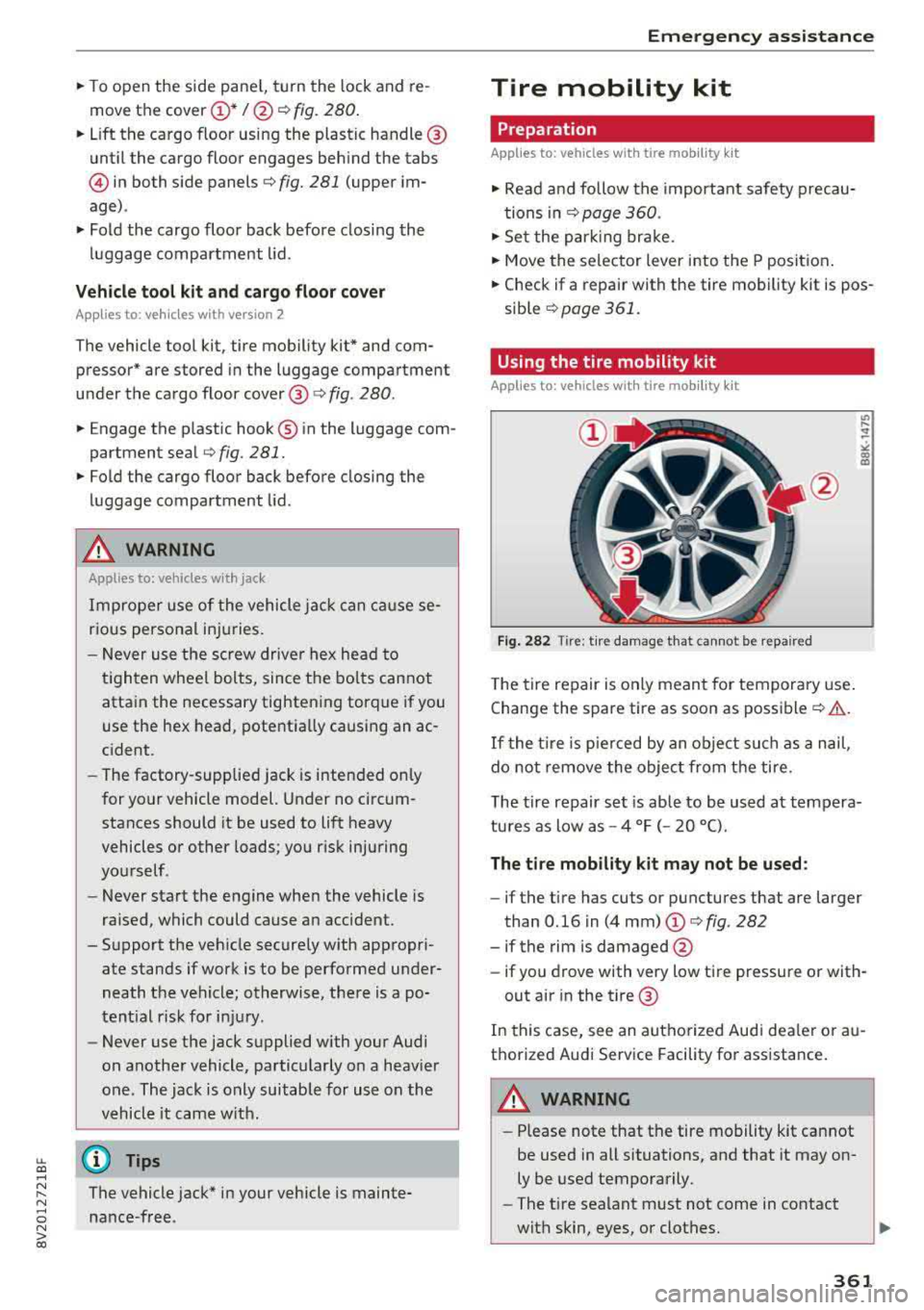
Fig. 282 Tire : tire damage t hat cannot be repaired
The tire repair is only meant for temporary use .
Change the spare tire as soon as
possible¢ &.
If the t ire is p ie rced by an object su ch as a nail,
do not remove the objec t from t he tire.
The tire repair set is able to be used at tempera
tures as low as -4 °F ( -20 °C) .
The tire mobility kit may not be us ed :
-if the t ire has cuts or punctures that are larger
than 0.16 in (4 mm)
(D ¢ fig. 282
-if the rim is damaged @
-if you drove with very low tire pressure or with-
out air in the tire @
In this case, see an authorized Aud i dea ler o r au
thorized Audi Serv ice Facility for ass istance.
.&_ WARNING
-Please note that the tire mobility kit cannot
be used in all situations, and that it may on
ly be used temporarily .
-The tire sealant must not come in contact
with skin, eyes, or clothes.
361
Page 365 of 404
u. 00 .-< N l' N .-< 0 N > 00
A WARNING
-Read and follow the manufacturer's safety
precautions o n the compressor and in th e
in structions on t he bottle of sealant .
- If a tire pressure of 29 ps i (200 kPA) cannot
r e ached after inflating for 6 minutes, then
the tire is too severely damaged . Do not
continue d riving.
- If the t ire cannot be repaired with the tire
sealant, see an authorized Audi dealer or au
tho rized Aud i Serv ice Facility for ass istance.
(D Tips
Do not operate the compressor for more than
six m inutes continuously, or it can overheat.
Once the compressor has coo led, you can con
tinue to use it.
Completing
Applies to: vehicles with tire mobility kit
.,. Affix the st icke r that says "max . S O mph (max .
80 km/h)" that is provided with the tire mobili
ty kit within the driver's field of vision .
.,. Stop the vehicle after driving for about 10 mi
nutes and check the tire pressure.
.,. If the t ire pressure is lower than 19 ps i (130
kPA), then the tire is too severely damaged. Do
not cont inue driving.
A WARNING
Pay attent ion to the following after repair ing
the ti re:
- Do not drive faster than SO mph (80 km/h) .
- Avoid hard acceleration, brak ing sharp ly,
and fast cornering.
- The veh icle may become more diff icult to
control.
- If the t ire is too severely damaged, see an
authorized Audi dealer or authorized Aud i
Service Facility for assistance .
@ For the sake of the environment
You can give the used t ire sealant bottle to an
author ized Audi dealer or authorized Audi
Serv ice Facility for disposal.
Em ergenc y ass is tanc e
(D Tips
Remember to obtain a new bott le of sealant
from an authorized A udi dealer or authorized
Audi Service Fac ility after repairing a tire.
Replacing wheels
Before changing a wheel
Observe the following precautions for your own
and your passenger's safety when changing a wheel.
.,. After you experience a t ire failure, pull the car
we ll away from moving traffic and try to reach
level grou nd befo re yo u stop ¢&, .
.,. All passengers should leave the car and move
t o a safe location ( for ins tance, behind the
gua rdrail) ¢&, .
.,. Engage the pa rking brake to prevent your vehi
cle from rolling unintentiona lly ¢
_A .
.,. Move selector le ver to position P ¢ _A .
... Jfyou are towing a trai ler, unhitch the trailer
from your vehicle.
.,. Take the jack ~ page 360 and the sp a re tire
ca:;, page 369 out of the luggage compartment .
A WARNING
You or you r passengers could be injure d while
ch anging a whee l if you do no t follow these
safety precaut ions :
- If you have a fla t tire, move a safe dis tance
off the road. Turn off the eng ine, turn the
emergency flashers on and use other warn
ing devices to alert other motorists.
- Make sure that passenge rs wait in a safe
p lace away from the vehicle and well away
from the road and traffic.
- To help preven t the vehicle from moving
suddenly and possib ly slipping off the jack,
always fully set the park ing brake and bloc k
the front and back of the wheel diagonally
opposite the wheel being changed. When
one front wheel is lifted off the ground,
p lacing the Au toma tic Transmission in P
(Park) will
not prevent the vehicle from
mov ing.
363
Page 368 of 404
Emergency assistance
Raising the vehicle
The vehicle must be li~ed with the jack first be
fore the wheel can be removed.
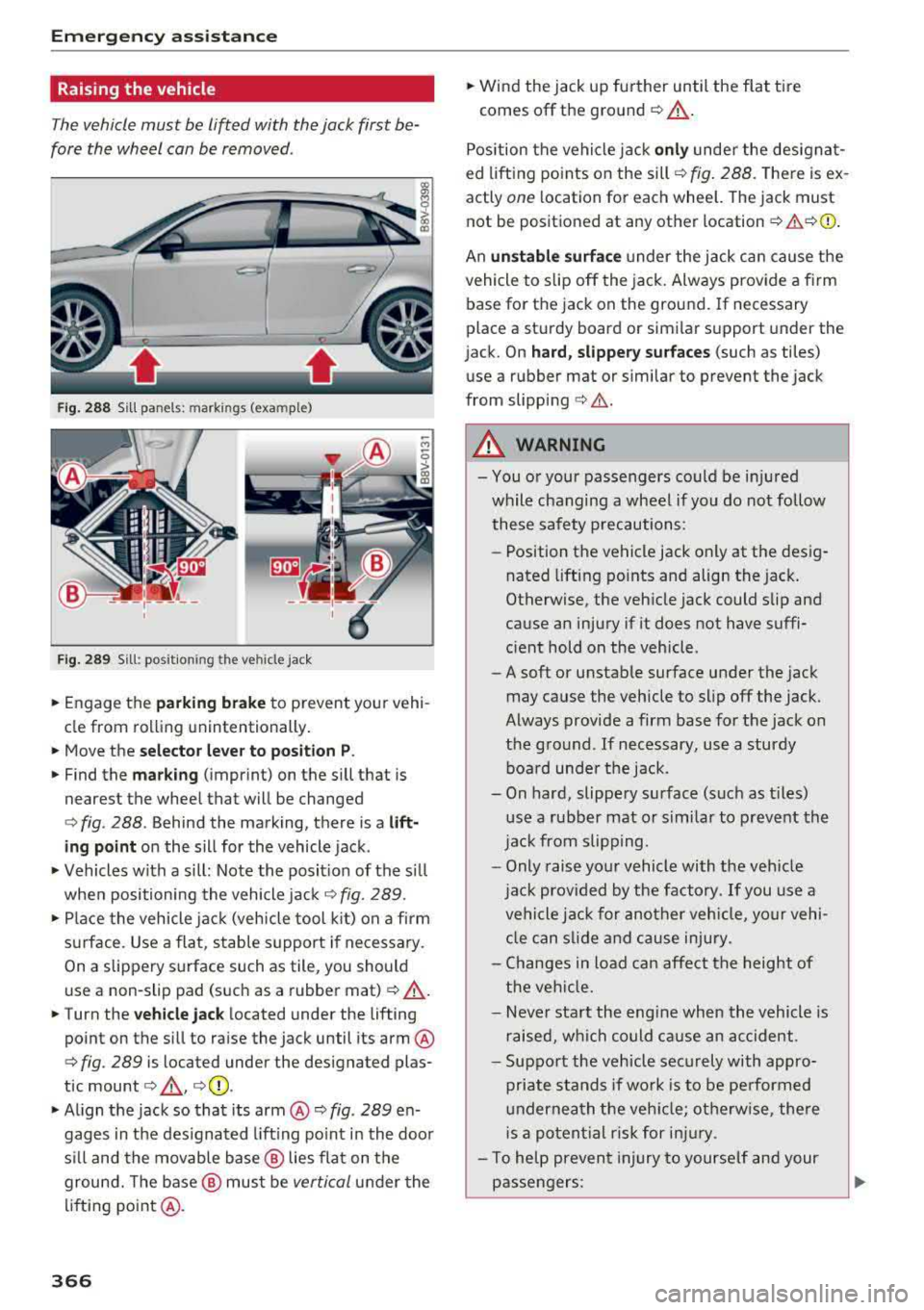
Fig. 288 Sill panels : mark in gs (exa mple)
Fig. 289 Sill : positio nin g th e ve hicle jack
,.. Engage the parking brake to prevent your vehi
cle from rolling unintentionally.
,.. Move the selector lever to position P.
,.. Find the marking (imprint) on the sill that is
nearest the wheel that will be changed
c> fig . 288 . Behind the marking, there is a lift
ing point on the sill for the vehicle jack.
,.. Vehicles with a sill: Note the position of the sill
when positioning the vehicle jack
c::> fig. 289.
,.. Place the vehicle jack (vehicle tool kit) on a firm
surface. Use a flat, stable support if necessary.
On a slippery surface such as tile, you should
use a non-slip pad (such as a rubber mat)
c::> ,&..
,.. Turn the vehicle jack located under the lifting
point on the sill to raise the jack until its arm @
c> fig. 289 is located under the designated plas
tic mount
c::> ,& , c::>G) .
,.. Align the jack so that its arm@ c::> fig. 289 en
gages in the designated lifting point in the door
sill and the movable base @ lies flat on the
ground. The base @ must be
vertical under the
lifting point @.
366
,.. Wind the jack up further until the flat tire
comes off the ground
c::> ,&. .
Position the vehicle jack only under the designat
ed lifting points on the sill
c::>fig. 288. There is ex
actly
one location for each wheel. The jack must
not be positioned at any other location
c::> & c::>(I) .
An unstable surface under the jack can cause the
vehicle to slip off the jack. Always provide a firm
base for the jack on the ground. If necessary
place a sturdy board or similar support under the
jack. On
hard, slippery surfaces (such as tiles)
use a rubber mat or similar to prevent the jack
from slipping
c::> & .
A WARNING -
-You or your passengers could be injured
while changing a wheel if you do not follow
these safety precautions :
-Position the vehicle jack only at the desig
nated lifting points and align the jack.
Otherwise, the vehicle jack could slip and
cause an injury if it does not have suffi
cient hold on the vehicle .
-A soft or unstable surface under the jack
may cause the vehicle to slip off the jack.
Always provide a firm base for the jack on
the ground . If necessary, use a sturdy
board under the jack.
-On hard, slippery surface (such as tiles)
use a rubber mat or similar to prevent the
jack from slipping.
-Only raise your vehicle with the vehicle
jack provided by the factory. If you use a
vehicle jack for another vehicle, your vehi
cle can slide and cause injury.
-Changes in load can affect the height of
the vehicle.
-Never start the engine when the vehicle is
raised, which could cause an accident.
-Support the vehicle securely with appro
priate stands if work is to be performed
underneath the vehicle; otherwise, there
is a potential risk for injury .
-To help prevent injury to yourself and your
passengers:
Page 369 of 404
LL co .... N
" N .... 0 N > co
-Do not raise the v ehicl e until you are sure
the jack is securely engaged .
- Passengers must not rema in in the vehicle
when it is jacked up.
- Make sure that passengers wait in a safe
p lace away from the vehicle and well away
from the road and traff ic.
- Make sure jack position is correct, adjust
as necessary and then cont inue to raise
the jack.
CD Note
Do not li ft the vehicle by the sill. Position the
vehicle jack on ly at the designated lifting
points on the sil l. Otherwise, your vehicle will
be damaged.
Taking the wheel off/installing the spare
Follow th ese instructions st ep-by-step for chang
ing the wheel .
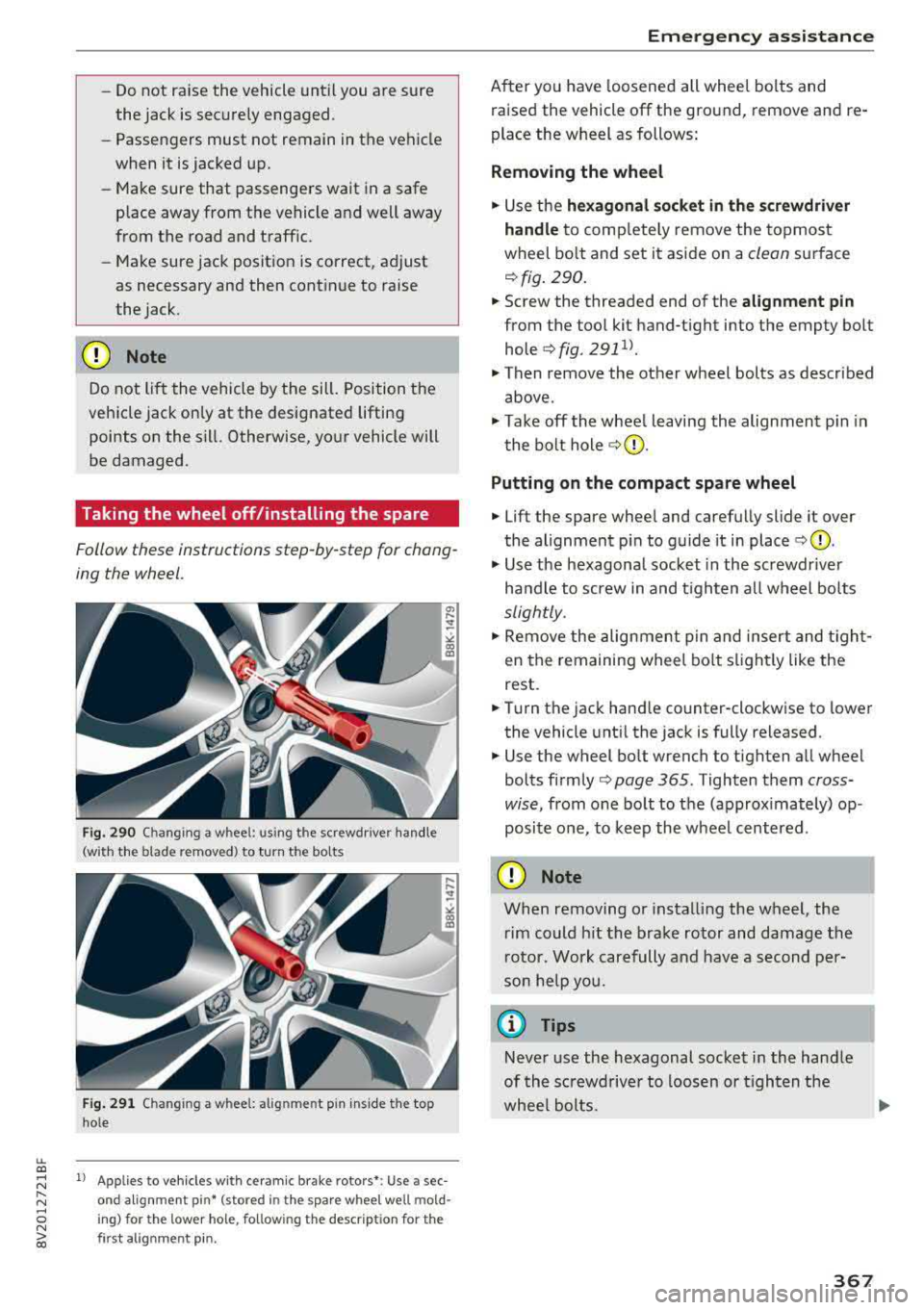
Fig . 2 90 Ch angin g a w hee l: u sin g th e screwdr ive r ha ndle
(with t he bla de remo ved} t o turn t he bolts
F ig. 291 C h anging a w hee l: ali gnm en t pi n in side the to p
h ol e
1l Appli es to veh icles with ceram ic br ake rot ors•: Use a sec
on d alig nme nt pin * (sto re d in t he s pare w hee l we ll mo ld
ing} for the lo w er hole , fo ll o w ing the de scr ip tion for t he
firs t alig nmen t pin .
Em ergen cy as sis tanc e
After you have loosened all whe el bo lts and
raised the vehicle off the gro und, remove and re
place the wheel as follows:
Removing the wheel
.,. Use the hexagonal socket in the screwdriver
handle
t o comp letely remove the topmost
wheel bo lt and set i t aside on a
clean su rface
r=> fig. 290.
.,. Screw the threaded end of the alignment pin
from the too l kit hand-tight into the empty bo lt
hole
c> fig . 2911>.
.,. Then remove the other wheel bolts as descr ibed
above .
.,. Take off the whee l leaving the alignment p in in
the bolt hole
~ 0-
Putting on the comp act spare wheel
.,. Lift the spare wheel and carefully slide it over
the alignment p in to guide it in
place r=>@.
.,. Use the hexagonal socket in the screwdr iver
ha ndle to screw in and t igh ten all wheel bolts
slightly .
.,. Remove the alignmen t pin and insert and t igh t
en the remaining wheel bo lt s light ly like the
rest .
.,. Tu rn the jack hand le counter-clockwise to lowe r
the vehicle until the jack is fully released .
.,. Use the wheel bolt wrench to tighten a ll wheel
bolts firmly
c> page 365 . Tighten them cross
wise,
from one bo lt to the (approx imately) op
posite one , to keep the wheel centered .
CD Note
When removing or installing the wheel , the
r im could h it the brake rotor and damage the
r otor. Work carefully and have a second per
son help you.
@ Tips
Never use the hexagonal socket in the handle
of the sc rewdrive r to loosen or t ighten the
whee l bolts.
367
Page 374 of 404
Fuses and bulbs
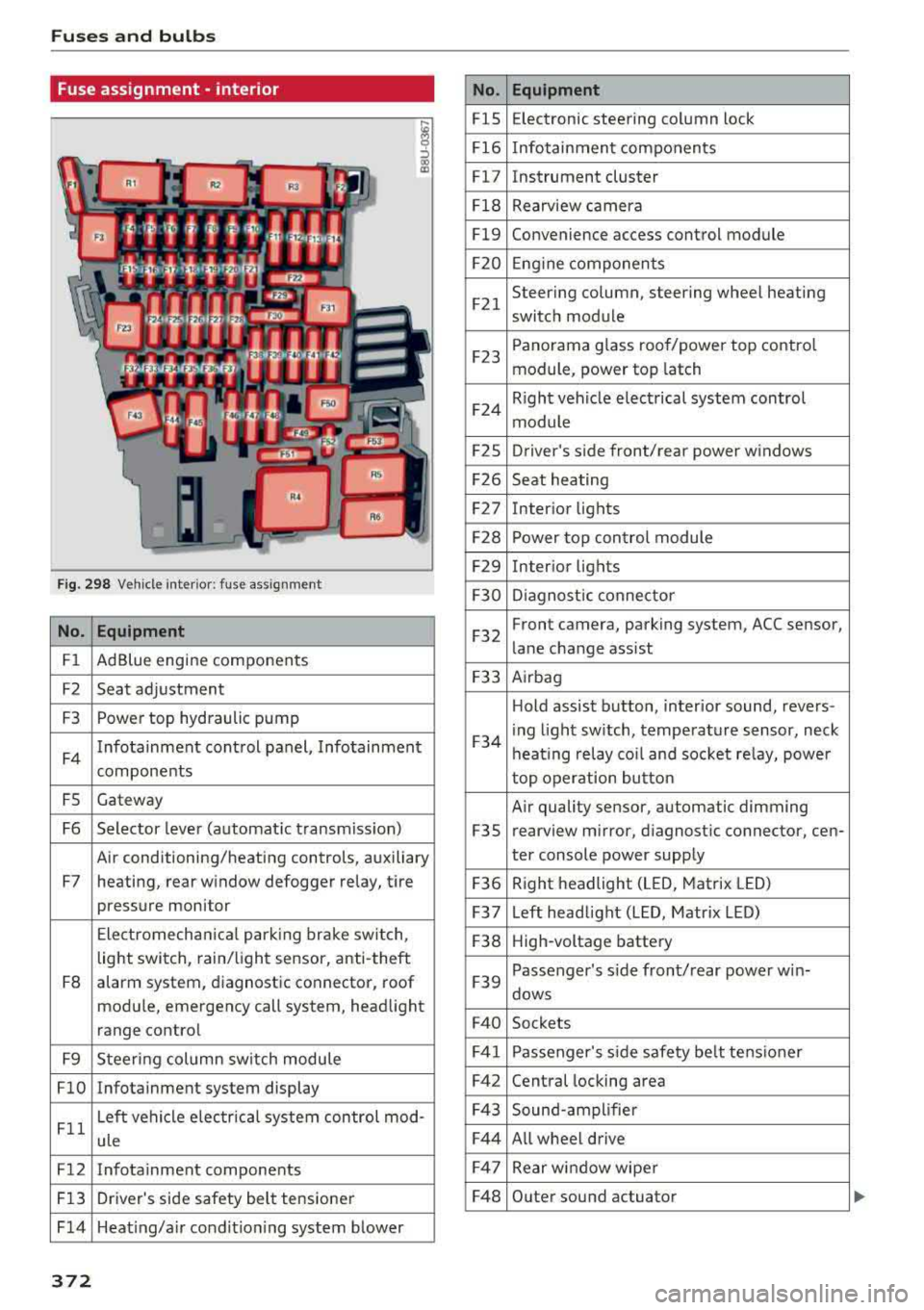
Fuse ass ignment - interior
ij
::, CX) ID
F ig. 298 Vehicle interior: fuse assignment
No. Equipment
Fl Ad Blue engine components
F2 Seat adjustment
F3 Power top hydraulic pump
F4 Infotainment control panel,
Infotainment
components
FS Gateway
F6 Selector lever (automat ic transm iss ion)
Air conditioning/heating controls, auxiliary
F7 heating, rear window defogger relay, tire pressure monitor
Electromechan ical park ing brake switch,
light switch, rain/light sensor, anti-theft
F8 alarm system,
diagnostic connector, roof
module, emergency call system, head light
range control
F9 Steering col umn sw itch module
FlO Infotainment system display
Fll Left vehicle electrica
l system control mod-
ule
F12 Infotainment components
F13 Driver's side safety belt tensioner
F 14 Heat ing/a ir condit ion ing system blower
372
No . Equipment
FlS Electronic
steering column lock
F16 Infotainment components
Fl7 Instrument cluster
Fl8 Rearview camera
Fl9 Convenience access control module
F20 Engine components
F21 Steering column, steering wheel heating
switch module
F23 Panorama glass
roof/power top control
module, power top latch
F24 R
ight vehicle electrical system control
module
F2S Driver
's side front/rear power windows
F26 Seat heating
F27 Interior
lights
F28 Power top control module
F29 Interior lights
F30 Diagnostic connector
F32 Front camera, parking
system, ACC sensor,
lane change assist
F33 Airbag
Hold assist button, interior sound, revers-
F34 i
ng light sw itch, temperature sensor, neck
heating relay coil and socket relay, power
top operation button
Air quality sensor, automatic dimming
F3S rearview
mirror, diagnostic connector, cen-
ter console power supply
F36 Right
headlight (LED, Matrix LED)
F37 Left headlight (LED, Matrix LED)
F38 High-voltage battery
F39 Passenger
's side front/rear power w in-
dows
F40 Sockets
F41 Passenger's sid e safe ty be lt tens ioner
F42 Central locking area
F43 Sound-amplifier
F44 All wheel drive
F47 Rear window wiper
F48 Outer sound actuator
Page 375 of 404
LL co .... N
" N .... 0 N > co
No. Equipment
F49 Clutch sensor (relay 1+2),
high-voltage
battery, power electronics
F52 Control module for suspension control
F53 Rear window defogger
The power seats* are protected via
circuit break
ers
that automatically switch on after a few sec
onds after the overload has been reduced.
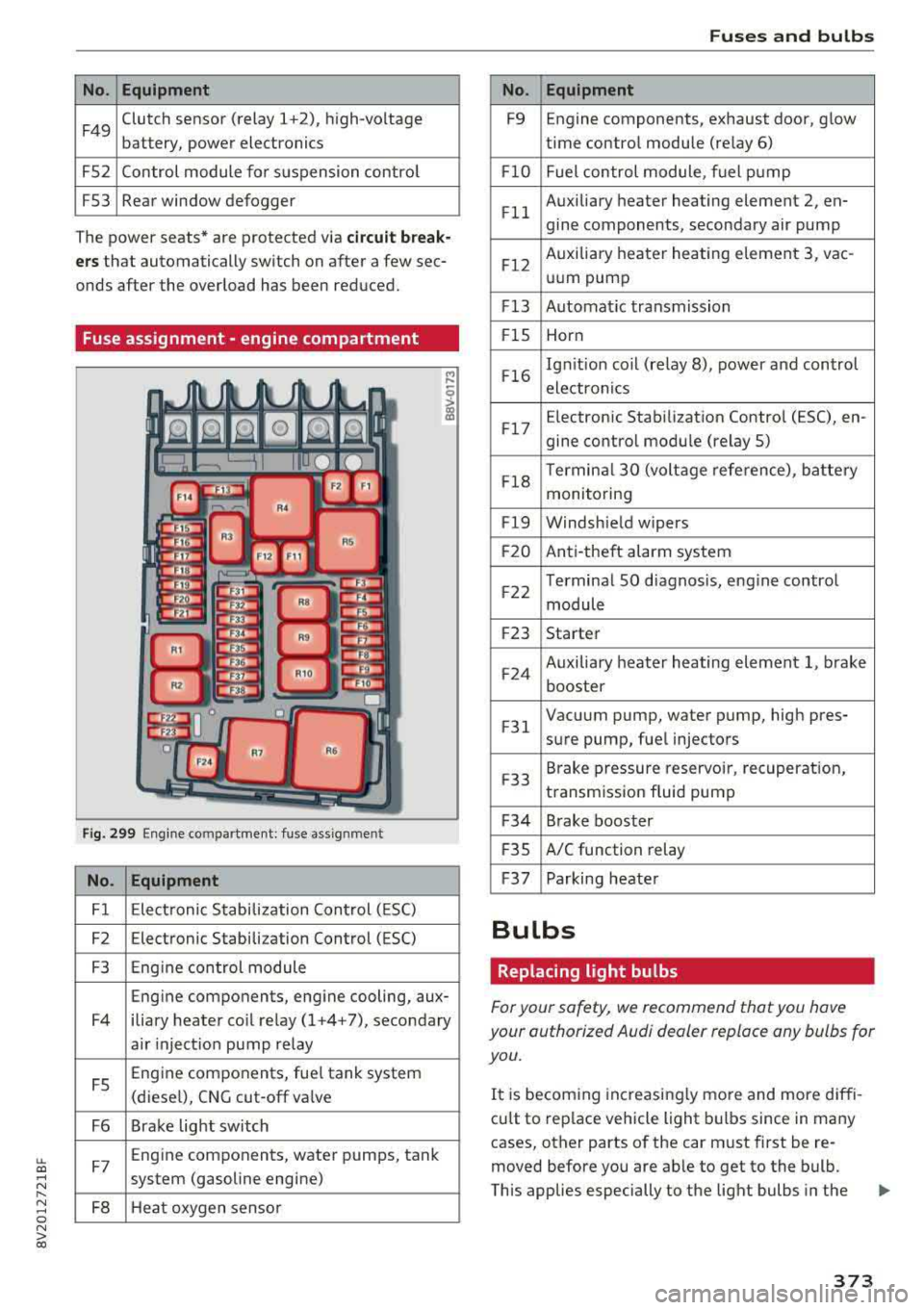
Fuse assignment -engine compartment
Fig. 299 Engine compartme nt: fuse assignment
No. Equipment
Fl Electronic Stabilization Control (ESC)
F2 Electronic Stabilization Control (ESC)
F3 Engine control module
Eng ine components, engine cooling, aux-
F4 iliary heater co il relay (1+4+7), secondary
air inject ion pump relay
FS Engine components, fue
l tank system
(diesel), CNG cut-off va lve
F6 Brake light switch
F7 Eng
ine components, water pumps, tank
system (gasoline engine)
FB Heat oxygen sensor
Fuses and bulbs
No. Equipment
F9 Engine
components, exhaust door, glow
time control module (relay 6)
F lO Fuel control module, fuel pump
F ll Auxiliary
heater heating element 2, en-
gine components, secondary air pump
F12 Auxiliary
heater heating element 3, vac-
uum pump
F13 Automat ic transmission
F lS Horn
F16 Ign
it ion coil (relay 8), power and control
electronics
F17 E
lectroni c Stabilization Control (ESC), en-
gine control module (relay S)
F18 Terminal
30 (voltage reference), battery
monitoring
Fl9 Windshield wipers
F20 Anti-theft alarm system
F22 Terminal
SO diagnos is, engine control
module
F23 Starter
F24 Auxiliary
heater heating element 1, brake
booster
F 31 Vacuum pump, water pump, high pres-
sure pump, fuel injectors
F33 Brake
pressure reservoir, recuperation,
transmission fluid pump
F34 Brake booster
F 35 A/C function
relay
F37 Parking heater
Bulbs
Replacing light bulbs
For your safety, we recommend that you have
your authorized Audi dealer replace any bulbs for
you.
It is becom ing increasingly more and more diffi
cu lt to replace vehicle light bulbs since in many
cases, other parts of the car must first be re
moved before you are ab le to get to the bulb.
This applies especially to the light bulbs in the
373
Page 377 of 404
u. 00 .-< N l' N .-< 0 N > 00
Emergency situations
General
This chapter is intended for trained emergency
crews and working personnel who have the nec
essary tools and equipment to perform these
operations.
Starting by pushing or
towing
~ Note
Vehicles with an automatic transmission can
not be started by pushing or towing.
Jump starting
Preparation
If needed, the engine can be jump started by an
other vehicle battery.
Applies to: vehicles with plug-in hybrid drive: the
connection points for the jump start cable are
different
q page 102.
If the engine does not start because the vehicle
battery is drained, you can jump start the engine
using another vehicle battery. You need a jump
start cable to do this.
Both vehicle batteries must have 12 V nominal
voltage . The voltage capacity (Ah) of the vehicle
battery that is giving power must not be less
than the capacity of the drained vehicle battery.
Jump start cable
Only use a jump start cable with a large enough
diameter. Note the manufacturer's specifica
tions .
Only use a jump start cable with insulated termi
nal clamps.
Positive cable - usually red .
Negative cable -usually black.
Emergency situations
A WARNING
--
- Applies to: vehicles with plug-in hybrid
drive: you must
not give a jump start with
your vehicle . This could cause significant
damage to the electrical system in your ve
hicle
Q page 102.
-A drained vehicle battery can freeze at tem
peratures around 0
Q(. If the vehicle battery
is frozen, you must thaw it before connect
ing the jump start cables. If you do not, this
increases the risk of an explosion and chem
ical burns. After jump starting the vehicle,
drive to an authorized Audi dealer or author
ized Audi Service Facility immediately to
have the vehicle battery checked.
- The engine compartment is a dangerous
area and can cause serious injuries. Before
working in the engine compartment, read
and follow the warnings
Qpage 318.
- Handling the jump start cables incorrectly
may cause the vehicle battery to explode
and lead to serious injuries . To reduce the
risk of injury, observe the following:
- Do not touch the non-insulated parts of the
terminal clamps. The cable must also not
come into contact with vehicle components
that conduct electricity when it is connected
to the positive terminal. This can cause a
short circuit.
- Route the jump start cables so they cannot
get caught in the moving parts in the engine
compartment.
- To reduce the risk of chemical burns, do not
bend over the vehicle battery.
- The locking bolts on the battery cells must
be tightened securely.
- Keep ignition sources (open flames, burning
cigarettes, etc.) away from the vehicle bat
teries to reduce the risk of an explosion.
- Do not clamp the negative cable to fuel sys tem components or to the brake lines.
(LlJ} Note
- There must be no contact between the
vehicles, If there is, current could already be
.,.
375
Page 378 of 404
Emergency situations
flowing when connecting the positive termi
nals and the vehicle battery in the vehicle
providing the jump start cou ld be drained.
- Jump start cables can cause considerab le
damage to the vehicle electrical system if
they are connected incorrectly.
- The drained vehicle battery must be con
nected correctly to the electrical system.
- P lease note that the connecting process de
scribed below for the jump start cables is in
tended for when your vehicle is being jump
started. If you are jump starting another ve
hicle, do not connect the negative cable to
the negat ive terminal( -) on the drained ve
hicle battery, but rather connect it to a large
metal component that is bolted securely to
the engine block, or to the engine block it
se lf. If the vehicle battery in the vehicle be
ing jump started is not vented to the out
side, there is a risk of explosion due to hy
drogen gas.
@ Tips
If a car phone is installed, switch it off or
check the operating guide for what to do in
this situation.
A3 models: starting the engine
Both jump start cables must be connected in the
correct order!
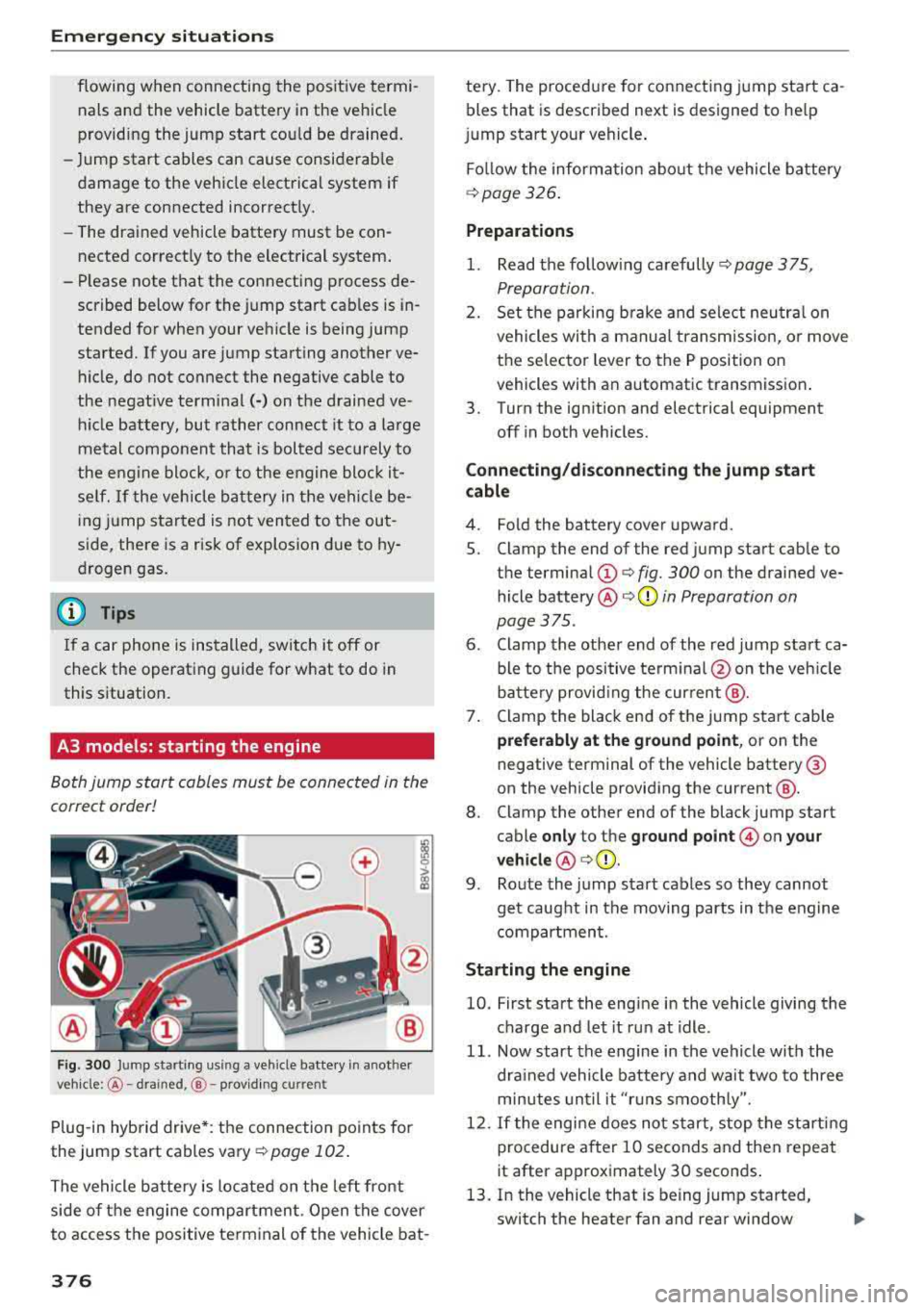
F ig. 300 Ju mp starting using a vehicle batte ry in anot her
vehicle :@ - dra ined, @- providing cu rrent
Plug-in hybrid drive *: the connection points for
the jump start cables vary Q
page 102.
The vehicle battery is located on the left front
side of the engine compartment . Open the cover
to access the positive terminal of the vehicle bat-
376
tery. The procedure for connecting jump start ca
bles that is described next is designed to help
j ump start your vehicle .
Follow the information about the vehicle battery
Qpage 326 .
Preparations
1. Read the following carefully ¢ page 375,
Preparation.
2. Set the parking brake and select neutral on
vehicles with a manual transmission, or move
the selector lever to the P position on
vehicles with an automatic transmission .
3. Turn the ignition and electrical equipment
off in both vehicles.
Connecting/disconnecting the jump start
cable
4. Fold the battery cover upward.
5. Clamp the end of the red jump start cable to
the termina l
(D ¢ fig. 300 on the drained ve
hicle
battery @Q(D in Preparation on
page
375 .
6. Clamp the other end of the red jump start ca
ble to the positive terminal @on the vehicle
battery providing the current @.
7. Clamp the black end of the jump start cab le
preferably at the ground point, or on the
negative terminal of the vehicle battery@
on the vehicle providing the current @.
8. Clamp the other end of the black jump start
cable
only to the ground point © on your
vehicle @Q(D .
9. Route the jump start cables so they cannot
get caught in the moving parts in the engine
compartment.
Starting the engine
10. First start the engine in the vehicle giving the
charge and let it run at idle.
11. Now start the engine in the vehicle with the
dra ined vehicle battery and wait two to three
minutes until it "r uns smoothly".
12. If the engi ne does not start, stop the starting
procedure after 10 seconds and then repeat
it after approximately 30 seconds .
13. In the vehicle that is being jump started, switch the heater fan and rear window
..,,
Page 379 of 404
LL co ..... N
" N ..... 0 N > co
defroster on to reduce any voltage peaks that may occur when disconnecting the jumper
cables. The headlights must be switched
off.
14. While the engines are running , remove the
cables in
reverse order from the way they
were installed, as described in ¢
page 3 76.
Make sure the cables do not get caught in
moving engine components .
15. Fold the cover back on the battery correct ly .
16. Sw itch the heater fan and rear w indow de
froster
off.
Read and fo llow: ¢.&. in Preparation on
page 375
and ¢ (j) in Preparation on page 375.
(D Note
Do not use the negat ive termina l on the veh i
cle battery for jump star ting. A malfunction
could occ ur in the vehicle electrical system.
@ Tips
- Make sure that the connected positive ter
mina l clamps have sufficient contact with
metal.
- The vehicle battery in your vehicle vents to the outs ide so the battery gases d rain out of
the veh icle.
RS model s: starting the engine
Both jump start cables must be connected in the
correct order!
F ig . 301 Engine co mpartment : connector s for a c ha rge r
and jump star t cables
Em erge ncy s itua tions
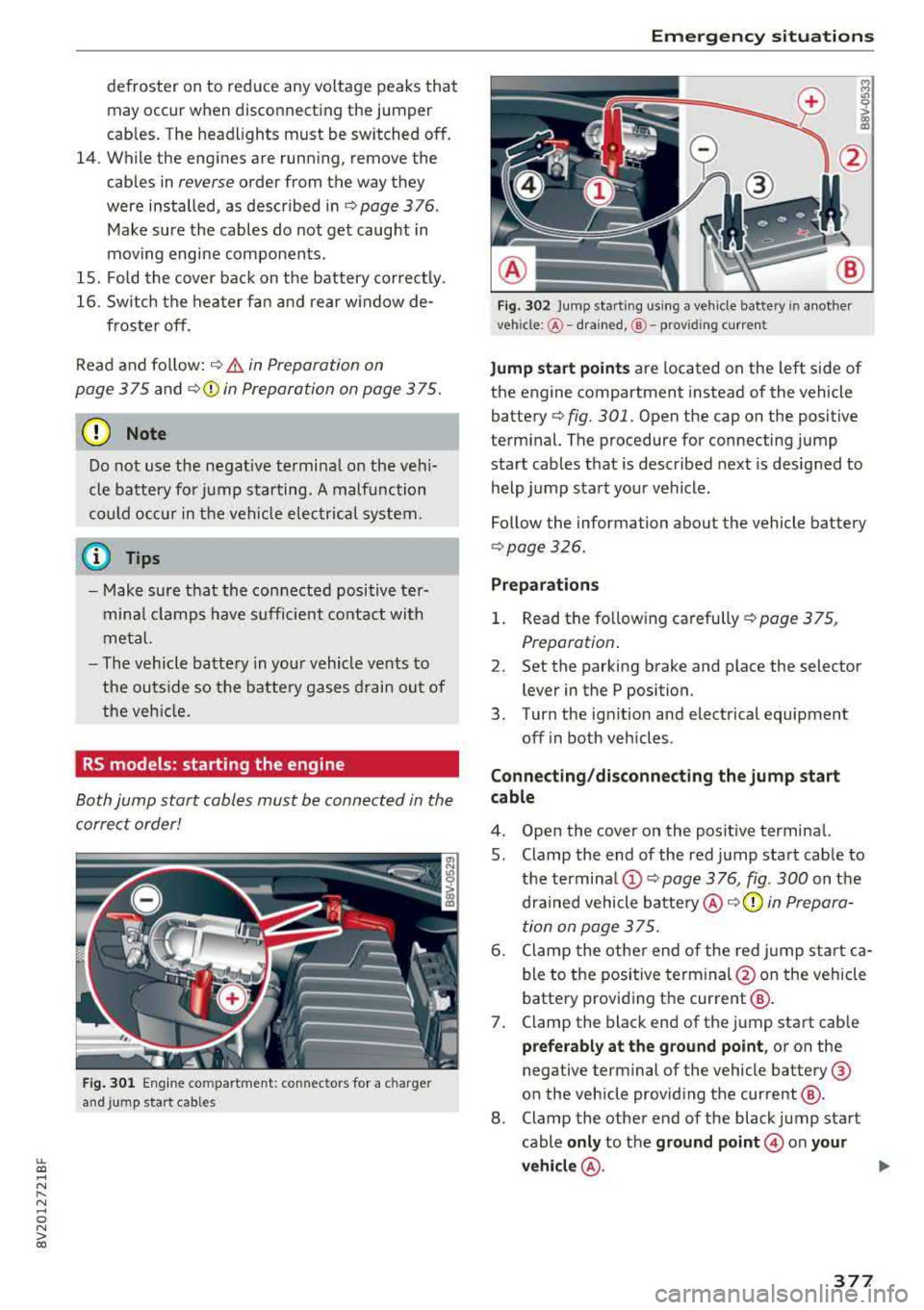
Fig. 302 Jump star ting using a ve hicle bat tery in anothe r
ve hicl e:@ -drained, @- prov id in g curren t
M
lri 0 > (X) m
Jump sta rt p oin ts are located on the left side of
the engine compartment instead of the vehicle
battery ¢
fig. 301. Open the cap on the positive
terminal. The procedure for connecting jump start cables that is described next is designed to
help jump start your vehicle .
Follow the information about the vehicle battery
¢ page 326.
Pr eparation s
1. Read the follow ing carefully ¢ page 375,
Preparation .
2. Set the parking brake and place the selector
lever in the P position.
3. Turn the ign ition and electrical equipment
off i n both vehicles .
Conn ecting /d is conn ect ing the jum p sta rt
cable
4. Open the cover on the posit ive terminal.
5. Clamp the end of the red jump start cable to the
termina l(!) ¢ page 3 76, fig. 300 on the
drained vehicle
battery @c:;>(Q) in Prepara
tion on page 375.
6. Clamp the other end of the red jump sta rt ca
ble to the positive terminal @on the veh icle
battery providing the current @.
7. Clamp the black end of the jump start cab le
prefer ably at the grou nd point , or on the
negative terminal of the vehicle battery @
on the vehicle providing the current @.
8 . Clamp the other end of the black jump start
cable
only to the gr ound point @ on you r
v e hicl e@ .
.,..
377