window AUDI A4 2015 Owner's Manual
[x] Cancel search | Manufacturer: AUDI, Model Year: 2015, Model line: A4, Model: AUDI A4 2015Pages: 304, PDF Size: 74.86 MB
Page 134 of 304
132 Driving Safel y
-Always make sure that objects cannot
fall into the driver footwe ll wh ile the ve
hicle is moving. Objects can become
trapped under the brake pedal and accel
erator peda l causing a loss of veh icle
contro l.
Stowing luggage
Loading the luggage compartment
All luggage and other objects must be prop
erly stowed and secur ed in the luggage com
partment.
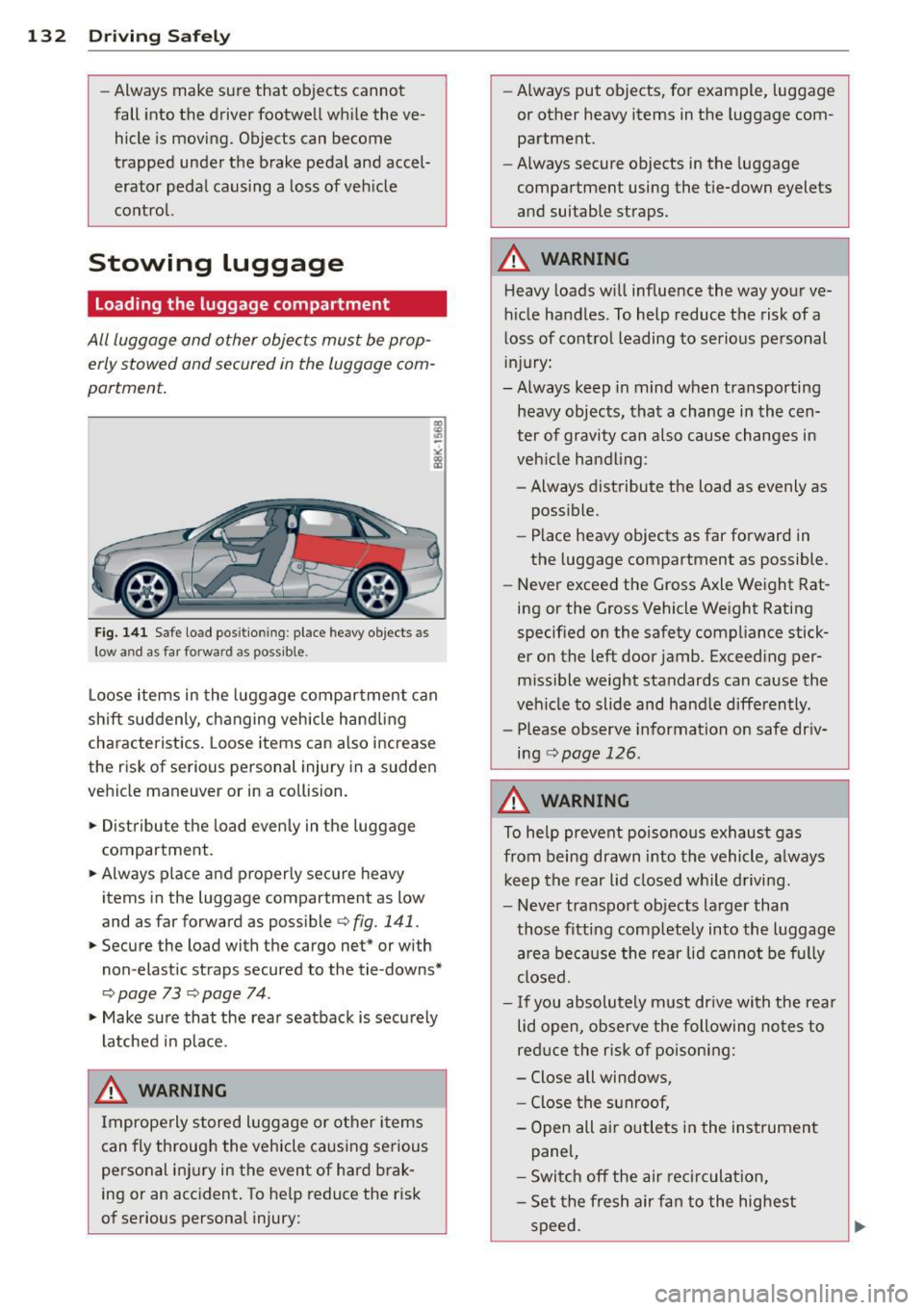
Fig. 141 S afe load positio nin g: place heavy objects as
l ow a nd a s far forward as pos sible.
Loose items in the luggage compartment can
shift suddenly, changing vehicle hand ling
characteristics. Loose items can also increase
the risk of serious personal injury in a sudden
vehicle maneuver or in a collision .
.,. Distribute the load even ly in the luggage
compartment .
.,. Always place and properly secure heavy
items in the luggage compartment as low
and as far forward as possible¢
fig. 141.
.,. Secure the load with the cargo net* or with
non -elastic straps secured to the tie-downs*
¢ page 73 ¢page 74.
.,. Make sure that the rea r seatback is secu rely
latched in place.
.&_ WARNING
Improperly stored luggage or other items
can fly throug h the vehicle ca using serious
personal inj ury in the event of hard brak
ing or an accident. To help reduce the r isk
of serious personal injury: -
Always put objects, for example, luggage
or other heavy items in the luggage com
partment.
- Always secure objects in the luggage
compartment using the t ie-down eyelets
and suitable straps.
.&_ WARNING
-
Heavy loads w ill influence the way your ve
hicle handles . To help reduce the risk of a
l oss of cont rol leading to serious personal
in jury:
- Always keep in mind when transporting
heavy objects, that a change in the cen
ter of gravity can also cause changes in
veh icle handling :
- Always distribute the load as evenly as
possible.
- Place heavy objects as far forward in
the luggage compartment as possible .
- Never exceed the Gross Axle Weight Rat
ing or the Gross Vehicle Weight Rating
specified on the safety compliance stick
er on the left door jamb. Exceeding per
miss ible weight standards can cause the
veh icle to slide and hand le differently.
- Please observe information on safe dr iv
ing
c:> page 126.
.&_ WARNING
To help prevent poisonous exhaust gas
from being drawn into the vehicle, always
keep the rear lid closed while driving.
- Never transport objects larger than
those fitting completely into the luggage
a rea because the rear lid cannot be fully
closed.
- If you absolutely m ust dr ive with the rear
lid open, observe the following notes to
red uce the risk of poisoning:
- Close all windows,
- Close the sunroof,
- Open all air outlets in the instrument
panel,
- Switc h off the ai r rec irc ulat ion,
- Set the fresh air fan to the highest
speed.
Page 135 of 304
'"" N
0 ::.,: co ,...., \!) ..,.,
,...., ..,., ,....,
A WARNING
Always make sure that the doors, all windows, the sunroof and the rear lid are se
curely closed and locked to reduce the risk
of injury when the vehicle is not being
used.
- After closing the rear lid, always make
sure that it is properly closed and locked.
- Never leave your vehicle unattended es
pecially with the rear lid left open . A
child could crawl into the vehicle through
the luggage compartment and close the
rear lid becoming trapped and unable to
get out. Being trapped in a vehicle can
lead to serious personal injury.
- Never let children play in or around the
vehicle .
- Never let passengers ride in the luggage
compartment. Vehicle occupants must
always be properly restrained in one of
the vehicle's seating positions.
(D Tips
- Air circulation helps to reduce window
fogging. Stale air escapes to the outside
through vents in the trim panel. Be sure
to keep these slots free and open .
- The tire pressure must correspond to the
load. The tire pressure is shown on the
tire pressure label. The tire pressure la
bel is located on the driver's side B-pillar.
The tire pressure label lists the recom
mended cold tire inflation pressures for
the vehicle at its maximum capacity
weight and the tires that were on your
vehicle at the time it was manufactured.
For recommended tire pressures for nor
mal load conditions, please see chapter
c:>poge234.
Driving Safely 133
Tie-downs
App lies to veh icles : w ith tie -d owns
The luggage compartment is equipped with
four tie-downs to secure luggage and other
items .
Use the tie-downs to secure your cargo prop
erly
c:> page 132 , Loading the luggage com
partment .
In a collision, the laws of physics mean that
even smaller i tems that are loose in the vehi
cle will become heavy missiles that can cause
serious injury. Items in the vehicle possess en
ergy which vary with vehicle speed and the
weight of the item. Vehicle speed is the most
significant factor.
For example, in a frontal collision at a speed
of 30 mph (48 km/h), the forces acting on a
10-lb (4.5 kg) object are about 20 times the
normal weight of the item . This means that
the weight of the item would suddenly be
about 200 lbs. (90 kg). You can imagine the
injuries that a 200 lbs. (90 kg) item flying
freely through the passenger compartment could cause in a collision like this.
A WARNING
----Weak, damaged or improper straps used
to secure items to tie-downs can fail dur
ing hard braking or in a collision and cause
serious personal injury.
- Always use suitable mounting straps and
properly secure items to the tie-downs in
the luggage compartment to help pre
vent items from shifting or flying for
ward as dangerous missiles.
- When the rear seat backrest is folded
down, always use suitable mounting
straps and properly secure items to the
tie-downs in the luggage compartment
to help prevent items from flying for
ward as dangerous missiles into the pas
senger compartment .
- Never attach a child safety seat tether
strap to a tie-down . •
•
Page 141 of 304
M N
~ co
rl I.O
"' rl
"' rl
Important safety instructions about
safety belts
Safety belts must always be correctly posi
tioned across the strongest bones of your
body.
~ Always wear safety belts as illustrated and
described in this chapter.
~ Make sure that your safety belts are always
ready for use and are not damaged.
A WARNING
Not wearing safety belts or wearing them
improperly increases the risk of serious
personal injury and death. Safety belts can
work only when used correctly.
- Always fasten your safety be lts correctly
before driving off and make sure all pas
sengers are correctly restrained.
- For maximum protection, safety belts must always be positioned properly on
the body .
- Never strap more than one person, in
cluding small children, into any belt.
- Never place a safety belt over a child sit ting on your lap.
- Always keep feet in the footwell in front
of the seat while the vehicle is being d riv
en .
- Never let any person ride with their feet
on the instrument panel or sticking out
the window or on the seat.
- Never remove a safety belt while the ve
hicle is moving. Doing so will increase
your risk of be ing injured or killed.
- Never wear belts twisted.
- Never wear belts over rigid or breakable
objects in or on your clothing, such as
eye glasses, pens, keys, etc., as these may cause injury.
- Never allow safety belts to become dam
aged by being caught in door or seat
hardware .
- Do not wear the shoulder part of the belt
under your arm or otherwise out of posi
tion . Safety belts
139
- Several layers of heavy clothing may in
terfere with correct positioning of belts and reduce the overall effectiveness of
the system .
- Always keep belt buckles free of anything
that may prevent the buckle from latch
ing securely .
- Never use comfort clips or devices that
create slack in the shoulder belt . Howev
er, special clips may be requ ired for the
proper use of some child restraint sys
tems .
- Torn or frayed safety belts can tear, and
damaged belt hardware can break in an
accident. Inspect belts regularly.
If web
bing , bindings, buckles, or retractors are
damaged, have belts replaced by an au
thorized Audi dealer.
- Safety belts that have been worn and
loaded in an accident must be replaced
with the correct replacement safety belt
by an authorized Audi dealer. Replace
ment may be necessary even if damage
cannot be clearly seen. Anchorages that
were loaded must also be inspected.
- Never remove, modify, disassemble, or
try to repair the safety belts you rs elf .
- Always keep the belts clean. Dirty belts
may not work properly and can impair
the function of the inertia reel¢
ta
ble Cleaning interior on page 204.
Safety belts
Fastening safety belts
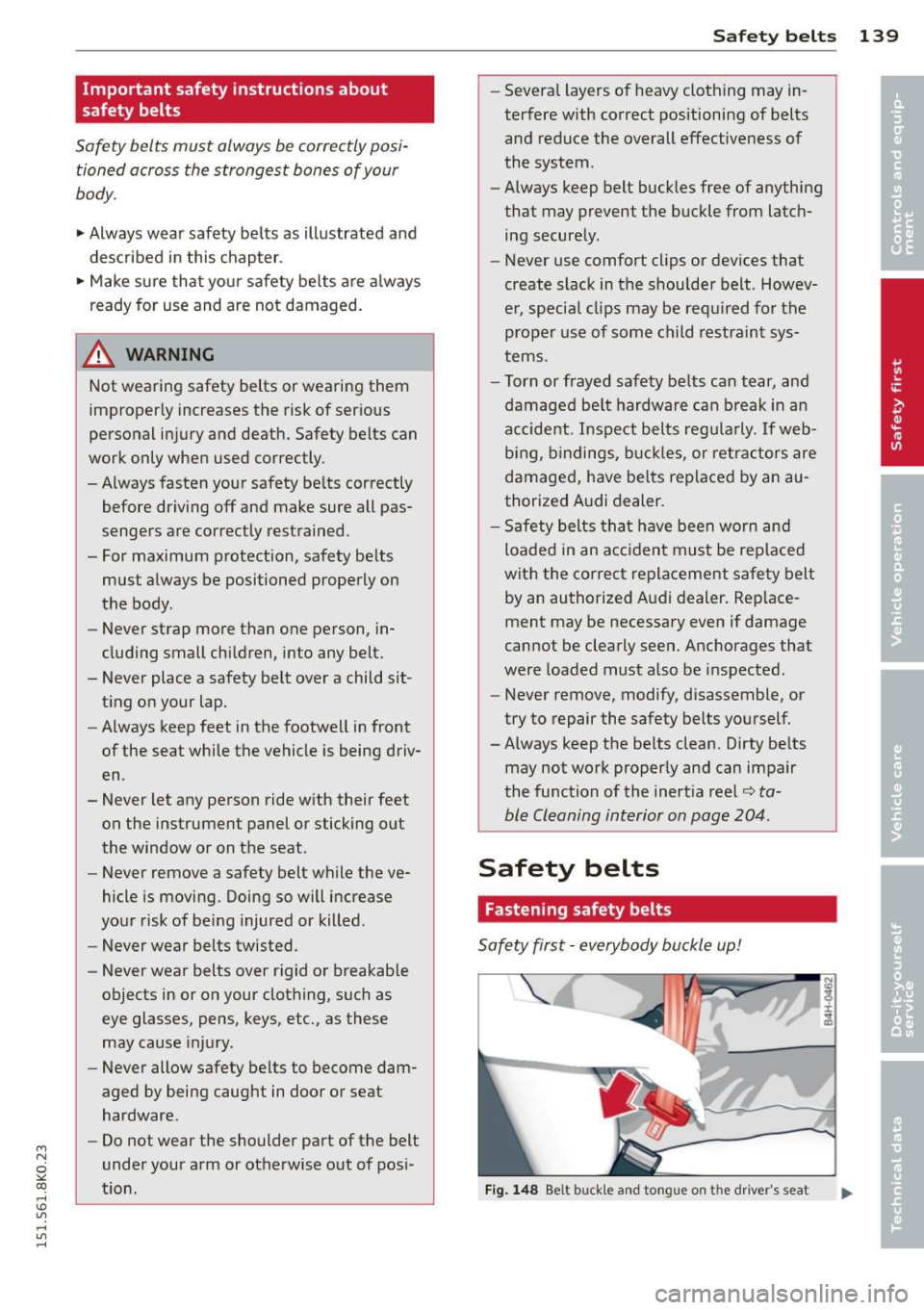
Safety first -everybody buckle up!
Fig. 148 B elt buckle and to ngue o n the driver's se at
Page 156 of 304
154 Airbag sys te m
- Occupants who are unbelte d, ou t of p osi
t ion or too close to the air bag can be
seriously injured by an airbag as it un
folds wi th grea t force i n the blink of an
ey e
~ pag e 145 .
A WARNING
-
A child in a rearward -faci ng child safety
s e at insta lled on the front passenger seat
w ill be seriously injured and can be k illed if
the front a irbag inflates -even with an Ad
vanced Airbag System.
- T he inflating a irbag will hit the child
safety seat or infant carrier with g reat
force and wi ll smash the chi ld safety seat
and child against the backrest , center
armrest, door or roof .
- Always install rear -facing child safety
seats on the rear seat.
- If you must install a rearward facing
child safety seat on the front passenger
seat because of exceptional circ umstan
ces and the
PAS SENG ER AIR BAG OFF
light does not come on and stay on, im ·
med iately install the rear-facing child
safety seat in a rear seating position and
have the a irbag system inspected by you r
authori zed Audi dealer .
A WARNING
Objects between you and the a irbag will
increase the risk of inj ury in a crash by in
terfering wi th the way the airbag unfolds
or by being pushed into yo u as the a irbag
inflates.
- Never hold th ings in your hands or on
yo ur lap when the vehicle is in use.
- Never transport items on or in the area
of the front passenge r seat . Objects
cou ld move into the area of the front air
bags during braking or other s udden ma
neuver and become dangerous projec
t iles that can cause serious personal in
jury if the airbags inflate .
- Never place or attach accessories or oth
er objects (such as cupholders, te le
phone brackets, la rge, heavy or b ulky ob -
-
jects) on the doors, over or near the area
marked "AIRBAG" on the steer ing whee l,
instr ument panel, seat backrests or be
tween those areas and yourself . These
objects could cause in jury in a crash, es
pecia lly when the airbags inflate .
- Never recline the front passenger 's seat
to transport objects . Items can a lso
move into the area of the s ide airbag or
the front a irbag du ring bra kin g or in a
sudden maneuver. Objects nea r the air
bags can become projec tiles and cause
inj ury, partic ularly when the seat is re
clined .
A WARNING ~
The fine dust created when airbags deploy
can cause breathing prob lems for people
with a history of asthma or other breath i ng cond itions .
- To reduce the risk of breath ing problems,
those with asthma or other respiratory conditions shou ld get fresh air right
away by getting o ut of the veh icle or
open ing windows or doors .
- If you are in a collision in which airbags
deploy, wash your hands and face with
mild soap and wate r before eating.
- Be ca reful not to get the dust into your
eyes, o r into any c uts or sc ratches .
- If the res id ue should get into your eyes ,
f lush them w ith wate r.
Monitoring the
Advanced Airbag
System
Airbag monitoring indicator light
T wo separate indicators monitor the function
of the Advanced Airbag System: the airbag
monitoring indicator light and the
PASSEN·
GER AIR BAG OFF
light.
T he Advanced A irbag System (including the
electron ic cont ro l unit , sensor circu its and sys
tem wiring) is mon ito red continuously to
make su re that it is funct io ni ng properly
Page 163 of 304
'"" N
0 ::.,: co ,...., \!) ..,.,
,...., ..,., ,....,
Important safety instructions on the
side airbag system
Airbags are only supplemental restraints. Al
ways properly wear safety belts and ride in a
proper seating position.
There is a lot that you and your passengers
must know and act accordingly to help the
safety belts and airbags do their job to pro
vide supplemental protection .
A WARNING
An inflating side airbag can cause serious
or fatal injury. Improperly wearing safety
belts and improper seating positions in
crease the risk of serious personal injury
and death whenever a vehicle is being
used .
- In order to reduce the risk of injury when
the supplemental side airbag inflates:
-Always sit in an upright position and
never lean against the area where the
supplemental side airbag is located.
- Never let a child or anyone else rest
their head against the side trim panel
in the area where the supplemental
side airbag inflates.
- Always make sure that safety belts are worn correctly,
- Do not let anyone sitting in the front
seat put their hand or any other parts
of their body out of the window.
- Always make sure that the side airbag can inflate without interference.
- Never install seat covers or replace
ment upholstery over the front seat
backs that have not been specifically
approved by Audi.
- Never use additional seat cushions that
cover the areas where the side airbags
deploy.
- Damage to the original seat covers or
to the seam in the area of the side air bag module must always be repaired
immediately by an authorized Audi
dealer.
Airbag system 161
- Objects between you and the airbag can
increase the risk of injury in an accident
by interfering with the way the airbag
unfolds or by being pushed into you as
the airbag inflates.
- Never place or attach accessories or
other objects (such as cup holders, tele
phone brackets , or even large, bulky
objects) on the doors, over or near the
area marked "AIRBAG" on the seat backrests .
- Such objects and accessories can be come dangerous projectiles and cause
injury when the supplemental side air
bag deploys.
- Never carry any objects or pets in the
deployment space between them and
the airbags or allow children or other passengers to travel in this position .
-Always use the built -in coat hooks only
for lightweight clothing . Never leave any
heavy or sharp-edged objects in the
pockets that may interfere with side air
bag deployment and can cause personal
injury in an accident.
- Always prevent the side airbags from be
ing damaged by heavy objects knocking
against or hitting the sides of the seat
backs.
- The airbag system can only be triggered
once. If the airbag has been triggered,
the system must be replaced by an au
thorized Audi dealership.
- Damage (cracks, deep scratches etc .) to
the original seat covers or to the seam in
the area of the side airbag module must always be repaired immediately by an au
thorized Audi dealer .
- If children are seated improperly, their
risk of injury increases in the case of an
accident
~ page 165, Child Safety.
- Never attempt to modify any compo
nents of the airbag system in any way .
- In a side collision, side airbags will not
function properly if sensors cannot cor rectly measure increasing air pressure in-
side the doors when air escapes through .,.. •
•
Page 164 of 304
162 Airbag system
larger, unclosed openings in the door
panel.
- Never drive w ith inter ior door trim pan
e ls removed.
- Never drive when parts have been re moved from the ins ide doo r panel and
the openings they leave have not been p roperly closed.
- Never d rive when loudspeakers in the
doors have bee n removed unless the
spea ker holes have been properly
closed.
-Always ma ke certa in that openings are
covered or fi lled if additional speakers
or other equipment is installed in the
inside door panels.
- Always have work on the doors done by an authorized Audi dealer or qualified
workshop .
Side curtain airbags
Description of side curtain airbags
The side curtain airbag system can provide
supplemental protection to properly restrain
ed occupants.
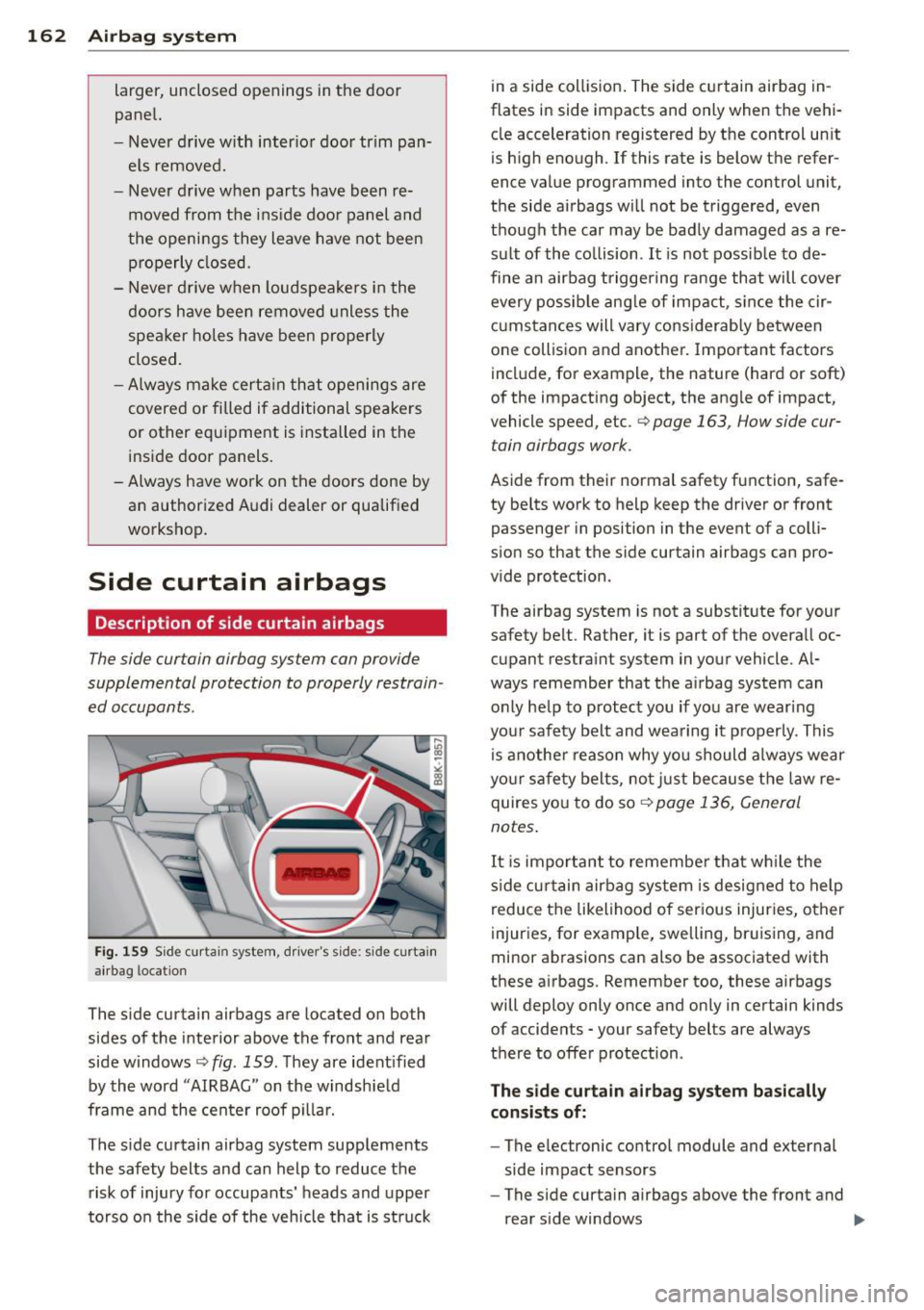
Fi g. 1 59 Side curtain system , dr ive r's side: side curtain
a ir bag location
The s ide curtain airbags are located on both
sides of the interior above the front and rear
side windows
c:.> fig. 159. They are ident ified
by the word "AIRBAG" on the windshield
frame and the center roof p illar.
The s ide curtain airbag system supplements
the safety belts and can help to reduce the risk of injury for occupants' heads and upper
torso o n the side of the vehicle tha t is struc k in
a side collision . The side curtain airbag in
flates in side impacts and only when the vehi
cle acceleration registered by the control unit
is high enough . If this rate is below the refer
ence value programmed into the control unit,
the side airbags will not be triggered, even
t h ough the car may be bad ly damaged as a re
su lt of the co llision .
It is not possib le to de
fine an airbag triggering range that will cover every possib le ang le of impact, s ince the cir
cumstances will vary cons iderably between
one collision and another. Important factors
include, for example, the nature (hard or soft)
of the impacting object, the angle of impact,
vehicle speed, etc.
c:,, page 163 , How side cur
tain airbags work .
Aside from their normal safety function, safe
ty belts work to help keep the driver or front passenger in position in the event of a colli
sion so that the side curtain airbags can pro
vide protection .
The airbag system is not a substit ute for your
safety belt. Rather, it is part of the overall oc
cupant restraint system in your vehicle. Al
ways remember that the a irbag system can
only help to protect you if you are wear ing
you r saf ety belt and wearing it properly . This
is anothe r reason why yo u should always wear
yo ur safe ty belts, no t just because the law re
quires yo u to do soc:.>
page 136, General
notes .
It is important to remember that w hile the
s ide cur tain airbag system is designed to help
reduce the likelihood of ser ious injur ies, other
injuries, for example, swelling, bruising, and
minor ab rasions can also be associated with
these airbags. Remember too, these airbags
will deploy only once and only in certain kinds
of accidents -your safety belts are always
there to offer protection .
The s ide curtain a irbag system basic ally
cons ist s of:
- The e lectronic control module and external
side impact sensors
- The side curtain airbags above the front and
rear s ide windows
Page 165 of 304
M N
~ co
rl I.O
"' rl
"' rl
-The airbag indicator light in the instrument
pane l
The airbag system is monito red ele ct ro ni ca lly
t o make certain it is f unct ion ing properly a t all
times. Each time you tu rn on the ign ition, the
ai rbag sys tem indicator light w ill come on for
a few seconds (se lf d iagnost ics) .
The side curtain airbag is not activated:
-if the ignit io n is turned off,
- i n s ide collisions when the acceleration
measured by the sensor is too low,
- i n rear-end collisions,
- in rollovers.
A WARNING
- Safety belts and the a irbag system will
o nly p rov ide protection whe n oc cupants
are in t he p roper sea ting posit io n
c::> page 60, Seats and storage.
- If the airbag indicato r light c::> page 20
comes whe n the vehicle is be ing used,
have the system inspected immedia tely
by you r aut ho rized Audi dea le r. I t is pos
sible that the airbag will inf late when it
is not s upposed to, or wi ll not inflate
when it should.
How side curtain airbags work
Side curtain airbags con work together with
side airbags to help reduce the risk of head
and upper torso injuries for occupants who
are properly res trained.
-
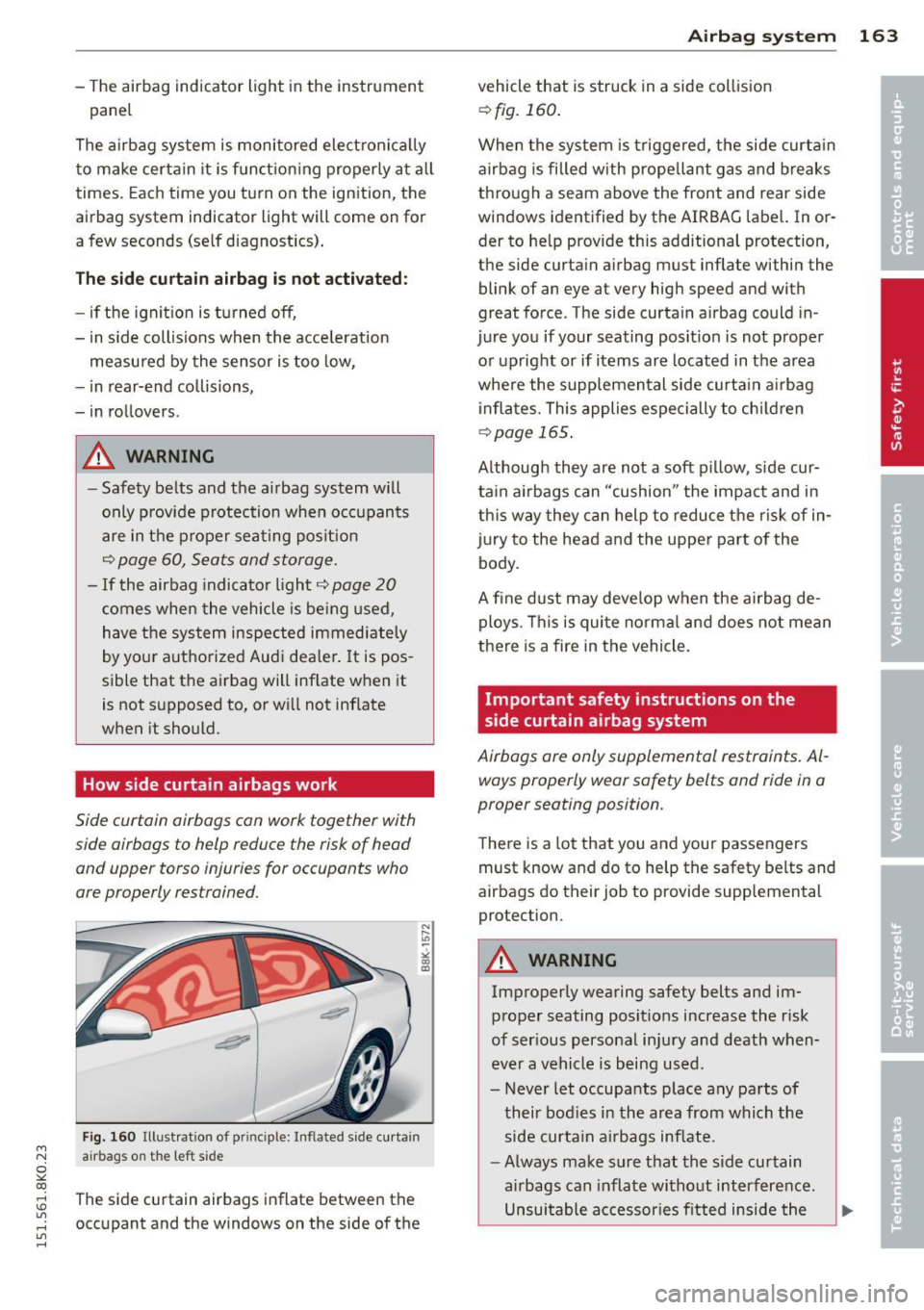
Fi g. 160 Ill ust rat ion of princip le: In fl ated side cu rt a in
airbags on t he left side
The side curtain airbags inflate between the
occupant and the windows on the side of the
A irba g system 163
vehicle that is struck in a side col lision
c::> fig. 160 .
When the system is t riggered, the side curta in
airbag is filled with propellant gas and breaks
th ro ugh a seam above the front and rear side
w indows identified by the AIRBAG labe l. In or
der to he lp provide this additional protection,
the side curtain a irbag must inflate within the
blink of an eye at very high speed and with
great force . The side curtain a irbag could in
jure you if your seating pos it io n is not prope r
o r upright or if items are located in the area
whe re the supplemen tal side curta in a irbag
infl ates. This applies espe cially to ch ildren
c::> page 165 .
Although they are not a soft p illow, side cur
ta in a irbags can "cushion" the impact and in
th is way they can help to reduce the risk of in
jury to the head a nd the upper part of the
body.
A fine dust may deve lop w hen the ai rbag de
ploys . Th is is qui te no rma l and does not mean
t h ere is a fire in the vehicle .
Important safety instructions on the
side curtain airbag system
Airbags ore only supplemental restraints. Al
ways properly wear safety belts and ride in a
proper seating position .
There is a lot that you and your passengers
must know and do to he lp the safety belts and
airbags do their job to provide supplemental
protection .
A WARNING
Improperly wearing safety belts and im
p roper seating posit ions increase the risk
of ser ious personal inju ry and death when
eve r a vehicle is being used .
- Never let occupants place any parts of thei r bod ies in the area from which the
side curta in a irbags inflate.
- Always make sure that the s ide curtain
airbags can inflate without interference.
-
Unsuitable accessor ies fitted inside the ..,
Page 183 of 304
M N
~ co
rl I.O
"' rl
"' rl
.. Pull on the connector attachments to make
sure they are properly attached to the LATCH
lower anchorage .
.. Pull straps tight following the child restraint
manufacturer 's instructions.
Relea sin g
.. Loosen the tension on the straps following
the chi ld restraint manufacturer's instr uc
tions .
.,. Depress the spring catches to release the
anchorage hooks from the lower anchorag
es .
Remember: Use tether straps to help keep the
child restraint firmly in place.
A WARNING
Improper use of the LATC H system can in
crease the risk of ser ious personal injury
and death in an acc ident.
- These anchors were developed only for child safety seats us ing the "LATCH" sys
tem.
- Never attach other child safety seats,
belts or othe r objects to these anchors .
- Always make sure that you hea r a click
when latching the seat in place . If you do
not hea r a click the seat is not secure and
c ou ld fly forward and h it the inte rior of
the vehicle, or be ejected from the vehi
cl e.
A WARNING
Improper installation of chi ld restraints
w ill increase the risk of in jury in an acci
dent.
- Always fo llow the child rest raint system
manufacturer's instr uctions for proper
installation o f the child restraint system
and proper use of tether straps as we ll as
the lower anchorages or safety belts in
your vehicle .
- Always read and heed the important in
format io n and WARNINGS about child
safety and the installation of child re
st raint systems~
page 165, Child Safe
ty.
-
Child S afety 181
Tether anchors and tether straps
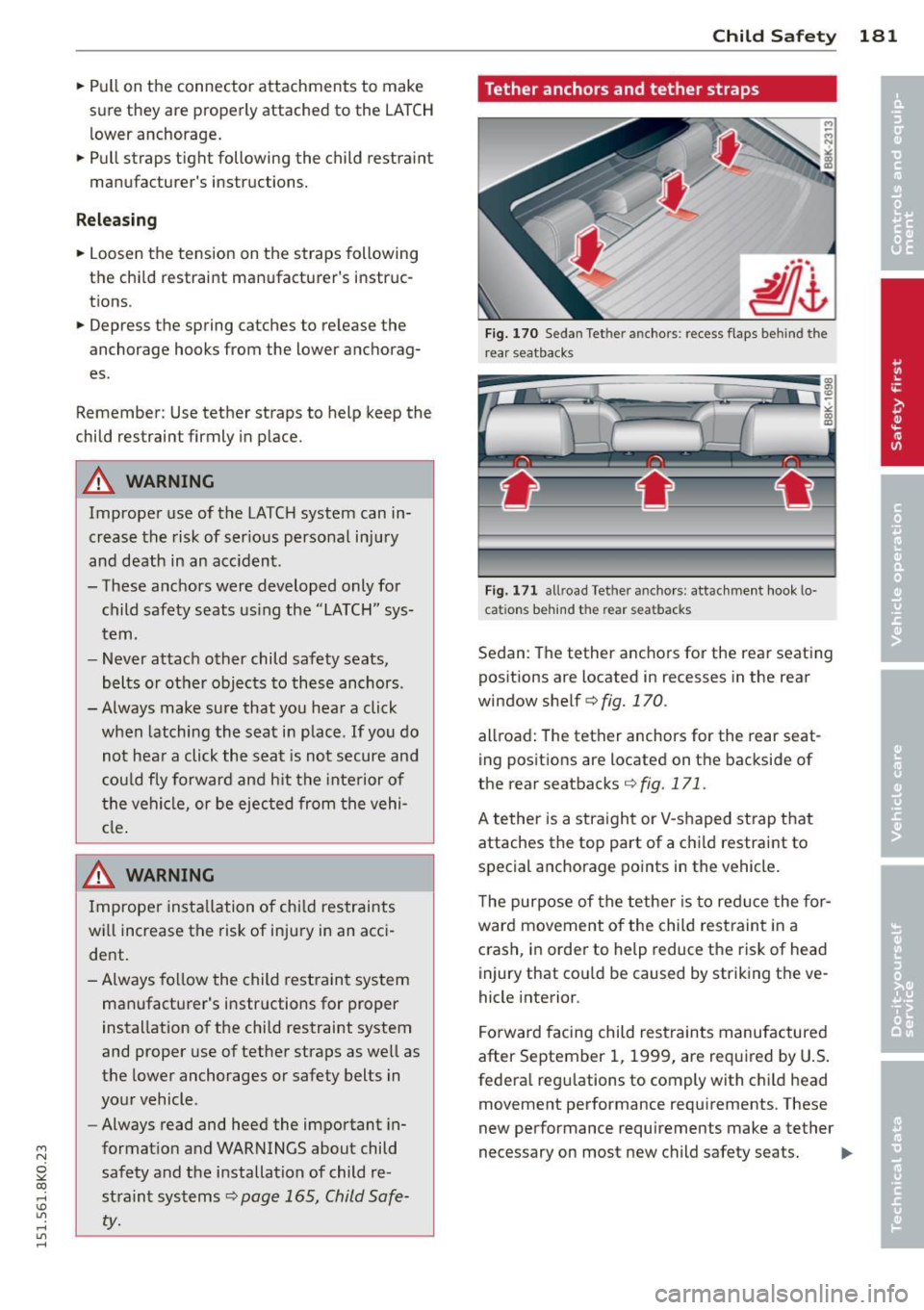
Fig. 170 Sedan Tet her anchors: recess flaps behind the
r ea r seatbacks
Fig. 171 allroad Tether anchors: attac hme nt hook lo
catio ns be hind the rear seatbacks
Sedan : T he tether ancho rs for the rear seating
pos itions are located in recesses in the rear
window shelf
c> fig. 170.
allroad : The tether anchors for the rear seat
ing pos it ions are located on the backside of
the rear seatbacks
qfig. 171.
A tether is a straight or V-shaped strap t hat
attaches the top part of a ch ild restraint to
special anchorage po ints in the vehicle .
T he purpose of the tethe r is to re duce the for
ward movement of the child rest raint in a
crash, in orde r to help reduce the risk of head
injury that cou ld be caused by striking the ve
hicle interior .
Forward facing child restraints manufactured
after September 1, 1999, are requ ired by U .S .
federal regulations to comply with c hild head
movement performance requirements. These
new performance requirements make a tether
necessary on most new child safety seats. ...,
Page 194 of 304
192 Intelligent technology
to prevent excessive disc harge of the battery
and thus maintain starting capability.
Dynamic en ergy management
While the vehicle is be ing dr iven , dynamic en
e rgy management distributes the energy gen
erated accordi ng to the needs of the individu
a l components . It reg ulates cons umption, so
that more electrical energy is not being used
than is being generated and ensures an opti
mal state of charge for the battery.
@ Tips
- But even energy management cannot
negate the limits o f physics. Consider
that the power and life of a battery are li mited .
- If starting ab ility is threatened, the indi
cator light(•) appears ¢
page 16.
What you should know
The highest priority is given to maintaining
starting capabili ty.
The battery is severely taxed in short-distance
d riving, in city traffic and during the co ld time
of year. Abundant e lectr ica l energy is re
qu ired, but only a little is generated. It is also
cr itical if the engine is not run ning and electri
cal components a re turned on . In th is in
stance energy is being consumed but none is be ing generated.
It is in precisely these situations that you w ill
notice energy management actively regulat
ing the distr ib ution of energy.
Vehicle stands for an extended period If yo u do not drive your vehicle over a period
of severa l days or weeks, electrical compo
nents are gradually cut back o r switched off .
This reduces energy cons umption and mai n
tains sta rting capab ility over a longer period .
Some of t he conve nien ce f unctions may no t
ope rate, su ch as the in ter io r l ights o r the
power seat ad justment. The convenience
f u nctions will be avai lable again when you
switch on the ignition and start the engine . With the engine turned off
If you
listen to the radio, for examp le, w ith
t h e engine t urned off or use other M MI func
tions, the battery is being discharged .
If s tarti ng capab il ity is jeopardi zed d ue to en
ergy consumptio n, the following warning ap
pears in the MM I display:
Pl ea se start the engine soon or the syst em
will be turned off .
The warning indicates that the system will be
tu rned off automatically after 3 minutes . If
you w ish to continue using the funct ions, yo u
have to sta rt the eng ine .
With the engine running
Althoug h electrical energy is generated when
the vehicle is being dr iven, the battery can be
come discharged. This happe ns mostly when
li ttle energy is being ge ne rated and a g reat
deal consumed and t he ba ttery's state of
c harge is no t opt imal.
To b ring the energy bala nce back into equ ili
br ium, consumers wh ich requ ire espec ially
lar ge amounts of ene rgy a re temporar ily cut
ba ck or sw itched off. Heat ing systems in p ar
t icu lar require a great deal of energy . If you
notice, for examp le, that the heated seats * or
the heated rear window are not heating, they
have been temporarily cut back or switched
off . These systems w ill be available again as
soon as the e nergy balance has been restored.
You w ill also notice that engine id le speed has
been increased slightly . T hi s is normal and not
a cause for concern. By increasing engine id le
speed the additional energy required is ge ner
ated and the battery is charged .
Page 199 of 304
'"" N
0 ::.,: co ,...., \!) ..,.,
,...., ..,., ,....,
the engine is at its proper operating tempera
ture and fuel economy has reached a normal
level. So you can see that you should avoid
short trips whenever possib le.
The
outside temperature is also critical in this
regard. Your car consumes more fuel in the
winter than in the summer .
allroad: Driving offroad
General information
Applies to vehicles: atlroad
When driving offroad, the funct ions for the
e lectronic stab ilization control (ESC) are ex
panded. The ESC-Offroad-Mode can be activat
ed in driving situations in which a wheel lock
or a differentia l lock function is needed
c::> page 187. In addition, your Audi provides
continuous all wheel drive .
Your Audi is however , not an offroad vehicle.
Never drive the vehicle in terrain which is not
suitable for the vehicle, or which exceeds
your driving skills. Never take any unneces
sary risks!
After driving offroad
-After driving offroad, remove branches and
other debris from the radiator grille, under
body, and wheels. Look especially for objects
(stones) that have been caught in the tire
tread .
- Clean the body and the vehicle underbody
and inspect the vehicle for possible damag
es.
- Clean off the dirty windows, headlights, tail
lights and the license plate.
- Perform a brake test (especially after driving through water).
A WARNING
- Be espec ially aware and attentive when
dr iv ing under diff icult conditions . Dam
ages to the vehicle and injuries may oc
cur when driving at an excess ively high
speed or with incorrect driving maneu
vers.
Driving and environment 197
- Always adjust your speed and handling
to the roads, terrain, traff ic and weather
conditions. Drive especially slow if off road with low visibility.
- Please note that the wheels can spin and
the vehicle can break away when the ESC
Offroad Mode is switched off, especially
when the road is slippery .
- Driving stability is reduced in the ESC
Offroad mode .
® For the sake of the environment
Avoid harming the environment and take
nature into cons ideration.
(D Tips
Only drive where it is allowed and always
stay on the provided roads and paths.
Driver messages
Applies to vehicles : a ll road
There is only one right way to drive in difficult
conditions: slowly and with caution!
When dr iving offroad, observe the following:
... Never drive the vehicle i n terrain which is
not suitab le for the vehicle, or which ex
ceeds your driv ing ski lls. Never take any un
necessary risks!
... Drive slow ly and cautiously!
... Pay attention to the
ground clearance of
your vehicle! This may vary depending on the load and composition of the ground and
the environment. The driver is therefore re
sponsible for deciding whether a veh icle can
handle a specific situation.
... Act ivate the
ESC -Offroad-Mode c::> page 18 7
as needed.
Difficult terrain
Never dr ive in areas that are not familiar to
you and drive slowly when offroad and be pre
pared and expect the unexpected (e.g. pot
holes, boulders, tree stumps, etc.)
To prevent the vehicle from bottoming and avo id damage to the underbody, you should
drive straight across severe bumps in the
IJII>
•
•