battery AUDI A5 CABRIOLET 2015 Owner's Manual
[x] Cancel search | Manufacturer: AUDI, Model Year: 2015, Model line: A5 CABRIOLET, Model: AUDI A5 CABRIOLET 2015Pages: 268, PDF Size: 66.88 MB
Page 207 of 268

M N
ci u.. co ,...., \!) 1.1'1
N 1.1'1 ,....,
Disconnecting the battery terminals
Some vehicle functions (power window regula
tors , for example) are lost if the battery termi
nals are disconnected. These functions have to be
re learned after th e battery terminals are con
nected again. To prevent this, the batte ry should
only be disconnected from the ve hicle electrical
system when absolutely necessary for repairs.
Vehicles not driven for long periods
If you do not drive your vehicle over a period of
several days or weeks, e lectrica l components are
gradually cut back or switched off. This reduces
energy consumption and maintains starting ca pability over a longer period
c:> page 175 .
Some of the conven ience functions may not oper
ate, such as the interior lights or the power seat
adjustment. The convenience functions will be
available aga in when you turn on the ignition and
start the engine.
Winter operation
During the winter months, battery capacity tends
to decrease as temperatures drop. This is because
more power is also consumed while s tart ing, and
the headlights, rear window defogger, etc ., are
used more often .
Avoid unnecessary power consumption, part icu
larly in city traffic or when traveling only short
d istances . Let your authorized Aud i dealer check
the capacity of the vehicle battery before w inter
sets in ¢
page 206 . A well charged battery will
not only prevent starting problems when the
weather is cold, but will also last longer.
(D Tips
If your vehicle is left standing for severa l
weeks at extremely low temperatures, the ve
hicle battery should be removed and stored
where it will not freeze. This will prevent it
from being damaged and having to be re placed.
Checking and Filling
Working on the battery
Be especially careful when working on or near
the battery.
The battery is located in the luggage compart
men t under the floor. Before you check anything
in the luggage compartment ,
read and heed all
WARNINGS
c:> .&_ .
Always heed the safety warnings, when working
on the vehicle battery or the vehicle electr ical
system to prevent injury .
The following WARNINGS are very important
when working on the battery :
Always heed the following WARNING SYM-
BOLS and safety precautions when working on
the battery.
®
Always wear eye protection.
A
Battery acid contains sulfuric acid. Al-
ways wear gloves and eye protection.
@
No
- sparks
- flames
- smoking.
~
When a battery is charged, it produces
hydrogen gas which is explosive and
could cause personal injury.
®
Always keep the battery well out of reach
of children.
A WARNING
= -
Whenever working on the battery or on the
e lectr ical system, there is the risk of injury,
accident and even f ire. Read and heed the fol
lowing WARNINGS:
- Always wear eye protection . Do not let bat
tery ac id or any lead particles get on your
skin or clothing. Shield your eyes. Exp losive
gases can cause blindness or other in jury.
- Battery acid conta ins sulfuric acid . Sulfuric
acid can cause blindness and severe burns.
- Always wear g loves and eye protection. Do
not tilt the battery because acid could leak
out of the ventilation openings. ...,
205
Page 208 of 268

Checking and Filling
-If you get battery acid in your eyes or on
your skin, immediately rinse with cold wa
ter for several minutes and get medical at
tention .
- If you should ingest any battery acid, seek
medical attention immediately .
- Do not expose the battery to an open flame, electric sparks or an open light .
- Do not smoke .
- Do not interchange the positive and nega-
tive cables.
- When working on the battery , be sure not to
short-circuit the terminals with tools or oth
er metal objects . This would cause the bat
tery to heat up very quickly, which could lead to damage or explosion and personal
injury .
- When a battery is charged, it produces hy
drogen gas which is explosive and could
cause personal injury.
- Always keep the battery well out of the
reach of children .
- Before work is done on the electrical sys
tem, disconnect the negative ground cable .
- Before performing any work on the electri cal system, switch off the engine and igni
tion as well as any electrical equipment. The negative cable on the battery must be dis
connected. If you are just going to replace a
light bulb, then it is enough to switch off
the lights.
- Before disconnecting the battery, switch off
the anti-theft alarm system! Otherwise you
will set off the alarm.
- When disconnecting the battery, first dis
connect the negative cable and then the
positive cable.
- Before reconnecting the battery, make sure
all electrical consumers are switched off. Re
connect the positive cable first and then the
negative cable. Never interchange the ca
bles -this could start a fire!
- Never charge a frozen or a thawed-out bat
tery. It could explode! If a battery has fro ·
zen, then it must be replaced. A discharged
battery can freeze over at 32°F (0°C).
- Make sure the vent hose is always attached
to the opening on the side of the battery .
206
-Never use batteries which are damaged.
There is the danger of an explosion! Always
replace a damaged battery.
A WARNING
California Proposition 65 Warning:
- Battery posts, terminals and related acces
sories contain lead and lead compounds,
chemicals known to the State of California
to cause cancer and reproductive problems .
Wash hands after handling .
(D Note
- Do not disconnect the vehicle battery when
the ignition is switched on or when the en
gine is running, otherwise, you will damage
electronic components in the electrical sys
tem .
-If your vehicle is going to stand for a long
period of time without being driven, protect
the battery from "freezing", otherwise it
will be damaged and will then have to be re
placed .
Battery charging
Starting the engine requires a well charged bat
tery.
Fig. 177 E n g in e compar tmen t: C on nectors fo r charger and
jump er cables
Always read and heed all WARNINGS below
9 A and ¢ A in Working on the battery on
page 205.
.,. Turn off the ignition and all electrical consum
ers.
.,. Make sure the area is well ventilated when you
charge the battery.
Iii>-
Page 209 of 268

M N
ci u.. co ,...., \!) 1.1'1
N 1.1'1 ,....,
~ Open the engine hood ¢page 195 .
~ Open the cover on the positive pole ~ fig. 177.
~ Connect the charger connectors accord ing to
the instructions to the
j ump sta rt bolts . (Bolts
under the cover= "positive", Bo lts with hex
head = "negat ive") .
~ Only now plug the mains lead for the charg ing
equipment into the wall outlet and turn it on
~ & -
~ Ma ke s ure th e char gin g rate is not ov er
3 0 amp s/14 .8 Volt .
~ When the battery is fully charged: Turn the
charging equipment
off and remove the mains
l ead from the wall outlet.
~ Now remove the clamps for the charging equip-
ment.
~ Close the cover on the positive pole .
~ Close the hood 9 page 195.
A discharged battery can freeze at temperatures
of only 32 °F (0 °C). Allow a frozen battery to
thaw completely before attempting to charge it
9 & . However, we recommend not using a
thawed battery again because the batte ry casing
can be cracked due to ice formation and can leak
battery ac id.
Battery charg ing (Ma ximum charging rate of
30 amps /14.8 Volt )
When charging at low voltages (e.g. w ith a tri ckl e
c h arge r),
the battery cables do not have to be
disconnected first. The battery caps shou ld
not
be opened when charging a battery.
It is not necessary to remove the batte ry from
the luggage compartment.
F a st charging th e battery (charg ing r ate
above 14.8 Vo lts )
For technical reasons do no t use a battery charg
e r that uses voltage greater than 14.8 Volts to
charge your vehicle's battery .
A WARNING
Charging a battery can be dangerous.
- Always follow the operating instructions
provided by the battery charger manufactur
er when charging your battery.
Checking and Fillin g
-Never charge a frozen battery. It may ex
plode because of gas trapped in the ice. Al
low a frozen battery to thaw out first.
- Do not reuse batteries wh ich were frozen.
The battery housing may have cracked and
weakened when the battery froze.
- Charge the battery in a well ventilated area. Keep away from open flame or electrical
spark. Do not smoke. Hydrogen gas generat
ed by the batte ry is explosive.
- To reduce the danger of explosion, never
connect or d isconnect charger cables wh ile
the charger is operating.
- Fast charging a battery is dangerous and
should only be attempted by a competent
technician w ith the proper equipment.
- Battery acid that may sp ill dur ing charging
should be washed
off with a solut ion of
warm water and baking soda to neutralize the acid .
@ Note
Never use a fast charger as a booster to start
the engine . This w ill ser iously damage sensi
tive electronic components, suc h as control
units, relays, radio, etc., as we ll as the battery
charger.
Battery replacement
The new battery must have the same specifica
tions and dimensions as the original equipment
battery.
Intelligent energy management in your vehicle is
responsible for distributing the elect rical energy
throughout your vehicle
9 page 175. T he intelli
gent energy management system w ill keep the
engine battery charged better then vehicles with
out this system. To make sure the additional elec
trical energy is avai lab le once again after you
have changed the battery, we recommend that
you install batteries of the same type and manu
facture only (the same as those installed at the
t ime your vehicle was delivered) . Specifications
are listed on the battery housing . Your autho r
ized Audi dealer must code the battery in the en-
ergy management system to enab le you to use .,,.
207
Page 210 of 268

Checking and Fill in g
th e e nergy management functions correctly after
replacing the battery.
If i t is not poss ible to use a battery of this type,
the new battery must have the same capacity,
voltage (12-vo lts), amperage, construct ion and
p lug sealing.
When insta lling the battery, make sure the igni
tion and all elec trical consumers are t urned off.
CD Note
Make sure the ventilation hose on the s ide of
t he batte ry is connected, otherwise fumes or
bat tery ac id can leak out.
@ For the sake of the environment
Because of the problem of proper d isposa l of
a battery, we recommend your author ized
Audi dea le r change the battery for yo u. Ba t
teries contain su lfuric acid and lead and must
always be disposed of properly in compliance
w ith all environmenta l reg ulations. D isposing
of vehicle batteries improperly is very danger
ous to the environment.
Windshield/headlight* washer container
Fig. 178 Engine co mpa rtment : Cove r on th e w in d shiel d
an d h ead ligh t• was her fl uid container
The washer fluid containe r is marked with the
symbol
O on its cap ¢ fig . 178 , ¢page 197,
fig . 172 .
.,. Before you check anyth ing in the eng ine com
partment , alw ays re ad and he ed all WARN·
I NGS
¢ ,& in Working in the engine comport
ment on page 195 .
208
.,. Lift the filler cap tongue to add washer fluid.
Yo u can fill the container to the top.
.,. Press the cap back onto the filler neck after fill-
ing the container .
You can find the reservoir ca p acit y in the table in
~ page 246.
Clean water should be used when filling up. If
possible, use soft water to prevent scaling on the
washer jets . Always add a g lass cleaner solution
(with frost protection in the winter) .
CD Note
Do not mix engine coolant antifreeze or any
other additives to fill up the windsh ield wash
er reservoir.
Page 242 of 268

Emerg enc y s it uat ion s
Emergency situations
General
T his c hapt er is inte nded fo r tra ined e merg ency
c rews a nd worki ng p ers onn el w ho h ave the nec
e ssa ry tool s and equipm ent t o perf orm the se
op era tion s.
Starting by pushing or
towing
CD Note
Vehicl es with an automa tic tra nsmission
c annot be st arted by pushing or towing .
Starting with jumper
cables
If necessary, the engine con be started by con
necting it to the battery of another vehicle .
If the engine should fail to start because of a d is
charged or weak battery, the battery can be con
nected to the battery of
another vehicle, us ing a
p air of j umpe r cables to start the engine.
Jump er c abl es
Use only jumper cab les of sufficiently largec ross
sec tion
to carry the starter current safely. Refer
to the manufacturer's specifications.
Use on ly jumper cables with
insulated term inal
clamps which are d istinctly mar ked:
plus (+ ) cabl e in most cases co lored re d
minu s(-) cable
in most cases colored black .
A WARNING
Batteries contain electricity, ac id, and gas.
Any of these can cause very ser ious or fatal in
jury . Fo llow the inst ruct ions be low for safe
hand Ling of your veh icle's battery.
- Always shield your eyes and avoid leaning
over the battery whenever possible.
- A discharged battery can freeze at tempera
tures just below 32 °F (0 °C). Before con
nect ing a jumper cab le, you must thaw the
240
frozen battery completely, otherwise it
could explode.
- Do not allow battery acid to contact eyes or
skin. Flush any contacted area with water immed iately.
- Improper use of a booster battery to start a
veh icle may cause an explosion.
- Vehicle batteries generate explosive gases .
Keep sparks, flame and lighted cigarettes
away from batteries.
- Do not try to jump start any vehicle with a
low acid level in the battery.
- The voltage of the booster battery must al
so have a 12-Volt rat ing . The capacity (Ah)
of the booster battery should not be lower
than that of the discharged battery. Use of batter ies of different voltage or substantial
ly different "Ah" rating may cause an explo
sion and personal injury .
- Never charge a frozen battery . Gas trapped
in the ice may cause an explosion .
- Never charge or use a battery that has been
frozen . The battery case may have be weak
ened .
- Use of batter ies of different voltage or sub
stantially d ifferent capacity (Ah) rating may
cause an explosion and injury. The capacity
(Ah) of the booster battery sho uld not be
lowe r than that of the discharged battery.
- Before you check anything in the engine
compartment, always read and heed a ll
WARNINGS
qpoge 195.
CD Note
-App lying a higher voltage booster battery
wi ll cause expensive damage to sensitive
elec tronic components, such as control
units, re lays, radio, etc.
- T here must be no electrical contact between
the vehicles as otherwise cu rrent cou ld al
ready start to flow as soon as the positive
(+) termina ls are connected.
@ Tips
The discharged battery must be properly con-
nected to the vehicle's electrical system. .,.
Page 243 of 268
M N
ci LL co
rl I.O
"' N
"' rl
When jump starting or charging the battery,
never connect the negative ground cable to
the battery negat ive post because the battery
manager system must be able to detect the
battery's state of charge. Always connect the
negative g round cab le to the negative ground
post of the battery manager control unit.
Use of jumper cables
Make sure to connect the jumper cable clamps in
exactly the order described below!
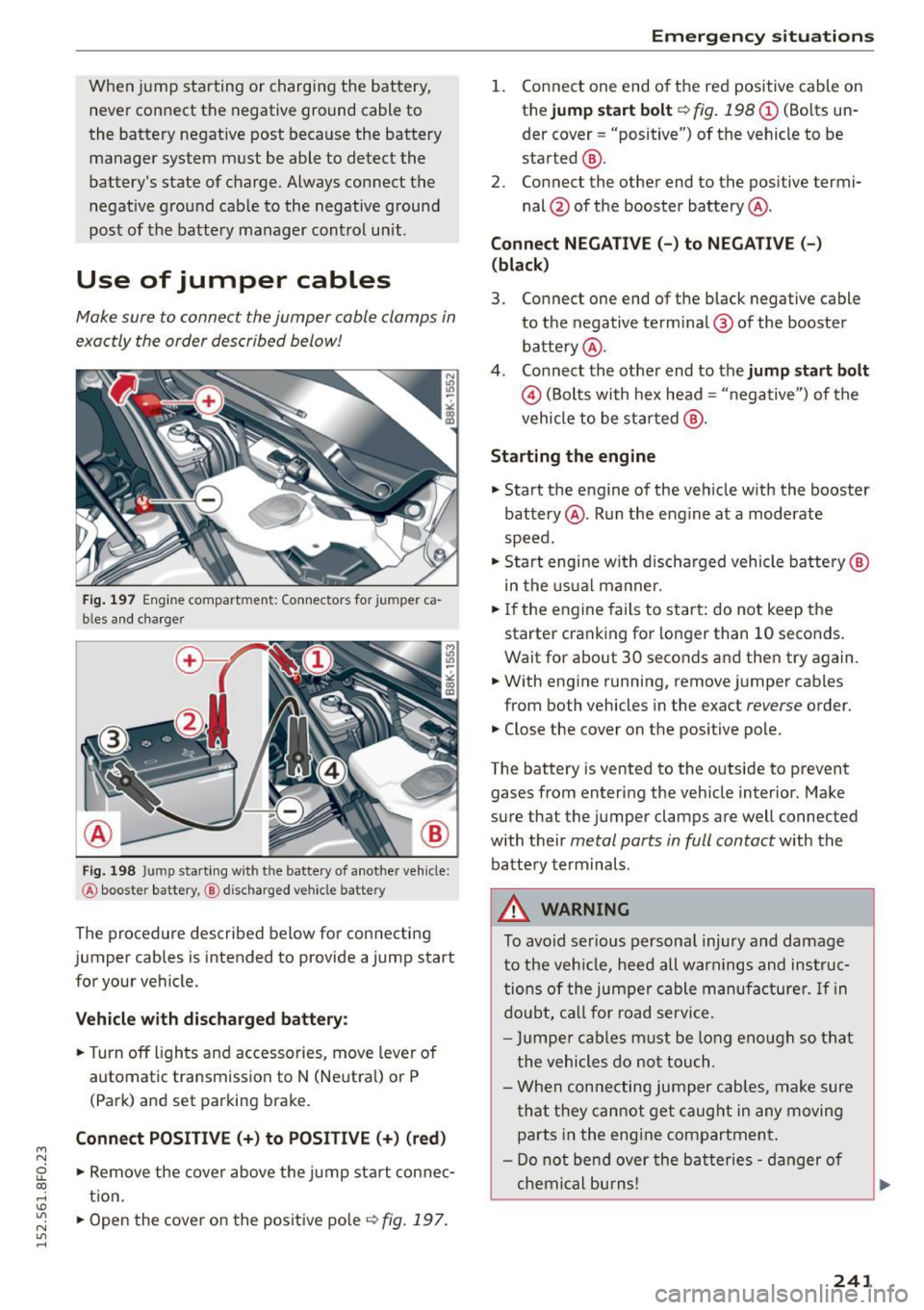
Fig. 197 Engine compa rtment: Connectors for jumper ca
b les and c harger
Fig. 198 Jum p sta rting with the battery of anot her veh icle :
@ boos te r ba ttery, @ discharged veh icle battery
The procedure described below for connecting
jumper cables is intended to provide a jump start
for your vehicle.
Vehicle with discharged battery :
.. Turn
off lights and accessories, move lever of
automatic transmission to N (Ne utra l) or P
(Park) and set parking brake.
Connect POSITIVE(+) to POSITIVE(+) (red)
.. Remove the cover above the jump start connec
t ion.
.. Open the cover on the posit ive pole ¢
fig. 197.
Emergency situations
1. Connect one end of the red positive cable on
the jump start bolt~
fig. 198 (D (Bolts un
der cover= "positive") of the vehicle to be
started @.
2. Connect the other end to the positive termi- nal@of the booster battery @.
Connect NEGATIVE (-) to NEGATIVE(-)
(black)
3. Connect one end of the black negative cable
to the negative terminal ® of the booster
battery @.
4 . Connect the other end to the jump start bolt
@ (Bolts with hex head= "negative") of the
vehicle to be started @.
Starting the engine .. Start the engine of the veh icle with the booster
battery @. Run the eng ine at a moderate
speed .
.. Start engine with discharged vehicle battery @
in the usual manner.
.. If the engine fails to start: do not keep the
starter cranking for longer than 10 seconds.
Wait for about 30 seconds and then try again .
.. With engine running, remove jumper cables
from both vehicles in the exact
reverse order .
.. Close the cover on the positive pole.
The battery is vented to the outside to prevent
gases from entering the vehicle inter ior. Make
sure that the jumper clamps are well connected
with their
metal parts in full contact with the
batte ry terminals.
A WARNING
To avoid serious personal injury and damage
to the vehicle, heed all warnings and instruc
tions of the jumper cable manufacturer. If in
doubt, call for road service.
- Jumper cables must be long enough so that
the vehicles do not touch .
- When connecting jumper cables, make sure
that they cannot get caug ht in any moving
parts in the eng ine compartment.
- Do not bend over the batteries -danger of
chemi cal burns!
241
Page 244 of 268
Emergency situation s
-The ba ttery ce ll lockin g screws must be
t ightened securely .
- Before you check anyt hing in the engine
compartment, always read and heed all
WARNINGS
c> page 195.
(D Note
Improper hook -u p of jumper cables can r uin
the generator .
- A lways connect POS ITIV E(+ ) to POS ITIV E
( + ), and NEGATIVE( -) to NEGATIVE( -)
gro und post of the battery manager control
unit .
- Check that a ll screw plugs o n the batte ry
ce lls are screwed in firmly . If not, tighten
pl ugs prior to connect ing clamp on negat ive
battery te rminal.
- Please note that the procedure for connect
i ng a jumper cable as desc ribed above ap
plies specifica lly to the case of yo ur vehicle
being jump started . W hen you a re g iving a
j u mp sta rt to another vehicl e, do
not co n
ne ct the negative ( -) cab le to the negative
( -) t erminal o n the di scharged battery @
c> fig. 19 8 . In stea d, secure ly co nn ect the
nega tive ( -) cab le to either a solid me tal
com ponent that is f irm ly bolted to the en
gine block o r to t he engine bloc k itself. I f
the battery that is being charged does not
vent to the outside , escap ing battery gas
could ignite and exp lode!
Towing with a tow truck
General hints
Y o ur Audi requires special handling for towing.
The fo llow ing information is to be used by com
mercia l tow truck operato rs who know how to op
erate their eq uipment safe ly .
- Never tow your Audi, towing will cause dam
age to the engine and transmiss ion.
- Never wrap the safety chains or winch cables
around the brake lines .
- To pre vent unnecessary damage, your Audi
must be transported with a flat bed truck.
242
- To load the vehicle on to the flat bed , use the
towing loop found in the vehicle tools and at·
tach to the front or rear anchorage
c> page 242 and c:>page 243.
A WARNING
A veh icle being towed is not safe f or passe n
gers . Never a llow anyone to ride in a ve hicle
be ing towed, fo r any reason .
Front towing loop
Do not install the front towing loop until it is
needed .
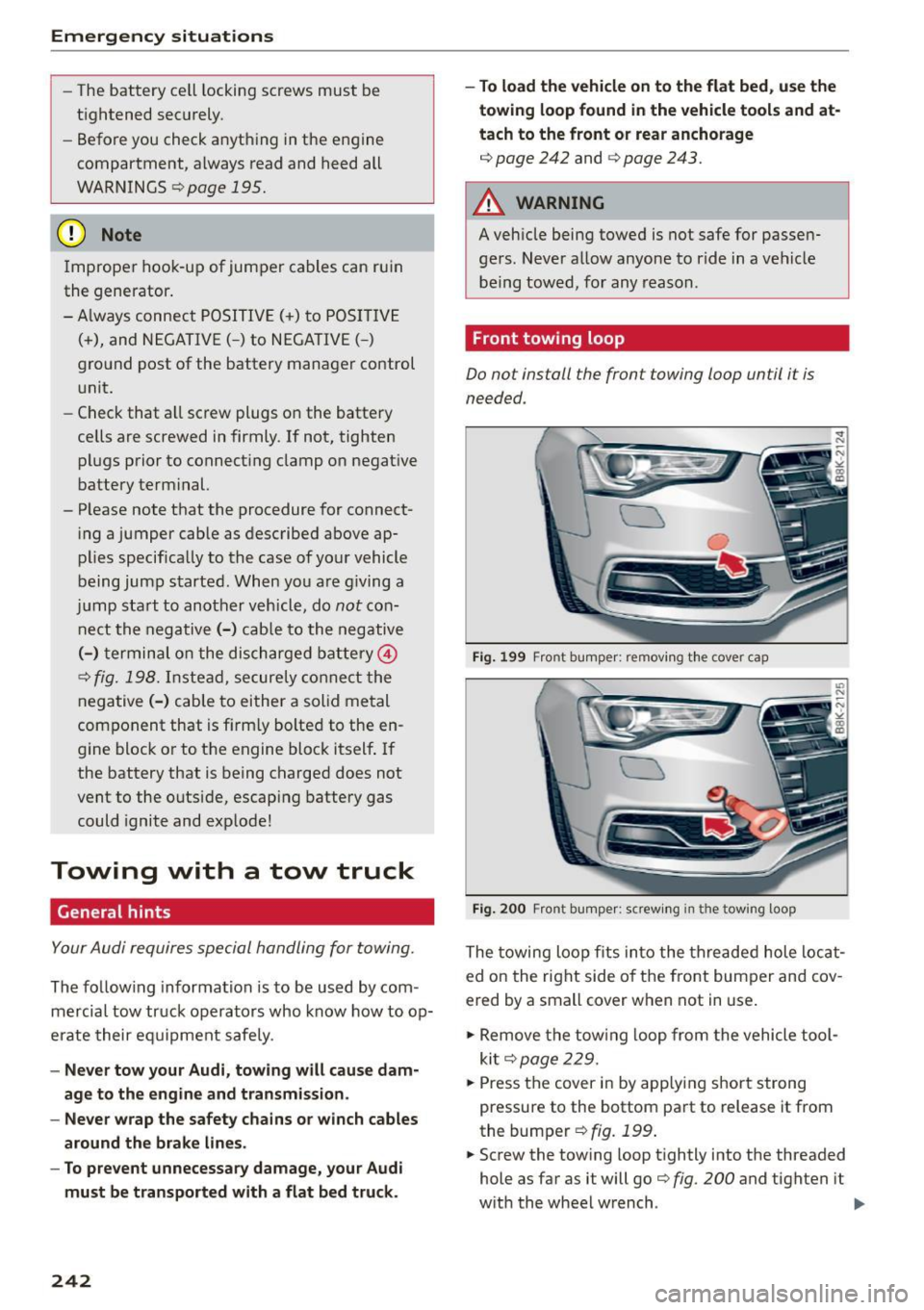
Fig. 19 9 Fro nt b um per: remov ing t he cove r cap
Fig. 200 Front b umper: sc rew ing in t he tow ing loop
The towing loo p fits in to the threade d hole locat
ed on the right side o f the front bum per and cov
e red by a small cover when not in use .
.,. Remove the tow ing loop fr om the vehicle tool
ki t
c> page 229.
... Press the cover i n by app lyi ng shor t strong
pressure to the bottom part to release it from
the bumper
¢ fig. 199.
... Sc rew the tow ing loop tightly into the th readed
hole as far as it will go
c> fig. 200 and tighten it
w it h the wheel w rench . ..,.
Page 247 of 268

M N
ci LL co
rl I.O
"' N
"' rl
Technical data
Vehicle identification
F ig. 206 Ve hicle Identificat io n Number (VlN) plate: loca·
t io n on d river 's s id e dash pane l
XXXXX XX -X -XXXX XXX XX
CD+ ~t :1:: xxxxxxxx xx x xx xxx xxx
T VP /fffl XXX XXX
XX XXXXXXX XX X X xx
XXX KW XXX
®i ~:J·f lfils~~ XXXX XXX XXX
®-+ ~N:a=i~ l xxxx ; xxxx xxx ; xx
II.· AUSS, I OPTIONS
,__ __
E0 A 7D5
2EH J0Z
3FC
F0A
TL6 3KA
lX W
7T6 CV 7
3L4
lSA 4UB
6XM 5SG
llB l AS
S M U 7Xl
9G3 OG7 OYH
8E H UlA X 98
803 908 824
7KO 4X3 2K2
4KC 3YO 413
7GB 01 A
5RW
18A
0JF
Q Z7
020
502
4GO
XX . X XX X XX X XXXX
Fig. 207 T he veh icle identi fica tion label: ins ide the l ug·
ga ge compart men t
Vehicle Identification Number (VlN )
The Veh icle Iden tifica tion Number is located in
d iffe rent p laces:
- under the w indshield on the dr iver's side
c> fig . 206.
-in the radio or in the MM I*: Select : I CARI func
t ion button
> V ehicle ID numb er (VIN ) or se·
Leet :
I CARI funct ion button > Car sy stem s* con
tro l bu tton >
Servicing & checks > VIN num
ber .
-on the vehicle identification la bel.
Technical d ata
Vehicle id entification label
T he veh icle identification label is lo cated in the
lu ggage compartment near the battery.
T he labe l c>
fig. 207 shows the fo llowing vehicle
da ta:
(D Vehicle Ident ificat ion Number (VIN)
@ Vehicle type, engine o utp ut, transmission
® Engine and transm iss ion code
@ Pa int number and interior
® Optional equipment numbers
T he information of the veh icle identification label
c a n a lso be fo und in you r W arranty
& Mai nte
nance booklet.
Safety compliance sticker
T he safety compliance sticker is you r assurance
that your new vehi cle complies w ith all applicable
Federa l Mo tor Vehi cle Safety Sta ndards which
were in effec t at the time the vehicle w as m anu
fac tured. Yo u can find this sticker on the door
jamb on the driver 's side. It shows the month and
year of production and the vehicle identification number of your vehicle (perforation) as we ll as
the Gross Veh icle Weight Rating (GVWR) and the
Gross Axle Weight Rating (GAWR).
H igh vo ltage warning lab el
The hig h voltage warning label is located in the
engine compartment ne xt to the eng ine hood re
lease. The spark ign ition system complies with
the Canadian standard ICES-002 .
Weights
Gross Vehicle Weight Rating
The Gross Vehicle Weight Rat ing (GVWR), and
the Gross Axle Weight Rating (GAWR) for front
and rear are listed on a st icker on the door jamb
on the dr iver's side.
T he Gross Vehicle Weight Rat ing includes the
weight of the basic vehicle plus fu ll fuel tank, oil
and coolant, p lus maxim um load, which includes
passenger weigh t (150 lbs/68 kg per designated
seat ing pos ition) and luggage we ight
c> .&, . ..,,.
245
Page 255 of 268

M N
ci u.. co
Automatic transmission . . . . . . . . . . . . . . . . . 83
Automatic Shift Lock (ASL) . . . . . . . . . . . . . 84
Driving . . . . . . . . . . . . . . . . . . . . . . . . . . . . . 85
Emergency mode . . . . . . . . . . . . . . . . . . . . . 88
Emergency release . . . . . . . . . . . . . . . . . . . . 89
Kick-down . . . . . . . . . . . . . . . . . . . . . . . . . . . 87
Manual shift program . . . . . . . . . . . . . . . . . 87
Removal lock (ignition key) . . . . . . . . . . . . . 73
Selector lev er . . . . . . . . . . . . . . . . . . . . . . . . 83
Automatic wipers . . . . . . . . . . . . . . . . . . . . . . S5
Auto Safety Hotline . . . . . . . . . . . . . . . . . . . 120
Average speed . . . . . . . . . . . . . . . . . . . . . . . . . 24
Avoid damaging the vehicle . . . . . . . . . . . . . 177
B
Battery . . . . . . . . . . . . . . . . . . . . . . . . . . . . . . 16
Battery location inside the luggage compart-
ment .... .. ................. .. ..... 205
Charge level . . . . . . . . . . . . . . . . . . . . . . . . 175
Charging . . . . . . . . . . . . . . . . . . . . . . . . . . . 206
Energy management . . . . . . . . . . . . . . . . . 17 5
Important warnings when working on the
battery . . . . . . . . . . . . . . . . . . . . . . . . . . . . 205
Jump starting . . . . . . . . . . . . . . . . . . . . . . . 240
Replacing the battery . . . . . . . . . . . . . . . . 207
Working on the battery . . . . . . . . . . . . . . . 205
Before driving . . . . . . . . . . . . . . . . . . . . . . . . 113
Belt positioner . . . . . . . . . . . . . . . . . . . . . . . 127
Belt tension ers . . . . . . . . . . . . . . . . . . . . . . . 130
Bio -ethanol (Fuel) . . . . . . . . . . . . . . . . . . . . . 191
Blended gasoline . . . . . . . . . . . . . . . . . . . . . 190
Blower (automatic climate control) . . . . . . . . 70
Booster seats . . . . . . . . . . . . . . . . . . . . . . . . 160
B rake fluid
Changing the brake fluid . . . . . . . . . . . . . . 204
Checking the brake fluid level . . . . . . . . . . 203
Brake system
Anti-lock braking system . . . . . . . . . . . . . . . 19
Brake fluid spec ifications for refill and re
placement . . . . . . . . . . . . . . . . . . . . . . . . . 204
Brake light defective . . . . . . . . . . . . . . . . . . 21
Brake power assist unit ............... 172
Brakes... .. ................. .. .... . 172
Ceramic brakes . . . . . . . . . . . . . . . . . . . . . . 172
Elect romech anical parking brake . . . . . . . . 77
; Warning/indicator lights . . . . . . . . . . . . . . . 15
~ Worn brake pads symbol . . . . . . . . . . . . . . . 20 ,....,
Index
Braking
Brake assist . . . . . . . . . . . . . . . . . . . . . . . . 170
Emergency brak ing funct ion . . . . . . . . . . . . 79
braking gua rd . . . . . . . . . . . . . . . . . . . . . . . . . 90
Messages . . . . . . . . . . . . . . . . . . . . . . . . . . . 97
Settings . . . . . . . . . . . . . . . . . . . . . . . . . . . . 97
Break-in period Brak e pads . . . . . . . . . . . . . . . . . . . . . . . . . 172
Tires . . . . . . . . . . . . . . . . . . . . . . . . . . . . . . 177
Breaking in . . . . . . . . . . . . . . . . . . . . . . . . . . 177
New tires 216
Bulbs . . . . . . . . . . . . . . . . . . . . . . . . . . . . . . . 239
C
California Proposition 65 Warning . . . . . . . 196
Battery specific . . . . . . . . . . . . . . . . . . . . . 206
Capacities . . . . . . . . . . . . . . . . . . . . . . . . . . . 246
Engine oil . . . . . . . . . . . . . . . . . . . . . . . . . . 197
Care . . . . . . . . . . . . . . . . . . . . . . . . . . . . . . . . 184
Cargo area
refer to Luggag e compartment ...... 65, 118
Catalytic converter . . . . . . . . . . . . . . . . . . . . 178
Center armrest . . . . . . . . . . . . . . . . . . . . . . . . 62
Central locking . . . . . . . . . . . . . . . . . . . . . . . . 29
Central locking switch . . . . . . . . . . . . . . . . . 33
Convenience key . . . . . . . . . . . . . . . . . . . . . . 32
Remote control key . . . . . . . . . . . . . . . . . . . 32
Cerami c brake rotors
New brake pads . . . . . . . . . . . . . . . . . . . . . 172
Certification . . . . . . . . . . . . . . . . . . . . . . . . . 251
Changi ng engine oil . . . . . . . . . . . . . . . . . . . 200
Checking Engin e coolant level. . . . . . . . . . . . . . . . . . 201
Child restraints Danger of using child restraints in the front
seat . . . . . . . . . . . . . . . . . . . . . . . . . . . . . . . 133
Where can I get additional informat ion
about child restraints and their use? . . . . 168
Child restraint system anchors . . . . . . . . . . 16S
Child safety . . . . . . . . . . . . . . . . . . . . . . . . . . 1S2
Important sa fety instructions for using child
safety seats . . . . . . . . . . . . . . . . . . . . . . . . 155
Installing a c hild restraint using the LATCH
system . . . . . . . . . . . . . . . . . . . . . . . . . . . . 167
253
Page 257 of 268

M N
ci u.. co ,...., \!) er,
N er, ,....,
Determining correct load limit . . . . . . . . . . 223
Digital clock . . . . . . . . . . . . . . . . . . . . . . . . . . 12
Digital compass . . . . . . . . . . . . . . . . . . . . . . . 57
Dimensions . . . . . . . . . . . . . . . . . . . . . . . . . . 246
Dimming the rearview mirror . . . . . . . . . . . . 54
Doors emergency locking . . . . . . . . . . . . . . . . . . . . 34
Driver information system . . . . . . . . . . . . . . . 23
Open doo r or front lid warning . . . . . . . . . . 23
Outside temperature display . . . . . . . . . . . . 23
Sound system display . . . . . . . . . . . . . . . . . 23
Driver seat
refer to Seating pos ition . . . . . . . . . . . . . . 114
Driving economically . . . . . . . . . . . . . . . . . . 179
Dr iving safely . . . . . . . . . . . . . . . . . . . . . . . . 113
Driving through water . . . . . . . . . . . . . . . . . 177
Driving time . . . . . . . . . . . . . . . . . . . . . . . . . .
24
Dust filter
refer to Pollutant filte r (automatic A/C sys-
tem) . . . . . . . . . . . . . . . . . . . . . . . . . . . . . . . 68
Dynamic steering .......... ... 103,170 ,174
E
E85 (Fuel) . . . . . . . . . . . . . . . . . . . . . . . . . . . 191
Easy entry function . . . . . . . . . . . . . . . . . . . . . 61
E fficiency program . . . . . . . . . . . . . . . . . . . . . 26
Fuel economy messages . . . . . . . . . . . . . . . 26
M emory levels . . . . . . . . . . . . . . . . . . . . . . . 24
Other equipment . . . . . . . . . . . . . . . . . . . . . 26
Electro-mechanical power assist . . . . . . . . . 17 4
Electromechanical parking brake
Emergency braking . . . . . . . . . . . . . . . . . . . 79
Indicator light . . . . . . . . . . . . . . . . . . . . . . . 77
Parking . . . . . . . . . . . . . . . . . . . . . . . . . . . . . 78
Releasing and clos ing . . . . . . . . . . . . . . . . . 77
Starting assist . . . . . . . . . . . . . . . . . . . . . . . 78
Starting from rest . . . . . . . . . . . . . . . . . . . . 78
Starting off with a trai ler. . . . . . . . . . . . . . . 79
Warning/indicator lights . . . . . . . . . . . . . . . 16
E lect ronic different ial lock
Warn ing/ indicator lights . . . . . . . . . . . . . . . 18
Electronic Differential Lock . . . . . . . . . . . . . 170
Electronic differential lock (EDL)
Warning/indicator lights . . . . . . . . . . . . . . . 19
E lectronic immobilizer . . . . . . . . . . . . . . . 12, 35
Index
Electronic pow er control
(EPC) warning/indicator light . . . . . . . . . . . 20
El ectronic speed limiter . . . . . . . . . . . . . . . . . 28
Electronic stabilizat ion control
Sport mode . . . . . . . . . . . . . . . . . . . . . . . . 171
E lectronic Stabilization Contro l . . . . . . . . . . 170
Electronic Stabilization Control (ESC)
Warning/ind icator lights . . . . . . . . . . . . . . . 18
Emergency actuation
Doors . . . . . . . . . . . . . . . . . . . . . . . . . . . . . . 34
Ignition key . . . . . . . . . . . . . . . . . . . . . . . . . 32
Emergency braking . . . . . . . . . . . . . . . . . . . . . 79
Emergency flasher . . . . . . . . . . . . . . . . . . . . . 52
Warning/ind icator lights . . . . . . . . . . . . . . . 22
Emergency key . . . . . . . . . . . . . . . . . . . . . . . . 30
Starting engine . . . . . . . . . . . . . . . . . . . . . . 74
Emergency operation
Emergency braking funct ion (parking brake) .7.9
Luggage compartment lid . . . . . . . . . . . . . . 36
Power top . . . . . . . . . . . . . . . . . . . . . . . . . . . 46
Emergency starting . . . . . . . . . . . . . . . . . . . 240
Energy management . . . . . . . . . . . . . . . . . . 17S
Battery power . . . . . . . . . . . . . . . . . . . . . . . 16
Dr ive r notification . . . . . . . . . . . . . . . . . . . . 16
Engine Compartment .. .. ................ ... 197
Coolant . . . . . . . . . . . . . . . . . . . . . . . . . . . . 200
Hood . . . . . . . . . . . . . . . . . . . . . . . . . . . . . . 195
Starting . . . . . . . . . . . . . . . . . . . . . . . . . 73, 75
Starting with jumper cables . . . . . . . . . . . 240
Stopping . . . . . . . . . . . . . . . . . . . . . . . . . 75 , 76
Engine compartment . . . . . . . . . . . . . . . . . . 197
Safety instructions . . . . . . . . . . . . . . . . . . . 195
Working the eng ine compartment . . . . . . 195
Engine coolant Indicator light . . . . . . . . . . . . . . . . . . . . . . . 17
Engine coolant system . . . . . . . . . . . . . . . . . 200
Adding coolant . . . . . . . . . . . . . . . . . . . . . . 202
Checking coolant level . . . . . . . . . . . . . . . . 201
Checking the engine coolant level . . . . . . . 201
Radiator fan . . . . . . . . . . . . . . . . . . . . . . . . 203
Engine coolant temperature
Temperature gauge . . . . . . . . . . . . . . . . . . . 10
Eng ine hood
Closing . . . . . . . . . . . . . . . . . . . . . . . . . . . . 19S
How to release the hood . . . . . . . . . . . . . . 195
255