Opening the hood AUDI A6 2014 Owners Manual
[x] Cancel search | Manufacturer: AUDI, Model Year: 2014, Model line: A6, Model: AUDI A6 2014Pages: 304, PDF Size: 76.32 MB
Page 13 of 304
Instrument s and warning /indicator lights 11
Instruments and warning/indicator lights
Instruments
Instrument cluster and controls
The instrument cluster is your central source of information.
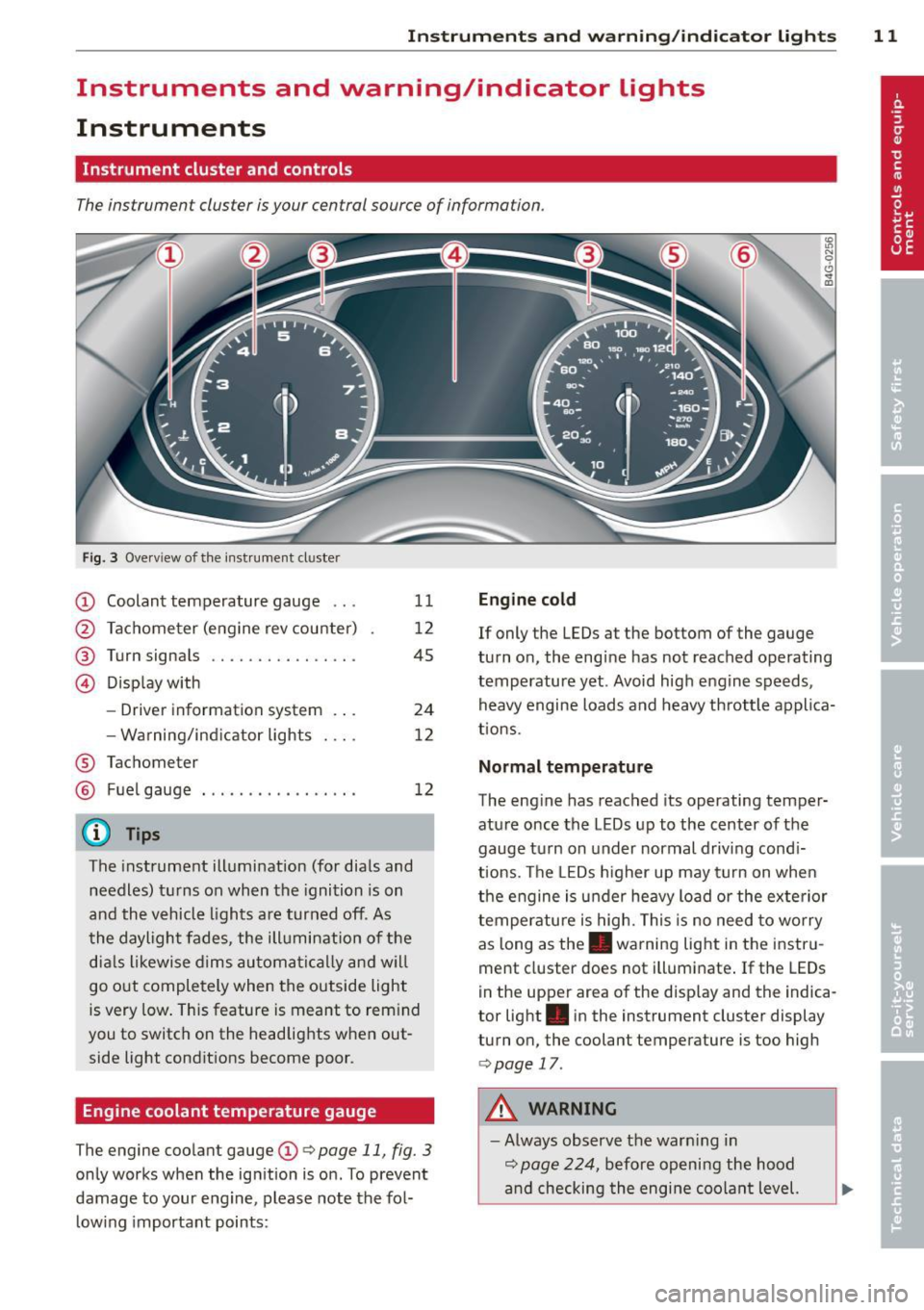
Fig. 3 Overv iew of the instrument cluster
CD Coolant temperature gauge .. .
@ Tachometer (eng ine rev counter)
@ Turn signals ............... .
@ Display with
®
®
-Driver information system .. .
- Wa rning/ind icator lights
Tachometer Fuel gauge
@ Tips
11
12
45
24
12
12
The instrument illumination (for dials and
needles) turns on when the ignition is on
and the vehicle lights are turned off. As
the daylight fades, the illumination of the
dials likewise dims automatically and wil l
go out completely when the outside light
is very low. This feature is meant to rem ind
you to switch on the headlights when out
side light conditions become poor.
Engine coolant temperature gauge
The engine coolant gauge CD¢ page 11, fig. 3
only works when the ignition is on. To prevent
damage to your eng ine, please note the fol
l owing important points:
Engine cold
If only the LEDs at the bottom of the gauge
turn on, the eng ine has not reached operating
temperature yet . Avoid high engine speeds,
heavy engine loads and heavy throttle applica
tions.
Normal temperature
The engine has reached its operating temper
ature once the LEDs up to the center of the
gauge turn on under normal driving cond i
t ions. The LEDs higher up may turn on when
the engine is under heavy load or the exterior
temperature is high. This is no need to worry
as long as the. warning light in the instru
ment cluster does not illuminate. If the LEDs
in the upper area of the disp lay and the indica
tor light . in the instrument cluster display
turn on, the coolant temperature is too high
¢page 17.
A WARNING
-Always observe the warn ing in
¢ page 224, before opening the hood
and checking the engine coolant level.
Page 18 of 304
16 Instrum ent s and w arn ing /indic ato r light s
possible to set the parking brake or release
it once it has been set. Seek professional as
s istance .
(USA models): If the warning light
1111 and
the warning light
liJ appear together, imme
diate ly contact your authorized Audi dealer or
qua lified workshop to have all brake pads in
spected
¢ page 21 .
When the light comes on, an audib le warning
signal is also given .
A WARNING
-Always observe the warnings in
¢ page 224, before opening the hood
and checking the brake fluid.
- Driving with low brake fluid is a safety
hazard. Stop the car and get professional
assista nee.
- If the
1111 (USA models)/ . (Canada
models) brake system indicator light
turns on together with the ABS and ESC indicator lights, the ABS/ESC regulating
function may have failed . Fu nctions that
stabilize the vehicle are no longer availa
ble. Th is could cause the vehicle to
swerve and increase the risk of sliding .
Drive caref ully to the nearest a uthorized
Audi dealer or other qualified workshop and have the malfunction corrected.
- If the brake warning/indicator light does
not go out afte r a few seconds and the
park ing brake is released, or lights up
wh ile you are driv ing, the fluid level in
the brake f luid reservoir is too low . If you
believe that it is safe to do so, proceed
immediately at low speed to the nearest
authorized Aud i dealer o r qualified repair
f a cility and have the bra ke system in
s pected.
- Always keep in m ind that afte r several
brake applicat ions, yo u w ill need g reater
pressure on the brake peda l to s top your
vehicle. Do not re ly on strained brakes to
respond with maxim um stopp ing power
in critical situations. You must allow for
increased brak ing distances. The extra distance used up by fading brakes could
lead to an accident .
PARK/{®) Electromechanical parking brake
The warning/indicator light monitors the
electromechanical parking brake.
If the indicator ligh t - (USA models) •
(Canada mode ls) turns on, the parking brake
was set . If the parking brake is set when the
ignition is
off, the indicator light turns off a f
ter about 20 seconds.
T he warning/i ndicator light wi ll go out when
the parking brake is re leased.
- (USA model s) ,. (Canada model s)
Caution : V ehicle parked too ste ep
If the indicator light b links and the message
appea rs, there is not enough braki ng power to
keep the vehicle from roll ing . T he b ra kes have
overheated. The vehicle cou ld roll away even
on a sma ll incline .
Press brak e pedal to rel eas e parking brak e
To release the park ing brake, press the brake
pedal and press the button~ or start driving
with starting assist at the same time
¢ page 78.
Plea se rel ea se park ing brake
T o re lease the parking brake manually, p ress
the brake peda l and press the button~ at the
same t ime. The parking brake only releases
automat ica lly if the driver's safety belt is fas
tened .
Iii Parking brake!
If the Iii indicator light t urns on and t his
message appears , there is a parking b rake
malfunction . Drive to your authorized A udi
dealer or qualif ied workshop immediately to
have the malfunct ion corrected.
Page 32 of 304
30 Instruments and warning/indicator lights
Display brightness
You can adjust the display brightness in the
MMI. The display brightness decreases auto
matica lly as the amo unt of light decreases.
The basic leve l of brightness is adjusted with
the instrument illumination
c:> page 46.
(D Note
To prevent scratches on the glass covering
the Head-up Disp lay, do not place any ob
jects in the projection opening.
@ Tips
- Sunglasses with polarization fi lters and
unfavorable lighting conditions can af
fect the display.
- A specia l windshield is needed for the
Head-up Display function.
- For information on cleaning, refer to
c:> table on poge 212.
On-Board Diagnostic
system (OBD)
Malfunction Indicator Lamp (MIL)
The Malfunction Indicator Lamp (MIL) II! in
the instrument cluster is part of the On-Board
Diagnostic (OBD II) system.
The warning/indicator light illuminates when
the ignition is switched on and goes o ut after
the engine starts and the idle has stabilized.
This indicates that the MIL is working proper
ly .
If the light does not go out after the engine
is started, or illuminates while you are driv
ing, a ma lfunction may exist in the engine sys
tem. If the light illuminates, the catalytic con
verter could be damaged.
Continue driving
with reduced power (avoid
ing sustained high speeds and/or rapid accel
erations) and have the condition corrected.
Contact your authorized Audi dealer .
If the light illuminates, the electronic speed
limiter may also be malfunctioning. For more information
r=.> page 31,
Electronic speed
limiter .
An improperly closed fuel filler cap may also
cause the MIL light to illuminate
c:>page 218.
On-Board Diagnostics
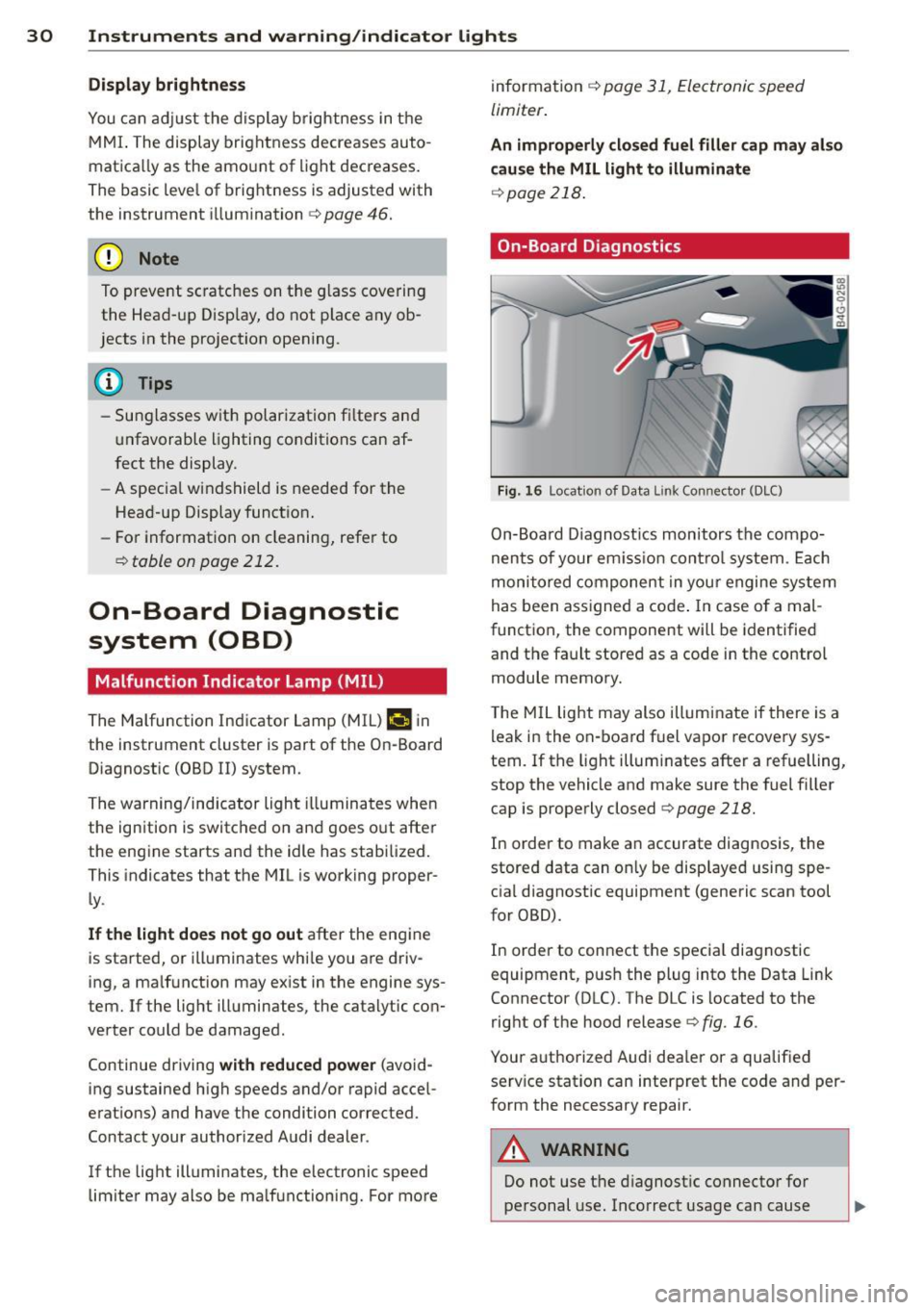
Fig. 16 Locat ion of Data L ink Con nector (DLC)
On-Board D iagnost ics monitors the compo
nents of your em iss ion control system . Each
monitored component in your engine system
has been assigned a code . In case of a mal
function, the component will be identified
and the fault stored as a code in the control
module memory.
T he MIL light may also illuminate if there is a
leak in the on-board fuel vapor recovery sys
tem.
If the light illum inates after a refuelling,
stop the vehicle and make sure the fuel filler
cap is properly closed
c:> page 218.
In order to make an accurate diagnosis, the
stored data can only be displayed using spe
cial diagnostic equipment (generic scan tool
for OBD).
In order to connect the special diagnostic
equipment, push the plug into the Data Link
Connector (DLC). The DLC is located to the
right of the hood release
r=.> fig . 16 .
Your authorized Audi dea ler or a qualified
serv ice station can interpret the code and per
form the necessary repair.
A WARNING
Do not use the diagnostic connector for
personal use. Incorrect usage can cause
Page 36 of 304
34 Opening and closing
for another vehicle or a transponder is
located on the key ring.
- For Declaration of Compliance to United
States FCC and Industry Canada regula
tions ¢
page 286.
Power locking system
General description
The power locking system locks or unlocks all
doors and the rear lid simultaneously.
You can lock and unlock the vehicle centrally.
You have the following choices:
- Remote master key¢
page 35,
-Door handles with convenience key*
¢page 36,
-Lock cylinder at the driver's door
<=?page 37, or
- Power locking switch inside
<=? page 37.
Selective unlocking
When you lock the vehicle, the power locking
system w ill lock the doors and the rear lid .
When unlocking, you can set in the MMI
whether only the driver's door or the entire
vehicle should be unlocked <=?
page 35.
Automatic locking
The automat ic locking feature locks all the ve
h icle doors and the rear lid when you drive
faster tha n 9 mph (15 km/h).
The car is unlocked again, when the opening
function in the power locking system sw itch
or at one of the door levers is actuated .
Anti-theft alarm warning system
If the anti-theft alarm warning system de
tects a break- in into the vehicle, acoust ic and
visual warning signals are triggered .
The anti-theft warning system is activated au
tomatically when you lock the vehicle . It is de
activated when u nlocking using the remote
key, with the mechanical key, and when you
switch the ignition on.
The alarm also turns off when the alarm cycle has expired.
Turn signals
When you unlock the vehicle, the turn s ignals
flash twice. When you lock the vehicle the
turn signals flash once. If they do not flash ,
one of the doors, the rear lid or the hood is
not locked .
Unintentionally locking yourself out
In the follow ing cases there safeguards to
prevent you locking your remote master key in
the vehicle:
- The vehicle does not lock w ith the central
locking switch <=?
page 37 if the driver's
door is open.
- On veh icles with convenience key*, if the
most recently used master key is in the lug
gage compartment, the rear lid is automati
cally un locked again after it is closed.
Do not lock your veh icle w ith the
remote mas
ter key or convenience key*
unti l all doors
and the rear lid are closed. In this way you
avoid locking yourself out accidentally .
Power side door closer*
The veh icle doors are equipped with a power
s ide door closer . When closing a door, you on
ly have to let it fall light ly into the latch . The
door will then automatically close by itself
¢& .
A WARNING
-- When you lock your vehicle from outside,
nobody - especially children -should re
main inside the vehicle. Remember,
when you lock the vehicle from the out
side the windows cannot be opened from
the inside.
- When you leave the vehicle, always take
the ignition key with you . This will pre
vent passengers (children, for example)
from accidentally being locked in the ve
hicle should they accidentally press the
power locking switch in the doors.
- Do not leave children inside the vehicle
unsupervised. In an emergency it would
be impossible to open the doors from
the o utside without the key.
Page 172 of 304
1 7 0 Airbag syst em
larger, unclosed openings in the door
panel.
- Never drive w ith inter ior door trim pan
e ls removed.
- Never drive when parts have been re moved from the ins ide doo r panel and
the openings they leave have not been p roperly closed.
- Never d rive when loudspeakers in the
doors have bee n removed unless the
spea ker holes have been properly
closed.
-Always ma ke certa in that openings are
covered or fi lled if additional speakers
or other equ ipment is installed in the
inside door panels.
- Always have work on the doors done by an authorized Audi dealer or qualified
workshop .
Side curtain airbags
Description of side curtain airbags
The side curtain airbag system can provide
supplemental protection to properly restrain
ed occupants.
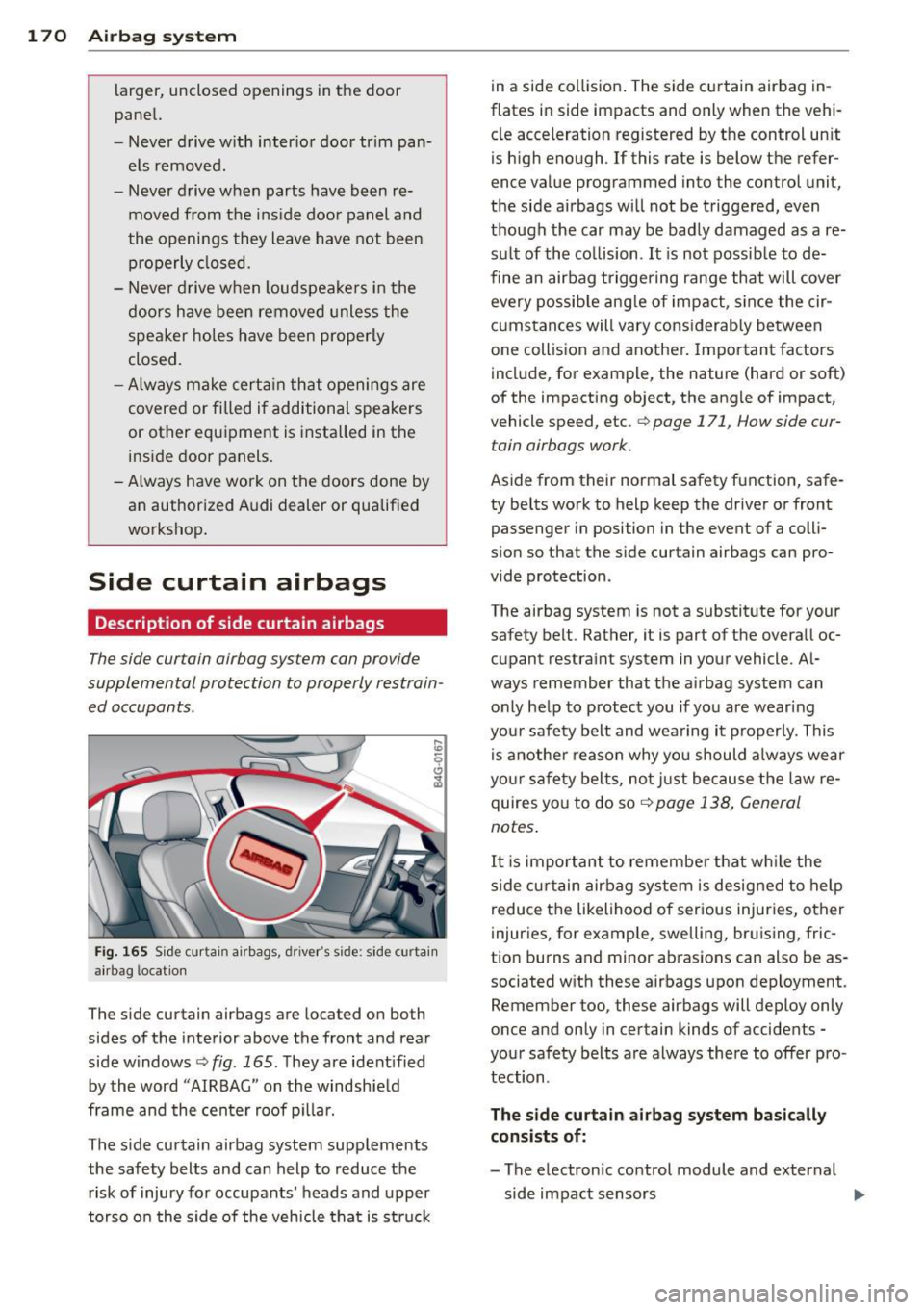
Fi g. 1 65 Side curtain a irbags, d river 's side: s ide curta in
a ir bag location
The s ide curtain airbags are located o n both
sides of the interior above the front and rea r
side windows
c:.> fig. 165 . They are ident ified
by the word "AIRBAG" on the windshield
frame and the center roof p illar.
The s ide curtain airbag system supp lements
the safety belts and can help to reduce the risk of injury for occupants' heads and upper
torso o n the side of the vehicle tha t is struc k in a side collision
. The side curtain airbag in
flates in side impacts and only when the vehi cle acceleration registered by the control un it
is h igh enough . If this rate is below the refer
ence value programmed into the control unit,
the side airbags will not be triggered, even
t h ough the car may be bad ly damaged as a re
su lt of the co llision .
It is not possib le to de
fine an airbag triggering range that will cover every possib le ang le of impact, s ince the cir
cumstances will vary cons iderably between
one collision and another. Important factors
include, for example, the nature (hard or soft)
of the impacting object, the angle of impact,
vehicle speed, etc .
c:,, page 171, How side cur
tain airbags work .
Aside from their normal safety function, safe
ty belts work to help keep the driver or front
passenger in position in the event of a colli
sion so that the side curtain airbags can pro
vide protection .
The airbag system is not a substit ute for your
safety belt . Rather, it is part of the overall oc
cupant restraint system in your vehicle. Al
ways remember that the a irbag system can
only help to protect you if you are wear ing
you r saf ety belt and wearing it properly . This
is anothe r reason why yo u should always wear
yo ur safe ty belts, no t just because the law re
quires yo u to do soc:.>
page 138, General
notes .
It is important to remember that w hile the
s ide cur tain airbag system is designed to help
reduce the likelihood of ser ious injur ies, other
injuries, for example, swelling, bruising, fric
tion burns and minor abrasions can also be as
sociated w ith these airbags upon dep loyment.
Remember too, these airbags will deploy only
once and only in certain kinds of accidents -
your safety belts are always there to offer pro
tection.
The side curtain airbag sy stem basic ally
cons ists of:
- The electronic control module and external
side impact sensors ..,..
Page 226 of 304
224 Checking and filling
Checking and filling Engine hood
Releasing the engine hood
The engine hood is released from inside the
vehicle .
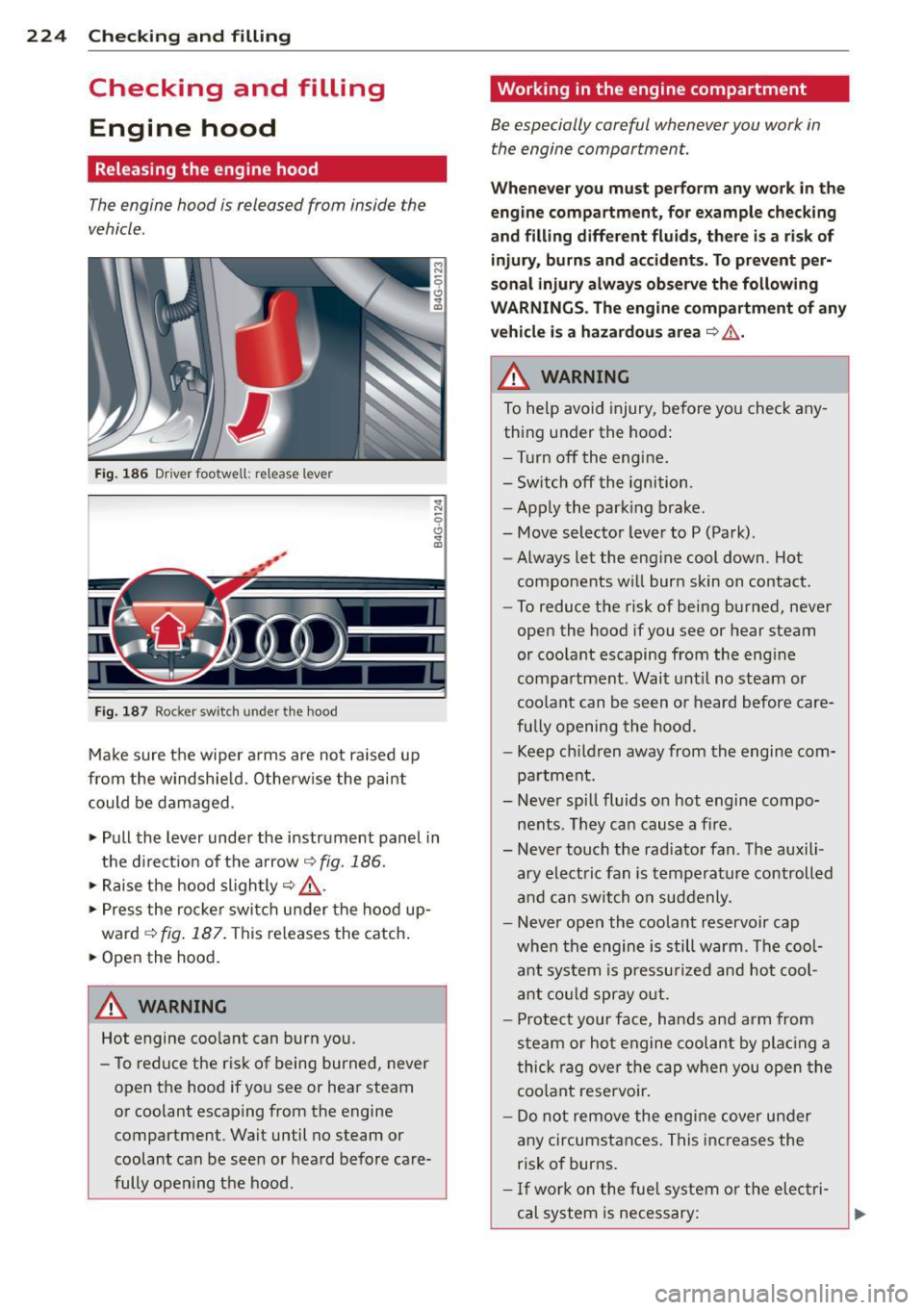
Fig. 186 Driver foo twell: release lever
Fig. 187 Rocker switch un der the hood
Make sure the wiper arms are not raised up
from the windshield. Otherwise the paint
could be damaged .
.,. Pull the lever under the instrument panel in
the direction of the arrow
¢ fig. 186.
.,. Raise the hood slightly¢,&. .
... Press the rocker switch under the hood up
ward
~ fig. 187. This releases the catch.
• Open the hood.
&_ WARNING
Hot engine coolant can burn you.
- To reduce the risk of being burned,
never
open the hood if you see or hear steam
or coolant escaping from the engine compartment . Wait until no steam or
coolant can be seen or heard before care
fully opening the hood .
'Working in the engine compartment
Be especially careful whenever you work in
the engine compartment.
Whenever you must perform any work in the
engine compartment, for example checking
and filling different fluids, there is a risk of injury, burns and accidents. To prevent per
sonal injury always observe the following
WARNINGS. The engine compartment of any
vehicle is a hazardous area
¢ ,&. .
A WARNING
To help avoid injury, before you check any
thing under the hood:
- Turn off the engine.
- Switch off the ignition .
- Apply the parking brake.
- Move selector lever to P (Park).
- Always let the engine cool down. Hot
components will burn skin on contact.
- To reduce the risk of being burned, never
open the hood if you see or hear steam
or coolant escaping from the engine
compartment. Wait until no steam or
coolant can be seen or heard before care
fully opening the hood.
- Keep children away from the engine com
partment.
- Never spill fluids on hot engine compo
nents . They can cause a fire .
- Never touch the radiator fan. The auxili
ary electric fan is temperature controlled
and can switch on suddenly .
- Never open the coolant reservoir cap
when the engine is still warm . The cool
ant system is pressurized and hot cool
ant could spray out.
- Protect your face, hands and arm from
steam or hot engine coolant by placing a
thick rag over the cap when you open the
coolant reservoir.
- Do not
remove the engine cover under
any circumstances. This increases the
risk of burns.
- If work on the fuel system or the electri
cal system is necessary:
Page 227 of 304
-Always disconnect the battery.
- Never smoke or work near heaters or open flames. Fluids in the engine com
partment could start a fire.
- Keep an approved fire extinguisher im
mediately available.
- To avoid electrical shock and personal in
jury while the engine is running or being
started, never touch :
- Ignition cables
- Other components of the high voltage
electronic ignition system.
- If you must perform a check or repair
with the engine running:
- First, fully apply the parking brake,
move selector lever to P (Park).
- Always use extreme caution to prevent
clothing, jewelry, or long hair from get
ting caught in the radiator fan, V-belts
or other moving parts, or from contact ing hot parts. Tie back hair before
starting, and do not wear clothing that
will hang or droop into the engine.
- Minimize exposure to emission and
chemical ha zards c:::> & .
A WARNING
California Proposition 65 Warning:
- Engine exhaust, some of its constituents,
and certain vehicle components contain
or emit chemicals known to the State of
California to cause cancer and birth de
fects and reproductive harm. In addition ,
certain fluids contained in vehicles and
certain products of component wear con
tain or emit chemicals known to the
State of California to cause cancer and
birth defects or other reproductive harm .
Checking and filling 225
-Battery posts, terminals and related ac
cessories contain lead and lead com
pounds, chemicals known to the State of
California to cause cancer and reproduc
tive harms. Wash hands after handling.
(D Note
When adding fluids, always make sure that
they are poured into the proper container
or filler opening, otherwise serious dam
age to vehicle systems will occur.
(® For the sake of the environment
To detect leaks in time, inspect the vehicle
floor pan from underneath regularly . If
you see spots from oil or other vehicle flu ids, have your vehicle inspected by an au
thorized Audi dealer.
Closing the engine hood
.,. Pull the hood down until the pressure from
the struts is reduced.
"'Let the hood
drop down and latch in place.
Do not try to push it shut; it may fail to en
gage
c:::> ,A .
A WARNING
-
A hood that is not completely latched
could fly up and block your view while driv
ing .
- When you close the engine hood, check it
to make sure the safety catch has proper ly engaged. The hood should be flush
with the surrounding vehicle body parts.
- If you notice while driving that the hood
is not secured properly , stop at once and
close it. •
•
Page 294 of 304
292 Index
Starting with j umper cab les . ....... . 274
Stopping . . . . . . . . . . . . . . . . . . . . . . . . . . 7 5
E ng ine compartment ....... .... .... . 226
C lo sing the hood ....... .. .. .. .. .. . 225
Opening the hood ........ .. .. .... . 224
Safety instructions ..... ... .. .. .... . 224
Working in the engine compartment .. 224
E ng ine coolant .......... .. .. .. .. .. . 23 1
Adding co ol ant ........... .. .. .... . 23 2
Che ckin g the eng ine coolan t leve l .. ... 232
E xpansion tan k ... ..... ... .. .. .... . 23 2
M alfunctio n symbo l . . . . . . . . . . . . . . . . . 17
Radiato r fan . .. .. ..... ... .. .. .... . 233
Temperature ga uge ....... .. .. .. .. . . 11
E ng ine oi l ..... ........... .... .... . 226
Adding .... ... . ...... ... .. .. .... . 229
Addit ives ... ... .. ..... ... .. .. .... . 229
C hanging . .... . ...... ... .. .. .... . 230
Check ing the eng ine o il level .. .. .... . 229
Indications and cond it ions requ iring ex-
tra check ing .. ... .... .... .. .. .. .. . 229
Ind icator light . . . . . . . . . . . . . . . . . . . . . 18
O il consumption ........... ... .. .. . 228
O il g rades .. .. . .......... .. .. .... . 226
Pr ess ure mal function ...... .. .. .. .. . . 18
Recommended oil check in tervals .... . 229
Sensor defective . . . . . . . . . . . . . . . . . . . . 22
Specification and viscos ity . ... .. .. .. . 226
E ng ine sound ............. .. .. .... . 100
Eng ine speed limitat ion ..... .. .. .... .. 22
E ng ine start -stop mode
refer to Start -Stop -System ... ... ... .. 81
E ng ine start system (ind icator lights) .... 18
Environment Break- in period ........... .. .. .. .. . 201
Cata lytic conve rter .. ...... .. .. .. .. . 202
Diese l partic ulate fil ter ..... ... .. ... 202
Di sposing of you r vehicle batte ry .. .. . 238
Dr iving a t high speeds ... .. .. .. .. .. . 20 4
D riving to m inim ize pollu tion and no ise 203
Fu el . .... .. ... ... .... ... .. .. .... . 2 18
Fu el economy .. . ...... ... .. .. .... . 203
L eaks under your veh icle ... .. .. .. .. . 224
Lett ing the vehicle stand and warm up . 204
Proper disposal of dra ined brake f luid . 234 Proper disposal of d
rained eng ine cool -
ant . ... .. .... .. .. ... ..... ... .. .. 232
Proper d isposal of d rained eng ine
o il . . . . . . . . . . . . . . . . . . . . . . . . . 229, 230
Recycling used engine oil ........ .... 229
U nleaded fuel .. .. ................ . 215
What s hou ld I do w ith an o ld battery? . 238
Event Data Recorde r (EDR) ..... ... .. .. 194
E xhaus t tai l pipes
C leaning .. .. .. . .............. .. .. 211
Expansion tank .. .. .......... ...... . 232
Exterior lighting ... .. ... ..... ... .. .. . 43
E xte rior mi rrors
Adjus ting . .... .. .. ........... .... . 50
D imming . ..... .. .. ... ..... ... .. .. . 51
Heating . . . . . . . . . . . . . . . . . . . . . . . . . . . 50
E xterior tempera ture display ........... 24
F
Fastening
Booster seats . . . . . . . . . . . . . . . . . . . . . 182
Co nvertib le child safety seats ........ 180
I n fan t seats ... .. ............. .... 179
Floor mats .. .... .. ............. .... 133
F oot peda ls ..... .. .. ... ..... ... .. .. 133
Fo r the sake of the environment
Gasoli ne fumes and the env ironme nt .. 218
Red ucing engine noise by early upshift -
i ng ....... .. .. .. .. ............... . 11
Ref ueling ..... .. ... .. ..... .... . .. 218
Saving f uel by early ups hifting ... .. .. . 11
Fo ur- zone automatic climate control . .. . 70
Front a irbags
Descrip tion .... ... ................ 151
How they work . .. .......... ...... . 157
Frontal col lisions and the laws of p hysics 139
Front seats . . . . . . . . . . . . . . . . . . . . . . . . . 52
Adjus ting . .. .. .. ............. .. .. 130
C hild rest rain ts in the front seat . ... .. 149
Fuel Additives ...... .. ..... ........... . 215
B len ded gaso line .............. .... 215
Cur rent co nsumption ........... .... . 25
E conomy messages (e fficiency p rogram) 2 7
Fuel fi lle r flap emergency release ... .. 220
Fuel fi lle r neck ... .. .... .... ... .. .. 217
Fuel gauge . . . . . . . . . . . . . . . . . . . . . . . . 12
Page 297 of 304
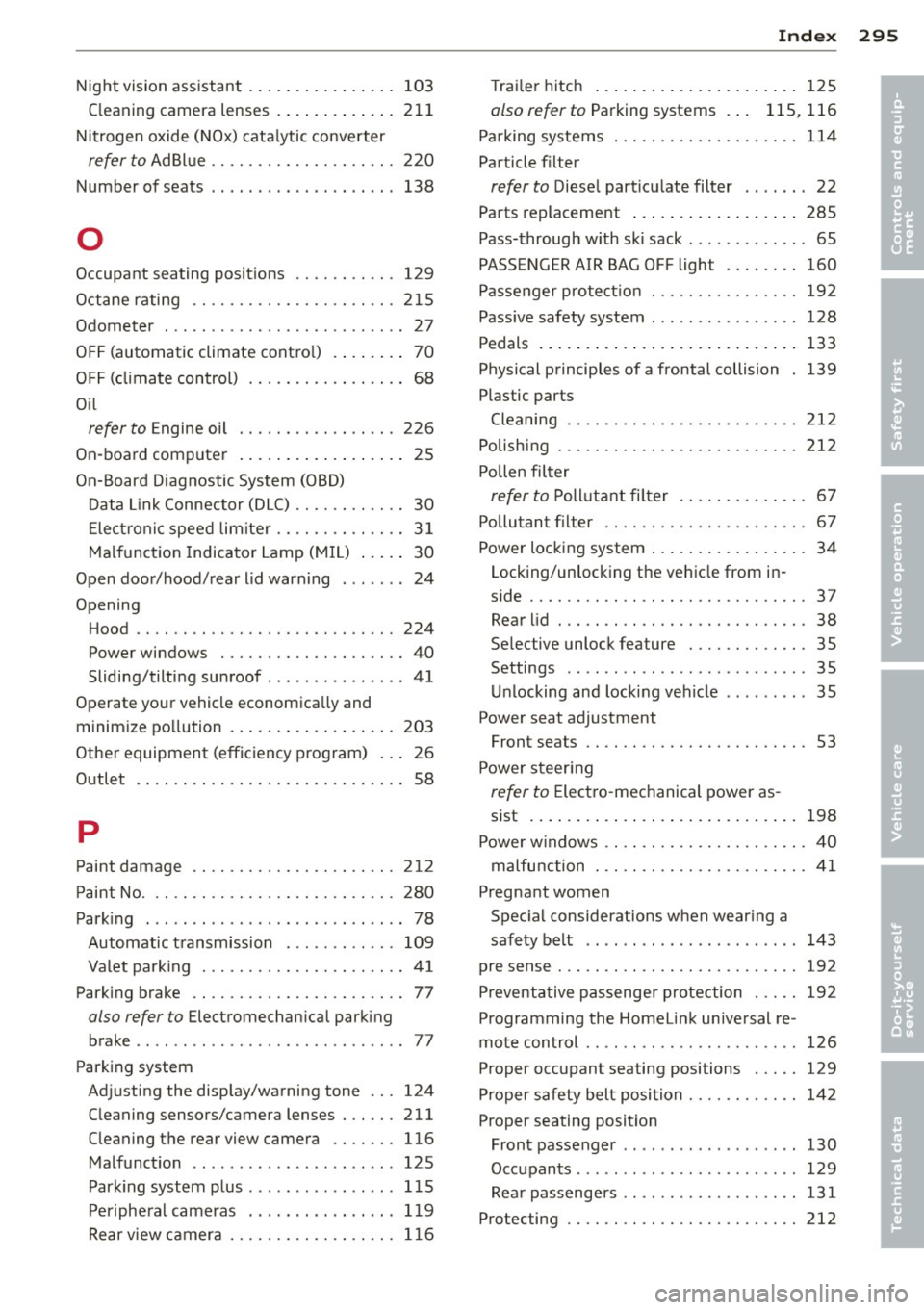
Night vision assistant .... ... .. .. .. .. . 103
C leaning camera lenses . ... .. .. .. .. . 211
Nitrogen oxide (NOx) cata lytic conve rter
refer to Ad Blue ........... .. .. .. ... 220
Number of seats .. .. .... .... . .. .. .. . 138
0
Occupant seating positions
129
Octane rating ............. .... .. .. . 215
Odometer ..... ................ .... . 27
O FF (automatic climate contro l) . . . . . . . . 70
O FF ( clima te control) ....... .. .. .. .. .. 68
O il
refer to Engine oil ......... ... ... .. 226
On-board compute r ..... ... .. .. .. .. .. 25
On-Board Diagnostic System (OBD) Data L ink Connector (DLC) .. .. .. .. .. .. 30
E lectron ic speed lim ite r . . . . . . . . . . . . . . 3 1
M alfunct ion Indica tor Lamp (M IL) ... .. 30
Open door/hood/rear lid warning . . . . . . . 24
Opening Hood .... .. ................. .. ... 224
Powe r windows .......... .... .. .. .. 40
Sliding/tilting sunroof ........ .... ... 41
Operate you r vehicle economica lly and
minim ize po llution ......... .. .. .. .. . 203
Othe r equipmen t (eff ic iency p rog ram) . .. 26
Outlet .. .. .. .... ... .. ... ... .. .. .. .. 58
p
Paint damage
212
P aint No . .. .. .... ......... .... .. .. . 280
Park ing . .. ... ......... ...... .... ... 78
Automatic t ransmission ... .. .. .. .. . 109
Valet park ing ............ .. .. .. .. .. 41
Park ing brake ............. .... .. .. .. 77
also refer to Electromechanical park ing
brake .. .. ... ............. ... ... ... 77
Park ing system
Ad justing the disp lay/warning tone .. . 124
C leaning sensors/camera lenses . .. .. . 211
C leaning the rear view camera .. .. .. . 116
Malfunct io n .. ........... .. .. .. .. . 125
Par king system plus .......... .... .. 115
P eriphe ra l came ras .... ... .. .. .. .. . 119
Rear view camera ......... .. .. .. .. . 116
Inde x 295
Trai le r hitch ..... ... .. .. ..... ... .. 125
o/sorefertoPa rkingsystems . .. 115,116
Pa rking systems . .. ................. 11 4
Particle f ilter
refer to Diese l part icu late filter .. .. .. . 22
Pa rts replacement ... . .. .. ..... ... .. 285
Pass-through w ith sk i sack . . . . . . . . . . . . . 65
PASSENGER AIR BAG OFF light ...... .. 160
P a ssenger protect ion ............ .... 192
Passive safety system ... .. ...... .... . 128
Pedals ... .. .. .. .... . ... ...... ... .. 133
Physical p rinciples of a frontal collision 139
Plastic parts Cleaning ........ .. ............... 212
Polishing ... .. .... .. . .. .. ..... ... .. 212
Pollen filter
refer to P oll utant fil ter ........... .. . 67
Pollutant f ilter .. .. .... ......... .. .. . 67
Power locking system .. .. .. ..... ... .. . 34
Locking/unlocking the vehicle from in-
s ide .......... .. .. ................ 37
Rear lid . . . . . . . . . . . . . . . . . . . . . . . . . . . 38
Se lective unlock feature ........ .. .. . 35
Settings ........ .. ................ 35
U nlocking and locking vehicle ....... .. 35
Power seat adjustment Front seats . . . . . . . . . . . . . . . . . . . . . . . . 53
Power steer ing
refer to Ele ct ro -mechanical power as -
sist . ... .. .. .... ... . ... ..... ... .. 198
Power w indows .. .. ............. .. .. . 40
m alfu nction . .. .... ... .......... .. . 41
P regnant women
Spec ia l considerations when wear ing a
safety belt . . . . . . . . . . . . . . . . . . . . . . . 143
pre sense ... .... .. .. . .............. 192
P reventative passenge r protection . .. .. 192
Programming the Homeli nk unive rsal re -
mote control .. .. .. .. . .. .... .... .. .. 126
Proper occupant seating positions ... .. 129
P roper s afety belt posi tion . . . . . . . . . . . . 142
Proper seating position Front passenger .................. . 130
Occupan ts . .. .. .... .. ........ ..... 129
Rea r passengers .. ............. .... 131
Protecting .. .. .. .. ................. 212
•
•