light AUDI A7 2012 Owners Manual
[x] Cancel search | Manufacturer: AUDI, Model Year: 2012, Model line: A7, Model: AUDI A7 2012Pages: 294, PDF Size: 73.33 MB
Page 227 of 294
_& WARNING
-The cooling system is under pressure and
can get very hot. Reduce the risk of
scald ing from hot coolant by following
these steps.
- Turn
off the engine and a llow itto cool
down.
- Protect your face, hands and arms from
escaping fluid and steam by covering
the cap with a large, thick rag.
- Turn the cap slow ly and very carefully
in a counter-clockwise direction while
applying light, downward pressure on
the top of the cap.
- To avoid being burned, do not spi ll an
tifreeze or coolant on the exhaust sys
tem or hot engine parts . Under certain
conditions, the ethylene glycol in en
g ine coolant can catch fire .
- Antifreeze is poisonous. Always store an
tifreeze in its or iginal containe r and we ll
out of the reach of children.
- If you drain the coolant, it must be
caught and safely stored in a proper con
tainer clearly marked "poison".
(D Note
- Coolant pollutes the env ironment and
could cause an engine fire. Excess cool
ant will be forced out through the pres
su re relief valve in the cap when the en
gine becomes hot.
- If, in an emergency, only water can be
added, the cor rect ratio between water
and antifreeze ¢
page 223 must be re
stored as soon as possib le.
@ For the sake of the environment
Drained coolant should not be reused . A l
ways dispose of used coolant while obse rv
ing all environmental reg ulations.
Checkin g and fillin g 225
Radiator fan
The radiator fan switches on automatically by
itself.
An auxiliary electric radiator fan switches on
and
off depending on coolant temperature
and other vehicle operat ing cond it ions .
After you switch the engine
off, the auxiliary
fan can continue running for up to 10 minutes
- even with the ignition
off. It can even switch
on again later by itself ¢&. , if
- the temperature of the engine coo lant rises
due to the heat build-up from the engine in
the engine compartment, or
- the engine compartment heats up because
the vehicle is parked in intense sunlight.
_& WARNING
-To reduce the risk of personal injury nev
er touch the radiator fan .
- The auxiliary electric fan is temperature
controlled and can sw itch on suddenly
even when the engine is not running.
- The a uxiliary radiator fan sw itches on au
tomatically when the engine coo lant
reaches a certa in temperature and will
continue to ru n until the coolant temper
ature drops.
Brake fluid
Checking brake fluid level
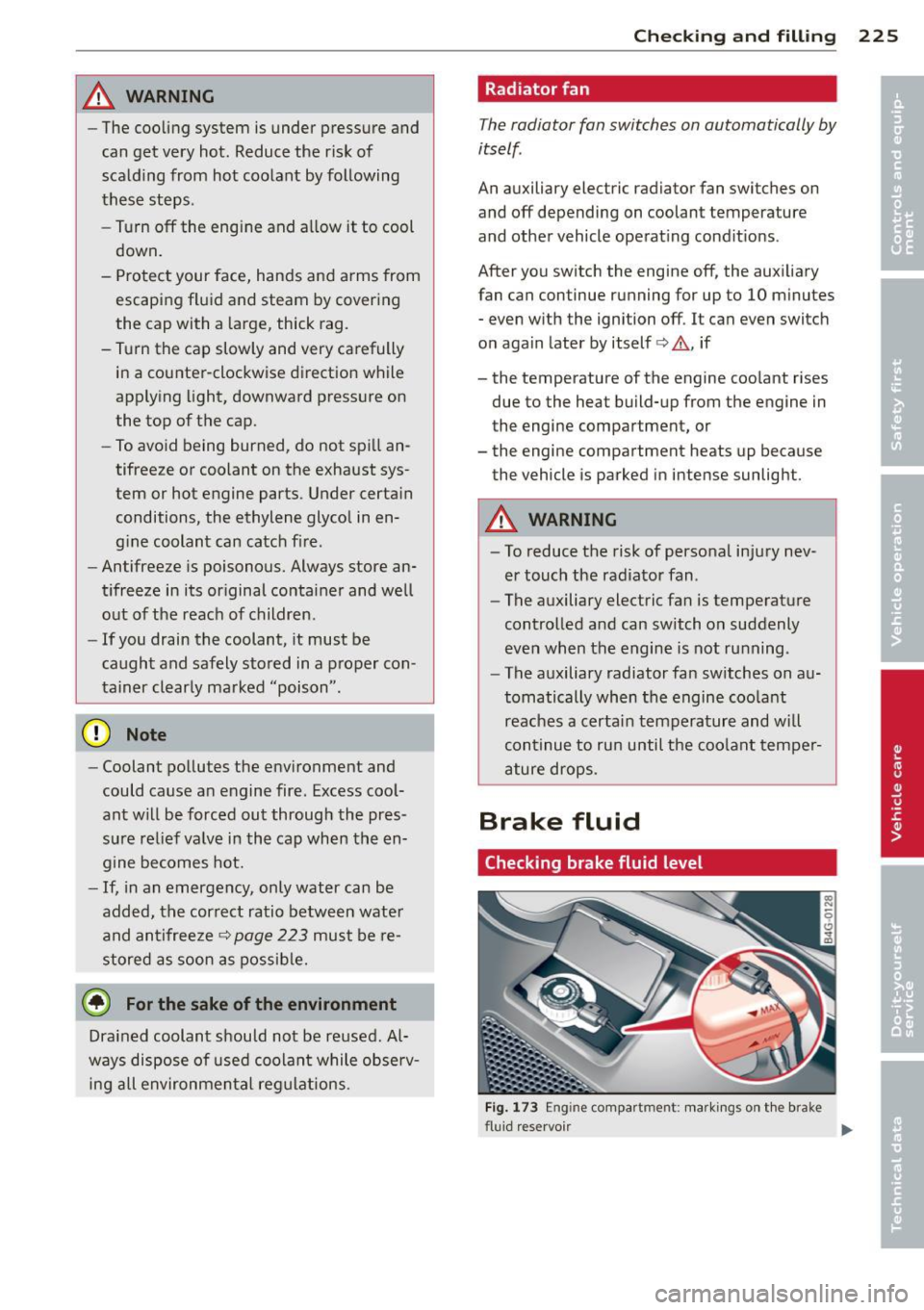
Fig. 173 En gin e compartment: mark ings on th e brake
fluid rese rvoir
Page 228 of 294
226 Check ing and filling
Before you check anything in the engine com
partment,
always r ea d and heed all W ARN
INGS
¢ A in Working in the engine compart
ment on page 216.
• Read the brake fluid leve l from the brake
fluid reservoir
¢ fig. 173. The brake fluid
l evel must be between the
"MIN" and
"MAX" markings .
The location of the brake fluid reservoir can be
seen in the engine compartment illustration
co page 218.
The fl uid level may drop slightly after some
time due to the automatic adjustment of the brake pads . This is not cause for alarm .
I f the b rake fluid level falls
considerably be
l ow the "MIN" mark, the brake wa rning/indi
cator light- (U.S.
models) ;II (Canadian
models) will come on
¢ page 14. Do not con
tinue to operate the vehicle. The comp lete
brake system shou ld be thoroughly checked
by an authorized Audi dealer or other quali
fied fac il ity and the cause corrected. If the
brake fluid level is too low, the brake warn ing/
i ndicator light w ill illuminate. Contact an au
thor ized Audi dealer
imm ediatel y.
Changing brake fluid
Have the brake fluid changed by an experi
enced technician .
Brake fluid absorbs moistu re from the a ir . If
the water content in the brake fluid is too
h igh, corrosion in the brake system may result
after a per iod of t ime . The bo iling po int of the
b rake fluid w ill also decrease considerably and
dec rease braking per formance.
Therefore, the brake flu id must be changed
ev ery tw o y ear s. Always use new b rake fluid
which confo rms to Fede ral Motor Vehicle
Standard "FMVSS 1 16 DO T 4".
The brake flu id rese rvoi r can be difficult to
r each, therefo re , we re commend that yo u
have the brake fl uid changed by yo ur a utho r
ized
Audi dealer. Your dea ler has the correct tools, the
right brake flu id and t he know -how
to do this for you.
A WARNING
-- Brake flu id is poisonous. It must be stor-
ed only in the closed or igina l container
out of the reach of children!
- Brake failure can resu lt from o ld or inap
propriate brake f lu id. Observe these pre
cautions:
- Use only brake f luid that meets SA E
spe cifi cation
J 17 03 and conforms to
Federa l Motor Vehicle Standard 1 16 .
Always chec k with your authorized A udi
dealer to make sure yo u are using the
correct brake fluid. The cor rect type of
brake flu id is also ind icated on the
brake f lu id reservoir.
- The brake fluid must be new. Heavy use
of the brakes can cause a vapor lock if
the brake fluid is left i n the system too
long . This can se riously affect the effi
c iency of the brakes as well as your
safety . T h is i:ou ld result in an ai;i;ident.
(D Note
Brake fluid will damage the pai nt of you r
vehicle .
@ For the sake of the environment
Because of the prob lem of proper disposal
of brake fluid as well as the spec ial too ls
r equired and the necessary expertise, we
r ecommend that yo u have the brake flu id
changed by yo ur autho rized Aud i dea le r.
Battery
General information
Under normal operat ing cond itions, the bat
te ry in your Audi does not need any ma inte
nance. With
high outside temperatures or
long da ily drives we recommend that you have
the e lectrolyte leve l che cked by a se rv ice fa
c il ity. The electroly te leve l should also be
chec ked each time the battery is cha rged
¢ page 22 9.
Page 229 of 294
Have the battery checked when you take your
vehicle in for service. Yo u are well advised to
replace a battery that is older than 5 years.
W ith certa in types o f airbag deployment, the
battery is disconnec ted from the vehicle elec
trica l system for safety reasons
c::> &. in Re
pair, care and disposal of the airbags on
page 153.
Di sconn ecting the battery t erminal s
Some vehicle functions (power w indow regu
l ators, for example) are lost if the battery ter
minals are disconnected . These functions have
to be re learned after the battery terminals are
connec ted again. To prevent this, the battery
should only be disconnected from the vehicle
e lectrical system when absolutely necessary
for repairs .
Vehicl es not driven for long p eriod s
If you do not drive your vehicle over a period
of several days or weeks, electrical compo
nents are gradually cu t back or switched off .
This reduces energy consumption and main
tains starting capability over a longer per iod
c::> page 190. Some of the convenience func
tions may not operate, s uch as the inte rior
lights o r power seat adjus tme nt. The conven
ience functions will be ava ilable again when
you switch on the ignition and start the en gine.
Winter operation
During the winter months, ba ttery capaci ty
t ends to decrease as tempe rat ures d rop . This
is because more powe r is also consumed while
starting , and the headlights, rear window de
fogger, etc., are used more often.
Avoid unnecessary power cons umption, par
ticularly in c ity t ra ff ic or when t raveling on ly
short distances. Let your a uthorized Audi
dealer check the capac ity of the vehicle bat
tery before winter sets in
c> page 229. A well
charged battery w ill not only prevent starting
problems whe n the weather is cold, but will
also last longer .
Checkin g and fillin g 22 7
(D Tips
If your vehicle is left standing for seve ral
weeks at extremely low temperatures, the
vehicle battery shou ld be removed and
stored where it w ill not freeze. This will
prevent it from be ing damaged and having
to be replaced .
Working on the battery
Be especially careful when working on or near
the battery.
The battery is located in the l uggage compart
ment under the floor. Before you check any
th ing in the luggage compartment,
read and
h eed all WARNINGS
c> &_ .
Always heed the safety warnings , when work
ing on the vehicle battery or the vehicle e lec
trical system to prevent injury.
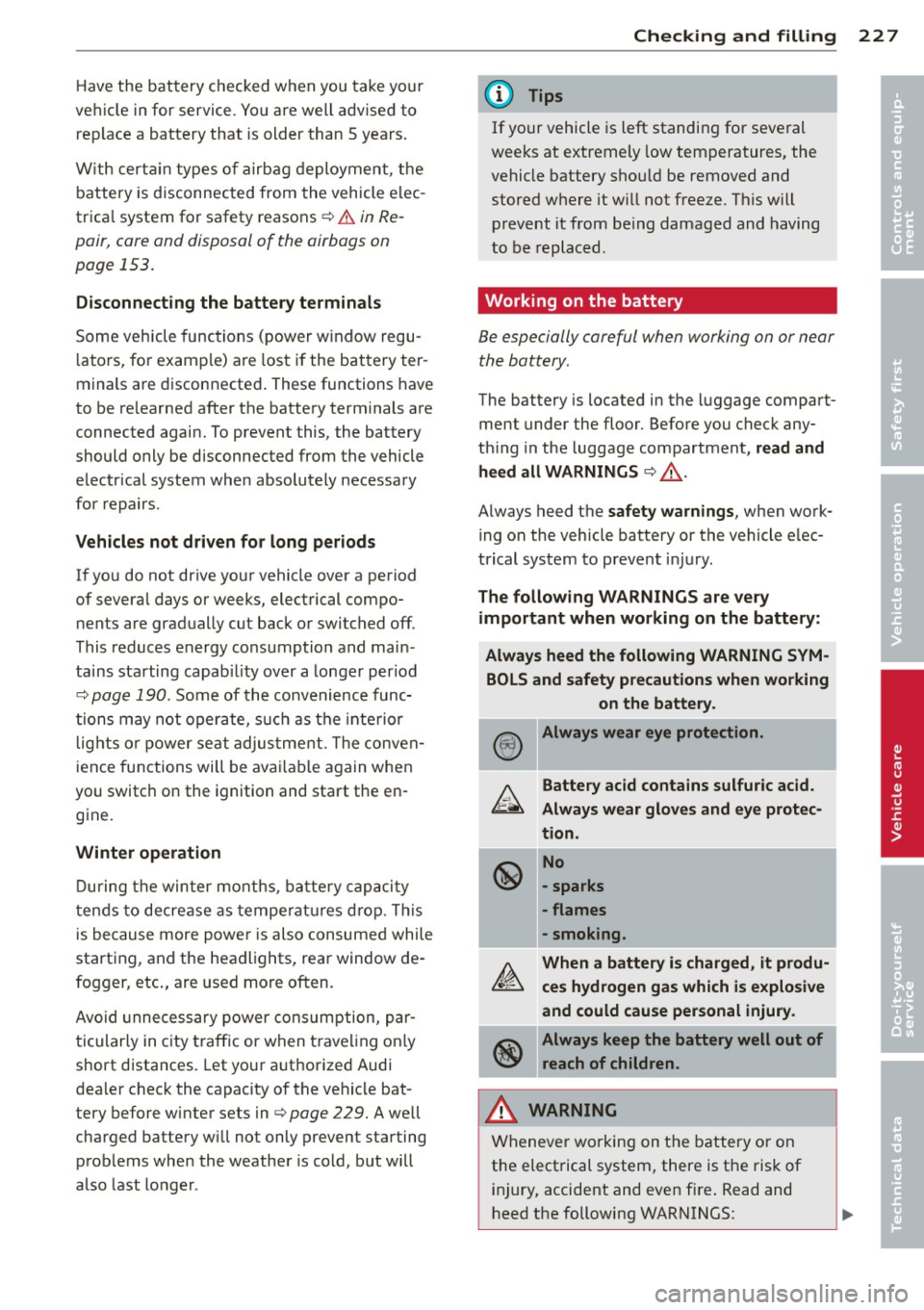
The following WARNINGS are very
important when working on the battery:
Al way s heed the follo wing WARNING SYM
BOLS and safety precautions when working on the battery.
@
®
Always wear eye protection.
Battery acid contains sulfuric acid.
Always w ear glove s and eye prot ec
tion .
No
- sparks
-flames
- smoking .
When a battery i s charged, it produ
ce s hydrogen gas wh ich i s ex plosive
and could cause per sonal injury .
Always keep the battery well out of ]
reach of children .
_& WARNING ~
Whenever working on the battery o r on
the electrical system, there is the risk of injury, accident and even fire . Read and
heed the following WARNINGS:
•
•
Page 230 of 294
228 Check ing and filling
- Always wear eye protection. Do not let
battery acid or any lead particles get on
your sk in or cloth ing . Sh ield your eyes .
Explosive gases can cause blindness or
other injury .
- Battery acid contains sulfur ic acid . Sulfu
ric acid can cause blindness and severe
burns .
- Always wear gloves and eye protection.
Do not t ilt the battery because acid
could leak out of the venti lation open
ings.
- If you get battery acid in yo ur eyes or
on your skin, immediately rinse with
cold water for severa l m inutes and get
medical attention .
- If you should ingest any battery acid,
seek medical attention immediately.
- Do not expose the battery to an open
flame, electric sparks or an open light.
- Do not smoke.
- Do not interchange the posi tive and neg -
ative cab les.
= When wo rking on the battery , be sure
not to short -circuit the termina ls with
tools or other metal objects . This would
cause the battery to heat up very quickly,
which could lead to damage or explosion
and personal injury.
- When a battery is charged, it produces hydrogen gas which is explosive and
cou ld cause personal injury .
- Always keep the battery well out of the
reach of chi ldren .
- Before work is done on the e lectrica l sys
tem, disconnect the negative ground ca ble .
- Before perform ing any work on the elec
trical system, sw itch
off the engine and
ignition as well as any electrical equip
ment . The negative cable on the batte ry
must be disconnected . If you are just go
ing to rep lace a light bu lb, then it is
enough to sw itch
off the ligh ts.
- Before disconnect ing the battery, switc h
off the anti-theft alarm sys tem! Othe r
wise you will set off the alarm. -
When disconnecting the battery, first
disconnect the negat ive cab le and then
the posit ive cab le.
- Before reconnecting the battery, make
sure all e lectr ical consumers are sw itch
ed off. Reconnect the pos it ive cable first
and then the negative cable . Never inter
cha nge the cables - this could start a fi re!
- Never charge a frozen or a thawed-out
battery .
It could explode! If a battery has
frozen , then it must be replaced . A dis
charged batte ry can free ze over at 32 °F
(0 °C) .
-Make sure the vent hose is a lways attach
ed to the opening on the s ide of the ba t
tery .
- Never use batteries which a re damaged.
There is the danger of an explosion! Al
ways rep lace a damaged b attery.
A WARNING
Ca lifornia Proposi tion 6S Warning:
- Battery posts, te rminals and related ac
cesso ries cont ain lead and lead com
pounds, chemica ls known to the Sta te of
California to cause cancer and reproduc
tive problems. Wash hands after han
dling.
(D Note
- Do not disconnect the vehicle battery
when the ignit ion is on or when the en
gine is run ning, otherwise , you will dam
age electronic components in the electr i
cal system.
- If your vehicle is going to stand for a
long period of time without be ing driven,
protect the battery from "freezing", oth
erw ise it will be damaged and will then
have to be replaced .
- When open ing the doors, the windows
lower approximately 10 mm automati
cally. This function is not ava ilable when
the battery is disconnected, which
means there is a risk that the door sea l
o r the window could be damaged.
Page 232 of 294
230 Checking and filling
(D Note
Never use a fast charger as a booster to
start the engine. This will seriously dam
age sensitive electronic components, such
as control units, relays, radio, etc., as well
as the battery charger.
Battery replacement
The new battery must have the same specifi
cations and dimensions as the original equip
ment battery.
Intelligent energy management in your vehi
cle is responsible for distributing the electri
cal energy throughout your vehicle
~ page 190. The intell igent energy manage
ment system will keep the engine battery
charged better than vehicles without this sys
tem. To make sure the additional electrica l en
ergy is available once again after you have
changed the battery, we recommend that you install batteries of the same type and manu
facture only (the same as those installed at
the time your vehicle was delivered). Specifi
cations are listed on the battery housing. Your
author ized dealer must code the battery in
the energy management system to enable you
to use the energy management funct ions cor
rectly after replacing the battery .
The new battery must have the same capacity,
voltage (12 volts), amperage, construct ion
and plug sealing.
When installing the battery, make sure the ig
nition and all electr ical consumers are switch
ed off.
(D Note
Make sure the ventilation hose on the side
of the battery is connected, otherwise
fumes or battery ac id can leak out.
@ For the sake of the environment
Because of the problem of proper disposal
of a battery, we recommend your author
ized Audi dealer change the battery for
you . Batteries contain su lfuric acid and l
ead and must always be disposed of prop
erly in compliance with all environmental
regulations. Disposing of vehicle batter ies
i mproperly is very dangerous to the envi
ronment.
Windshield/head Light
washer container
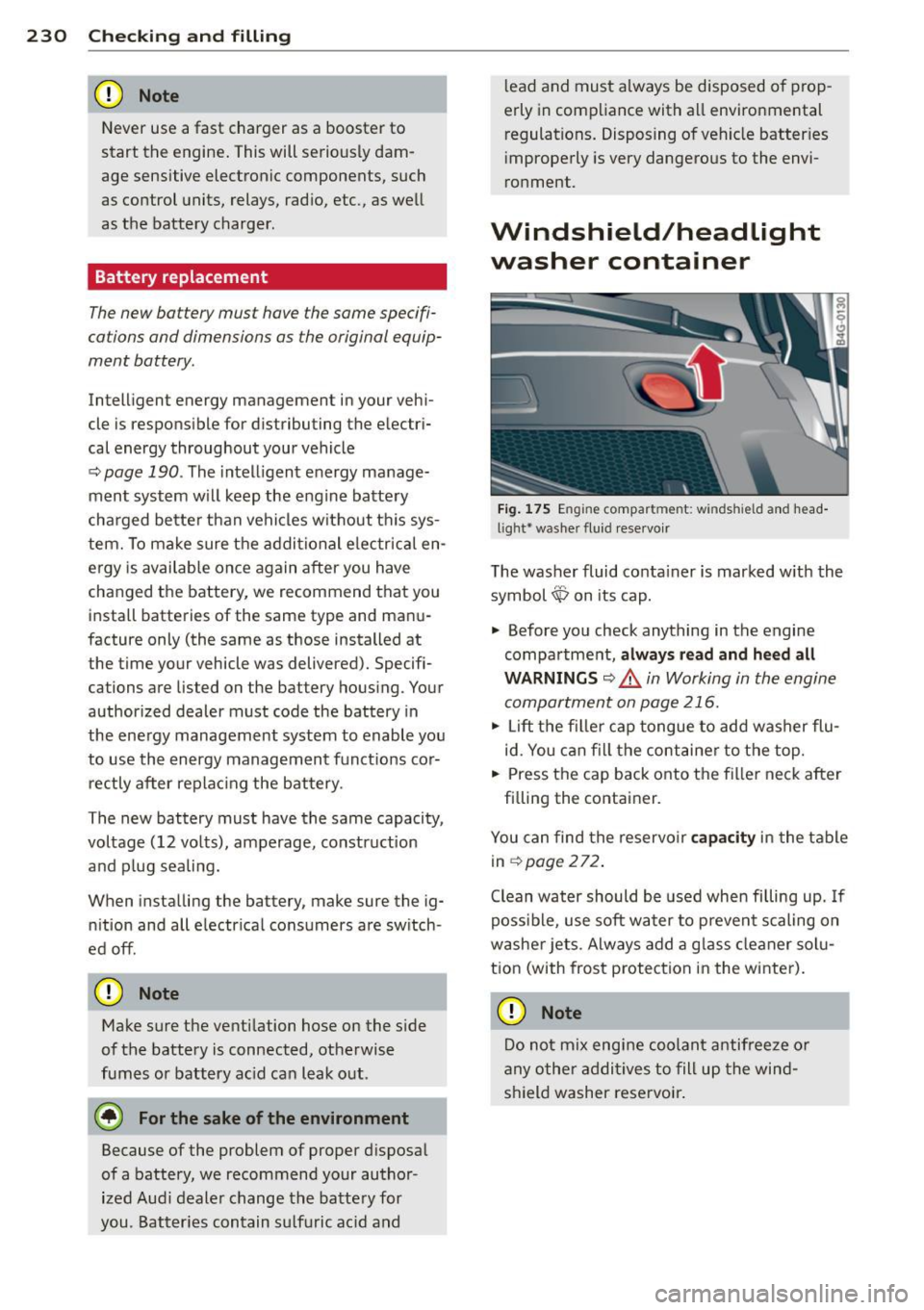
Fig. 175 En g in e compart men t: w inds hield and head
lighr washer fluid reservoir
The washer fluid conta iner is marked w ith the
symbol~ on its cap.
"' Before you check anything in the engine
compartment,
always read and heed all
WARNINGS ~.&. in Working in the engine
compartment on page 216.
"' Lift the filler cap tongue to add washer flu
id. You can fill the container to the top.
"' Press the cap back onto the filler neck after
fi lling the container.
You can find the reservoir
capacity in the table
in
~ page 272.
Clean water should be used when filling up. If
possible, use soft water to prevent scaling on
washer jets. Always add a glass cleaner solu
tion (with frost protection in the winter).
@ Note
Do not mix engine coolan t ant ifreeze or
any other additives to fill up the wind
shield washer reservoir .
Page 237 of 294
Tires and wheels 235
Cold tire inflation pressure
Tire pressure affects the overall handling, performance and safety of a vehicle .
Fig . 17 6 Tir e pr essur e labe l: located on drive r's s ide B ·
p ill ar
Tire pressu re genera lly refers to the amount
of air in a t ire tha t it needs it to do its job and
safely carry the combined load of the entire
vehicle and its contents . Tire pressure is
measured in kilopasca ls (kPa), the i nterna
tional measuring unit and in pounds pe r
square inc h (PSI). Tire pressure is based in
p ar t o n the vehicle's desig n an d load limit
the greatest amount of weight that the vehi
cle can carry safe ly and the ti re size . The prop
er tire pressure is freq uent ly referred to as the
"recommended cold tire inf lation pressure ."
Air in the tires expands when the tire heats up
because of interna l frict io n when it flexes in
use . The ti re p ressu re is higher when the tire
has warmed up than when it is "cold ." It is the
i nflat io n pressure i n a "cold" tire that counts.
Therefo re, you s ho ul d never let air ou t of a
warm tire to matc h "cold tire infla tion p res
sure" recommendations . The tires wo uld then
be underinf lated a nd could fail suddenly.
M ain taining proper t ire press ure is one of the
most impor tan t thi ngs you c an do to he lp
avoid sudden tire failure. Underinfla ted tires
are a major cause of s udden tire failure . Keep
ing tires at the r ight pressure is also impor
tant for safe and responsive vehicle handling,
traction, b rak ing and load carrying .
Tire pres
sures are part icularly important wh en th e
vehicle is being driven at higher speeds , and
then especially when h eavily loaded even
within the permi ssible load -carrying capaci
tie s approved for your vehi cle.
~
"' ~
,.------------------- ~
•(=~: I := I ~ I )§ :ll
,.,,. ........................ ...., .... ~----.... _ ... t.._.. .... _..,.. .... ......,... .. ~--......... ·- ..
- KPA. . PSI
- KPA. . PSI
- KPA. . PSI
Fig. 17 7 Tir e pressu re labe l
The recommended tire pressures for your Audi
depe nd on the kind of tires on your ve hicle
and t he number of passe ngers and/or amount
of luggage you w ill be t ransporting .
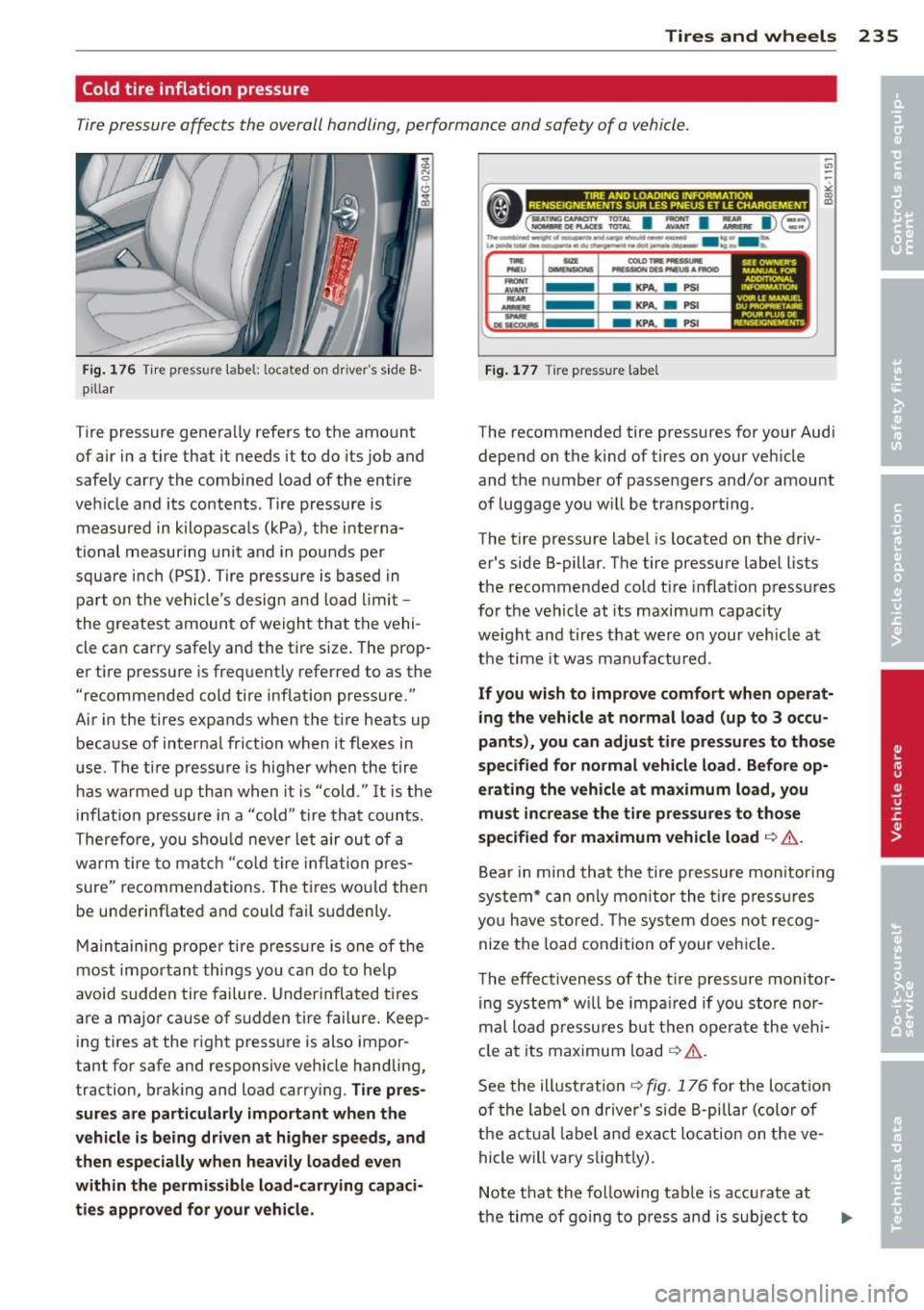
The tire pressure label is located on the driv
er's side 8-pillar . The tire pressure labe l lists
the recommended cold t ire inflat io n pressures
for the veh icle at its maximum capac ity
weight and tires that we re o n your veh icle at
t h e time it was manufactu red.
If you wish to improve comfort when op erat
ing the ve hicle at normal load (up to 3 occu
pant s), you can adju st tire pres sures to those
spe cified for normal vehi cle load . Before op
erating the vehicle at maximum load, you
must increase the tire pressure s to those
speci fied for maximum vehicle load
¢ .&.
Bear in mind that the tire pressure mon itor ing
system* can on ly mon itor the tire p ress ures
yo u have sto red. The sys tem does not recog
nize the load condi tion of your veh icle.
T he effectiveness of the t ire p ress ure monitor
ing system * w ill be impa ired i f you s to re no r
m al load pressures but t hen opera te the veh i
cle a t its maximum load
¢ .& .
See the ill ustration 9 fig. 176 fo r the lo cat ion
of the label o n driver's s ide B-pillar (color of
the actu al label a nd exact lo cat ion on the ve
hicle will vary s light ly).
Note t hat the follow ing table is accu rate at
the time of going to press and is s ubject to
Page 252 of 294

250 Tires and wheels
When the malfunction indicator is illuminat
ed, the system may not be able to detect or
signal low tire pressure as intended . TPMS
malfunctions may occur for a variety of rea
sons, including the installation of replace ment or alternate tires or wheels on the vehi
cle that prevent the TPMS from funct ioning
properly . Always check the TPMS malfunction
telltale after replacing one or more t ires or
wheels on your veh icle to ensure that the re
p lacement or a lternate tires and wheels allow
the TPMS to continue to function properly.
Tire pressure indicator appears
Applies to vehicles: with tire p ressure mo nitoring syste m
The tire pressure indicator in the instrument
cluster informs you if the tire pressure is too
low or if there is a system malfunction.
Fig. 181 Display : underinflatio n warning
Fig. 182 Display : Syste m mal functio n
Using the ABS sensors, the tire pressure moni
toring system compares the tire tread circum
ference and vibration characteristics of the in
d ividual tires.
If the pressure decreases in one
or more tires, th is is indicated in the instru
ment cluster with a warning symbol
'9] and a
message ¢
fig . 181.
The tire pressure monitoring system must be
reset via MMI each time the pressures are ad- justed
(e.g. when switching between partial
and full load pressure) or after changing or re
placing a tire on your vehicle ¢
page 251. You
can find the recommended tire pressures for
your vehicle on the label on driver 's side B-pil
lar ¢
page 235 .
Tire tread circumference and vibration charac
teristics can change and cause a tire pressure
warning if:
- the tire pressure in one or more tires is too
low,
- the tire has structural damage,
- the tire pressure was changed, wheels rotat -
ed or replaced but the TPMS was not reset
¢page 251.
Warning symbols
'9] Loss of pressu re in at least one tir e ¢ & .
Check the tire or tires and replace or repa ir if
necessary. The indicator light
'9] in the instru
ment cluster also illuminates
¢page 11.
Check/correct the pressures of all four tires
and reset TPMS via MMI.
••MIS, ( Ti re Pressure Monitoring System) Tire
pressure! System malfunction .
If IIMIS, appears after switching the ignition
on or while driving¢
fig. 182 and the indica
tor light
'9] in the instrument cluster blinks
f or approximately one minute and then stays
on, there is a system malfunction . See your
authorized Audi dea ler as soon as possible .
A WARNING
--If the tire pressure indicator appears in
the instrument cluster display, one or more of your tires is significant ly under
inflated. Reduce you r speed immediately
and avoid any hard steer ing or braking
maneuvers. Stop as soon as possible and
check the tires and their pressures. In
flate the tire pressure to the proper pres
sure as indicated on the vehicle's tire
pressure label¢
page 235. Driving on a
significantly under- inflated tire causes
the tire to overheat and can lead to tire
failure. Under-inflation also is likely to
Page 256 of 294

254 What do I do now?
-Never st ore the inflatable spare tire or
jack and tools in the passenger com
partm ent.
- Always s tore a ll jacking equipment,
too ls, and the inflatable spare tire in
the luggage compartment.
- Tighten the knurled retaining screw for
the inflatable spare tire securely.
Changing a wheel
Before changing a wheel
Observe the following precautions for your
own and your passenger's safety when chang
ing a wheel .
" After you experience a tire fa ilure, pull t he
ca r well away from moving traffic and try to
r each
level gro und before you stop c::> ,&. .
" All passengers sho uld leave the car and
move to a safe loca tion (fo r inst ance, behind
the g uardrail)
c::> ,&. .
" Engage the parking brake to prevent your
vehicle from ro lling unintentionally
c::> ,&. .
" Move selecto r lever to pos ition Pc::> ,&. .
" If you are tow ing a trailer, unh itch the tra il
er from your veh icle .
" Take the
jack and the spare tire out of the
l uggage compartment
c::> page 252 ,
c::> page 253.
.&_ WARNING
You or your p assengers cou ld be injured
while changing a whee l if you do not fol
low t hese safety preca utions:
- If you have a fl at t ire, move a safe dis
tance off the road . Tur n off the engine,
t ur n the emergency flas hers o n and use
other warning dev ices to alert other mo
torists .
- Make su re that passengers wait in a safe
place away from the vehicle and well
away from the road and traff ic.
- To help p revent the veh icle from mov ing
sudden ly and possibly slipping off the
jack, always fully set the parking brake and block th e whee l diago na lly opposite
-
the wheel be ing changed . When one
front wheel is lifted off the ground, plac ing the Automatic Transmission in "P"
(Park) will
not prevent the vehicle from
mov ing .
- Before you change a wheel, be sure t he
ground is level and firm. If necessary, use a sturdy board under the jack .
- After insta lling the spare wheel, make
sure tha t you replace the fla t tire/wheel
i n its storage area prope rly and tighten
the knurled retain ing screw secu rely.
Changing a wheel
When you change a wheel , follow these
quence described below step-by-step and in
exactly that order.
1. Remove the decorative wheel cover* . For
more details see also
c::> page 255, Deco
rative wheel covers
or c::> page 255,
Wheels with wheel bolt caps.
2 . Loosen the wheel bolt s c::>page 255.
3. Loc ate the p roper moun ting poin t for th e
jac k an d align the jack be low that poin t
c::>page 256 .
4. Raise the car with the jack c::> page 256.
5. Remove the wheel with the flat tire and
then insta ll
the spare c::> page 257.
6. Tig hte n all whee l bolts lightly .
7.
Lower the vehicle wi th the jack .
8 . Use the wheel bolt w rench and
firmly
t ig ht en al l w heel bo lts c::> page 25 5.
9. Re place the decora tive wheel cover* .
A WARNING
Always read and fo llow all WA RNINGS and
i nformat io n
c::> & in Raising the vehicle on
page 257
and c::> page 258 .
After changing a wheel
A wheel change is not complete withou t the
doing the following .
" Replace the too ls and the jac k in their prop-
er lo cat io n. .,.
Page 260 of 294

258 What do I do no w?
• Use the hexagonal socket in the screwdriver
hand le to screw in and tighten all wheel
bolts
slightly .
• Remove the alignment pin and insert and
t ighten the remaining wheel bolt slightly
Like the rest .
• Turn the jack handle counter-clockw ise to
lower the vehicle unt il the jack is fully re
leased .
• Use the whee l bolt wrench to t ighten al l
wheel bolts firmly¢
page 255 . Tighten
them
crosswise, from one bolt to the (ap
proximate ly) opposite one, to keep the
whee l centered.
@ Note
When removing or installing the wheel,
the rim could hit the brake rotor and dam
age the rotor. Work carefully and have a
second person help you.
@ Tips
Never use the hexagonal socket in the han
dle of the screwdriver to loosen or tighten
the wheel bolts .
- Pull the reversible b lade from the screw
driver before you use the hexagonal
socket in the handle to turn the whee l
bo lts.
- When mounting tires with
unid irectional
t re ad design
make sure the tread pat
tern is pointed the right way
~ page 258.
- The wheel bolts should be clean and easy
to turn . Check for d irt and corrosion on
the mat ing surfaces of both the whee l
and the hub. Remove all dirt from these
s ur faces before remo unt ing the wheel.
Tires with unidirectional tread design
Tires with unidirectional tread design must be
mounted with their tread pattern pointed in the right direction .
Using a sp are t ire w ith a tre ad pattern
intended for use in a specific direction
When using a spare t ire with a tread patter n
intended for use in a spec ific d irection , please
note the following :
- The direct ion of rotation is marked by an ar
row on the side of the ti re .
- If the spare tire has to be installed in the in
correct direct ion, use the spare tire only
temporarily s ince the tire will not be able to
achieve its optim um performance cha racter
is tic s wit h regard to aquap la ni ng, no ise and
wear .
- We recommend that you pay part icu la r at
t en tion to th is fact d uring wet wea ther and
t ha t you adjust you r speed to match road
conditions .
- Replace the fl at tir e with a new o ne an d
have it insta lled on you r vehicle as soon as
possible to restore the handling advantages
of a u nidirectional tire .
Notes on wheel changing
Please read the information ¢ page 242, New
tires and replacing tires and wheels
if you a re
going to use a spare tire which is different
from the ti res on your vehicle .
After you change a tire:
- Check the tire pre ssure on the spare imme
diately after install ation.
- Have th e whe el bolt tight ening torqu e
c hecked with a torque wrench as soon a s
possible by your author ized Audi dealer or
a qualified service stat ion.
- With steel and alloy wheel rims, the wheel
bolt s are cor re ctl y tightened at a torque of
90 ft lb (120 Nm ).
- If you noti ce that the wheel bolts are cor
roded and diffi cult to turn while changing
a ti re , they should be replaced before you
check the t ightening torque. .,..
Page 263 of 294

Fuse panel@ (bl ack )
No. Equipment
Vehicle electrical system control
6 module 1, Vehicle e lectr ica l sys-
tern control module 2
7 Audi adaptive cruise control
8
Airbag control module, front
passenger 's seat sensor system
9 Gateway
Homelink (garage door opener),
10 night vision system contro
l
module
Image processing (Audi active
11 lane assist , Audi adaptive cruise
control)
12 Steering
13 Terminal 15 in the luggage com-
partment
14 Terminal 15 in the
instrument
panel (front passenger's s ide)
15 Terminal 15 engine
16 Starter
Fuse panel e (brown)
No . Equipment
1 Gateway
2 Climate control
3 ESP co ntrol module
Front door (driver's side)
5
Power seat adjustment (dr iver's
seat)
6
Steering
7 Sunroof
8
Rear door control module (driv-
er's side)
9
Lumbar suppor t (Fro nt p assen-
ger seat)
11 Sunroof, rear spoiler
12 Driver door control mod ule
Amps
5
10
5
5
5
10
5
15
30 15
4 0
Amps
5
10
10
30
7,5 35
20 1 5
5
20
1 5
Fu se s and bulb s 261
Fuse panel © (red )
No. Equipment
2 Fue l pump
3 Brake light sensor/brake pedal
sensor system
4 Engine acoust ics
5 Rear door control module (driv-
er's side)
6 Left rear seat
7 Horn
8 Win dsh ield wipe r
9 Light/rain sensor
10 L
u mbar support (dr iver seat)
11 Front passenge
r door control
module
12 Right rear door control mod
ule
Front passenger side cockpit fuse
assignment Amps
2
5
5/5
7,5 30
7,5 15
30
5
5
15 15
Fi g. 195 Fro nt passe nge r side cock pit : fu se pa nel with
p last ic bracket
Fuse panel A (black )
No. Equipment
1 Head-up D isplay
2 MMI Display
3 CD/DVD changer
Chip card reader (not in all coun-
5 tr ies)
6 Instrument cluster
Amps
5
5
5
7,5
5
5
7 Steeri ng col umn switch module 5