child seat AUDI A7 2013 Workshop Manual
[x] Cancel search | Manufacturer: AUDI, Model Year: 2013, Model line: A7, Model: AUDI A7 2013Pages: 310, PDF Size: 77.45 MB
Page 191 of 310
If the convertible locking retracto r shou ld be
activated inadvertently, the safety belt must be unfastened and guided comp letely back in
to its stowed position to deac tivate th is fea
ture. If the co nver tible locking retractor is not
deactivated, the safety belt will gradually be
come tighter and u ncomfortable to wear .
A WARNING
Improperly insta lled child safety seats in
crease the risk of ser ious personal inju ry
and death in a collision.
- Never unfasten the safety belt to deacti
vate the convert ible lock ing ret ra ctor for
child restrain ts w hile the veh icle is mov
ing. You would not be rest rained and
cou ld be seriously injured in an accident.
- Always read and heed all WARN INGS
whenever using a child rest rained in ave
hicle is being used
c:!) page 175. Spec ial
precautions apply when installing a ch ild
safety seat on the front passenger seat
c:!) page 151, Child restraints on the front
seat -some important things to know.
LATCH Lower
anchorages and tethers
for children
Child Restraint System anchors and how
are they related to child safety
To provide a s impler and more pract icable way
to attach the child restraint on the vehicle
seat, Federa l regu lations require specia l lower
anchorages in vehicles and devices on new
chi ld restraints to attach to the vehicle ancho
rages.
The combination of the tether anchorages and
the lowe r anchorages is now generally called
the
LAT CH system for " Lower Anchorages and
T ethers for Children."
F orward-facing child restraints manufactured
after September 1, 1999, are requi red by U .S.
federal regulations to comply with new child head movement performance requirements.
Child Sa fet y 189
These new performance requirements make a
tether necessary on most new child seats.
Installing a ch ild restra int that requires a top
tether without one can seriously impair the
performance of the child restraint and its abil
ity to protect the child in a collision . Insta lling
a chi ld restraint that requires a top tether
without the top tether may be a violat ion of
sta te law.
Child restraint manufacturers offer LA TCH
l ower anchorages on their child seats w ith
hook-on or push-on connectors attached to
adjustable st raps.
In addition to the LATCH lower anchorages,
these chi ld restraint systems usually require
the use of tether straps to he lp keep the child
restraint f irmly in place .
A WARNING
Improper installat ion of child restra ints
will increase the r isk of injury and death in
a crash .
-Always follow the instructions provided
by the manufacturer of the child re
straint you intend to install in your vehi
cle.
- Never install a child restraint without a
properly attached top tether strap if the
child restraint manufacturer's instruc
tions require the top tether st rap to be
used .
- Improper use of child restraint LATC H
lower anchorage points can lead to injury
in a collision. The LATCH lowe r anchorage
points are designed to withstand on ly
those loads imposed by correctly fitted
child restraints.
- Never mo unt two child restraint systems
on one LATCH lower anchorage point.
- Never secure or attach any luggage or
other item to the LATCH lower anchorag
es.
-
•
•
Page 192 of 310
190 Child Safety
@ Tips
-In Canada, the terms "top tether" with
"lower universal anchorages" (or "lower
universal anchorage bars") are used to
describe the system.
- In other countries, the term "ISO FIX" is
used to describe the lower anchorages.
Location
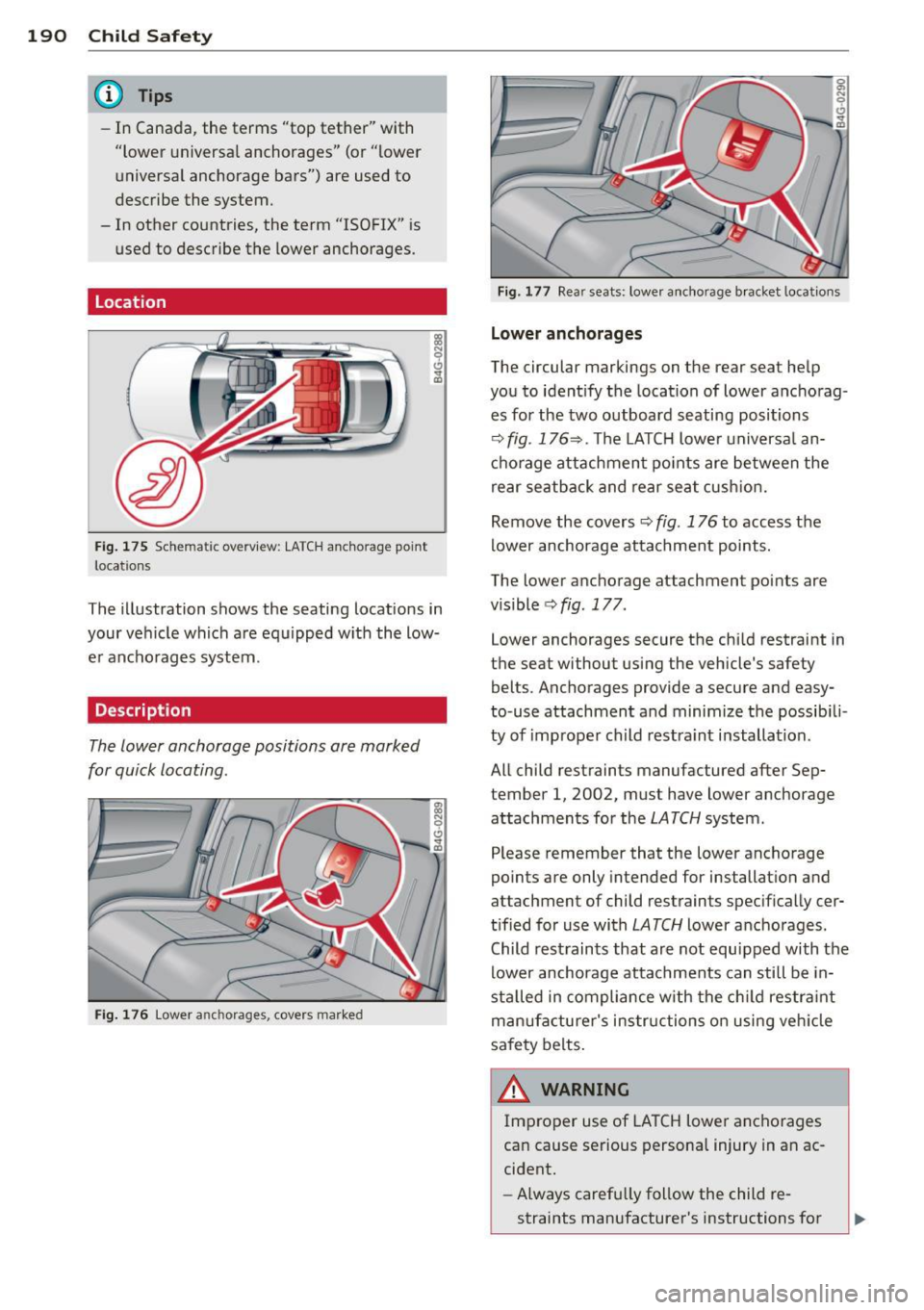
Fig. 175 Schemat ic overview: LA TCH ancho rage point
l ocat ions
The illustration shows the seating locations in
your veh icle which are equipped with the low
e r anchorages system.
Description
The lower anchorage positions are marked
for quick locating .
Fig. 176 Lower a nch orages, covers marked
Fig. 177 Rear seats: lower anchorage bracket locations
Lower anchorages
The circular markings on the rear seat help
you to ident ify the location of lower anchorag
es for the two outboard seating positions
~ fig . 176-=* . The LAT CH lowe r universa l an
chorage attachmen t points are between the
rear seatback and rear seat cushion.
Remove the covers ~
fig. 176 to access the
lower anchorage attachment points.
The lower anchorage attachment points are
visible
c:> fig . 177 .
Lower anchorages secure the chi ld restraint in
the seat without using the vehicle 's safety
belts. Anchorages provide a secure and easy
to -use attachment and minimize the possib ili
ty of improper child restraint installation .
All child restraints manufactured after Sep
tember 1, 2002, must have lower anchorage
attachments for the
LATCH system .
Please remember that the lower anchorage
po ints are only intended for installat ion and
attachment of child restraints spec ifically cer
tified for use with
LATCH lower anchorages .
Child restraints that are not equipped with the
lower anchorage attachments can still be in
sta lled in compliance w ith th e child restra int
manufactu rer's instr uctions on using veh icle
safety belts.
A WARNING
-
Improper use of LATCH lower anchorages
can cause serious personal injury in an ac
cident.
- Always carefully follow the child re
straints manufacturer's instructions for
Page 193 of 310
proper installation of the c hild restra int
and proper use of t he lo wer anchora ges
or safety belts in your vehicle.
- Never secure or attach any luggage or
ot her items to the LATCH lower ancho
rages.
- Always read and heed the important in formation about child restraints in this chapter and WARNINGS ¢
page 175,
Child Safety.
Installing a child restraint with LATCH
lower anchorages
Whenever you install a child restraint always
follow the child restraint manufacturer's in
structions.
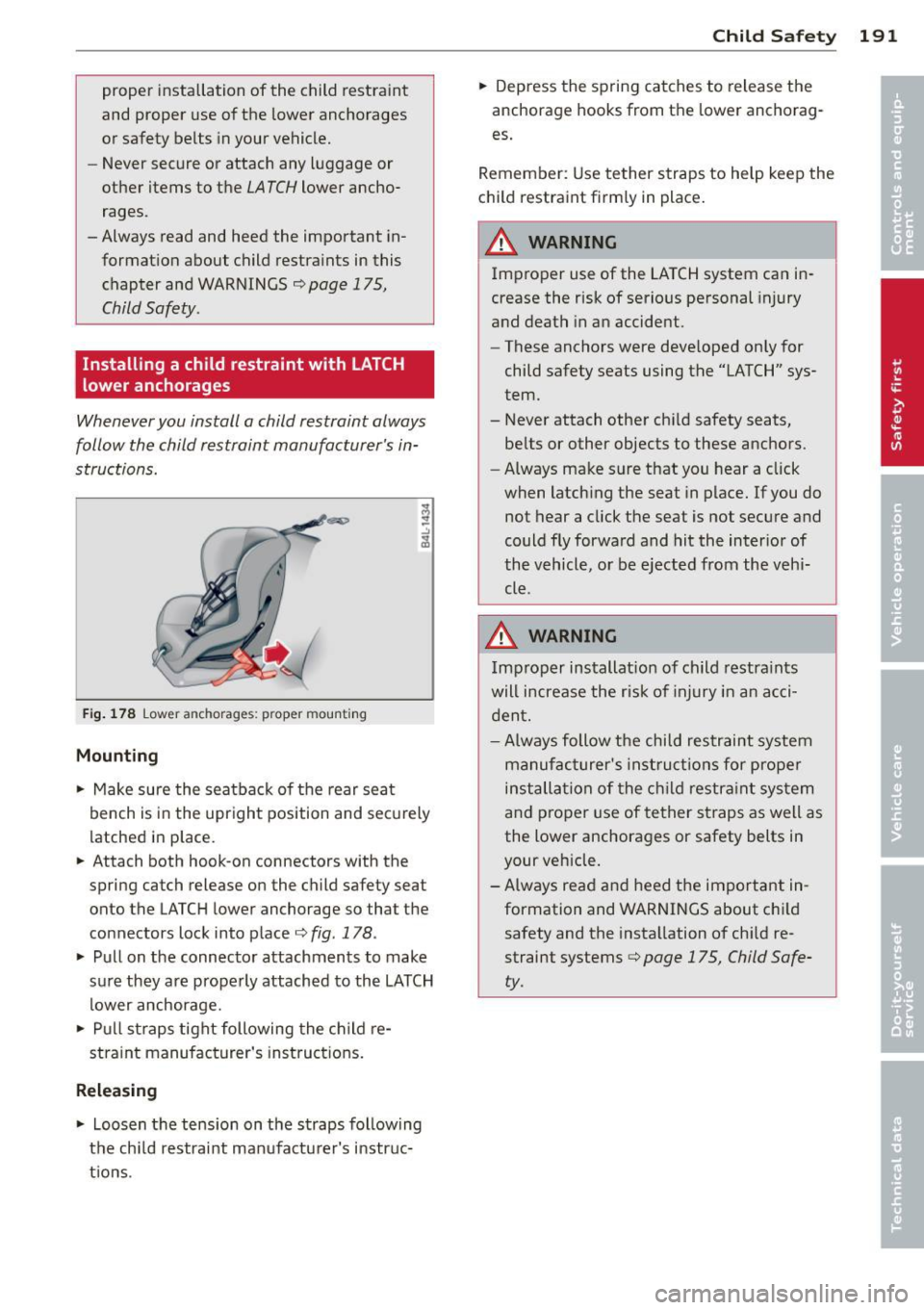
F ig. 178 Lower anchorages: p roper mo unt ing
Mounting
.. Make sure the sea tback of the rear sea t
bench is in the upr ight position and sec urely
latched i n place.
.. Attach both hook -on connectors with the
spring catch release on the ch ild safety seat
onto the LATC H lower anchorage so that the
connectors lock into p lace¢
fig . 178.
.. Pu ll on the connecto r attachments to make
s u re they a re properly attached to the LATCH
lower anchorage .
.. Pull straps tight following the ch ild re
stra int manu facturer's inst ruct ions.
Releasing
.. Loosen t he tension on the straps follow ing
t h e ch ild restrai nt manufactu rer's instruc
tio ns.
Child S afety 191
.. Depress the spring catches to release the
anchorage hooks from the lower anchorag
es.
Remember: Use tether straps to help keep the
child restra int firm ly in place .
& WARNING ~
Improper use of the LATCH system can in-
crease the risk of serious personal injury
and death in an accident.
- These anchors were deve loped only for
child safety seats using the "LATCH" sys
tem.
- Never attach other chi ld safety seats,
be lts or other objects to these anchors.
- Always make sure that you hear a click
when latch ing the seat in place. If you do
not hear a click the seat is not secure and
could fly forwa rd and hit the interior of
the vehicle, o r be e jected from the veh i
cle .
& WARNING
Imp roper installat io n of ch ild restra ints
will increase the r isk of injury in an acci
d ent.
- Always follow the child restraint system
manufac turer' s inst ruc tion s for prope r
installa tion of the c hild restr aint system
a nd p roper use of te ther s traps as well as
the lower anchorages or safety belts in
your veh icle .
-Always rea d and heed the important in
formation and WARNINGS about c hild
safety and the insta llation of ch ild re
straint systems¢
page 175, Child Safe
ty.
-
Page 194 of 310
192 Child Safe ty
Tether anchors and tether straps
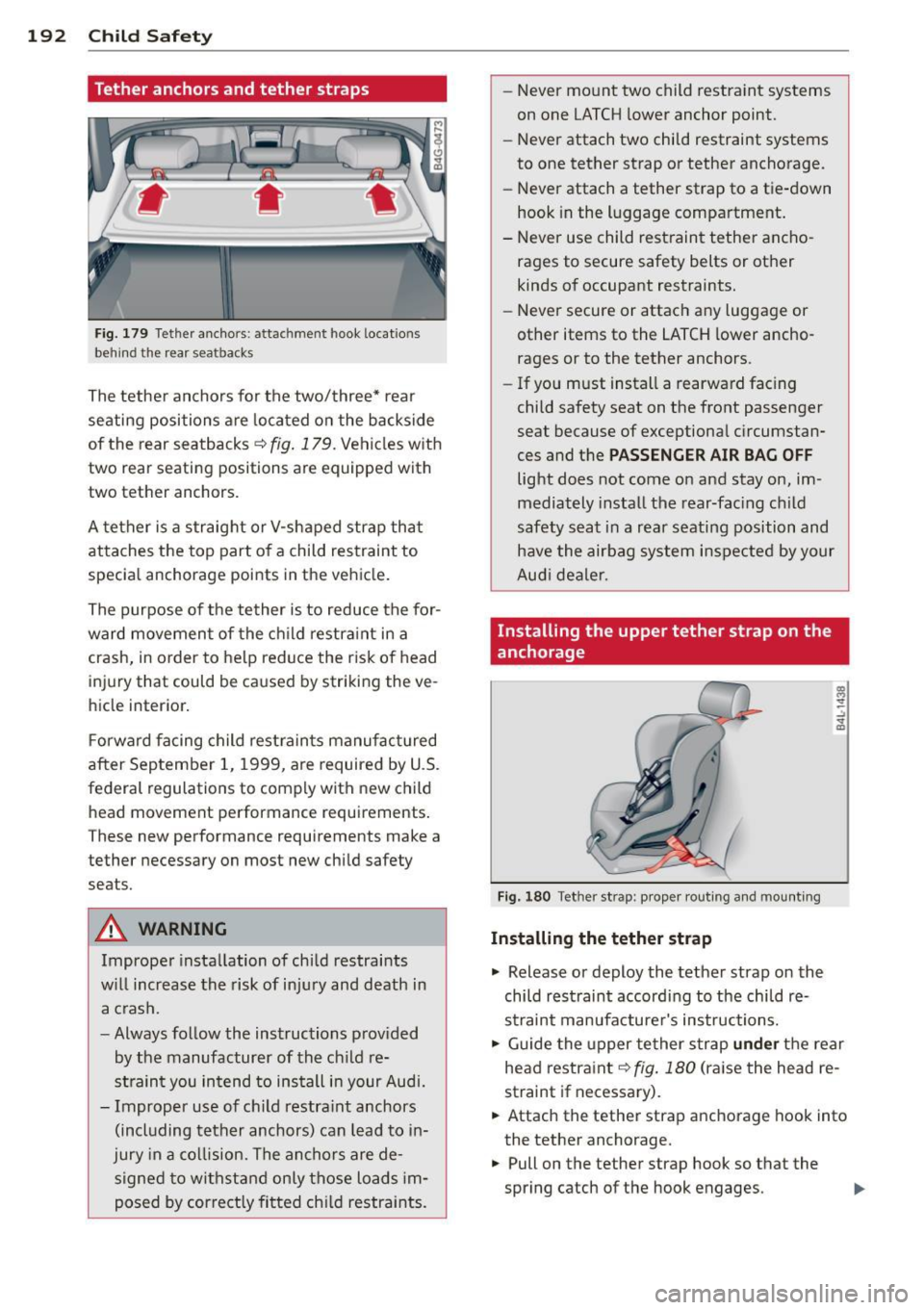
Fig. 179 Tethe r ancho rs: attachment hook locatio ns
behind the rea r sea tbacks
The tether anchors for the two/three* rear
seating positions are located o n the backside
of the rear seatbacks ¢
fig. 179. Vehicles with
two rear seating positions are equipped with
two tether anchors.
A tether is a straight or V-shaped strap that attaches the top part o f a child restraint to
specia l anchorage points in the veh icle.
The purpose of t he tether is to reduce the for
ward movemen t of the ch ild restra int in a
crash, in order to help reduce the risk of head
injury that could be caused by striking the ve
hicle interior.
F orward facing child rest ra ints manufactured
after September 1, 1999, are required by U.S.
federal regulations to comply with new child head movement performance requirements .
These new performance requirements make a
tether necessary on most new child safety
seats.
A WARNING
Improper insta llation of chi ld restraints
w ill increase the risk of inju ry and death in
a crash .
- Always follow the instructions prov ided
by the manufacturer of the ch ild re
st rain t you intend to install in your Audi.
- Improper use of ch ild restra int anchors
(including tether anchors) can lead to in
jury in a co llision. The anchors are de
signed to w ithstand on ly those loads im
posed by corre ctly fitted ch ild restraints. -
Never mount two child restraint systems
on one LATCH lower anchor point.
- Never attach two child restraint systems
to one tether strap or tether anchorage .
- Never attach a tether strap to a tie-down
hook in the luggage compa rtment .
- Never use child restraint tether ancho
rages to secure safety belts or other
kinds o f occupant restraints.
- Never secure or attach any luggage or
other items to the LATCH lower ancho
rages or to the tether anchors .
- If you must install a rearward fac ing
child safety seat on the front passenger
seat because of exceptiona l circumstan
ces and t he
PA SSENGER AIR BAG OFF
light does not come o n and stay on, im
mediately install the rear-fac ing ch ild
safety seat in a rear seating position and
have the airbag system i nspe cted by your
Aud i deale r.
Installing the upper tether strap on the
anchorage
F ig. 180 Tet her st rap : proper rout ing and mou nting
Installing the tether st rap
• Release or deploy the tether strap on the
child restraint according to the child re
s traint manufacture r's instructions.
• Guide the upper te ther s trap
und er th e rear
head restraint ¢
fig. 180 (raise the head re
straint if necessary) .
• Attach the tethe r strap anchorage hook into
the tether anchorage.
.,. Pull on the tether strap hook so that the
spring catch of the hook engages.
Page 195 of 310
~ Tighten the tether strap firmly following
the chi ld restraint manufacturer's instruc
t ions.
Re lea sing the tether str ap
~ Loosen the tension following the ch ild re
stra int manufacturer's instructions .
~ Depress the spring catch on the hook and
release it from the anchorage .
0 Note
If you leave the child restraint with the
tether strap firmly insta lled for severa l
days, this cou ld leave a mark on the up
holstery on the seat cushion and backrest
in the area where the tether strap was in
stalled . The upholstery would a lso be per
manently stretched around the tether
strap . This applies especially to leather
seats.
Using tether straps on rearward-facing
child restraints
Currently, few rear-facing child restraint sys
tems come with a tether. P lease read and
heed the child restraint system manufactur
er's instructions carefully to determine how to properly install the tether .
A WARNING
-
A child in a rearward-facing child safety
seat insta lled on the front passenger seat
w ill be seriously injured and can be k illed if
t he fron t airbag inf lates -even with an Ad
vanced Airbag System .
- T he inflating airbag w ill hit the chi ld
sa fety sea t or infant carrier w ith g reat
f orce and wi ll smash the ch ild safety seat
and child against the backrest, center
armrest, or door.
- If you must install a rearward facing
child safety seat on the front passenger
seat because of exceptional circ umstan
ces and the
PASSEN GER AIR BAG OFF
light does not come on and stay on, im
med iately install the rear-facing child
safety seat in a rear s eating position and
Child Sa fet y 193
have the airbag system inspected by your
Aud i dea ler.
Additional Information
Sources of information about child
restraints and their use
There are a number o f sources of additiona l
information abo ut child restraint se lection, in
stallation and use:
NH TSA advises t hat the bes t ch ild safety seat
is the one that fits your chi ld and fits in your
vehicle , and that yo u will use correct ly and
consistently .
T ry before yo u buy!
U .S National Highway Traffic Safet y Admin
i s tration
T el.: 1-888 -3 27-4236 (TIY: 1-800-424-9153)
www. n htsa .gov
National SAFE KIDS Campaign
T el.: (202) 66 2-0600
www.safe kids.org
Safety BeltSaf e U.S.A
T el.: (800) 745-SAFE (English)
T el.: (800) 7 47-SANO (Span ish)
www.ca rseat.org
Transport C anada Information C entre
Tel.: 1-800-333-0371 o r ca ll
1-6 13-998-8616 if you a re in the O ttawa area
http://www .tc.gc .c a/eng/ roadsafety/
menu .htm
Audi Cu stomer Relation s
Tel.: (800) 82 2-2834 •
•
Page 223 of 310
A WARNING ,~
Always read an d heed all WARNINGS and
the information
c';> page 213.
(D Tips
Open Velcro fasteners on your clothing can
damage the seat cover . Please make sure
that Velcro fasteners are closed.
Plastic parts and instrument panel
Always use a clean cloth moistened in clear
water to clean these areas . For pers istent dirt
use an Audi app roved
s olvent-fr ee plastic
cleane r/pro te ctant.
A WARNING
So lvents can c ha n ge the properties o f
some plast ics and make it ha rder for the
airbag to dep loy.
-
- N ever clean the instr ument pane l o r the
s u rface of airbag modules with clea ning
products that contain solvents.
- Products containing solvents w ill make
the surface of this part porous.
- Serious injur ies can resu lt if plastic pa rts
come loose when the airbag is deployed .
- Alw ays re ad and hee d all WAR NINGS and
other informa tion
c:';> page 213.
(D Note
Clea ning agents containing solvents will
atta ck th e mater ial a nd can change the
way it behaves.
Trim and molding
Trim and mo lding in the ve hicle interio r can
be cleaned w it h a dry microfibe r cloth. To pre
vent scratches, do not use any clean ing solu
t ions.
Cleaning and protec tion 221
Natural leather
Applies to vehicles: with natural leather
Audi makes great efforts to maintain the
properties, natural look and feel of interior
leather .
General
We offer many different types of leather o n
our vehicles. Mos t are different types of nappa
l eather, which has a smooth surface and
comes in various colo rs .
The intensity of the co lor determines the visu
al characteristics and appearance. If the sur
face of the leather has a typ ica l natural look,
t h en the leather is a nappa leather that has
been left in a re lative ly natura l condit io n . This
leat her offe rs particularly good comfort and
brea thes we ll. Fine veins , cl osed grai ns, in sect
bites, sk in fo lds, and s ubt le var ia tions in co lor
rema in visible . These charac teristics demon
strate that the material is natura l.
Natura l n a p pa le athe r is no t covered by a col
o r finish. It is therefo re more sens it ive to soil
ing and wea r, which is someth ing you need to
consider if children , anima ls or ot her facto rs
might prove to be pa rt icu larly hard on the
leat her .
By cont rast, leather types t hat are covered by
a colo red finish layer are more durab le . T his
has a positive effect on the leather's resist
ance to wear and soiling in dai ly use. On the
other hand, the typical characteristics of na tu
ral leathe r are barely or not apparent. Howev
er, th is does not mean that the leathe r itse lf
is of infe rior quality .
Care and handling
Because of the exclusive nature of the types of
leat her that Aud i uses and their unique p rop
erties (such as sens it iv ity to oils, grease , soil
ing, etc.), yo u w ill need to be somewhat ca re
ful with these leathers, and a ce rtain type of
ca re is req uired. Fo r exam ple , da rk clothing
m at eria ls can dis co lor le ather seats (especi al
ly if su ch clo thing is damp and was not dyed
correct ly). Dust and dirt particles in pores,
fo lds, and seams can have an abrasive effect .,.. •
•
Page 243 of 310
Disconne cting the batt ery t erminals
Some vehicle functions (power w indow regu
l ators, for example) are lost if the battery ter
minals are disconnected . These functions have
to be re learned after the battery terminals are
connected again. To prevent this, the battery
should only be disconnected from the vehicle
electrical system when absolutely necessary
for repairs .
Vehicles not driven fo r lo ng period s
If you do not drive your vehicle over a period
of several days or weeks, electrical compo
nents are gradually cut back or switched off .
This reduces energy consumption and main
tains starting capab ility over a longer per iod
c> page 202 . Some of the convenience func
tions may not operate, such as the inte rior
lights or power seat adjustment. The conven
ience functions will be ava ilable again when
you switch on the ignition and start the en
g ine.
Winter operation
D uring the winter months, batte ry capacity
tends to decrease as tempe ratu res d rop . This
is because more power is also consumed while
starting , and the headlights, rear window de
fogger, etc., are used more often.
Avoid unnecessary power consumption, par
ticularly in city t raffic or when traveling on ly
short distances. Let your a uthorized Audi
dealer check the capacity of the vehicle bat
tery before winter sets inc>
page 243. A well
charged battery w ill not only prevent starting
prob lems when the weather is cold, but will
also last longer .
@ Tips
If your vehicle is left standing for severa l
weeks at extremely low temperatu res, the
veh icle battery should be removed and
sto red where it will not freeze. This will
prevent it from being damaged and hav ing
t o be rep la ced.
Checkin g and fillin g 241
Working on the battery
Be especially careful when working on or near
the battery.
The battery is located in the luggage compart ment under the floor. Before you check any
th ing in the luggage compartment,
read and
he ed all WARNINGS
<=> ..&_ .
Always heed the safet y warnings , when work
i ng on the vehicle batte ry or the vehicle e lec
trical system to prevent inju ry.
The following WARNINGS ar e very
important when wor king on the battery:
Always heed the following WARNING SYM BOLS and safety pre cautions when working
on the battery.
Always wear eye protection.
Battery acid contains sulfuri c acid .
Always w ear glove s and eye protec
tion.
No
- sparks
- flames
- smoking .
1
When a batter y is charged, it produ
ce s hydrogen g as which is e xplo sive
and could cause per sonal injury .
---·-
®
Always keep the battery well out of
reach of children .
A WARNING
Whenever working on the battery o r on
the electrical system, there is the risk of injury, accident and even fire. Read and
heed the following WARNINGS :
- Always wear eye protection. Do not let
-
battery ac id or any lead particles get on
your skin or clothing. Shield your eyes. Exp losive gases can cause blindness or
other inju ry.
- Battery acid conta ins sulfuric acid. Sulfu
ric acid can cause blindness and severe
bu rns.
•
•
Page 296 of 310
29 4 Index
A
Accessories . . . . . . . . . . . . . . . . . . . . . . . . 2 9 1
Active lane ass ist ... ... .. .. .. .. .. .. .. 95
Activating and deactivating . . . . . . . . . . . 96
C leaning came ra area ... .. .. .. .. .. . 216
Descr ipt ion ... ........... .. .. .... .. 95
I nstrument cluster indicator light . . . . . 96
Messages . . . . . . . . . . . . . . . . . . . . . . . . . 96
Notes on instrument cluster display . . . . 96
Setting the steering wheel vibrat ion . . . . 97
AC (automatic cl imate control) . .. .. .. .. 71
AC (climate control) . . . . . . . . . . . . . . . . . . 69
Adaptive air suspension/sport . ... .. .. . 102
Adapt ive cruise control . . . . . . . . . . . . . . . . 86
C leaning sensors/cameras .. .. .. .... . 216
Messages ............... .. .. .. .. .. 93
Request for driver intervention . . . . . . . . 91
Stop-and-go traffic . . . . . . . . . . . . . . . . . 90
Adapt ive Lig ht (defective) ... .. .. .... .. 22
Adding Eng ine coolant ............. .. .... . 238
Eng ine oil .. ..... ........... ... .. . 235
W indshield washer fluid .. ... .. .. .. . 244
Additives Eng ine oil ............... .. .. .. .. . 235
Ad justing
Air distribution (automatic climate con-
trol) . . . . . . . . . . . . . . . . . . . . . . . . . . . . . . 72
air distribution (climate control) . .... .. 69
Front seats . . . . . . . . . . . . . . . . . . . . . . . . 52
Instrument illum inat ion ... .. .. .. .. . . 46
Steer ing column electrically .. .. .. .. . . 74
Steer ing column manually ..... .. .... 74
Tempe ratu re (automat ic climate control) 72
Tempe ratu re (climate control) .. .. .. . . 69
A irbag system . . . . . . . . . . . . . . . . . 149, 170
Advanced Airbag System ... .. .. .. .. . 153
Advanced Airbag System components . 157
Care ....... .......... ...... ... .. . 165
C hi ldren . ............... .. .. .... . 177
C hi ld restra ints ........... .. .. .. .. . 177
Components (front airbags) . .... ... . 15 7
Danger of fitting a child seat on the front
passenger seat . . . . . . . . . . . . . . . . . . . . 151
Disposa l . . . . . . . . . . . . . . . . . . . . . . . . . 165
Front airbags . . . . . . . . . . . . . . . . 153, 155
H ow do the front airbags work? . .... . 159 How many a
irbags does my vehicle
have? . ... .... .. .. ... .. ..... ... .. 157
How the Advanced Airbag System com -
ponents work together ......... .... 159
Important safety instructions on the
knee airbag system ................ 168
Important things to know . .. .. .. .. .. 149
Knee airbags . .. .. .......... ...... . 166
Monito ring .. .. . .. ............ .. .. 161
PASS ENG ER A IR BAG OFF light ... .. .. 162
Repairs ... .... .. .. ... .. . .... ... .. 165
Safety instr uctions . .. .. ..... .... . .. 164
Side airbags ..... .. ... ..... ... .. .. 169
S ide curtain airbags . . . . . . . . . . . . . . . . 172
Warning/ind icator lights ........ .... . 19
Warning/Indicator lights ....... .... 161
When must the system be inspected? 161
Aircraft Transporting your vehicle ..... .. .. .. 283
All-wheel drive .. .. ............. .... 201
Win ter tires . .. . .. ............ .. .. 261
Alloy wheels .. .. .. .......... ...... . 218
Alternator . . . . . . . . . . . . . . . . . . . . . . . . . . 17
Amb ience lighting ................ ... 46
Anti-freeze
refer to Eng ine coolant ............ . 237
Anti- lock braking system . ..... ... .. .. 196
Warning/ind icator lights ........ .... . 20
An ti-s lip reg ulation ............. .. .. 196
Anti-theft systems Electronic immob ilizer ............. .. 33
Ashtray . ... .... .. .. ... .. ..... ... .. . 58
Audi braking guard
refer to b rak ing guard .......... .... . 86
Audi drive select
refer to drive select ............... . 102
Audi Serv ice Repair Manuals and Litera-
ture ... .... .... .. ............. .... 289
A UTO
automatic climate contro l . . . . . . . . . . . . 72
Automatic headlights ... .... ... .. .. . 43
climate control ... .. ... ..... ... .. .. . 69
A uto Lock . . . . . . . . . . . . . . . . . . . . . . . . . . 34
Automat ic be lt retractor ........... .. 143
A utomatic car wash . .... ..... ... .. .. 214
Page 298 of 310

296 Index
Checking Engine coolant level ................ 237
Tire pressure . ............. ... .... . 252
Ch ild restra ints
Danger of using child restra ints in the
front seat . ................. ..... . 151
Where can I get additional information
about child restraints and their use? .. 193
Child restraint system anchors ... .... . 189
Child safety .. .. . .......... .. .. .... . 175
Convertible locking retractor .. .. .. .. . 186
Important safety instructions for using
chi ld safety seats ......... .. .. .... . 179
I mportant things to know when dr iving
with chi ldren . ............... .... . 175
Tether anchors ............ ... .... . 192
Tether straps ..................... 192
Child safety lock Rear doors .............. .. .. .... .. 40
Child safety seats .......... .... .... . 181
Booster seats . .......... ... .. .. ... 184
Convertible ch ild seats .... .. .. .. .. . 182
Convertible locking retractor .. .. .. ... 186
H ow do I proper ly install a child safety
seat in my vehicle? ...... .. .. .. .. .. . 179
I nfant seats .............. ... .... . 181
I nstalling . ............... ... .... . 186
Installing a child restraint using the
LATCH system ................ .... . 191
LATCH system ............ .... ..... 191
Lower anchorages ............ ..... 190
Mounting and releasing the anchorage
hook .. .. .. ... .... ...... ... ... .. . 191
Safety instructions . . . . . . . . . . . . . . . . . 179
Unused safety belts on the rear seat .. 181
Cigarette lighter . . . . . . . . . . . . . . . . . . . . . 58
C leaning
Head-up Display .............. .... . 220
Matte finish paint ............ .... . 215
C leaning and protection ..... .. .. .. .. . 213
A lcantara (synthet ic suede) .......... 223
Engine compartment ....... .... ... . 224
Exhaust tail pipes .......... ... .... . 219
Fabrics and fabric coverings .. .. ..... 220
Instrument panel ............. ..... 221
Interior . . . . . . . . . . . . . . . . . . . . . . . . . . 219
Leather .. .. ... .... ...... ... ... .. . 222
MMI display/controls .. ... ... .. .. ... 219 Plastic
and vinyl . . . . . . . . . . . . . . . . . . . 217
Plastic parts . . . . . . . . . . . . . . . . . . . . . . 221
Safety be lts ... .. ................ . 223
trim strips ................... .... 217
Trim strips ................... .... 217
Cleaning the Head-up Display ......... 220
Climate control Air vents .. .. .. .. ............. .. .. . 70
Climate controls . .. ............. .. .. . 68
Climate control (four-zone)
Operation ..... .. .. .............. .. 71
Climate control (three-zone) Operation . . . . . . . . . . . . . . . . . . . . . . . . . 69
Clock ...... .... .................... 27
Closing Rear lid . . . . . . . . . . . . . . . . . . . . . . . . . . . 38
Sliding/ti lting sunroof ............ .. . 42
Co ld tire inflation pressure .......... .. 250
Coming home . .. .. ............. .... . 45
Compact spare tire .............. .... 268
Compartments . . . . . . . . . . . . . . . . . . . . . . 59
Compliance . .. .. .. ............. .... 292
Consumer Information . . . . . . . . . . 138, 289
Consumption (fuel) ... ........... ... . 25
Contacting NHTSA ................. . 138
Convenience key . . . . . . . . . . . . . . . . . . . . . 36
Starting the engine ............ .... . 75
Stopping the engine (START ENG INE
STOP button) . . . . . . . . . . . . . . . . . . . . . . 77
Switching the ignition on ....... .. .. . 75
Unlocking and locking vehicle .. .. .. .. . 36
Convertib le child safety seats ... .... .. 182
Convertible locking retractor Activating ..... .. .. ........ ... .. .. 188
Deactivating . .. .. ... ....... ... .. .. 188
Using to secure a child safety seat 1.86, 188
Coolant
refer to Eng ine coolant .... ..... .. .. 237
Cooling mode (automatic climate control) 71
Cooling mode (climate control) . . . . . . . . . 69
Cruise control Changing speed ................... . 84
Presetting your speed . ...... ... .. .. . 84
Switching off . . . . . . . . . . . . . . . . . . . . . . 84
Switching on . . . . . . . . . . . . . . . . . . . . . . . 83
Warning/indicator lights ............ . 23
Page 299 of 310
(upholde r . . . . . . . . . . . . . . . . . . . . . . . . . . 59
Curve l ight ................... ... ... 102
Cylinder on demand System . .. .. .. .. .. 27
D
Data . ... .. .. ... .. .. ..... ... .. .. ... 287
D ata recorder ............. .... .. ... 196
Date display . .. .. ......... .. .. .. .... 27
D aytime running lights ... ... .. .. .. .. .. 4 3
Declaration of compliance Adapt ive cruise control ........ . ... . 292
Aud i side assist .......... .. .. .. .. . 29 2
Cell phone package ....... .. .. .. .. . 29 2
Conven ience key ....... ... .. .. .. .. . 292
E lectronic immobilizer .. ... .. .. .. .. . 29 2
Homelink ® universal remote contro l .. 292
Remote control key ....... .. .. .. .. . 292
DE F
What does th is mean when it appears in
the trip odometer display? ... .. .. .. .. 27
Defective light bulb warning . . . . . . . . . . . 22
Defrosting (w indows)
au toma tic cl imate con trol .. .. .. ... ... 72
climate control . . . . . . . . . . . . . . . . . . . . . 70
D etermining cor rect load limit ... .. .. . 255
D imensions .. .. .............. ... ... 286
Dimming the rearview mirror . . . . . . . . . . 50
Di stance . . . . . . . . . . . . . . . . . . . . . . . . . . . 25
Door/rear lid warning . . . . . . . . . . . . . . . . . 23
Doors Power child safety lock .... .. .. .. .. .. 40
Dr iver information system
CD/radio display . . . . . . . . . . . . . . . . . . . . 23
D oor/rear lid warning . . . . . . . . . . . . . . . 23
Efficiency program . . . . . . . . . . . . . . . . . . 26
E xterior temperature d isp lay . .. .. .. .. 23
On-board computer ....... .. .. .. .. .. 25
D river seating posi tion ... ... .. .. .. .. . 13 1
drive select ............ ...... .... .. 102
adapt ive a ir suspension/spo rt . .. ... .. 102
Adap tive dampe rs ........ .. .. .. .. . 10 2
Curve ligh t ..... ......... .... .. .. . 102
E ng ine sound ... .. .... ... .. .. .... . 102
Safety belt tensioner ... ... .. .. .. .. . 10 2
Sport different ia l ...... ... .. .. .. .. . 102
Dr iving safe ly . . . . . . . . . . . . . . . . . . . . . . 130
Inde x 297
Driving through water . .. ..... ... .. .. 206
Drivi ng time ...... .. ................ 25
D uplicate key . .. .. ... ............ .. . 32
D ust fil ter
refer to P oll utant fi lter . ..... ... .. .. . 68
E
Easy entry fea ture .. .. .. ......... .. .. . 75
Efficiency program . ............. .. .. . 26
Fuel economy messages ............. 26
Other equipment . .. .......... .... .. 26
E lectr ica l accessories (sockets) . . . . . . . . . 58
El ectro-mecha nical power ass ist ... .. .. 201
E lectromechanical parking brake
E mergency brak ing ........... .... .. 80
Operation . . . . . . . . . . . . . . . . . . . . . . . . . 78
Pa rking . .. .. .. .. ... .. .......... .. . 79
Re le a sing and closing .......... .. .. . 78
St art ing ass ist . . . . . . . . . . . . . . . . . . . . . 79
Star ting from res t . . . . . . . . . . . . . . . . . . 79
Starting off with a trailer ..... ... .. .. . 80
Warning/ind icator lights .......... .. . 16
El ec tronic differenti al lock ( EDL) ... .. .. 196
Wa rning/ind ica tor lights .......... .. . 20
E lectronic immob ilizer . . . . . . . . . . . . 27, 33
E lectronic power contro l (EPC)
warning/indicator light ......... .. .. . 21
El ec tronic s peed limi ter .......... .. .. . 30
E lectronic Stabilization Cont ro l (ESC) ... 196
Warning/ind icator lights ........... .. 19
Emergency act uat ion
Doors .... .. .. .. ................. . 38
Power sunroof . .. .. ........... .... . 42
Rear lid ... .. .. .. .. . .. .... .... .. .. . 40
Emergency brak ing ... . .. .. ..... ... .. . 80
E mergency flashe r ..... ......... .. .. . 44
W arning/ind icator lights ........ .. .. . 23
Emergency re lease
Se lector lever . . . . . . . . . . . . . . . . . . . . . 115
Emergency starting . .. .. .. ..... ... .. 279
E mergency towing . .... ......... .. .. 281
Emergency warning triangle ........ .. 267
E nergy management .. .. .. ..... ... .. 202
Engine Compartment .. .. .. ........... .... 232
Coolant ... .. .. .. .... ............. 237
•
•