seat adjustment AUDI A8 2012 User Guide
[x] Cancel search | Manufacturer: AUDI, Model Year: 2012, Model line: A8, Model: AUDI A8 2012Pages: 300, PDF Size: 75.06 MB
Page 147 of 300
as defined in the electronic control unit
¢ page 153, PASSENGER AIR BAG OFF light .
Always remember, a chi ld seat or infant ca rri
e r i nsta lled on the front seat may be struck
and knocked out of position by the rapidly in
flating passenger's airbag in a frontal colli
sion. The airbag could greatly red uce the ef
fectiveness of the child restraint and even se riously injure the child during inflat ion.
F or this reason, and because the back seat is
the safest p lace for children -when properly
restra ined accord ing to their age and si ze -we
strongly recommend that children always sit
in the back seat
¢ page 166, Child Safety.
A WARNING
A child in a rearward-facing child seat in
stalled on the front passenger seat will be
ser iously injured and can be killed if the
front airbag inflates -even with an Ad
vanced Airbag System .
- The inflating a irbag w ill hit the child seat
or infant carrier w ith great force and w ill
smash the ch ild seat and child against
the backrest, center armrest, door or
roof .
- Always install rear -facing child seats on
the rear seat .
- If you mus t install a rearward facing
child seat on the front passenge r seat
because of exceptiona l circumstances
and the
PASSENGER AIR BAG OFF light
does not come on and stay on, immedi
ately install the rear-facing chi ld seat in a
rear seating position and have the airbag
system inspected by your Aud i deale r.
- Forward-fac ing ch ild seats installed on
the front passenger's seat may interfere
with the deployment of the airbag and cause serious pe rsonal injury to the
child.
A WARNING
If, in exceptional c ircumstances, you mus t
install a forwa rd-facing child restra int on
the front passenger's seat:
A irbag system 145
-Always make sure the forward-facing
seat has been designed and certified by
its manufacturer for use on a front seat
with a passenger front and s ide a irbag.
- Never put the forward-facing child re
straint up against or very near the instru ment panel.
- Always move the passenger seat into its
rearmost position in the seat's fore and
aft adjustment range, as fa r away from
the airbag as possible before installing
the forward-fa cing ch ild restra int. The
backrest mu st be ad justed to an upright
posi tion.
- Ma ke sure that the
PASSENGER AIR BAG
OFF
li ght comes on and stays on all the
time wheneve r the ignit ion is swi tched
on.
A WARNING
To reduce the risk of serious injury, make
sure that the
PASSENGER AIR BAG OFF
light will be displayed whenever a child re
straint is installed on the front passenger
seat and the ignition is sw itched on.
- If the
PASSENGER AIR BAG OFF light
does not stay on, perform the checks de
scribed
¢ page 153, Monitoring the Ad
vanced Airbag System .
-Take t he chi ld restraint off the front pas
senger seat and install it properly at one
of the rear seat positions if the
PASSEN
GER AIR BAG OFF
light does not stay on.
- Have the airbag system inspected by
your Aud i dea le r i mmediately.
- Always carefully follow instr uctions from
child restraint manufacture rs when in
stalling c hild restra ints.
A WARNING
If, in e xcept io na l circumstances, you must
ins tall a forward o r rearwa rd-facing child
restra int on the front passenger's se at:
- Imp roper install ation of ch ild restrai nts
can reduce their effec tiveness o r even
preven t them from providing any protec
tion. •
•
Page 151 of 300

-Always make sure the forward-facing
seat has been des igned and certified by
its manufacturer for use on a front seat
with a passenger front and side airbag.
- Never put the forward-facing child re
straint up aga inst or very near the instru
ment panel.
- Always move the passenger seat into its
rearmost position in the seat's fore and
aft adjustment range, as far away from
the a irbag as poss ible, before insta lling
the fo rward -facing child restraint. T he
b ackres t m ust be adjus ted to an upr igh t
posit ion.
- Make su re that the
PASSENGER AIR BAG
OFF
light comes on and s tays on all the
t ime whenever the ignition is switched
on .
Advanced Airbag System components
The front passenger seat in your vehicle has a
l ot of very important parts of the Advanced
Airbag System in it. These parts include the
weight-sens ing mat, sensors, wiring, brack
ets, and more . The function of the system in
the front passenger seat is checked by the
e lectronic control un it when the ign it ion is on .
The control un it mon itors the Advance d Air
bag Sys tem and turn s the a irbag i ndica tor
light on when a ma lfunction in t he system
compo nents is detected . The function of the
ai rbag indicator light is described in greater
deta il below. Because the front passenger
seat contains important parts of the Ad
va nced A irbag System, you must take care to
prevent it from being damaged . Damage to
the seat may p revent the Advanced A irbag for
the front passenger seat from doing its job in
a crash .
The front Advanced Airb ag System
consists of the following:
- Crash senso rs in the front of the veh icle that
measu re ve hicle accelera tion/decele ra ti on
to provide info rm ation to the Advanced Air
bag System abo ut the severity of the crash.
A irbag system 149
-An elect ron ic cont ro l unit, with integrated
crash sensors for front and side impacts .
The control un it "decides" whether to f ire
the front a irbags based on the informat ion
received from the crash sensors. The control
unit also "decides" whether the safety belt
prete nsione rs shou ld be act iva ted.
- An Advanced A irbag w it h gas generator and
cont ro l valve for the d river ins ide the steer
ing wheel h ub.
- An Advanced A irbag w ith gas generator and
cont ro l valve inside the instrument pa ne l for
the front passenger .
- A weight -sensing mat unde r the upho lstery
padding of the front passenge r seat cushion
that measures the to tal weight o n the seat.
The info rmat ion reg iste red is sent continu
ously to the elect ronic con trol u nit to regu
la te deployment of the front Advanced Air
bag on the passenger side .
- An airbag moni tor ing sys tem and ind icator
light in the instr ument cluster
¢ page 153.
-A sen sor in each fron t seat regis ters the dis
t ance betwee n the respec tive seat and the
steering whee l or instrument panel. The i n
formation registered is sent cont inuo usly to
the electron ic contro l unit to regulate de
ployment of the front Advanced A irbags .
- The
PASSENGER AIR BAG OFF light comes
on and stays on in the center o f the instr u
ment panel¢
page 153, fig. 148 and tells
you whe n the front Advanced Airbag on the
passe nger side has been tu rned off.
- A sensor below the safety belt latch for the
front seat passenger to measure t he tension
on the safety belt. The tension o n the safety
be lt and the weight regis tered by the
weigh t-sensi ng ma t he lp the control uni t
"de cide" whe ther the front airbag fo r the
front passenge r seat should be turned off or
not ~
page 144, Child restraints on the
front seat -some important things to
know.
- A sensor in t he safety be lt latch fo r the d riv
er and for the front seat passenger that
senses w hethe r th at safety belt is latched or
not and transmits this information to the
electronic control unit.
•
•
Page 169 of 300

-Always install rear-facing child safety
seats on the rear seat.
- If you must install a rearward facing
child safety seat on the front passenger
seat in exceptional circumstances and
the
PASSENGER AIR BAG OFF light does
not come on and stay on, immediately
install the rear-facing child safety seat in
a rear seating position and have the air
bag system inspected immediately by
your Audi dealer.
_& WARNING
If, in exceptional circumstances, you must
install a forward-facing child restraint on
the front passenger's seat:
- Always make sure the forward-facing
seat has been designed and certified by its manufacturer for use on a front seat
with a passenger front and side airbag.
- Always follow the manufacturer's in
structions provided with the child safety
seat or carrier.
- Always move the passenger seat into its
rearmost position in the seat's fore and
aft adjustment range, as far away from
the airbag as possible before installing
the child restraint. The backrest must be
adjusted to an upright position .
- Always make sure that the
PASSENGER
AIR BAG OFF
light comes on and stays
on all the time whenever the ignition is
switched on.
(D Tips
Always replace child restraints that were
installed in a vehicle during a crash. Dam
age to a child restraint that is not visible
could cause it to fail in another collision
situation.
Advanced front airbag system and children
Your vehicle is equipped with a front "Ad
vanced Airbag System" in compliance with United States Federal Motor Vehicle Safety
Child Safety 167
Standard (FMVSS) 208 as applicable at the
time your vehicle was manufactured.
The Advanced Airbag system in your vehicle
has been certified to meet the "low-risk" re
quirements for 3- and 6-year old children on
the passenger side and small adults on the driver side. The low risk deployment criteria
are intended to reduce the risk of injury
through interaction with the airbag that can
occur, for example, by being too close to the
steering wheel and instrument panel when
the airbag inflates . In addition, the system
has been certified to comply with the "sup
pression" requirements of the Safety Stand
ard, to turn off the front airbag for infants up
to 12 months who are restrained on the front
passenger seat in child restraints that are list
ed in the Standard.
Even though your vehicle is equipped with an
Advanced Airbag system, all children, espe cially those 12 years and younger, should al
ways ride in the back seat properly restrained
for their age and size. The airbag on the pas
senger side makes the front seat a potentially dangerous place for a child to ride . The front
seat is not the safest place for a child in a for
ward-facing child safety seat. It can be a very
dangerous place for an infant or a larger child
in a rearward-facing seat .
Advanced Airbags and the weight
sensing mat in the front seat
The Advanced Airbag System in your vehicle
detects the presence of an infant or child in a
child restraint on the front passenger seat us
ing the weight -sensing mat in the seat cush
ion and the sensor below the safety belt latch
on the front passenger seat that measures the
tension on the safety belt.
The weight -sensing mat measures total
weight of the child and the child safety seat
and a child blanket on the front passenger seat. The weight on the front passenger seat
is related to the design of the child restraint
and its "footprint", the size and shape of the
bottom of the child restraint as it sits on the ..,.
•
•
Page 172 of 300
1 70 Child Safety
&_ WARNING
Not using a child safety seat, using the
wrong child safety seat or improperly in
stalling a child restraint increases the risk
of serious personal injury and death .
-All vehicle occupants and especially chil
dren must always be restrained properly
whenever riding in a vehicle.
-
- An unrestrained or improperly restrain
ed child can be injured or killed by be
ing thrown against the inside of the ve
hicle or by being ejected from it during
a sudden maneuver or impact .
- An unrestrained or improperly restrain
ed child is at much greater risk of injury
or death by being struck by an inflating
airbag.
- Commercially available child safety seats
are required to comply with U.S. Federal
Motor Vehicle Safety Standard (FMVSS)
213 (in Canada CMVSS 213).
- When buying a child restraint, select
one that fits your child and the vehicle.
- Only use child restraint systems that
fully contact the flat portion of the
seat cushion. The child restraint must not tip or lean to either side. Audi does
not recommend using child safety
seats that rest on legs or tube -like
frames . They do not provide adequate
contact with the seat.
-Always heed all legal requirements per
taining to the installation and use of
child safety seats and carefully follow
the instructions provided by the manu
facturer of the seat you are using.
- Never allow children under 57 inches
(1.45 meters) to wear a normal safety
belt. They must always be restrained by a
proper child restraint system. Otherwise,
they could sustain injuries to the abdo
men and neck areas during sudden brak
ing maneuvers or accidents.
- Never let more than one child occupy a
child safety seat . -
Never let babies or older children ride in
a vehicle while sitting on the lap of an
other passenger .
- Holding a child in your arms is never a
substitute for a child restraint system.
- The strongest person could not hold
the child with the forces that exist in
an accident. The child will strike the in
terior of the vehicle and can also be
struck by the passenger.
- The child and the passenger can also
injure each other in an accident.
- Never install rear-facing child safety
seats or infant carriers on the front pas
senger seat. A child will be seriously in
jured and can be killed when the passen
ger airbag inflates -even with an Ad
vanced Airbag System .
- The inflating airbag will hit the child
safety seat or infant carrier with great
force and will smash the child safety seat
and child against the backrest, center
armrest, door or roof.
-Always install rear-facing child safety
seats or infant carriers on the rear seat .
- Forward-facing child safety seats instal
led on the front passenger's seat can in
terfere with the airbag when it inflates
and cause serious injury to the child. Al
ways install forward-facing child safety
seats on the rear seat.
- If exceptional circumstances require the
use of a forward-facing child restraint on
the front passenger's seat, the child's
safety and well-being require that the
following special precautions be taken :
- Make sure the forward-facing seat has
been designed and certified by its man
ufacturer for use on a front seat with a
passenger front and side airbag.
-Always carefully follow the manufac
turer's instructions provided with the child safety seat or carrier.
- Always move the front passenger seat
into the rearmost position of the pas
senger seat's fore and aft adjustment range, and as far away from the airbag
Page 173 of 300
as possible before installing the child
restraint.
- Always make sure that nothing pre
vents the front passenger 's seat from
be ing moved to the rearmost position
in its fore and aft adjustment range.
- Always make sure that the backrest is
in the upr ight position.
- Always buck le the child safety seat firmly
in place even if a child is not s itting in it.
A loose ch ild safety seat can fly around
dur ing a sudden stop or in a col lision .
- Always read and heed all WARNINGS
whenever using a child restrained in ave
hicle is being used
c::> page 134, Safety
belts ,
c::> page 142, Airbag system and
c::> page 166, Child Safety.
A WARNING
To reduce the risk of serious injury, make
sure that the
PASSENGER AIR BAG OFF
light comes on and stays on whenever a
child rest raint is installed o n the front pas
senger seat and the ignition is switched
on.
- Take the child restraint off t he fro nt pas
senger seat and install it properly at one
of the rear seat positions if the
PASSEN ·
GER AIR BAG OFF
light does not stay on.
- Have the airbag system inspected by
your authorized Aud i dealer immediate
ly.
A WARNING
A child in a child restraint installed w ith
the LATCH lower anchorages or w ith the
standard safety belt on the rear seat may
play wi th unused rear seat safety belts and
become entangled res ulting in ser ious per
sonal inj ury and even dea th.
- Always bu ckle unused rea r seat safety
bel ts out of re ach of chi ld ren in ch ild
sea ts and properly a ctivate the converti
ble locking retrac tor so that the child
cannot un reel the safety belt from the
retractor .
-
Child S afety 1 71
Child safety seats
Infant seats
Babies and infants up to about one year old
and 20 lbs. or 9 kg need special rearward-fac
ing child restraints that support the back,
neck and head in a crash .
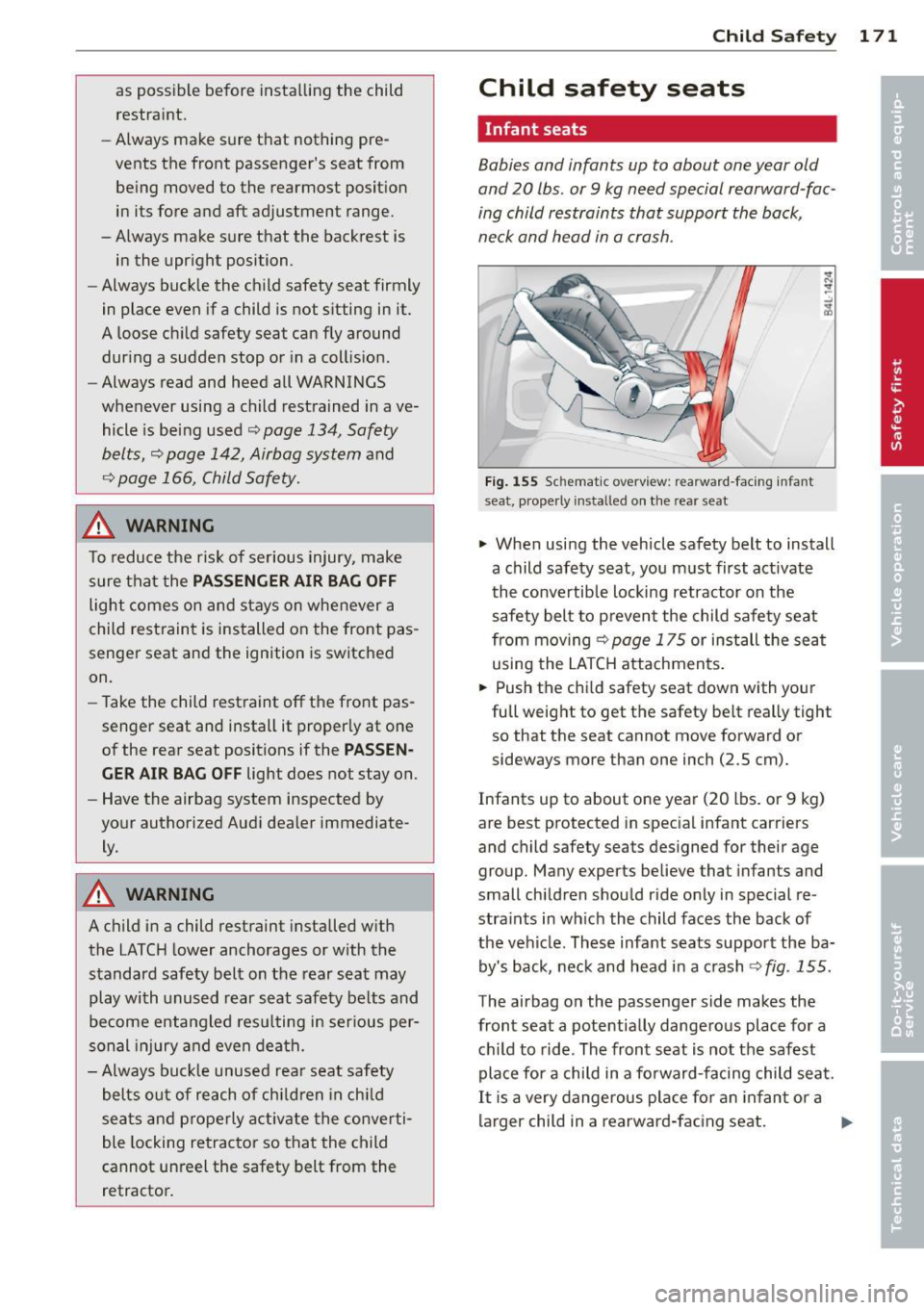
Fig . 1 55 Schem atic ove rv ie w : re arward-fac ing in fan t
se at, p roper ly inst a lle d on t he re ar seat
... When usi ng the veh icle safety belt to install
a child safety seat, you m ust first activate
the convertib le locki ng retractor on the
safety belt to p revent the child safety seat
from mov ing
c::> page 175 or install the seat
using the LATCH attachmen ts .
... Push the chi ld safety seat down with your
full weig ht to get the safety be lt really tight
so that the seat cannot move forward or
sideways more than one inch (2.5 cm).
Infants up to about one year
(20 l bs. or 9 kg)
are best protected in specia l infant car riers
and child safety sea ts designed for their age
group. Many experts believe that infan ts and
small chi ldren should r ide on ly in special re
stra ints in wh ich the child faces the back of
the vehicle. These infant seats support the ba
by 's back, ne ck and head in a crash
c::> fig . 155.
The airbag on the passenger side makes the
front seat a pote ntia lly dange ro us place for a
ch ild to ride . The front seat is not t he safest
pla ce for a child in a fo rward-facing child sea t.
It is a very dangerous place fo r an in fant or a
larger child in a rearward-facing seat. .._
Page 175 of 300
than 20 lbs (9 kg) up to 40 lbs. (18 kg) must
always be properly restrained in a child safety
seat certified for the ir s ize and weight
¢fig.156and ¢fig.157.
The airbag on the passenger side makes the
fro nt seat a potentially dangerous place for a
child to r ide. The front seat is not the safest
p lace for a child in a forward-facing child safe
ty seat.
It is a very dangerous place for an in
fant or a larger child in a rearward-fac ing seat.
A WARNING
Not using a ch ild safety seat, using the
wrong chi ld safety seat or improper ly in
stalli ng a child restraint in creases the risk
of serious personal injury and death in a
co llision or othe r eme rgency s ituation.
- Children on the front seat of any car,
even with Advance d Airbags, can be seri
o usly injured or even killed when an a ir
bag inf lates . A child in a rearward-facing
child safety seat installed on the front
passenger seat w ill be seriously injured
and can be killed if the front airbag in
flates -even with an Advanced Airbag
System.
- The inflating a irbag w ill hit the child
safety seat or infa nt carrier w ith great
force and w ill smash the ch ild safety seat
and child against the backrest, cente r
arm rest, door o r roof.
- Always install rear-facing child safety
sea ts on the rear seat.
- If you must install a rearward facing
child safety seat on the front passenger
seat be cause of ex cep tional cir cums tan
c es and the
PASSENGER AIR BAG OFF
ligh t does no t come on and stay on, im
med iately install the rear -facing child
safety seat in a rear seating position and
have the airbag system inspected by your
Audi dealer.
- The rea r side of the child safety seat
should be positioned as close as possible
to the backrest on the veh icle seat. Ad
just the rear seat head restraint if it is
difficult to ins tall the child seat w ith the
Child Sa fet y 173
head restra int in place ¢ page 128. Driv
ing with head restraints that are not
properly adjusted increases the r isk of
serious or fatal neck inju ry dramatically.
- Always read and heed all WARNINGS
whenever us ing a child restrained in ave
hicle is being used¢
page 134, Safety
b elts,
¢ page 142, Airbag system and
¢ page 166, Important things to know.
A WARNING
If exceptional circ umstances require the
use of a fo rward-facing child res traint on
the front passenge r's sea t, the child's s afe
ty an d we ll - being req uire that the follow
ing spec ial precautions be taken:
- Ma ke s ure the forward- facing seat has
been designed and cert ified by its man u
facturer for use on a front seat with a
passenger front and side airbag.
- Always follow the manufacturer's in
structions p rov ided with the ch ild safety
seat or in fant carr ier.
- Always move the front passenger seat in ·
to the rearmost position of the passen
ger seat's fore and aft adjustment range,
and as far away from the airbag as possi ble before installing the ch ild restraint.
- Always make sure that nothing prevents
the front passenger's seat from being
moved to the rearmost position in its
fore an d aft ad justment ra nge.
- Always ma ke sure the backrest is in an
up right pos ition.
- Make sure that the
PASSENGER AIR BAG
OFF
li ght comes on and stays on all the
time wheneve r the ignit ion is switched
on.
- If the light does not stay on, perfo rm the
checks ¢
page 153, Monitoring the Ad
vanced Airbag System.
- Take t he chi ld restraint off the fron t pas
senger seat and install it prope rly at one
of t he rear sea t posi tions if the
PASSEN
GER AIR BAG OFF
l ig ht does not stay on
wheneve r the ignit ion is switched on . •
•
Page 179 of 300
-Always make sure the forward-facing
seat has been designed and certified by
its manufacturer for use on a front seat
with a passenger front and side airbag .
- Never put the forward-facing child re
straint up, against or very near the in
strument panel.
- Always move the passenger seat into its
rearmost position in the seat's fore and
aft adjustment range, as far away from
the airbag as possible before installing
the forward-facing child restraint . The
backrest must be adjusted to an upright
position.
- Make sure that the
PASSENGER AIR BAG
OFF
light comes on and stays on all the
time whenever the ignition is switched
on.
A WARNING ,..__
Rearward-facing child restraints:
- A child in a rearward-facing child safety
seat installed on the front passenger
seat will be seriously injured and can be
killed if the front airbag inflates - even
with an Advanced Airbag System.
- The inflating airbag will hit the child
safety seat or infant carrier with great
force and will smash the child safety seat
and child against the backrest, center
armrest, door or roof.
- Always be especially careful if you must
install a rearward facing child safety seat
on the front passenger seat in exception
al circumstances.
-A tight tether strap on a rearward-facing child restraint attached to the front pas
senger seat can put too much pressure
on the weight-mat in the seat and regis
ter a heavier weight in the Advanced Air
bag System. The heavier weight regis
tered can make the system work as
though an adult were on the seat and de
ploy the Advanced Airbag when it must
be suppressed causing serious or even
fatal injury to the child .
Child Safety 177
-Make sure that the PASSENGER AIR BAG
OFF
light comes on and stays on all the
time whenever the ignition is switched
on .
- If the
PASSENGER AIR BAG OFF light
does not come on and stay on, immedi
ately install the rear-facing child safety
seat in a rear seating position and have
the airbag system inspected by your Audi
dealer.
Activating the convertible locking
, retractor
Use the convertible locking retractor to se
cure a child restraint.
Always heed the child safety seat manufactur
er's instructions when installing a child re
straint in your vehicle . To activate the conver
tible locking retractor:
.. Place the child restraint on a seat, prefera
bly on the rear seat.
.. Slowly pull the belt
all the way out .
.. Route it around or through the child re
straint belt path
¢ _A .
.. Push the child safety seat down with your
full weight to get the safety belt really tight.
.. Insert the belt tongue into the buckle for
that seating position .
.. Guide the safety belt back into the retractor
until the belt lies flat and snug on the child
safety seat.
.. You should hear a "clicking" noise as the
belt winds back into the inertia reel. Test the
convertible locking retractor by pulling on
the belt. You should no longer be able to
pull the belt out of the retractor. The con
vertible locking retractor is now activated.
.. Make sure that the red release button is fac
ing away from the child restraint so that it
can be unbuckled quickly .
.. Pull on the belt to make sure the safety belt
is properly tight and fastened so that the
seat cannot move forward or sideways more
than one inch (2.5 cm). .,._
•
•
Page 195 of 300

than is being generated and ensures an optimal state of charge for the battery.
@ Tips
- But even energy management cannot
negate the limits o f physics. Consider
that the power and life of a battery are
li mited.
- If starting ab ility is threatened, the indi
cator light
(•i appears ~ page 16, 0
Battery.
What you should know
The highest priority is given to maintaining
starting capability.
The battery is severely taxed in short-dis tance
d riving, in city traffic and during the co ld time
of year . Abundant e lectrica l energy is re
q ui red, but only a litt le is generated. It is also
cr itical if the engine is not runn ing and electri
cal components are turned on. In th is in
stance energy is being consumed but none is
be ing generated .
It is in precisely these situations that you w ill
notice energy management actively regulat
i ng the distribution of energy.
Vehicle sta nds for an ext ended p eriod
If you do not drive you r vehicle over a period
of several days or weeks, electrical compo nents are grad ually cut back or switched
off .
This reduces energy consumption and main
tains sta rting capab ility over a longer per iod.
Some of the conven ience f unctions may not
ope rate, such as the inter ior lig hts or the
power sea t adjustment. The conven ien ce
f u nctions w ill be ava ilable again when you
switch on the ignit ion and start the engine .
With the engine turned off
If you listen to the radio, for example, with
the engine turned
off or use other MMI func
tions, the battery is being discharged .
If starting capability is jeopa rdized due to en
ergy consumpt ion, the fo ll ow ing warning ap
pears in the MMI display :
Intellig ent technolog y 193
Plea se start the engine soon or the sy stem
will be turned off .
The wa rni ng ind ic ates that the system wi ll be
tu rned
off automatically a fter 3 minu tes. If
you w ish to continue using the funct ions, yo u
have to start the engine.
With the engine running
Althoug h elec trical energy is generated when
t h e ve hicl e is being driven, t he battery can be
come d ischarged. This happe ns mostly when
little energy is being generated and a great
deal consumed and the battery's state of
charge is not opt imal.
T o b ring the energy ba lance back in to equili
brium, consumers which require especially
l a rge amounts of energy a re temporari ly cut
back or sw itched
off. Heat ing systems in par
ticular require a great deal of energy. If you notice, for example, that the heated seats* or
the heated rear window are not heating, they
have been temporarily cut back or switched
off . These systems w ill be available again as
soon as the ene rgy balance has been restored.
You w ill also notice that engine id le speed has
been increased slightly . Thi s is normal and not
a cause for concern. By inc reasing engi ne id le
speed the additional e nergy requi red is gene r
ated and the b attery is charged.
•
•
Page 270 of 300

268 Fuses and bulbs
Fuse panel
® (red)
No. Equipment
=
I a
Sound actuator, AEM control module
9 Adaptive cruise control
Transmission control mod-
10 ule
---11 Climate control system sen-
sors
Fuse panel © (brown)
No. Equipment
1 Electromechanical parking
brake
2 Suspension control system
sensor
3 Right rear door control mod-
ule
4 Smart modul tank
5 Front cl
imate control system
controls
6
Rear climate control system
controls
-
7 Networking gateway
8 Cooler
9
Interface for specia l func-
tions
10 Cell phone adapter, Blue-
tooth handset
11 AEM contro l module
12 Selector lever
13 Ambient
lighting
14 Rear exterior lighting
15 Fue
l pump
1 16 Electromechanical
parking
brake
Fuse panel @ (black )
Equipment
3 Rear sockets adaptive air suspension
115-V socket
Amps
s
10
s
s
=
Amps
5
s
7,5
s
15
10
5
15
5
5
15
10
10
20
25
-
30
Amps
20 15
25
Fuse panel @ (black)
No. Equipment
7
Electromechanical parking
brake
8 Rear seat heating
9 Rear exterior lighting
10 Rear climate control system
blower
Rear sun shade, closing aid,
11 luggage compartment lock,
keyless go/entry, fuel filler
door
12 Luggage compartment
lid
control module
Fuse panel © (red)
No. Equipment
1 Rear seat adjustment but-
tons
3 Left rear seat (pneumatics)
5 Tra
iler hitch control module*
6 Left rear seat
7 Right rear seat
8 Trailer hitch control module *
9 Tra iler hitch control module*
10 Right rear seat (pneumatics)
Fuse panel
® (brown)
No. Equipment
1 Radio
receiver/sound ampli-
fier
2 Sound amplifier
3 Rear Seat
Entertainment, ra -
dio receiver/sound amplifier
Automatic dimming interior
s rearview mirror
6 DVD changer
T V tuner
MMI unit/drives
Instrument cluster, analog
9 clock
10 MMI Display
Amps
30
25
20
20
20
30
Amps
5
7,5
20
30
30
20 15
7,5
Amps
30
30
10
5
s
5
7,5 5
5
Page 291 of 300
Pressure malfunction ............ .. .. 17
Recommended oil check int ervals .. .. . 224
Sensor defective . . . . . . . . . . . . . . . . . . . . 20
Specification and viscosity .. .. .. .. .. . 222
Engine speed limitation ....... .. .. .. .. 20
Engine start system (indicator lights) .. .. 17
Entry assistance . . . . . . . . . . . . . . . . . . . . . 60
Environment Break-in period ........... .... .. .. . 194
Catalytic converter ................. 195
Disposing of your vehicle battery . ... . 234
Driving at high speeds ........ ... .. . 197
Driving to minimize pollution and noise 196
Fuel . .... .. .. .. ........... .. .. ... 217
Fuel economy ............ .... .. .. . 196
Leaks under your vehicle ........ .... 219
Letting the vehicle stand and warm up . 197
Proper disposal of drained brake fluid . 230
Proper disposal of drained engine coo l-
ant . .. .. .. .... ............. .. .. . 228
Proper disposal of drained engine
oil . . . . . . . . . . . . . . . . . . . . . . . . . 225, 226
Recycling used engine oil ............ 225
Unleaded fuel ............ .... .. ... 215
What should I do with an old battery? . 234
ESC (Electronic Stability Control)
Warning/indicator lights ............. 18
Event Data Recorder (EDR) ........ .... 187
Exhaust tail pipes .......... .... .. .. . 209
Expansion tank .............. .. .. .. . 227
Exterior lighting ................. ... . 43
Exterior mirrors Adjusting .. .. ........... .. .. .. .... 51
Dimming . .. ............. .... .. .... 51
Heating .. .. ... ... .... ... .. .. .. .. .. 51
Exterior temperature display ....... .. .. 23
F
Fa stening
Booster seats .................. .. . 174
Convertible child safety seats . . . . . . . . 172
Infant seats . ............... ... ... 171
Floor mats . .. ............. .... .. .. . 130
Folding table . . . . . . . . . . . . . . . . . . . . . . . . 65
Foot pedals . ... .............. ... ... 129
Index 289
For the sake of the environment
Gasoline fumes and the environment .. 217
Reduc ing engine noise by early upshift-
ing ......... .. .. .................. 10
Refueling . .. .. .. .... ............. 217
Saving fuel by early upshifting ........ 10
Four zone automatic climate control ... .. 76
Front airbags Description . . . . . . . . . . . . . . . . . . . . . . . 146
How they work . .. .. . .......... .... 151
Frontal collisions and the laws of physics 135
Front passenger seat adjustment . . . . . . . 60
Front seats . . . . . . . . . . . . . . . . . . . . . . . . . 54
Adjust ing . .. .. .. .. .. ........... .. 126
Child restraints in the front seat ..... . 144
Fuel Additives ........ .. ............... 215
Blended gasoline . ................. 215
Current consumption ........... .. .. . 24
Fuel filler flap emergency release ... .. 218
Fuel filler neck ... .. .............. . 216
Fuel gauge . . . . . . . . . . . . . . . . . . . . . . . . 11
Gasoline .. .. .. .. .. ............... 215
Gasoline additives .... ......... .. .. 216
Low fuel level symbol . . . . . . . . . . . . . . . 21
Octane rating .. ... ...... ......... . 215
Recommendation ... . .. .... ........ 215
Refuelling ....... .. ............... 217
Reserve ... .. .. .. .... ............. . 11
Tank capac ity . . . . . . . . . . . . . . . . . 11,278
Fuses Assignment . .. .. .. ... ....... .... . 265
Replacing ....... .. ............... 265
G
Garage door opener (Homelink ®) .. ... . 121
Garment hooks . . . . . . . . . . . . . . . . . . . . . . 72
Gas discharge lamps ................. 269
Gauges Engine coolant temperature . . . . . . . . . . 10
Fuel gauge . . . . . . . . . . . . . . . . . . . . . . . . 11
Speedometer .. .. .. . .. .... ........ . 25
Tachometer . . . . . . . . . . . . . . . . . . . . . . . 11
Trip odometer . .. .................. 25
General illustration . . . . . . . . . . . . . . . . . . . 8
Generator (warning/indicator lights) .... 16
G lossary of tire and loading terminology 236
•
•