seats AUDI RS7 SPORTBACK 2015 Workshop Manual
[x] Cancel search | Manufacturer: AUDI, Model Year: 2015, Model line: RS7 SPORTBACK, Model: AUDI RS7 SPORTBACK 2015Pages: 302, PDF Size: 74.76 MB
Page 181 of 302
M N
0:: <.J 'SI: ,...., \!) 1.1"1 ,...., 1.1"1 ,....,
If the convertible locking retracto r shou ld be
activated inadvertently, the safety belt must be unfastened and guided comp letely back in
to its stowed position to deactivate th is fea
ture. If the co nvertible locking retractor is not
deactivated, the safety belt will gradually be
come tighter and u ncomfortable to wear.
A WARNING
Improperly insta lled child safety seats in
crease the risk of ser ious personal inju ry
and death in a collision.
- Never unfasten the safety belt to deacti
vate the convert ible lock ing ret ra ctor for
child restrain ts w hile the veh icle is mov
ing. You would not be rest rained and
cou ld be seriously injured in an accident.
- Always read and heed all WARN INGS
whenever using a child rest rained in ave
hicle is being used
c:!) page 165. Spec ial
precautions apply when installing a ch ild
safety seat on the front passenger seat
c:!) page 141, Child restraints on the front
seat -some important things to know.
LATCH Lower
anchorages and tethers
for children
Child Restraint System anchors and how
are they related to child safety
To provide a s impler and more pract icable way
to attach the child restraint on the vehicle
seat, Federa l regu lations require specia l lower
anchorages in vehicles and devices on new
chi ld restraints to attach to the vehicle ancho
rages.
The combination of the tether anchorages and
the lower anchorages is now generally called
the
LAT CH system for " Lower Anchorages and
T ethers for Children."
F orward-facing child restraints manufactured
after September 1, 1999, are required by U.S.
federal regulations to comply with new child head movement performance requirements.
Child Sa fet y 1 79
These new performance requirements make a
tether necessary on most new child seats.
Installing a ch ild restra int that requires a top
tether without one can seriously impair the
performance of the child restraint and its abil
ity to protect the child in a collision . Insta lling
a chi ld restraint that requires a top tether
without the top tether may be a violat ion of
state law.
Child restraint manufacturers offer LA TCH
l ower anchorages on their child seats w ith
hook-on or push-on connectors attached to
adjustable straps.
In addition to the LATCH lower anchorages,
these chi ld restraint systems usually require
the use of tether straps to he lp keep the child
restraint f irmly in place.
A WARNING
Improper installat ion of child restra ints
will increase the r isk of injury and death in
a crash.
- Always follow the instructions provided
by the manufacturer of the child re
straint you intend to install in your vehi
cle.
- Never install a child restraint without a
properly attached top tether strap if the
child restraint manufacturer's instruc
tions require the top tether st rap to be
used .
- Improper use of child restraint LATC H
lower anchorage points can lead to injury
in a collision. The LATCH lowe r anchorage
points are designed to withstand on ly
those loads imposed by correctly fitted
child restraints.
- Never mo unt two child restraint systems
on one LATCH lower anchorage point.
- Never secure or attach any luggage or
other item to the LATCH lower anchorag
es.
-
•
•
Page 182 of 302
180 Child Safet y
@ Tips
-In Canada, the terms "top tether" with
"lower universa l anchorages" (or "lower
universal anchorage bars") are used to
describe the system.
- In other countries, the term "ISO FIX" is used to describe the lower anchorages.
Location
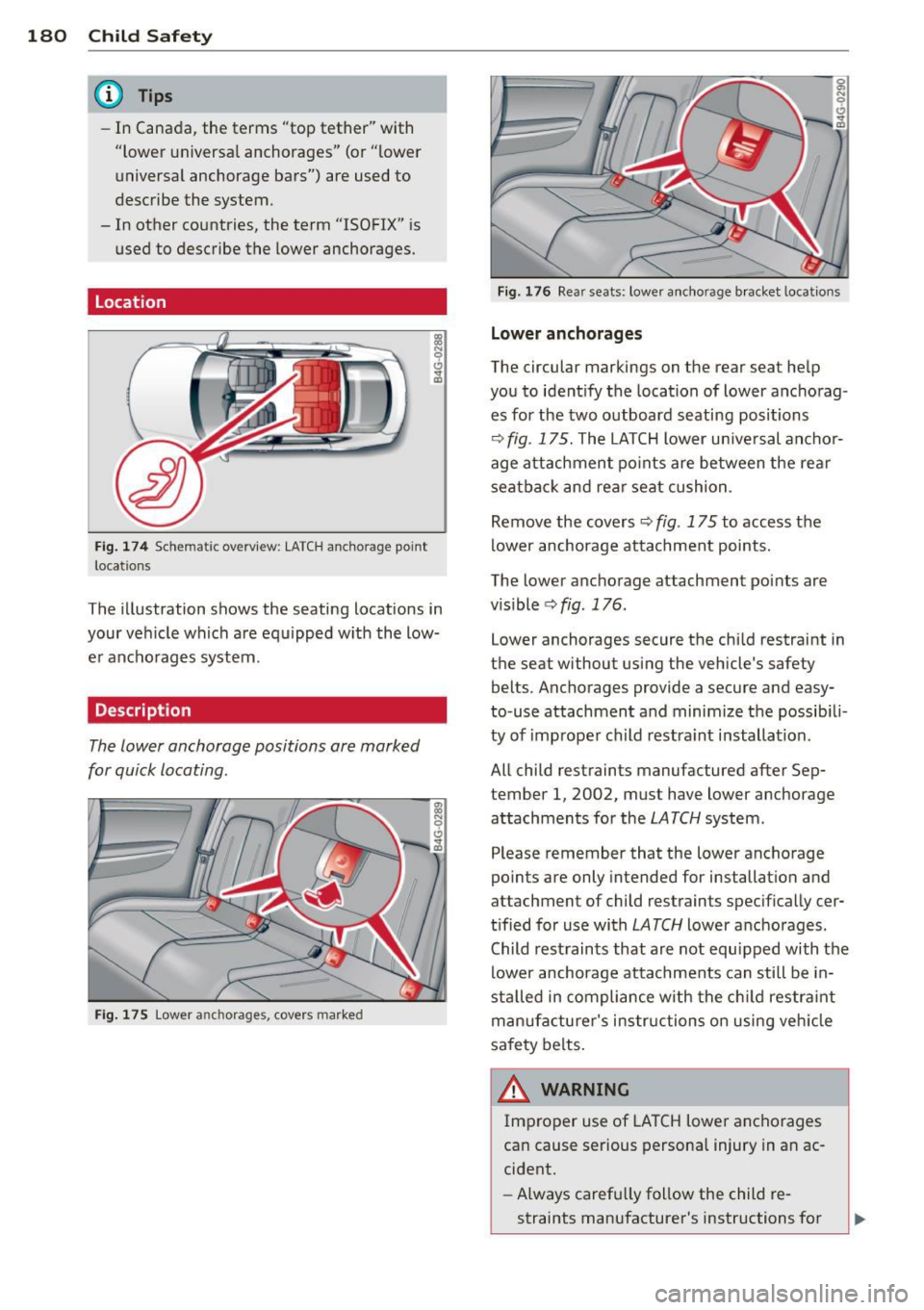
Fig . 174 Schemat ic overview: LA TCH ancho rage point
l ocat ions
The illustration shows the seating locations in
your veh icle which are equipped w ith the low
e r anchorages system.
Description
The lower anchorage positions are marked
for quick locating .
Fig. 175 Lower a nch orages, covers marked
Fig. 176 Rea r seats: lowe r ancho rage b racket locat ions
L o w er an ch orage s
The circular markings on the rear seat help
you to ident ify the location of lower anchorag
es for the two outboard seating positions
~ fig . 175. The LATCH lower unive rsal ancho r
age a ttachment po ints are between the rear
seatback and rea r seat cushion .
Remove the covers~
fig. 175 to access the
lower anchorage attachment points.
The lower anchorage attachment points are
vis ible
c:> fig . 176 .
Lower anchorages secure the chi ld restraint in
the seat without using the vehicle 's safety
belts. Anchorages provide a secure and easy
to -use attachment and minimize the possib ili
ty of improper child rest ra int installation .
All child restraints manufactured after Sep
tember 1, 2002, must h ave lower anchorage
attachments for the
LATCH system .
Please remember that the lower anchorage
po ints are only intended for installat ion and
attachment of child restraints spec ifically cer
tified fo r use with
LATCH lower anchorages .
Child rest raints that are not equ ipped with the
lower anchorage attachments can still be in
sta lled in compliance w ith the ch ild restra int
manufactu rer's instr uctions on using veh icle
safety belts .
A WARNING
-
Improper use of LATCH lower anchorages
can cause serious persona l injury in an ac
cident.
- Always carefu lly follow the child re
straints manufacturer's instructions for
Page 183 of 302
"' N
a:: I.J "". rl I.O
"' ......
"' rl
proper installation of the child restraint
and proper use of the lower anchora ges
or safety belts in your vehicle.
- Never secure or attach any luggage or
other items to the LATCH lower ancho
rages.
- Always read and heed the important in
formation about child restraints in this
chapter and WARNINGS¢
page 165,
Child Safety.
Installing a child restraint with LATCH
lower anchorages
Whenever you install a child restraint always
follow the child restraint manufacturer's in
structions.
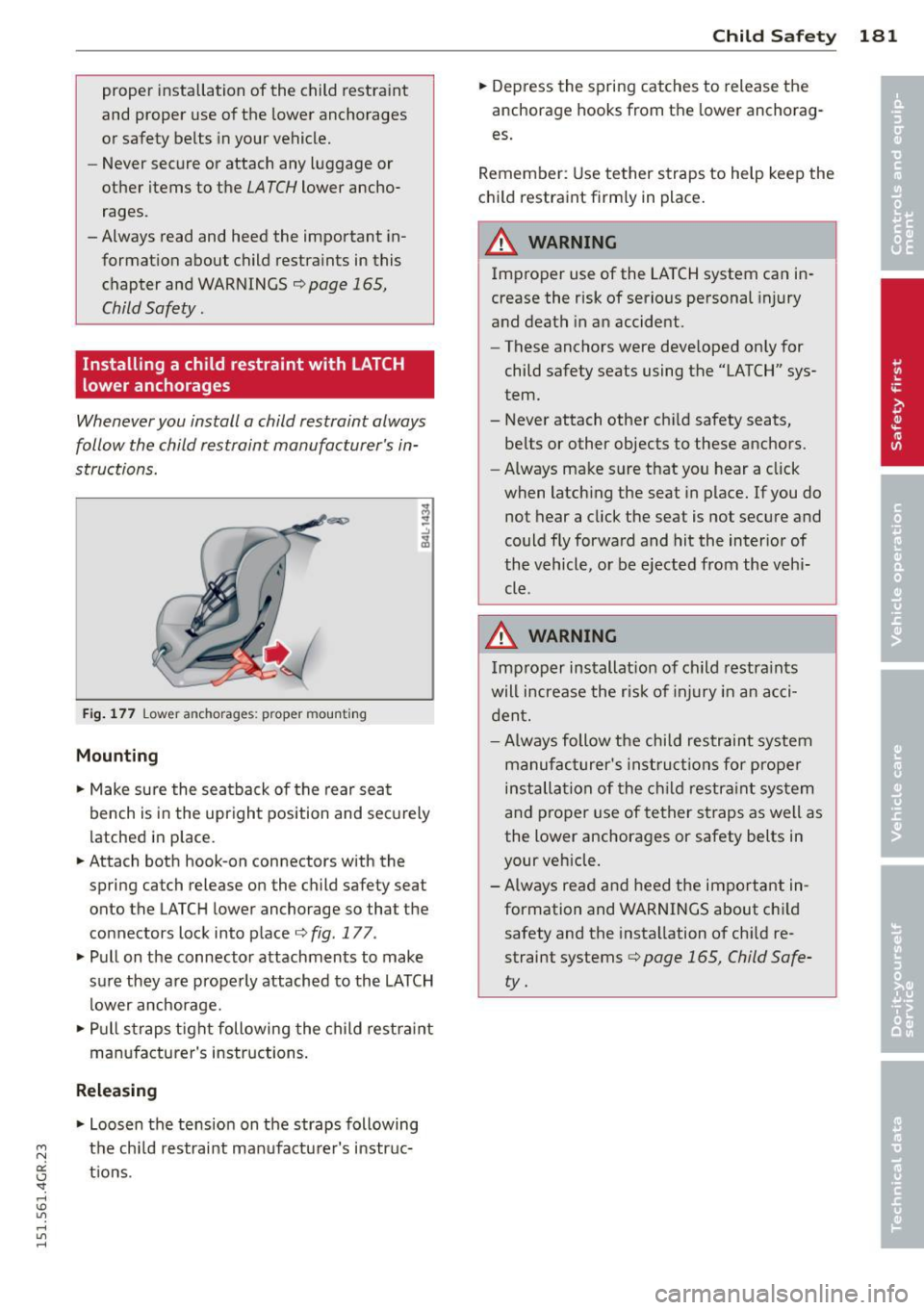
Fig. 177 Lower anchorages: p roper mo unting
Mounting
.. Make sure the seatback of the rear seat
bench is in the upright position and securely
latched in place.
.. Attach both hook-on connectors with the
spring catch release on the child safety seat
onto the LATCH lower anchorage so that the
connectors lock into place¢
fig. 177 .
.. Pull on the connector attachments to make
s ure they are properly attached to the LATCH
lower anchorage .
.. Pull straps tight following the child restra int
manufacturer's instructions.
Releasing
.. Loosen the tension on the straps following
the child restraint manufacturer's instruc
tions .
Child Safety 181
.. Depress the spring catches to release the
anchorage hooks from the lower anchorag
es.
Remember: Use tether straps to help keep the
child restraint firmly in place.
& WARNING ~
Improper use of the LATCH system can in-
crease the risk of serious personal injury
and death in an accident.
- These anchors were developed only for
child safety seats using the "LATCH" sys
tem.
- Never attach other child safety seats,
belts or other objects to these anchors.
- Always make sure that you hear a click
when latching the seat in place. If you do
not hear a click the seat
is not secure and
could fly forward and hit the interior of
the vehicle, or be ejected from the veh i
cle .
& WARNING
Improper installat ion of child restraints
will increase the risk of injury in an acci
dent.
- Always follow the child restraint system
manufacturer's instructions for proper
installation of the child restraint system
and proper use of tether straps as well as
the lower anchorages or safety belts in
your vehicle .
-Always read and heed the important in
formation and WARNINGS about child safety and the installation of child re
straint systems¢
page 165, Child Safe
ty.
-
Page 184 of 302
182 Child Safet y
Tether anchors and tether straps
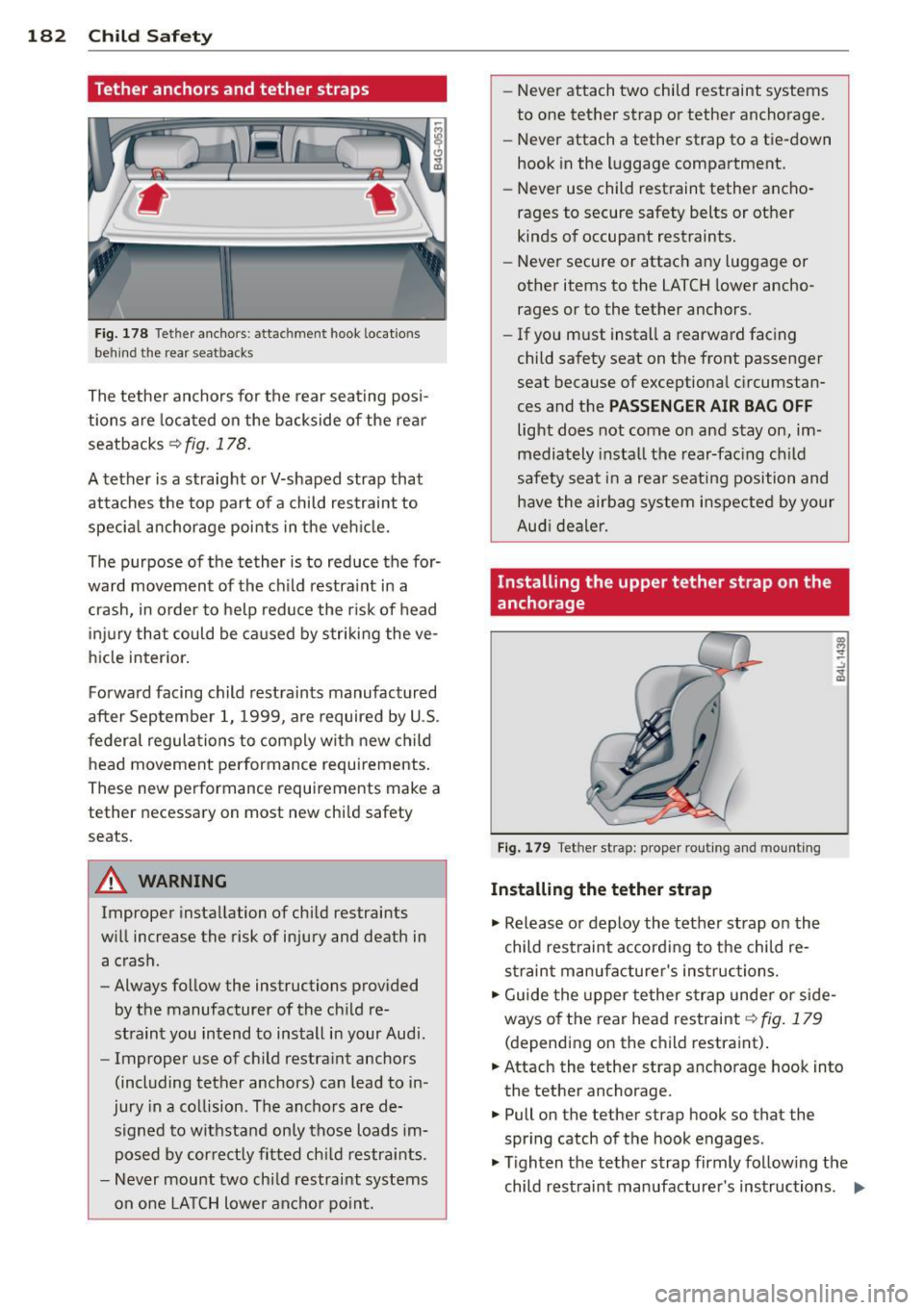
Fig. 178 Tethe r ancho rs: attachment hook locat io ns
behind the rea r sea tbacks
The tethe r anchors for the rear sea ting posi
tions are located on the backside of the rea r
seatbacks
~ fig. 178.
A tether is a straight or V-shaped strap that
attaches the top part of a child restraint to
specia l anchorage points in the veh icle.
The purpose of the tether is to reduce the for·
ward movement of the ch ild restra int in a
crash, in order to he lp reduce the r isk of head
in ju ry that could be ca used by s tri king the ve
hicle interior.
Forward facing child restra ints manufactured
after September 1, 1999, a re required by U .S .
federal regulations to comply with new child
head movement performance requirements.
These new performance requ irements make a
tether necessary on most new chi ld safety
seats.
A WARNING
Improper insta llation of chi ld restraints
w ill increase the risk of injury and death in
a crash.
- Always follow the instructions prov ided
by the manufacturer of the ch ild re
st ra int you intend to install in your Audi.
- Improper use of c hild restra int anchors
(including tether anchors) can lead to in ·
jury in a co llision. Th e anchors are de·
sign ed to withstand only those loads im
posed by cor rect ly fi tted ch ild restraints.
- Never mou nt two chi ld restraint systems
on one LA TCH lower anchor po int. -
Never attach two child restraint systems
to one tether strap or tether ancho rage.
- Never attach a tether strap to a tie-down
hook in the luggage compartment.
- Never use child restraint tether ancho
rages to secure safety belts or other
kinds o f occupant restraints.
- Never secure or attac h any luggage or
other items to the LATCH lower ancho
rages or to the tether anchors.
- If you must install a rearwa rd facing
chi ld safety seat on the front passenger
seat because of exceptiona l c ircumstan
ces and the
PASSENGER AIR BAG OFF
light does not come on and stay on, im
mediately insta ll the rear-fac ing ch ild
safety seat i n a rea r seating position and
h ave the air bag system ins pe cte d by your
Au di dea le r.
Installing the upper tether strap on the
anchorage
F ig . 1 79 Tet her st rap: prope r rou ting and mou nting
Installing the tether strap
.,. Release or deploy the tether st rap on the
child res traint accord ing to t he child re
s traint manufa cturer's instructions.
.,. Guide the upper te ther s trap unde r or side
ways o f the rear head restraint~
fig. 179
(depending on the c hild restraint) .
.,. Attach the tether strap anc horage hook into
the tether anchorage.
.,. Pull on the tether strap hook so that the
spring catch of the hook engages .
.,. Tighten t he tether strap firmly fol low ing the
child r estraint manufacture r's instructions .
liJJ,
Page 185 of 302
M N
0:: <.J 'SI: ,...., \!) 1.1'1 ,...., 1.1'1 ,....,
Releasin g the teth er str ap
"' Loosen the tens ion following the child re
stra int manufac turer's instructions .
"' Depress the spring catch on the hook and re
l ease it from the anchorage.
(D Note
If you leave the child restraint with the
tether strap firmly insta lled for severa l
days, this cou ld leave a mark on the up
holstery on the seat cushion and backrest
in the area where the tether strap was in
stalled. The upholstery would a lso be per
manently stretched around the tether
strap. This applies especially to leat her
seats.
Using tether straps on rearward-facing
child restraints
Currently, few rear-facing child restraint sys
tems come with a tether. P lease read and
heed the child restraint system manufactur
er's instructions carefully to determine how to
properly install the tether.
A WARNING
-
A child in a rearward-facing child safety
seat insta lled on the front passenge r seat
w ill be se riously injured and can be killed if
t he fron t air bag inflates - even with an Ad
vanced Airbag System .
- T he inf lat ing airb ag w ill hit the child
sa fety seat or infant carrier w it h great
force and w ill smash the ch ild safety seat
and child against the backrest, center
armrest, or door.
- If you must install a rearward facing
child safety seat on the front passenger
seat because of exceptional circ umstan
ces and the
PASSENGER AIR BAG OFF
light does not come on and stay on, im
med iately install the rear-facing child
safety seat in a rear seating position and
have t he a irbag system inspected by you r
Audi de aler.
Child Sa fet y 183
Additional Information
Sources of information about child
restraints and their use
There are a number o f sources of additiona l
information abo ut child restraint se lection, in
stallation and use :
N HT SA advises t hat the bes t ch ild safety seat
is the one that fits your chi ld and fits in your
vehicle, and that yo u will use correct ly and
consistently.
T ry before yo u buy!
U.S National Highway Traffic Safety Admin
istration
Tel.: 1 -888 -3 27-42 36 (TIY: 1-800-424-9153)
www. n hts a .gov
National SAFE KIDS Campaign
Tel.: (202) 66 2-0600
www.safe kids.o rg
Safety Belt Safe U .S .A
Tel.: (800) 7 45-SAFE (English)
Te l.: (800) 7 47-SANO (Span ish)
www.carseat.org
Transpo rt Canada Information Centre
Tel.: 1-800-333-0371 o r ca ll
1-6 13-998-86 16 if yo u are in the Ottawa a rea
http://www .t c .gc. ca/eng/ roadsafety/
men u.h tm
Audi Cu stomer R elation s
Tel.: (800) 822-2834 •
•
Page 197 of 302
M N
0:: <.J 'SI: ,...., \!) 1.1'1 ,...., 1.1'1 ,....,
particular require a great deal of energy. If
you notice, for example, that the heated seats* or the heated rear window are not
heating, they have been temporarily cut back
or switched off. These systems will be availa ble again as soon as the energy balance has
been restored.
You will also notice that engine idle speed has been increased slightly. This is normal and not
a cause for concern . By increasing engine idle
speed the additional energy required is gener
ated and the battery is charged.
Intelligent technology 195
•
•
Page 230 of 302
228 Tires and wheels
-If you notice unusual vibra
tion or if the vehicle pulls to
one side when driving, al
ways stop as soon as it is
safe to do so and check the
wheels and tires for dam
age.
0 Note
-Please note that summer and winter tires are de
signed for the conditions
that are typical in those sea
sons. Audi recommends us
ing winter tires during the
winter months. Low tem peratures significantly de
crease the elasticity of
summer tires, which affects
traction and braking ability. If summer tires are used
in
very cold temperatures, cracks can form on the tread
bars, resulting in perma
nent tire damage that can
cause loud driving noise and
unbalanced tires. Audi is not
responsible for this type of
damage.
-Burnished, polished or chromed rims must not be used in winter road condi
tions. The surface of the
rims does not have suffi
cient corrosion protection
for this and could be perma
nently damaged by road salt
or similar substances.
Glossary of tire and loading terminology
Accessory weight
means the combined weight (in
excess of those standard items
which may be replaced) of auto matic transmission, power
steering, power brakes, power
windows, power seats , radio,
and heater, to the extent that
these items are available as fac
tory-installed equipment (whether installed or not).
Aspect ratio
means the ratio of the height to
the width of the tire in percent.
Numbers of 55 or lower indi
cate a low sidewall for im
proved steering response and
better overall handling on dry
pavement.
...
Page 274 of 302
272 Fuses and bulbs
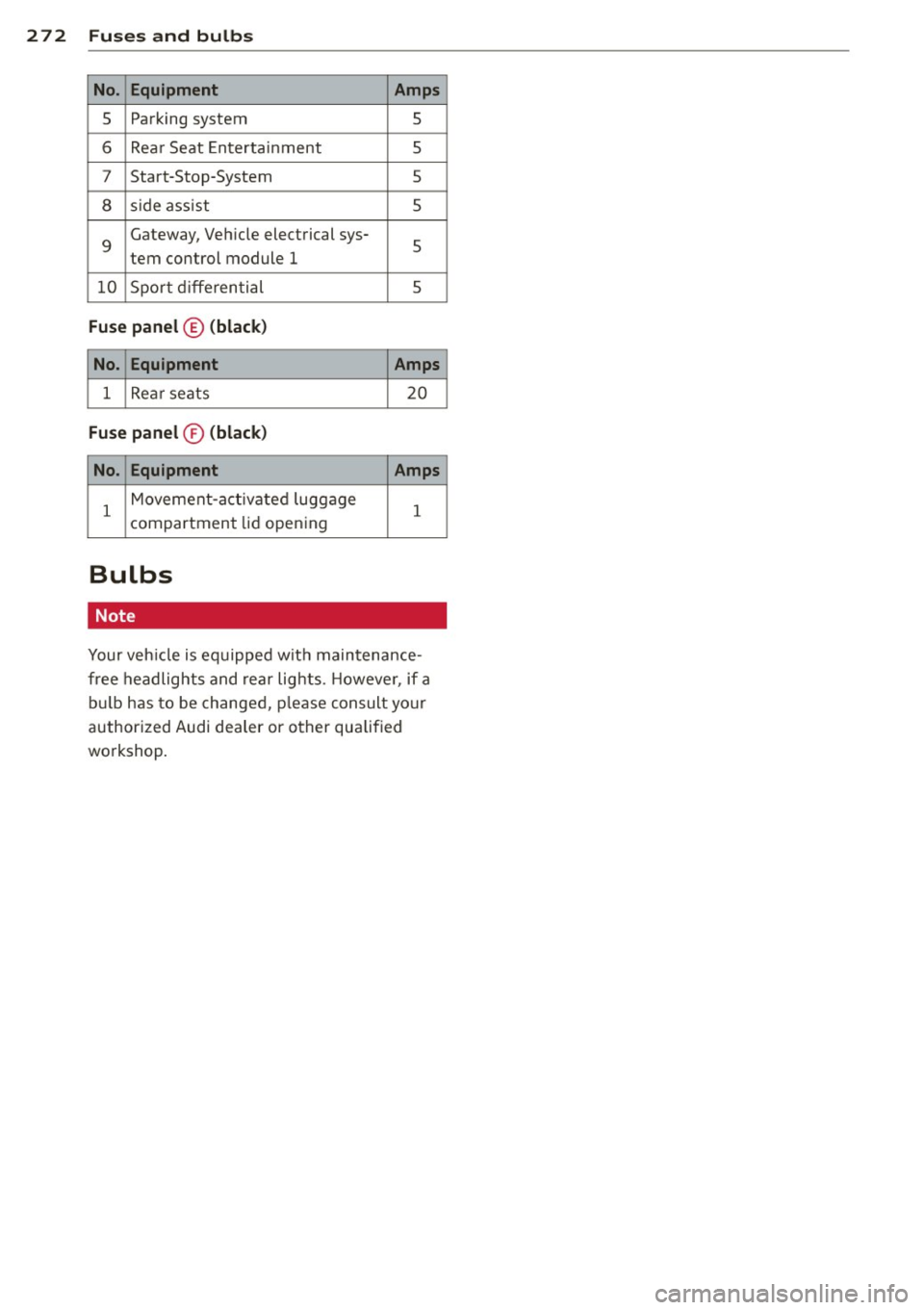
No. Equipment Amps
s Parking system s
6 Rear Seat Entertainment s
7 Start-Stop-System s
8 side assist s
9
Gateway, Vehicle electrical sys-
s tern control module 1
10 Sport differential s
Fuse panel © (black)
No. Equipment Amps
1 Rear seats 20
Fuse panel ® (black)
No. Equipment Amps
1 Movement-activated luggage 1
compartment lid opening
Bulbs
Note
Your vehicle is equipped with maintenance
free headlights and rear lights. However, if a
bulb has to be changed, please consult your
authorized Audi dealer or other qualified
workshop.
Page 288 of 302
286 Index
A
A/C (automatic climate control) .. .... .. 70
Accessories .. ... .. ..... ......... .. . 284
Active lane assist . . . . . . . . . . . . . . . . . . . . 90
Activating and deactivating . .. .. .. .. . . 91
Cleaning the camera area ...... .... . 202
Description . .................. ..... 90
Instrument cluster indicator light . . . . . 91
Mes sages .. ................ ... .... 91
Notes on instrument cluster display . . . . 91
Setting the steering wheel vibrat ion . . . . 92
Adaptive air suspension/sport .. ... ..... 96
Adaptive cruise control ....... ... .... .. 81
Cleaning the sensor ........ ... .. .. . 202
Messages . . . . . . . . . . . . . . . . . . . . . . . . . 88
Request for driver intervention . . . . . . . . 86
Stop-and-go traffic . . . . . . . . . . . . . . . . . 85
Adaptive Light (defective) ....... .... .. 21
Adding Engine coolant .................... 218
Engine oil .... ........... .. .. .... . 215
Windshield washer fluid ....... .... . 224
Addit ives
Engine oil .... .... ...... ... .. .. ... 215
Adjusting Air distribution (automatic climate con-
trol) ...... ................... ... .. 71
Front seats . . . . . . . . . . . . . . . . . . . . . . . . 53
I nstrument illumination ............. 47
Steer ing column e lectrically .. .. .. .. . . 73
Steering column manually . .. .. .. .. . . 73
Temp eratur e (automatic climate contro l) 71
A irbag system . . . . . . . . . . . . . . . . . 139 , 160
Advanced Airbag System ............ 143
Advanced Airbag System components . 147
Care . .. .. .. ............. .. .. .. .. . 155
Children .................. .. .... . 167
Child restraints .............. ..... . 167
Components (front airbags) . ... .. .. . 147
Danger of fitting a child seat on the front
passenger seat .................... 141
Disposal . .. ............. .. .. .. .. . 155
Front airbags . . . . . . . . . . . . . . . . 143, 145
H ow do the front airbags work? . . . . . . 149
H ow many airbags does my vehicle
have? ... .. .. ... ........ .. .. .. .. . 147 How
the Advanced Airbag System com-
ponents work together ............ . 149
Impo rtant sa fety instructions on the
knee airbag system ................ 158
Important things to know ........... 139
Knee airbags ..... ................ . 156
Monitoring .. .. .. .. ..... ........ .. 151
PASSENGER AIR BAG OFF light ....... 152
Repairs .......................... 155
Safety instructions ... .......... .. .. 154
Side airbags ..... ................. 158
Sid e curtain airbags ................ 161
Warning/indicator lights ............. 18
Warning/Indicator lights ........... 151
When must the system be inspected? 151
Aircraft Transpo rting your vehicle
Alcantara 277
Cleaning .. .. .. .. ... .......... .. .. 204
All-wheel drive .. .. ............. .. .. 193
Winter tires . .. .. ...... .... ... .... 252
Alternator . . . . . . . . . . . . . . . . . . . . . . . . . . 16
Ambience lighting . .......... ...... .. 47
Anti-free ze
refer to Engine coolant ........... .. 217
Anti- lock b raking system ............ . 187
Warning/indicator lights ............. 18
Anti-slip regulation ... .......... .. .. 187
Warning /indicator lights ........ .. .. . 18
Anti-theft systems
Electronic immobilizer ............. .. 32
Ashtray ... ..... .. .. .............. .. 59
Audi braking guard
refer to brak ing guard .......... .... . 81
Audi drive select
refer to drive select ............... .. 96
Audi Service Repair Manuals and Litera-
ture ... .... .... .. ............. .... 282
AUTO automatic climate control . . . . . . . . . . . . 71
Automatic headlights ............... 44
Auto Lock . . . . . . . . . . . . . . . . . . . . . . . . . . 33
Automatic belt retractor ............. 133
Automatic climate control
Air vents .. .... .. ................ .. 71
Automatic recirculation ............ .. 72
Operation . . . . . . . . . . . . . . . . . . . . . . . . . 70
Page 289 of 302
M N
0:: <.J 'SI: ,...., \!) er, ,...., er, ,....,
Setup ..... .. .... .. .... ... .. .. .... 72
synchronizing ... .. .... ... .. .. .. .... 71
Automatic S hift Lock (ASL) .. .. .. .. .. . 104
Automatic transmission . . . . . . . . . . . . . . 103
Automatic Shift Lock (ASL) . .. .. .. .. . 104
Dnvmg .. ..... ........... ... ... .. 105
Emergency mode .............. .... 107
E mergency release ........ .. .. .. .. . 108
Kick-dow n . . . . . . . . . . . . . . . . . . . . . . . . 107
M anual sh ift program ..... .. .. .. .. . 10 7
Selec to r l ever . . . . . . . . . . . . . . . . . . . . . 103
Automatic wipe rs ....... ...... .... ... 48
Auto Safety Hotline ........ .. .. .. .. . 128
Aver age consumption ....... .. .. .. .. .. 24
Average speed . . . . . . . . . . . . . . . . . . . . . . . 24
Avoid damaging the vehicle . ... .. .. ... 197
B
B ag hoo ks . . . . . . . . . . . . . . . . . . . . . . . . . . 6 7
Battery . .. ... ...... ............. .. 22 1
C ha rging . ............ ...... .... .. 223
I mportant war nings ...... .. .. .. .. . 22 1
J um p starti ng ............ .... .. .. . 273
L ocat ion . .. ............. .. .. .. .. . 22 1
l ow ..... .. .. .. .. .. .... ... .. .. ... 193
Replacing the batte ry .. ... .. .. .. .. . 224
State of charge . ... .... ... .. .. .... . 193
W inter operation ......... .. .. .. .. . 221
Working on the battery .... .. .. .. .. . 221
B efore dr iving . ..... .... ... .. .. .. ... 120
Blended gasoline .... ...... .. .. .. .. . 206
Blower (automatic climate control) .. .. .. 71
B oost displ ay . . . . . . . . . . . . . . . . . . . . . . . . 28
Booster seats . . . . . . . . . . . . . . . . . . . . . . 17 4
Boost pressure indicator . ... .. .. .. .. .. 28
B rake flu id
C hanging the brake fl uid ... .. .. .. .. . 220
Che ckin g the br ake fl uid level . .. .. .. . 220
What is the cor rect brake flu id leve l? .. 220
What should I do if the bra ke fl uid warn-
ing light comes on? .... ... .. .. .. .. . 220
B ra ke system
Anti -lo ck bra king sys tem ... .. .. .. .. .. 18
B rake ass ist system .... ... .. .. .. .. . 18 7
Brake booster ... .. .... ... .. .. .. ... 191
Bra ke fl uid ... .... .... ... .. .. .. ... 220
Inde x 287
Brake fluid specifications fo r refill and re -
placement . ... .... . ... ...... ... .. 220
B rake pads . ... .. .. . .. ... .... ... .. 196
E lectromechanica l parking brake ... .. . 77
Flu id reservo ir . .. .... ............. 220
How does moistu re or road salt affect the
brakes? ... .. .. .. .. . .. .... .... .. .. 191
Warning/ind icator lights ........... .. 14
Wor n bra ke pads symbo l ........ .... . 19
braking guard Settings ........ .. ..... ........... 88
B raking guard ..... .. . .. .. ..... ... .. . 81
Messages ... .... .. . .. .. ..... ... .. . 88
B reak-in per iod .. .. .. .. ........... .. 196
Br ake pads .. .. .. ................. 196
T ires ... .. .. .. .... . ... ...... ... .. 196
Bulbs .. ... ... .. .... .......... ..... 272
C
Californ ia Proposition 6S Warn ing . .. .. 212
Battery spec ific .................. . 222
Capacities . ... .. .... . ... ...... ... .. 280
Engine o il ... .. .. ................. 213
Carbo n parts
Cleaning . . . . . . . . . . . . . . . . . . . . 203, 204
Car carrier Transpo rting your vehicle ........... 277
Care ......... .. .. ................. 201
Cargo area .. .. .. .. ............... .. 126
Cargo ne t . . . . . . . . . . . . . . . . . . . . . . . . . . . 66
Catalytic converter . . . . . . . . . . . . . . . . . . 197
Cen te r armres t
Cockpit . . . . . . . . . . . . . . . . . . . . . . . . . . . 56
Cent ral lock ing .. .. .. . .. .... .... .. .. . 33
E mergency locking .. .............. .. 37
Certif ication . ... .. .. .. ... ..... ... .. 285
Changi ng a wheel .. ............. .... 263
Changi ng engine oil ................. 216
Checking Engine coolant level .. .. ..... ... .. .. 217
Tire pressure . .. ...... ............. 237
C hild rest rain ts
Danger of using child restrain ts in the
fr ont seat ... .. .... . ... ...... ... .. 141
Where can I get additional informat ion
about child restraints and the ir use? .. 183
•
•