battery AUDI S4 2016 Owner's Manual
[x] Cancel search | Manufacturer: AUDI, Model Year: 2016, Model line: S4, Model: AUDI S4 2016Pages: 278, PDF Size: 70.26 MB
Page 216 of 278
Checking and Filling
-If you get batt ery acid in your eyes or on
your skin, immediately rinse with cold wa
ter for several minutes and get medical at
tention .
- If you should ingest any battery acid, seek
medical attention immediately.
- Do not expose the battery to an open flame, electric sparks or an open light .
- Do not smoke.
- Do not interchange the positive and nega-
tive cables.
- When working on the battery, be sure not to short-circuit the terminals with tools or oth
er metal objects. This would cause the bat
tery to heat up very quickly, which could lead to damage or explosion and personal
injury.
- When a battery is charged, it produces hy
drogen gas which is explosive and could
cause personal injury.
- Always keep the battery well out of the
reach of children.
- Before work is done on the electrical sys
tem, disconnect the nega tive ground cable .
- Before performing any work on the electri cal system, switch off the engine and igni
tion as well as any electrical equipment. The negative cable on the battery must be dis
connected. If you are just going to replace a
light bulb, then it is enough to switch off
the lights.
- Before disconnecting the battery, sw itch off
the anti-theft alarm system! Otherwise you
will set off the alarm.
- When disconnecting the battery, first dis
connect the negative cable and then the
positive cable.
- Before reconnecting the battery, make sure
all electrical consumers are switched off.
Reconnect the positive cable first and then
the negative cable. Never interchange the
cabl es - this could start a fire!
- Never charge a frozen or a thawed-out bat
tery . It could explode! If a battery has fro
zen, then it must be replaced. A discharged
battery can freeze over at 32°F (0°C).
- Make sure the vent hose is always attached
to the opening on the side of the battery.
214
- Never use batteries which are damaged .
There is the danger of an explosion! Always
replace a damaged battery.
A WARNING
California Proposition 65 Warning:
- Battery posts, terminals and related acces
sories contain lead and lead compounds,
chemicals known to the State of California
to cause cancer and reproductive problems.
Wash hands after handling .
(D Note
- Do not disconnect the vehicle battery when
the ignition is switched on or when the en
gine is running, otherwise, you will damage
electronic components in the electrical sys
tem .
-If your vehicle is going to stand for a long
period of time without being driven, protect
the battery from "freezing" , otherwise it
will be damaged and will then have to be re
placed.
Battery charging
Starting the engine requires a well charged bat tery .
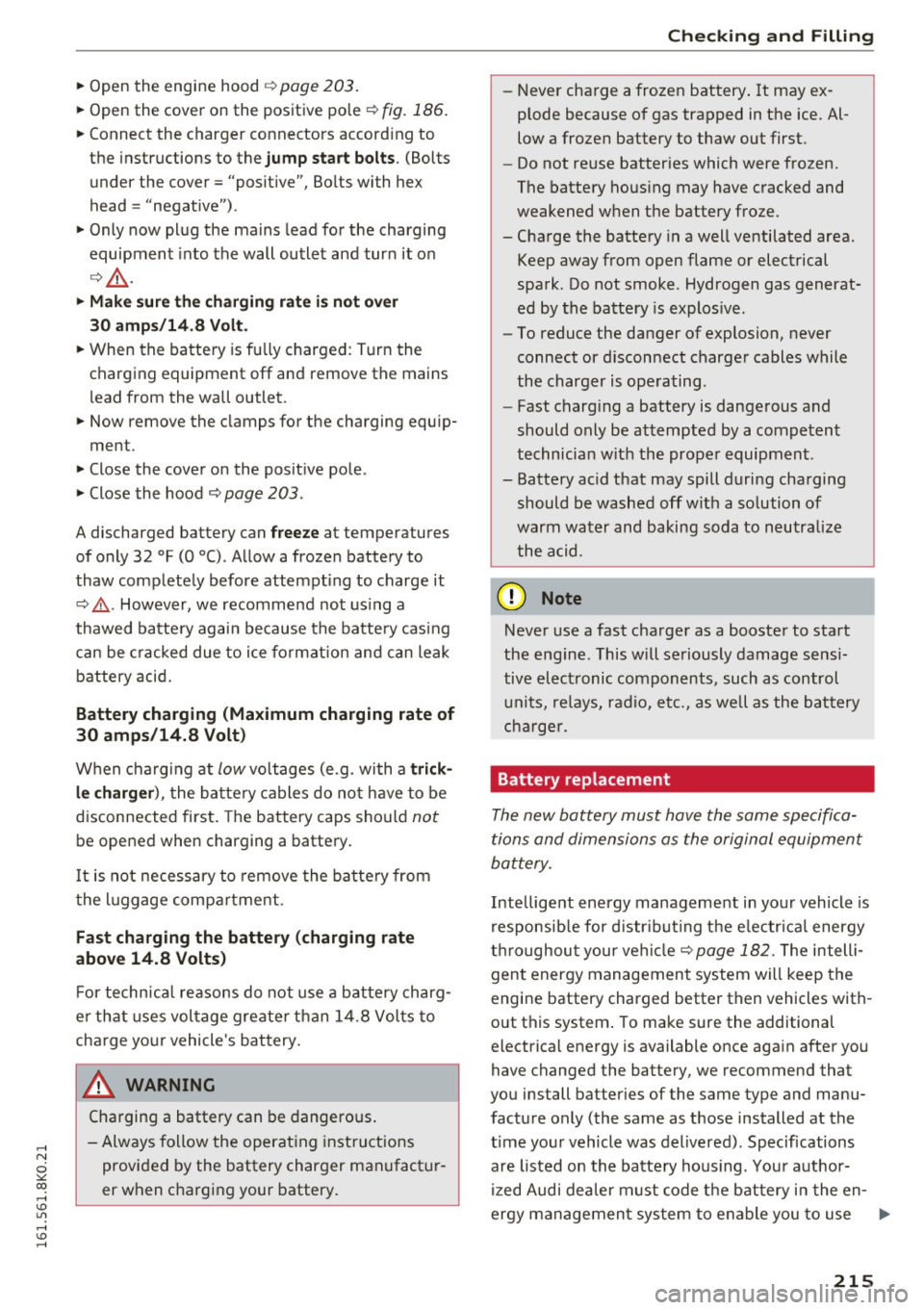
Fig. 186 En g in e compar tment : Co nnectors for charger and
jumper cab les
Always read and heed all WARNINGS below
9 A and ¢ A in Working on the battery on
page 213.
.,. Turn off the ignition and all electrical consum
ers.
.,. Make sure the area is well ventilated when you
charge the battery.
Iii>-
Page 217 of 278
..... N
0 ::..:: co .....
~ Open the cover on the positive pole~ fig. 186 .
~ Connect the charger connectors accord ing to
the instructions to the
ju mp st a rt b olts . (Bolts
under the cover= "positive", Bo lts with hex
head = "negative") .
~ Only now plug the mains lead for the charging
equipment into the wall outlet and turn it on
~ & -
~ Ma ke s ure t he c harging rate i s not ov er
30 amp s/14 .8 Vo lt.
~ When the battery is fu lly charged: Turn the
charging equipment off and remove the mains
lead from the wall outlet.
~ Now remove the clamps for the charging equip-
ment.
~ Close the cover on the posit ive pole .
~ Close the hood ~ page 203.
A discharged battery can freez e at temperatures
of only 32 °F (0 °C) . Allow a frozen battery to
thaw completely before attempt ing to charge it
~ _& . However, we recommend not us ing a
thawed batte ry again because the battery casing
can be cracked due to ice format ion and can leak
battery acid.
Battery charg ing (Maximum charging rate of
30 amps /14.8 Volt )
When cha rging at low vo ltages (e .g . with a tric k
l e char ger ),
the battery cables do not have to be
disconnected first. The battery caps should
not
be opened when charging a battery.
It is not necessary to remove the batte ry from
the luggage compartme nt.
F a st cha rging the battery (charg ing rate
above 14.8 Volt s)
For techn ical reasons do not use a battery charg
e r that uses voltage greate r than 14 .8 Volts to
charge your vehicle 's battery.
A WARNING
Charging a battery can be dangerous .
- Always follow the operating instructions
provided by the battery charger manufactur
er when charging your battery .
Check ing and Filling
-Never charge a frozen battery . It may ex
plode because of gas trapped in the ice. Al
low a frozen battery to thaw out first.
- Do not reuse batteries which were frozen.
The battery hous ing may have cracked and
weakened when the battery froze.
- Charge the battery in a well ventilated area. Keep away from open flame or electrical
spark. Do not smoke . Hydrogen gas generat
ed by the battery is explos ive.
- To reduce the danger of explosion, never
connect or disconnect charger cables while
the charger is operating .
- Fast charg ing a battery is dangerous and
should only be attempted by a competent
technician w ith the proper equipment.
- Battery acid that may spill during charging should be washed off w ith a solution of
warm water and baking soda to neutralize
the acid .
@ Note
Never use a fast charger as a booster to start
the engine . This will seriously damage sensi
tive electronic components, such as control units, re lays, radio, etc., as well as the battery
cha rge r.
Battery replacement
The new battery must have the same specifica
tions and dimensions as the original equipment
battery.
Intelligent energy management in your vehicle is
r esponsib le for distr ibut ing the e lectrical energy
t hr oughou t your vehicle ~
page 182. The intelli
gent energy management system will keep the
engine battery charged better then vehicles with
out this system. To make sure the additional
electrical energy is available once again after you
have changed the battery, we recommend that
you install batteries of the same type and manu
facture only (the same as those installed at the
t ime your vehicle was delivered) . Specifications
are listed on the battery housing . Your author
ized Audi dealer must code the battery in the en-
ergy managemen t system to enable you to use
ll>
215
Page 218 of 278
Checking and Filling
the energy m anag ement functions correctly after
replacing the battery.
I f it is not poss ible to use a battery of th is type,
the new battery must have the same capacity,
voltage (12 -volts), amperage, construction and
p lug sealing .
When insta lling the batte ry, make sure the igni
tion and all elec trical consumers are turned off.
CD Note
Ma ke sure the ventilation hose on the side of
t he batte ry is connected, othe rw ise f umes or
bat tery acid can lea k out.
@ For the sake of the environment
Because of the prob lem of proper dispo sal of
a ba tte ry, we recommen d your author ized
Audi de aler change the battery fo r you . Bat
teries contain su lf u ric acid and lea d and must
always be disposed of properly in compliance
w ith all environmental regu lations. D ispos ing
of vehicle batteries improperly is very danger
ous to the env ironment.
Windshield/headlight*
washer container
F ig. 1 87 Engine co mpar tment : Cove r o n th e w ind shie ld
and head lig ht ' was her fluid conta iner
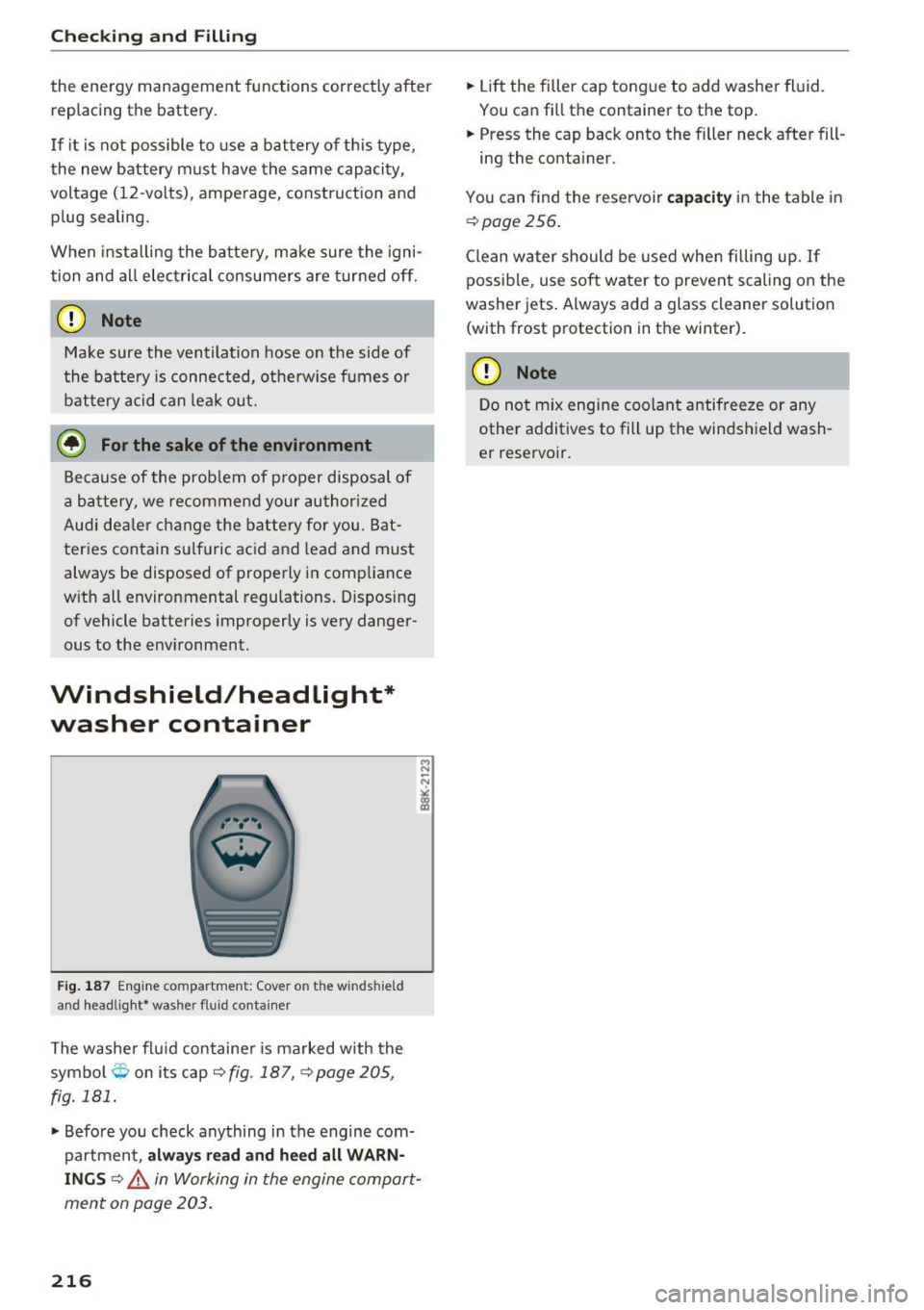
The washer fl uid containe r is m arked with the
symbo l
O on its cap ~ fig. 187, ¢ page 205,
fig . 181 .
.,. Befo re yo u check anything in the engine com
partment,
alway s read and heed all WARN
INGS ¢,& in Working in the engine compor t
ment on page 203.
216
.,. Lift the filler cap tongue to add washe r fl uid.
You ca n fill the conta iner to the top.
.,. Press the cap back onto the filler neck after fill -
ing the container .
You can find the reservoir
capacit y in the table in
~ page 256.
Clean water should be used when filling up . If
possib le , use soft wate r to prevent scaling on the
washer jets. Always add a glass cleaner solution
(with frost p rotection in the winter) .
CD Note
Do not mix engine coolant antifreeze or any
other additives to fill up the winds hield wash
er reservoir.
Page 223 of 278
(a) Curb weight
(b) Accessory weight
(c) Vehicle capacity weight, and
(d) Production options we ight
Ma ximum (permissible)
inflation pressure
means the maximum cold infla
tion pressure to which a t ire may
be inflated. Also called "maxi
mum inflation pressure."
Normal occupant weight
means 150 lbs. (68 kilograms)
times the number of occupants
seated in the veh icle up to the to
tal seating capacity of your vehi c le.
Occupant distribution
means distribution of occupants
in a vehicle.
Outer diameter
means the overall diameter of an
inflated new tire.
Overall width
means the linear distance be
tween the exteriors of the side
walls of an inflated tire, including elevations due to labeling, deco
rations, or protective bands or
ribs .
Wheels
Ply
means a layer of rubber-coated
parallel cords .
Production options weight
means the combined weight of
those installed regular production
options weighing over 5 lbs. (2.3 kg) in excess of those standard
items which they replace, not pre
viously considered in curb weight
or accessory weight, including heavy duty brakes , ride levelers,
roof rack, heavy duty battery, and
special trim .
Radial ply tire
means a pneumatic tire in which
the ply cords that extend to the beads are laid at substantially 90
degrees to the centerline of the
tread.
Recommended inflation
pressure
see ~ page 220, Cold tire infla
tion pressure .
Reinforced tire
means a tire designed to operate
at higher loads and at higher in
flation pressures than the corre sponding standard tire. Rein
forced tires may be identified as .,.
221
Page 252 of 278
Emergency situations
Emergency situations
General
This chapter is intended for trained emergency crews and working personnel who have the nec
essary tools and equipment to perform these
operations.
Starting by pushing or
towing
CD Note
Vehicles with an automatic transmission
cannot be started by pushing or towing.
Starting with jumper
cables
If necessary, the engine con be started by con
necting it to the battery of another vehicle.
If the engine should fail to start because of a dis
charged or weak battery, the battery can be con
nected to the battery of
another vehicle, using a
pair of jumper cables to start the engine.
Jumper cables
Use only jumper cables of sufficiently largecross
section
to carry the starter current safely. Refer
to the manufacturer's specifications.
Use only jumper cables with
insulated terminal
clamps which are distinctly marked :
plus(+) cable in most cases colored red
minus(-) cable
in most cases colored black.
A WARNING
Batteries contain electricity, acid, and gas.
Any of these can cause very serious or fatal in
jury. Follow the instructions below for
safe
handling of your vehicle's battery.
-Always shield your eyes and avoid leaning
over the battery whenever possible.
-A discharged battery can freeze at tempera
tures just below 32 °F (0 °C). Before con
necting a jumper cable, you must thaw the
250
frozen battery completely, otherwise it could explode.
- Do not allow battery acid to contact eyes or
skin. Flush any contacted area with water immediately.
- Improper use of a booster battery to start a
vehicle may cause an explosion.
- Vehicle batteries generate explosive gases.
Keep sparks, flame and lighted cigarettes
away from batteries.
- Do not try to jump start any vehicle with a
low acid level in the battery.
- The voltage of the booster battery must also
have a 12-Volt rating. The capacity (Ah) of
the booster battery should not be lower
than that of the discharged battery. Use of
batteries of different voltage or substantial
ly different "Ah" rating may cause an explo
sion and personal injury.
- Never charge a frozen battery. Gas trapped in the ice may cause an explosion.
- Never charge or use a battery that has been
frozen . The battery
case may have be weak
ened .
- Use of batteries of different voltage or sub
stantially different capacity (Ah) rating may
cause an explosion and injury. The capacity
(Ah) of the booster battery should not be
lower than that of the discharged battery.
- Before you check anything in the engine
compartment, always read and heed all
WARNINGS
~page 203.
CD Note
-Applying a higher voltage booster battery
will cause expensive damage to sensitive
electronic components, such as control
units, relays, radio, etc.
- There must be no electrical contact between
the vehicles as otherwise current could al
ready start to flow as soon as the positive
(+) terminals are connected.
@ Tips
The discharged battery must be properly con-
nected to the vehicle's electrical system. .,..
Page 253 of 278
.... N
0
""' CX)
.... I.Cl U"I
.... I.Cl ....
When jump starting or charging the battery,
never connect the negative ground cable to
the battery negative post because the battery
manager system must be able to detect the
battery's state of charge. Always connect the
negative ground cable to the negat ive ground
post of the battery manager control unit .
Use of jumper cables
Make sure to connect the jumper cable clamps in
exactly the order described below!
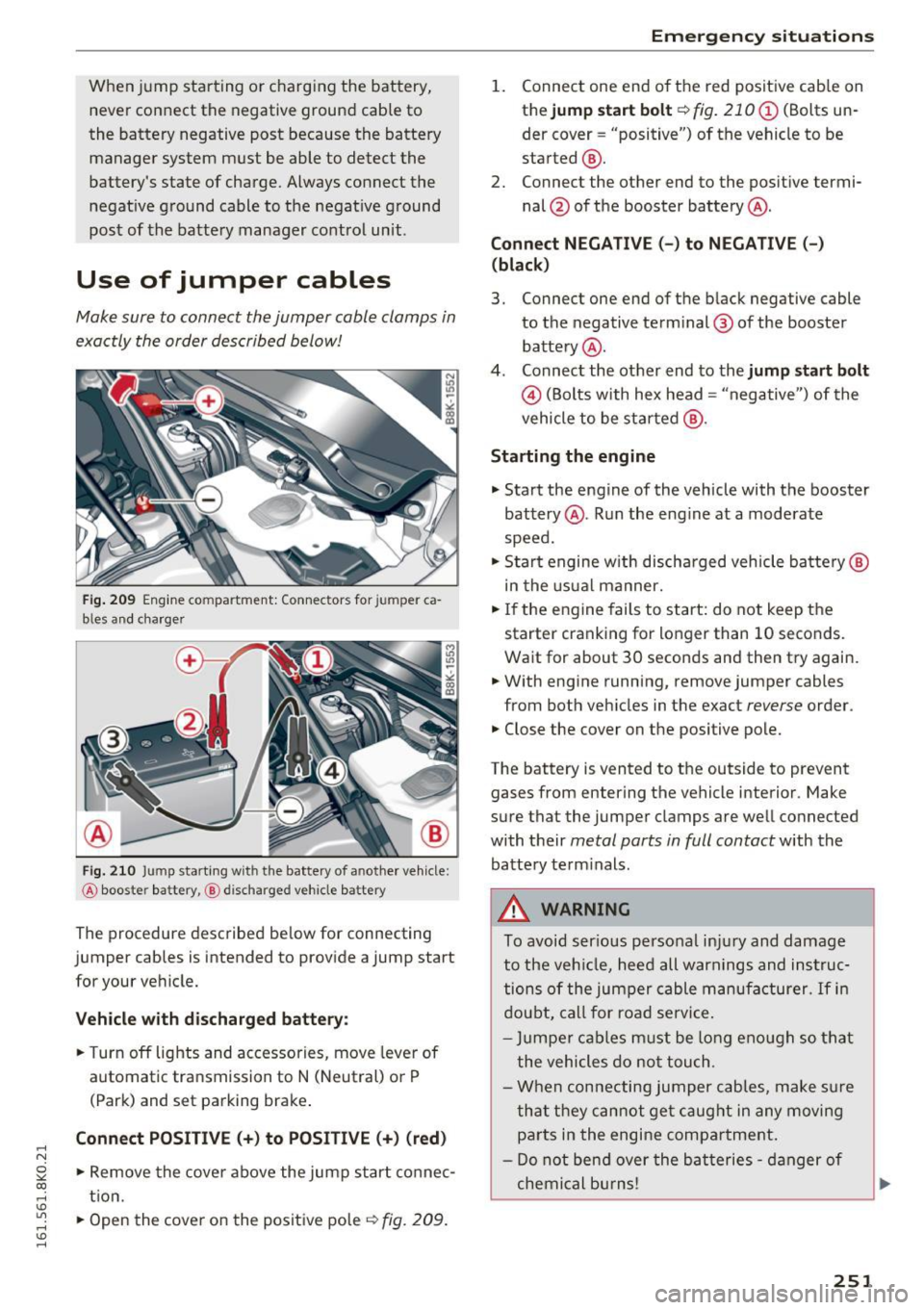
Fig. 209 Engine compartment: Connectors for jumper ca
bles an d charger
Fig. 210 Jump starting w ith the battery of another vehicle :
@ booster battery, ® discharged vehicle battery
The procedure described be low for connecting
jumper cables is intended to provide a jump start
for your vehicle.
Vehicle with discharged battery:
.. Turn off lights and accessories, move lever of
automatic transmission to N (Neutral) or P
(Park) and set parking brake .
Connect POSITIVE(+) to POSITIVE(+) (red)
.,. Remove the cover above the jump start connec
t ion .
.,. Open th e cover on the positive pole
¢ fig. 209 .
Emergency situations
1. Connect one end of the red positive cab le on
the
jump start bolt¢ fig. 210 (D (Bolts un
der cover= "positive") of the vehicle to be
started @.
2. Connect the other end to the positive termi-
nal @of the booster battery @.
Connect NEGATIVE (-) to NEGATIVE (- )
(black)
3. Connect one end of the black negative cable
to the negative terminal @ of the booster
battery @.
4. Connect the other end to the
jump start bolt
@(Bolts with hex head= "negative ") of the
vehicle to be started @.
Starting the engine
.. Start the engine of the vehicle with the booster
battery @. Run the eng ine at a moderate
speed .
.,. Start engine w ith discharged vehicle battery @
in the usual manner.
.,. If the engine fails to start: do not keep the
starter cranking for longer than 10 seconds.
Wait for about 30 seconds and then try again .
.. With engine running, remove jumper cables
from both vehicles in the exact
reverse order .
.. Close the cover on the positive pole.
The battery is vented to the outside to prevent
gases from entering the vehicle interior . Make
sure that the jumper clamps are well connected
with their
metal parts in full contact with the
battery term inals .
A WARNING
To avoid ser ious personal injury and damage
to the vehicle, heed all warnings and instruc
tions of the jumper cable manufacturer.
If in
doubt, call for road service.
- Jumper cables must be long enough so that
the vehicles do not touch .
- When connecting jumper cables, make s ure
that they cannot get caug ht in any moving
parts in the engine compartment.
- Do not bend over the batteries -danger of
chemical bu rns!
251
Page 254 of 278
Emergency situations
-The battery cell locking screws must be
tightened securely.
- Before you check anything in the engine
compartment, always read and heed all
WARNINGS
c:> page 203.
(D Note
Improper hook-up of jumper cables can ruin
the generator.
- A lways connect POSITIVE(+) to POSITIVE
(+), and NEGATIVE(-) to NEGATIVE(-)
ground post of the battery manager control
unit.
- Check that a ll screw plugs on the battery
cells are screwed in firmly. If not, tighten
plugs prior to connecting clamp on negative
battery terminal.
- Please note that the procedure for connect
ing a jumper cable as described above ap
plies specif ically to the case of your vehicle
being jump started. When you are giv ing a
jump start to another vehicle, do
not con
nect the negative(-) cable to the negative
(-) terminal on the discharged battery @
c:> fig. 210. Instead, securely connect the
negative (-) cab le to either a solid metal
component that is firm ly bolted to the en
gine block or to the engine block itself. If
the battery that is being charged does not
vent to the outside , escap ing battery gas
could ignite and explode!
Towing with a tow truck
General hint s
Your Audi requires special handling for towing.
The following information is to be used by com
mercial tow truck operators who know how to op
erate the ir equipment safely.
-Never tow your Audi, towing will cause dam
age to the engine and transmission.
- Never wrap the safety chains or winch cables
around the brake lines .
- To prevent unnecessary damage, your Audi
must be transported with a flat bed truck.
252
-To load the vehicle on to the flat bed, use the
towing loop found in the vehicle tools and at
tach to the front or rear anchorage
c:> page 252 and c:> page 253.
A WARNING
A veh icle being towed is not safe for passen
gers . Never allow anyone to ride in a vehicle
being towed, for any reason .
Front towing loop
Do not install the front towing loop until it is
needed .
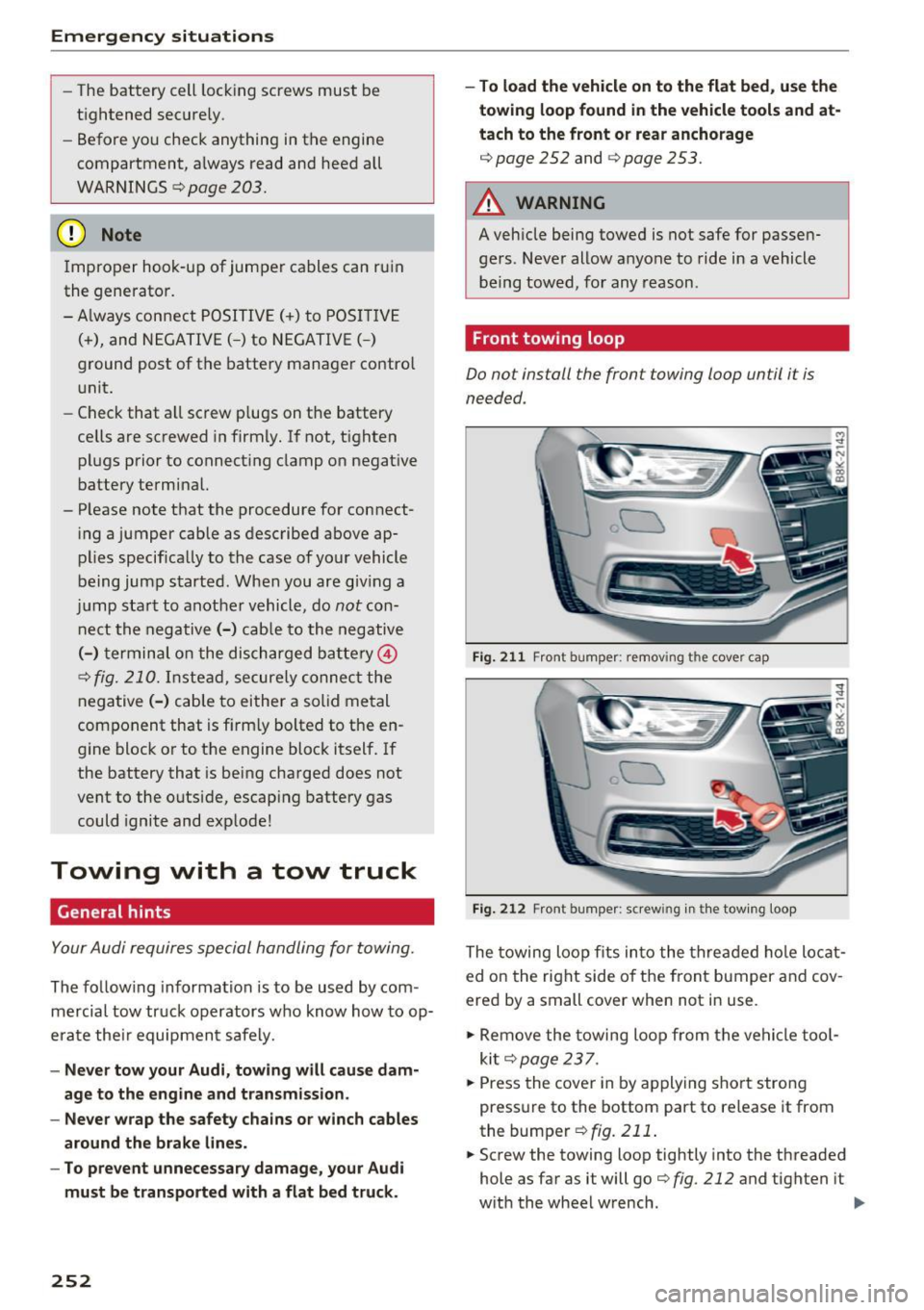
Fig. 211 Front bumper: removing th e cover cap
Fig. 212 Front bumper: s crew ing in t he towing loop
The towing loop fits into the threaded hole locat
ed on the right side of the front bumper and cov
ered by a small cover when not in use .
.,. Remove the towing loop from the vehicle tool
ki t
c:> page 23 7.
... Press the cover in by applying short strong
pressure to the bottom part to release it from
the bumper
c:> fig. 211.
... Screw the towing loop tightly into the threaded
hole as far as it will go
c:> fig. 212 and tighten it
with the wheel wrench. ..,.
Page 265 of 278
..... N
0 ::..:: co .....
Kick -down . . . . . . . . . . . . . . . . . . . . . . . . . . . 95
Manual shift program . . . . . . . . . . . . . . . . . 94
Removal lock (igni tion key) . . . . . . . . . . . . . 80
Selector lever . . . . . . . . . . . . . . . . . . . . . . . . 91
Automatic wipers . . . . . . . . . . . . . . . . . . . . . . 54
Auto Safety Hotline . . . . . . . . . . . . . . . . . . . 128
Average speed . . . . . . . . . . . . . . . . . . . . . . . . 24
Avoid damaging the vehicle . . . . . . . . . . . . . 185
B
Bag hooks . . . . . . . . . . . . . . . . . . . . . . . . . . . . 72
Battery . . . . . . . . . . . . . . . . . . . . . . . . . . . . . . 16
Ba ttery location inside the luggage compart-
ment .. ... ................... .... .. 213
Charge level . . . . . . . . . . . . . . . . . . . . . . . . 182
Charging . . . . . . . . . . . . . . . . . . . . . . . . . . . 214
Energy management . . . . . . . . . . . . . . . . . 182
I mportant warn ings when work ing on the
battery . . . . . . . . . . . . . . . . . . . . . . . . . . . . 213
Jump starting . . . . . . . . . . . . . . . . . . . . . . . 250
Replacing the battery . . . . . . . . . . . . . . . . 215
Working on the battery . . . . . . . . . . . . . . . 213
Before driving . . . . . . . . . . . . . . . . . . . . . . . . 121
Belt tensioners . . . . . . . . . . . . . . . . . . . . . . . 136
Bio-ethanol (Fuel) . . . . . . . . . . . . . . . . . . . . . 199
Blended gasoline . . . . . . . . . . . . . . . . . . . . . 198
Blower (automatic climate control) . . . . . . . . 78
Booster seats . . . . . . . . . . . . . . . . . . . . . . . . 166
Brake fluid
Changing the brake fluid . . . . . . . . . . . . . . 212
Checking the brake flu id level . . . . . . . . . . 211
Brake system Anti -lock brak ing system . . . . . . . . . . . . . . . 19
Brake fluid specifications for refill and re
p lacement . . . . . . . . . . . . . . . . . . . . . . . . . 212
Brake light defective . . . . . . . . . . . . . . . . . . 21
Brake power assist unit . . . . . . . . . . . . . . . 180
Brakes . . . . . . . . . . . . . . . . . . . . . . . . . . . . . 180
Ceramic brakes . . . . . . . . . . . . . . . . . . . . . . 180
Electromechanical parking brake . . . . . . . . 85
Warning/indicator lights . . . . . . . . . . . . . . . 15
Worn brake pads symbol . . . . . . . . . . . . . . . 20
Braking Brake assist . . . . . . . . . . . . . . . . . . . . . . . . 177
Emergency braking function . . . . . . . . . . . . 87
Index
braking guard . . . . . . . . . . . . . . . . . . . . . . . . . 98
Messages . . . . . . . . . . . . . . . . . . . . . . . . . . 105
Settings . . . . . . . . . . . . . . . . . . . . . . . . . . . 105
Break-in period
Brake pads . . . . . . . . . . . . . . . . . . . . . . . . . 180
T ires . . . . . . . . . . . . . . . . . . . . . . . . . . . . . . 185
Breaking in . . . . . . . . . . . . . . . . . . . . . . . . . . 185
New t ires . . . . . . . . . . . . . . . . . . . . . . . . . . 224
Bulbs . . . . . . . . . . . . . . . . . . . . . . . . . . . . . . . 249
C
California Proposition 65 Warning . . . . . . . 204
Battery specific . . . . . . . . . . . . . . . . . . . . . 214
Capacities . . . . . . . . . . . . . . . . . . . . . . . . . . . 256
Engine oil . . . . . . . . . . . . . . . . . . . . . . . . . . 205
Care . . . . . . . . . . . . . . . . . . . . . . . . . . . . . . . . 193
Cargo area
refer to Luggage compartment . . . . . . 69, 126
Catalytic converter . . . . . . . . . . . . . . . . . . . . 186
Center armrest . . . . . . . . . . . . . . . . . . . . . . . . 61
C entral locking . . . . . . . . . . . . . . . . . . . . . . . . 31
Central locking switch . . . . . . . . . . . . . . . . . 35
Convenien ce key . . . . . . . . . . . . . . . . . . . . . . 34
Remote control key . . . . . . . . . . . . . . . . . . . 34
Ceramic brake rotors
New brake pads . . . . . . . . . . . . . . . . . . . . . 180
Certification . . . . . . . . . . . . . . . . . . . . . . . . . 261
Changing engine oil . . . . . . . . . . . . . . . . . . . 208
Checking Engine coolant level . . . . . . . . . . . . . . . . . . 209
Child restraints
Danger of using child restraints in the front
seat . . . . . . . . . . . . . . . . . . . . . . . . . . . . . . . 139
Where can I get additional information
about child restraints and their use? . . . . 175
Child restraint system anchors . . . . . . . . . . 171
Child safety . . . . . . . . . . . . . . . . . . . . . . . . . . 158
Impor tan t safety ins tructions for using child
safety seats . . . . . . . . . . . . . . . . . . . . . . . . 161
Installing a child restraint using the LATCH
system . . . . . . . . . . . . . . . . . . . . . . . . . . . . 172
Lower anchorages . . . . . . . . . . . . . . . . . . . 172
Mounting and releas ing the anchorage
hook .............................. 172
Tether anchors . . . . . . . . . . . . . . . . . . . . . . 173
Tether straps . . . . . . . . . . . . . . . . . . . . . . . 173
263
Page 267 of 278
..... N
0 ::..:: co .....
Dig ita l clock . . . . . . . . . . . . . . . . . . . . . . . . . . 12
Dig ita l compass . . . . . . . . . . . . . . . . . . . . . . . 57
Di mensions . . . . . . . . . . . . . . . . . . . . . . . . . . 256
Dimming the rearview mirror . . . . . . . . . . . . 52
Doors Chil d safety loc ks . . . . . . . . . . . . . . . . . . . . . 41
emergency locking . . . . . . . . . . . . . . . . . . . . 36
Dr iver information system . . . . . . . . . . . . . . . 23
E nhanced s hift ind icator . . . . . . . . . . . . . . . 27
Open door or front lid warning . . . . . . . . . . 23
Outside temperature disp lay. . . . . . . . . . . . 23
Sound system display . . . . . . . . . . . . . . . . . 23
D river seat
refer to Sea ting pos ition . . . . . . . . . . . . . . 122
Dr iving economically . . . . . . . . . . . . . . . . . . 187
Driving offroad . . . . . . . . . . . . . . . . . . . . . . . 188
D riving s afe ly . . . . . . . . . . . . . . . . . . . . . . . . 12 1
Driving through wate r . . . . . . . . . . . . . . . . . 185
Driving time . . . . . . . . . . . . . . . . . . . . . . . . . . 24
Dust filte r
refer to Pollutant filte r (automat ic A/C sys-
tem) . . . . . . . . . . . . . . . . . . . . . . . . . . . . . . . 76
Dynamic steering ............. 111,177,181
E
E85 (Fu el) . . . . . . . . . . . . . . . . . . . . . . . . . . . 199
E ff iciency p rogram . . . . . . . . . . . . . . . . . . . . . 26
Fu el economy messages . . . . . . . . . . . . . . . 28
M emory levels . . . . . . . . . . . . . . . . . . . . . . . 24
Other equipment . . . . . . . . . . . . . . . . . . . . . 27
Shift indicator . . . . . . . . . . . . . . . . . . . . . . . 27
E lect ro-mechan ica l powe r ass ist . . . . . . . . . 18 1
E lect romechan ical park ing brake
E me rgency brak ing . . . . . . . . . . . . . . . . . . . 87
I ndicator ligh t . . . . . . . . . . . . . . . . . . . . . . . 85
Par king . . . . . . . . . . . . . . . . . . . . . . . . . . . . . 86
Re leas ing and closing . . . . . . . . . . . . . . . . . 85
Starting assist . . . . . . . . . . . . . . . . . . . . . . . 86
Starting from rest . . . . . . . . . . . . . . . . . . . . 86
Starting
off w ith a trailer . . . . . . . . . . . . . . . 86
Wa rning/indicator lights . . . . . . . . . . . . . . . 16
E le ctronic differential lock
Wa rning/indicator lights . . . . . . . . . . . . . . . 18
E lect ronic D ifferential Lock . . . . . . . . . . . . . 177
Index
Electron ic differentia l lock (ED L)
War ning/indicator lights . . . . . . . . . . . . . . . 19
El ectron ic immobili zer . . . . . . . . . . . . . . . 12 , 3 7
E lectron ic power control
(EPC) warn ing/ indicator light . . . . . . . . . . . 20
E lectron ic speed limiter . . . . . . . . . . . . . . . . . 29
El ectron ic stabilization control
offroad mode . . . . . . . . . . . . . . . . . . . . . . . 178
Spo rt mode . . . . . . . . . . . . . . . . . . . . . . . . 178
E lectron ic Stab ilization Contro l . . . . . . . . . . 177
E lectronic Stabilization Contro l (ESC)
War ning/ indicato r lights . . . . . . . . . . . . . . . 18
E mergency actuation
D oo rs . . . . . . . . . . . . . . . . . . . . . . . . . . . . . . 36
Ign it ion key . . . . . . . . . . . . . . . . . . . . . . . . . 3 4
Rear lid . . . . . . . . . . . . . . . . . . . . . . . . . . . . . 40
Sliding/ti lting sunroof . . . . . . . . . . . . . . . . . 43
E mergency b raking . . . . . . . . . . . . . . . . . . . . . 87
Emergency flasher . . . . . . . . . . . . . . . . . . . . . 50
Warning/ indicato r lights . . . . . . . . . . . . . . . 22
Emergency key . . . . . . . . . . . . . . . . . . . . . . . . 32
Start ing engine . . . . . . . . . . . . . . . . . . . . . . 82
E mergency ope ration
E mergency braking function (par king b rake) .87
E mergency start ing . . . . . . . . . . . . . . . . . . . 250
Energy management . . . . . . . . . . . . . . . . . . 182
Battery power. . . . . . . . . . . . . . . . . . . . . . . . 16
Driver notif ication . . . . . . . . . . . . . . . . . . . . 16
E ngine
Compartment . . . . . . . . . . . . . . . . . . . . . . . 205
Coo lant . . . . . . . . . . . . . . . . . . . . . . . . . . . . 208
Hood . . . . . . . . . . . . . . . . . . . . . . . . . . . . . . 203
Start ing . . . . . . . . . . . . . . . . . . . . . . . . . 80, 83
Start ing with jumper cables . . . . . . . . . . . 250
Stopp ing . . . . . . . . . . . . . . . . . . . . . . . . . 82, 84
Engine compartment . . . . . . . . . . . . . . . . . . 205
Safety instr uctions . . . . . . . . . . . . . . . . . . . 203
Working the engine compartment
203
E ngine coolant
Ind icator light . . . . . . . . . . . . . . . . . . . . . . . 17
E ngine coolant system . . . . . . . . . . . . . . . . . 208
Adding coo lant. .. .. ............... .. 210
Checking cool ant level . . . . . . . . . . . . . . . . 209
C hecking the engine coo lant level . . . . . . . 2 09
Radiator fan . . . . . . . . . . . . . . . . . . . . . . . . 211
E ngine coolant temperat ure
T emperatu re gauge . . . . . . . . . . . . . . . . . . . 10
265
Page 268 of 278
Index
Engine hood Closing . . . . . . . . . . . . . . . . . . . . . . . . . . . .
203
How to release the hood . . . . . . . . . . . . . . 203
Engine oil . . . . . . . . . . . . . . . . . . . . . . . . . . . 205
Adding .. .. .. ............... .... ... 207
Additives . . . . . . . . . . . . . . . . . . . . . . . . . . . 207
Changing . . . . . . . . . . . . . . . . . . . . . . . . . . 208
Check oil level . . . . . . . . . . . . . . . . . . . . . . 207
Consumption . . . . . . . . . . . . . . . . . . . . . . . 207
Indicator light .. .................. 17, 20
Oil consumption . . . . . . . . . . . . . . . . . . . . . 206
Pressure malfunction . . . . . . . . . . . . . . . . . 17
Sensor defective . . . . . . . . . . . . . . . . . . . . . . 20
Specification and viscosity . . . . . . . . . . . . . 205
Engine speed limitation . . . . . . . . . . . . . . . . . 20
Environment
Catalytic converter . . . . . . . . . . . . . . . . . . .
186
Disposing of your vehicle battery . . . . . . . 215
Driving at high speeds . . . . . . . . . . . . . . . . 187
Fuel. .... .. .. .. ............. .... .. . 200
Leaks under your vehicle . . . . . . . . . . . . . . 203
Letting the vehicle stand and warm up . . . 187
Proper disposal of drained brake fluid . . . 212
Proper disposal of drained engine coolant 210
Proper disposal of drained engine o il 207, 208
Recycling used engine oil . . . . . . . . . . . . . 207
Roof rack . . . . . . . . . . . . . . . . . . . . . . . . . . . 68
Unleaded fuel . . . . . . . . . . . . . . . . . . . . . . . 198
What should I do with an old battery? 215
E PC
refer to Electronic power control . . . . . . . . 20
Ethyl alcohol (Fuel) . . . . . . . . . . . . . . . . . . . . 199
Event Data Recorder (EDR) . . . . . . . . . . . . . 176
Expansion tank
Exterior lighting
Exterior mirrors 209
48
Adjusting . . . . . . . . . . . . . . . . . . . . . . . . . . . 51
D ' . 1mming ... .. .. ................ ..... 52
Heating . . . . . . . . . . . . . . . . . . . . . . . . . . . . . 51
F
Fan
Radiator
211
Fastening
Booster seats . . . . . . . . . . . . . . . . . . . . . . .
166
Convertible chi ld safety seats . . . . . . . . . . 164
Infant seats . . . . . . . . . . . . . . . . . . . . . . . . 163
266
Fastening eyes
refer to Tie-downs . . . . . . . . . . . . . . . . . . . . 72
flexib le fue l . . . . . . . . . . . . . . . . . . . . . . . . . . 199
Floor . . . . . . . . . . . . . . . . . . . . . . . . . . . . . . . . 75
Floor mats . . . . . . . . . . . . . . . . . . . . . . . . . . . 126
Fog lights/rear fog light(s) . . . . . . . . . . . . . . 48
Fold ing the rear seats . . . . . . . . . . . . . . . . . . . 69
Foot pedals . . . . . . . . . . . . . . . . . . . . . . . . . . 125
For the sake of the environment
Environmentally -friendly driving . . . . . . .
187
Gasoline fumes and the environment . . . . 200
Letting the engine warm up . . . . . . . . . 80, 83
Refueling . . . . . . . . . . . . . . . . . . . . . . . . . . 200
Sav ing fuel by early upshifting . . . . . . . . . . 11
Front airbags
Description . . . . . . . . . . . . . . . . . . . . . . . . .
142
How they work . . . . . . . . . . . . . . . . . . . . . . 146
Frontal collisions and the laws of physics . . 131
Front passenger 's door emergency locking . . 36
Front seats
Adjusting . . . . . . . . . . . . . . . . . . . . . . . . . .
123
Child restraints in the front seat . . . . . . . . 139
Fuel
Additives .. ... ... ... ...... ....... ...
198
Blended gasoline 198
Consumption . . . . . . . . . . . . . . . . . . . . . . . . 24
Fuel gauge . . . . . . . . . . . . . . . . . . . . . . . . . . 12
Gasoline add it ives . . . . . . . . . . . . . . . . . . . 200
Low fue l level symbol . . . . . . . . . . . . . . . . . 20
Octane rating . . . . . . . . . . . . . . . . . . . . . . . 198
Recommendation ... ................. 198
Refuelling . . . . . . . . . . . . . . . . . . . . . . . . . . 200
Reserve . . . . . . . . . . . . . . . . . . . . . . . . . . . . . 12
Saving fuel . . . . . . . . . . . . . . . . . . . . . . . . . 187
Tank capacity . . . . . . . . . . . . . . . . . . . . . . . 256
Tank system . . . . . . . . . . . . . . . . . . . . . . . . . 20
Unlocking the fuel filler flap by hand . . . . 202
Fuel economy messages (efficiency program) 28
Fuel filler flap
Unlocking the fuel filler flap by hand . . . .
202
Fuses
A . ss 1gnment . .. .. .. .. .. ..... 246, 247, 248
Replacing . . . . . . . . . . . . . . . . . . . . . . . . . . 246
G
Garage door opener (HomeLink) . . . . . . . . . . 44