engine AUDI S6 2015 Repair Manual
[x] Cancel search | Manufacturer: AUDI, Model Year: 2015, Model line: S6, Model: AUDI S6 2015Pages: 314, PDF Size: 77.57 MB
Page 209 of 314

Always apply brakes early. When driving
downhill, shift into a lower gear to use the en
g ine braking effect to slow the vehicle . Use of
the brakes a lone can cause them to overheat
and fail.
Air suspension*
When driving with a trai ler, activate the trailer
mode of the air suspension. Switch the air
suspension trailer mode on when you are tow
ing a trailer. This will limit the regulation by
the air suspension while driving. Select in the
MMI:
! CARI function button> (C ar) * systems
control button > Vehicle settings > Air susp.:
towing > On .
Coolant temperature
The coolant temperature gauge¢ page 11
must be observed carefully. The coolant tem
perature can increase if you drive on long in
clines in a low gear at high engine speeds . Re
duce your speed immed iately if the LEDs in
the top pa rt of the display turn on.
For more information about indicator lights,
refer to. ¢
page 16 .
A WARNING
Anyone no t properly restrained in a mov
ing veh icle is at a much greater ris k in an
accident . Never let anyone ride in your car
who is not properly wearing the restraints
provided by Audi .
Trailer towing tips
Important to know
Your vehicle handles differently when tow ing
a trailer because of the addit ional weight and
d ifferent weight distribution . Safety, perform
ance and economy w ill greatly depend on how
carefully you load your trailer and operate
your rig.
Before you actually tow your trailer, practice
M N turning, stopping and backing up in an area 0
~ away from traffic. Keep practicing until you
~ have become comp lete ly fam iliar with the way 1.1'1 ,...., 1.1'1 ,....,
Trailer towing 207
your vehicle-trai ler combination behaves and
responds.
Backing up is difficult and requires practice .
Backing up with a trailer generally req uires
steering action opposite to that when backing
up your vehicle without a trai ler.
Maintain a greater distance between your ve
hicle and the one in front of you. You will need
more room to stop. To compensate for the
trailer , you wi ll need a larger than normal
turning rad ius.
When passing, remember that you cannot ac
ce lerate as fast as you norma lly would be
cause of the added load. Make sure you have
enough room to pass . After passing, allow
plenty of room for your trailer before chang
ing lanes again .
Avoid jerky starts, sharp turns or rapid lane changes.
(D Tips
- Do not tow a trailer during the break-in
period of your vehicle.
- If you tow a trailer, your Audi may re
quire more frequent maintenance due to
the extra load ¢
page 292.
Parking on a slope
Do not park on a slope with a trailer. If it can
not be avoided, do so only after doing the fol lowing:
When parking:
.,. App ly the foot brake .
.,. Have someone p lace chocks under both the
vehicle and the trailer wheels.
.,. With chocks in place, slowly release the
brakes until the wheel chocks absorb the
load .
.,. Turn the wheels towards the curb.
.,. Apply the parking brake .
.,. Select the P selector lever posit ion.
When re starting after parking:
.,. App ly the foot brake.
.,. Start the engine.
•
•
Page 216 of 314
214 Fuel supply and filling your fuel tank
Fuel supply and filling
your fuel tank
Gasoline
Fuel supply
Appl ies to vehicles: with gasoline engine
Using the right fuel helps keep the environ
ment clean and prevents engine damage .
Fuel recommendation
The fuel recommended for yo ur vehicle is un
l e aded premium
grade gasoline . Audi recom
mends using TO P TI ER D ete rgent Gaso line
wi th a m inimum octane ra ting o f 91 A KI ( 95
RO N). Fo r more informa tio n o n TOP TIER De
tergent Gasoline, p lease go to the o fficia l
websi te (www. topt iergas .com) .
The re commended gasoline octane rati ng for
your engine can a lso be fo und o n a label loc at
ed on the ins ide of the fuel filler flap . This ra t
ing may be specif ied as AK I or RO N.
Your veh icle may also be operated using un
l eaded regular gasoline with a minimum oc
tane rating of 87 AKI/91 RO N. However, using
87 A KI/91 RON octa ne fue l wi ll slightly re
d uce eng ine perfo rmance .
Use unleaded ga soline only. U nleaded g aso
l ine is available th rougho ut the USA, Canada,
a nd i n most E uropean countries . We recom
mend that you do not ta ke yo ur vehicle to
areas or co untries where unleaded gasoline
may not be ava ilable.
F or mo re informat io n on refue ling your ve hi
cle, see~
page 216.
Octane rating
Octane rating ind icates a gaso line's abili ty to
res ist eng ine dam ag ing "knoc k" ca use d by
premature ign ition and detona tion. Therefore,
buy ing the correct grade of gaso line is very
important to he lp prevent possible engine
damage and a loss of engine performance.
Gasoline mos t commonly used in the Unite d
States and Canada has the following octane r
atings t hat can usu a lly be found on the fi ller
pump:
- Premium Gra de: 91 -96 A KI
- Regular Grade : 87 -90 AKI
Explanation of the abbreviations:
AKI = Anti K nock In d ex = (R+M )/2 = (RON
+ MON)/2
R ON= Resear ch Octane Numb er
MON = Motor Octane Num ber .
(D Note
-Do not use a ny fue l w it h o ctane rat ings
lower tha n 87 A KI or 91 RO N othe rwise
expensive engi ne damage w ill occur.
- Do
not use leaded gasoli ne. The use of
leaded gasoline w ill severely damage
yo ur v ehicle's cata lytic co nve rter and its
ability to co ntrol exha ust em issions .
Blended gasoline
Applies to vehicles: with gasoline engine
Use of gasoline containing alcohol or
MTBE (methyl tertiary butyl ether )
You may use unleaded g asoline blende d wi th
alcohol o r MTBE (commonly referred to as
oxygenates) if the blende d mixture meets t he
f o llow ing criteria:
Blend of gasoline methanol (wood alcohol or
methyl alcohol)
- Anti -kno ck index must be 87 A KI or higher.
- Blend must contain no more t han 3% meth-
anol.
- Blend must contain more than 2% co -sol -
vents.
Blend of gasoline and ethanol (grain alcohol
or ethyl alcohol)
- Anti -knock index must be 87 AKI or higher .
- Blend must not conta in mo re tha n 15%
ethanol.
Blend of ga soline and MTBE
- Anti-knock index must be 87 AKI or higher. IJll,
Page 217 of 314
M N
0 <.J 'SI: ,...., \!) ..,.,
,...., ..,., ,....,
-Blend must contain not more than 15%
MTBE.
Seasonally adjusted gasoline
Many gasoline grades are blended to perform
espec ially we ll for winter or summer driving.
During seasonal change-over, we suggest that
you fill up at busy gas stat ions where the sea
sonal adjustment is more likely to be made in
time .
(D Note
-Methanol fuels which do not meet these
requirements may cause corrosion and
damage to plastic and rubber compo
nents in the fuel system .
- Do not use fue ls that fail to meet the
specified criter ia in this chapter.
- If you are unable to determine whether
or not a particular fue l blend meets the
specifications, ask your service station or
its fuel supp lier.
- Do not use fuel for which the contents
cannot be identified.
- Fuel system damage and performance
problems resulting from the use of fuels
different from those specified are not
the responsibility of Audi and are not
covered under the New Vehicle or the Emission Control System Warranties.
- If you experience a loss of fuel economy
or driveability and performance prob l ems due to the use of one of these fuel
blends, we recommend that you switch
to unblended fuel.
Gasoline additives
A major concern among many auto manufac
turers is carbon deposit build- up caused by
the type of gasoline you use.
Although gasoline grades differ from one manufacturer to another , they have certain
things in common. All gasoline grades contain
substances that can cause deposits to collect
on vital engine parts, such as fuel injectors
and intake valves. Although most gasoline brands include additives to keep engine and
Fuel supply and filling your fuel tank 215
fuel systems clean, they are not equally effec
tive .
A udi recommends using TOP TIER Detergent
Gasoline. For more info rmation on TOP TIER
Detergent Gasoline, please go to the official
website (www.toptiergas.com).
After an extended period of using inadeq uate
fuels, carbon deposit build-ups can rob your
engine of peak performance.
Q) Note
Damage or malfunction due to poor fue l
quality is not covered by the Aud i New Ve
hicle Limited Warranty.
Diesel fuel
Applies to veh icles: w ith diese l eng ine
Always use ULSD (Ultra Low Sulfur Diesel)
No. 2. The ULS D No. 2 meets the ASTM D975.
D iesel fuel w ith concentrations of biodiese l
highe r than 5 % such as Bll, B2O or BlOO are
strictly prohib ited.
Serv ice stat ion fuel pumps are labeled with
the correct fuel informat ion for easy recogn i
t ion by the user. If the diesel fuel pump is not
labeled ask the station operator what fuel is
being dispensed before filling up your vehicle.
ULSD No. 2 may not be available outside the
USA and Canada. Be sure to check before trav
eling to other countries.
ULSD No. 2 can become thicker in very cold
temperatures, and this can impair the en gine's start ing and running. Depending on the
season, gas stat ions provide ULSD No. 2 that
flows better in cold temperatures so that you
can continue operating your vehicle as usua l.
(D Note
-Your vehicle's diesel engine was de
signed soley for use with ULSD No. 2.
Th erefore, never use gasoline, heating
oil, other f uels or flow improvers . These
contain substances that wi ll severely
damage the fuel system and the engine. .,.
•
•
Page 218 of 314
216 Fuel supply and filling your fuel tank
Such damage will not be covered by your
New Vehicle Limited Warranty.
- If you p ut any amount of incorrect fuel in
the fue l tank, do not start the engi ne un
der any circumstances. Immediately con
tact the nearest authorized Audi dealer
or authorized Audi Service Facility for as
s istance. These fuels contain substances
that can severely damage the fuel sys
tem and the engine if the engine is start ed.
Fuel tank
Fuel filler neck
The fuel filler neck is located on the right rear
side panel behind the fuel filler flap.
If the power locking system should fa il, you
can st ill open the flap manually -for detailed
instructions see
c;, page 218.
You can find the fue l tank capacity of your ve
hicle in
c;, page 290.
The label on the inside of the fue l filler flap
tells you the cor rect fuel for your vehicle . Fo r
more information about fuel specifications,
see
c;, page 214.
Your veh icle fuel tank has an onboard refue l
ling vapor recovery system. This feature helps
to prevent fuel vapors from escaping from the
tank and polluting the environment while you refuel your vehicle. In order to fill the tank
properly whi le protecting the env ironment,
please follow this refueling procedure careful
ly .
A WARNING
Under normal operating conditions, neve r
carry additiona l fuel containers in you r car.
Gas canisters and other containers used to
transport fuel can be dangerous. Such con
tainers, full or empty, may leak and could
cause a fire in a collision. If you must
transport fue l to use for yo ur lawn mower,
snow blower, etc., be very careful and al
ways observe local and state laws regard
ing the use, transportation and storage of such
fuel containers . Make certain the con
tainer meets industry standards (ANSI/
ASTM F852 -86).
(D Note
Never drive your vehicle until the fue l tank
is completely empty. The irregu lar supply
of fue l can cause misfiring. Gasoline could
enter the exhaust system and damage the
catalytic converter .
Refuelling
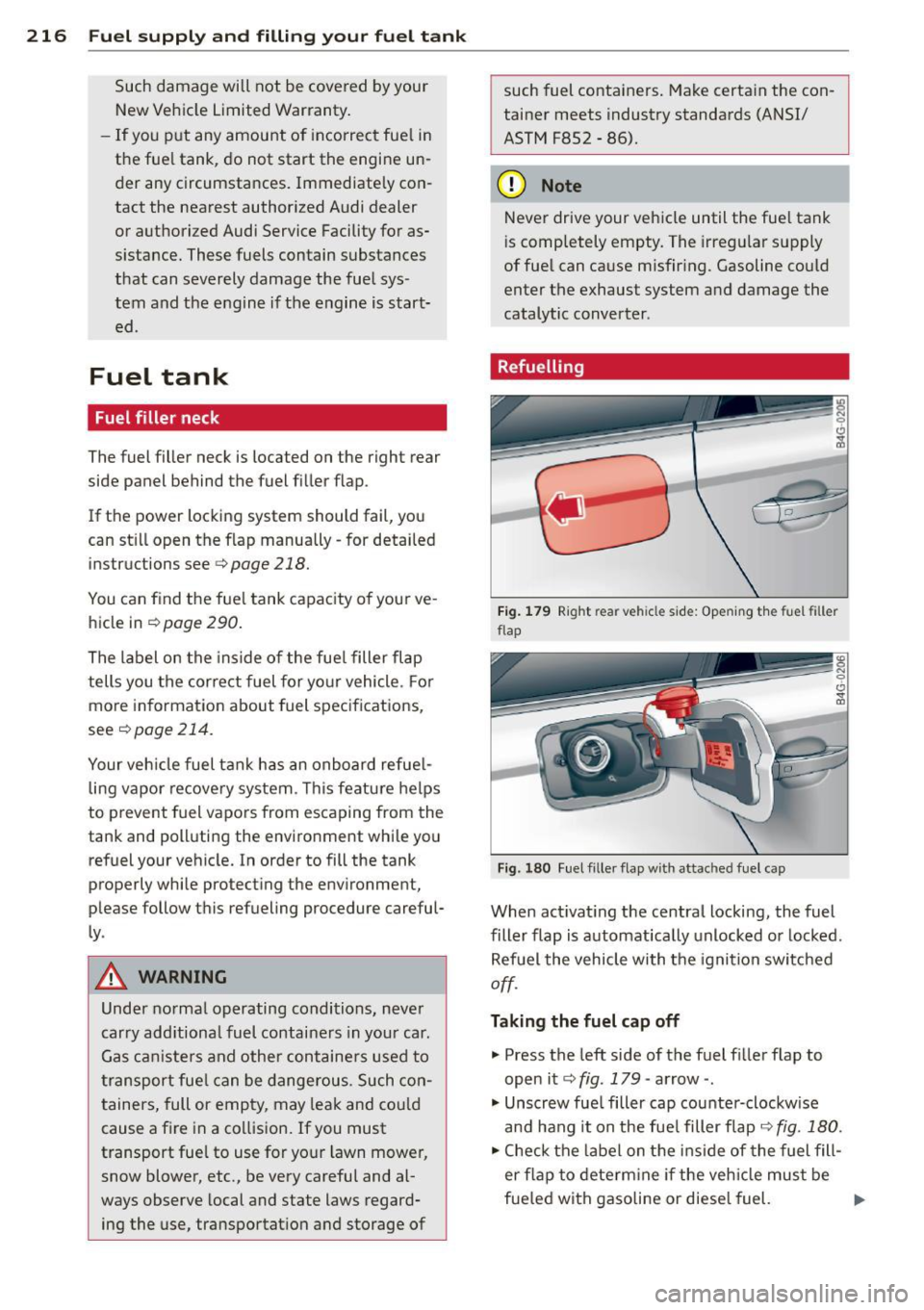
Fig. 179 Right rea r veh icle side: Opening the fuel filler
flap
Fig . 180 Fu el filler flap with attac hed fuel cap
When act ivat ing the central locking, the fuel
filler flap is automatically unlocked or locked.
Refuel the vehicle with the ignition switched
off.
Taking the fuel cap off
" Press the left side of the fuel filler flap to
open it
c;, fig. 179 -arrow -.
" Unscrew fuel filler cap counter-clockwise
and hang it on the fue l filler flap
c;, fig. 180.
"Check the label on the inside of the fuel fill
er f lap to determine if the veh icle must be
fue led with gasoline or diesel fuel.
Ill>
Page 220 of 314
218 Fuel supply and filling your fuel tank
@ Tips
-Running your engine while refuelling
may cause vapors to escape or even
cause fue l to spill out of the tank. This
would then shut off the fuel nozzle be
fore the tank is full.
- Do not refuel your vehicle w ith the igni
tion switched on. The fuel gauge may
otherwise not indicate the correct fuel
level after refuelling.
- Diesel vehicles* are equipped with a die
sel m isfueling protector. It allows the
vehicle to be fueled only w ith a diesel
fuel pump nozzle. A worn or damaged
nozzle or a nozzle that is too small may
not be able to open the diesel misfueling
protector . If this is the case, try turning
the nozz le before inserting it in the fue l
filler neck, use a different fuel pump or see your authorized Audi dealer or au
thorized repair facility for assistance.
- The fuel filler flap of your vehicle is not
locked when you lock the vehicle from
the inside.
Fuel filler flap emergency release
You can open the fuel filler flap by hand if the
power locking system should fail.
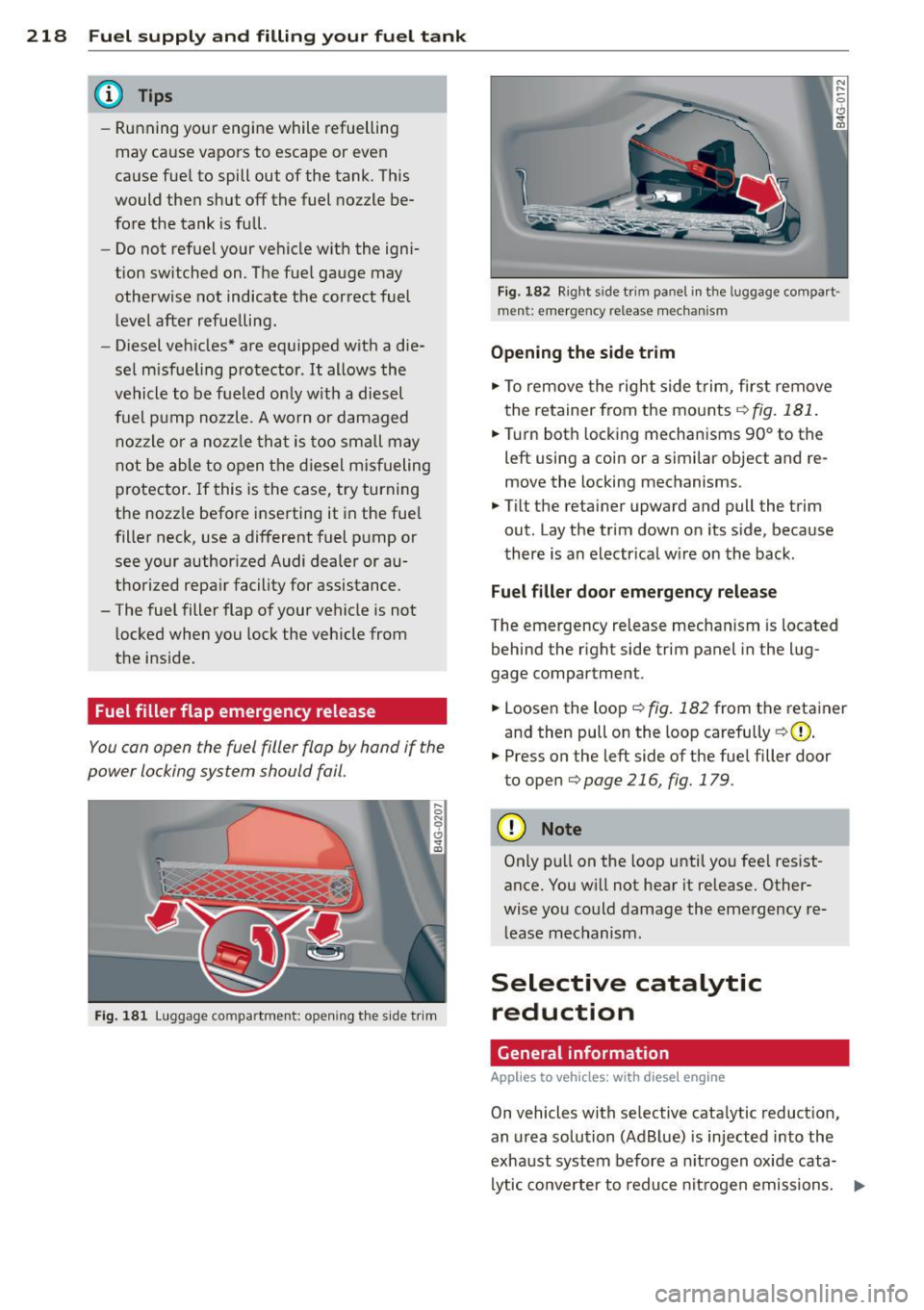
Fig. 181 Luggage compartment: opening the side t rim
Fig. 182 R ight sid e tr im panel in t he luggage compart ·
men t: emergency release mechanism
Opening the side trim
.. To remove the right side trim, first remove
the retainer from the mounts ¢
fig. 181.
.. Turn both locking mechanisms 90° to the
left using a coin or a similar object and re
move the locking mechanisms.
.. Tilt the retainer upward and pull the trim
out. Lay the trim down on its side, because
there is an electr ical wire on the back.
Fuel filler door emergency release
The emergency release mechanism is located
behind the right side trim panel in the lug
gage compartment .
.. Loosen the loop¢
fig. 182 from the retainer
and then pull on the loop carefully
¢ (D .
.. Press on the left side of the fuel filler door
to open
¢ page 216, fig. 179 .
(D Note
Only pull on the loop until you feel resist
ance. You w ill not hear it release. Other
wise you could damage the emergency re
lease mechanism.
Selective catalytic
reduction
General information
Applies to vehicles : wit h diese l eng ine
On vehicles with selective catalytic reduction,
an urea solution (AdBlue) is injected into the
exhaust system before a nitrogen oxide cata
lytic converter to reduce nitrogen emissions. ..,.
Page 222 of 314
220 Fuel supply and filling your fuel tank
This message appears if the system detects it
was filled incorrect ly. Drive immediate ly to
the nearest qualified workshop to have the malfunction repaired. Otherwise you will not
be able to start the engine again once you
stop it.
Filling AdBlue
App lies to vehicles: with diesel eng in e
A special refill bo ttle must be used to fill the
AdBlue.
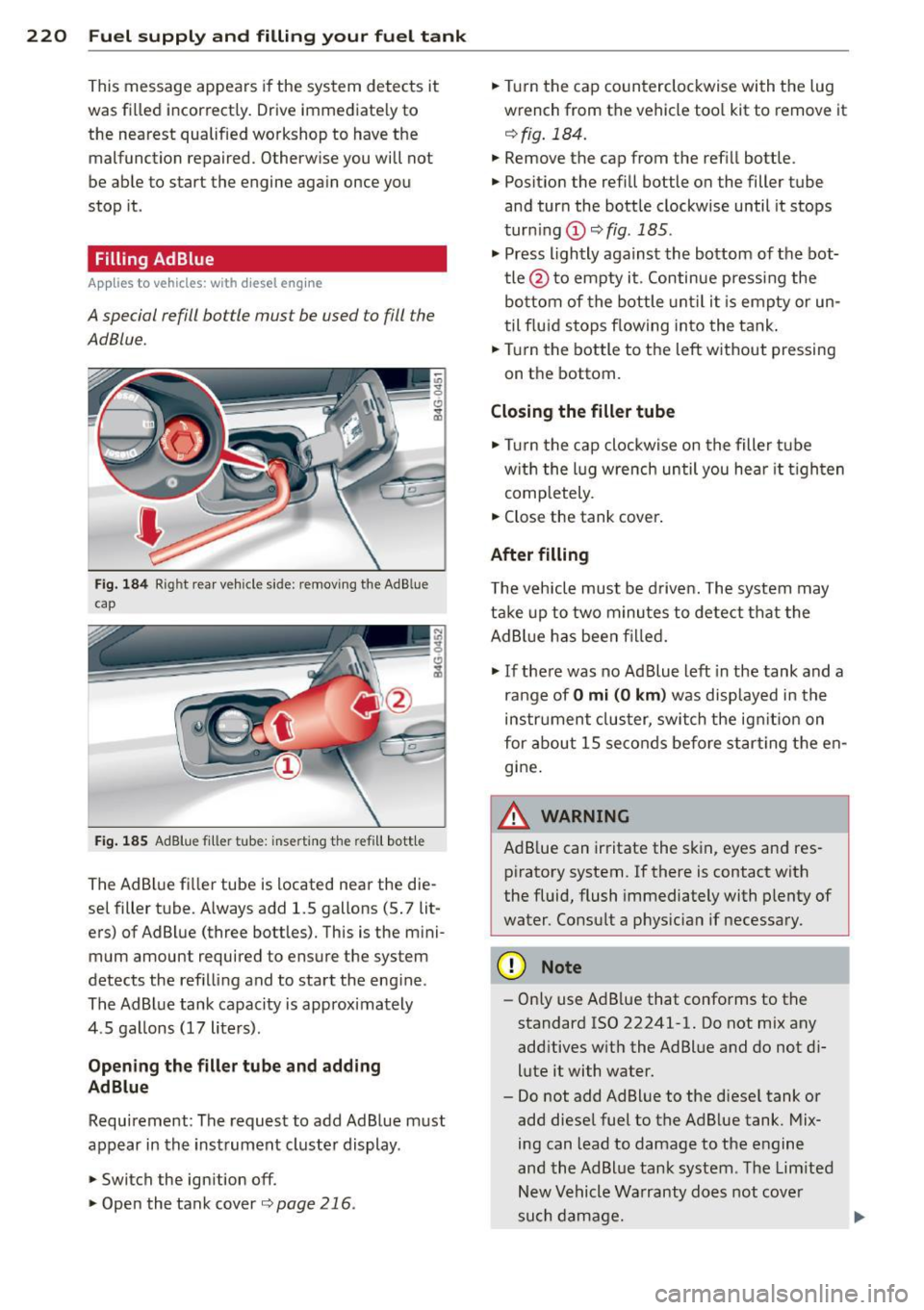
Fig. 184 Rig ht rear vehicle si de: removing the Ad Blue
cap
Fig. 185 Ad8lue filler tub e: inse rting the refi ll bott le
The Ad Blue fi ller tube is located near the die
sel filler tube. Always add 1.5 gallons (5 . 7 lit
ers) of AdBlue (three bottles). This is the mini
mum amount required to ensure the system
detects the refilling and to start the engine.
The Ad Blue tank capacity is approximately
4 .5 gal lons (17 liters).
Opening the filler tube and adding
AdBlue
Requirement: The request to add Ad Blue must
appear in the instrument cluster display.
• Switch the ignition off.
• Open the tank cover
c:;,poge 216.
• Turn the cap counterclockwise with the lug
wrench from the vehicle too l kit to remove it
C::,fig. 184.
• Remove the cap from the refill bottle.
• Position the refill bottle on the filler tube
and turn the bottle clockwise until it stops
turning
(D ~ fig. 185 .
• Press lightly against the bottom of the bot
tle @to empty it . Continue pressing the
bottom of the bottle until it is empty or un
til fluid stops flowing into the tank.
• Turn the bottle to the left without pressing
on the bottom.
Closing the filler tube
• Turn the cap clockwise on the filler tube
w ith the lug wrench until you hear it tighten
completely .
• Close the tank cover .
After filling
The vehicle must be driven. The system may
take up to two minutes to detect that the
AdBlue has been filled.
• If there was no Ad Blue left in the tank and a
range of
O mi (0 km ) was displayed in the
ins trument cluster, switch the ign ition on
for about 15 seconds before start ing the en
gine.
_& WARNING
-Ad Blue can irritate the skin, eyes and res
piratory system. If there is contact with
the fluid, flush immediately with plenty of
water. Consult a phys ician if necessary.
(D Note
-Only use Ad Blu e that conforms to the
standard ISO 22241-1. Do not mix any
additives with the AdBlue and do not di
lute it with water.
- Do not add Ad Blue to the diese l tank or
add diese l fuel to the Ad Blue tank. Mix
ing can lead to damage to the engine
and the AdBlue tank system . The Limited
New Vehicle Warranty does not cover
such damage.
Page 224 of 314
222 Checking and filling
Checking and filling Engine hood
Releasing the engine hood
The engine hood is released from inside the
vehicle .
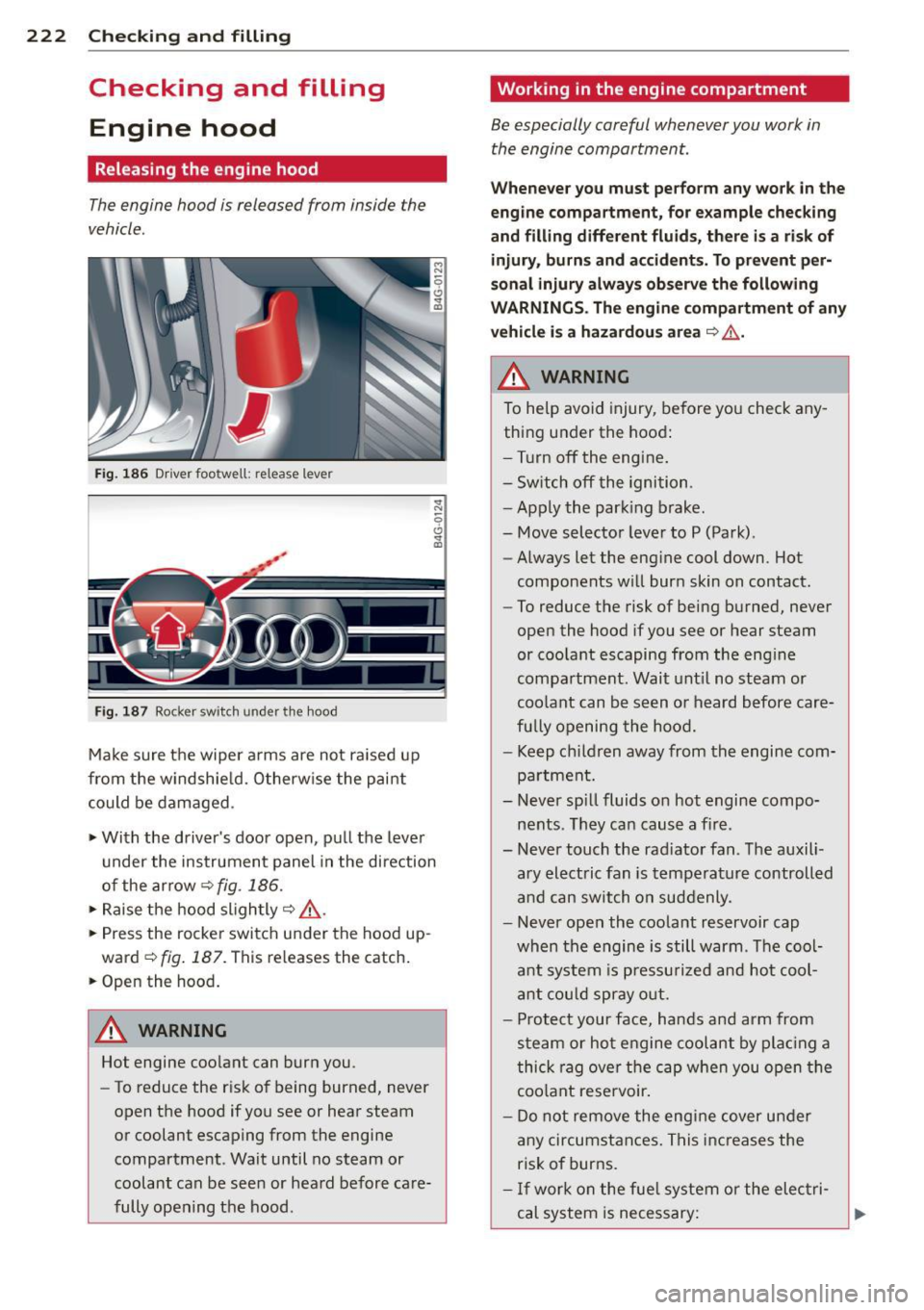
Fig. 186 Driver foo twell: release lever
Fig. 187 Rocker switch un der the hood
Make sure the wiper arms are not raised up
from the windshield. Otherwise the paint
could be damaged .
.,. With the driver's door open, pull the lever
under the instrument panel in the direction
of the arrow ¢
fig. 186.
... Raise the hood slightly¢.&_ .
... Pr ess the rocker switch under the hood up
ward ~
fig. 187. This releases the catch.
.,. Open the hood.
A WARNING
Hot engine coolant can burn you.
- To reduce the risk of being burned, never
open the hood if you see or hear steam
or coolant escaping from the engine
compartment . Wait until no steam or
coolant can be seen or heard before care
fully opening the hood .
' Working in the engine compartment
Be especially careful whenever you work in
the engine compartment.
Whenever you must perform any work in the
engine compartment, for example checking
and filling different fluids, there is a risk of injury, burns and accidents. To prevent per
sonal injury always observe the following
WARNINGS. The engine compartment of any
vehicle is a hazardous area
¢ ,&. .
A WARNING
To help avoid injury, before you check any
thing under the hood:
- Turn off the engine.
- Switch off the ignition .
- Apply the parking brake.
- Move selector lever to P (Park).
- Always let the engine cool down. Hot
components will burn skin on contact.
- To reduce the risk of being burned, never
open the hood if you see or hear steam
or coolant escaping from the engine
compartment. Wait until no steam or
coolant can be seen or heard before care
fully opening the hood.
- Keep children away from the engine com
partment.
- Never spill fluids on hot engine compo
nents . They can cause a fire .
- Never touch the radiator fan. The auxili
ary electric fan is temperature controlled
and can switch on suddenly .
- Never open the coolant reservoir cap
when the engine is still warm . The cool
ant system is pressurized and hot cool
ant could spray out.
- Protect your face, hands and arm from
steam or hot engine coolant by placing a
thick rag over the cap when you open the
coolant reservoir.
- Do not remove the engine cover under
any circumstances. This increases the
risk of burns.
- If work on the fuel system or the electri-
cal system is necessary: ..,_
Page 225 of 314

M N
0 <.J 'SI: ,...., \!) 1.1'1 ,...., 1.1'1 ,....,
-Always disconnect the battery.
- Never smoke or work near heaters or open flames. Fluids in the engine com
partment could start a fire.
- Keep an approved fire extinguisher im
mediately available.
- To avoid electrical shock and personal in
jury while the engine is running or being
started, never touch :
- Ignition cables
- Other components of the high voltage
electronic ignition system.
- If you must perform a check or repair
with the engine running:
- First, fully apply the parking brake,
move selector lever to P (Park).
- Always use extreme caution to prevent
clothing, jewelry, or long hair from get
ting caught in the radiator fan, V-belts
or other moving parts, or from contact ing hot parts. Tie back hair before
starting, and do not wear clothing that
will hang or droop into the engine.
- Minimize exposure to emission and
chemical ha zards c:::> & .
A WARNING
California Proposition 65 Warning:
- Engine exhaust, some of its constituents,
and certain vehicle components contain
or emit chemicals known to the State of
California to cause cancer and birth de
fects and reproductive harm. In addition ,
certain fluids contained in vehicles and
certain products of component wear con
tain or emit chemicals known to the
State of California to cause cancer and
birth defects or other reproductive harm .
Checking and filling 223
-Battery posts, terminals and related ac
cessories contain lead and lead com
pounds, chemicals known to the State of
California to cause cancer and reproduc
tive harms. Wash hands after handling.
(D Note
When adding fluids, always make sure that
they are poured into the proper container
or filler opening, otherwise serious dam
age to vehicle systems will occur.
(® For the sake of the environment
To detect leaks in time, inspect the vehicle
floor pan from underneath regularly . If
you see spots from oil or other vehicle flu ids, have your vehicle inspected by an au
thorized Audi dealer.
Closing the engine hood
.,. Pull the hood down until the pressure from
the struts is reduced.
.,. Let the hood
drop down and latch in place.
Do not try to push it shut; it may fail to en
gage
c:::> ,A .
A WARNING
-
A hood that is not completely latched
could fly up and block your view while driv
ing .
- When you close the engine hood, check it
to make sure the safety catch has proper ly engaged. The hood should be flush
with the surrounding vehicle body parts.
- If you notice while driving that the hood
is not secured properly , stop at once and
close it. •
•
Page 226 of 314
224 Checking and filling
Engine compartment
Engine compartment overview
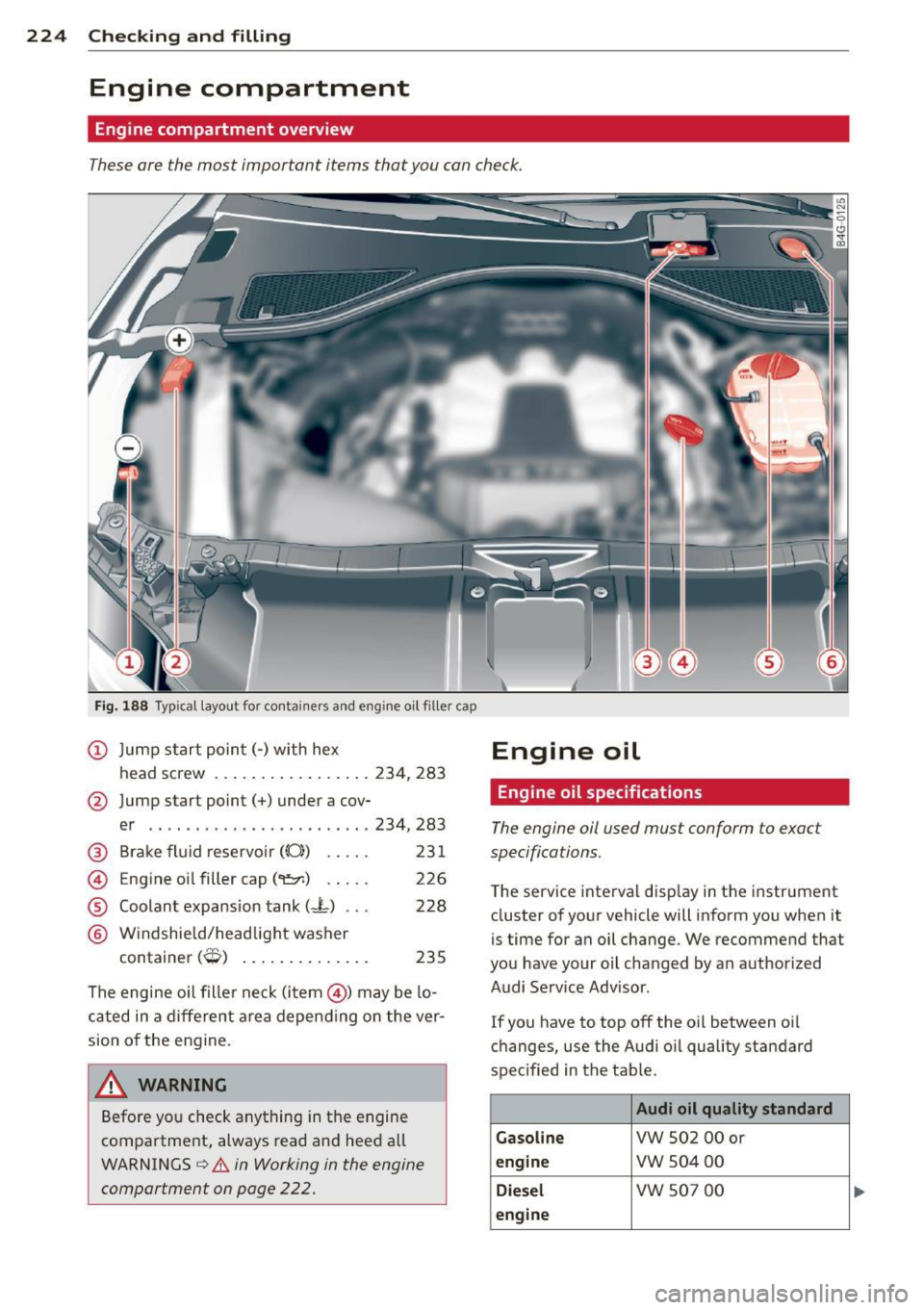
These are the most important items that you can check.
Fig. 188 Typ ical layout for contai ners and eng ine o il filler cap
(D Jump start point(-) with hex
head screw .... ............. 234, 283
@ Jump start point(+) under a cov-
er .. .. ............... .... . 234,283
@ Brake fluid reservoir ((0)) . . . . . 231
© Engine oil filler cap (
® Coolant expansion tank (-L) ... 228
Windshield/headlight washer
. (' " ) container O ............ . . 235
The engine oil filler neck (item @) may be lo
cated in a different area depending on the ver
sion of the engine.
~ WARNING
Before you check anything in the engine
compartment, always read and heed all
WARNINGS
¢ &. in Working in the engine
compartment on page 222.
-
Engine oil
Engine oil specifications
The engine oil used must conform to exact
specifications.
The service interval display in the instrument
cluster of your vehicle will inform you when it
is time for an oil change. We recommend that
you have your oil changed by an authorized Audi Serv ice Advisor.
If you have to top
off the oil between oi l
changes, use the Audi oil quality standard
specified in the table.
Audi oil quality standard
Gasoline
VW 502 00 or
engine vw 504 00
Diesel vw 507 00
engine
Page 227 of 314
M N
0 <.J 'SI: ,...., \!) 1.1'1 ,...., 1.1'1 ,....,
Using the proper engine oil is important for
the functionality and service life of the en
gine. Your engine was factory -filled with a
high-quality oil which can usually be used
t h roughout the entire year.
Your Limited New Vehicle Warranty does not cover damage or malfunctions due to
failure to follow recommended mainte
nance and use requirements as set forth in
the Audi Owner's Manual and Warranty
&
Maintenance booklet .
- Use only a high quality engine oil that ex
pressly complies with the Audi oil quality
standard specified for your vehicle's en
gine . Using any other oil can cause seri
ous engine damage.
- Do not mix any lubricants or other addi
tives into the engine oil. Doing so can
cause engine damage.
If you need to add oil and there is none
available that meets the Audi oil quality
standard your engine requires, you may
add a total of no more than 0.5 quart/liter
of a high-quality "synthetic"oil that meets
the following specifications.
- Vehicles with gasoline engine: ACEA A3
or API SM with a viscosity grade of
SAE 0W-30, SAE SW-30 or SA E SW-40.
- Vehicles with diesel engine: ACEA C3 or
API CF with a viscosity grade of
SAE 0W-30 or SAE SW-30.
- For more information about engine oil
that has been approved for your vehicle, please contact either your authori zed
Audi dealer or Audi Customer Relations
at 1 (800) 822 -2834 or visit our web site
at www.audiusa.com or
www.audicanada .ca.
Checking and filling 225
Engine oil consumption
T he engine in your vehicle depends on an ade
quate amount of oil to lubricate and cool all
of its moving parts .
In order to provide effec tive lubrication and
cooling of internal engine components, all in
ternal combustion engines consume a certain
amount of oil. Oil consumption varies from engine to engine and may change significantly
over the life of the engine. Typically, engines
with a specified break-in period (see
c::> page 200) consume more oil during the
break-in period than they consume after oil
consumption has stabili zed.
Under normal conditions , the rate of oil con
sumption depends on the quality and viscosity
of the oil, the RPM (revolutions per minute) at
which the engine is operated, the ambient
temperature and road condi tions. Further fac
tors are the amount of oil dilution from water
condensation or fuel residue and the oxida
tion level of the oil. As any engine is subject to
wear as mileage builds up, the oil consump
tion may increase over time until replacement
of worn components may become necessary.
With all these variables coming into play, no
standard rate of oil consumption can be es
tablished or specified . There is no alternative
to regular and frequent checking of the oil lev
el , see
Note.
If the yellow engine oil level warning symbol
in the instrument cluster
II lights up, you
should check the oil level as soon as possible
c::> page 226. Top off the oil at your earliest
convenience
c::> page 226.
A WARNING
--
Before you check anything in the engine
compartment, always read and heed all
WARNINGS
c::> & in Working in the engine
compartment on page 222.
(D Note
Driving with an insufficient oil level is like-
ly to cause severe damage to the engine. .,.
•
•