Drum FIAT 500 1958 1.G Workshop Manual
[x] Cancel search | Manufacturer: FIAT, Model Year: 1958, Model line: 500, Model: FIAT 500 1958 1.GPages: 128, PDF Size: 9.01 MB
Page 72 of 128
CHAPTER 7
REAR SUSPENSION AND WHEELS
7:1
7:2
7:3
7:4Description
Removal of rear suspension assembly
Servicing swinging arms
Coil springs
7:1 Description
The rear wheels are independently sprung by means of
coil springs and V-shaped swinging arms acting on coil
springs and telescopic double acting hydraulic shock
absorbers. The swinging arms are m o u n t e d at their inner
ends on 'estendblocks', the coil spring is fitted at the outer
end of the swinging arm. At the wheel end of the suspen-
sion arm is attached a steel pressing to which the brake
backplate and wheel bearing housing are bolted so
forming a swinging unit to which is attached the road
wheel.
The inner pivots are so located vertical wheel move-
ments do not influence the drive shaft length which
means that there is no need to fit a splined joint at the
wheel end. Two taper roller bearings which are separated
by a specially designed collapsible spacer are located in
the rear wheel bearing housing and this carries the axle
shaft. The outer end of the axle shaft is flanged and it
is to this flange that the brake drum is bolted. The splined
inner end carries a rubber cushioned coupling to which
the drive shaft flange is attached.
7 : 2 Removal of rear suspension assembly
1 Jack-up the vehicle and place on firmly based stands.
Remove the road wheel on the side from which the
suspension unit is to be removed.
F50079 7:5
7:6
7:7
7:8Installation of rear suspension assembly
Checking and adjusting rear wheel toe-in
Modifications
Fault diagnosis
2 Using a garage hydraulic jack support the swinging
arm to facilitate the removal of the upper shock
absorber mounting nut which is located inside the
vehicle on the floor. To gain access to the nut remove
the rear wheel housing linings.
3 Unhook the parking brake shoe control lever return
spring.
4 Remove the three screws securing the drive shaft
flange to the flexible coupling. Pull back the sleeve and
remove the inner spring.
5 Remove the brake fluid reservoir cap, remove the filter
and plug the delivery hole in the brake f l u i d reservoir
and disconnect the flexible brake pipe from the
bracket on the body floor.
6 Disconnect the parking brake control tie rod by first
removing the cotter pin and removing the cable eye
from the pin on the shoe control lever. Release the
cable adjustment nuts and free the cable from the
fairlead on the swinging arm.
7 Using the hydraulic jack carefully lower the swinging
arm, fully retract the shock absorber by pushing in the
outer cylinder and carefully pull out the coil spring
together with its mounting rubber rings.
8 Remove the self-locking nut securing the swinging
arm to the internal support welded on the floor.
Extract the mounting pin and note the number and
arrangement of shims between the bushings and the
bracket. This will facilitate reassembly.
Page 73 of 128
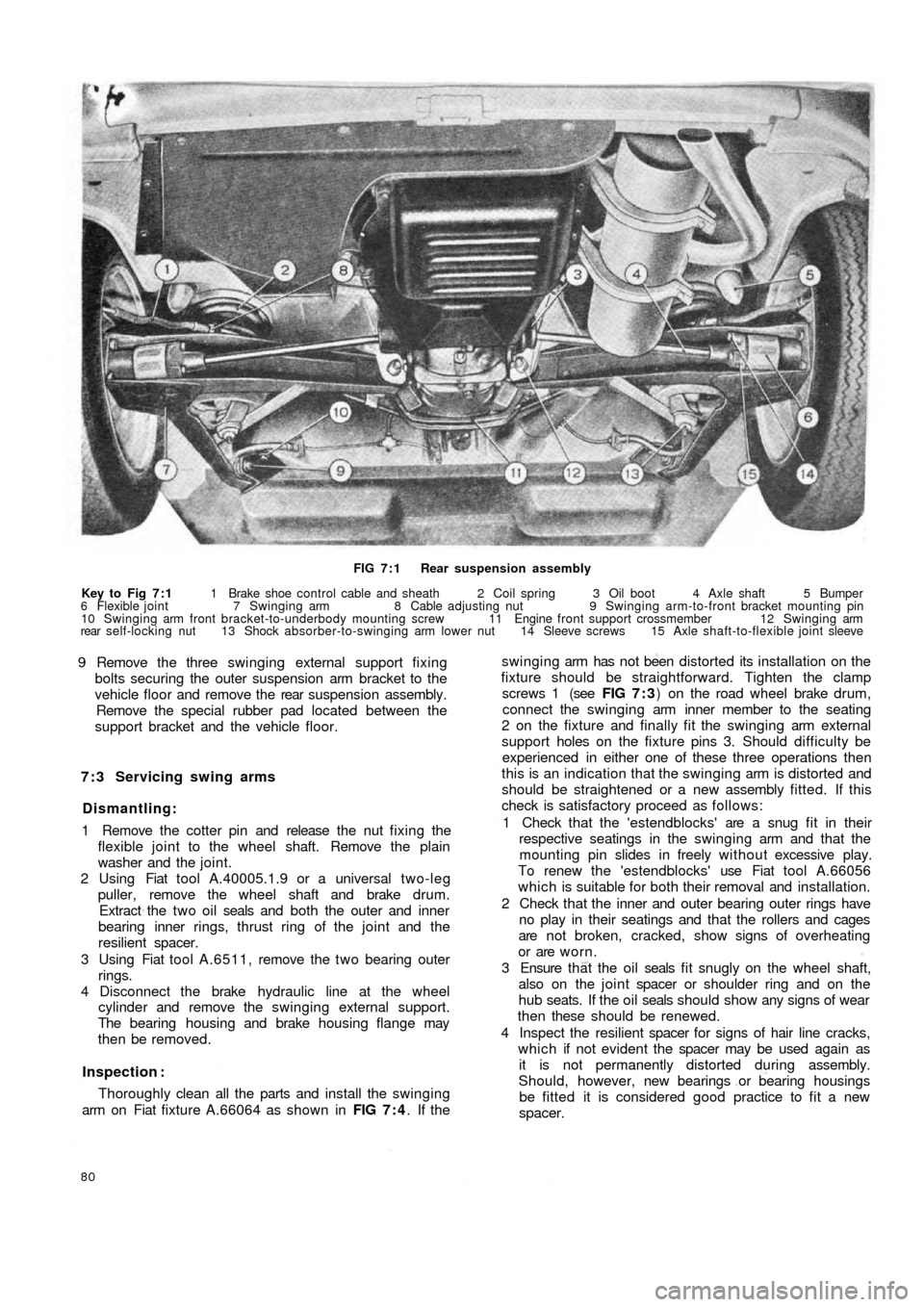
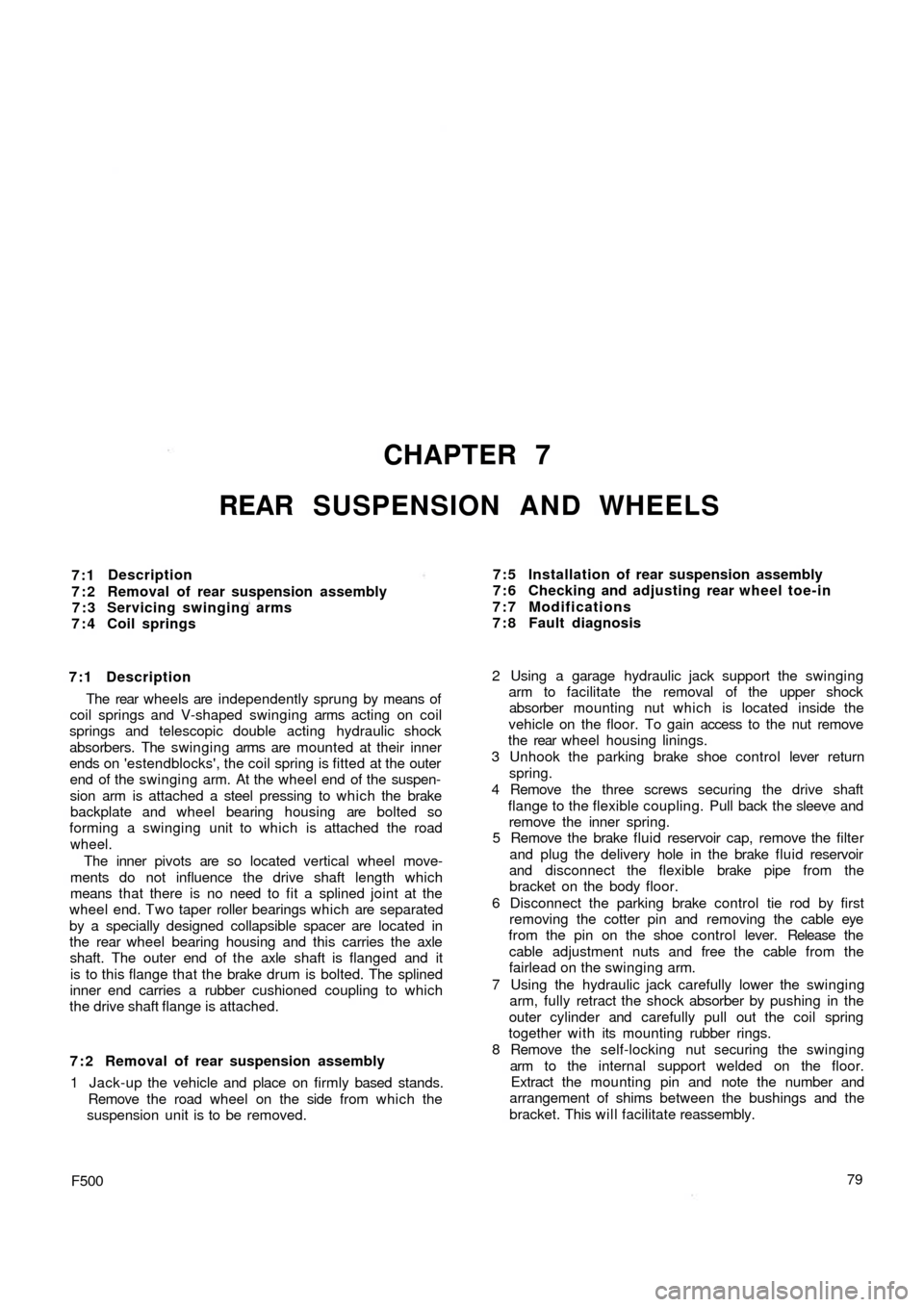
FIG 7 : 1 Rear suspension assembly
Key to Fig 7 : 1 1 Brake shoe control cable and sheath 2 Coil spring 3 Oil boot 4 Axle shaft 5 Bumper
6 Flexible joint 7 Swinging arm 8 Cable adjusting nut 9 Swinging arm-to-front bracket mounting pin
10 Swinging arm front bracket-to-underbody mounting screw 11 Engine front support crossmember 12 Swinging arm
rear self-locking nut 13 Shock absorber-to-swinging arm lower nut 14 Sleeve screws 15 Axle shaft-to-flexible joint sleeve
9 Remove the three swinging external support fixing
bolts securing the outer suspension arm bracket to the
vehicle floor and remove the rear suspension assembly.
Remove the special rubber pad located between the
support bracket and the vehicle floor.
7 : 3 Servicing swing arms
Dismantling:
1 Remove the cotter pin and release the nut fixing the
flexible joint to the wheel shaft. Remove the plain
washer and the joint.
2 Using Fiat tool A.40005.1.9 or a universal two-leg
puller, remove the wheel shaft and brake drum.
Extract the t w o oil seals and both the outer and inner
bearing inner rings, thrust ring of the joint and the
resilient spacer.
3 Using Fiat tool A.6511, remove the t w o bearing outer
rings.
4 Disconnect the brake hydraulic line at the wheel
cylinder and remove the swinging external support.
The bearing housing and brake housing flange may
then be removed.
Inspection :
Thoroughly clean all the parts and install the swinging
arm on Fiat fixture A.66064 as shown in FIG 7 : 4. If the
80
swinging arm has not been distorted its installation on the
fixture should be straightforward. Tighten the clamp
screws 1 (see FIG 7 : 3) on the road wheel brake drum,
connect the swinging arm inner member to the seating
2 on the fixture and finally fit the swinging arm external
support holes on the fixture pins 3. Should difficulty be
experienced in either one of these three operations then
this is an indication that the swinging arm is distorted and
should be straightened or a new assembly fitted. If this
check is satisfactory proceed as follows:
1 Check that the 'estendblocks' are a snug fit in their
respective seatings in the swinging arm and that the
mounting pin slides in freely w it h ou t excessive play.
To renew the 'estendblocks' use Fiat tool A.66056
which is suitable for both their removal and installation.
2 Check that the inner and outer bearing outer rings have
no play in their seatings and that the rollers and cages
are not broken, cracked, show signs of overheating
or are worn.
3 Ensure t h a t the o i l seals f i t snugly on the wheel shaft,
also on the joint spacer or shoulder ring and on the
hub seats. If the oil seals should show any signs of wear
then these should be renewed.
4 Inspect the resilient spacer for signs of hair line cracks,
which if not evident the spacer may be used again as
it is not permanently distorted during assembly.
Should, however, new bearings or bearing housings
be fitted it is considered good practice to fit a new
spacer.
Page 74 of 128
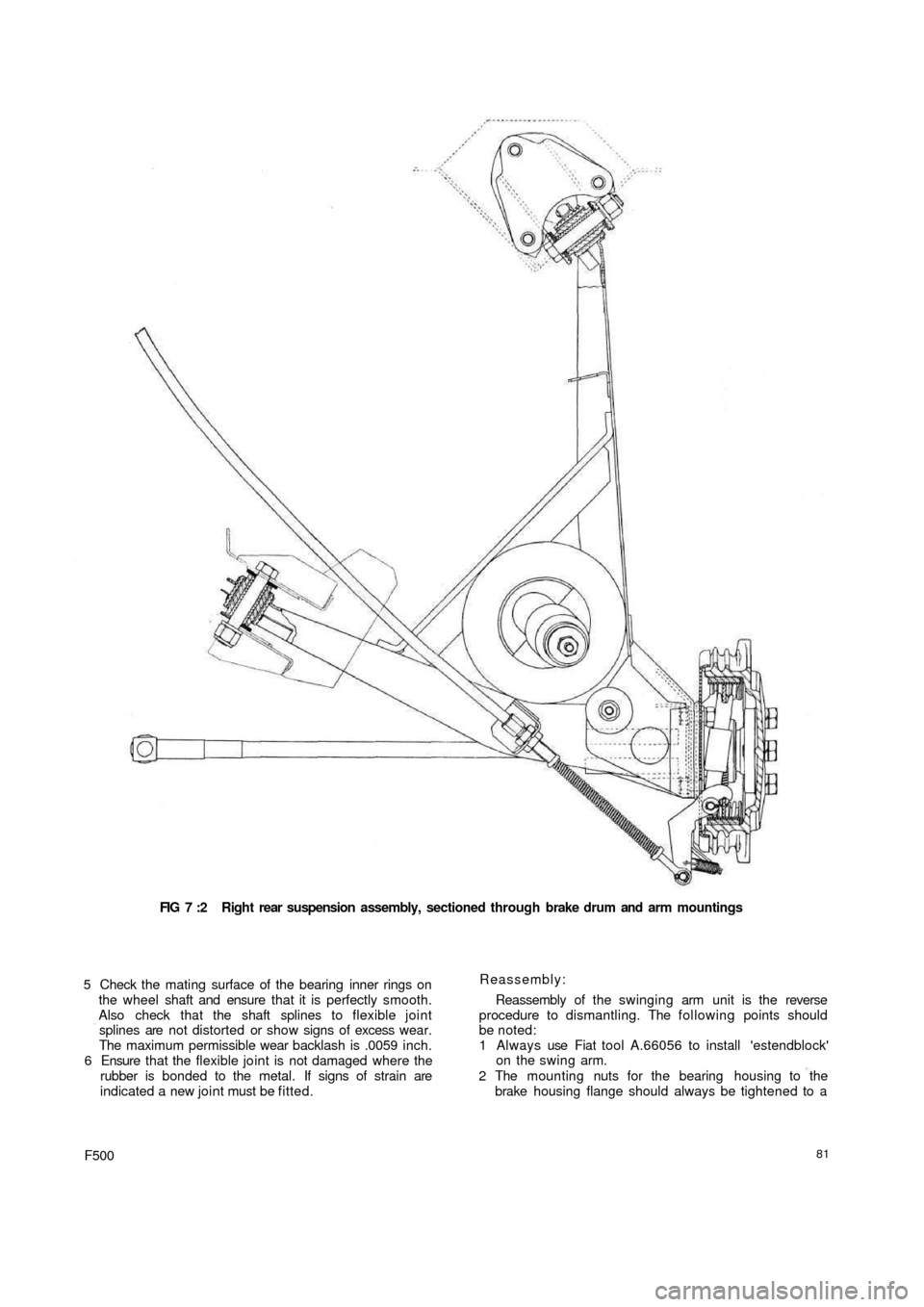
FIG 7 :2 Right rear suspension assembly, sectioned through brake drum and arm mountings
5 Check the mating surface of the bearing inner rings on
the wheel shaft and ensure that it is perfectly smooth.
Also check that the shaft splines to flexible joint
splines are not distorted or show signs of excess wear.
The maximum permissible wear backlash is .0059 inch.
6 Ensure that the f l e xible joint is not damaged where the
rubber is bonded to the metal. If signs of strain are
indicated a new joint must be fitted.
F50081
Reassembly:
Reassembly of the swinging arm unit is the reverse
procedure to dismantling. The following points should
be noted:
1 Always use Fiat tool A.66056 to install 'estendblock'
on the swing arm.
2 The mounting nuts for the bearing housing to the
brake housing flange should always be tightened to a
Page 75 of 128
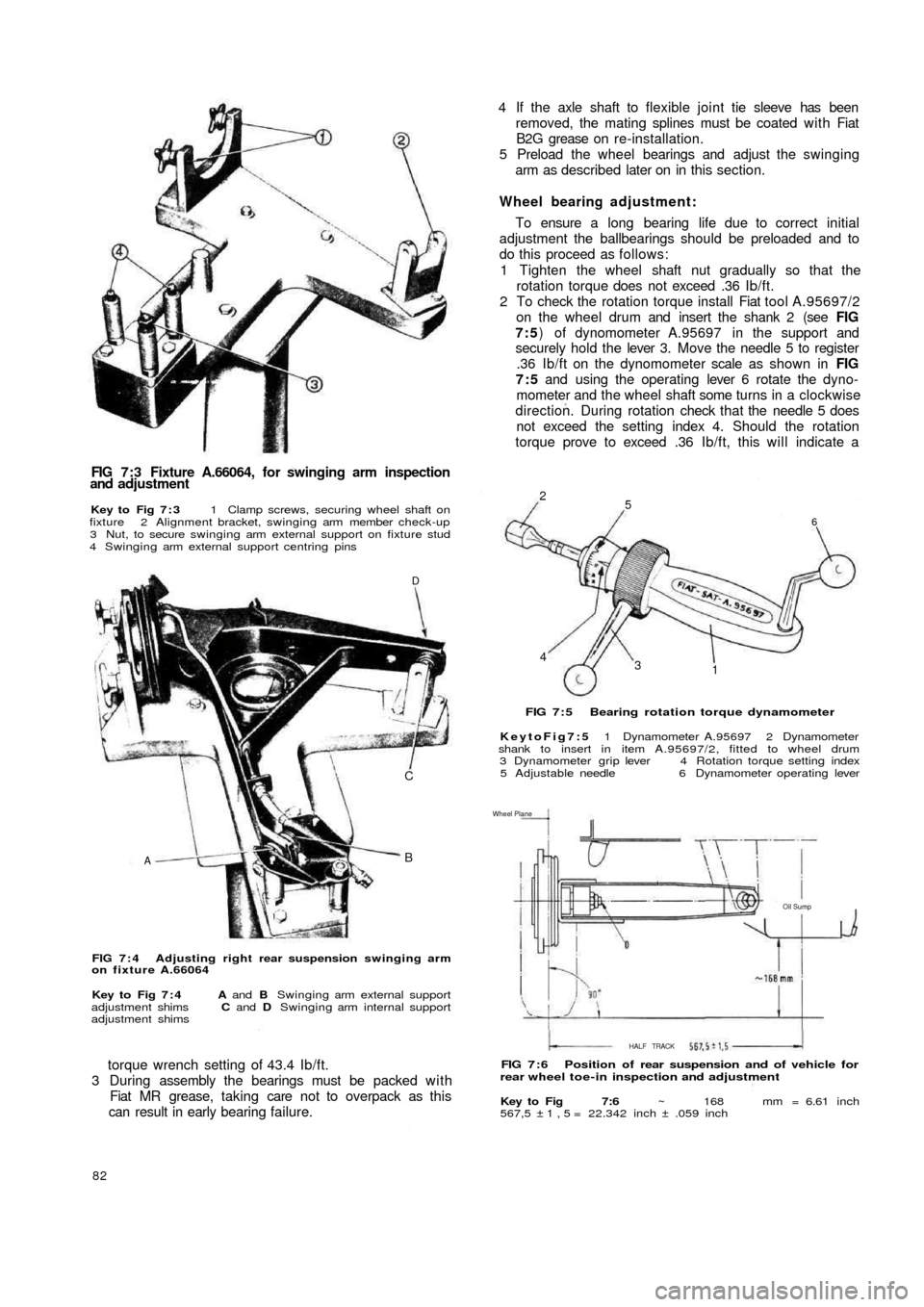
FIG 7 : 3 Fixture A.66064, for swinging arm inspection
and adjustment
Key to Fig 7 : 3 1 Clamp screws, securing wheel shaft on
fixture 2 Alignment bracket, swinging arm member check-up
3 Nut, to secure swinging arm external support on fixture stud
4 Swinging arm external support centring pins
AB C
D
FIG 7 : 4 Adjusting right rear suspension swinging arm
on fixture A.66064
Key to Fig 7 : 4 A and B Swinging arm external support
adjustment shims C and D Swinging arm internal support
adjustment shims
torque wrench setting of 43.4 Ib/ft.
3 During assembly the bearings must be packed w i t h
Fiat MR grease, taking care not to overpack as this
can result in early bearing failure.
82
4 If the axle shaft to flexible joint tie sleeve has been
removed, the mating splines must be coated w i t h Fiat
B2G grease on re-installation.
5 Preload the wheel bearings and adjust the swinging
arm as described later on in this section.
Wheel bearing adjustment:
To ensure a long bearing life due to correct initial
adjustment the ballbearings should be preloaded and to
do this proceed as follows:
1 Tighten the wheel shaft nut gradually so that the
rotation torque does not exceed .36 Ib/ft.
2 To check the rotation torque install Fiat tool A.95697/2
on the wheel drum and insert the shank 2 (see FIG
7:5) of dynomometer A.95697 in the support and
securely hold the lever 3. Move the needle 5 to register
.36 Ib/ft on the dynomometer scale as shown in FIG
7:5 and using the operating lever 6 rotate the dyno-
mometer and the wheel shaft some turns in a clockwise
direction. During rotation check that the needle 5 does
not exceed the setting index 4. Should the rotation
torque prove to exceed .36 Ib/ft, this will indicate a
4
3
1
6
5 2
FIG 7 : 5 Bearing rotation torque dynamometer
KeytoFig7:5 1 Dynamometer A.95697 2 Dynamometer
shank to insert in item A.95697/2, fitted to wheel drum
3 Dynamometer grip lever 4 Rotation torque setting index
5 Adjustable needle 6 Dynamometer operating lever
Oil Sump Wheel Plane
HALF TRACK
FIG 7 : 6 Position of rear suspension and of vehicle for
rear wheel toe-in inspection and adjustment
Key to Fig 7:6 ~ 168 mm = 6.61 inch
567,5 ±1,5= 22.342 inch ± .059 inch
Page 77 of 128
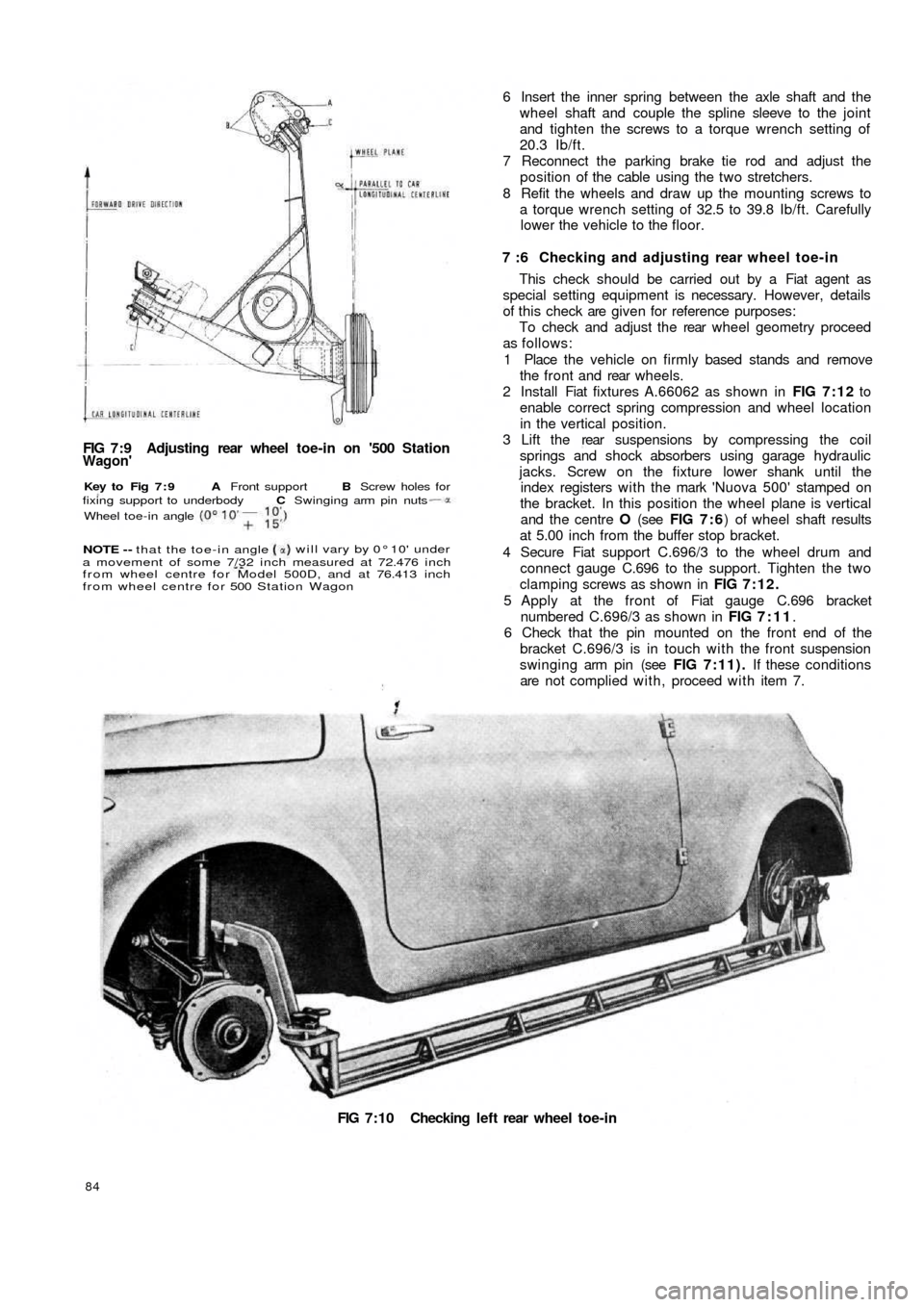
FIG 7:9 Adjusting rear wheel toe-in on '500 StationWagon'
FIG 7:10 Checking left rear wheel toe-in
84
6 Insert the inner spring between the axle shaft and the
wheel shaft and couple the spline sleeve to the joint
and tighten the screws to a torque wrench setting of
20.3 Ib/ft.
7 Reconnect the parking brake tie rod and adjust the
position of the cable using the two stretchers.
8 Refit the wheels and draw up the mounting screws to
a torque wrench setting of 32.5 to 39.8 Ib/ft. Carefully
lower the vehicle to the floor.
7 :6 Checking and adjusting rear wheel toe-in
This check should be carried out by a Fiat agent as
special setting equipment is necessary. However, details
of this check are given for reference purposes:
To check and adjust the rear wheel geometry proceed
as follows:
1 Place the vehicle on firmly based stands and remove
the front and rear wheels.
2 Install Fiat fixtures A.66062 as shown in FIG 7:12 to
enable correct spring compression and wheel location
in the vertical position.
3 Lift the rear suspensions by compressing the coil
springs and shock absorbers using garage hydraulic
jacks. Screw on the fixture lower shank until the
index registers with the mark 'Nuova 500' stamped on
the bracket. In this position the wheel plane is vertical
and the centre O (see FIG 7 : 6) of wheel shaft results
at 5.00 inch from the buffer stop bracket.
4 Secure Fiat support C.696/3 to the wheel drum and
connect gauge C.696 to the support. Tighten the two
clamping screws as shown in FIG 7:12.
5 Apply at the front of Fiat gauge C.696 bracket
numbered C.696/3 as shown in FIG 7:11.
6 Check that the pin mounted on the front end of the
bracket C.696/3 is in touch with the front suspension
swinging arm pin (see FIG 7:11). If these conditions
are not complied with, proceed with item 7.
Wheel toe-in angle
will vary by 0° 10' under
a movement of some 7/32 inch measured at 72.476 inch
from wheel centre for Model 500D, and at 76.413 inch
from wheel centre for 500 Station Wagon NOTE - - that the toe-in angle
Key to Fig 7 : 9 A Front support B Screw holes for
fixing support to underbody C Swinging arm pin nuts
Page 84 of 128
2 Check that the surface of the pin that is in contact with
the camber and castor adjuster shims does not show
any signs of indentation or roughness which could
affect the accuracy of adjustment on reassembly. If
there are any signs of rust or small markings these
should be smoothed out using a file.
3 Inspect the condition of the half arm bushes, the inner
surface of which must not show signs of seizure and
the clearance of the bush to pin must not be greater
than .01 57 inch. Upon initial assembly the fit clearance
is .00059 to .0059 inch. Ensure t h a t the rubber parts
of the bush are not torn, cracked or show signs of
weakness which, if evident, must be renewed.
4 Use Fiat tool A.66058 or a suitably sized drift for
refitting the rubber bushes into the swinging arms.
Upon reassembly it should be observed that the
tightening of the two swinging arms m o u n t i n g nuts 5
(see FIG 8 : 3) , must be carried out whilst keeping
the axis of the swinging arm and the pin hole for the
screws 7 on the same plane otherwise distortion can
occur.
8 : 5 Kingpin housing
1 To remove and replace the 'estendblocks' use Fiat
tool A.66056 as shown in FIG 8 : 8. Ensure t h a t the
'estendblocks' is not worn and that there are no signs
of seizure on its inner surface, or that the rubber has
hardened. Renew if necessary.
2 Check that the kingpin to bush clearance is not
greater than .0079 inch. The clearance when fitted
new is .00063 to .00213 inch. If the clearance is
excessive the t w o bushes must be renewed and also
the kingpin if excessive wear is evident. To remove and
refit the kingpin bushes use Fiat tool A.66016 and
after reassembly the bushes must be accurately
refaced using a reamer set to a diameter of .5912 to
.5922 inch. If considered necessary use Fiat Fixture
C.1004 to check that the kingpin housing has not been
distorted which, if evident, the housing must be
renewed.
3 Whilst the kingpin assembly is being inspected ensure
that the lubrication hole is free to allow the passage of
oil.
4 To prevent incorrect loading of the 'estendblocks' that
is press fitted into the kingpin housing, the housing
to swinging arm pin nut must be tightened with the
parts so arranged that the angle between the swinging
arm plane and the housing axis is approximately
95 deg. as shown in FIG 8:14.
8:6 Steering knuckle and wheel hub
Dismantling:
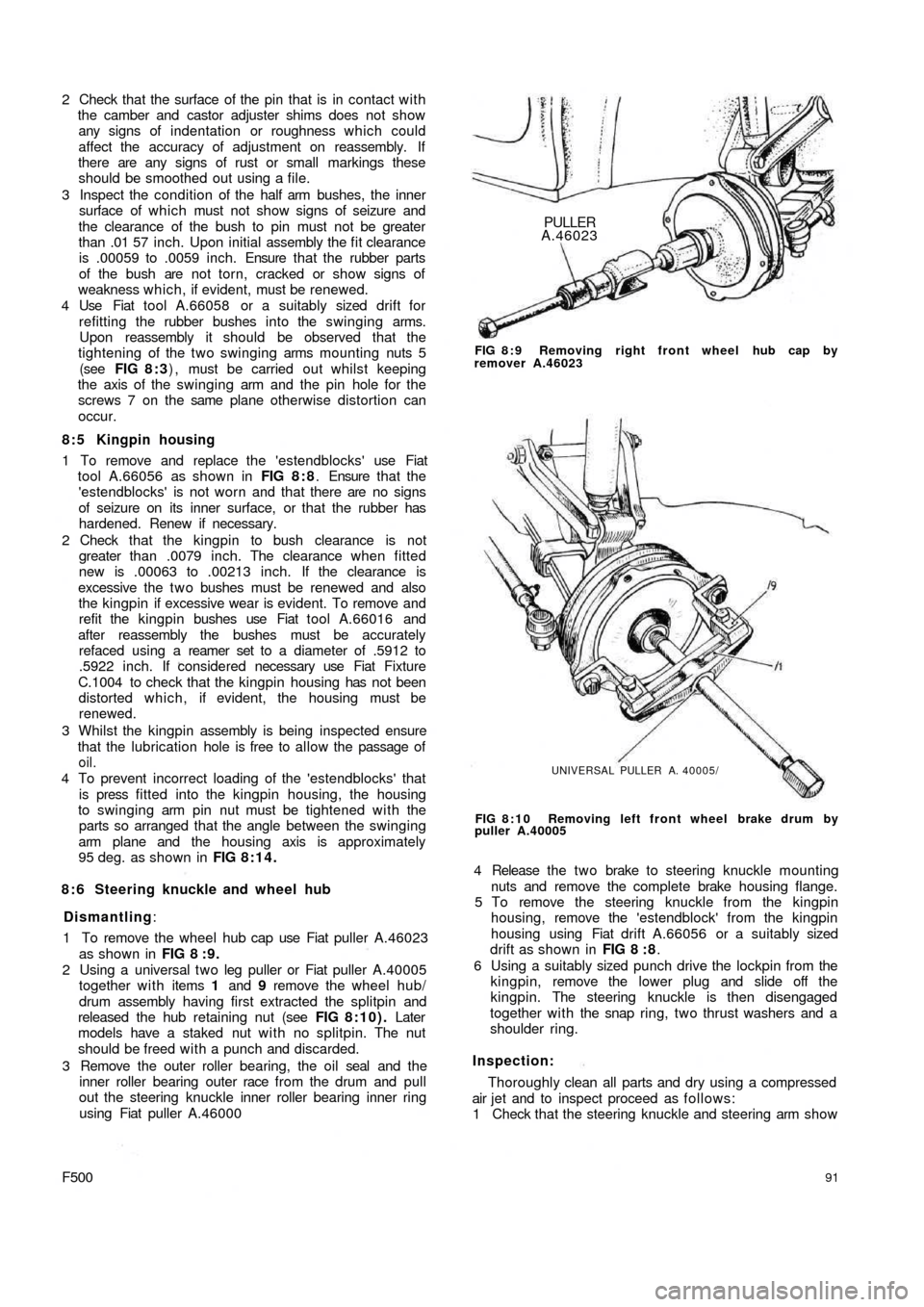
1 To remove the wheel hub cap use Fiat puller A.46023
as shown in FIG 8 : 9 .
2 Using a universal t w o leg puller or Fiat puller A.40005
together with items 1 and 9 remove the wheel hub/
drum assembly having first extracted the splitpin and
released the hub retaining nut (see FIG 8:10). Later
models have a staked nut w i t h no splitpin. The nut
should be freed with a punch and discarded.
3 Remove the outer roller bearing, the oil seal and the
inner roller bearing outer race from the drum and pull
out the steering knuckle inner roller bearing inner ring
using Fiat puller A.46000
F500PULLER
A.46023
FIG 8 : 9 Removing right front wheel hub cap by
remover A.46023
UNIVERSAL PULLER A. 40005/
FIG 8:10 Removing left front wheel brake drum by
puller A.40005
4 Release the t w o brake to steering knuckle mounting
nuts and remove the complete brake housing flange.
5 To remove the steering knuckle from the kingpin
housing, remove the 'estendblock' from the kingpin
housing using Fiat drift A.66056 or a suitably sized
drift as shown in FIG 8 : 8.
6 Using a suitably sized punch drive the lockpin from the
kingpin, remove the lower plug and slide off the
kingpin. The steering knuckle is then disengaged
together with the snap ring, two thrust washers and a
shoulder ring.
Inspection:
Thoroughly clean all parts and dry using a compressed
air jet and to inspect proceed as follows:
1 Check that the steering knuckle and steering arm show
91
Page 85 of 128
1
2
6
3
8
11
13
17
19
22
25
27
29
31
33
36
35 323430 28
26
24232120 ,1816 15 14 12 10 .9 .15 4
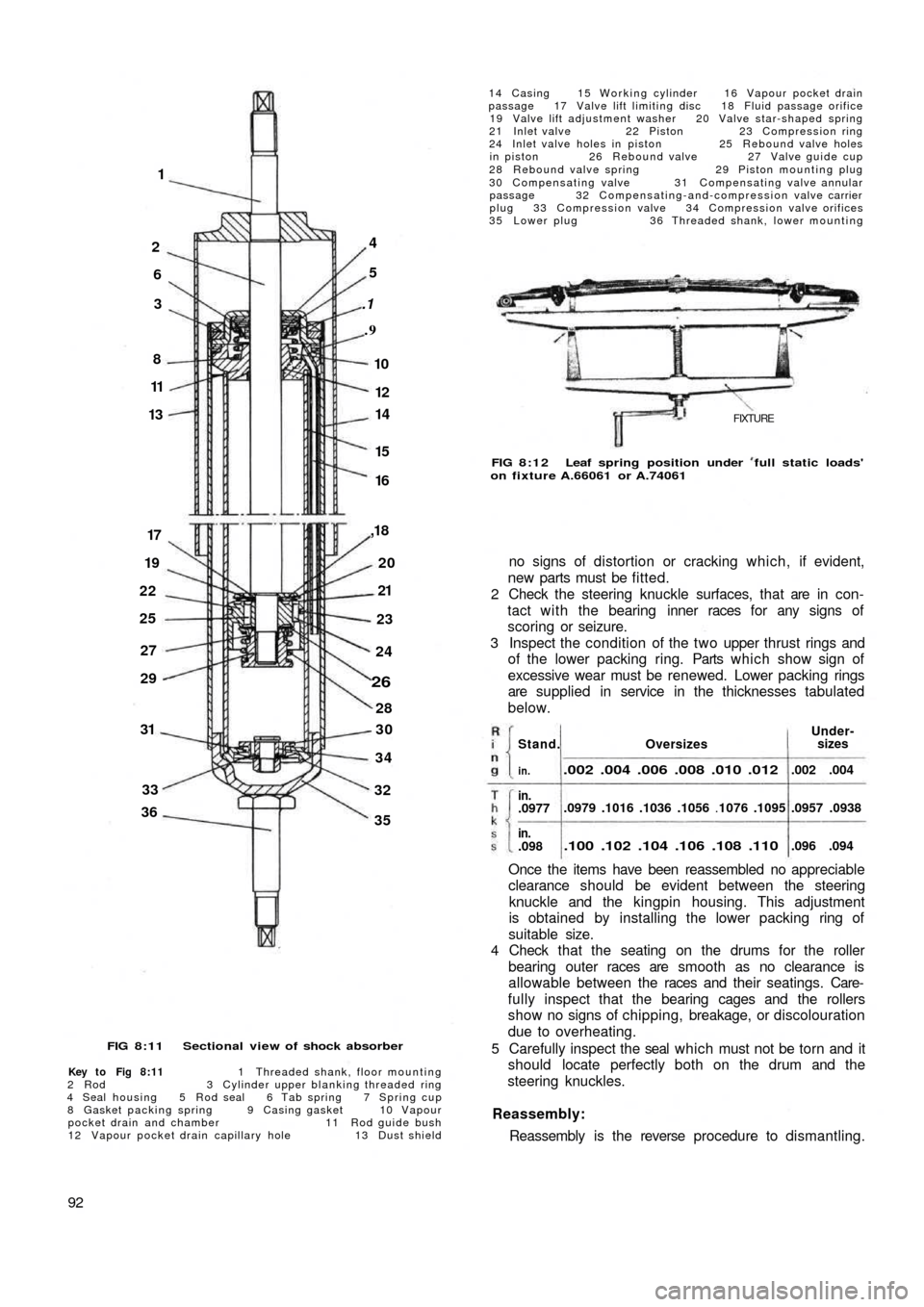
FIG 8:11 Sectional view of shock absorber
Key to Fig 8:11 1 Threaded shank, floor mounting
2 R o d 3 Cylinder upper blanking threaded ring
4 Seal housing 5 Rod seal 6 Tab spring 7 Spring cup
8 Gasket packing spring 9 Casing gasket 10 Vapour
pocket drain and chamber 11 Rod guide bush
12 Vapour pocket drain capillary hole 13 Dust shield
92
14 Casing 15 Working cylinder 16 Vapour pocket drain
passage 17 Valve lift limiting disc 18 Fluid passage orifice
19 Valve lift adjustment washer 20 Valve star-shaped spring
21 Inlet valve 22 Piston 23 Compression ring
24 Inlet valve holes in piston 25 Rebound valve holes
in piston 26 Rebound valve 27 Valve guide cup
28 Rebound valve spring 29 Piston mounting plug
30 Compensating valve 31 Compensating valve annular
passage 32 Compensating-and-compression valve carrier
plug 33 Compression valve 34 Compression valve orifices
35 Lower plug 36 Threaded shank, lower mounting
FIXTURE
FIG 8:12 Leaf spring position under full static loads'
on fixture A.66061 or A.74061
no signs of distortion or cracking which, if evident,
new parts must be fitted.
2 Check the steering knuckle surfaces, that are in con-
tact with the bearing inner races for any signs of
scoring or seizure.
3 Inspect the condition of the two upper thrust rings and
of the lower packing ring. Parts which show sign of
excessive wear must be renewed. Lower packing rings
are supplied in service in the thicknesses tabulated
below.
Once the items have been reassembled no appreciable
clearance should be evident between the steering
knuckle and the kingpin housing. This adjustment
is obtained by installing the lower packing ring of
suitable size.
4 Check that the seating on the drums for the roller
bearing outer races are smooth as no clearance is
allowable between the races and their seatings. Care-
fully inspect that the bearing cages and the rollers
show no signs of chipping, breakage, or discolouration
due to overheating.
5 Carefully inspect the seal which must not be torn and it
should locate perfectly both on the drum and the
steering knuckles.
Reassembly:
Reassembly is the reverse procedure to dismantling.
OversizesUnder-
sizes
.002 .004 .006 .008 .010 .012
.0979 .1016 .1036 .1056 .1076 .1095
.100 .102 .104 .106 .108 .110
.002 .004
.0957 .0938
.096 .094
Stand.
in.
in..0977
in..098
Page 87 of 128
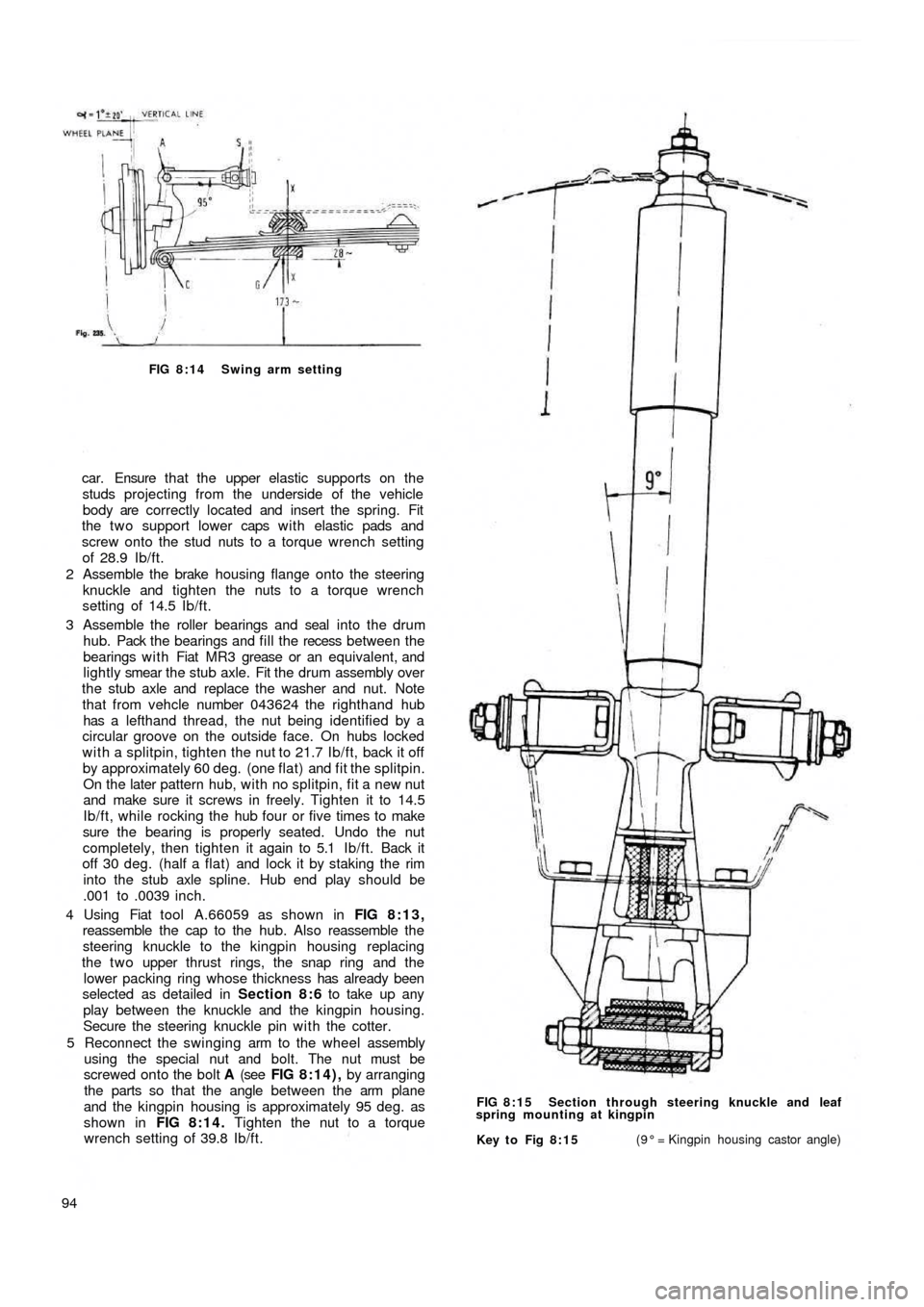
FIG 8:14 Swing arm setting
car. Ensure t h a t the upper elastic supports on the
studs projecting from the underside of the vehicle
body are correctly located and insert the spring. Fit
the two support lower caps w i t h elastic pads and
screw onto the stud nuts to a torque wrench setting
of 28.9 Ib/ft.
2 Assemble the brake housing flange onto the steering
knuckle and tighten the nuts to a torque wrench
setting of 14.5 Ib/ft.
3 Assemble the roller bearings and seal into the drum
hub. Pack the bearings and fill the recess between the
bearings w i t h Fiat MR3 grease or an equivalent, and
lightly smear the stub axle. Fit the drum assembly over
the stub axle and replace the washer and nut. Note
that from vehcle number 043624 the righthand hub
has a lefthand thread, the nut being identified by a
circular groove on the outside face. On hubs locked
with a splitpin, tighten the nut to 21.7 Ib/ft, back it off
by approximately 60 deg. (one flat) and fit the splitpin.
On the later pattern hub, with no splitpin, fit a new nut
and make sure it screws in freely. Tighten it to 14.5
Ib/ft, while rocking the hub four or five times to make
sure the bearing is properly seated. Undo the nut
completely, then tighten it again to 5.1 Ib/ft. Back it
off 30 deg. (half a flat) and lock it by staking the rim
into the stub axle spline. Hub end play should be
.001 to .0039 inch.
4 Using Fiat tool A.66059 as shown in FIG 8:13,
reassemble the cap to the hub. Also reassemble the
steering knuckle to the kingpin housing replacing
the t w o upper
thrust rings, the snap ring and the
lower packing ring whose thickness has already been
selected as detailed in Section 8:6 to take up any
play between the knuckle and the kingpin housing.
Secure the steering knuckle pin with the cotter.
5 Reconnect the swinging arm to the wheel assembly
using the special nut and bolt. The nut must be
screwed onto the bolt A (see FIG 8:14), by arranging
the parts so that the angle between the arm plane
and the kingpin housing is approximately 95 deg. as
shown in FIG 8:14. Tighten the nut to a torque
wrench setting of 39.8 Ib/ft.
94
Key to Fig 8:15(9° = Kingpin housing castor angle) FIG 8:15 Section through steering knuckle and leaf
spring mounting at kingpin
Page 96 of 128
CHAPTER 10
THE BRAKING SYSTEM
10:1 Description
10:2 Maintenance
10:3 Front brakes
10:4 Rear brakes
10:5 Master cylinder
10:6 Wheel cylinder10:7 Self-adjusting device
10:8 Removing a flexible hose
10:9 Brake fluid reservoir
10:10 Bleeding the system
10:11 Hand parking brake
10:12 Fault diagnosis
10:1 Description
All four drum brake units are hydraulically operated by
the brake pedal and the handbrake lever operates the rear
brakes only through a mechanical linkage which normally
requires no separate adjustment (see FIG 10:1).
The brake units are of the internal expanding type with
one leading and one trailing shoe to each brake. A double
ended wheel cylinder expands both shoes into contact
with the drum under hydraulic pressure from the master
cylinder. When the brake pedal pressure is released the
shoes are retracted by means of springs.
The brake pedal is directly coupled to the hydraulic
master cylinder where pressure on the fluid is generated.
This is transmitted to the brakes by a system of metal and
flexible pipes.
The braking units fitted to the new 500 Sedan models
are equipped with a specially designed brake shoe
clearance self-adjustment device which eliminates the
need for manual adjustment of the brake shoe to drum
clearance as is normal practice w i t h a conventional
braking system. Every time the brake pedal is depressed
the self-adjustment device automatically takes up the
excess clearance which may have developed between
the lining and the drum due to normal service wear.
The brake units fitted to the 500 Station wagon model
have a normal brake adjuster which should be used when
F500103 the brake pedal travel becomes excessive. The adjuster
is shown in FIG 10:3.
On later models a dual circuit system is used. It is
described in Section 10:12
10:2 Maintenance
Brake adjustment {Station Wagon)
Jack each wheel in turn after first chocking the remain-
ing three wheels and releasing the handbrake. Depress
the brake pedal so as to force the brake shoes against the
drum and keeping the shoes in this position turn the
adjuster nuts until they contact the shoes and then back
the nuts 20 deg. This will correctly set the shoe to drum
clearance which should be checked for binding by
releasing the brake pedal and ensuring that the road wheel
revolves freely. The operation should then be repeated
on the other wheels. This adjustment will automatically
set the handbrake.
Preventative maintenance:
1 Thoroughly inspect the metal hydraulic fluid lines for
rusting, cracking or flattening and that they are
located away from any sharp edges which could cause
a failure.
Page 97 of 128
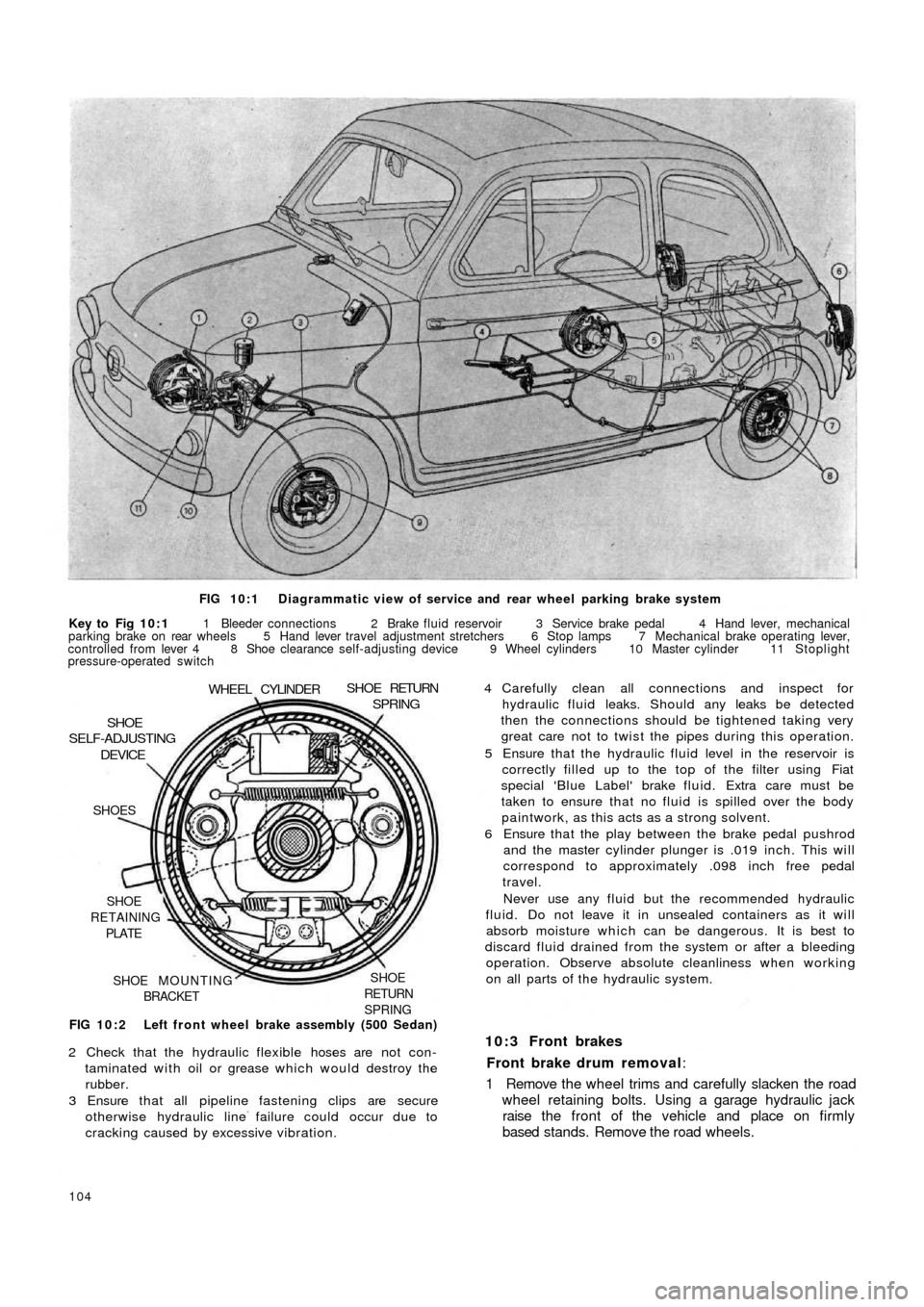
FIG 10:1 Diagrammatic view of service and rear wheel parking brake system
Key to Fig 10:1 1 Bleeder connections 2 Brake fluid reservoir 3 Service brake pedal 4 Hand lever, mechanical
parking brake on rear wheels 5 Hand lever travel adjustment stretchers 6 Stop lamps 7 Mechanical brake operating lever,
controlled from lever 4 8 Shoe clearance self-adjusting device 9 Wheel cylinders 10 Master cylinder 11 Stoplight
pressure-operated switch
FIG 10:2 Left front wheel brake assembly (500 Sedan)
SHOE
RETURN
SPRINGSHOE MOUNTING
BRACKET SHOE
RETAINING
PLATE SHOES
DEVICESHOE
SELF-ADJUSTING
WHEEL CYLINDERSHOE RETURNSPRING
2 Check that the hydraulic flexible hoses are not con-
taminated with oil or grease which would destroy the
rubber.
3 Ensure that all pipeline fastening clips are secure
otherwise hydraulic line failure could occur due to
cracking caused by excessive vibration.
104
4 Carefully clean all connections and inspect for
hydraulic fluid leaks. Should any leaks be detected
then the connections should be tightened taking very
great care not to twist the pipes during this operation.
5 Ensure that the hydraulic fluid level in the reservoir is
correctly filled up to the top of the filter using Fiat
special 'Blue Label' brake fluid. Extra care must be
taken to ensure that no fluid is spilled over the body
paintwork, as this acts as a strong solvent.
6 Ensure that the play between the brake pedal pushrod
and the master cylinder plunger is .019 inch. This will
correspond to approximately .098 inch free pedal
travel.
Never use any fluid but the recommended hydraulic
fluid. Do not leave it in unsealed containers as it will
absorb moisture which can be dangerous. It is best to
discard fluid drained from the system or after a bleeding
operation. Observe absolute cleanliness when working
on all parts of the hydraulic system.
10:3 Front brakes
Front brake drum removal:
1 Remove the wheel trims and carefully slacken the road
wheel retaining bolts. Using a garage hydraulic jack
raise the front of the vehicle and place on firmly
based stands. Remove the road wheels.