Rating JEEP LIBERTY 2003 Owners Manual
[x] Cancel search | Manufacturer: JEEP, Model Year: 2003, Model line: LIBERTY, Model: JEEP LIBERTY 2003Pages: 374, PDF Size: 5.58 MB
Page 1 of 374
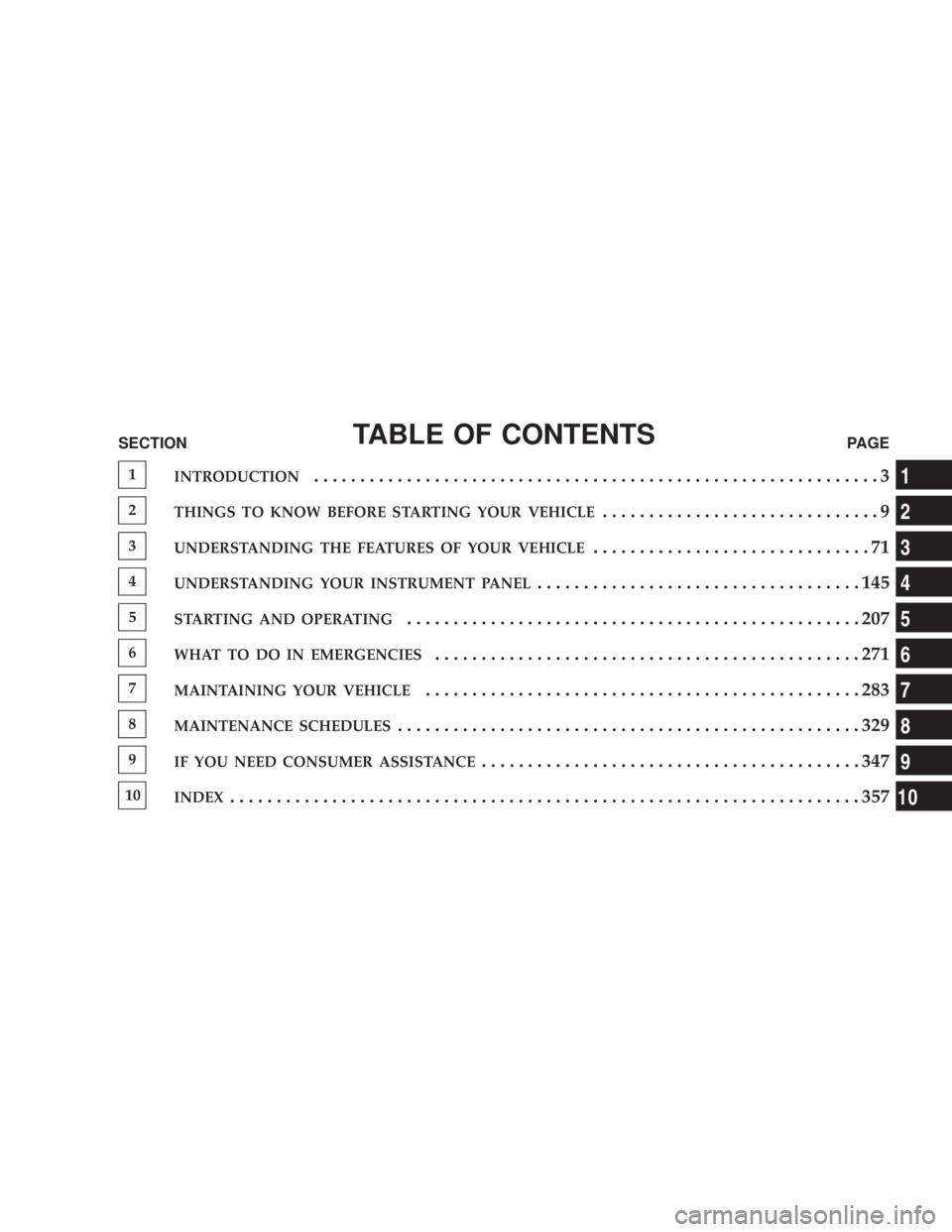
2THINGS TO KNOW BEFORE STARTING YOUR VEHICLE..............................9
3UNDERSTANDING THE FEATURES OF YOUR VEHICLE..............................71
4UNDERSTANDING YOUR INSTRUMENT PANEL...................................145
5STARTING AND OPERATING.................................................207
6WHAT TO DO IN EMERGENCIES..............................................271
7MAINTAINING YOUR VEHICLE...............................................283
8MAINTENANCE SCHEDULES..................................................329
9IF YOU NEED CONSUMER ASSISTANCE.........................................347
10INDEX....................................................................357
1
2
3
4
5
6
7
8
9
10
Page 32 of 374
Do not press on rear wiper blade when closing
swing gate, as damage to the blade will result.
WARNING!
Driving with the flip-up window open can allow
poisonous exhaust gases into your vehicle. You and
your passengers could be injured by these fumes.
Keep the flip-up window closed when you are
operating the vehicle.
NOTE: The rear swing gate will lock while the rear
wiper is operating. The gate will stay locked until the
wiper is turned off and the gate is unlocked (by key,
lock switch, or key fob).
WINDOWS
Power Windows Ð If Equipped
The power window switches are located on the center
floor console. The top left switch controls the left rear
passenger window and the top right switch controls the
right rear passenger window. The lower left switch
controls the left front window, and the lower right switch
controls the right front window. The switches will oper-
ate only when the ignition is in the ON or ACCESSORY
position.
The window lock switch located next to the window
switches allows you to disable the rear passenger win-
dow switches that are located on the back of the center
floor console.
32 THINGS TO KNOW BEFORE STARTING YOUR VEHICLE
Page 103 of 374
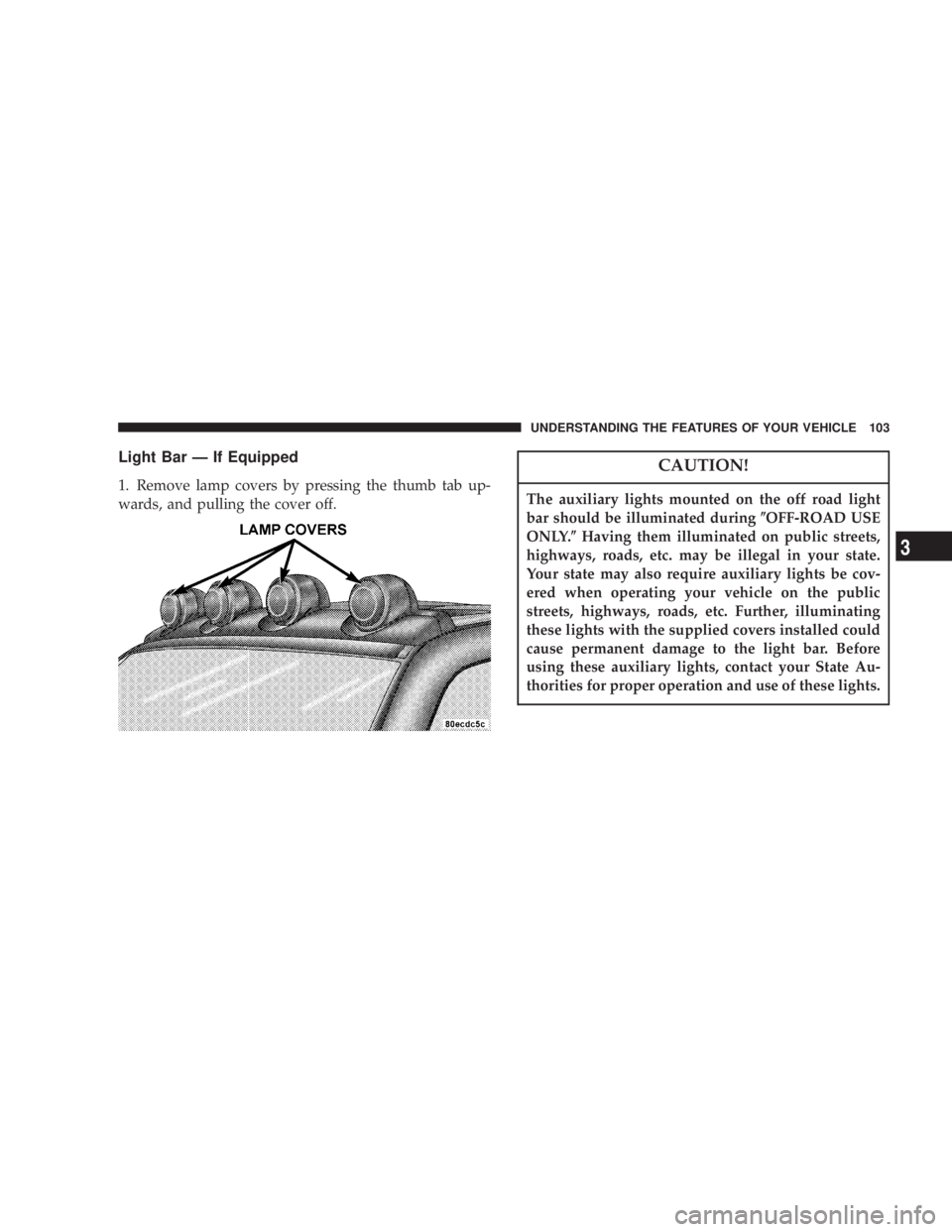
The auxiliary lights mounted on the off road light
bar should be illuminated during(OFF-ROAD USE
ONLY.(Having them illuminated on public streets,
highways, roads, etc. may be illegal in your state.
Your state may also require auxiliary lights be cov-
ered when operating your vehicle on the public
streets, highways, roads, etc. Further, illuminating
these lights with the supplied covers installed could
cause permanent damage to the light bar. Before
using these auxiliary lights, contact your State Au-
thorities for proper operation and use of these lights.
Page 113 of 374
The TPM system is designed to monitor your tire
pressure and will not function as a tire pressure
gauge while adjusting the pressure in your tires.
There will be a delay between the instant you adjust
the air pressure in a tire and when the system
updates the display.
NOTE:The TPM system can inform you about a low or
high tire pressure condition, but it does not replace
normal tire maintenance.
The TPM system is not intended to provide you with
notification of rapid pressure loss.
1. If any tire pressure has exceeded the low or high
pressure (refer to STARTING AND OPERATING Ð
TIRES AND WHEELS), the TPM system will display a
message in the EVIC and sound a chime. It will then go
UNDERSTANDING THE FEATURES OF YOUR VEHICLE 113
Page 236 of 374
The Anti-Lock Brake System is subject to possible
detrimental effects of electronic interference caused
by improperly installed aftermarket radios or tele-
phones.
NOTE:During severe braking conditions, a pulsing
sensation may occur and a clicking noise will be heard.
This is normal, indicating that the Anti-Lock Brake
System is functioning.
ON-ROAD DRIVING TIPS
Utility vehicles have higher ground clearance and a
narrower track to make them capable of performing in a
wide variety of off-road applications. Specific design
characteristics give them a higher center of gravity than
ordinary cars.An advantage of the higher ground clearance is a better
view of the road, allowing you to anticipate problems.
They are not designed for cornering at the same speeds as
conventional 2-wheel drive vehicles any more than low-
slung sports cars are designed to perform satisfactorily in
off-road conditions. If at all possible, avoid sharp turns or
abrupt maneuvers. As with other vehicles of this type,
failure to operate this vehicle correctly may result in loss
of control or vehicle rollover.
OFF-ROAD DRIVING TIPS
When To Use 4L or 4 LO (Low) Range
When driving off-road, shift to 4L or 4 LO for additional
traction in moving forward or descending a hill, for
low-speed pulling power or to improve handling and
control on slippery or difficult terrain. Also use 4L or 4
LO range on the road in rain, ice, snow, mud or sand to
get heavy loads rolling, or whenever ªHighº range
four-wheel drive traction is insufficient.
236 STARTING AND OPERATING
Page 239 of 374
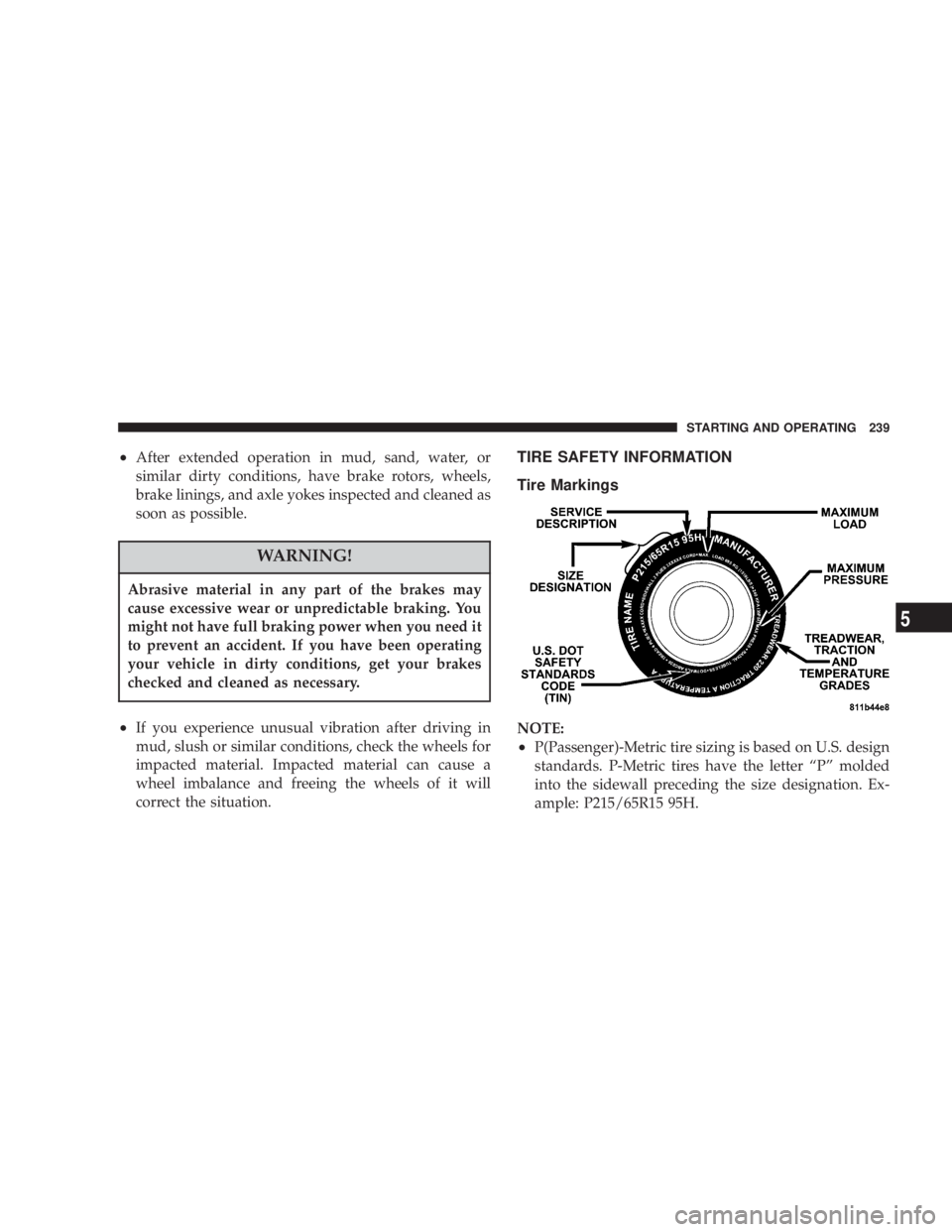
Abrasive material in any part of the brakes may
cause excessive wear or unpredictable braking. You
might not have full braking power when you need it
to prevent an accident. If you have been operating
your vehicle in dirty conditions, get your brakes
checked and cleaned as necessary.
Page 241 of 374
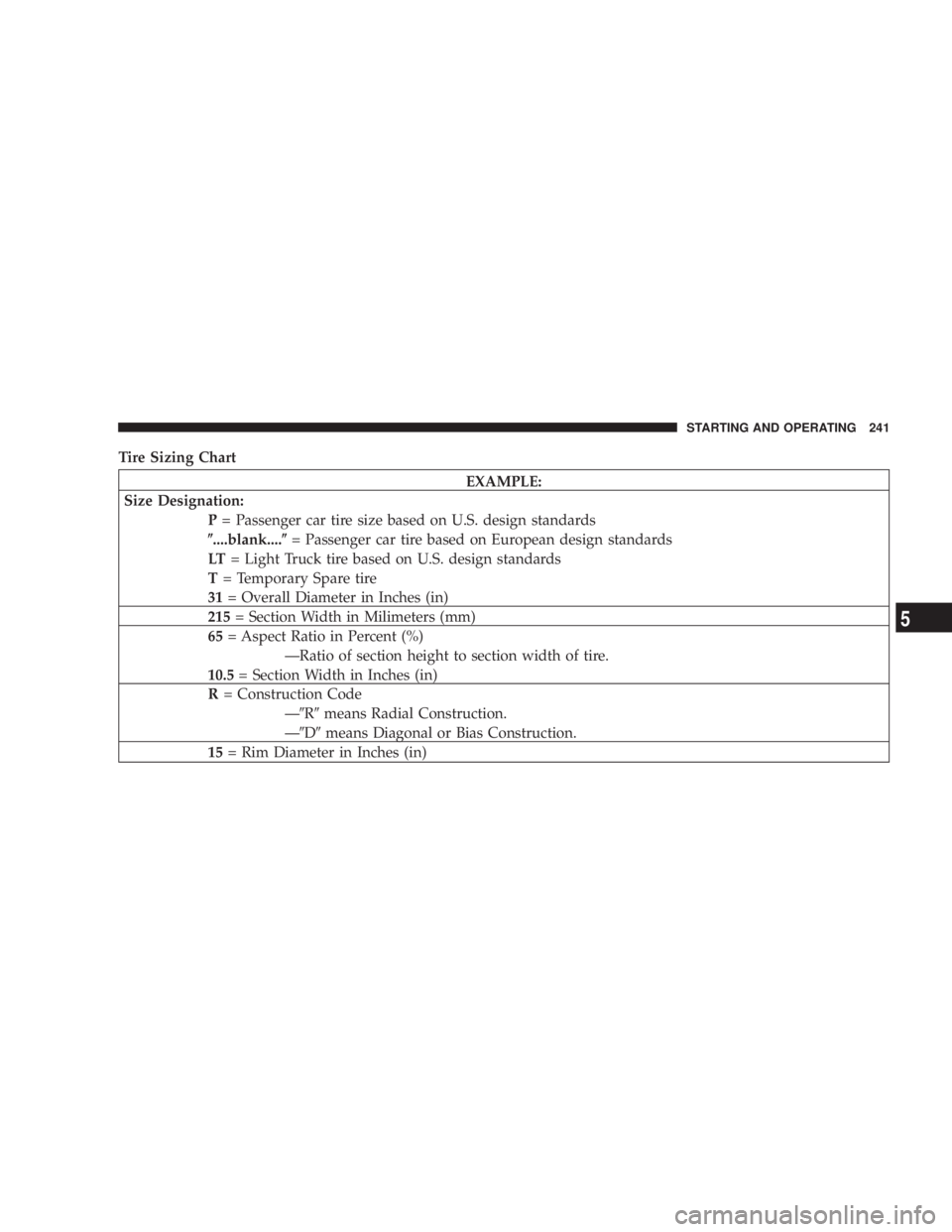
EXAMPLE:
Size Designation:
P= Passenger car tire size based on U.S. design standards
(....blank....(= Passenger car tire based on European design standards
LT= Light Truck tire based on U.S. design standards
T= Temporary Spare tire
31= Overall Diameter in Inches (in)
215= Section Width in Milimeters (mm)
65= Aspect Ratio in Percent (%)
ÐRatio of section height to section width of tire.
10.5= Section Width in Inches (in)
R= Construction Code
Ð9R9means Radial Construction.
Ð9D9means Diagonal or Bias Construction.
15= Rim Diameter in Inches (in)
STARTING AND OPERATING 241
Page 257 of 374
To avoid damage to your vehicle or tires, observe the following
precautions:
²Because of restricted chain clearance between tires and other
suspension components, it is important that only chains in
good condition are used. Broken chains can cause serious
damage. Stop the vehicle immediately if noise occurs that could
indicate chain breakage. Remove the damaged parts of the
chain before further use.
²Install chains on the rear wheels as tightly as possible and then
retighten after driving about1¤2mile (0.8 km).
²Do not exceed 30 mph (48 km/h).
²Drive cautiously and avoid severe turns and large bumps,
especially with a loaded vehicle.
²Do not drive for prolonged period on dry pavement.
²Observe the tire chain manufacturer's instructions on the
method of installation, operating speed, and conditions for use.
Always use the lower suggested operating speed of the chain
manufacturer if different than the speed recommended by the
manufacture.
Page 267 of 374
Internal damage to the transfer case will occur if a
front or rear wheel lift is used when recreational
towing.
NOTE:The transfer case must be shifted into N (Neu-
tral) for recreational towing.
Shifting Into Neutral (N)
Use the following procedure to prepare your vehicle for
recreational towing.
STARTING AND OPERATING 267
Page 275 of 374
You can be injured or killed if you try to change a
wheel too close to moving traffic. Pull far enough off
the road to avoid being hit when operating the jack
or changing the wheel.