radio antenna MERCEDES-BENZ ML320 1997 Complete User Guide
[x] Cancel search | Manufacturer: MERCEDES-BENZ, Model Year: 1997, Model line: ML320, Model: MERCEDES-BENZ ML320 1997Pages: 4133, PDF Size: 88.89 MB
Page 1554 of 4133
Program) appears on the radio and navigation unit display (A2/56).
Even when the RDS function is deactivated, the traffic station recognition and station following function remain
in operation (if activated). RDS alarm messages are still issued. In this case, CD playback or radio reception is
automatically interrupted.
2-tuner technology function
If interference occurs to reception while driving, the system attempts to receive the selected station on an
alternative frequency with the aid of the second (integrated) receiver and switch over when reception is better.
Moreover, the second radio receiver automatically generates a list of the receivable FM stations after switch-on,
and this list is continuously updated during operation. The stations contained in the list can be called up sorted
in alphabetical order with the station search buttons.
The station list is only available when the "RDS" function is activated.
At certain times, some radio channel programs are subdivided into regional programs.
Since the system automatically switches to an alternative frequency in the event of reception interference, this
can lead to a change in the regional program (not the radio network). If this is not desired, the regional program
function can be activated in the menu "REG". Switchover to an alternative frequency is then accomplished only
within the regional program.
FM antenna diversity function (models 209.3/4)
The antenna diversity function undertakes a reception-specific switchover between the FM antennas on the rear
window for model 209.3 (FM antennas of windshield for model 209.4). The function runs automatically and is
executed by the window antenna amplifier module 1 (A2/71) for model 209.3 (left antenna amplifier module
(A2/64) for model 209.4).
The radio tuner of the radio and navigation unit (A2/56) only generates the intermediate frequency (ZF) signal,
which serves as a reference to change the FM antenna for the window antenna amplifier module 1 (A2/71) on
model 209.3 (for model 209.4 left antenna amplifier module (A2/64)).
RDS Diversity/2-receiver technology function
The system consists of 2 FM receivers, a radio receiver and a search receiver. After turning on the radio system,
the search receiver automatically generates a list of FM stations received, which is continually updated during
operation.
Data such as reception quality, programs and alternative frequencies are stored. The audio receiver can therefore
switch over inaudibly to an alternative frequency. The list appears in alphabetical order when the "FM station
list" is called up. The stations which are displayed can be activated by selecting and confirming.
FM/AM antenna amplifier,
location/task/design/ functionModels 163, 168,
170, 208.4, 210.2
Models 208.3, 210 GF82.62-P-4101A
2001 Mercedes-Benz ML320
1998-2005 ACCESSORIES & BODY, CAB Electrical System - Body - 163 Chassis
me
Saturday, October 02, 2010 3:30:05 PMPage 59 © 2006 Mitchell Repair Information Company, LLC.
Page 1555 of 4133
RADIO MODE, FUNCTION - GF82.60-P-2001GI
MODEL 163 as of 1.9.01 with CODE (522) Modular control system (MCS) radio USA with CODE (357)
Navigation system - additional unit with CODE (818b) Single CD player - additional unit with CODE
(491) U.S. version
(except 210.2)
except code
352a
Antenna amplifier module,
location/task/design/ functionModels 203.0/7,
209.3GF82.62-P-3105PP
Model 203.2GF82.62-P-3105PS
Model 209.4GF82.62-P-3105QA
Additional fan for radio/navigation
unit, location/ taskModels 203.0/2/7 as
of 1.6.03GF82.61-P-4110P
Rear window antenna,
location/task/design/ functionModels 203.0/7,
209.3GF82.62-P-3106PP
Model 203.2GF82.62-P-3106PS
Windshield antenna,
location/task/design/ functionModel 209.4GF82.62-P-3112Q
Sound amplifier,
location/task/design/functionModels 209.3/4 with
code (810) sound
system
Models 203.0/2/7 up
to 23.4.04 with code
(810) Sound systemGF82.62-P-3100Q
Models 203.0/2/7 as
from 24.4.04 with
code (810) sound
system, except code
(498) Japan version,
except code (494a)
USA versionGF82.62-P-3100PM
2001 Mercedes-Benz ML320
1998-2005 ACCESSORIES & BODY, CAB Electrical System - Body - 163 Chassis
me
Saturday, October 02, 2010 3:30:05 PMPage 60 © 2006 Mitchell Repair Information Company, LLC.
Page 1556 of 4133
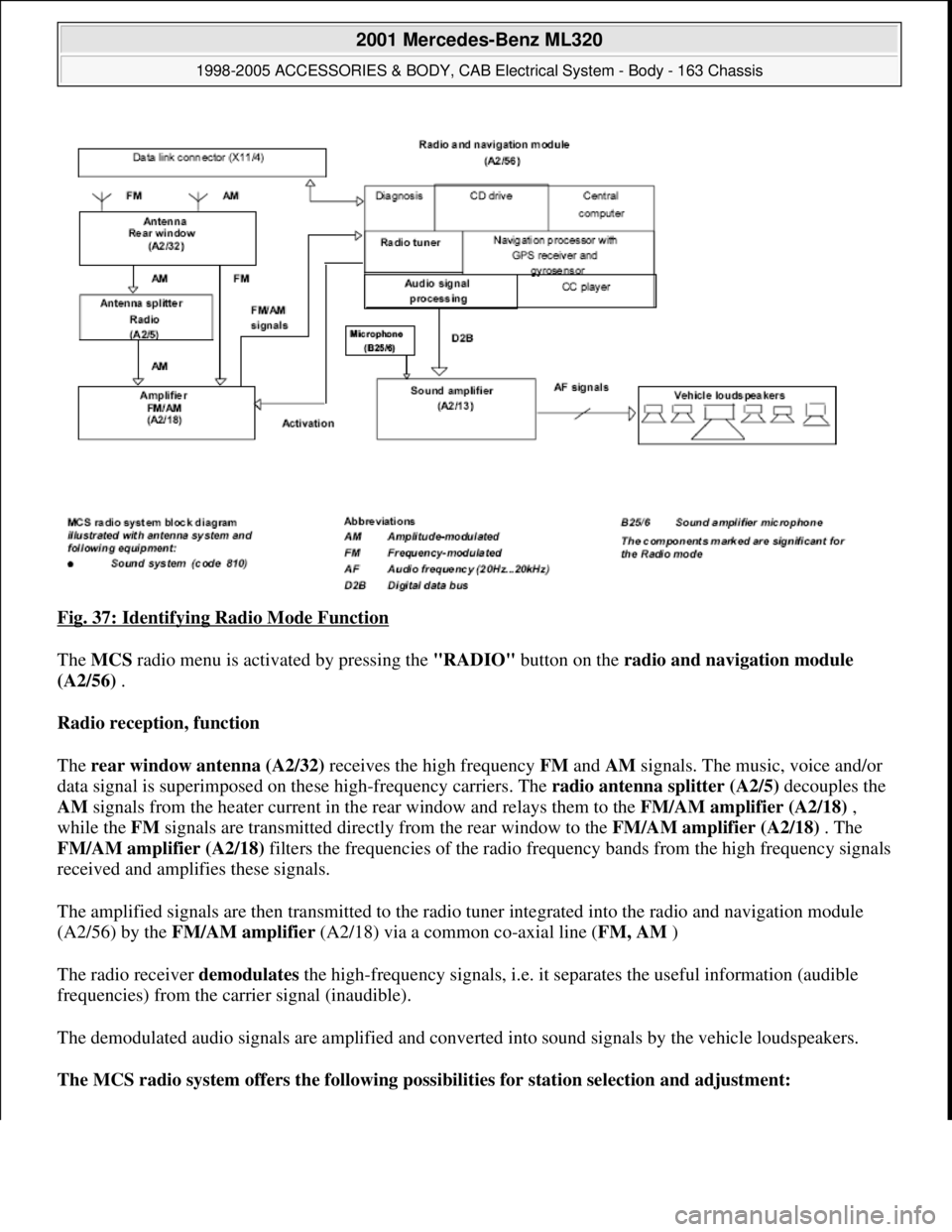
Fig. 37: Identifying Radio Mode Function
The MCS radio menu is activated by pressing the "RADIO" button on the radio and navigation module
(A2/56) .
Radio reception, function
The rear window antenna (A2/32) receives the high frequency FM and AM signals. The music, voice and/or
data signal is superimposed on these high-frequency carriers. The radio antenna splitter (A2/5) decouples the
AM signals from the heater current in the rear window and relays them to the FM/AM amplifier (A2/18) ,
while the FM signals are transmitted directly from the rear window to the FM/AM amplifier (A2/18) . The
FM/AM amplifier (A2/18) filters the frequencies of the radio frequency bands from the high frequency signals
received and amplifies these signals.
The amplified signals are then transmitted to the radio tuner integrated into the radio and navigation module
(A2/56) by the FM/AM amplifier (A2/18) via a common co-axial line (FM, AM )
The radio receiver demodulates the high-frequency signals, i.e. it separates the useful information (audible
frequencies) from the carrier signal (inaudible).
The demodulated audio signals are amplified and converted into sound signals by the vehicle loudspeakers.
The MCS radio system offers the following possibilities for station selection and adjustment:
2001 Mercedes-Benz ML320
1998-2005 ACCESSORIES & BODY, CAB Electrical System - Body - 163 Chassis
me
Saturday, October 02, 2010 3:30:05 PMPage 61 © 2006 Mitchell Repair Information Company, LLC.
Page 1557 of 4133
manual station search is activated by actuating the "joystick "to left or right. The station search feature
stops at the next station found, even when the" joystick " continues to be actuated.
Automatic station search with scan function can be activated by pressing the multifunction " Scan " key.
Each station received in the frequency range is played for approx. 8 s This function is possible only in
the forward direction. When activated " Scan " appears inverted on the display.
Manual fine coordination
The frequency can be changed when the" joystick " is moved up or down.
Station selection from memory
For each frequency range (memory FM, AM ) there are 10 memory buttons available. Press button of
number block approx. 2 s to store a station. When a station is stored it is confirmed by an acoustic signal.
Any station stored previously is written over.
In the frequency range WB (weather forecast) 7 stations are preset. These stations can be called by
momentarily pressing the desired number of the number block.
Station selection with frequency input via number block Pressing the" *" button followed by actuation of
the number keys allows direct entry of the desired frequency. Undesired entries can be erased with the"
Clear " button.
Station selection from the FM or AM station list by pressing the multifunction key" List " all stored
stations in the momentary frequency range are listed. Exit station list by pressing FM or AM
multifunction key .
Automatic storage
The "Auto" multifunction key (when pressed for longer than 2 s ) starts automatic storage of the 10
strongest stations in the corresponding frequency range. The stations are stored according to the strength
of the received signals in decreasing order.
CD-PLAYER MODE, FUNCTION - GF82.60-P-2002B
MODELS 163, 168, 170, 203.0 /2 /7, 208, 209.3 /4, 210 with CODE (353) Audio 30 APS
CD's can be played on the CD drive integrated into the radio and navigation unit (A2/56) or with the CD player
with changer (in glove compartment) (A2/6). The audio data are transmitted over the Digital Data Bus (D2B).
The CD disk drive is a double-speed standard CD disk drive, which is suitable both for pla
ying back audio CDs
Volume/tone adjustments,
function GF82.60-P-2003GI
Antenna system (AS),
location of components GF82.62-P-0001-03D
FM/AM antenna amplifier,
location/purpose/
design/function GF82.62-P-4101A
2001 Mercedes-Benz ML320
1998-2005 ACCESSORIES & BODY, CAB Electrical System - Body - 163 Chassis
me
Saturday, October 02, 2010 3:30:05 PMPage 62 © 2006 Mitchell Repair Information Company, LLC.
Page 1564 of 4133
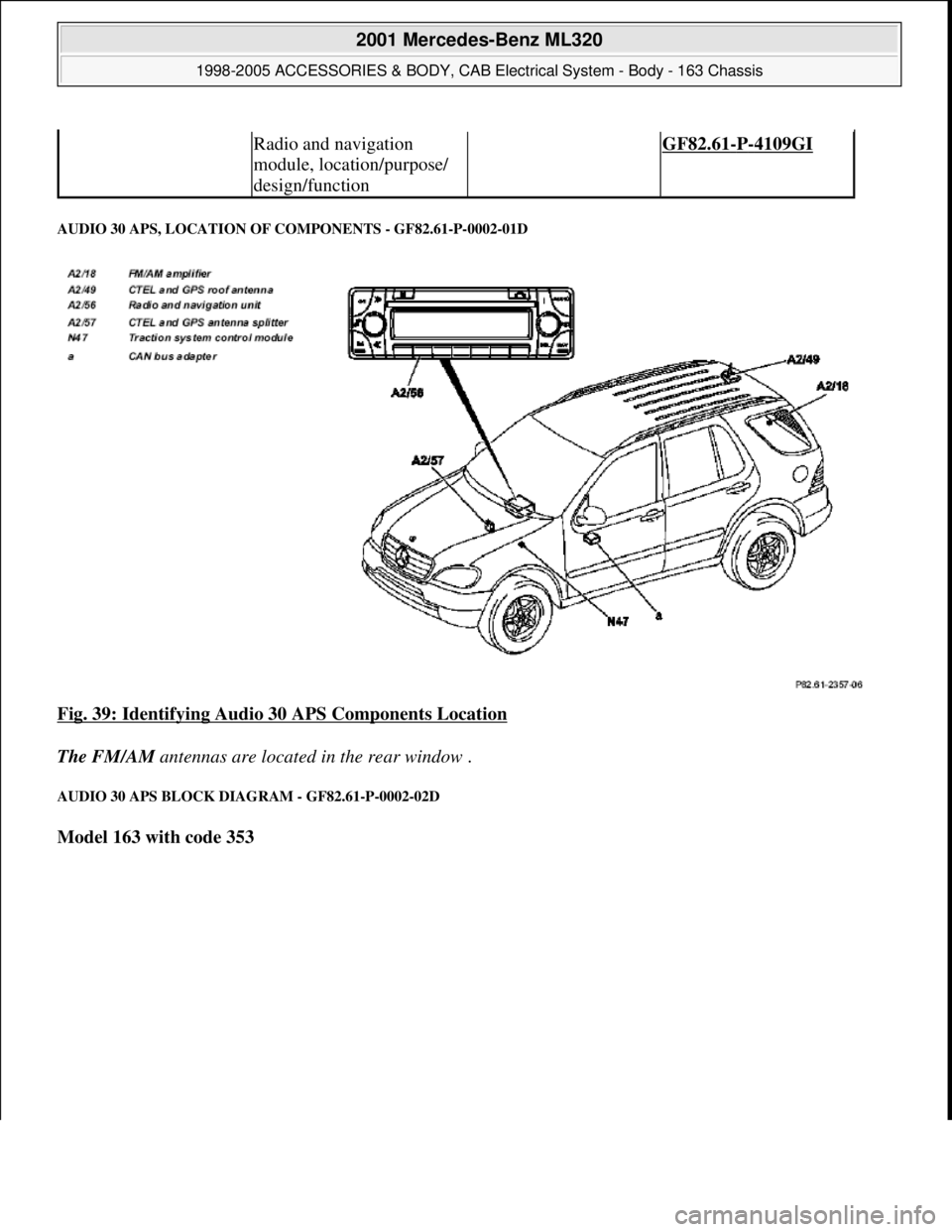
AUDIO 30 APS, LOCATION OF COMPONENTS - GF82.61-P-0002-01D
Fig. 39: Identifying Audio 30 APS Components Location
The FM/AM antennas are located in the rear window .
AUDIO 30 APS BLOCK DIAGRAM - GF82.61-P-0002-02D
Model 163 with code 353
Radio and navigation
module, location/purpose/
design/function GF82.61-P-4109GI
2001 Mercedes-Benz ML320
1998-2005 ACCESSORIES & BODY, CAB Electrical System - Body - 163 Chassis
me
Saturday, October 02, 2010 3:30:05 PMPage 69 © 2006 Mitchell Repair Information Company, LLC.
Page 1567 of 4133
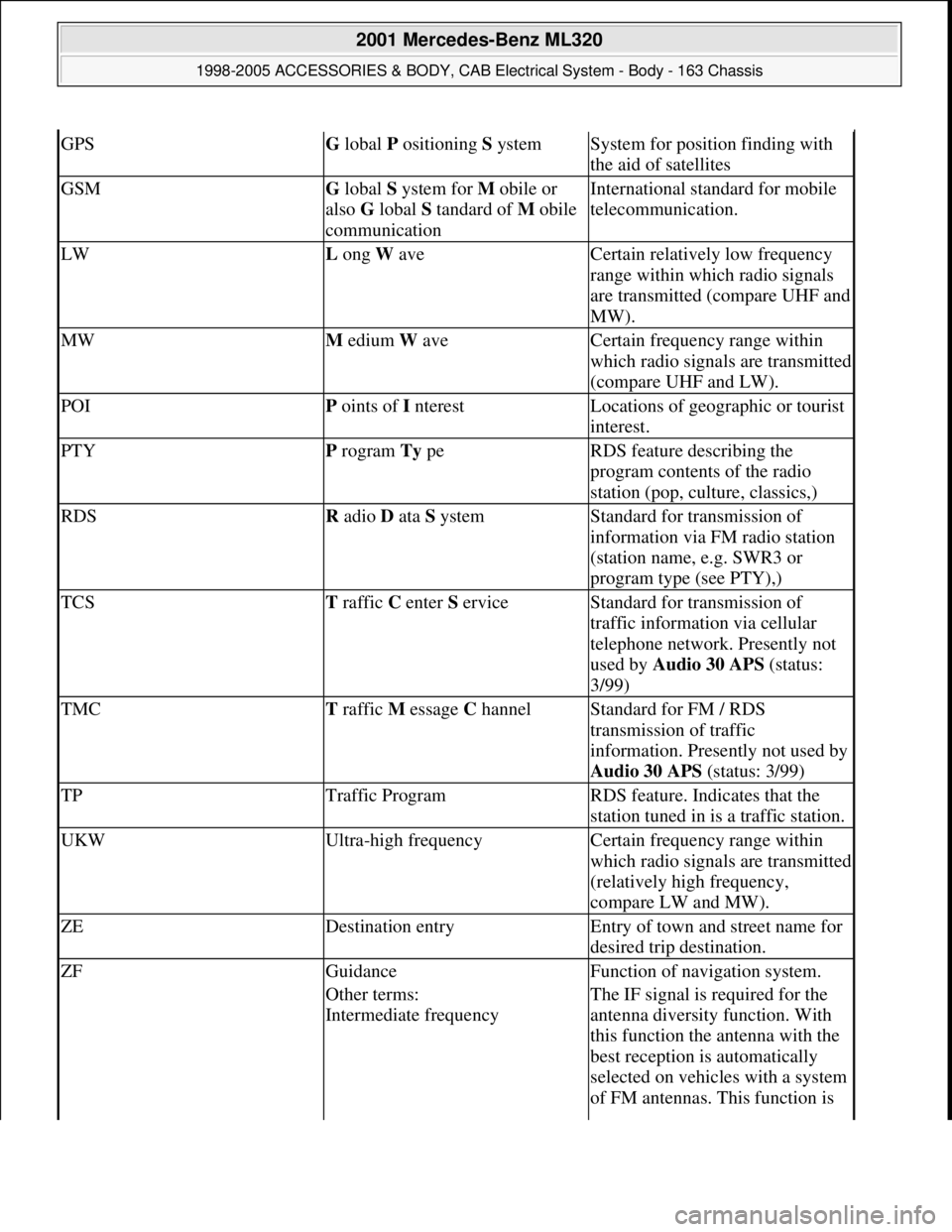
GPSG lobal P ositioning S ystemSystem for position finding with
the aid of satellites
GSMG lobal S ystem for M obile or
also G lobal S tandard of M obile
communicationInternational standard for mobile
telecommunication.
LWL ong W aveCertain relatively low frequency
range within which radio signals
are transmitted (compare UHF and
MW).
MWM edium W aveCertain frequency range within
which radio signals are transmitted
(compare UHF and LW).
POIP oints of I nterestLocations of geographic or tourist
interest.
PTYP rogram Ty peRDS feature describing the
program contents of the radio
station (pop, culture, classics,)
RDSR adio D ata S ystemStandard for transmission of
information via FM radio station
(station name, e.g. SWR3 or
program type (see PTY),)
TCST raffic C enter S erviceStandard for transmission of
traffic information via cellular
telephone network. Presently not
used by Audio 30 APS (status:
3/99)
TMCT raffic M essage C hannelStandard for FM / RDS
transmission of traffic
information. Presently not used by
Audio 30 APS (status: 3/99)
TPTraffic ProgramRDS feature. Indicates that the
station tuned in is a traffic station.
UKWUltra-high frequencyCertain frequency range within
which radio signals are transmitted
(relatively high frequency,
compare LW and MW).
ZEDestination entryEntry of town and street name for
desired trip destination.
ZFGuidanceFunction of navigation system.
Other terms:
Intermediate frequencyThe IF signal is required for the
antenna diversity function. With
this function the antenna with the
best reception is automatically
selected on vehicles with a system
of FM antennas. This function is
2001 Mercedes-Benz ML320
1998-2005 ACCESSORIES & BODY, CAB Electrical System - Body - 163 Chassis
me
Saturday, October 02, 2010 3:30:05 PMPage 72 © 2006 Mitchell Repair Information Company, LLC.
Page 1578 of 4133
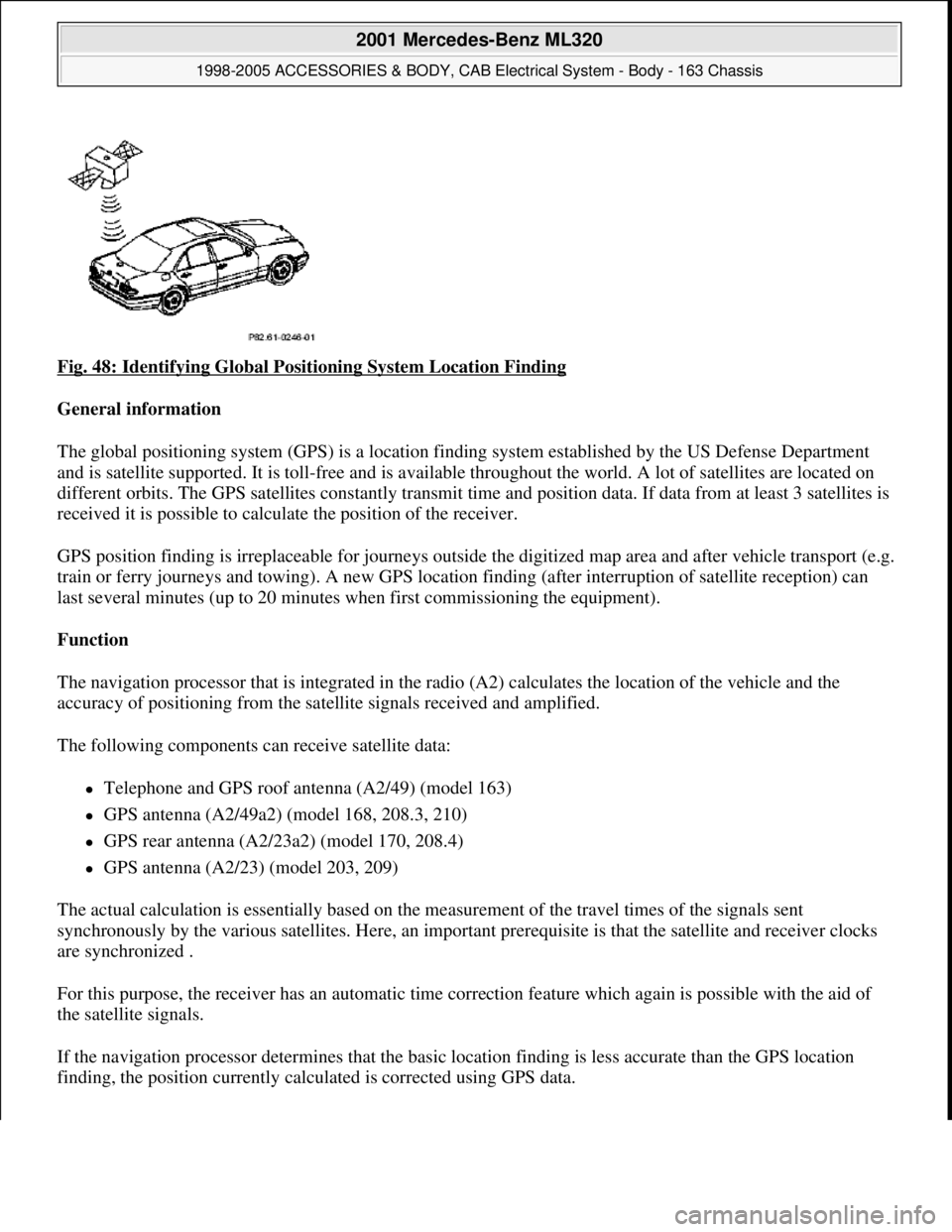
Fig. 48: Identifying Global Positioning System Location Finding
General information
The global positioning system (GPS) is a location finding system established by the US Defense Department
and is satellite supported. It is toll-free and is available throughout the world. A lot of satellites are located on
different orbits. The GPS satellites constantly transmit time and position data. If data from at least 3 satellites is
received it is possible to calculate the position of the receiver.
GPS position finding is irreplaceable for journeys outside the digitized map area and after vehicle transport (e.g.
train or ferry journeys and towing). A new GPS location finding (after interruption of satellite reception) can
last several minutes (up to 20 minutes when first commissioning the equipment).
Function
The navigation processor that is integrated in the radio (A2) calculates the location of the vehicle and the
accuracy of positioning from the satellite signals received and amplified.
The following components can receive satellite data:
Telephone and GPS roof antenna (A2/49) (model 163)
GPS antenna (A2/49a2) (model 168, 208.3, 210)
GPS rear antenna (A2/23a2) (model 170, 208.4)
GPS antenna (A2/23) (model 203, 209)
The actual calculation is essentially based on the measurement of the travel times of the signals sent
synchronously by the various satellites. Here, an important prerequisite is that the satellite and receiver clocks
are synchronized .
For this purpose, the receiver has an automatic time correction feature which again is possible with the aid of
the satellite signals.
If the navigation processor determines that the basic location finding is less accurate than the GPS location
findin
g, the position currently calculated is corrected using GPS data.
2001 Mercedes-Benz ML320
1998-2005 ACCESSORIES & BODY, CAB Electrical System - Body - 163 Chassis
me
Saturday, October 02, 2010 3:30:05 PMPage 83 © 2006 Mitchell Repair Information Company, LLC.
Page 1579 of 4133
In addition, the vehicle's course of travel is determined with the aid of the sequence of the locations calculated
with GPS.
Possible interference when receiving GPS signals
Since GPS operates in the GHz range (microwaves) and the signals are weak, reception interference can occur
as the result of:
atmospheric interference, e.g. weather, water vapor, fog
multiple reception resulting from reflecting of signals, e.g. from building walls
Signal shadows, e.g., in built-up areas, tunnel, in the proximity of higher buildings and trees
GPS reception therefore necessitates a clear view of the sky. The location finding accuracy of the GPS system is
100 m or better.
GLOBAL POSITIONING SYSTEM LOCATION FINDING, FUNCTION - GF82.61-P-3007GI
MODEL 163 as of 1.9.01 with CODE (522) Modular control system (MCS) radio USA with CODE (357)
Navigation system - additional unit with CODE (818b) Single CD player - additional unit with CODE
(491) U.S. version
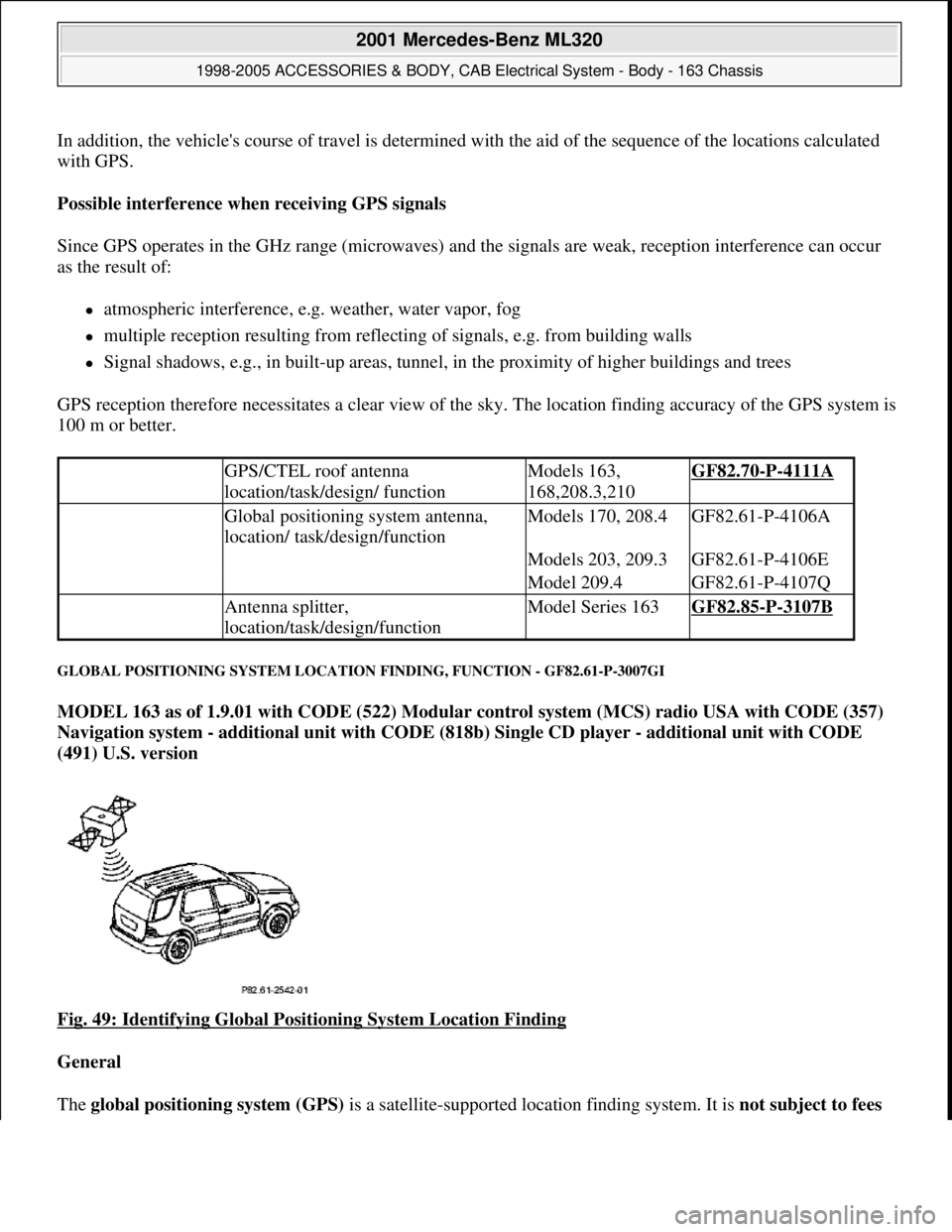
Fig. 49: Identifying Global Positioning System Location Finding
General
The global positioning system (GPS) is a satellite-supported location findin
g system. It is not subject to fees
GPS/CTEL roof antenna
location/task/design/ functionModels 163,
168,208.3,210GF82.70-P-4111A
Global positioning system antenna,
location/ task/design/functionModels 170, 208.4GF82.61-P-4106A
Models 203, 209.3GF82.61-P-4106E
Model 209.4GF82.61-P-4107Q
Antenna splitter,
location/task/design/functionModel Series 163GF82.85-P-3107B
2001 Mercedes-Benz ML320
1998-2005 ACCESSORIES & BODY, CAB Electrical System - Body - 163 Chassis
me
Saturday, October 02, 2010 3:30:05 PMPage 84 © 2006 Mitchell Repair Information Company, LLC.
Page 1580 of 4133
and is available worldwide . Presently there are 266 satellites on 6 different earth orbits. The GPSsatellites
permanently transmit time and position data. If data from a minimum of 3 satellites is received (with two-
dimensional location finding) it is possible to calculate the position of the receiver.
The GPS location finding is particularly important when driving outside of the digitized map area and
following vehicle transport (e.g. train, ferry or towing).
A repeated GPS location finding (following satellite reception interruption) can take several minutes (when
unit is initially started up to 20 min .).
GPS map matching function
The navigation processor calculates the location of the vehicle and the accuracy of positioning from the
satellite signals received and amplified by the GPS antenna (A2/49) . The current calculation is based
primarily on the measurement of the transmission times for the signals transmitted synchronously by the
various satellites. Here, an important prerequisite is that the satellite and receiver clocks are synchronized . For
this purpose, the receiver has an automatic time correction feature which again is possible with the aid of the
satellite signals. If the navigation processor determines that the basic location finding is less precise than the
GPS location finding, the currently calculated position is corrected with the aid of the GPS data .
Moreover, the vehicle route is determined from the location sequence calculated with GPS .
Approx. 50 new GPS location finding calculations are performed each minute.
Possible interference when receiving GPS signals
Since GPS operates in the GHz (microwave) range and the signals are weak, reception interferences can
occur from
atmospheric interferences, e.g. weather, water vapor, fog,
multiple path reception due to signal reflections, e.g. from building walls
Signal shadows, e.g. in built-up areas, tunnels, high buildings, trees
A free view of the sky is therefore necessary for GPS reception The location finding accuracy is approx. 100
m or better .
Basic location finding,
function GF82.61-P-3006GI
Map-supported location
finding, function GF82.61-P-3008GI
Guidance, function GF82.61-P-3012GI
Radio and navigation
module, location/purpose/
design/function GF82.61-P-4109GI
GPS roof antenna/telephone, GF82.70-P-4111A
2001 Mercedes-Benz ML320
1998-2005 ACCESSORIES & BODY, CAB Electrical System - Body - 163 Chassis
me
Saturday, October 02, 2010 3:30:05 PMPage 85 © 2006 Mitchell Repair Information Company, LLC.
Page 1594 of 4133
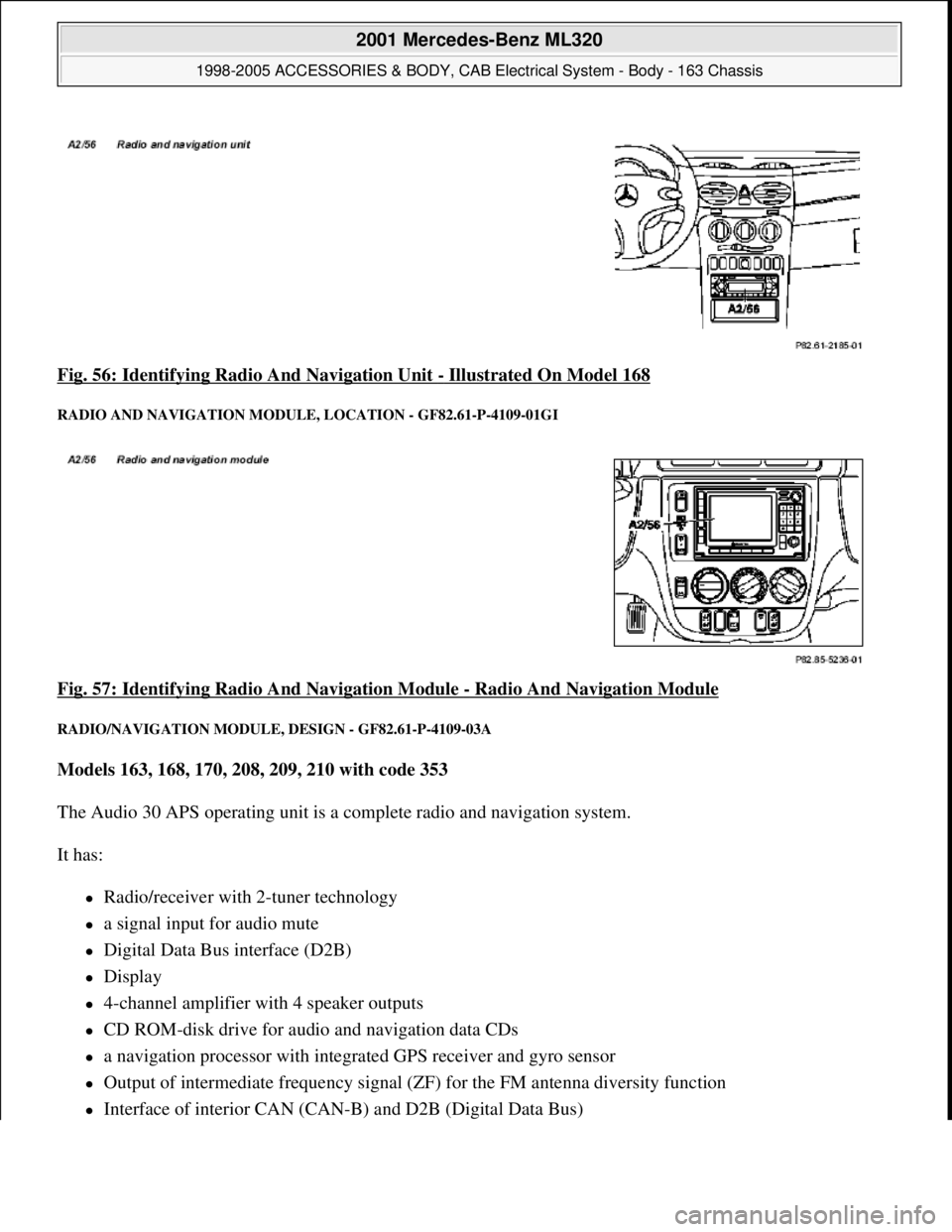
Fig. 56: Identifying Radio And Navigation Unit - Illustrated On Model 168
RADIO AND NAVIGATION MODULE , LOCATION - GF82.61-P-4109-01GI
Fig. 57: Identifying Radio And Navigation Module - Radio And Navigation Module
RADIO/NAVIGATION MODULE , DESIGN - GF82.61-P-4109-03A
Models 163, 168, 170, 208, 209, 210 with code 353
The Audio 30 APS operating unit is a co mplete radio and navigation system.
It has:
Radio/receiver with 2-tuner technology
a signal input for audio mute
Digital Data Bus interface (D2B)
Display
4-channel amplifier with 4 speaker outputs
CD ROM-disk drive for audio and navigation data CDs
a navigation processor with integrated GPS receiver and gyro sensor
Output of intermediate frequency signal (Z F) for the FM antenna diversity function
Interface of interior CAN (CAN-B) and D2B (Digital Data Bus)
2001 Mercedes-Benz ML320
1998-2005 ACCESSORIES & BODY, CAB Electr ical System - Body - 163 Chassis
me
Saturday, October 02, 2010 3:30:05 PMPage 99 © 2006 Mitchell Repair Information Company, LLC.