towing VOLKSWAGEN EOS 2015 1.G User Guide
[x] Cancel search | Manufacturer: VOLKSWAGEN, Model Year: 2015, Model line: EOS, Model: VOLKSWAGEN EOS 2015 1.GPages: 393, PDF Size: 5.57 MB
Page 243 of 393
Calm and smooth driving
Consistency is more important than speed. The more smoothly you drive, the less fuel the vehicle consumes.
When driving on the highway or freeway, a constant, moderate speed is more efficient and economical than constantly accelerating and braking. Usually you can reach your destination just as quickly by driving at a moderate, but steady speed.
The cruise control system can assist in maintaining a uniform driving style.
Moderate use of extra electrical loads
Comfort inside the vehicle is nice and important, but it is important to use them in an environmentally conscious manner.
Some devices can increase fuel consumption when activated (examples):
x Climate control system (air conditioner): If the air conditioner has to produce starkly contrasting temperatures, it requires a large amount of energy, which is generated by the engine. The temperature in the vehicle should therefore not be extremely different from that of the outside temperature. It may be helpful to ventilate the vehicle before driving and then to drive a short distance with the windows open. After that, switch on the air conditioner with the windows closed. Keep the windows closed when driving at high speeds. Open windows increase fuel consumption.
x Switch off seat heating once it has served its purpose.
x Switch off the rear window defroster as soon as the windows are free of fog and ice.
Additional factors that increase fuel consumption (examples):
x Malfunctioning engine control.
x Driving in the mountains.
x Towing a trailer.
NOTICE
Never let the vehicle coast or roll down a hill in Neutral (N), especially when the engine is not running. The transmission will not be lubricated and will be damaged.
Fuel-efficient driving
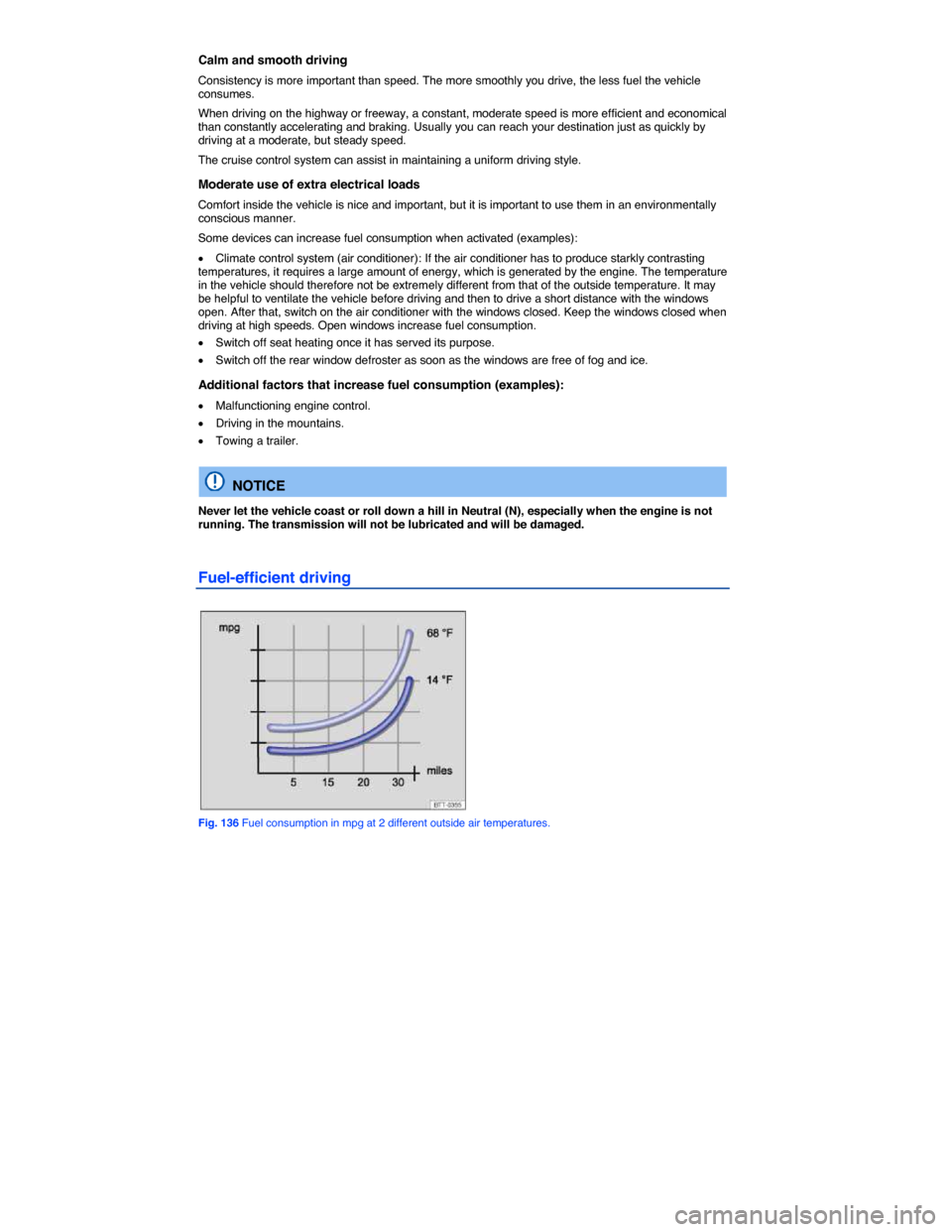
Fig. 136 Fuel consumption in mpg at 2 different outside air temperatures.
Page 340 of 393

Description Possible causes, among others Possible remedy
Headlights do not light up the road as they should.
– Headlights incorrectly adjusted. – Light bulbs burned out. – Low beams not switched on.
– Have the headlight range adjusted by an authorized Volkswagen dealer or an authorized Volkswagen Service Facility. – Change light bulbs – Switch on low beams
Electrical consumers do not work. Vehicle battery charge too low. Charge vehicle battery
Remaining fuel level too low. Refuel
Fuse blown. Check fuse and replace if necessary
Fuel consumption higher than indicated. – Short hauls. – “Jumpy” accelerator pedal. – Avoid short distance driving. – Drive defensively. – Accelerate smoothly.
Electrical loads switched on. Switch off unnecessary loads.
Engine control malfunction. Have the malfunction corrected
Tire pressure too low. Adjust tire pressure
Driving in the mountains. No direct corrective action possible.
Towing a trailer. – Check use. – Remove if not in use.
Driving with heavy payload. No direct corrective action possible.
Driving at high engine speed. Select a higher gear.
Page 354 of 393
Emergency closing using the lever-switch combination is possible only if the CSC control unit
has detected a malfunction that is caused by one of the listed feasible problems ⇒ Possible situations for emergency closing.
Do not interrupt the emergency CSC roof closing process once you have initiated it unless this is absolutely necessary.
If the CSC roof gets stuck while opening or closing, it may be possible to close it using the emergency process before it lowers itself automatically.
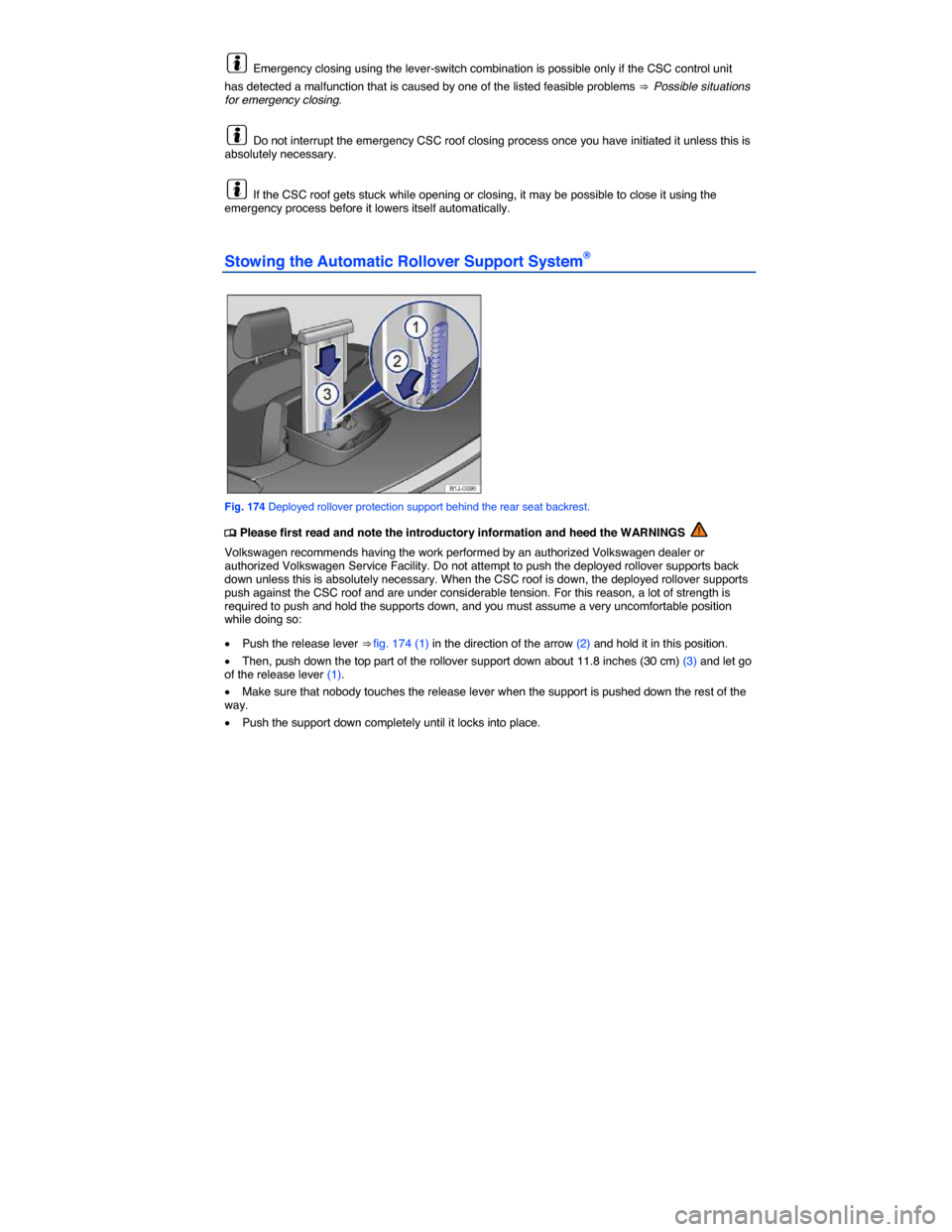
Stowing the Automatic Rollover Support System®
Fig. 174 Deployed rollover protection support behind the rear seat backrest.
Page 355 of 393
WARNING
Stowing the deployed rollover supports can be dangerous and can lead to serious injury.
x Do not try to push the rollover support back down if there is any object in its channel. A foreign object can keep the rollover support system from working or locking properly or cause it to deploy unexpectedly.
x The rollover protection supports must properly lock into place after being stowed. Otherwise, they can deploy unexpectedly.
Emergency release for the selector lever lock
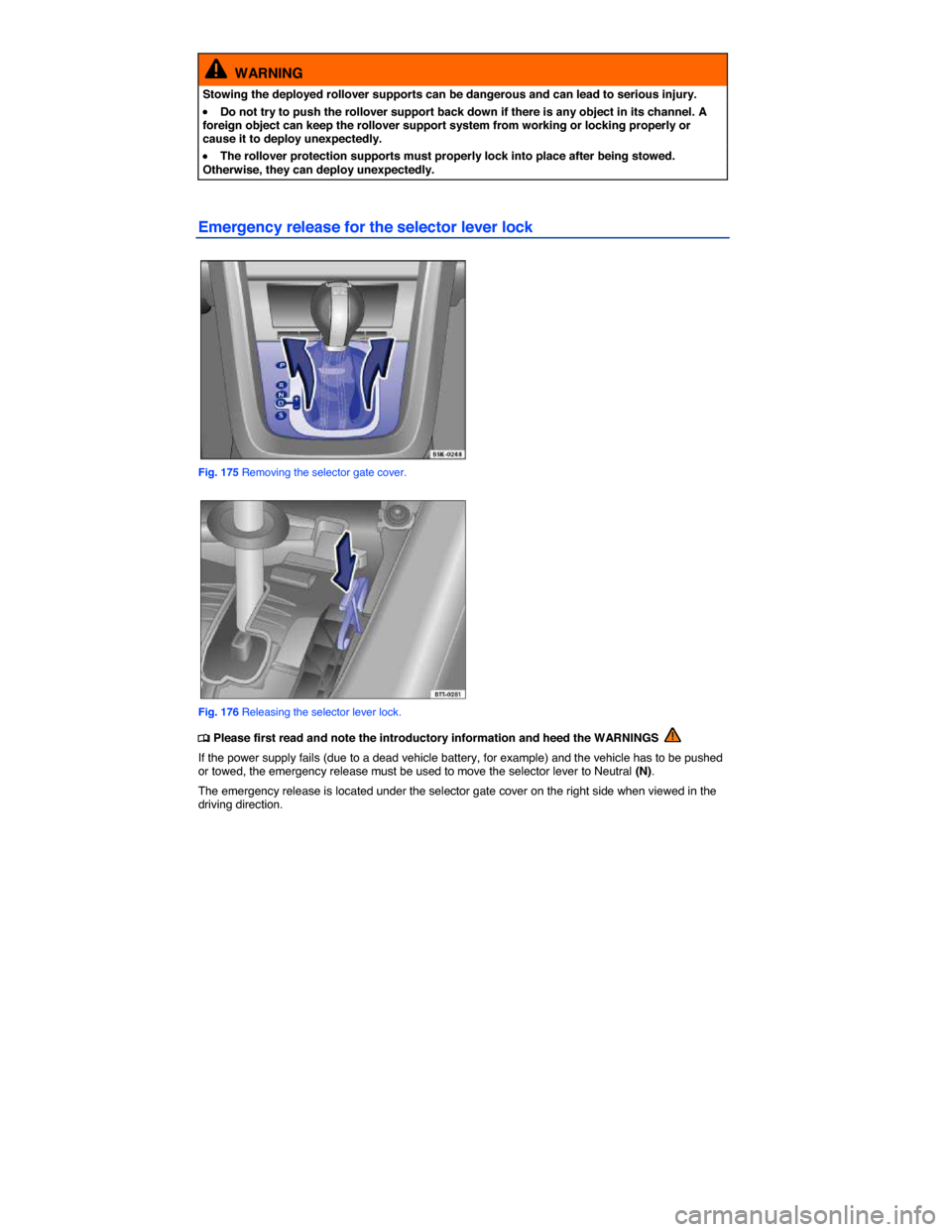
Fig. 175 Removing the selector gate cover.
Fig. 176 Releasing the selector lever lock.
Page 365 of 393

WARNING
Changing a wheel, especially on the side of the road, can be dangerous. To help reduce the risk of serious personal injury:
x Always stop the vehicle as soon as it is safe to do so. Move the vehicle a safe distance off the road where it is safe to change the wheel.
x Always make sure that all passengers, especially children, are in a safe place outside the vehicle and away from the vehicle and traffic (such as behind a guard rail).
x Turn on the emergency flashers and set up another warning device about 25 yards (25 meters) behind the vehicle to warn approaching traffic.
x Change a wheel by yourself only if you are familiar with the necessary steps. Otherwise, get expert assistance.
x Always switch the engine off, firmly apply the parking brake, and shift the transmission into Park (P) (automatic transmission) or any gear (manual only) to help prevent the vehicle from moving suddenly and slipping off the jack.
x Always make sure that the ground is level and firm. If necessary, place the jack on a large and sturdy board or on a similar ground support.
x Always block the wheel diagonally opposite the wheel being changed with chocks or other similar things.
x If you are towing a trailer, always unhitch it from your vehicle before starting to change the wheel. Always apply the trailer brakes firmly and make sure the trailer cannot move unintentionally.
x Always use proper and undamaged tools when changing a wheel.
x Once a wheel is lifted off the ground, having the transmission in Park (P) or in gear will not prevent sudden vehicle movement.
x Always use a jack that has been approved by the manufacturer for your vehicle. Never use other jacks, even if they have been approved for use on other Volkswagen models.
x To reduce the risk of losing control, crashes, and serious personal injuries, never loosen the screws on rims with threaded rim rings.
x After changing a wheel, have the wheel bolt tightening torque checked with an accurate torque wrench.
x After changing a wheel or tire, reset the Tire Pressure Monitoring System ⇒ Tire Pressure Monitoring System (TPMS) and recalibration with the SET button.
Preparations for changing a wheel
Page 366 of 393
7. If towing a trailer: Unhitch the trailer from the vehicle and park the trailer properly.
8. If the luggage compartment is loaded: Remove the luggage.
9. Take the compact spare wheel and the vehicle tool kit out of the luggage compartment.
10. Take off the wheel covers ⇒ Wheel trim.
WARNING
Disregarding the safety-related checklist may lead to accidents and serious personal injuries.
x Always review and follow the checklist. Follow accepted safety practices and use common sense.
Wheel bolts
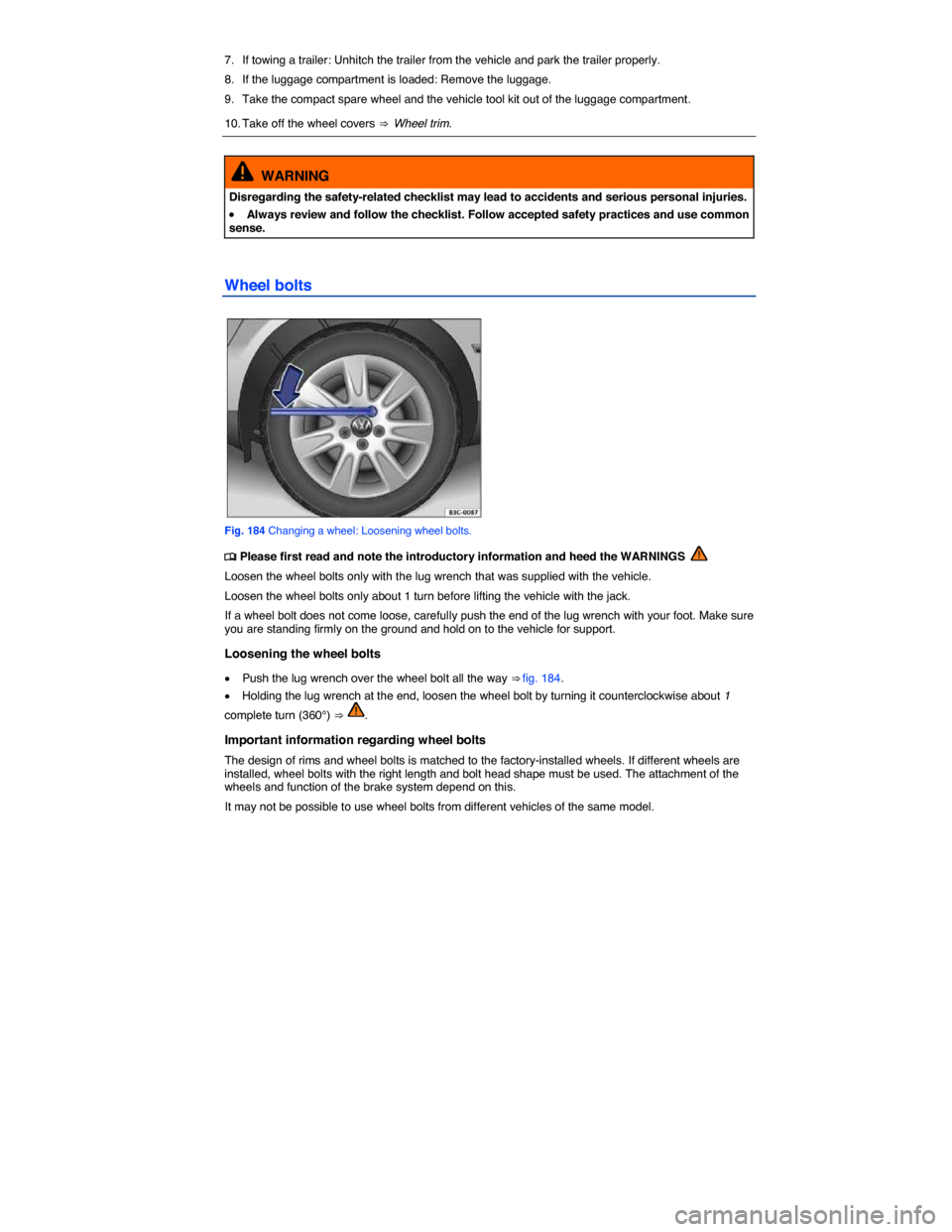
Fig. 184 Changing a wheel: Loosening wheel bolts.
Page 383 of 393

x Turn on the ignition of the vehicle with the dead battery. If the engine starts, wait 2 to 3 minutes
until it “runs smoothly” before removing the jumper cables as described below ⇒ . If the engine does not start within about 10 seconds, turn off the ignition and wait at least 1 minute; then try again.
Before removing the jumper cables
x Switch off the headlights (if they are on).
x In the vehicle with the dead battery, switch on the heater fan and the rear window defroster. This helps to minimize voltage spikes when the cables are disconnected.
Removing jumper cables
With the engine running, remove the jumper cables in reverse order to the way they were connected.
1. Disconnect the black (-) cable from the vehicle with the dead battery.
2. Disconnect the black (-) cable from the other vehicle (vehicle with the good battery).
3. Disconnect the red (+) cable from the other vehicle (vehicle with the good battery).
4. Disconnect the red (+) cable from the vehicle with the dead battery.
5. Close the battery cover.
6. If necessary, unscrew the towing eye on the front of the vehicle ⇒ Installing the front towing eye.
Page 385 of 393

Towing
Page 386 of 393

WARNING
Towing a vehicle changes the way it handles and brakes. To help reduce the risk of an accident and serious personal injury, note the following:
x The driver of the vehicle that is being towed:
– Since the brake booster also does not work when the engine is stopped, you will need to press harder on the brake pedal to slow down or stop. Always be alert so as not to rear-end the towing vehicle.
– Will have to use considerably more force to turn the steering wheel because the power steering is not working.
x The driver of the vehicle that is doing the towing:
– Must accelerate gradually and gently and avoid jerking movements.
– Must not brake hard or steer sharply.
– Must brake earlier and more gently than in normal driving.
NOTICE
x Be careful not to damage the paint when installing and removing the towing eye and the cover for the threaded hole behind the bumper.
x Unburned fuel can get into the catalytic converter during towing and damage it.
Towing on a commercial tow truck
Page 387 of 393

WARNING
It is not safe for children or other persons to ride in a vehicle that is being towed.
x Never let children or anyone else remain in the vehicle while it is being towed.
NOTICE
The drive axle rotates while the vehicle is being towed with its rear wheels off the ground. This can damage the automatic transmission.
x Never tow automatic transmission vehicle with the rear wheels off the ground.
x Tow manual transmission vehicles with the rear wheels off the ground only if it is certain that no transmission fluid can leak out.
Tips on towing