Water VOLKSWAGEN JETTA 2010 User Guide
[x] Cancel search | Manufacturer: VOLKSWAGEN, Model Year: 2010, Model line: JETTA, Model: VOLKSWAGEN JETTA 2010Pages: 477, PDF Size: 77.6 MB
Page 329 of 477
Booklet 3.2 Tips and Advice
Braking power and braking distance
Braking power and braking distance are influenced by driving situations and
road
Worn brake pads will not provide good braking.
The amount of wear and tear on the brake pads
depends to a great extent on the cond itions
und er which the vehicle is opera ted and the way
the vehicle is dr iven. If you do a lot of city
driv ing, drive short distances or have a sporty
driving style, we reco mm end th at you have the
thickness of your brake pad s checked by an au
thor ized Volkswagen dea ler more frequently
than r ecommend ed in the service schedule.
I f you dr ive witJ1 wet brakes , for example after a
dri ving through water,
heavy rainfall or
after washing the vehicle, brakin g power will be
reduced and sto pping distances w ill be longer
because the brake d iscs will be wet or in winter
ma ybe even frozen
the brakes must be dried
with severa l ca reful brake applications.
Brake fluid absorbs water and must be c hanged
every two years. Heavy use of the brakes can
cause vapor lock if the brake fl uid is too old.
Va por lock reduces braking power, increases
stopp ing distances and can even cause total
brake failure.
WARNING
• New tires and new brake pads do not pro
v id e maximum grip, control or braking abilit y.
• To reduce the risk of losing control, a colli
s ion and se rious persona l injuries, drive with
special ca re for the first
350 mil es (560 km).
• New brake pads do not have the best stop
ping power for the first
150 mil es (240 km) and
must be broken in. You can com pensate for
the slightly reduced braking ability by drivin g
w ith care and applying more pressure on the
brak e pedal.
• Never fo llow other vehicle s too close ly or
put yourse lf into other situ ations that might
r equ ire s udden , hard brakin g especially when
th e brake pads have not been broken in.
WARNING
Wet brake s or brak es coa ted ice or road
sa lt react slower and need longer stopping dis
tanc es.
• Carefully apply brakes for a lest.
• Alwa ys dry brake s and clean olT ice coa t
ings and salt coa tings with a few cautiou s
brake app lica tions.
• Always read and hee d all
in "Break ing in tir es and brake pads" on
page 7.
WARNING
Overheated brakes will reduce the vehicle's
s topping power and increase stoppin g di s
tances.
• Always avoid over hea tin g the brakes!
• When driving downhill, the brakes have to
work hard and hea t up quickly .
• Before driving clown a long, steep hill, al
ways red uce spee d and downshift to a lower
gea r. This will let th e ve hicle use engine
braking and reduce the load on the brakes.
• Always c han ge the brake fluid at least
every two years. Hard braking with old brake
fluid may cause a va por lock. Vapor lock re
duces brakin g power, increases s topping dis
tan ces and can even ca use to tal brake failure.
• A damaged front spoiler or new non stan
dard spoile r ca n reduce the airflo w to the
brake s and cause them to overheat.
• Always sec an au thorized Vo lkswage n
dealer or qualil1ed workshop if yo u think th at
you may have damaged the front spoiler.
• Be sure to read and heed all WARNINGS
and the information =-page 27, "Accessories
and part s" before buying accessorie s.
8 Driving and protecting the environment
Page 332 of 477
manufactur er to make sur e th at yo u are using
t h e co rrec t hit ch
Do not use a bumper hitch.
Th e hit ch mu st be install ed so . that it does no t
int erf ere w ith th e impac t-a bso rbin g bu mpe r
sys tem . Do no t mak e any c han ges to th e ve hicl e
ex hau st and brak e sys te m s. Fro m t im e to tim e,
c h ec k tha t all hit ch -mo unting
rema in se
c ur ely fas tened .
W hen yo u are not t ow in g a tra iler, re m ove the
t ra ile r hi tch ball m oun t. T his pr eve nts th e h itch
fr om causing dam age sh ou ld yo ur vehicl e be
s tru ck fr om b eh ind .
Engin e coo ling syste m
Tow ing a trai ler makes the e ngin e wo rk It is im portant th at th e engin e coo ling syste m is up to th e job . Make su re that th e coo ling sys te m has
e n ough flu id.
Trailer brokes
If yo ur t railer h as its own brakes, ch eck to be th at it confo rms to a ll regula tion s. The tra iler
b ra ke sys te m must n ever be directly co nn ecte d
to th e ve hicle's brake sys tem.
Sa fety chains
Alw ays use safety chain s betwee n yo ur ve hicle
a n d trail er.
Trai ler lights
Tra ile r lig ht s m ust m eet a ll reg ulati ons
Neve r co nnect th e trail er light sys te m di rectly to
t h e lig ht sy ste m of y our vehicl e. 13 e to c hec k
w ith your auth orize d Vol ksw age n d eale r fo r
rec t w irin g, sw itch es a nd relays .
Mirror s
If yo u canno t see the behind you using th e
r eg ula r outside mirror s, th en you mu st i ns tall
exte nded m irror s. It 's
th at yo u alw ays have
cl ea r vis io n to th e re a r.
Maximum power consumption for the trailer
Do not excee d the ra tin gs g iven in t he c hart
Booklet 3.2 Tips and Advice ®
Electrical load power
Tail lights to ta l
60 Watt s
T urn sig nals per sid e 54 Wa tts
Br ake light s to ta l 84 Wa tts
Back up ligh t to tal 54 W atts
WARNING
An improperl y in sta lled or in corre ct trailer
hit ch can cau se a tra iler to separate from the
t o win g ve hicle leadin g to ser iou s per son al in
j uri es.
• Never install a "weight distributing" or
" lo ad equa lizin g" trailer hitch on your v ehicle.
T he v ehicle wa s not de signed for these kinds
of trailer hit ch es . Th e hitch attachment ca n
fail ca using the trailer to tear loos e from th e
veh icle.
WARNING
Wh en you no lon ger need to tow a tra iler , re
move the ent ire tra ile r hitc h. Alwa ys s eal a ll
bolt h ole s to pre vent water and dead ly exhaust
fum es from ent ering th e vehicle.
Note
• Do no t use a trailer w hi ch h as LED (lig ht
em ittin g dio des) t ail light s. T hi s ty pe of ta il lig ht
ca n da ma ge t he elec trica l co ntrol un it of yo ur
ve hicl e.
• I f th e tra iler soc ke t i s in co rrec tly co nnecte d ,
d am age could r esult
10 t h e ve hicles elec trica l
sys te m.
• I f th e m ax imum p ower co nsum pti on fo r
trail er is exceede d, dam age c ould r esult to th e
e lec tr ica l sys te m of ve hicl e.
• Neve r co nn ect th e elec trical sys te m fur th e
dir ectly to elec trical co nn ectio ns fo r
th e rea r or to o ther u nsu itab le powe r
so urces . Use only s uit abl e socke t to pro
v id e powe r to th e
Driving an d protecting the environment 11
Page 338 of 477
Care of vehicle exterior
Automatic car washes
If yo u h ave accesso ries on vehicle, check
w ith th e c ar wash operator before washing your
ve hicle. We reco mm end though, t hat you fold
th e o uts id e mirror s to avoi d damage.
Veh icle paint is durab le e nough that the vehicle
ca n norma lly be wa sh ed with out pr obl ems in an
a ut omat ic ca r wash. However, the effec t o n th e
pa int mainly depen ds o n the type of ca r was h,
the brush es use d. the filteri ng of t he was h water,
and the type of detergen ts and wax solut ions
u se d, etc. If the pa int is sc ra tc hed or ap pears dull
af te r go ing th rough th e ca r was h, imm ediat ely
brin g thi s to the attention of the car was h op er
ato r.
Af te r th e ve hicle has bee n was hed, the brak e
dis cs and pad s w ill be
(th ey co uld even be
i cy in the w int er) and stoppin g di sta nces w ill be
Wa shing by hand
- Fi rs t so ften th e dirt with water and rinse
off.
- U sin g a so ft sponge , a was h glo ve or a
was h bru sh, wip e th e ve hicl e in a do wn
ward motion usin g ge ntl e pre ssur e.
- Rin se out th e s pong e or wash glo ve reg
ul arl y.
- Use s pecia l cl ean ers onl y o n h ard to re
mo ve dirt or grim e.
- Use a seco nd spon ge or wash glove
to
w ip e down the whee l rim s and und er th e
doo r sill s.
- Rin se the ve hicle thoro ugh ly w ith
wate r.
- Dry caref ully th e paint ed sur faces w it h
a c ham ois.
Booklet 3.2 Tips and Advice @
long er. B e su re to "dry" the brakes with sever al
ca ref ul brak e applica tions befo re dri ving off
8.
WARNING
W et brak es or bra kes coated with ice or road
sa lt rea ct slower a nd need longer stopping dis
tance s.
• Caref ully app ly brak es for a test.
• Always dry brake s and clean off ice coat
in gs and salt coatings with a few c autious
appli cations .
• Alw ays re ad and heed all WARNINGS
8, powe r and braking
- Wh en it is cold outside, make sur e you
w ip e all rubb er sea ls and their contact sur
fa ces dry so that they do not freeze. Use a
s ili co ne spray to kee p rubb er sea ls pliabl e.
- After washing your vehicl e, avo id
s udd en stops or maneuvers. T he brakes
ha ve to be " dri ed out " firs t by gen tly ap
p ly ing the br akes a few tim es
WARNING
Wet brakes or brak es coated wit h ice or road
sa lt reac t slower and need lon ger stopping dis
tan ces.
• Care fully apply brake s fo r a test.
• Always dry brakes and clean off ice coa t
in gs a nd salt coa ting s with a few cauti ous
brake application s.
• Alw ays read and heed all WARNINGS
8, pow er and braking dis-
t a n ce".
Cleaning and protection 17
Page 339 of 477
Booklet 3.2 Tips and Advice
WARNING
Sharp edg es und er th e ve hicle can cut exposed
s kin.
• Always protect your hands and ar ms from
cuts on sh arp metal edges when cleaning the
und erb ody, the in sid e of the whe el h ousin gs
etc.
Note
• Neve r 10 re mo ve mud or du st if the
ve hicle s urf ace is dr y. U sin g a dry cloth or
s pong e for cleanin g co uld dam age the paint or g
la ss on yo ur vehicle. Soa k
mud or du st
w ith pl en ty of wa ter before re m ov ing it.
• When rin sing th e vehicle, do not le t w at er get
i nt o t he loc k cy lind ers or point the hose
at ga ps
aro und th e doors, hoo d or r ea r li d. The water
cou ld fre eze and make it
to op en th e ve
hicl e.
• To help pr evenl dama ge to th e painl, do not
was h the vehicle in dir ect sunli ght.
o nl y in sp ecia l was h ba ys th at ca n handl e oily
din that is was hed off th e ca r.
Washing the vehicle with a power washer
B e very careful when using a power washer!
- Alwa ys follow the in stru cti ons for t he
p ower washer, parti cularl y tho se about th e
pr ess ure and the spray ing distanc e.
- Increa se the spr ayi ng di sta nc e fo r soft
m ater ia ls and p aint ed bump ers
- Do not use a powe r was her to remo ve
i ce or sn ow from win dows
19.
- Never use concen trat ed je t no zzles or
so-ca lled "d irt b lasters" es peciall y on ti res
- Afte r the veh icle ha s be en wash ed , th e
b rake discs and pad s w ill b e wet (t hey
co uld even be icy in the w inte r) and stop
pin g di sta n ce s w ill be lo nger. Be s ure to
the brak es with seve ral care ful brake
app lica ti ons before dri vin g off
8.
WARNING
W et br ake s or br ake s coa te d with ice or road
sal t reac t slower an d need lo nge r stoppin g di s
t a n ce s.
• Care full y appl y brake s for a tes t.
• Alwa ys dry brakes and clean
ice coat -
in gs and salt coatin gs with a few cauti ous
brake application s.
18 Cleaning and protection
WAR NING (continued )
• Alw ays rea d and heed a ll 8, " Braking power and braking di stance".
WARNING
Improp er u se o f power wash ers can ca use se
riou s, invi sible and perman ent tire dama ge
l ea din g to tir e failur e and lo ss of v ehicl e co n
tr ol.
• Never was h tires w ith a jct that sprays the
wa te r out in a dir ect str ea m eve n at a di stan ce
ev en for a very short am ount of tim e.
Note
• Water sh o uld no t be more th an 14 0' F (60 ' CJ .
• If yo u use powe r wa sh er, b e sur e to ke ep it a
safe fr om the Park As sis t se nsors in th e
f ront and rear bump ers. If yo u ho ld it too clo se to
th e se nsors, you could dama ge th em.
• To pr event pos sibl e dam age
10 yo ur ve hicle,
h old t he po we r w ash er fro m soft mate
rial s, su ch as ru bb er hoses , plas tic e tc .
T his a lso app lies 10 b ump ers . Th e closer
yo u h old th e power wash er to th ese mat erials ,
th e greater is th e force again st them.
Page 342 of 477
Locks
Lock cylinders can freeze in winter.
To d e-ic e th e lo ck cylin ders use a sp ecial lo ck
cy lind er de- ice r spra y wit h lubri cating anti ·
corrosive
Cleaning chrome parts
- Cle an chrom e part s wi th a damp cloth.
- Po lish chrome part s with a so ft, dry
cloth .
You can als o u se s pecial chrome cleaner.
C hrome cleaners will help re mov e surfa ce grime
a nd stain s from chrom e surf aces.
Cleaning alloy wheels
Every two weeks
- Was h sa lt and brake du st off alloy
w heel s.
- Use an ac id free dete rgen t to clean the
w hee ls .
Every three months
- Appl y a har d wax compound to the
w hee ls .
Li ght alloy whee ls req uire reg ular car e re mo ve
road sa il a nd brak e by reg ularl y wa shi ng w hee ls, other wise fini sh will du ll and they
wi ll be hard lo clean.
Alwa ys use a n ac id-fr ee dete rge nt for alloy
w heel s.
Do not u se vehicle polis h or oth er abra sive
u cts . I f prot ective coat ing is damag ed , fo r amp le by s tone impact, th e dama ged area
s h ould be re pair ed imm edi ate ly.
Booklet 3.2 Tips and Advice
Note
To pre vent scra tc hin g chrom e surfaces:
• Do not use an abra sive care pro duct on
c hr om e.
• Do
clean or polish chr ome are or dusty or clean or p olish in sand y
o r dusty
WARNING
I mp roper use of power washers ca n ca use rious, invis ible and permanent tire damage
l ead ing to tire failure and lo ss of ve hicle
trol.
• Neve r was h tires with a jet that sprays the
water out in a direct stream eve n from a
tance or for a very short time.
WARNING
Wet brak es or brake s coated wi th ice or road
sa lt react slower and need longer sto pping
tan ces.
• Carefu lly appl y brak es for a
• Always dry brake s and clea n off ice ings and salt coating s with a few cauti ous
brake applications.
• Alw ays read and h eed all WAR NIN GS
8, " Brakin g pow er and braking
Cleaning and protection 21
Page 363 of 477
Booklet 3.2 Tip s and Advice
Changing the engine oil
The engine oil be changed at the intervals listed in the Maintenance Booklet.
The engin e oil mu st b e c han ged a ccordin g to th e
int erva ls s pecified in your Ma intenan ce book le t
I. I.
Thi s is ve ry important becau se the lubri catin g
prop erti es of oil decrea se gradually during
n o rm al v ehicl e use. If yo u ar e no t sur e w hen you
yu ur yuur Vol k
sw age n Se rv ice Ad viso r.
Und er so me c ircum sta nces the e ngin e o il
s h o uld b e changed more freq u entl y. C hange oil
mor e often
you driv e mo stl y s hor t d is tan ce s.
opera te the veh icl e in dusty areas or mostl y
und er stop-and-g o traffi c conditi ons. o r wh en
yo u u se yo ur vehicl e where te mperatur es stay
b elow freez in g po int for l ong p eri o ds.
D eterge nt additive s in th e oil will m ake fres h oil
lo ok d ark aft er t he e ngin e ha s bee n runnin g fo r a
s hort t ime. T hi s is normal
is not a r easo n to ch an ge the oil mor e often than r ecomm end ed .
WARN ING
Sto p! Before w orkin g in the en gine compan
ment , alwa ys read and h eed all WARN INGS
34 . The engine co mpartment of motor vehicl e is a potentia lly dangerou s area
and can cause se rious perso nal inju ry.
WARNING
If yo u mu st cha nge the engine oil in yo ur ve
hicle:
• A lways wear eye pro tec tion.
• To reduce the risk of burns from hot e ngine
oil le t the engin e coo l down to th e to u ch.
42 Checking and Filling
WARNING (continued )
• When removi ng the oil drai n plug with
y our fing ers, s tay as far away as poss ible. A l
ways keep your forear m
to the ground
to h elp pr even t hot oil from ru nning down
your
• Drain the oil into a con ta in er des igne d for
th is on e large en ough to hold at least
th e to tal amo unt of oil in yo ur eng ine.
• To reduce t he risk of poisoning, neve r use
em pty food or beverage containers that might
mi slea d someo ne into drinkin g from them.
• Eng ine oil is poisonous. Keep it we ll out of
the rea ch of c hildren.
• Conti nuo us co nta ct with used e ngine oil is
h armfu l to yo ur skin. Alway s pro tec t yo ur skin
by wash ing th oroug hly wi th soa p and water.
For t he sake of environm ent
• Before ch angin g t he oil, fi rs t m ake sur e yo u
k now w here yo u can prop erl y di sp ose of the old
o il.
• Always disp ose o f u se d engin e oil prop erly .
N ev er dump it on garden soil. in wood ed ar ea s,
int o stream s or cl ow n se wa ge drain s.
• Recy cle use d engin e oil
takin g it t o a u sed
e n gin e o il co llect io n fa cilit y in your area , o r co n
ta ct a se rv ice sta tion.
• Beca use of th e probl em of prop er d is po sa l,
a long with the special too ls and nec ess ary exp er
ti se req uir ed,
stro ngly reco mm end that you
h ave yo ur oil ch ang ed b y an auth oriz ed Volk
swage n deale r o r a qualifi ed wo rks hop .
Page 364 of 477
Booklet 3.2 Tips and Advice
Coolant
Coolant specifications
Coolant is a of water at least 40% coolant additive.
The cooling s yst em must b e filled with a mixtur e
of a nd at le ast 40 % of Vol kswag en additi ve G 12 or an additi ve with the sp ec ifica
ti o n F (purpl e in colo r).
T hi s mi xtur e gives the necess ary fro st p rotec tion
do wn to -1 3° F (-2 5° C) and p rot ec ts th e all oy
part s of the cooling sy stem again st co rros ion.
It also pr ev ent s from scalding and raises the
boilin g po int of th e cool ant.
Th e co nce ntrati on of coo la nt mu st
b e at
l e a st 40 % eve n if fr os t p rotec tion i s not r e
quir ed .
If gre at er frost protection is nee ded in very co ld
climat es. th e proportion of th e antifree ze
tive G 12 c an b e in cre ase d. H ow ev er, th e per
ce ntag e o f coo la nt addit ives must n ot exceed
GO% , as this
re du ce the f rost p rotec tio n. It also re du ce the coo lin g e ffec t. mi xture
w ith coo lant additi ve will give frost ti on 10 about C) .
WARNING
Coola nt is poi sonous!
• Always keep the coo la nt in its origin al con
t a in er stored in a safe place.
• To reduce the risk of poi sonin g, neve r use
em pty food or bev erage co ntainers that might
mislead someone into d rinkin g from th em.
WARNING (continued)
• Always keep drain ed coo lant out th e
r eac h of ch ildren.
• The coolant additive
G 12 must be added in
s uffici ent quantiti es to give enough anti
fr eeze protection at the co ldest temperatur es
that can be expecte d where the vehicle will be
u sed.
• At ex treme ly cold temperat ures, the
coolant could fr eeze, caus ing the vehicl e to
br eak dow n. The heater wou ld also not work
and vehicl e occupants could be without pro
tection at sub-free zin g temperatures!
Note
• Oth er additi ves ma y give co nsid erabl y inf e
ri or co rros io n prot ection. The res ulting corro
s io n in th e coo ling syste m can lead to a lo ss of
c o ol ant , cau sing seri ous
to the en gine.
• The coo lant additiv e G 12 ( purpl e) can be
mi xed w it h th e ad diti ve G 12 (p ink ) o r w ith the
ad ditive
11. G 12 c an be recog nize d in the pans io n t ank b ecau se it is purpl e. T he coo lant
G L2 h as bee n with di ffe re nt coolant to
th e o nes nam ed ab ove if th e fluid in th e
sion ta nk brown! The coolant must b e
chang ed as soo n as pos sib le if th is is the ca se ! Se
ri ous fun cti onal pr oble m s
en gin e co uld be caused
Checking and Filling 43
Page 365 of 477
Booklet 3.2 Tips and Advice
Checking the coolant level and topping off
The correct coolant level is important for correct functioning of the engine cooling
system .
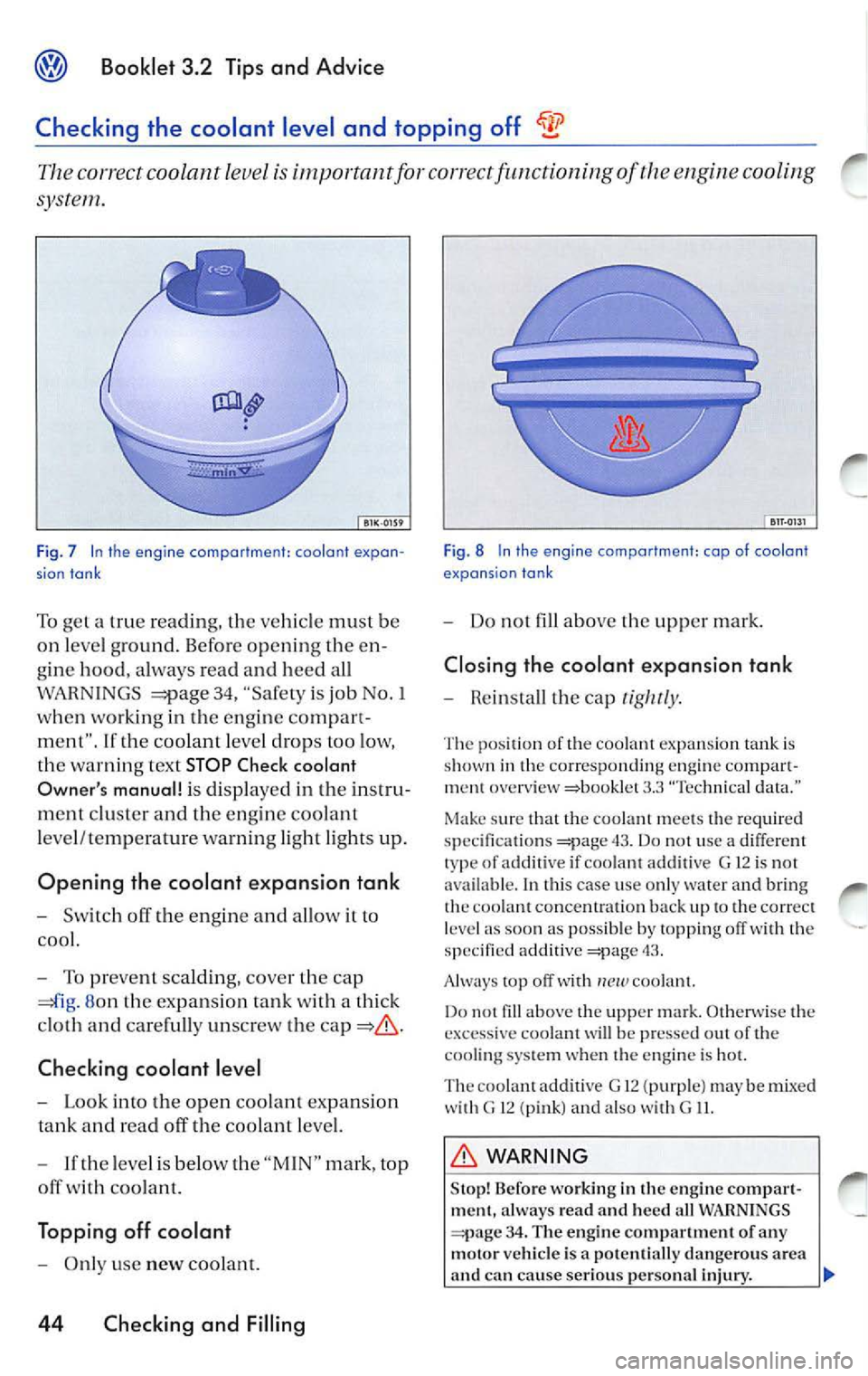
Fig. 7 In the engine compartment: coolant expan
s ion tank
To get a true reading, the vehicle must be
on level grou nd. Before opening the en
gine hood, always read and heed all
WARN INGS
34, is job No. l
when working in the eng ine compart
If th e coo lant level drops too low,
th e wa rning text
STOP Ch eck coolant
O w ner's manual!
is disp layed in the instru
ment cluster and t he engine coo lant
level/temperatu re wa rning lig h t lights up.
Opening the coolant e xpansion tank
- Switc h off the eng ine and allow it to
coo l.
- To prevent scald in g, cove r the cap
8011 the expansion tank with a thick
cloth and ca refu lly un screw the
Checking coolant level
- Look into the open coo lant expansion
tan k and read off the coo lant leve l.
- If th e leve l is belo w the
mark , top
off w ith coolant.
Topping off coolant
- Only use new coolant.
44 Checking and Filling
Fi g. 8 In the engine compar tment: cap of coola nt
expansion tank
-Do not fill above the upper mark.
Closing the coolant expansion tank
-Reinsta ll the cap
pos itio n of t he coo lant expa nsion tank i s
show n in the corre spo ndin g en gin e co mpart
overview 3.3 'Technical data."
Make sure that the coola nt meets the required
s p eci fications
43. Do not use a different
typ e of add itive if coolant addit ive G 12 i s not
avai lable. In this case use only water and bring
coola nt co ncentrati on back up to th e corr ect
l eve l as soo n as po ssible by to pping off with the
s p ec ified addi tive
43 .
A lways top off wi th
Do not fill above the upper mark. Otherwi se the
excess ive coo la nt be pressed out of the
coo ling sys tem w hen th e engine is hot.
T he
additive G 12 (purp le) may be mixed
w ith G 12 (pink) and a lso with G 1 1.
WARNING
Stop! Before working in the e ngine compart
ment, a lways read and heed all WARNINGS
34. The engine compar tment of an y
motor vehicle i s a poten tially dangerous area
and can cause serious personal injury.
Page 366 of 477
Note
• When mixed with ot heradditives t he colo r of
G 12 w ill chan ge to brown . If thi s ha ppens. im
mediat ely change the coo lant. Otherw ise it wi ll
res ult in engi ne damage!
• If a lot o f coo la n t ha s been lost. wa it for the
engine to
coo l before topping cold
coolant to h elp prevent damage to th e e ngine.
Large coolan t losses are a s ign of leaks in the
Book let 3.2 Tip s and Advic e ®
cooling syste m. Ha ve the cool ing syste m
che cke d imm ediatel y by an authori zed Volk
swage n dea le r or qua lifi ed worksho p to red uce
the risk of engine damage.
• Do not add an y type of radia to r leak sealant
to you r veh icle's e ngi ne coola nt.Adding ra di ator
repair fluid m ay adve rse ly aff ect th e f un ction
and performanc e of yo ur coo ling sys te m and
co uld result in damage not covere d by your New
Ve hicle Lim ited
The water for cleaning windsh ield should always be mixed windshield
washer
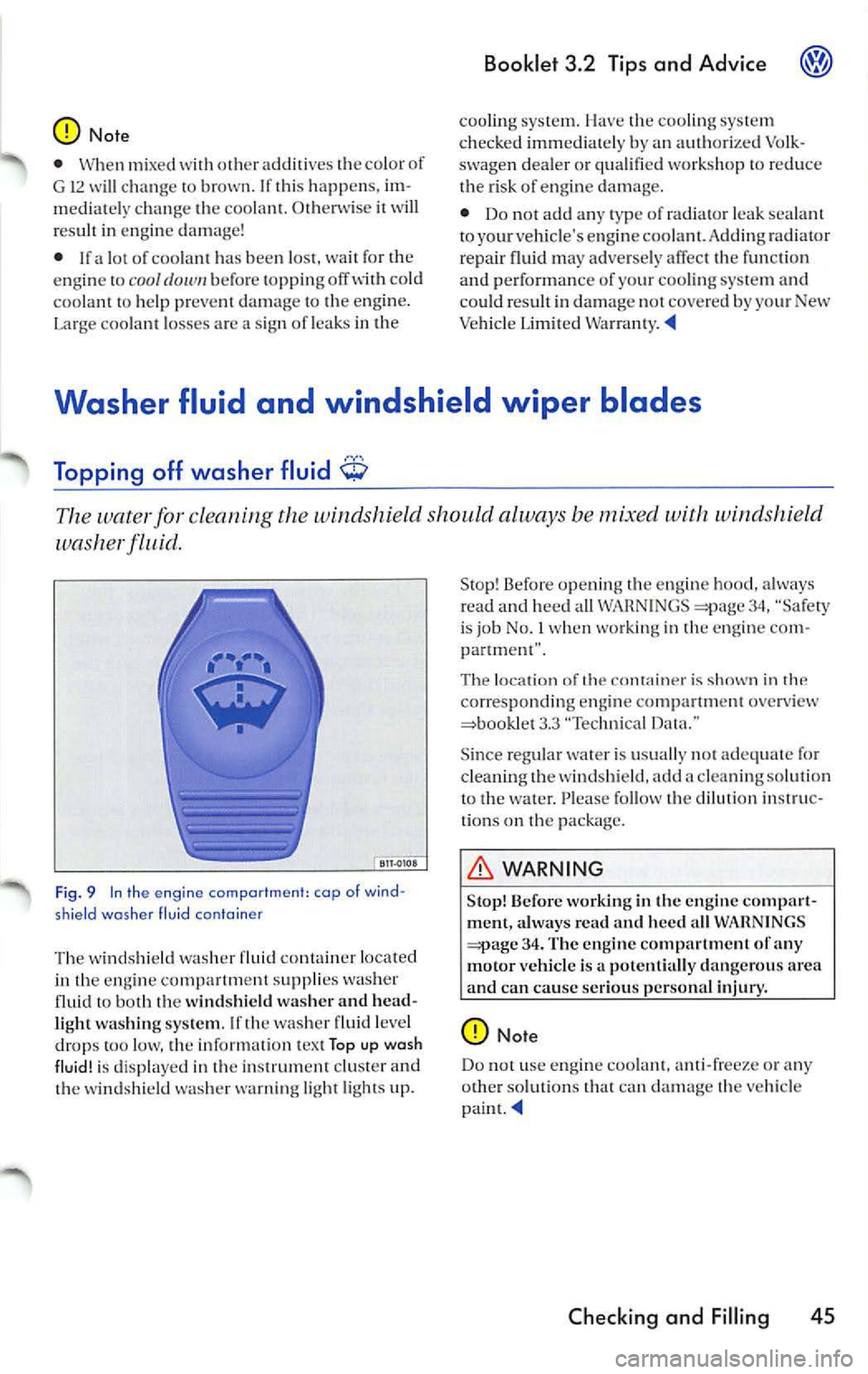
Fig . 9 In the engine comportment: cop of wind
shie ld wa sher flu id container
Th e wi ndsh iel d washer co ntain er loca ted
in t he eng ine c ompartme nt suppli es was her
fluid to b oth th e wind shield wash er an d hea d
li g ht washi ng sys te m . If the was her flu id l eve l
drop s to o low. the informat io n tex t Top up
was h fluid! i s di sp layed in the ins trument cluster a nd
t h e w indshield washer warn ing light ligh ts up . Stop!
o
p eni ng t he engine hood, always
r ea d and hee d all WA RN INGS 34, is job No. l w hen working in the engi ne com
partm ent ".
Th e location of the container is shown in
corresponding engine co mpartm elll overview
=>bookle t 3.3 ''Techn ical Data."
S inc e regular water is usually not adequate for
cleaning t he wi ndshi eld, a dd
clea ning so lution
to the water. Please follow the diluti on in stru c
t io ns on the package.
WARNING
Stop! Before working in the eng in e co mpa rt
m ent , a lways read a nd heed all WA RN INGS
34 . Th e engine co mpartm ent an y
motor ve hicl e is a potent ially dan gerous area
a nd ca n ca use se riou s personal inju ry.
D o not use engine coo lan t, anti-freeze a ny
o th er so lu tions that ca n damage t he ve hicl e
Ch ecki ng and Fillin g 45
Page 370 of 477
Booklet 3.2 Tips and Advice
Vehicl e batt ery
Location of battery
The battery is mai nte nance-free is c h ecked during the inspection serv ice.
Warning note s on handling batterie s
Battery acid is very co rrosive a nd
ca usti c. Always we ar protective
g loves and eye prot ection !
Fires, s park s, open ligh ts and
s moking arc pro hibit ed!
Always kee p childr en away acid and batt eries!
WARNING
Wo rki ng on the batt eri es or the electr ical
syste m in yo ur vehicl e can result in ser ious
acid burns,
th e
batt eri es . Whe n a light bulb is c han ged, always
sw itch o!Tt he light.
• Turn o!Tt he an ti- th ert alarm by unl ockin g
the vehicl e befor e yo u disco nnect th e bat
terie s to pre vent th e ala rm rrom goin g on.
• Always kee p childr en a way
acid an d
batterie s.
• Alw ays wear eye prot ectio n. Nev er let bat
t ery acid or lead particl es contact your eyes,
and clothin g.
•
batter y acid is ve ry co rrosive and
can cause damag e to unprote cted ski n and
blindn ess. A lways wear protectiv e gloves a nd
eye protec tion. To re du ce yo ur risk o r injur y,
n eve r tilt the batt eri es, as thi s co uld spill acid
throu gh th e ve nts and burn you.
WARN ING
• Wh en disconn ecting the batt eri es from the
ve hicl e elec tr ic al sys tem , a lways disco nnect
the negative cable(- ) fir st a nd th en th e po si
ti ve ca ble(+ ).
• Alwa ys avo id fires, spark s, op en li ght s a nd
s moking. Alw ays avoid generatin g sparks a nd
e lectro static charges whe n handlin g cables
a nd elect rica l equipment. Never short-cir cuit
the battery pole s. Hi gh -energy sparks can
c au se se rious per sonal injury.
• Always swi tc h off all electrica l con sumer s
before recon nectin g the batteries. Heconncct
th e plu s ca ble( +) first and then the negative
cab le(-). Neve rrever se the polarity or the con
ne ctions. This could cause fire.
• A hi ghl y exp losive mixtur e or gases is give n
off when th e batter y is bein g ch arged.
• Never cha rge a frozen batt ery, or one that
ha s th awe d. Thi s could res ult in explos io ns
and chemical burns! A lways re pla ce
batte ry
t h at h as frozen. A discharged battery can
rr eeze a t temperatures around 32° F (0 ° CJ.
• Alwa ys make sure that t he ven t hose is co n
n ec ted to the batt eries.
• Never use dama ged batter ie s- they can ex
p lode ! Im med iately repl ace dam aged bat
terie s.
•
yo u ge t b att ery acid in yo ur eyes or on
y our imm edi ate ly rin se with co ld water
fo r sev eral minut es and see k m edi ca l att en
tion imm ed ia te ly.
yo u in ges t a ny batt ery
aci d, seek medi cal aue ntion imm ediatel y.
WARNING
California Propositi on 65 Warnin g:
• Battery posts, te rm in al s and re la te d acces
so ries contain l ead and lead compon ent s,
c hemicals kno wn to the
of Ca lifornia lo
ca use cance r and reproducti ve harm . Wash
h ands
h and ling.
Ch ecking and Filling 49