mirror VOLKSWAGEN JETTA 2017 User Guide
[x] Cancel search | Manufacturer: VOLKSWAGEN, Model Year: 2017, Model line: JETTA, Model: VOLKSWAGEN JETTA 2017Pages: 412, PDF Size: 4.04 MB
Page 263 of 412
mirror A informs you about traffic to the left, and the indicator light in the passenger side outside mirror B informs you about traffic to the right of your vehicle.
Tinting on the side windows or aftermarket tinting films can interfere with the indicator lights in the outside mirrors or cause false readings.
Keep the glass in the outside mirrors clean and free of snow and ice, and do not cover the mirrors with stickers or other objects.
Radar sensors
The radar sensors are behind the rear bumper on the left and right ⇒ fig. 143. They are not visible from outside the vehicle. They monitor an area about 21 yards (20 meters) behind the vehicle as well as the blind spots on the left and right sides of the vehicle. The monitored area next to the vehicle is about one lane wide.
The width of the lane is not detected individually on each road, but is preprogrammed into the system. Because of this, the indicators may be incorrect when driving on narrow roads or driving in the center of two lanes. Likewise, vehicles that are two lanes away from you or stationary objects such as guard rails may also be detected and cause a false warning.
Driving situations
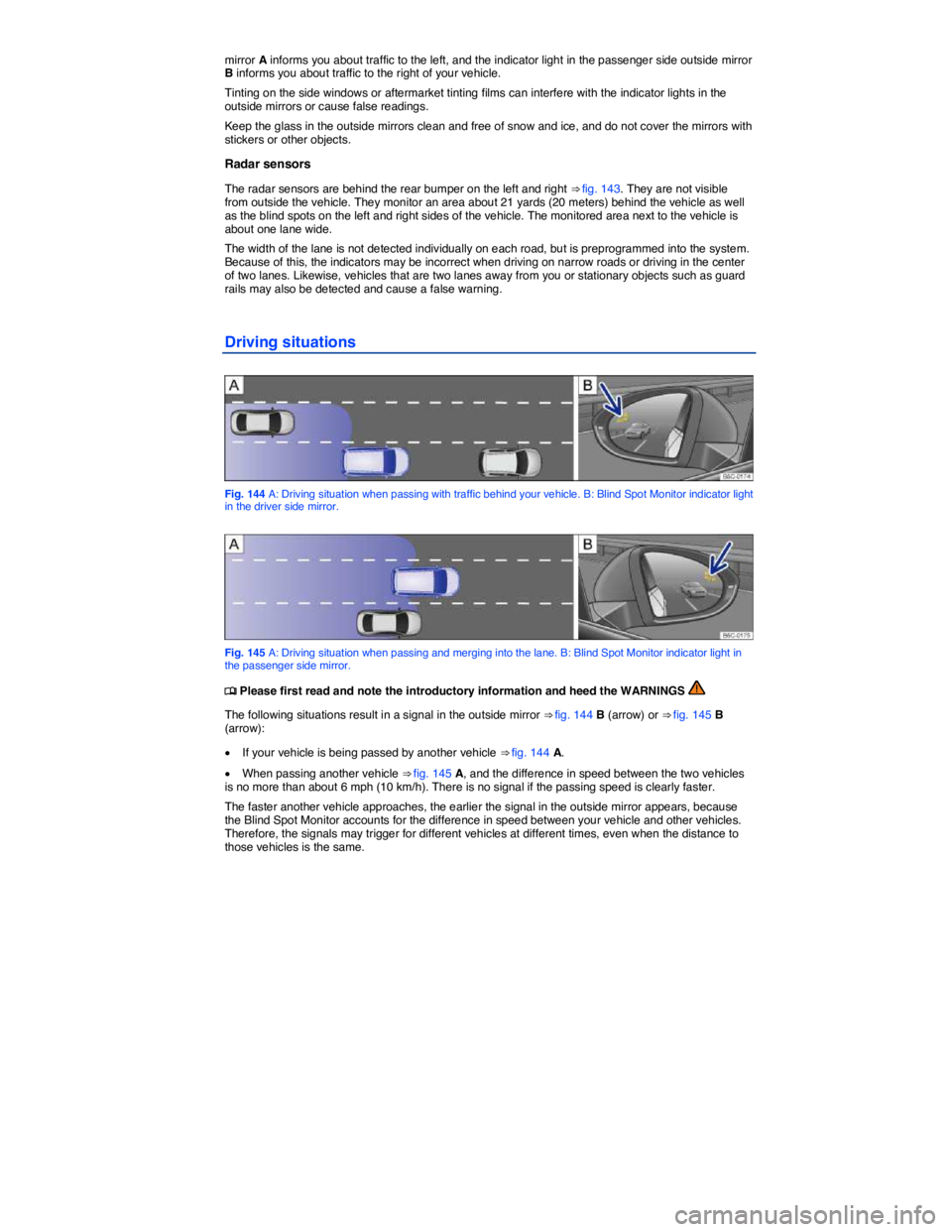
Fig. 144 A: Driving situation when passing with traffic behind your vehicle. B: Blind Spot Monitor indicator light in the driver side mirror.
Fig. 145 A: Driving situation when passing and merging into the lane. B: Blind Spot Monitor indicator light in the passenger side mirror.
Page 332 of 412
Clean the wheels and under the door sills last. Use a different sponge or wash mitt.
WARNING
After the vehicle has been washed, the wet brakes or, in winter, brake discs or pads coated with ice, react slower and need longer stopping distances.
x Always dry the brakes and clean off any ice coatings with a few careful applications of the brake. Make sure not to endanger other motorists or cyclists or disobey legal requirements.
CAUTION
Sharp edges under the vehicle can cut exposed skin.
x Always protect your hands and arms from cuts on sharp metal edges when cleaning the underbody, the inside of the wheel housings, etc.
NOTICE
x The water temperature must not be more than +140 °F (+60 °C).
x To help prevent damage to the paint, do not wash the vehicle in direct sunlight.
x Do not use insect sponges, abrasive kitchen sponges or similar things to clean the vehicle. These can damage the paint finish.
x Never clean headlights with a dry cloth or sponge. Always use a wet cloth or sponge. For best results use soapy water.
x When washing or rinsing the vehicle in cold weather, do not let water get into the lock cylinders or point the hose at gaps around the doors, hood, or luggage compartment lid. The water could freeze on the locks and seals and make it difficult to open the vehicle!
x When outside temperatures are low, wipe the rubber seals and their contact surfaces dry to help prevent freezing.
NOTICE
To help prevent vehicle damage in a car wash:
x Compare the vehicle track width with the dimensions of the guide rails in the car wash to help prevent damage to wheel rims and tires!
x Switch off the rain sensor before driving the vehicle through a car wash ⇒ Rain sensor.
x Make sure there is enough clearance for the height and width of the vehicle.
x To help prevent paint damage to the engine hood, place wiper blades against the windshield after they have dried. Do not let them snap back into place.
x Fold the outside mirrors toward the vehicle body.
x Lock the luggage compartment lid to help prevent unintentional opening in the car wash.
Washing with a power washer
Page 333 of 412
Make sure there is enough distance to soft materials such as rubber hoses or insulating material.
Never use concentrated jet nozzles or so-called dirt blasters ⇒ .
Never use a power washer to clean the engine compartment ⇒ Cleaning the engine compartment.
WARNING
Improper use of power washers can cause serious invisible permanent damage leading to tire failure and loss of vehicle control. This can cause accidents and severe personal injury.
x Keep sufficient distance between water jet and tires. Never wash tires with a nozzle that sprays the water out in a direct stream regardless of the distance to the tire and even for a very short time.
x Never use “dirt blasters” to clean tires. Even spraying from a relatively long distance for a very short time can do visible or invisible damage to tires.
WARNING
After the vehicle has been washed, the wet brakes or, in winter, brake discs or pads coated with ice, react slower and need longer stopping distances.
x Always dry the brakes and clean off any ice coatings with a few careful applications of the brake. Make sure not to endanger other motorists or cyclists or disobey legal requirements.
NOTICE
x Water temperature should not be more than +140 °F (+60 °C).
x To help prevent damage to the paint, do not wash the vehicle in direct sunlight.
x Do not clean icy or snow-covered windows with a power washer.
x When washing or rinsing the vehicle in cold weather, do not let water get into the lock cylinders or point the hose at gaps around the doors, hood, or luggage compartment lid. The water could freeze on the locks and seals and make it difficult to open the vehicle!
Cleaning windows and outside mirrors
Page 334 of 412
Windshield wiper squeak and grab can be reduced by filling the windshield washer fluid tank with a wiper fluid containing wax-removing agents. Make sure to maintain the proper mixing ratio when
refilling the washer fluid tank. Grease-removing cleaning agents cannot remove wax residue ⇒ .
Windshield cleaners, special cleaners, and cleaning cloths are available from your authorized Volkswagen dealer and authorized Volkswagen Service Facility.
Removing snow
Remove snow from all windows and outside mirrors with an appropriate brush.
Removing ice
The best way to remove ice is with a deicer spray. When using an ice scraper always scrape in one direction, never back and forth. Dirt can scratch the glass when moving the scraper backward.
WARNING
Dirty or fogged up windows reduce visibility and increase the risk of accidents and severe injuries.
x Don't drive until you have clear visibility through all windows.
x Remove ice, snow and condensation from all inside and outside window surfaces.
NOTICE
x Never mix recommended cleaning agents with other cleaning agents in the windshield washer reservoir. If you do, this could cause sediments or other by-products that can clog the windshield washer nozzles.
x Never use warm or hot water to remove snow and ice from windows and mirrors. This could cause the glass to crack!
x The heating elements for the rear defroster are on the inside of the rear window. Do not put stickers over the heating elements on the inside of the rear window and never clean the inside of the windows with corrosive or acidic cleaning agents or other chemicals that could damage the heating elements.
x Antennas installed on the insides of windows can be damaged by abrasive objects or by corrosive or acidic cleaning agents or other chemicals. Do not place any stickers on the wind-shield-integrated antenna and never clean the antenna with corrosive or acidic cleaning agents or other chemicals.
Cleaning and changing the windshield wiper blades
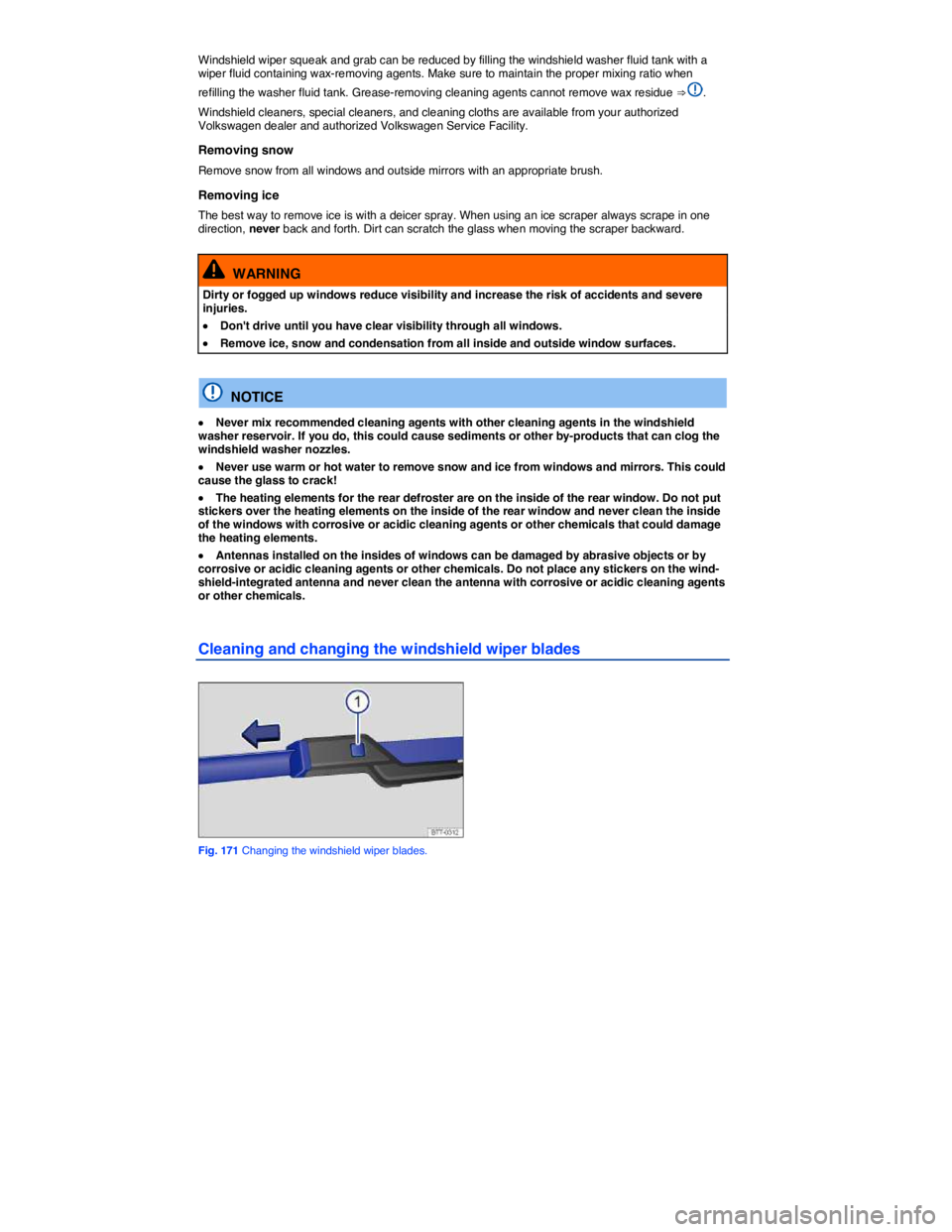
Fig. 171 Changing the windshield wiper blades.