brake VOLKSWAGEN TIGUAN 2017 Owner´s Manual
[x] Cancel search | Manufacturer: VOLKSWAGEN, Model Year: 2017, Model line: TIGUAN, Model: VOLKSWAGEN TIGUAN 2017Pages: 341, PDF Size: 9.14 MB
Page 269 of 341
•The steering function or the operating clearance of the wheels cannot be ensured after an
accident.
If your own vehicle has to be towed:
•Switch on the ignition.
•Select the neutral position or move the selector lever to N⇒ DSG dual clutch gearbox.
•Do not allow the vehicle to be towed at speeds faster than 50 km/h (30 mph).
•Do not allow the vehicle to be towed further than 50 km.
•Vehicles with a DSG dual clutch gearbox may only be towed by the breakdown truck with the
front wheels raised.
Towing vehicles with four-wheel drive (4MOTION)
Vehicles with four-wheel drive (4MOTION) may be towed with a tow bar or tow rope. If the vehicle
is towed with the rear or front axle raised, the engine must be switched off otherwise the drive train
could be damaged.
Please comply with the following when towing another vehicle:
•Comply with legal regulations.
•Comply with the information on towing contained in the owner's manual for the other vehicle.
The vehicle can only be towed when the electronic parking brake is switched off and, if
applicable, when the electronic steering column lock is released. If the power supply fails or if there
are faults in the electrical system, you may need to use jump leads to start the engine to release the
electronic parking brake and the electronic steering column lock.
Fitting the rear towing eye
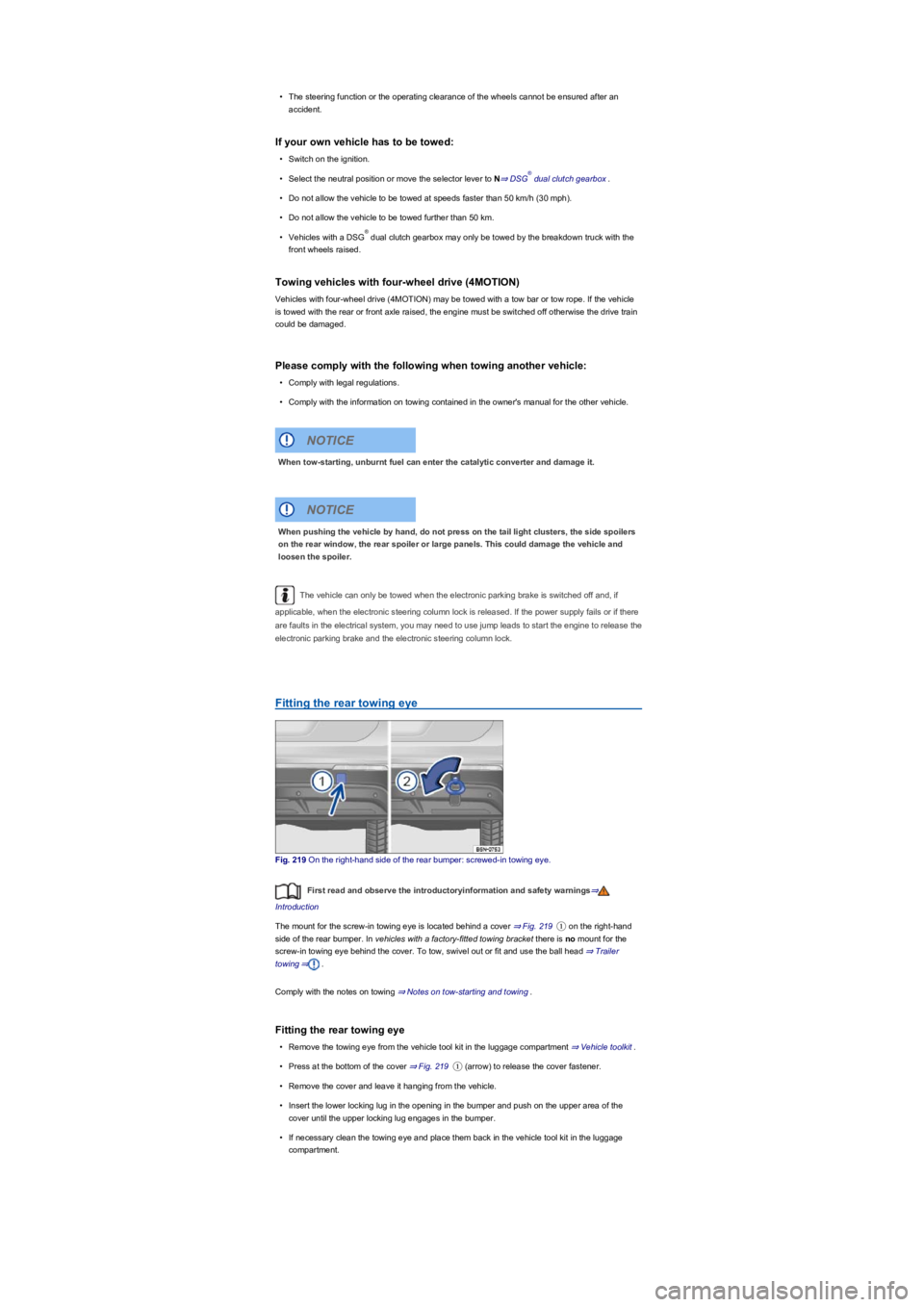
Fig. 219 On the right-hand side of the rear bumper: screwed-in towing eye.
First read and observe the introductoryinformation and safety warnings⇒
Introduction
The mount for the screw-in towing eye is located behind a cover ⇒ Fig. 219① on the right-hand
side of the rear bumper. In vehicles with a factory-fitted towing bracket there is no mount for the
screw-in towing eye behind the cover. To tow, swivel out or fit and use the ball head ⇒ Trailer
towing⇒.
Comply with the notes on towing ⇒ Notes on tow-starting and towing.
Fitting the rear towing eye
•Remove the towing eye from the vehicle tool kit in the luggage compartment ⇒ Vehicle toolkit.
•Press at the bottom of the cover ⇒ Fig. 219① (arrow) to release the cover fastener.
•Remove the cover and leave it hanging from the vehicle.
•Insert the lower locking lug in the opening in the bumper and push on the upper area of the
cover until the upper locking lug engages in the bumper.
•If necessary clean the towing eye and place them back in the vehicle tool kit in the luggage
compartment.
®
®
When tow-starting, unburnt fuel can enter the catalytic converter and damage it.
NOTICE
When pushing the vehicle by hand, do not press on the tail light clusters, the side spoilers
on the rear window, the rear spoiler or large panels. This could damage the vehicle and
loosen the spoiler.
NOTICE
Page 271 of 341
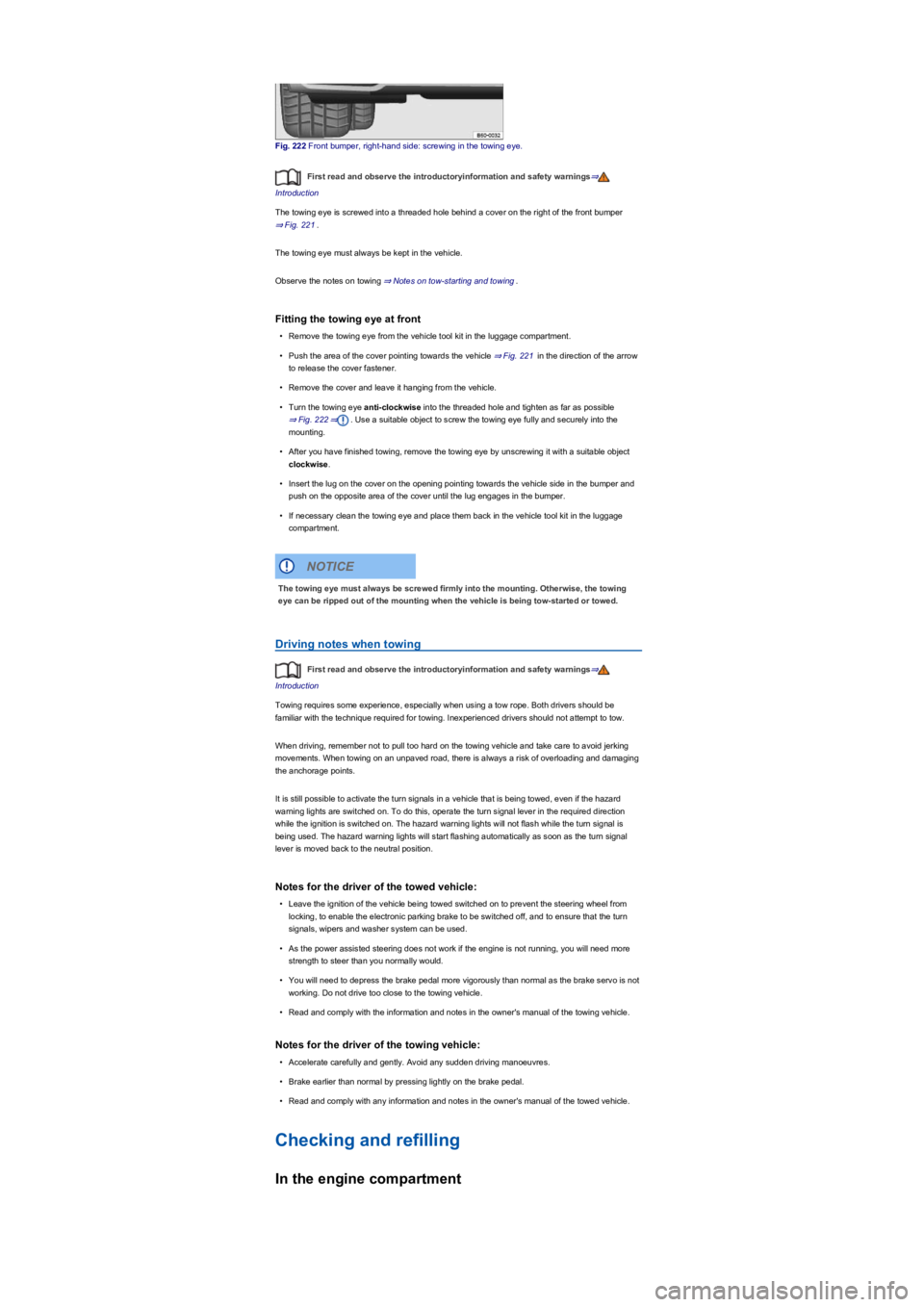
Fig. 222 Front bumper, right-hand side: screwing in the towing eye.
First read and observe the introductoryinformation and safety warnings⇒
Introduction
The towing eye is screwed into a threaded hole behind a cover on the right of the front bumper
⇒ Fig. 221.
The towing eye must always be kept in the vehicle.
Observe the notes on towing ⇒ Notes on tow-starting and towing.
Fitting the towing eye at front
•Remove the towing eye from the vehicle tool kit in the luggage compartment.
•Push the area of the cover pointing towards the vehicle ⇒ Fig. 221 in the direction of the arrow
to release the cover fastener.
•Remove the cover and leave it hanging from the vehicle.
•Turn the towing eye anti-clockwise into the threaded hole and tighten as far as possible
⇒ Fig. 222⇒. Use a suitable object to screw the towing eye fully and securely into the
mounting.
•After you have finished towing, remove the towing eye by unscrewing it with a suitable object
clockwise.
•Insert the lug on the cover on the opening pointing towards the vehicle side in the bumper and
push on the opposite area of the cover until the lug engages in the bumper.
•If necessary clean the towing eye and place them back in the vehicle tool kit in the luggage
compartment.
Driving notes when towing
First read and observe the introductoryinformation and safety warnings⇒
Introduction
Towing requires some experience, especially when using a tow rope. Both drivers should be
familiar with the technique required for towing. Inexperienced drivers should not attempt to tow.
When driving, remember not to pull too hard on the towing vehicle and take care to avoid jerking
movements. When towing on an unpaved road, there is always a risk of overloading and damaging
the anchorage points.
It is still possible to activate the turn signals in a vehicle that is being towed, even if the hazard
warning lights are switched on. To do this, operate the turn signal lever in the required direction
while the ignition is switched on. The hazard warning lights will not flash while the turn signal is
being used. The hazard warning lights will start flashing automatically as soon as the turn signal
lever is moved back to the neutral position.
Notes for the driver of the towed vehicle:
•Leave the ignition of the vehicle being towed switched on to prevent the steering wheel from
locking, to enable the electronic parking brake to be switched off, and to ensure that the turn
signals, wipers and washer system can be used.
•As the power assisted steering does not work if the engine is not running, you will need more
strength to steer than you normally would.
•You will need to depress the brake pedal more vigorously than normal as the brake servo is not
working. Do not drive too close to the towing vehicle.
•Read and comply with the information and notes in the owner's manual of the towing vehicle.
Notes for the driver of the towing vehicle:
•Accelerate carefully and gently. Avoid any sudden driving manoeuvres.
•Brake earlier than normal by pressing lightly on the brake pedal.
•Read and comply with any information and notes in the owner's manual of the towed vehicle.
Checking and refilling
In the engine compartment
The towing eye must always be screwed firmly into the mounting. Otherwise, the towing
eye can be ripped out of the mounting when the vehicle is being tow-started or towed.
NOTICE
Page 272 of 341
Safety notes for working in the engine compartment
Always park the vehicle on a level and stable surface before carrying out any work in the engine
compartment.
The engine compartment of a motor vehicle is a hazardous area. You should only carry out work on
the engine, and in the engine compartment, if you know exactly how to perform the required tasks,
are aware of the general safety procedures and have access to the correct equipment, service
fluids and suitable tools. Failing to carry out work correctly can cause serious injuries ⇒. The
work should be carried out by a qualified workshop if you are uncertain. Volkswagen recommends
using a Volkswagen dealership for this purpose.
Unintentional vehicle movements during service work can cause serious injury.
•Never work underneath a vehicle if it is not secured against rolling away. If you are
working underneath the vehicle while the wheels are on the ground, the vehicle must
be on a level, the wheels chocked, and the vehicle key removed from the ignition lock
as required.
•If you have to work underneath the vehicle, use suitable stands to provide extra
support for the vehicle. The vehicle jack is not sufficient for this task and can fail,
which can lead to serious injuries.
•The start/stop system must have been deactivated.
WARNING
The engine compartment of any motor vehicle is a dangerous area. Serious injuries can be
sustained here.
•The utmost care and attention must be paid when carrying out any work and you must
follow the general safety rules. Never take any risks.
•Never do any work on the engine or in the engine compartment unless you know
exactly how to carry it out. If you are uncertain of what to do, the work should be
carried out by a qualified workshop. Serious injuries can result from work that has not
been carried out properly.
•Never open the bonnet if you see steam or coolant escaping from the engine
compartment. Hot steam or hot coolant can cause serious burns. Always wait until you
can no longer see or hear steam or coolant coming from the engine compartment.
•Always allow the engine to cool down before opening the bonnet.
•Hot parts of the engine or exhaust system can burn the skin.
•Observe the following points before opening the bonnet once the engine has cooled
down:
- Switch on the electronic parking brake and move the selector lever to position P
or move the gear lever to the neutral position.
- Switch off the ignition and remove the vehicle key from the ignition lock.
- Always keep children away from the engine compartment and never leave the
vehicle unattended.
•The cooling system is under pressure when the engine is hot. Never open the cap of
the coolant expansion tank when the engine is hot. Coolant may spray out and cause
serious burns and other injuries.
- Slowly and carefully turn the cap on the coolant expansion tank anticlockwise
while exerting gentle downward pressure on the cap.
- Always protect the face, hands and arms from hot coolant or steam with a large,
thick cloth.
•When refilling, do not spill any service fluids on engine components or on the exhaust
system. The spilt service fluids can start a fire.
WARNING
High voltages in the electrical system can cause electric shocks, burns, serious injuries
and death!
•Never short circuit the electric system. The 12-volt battery could explode.
•Please note the following guidelines to help reduce the risk of an electric shock and
serious injuries while the engine is running or being started:
- Never touch the electrical wiring of the ignition system.
- Never touch the electrical wiring and connections of gas discharge bulbs.
WARNING
Page 273 of 341
Park the vehicle on a level and stable surface.
Depress and hold the brake pedal until you have switched off the ignition.
Switch on the electronic parking brake Electronic parking brake.
Select the neutral position Manual gearbox: selecting a gear or move the selector lever to
position P DSG® dual clutch gearbox.
Switch off the ignition and remove the vehicle key from the ignition lock Starting and
stopping the engine.
Service fluids leaks are harmful to the environment. So you should regularly check the
ground underneath your vehicle. If there are spots of oil or other service fluids on the ground, the
vehicle should be inspected by a qualified workshop. Any spilt service fluids must be disposed of
properly.
Preparing the vehicle for working in the engine compartment
Checklist
The following steps should always be carried out in the specified order before working in
the engine compartment ⇒:
There are rotating components in the engine compartment that can cause serious injury.
•Never place your hand near these components or in the radiator fan. Touching the
rotary blades can result in serious injuries. The fan is temperature-controlled and can
start automatically, even if the ignition has been switched off and the vehicle key has
been removed from the ignition lock.
•If any work has to be performed when the engine is started or with the engine running,
there is an additional, potentially fatal, safety risk from the rotating parts, such as the
poly V-belts, alternator, radiator fan etc., and from the high-voltage ignition system.
Always be particularly careful.
- Always ensure that no body parts, jewellery, ties, loose items of clothing or long
hair can be caught up in rotating engine components. Before starting work,
remove any jewellery and ties, tie up long hair and pull clothes in tightly to avoid
them getting caught in the engine compartment.
- Always take due care and attention when depressing the accelerator. The vehicle
could move, even if the electronic parking brake is applied.
•Always ensure you have not left any objects, such as cleaning cloths and tools, in the
engine compartment. Any forgotten items can cause malfunctions, engine damage and
fires.
WARNING
Additional insulating materials such as covers in the engine compartment could disrupt
the operation of the engine, start fires and lead to severe injuries.
•Never cover the engine with any insulating materials.
WARNING
Service fluids and some materials in the engine compartment are highly flammable and
can cause fires and serious injuries!
•Never smoke in the vicinity of the engine compartment.
•Never work near naked flames or sparks.
•Never spill fluids onto the engine. They could ignite on hot engine components and
hence cause injuries.
•Please note the following when carrying out any work on the fuel system or the
electrical system:
- Always disconnect the 12-volt vehicle battery. Ensure that the vehicle is
unlocked when the 12-volt vehicle battery is disconnected as otherwise the anti-
theft alarm will be activated.
- Never work in the direct proximity of heating systems, water heaters or any other
open flames.
•Always have a fully functional and tested fire extinguisher to hand.
WARNING
When topping up or changing service fluids, ensure that you pour the correct service
fluids into the correct openings. The use of incorrect service fluids could result in serious
malfunctions and engine damage.
NOTICE
Page 283 of 341
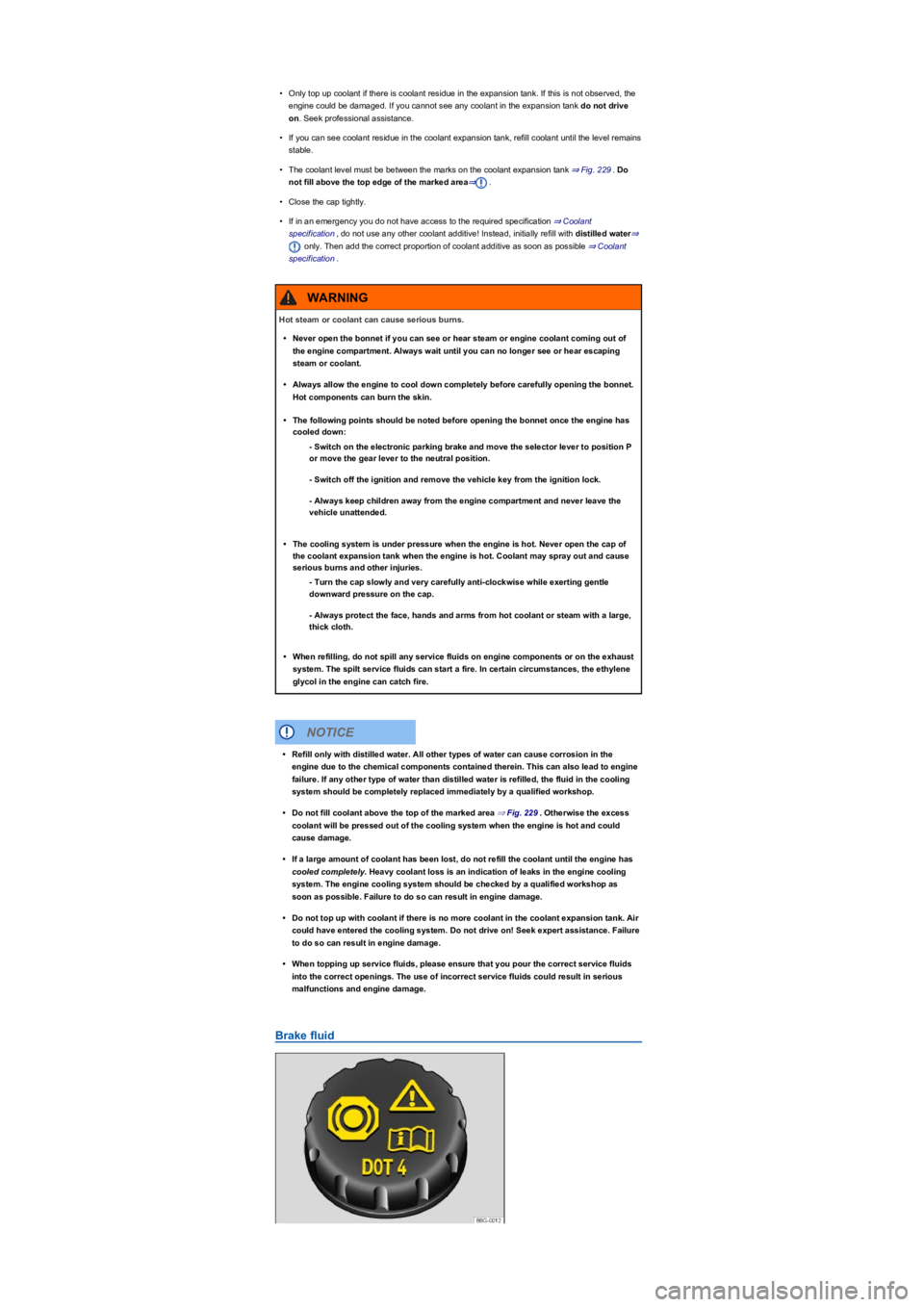
•Only top up coolant if there is coolant residue in the expansion tank. If this is not observed, the
engine could be damaged. If you cannot see any coolant in the expansion tank do not drive
on. Seek professional assistance.
•If you can see coolant residue in the coolant expansion tank, refill coolant until the level remains
stable.
•The coolant level must be between the marks on the coolant expansion tank ⇒ Fig. 229. Do
not fill above the top edge of the marked area⇒.
•Close the cap tightly.
•If in an emergency you do not have access to the required specification ⇒ Coolant
specification, do not use any other coolant additive! Instead, initially refill with distilled water⇒
only. Then add the correct proportion of coolant additive as soon as possible ⇒ Coolant
specification.
Brake fluid
Hot steam or coolant can cause serious burns.
•Never open the bonnet if you can see or hear steam or engine coolant coming out of
the engine compartment. Always wait until you can no longer see or hear escaping
steam or coolant.
•Always allow the engine to cool down completely before carefully opening the bonnet.
Hot components can burn the skin.
•The following points should be noted before opening the bonnet once the engine has
cooled down:
- Switch on the electronic parking brake and move the selector lever to position P
or move the gear lever to the neutral position.
- Switch off the ignition and remove the vehicle key from the ignition lock.
- Always keep children away from the engine compartment and never leave the
vehicle unattended.
•The cooling system is under pressure when the engine is hot. Never open the cap of
the coolant expansion tank when the engine is hot. Coolant may spray out and cause
serious burns and other injuries.
- Turn the cap slowly and very carefully anti-clockwise while exerting gentle
downward pressure on the cap.
- Always protect the face, hands and arms from hot coolant or steam with a large,
thick cloth.
•When refilling, do not spill any service fluids on engine components or on the exhaust
system. The spilt service fluids can start a fire. In certain circumstances, the ethylene
glycol in the engine can catch fire.
WARNING
•Refill only with distilled water. All other types of water can cause corrosion in the
engine due to the chemical components contained therein. This can also lead to engine
failure. If any other type of water than distilled water is refilled, the fluid in the cooling
system should be completely replaced immediately by a qualified workshop.
•Do not fill coolant above the top of the marked area ⇒ Fig. 229. Otherwise the excess
coolant will be pressed out of the cooling system when the engine is hot and could
cause damage.
•If a large amount of coolant has been lost, do not refill the coolant until the engine has
cooled completely. Heavy coolant loss is an indication of leaks in the engine cooling
system. The engine cooling system should be checked by a qualified workshop as
soon as possible. Failure to do so can result in engine damage.
•Do not top up with coolant if there is no more coolant in the coolant expansion tank. Air
could have entered the cooling system. Do not drive on! Seek expert assistance. Failure
to do so can result in engine damage.
•When topping up service fluids, please ensure that you pour the correct service fluids
into the correct openings. The use of incorrect service fluids could result in serious
malfunctions and engine damage.
NOTICE
Page 284 of 341
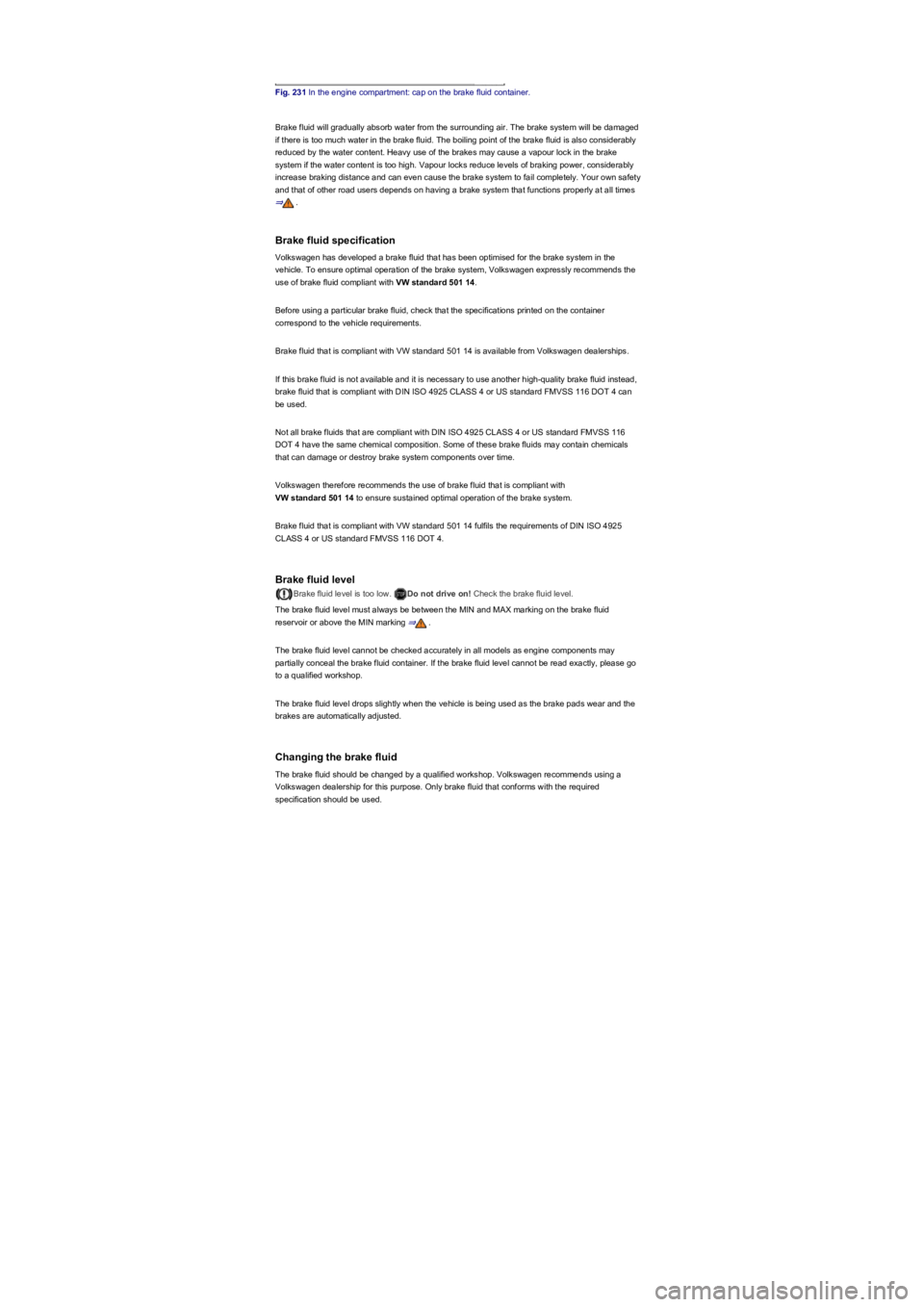
Fig. 231 In the engine compartment: cap on the brake fluid container.
Brake fluid will gradually absorb water from the surrounding air. The brake system will be damaged
if there is too much water in the brake fluid. The boiling point of the brake fluid is also considerably
reduced by the water content. Heavy use of the brakes may cause a vapour lock in the brake
system if the water content is too high. Vapour locks reduce levels of braking power, considerably
increase braking distance and can even cause the brake system to fail completely. Your own safety
and that of other road users depends on having a brake system that functions properly at all times
⇒.
Brake fluid specification
Volkswagen has developed a brake fluid that has been optimised for the brake system in the
vehicle. To ensure optimal operation of the brake system, Volkswagen expressly recommends the
use of brake fluid compliant with VW standard 501 14.
Before using a particular brake fluid, check that the specifications printed on the container
correspond to the vehicle requirements.
Brake fluid that is compliant with VW standard 501 14 is available from Volkswagen dealerships.
If this brake fluid is not available and it is necessary to use another high-quality brake fluid instead,
brake fluid that is compliant with DIN ISO 4925 CLASS 4 or US standard FMVSS 116 DOT 4 can
be used.
Not all brake fluids that are compliant with DIN ISO 4925 CLASS 4 or US standard FMVSS 116
DOT 4 have the same chemical composition. Some of these brake fluids may contain chemicals
that can damage or destroy brake system components over time.
Volkswagen therefore recommends the use of brake fluid that is compliant with
VW standard 501 14 to ensure sustained optimal operation of the brake system.
Brake fluid that is compliant with VW standard 501 14 fulfils the requirements of DIN ISO 4925
CLASS 4 or US standard FMVSS 116 DOT 4.
Brake fluid level
Brake fluid level is too low. Do not drive on! Check the brake fluid level.
The brake fluid level must always be between the MIN and MAX marking on the brake fluid
reservoir or above the MIN marking ⇒.
The brake fluid level cannot be checked accurately in all models as engine components may
partially conceal the brake fluid container. If the brake fluid level cannot be read exactly, please go
to a qualified workshop.
The brake fluid level drops slightly when the vehicle is being used as the brake pads wear and the
brakes are automatically adjusted.
Changing the brake fluid
The brake fluid should be changed by a qualified workshop. Volkswagen recommends using a
Volkswagen dealership for this purpose. Only brake fluid that conforms with the required
specification should be used.
Page 285 of 341
Brake fluid can pollute the environment. Any spilt service fluids must be cleaned up and
disposed of properly.
12-volt vehicle battery
Introduction
This chapter contains information on the followingsubjects:
⇒ Checking the electrolyte level of the 12-volt vehicle battery
⇒ Charging, replacing, disconnecting and connecting the 12-volt vehicle battery
⇒ Troubleshooting
The 12-volt vehicle battery is a component of the electrical system and serves to supply power in
the vehicle.
You should only carry out work on the electrical system if you know exactly how to perform the
required tasks, are aware of the general safety procedures and have access to the correct
equipment, service fluids and suitable tools. Failing to carry out work correctly can cause serious
injuries ⇒. All work should be carried out by a qualified workshop. Volkswagen recommends
using a Volkswagen dealership for this purpose.
Location of the 12-volt vehicle battery
Depending on the vehicle equipment level, the 12-volt vehicle battery may be located in the engine
compartment or in the luggage compartment under the luggage compartment floor.
Explanation of the warnings on the 12-volt vehicle battery
m/k/n948MKAlways wear eye protection!m/k/n947MKElectrolyte is very corrosive
and caustic. Always wear protective gloves and eye protection!m/k/n944MKNo fires,
sparks, naked lights or smoking!m/k/n946MKA highly explosive mixture of gases is given
off when the 12-volt vehicle battery is charging!m/k/n945MKAlways keep children away
from battery acid and the 12-volt vehicle battery!m/k/n949MKAlways observe the owner's
manual!
Brake failure or reduced braking effect can be caused by the brake fluid level being too
low or by brake fluid that is too old or unsuitable.
•The brake system and brake fluid level must be checked regularly.
•The brake fluid should be changed regularly.
•Heavy use of the brakes may cause a vapour lock if the brake fluid is left in the system
for too long. Vapour locks reduce levels of braking power, considerably increase
braking distance and can cause the brake system to fail completely.
•Please ensure that the correct brake fluid is used. Only use brake fluid that is explicitly
compliant with VW standard 501 14.
•Any other brake fluid or a low-quality one can affect the functioning of the brakes and
reduce their effectiveness.
•If a brake fluid compliant with VW standard 501 14 is not available, use a high-quality
brake fluid compliant with DIN ISO 4925 CLASS 4 or the US standard FMVSS 116 DOT
4, but only in exceptional circumstances.
•The refilled brake fluid must be new.
WARNING
Brake fluid is toxic.
•In order to reduce the risk of poisoning, never use bottles or other containers to store
brake fluid. There is always a risk of someone drinking from such containers, even if
they are labelled appropriately.
•Brake fluid must always be stored in its original sealed container and kept out of the
reach of children.
WARNING
Brake fluid that has leaked or been spilt can damage the vehicle paintwork, plastic parts
and tyres. Wipe off brake fluid that has leaked or been spilled immediately from all parts of
the vehicle.
NOTICE
Page 291 of 341
•Open the Vehicle settings menu in the Infotainment system.
•Touch the Tyres function button.
•Touch the SET function button.
•When all four tyre pressures correspond to the required values, touch the Confirm function
button.
After an extended driving time with driving at different speeds, the system will automatically learn
the new values and monitor them.
•If the tyre pressures have been changed.
•If one or more wheels have been changed.
•If the wheels have been swapped round, e.g. from front to rear ⇒ Rotating wheels front to rear.
The Tyre Pressure Loss Indicator stops working if there is a fault in the ESC or ABS ⇒ Brake
support systems.
After a warning about the tyre pressure being too low, switch the ignition off and then back
on again. The Tyre Pressure Loss Indicator can only then be re-synchronised.
Tyre Pressure Monitoring System
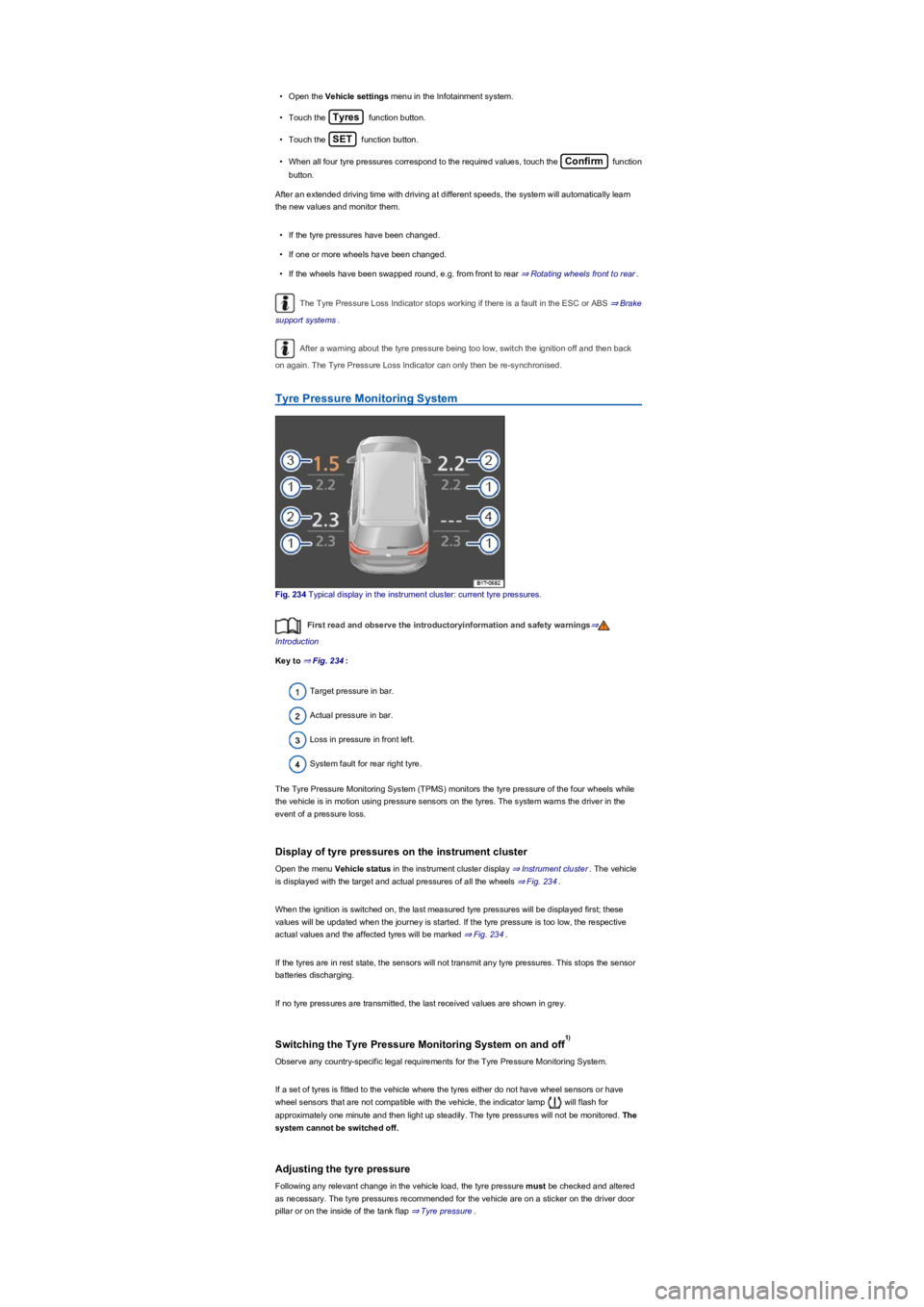
Fig. 234 Typical display in the instrument cluster: current tyre pressures.
First read and observe the introductoryinformation and safety warnings⇒
Introduction
Key to ⇒ Fig. 234:
Target pressure in bar.
Actual pressure in bar.
Loss in pressure in front left.
System fault for rear right tyre.
The Tyre Pressure Monitoring System (TPMS) monitors the tyre pressure of the four wheels while
the vehicle is in motion using pressure sensors on the tyres. The system warns the driver in the
event of a pressure loss.
Display of tyre pressures on the instrument cluster
Open the menu Vehicle status in the instrument cluster display ⇒ Instrument cluster. The vehicle
is displayed with the target and actual pressures of all the wheels ⇒ Fig. 234.
When the ignition is switched on, the last measured tyre pressures will be displayed first; these
values will be updated when the journey is started. If the tyre pressure is too low, the respective
actual values and the affected tyres will be marked ⇒ Fig. 234.
If the tyres are in rest state, the sensors will not transmit any tyre pressures. This stops the sensor
batteries discharging.
If no tyre pressures are transmitted, the last received values are shown in grey.
Switching the Tyre Pressure Monitoring System on and off
Observe any country-specific legal requirements for the Tyre Pressure Monitoring System.
If a set of tyres is fitted to the vehicle where the tyres either do not have wheel sensors or have
wheel sensors that are not compatible with the vehicle, the indicator lamp will flash for
approximately one minute and then light up steadily. The tyre pressures will not be monitored. The
system cannot be switched off.
Adjusting the tyre pressure
Following any relevant change in the vehicle load, the tyre pressure must be checked and altered
as necessary. The tyre pressures recommended for the vehicle are on a sticker on the driver door
pillar or on the inside of the tank flap ⇒ Tyre pressure.
1)
Page 295 of 341
Handling wheels and tyres
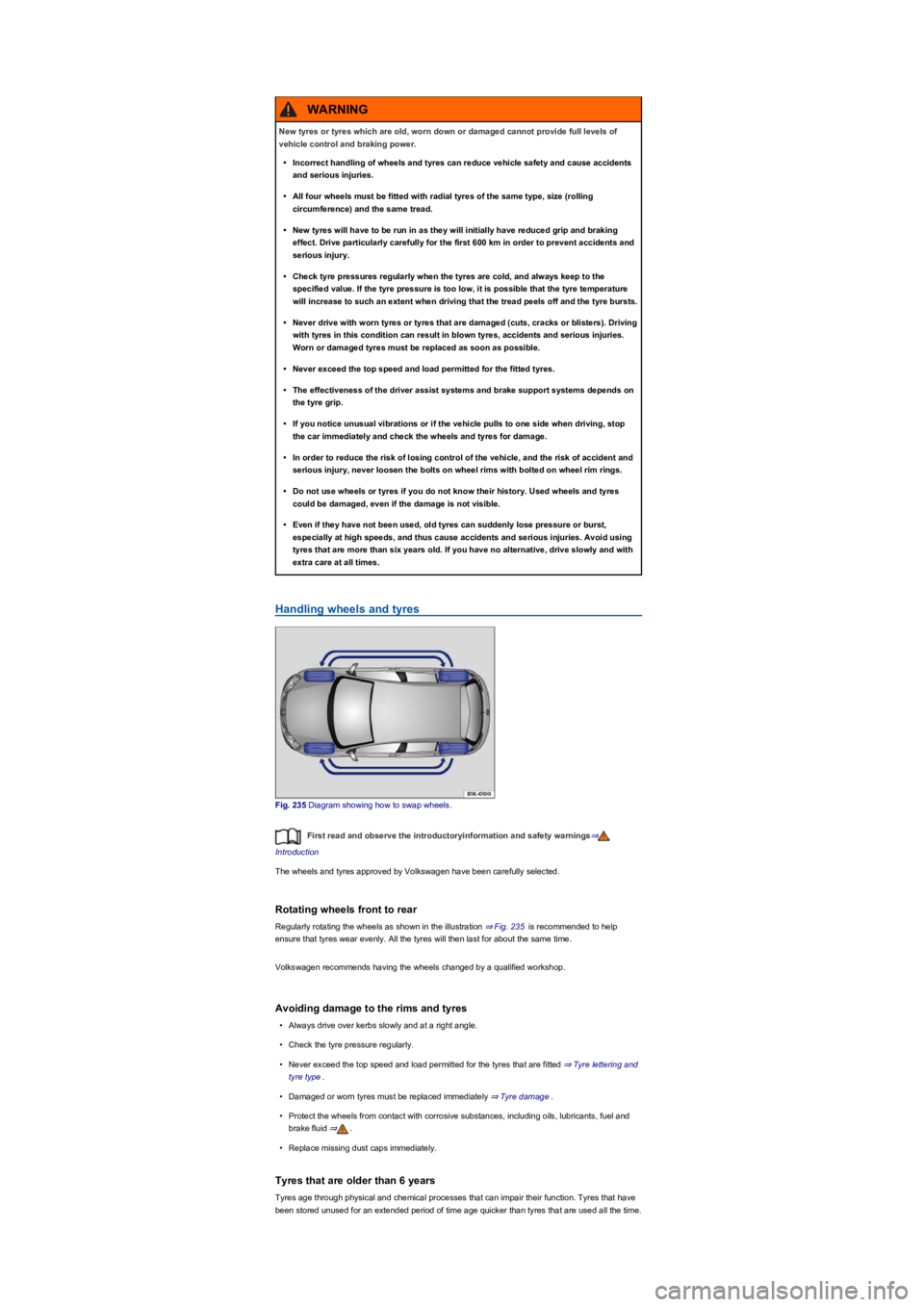
Fig. 235 Diagram showing how to swap wheels.
First read and observe the introductoryinformation and safety warnings⇒
Introduction
The wheels and tyres approved by Volkswagen have been carefully selected.
Rotating wheels front to rear
Regularly rotating the wheels as shown in the illustration ⇒ Fig. 235 is recommended to help
ensure that tyres wear evenly. All the tyres will then last for about the same time.
Volkswagen recommends having the wheels changed by a qualified workshop.
Avoiding damage to the rims and tyres
•Always drive over kerbs slowly and at a right angle.
•Check the tyre pressure regularly.
•Never exceed the top speed and load permitted for the tyres that are fitted ⇒ Tyre lettering and
tyre type.
•Damaged or worn tyres must be replaced immediately ⇒ Tyre damage.
•Protect the wheels from contact with corrosive substances, including oils, lubricants, fuel and
brake fluid ⇒.
•Replace missing dust caps immediately.
Tyres that are older than 6 years
Tyres age through physical and chemical processes that can impair their function. Tyres that have
been stored unused for an extended period of time age quicker than tyres that are used all the time.
New tyres or tyres which are old, worn down or damaged cannot provide full levels of
vehicle control and braking power.
•Incorrect handling of wheels and tyres can reduce vehicle safety and cause accidents
and serious injuries.
•All four wheels must be fitted with radial tyres of the same type, size (rolling
circumference) and the same tread.
•New tyres will have to be run in as they will initially have reduced grip and braking
effect. Drive particularly carefully for the first 600 km in order to prevent accidents and
serious injury.
•Check tyre pressures regularly when the tyres are cold, and always keep to the
specified value. If the tyre pressure is too low, it is possible that the tyre temperature
will increase to such an extent when driving that the tread peels off and the tyre bursts.
•Never drive with worn tyres or tyres that are damaged (cuts, cracks or blisters). Driving
with tyres in this condition can result in blown tyres, accidents and serious injuries.
Worn or damaged tyres must be replaced as soon as possible.
•Never exceed the top speed and load permitted for the fitted tyres.
•The effectiveness of the driver assist systems and brake support systems depends on
the tyre grip.
•If you notice unusual vibrations or if the vehicle pulls to one side when driving, stop
the car immediately and check the wheels and tyres for damage.
•In order to reduce the risk of losing control of the vehicle, and the risk of accident and
serious injury, never loosen the bolts on wheel rims with bolted on wheel rim rings.
•Do not use wheels or tyres if you do not know their history. Used wheels and tyres
could be damaged, even if the damage is not visible.
•Even if they have not been used, old tyres can suddenly lose pressure or burst,
especially at high speeds, and thus cause accidents and serious injuries. Avoid using
tyres that are more than six years old. If you have no alternative, drive slowly and with
extra care at all times.
WARNING
Page 296 of 341
Volkswagen recommends replacing tyres that are older than 6 years with new tyres. This also
applies for tyres which appear to still be in good condition and whose tread depth has not yet
reached the minimum value stipulated by legislation ⇒.
Winter and all-year tyres also largely lose their effectiveness through ageing – regardless of the
remaining tread depth ⇒ Winter tyres.
The age of each tyre can be determined using the manufacturing date ⇒ Tyre lettering and tyre
type.
Storing tyres
Always store tyres in a cool, dry and preferably dark place. Do not store tyres mounted on the rim
vertically.
Any tyres not fitted on rims should be kept in suitable sleeves to protect against dirt and should be
stored vertically (standing on the tread).
New tyres
•Drive particularly carefully for the first 600 km with new tyres as the tyres have to be run in.
Tyres that have not been run in have reduced grip ⇒ and braking effect ⇒.
•All four wheels must be fitted with tyres of the same type, size, and the same tread pattern.
Replacing tyres
•Always replace tyres at least on an axle-by-axle basis ⇒.
•Old tyres should only be replaced by tyres that have been approved by Volkswagen for the
vehicle type.
•Never use tyres with an effective size that is larger than Volkswagen-approved tyres.
Re-adapting the Tyre Pressure Loss Indicator
The Tyre Pressure Loss Indicator must be recalibrated each time one or more wheels are replaced.
This also applies for changing the wheels round, e.g. from the front to the rear ⇒ Tyre monitoring
systems.
Vehicles fitted with a Tyre Pressure Monitoring System
If you wish to replace factory-fitted wheels, make sure that the new wheels are equipped with
sensors that are compatible with the Tyre Pressure Monitoring System ⇒ Tyre Pressure Monitoring
System. The vehicle must be driven at a speed of over 25 km/h (15 mph) for an extended period so
that the new wheels can be recognised.
Volkswagen recommends that a new valve set and set of seals is used every time the sensors are
replaced or modified.
Further information on the Tyre Pressure Monitoring System ⇒ Tyre monitoring systems.
Corrosive liquids and other substances can cause visible and invisible damage to the
tyres, which can cause the tyre to burst.
•Always keep chemicals, oils, lubricants, fuel, brake fluid and other corrosive
substances away from the tyres.
WARNING
Even if they have not been used, old tyres can suddenly lose pressure or burst, especially
at high speeds, and thus cause accidents and serious injuries.
•Avoid using tyres that are more than six years old. If you have no alternative, drive
slowly and with extra care at all times.
WARNING
New tyres will have to be run in as they will initially have reduced grip and braking effect.
•Drive particularly carefully for the first 600 km in order to prevent accidents and
serious injury.
WARNING