airbag VOLKSWAGEN TIGUAN 2017 Owner´s Manual
[x] Cancel search | Manufacturer: VOLKSWAGEN, Model Year: 2017, Model line: TIGUAN, Model: VOLKSWAGEN TIGUAN 2017Pages: 341, PDF Size: 9.14 MB
Page 55 of 341
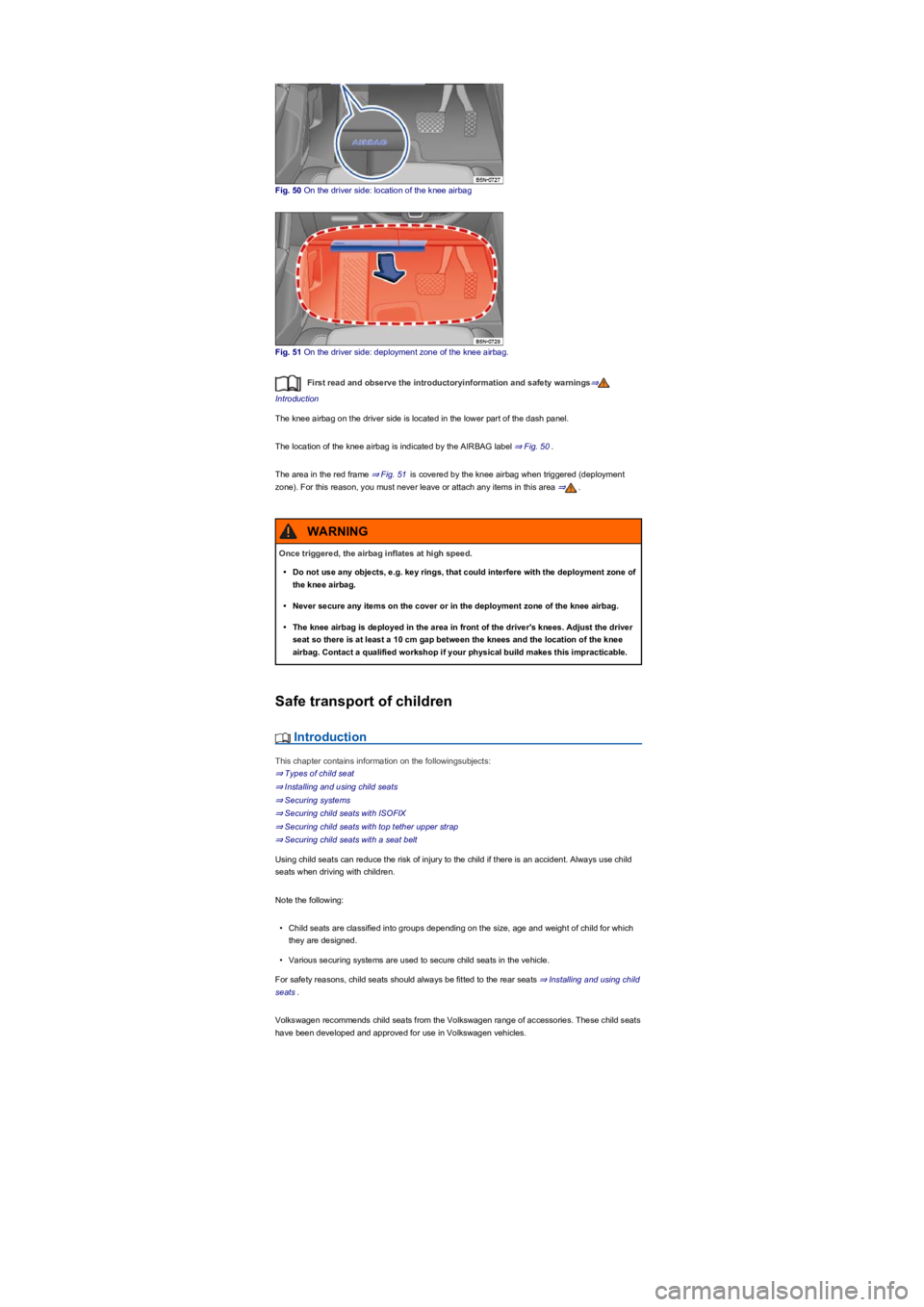
Fig. 50 On the driver side: location of the knee airbag
Fig. 51 On the driver side: deployment zone of the knee airbag.
First read and observe the introductoryinformation and safety warnings⇒
Introduction
The knee airbag on the driver side is located in the lower part of the dash panel.
The location of the knee airbag is indicated by the AIRBAG label ⇒ Fig. 50.
The area in the red frame ⇒ Fig. 51 is covered by the knee airbag when triggered (deployment
zone). For this reason, you must never leave or attach any items in this area ⇒.
Safe transport of children
Introduction
This chapter contains information on the followingsubjects:
⇒ Types of child seat
⇒ Installing and using child seats
⇒ Securing systems
⇒ Securing child seats with ISOFIX
⇒ Securing child seats with top tether upper strap
⇒ Securing child seats with a seat belt
Using child seats can reduce the risk of injury to the child if there is an accident. Always use child
seats when driving with children.
Note the following:
•Child seats are classified into groups depending on the size, age and weight of child for which
they are designed.
•Various securing systems are used to secure child seats in the vehicle.
For safety reasons, child seats should always be fitted to the rear seats ⇒ Installing and using child
seats.
Volkswagen recommends child seats from the Volkswagen range of accessories. These child seats
have been developed and approved for use in Volkswagen vehicles.
Once triggered, the airbag inflates at high speed.
•Do not use any objects, e.g. key rings, that could interfere with the deployment zone of
the knee airbag.
•Never secure any items on the cover or in the deployment zone of the knee airbag.
•The knee airbag is deployed in the area in front of the driver's knees. Adjust the driver
seat so there is at least a 10 cm gap between the knees and the location of the knee
airbag. Contact a qualified workshop if your physical build makes this impracticable.
WARNING
Page 57 of 341
•Weight class 0/0+: group 0/0+ or 0/1 rear-facing infant carriers ⇒ Fig. 52 are the best option
for the period from birth to about 18 months.
•Weight class 1: group 1 (up to about four years old) or group 1/2 (up to about seven years old)
with an integral belt system are best for children over the relevant weight limit.
•Weight classes 2/3: groups 2 and 3 include child seats with a backrest, and booster seats with
no backrest. Child seats with a backrest have integrated seat routing and side cushions, and so
provide better protection than booster seats with no backrest. Volkswagen therefore
recommends the use of child seats with a backrest. Group 2 child seats are for children up to
the age of about seven, group 3 child seats for those older than seven.
Not every child will fit in the child seat specified for their weight group. Likewise, not every seat will
fit in every vehicle. Therefore it is vital to check that the child fits properly in their child seat and that
the child seat can be securely fastened in the vehicle.
Child seat approval categories
Child seats can be classified as universal, semi-universal or vehicle-specific (all in accordance with
regulation ECE-R 44), or as i-Size (in accordance with regulation ECE-R 129).
•Universal: child seats with universal approval are approved for use in all vehicles. No type list
is required. ISOFIX child seats with universal approval must also be securing using a strap over
the top of the vehicle seat (top tether).
•Semi-universal: semi-universal approval requires other safety devices for attaching the seat
(that require additional testing) in addition to the standard requirements for universal approval.
Child seats with semi-universal approval come with a type list. The seats should only be used in
vehicles that are included on this list.
•Vehicle-specific: child seats with vehicle specific approval must have undergone dynamic
testing in each model of vehicle for which it is approved. These child seats also come with a
type list.
•i-Size: child seats classified as i-Size must conform to the installation and safety requirements
prescribed in regulation ECE-R 129. Contact the child seat manufacturer to find out which child
seats are approved for this vehicle in accordance with i-Size.
Regulation ECE-R 129 has not yet been implemented by the state authorities in all countries.
Installing and using child seats
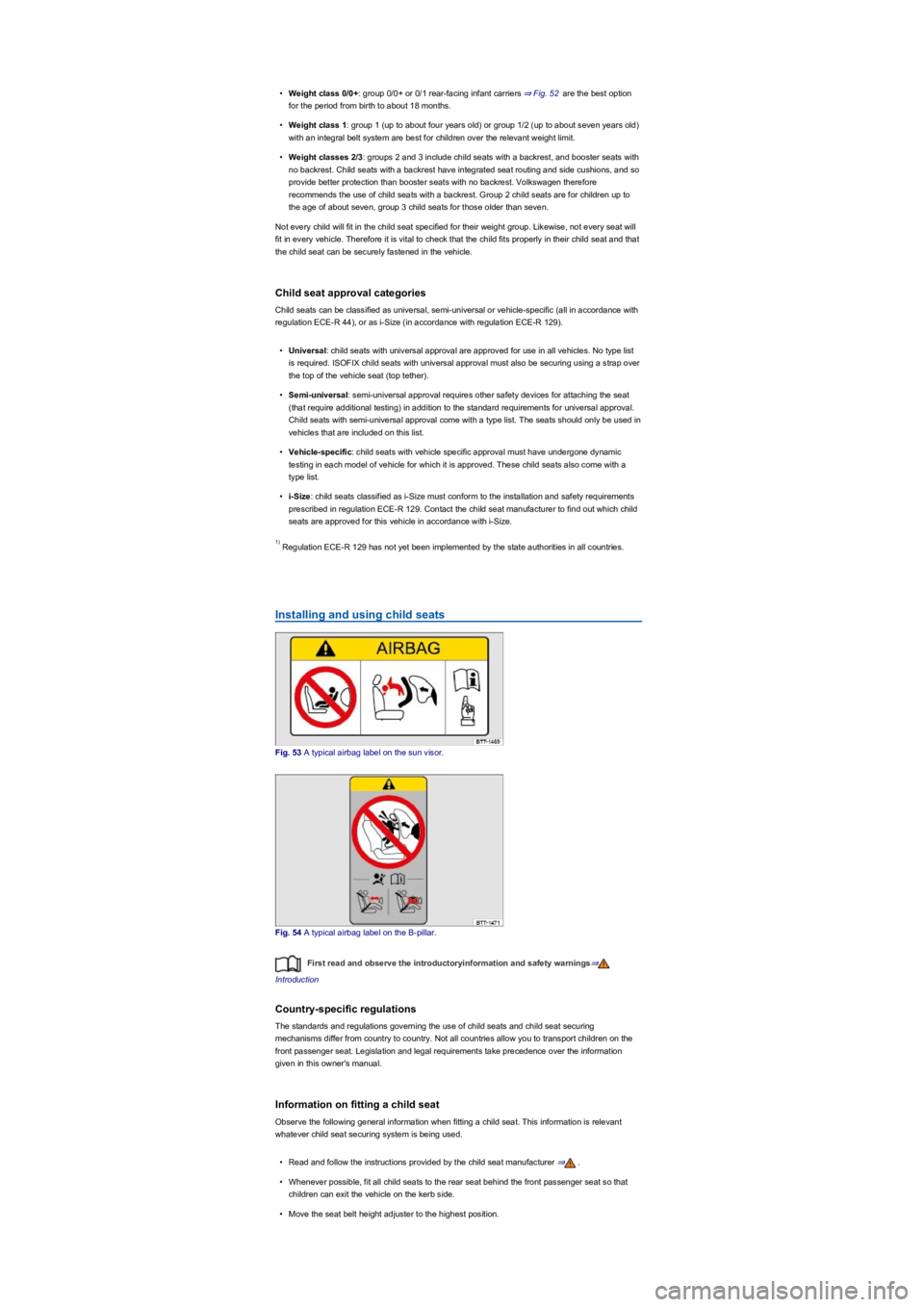
Fig. 53 A typical airbag label on the sun visor.
Fig. 54 A typical airbag label on the B-pillar.
First read and observe the introductoryinformation and safety warnings⇒
Introduction
Country-specific regulations
The standards and regulations governing the use of child seats and child seat securing
mechanisms differ from country to country. Not all countries allow you to transport children on the
front passenger seat. Legislation and legal requirements take precedence over the information
given in this owner's manual.
Information on fitting a child seat
Observe the following general information when fitting a child seat. This information is relevant
whatever child seat securing system is being used.
•Read and follow the instructions provided by the child seat manufacturer ⇒.
•Whenever possible, fit all child seats to the rear seat behind the front passenger seat so that
children can exit the vehicle on the kerb side.
•Move the seat belt height adjuster to the highest position.
1)
Page 58 of 341
•Deactivate the front passenger front airbag if fitting a rear-facing child seat on the front
passenger seat.
•When fitting on the front passenger seat, push the front passenger seat back fully and adjust
the seat to the highest position. Adjust the backrest to an upright position ⇒ Sitting position.
•When using child seats from groups 0 or 1 on the rear bench seat, push the rear bench seat
backwards as far as possible ⇒ Sitting position.
•When using child seats from groups 2 or 3 on the rear bench seat, push the rear bench seat
into a central position ⇒ Sitting position.
•Always ensure that there is enough space around the child seat. If necessary, adjust the
position of the seat in front. When doing so, ensure that the driver or front passenger can still
maintain a correct sitting position ⇒ Sitting position.
•The backrest of the child seat must lay as flat as possible against the vehicle seat backrest.
Adjust the seat backrest angle if necessary so that the child seat lies flush against the backrest.
If the child seat, once fitted, touches the vehicle head restraint so that it cannot lie flat against
the backrest, push the vehicle head restraint up as far as it will go or remove it and stow it away
safely in the vehicle ⇒ Sitting position.
Airbag sticker
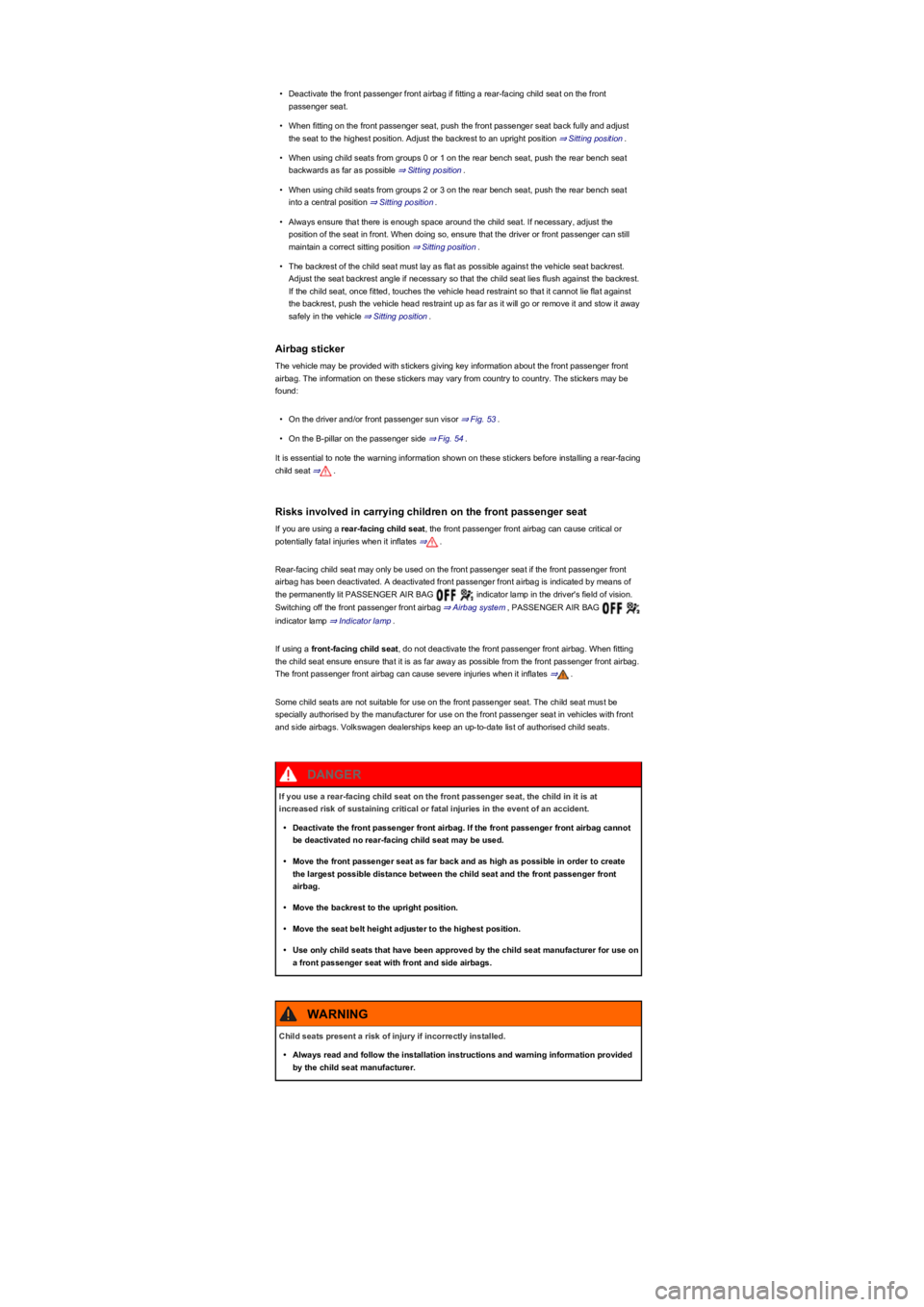
The vehicle may be provided with stickers giving key information about the front passenger front
airbag. The information on these stickers may vary from country to country. The stickers may be
found:
•On the driver and/or front passenger sun visor ⇒ Fig. 53.
•On the B-pillar on the passenger side ⇒ Fig. 54.
It is essential to note the warning information shown on these stickers before installing a rear-facing
child seat ⇒.
Risks involved in carrying children on the front passenger seat
If you are using a rear-facing child seat, the front passenger front airbag can cause critical or
potentially fatal injuries when it inflates ⇒.
Rear-facing child seat may only be used on the front passenger seat if the front passenger front
airbag has been deactivated. A deactivated front passenger front airbag is indicated by means of
the permanently lit PASSENGER AIR BAG indicator lamp in the driver's field of vision.
Switching off the front passenger front airbag ⇒ Airbag system, PASSENGER AIR BAG
indicator lamp ⇒ Indicator lamp.
If using a front-facing child seat, do not deactivate the front passenger front airbag. When fitting
the child seat ensure ensure that it is as far away as possible from the front passenger front airbag.
The front passenger front airbag can cause severe injuries when it inflates ⇒.
Some child seats are not suitable for use on the front passenger seat. The child seat must be
specially authorised by the manufacturer for use on the front passenger seat in vehicles with front
and side airbags. Volkswagen dealerships keep an up-to-date list of authorised child seats.
If you use a rear-facing child seat on the front passenger seat, the child in it is at
increased risk of sustaining critical or fatal injuries in the event of an accident.
•Deactivate the front passenger front airbag. If the front passenger front airbag cannot
be deactivated no rear-facing child seat may be used.
•Move the front passenger seat as far back and as high as possible in order to create
the largest possible distance between the child seat and the front passenger front
airbag.
•Move the backrest to the upright position.
•Move the seat belt height adjuster to the highest position.
•Use only child seats that have been approved by the child seat manufacturer for use on
a front passenger seat with front and side airbags.
DANGER
Child seats present a risk of injury if incorrectly installed.
•Always read and follow the installation instructions and warning information provided
by the child seat manufacturer.
WARNING
Page 59 of 341
Securing systems
First read and observe the introductoryinformation and safety warnings⇒
Introduction
Different countries use different securing systems for safely fitting child seats in the vehicle.
Key terms for securing systems
•ISOFIX: ISOFIX is a standardised securing system for fitting child seats in the vehicle quickly
and safely. The ISOFIX attachment system creates a rigid connection between the child seat
and the car body.
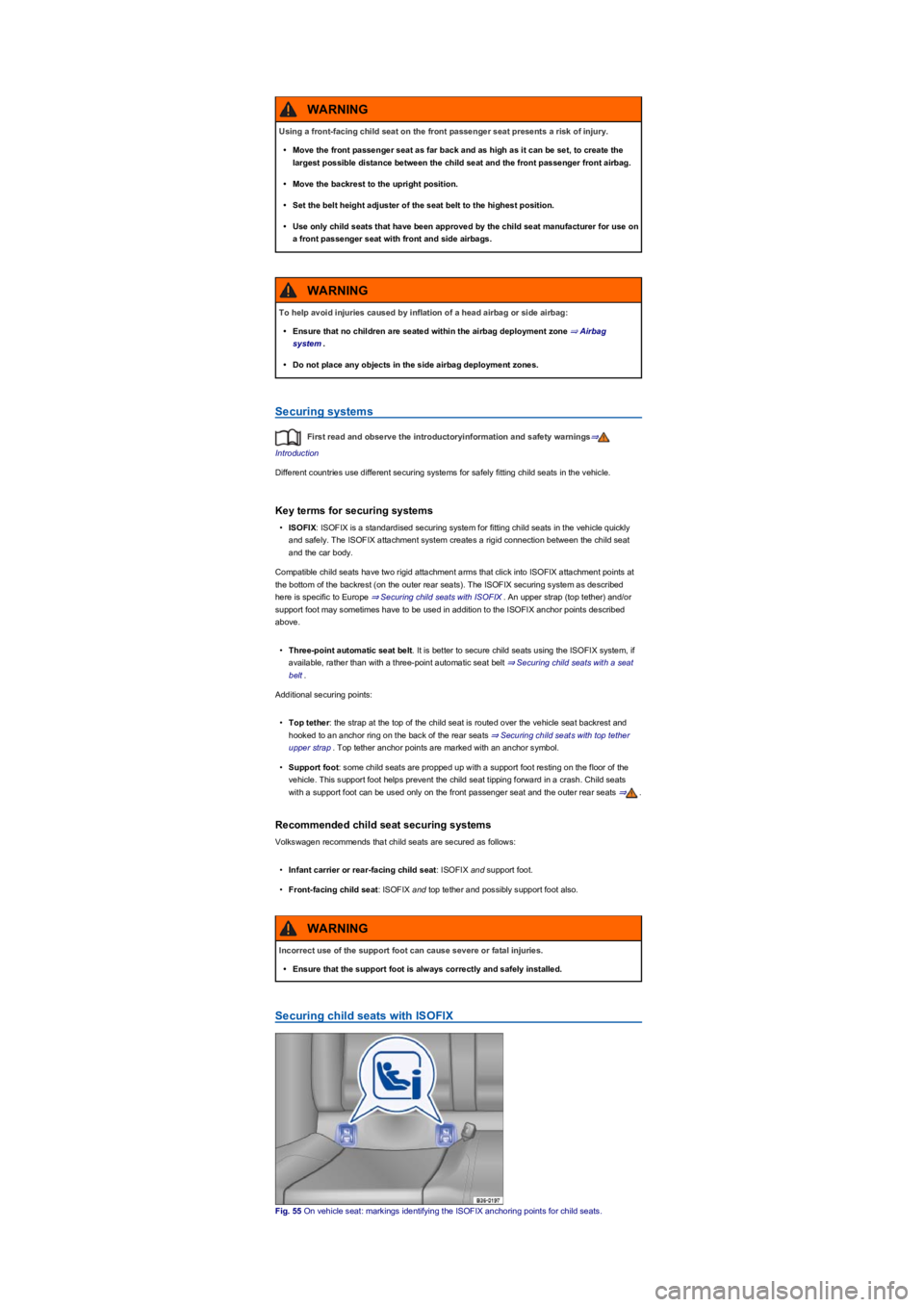
Compatible child seats have two rigid attachment arms that click into ISOFIX attachment points at
the bottom of the backrest (on the outer rear seats). The ISOFIX securing system as described
here is specific to Europe ⇒ Securing child seats with ISOFIX. An upper strap (top tether) and/or
support foot may sometimes have to be used in addition to the ISOFIX anchor points described
above.
•Three-point automatic seat belt. It is better to secure child seats using the ISOFIX system, if
available, rather than with a three-point automatic seat belt ⇒ Securing child seats with a seat
belt.
Additional securing points:
•Top tether: the strap at the top of the child seat is routed over the vehicle seat backrest and
hooked to an anchor ring on the back of the rear seats ⇒ Securing child seats with top tether
upper strap. Top tether anchor points are marked with an anchor symbol.
•Support foot: some child seats are propped up with a support foot resting on the floor of the
vehicle. This support foot helps prevent the child seat tipping forward in a crash. Child seats
with a support foot can be used only on the front passenger seat and the outer rear seats ⇒.
Recommended child seat securing systems
Volkswagen recommends that child seats are secured as follows:
•Infant carrier or rear-facing child seat: ISOFIX and support foot.
•Front-facing child seat: ISOFIX and top tether and possibly support foot also.
Securing child seats with ISOFIX
Fig. 55 On vehicle seat: markings identifying the ISOFIX anchoring points for child seats.
Using a front-facing child seat on the front passenger seat presents a risk of injury.
•Move the front passenger seat as far back and as high as it can be set, to create the
largest possible distance between the child seat and the front passenger front airbag.
•Move the backrest to the upright position.
•Set the belt height adjuster of the seat belt to the highest position.
•Use only child seats that have been approved by the child seat manufacturer for use on
a front passenger seat with front and side airbags.
WARNING
To help avoid injuries caused by inflation of a head airbag or side airbag:
•Ensure that no children are seated within the airbag deployment zone ⇒ Airbag
system.
•Do not place any objects in the side airbag deployment zones.
WARNING
Incorrect use of the support foot can cause severe or fatal injuries.
•Ensure that the support foot is always correctly and safely installed.
WARNING
Page 61 of 341
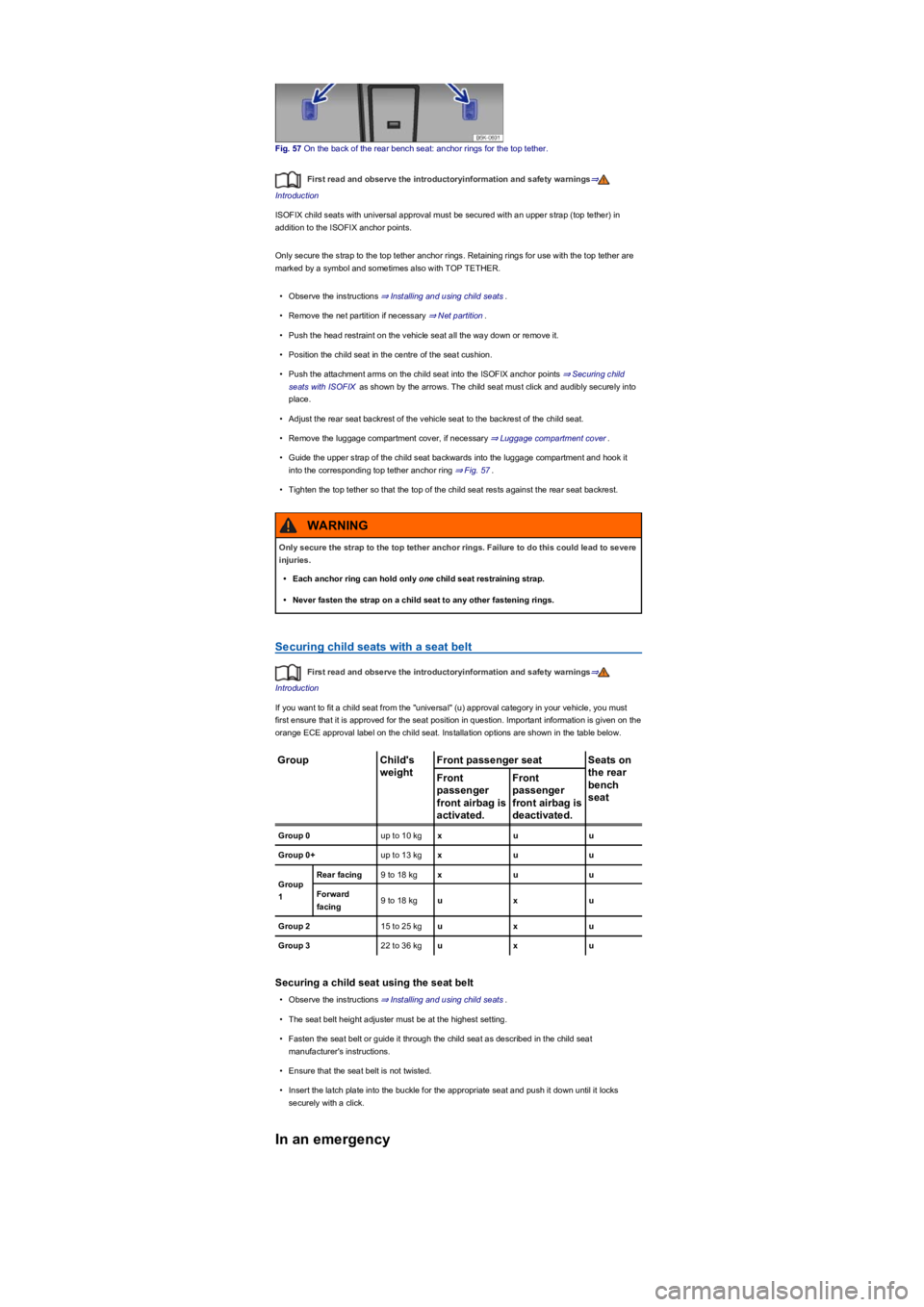
Fig. 57 On the back of the rear bench seat: anchor rings for the top tether.
First read and observe the introductoryinformation and safety warnings⇒
Introduction
ISOFIX child seats with universal approval must be secured with an upper strap (top tether) in
addition to the ISOFIX anchor points.
Only secure the strap to the top tether anchor rings. Retaining rings for use with the top tether are
marked by a symbol and sometimes also with TOP TETHER.
•Observe the instructions ⇒ Installing and using child seats.
•Remove the net partition if necessary ⇒ Net partition.
•Push the head restraint on the vehicle seat all the way down or remove it.
•Position the child seat in the centre of the seat cushion.
•Push the attachment arms on the child seat into the ISOFIX anchor points ⇒ Securing child
seats with ISOFIX as shown by the arrows. The child seat must click and audibly securely into
place.
•Adjust the rear seat backrest of the vehicle seat to the backrest of the child seat.
•Remove the luggage compartment cover, if necessary ⇒ Luggage compartment cover.
•Guide the upper strap of the child seat backwards into the luggage compartment and hook it
into the corresponding top tether anchor ring ⇒ Fig. 57.
•Tighten the top tether so that the top of the child seat rests against the rear seat backrest.
Securing child seats with a seat belt
First read and observe the introductoryinformation and safety warnings⇒
Introduction
If you want to fit a child seat from the "universal" (u) approval category in your vehicle, you must
first ensure that it is approved for the seat position in question. Important information is given on the
orange ECE approval label on the child seat. Installation options are shown in the table below.
GroupChild's
weight
Front passenger seatSeats on
the rear
bench
seat
Front
passenger
front airbag is
activated.
Front
passenger
front airbag is
deactivated.
Group 0up to 10 kgxuu
Group 0+up to 13 kgxuu
Group
1
Rear facing9 to 18 kgxuu
Forward
facing9 to 18 kguxu
Group 215 to 25 kguxu
Group 322 to 36 kguxu
Securing a child seat using the seat belt
•Observe the instructions ⇒ Installing and using child seats.
•The seat belt height adjuster must be at the highest setting.
•Fasten the seat belt or guide it through the child seat as described in the child seat
manufacturer's instructions.
•Ensure that the seat belt is not twisted.
•Insert the latch plate into the buckle for the appropriate seat and push it down until it locks
securely with a click.
In an emergency
Only secure the strap to the top tether anchor rings. Failure to do this could lead to severe
injuries.
•Each anchor ring can hold only one child seat restraining strap.
•Never fasten the strap on a child seat to any other fastening rings.
WARNING
Page 66 of 341
•Lit up green: voice services are available. System is OK.
•Flashing green: active connection to a voice service.
Information call
•The information call enables you to call the Volkswagen AG hotline.
•The information call function is available only in some sales regions.
•The telephone call centre communicates in the language registered for the vehicle in Car-Net.
Breakdown call
•The breakdown call allows you to seek professional assistance should your vehicle break down.
•Some vehicle data, e.g. the current location, is transmitted parallel to the voice call.
•The telephone call centre communicates in the language registered for the vehicle in Car-Net.
Emergency Call Service
•If an emergency call is placed manually or automatically after an accident where an airbag was
triggered, data relevant for the emergency call, e.g. the current vehicle location, will be
transmitted automatically ⇒ Customer information.
•The telephone call centre communicates in the language set up in the vehicle's Infotainment
system. English is used if this language is not available at the location of the emergency.
Back-up 112 emergency call service
In some cases, the Emergency call service may be restricted or unavailable so the general
emergency call number 112 is used to conduct an emergency call. In this case, only a voice-based
connection is established. No data will be transmitted, e.g. regarding the vehicle or its location.
The following circumstances may restrict access to the Emergency call service and lead to the call
being forwarded to the 112 emergency number:
•Your current emergency call location is in an area with no or insufficient mobile communications
and GPS reception. This can also include tunnels, streets with tall buildings, garages,
underpasses, mountains and valleys.
•You are in an area with sufficient mobile communications and GPS reception but the
telecommunications provider's mobile network is not available.
•The Emergency call service is prohibited by law in some countries.
•There is no valid licence for using the Emergency call service.
•The components in the vehicle required for the Emergency call service are damaged or do not
have a sufficient power supply.
Please also observe the other information on Volkswagen Car-Net ⇒ Mobile online services.
Opening and closing
Vehicle key set
Introduction
This chapter contains information on the followingsubjects:
⇒ Vehicle key
⇒ Changing the button cell
⇒ Troubleshooting
Page 69 of 341
Central and manual locking
Introduction
This chapter contains information on the followingsubjects:
⇒ Indicator lamp
⇒ Central locking system
⇒ Locking and unlocking the vehicle from the outside
⇒ Locking and unlocking the vehicle from the inside
⇒ Locking and unlocking the vehicle with
⇒ SAFELOCK
⇒ Anti-theft alarm
⇒ Interior monitoring system and anti-tow alarm
⇒ Locking the vehicle after the airbag has been triggered
⇒ Troubleshooting
The central locking system locks all doors and the boot lid of the vehicle. The vehicle cannot be
locked if the driver door is open.
The vehicle can only be locked if the ignition has been switched off or the driver has switched off
the engine before leaving the vehicle.
Automatic locking (anti-theft protection)
The vehicle will lock itself again automatically after around 45 seconds if one of the following
conditions applies:
•The vehicle was unlocked but not opened.
•The ignition was not switched on.
•The boot lid was not opened.
•The vehicle has been unlocked using the lock cylinder.
•The vehicle was locked with the central locking button in the vehicle interior.
Indicator lamp
First read and observe the introductoryinformation and safety warnings⇒
Introduction
The central locking indicator lamp is located in the driver door ⇒ Driver door.
Vehicle locked: red LED flashes at short intervals for approximately two seconds, and then more
slowly. The indicator lamp does not flash if the vehicle was locked with the central locking button in
the driver door ⇒ Locking and unlocking the vehicle from the inside.
Central locking system
First read and observe the introductoryinformation and safety warnings⇒
Introduction
The central locking system enables you to lock or unlock all the doors, the boot lid and the tank flap
from one point.
Settings for the central locking system can be adjusted in the Infotainment system ⇒ Operation and
display in the Infotainment system.
Automatic locking (Auto Lock)
The vehicle may lock itself automatically at speeds of approximately 15 km/h (9 mph) and above
⇒ Operation and display in the Infotainment system. The indicator lamp in the central locking
button will light up yellow when the vehicle is locked.
Improper use of the central locking system could lead to serious injury.
•The central locking system locks all doors. Locking the vehicle from the inside can
prevent accidental opening of the doors and unauthorised persons from entering the
vehicle. However, locked doors can delay assistance to passengers inside the vehicle
in the event of an accident or emergency.
•Never leave children or people requiring assistance alone in the vehicle. All doors can
be locked from the inside using the central locking button. This may mean that people
lock themselves in the vehicle. People locked in the vehicle may be subjected to very
high or very low temperatures.
•Temperatures inside a locked vehicle may reach extremes of heat or cold, according to
season. This can cause serious injuries and illness or fatalities, especially to small
children.
•Never leave anyone inside a locked vehicle. People in the vehicle could become
trapped in an emergency and may not be able to get themselves to safety.
•Doors and the boot lid should therefore be opened or closed only when you are sure
that nobody is in their path.
WARNING
Page 70 of 341
Automatic unlocking (Auto Unlock)
All doors and the boot lid are automatically unlocked if one of the following conditions applies:
•The vehicle is at a standstill and the vehicle key has been removed.
•m/k/a995MKIn vehicles with a DSG dual clutch gearbox: the selector lever is in
position P and the ignition has been switched off.
•OR: the vehicle is stationary and the button has been pressed.
•OR: the door release lever has been operated.
•OR: In an accident where the airbags have been triggered ⇒ Locking the vehicle after the
airbag has been triggered.
Automatic unlocking provides access to the vehicle if assistance is required.
Even if single door unlocking has already taken place, the entire vehicle will be unlocked
when the sensors are touched twice. The entire vehicle must be locked.
Locking and unlocking the vehicle from the outside
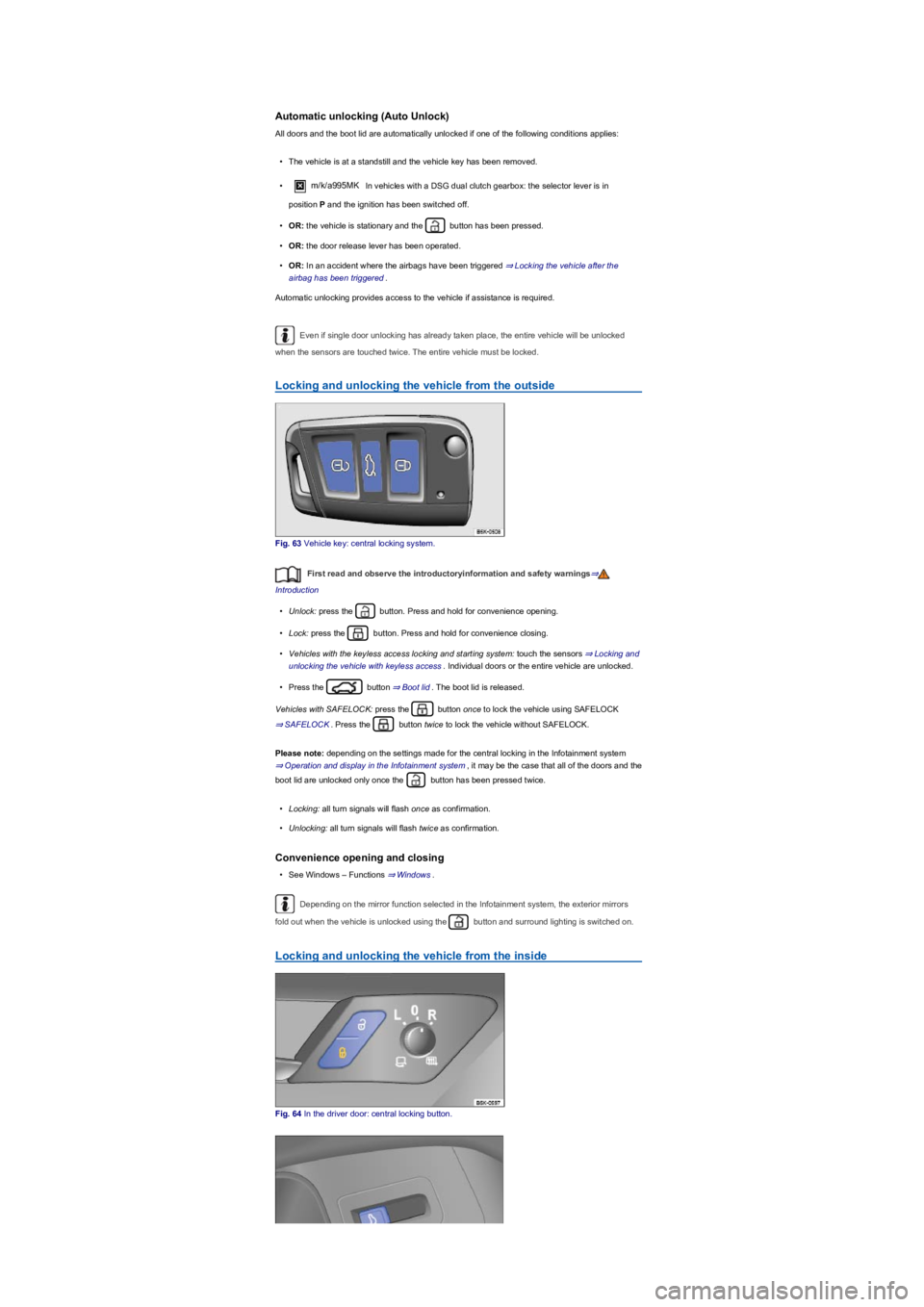
Fig. 63 Vehicle key: central locking system.
First read and observe the introductoryinformation and safety warnings⇒
Introduction
•Unlock: press the button. Press and hold for convenience opening.
•Lock: press the button. Press and hold for convenience closing.
•Vehicles with the keyless access locking and starting system: touch the sensors ⇒ Locking and
unlocking the vehicle with keyless access. Individual doors or the entire vehicle are unlocked.
•Press the button ⇒ Boot lid. The boot lid is released.
Vehicles with SAFELOCK: press the button once to lock the vehicle using SAFELOCK
⇒ SAFELOCK. Press the button twice to lock the vehicle without SAFELOCK.
Please note: depending on the settings made for the central locking in the Infotainment system
⇒ Operation and display in the Infotainment system, it may be the case that all of the doors and the
boot lid are unlocked only once the button has been pressed twice.
•Locking: all turn signals will flash once as confirmation.
•Unlocking: all turn signals will flash twice as confirmation.
Convenience opening and closing
•See Windows – Functions ⇒ Windows.
Depending on the mirror function selected in the Infotainment system, the exterior mirrors
fold out when the vehicle is unlocked using the button and surround lighting is switched on.
Locking and unlocking the vehicle from the inside
Fig. 64 In the driver door: central locking button.
Page 75 of 341
Lock the vehicle. When the anti-theft alarm is switched on, interior monitoring and the anti-tow
alarm are also active.
Temporarily switching off the interior monitoring system and anti-tow
alarm
Depending on the vehicle equipment, the interior monitoring system and anti-tow alarm can be
switched off temporarily by means of the button or the Infotainment system ⇒ Operation
and display in the Infotainment system.
•Switch off the ignition and open the driver door.
•Press the button. A yellow indicator lamp in the button lights up.
•Close all doors and the boot lid.
•Lock the vehicle using the vehicle key.
Press the button again before locking the vehicle to reactivate interior monitoring and the
anti-tow alarm.
•Switch on the ignition.
•Deactivate interior monitoring and the anti-tow alarm in the Infotainment system ⇒ Operation
and display in the Infotainment system.
•Close all doors and the boot lid.
•Lock the vehicle using the vehicle key.
The interior monitoring system and anti-towing alarm are deactivated until the next time the vehicle
is locked.
We recommend deactivating interior monitoring and the anti-tow alarm in the following situations:
•If any people or animals are to remain inside the vehicle.
•If the vehicle is to be loaded onto another vehicle.
•If the vehicle is being transported.
•If the vehicle is going to be towed with one axle off the ground.
•If the vehicle is to be parked in a two-storey garage.
•If the vehicle is to be parked in a car wash.
Risk of false interior monitoring alarms
The interior monitoring system functions only when the vehicle is completely closed. Comply with
legal regulations. A false alarm can be triggered in the following situations:
•If one or more windows or the glass roof are fully or partially open.
•If lightweight items such as loose pieces of paper or items hung from the interior mirror are left
in the vehicle.
•If a mobile telephone that is left in the vehicle vibrates.
•If the vehicle is being transported.
•If the vehicle is being parked in a two-storey garage.
•If the vehicle is in a car wash.
Permanent deactivation of interior monitoring and the anti-tow alarm is not possible.
If doors or the boot lid are still open when the anti-theft alarm is activated, only the anti-theft
alarm is activated. Interior monitoring and the anti-tow alarm are not activated until all doors and the
boot lid are closed.
SAFELOCK is also deactivated when the interior monitoring system and anti-tow alarm are
switched off ⇒ SAFELOCK.
Locking the vehicle after the airbag has been triggered
First read and observe the introductoryinformation and safety warnings⇒
Introduction
The entire vehicle is unlocked if the airbags are activated during an accident. Depending on the
extent of the damage, the vehicle can be locked as follows after an accident:
•Switch the ignition off and then back on again.
Troubleshooting
First read and observe the introductoryinformation and safety warnings⇒
Introduction
Fault in locking system: red LED flashes at short intervals and then lights up continuously. Go to a
qualified workshop.
Page 88 of 341
Seats and head restraints
Front seats
Introduction
This chapter contains information on the followingsubjects:
⇒ Mechanically adjusting the front seat
⇒ Electrically adjusting the front seat
⇒ Folding the front passenger seat backrest forwards
The following section describes the options for adjusting the front seats. Always ensure that the
correct sitting position is adjusted ⇒ Sitting position.
Incorrect use of the steering column position adjustment and incorrect adjustment of the
steering wheel can cause serious or fatal injuries.
•After adjusting the steering column, always move lever ⇒ Fig. 77① up so that it
engages securely. This prevents the steering column from moving spontaneously
while the vehicle is in motion.
•Never adjust the steering wheel when the vehicle is in motion. If you determine that a
readjustment is necessary, stop the vehicle safely and adjust the steering wheel to the
correct position.
•The steering wheel must always point towards the chest and not towards the face. This
ensures that the driver front airbag provides maximum protection in the event of an
accident.
•While driving, always keep both hands on the outside of the steering wheel at the 9
o'clock and 3 o'clock positions⇒ Fig. 78. This reduces the risk of injury if the driver
front airbag is triggered.
•Never hold the steering wheel at the 12 o'clock position, or in any other manner, e.g. on
the hub of the steering wheel. If the driver front airbag is triggered, you could receive
severe injuries to the arms, hands and head.
WARNING