door lock AUDI A3 2012 Owner´s Manual
[x] Cancel search | Manufacturer: AUDI, Model Year: 2012, Model line: A3, Model: AUDI A3 2012Pages: 280, PDF Size: 70.11 MB
Page 151 of 280
place for a child in a forward-facing child seat.
It is a very dangerous place for an infant or a
larger child in a rearward-facing seat.
.&_ WARNING
Not using a child safety seat, using the
wro ng chi ld safety seat or improper ly in
stalling a child restraint increases the risk
of serious personal injury and death in a
crash .
-
- Never install rear-facing ch ild safety
seats or infant carriers on the front pas
senger seat -even with an Advanced Air
bag System. A child will be se riously in
jured and can be k illed when the in flat
ing airbag hits the child safety seat o r in
fant carrier with great force and smashes
the child safety seat and chi ld against
the backrest, center armrest, door or
roof
c:> page 123, Child restraints on the
front seat -some important things to
know .
-Always install rear-facing child safety
seats or infant carriers on the rear seat.
- Never install a rear-facing child restraint
in t he forward-facing direction . Such re
straints are designed for the spec ial
needs of infants and very small children
and cannot p rotect them properly if the
seat is forward-fa cing.
- If you must install a rearward facing
child safety seat on the front passenger
sea t beca use of exceptional cir cumstan
ces and the
PASSENGER AIR BAG OFF
light does not come on and stay on, im
med iately install the rear-facing child
safety seat in a rear seating position and
have the a irbag system inspected by your
Audi dealer.
- Always read and heed all WARNINGS whenever using a child restrained in ave
hicle is being used
c:> page 113, Safety
belts,
c:> page 122, Airbag system and
c:> page 143, Important things to know.
Child S afety 149
Convertible child safety seats
Properly used convertible child safety seats
can help protect toddlers and children over
age one who weigh between 20 and 40 lbs. (9
and 18 kg) in a crash .
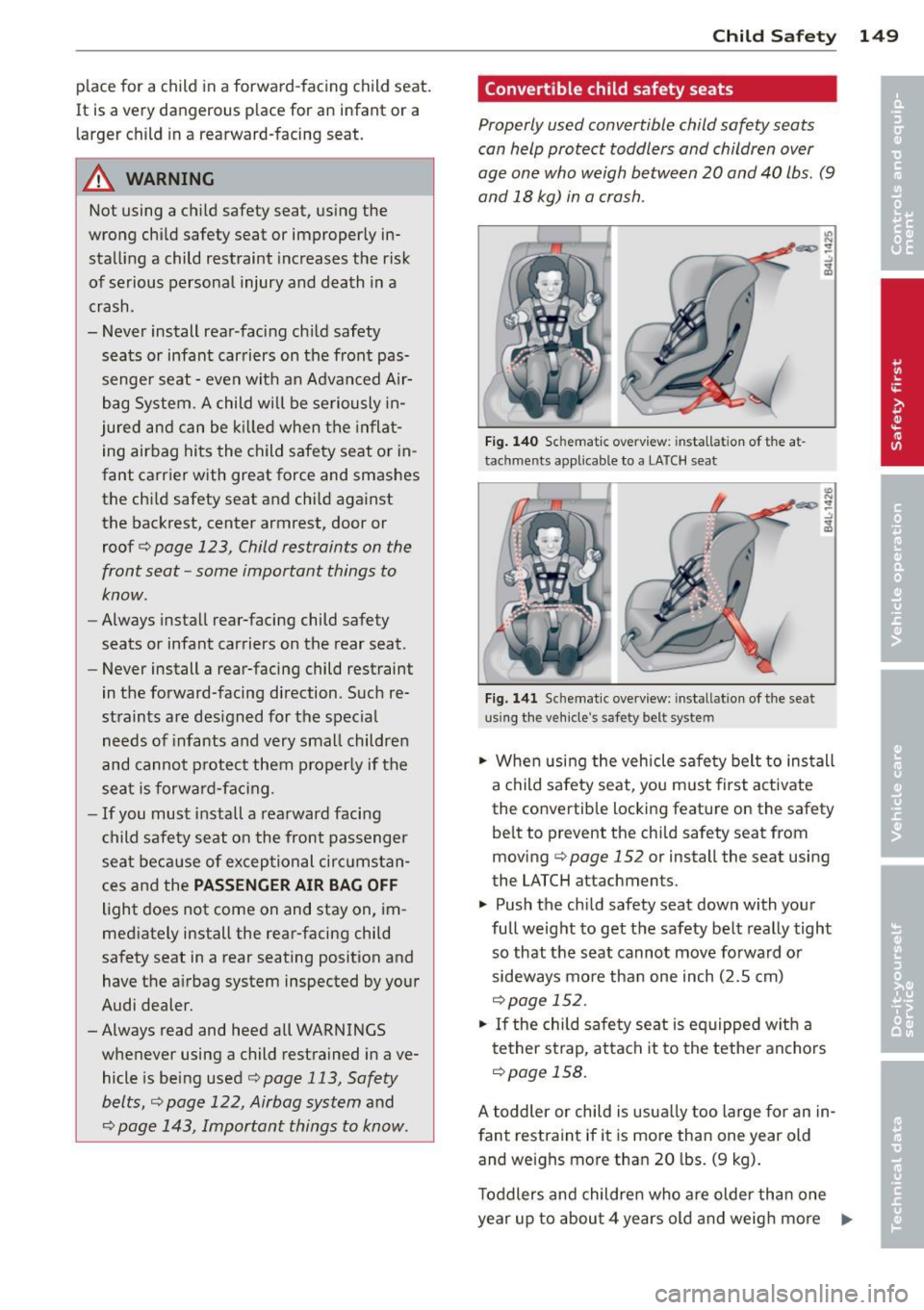
Fig. 140 Sc hem atic overv iew: in stallation of the at
tac hments applicable to a LATCH seat
Fi g. 141 Schema tic overv iew: in stallatio n of the seat
us ing the ve hicle 's safety be lt system
.,. When usi ng the vehicle safe ty belt to ins tall
a child safety seat, you must first activate
the convertible locking feature on the safety be lt to prevent the child safety seat from
moving
c:> page 152 or install the seat using
the LATCH attachments.
.,. Push the ch ild safety seat down with your
full weight to get the safety belt really tight
so that the seat cannot move forward o r
sideways mo re than one inch ( 2.5 cm)
c:> page 152.
.,. If the child sa fe ty seat is eq uippe d wit h a
tether strap, attach it to the tethe r anchors
<=) page 158.
A toddler or child is usu all y too large for an in
f ant restraint if it is more than one year old
and we ighs more than 20 lbs. (9 kg) .
T oddlers and children who are older than one
year up to about 4 years old and weig h mo re
~
Page 155 of 280
is locked so that the child and child safety
seat will stay in place.
Always remember: Even though your vehicle is
equipped with an Advanced Airbag system, all
children , especially those 12 years and young
er, should always ride in the back seat proper
ly restrained for their age and size.
A WARNING
Improperly installed child safety seats in
crease the risk of serious personal injury
and death in a collision.
- Always make sure that the safety belt re
tractor is locked when installing a child
safety seat. An unlocked safety belt re
tractor cannot hold the child safety seat
in place during normal driving or in a
crash.
- Always buckle the child safety seat firmly
in place even if a child is not sitting in it.
A loose child safety seat can fly around
during a sudden stop or in a collision.
- Always make sure that the rear seat
backrest to which the center rear safety
belt is attached is securely latched when
ever the rear center safety belt is being
used to secure a child restraint.
- If the backrest is not securely latched,
the child and the child restraint will be
thrown forward together with the back
rest and will strike parts of the vehicle
interior. The child can be seriously in
jured or killed.
- Never install rear-facing child safety
seats or infant carriers on the front pas
senger seat . A child will be seriously in
jured and can be killed when the passen
ger airbag inflates.
- The inflating airbag will hit the child
safety seat or infant carrier with great
force and will smash the child safety seat and child against the backrest, center
armrest, door or roof.
- Always install rear-facing child safety
seats or infant carriers on the rear seat.
- Forward-facing child safety seats or in
fant carriers installed on the front pas-
Child Safety 153
senger's seat may interfere with the de
ployment of the airbag and cause serious
injury to the child.
- It is safer to install a forward-facing
child safety seat on the rear seat.
- Always read and heed all WARNINGS
whenever using a child restrained in ave
hicle is being used
c=> page 143. Special
precautions apply when installing a child
safety seat on the front passenger seat
c=> page 12 3, Child restraints on the front
seat -some important things to know.
A WARNING
Always take special precautions if you
must install a forward or rearward-facing
child restraint on the front passenger's
seat in exceptional situations:
- Whenever a forward or rearward-facing
child restraint is installed on the front
passenger seat, the
PASSENGER AIR
BAG OFF
light must come on and stay on
whenever the ignition is switched on.
- If
the PASSENGER AIR BAG OFF light
does not come on and stay on, perform
the checks described
c=> page 133, Moni
toring the Advanced Airbag System.
- Take the child restraint off the front pas senger seat and install it properly at one
of the rear seat positions if the
PASSEN
GER AIR BAG OFF
light does not stay on
whenever the ignition is switched on .
- Improper installation of child restraints
can reduce their effectiveness or even
prevent them from providing any protec
tion.
-An improperly installed child restraint
can interfere with the airbag as it de ploys and seriously injure or even kill the
child.
-Always carefully follow the manufactur
er's instructions provided with the child
safety seat or carrier.
- Never place additional items on the seat
that can increase the total weight regis
tered by the weight-sensing mat and can
cause injury in a crash.
~
•
•
Page 156 of 280
154 Child Safety
A WARNING
Forward-facing child restraints:
- Always make sure the forward-facing
seat has been designed and certified by
its manufacturer for use on a front seat
w ith a passenger front and side airbag.
- Never put the forward-facing child re
straint up, against or
very near the in
strument panel.
-Always
move the passenger seat into its
rearmost position in the seat's fore and
aft adjustment range, as far away from
the airbag as possible before installing
the forward-facing child restraint . The
backrest must be adjusted to an upright
position.
- Make sure that the
PASSENGER AIR BAG
OFF
light comes on and stays on all the
time whenever the ignition is switched on.
A WARNING
Rearward-facing child restraints:
-A child in a rearward-facing child safety
seat installed on the front passenger
seat will be seriously injured and can be
killed if the front airbag inflates -
even
with an Advanced Airbag System.
- The inflating airbag will hit the child
safety seat or infant carrier with great
force and will smash the child safety seat
and child against the backrest, center
armrest, door or roof.
- Always be especially careful if you must
install a rearward facing child safety seat
on the front passenger seat in exception
al circumstances.
- A tight tether strap on a rearward-facing
child restraint attached to the front pas
senger seat can put too much pressure on the weight-mat in the seat and regis
ter a heavier weight in the Advanced Air
bag System . The heavier weight regis
tered can make the system work as
though an adult were on the seat and de
ploy the Advanced Airbag when it must be suppressed causing serious or even
fatal injury to the child.
- Make sure that the
PASSENGER AIR BAG
OFF
light comes on and stays on all the
time whenever the ignition is switched
on .
- If the
PASSENGER AIR BAG OFF light
does not come on and stay on, immedi
ately install the rear-facing child safety
seat in a rear seating position and have
the airbag system inspected by your Audi
dealer.
Activating the convertible locking
retractor
Use the convertible locking retractor to se
cure a child restraint.
Always heed the child safety seat manufactur
er's instructions when installing a child re
straint in your vehicle . To activate the conver
tible Lacking retractor:
.,. Place the child restraint on a seat , prefera
bly on the rear seat.
.,. Slowly pull the belt
all the way out.
.,. Route it around or through the child re
straint belt path
~ _&..
.,. Push the child safety seat down with your
full weight to get the safety belt really tight.
.,. Insert the belt tongue into the buckle for
that seating position .
.,. Guide the safety belt back into the retractor
until the belt lies flat and snug on the child
safety seat.
.,. You should hear a "clicking " noise as the
belt winds back into the inertia reel. Test the
convertible locking retractor by pulling on
the belt. You should no longer be able to
pull the belt out of the retractor. The con
vertible locking retractor is now activat ed.
.,. Make sure that the red release button is fac
ing away from the child restraint so th at i t
can be unbuckled quickly .
.,. Pull on the belt to make sure the safety belt
is properly tight and fastened so that the
seat cannot move forward or sideways more
than one inch (2.5 cm). .,.
Page 181 of 280

CD Note
You should remove debris (such as insects)
from the headlight lenses on a regular basis, for example when refueling your vehi
cle. Never clean the headlights with a dry
cloth or sponge . Use a wet cloth or
sponge.
It is best to use soapy water .
Automatic car wash
The vehicle can be washed in almos t any
modern automatic car wash .
The vehicle paint is so durable that the vehicle
can normally be washed without problems in
an automatic car wash . However, the effect on
the paint depends to a large extent on the de
sign of the facility, the filtering of the wash
water , the type of wash and care material , etc .
If the paint has a dull appearance after going
through the car wash or is scratched, bring
this to the attention of the operator immedi
ately. If necessary, use a different car wash.
Before going through a car wash, be sure to
take the usual precautions such as closing the
windows and panoramic sliding sunroof*. Re move antenna if applicable.
If you have installed additional accessories on
the vehicle -such as spoilers, roof rack, etc. -
it is best to ask the car wash operator if these
should be removed.
A WARNING
Always read and heed all WARNINGS and other information
¢ page 178.
Washing the vehicle by hand
A lot of water is needed when washing a vehi
cle by hand.
11-Before you start washing, make sure you
have read and understood the WARNINGS
¢ A in General information on page 178.
11-First soak all dried dirt until it is soft, then
rinse it off .
11-As you clean your vehicle, s tart with the
roof and work your way down to the bottom,
Cleaning and protection 179
using a sponge, a sponge glove or a clean
brush.
"" Rinse the sponge or the sponge glove often,
flushing it clean each time.
11-Use special car shampoo only for very per
sistent dirt .
11-Rinse the car thoroughly with water .
11-Use a chamois leather to gently wipe the ex-
terior dry.
Use a separate sponge for cleaning the
wheels, door sills and other regions exposed
to road dirt. In this way, you will not scratch
the paint with coarse particles imbedded in
the sponge the next time you wash the car.
A WARNING
= -
-Do not clean the underside of the chas-
sis, fenders, wheel covers , or other hard
to reach parts without protecting your hands and arms . You may cut yourself on
sharp-edged metal parts.
- Always read and heed all WARNINGS and
other information
¢ page 178.
CD Note
- Never try to remove dirt, mud or dust if
the surface of the vehicle is dry. Never
use a dry cloth or sponge, since this
could scratch your vehicle's paint or win
dows.
- Never wash your car in bright sunlight.
Drops of water act as magnifying lenses
and may damage your paint .
- When you wash your car in the winter: if
you rinse your vehicle with a hose, be
careful not to aim the stream of water
directly at locks, or at door or hatch
openings -they can freeze shut.
- Never use sponges designed to remove
insects, or any kitchen scouring sponges
or similar products. They can damage
your paint finish.
- Never use a dry cloth or sponge to clean
the headlights. Only use wet cloths or
sponges to prevent scratches. It is best
to use soapy water. •
•
Page 186 of 280
184 Cleaning and protection
Fabrics and fabric coverings
Fab rics and fabr ic coveri ngs (e.g. seats, door
tr im panels, etc.) should be cleaned at reg ular
inte rva ls with a vacuum cleaner. This removes
sur face dirt particles which could become em
bedded in the fabric through use. Steam
cleaners shou ld not be used, because the
steam tends to push the dirt deeper into the
fabric and lock it there.
Normal cleaning
Generally, we recommend using a soft sponge
or a lint-free microfiber cloth to the clean fab
ric. Brushes should on ly be used for carpets
and floor mats, s ince other fabric surfaces
could be harmed by brushes.
Normal surface stains can be cleaned using a
commercially available foam cleaner. Spread
the foam on the surface of the fabric with a
soft sponge and work it in gently. Do not satu
rate the fabric. Then pat the foam d ry using
absorbent, dry cloths (e.g . microfiber cloth)
and vacuum it afte r it has dried comp lete ly.
Cleaning stain s
Stains caused by beverages (e.g. coffee, fruit
ju ice, etc.) can be treated with a mild deter
gent solut ion. App ly the detergent so lution
with a sponge. In the case of stubbor n stains,
a detergent paste can be applied directly to
the sta in and wor ked into the fabric. Afte r
wards, use copio us amo unts o f cle an water to
remove t he remaining dete rgent. Apply the
water with a damp cloth or sponge and pat
the fabric d ry w ith an absorbent, dry cloth.
S tains from chocola te or make up s hou ld have
detergent paste (e .g. ox -gall soap) r ubbed in
to them. Afterwards, remove the soap with
water (damp sponge).
A lcohol can be used to t rea t stains from
g rease, oi l, lips tick or a ballpo in t pen . Me lted
grease or dye must be patted off using ab
sorbent materia l. It may be necessary to re
treat the areas with dete rgent paste and wa
ter. In the case of gene
ra l soiling o f the uphols
tery and cover material, we recommend hiring
a spec ia list that has the equipment to clean
the seat covers and other fabr ic surfaces by
shampooing and spray extraction.
A WARNING '"--
A lways read and heed all WARNINGS and
the information
~ page 178.
(D Tips
Open Ve lcro fasteners on yo ur clothing can
damage the seat cover. Please make sure
that Velcro fasteners are closed.
Plastic parts and instrument panel
~ Always use a clean cloth moistened in clear
wate r.
Always use a clean cloth moistened in clear
water to clean these areas. For pe rsisten t dirt
use an Aud i approved
solvent -free p lastic
cl eaner/p rotec tant.
A WARNING
S olven ts ca n ch ange the prope rties of
some p lastics and make it harde r fo r the
a ir ba g to de ploy .
-
- N ever cle an the in st rument p anel or the
sur face of Ai rbag modu les with cleaning
prod ucts t hat conta in solvents .
- P roduc ts containing solven ts will make
the surface of this part poro us.
- Ser ious inju ries c an resu lt if p lastic parts
come loose when t he ai rbag is deployed.
- Always re ad and heed a ll WAR NIN GS and
t he information¢
page 178 .
(J) Note
Cleaning agents conta ining so lvents w ill
a ttack t he mate rial and can ch ange the
w ay it behaves.
Page 194 of 280

192 Fuel suppl y and filli ng your fuel t ank
container meets industry standards (ANSI/
ASTM F852 -86) .
(D Note
Never drive yo ur vehicle until the fuel tank
is completely dry . The irregular s upply of
fue l can cause misfiring. Gasoline cou ld
enter into the exhaust system and damage
the catalytic converter.
Refuelling
The fuel filler flap is unlocked from a button
in the driver 's door .
Fig. 152 Driver 's door: Un lock ing fuel filler flap
Fig. 153 F u el cap hooked on the opened fuel filler flap
When adding fuel, the ignition and any cellu
lar phones in the vehicle must be sw itched
off.
Tak ing th e fuel cap off
.. To open the fuel filler flap, pull the button
¢fig . 152 .
.. Unscrew fuel filler cap counter-clockwise
and hang it on the fuel filler flap¢
fig. 153 .
.. Check the label on the inside of the fuel fi ll
er flap to determine if the vehicle must be
fueled with gasoline or diesel fuel.
Refuell ing proc edur e
.. Insert the f uel nozzle from the gasoline
pump into the fuel fi ller neck as far as it wi ll
go .
.. Select a medium refuelling rate
so that the
nozzle switches off automatically when the
tank is full.
Putting th e fu el cap ba ck on
.. After fi lling your tank, twist the fuel filler
cap clockwise until you hear a definite click.
.. Close the fue l filler flap.
T o avoid fuel spilling or evaporating from the
fuel tank always close fuel filler cap properly
and completely. An improperly closed fuel fill
er cap may also cause a message in the driver
information system or cause the MIL lamp
¢page 24 to come on.
A WARNING
-Improper refue ling or handling of fuel can
cause fire, explosion and severe burns.
- Fue l is highly flammable and can cause
severe burns and other injur ies.
- Failure to shut the engine off while refu
eling and/or to insert the pump nozzle
ful ly into the fuel filler neck could cause
fue l to spray out of filler neck or to ove r
f low. Fue l spray and overflowing fue l can
cause a fire .
- Never use a ce ll ular telephone while re
fue ling. The electromagnet ic rad iation
can cause sparks that can ignite fuel va
pors and cause a fire.
- Never get back in to yo ur vehicle whi le re
fue ling. If in exceptional circ umstances
you must get back in your vehicle while
ref ueling, make certain that you close
the door and touch metal to discharge
static electricity before touching the fill
er nozzle again . Static e lectr icity can
cause sparks that can ignite fuel vapors
re leased du ring ref uel ing .
- Never smoke or have an open flame any
where in or near your veh icle when refu-
eling or fi lling a portab le fue l conta iner . ..,_
Page 196 of 280
194 Checking and filling
Checking and filling
Engine hood
Releasing the engine hood
The engine hood is released from inside the
vehicle .
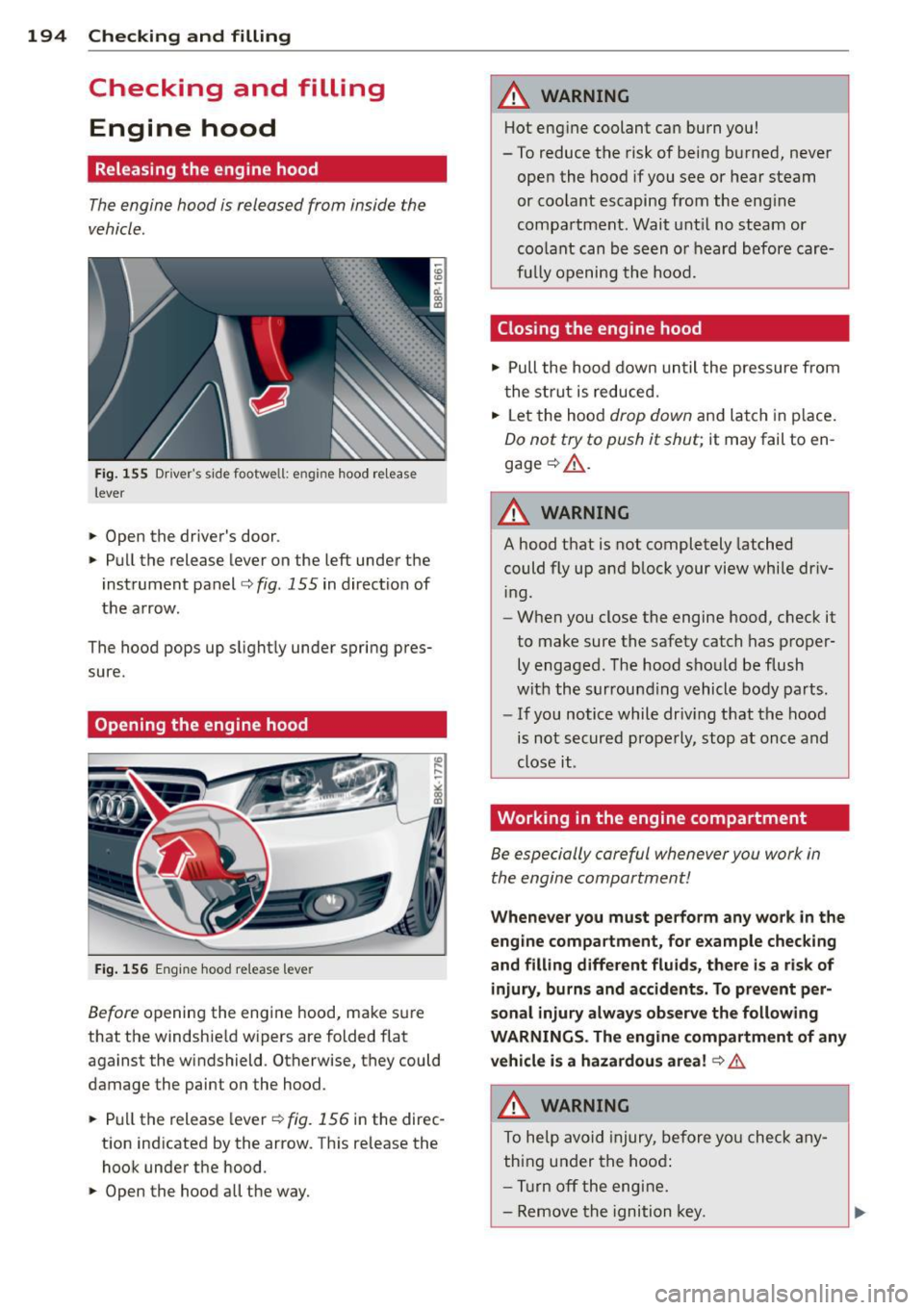
Fig. 155 Driver' s side footwe ll: e ngin e hood release
lever
.. Open the driver's door.
.. Pull the release lever on the left under the
instrument panel
c> fig . 155 in direction of
the a rrow .
The hood pops up slight ly under spring pres
sure.
Opening the engine hood
Fig . 156 Engine hood releas e le ve r
Before opening the eng ine hood, make sure
that the windshie ld wipers are folded flat
against the windshield . Otherwise, they could
damage the paint on the hood.
.. Pull the release lever
r=;,fig . 156 in the direc
tion indicated by the arrow . This release the
hook under the hood .
.. Open the hood all the way.
A WARNING
-Hot engine coolant can burn you!
- To reduce the risk of being burned, never
open the hood if you see or hear steam
or coo lant escaping from the eng ine
compartment . Wait unt il no steam or
coolant can be seen or heard before care
fu lly opening the hood.
Closing the engine hood
.. Pull the hood down until the pressure from
the strut is reduced .
.. Let the hood
drop down and latch in p lace.
Do not try to push it shut; it may fail to en
gage
c> .&, .
A WARNING
--
A hood that is not completely latched
could fly up and b lock your view while dr iv
i ng.
- When you close the engine hood, check it
to make sure the safety catch has properly engaged . The hood shou ld be flush
with the surrounding vehicle body parts.
- If you notice while dr iv ing that the hood
is not secured properly, stop at once and
close it .
Working in the engine compartment
Be especially careful whenever you work in
the engine compartment!
Whene ve r you must pe rform any wo rk in the
eng ine compartment, for e xample chec king
and filling differ ent fluid s, the re i s a risk of
injury , burns and accident s. T o pr event p er
s onal injury alwa ys observe the foll owing
WARNING S. Th e engin e c ompartm ent of an y
v e hicl e is a hazardou s area!
r=;, .&.
A WARNING
To help avoid injury, before yo u check any
thing under the hood:
- Turn off the engine .
- Remove the ignition key.
Page 241 of 280
Tightening
• Fit the wh eel b olt wren ch over t he wheel
bolt and push it down as far as it will go .
• Close your gr ip aro und the
end of the
wrench handle for maximum torque and
turn each whee l bolt
cl ock wise until it sits
tight.
A WARNING
- Us ing force without control to speed the
wheel change up can cause the veh icle to
slip off the jack and cause serious pe r
sonal inj uries.
- Do not loosen the wheel bolts more than
one turn
before you ra ise the veh icle with
the jack. -Risk of inj ury!
@ Tips
- Never t ry and use the hexagonal socket
i n the handle of the screwdriver to loos
en o r tighten the wheel bolts .
- If a wheel bolt sits very t ight, you may
find it easie r to loosen by carefully push
i ng down on the end of the whee l bolt
wre nch w ith
one foot only. As you do,
ho ld on to the ca r to keep yourse lf stable
and ta ke care not to slip .
Raising the vehicle
The vehicle must be li~ed with the jack first
before the wheel can be removed .
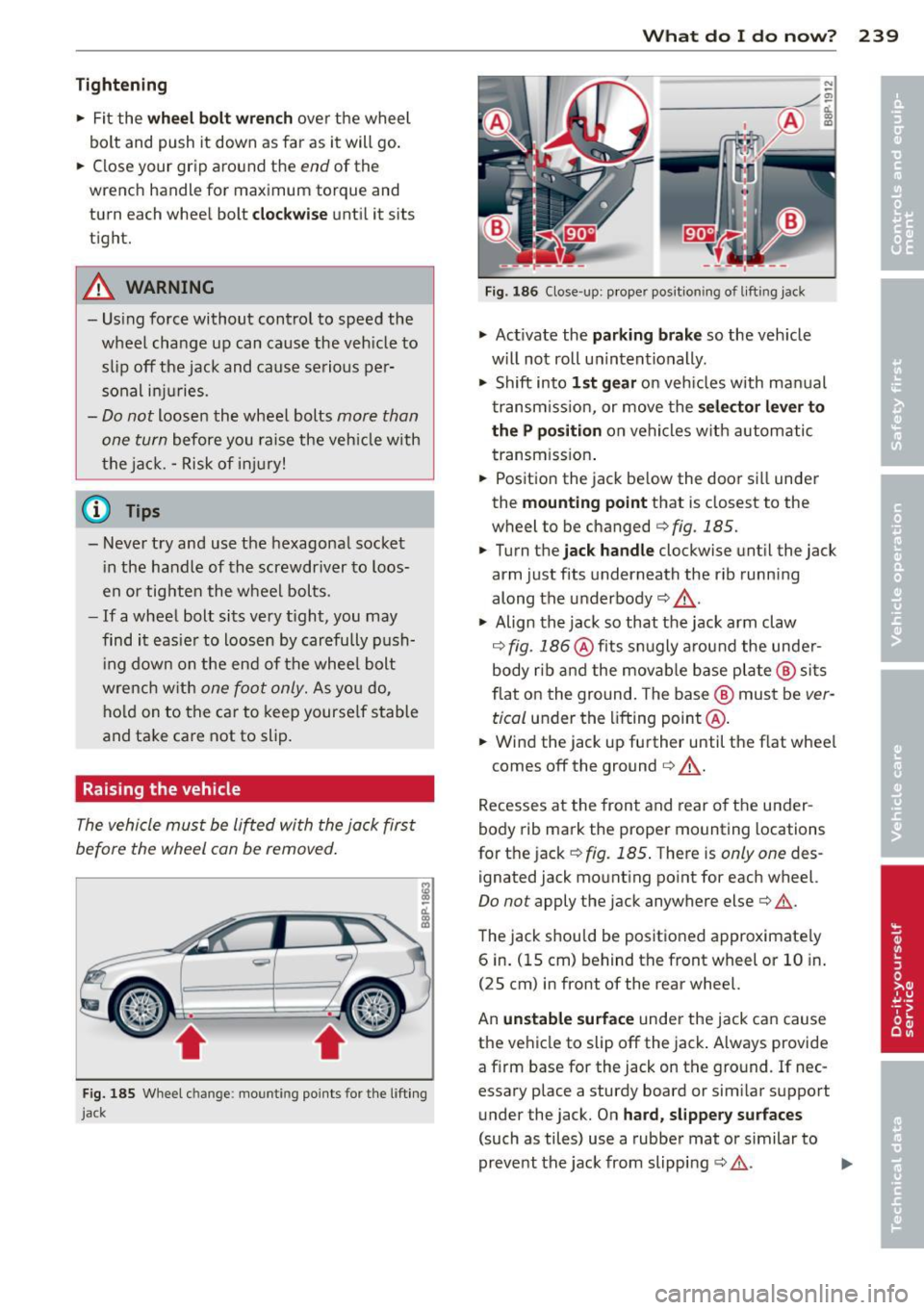
Fig. 185 W heel c hange: mo untin g po ints for the lift ing
j ac k
What do I d o now ? 239
Fig. 1 86 Close -up: p roper pos ition ing o f lift in g jack
• Act ivate the parking brak e so the vehicle
w il l not roll u nintentionally .
• Shift into
1st gear on vehicles with manual
transm iss ion, or move the
se lecto r l ev e r to
the P p ositio n
on vehicles with automatic
transm ission .
• Pos it ion the jack be low the door sill under
the
mounting point that is closest to the
wheel to be changed
r=> fig. 185.
• Turn the jack handle clockwise unt il the jack
arm just fits underneath the rib running
along the underbody
c::> & ..
• Align the jack so that the jack arm claw
c:;, fig. 186 @fits snugly around the unde r
body rib and the movab le base plate ® sits
flat on the ground. The base @ must be
ver
tical
under the lifting point @.
• Wind the jack up further until the flat wheel
comes off the ground
c::> . & ..
Recesses at the front and rear of the under
body rib mark the proper mo unting locations
for the jack
c:;, fig. 185 . There is only one des
ignated jack mounting po int for each wheel.
Do not apply the jack anywhere else c::> .&. .
The jack shou ld be positioned approximate ly
6 in. (15 cm) behind the front wheel or 10 in.
(25 cm) in front of the rear wheel.
An
unstable surfa ce under the jack can cause
the vehicle to slip off the jack . Always provide
a firm base for the jack on the ground . If nec
essary place a sturdy board or sim ilar support
under the jack. On
hard , slipper y su rf a ces
(such as tiles) use a rubber mat or similar to
prevent the jack from slipp ing
c::> .&. . .,.
Page 246 of 280
244 Fuses and bulbs
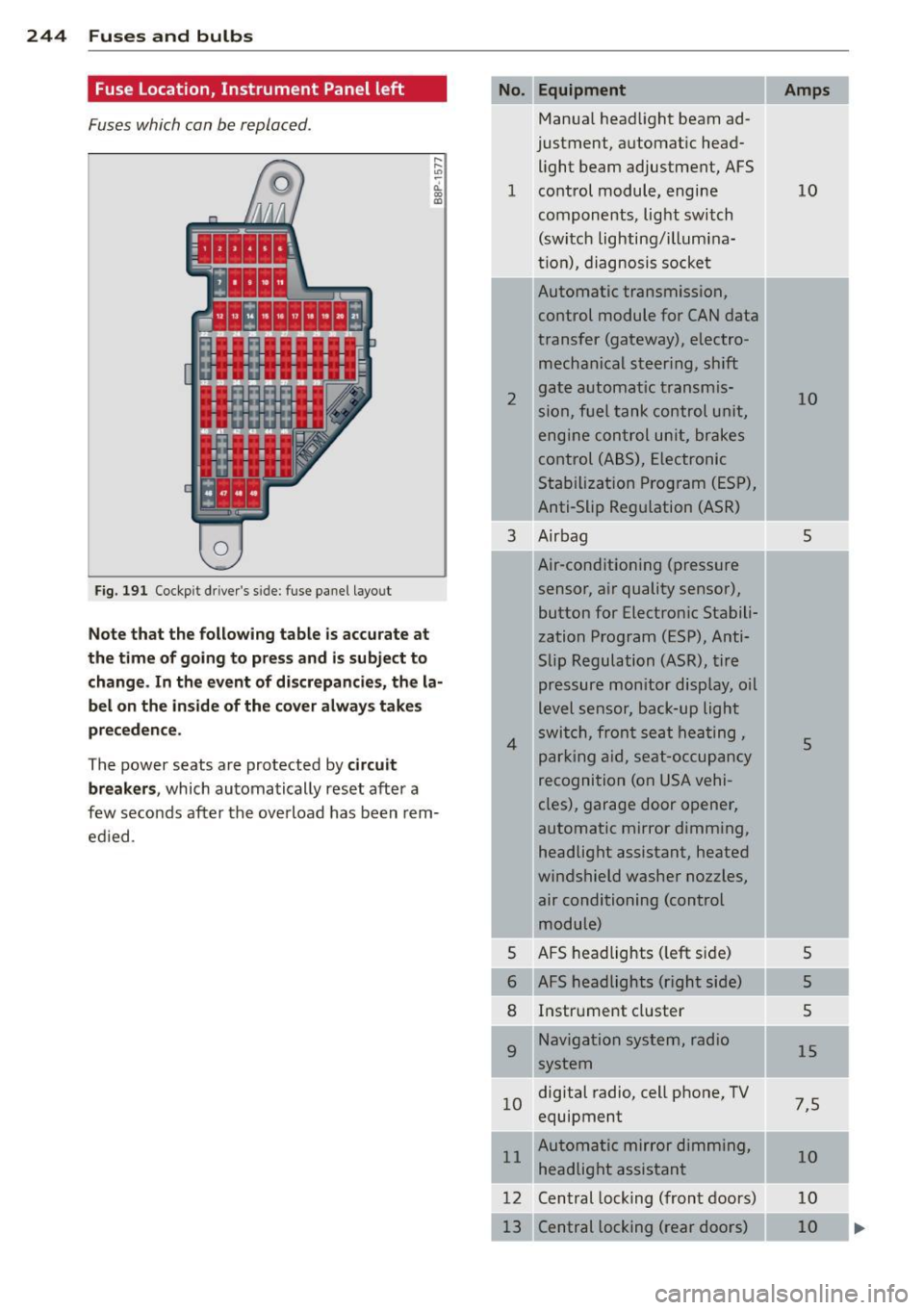
Fuse Location, Instrument Panel left
Fuses which can be replaced.
Fig. 191 Cockp it driver 's s ide: fuse pane l layout
Note that the following table is accurate at
the time of going to pr ess and i s subject to
change . In the event of d iscrepancies, the la
bel on the in side of the cover always take s
pr eceden ce .
The power seats are protected by circuit
break ers,
which automatically reset after a
few seconds after the ove rload has been rem
ed ied .
Equipment
Manua l head light beam ad
justment, a utomat ic head
light beam adjustment, AFS
1 co ntrol m odule, engine
components, light switch
(switch lighting/illumina
ti on), diagnosis socke t
2
3
4
5
6
8
9
Automatic transmission,
control module for CAN data
transfer (gateway), electro
mechanical steering, shift
gate automatic transmis
sion, fuel tank control unit,
engine control unit, brakes
control (A BS), Electronic
Stabili zation Program (ESP) ,
Anti-Slip Regulation (ASR)
Air bag
Air-conditioning (pressure
sensor, air quality sensor), button for Electronic Stabili
zation Program (ESP), Anti
Slip Regulat ion
(ASR), tire
pressure monitor display, oil
level senso r, back-up ligh t
s w itch, front se at he ati ng ,
p ark ing aid, sea t-occupancy
recognition (on USA vehi
cles), garage door opener,
automa tic mirror dimming,
headlight assistant, heated
windshield washer nozzles, air conditioning (control
module)
AFS headlights ( left si de)
AFS headlights (right side) Instr ument cluster
Navigation system, radio
system
1 0 digital
radio, cell phone, TV
equipment
11 Automatic mirror dimming,
headlight assistant
12 Central lock ing (front doors)
Central locking ( rear doors)
Amps
10
10
5
5
5
5
5
15
7 ,5
10
10
10
Page 257 of 280

General information Explanation of
technical data
Som e of t he technical data listed in this man
ual requires further explanation .
The technical data for your vehicle is listed in
the charts starting on
Q page 257. This sec
tion provides general information, notes and
r estr ictions wh ich app ly to this data.
Vehicle identification
The key data a re given on the vehicle identifi
c a tion number ( VIN) pla te and the vehicle da
ta sticker.
F ig. 201 Veh icle Ident ific atio n Num ber (VIN) p late: lo
cation o n dri ver"s s ide das h pa nel
Fi g. 2 02 The ve hicle iden tifi cat ion label -inside the
l u ggage co mpartme nt
The Vehicle Identification Number (VIN)
is located on the d river's side so tha t it is v is i
b le from the o utside throug h the windshield -
see
c!) fig. 201.
The vehicle identification label
i s located in the luggage compartment in t he
sp are wheel well. General inform
ation 255
The labe l
Q fig. 202 shows the fo llow ing vehi
cle data :
(D Product io n cont ro l no.
@ Vehicle identification no .
@ Type code number
@ Type designat ion/engine o utp ut in K ilo-
watts
® Engine and t ransm ission code letter
@ Pa in t no./ In te rior
(J) Optional equipment no.'s
Vehicle data 2 to 7 are a lso fo und in your W ar
ranty
& Maintenance booklet .
The safety compliance sticker
is your assurance that your new vehicle com
plies wi th a ll applicab le Fede ral Mot or Vehicle
S afety S tand ards which were in effect at the
time the ve hicle was ma nufactured. You can
find this sticke r on the left doo r jamb. It
shows the mo nth and yea r of prod uction and
the vehicle identificat ion number of yo ur vehi
cle (perforation) as well as the Gross Vehicle
Weight Rating (GVWR) a nd the Gross Axle
Weight Rating (GAWR) .
The high voltage warning label
is located on the lock carrie r.
The spark ignition system complies with
the Canadian standard ICES-002.
Weights
Gr oss Vehicle Weight Rating
The Gross Vehicle Weight Rat ing (GVWR), and
the G ross Axle Weight Rating (GAWR) for
front and rear are listed on a sticker on the left door jamb.
The Gross Vehicle Weight Rat ing includes the
weight of the bas ic vehicle plus fu ll fuel tank,
o il and coo lant, plus maximum load, which in
cludes passenger we ight (150 lbs/68 kg per
designated seating position) and luggage
weight .