ECU AUDI A5 COUPE 2018 Workshop Manual
[x] Cancel search | Manufacturer: AUDI, Model Year: 2018, Model line: A5 COUPE, Model: AUDI A5 COUPE 2018Pages: 409, PDF Size: 67.63 MB
Page 329 of 409
Checking and Filling
risk of damaging the fuel tank system and
the engine. See an authorized Audi dealer or
authorized Audi Service Facility for assis
tance.
- Ad Blue attacks surfaces such as painted ve
hicle components, plastic and carpet. Re
move the fluid as quickly as possible with a
damp cloth and plenty of cold water. If the
Ad Blue has already crystallized, use warm
water and a sponge . AdBlue residue that is
not removed will crystallize and can damage
the affected surface.
- Do not store refill bottles or canisters per
manently in the vehicle. If the container
leaks, the escaping AdBlue could damage
the vehicle interior.
- Do not allow AdBlue to come into contact
with clothing. If there is contact with the
fluid, flush immediately with plenty of wa
ter.
(D Tips
Follow the Ad Blue manufacturer 's instruc
tions for use and storage.
Refilling AdBlue using a pump
Applies to: veh icles with selective catalyt ic reduction
.,. Open the tank filler door c::> page 324, fig. 268.
.,. T urn the tank filler neck cap to the left to re
move
c::> page 327 , fig . 272.
.,. Refill Ad Blue until the pump noz zle switches
off for the first time
c::> (D .
.,. Close the filler neck . c::> page 329, Completing
AdBlue refill
(fl Note
- The pump nozzle handle must be pointing downward when filling. Otherwise the pump nozzle will not switch off automati
cally
c::> Q) in Preparation on page 32 7.
- Do not continue filling once the pump noz
zle automatically switches off for the first
time. The AdBlue tank system could be
overfilled and leak Ad Blue
c::>(D in Prepara
tion on page 327.
328
Refilling AdBlue using a canister
Applies to: vehicles with selective cata lytic reduction
®
+®
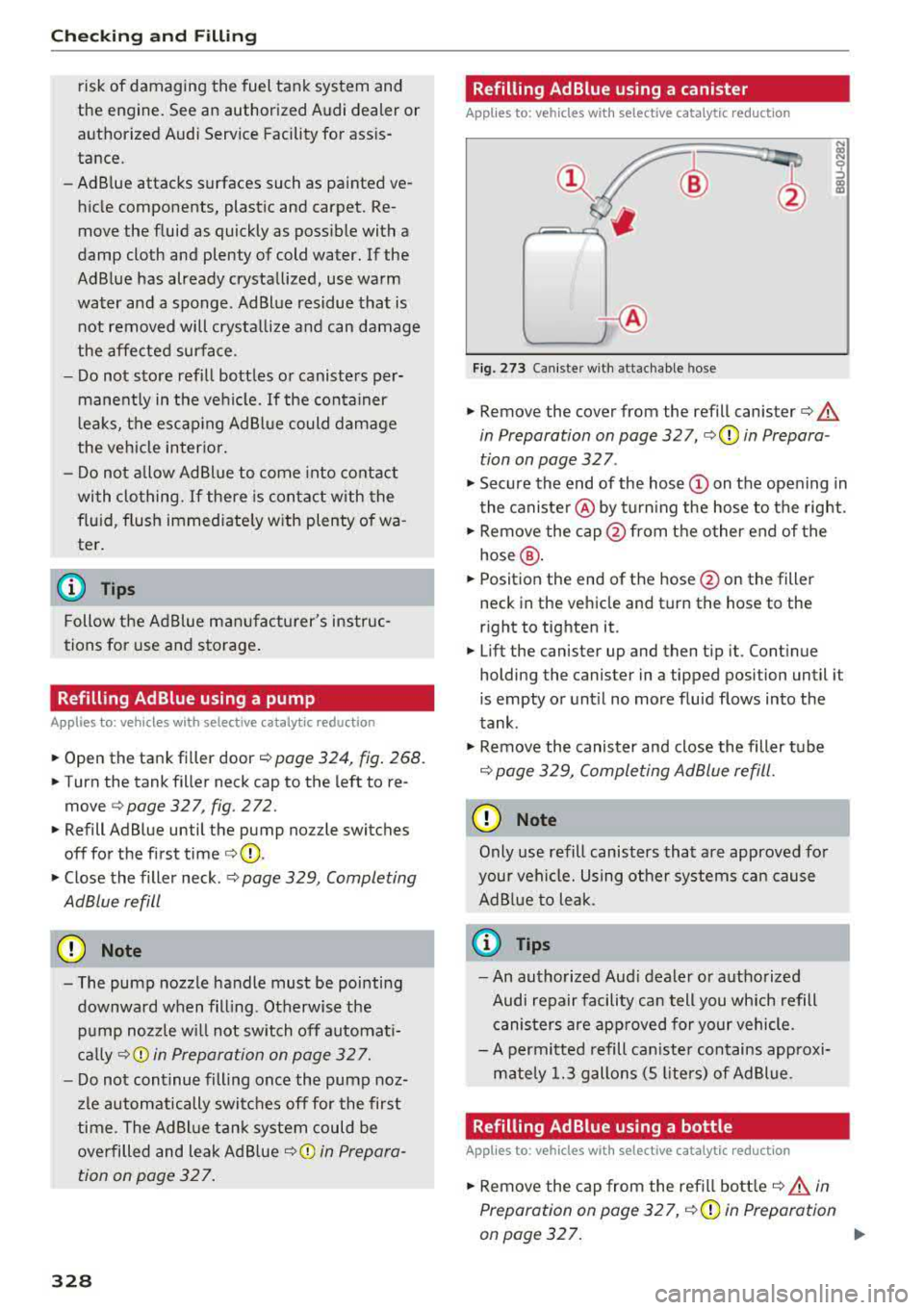
Fig. 273 Caniste r w ith attachable hose
.,. Remove the cover from the refill canis ter c::> A
in Preparation on page 3 27, c::>(D in Prepara
tion on page 32
7 .
.,. Secure the end of the hose (D on the opening in
the canister @by turning the hose to the right.
.,. Remove the cap@from the other end of the
hose @ .
.,. Position the end of the hose @on the filler
neck in the vehicle and turn the hose to the
right to tighten it .
.,. Lift th@ canister up and then tip it. Continue
holding the canister in a tipped position until it
is empty or until no more fluid flows into the
tank .
.,. Remove the canister and close the filler tube
c::> page 329, Completing AdBlue refill .
(D Note
Only use refill canisters that are approved for
your vehicle. Using other systems can cause Ad Blue to leak .
(D Tips
-An authorized Audi dealer or authorized
Audi repair facility can tell you which refill
canisters are approved for your vehicle .
- A permitted refill canister contains approxi
mately 1.3 gallons (5 liters) of Ad Blue.
Refilling AdBlue using a bottle
Applies to: vehicles with selective catalytic reduction
.,. Remove the cap from the refill bottle c::> A in
Preparation on page 327,
c::> (D in Preparation
on page 327.
..,.
Page 332 of 409
,&_ WAR NING
California Proposition 65 Warning:
- Engine exhaust, some of its constituents,
and certain vehicle components contain or
emit chemicals known to the State of Cali
fornia to cause cancer and birth defects and reproduct ive harm. In addition, certain flu
ids contained in vehicles and certain prod
ucts of component wear contain or emit
chem icals known to the State of California
to cause cancer and birth defects or other reproduct ive harm.
- Battery posts, terminals and related acces sories contain lead and lead compounds,
chem icals known to the State of California
to cause cancer and reproduct ive harms.
Wash hands after handling.
(D Note
When filling flu ids, be sure not to mix the flu
ids up . Otherwise severe ma lf u nctions and en
gine damage w ill occur.
@) For the sake of the environment
You shou ld regularly check the ground under
your vehicle in o rder to detect leaks qu ickly .
If
there a re visible spots from oil or other fluids,
bring your vehicle to an authorized Aud i dea l
er or authorized Audi Service Facility to be
checked.
Opening and closing the hood
The hood is released from inside the vehicle.
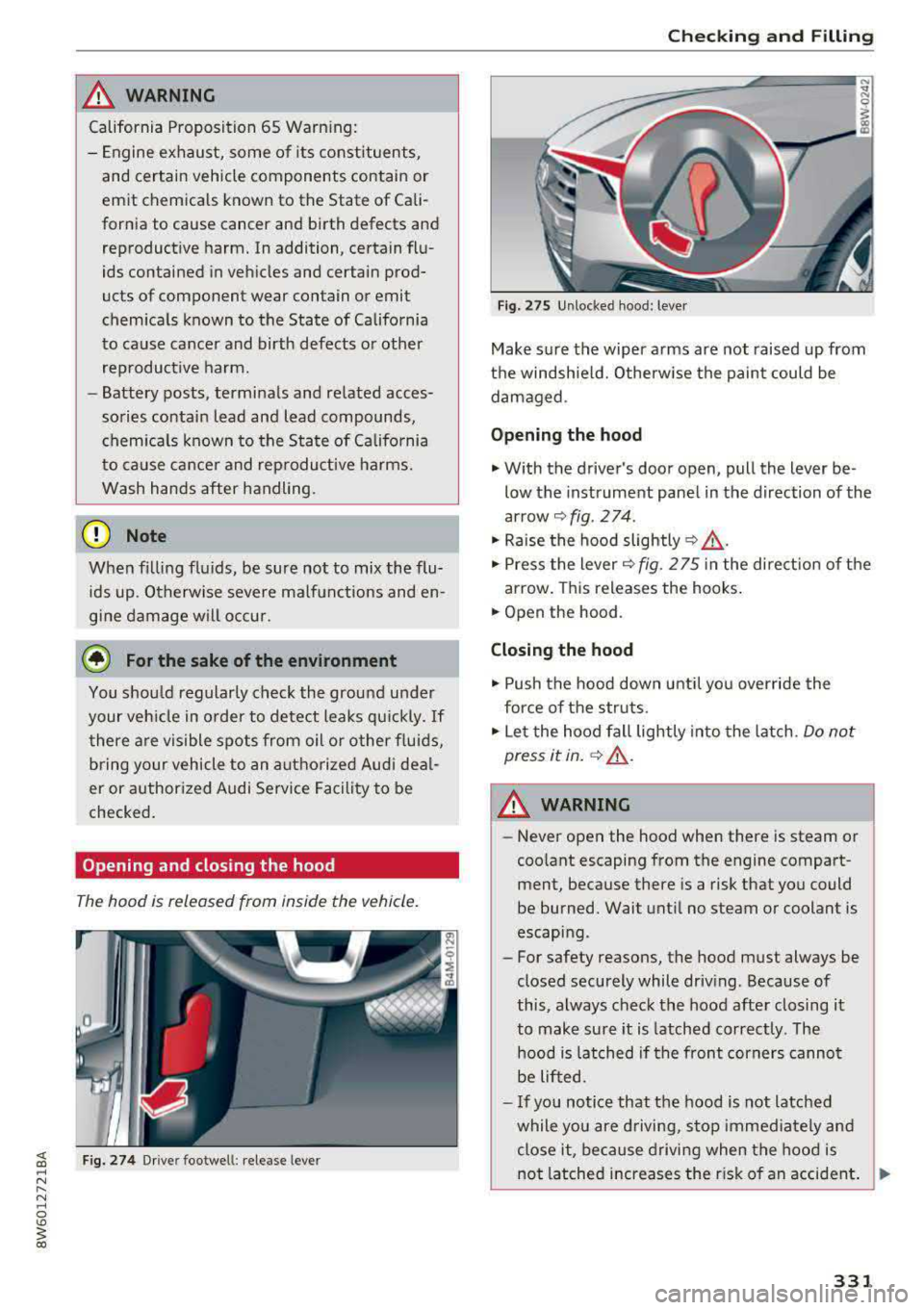
Fig. 274 Driver footwell: release leve r
Checki ng an d Fill in g
Fig. 275 Unlocked hood : lever
Make sure the wiper arms are not raised up from
the windshield. Otherwise the paint could be damaged .
Opening the hood
" With the driver's doo r open, pull the lever be
low the instrument panel in the direction of the
arrow
r:;, fig . 2 7 4.
" Ra ise the hood slightly ¢.&_ .
"Press the lever ¢ fig. 275 in the direct ion of the
arrow. This releases the hooks .
"Open the hood .
Closing the hood
" Push the hood down until you override the
force of the str uts.
" Let the hood fall lightly into the latch . Do not
press it
in. ¢ .&_ .
A WARNING ,..___
-Never open the hood when there is steam or
coo lant escaping from the engine compart
ment, because there is a risk that you could
be burned. Wait until no steam or coolant is
escaping.
- For safety reasons, the hood must always be
closed securely while driv ing. Because of
this, always check the hood after closing it
to make sure it is latched correctly . The
hood is latched if the front corners cannot
be lifted.
- I f you notice that the hood is not latched
while you are d riving, s top immed iately and
close it, because driving when the hood is not latched increases the r isk of an accident . .._
331
Page 335 of 409
Check ing and F illing
CJ) Note
Driving with an insufficient oil level is likely to
cause severe damage to the engine .
@ Tips
-The oil pressure warn ing display. i s not
an ind icato r of the oil l evel. Do not rel y on
it. In stead , che ck th e oil le vel in your e n
gi ne a t regul ar int ervals, prefe rably e ach
t ime you re fuel , and al ways befo re go ing
on a long trip .
-If you have the impression your engine con
sumes excessive amounts of oil, we recom
mend that you consult an authorized Aud i
dealer to have the cause of your concern properly d iagnosed . Keep in mind that the
accurate measurement of oil consumpt ion
r equi res great ca re and may take some
time. An authorized Audi dealer has instruc
tions about how to measure oil consump
tion accurately.
Checking the engine oil level and adding
engine oil
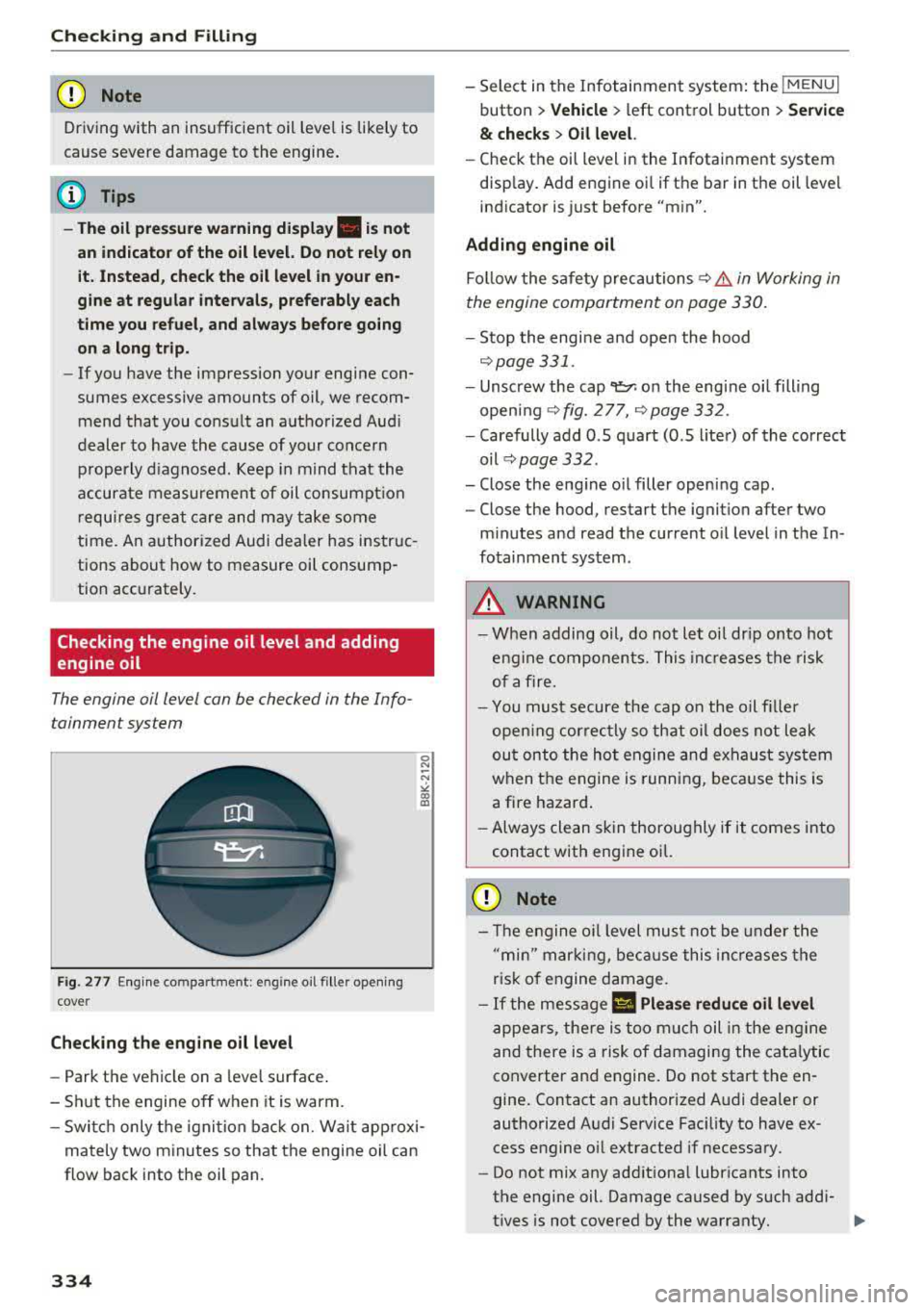
The engine oil level can be checked in the Info
t ainmen t sys tem
F ig . 277 Engin e co mpartme nt: e ngine o il fille r ope ning
c ove r
Checking th e engine oil l evel
-Park t he vehicle on a leve l surface .
-Sh ut the engine off when it is warm.
0 N
-N
>< (X) IX)
-Switc h only the ignition back on. Wa it approxi-
mately two minutes so that the engine oil can
flow back into the oil pan.
334
-Select in the Infotainment system: the ! MENUI
button > V ehicle > l eft control button > Se rvice
& ch ec ks > Oil level.
-Check the oil level in the Infotainment system
disp lay . Add engine oi l if the bar in the oil level
indicator is just before
"m in".
Adding engine oil
Fo llow the safety precautions r:';> Li::. in Working in
the engine compartment on page 330.
-Stop the engine and open the hood
<:';> page 331 .
-Unscrew the cap 9=;,1 on the engine oi l filling
open ing
r:';> fig. 277, <:';>page 332.
-Carefully add 0.5 quart (0.5 liter) of the correct
oil
r:';> page 332 .
-Close the eng ine oil filler opening cap.
-Close the hood, restart the ignit ion after two
m inutes and read the current o il level in the In
fotainment system.
&_ WARNING
-When adding oil, do not let oil dr ip onto hot
engine components.
This i nc reases the risk
of afire.
-You must secure the cap on the oil fi ller
open ing correctly so that oil does not leak
ou t onto the ho t engine and exhaust system
when the engine is running, beca use this is
a fire hazard .
- Always clean skin thoroughly if it comes into
contact with engine oil.
(D Note
-The engine o il level must not be under the
" min" marking, because this incre ases the
risk of engine damage.
-If the message II Pl ea se redu ce oil lev el
appears, there is too much oil in the eng ine
and there is a risk of damaging the cata lytic
converter and engine. Do not start the en
gine . Contact an authorized A udi dealer or
authorized Audi Service Fac ility to have ex
cess engine o il extracted if necessary .
- Do not mix any add it iona l lubricants into
the engine oil. Damage caused by such add i
t ives is not covered by the warranty.
...
Page 338 of 409
.. Place a cloth over the coolant expansion tank
cap .
.. Push the release button ¢ fig. 2 78 and careful
ly unscrew the cap to the left until you feel re
sistance¢ &_ .
.. Push the release button again and remove the
cap completely .
.. Make sure that the fluid level remains stable .
Add more coolant if necessary .
.,. Turn the cap to the right to secure it until yo u
feel resistance a second time.
Coolant loss usually indicates there is a leak . Im
mediately drive your vehicle to an authorized
Audi dealer or authorized Aud i Serv ice Facility
and have the cooling system inspected. If the
cooling system is not leaking, a loss can come
from the coolant boiling through overheating
and being pushed out of the cooling system.
A WARNING
- The cooling system is under pressure. Do
not open the coolant expansion tank cap
when the engine is hot. This increases the
risk of burns .
-The coolant additive and the coolant can be
dangerous to your health . For this reason,
keep the coolant in the original container
and away from children. There is a risk of
poisoning.
-When working in the engine compartment,
remember that the radiator fan can switch
on even if the ignition is switched off, which
increases the risk of injury.
CD Note
Do not add coolant if the expansion tank is
empty. There may be air i n the cooling sys
tem, which increases the risk of engine dam
age . If this is the case, do not continue driv
ing . See an authorized Audi dea ler or author
ized Aud i Service Facility for assistance.
Checking and Filling
Brake fluid
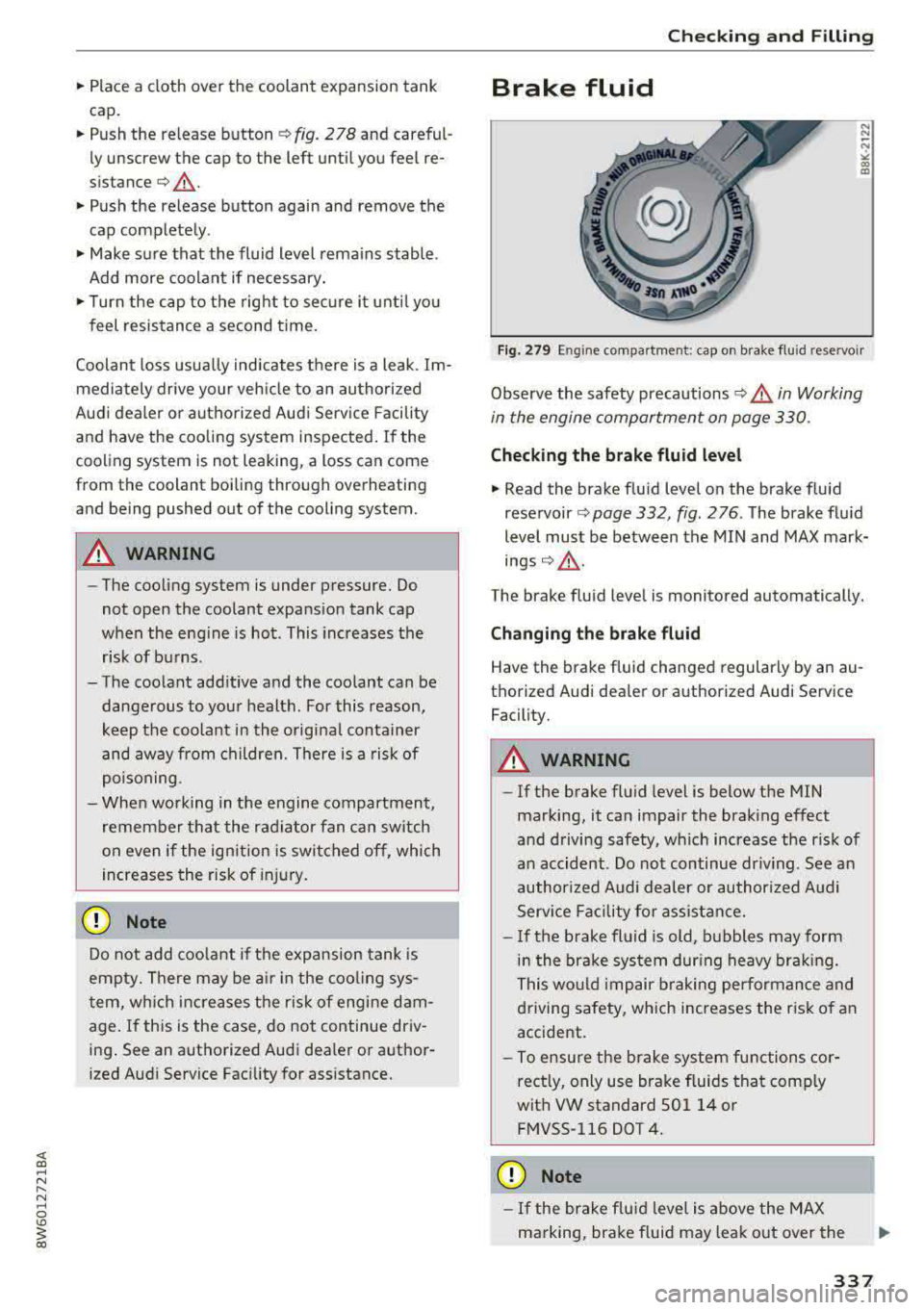
Fig. 279 E ng in e compartment : cap on brake fluid reservo ir
Observe the safety precautions ¢&. in Working
in the engine compartment on page 330 .
Checking the brake fluid level
... Read the brake fluid level on the brake fluid
reservoir¢ page 332, fig . 276 . The brake fluid
level must be between the MIN and MAX mark
ings¢_.&. .
The brake fluid level is monitored automatically.
Changing the brake fluid
Have the brake fluid changed regularly by an au
thorized Audi dealer or authorized Audi Service Facility.
A WARNING
- If the brake flu id level is below the MIN
marking, it can impair the brak ing effect
and driving safety, wh ich increase the risk of
an accident. Do not continue dr iving . See an
authorized Audi dealer or authorized Audi
Serv ice Facility for assistance.
-If the brake fluid is old, bubbles may form
in the brake system dur ing heavy braking.
This would impair braking performance and
driving safety, which increases the risk of an
accident.
-To ensure the brake system functions cor
rectly, only use brake fluids that comp ly
with VW standard 501 14 or FMVSS-116 DOT 4.
CD Note
-If the brake flu id l eve l is above the MAX
marking, brake fluid may leak out over the
337
Page 369 of 409
Emergency assistance
Emergency assistance
General information
.,. Park the vehicle as far as possible from moving
traffic in the event of a breakdown. In the event
of a flat tire, park the vehicle on a level surface .
It you are on a steep hill, be especially careful.
.,. Set the parking brake .
.,. Switch the emergency flashers on .
.,. Have the passengers exit the vehicle . They
should move to a safe place, for example be
hind a guard rail.
_& WARNING
Follow the steps given above . This is for your
protection and the for the safety of other driv
ers.
Equipment
Vehicle tool kit/tire mobility kit/vehicle
jack
App lies to: veh icles with the vehicle tool kit, tire mobility kit
and veh icle jack
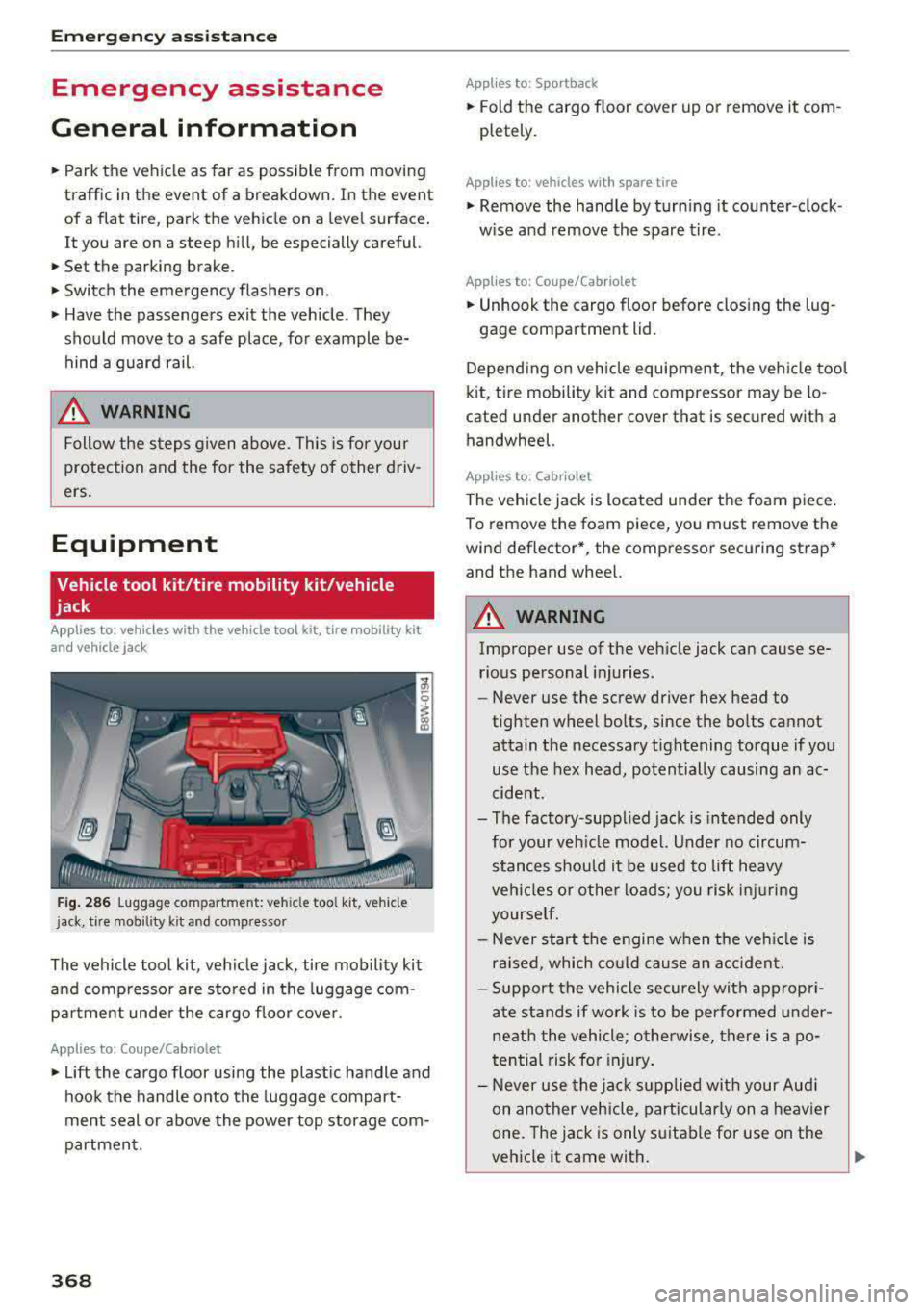
Fig. 286 Luggage compartment: veh icle tool kit, vehicle
j ack, tire mobil ity kit and compressor
The vehicle tool kit, vehicle jack, tire mobility kit
and compressor are stored in the luggage com
pa rtm ent under the cargo floor cover.
Applies to: Coupe/Cab riolet
.,. Lift the cargo floor using the plastic handle and
hook the handle onto the luggage compart
ment seal or above the power top storage com
partment.
368
App lies to : Sportback
.,. Fold the cargo floor cover up or remove it com
pletely .
Applies to: vehicles with spare tire
.,. Remove the handle by turning it counter-clock
w ise and remove the spare tire.
App lies to: Coupe/Cabr io let
.,. Unhook the cargo floor before closing the lug -
gage compartment lid.
Depending on vehicle equipment, the vehicle tool
kit, tire mobility kit and compressor may be lo
cated under another cover that is secured with a handwheel.
Applies to: Cabriolet
The vehicle jack is located unde r the foam piece.
To remove the foam piece, you must remove the
wind deflector*, the compressor securing strap*
and the hand wheel.
_& WARNING
Improper use of the veh icle jack can cause se
rious personal injuries.
- Never use the screw driver hex head to
tighten wheel bolts, since the bolts cannot attain the necessary tightening torque if you
use the hex head, potentially causing an ac
cident.
- The factory-suppl ied jack is intended only
for your veh icle model. Under no circum
stances should it be used to lift heavy
veh icles or othe r loads; you risk injuring
yourse lf.
- Never start the engine when the ve hicle is
raised, which could cause an accident.
- Support the vehicle securely with appropri
ate stands if work is to be performed under
neath the vehicle; otherwise, there is a po
tential risk for in jury .
- Never use the jack supplied with your Aud i
on another vehicle, particularly on a heavier
one. The jack is only suitable for use on the
vehicle it came with.
~
Page 373 of 409
Emergency assistance
Loosening the wheel bolts
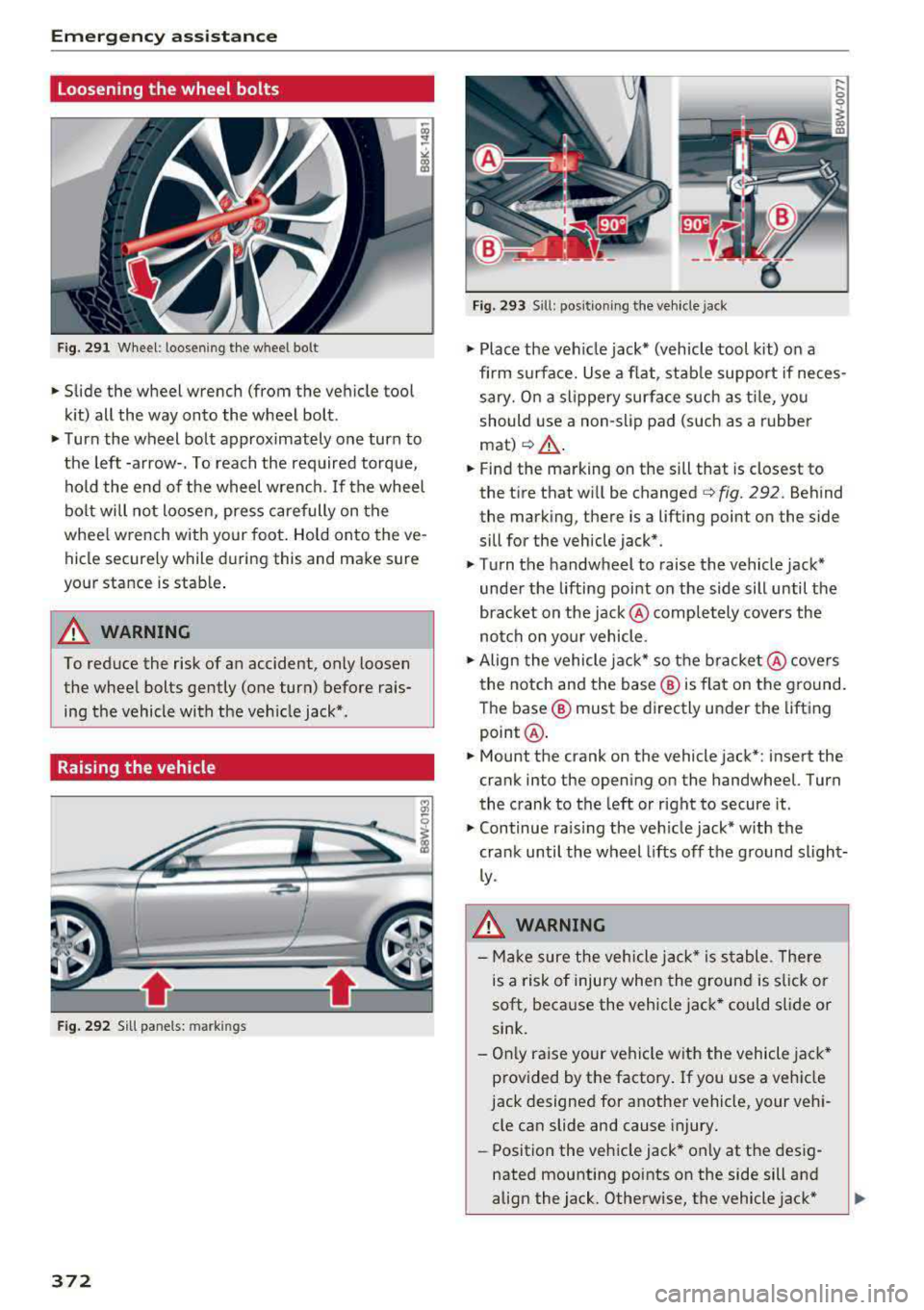
Fig. 291 Wheel: loosening the wheel bolt
• Slide the wheel wrench (from the vehicle tool
kit) all the way onto the wheel bolt.
• Turn the wheel bolt approximately one turn to
the left -arrow-. To reach the required torque,
hold the end of the wheel wrench. If the wheel
bolt will not loosen, press carefully on the
whee l wrench with your foot. Hold onto the ve
hicle securely while during this and make sure
your stance is stable .
A WARNING
To reduce the risk of an accident, only loosen
the wheel bolts gently (one turn) before rais
ing the vehicle with the veh icle jack*.
Raising the vehicle
Fig . 292 Sill panels: markings
372
Fig. 293 Sill: positio ning the vehicle jack
• Place the veh icle jack* (vehicle tool kit) on a
firm s urface. Use a flat, stable support if neces
sary. On a slippery surface such as tile, you
should use a non-slip pad (such as a rubber
mat)¢ &.
• Find the marking on the sill that is closest to
the tire that will be changed
¢fig. 292. Behind
the marking, there is a lifting point on the side
sill for the vehicle jack*.
• Turn the handwheel to raise the vehicle jack*
under the lifting point on the side sill until the
bracket on the jack @ completely covers the
notch on your vehicle.
• Align the vehicle jack* so the bracket @covers
the notch and the base ® is flat on the ground.
The base ® must be directly under the lifting
point @.
• Mount the crank on the vehicle jac k*: insert the
crank into the opening on the handwheel. Turn
the crank to the left or right to secure it.
• Continue ra is in g the veh icle jack* with the
crank until the wheel lifts off the ground slight
ly.
A WARNING
- Ma ke sure the vehicle jack* is stable. Th ere
is a risk of injury when the ground is slick or
soft, because the vehicle jack* could slide or
sink.
- Only raise your vehicle with the vehicle jack*
provided by the factory . If you use a vehicle
jack designed for another vehicle, your vehi
cle can slide and cause injury.
- Position the vehicle jack* only at the desig
nated mounting points on the side sill and
align the jack. Otherwise, the vehicle jack*
Page 374 of 409
could slip and cause an injury if it does not
have sufficient hold on the vehicle.
- To reduce the risk of an accident, never start
the engine when the vehicle is raised.
- To reduce the risk of injury, support the ve
hicle securely with suitable stands if work is
to be performed underneath the vehicle.
- To help prevent injury to yourself and your
passengers:
- Do not raise the vehicle until you are sure the jack* is securely engaged.
- Passengers must not remain in the vehicle when it is jacked up.
- Make sure that passengers wait in a safe
place away from the vehicle and well away
from the road and traffic.
- Make sure jack position is correct, adjust as necessary and then continue to raise
the jack*.
- If work has to be done under the vehicle, ensure that it is safely supported on suita
ble stands
-risk of injury!
- Never start the engine when the vehicle is on the jack*
-risk of accident!
(D Note
Do not lift the vehicle by the sill. Position the
vehicle jack* only at the designated mounting points on the side sill. Otherwise, your vehicle
will be damaged.
Removing and installing a wheel
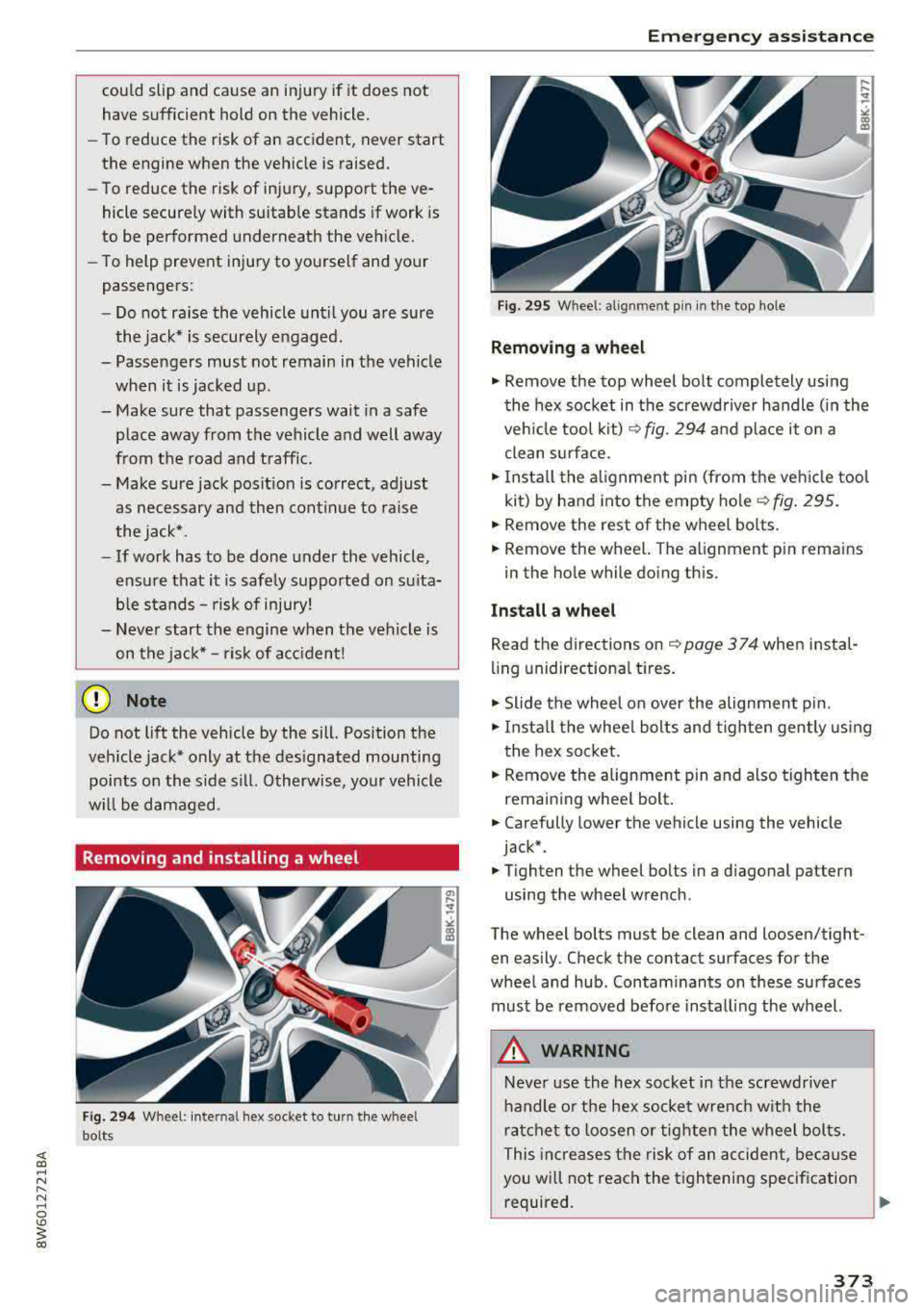
Fig. 294 Wheel: inte rnal hex socket to turn the whee l
bolts
Emergency assistance
Fig. 295 Whee l: alignment pin in the top ho le
Removing a wheel
.,. Remove the top wheel bolt completely using
the hex socket in the screwdriver handle (in the
vehicle tool kit)
~fig. 294 and place it on a
clean surface.
.,. Install the alignment pin (from the vehicle tool
kit) by hand into the empty
hole ~ fig. 295.
.,. Remove the rest of the wheel bolts.
.,. Remove the wheel. The alignment p in remains
in the hole while doing this.
Install a wheel
Read the directions on ~page 374 when instal
ling unidirectional tires.
.,. Slide the wheel on over the alignment pin .
.,. Install the wheel bolts and tighten gently using
th e hex socket.
.,. Remove the alignment pin and also tighten the
remai ning wheel bolt.
.,. Carefully lower the vehicle using the vehicle
jack*.
.,. Tighten the wheel bolts in a diagonal pattern
using the wheel wrench .
The wheel bolts must be clean and loosen/tight
en easily. Check the contact surfaces for the
wheel and hub. Contaminants on these surfaces
must be removed before installing the wheel.
A WARNING
Never use the hex socket in the screwdriver
handle or the hex socket wrench with the
ratchet to loosen or tighten the wheel bolts.
This increases the risk of an accident, because
you will not reach the tightening specification
required.
~
373
Page 376 of 409
<( a, .... N ,....
N .... 0 \0
3 a,
-Always store damaged wheel, jack* and
tools securely in the luggage compartment.
Otherwise, in an accident or sudden maneu
ver they could fly forward, causing injury to
passengers in the vehicle.
Space-saving spare tire
App lies to: ve hicles with space-saving spare t ire (co mpact
spare tire)
The spare tire is intended for short-term use on
ly. Have the damaged tire checked and replaced,
if necessary, by an authorized Audi dealer or au
thori zed Audi Service Facility as soon as possible.
There are some restrictions on the use of the
compact spare tire . The compact spare tire has
been designed specifically for your type of vehi
cle . Do not replace it with the spare tire from an
other type of vehicle.
The compact spare tire is located in the luggage
compartment under the cargo f loor cover
c::>page368.
The tire pressure must be 61 PSI (420 kPA).
Snow chains
For technical reasons, the use of snow chains on
the compact spare tire is not permitted.
If you have to drive with snow chains and a front
tire fails, mount the spare t ire in place of a rear
tire. Install the snow chains on the rear tire that
you removed, and insta ll that in place of the
front tire that failed.
A WARNING
-After installing a spare tire, the tire pres
sure must be checked as soon as possible .
-Do not drive faster than 50 mph (80 km/h)
with a compact spare tire. Driving faster
than that increases the risk of an accident.
-T o reduce the risk of an accident, avoid full
thrott le acceleration, heavy braking, and
fast cornering with the compact spare tire.
-To reduce the risk of an accident, never drive
with more than one compact spare tire.
-Normal summer or winte r tires must not be
mounted on the compact spare wheel rim.
Emergency assistance
375
Page 383 of 409
Emergency situations
@ Tips
The discharged battery must be properly con
nected to the vehicle's electrical system .
When jump starting or charging the battery,
never connect the negative ground cable to
the battery negative post because the battery
manager system must be able to detect the
battery's state of charge. Always connect the
negat ive ground cable to the negative ground
pos t of the battery manager control unit.
Using the jump start
cable
Both jump start cables must be connected in the
correct order!
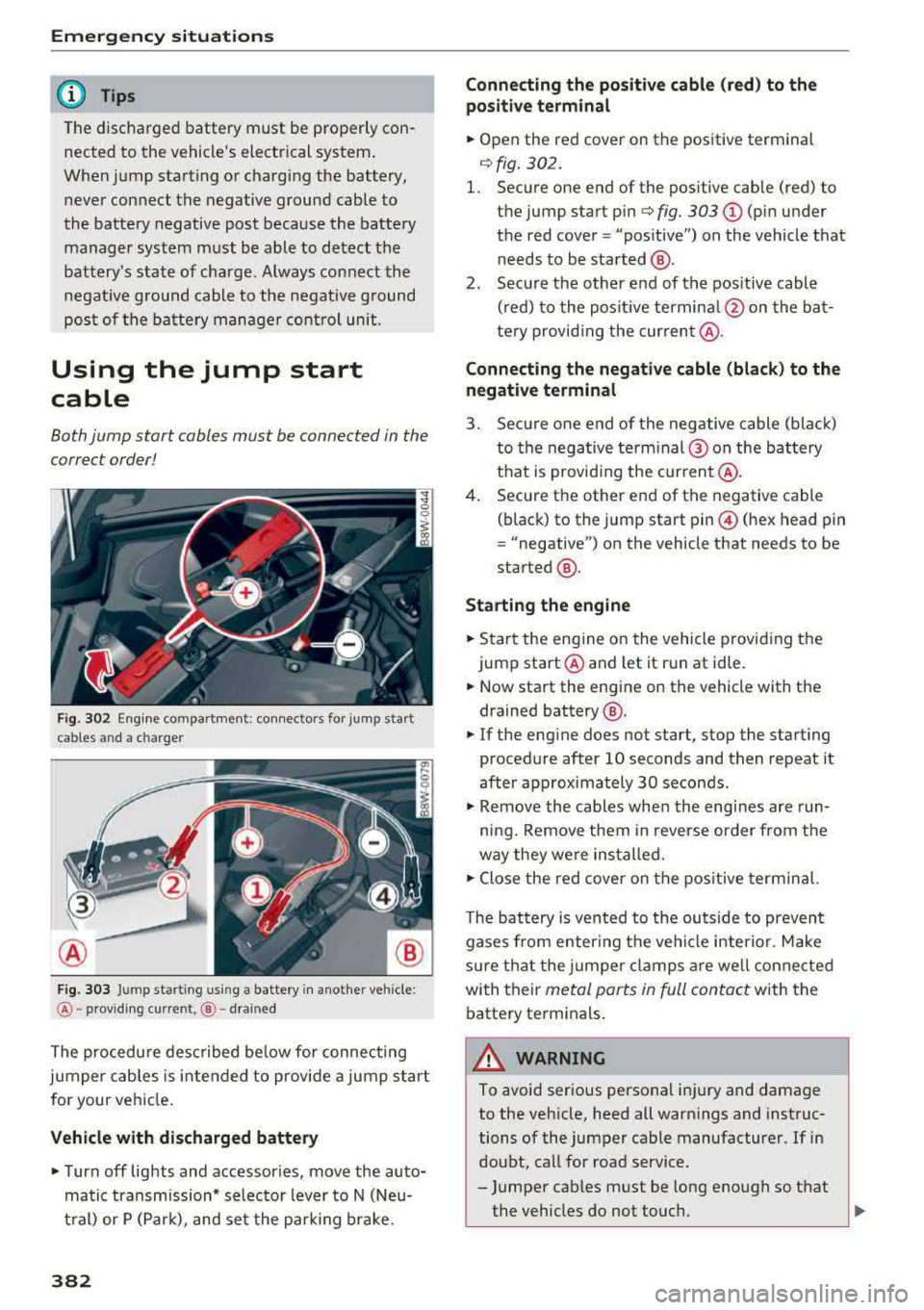
Fig. 302 Engin e compartme nt: co nn ectors for jump start
cables and a charger
Fig. 303 Jump starting using a battery in anot her vehicle:
@-pro vidi ng current, @-drained
The procedure desc ribed be low for connecting
jumper cables is intended to provide a jump start
for your vehicle.
Vehicle with discharged battery
... Turn off lights and accessories, move the auto
matic transmission* selector lever to N (Neu
tral) or P (Park), and set the park ing brake.
382
Connecting the positive cable (red) to the
positive terminal
... Open the red cover on the positive terminal
¢fig. 302.
1. Secure one end of the positive cable (red) to
t he jump start
pin¢ fig. 303 CD (pin under
the red cover = "pos itive") on the vehicle that
needs to be started @.
2. Secure the other end of the positive cable
(red) to the positive terminal @on the bat
tery provid ing the cur rent @.
Connecting the negative cable (black) to the
negative terminal
3. Secure one end of the negative cable (black)
to the negative terminal @ on the battery
that is providing the current @.
4. Secure the other end of the negative cable
(black) to the jump start
pin @ (hex head pin
= "negative") on the vehicle that needs to be
started @.
Starting the engine
... Start the eng ine on the vehicle providing the
jump start @and let it run at idle .
... Now start the engine on the vehicle with the
drained battery @.
... If the engine does not start, stop the starting
procedure after 10 seconds and then repeat it
after approximately 30 seconds .
... Remove the cables when the engi nes are run
ning. Remove them in reverse order from the
way they were installed.
" Close the red cover on the positive terminal.
The battery is vented to the outside to prevent
gases from enter ing the vehicle interior. Make
sure that the jumper clamps are well connected
with their
metal parts in full contact with the
battery terminals .
A WARNING
To avoid serious personal injury and damage
to the vehicle, heed all warnings and instruc
tions of the jumper cable manufacturer. If in
doubt, call for road service .
- Jumper cables must be long enough so that
the vehicles do not touch.
"'
Page 384 of 409
-When connecting jumper cables, make sure
that they cannot get caught in any moving
parts in the engine compartment.
- Do not bend over the batteries
-danger of
chem ical burns!
- The battery cell locking screws must be
tightened securely.
- Before you check anything in the engine
compartment, always read and heed all
WARNINGS
c!.> page 330.
(D Note
Improper hook-up of jumper cables can ruin
the generator.
- Always connect POSITIVE(+) to POSITIVE
( + ), and NEGATIVE(-) to NEGATIVE(-)
ground post of the battery manager contro l
unit.
- Check that all screw p lugs on the battery
cells are screwed in firmly. If not, tighten
plugs prior to connecting clamp on negative
battery terminal.
- Please note that the procedure for connect
i ng a jumper cable as described above ap
plies specifically to the case of your vehicle
being jump started. When you are giv ing a
jump start to another vehicle, do
not con
nect the negative (-) cab le to the negative
(-) terminal on the discharged battery @
c!.> fig. 303. Instead, securely connect the
negative (-) cable to either a solid me tal
component that is firm ly bolted to the en
gine block or to the engine bloc k itself. If
the battery that is be ing charged does not
vent to the outs ide, escaping battery gas
could ignite and explode!
Towing with a tow truck
General hints
Your Audi requires special handling for towing .
The following information is to be used by com
mercial tow truck operators who know how to op
erate their equipment safely.
-Never tow your Audi, towing will cause dam
age to the engine and transmission .
Emergency situations
-Never wrap the safety chains or winch cables
around the brake lines .
- To prevent unnecessar y damage, your Audi
must be transported with a flat bed truck.
- To load the vehicle on to the flat bed , use the
towing loop found in the vehicle tools and at
tach to the front or rear anchorage
¢ page 383 and ¢ page 384 .
A WARNING
--
A vehicle being towed is not safe for passen
gers. Never allow anyone to ride in a vehicle
being towed, for any reason.
Front towing loop
Only install the front towing loop when it is
needed.
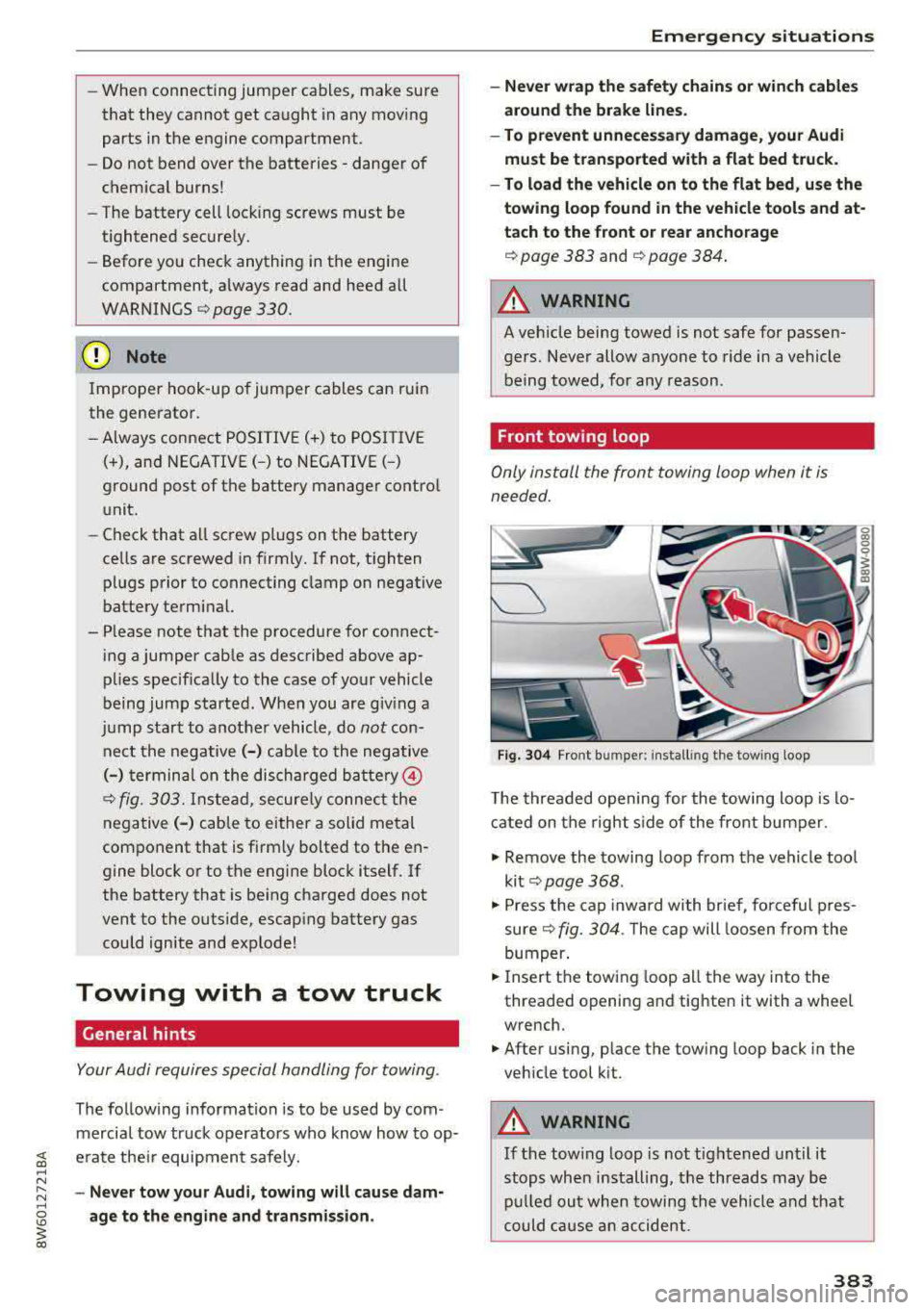
Fig . 304 Front bumper : in sta lling the towing loop
The threaded opening for the towing loop is lo
cated on the right side of the front bumper.
.. Remove the towing loop from the vehicle too l
kit
¢ page 368 .
.. Press the cap inward with brief, forceful pres
sure
c!.>fig. 304 . The cap will loosen from the
bumper .
.. Insert the towing loop a ll the way into the
threaded opening and tighten it with a wheel
wrench.
.. After using, place the towing loop back in the
veh icle tool kit.
A WARNING
'"' -
If the towing loop is not tightened until it
stops when installing, the threads may be
pulled out when towing the vehicle and that
could cause an accident.
383