weight AUDI A7 2016 User Guide
[x] Cancel search | Manufacturer: AUDI, Model Year: 2016, Model line: A7, Model: AUDI A7 2016Pages: 294, PDF Size: 73.82 MB
Page 168 of 294

Airbag syste m
to help provide this additiona l protection, the
side curtain airbag must inflate within the blink
of an eye at very high speed and with great force .
The side curtain airbag could injure you if your seating position is not p roper or upright or if
items are located in the area where the supp le
mental side curta in a irbag inflates . Th is applies
especia lly to children
c::> page 167 .
Although they a re not a soft pillow, side curtain
airbags can "cushion" the impact and in this way
they can help to reduce the risk of injury to the
head and the upper part of the body.
A fine dust may develop when the airbag deploys.
This is quite normal and does not mean there is a
fire in the veh icle .
Important safety instructions on the side
curtain airbag system
Airbags are only supplemental restraints . Always
properly wear safety belts and ride in a proper
seating position.
There is a lot that you and your passengers must
know and do to help the safety be lts and airbags
do their job to provide supp lemental p rotection.
,& WARNING
Improperly wear ing safe ty belts and imp roper
seating positions increase the risk of serious
perso nal injury and death whenever a vehicle
is being used.
- Never let occ upants p lace any parts of their
bodies in the area from which the side cur
ta in a irbag inflate.
- Always make sure that the side curtain air
bags can inflate witho ut interference .
- Use the built-in coat hooks only for lig ht
weight clothing. Never leave any heavy or
sharp-edged objects in the pockets that may
interfere with airbag deployment and can
cause personal injury in a co llision.
- Never use hangers to hang clothes on the hooks.
- Only use factory- insta lled sun shades or, if
shades installed after the vehicle leaves the
factory, use on ly genu ine Audi su n shades.
166
- Never swing the sun visors over to the s ide
w indows if things such as pens, garage door
openers, hands-free speakers, etc. are at
tached to the sun v isors. They could come
loose and cause serious injury if the side cur
tain airbag inflates.
- A deploying airbag inflates in a fraction of a second and with great force.
- Never attach objects to the cover or in the
deployment zone of a s ide curtain airbag .
- The a irbag deployment zones must be kept
clear at al l times. Make sure there are no ob
jects, pets, or other persons in the space be
tween any vehicle occupant and any a irbag
at anyti me.
- Do not attach any accesso ries to the doors.
,& WARNING
- The a irbag system can deploy on ly once. If
the airbag has been t rigge red, the system
m ust be repl aced by an aut ho rized Aud i
dea le r o r qualified wor kshop.
- Always have wor k involving the side cu rtain
ai rbag system, removal and installation o f
the airbag componen ts, or other rep air s per
formed by a qualified dea le rship . Othe rwise
the airbag system may not work correctly .
- Never attempt to mod ify any components of
the airbag system in any way .
Page 169 of 294

M N <( (.J
'SI: ,...., \!) 1.1'1
N \!) ,....,
Child safety
Important information
Introduction
The rear seat is generally the safest place in a
collision .
The physical principles of what happens when
your veh icle is in a crash apply also to children
c:> page 136, What happens to occupants not
wearing safety belts? .
But unlike adults and
teenagers, the ir muscles and bones are not fu lly
developed. In many respe cts c hildren are at
g reater risk of serio us i njur y in crashes than
a d ul ts.
Because ch ildren's bod ies are not fully deve loped,
they requ ire rest ra int systems especially de
signed fo r their size, weight, and body st ru ct ure.
M any countr ies and a ll states of the Uni ted
States and p rovinces of Canada have laws requi r
ing the use of approved c hil d restraint systems
for infants and small chi ldren.
I n a front al crash at a speed o f 20 -35 mph
(30 -56 km/h) the forces acting on a 13 -po und
(6 kg) infa nt wi ll be more than 20 t imes t he
weight of the child . Th is means the weight of the
chi ld would sudden ly be more than 260 pounds
(120 kg). Under these conditions, only an appro
p riate ch ild restra int properly used can reduce
the r isk of se rious i nju ry. Ch ild restra ints, like
ad ult safety belts, must be used prop erly to be
effective . U sed improperly, they can increa se the
ris k of serious injury in an accident.
Consult the child safety seat manufacturer's in
structions in orde r to be s ure the seat is right fo r
your chi ld's si ze
c:> page 170, Important safety
instructions for using child safety seats .
Please
be sure to read an d heed a ll of th e importa nt in
formation and WAR NINGS about c hild safety, Ad
vanced Ai rbags, and the installation of child re
straints in th is chapter.
There is a lot you need to know abou t the Ad
vanced Airbags in yo ur vehicle and how they work
when infa nts and children in child rest raints a re
on the front passenger seat. Because of the large
amo unt of important informat ion, we cannot re-
Child sa fety
pea t it all he re . We urge you to read the detailed
information in this owner's ma nual about airbags
and the Advanced Airbag System in yo ur veh icle
and the very important information about trans
porting children on the front passenger seat.
Please be sure to heed the WARNINGS -they are
extremely importa nt for your safety and t he safe
ty of you r passengers, especially infants and
small ch ild ren .
& WARNING
-Accident st atistics have shown th at children
a re generally safer in the rear sea t area than
in the front seatin g position. Always restra in
any child age 12 and under in the rea r.
- All vehicle occupants and es pecially children
m ust be restrained properly whenever ri ding
in a vehicle. An un rest rained or improperly
restrained ch ild could be injured by striking
the inter ior or by be ing ejected from the ve
h icle dur ing a sudden maneuve r or impact .
An unrestra ined o r improperly restrained
child is a lso at greate r risk of in ju ry or death
through conta ct with an inflating airbag .
- A suitable ch ild restraint properly installed
an d used at one of the rear seating posit ions
p rovi des the highest deg ree of prote ction
for infan ts and small children in most a cci
dent situat ions.
& WARNING f"-"----
Children on the front sea t of any car even with
Advanced Air bags can be ser iously injured or
even kil led when an a irbag inflates. A chi ld in
a rearward-facing child safety seat installed
on the front passenger seat will be serious ly
i njured and can be k illed if the front a irbag in
flates .
- The inflating airbag will h it the ch ild safety
seat or infant carr ier with great force and
will smash the child safety seat and child aga inst the backrest, cent er armrest, o r
door.
- Always install rear-fac ing ch ild safety seats
on the rear sea t.
- If you must ins tall a rearwa rd fac ing child
safety seat on th e front passenger s eat in
167
Page 171 of 294
M N <( (.J
'SI: ,...., \!) 1.1'1
N \!) ,....,
Advanced front airbag system and children
Your vehicle is equipped wit h a front "Advanced
A irbag System" i n compliance w it h United States
F ederal Motor Vehicle Safe ty Standard ( FMVSS)
208 as applicable at the time your vehicle was
manufactured .
The Advanced Airbag system in your ve hicl e has
been certified to mee t the " low -risk" requ ire
ments for 3 -and 6-year o ld children on the pas
senger side and small adults on the driver side.
T he low risk deployment criteria are intended to
reduce the r isk of injury through interaction with
the airbag that can occur, for example, by being
too close to the steering whee l and instrument
panel when the a irbag inflates . In add it io n, the
system has been cert ified to comply with the
"suppression" requiremen ts of the Safety Stand
ar d, to turn off t he front airbag for infa nts up to
12 months who are restra ined on the front pas
senger seat in child restraints that are listed i n
the Standard.
E ven though yo ur vehicle is equ ip ped with an Ad
vanced A irbag sys tem, all children, especia lly
those 12 years and younger, should always ride in
the back seat properly restrained for their age
and size. The airbag on the passenger side makes
the front seat a potent ially dangerous p lace for
a
chi ld to r ide. The fro nt seat is not the safes t place
for a child in a forward-facing child safety seat . It
can be a very dangerous place for a n infant or a
l arger child in a rea rward-facing seat .
T he vehicle's Advanced Airbag System has a ca
pacitive passenger detect ion system in the front
passenger seat cush ion that ca n detec t the p res
e n ce of a baby o r a child in a c hild restra int sys
tem on this seat.
The capacit ive passenger detection system regis
ters the changes that result in an electrical field
when a ch ild, a child rest raint, and a baby b la nk et
a re on the fron t passenger sea t. T he change in
the meas ured c apac it a nce due to the presence of
a child,
a chi ld restraint, and a baby blanket on
the front passenger seat is re lated to the child re
straint system resting on the seat . The measu red
capacitance of a chi ld restraint system va ries de-
Child sa fety
pending on the type of sys tem and specific make
and mode l.
T he elec trical c apacit a nce of the va rious types,
makes, and mo dels o f child restra ints specifie d
by the U.S.National Highway Traff ic Sa fety Ad
ministration (NH TSA) in the relevant safety
standard are stored in the Advanced Airbag Sys
tem control unit together w it h the capacitances
typ ica l of infants and a 1-year old child. When a
c h ild restra int is used on the front passenger seat
with
a typ ica l 1 year-old in fant, the Advanced Air
bag System compa res the capacitance measu red
by the capacitive passenge r dete ction system
wi th t he dat a stored in the elec tronic con trol
u ni t.
Child restraints and Advanced front airbag
system
Regardless of the c hild restra int that you use,
make sure that it has been cert ified to meet Unit
ed States Federa l Moto r Veh icle Safety Standa rds
and has been ce rtified by its manufacture r fo r
u se with an a irbag. Always b e sur e t hat t he c hild
r est rain t is prope rly insta lled a t one of the rear
sea ting pos itions. If in excep tional circ ums tan ces
yo u m ust use it on the front passenge r seat, care
fully read a ll of the information on chi ld safety
and Advanced Airbags and heed all of the appli
cable WARNINGS. Make certain that the child
and child restra int are correctly recogni zed by the
capacit ive passenger detection system i n the
front passenger seat, that the front passe nger
airbag is turned off, and that the a irbag status is
always cor rect ly signa led by the
PASSENGER AIR
BAG OFF
light .
Many types and models of child rest raints have
been available ove r the years, new mode ls a re in
t rod uced regu larly in co rporating new and im
proved de signs and older mode ls are take n ou t of
produ ct io n. Ch ild restra ints are not s tandar dized.
Child rest rain ts of the same type typ ically have
different weights and sizes and different "foot
prints", the size and shape of t he bottom of the
c hi ld restra int that sits on the seat, when they
are installed on
a vehicle seat. These d ifferences
make it virtua lly impossib le to cert ify compliance
with the requirements for advanced airbags with .,.
169
Page 173 of 294
M N <( (.J
'SI: ,...., \!) ..,.,
N \!) ,....,
~ When using the vehicle safety belt to install a child safety seat , you must first activate th e
convertible locking retractor on the safety belt
to prevent the child safety seat from moving
¢ page 177.
~ Push the child safety seat down with your full
weight to get the safety belt really tight so that
the seat cannot move forward or sideways more
than one inch (2.5 cm).
~ Secure unused safety belts on the rear seat
¢page 172.
Always remember: Even though your vehicle is
equipped with an Advanced Airbag system, all
children , especially those 12 years and younger,
should always ride in the back seat properly re
strained for their age and size.
A WARNING
Not using a child safety seat, using the wrong
child safety seat or improperly installing a
child restraint increases the risk of serious
personal injury and death.
- All vehicle occupants and especially children
mus t be restrained properly whenever riding
in a vehicle. An unrestrained or improperly
restrained child could be injured by striking
the interior or by being ejected from the ve
hicle during a sudden maneuver or impact.
An unrestrained or improperly restrained child is also at greater risk of injury or death
through contact with an inflating airbag.
- Commercially available child safety seats
are required to comply with U.S. Federal Mo
tor Vehicle Safety Standard (FMVSS) 213 (in
Canada CMVSS 213).
- When buying a child restraint, select one
that fits your child and the vehicle .
- Only use child restraint systems that fully contact the flat portion of the seat cush
ion. The child restraint must not tip or
lean to either side. Audi does not recom
mend using child safety seats that rest on
legs or tube-like frames. They do not pro
vide adequate contact with the seat.
- Always heed all legal requirements per
taining to the installation and use of child
safety seats and carefully follow the in-
Child safety
structions provided by the manufacturer
of the seat you are using .
- Never allow children under 57 inches
(1.45 meters) to wear a normal safety belt.
They must always be restrained by a proper
child restraint system. Otherwise, they
could sustain injuries to the abdomen and
neck areas during sudden braking maneu
vers or accidents.
- Never let more than one child occupy a child safety seat.
- Never let babies or older children ride in a
vehicle while sitting on the lap of another
passenger .
- Holding a child in your arms is never a sub
stitute for a child restraint system.
- The strongest person could not hold the child with the forces that exist in an acci
dent. The child will strike the interior of
the vehicle and can also be struck by the
passenger.
- The child and the passenger can also in
jure each other in an accident.
- Never install rear -facing child safety seats or
infant carriers on the front passenger seat.
A child will be seriously injured and can be
killed when the passenger airbag inflates -
even with an Advanced Airbag System .
- The inflating airbag will hit the child safety
seat or infant carrier with great force and
will smash the child safety seat and child
against the backrest, center armrest, door
or roof.
- Always install rear-facing child safety seats
or infant carriers on the rear seat.
- Forward-facing child safety seats installed
on the front passenger's seat can interfere
with the airbag when it inflates and cause serious injury to the child. Always install for
ward-facing child safety seats on the rear
seat.
- If exceptional circumstances require the use
of a forward-facing child restraint on the
front passenger's seat, the child's safety and well-being require that the following
special precautions be taken:
Ill>
171
Page 175 of 294
M N <( I.J "". rl I.O
"' N I.O rl
_& WARNING
A child in a child safety seat installed with the LATCH lower anchorages or with the standard
safety belt or a child in a booster seat on the
rear seat could play with unused rear seat
safety belts and become entangled. This
could cause the child serious personal injury
and even death.
- Always secure unused rear seat safety belts
out of reach of children in child seats such
as by properly routing them around the
head restraint of the seat where the child re
straint is installed.
- Never activate the convertible locking re
tractor when routing the safety belts around
the head restraints.
- Never let anyone sit at the center rear seat
ing position if the center rear safety belt has
been routed around a rear head restraint.
Child seats
Infant seats
Babies and infants up to about one year old and
20 lbs. or
9 kg need special rearward-facing
child restraints that support the back, neck and
head in a crash .
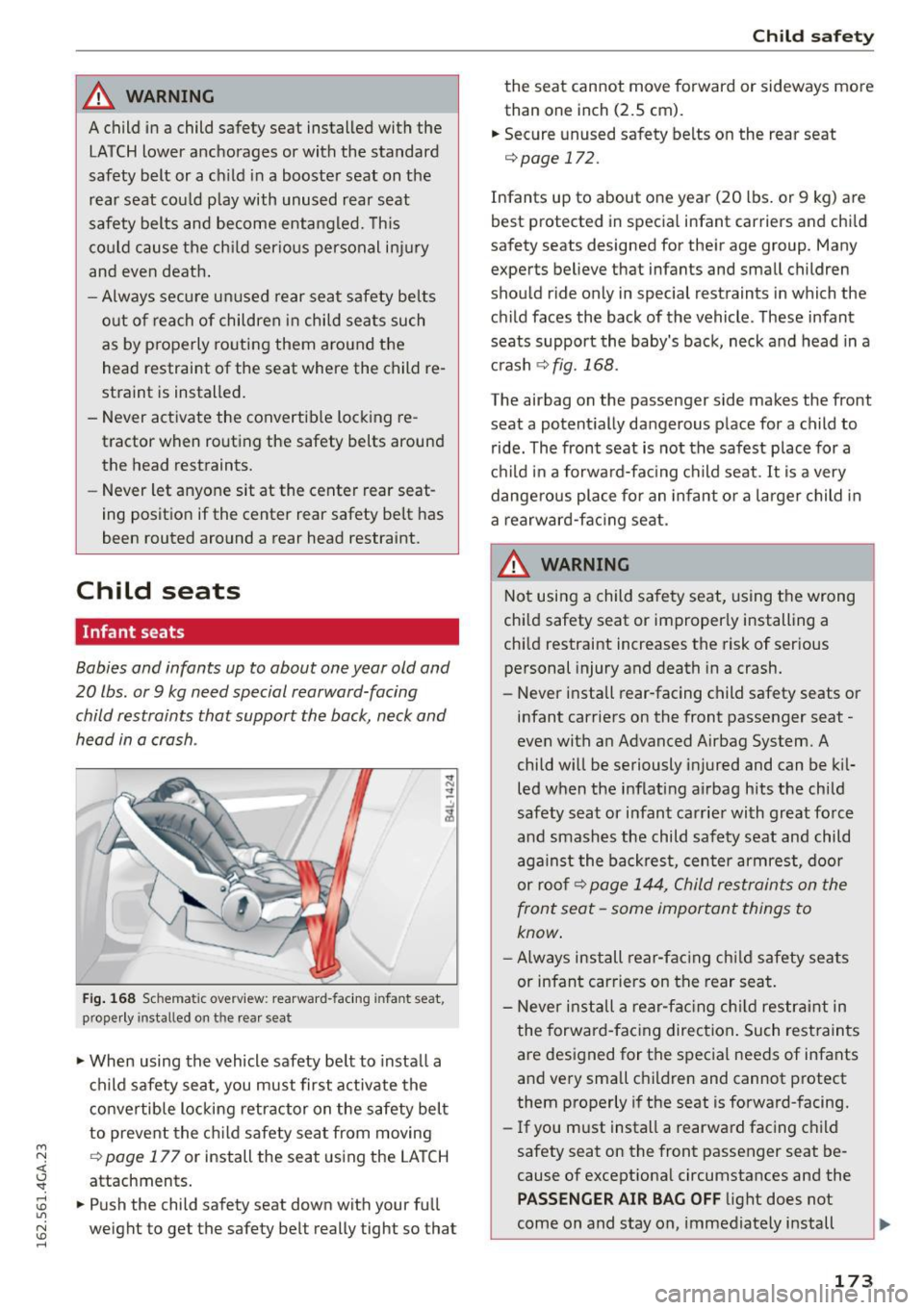
Fig. 168 Schematic overview: rearward-facing infa nt seat,
prope rly instal led on t he rear seat
"When using the vehicle safety belt to install a
child safety seat, you must first activate the convertible locking retractor on the safety belt
to prevent the child safety seat from moving
r::;,page 177 or install the seat using the LATCH
attachments.
"Push the child safety seat down with your full
weight to get the safety belt really tight so that
Child safety
the seat cannot move forward or sideways more
than one inch (2.5 cm).
... Secure unused safety belts on the rear seat
r::;, page 172.
Infants up to about one year (20 lbs. or 9 kg) are
best protected in special infant carriers and child
safety seats designed for their age group. Many
experts believe that infants and small children
should ride only in special restraints in which the
child faces the back of the vehicle . These infant
seats support the baby's back, neck and head in a
crash
¢ fig. 168.
The airbag on the passenger side makes the front
seat a potentially dangerous place for a child to
ride. The front seat is not the safest place for a
child in a forward-facing child seat. It is a very
dangerous place for an infant or a larger child in
a rearward-facing seat.
_& WARNING
-
Not using a child safety seat, using the wrong
child safety seat or improperly installing a
child restraint increases the risk of serious personal injury and death in a crash.
- Never install rear-facing child safety seats or
infant carriers on the front passenger seat -
even with an Advanced Airbag System. A
child will be seriously injured and can be kil led when the inflating airbag hits the child
safety seat or infant carrier with great force
and smashes the child safety seat and child
against the backrest, center armrest, door
or roof
r::;, page 144, Child restraints on the
front seat -some important things to
know.
-Always install rear-facing child safety seats
or infant carriers on the rear seat.
- Never install a rear-facing child restraint in
the forward-facing direction. Such restraints
are designed for the special needs of infants
and very small children and cannot protect
them properly if the seat is forward-facing.
- If you must install a rearward facing child
safety seat on the front passenger seat be
cause of exceptional circumstances and the
PASSENGER AIR BAG OFF light does not
come on and stay on, immediately install
173
Page 176 of 294
Child safety
the rear-facing child safety seat in a rear
seating position and have the airbag system inspected by your Audi dealer .
- Never place or use any electrical device
(such as a laptop, CD player, electronic
games device, power inverter or seat heater
for child seats) on the front passenger seat if the device is connected to the 12-volt
socket or the cigarette lighter socket.
- If a seat heater has been retrofitted or oth
erwise added to the front passenger seat,
never install any child restraint system on
this seat .
- Make sure that there are no wet objects
(such as a wet towel) and no water or other
liquids on the front passenger seat cushion.
- Never place objects on the seat (such as a
laptop, CD player, electronic games device,
power inverter or seat heater for child
seats). These may influence the electrical
capacitance measured by the capacitive pas
senger detection system and can also fly
around in an accident and cause serious per
sonal injury.
- Always read and heed all WARNINGS when
ever using a child restrained in a vehicle is
being used
r::!;> poge 135, Safety belts,
r::!;> page 143, Airbag system and
~ page 167, Important information .
Convertible child safety seats
Properly used convertible child safety sea ts con
help protect toddlers and children over age one
who weigh between 20 and 40 lbs. (9 and 18 kg)
in a crash.
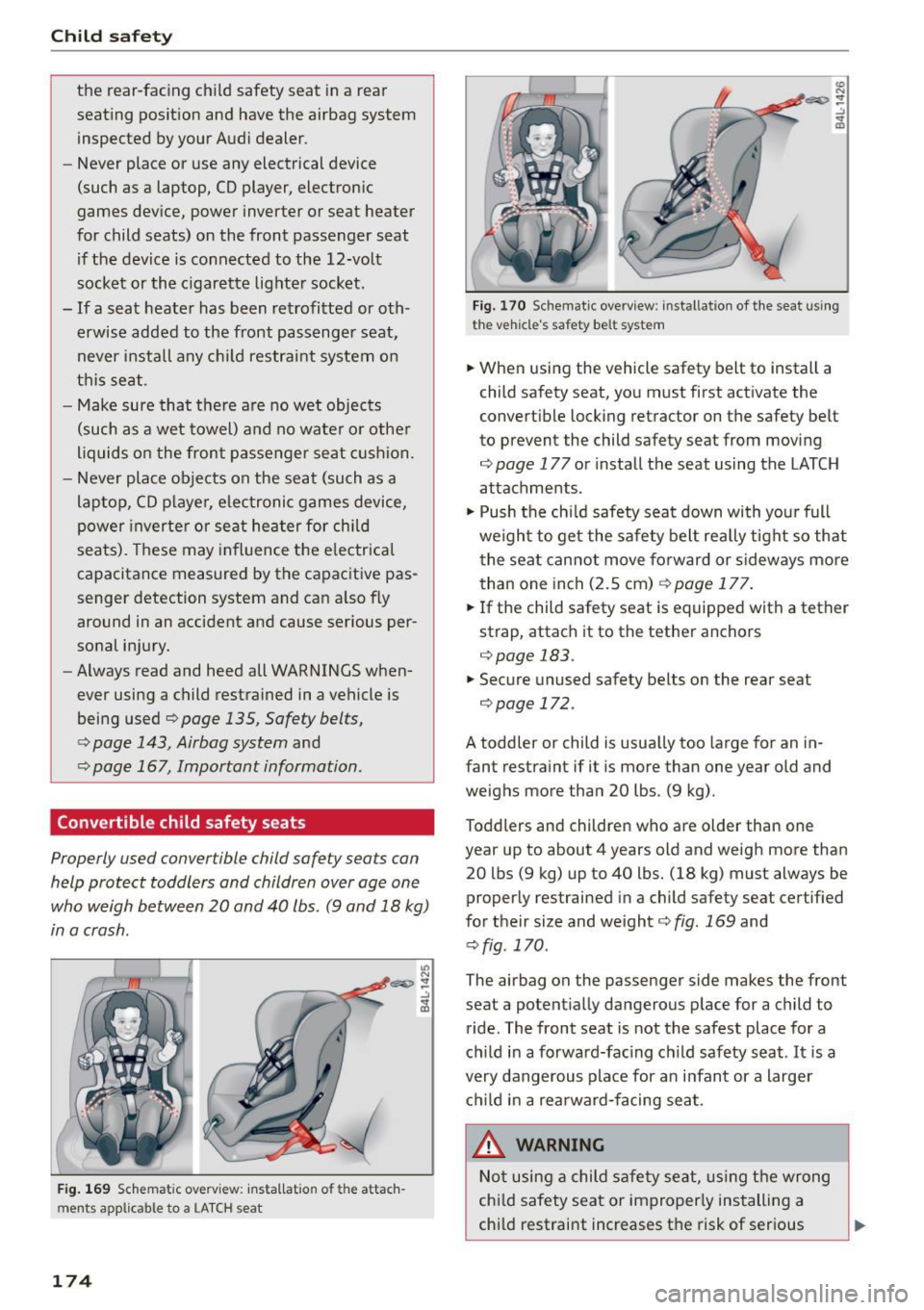
Fig. 169 Schema tic ov ervi ew: installatio n of th e atta ch
m ents app lica ble to a LATCH seat
174
Fig. 170 Schem ati c ove rview : instal la ti on of the sea t using
t he vehicle' s sa fet y bel t system
.,. When using the vehicle safety belt to install a
child safety seat, you must first activate the
convertible locking retractor on the safety belt
to prevent the child safety seat from moving
¢
page 177 or install the seat using the LATCH
attachments .
.,. Push the child safety seat down with your full
weight to get the safety belt really tight so that
the seat cannot move forward or sideways more
than one inch (2 .5 cm)
r::!;> page 177.
.,. If the child safety seat is equipped with a tether
strap, attach it to the tether anchors
¢ page 183.
.,. Secure unused safety belts on the rear seat
¢page 172.
A toddler o r child is usually too large for an in
fant restraint if it is more than one year old and
weighs more than 20 lbs. (9 kg) .
Toddlers and children who are older than one
year up to about 4 years old and weigh more than
20 lbs (9 kg) up to 40 lbs. (18 kg) must always be
properly restrained in a child safety seat certified
for their size and weight¢
fig. 169 and
¢fig. 170 .
The airbag on the passenger side makes the front
seat a potentially dangerous place for a child to
ride . The front seat is not the safest place for a
child in a forward-facing child safety seat . It is a
very dangerous place for an infant or a larger
child in a rearward-facing seat.
& WARNING
Not using a child safety seat, using the wrong
child safety seat or improperly installing a
child restraint increases the risk of serious
Page 178 of 294
Child safety
airbag system inspected by your authorized
Audi dealer.
- Take the child restraint off the front passen
ger seat and install it properly at one of the
rear seat positions if the
PASSENGER AIR
BAG OFF
light does not stay on whenever
the ignition is switched on .
Booster seats and safety belts
Properly used booster seats con help protect
children weighing between about 40 lbs. and 80
lbs. (18 kg and 36 kg) who ore less than 4
ft. 9
in . (57 inches/1 .45 meters) tall .
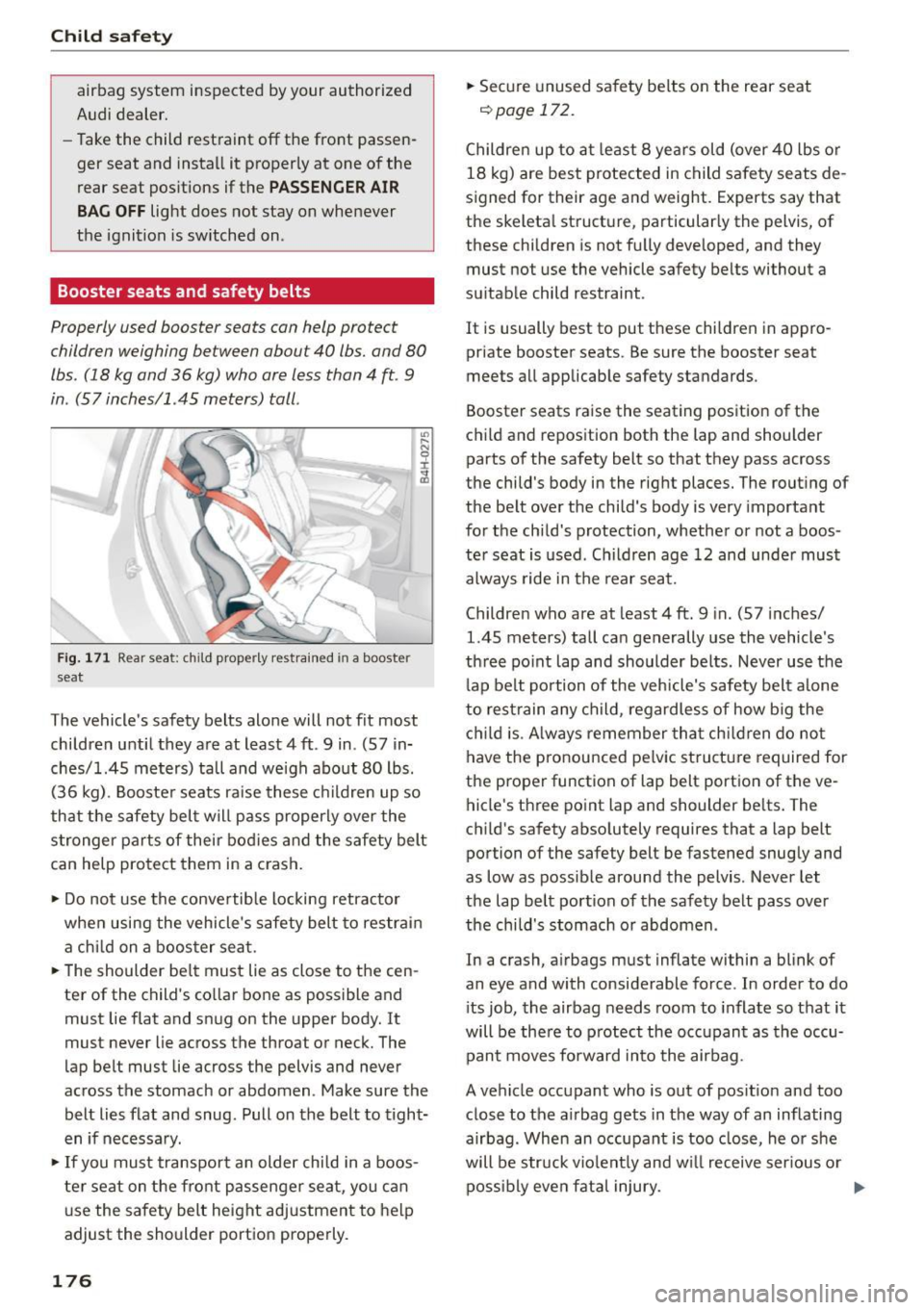
Fig. 171 Rear seat: ch ild prope rly restrained in a booster
seat
"' ,-.
i i
The vehicle's safety belts alone will not fit most
children until they are at least 4
ft. 9 in . (57 in
ches/1.45 meters) tall and weigh about 80 lbs.
(36 kg). Booster seats raise these children up so
that the safety belt will pass properly over the
stronger parts of their bodies and the safety belt
can help protect them in a crash.
• Do not use the convertible locking retractor
when using the vehicle's safety belt to restrain
a child on a booster seat.
• The shoulder be lt must lie as close to the cen
ter of the child's collar bone as possible and
must lie flat and snug on the upper body. It
must never lie across the throat or neck. The
lap belt must lie across the pelvis and never
across the stomach or abdomen . Make sure the
belt lies flat and snug . Pull on the belt to tight
en if necessary.
• If you must transport an older child in a boos
ter seat on the front passenger seat, you can
use the safety belt height adjustment to help
adjust the shoulder portion properly .
176
• Secure unused safety belts on the rear seat
r=;, page 172 .
Children up to at least 8 years old (over 40 lbs or
18 kg) are best protected in child safety seats de
signed for their age and weight . Experts say that
the skeletal structure, particularly the pelvis, of
these children is not fully developed, and they
must not use the vehicle safety belts without a
suitable child restraint .
It is usually best to put these children in appro
priate booster seats . Be sure the booster seat
meets all applicable safety standards.
Booster seats raise the seating position of the
child and reposition both the lap and shoulder parts of the safety belt so that they pass across
the child 's body in the right places. The routing of
the belt over the child 's body is very important
for the child's protection, whether or not a boos
ter seat is used. Children age 12 and under must
always ride in the rear seat.
Children who are at least 4
ft. 9 in. (57 inches/
1.45 meters) tall can generally use the vehicle's
three point lap and shoulder belts . Never use the
lap belt portion of the vehicle's safety belt alone
to restrain any child, regardless of how big the
child is. Always remember that childr en do not
have the pronounced pelvic structure required for
the proper function of lap belt portion of the ve
hicle 's three point lap and shoulder belts. The
child's safety absolutely requires that a lap belt
portion of the safety belt be fastened snugly and
as low as possible around the pelvis . Never let
the lap belt portion of the safety belt pass over
the child's stomach or abdomen .
In a crash, airbags must inflate within a blink of
an eye and with considerable force . In order to do
its job, the airbag needs room to inflate so that it
will be there to protect the occupant as the occu
pant moves forward into the airbag .
A vehicle occupant who is out of position and too
close to the airbag gets in the way of an inflating
airbag . When an occupant is too close, he or she
will be struck violently and will receive serious or
possibly even fatal injury. .,..
Page 203 of 294
M N <( (.J
'SI: ,...., \!) ..,.,
N \!) ,....,
Trailer mode Driving with a trailer
General information
Your Audi was designed primarily for passenger
transportation .
If you plan to tow a trailer, p lease remember that
the additional load will affect durability, econo
my and performance.
Trailer towing not only places more stress on the
vehicle, it also calls for more concentration from
the driver.
For this reason, always follow the operating and
driving instructions provided and use common
sense.
(D Note
If you are going to tow a trai ler, you must ac
tivate the trailer operat ion mode
c::> page 201, Operating instructions.
Technical requirements
Trailer hitch
Use a weight-carrying hitch conforming to the
gross trailer weight. The hitch must be suitable
for your vehicle and trailer and must be mounted
securely on the vehicle's chassis at a
technically
sound
location. Use only a trailer hitch with a re
movable ball mount. Always check with the trail
e r hitch manufacturer to make sure that you are
using the correct hitch.
Do not use a bumper hitch.
The hitch must be installed in such a way that it
does not interfere with the impact-absorbing
bumper system. No modifications should be
made to the vehicle exhaust and brake systems.
From time to time, check that all hitch mounting
bolts remain securely fastened .
When you are not towing a trailer,
remove the
trailer hitch ball mount. This prevents the hitch
from causing damage should your vehicle be
struck from behind
c::> &, .
Trailer mode
Trailer brakes
If your trailer is equipped with a brak ing system,
check to be sure that it conforms to all regula
tions.
T he trailer hydraulic brake system must not be di
rect ly connected to the vehicle's hydraulic b rake
system.
Safety chains
Always use safety chains between your veh icle
and the tra iler.
Trailer lights
Trailer lights must meet all regulations. Be sure
to check with your Aud i dealer for correct wiring,
switches and relays.
Mirrors
If you are unable to see the traffic behind you us
ing the regular outside mirrors, then you
must in
stall extended mirrors. It is important that you
always have clear vision to the rear .
A WARNING
--
After removing the trailer hitch, do not store
i t in your vehicle. In case of sudden braking,
the hitch could fly forward and injure you or
your passengers.
Operating instructions
Maximum trailer weight
A trailer for your vehicle is limited to a typical
class 1 or class 2 trailer.
Trailer load distribution
Be sure the load in the trailer is held securely in
place to prevent it from sh ifting forward, back
ward or sideways.
Never allow a passenger to ride in a trailer c::> &.
in Driving instructions on page 203 .
Engine cooling system
Towing a trailer makes the engine work harder. It
is important that the cooling system's perform
ance is up to the additional load. Make sure that
the cooling system has enough fluid . .,..
201
Page 204 of 294

Trailer mode
Tire pressure
When tow ing a trailer, inflate the tires of your ve
hicle to the cold tire pressure listed under " Full
load" on the label located on the driver's side B
pillar (visible when the door is open). Inflate
trailer tires to trailer and tire manufacturers'
specifications.
Lights
Check to make sure both vehicle and trailer lights
are working properly .
Safety chains
Be sure trailer safety cha ins are p roperly connect
ed from the trailer to the hitch on the vehicle.
L eave enough slack in the chains to permit turn
ing corners. When you install safety chains, make
sure they will not drag on the road when you are
driving.
The chains should cross under the trai ler tongue
to prevent it from dropping in case of separation
from the hitch.
Adjusting the Audi drive select
Make su re the vehicle is on a level su rface before
h itching up the trailer and before adjusting the
tongue weight . The vehicle must be in
auto or
comfort driving mode and not raised
r::!> page 101, r::!> 0.
Make sure that the vehicle is lowered. In Info
tainment, select:
ICARI function button > Lower
control button.
If you must drive under poor road conditions, you
can raise the vehicle
after coupling the traile r or
after adjusting the tongue weight c::!> page 103 .
(D Note
-Changes in temperature or load can affect
the height of the vehicle.
- Always select
auto or comfort mode. Other
wise, the tongue load specified for your ve
hicle will no longer be applicable.
202
· Driving instructions
Driving with a trailer always requires extra care
and consideration .
To obtain the best possible handling of vehicle
and trailer, please note the follow ing:
.,. Do not tow a loaded trailer when your car itself
is not loaded .
.,. Be especially carefu l when passing other
vehicles.
.,. Observe speed lim its .
.,. Do not drive at the maximum permissib le
speed.
.,. Always app ly brakes early .
.,. Monitor the temperature gauge.
Weight distribution
Towing a loaded trailer with an empty car results
i n a h ighly unstab le distribution of weight. If th is
cannot be avoided, dr ive at very low speeds only
to avoid the risk of losing steer ing control.
A "balanced" rig is easier to operate and control.
This means that the tow vehicle shou ld be loaded
to the extent possible and permissib le, w hile
k eep ing the traile r as light as possible under the
circumstances. Whenever possible, transfer
some ca rgo to the luggage compartment of the
tow vehicle while observing tongue load require
ments and vehicle loading considerations.
Speed
The higher the speed, the more difficult it be
comes for the driver to contro l the rig. Do not
drive at the maximum permissible speed. Reduce
your speed even more if load, weather or wind cond itions are unfavorab le -particular ly when
going downh ill.
Red uce vehicle speed
immediately if the trailer
shows the slightest sign of swaying .
Do not try
to stop the swaying by accelerating.
Observe speed limits . In some areas, speeds for
vehicles towing trai lers are lower than for regular
vehicles.
Always apply brakes early. When driving dow n
hill, shift i nto a lower gear to use the engine
Page 205 of 294

M N <( (.J
'SI: ,...., \!) 1.1'1
N \!) ,....,
braking effect to slow the vehicle. Use of the
brakes alone can cause them to overheat and fail.
Air suspension*
When driving with a trailer, activate the trailer
mode of the air suspension. Switch the air sus
pension trailer mode on when you are towing a
trailer. This will limit the regulation by the air
suspension while driving. Select in the MMI:
ICARI function button > (Car)* systems control
button>
Vehicle settings> Air susp.: towing>
On.
Coolant temperature
The coolant temperature gauge c::> page 10 must
be observed carefully. The coolant temperature
can increase if you drive on long inclines in a low
gear at high engine speeds . Reduce your speed
immediately if the LEDs in the top part of the dis
play turn on .
For more information about indicator lights, re
fer to.
c::> page 15.
A WARNING
Anyone not properly restrained in a moving
vehicle is at a much greater risk in an acci
dent . Never let anyone ride in your car who is
not properly wearing the restraints provided
by Audi.
Trailer mode notes
Important to know
-
Your vehicle handles differently when towing a trailer because of the additional weight and dif
ferent weight distribution . Safety, performance
and economy will greatly depend on how careful
ly you load your trailer and operate your rig.
Before you actually tow your trailer, practice
turning, stopping and backing up in an area away
from traffic . Keep practicing until you have be
come completely familiar with the way your vehi
cle-trailer combination behaves and responds.
Backing up is difficult and requires practice. Back
ing up with a trailer generally requires steering
Trailer mode
action opposite to that when backing up your ve
hicle without a trailer.
Maintain a greater distance between your vehicle
and the one in front of you . You will need more
room to stop. To compensate for the trailer, you
will need a larger than normal turning radius.
When passing, remember that you cannot accel
erate as fast as you normally would because of
the added load. Make sure you have enough room
to pass. After passing, allow plenty of room for
your trailer before changing lanes again.
Avoid jerky starts, sharp turns or rapid lane
changes.
(D Tips
- Do not tow a trailer during the break-in peri
od of your vehicle.
- If you tow a trailer, your Audi may require
more frequent maintenance due to the ex
tra load
c::> page 2 7 4.
Parking on a slope
Do not park on a slope with a trailer. If it cannot
be avoided, do so only after doing the following:
When parking:
" Apply the foot brake.
" Have someone place chocks under both the ve
hicle and the trailer wheels.
"With chocks in place, slowly release the brakes
until the wheel chocks absorb the load.
"Turn the wheels towards the curb.
... Apply the parking brake.
"Select the P selector lever position.
When restarting after parking:
"Apply the foot brake.
"Start the engine.
"Select the D/S selector lever position.
"Release the parking brake and slowly pull out
and away from the wheel chocks.
"Stop and have someone retrieve the wheel
chocks .
203