ignition AUDI A8 2011 Workshop Manual
[x] Cancel search | Manufacturer: AUDI, Model Year: 2011, Model line: A8, Model: AUDI A8 2011Pages: 302, PDF Size: 76.07 MB
Page 176 of 302
17 4 Child Safety
A loose ch ild safety seat can fly around
dur ing a sudden stop or in a coll ision.
- Always read and heed all WARNINGS
whenever using a child restrained in
ave
hicle is being used<=> page 137, Safety
belts,
<=> page 145, Airbag system and
r=> page 169, Child Safety.
&_ WARNING
To reduce the risk of serious injury, make
sure that the
PASSENGER AIR BAG OFF
light comes on and stays on whenever a
child restraint is installed on the front pas
senger seat and the ignition is switched
on.
- Ta ke the child restraint off the front pas
senger seat and install it proper ly at one
of the rear seat positions if the
PASSEN
GER AIR BAG OFF
light does not stay on.
- Have the airbag system inspected by
yo ur authorized Audi dealer immediate
ly .
&_ WARNING
A child in a child restraint installed with
the LATCH lower anchorages or w ith the
standard safety belt on the rear seat may
play with unused rear seat safety belts and
become entangled resulting in serious per
sonal injury and even death.
- Always buckle unused rear seat safety belts out of reach of ch ildren in ch ild
seats and properly activate the converti
ble locking retracto r so that the child
cannot unreel the safety belt from the
retractor .
Child safety seats
Infant seats
Babies and infants up to about one year old
and
20 lbs . or 9 kg need special rearward-fac
ing child restraints that support the back,
neck and head in a crash.
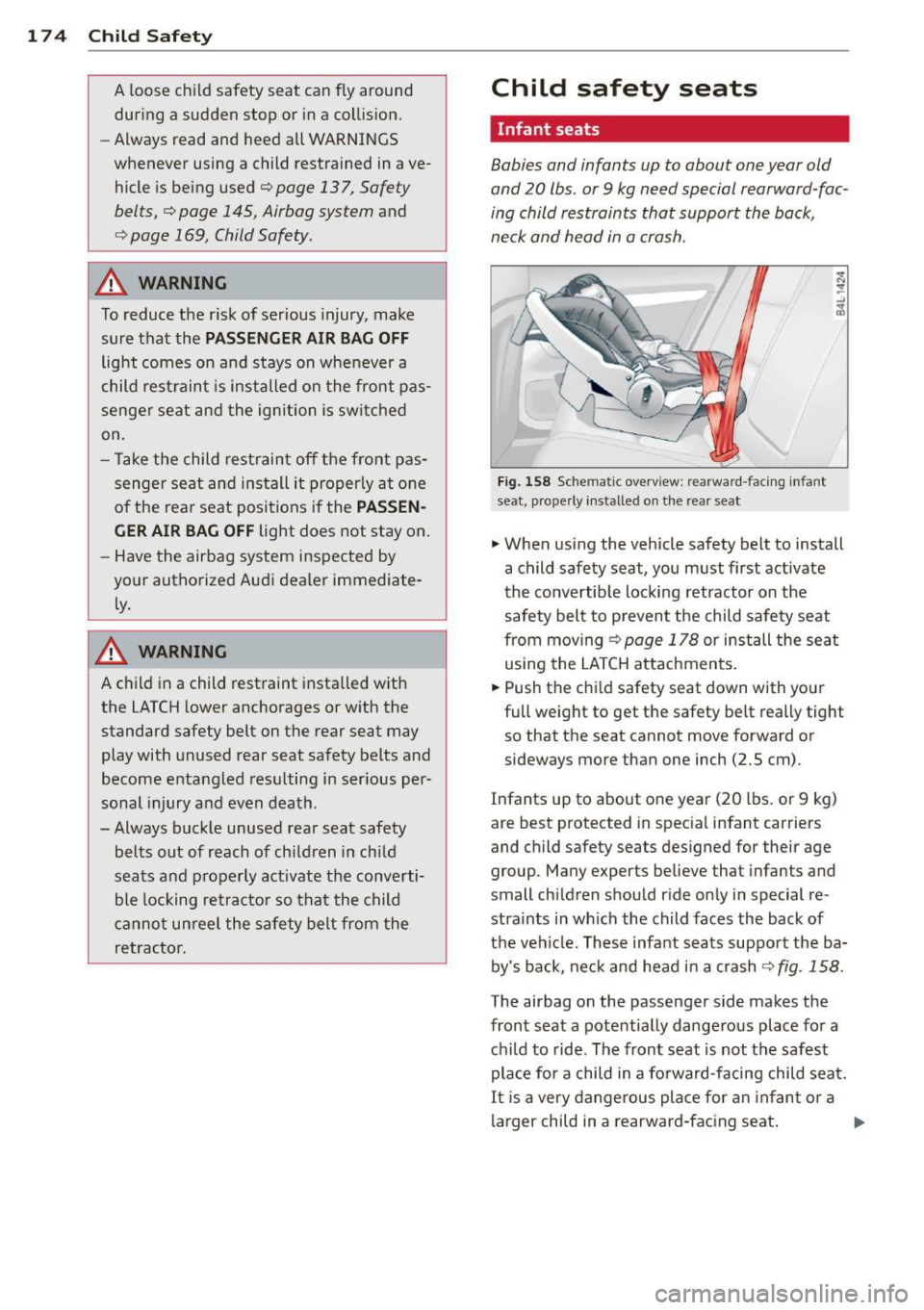
Fig. 158 Schematic overview: rearward -fac ing infant
seat, p rope rly installed on the rear seat
.,. When using the vehicle safety belt to install
a child safety seat, you must first activate
the convertib le locking retractor on the
safety belt to prevent the child safety seat
from moving
r=>page 178 or install the seat
using the LATCH attachments .
.,. Push the chi ld safety seat down with your
full weight to get the safety be lt really tight
so that the seat cannot
move forward or
sideways more than one inch (2.5 cm).
Infants up to about one year (20 lbs. or 9 kg)
are best protected in special infant carriers
and child safety seats designed for their age
group. Many experts believe that infants and
small children should r ide only in special re
stra ints in wh ich the child faces the back of
the vehicle. These infant seats support the ba
by's back, neck and head in a crash
c:> fig. 158.
The airbag on the passenger side makes the
front seat a potentially dangerous place for a
ch ild to ride. The front seat is not the safest
place for a child in a forward-facing child sea t.
It is a very dangerous place for an infant or a
larger child in a rearward-facing seat. ..,_
Page 180 of 302
178 Child Safety
the child's body and the front of the passen
ger compartment, the airbag can inflate comp lete ly and provide supp lemental protection
in certain fronta l collisions .
A WARNING
Not using a booster seat, us ing the boos
ter seat improperly, incorrect ly install ing a
booster seat or using the vehicle safety
belt improperly increases the risk of seri
ous personal injury and death in a col lision
or other eme rgency s ituation. To help re
duce the risk of ser ious persona l injury
and/or death:
- Always make su re to position the should
er portion of the three -point belt over
the midd le of child's sho ulder.
- Never le t the shoulder port ion of the belt
rest against or across the neck, face,
chin, or throat of the child.
- Always make su re the lap belt portion of
the three-po int be lt is worn sn ug and
passes as low as possib le across the
child's pelvis. Never let the belt pass over
the soft abdomen.
- Failure to properly route safety belts
over a ch ild's body will cause severe inju
ries in an acc ident or other emergency
situation
c;,page 137.
-Children on the front seat of any car,
even w ith Advanced A irbags, can be seri
ous ly injured or even killed when an a ir
bag inflates.
- Never let a child stand or knee l on any
seat, for example the front seat.
- Never let a child ride in the cargo area of
your vehicle.
- Always remember that a ch ild lean ing
forward, sitt ing s ideways or out of posi
t ion i n any way during an acc ident can be
struck by a deploying airbag . This will re
sult in serious personal injury o r death.
- If you must install a booster seat on the
front passenger seat because of excep
tional circumstances the
PASSENGER
AIR BAG OFF
light must come on and
stay on, whenever the ignition is sw itch
ed on .
-
-If the PASSENGER AIR BAG OF F light
does not come on and stay on, perform
the checks described
c;, page 156, Moni
toring the Advanced Airbag System.
- Take the child restraint off the front pas
senger seat and install it properly at one
of the rear seat positions if the
PA SSEN
GER AIR BAG OFF
light does not stay on
whenever the ignit ion is switched on.
- Always read and heed all WARNINGS
whenever us ing a child restrained in ave
hicle is being used
¢ page 137, Safety
belts,
c;, page 145, Airbag system and
c;, page 169, Important things to know.
Installing a child safety
seat
· Securing a child safety seat using a
safety belt
Safety belts for the rear seats and the front
passenger can be locked with the convertible locking retractor to properly secure child
safety seats.
The safety belts emergency locking retractors
for the rear seats safety belts and for the
front passenger's seat safety be lt have a con
vertib le locking retractor for child restraints .
The safety belt must be locked so that be lt
webbing cannot unreel. The retractor can be
activated to lock the safety belt and prevent
the safety belt webbing from loosening up
during normal dr iving . A child safety seat can
o n ly be properly instal led when the safety belt
is locked so that the chi ld and child safety
seat w ill stay in place .
Always remember : Even though your vehicle is
equipped with an Advanced Airbag system, all
child ren, especially those 12 years and young
er, shou ld always r ide in the back seat prope r
ly restrained for the ir age and size.
A WARNING
Improperly installed chi ld safety seats in
crease the risk of serious personal injury
and death in a co llision. -
Page 181 of 302
-Always make sure that the safety belt re
tractor is locked when installing a child
safety seat. An unlocked safety belt re
tractor cannot hold the child safety seat
in place during normal driving or in a
crash .
- Always buckle the child safety seat firmly
in place even if a child is not sitting in it.
A loose child safety seat can fly around
during a sudden stop or in a collision.
- Always make sure that the rear seat
backrest to which the center rear safety
belt is attached is securely latched when
ever the rear center safety belt is being
used to secure a child restraint.
- If the backrest is not securely latched,
the child and the child restraint will be
thrown forward together with the back
rest and will strike parts of the vehicle
interior. The child can be seriously in
jured or killed.
- Never install rear-facing child safety
seats or infant carriers on the front pas
senger seat. A child will be seriously in
jured and can be killed when the passen ger airbag inflates .
- The inflating airbag will hit the child
safety seat or infant carrier with great
force and will smash the child safety seat
and child against the backrest, center
armrest, door or roof.
- Always install rear-facing child safety
seats or infant carriers on the rear seat.
- Forward-facing child safety seats or in
fant carriers installed on the front pas
senger's seat may interfere with the de
ployment of the airbag and cause serious
injury to the child.
- It is safer to install a forward-facing
child safety seat on the rear seat.
- Always read and heed all WARNINGS
whenever using a child restrained in ave
hicle is being used
¢page 169. Special
precautions apply when installing a child
safety seat on the front passenger seat
¢ page 147, Child restraints on the front
seat -some important things to know.
Child Safety 1 79
A WARNING
-
Always take special precautions if you
must install a forward or rearward -facing
child restraint on the front passenger's
seat in exceptional situations:
- Whenever a forward or rearward -facing
child restraint is installed on the front
passenger seat, the
PASSENGER AIR
BAG OFF
light must come on and stay on
whenever the ignition is switched on.
- If the
PASSENGER AIR BAG OFF light
does not come on and stay on, perform
the checks described
¢page 156, Moni
toring the Advanced Airbag System.
- Take the child restraint off the front pas
senger seat and install it properly at one
of the rear seat positions if the
PASSEN
GER AIR BAG OFF
light does not stay on
whenever the ignition is switched on.
- Improper installation of child restraints
can reduce their effectiveness or even
prevent them from providing any protec
tion.
- An improperly installed child restraint
can interfere with the airbag as it de
ploys and seriously injure or even kill the
child .
- Always carefully follow the manufactur
er's instructions provided with the child
safety seat or carrier .
- Never place additional items on the seat
that can increase the total weight regis
tered by the weight-sensing mat and can
cause injury in a crash.
A WARNING
Forward-facing child restraints:
- Always make sure the forward-facing
seat has been designed and certified by
its manufacturer for use on a front seat
with a passenger front and side airbag.
- Never put the forward-facing child re
straint up, against or very near the in
strument panel.
- Always move the passenger seat into its
rearmost position in the seat's fore and
aft adjustment range, as far away from •
•
Page 182 of 302
180 Child Safety
the airbag as possible before installing
the forward-facing child restraint. The backrest must be adjusted to an upr ight
posit ion.
- Make sure that the
PAS SENGER AIR BAG
OFF
light comes on and stays on all the
t ime whenever the ignition is switched
on.
A WARNING , _
Rearward-fac ing ch ild restra ints:
- A ch ild in a rearward-facing child safety
seat installed on the front passenge r
seat will be ser iously injured and can be
killed if the front airbag inflates -even
with an Advanced Airbag System.
- T he inflating a irbag will hit the child
safety seat or infant carrier with g reat
force and w ill smash the ch ild safety seat
and child against the backrest, center
armrest, door or roof .
- Always be especially caref ul if you must
install a rearward facing child safety seat
on the front passenge r seat in exception ·
al circumstances .
- A tight tether strap on a rearward-facing
child restraint attached to the front pas
senger seat can put too much pressure
on the weight-mat in the seat and reg is
ter a heavier weight in the Advanced A ir
bag System. The heav ier we ight regis
tered can make the system work as
though an adult were on the seat and de ploy the Advanced Airbag when it must
be s uppressed causing ser ious or even
fatal injury to the child.
- Make sure that the
PASSENGER AIR BA G
OFF
light comes on and stays on all the
time whenever the ignition is switched on.
- If the
PA SSENGER AIR BAG OFF light
does not come on and stay on, immedi
ately install the rea r-facing chi ld safety
seat in a rear seating position and have
the a irbag system inspected by your Audi
dealer.
Act ivating the convertible locking
retractor
Use the convertible locking retractor to se
cure a child restraint.
Always heed the ch ild safety seat manufactur
er's instructions when installing a child re
st ra int in your vehicle. To activate the conve r
t ible lock ing ret ractor:
.,. Place the ch ild restraint on a seat, prefera
bly on the rear seat .
.,. Slowly pu ll the belt
all the wa y out .
.,. Route it around or through the child re
straint belt path
¢ _& .
.,. Push the chi ld safety seat down with yo ur
full weight to get the safety be lt really tight.
.. Insert the belt tongue into the buck le for
that seating position.
.,. Guide the safety belt back into the retractor
until t he belt lies flat and snug on the child
safety seat.
.,. You should hear a "clicking" noise as the
be lt winds back into the inertia ree l. Test the
convert ible lock ing retractor by pulling on
the belt . You shou ld no longer be able to
pull the be lt out of the retractor. The con
vertible locking retractor is now activated .
.. Make sure that the red release button is fac
ing away from the child restraint so that it
can be unbuckled quickly.
.,. Pull on the belt to make sure the safety belt
is properly tight and fastened so that the
seat cannot move forward or sideways mo re
than one inch (2.5 cm).
A WARNING
-
Using the wrong child restraint or an im
p roperly installed chi ld restraint can cause
serious personal injury or death in a crash.
- Always ma ke sure that the safety belt re-
tractor is locked when insta lling a child
safety seat . An un locked safety belt re
tractor cannot hold the child safety seat in place dur ing norma l dr iving or in a
crash.
Page 198 of 302
196 Intelligent technology
What you should know
The highest priority is given to maintaining
starting capability.
The battery is severely taxed in short-distance
driving, in city traffic and during the cold time
of year. Abundant electr ical energy is re
qu ired, but only a little is generated. It is also
cr itical if the e ngine is not run ning and elect ri
cal components a re turned on. In th is in
stance energy is being consumed but none is be ing generated .
I t is in precisely these situations that you w ill
notice energy managemen t actively regulat
ing the distrib ution of energy.
Vehicle stands for an ext ended period
If you do not drive your vehicle over a period
of severa l days or weeks, elect rical compo
nents are grad ually cu t back o r switched off .
This reduces energy co nsu mption and main
tains starting cap abili ty
over a longer period.
Be aware that when you unlock you r vehicle,
some of the conve nience funct ions may not
ope rate, such as the Convenience key , the re
mote cont ro l or the power seat adjustment .
The convenience functions will be availab le
aga in when you switch on the ignition and
start the engine .
With the engine turned off
If yo u lis ten to the radio, for example, with
the eng ine turned off or use othe r MM I fu nc
tions, the battery is being discharged .
I f sta rting capability is jeopa rdized due to e n
e rgy consumpt ion, the fo llow ing warning ap
pears in the MMI disp lay :
Please start th e engine soon or th e syst em
will be turned off .
The warning ind icates that the system will be
turned off automatically after 3 m inu tes .
If
you wish to cont inu e us ing the functions , you
have to start the engine.
With the engine running
Although e lec trical energy is generated when
the vehicle is being driven, the battery can be
come discharged. This happens mostly when
li ttle energy is being generated and a g reat
deal consumed and the battery's state of
charge is not optimal.
To b ring the energy ba lance back into equili
brium, consumers which req uire especially
l arge amounts of energy are temporar ily cut
back or sw itched off. Heat ing systems i n par
ticular require a great deal of energy. If you
notice , for example, that the heated seats* o r
the heated rear window are not heating, they have been temporarily cut back or sw itched
off . These systems w ill be available again as
soon as the ene rgy balance has been restored.
You w ill also notice that engi ne idle speed has
been increased slightly . Thi s is normal and not
a cause for con ce rn. By inc reas ing eng ine id le
speed the addi tional energy requ ired is gener
ated and the battery is charged.
Page 200 of 302
198 Driving and en vi ro nment
Catalytic converter
It is very important that your emission con
trol system (catalytic converter) is function
ing properly to ensure that your vehicle is run
ning in an environmentally sound manner .
.. Always use lead-free gasoline¢ page 218,
Fuel supply.
.. Never run the tank down all the way to emp-
ty .
.. Never put too much motor oil in your engine
¢ page 22 7, Adding engine oil 't=r. .
• Never try to push- or tow-star t your veh icle.
The catalytic converter is an eff ic ient "clean
up" device built into the exhaust system of
the vehicle. The catalytic converter burns many of the pollutants in the exhaust gas be
fore they are released into the atmosphere.
The exclusive use of unleaded fuel is critically
important for the l ife of the cata lytic conve rt
e r and proper functioning of the engine.
& WARNING
-
- Do not park o r operate the vehicle in
areas where the hot exhaust system may
come in contact with dry grass, brush,
fuel spill or other material which can cause a fire.
- Do not apply additional undercoating or
rustproofing on or near the exhaust
man ifold, exhaust p ipes, catalytic con
verter or heat shie lds . During driving, the
substance used for undercoating could
overheat and caus e a fire .
@ Note
-Be aware that just one tank filling with
leaded fuel will already seriously de
grade the perfo rmance of the catalytic
conve rter .
- Do not exceed the correct engine oil leve l
¢page 227.
-Do not drive until the fuel tank becomes
completely empty. The eng ine could mis
fire . Un burned f uel could a lso get into the exhaust system and th
is co uld cause
the cata lytic converter to overheat .
- Do not switch
off the ignition while the
vehicle is moving .
- Do not continue to ope rate your veh icle
under these conditions, as otherwise fuel
can reach the catalytic converter. This
cou ld result in overheating of the con
verter, requir ing its replacement .
- To assure efficient operation of the Emis
sion Control System:
- H ave you r vehicle maintained properly
and in accordance w it h the service rec
ommendat ions in your Warranty &
M ain tenance boo klet.
- L ack of prope r maintenance as we ll as
improper use of the vehi cle will impair
the function of the em ission contro l
system and could lead to damage .
@ For the sake of the environment
Even when the Emiss ion Control Sys tem is
operat ing proper ly, the exha ust gas can
have a sul fur -li ke ex haust gas smell under
some operating states . This depends on
the sulfur content of the fuel being used .
Using a different brand of fue l may help,
or f il li ng the tank with lead-free super
grade gasoline .
Avoid damaging the
vehicle
When you are d rivi ng on poor roads, or over
c u rbs, steep ramps, etc., ma ke certai n that
low- ly ing parts s uch as spoilers and exha ust
system parts do not bottom o ut and get dam
aged.
T his is es peci ally true for ve hicles with low
s lung chassis (spor ts chassis)* and fully load
ed vehicles .
Page 219 of 302
Good anti-corrosion treatment is very impor
tant, particularly in the winter . If the vehicle
is freq uent ly driven on salt treated roads, the
entire engine compartment and plenum panel
should be thoroughly cleaned at t he end of
winter and retreated to prevent salt damage.
At the same time, the underside of the veh icle
should be washed as we ll.
If the engine compartment is cleaned at any
time with grease removing solut ions
1>, or if
you have the engine washed, the anti-corro
sion treatment is a lmost always removed as
well.
It is therefore essential to have a long
l as ting co rrosion protection reapp lied to all
surfaces, seams, joints and components in the
engine compartment.
~ WARNING
Be aware: The engine compartment of any
motor vehicle is a potentially hazardous
area.
- Before working in the engine compart
ment, be s ure to read the informat ion
o page 216.
-Be fore reaching into the front pane l, al
ways switch off the ignition. Othe rwise,
the windshield wiper system co uld un in
tent ionally be switched on, possib ly
caus ing persona l injury from the moving
wiper linkage.
- Never reach into the area around or touch the radiator fan . The auxiliary fan
is temperature cont rolled and can switch
on sud denly - even when the ign it ion is
off.
- Do not wa sh, wax or dry the engine w ith
the engine running. Moving or hot parts
cou ld injure you.
- Do not clean the underside of the cha s
sis, fen ders, wheel cove rs, or ot her hard
to reach parts w ithout protecting your
hands and arms . You may cut yourse lf on
sharp-edged metal parts.
l ) Use o nly the co rrec t cle anin g so lu tio ns. Neve r use gas
olin e or d iese l fuel.
Cleaning and protec tion 217
- Always read and heed all WARNINGS and
other information
c:> page 206. •
•
Page 222 of 302
220 Fuel su ppl y and filli ng your fu el t ank
transport fue l to use for your lawn mower,
snow blower, etc., be very careful and al
ways observe local and state laws regard
ing the use, transportat ion and storage of
such fuel containers . Make certain the con
tainer meets industry standards (ANSI/
AS TM F852 - 86) .
(D Note
Never drive your vehicle until the fuel tank
is completely empty. The irregular supply
of fuel can cause misfiring . Gasoline could
enter the exhaust system and damage t he
catalyt ic converter.
Refuelling
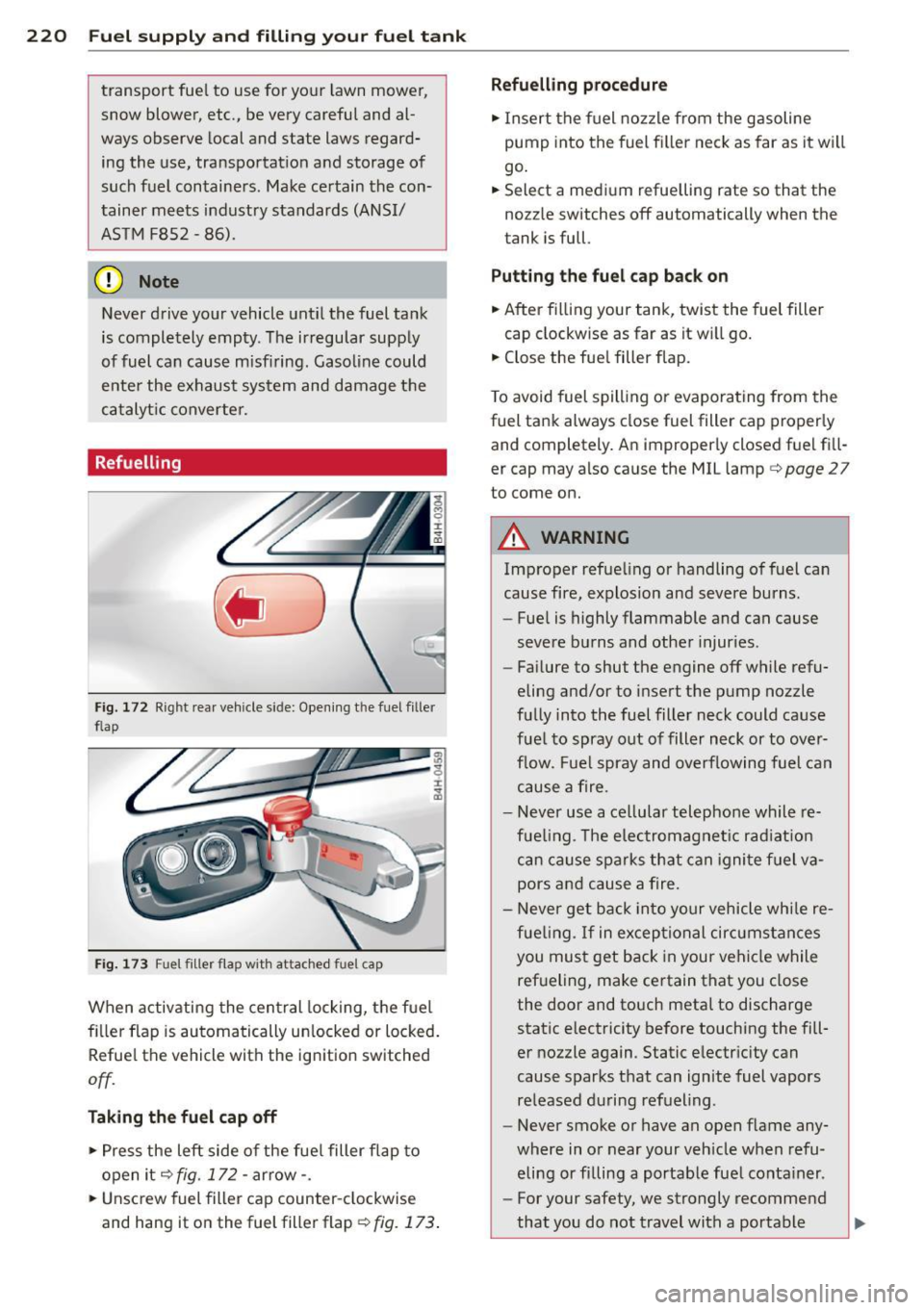
Fig. 172 Rig ht rea r vehicle s ide: Ope ning t he fuel fille r
f lap
Fig . 173 Fuel filler fla p with attached fuel c ap
When activating the central locking, the fuel
fi ller flap is automatically un locked or locked.
Refue l the vehicle with the ignition switched
off.
Taking the fu el cap off
• Press the left side of the fuel filler flap to
open it
q fig . 172 -arrow-.
• Unsc rew fuel filler cap counter-clockwise
and hang it on the fuel fill er flap
¢ fig. 173 . Refuell
ing proc edur e
• Insert the fuel nozzle from the gasoline
pump into the fuel fi ller neck as far as it wi ll
go .
• Sele ct a med ium r efuelling rate so that the
no zz le switches off automatically when the
tank is full .
Putting th e fu el cap ba ck on
• After filling your tank, twist the fuel filter
cap clockwise as far as it w ill go.
• Close the fue l fill er flap.
T o avoid fuel spilling or evaporating from the
fuel tank always close fuel filter cap properly and completely. An improperly closed fuel fi ll
er cap may also cause the MIL lamp
cc> page 2 7
to come on.
A WARNING
Improper refue ling or handling of fuel can
cause fire, explosion and severe burns.
- Fuel is highly flammable and can cause
severe burns and other injur ies .
- Fai lure to shut the engine off while refu
eling and/or to insert the pump nozzle
fully into the fuel filter neck could cause
fuel to spray out of filler neck or to over
flow. Fue l spray and overflowing fuel can
cause a fire .
- Never use a ce llular telephone whil e re
fue ling . T he electromagnet ic rad iat io n
can cause sparks that can igni te fuel va
pors and cause a fire.
- Never get back into your vehicle whi le re
fuel ing.
If in exceptional circumstan ces
you must get back in your vehicle while
ref ueling, make certain that you close
the door and touch metal to discharge
static electricity before touching the fill
er nozzle again . Static electricity can
cause sparks that can ignite fuel vapors
released during refueling .
- Never smoke or have an open f lame any
where in or near your veh icle when refu
eling or filling a portable fue l conta iner .
- For your safety, we strongly recommend
that you do not travel with a portable
Page 224 of 302
222 Checking and filling
Checking and filling Engine hood
Releasing the engine hood
The engine hood is released from inside the
vehicle .
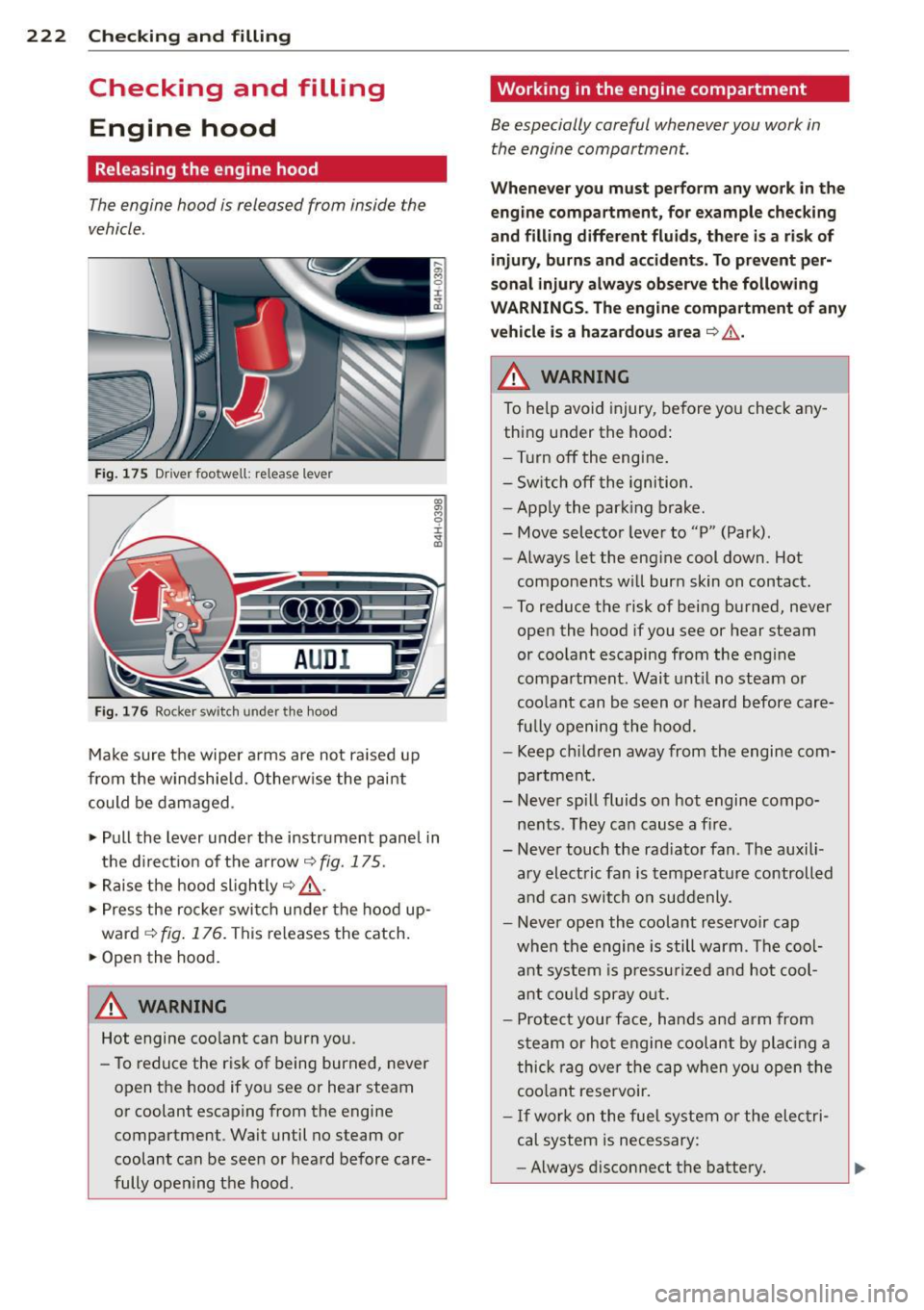
Fig. 175 Driver foo twell: release lever
AUD I
Fig. 176 Rocker switch un der the hood
Make sure the wiper arms are not raised up
from the windshield. Otherwise the paint
could be damaged.
.,. Pull the lever under the instrument panel in
the direction of the arrow
¢ fig. 175.
.,. Raise the hood slightly¢,&. .
... Press the rocker switch under the hood up
ward ~
fig. 176. This releases the catch.
... Open the hood.
&_ WARNING
Hot engine coolant can burn you.
- To reduce the risk of being burned, never
open the hood if you see or hear steam
or coolant escaping from the engine compartment . Wait until no steam or
coolant can be seen or heard before care
fully opening the hood .
' Working in the engine compartment
Be especially careful whenever you work in
the engine compartment.
Whenever you must perform any work in the
engine compartment, for example checking
and filling different fluids, there is a risk of injury, burns and accidents. To prevent per
sonal injury always observe the following
WARNINGS. The engine compartment of any
vehicle is a hazardous area
¢ ,&. .
/n.. WARNING
To help avoid injury, before you check any
thing under the hood:
- Turn off the engine.
- Switch off the ignition .
- Apply the parking brake.
- Move selector lever to "P" (Park) .
- Always let the engine cool down. Hot
components will burn skin on contact.
- To reduce the risk of being burned, never
open the hood if you see or hear steam
or coolant escaping from the engine
compartment. Wait until no steam or
coolant can be seen or heard before care
fully opening the hood.
- Keep children away from the engine com
partment.
- Never spill fluids on hot engine compo
nents . They can cause a fire .
- Never touch the radiator fan. The auxili
ary electric fan is temperature controlled
and can switch on suddenly .
- Never open the coolant reservoir cap
when the engine is still warm . The cool
ant system is pressurized and hot cool
ant could spray out.
- Protect your face, hands and arm from
steam or hot engine coolant by placing a
thick rag over the cap when you open the
coolant reservoir.
- If work on the fuel system or the electri
cal system is necessary:
- Always disconnect the battery.
Page 225 of 302

-Never smoke or work near heate rs or
open flames. Fluids in the engine com
partment could start a fire.
- Keep an approved fire extinguisher im
mediately ava ilable.
- To avoid elect rical shock and persona l in
jury while the engine is running or be ing
started, never touch:
- I gnition cables
- Othe r components of the high voltage
e lectronic ignition system.
- If you must pe rform a check or repair
with the engine running:
- F irst, fully apply the pa rking brake,
move selector lever to "P" (Park) .
- Always use extreme caution to prevent
clothing, jewelry, or long hai r from get
ting caught in the radiator fan, V-belts
or other moving parts, or from contact ing hot parts. T ie back hair before
starting, and do not wear cloth ing that
will ha ng or droop into the eng ine.
- Min imize exposure to emission and
c h emical hazards
c:> &,.
A WARNING
California Propos ition 65 Warning:
- Engine exhaust, some of its constituents,
and certai n veh icle components co nta in
or em it chemicals known to the State of
Californ ia to cause cancer a nd b irth d e
fects a nd rep roduct ive ha rm. In addi tion,
c e rta in fluids cont ained in vehicle s and
c ertain p rod ucts of component wear con
tain or emit chemicals known to the
State of Ca lifo rnia to cause cancer and
birth defects or other reproductive harm.
- Battery posts, terminals and related ac
cessories contain lead and lead com-
Checkin g and fillin g 223
poun ds, c hemicals known to the State of
California to cause cancer and reproduc
tive harms. Wash hands after handling.
([) Note
When adding fluids, always make su re that
they are poured into the p roper conta iner
or fi ller opening, otherwise serious dam
age to vehicle systems w ill occur .
@ For the sake of the environment
To detect lea ks in time, inspect the vehicle
floor pan from underneath regular ly. If
you see spots from oil or other veh icle flu
i ds, have you r vehicle inspected by an au
thorized Audi dea ler.
Closing the engine hood
.. Pull the hood down until the pressure from
t he st ruts is reduced.
.. Let the hood
drop down a nd l atc h in pla ce.
Do not try to push it shut; it may fail to en
gage ~ A_.
A WARNING
-
A hood that is not completely latched
could fly up and block your view while dr iv
i ng.
- When you close the engine hood, chec k it
to make sure t he safety catch has prope r
ly engaged. The hood shou ld be flush
with the surround ing vehicle body parts .
- If you notice while driv ing that the hood
is not secured prope rly, stop at once and
close it. •
•