check oil AUDI Q7 2015 Owner´s Manual
[x] Cancel search | Manufacturer: AUDI, Model Year: 2015, Model line: Q7, Model: AUDI Q7 2015Pages: 350, PDF Size: 86 MB
Page 260 of 350

258 Checking and filling Engine compartment
These are the most important items that you can check .
Fig. 242 Typical layo ut for containers, engine oil di pstick and engin e oil fille r cap
(D W indshield/head light washer
t . (
;R ) con ainer ,.... .............. .
@ Coolant expansion tank (-L) .. .
@ Engin e oi l filler cap ('t".:r.) . .. .. .
©
®
®
(j)
Eng ine oil dipstick .......... .
Brake fluid reservoir
((0)) ..... .
Power steering reservoir ... .. .
Jump start connector( +) under 270
263
261
260
265
226
a cover,( ·) with hex head screw 268,317
The position of the engine o il fi lling hole and
the engine oil dipstick
r=;, fig. 242 (position ®
and @) can vary according to the type of en
gine .
_&. WARNING
Before you check anything in the engine
compartment, always read and heed all
WARNINGS ¢.&.
in Working in the engine
c ompartment on page 256.
-
Engine oil
Engine oil specifications
The engine oil used must conform to exact
specifications .
The service interva l disp lay in t he instrument
cluster of your vehicle will inform you when it
is time for an oil change . We recommend that
you have your oil changed by an authorized Audi Service Advisor.
If you have to top
off the oil between oil
changes, use the Audi o il quality standard
spec ified in the table.
Audi oil quality standard
Gasoline
VW 502 00 or
engine vw 504 00
Diesel vw 507 00
engine
Page 261 of 350
M N
0 ...J
'SI: ,...., \!) 1.1'1 ,...., 1.1'1 ,....,
Using the proper engine oil is important for
the functionality and service life of the en
g ine. Your engine was factory -filled with a
h igh-quality oil which can usually be used
t h roughout the entire year.
Your Limited New Vehicle Warranty does not cover damage or ma lf u nctions due to
fa ilure to follow recommended mainte
nance and use requirements as set forth in
the Audi Owner's Manual and Warranty
&
Ma intenance booklet .
- Use only a high quality eng ine oil that ex
pressly complies w ith the Audi o il quality
sta ndard specified for your veh icle's e n
gine . U sing any other oil can cause seri
ous eng ine dam age.
- Do not m ix any l ubrica nts o r othe r addi
tives into the eng ine oi l. Doing so can
ca use eng ine damage.
I f you need to add oil and there is no ne
availab le tha t mee ts the Audi o il qua lity
s t andard your engine requires, yo u may
add a tota l of no more than 0 .5 quart/ liter
of a high -quality "synthetic"oil t hat meets
the following specifications.
- Vehicles with gaso line engine: ACEA A3
or API S M with a viscosity grade of
SAE OW-30, SAE SW-30 or SA E SW-40.
- Vehicles with diesel engine: ACEA C3 o r
API CF with a v iscosity grade of
SAE OW-30 or SAE SW-30.
- Fo r more information abo ut engine oi l
that has been approved for your vehicle, p lease contact either your a uthori zed
Audi dealer or Audi Customer Relations
at 1 (800) 822 -2834 or visit our web site
at www.a udiusa.com or
www.aud ica nada .ca.
Eng ine oil consumption
To provide effect ive lub rication and cooling for
internal engine pa rts, all inte rnal combust ion
engines use some oil. Oil consumption varies
Checkin g and fillin g 259
from engine to engine and may change ove r
the life of the engine. Engines tend to use
more o il during the break-in period than they
do afterward, when o il cons umption has sta
bili zed. Depending on the way the vehicle is
driven and the operati ng conditions, oil con
sumption can be up to 1 quart per 1,200
mil es(! lite r per 2,000 km) . Consumption
may be higher wi thin the fi rs t 3,000 m iles
(5,000 km) .
Un der normal cond itions, the rate of oil con
sumption depends on o il quality as well as v is
cosity, engine speed (rpm), outs ide tempera
ture, road condi tions, the amount of oil d il u
t ion caused by condensed water or fue l resi
due, and oxidation of the oi l. Oi l consump tion
may inc rease with engine wear over time, un
ti l replacement of worn engine parts may be
come necessary.
Beca use of all these variables, there is no
standard or "norma l" rate of o il cons umption .
We urge you to check the engine oil le vel at
regular intervals, p referably e very time you
fill the fuel tank, and always before a long
trip .
The oil p ressure wa rning light. is not an
indicato r of low engine oil le vel. If the wa rn
ing light does not go out after starting, or
flash es while dri ving (above 1500 rpm ), a
buzzer will sound . It indicates that the oil
pres sure is too low. Stop the engine immedi
ately, che ck the engine oil level and add oil if
n ec ess ary. If the engine oil level i s normal,
but the light continues to flash , do not keep
driving or let the engine idle, as dam age may
occur .
If you believe yo ur engine uses too much o il,
we recommend that you consul t your author
ized Audi dea ler so that the ca use of yo ur con
cern can be proper ly diagnosed . Keep in mind
that acc urate measurement of oil consump
tion req uires great care and may take some
time . Your Audi dealer h as ins truc tions for
how to measure oil consumption accurately .
I),
•
•
Page 262 of 350
260 Checking and filling
& WARNING
Stop! Before working in the engine com
partment, always read and heed all WARN
INGS
~ A in Working in the engine com
partment on page
256 . The engine com
pa rtment of any motor ve hicle is a poten
tially d angerous area and can c ause ser i
ous personal injury.
- The eng ine depends on o il to lubr icate
and cool a ll of its moving pa rts. The en
gine o il m ust be che cked reg ularly and
k ept at the required leve l.
- Make it a habi t to have the eng ine oi l lev
el checked every time you fill the fue l
tank .
- Too litt le engi ne oil may cause seve re e n
gine damage.
Checking the engine oil level
The dipstick indicates the engine oil level .
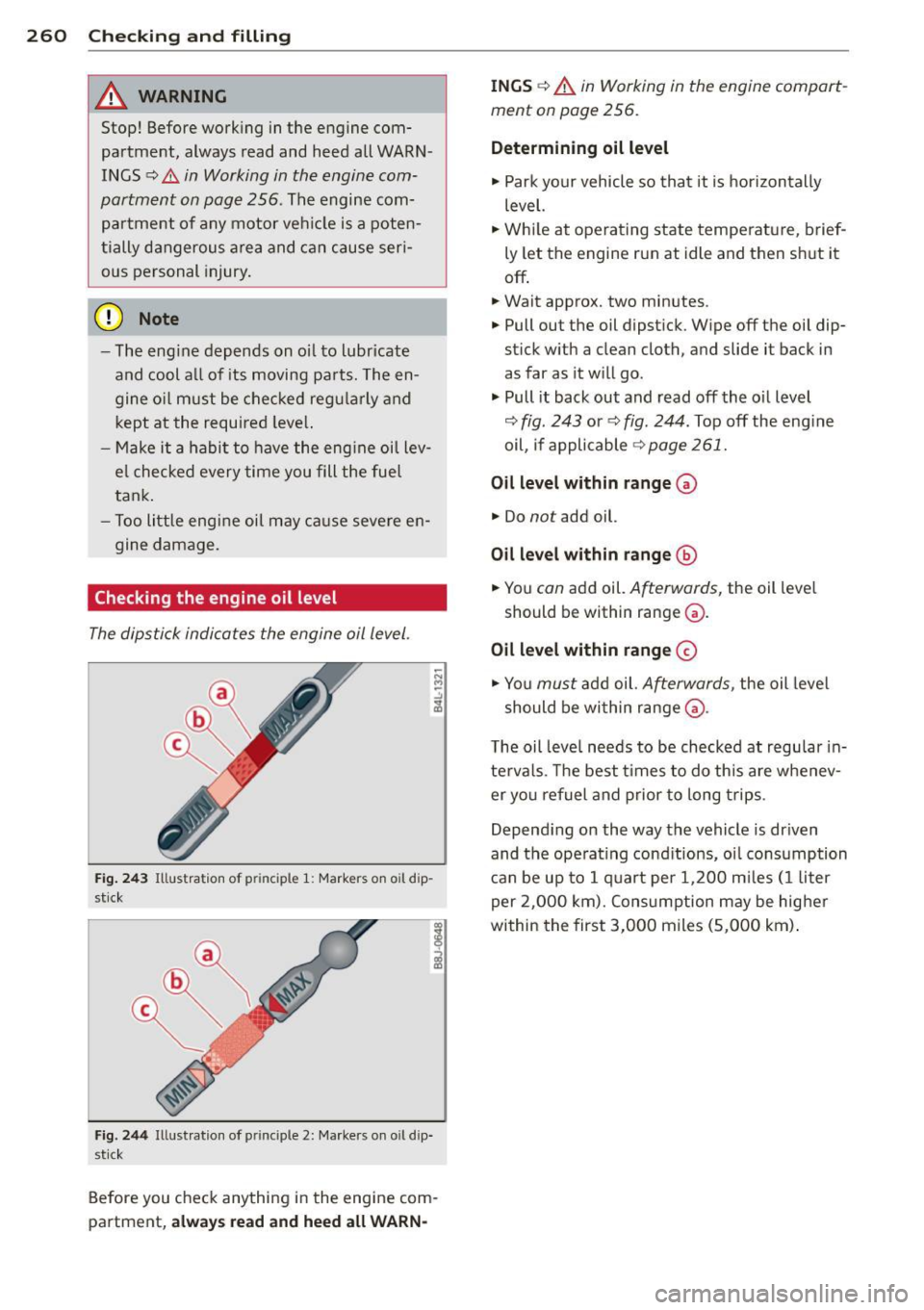
Fig. 2 4 3 Illustrat ion of principle 1: Markers on oil dip
st ick
Fig. 2 44 Illustrat ion of p rinciple 2: Ma rkers on o il dip
st ick
Before you chec k anythin g in the eng ine com
partment,
a lw ays read and heed all WARN-
INGS ~.&. in Working in the engine compart
ment on page
256.
Determin ing oil level
• Park yo ur vehicle so that it is horizontally
level.
• W hile at operat ing state tempe rature, brief
ly let the engine run at idle and then s hut it
off .
.. Wait approx. two minutes .
.. Pull out the oil dipstick. Wipe off the oil dip
stick w ith a clean cloth, and slide it back in
as far as it w ill go.
• Pull it back out and read off the o il level
~ fig. 243 o r ~ fig. 244. Top off the eng ine
oil, if applicable ~
page 261.
Oil level within range 0
• Do not add oil.
Oil le ve l within range@
• Yo u can add oil. Afterwards, the oil leve l
should be within range
G).
Oil level within range 0
• You must add oil. Afterwards , the oil leve l
should be wi thin range
G) .
The oil leve l needs to be checked at regular in
te rva ls. The best times to do th is are whenev
er you refuel and prior to long trips .
Depend ing on the way the vehicle is dr iven
and the ope rat ing cond itions, oi l consumption
can be up to
1 quart pe r 1,200 miles (I liter
per
2,000 k m). Consumption m ay be higher
within the first
3,000 miles (5,000 km) .
Page 263 of 350
M N
0 ..J
'SI: ,...., \!) ..,.,
,...., ..,., ,....,
Adding engine oil~
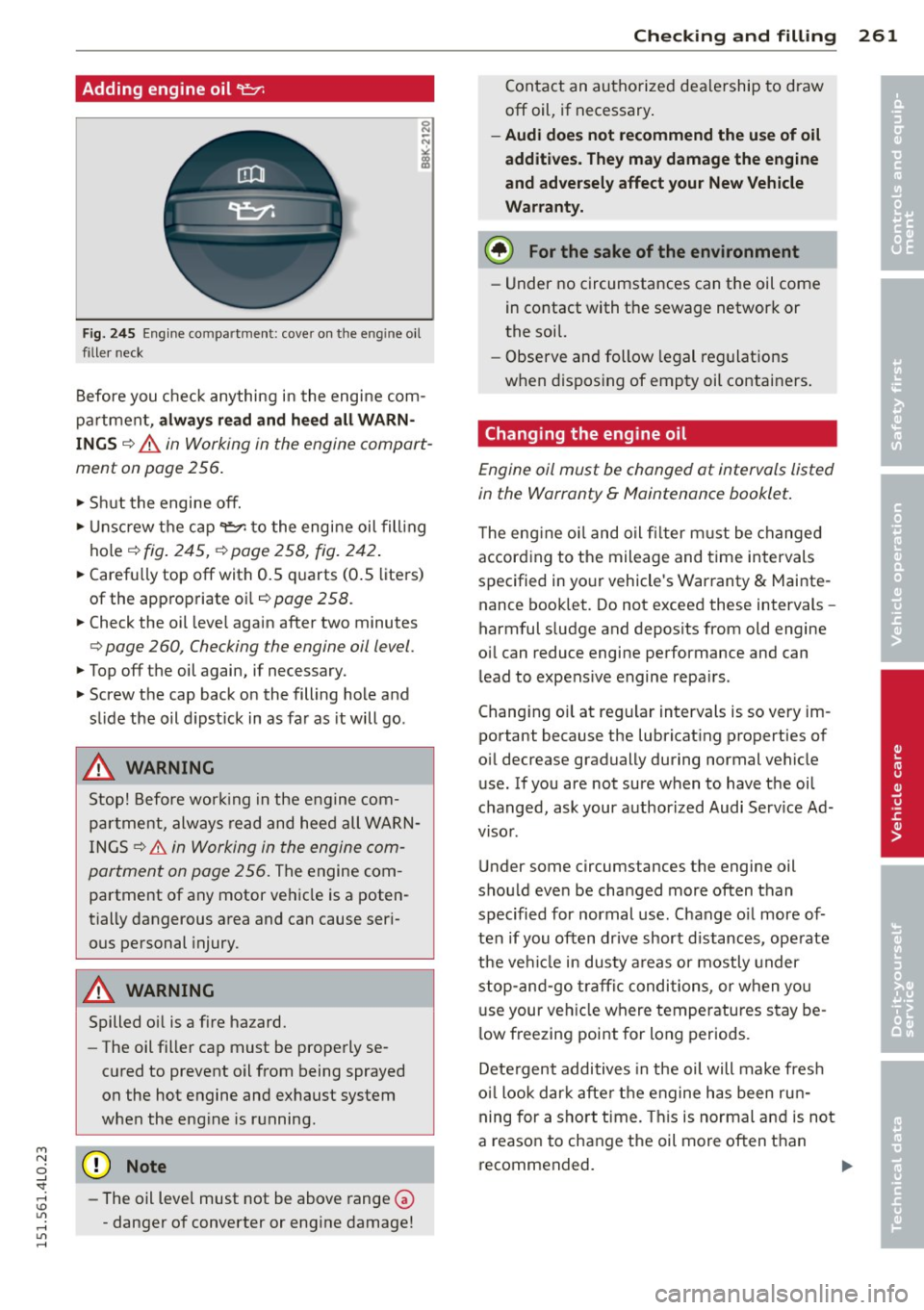
Fig. 2 45 Eng ine co mpa rtment : cove r on the e ngin e o il
filler neck
Before you c heck anything in the engine com
partment,
a lw ays r ead and h eed all WARN
ING S
9 A in Working in the engine compart
ment on page 256 .
"' Shut the engine off.
"' Unsc rew the cap~ to the engine oil fill ing
hole
9 fig . 245, 9page 258, fig. 242 .
"'Carefu lly top off with 0.5 q uarts (0.5 liters)
of the appropriate oi l
9page 258.
"'Check the oil leve l again after two minutes
9 page 260, Checking the engine oil level.
"' Top off the oil again, if necessary.
"' Screw the cap back on the filling hole and
slide the oil d ipst ick in as far as it will go .
A WARNING
Stop! Before working in the engine com
pa rtment, always read and heed all WARN
INGS
9 .&. in Working in the engine com
partment on page 256.
The engine com
partment of any motor vehicle is a poten
tially dangerous area and can cause ser i
ous personal injury.
A WARNING
Spilled o il is a fire hazard.
- The oil fille r cap must be properly se
c u red to prevent oil from being sprayed
on the hot engine and exhaust system
when the eng ine is running.
- The oil leve l must not be above range ~
- danger of converter or eng ine damage!
Checkin g and fillin g 261
Contact an authorized deale rship to draw
off oil, if necessary .
-Audi doe s not re commend the u se of oil
additives. They m ay damage the engine
and ad ve rse ly affe ct you r New Vehicle
War ra nty.
@ For the sake of the environment
- Under no circumstances can the oil come
in contact with the sewage network or
the soi l.
- Observe and follow legal regulations
when disposing of empty oil containers .
· Changing the engine oil
Engine oil must be changed at intervals listed
in the Warranty
& Maintenance booklet.
T he eng ine oi l and oil fi lter m ust be changed
accord ing to the mileage and time intervals
specified in yo ur vehicle's Warranty
& Mainte
nance booklet. Do not exceed these intervals -
harmful s ludge and deposits from old engine
o il can reduce engine performance and can
lead to expens ive engine repa irs .
Changing oi l at reg ular intervals is so very im
portant because the lubricat ing properties of
o il decrease gradually during normal vehicle
use. If you are not sure when to have the oil
c h anged, ask your authorized Audi Serv ice Ad
viso r.
Under some circumstances the engine oil
shou ld eve n be changed more often than
spec ified for normal use. Change o il more of
ten if you often dr ive short d istances , operate
the ve hicl e in dusty a reas or mostly under
stop- and-go t raffic conditions, or when you
use your veh icle where temperatures stay be
l ow freezing point for long periods.
Dete rgent additives in the oil will make fres h
o il look dark after the engine has been ru n
ning for a sho rt time. This is normal and is not
a reaso n to change the oil more often than
recommended.
ll>-
•
•
Page 266 of 350
264 Check ing and filling
Coolant lo ss
Coolant loss may indicate a l ea k in t he cooling
system. In the event of coolant loss, the cool
ing system should be inspected immediately
by your authorized Audi dealer. It is not
enough merely to add coolant.
I n a
se ale d system, losses can occur only if
the boiling point of the coolant is exceeded as
a result of overheating.
A WARNING
The cooling system is under pressure and
can get very hot. Reduce the risk of scald
ing from hot coolant by following these
steps.
- Turn off the engine and allow it to cool
down.
- Protect your face, hands and arms from
escaping fluid and steam by covering the
cap with a large, thick rag .
- Turn the cap slowly and very carefully in
a counter-clockwise direction wh ile ap
plying light, downward pressure on the
top of the cap .
- To avoid being burned, do not spill ant i
freeze or coolant on the exhaust system
or hot eng ine parts. Under certain condi
t io ns, the ethy lene g lycol in engine cool
an t ca n ca tch f ire.
0 Note
Do not add any type of radiator leak seal
ant to your vehicle's eng ine coolant. Add
ing radiato r repair fluid may adve rsely af
fect the function and performance of your
cooling system and could res ult in damage
not covered by your New Vehicle Limited
Warranty .
Adding coolant
Be very careful when adding engine coolant.
Before you check anything i n the engine com
pa rtmen t,
a lwa ys read and heed all WARN
INGS c:::> A in Working in the engine compart
ment on page 256.
.. Tu rn off the engine .
.. Let the engine cool down.
.. Place a thick rag over the coo lant expansion
tank
c> page 263 , fig. 246 and carefully
twist the cap counter-clockwise c> ,&. .
.. Add coo lant m ixed in the correct rat io
c:::> page 262, Coolant.
.. Twist the cap o n again tightly.
Rep lacement engine coo lant must conform to
exact spec ificat ions
c> page 262, Coolant.
We recommend using only coo lant add it ive
G12 ++, G13 or in an emergency G12 +. Do
not
use a different add itive. In an emergency use
plain water until you can get the correct addi
t ive and can restore the correct ratio . This
shou ld be done as soon as poss ib le.
If you have lost a considerab le amount of
coolant, the n you should add cold ant ifreeze
and co ld water on ly when the eng ine is cold .
Always use
new engine coolant when refilling.
Do not fi ll coo lant above the "MAX" mark. Ex
cess coolant will be forced o ut through the
pressure relief valve in the cap when the en
gine becomes hot.
A WARNING
- The cooling system is under pressure and
can get very hot. Reduce the risk of
scalding from hot coolant by following
these steps.
- Turn off the engine and allow it to coo l
down.
- Protect your face, hands and arms from
escaping fluid and steam by covering
the cap with a large, th ick rag.
- Turn the cap s low ly and very carefully
in a counter-clockwise direction while
applying light, downward pressure on
the top of the cap.
- To avoid being burned, do not spill an
tifreeze or coolant on the exhaust sys
tem or hot engi ne parts. Under certain
cond it ions, the ethylene g lycol in e n
gine coolant can catch fire .
Page 288 of 350
286 Tires and wheels
build-up, sudden tire failure
and loss of control.
-If the tire pressure is too low or too high, the tires
will wear prematurely and
the vehicle will not handle
well.
-If the tire is not flat and you
do not have to change a
wheel immediately, drive at reduced speed to the near
est service station to check
the tire pressure and add air
as required.
(D Note
Driving without valve stem
caps can cause damage to
the tire valves. To prevent
this, always make sure that
factory installed valve stem caps on all wheels are secure
ly mounted on the valve .
@ For the sake of the environment
Underinflated tires will also
increase the fuel consump
tion .
Tires and vehicle load limits
There are limits to the amount
of load or weight that any vehi
cle and any tire can carry. Ave
hicle that is overloaded will not handle well and is more diffi
cult to stop. Overloading can not only lead to loss of vehicle
control, but can also damage important parts of the vehicle
and can lead to sudden tire fail
ure, including a blowout and
sudden deflation that can cause
the vehicle to crash .
Your safety and that of your passengers also depends on
making sure that load limits are
not exceeded. Vehicle load in
cludes everybody and every
thing in and on the vehicle.
These load limits are technical
ly referred to as the vehicle's
Gross Vehicle Weight Rating
("GVWR") .
The "GVWR " includes the
weight of the basic vehicle, all
factory installed accessories, a
full tank of fuel, oil, coolant
and other fluids plus maximum load. The maximum load in
cludes the number of passen
gers that the vehicle is intend
ed to carry ("seating capacity")
with an assumed weight of 150 lbs (68 kg) for each pas
senger at a designated seating
position and the total weight of
any luggage in the vehicle. If ""
Page 302 of 350

300 Tires and wheels
securely and that the brake system functions
correctly .
I n certain circumstances, you may not use
wheel bolts from a different vehicle -even if it
is the same model
¢ page 328.
A WARNING
Improperly tightened or maintained wheel
bolts can become loose causing loss of
control, a collision and serious personal in
jury.
- Always keep the wheel bolts and the
threads in the wheel hubs clean so the
wheel bolts can turn easily and be prop
erly tightened.
- Never grease or oil the wheel bolts and
the threads in the wheel hubs. They can
become loose while driving if greased or
oiled, even if tightened to the specified
torque.
- Only use wheel bolts that belong to the
rim being installed.
- Never use different wheels bolts on your
vehicle .
-Always maintain the correct tighten ing
torque for the wheel bolts to reduce the
risk of a wheel loss.
If the tightening tor
que of the wheel bolts is too low, they
can loos en and come out when the vehi
cle is moving .
If the tightening torque is
too high, the whee l bolts and threads
can be damaged and the wheel can be
come loose.
{[) Note
The specified torq ue for the wheel bolts is
120 ft lb (160 Nm) with a tolerance of
± 7,4 ft lb(± 10 Nm). Torque whee l bolts
diagonally. After changing a whee l, the
torque must be checked as soon as possi
ble with a torque wrench -preferably by an
author ized Audi dealer or qualified work
shop.
Low aspect ratio tires
Your Audi is factory-equipped w ith low aspect
ratio tires. These tires have been thoroughly
tested and been se lected specifically for your
model for their superb performance, road feel
and handling under a variety of driving condi
t ions . Ask your authorized Audi dealer for
more details.
The low aspect ratio of these tires is indicated
by a numera l of
55 or less in the tire's size
designation. The numera l represents the ratio
of the tire's sidewall height in relation to its
tread width expressed in percentage. Conven
t iona l tires have a he ight/w idth ratio of 60 or
more .
The performance of low-aspect-ratio tires is
particularly sensitive to improper inflation
pressure. It is therefore important that low
aspect ratio tires are inflated to the specified
pressure and that the inflation pressure is
regularly checked and maintained. Tire pres
sures should be checked at least once a
month and always before a long trip
¢ page 282, Checking tire pressure .
What you can do to avoid tire and rim
damage
Low aspect ratio tires can be damaged more
easily by impact with potholes, curbs, gullies
or ridges on the road, particularly if the tire is
underinflated .
In order to minimize the occurrence of impact
damage to the tires of your vehicle, we recom
mend that you observe the following precau
tions:
- Always maintain recommended inflation
pressures. Check your tire pressure every
2,000 miles (3,000 km) and add air if neces
sary .
- Drive carefully on roads with potholes, deep
gullies or ridges. The impact from dr iving
through or over such obstacles can damage
your tires. Impact with a curb may also cause damage to your tires .
- After any impact, immed iately inspect your
tires or have them inspected by the nearest
II>
Page 324 of 350

322 Emergency situations
fall from a lift if there is a change in ve
hicle weight distribution and balance.
This might happen, for example, when
heavy components such as the engine
block or transmission are removed .
- When removing heavy components like
these, anchor vehicle to hoist or add cor
responding weights to maintain the cen
ter of gravity. Otherwise, the vehicle
might tilt or slip off the hoist, causing
serious personal injury.
(D Note
- Be aware of the following points before
lifting the vehicle:
-The vehicle should never be lifted or
jacked up from underneath the engine
oil pan, the transmission housing, the
front or rear axle or the body side
members. This could lead to serious
damage.
- To avoid damage to the underbody or
chassis frame, a rubber pad must be
inserted between the floor jack and
the lift points.
- Before driving over a workshop hoist,
check that the vehicle weight does not
exceed the permissible lifting capacity
of the hoist.
- Before driving over a workshop hoist,
ensure that there is sufficient clear
ance between the hoist and low parts
of the vehicle.
Page 330 of 350
328 Con sumer Inf ormation
-Always make su re the transmission se
lector l ever (automat ic transmiss ion) is
in P (Park position) an d th e park brake is
firmly applied .
@) For the sake of the environment
-Changing the en gine settin gs wi ll ad
versely affect em iss ion levels . This is det
rimental to the enviro nment and incr eas
es fuel consumption .
- Always observe env ironmental regula
tions when dispos ing of old engine oil,
used brake fluid, dirty engine coolant,
spent batteries or worn o ut tires.
- Undeployed airbag modules and preten
s ioners might be classified as Perchlo
rate Mate rial -spec ial handling may ap
ply, see www.dtsc.ca .gov/hazardous
was te/perch lorate . When the veh icle or
parts of the res traint system in cl uding
airbag modules safety belts wit h preten
sioners are scrapped, all applicable laws
and regulations must be observed. Your
authori zed Aud i dea ler is familiar with
these requirements and we recommend
that you have your dealer perform this
serv ice for you .
Additional accessories,
modifications and
parts replacement
Additional accessories and parts
replacement
Always consult an authorized Audi dealer be
fore purchasing accessories.
Your veh icle incorporates the latest safety de
sig n featu res ensu ring a high standard of a c
tive and passive safety .
This safety could be comp romised by non-ap
proved changes to the ve hicle. For this reason ,
if pa rts have to be replaced , please obse rve
the following points when install ing addition
a l accessories: Approved Audi accesso
ries and genuine Aud i
parts are available from authorized A udi deal
ers.
T hese dea le rs a lso have the necessary facili
ties, tools and tra ined specialists to install the
parts and acc essories proper ly .
A WARNING
-Using the wrong spare pa rts or using non-
approved accessories ca n cause damage to
the veh icle and ser ious persona l injury.
- Use on ly accessories express ly approved
by Audi and ge nuine Audi spare parts
- These parts and accessories have been
specia lly designed to be used on yo ur ve
h icle .
- Never install accessor ies such as tele
phone crad les or beverage ho lders on a ir
bag covers or within the airbag deploy
ment zones . Do ing so will increase the
risk of injury if a irbags are triggered in an
accide nt!
- Before you check anything in the engine
compa rtment, always read and heed a ll
WARNI NGS
9 page 256 .
(D Note
-If items other than genu ine Audi spare
par ts, add-on equipmen t and accessory
items are used o r if repair wo rk is not
performed ac co rd ing to specified meth
ods, this c an resu lt in seve re damage to
yo ur vehicle's eng ine and body (such as
co rrosion) and adversely affect yo ur vehi
cle's warranty .
- If emergency repairs must be performe d
elsew here, have the vehicle examined by
an authorized A udi dealer as soon as
possible .
- The manufacturer cannot be held liable
for damage wh ic h occ urs due to failure
to comply with these stipu lations.
Page 337 of 350
M N
0 ...J
'SI: ,...., \!) 1.1'1 ,...., 1.1'1 ,....,
Doors
Power child saf ety lock . ... .. .. .. .. .. 48
Dr iver information system ... .. .. .. .. .. 2 1
Di gita l speedomete r ...... .. .. .. .. .. 22
D river info rmation messages . . . . . . . . . 30
Open door or rear lid warning . . . . . . . . . 22
Outside temperature display . ... .. .. .. 22
Sound system display .. ... .. .. .. .. .. 21
D river seat
refer to Seat ing pos it ion ... .. .. .. .. . 164
Driver's seat ................. .... ... 75
Driver's seat memory . . . . . . . . . . . . . . . . . 76
Activating remote control key . . . . . . . . . 77
Recall ing a seat posit ion ... .. .. .. .. .. 76
Sto ring a seat position . . . . . . . . . . . . . . . 76
D riving messages . . . . . . . . . . . . . . . . . . . . 30
Driving mode
refer to Adaptive Air Suspe nsion. 157, 1 59
Driving offroad Driving through water ......... ... .. 236
Driving tips .... ........... ... ... .. 235
Rul es of behav io r ............ .. .... 235
S and and m ud ........... .... .. .. . 236
Snow-covered groun d ..... .. .. .. .. .
236
Unpaved roads ........... .... .. ... 23 6
Driving safe ly .......... ...... .... .. 163
Driving through water ... ... .. .. .. .. . 236
D riving t ime . . . . . . . . . . . . . . . . . . . . . . . . 24
Duplicate key . . . . . . . . . . . . . . . . . . . . . . . 38
D ust filter
Climate controls . . . . . . . . . . . . . . . . . . . . 94
E
Easy en try featu re .. ..... ... .. .. .. .. . 10 6
E fficiency program . . . . . . . . . . . . . . . . . . . 26
Fue l economy messages . ...... ... ... 27
M emory levels . . . . . . . . . . . . . . . . . . . . . 25
Othe r equipmen t ......... .. .. .. .. .. 2 7
Electric seat adjustment
refer to Power seat . . . . . . . . . . . . . . . . . 7 5
Electro nic differential lock (EDL) . ... .. . 223
Warn ing/ indicator lights . . . . . . . . . 16, 18
E le ctr onic immobili ze r ...... .. .. .. .. .. 40
Electronic power co ntrol
( E PC) wa rn ing/indicator light ... ... ... 15
Electronic speed limiter . . . . . . . . . . . . . . . 28
Inde x 335
Electronic Stabilization Cont ro l (E SC) ... 223
Hill descent contro l ..... .... ... .. .. 224
•
Offroad mode .. .. .. . .. ... .... ... .. 224 •
Warning/ind icator lights .......... .. . 16
E merge ncy flashe r . . . . . . . . . . . . . . . . . . . 63
Wa rning/ind icator lights ..... ... .. .. . 16
Emergency locking of doors ............ 45
Emergency operation Rear lid . .. .. .. .. .. ............... . 48
Emergency starting . .. .. ..... ... .. .. 317
Emerge ncy towing ... . .. .. .. ... ... .. 319
Energy management ... .. .... ... .. .. 228
Battery power . .. .... ........... .. 229
Driver notification ................. 229
Engine Compartment .... .. . .. .. ..... ... .. 258
Coolant ... .. .... .. . .. .. ..... ... .. 262
Data ..... .. .. .. ... ............ .. 325
Hood ..... .. .. .. ................. 256
Start ing . . . . . . . . . . . . . . . . . . . . 107, 108
Starting with jumpe r cables ........ . 317
Stopping ........ .. ............... 108
Engine compartment
Safety instr uctions .. ........... .... 256
Work ing the eng ine compartment .. .. 256
Engine coolant system . .. ..... ... .. .. 262
Adding coo lant ..... . .. .. ..... ... .. 264
Checking coolant level .............. 263
Checking the engine coolant level ... .. 263
Malfunction . . . . . . . . . . . . . . . . . . . . . . . 32
Radiator fan ..... .. ............... 265
E ngine coolant temperature
Temperat ure gauge ............ .... . 10
E ngine hood
Closing ... .. .... .. . .. .. ..... ... .. 2 56
How to re lease the hood ..... ... .. .. 256
Engine o il ..... ... .. ............... 258
Adding ... .. .. .. ............... .. 261
Addi tives .... .. ...... ........... .. 261
Chang ing ... .. .... .. ... ..... ... .. 261
Checking the engine oil leve l .. ... .. .. 260
Consumption . ..... . .. .. ..... ... .. 259
Ind ications and conditions requir ing ex-
tra checking . .. .. ............... .. 260
Oil grades . .. .. .. ................. 258
Recommended oil check intervals . .. .. 260
Spec ificat io n and viscosity .......... . 258