belt AUDI R8 COUPE 2020 Service Manual
[x] Cancel search | Manufacturer: AUDI, Model Year: 2020, Model line: R8 COUPE, Model: AUDI R8 COUPE 2020Pages: 308, PDF Size: 82.41 MB
Page 211 of 308
4S1012721BA
Airbag system
How side curtain airbags work
Applies to: vehicles with side curtain airbags
Side curtain airbags can work together with side
airbags to help reduce the risk of head and upper
torso injuries for occupants who are properly re-
strained.
B4S-0115
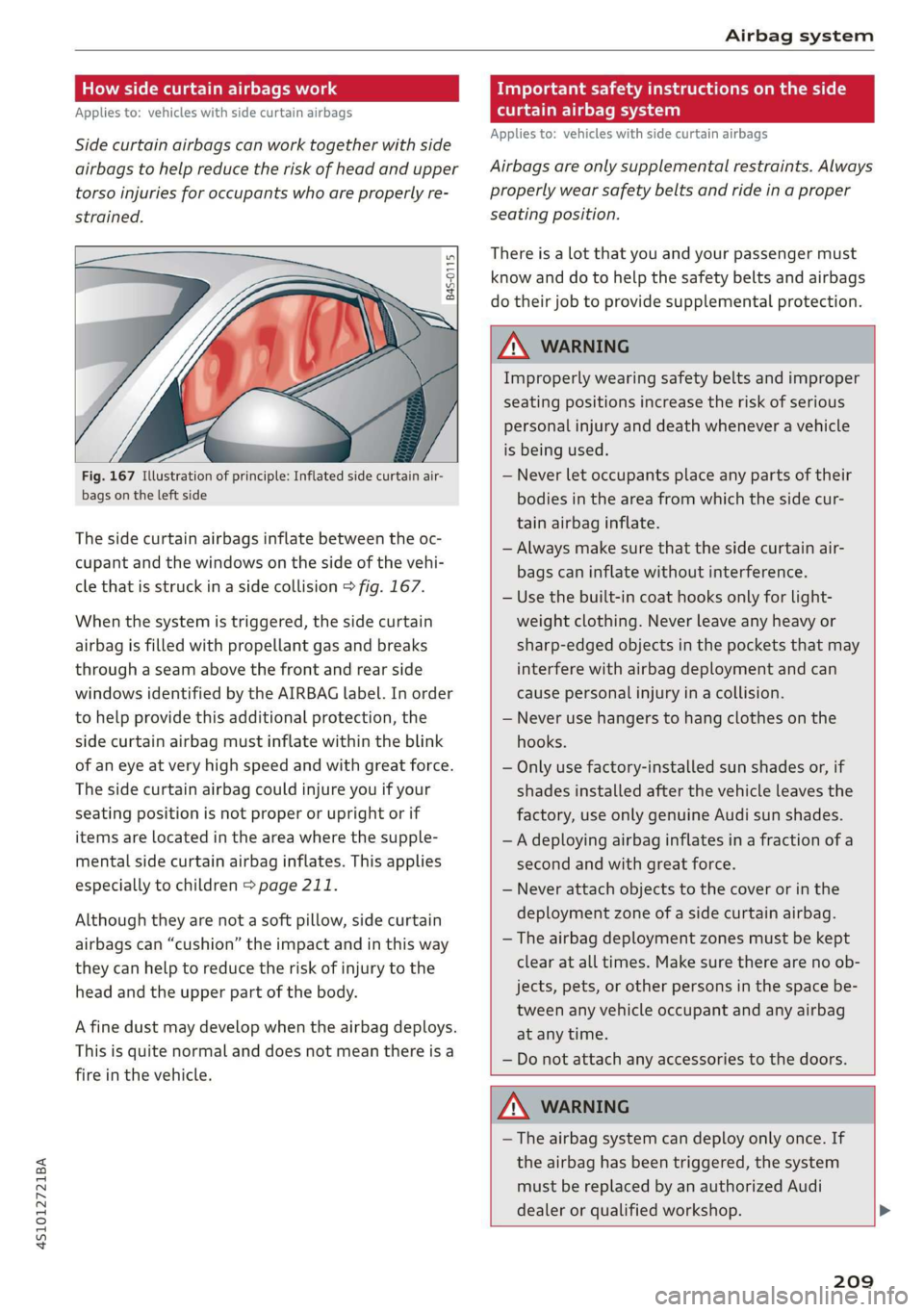
Fig. 167 Illustration of principle: Inflated side curtain air-
bags on the left side
The side curtain airbags inflate between the oc-
cupant and the windows on the side of the vehi-
cle that is struck in a side collision > fig. 167.
When the system is triggered, the side curtain
airbag is filled with propellant gas and breaks
through a seam above the front and rear side
windows identified by the AIRBAG label. In order
to help provide this additional protection, the
side curtain airbag must inflate within the blink
of an eye at very high speed and with great force.
The side curtain airbag could injure you if your
seating position is not proper or upright or if
items are located in the area where the supple-
mental side curtain airbag inflates. This applies
especially to children > page 211.
Although they are not a soft pillow, side curtain
airbags can “cushion” the impact and in this way
they can help to reduce the risk of injury to the
head and the upper part of the body.
A fine dust may develop when the airbag deploys.
This is quite normal and does not mean there is a
fire in the vehicle.
Important safety instructions on the side
ty le S)i)
Applies to: vehicles with side curtain airbags
Airbags are only supplemental restraints. Always
properly wear safety belts and ride in a proper
seating position.
There is a lot that you and your passenger must
know and do to help the safety belts and airbags
do their job to provide supplemental protection.
ZA WARNING
Improperly wearing safety belts and improper
seating positions increase the risk of serious
personal injury and death whenever a vehicle
is being used.
— Never let occupants place any parts of their
bodies in the area from which the side cur-
tain airbag inflate.
— Always make sure that the side curtain air-
bags can inflate without interference.
— Use the built-in coat hooks only for light-
weight clothing. Never leave any heavy or
sharp-edged objects in the pockets that may
interfere with airbag deployment and can
cause personal injury in a collision.
— Never use hangers to hang clothes on the
hooks.
— Only use factory-installed sun shades or, if
shades installed after the vehicle leaves the
factory, use only genuine Audi sun shades.
—A deploying airbag inflates in a fraction of a
second and with great force.
— Never attach objects to the cover or in the
deployment zone of a side curtain airbag.
— The airbag deployment zones must be kept
clear at all times. Make sure there are no ob-
jects, pets, or other persons in the space be-
tween any vehicle occupant and any airbag
at any time.
— Do not attach any accessories to the doors.
ZA WARNING
—The airbag system can deploy only once. If
the airbag has been triggered, the system
must be replaced by an authorized Audi
dealer or qualified workshop.
209
Page 213 of 308
4S1012721BA
Child safety
Child safety
Important information
Introduction
The physical principles of what happens when
your vehicle is in a crash apply also to children
= page 181, What happens to occupants not
wearing safety belts?. But unlike adults and
teenagers, their muscles and bones are not fully
developed. In many respects children are at
greater risk of serious injury in crashes than
adults.
Because children's bodies are not fully developed,
they require restraint systems especially de-
signed for their size, weight, and body structure.
Many countries and all states of the United
States and provinces of Canada have laws requir-
ing the use of approved child restraint systems
for infants and small children.
Ina frontal crash at a speed of 20-35 mph
(30-56 km/h) the forces acting on a 13 Lbs (6 kg)
infant will be more than 20 times the weight of
the child. This means the weight of the child
would suddenly be more than 260 lbs (120 kg).
Under these conditions, only an appropriate child
restraint properly used can reduce the risk of seri-
ous injury. Child restraints, like adult safety belts,
must be used properly to be effective. Used im-
properly, they can increase the risk of serious in-
jury in an accident.
If you must install a child restraint on the front
passenger seat in exceptional circumstances, be
sure to read and heed the important information
and warnings > page 188. Infants and other chil-
dren who are properly restrained in an appropri-
ate child restraint that is for their size and age
can benefit from the protection that supplemen-
tal side airbags provide in some kinds of crashes.
For more information please see information pro-
vided by the:
— National Highway Traffic Safety Administration
(NHTSA), currently at : http://www.safercar.gov
(for the USA)
— Transport Canada Information Centre, currently
at: http://www.tc.gc.ca (for Canada)
Consult the child safety seat manufacturer's in-
structions in order to be sure the seat is right for
your child's size > page 214, Important safety
instructions for using child safety seats. Please
be sure to read and heed all of the important in-
formation and WARNINGS about child safety, Ad-
vanced Airbags, and the installation of child re-
straints in this chapter.
There is a lot you need to know about the Ad-
vanced Airbags in your vehicle and how they work
when infants and children in child restraints are
on the front passenger seat. Because of the large
amount of important information, we cannot re-
peat it all here. We urge you to read the detailed
information in this owner's manual about airbags
and the Advanced Airbag System in your vehicle
and the very important information about trans-
porting children on the front passenger seat.
Please be sure to heed the WARNINGS - they are
extremely important for your safety and the safe-
ty of your passengers, especially infants and
small children.
ZA\ WARNING
All vehicle occupants and especially children
must be restrained properly whenever riding
in a vehicle. An unrestrained or improperly re-
strained child could be injured by striking the
interior or by being ejected from the vehicle
during a sudden maneuver or impact. An un-
restrained or improperly restrained child is al-
so at greater risk of injury or death through
contact with an inflating airbag.
Z\ WARNING
Children on the front seat of any car even with
Advanced Airbags can be seriously injured or
even killed when an airbag inflates. A child in
a rearward-facing child safety seat installed
on the front passenger seat will be seriously
injured and can be killed if the front airbag in-
flates.
— The inflating airbag will hit the child safety
seat or infant carrier with great force and
will smash the child safety seat and child
against the backrest, center armrest, or
door.
211
Page 214 of 308
Child safety
— Never install a rearward facing child safety
seat on the front passenger seat if the PAS-
SENGER AIR BAG OFF 3; light does not
turn on and stay on. Have the system in-
spected immediately by an authorized Audi
dealer or authorized Audi Service Facility.
ZA WARNING
— Forward-facing child seats installed on the
front passenger seat may interfere with the
deployment of the airbag and cause serious
personal injury to the child.
— If exceptional circumstances require the use
of a forward-facing child restraint on the
front passenger's seat, the child's safety and
well-being require the following special pre-
cautions to be taken:
— Always make sure that the forward-facing
seat has been designed and certified by its
manufacturer for use on a front passenger
seat with a front and side airbag.
— Always carefully follow the manufacturer's
instructions provided with the child seat or
infant carrier.
— Never put the forward-facing child re-
straint up against or very near the instru-
ment panel.
— Always move the front passenger seat to
the highest position in the up and down
adjustment range and move it back to the
rearmost position in the seat's fore and aft
adjustment range, as far away from the
airbag as possible, before installing the
forward-facing child restraint.
— Always make sure that the safety belt up-
per
anchorage is behind the child restraint
and not next to or in front of the child re-
straint so that the safety belt will be prop-
erly positioned.
— Always make sure that nothing prevents
the front passenger's seat from being
moved to the rearmost position in its fore
and aft adjustment range.
— Never place objects on the seat (such as a
laptop, CD player, electronic games device,
power inverter or seat heater for child
seats). These may influence the electrical
capacitance measured by the capacitive
passenger detection system and can also
fly around in an accident and cause serious
personal injury.
— Never place or use any electrical device
(such as a laptop, CD player, electronic
games device, power inverter or seat heat-
er for child seats) on the front passenger
seat if the device is connected to the 12-
volt socket or the cigarette lighter socket.
— Ifa seat heater has been retrofitted or
otherwise added to the front passenger
seat, never install any child restraint sys-
tem on this seat.
— Make sure that there are no wet objects
(such as a wet towel) and no water or oth-
er liquids on the front passenger seat
cushion.
— Always make sure that the PASSENGER
AIR BAG OFF %; light comes on and stays
on all the time whenever the ignition is
switched on.
— Never install a forward-facing child safety
seat on the front passenger seat if the
PASSENGER AIR BAG OFF %; light does
not turn on and stay on. Have the system
inspected immediately by an authorized
Audi dealer or authorized Audi Service Fa-
cility.
— Always buckle the child seat firmly in place
even if a child is not sitting in it. A loose
child seat can fly around during a sudden
stop or in a collision.
— Always read and heed all WARNINGS
whenever using a child restraint in a vehi-
cle S page 180, Safety belts, > page 187,
Airbag system and > page 211, Important
information.
212
G) Tips
Always replace child restraints that were in-
stalled in a vehicle during a crash. Damage to
a child restraint that is not visible could cause
it to fail in another collision situation.
Page 216 of 308
Child safety
For this reason, the United States National High-
way Traffic Safety Administration has published a
list of specific type, makes and models of child
restraints that must be used to certify compli-
ance of the Advanced Airbag System in your vehi-
cle with the suppression requirements of Federal
Motor Vehicle Safety Standard 208. These child
restraints are:
Subpart A - Car bed child restraints
Model Manufactured on or
after
Evenflo Medallion 254 |December 1, 1999
Evenflo Generations
352xxxx
September 25, 2007
Graco ComfortSport September 25, 2007
Model Manufactured on or
after
Angel Guard Angel September 25, 2007
Ride AA2403FOF
Subpart B - Rear-facing child restraints
Model Manufactured on or
after
Century SmartFit 4543 | December 1, 1999
Cosco Arriva
22-013PAW and base
22-999WHO
September 25, 2007
Evenflo Discovery Ad- |December 1, 1999
just Right 212
Graco Toddler Safety
Seat Step 2
Graco Platinum Cargo
September 25, 2007
September 25, 2007
Z\ WARNING
To reduce the risk of serious injury, make sure
that the PASSENGER AIR BAG OFF #; light
comes on and stays on whenever a child re-
straint is installed on the front passenger seat
and the ignition is switched on.
— Never install a reward facing child safety
seat on the front passenger seat if the PAS-
SENGER AIR BAG OFF 3%; light does not
turn on and stay on.
— Have the airbag system inspected by your
authorized Audi dealer immediately.
Evenflo First Choice
204
December 1, 1999
Graco Infant 8457 December 1, 1999
Graco Snugride September 25, 2007
Peg Perego Primo Viag- | September 25, 2007
gio SIP IMUNOOUS
Subpart C - Forward-facing and convertible
child restraints
Model Manufactured on or
after
Britax Roundabout
E9QLO2xx
September 25, 2007
Cosco Touriva 02519 December 1, 1999
Cosco Summit Deluxe
High Back Booster
September 25, 2007
22-262
Cosco High Back Boos- | September 25, 2007
ter 22-209
Evenflo Tribute V September 25, 2007
37 9XXxx
214
@) Tips
The child seats listed in categories A to C have
been statically tested by Audi only for the Ad-
vanced Airbag function.
acetamide mCi iis)
nema aT)
Correct use of child safety seats substantially re-
duces the risk of injury in an accident!
As the driver, you are responsible for the safety of
everybody in the vehicle, especially children:
> Always use the right child safety seat for each
child and always use it properly > page 216.
> Always carefully follow the child safety seat
manufacturer's instructions on how to route
the safety belt properly through the child safe-
ty seat.
> When using the vehicle safety belt to install a
child safety seat, you must first activate the
convertible locking retractor on the safety belt
to prevent the child safety seat from moving
=> page 220.
Page 217 of 308
4S1012721BA
Child safety
> Push the child safety seat down with your full
weight to get the safety belt really tight so that
the seat cannot move forward and sideways
more than 1 in (2.5 cm).
Always remember: Even though your vehicle is
equipped with an Advanced Airbag system, a
child should always ride in the seat properly re-
strained for its age and size.
Z\ WARNING
Not using a child safety seat, using the wrong
child safety seat or improperly installing a
child restraint increases the risk of serious
personal injury and death.
— All vehicle occupants and especially children
must be restrained properly whenever riding
in a vehicle. An unrestrained or improperly
restrained child could be injured by striking
the interior or by being ejected from the ve-
hicle during a sudden maneuver or impact.
An unrestrained or improperly restrained
child is also at greater risk of injury or death
through contact with an inflating airbag.
— Commercially available child safety seats are
required to comply with U.S. Federal Motor
Vehicle Safety Standard (FMVSS) 213 (in
Canada CMVSS 213).
— When buying a child restraint, select one
that fits your child and the vehicle.
— Only use child restraint systems that fully
contact the flat portion of the seat cush-
ion. The child restraint must not tip or
lean to either side. Audi does not recom-
mend using child safety seats that rest on
legs or tube-like frames. They do not pro-
vide adequate contact with the seat.
— Always heed all legal requirements per-
taining to the installation and use of child
safety seats and carefully follow the in-
structions provided by the manufacturer
of the seat you are using.
— Never let more than one child occupy a child
safety seat.
— Never let babies or older children ride in a
vehicle while sitting on the lap of another
passenger.
— Holding a child in your arms is never a sub-
stitute for a child restraint system.
— The strongest person could not hold the
child with the forces that exist in an acci-
dent. The child will strike the interior of
the vehicle and can also be struck by the
passenger.
— The child and the passenger can also injure
each other in an accident.
Never install rear-facing child safety seats or
infant carriers on the front passenger seat.
A child will be seriously injured and can be
killed when the passenger airbag inflates -
even with an Advanced Airbag System.
The inflating airbag will hit the child safety
seat or infant carrier with great force and
will smash the child safety seat and child
against the backrest, center armrest, door
or roof.
If exceptional circumstances require the use
of a forward-facing child restraint on the
front passenger's seat, the child's safety and
well-being require that the following special
precautions be taken:
— Make sure the forward-facing seat has
been designed and certified by its manu-
facturer for use on a front seat with a pas-
senger front and side airbag.
— Always carefully follow the manufacturer's
instructions provided with the child safety
seat or carrier.
— Always move the front passenger seat into
the rearmost position of the passenger
seat's fore and aft adjustment range, and
as far away from the airbag as possible be-
fore installing the child restraint.
— Always make sure that nothing prevents
the front passenger's seat from being
moved to the rearmost position in its fore
and aft adjustment range.
— Always make sure that the backrest is in
the upright position.
— Never place or use any electrical device
(such as a laptop, CD player, electronic
games device, power inverter or seat heat-
er for child seats) on the front passenger
seat if the device is connected to the 12-
volt socket or the cigarette lighter socket.
215
Page 218 of 308
Child safety
— Ifa seat heater has been retrofitted or
otherwise added to the front passenger
seat, never install any child restraint sys-
tem on this seat.
— Make sure that there are no wet objects
(such as a wet towel) and no water or oth-
er liquids on the front passenger seat
cushion.
— Never place objects on the seat (such as a
laptop, CD player, electronic games device,
power inverter or seat heater for child
seats). These may influence the electrical
capacitance measured by the capacitive
passenger detection system and can also
fly around in an accident and cause serious
personal injury.
— Always buckle the child safety seat firmly in
place even if a child is not sitting in it. A
loose child safety seat can fly around during
a sudden stop or ina collision.
— Always read and heed all WARNINGS when-
ever using a child restrained in a vehicle is
being used > page 180, Safety belts,
=> page 187, Airbag system and > page 211,
Child safety.
ZA WARNING
To reduce the risk of serious injury, make sure
that the PASSENGER AIR BAG OFF %; light
comes on and stays on whenever a child re-
straint is installed on the front passenger seat
and the ignition is switched on.
— Never install a reward facing child safety
seat on the front passenger seat if the PAS-
SENGER AIR BAG OFF #; light does not
turn on and stay on.
— Have the airbag system inspected by your
authorized Audi dealer immediately.
216
Child safety seats
Meath}
Babies and infants up to about one year old and
20 lbs or 9 kg need special rearward-facing child
restraints that support the back, neck and head
in.acrash.
2 3
2 db + a
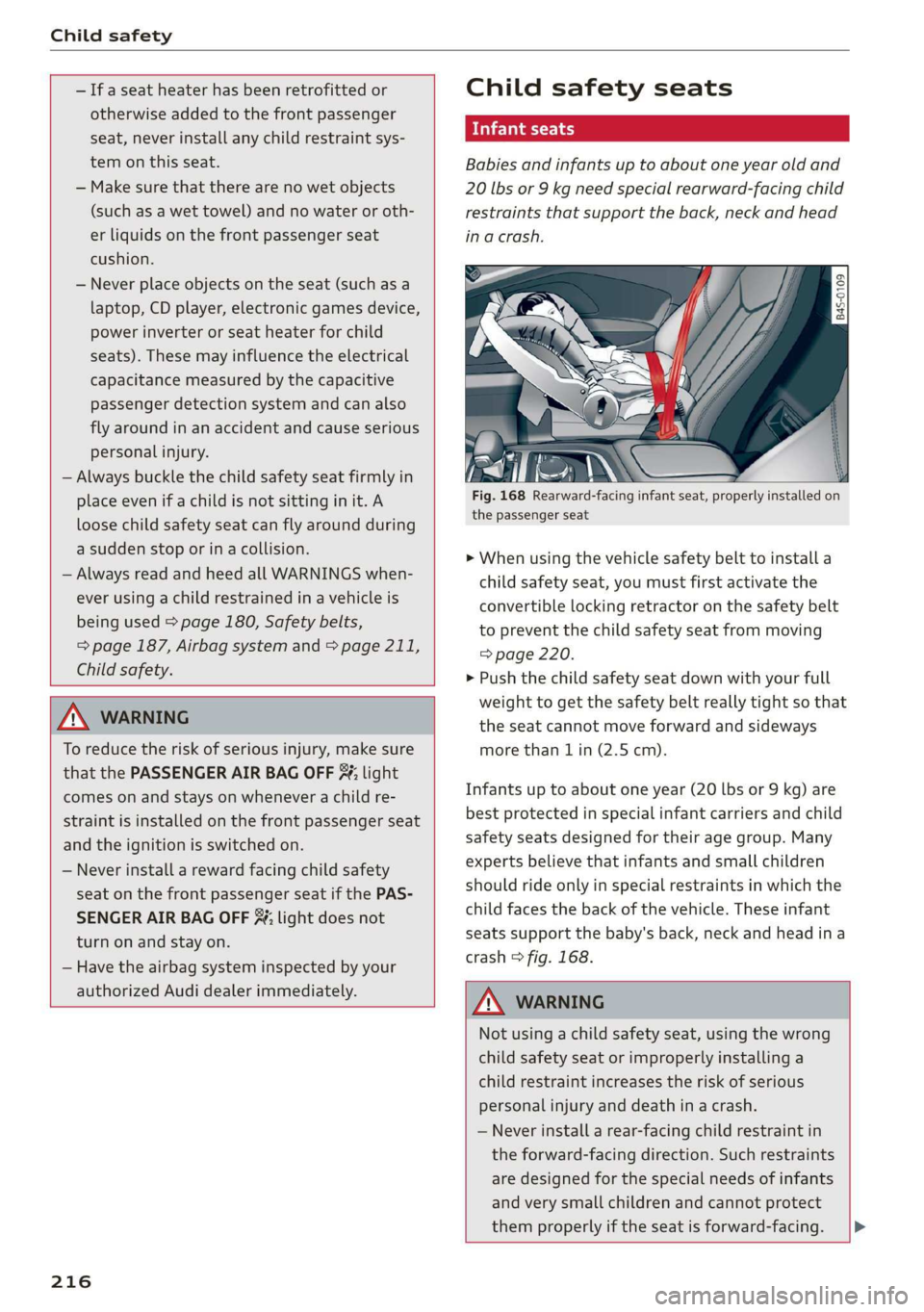
Fig. 168 Rearward-facing infant seat, properly installed on
the passenger seat
> When using the vehicle safety belt to install a
child safety seat, you must first activate the
convertible locking retractor on the safety belt
to prevent the child safety seat from moving
=> page 220.
> Push the child safety seat down with your full
weight to get the safety belt really tight so that
the seat cannot move forward and sideways
more than 1 in (2.5 cm).
Infants up to about one year (20 lbs or 9 kg) are
best protected in special infant carriers and child
safety seats designed for their age group. Many
experts believe that infants and small children
should ride only in special restraints in which the
child faces the back of the vehicle. These infant
seats support the baby's back, neck and head ina
crash > fig. 168.
A WARNING
Not using a child safety seat, using the wrong
child safety seat or improperly installing a
child restraint increases the risk of serious
personal injury and death in a crash.
— Never install a rear-facing child restraint in
the forward-facing direction. Such restraints
are designed for the special needs of infants
and
very small children and cannot protect
them properly if the seat is forward-facing.
Page 219 of 308
4S1012721BA
Child safety
— Never install a rearward facing child safety
seat on the front passenger seat unless the
PASSENGER AIR BAG OFF 3; light comes
on and stays on. If the PASSENGER AIR
BAG OFF 3%; light does not come on and stay
on the inflating airbag will hit the child safe-
ty seat or infant carrier with great force and
will smash the child safety seat and child
against the backrest, center armrest, door
or roof. Have the airbag system inspected
immediately by your Audi dealer.
— Never place or use any electrical device
(such as a laptop, CD player, electronic
games device, power inverter or seat heater
for child seats) on the front passenger seat
if the device is connected to the 12-volt
socket or the cigarette lighter socket.
— If a seat heater has been retrofitted or oth-
erwise added to the front passenger seat,
never install any child restraint system on
this seat.
— Make sure that there are no wet objects
(such as a wet towel) and no water or other
liquids on the front passenger seat cushion.
— Never place objects on the seat (such as a
laptop, CD player, electronic games device,
power inverter or seat heater for child
seats). These may influence the electrical
capacitance measured by the capacitive pas-
senger detection system and can also fly
around in an accident and cause serious per-
sonal injury.
— Always read and heed all WARNINGS when-
ever using a child restrained in a vehicle is
being used > page 180, Safety belts,
=> page 187, Airbag system and > page 211,
Important information.
Convertible child safety seats
Properly used convertible child safety seats can
help protect toddlers and children over age one
who weigh between 20 and 40 lbs (9 and 18 kg)
in acrash.
5
9
aD z a
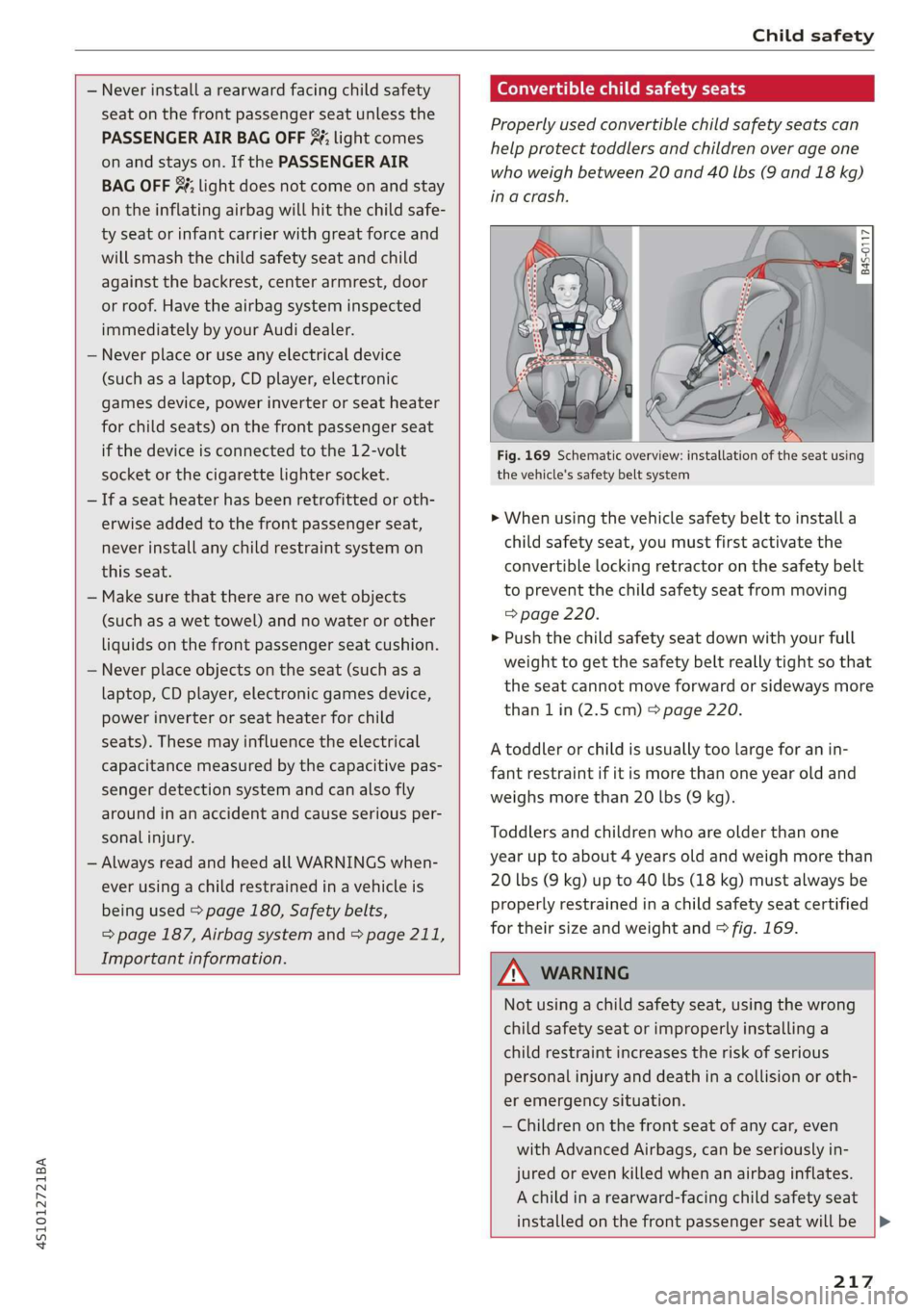
Fig. 169 Schematic overview: installation of the seat using
the vehicle's safety belt system
> When using the vehicle safety belt to install a
child safety seat, you must first activate the
convertible locking retractor on the safety belt
to prevent the child safety seat from moving
= page 220.
> Push the child safety seat down with your full
weight to get the safety belt really tight so that
the seat cannot move forward or sideways more
than 1 in (2.5 cm) > page 220.
A toddler or child is usually too large for an in-
fant restraint if it is more than one year old and
weighs more than 20 lbs (9 kg).
Toddlers and children who are older than one
year up to about 4 years old and weigh more than
20 lbs (9 kg) up to 40 Lbs (18 kg) must always be
properly restrained in a child safety seat certified
for their size and weight and > fig. 169.
ZA WARNING
Not using a child safety seat, using the wrong
child safety seat or improperly installing a
child restraint increases the risk of serious
personal injury and death in a collision or oth-
er emergency situation.
— Children on the front seat of any car, even
with Advanced Airbags, can be seriously in-
jured or even killed when an airbag inflates.
A child in a rearward-facing child safety seat
installed on the front passenger seat willbe |>
217
Page 220 of 308
Child safety
seriously injured and can be killed if the
front airbag inflates —- even with an Ad-
vanced Airbag System.
— The inflating airbag will hit the child safety
seat or infant carrier with great force and
will smash the child safety seat and child
against the backrest, center arm rest, door
or roof.
— Never install a rearward facing child safety
seat on the front passenger seat unless the
PASSENGER AIR BAG OFF %; light comes
on and stays on. If the PASSENGER AIR
BAG OFF #¥; light does not come on and stay
on have the airbag system inspected imme-
diately by your Audi dealer.
— The rear side of the child safety seat should
be positioned as close as possible to the
backrest on the vehicle seat.
— Always read and heed all WARNINGS when-
ever using a child restrained in a vehicle is
being used > page 180, Safety belts,
=> page 187, Airbag system and > page 211,
Important information.
ZA WARNING
If exceptional circumstances require the use
of a forward-facing child restraint on the front
passenger's seat, the child's safety and well-
being require that the following special pre-
cautions be taken:
— Make sure the forward-facing seat has been
designed and certified by its manufacturer
for use on a front seat with a passenger
front and side airbag.
— Always follow the manufacturer's instruc-
tions provided with the child safety seat or
infant carrier.
— Always move the front passenger seat into
the rearmost position of the passenger
seat's fore and aft adjustment range, and as
far away from the airbag as possible before
installing the child restraint.
— Always make sure that nothing prevents the
front passenger's seat from being moved to
the rearmost position in its fore and aft ad-
justment range.
— Always make sure the backrest is in an up-
right position.
— Never place or use any electrical device
(such as a laptop, CD player, electronic
games device, power inverter or seat heater
for child seats) on the front passenger seat
if the device is connected to the 12-volt
socket or the cigarette lighter socket.
— If a seat heater has been retrofitted or oth-
erwise added to the front passenger seat,
never install any child restraint system on
this seat.
— Make sure that there are no wet objects
(such as a wet towel) and no water or other
liquids on the front passenger seat cushion.
— Never place objects on the seat (such as a
laptop, CD player, electronic games device,
power inverter or seat heater for child
seats). These may influence the electrical
capacitance measured by the capacitive pas-
senger detection system and can also fly
around in an accident and cause serious per-
sonal injury.
— Make sure that the PASSENGER AIR BAG
OFF %; light comes on and stays on all the
time whenever the ignition is switched on.
— If the PASSENGER AIR BAG OFF %; light
does not come on and stay on have the air-
bag system inspected by your authorized
Audi dealer.
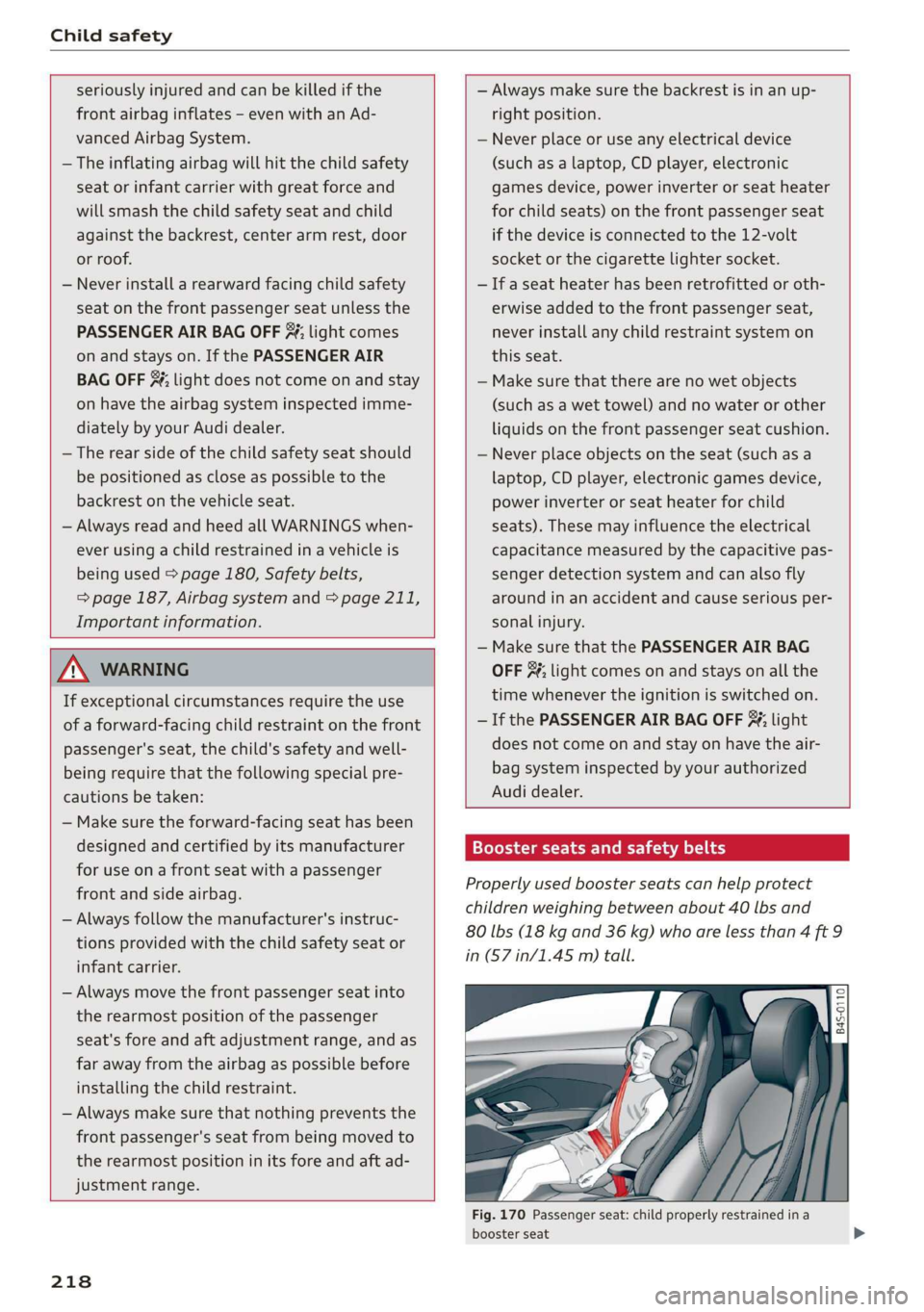
Booster seats and safety belts
Properly used booster seats can help protect
children weighing between about 40 lbs and
80 lbs (18 kg and 36 kg) who are less than 4 ft 9
in (57 in/1.45 m) tall.
S 8
& al g a
wd af
218
Fig. 170 Passenger seat: child properly restrained ina
booster seat
Page 221 of 308
4S1012721BA
Child safety
The vehicle's safety belts alone will not fit most
children until they are at least 4 ft 9 in (57 in/
1.45 m) tall and weigh about 80 lbs (36 kg).
Booster seats raise these children up so that the
safety belt will pass properly over the stronger
parts of their bodies and the safety belt can help
protect them ina crash.
> Do not use the convertible locking retractor
when using the vehicle's safety belt to restrain
a child on a booster seat.
> The shoulder belt must lie as close to the cen-
ter of the child's collar bone as possible and
must lie flat and snug on the upper body. It
must never lie across the throat or neck. The
lap belt must lie across the pelvis and never
across the stomach or abdomen. Make sure the
belt lies flat and snug. Pull on the belt to tight-
en if necessary.
Children up to at least 8 years old (over 40 lbs or
18 kg) are best protected in child safety seats de-
signed for their age and weight. Experts say that
the skeletal structure, particularly the pelvis, of
these children is not fully developed, and they
must not use the vehicle safety belts without a
suitable child restraint.
It is usually best to put these children in appro-
priate booster seats. Be sure the booster seat
meets all applicable safety standards.
Booster seats raise the seating position of the
child and reposition both the lap and shoulder
parts of the safety belt so that they pass across
the child's body in the right places. The routing of
the belt over the child's body is very important
for the child's protection, whether or not a boos-
ter seat is used.
Never use the lap belt portion of the vehicle's
safety belt alone to restrain any child, regardless
of how big the child is. Always remember that
children do not have the pronounced pelvic struc-
ture required for the proper function of lap belt
portion of the vehicle's three point lap and
shoulder belts. The child's safety absolutely re-
quires that a lap belt portion of the safety belt be
fastened snugly and as low as possible around
the pelvis. Never let the lap belt portion of the
safety belt pass over the child's stomach or abdo-
men.
In acrash, airbags must inflate within a blink of
an eye and with considerable force. In order to do
its job, the airbag needs room to inflate so that it
will be there to protect the occupant as the occu-
pant moves forward into the airbag.
A vehicle occupant who is out of position and too
close to the airbag gets in the way of an inflating
airbag. When an occupant is too close, he or she
will be struck violently and will receive serious or
possibly even fatal injury.
In order for the airbag to offer protection, it is
important that all vehicle occupants, especially
any children, who must be in the front seat be-
cause of exceptional circumstances, be properly
restrained and as far away from the airbag as
possible. By keeping room between the child's
body and the front of the passenger compart-
ment, the airbag can inflate completely and pro-
vide supplemental protection in certain frontal
collisions.
Z\ WARNING
Not using a booster seat, using the booster
seat improperly, incorrectly installing a boos-
ter seat or using the vehicle safety belt im-
properly increases the risk of serious personal
injury and death in a collision or other emer-
gency situation. To help reduce the risk of se-
rious personal injury and/or death:
— The shoulder belt must lie as close to the
center of the child’s collar bone as possible
and must lie flat and snug on the upper
body. It must never lie across the throat or
neck. The lap belt must lie across the pelvis
and never across the stomach or abdomen.
Make sure that the belt lies flat and snug.
Pull on the belt to tighten if necessary.
— Failure to properly route safety belts over a
child's body will cause severe injuries in an
accident or other emergency situation
=> page 180.
— The rear side of the child safety seat should
be positioned as close as possible to the
backrest on the vehicle seat.
219
Page 222 of 308
Child safety
— Children on the front seat of any car, even
with Advanced Airbags, can be seriously in-
jured or even killed when an airbag inflates.
— Never let a child stand or kneel on the seat.
— Never let a child ride in the cargo area of
your vehicle.
— Always remember that a child leaning for-
ward, sitting sideways or out of position in
any way during an accident can be struck by
a deploying airbag. This will result in serious
personal injury or death.
— If you must install a booster seat on the
front passenger seat because of exceptional
circumstances the PASSENGER AIR BAG
OFF %; light must come on and stay on,
whenever the ignition is switched on.
— If the PASSENGER AIR BAG OFF 3; light
does not come on and stay on, perform the
checks described > page 198, Monitoring
the Advanced Airbag System.
— If the PASSENGER AIR BAG OFF %; light
does not come on and stay on whenever the
ignition
is switched on the inflating airbag
will hit the child safety seat or infant carrier
with great force and will smash the child
safety seat and child against the backrest,
center armrest, door or roof. Have the air-
bag system inspected immediately by your
Audi dealer.
— Always read and heed all WARNINGS when-
ever using a child restrained in a vehicle is
being used = page 180, Safety belts,
=> page 187, Airbag system and > page 211,
Important information.
Securing child safety
seats
Trae e Mal CRT e REL ila
bys
Safety belts for the front passenger can be
locked with the convertible locking retractor to
properly secure child safety seats.
The safety belt emergency locking retractor for
the front passenger’s seat safety belt have a con-
vertible locking retractor for child restraints. The
safety belt must be locked so that belt webbing
220
cannot unreel. The retractor can be activated to
lock the safety belt and prevent the safety belt
webbing from loosening up during normal driv-
ing. A child safety seat can only be properly in-
stalled when the safety belt is locked so that the
child and child safety seat will stay in place.
Always remember: Even though your vehicle is
equipped with an Advanced Airbag system, a
child should always ride in the seat properly re-
strained for its age and size.
ZA\ WARNING
Improperly installed child safety seats in-
crease the risk of serious personal injury and
death in a collision.
— Always make sure that the safety belt retrac-
tor is locked when installing a child safety
seat. An unlocked safety belt retractor can-
not hold the child safety seat in place during
normal driving or in a crash.
— Always buckle the child safety seat firmly in
place even if a child is not sitting init. A
loose child safety seat can fly around during
a sudden stop or in a collision.
— If the backrest is not securely latched, the
child and the child restraint will be thrown
forward together with the backrest and will
strike parts of the vehicle interior. The child
can be seriously injured or killed.
— The inflating airbag will hit the child safety
seat or infant carrier with great force and
will smash the child safety seat and child
against the backrest, center armrest, door
or roof.
— Forward-facing child safety seats or infant
carriers installed on the front passenger's
seat may interfere with the deployment of
the airbag and cause serious injury to the
child.
— Always read and heed all WARNINGS when-
ever using a child restrained in a vehicle is
being used > page 211. Special precautions
apply when installing a child safety seat on
the front passenger seat > page 188, Child
restraints on the front seat - some impor-
tant things to know.