ECU AUDI RS7 SPORTBACK 2016 Owner's Manual
[x] Cancel search | Manufacturer: AUDI, Model Year: 2016, Model line: RS7 SPORTBACK, Model: AUDI RS7 SPORTBACK 2016Pages: 282, PDF Size: 70.78 MB
Page 132 of 282
Safety belts
_& WARNING
Not wearing safety belts or wearing them im
properly increases the risk of serious personal
injury and death . Safety belts can work only
when used correctly.
-Always fasten your safety belts correctly be fore driving off and make sure all passen
gers are correctly restrained.
- For maximum protection, safety belts must
always be positioned properly on the body.
- Never strap more than one person, includ
ing small children, into any belt.
- Never place a safety belt over a child sitting
on your lap.
- Always keep feet in the footwell in front of
the seat while the vehicle is being driven.
- Never let any person ride with their feet on
the instrument panel or sticking out the
window or on the seat.
- Never
remove a safety belt while the vehicle
is moving . Doing so will increase your risk of
being injured or killed .
- Never wear belts twisted.
- Never wear belts
over rigid or breakable ob-
jects in or on your clothing, such as eye
glasses, pens, keys, etc., as these may cause
injury.
- Never allow safety belts to become dam
aged by being caught in door or seat hard
ware .
- Do not wear the shoulder part of the belt
under your arm or otherwise out of position.
- Several layers of heavy clothing may inter
fere with correct positioning of belts and re
duce the overall effectiveness of the system.
- Always keep belt buckles free of anything
that may prevent the buckle from latching
securely .
- Never use comfort clips or devices that cre
ate slack in the shoulder belt. However, spe
cial clips may be required for the proper use
of some child restraint systems.
- Torn or frayed safety belts can tear, and
damaged belt hardware can break in an acci
dent . Inspect belts regularly.
If webbing,
bindings, buckles, or retractors are dam-
130
aged, have belts replaced by an authorized
Audi dealer or qualified workshop.
- Safety belts that have been worn and loaded
in an accident must be replaced with the
correct replacement safety belt by an au
thorized Audi dealer. Replacement may be
necessary
even if damage cannot be clearly
seen . Anchorages that were loaded must al
so be inspected.
- Never
remove, modify , disassemble, or try
to repair the safety belts yourself .
-Always keep the belts clean. Dirty belts may not work properly and can impair the func
tion of the inertia reel¢
table on page 195.
Safety belts
Fastening safety belts
Safety first -everybody buckle up!
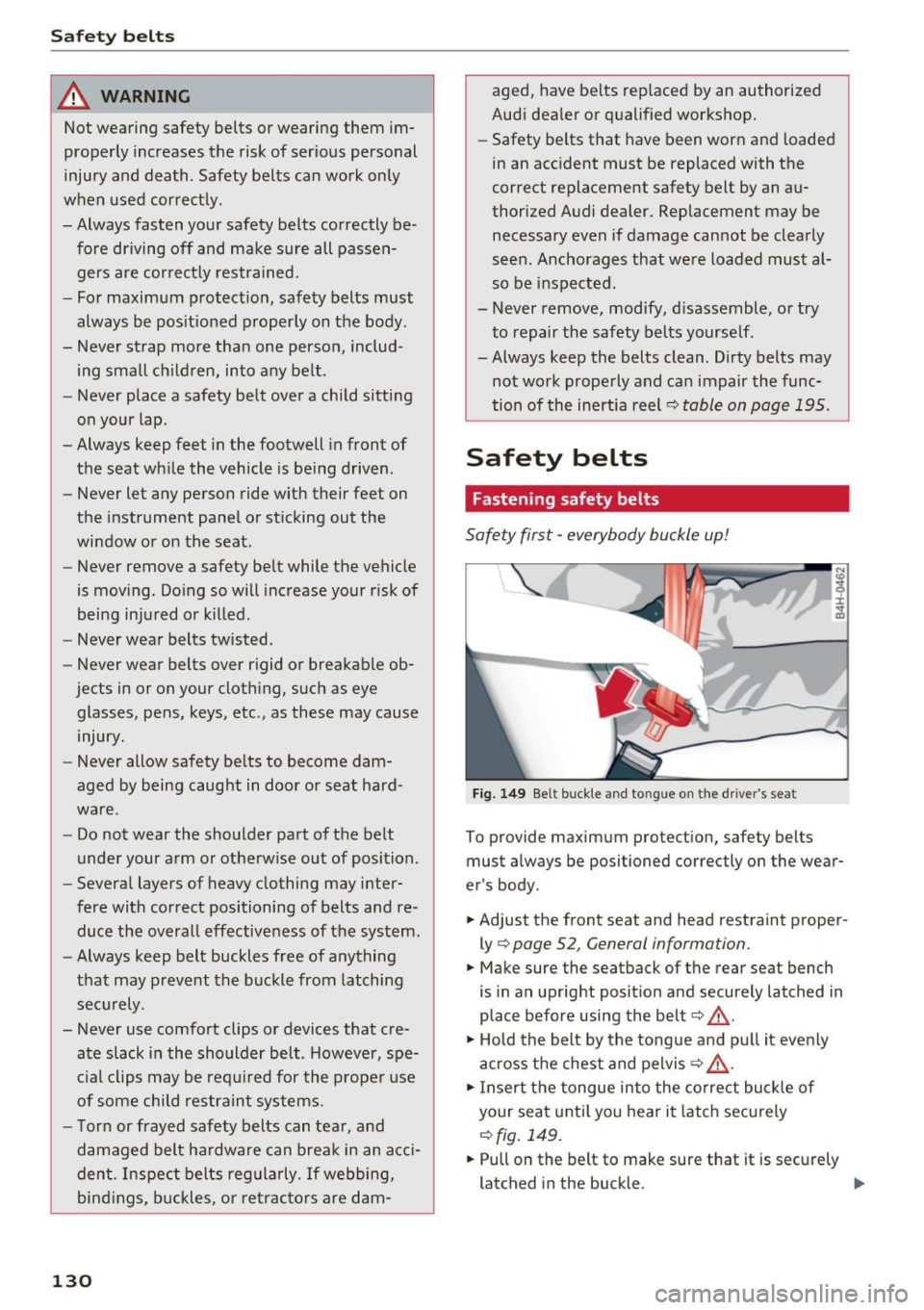
Fig. 149 Be lt buckle and tongu e on t he drive r's seat
To provide maximum protection, safety belts
must alw ays be positioned correctly on the wear
er 's body.
.. Adjust the front seat and head restraint proper
ly¢
page 52, General information.
.. Make sure the seatback of the rear seat bench
is in an upright position and securely latched in
place before using the belt¢,&. .
.,. Hold the belt by the tongue and pull it evenly
across the chest and pelvis¢,&. .
.. Insert the tongue into the correct buckle of
your seat until you hear it latch securely
¢fig. 149.
.. Pull on the belt to make sure that it is securely
latched in the buckle. .,,_
Page 133 of 282
Automatic safety belt r etractors
Every safety be lt is equ ipped wi th an automatic
be lt retractor on the shoulder belt. Th is feature
l ocks the belt when the belt is p ulled out fast,
during hard braking and in an accident. The belt may also lock when you drive up or down a steep
h ill or through a sharp curve. During normal driv
ing the belt lets you move freely .
Safety be lt pret en sioner s
The safety belts are equipped with a belt preten
sioner that helps to tighten the safety belt and
remove slack when the pretensioner is activated
c:;, page 133 . The function of the pretensioner is
monitored by a warning light
c:;, page 17.
Con vertible loc king retractor
Every safety belt exc ept the one on the driver
seat is equipped with a convertible locking retrac
tor that
mu st be used when the safety belt is
used to attach a child seat. Be sure to read the
important information about this featu re
c;, page 169.
& WARNING
Improperly posit ioned safety be lts ca n cause
ser ious injury in an accident
c:;, page 131,
Safety belt position.
- Safety belts offer optimum protection only
when the seatback is upr ight and belts are
prope rly pos itioned on the body.
- If the rear seat ba ckrest is not securely
latched, the passenger wi ll move fo rward
with the ba ckrest during sudden b raking, in
a sudden mane uver and especially in a
c rash.
- Never a ttach the safety belt to the buckle
for another seat. Attaching the belt to the
wrong buckle will red uce safety belt effec
t iveness and can cause serious personal in
jury.
- A passenger who is not proper ly restrained
can be seriously in jured by the safety be lt it
self when it moves from the stronger parts
of the body into cr itical areas like-the abdo
men .
Safet y bel ts
-Always lock the convertible locking retractor
when yo u are securing a child seat in the ve
hicle
c;, page 171.
(0 Tips
For information on safety belt pretensioners,
r efer to
c:;, page 133 .
Safety belt position
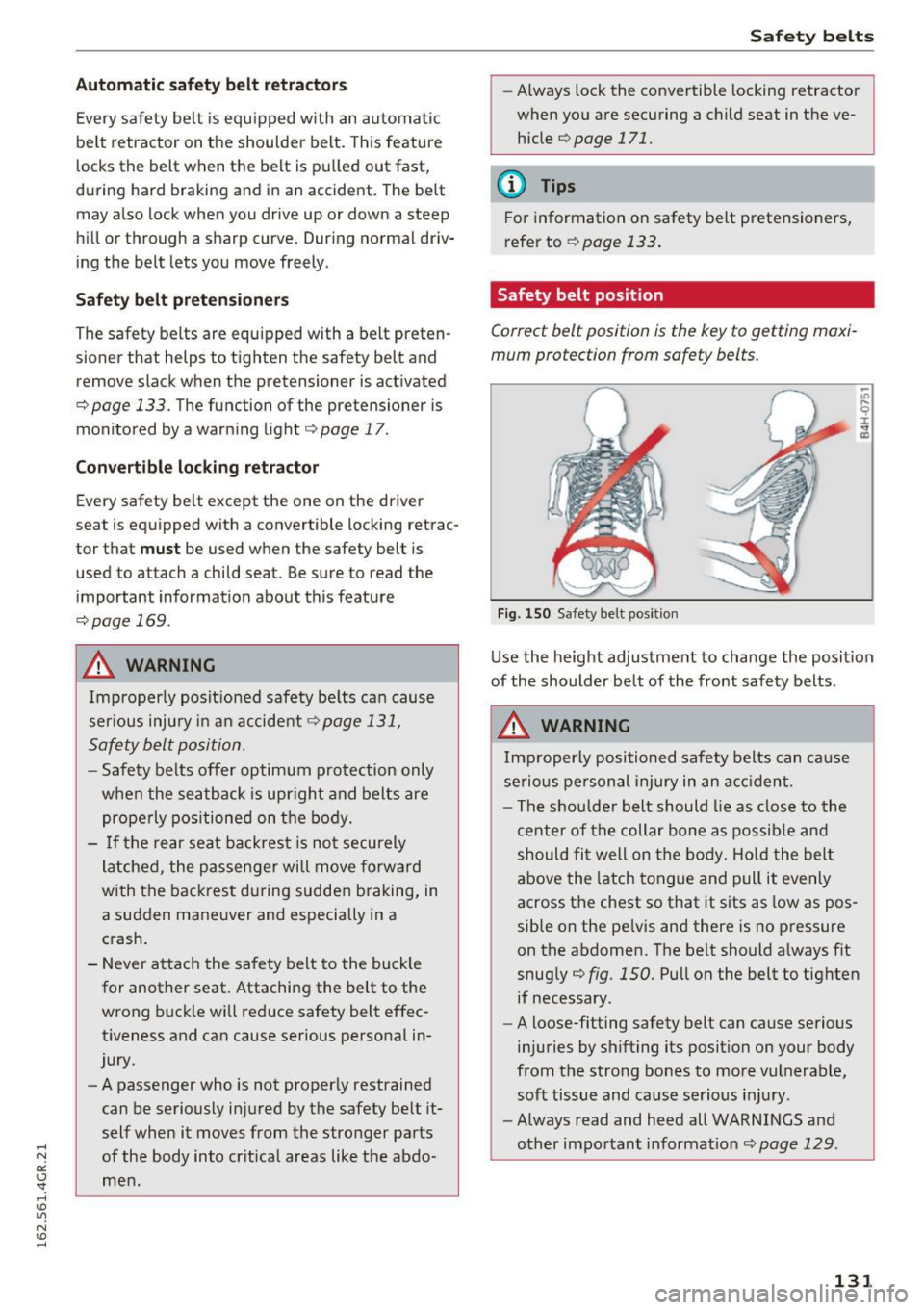
Correct belt position is the key to getting maxi
mum protection from safety belts.
Fi g. 1 50 Safety belt pos it ion
U se the height adjustme nt to change the posit ion
of the shoulder belt of the fro nt safety belts .
& WARNING
Imp roperly positioned safety belts can ca use
se rio us pe rson al injury in an a cciden t.
- The s hou lde r belt should lie as close to the
center of t he collar bone as possib le and
should fi t well on the bo d y. Ho ld the belt
above the latch tongue and pull it evenly
across the chest so that it sits as low as pos
sible on the pe lvis and there is no pressure
on the abdomen. The belt should a lways fit
snug ly
¢fig. 150. Pull on the belt to tighten
if necessary .
- A loose-fitting safety belt can cause serious
i nj uries by shifting its position on your body
from the strong bones to more vulnerable,
soft tissue and cause serious inj ury .
- Always read and heed all WARNINGS and
other important informat ion
c:;, page 129 .
131
Page 134 of 282
Safe ty belts
Pregnant women must also be correctly
restrained
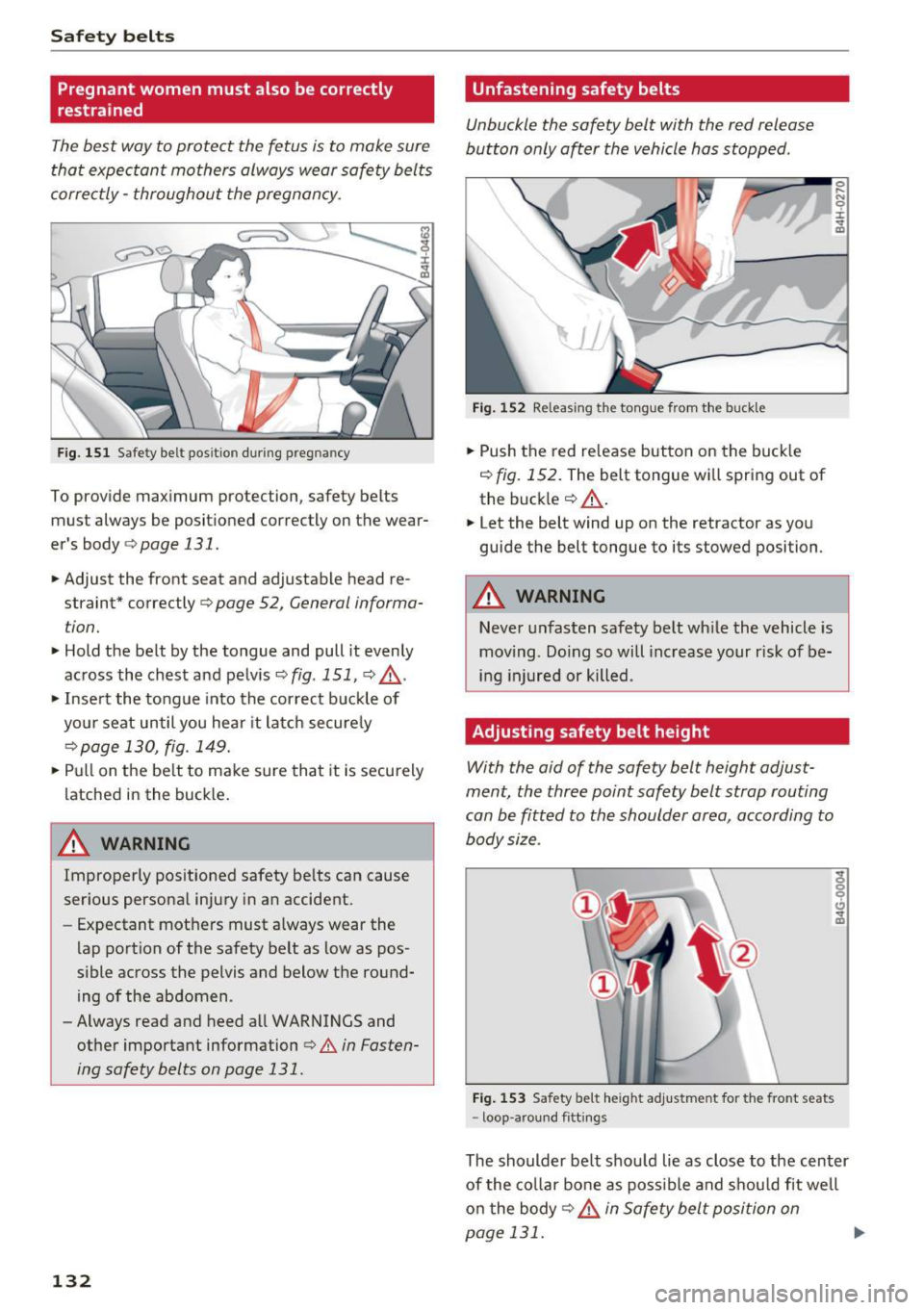
The best way to protect the fetus is to make sure
that expectant mothers always wear safety belts
corre ctly -throughout the pregnancy.
Fig. 151 Safety belt pos ition during pregnancy
To provide maximum protection, safety belts
must always be posit ioned correctly on the wear
er's body
¢ page 131.
... Adjust the front seat and ad justable head re
straint* correctly ¢
page 52, General informa
tion .
... Hold the belt by the tongue and pull it evenly
across the chest and pelv is
r::;, fig. 151 , ¢ _&..
... Inse rt the tongue into the correct buckle of
your seat until you hear it latch secure ly
¢page 130, fig. 149.
... Pull on t he be lt to make sure that it is securely
latched in the buck le .
A WARNING
Improperly pos itioned safety be lts can cause
ser ious persona l injury in an accident.
- Expectant mothers must a lways wear the
lap portion of the safety belt as low as pos
sible across the pelvis and below the round ing of the abdomen .
- Always read and heed all WARNINGS and
other important information¢ &.
in Fasten
ing safety belts on page 131.
132
Unfastening safety belts
Unbuckle the safety belt with the red release
button only ofter the vehicle hos stopped.
.,,
Fig . 15 2 Releasing the tongue from the buckle
... Push the red re lease button on the buck le
r:::;, fig. 152. The belt tongue wi ll spring out of
the buck le
r::;, A .
... Let the belt wind up on the retractor as yo u
guide the belt tongue to its stowed position .
A WARNING
Never unfasten safety belt while the vehicle is
moving . Do ing so will increase your r isk of be
ing inj ured or killed .
Adjusting safety belt he ight
With the aid of the safety belt height adjust
ment, the three point safety belt strop routing
con be fitted to the shoulder area, according to
body size.
F ig . 153 Safety belt height adj ustment for the front seats
- loop -around fittings
0 ,-. N 0 :i: .. m
The shoulder be lt shou ld lie as close to the center
of the co llar bo ne as poss ible and s hou ld fit well
o n the body
r::;, .&. in Safe ty belt posi tion on
page 131. ..,,.
Page 165 of 282
to prevent the child safety seat from moving
¢page 169.
~ Push the child safety seat down with your full
weight to get the safety belt really tight so that
the seat cannot move forward or sideways
more than one inch (2.5 cm).
~ Secure unused safety belts on the rear seat
¢ page 164.
Always remember: Even though your vehicle is
equipped with an Advanced Airbag system, all
children, especially those 12 years and younger,
should always ride in the back seat properly re
strained for their age and size.
_& WARNING
Not using a child safety seat, using the wrong
child safety seat or improperly installing a
child restraint increases the risk of serious
personal injury and death.
-All vehicle occupants and especially children must be restrained properly whenever riding
in a vehicle. An unrestrained or improperly
restrained child could be injured by striking
the interior or by being ejected from the ve
hicle during a sudden maneuver or impact.
An unrestrained or improperly restrained
child is also at greater risk of injury or death
through contact with an inflating airbag.
- Commercially available child safety seats
are required to comply with U.S. Federal
Motor Vehicle Safety Standard (FMVSS) 213
(in Canada CMVSS 213).
- When buying a child restraint, select one
that fits your child and the vehicle.
- Only use child restraint systems that fully
contact the flat portion of the seat cush
ion. The child restraint must not tip or
lean to either side. Audi does not recom
mend using child safety seats that rest on
legs or tube-like frames. They do not pro
vide adequate contact with the seat.
-Always heed all legal requirements per
taining to the installation and use of child
safety seats and carefully follow the in
structions provided by the manufacturer
of the seat you are using.
Child safety
- Never allow children under 57 inches
(1.45 meters) to wear a normal safety belt.
They must always be restrained by a proper child restraint system. Otherwise, they
could sustain injuries to the abdomen and
neck areas during sudden braking maneu
vers or accidents.
- Never let more than one child occupy a child
safety seat.
- Never let babies or older children ride in a
vehicle while sitting on the lap of another passenger.
- Holding a child in your arms is never a sub
stitute for a child restraint system.
- The strongest person could not hold the
child with the forces that exist in an acci
dent. The child will strike the interior of
the vehicle and can also be struck by the
passenger.
- The child and the passenger can also in
jure each other in an accident.
- Never install rear-facing child safety seats
or infant carriers on the front passenger
seat. A child will be seriously injured and
can be killed when the passenger airbag in
flates -even with an Advanced Airbag Sys
tem.
- The inflating airbag will hit the child safety
seat or infant carrier with great force and
will smash the child safety seat and child
against the backrest, center armrest, door
or roof.
- Always install rear-facing child safety seats
or infant carriers on the rear seat.
- Forward-facing child safety seats installed
on the front passenger's seat can interfere
with the airbag when it inflates and cause serious injury to the child. Always install for
ward-facing child safety seats on the rear
seat.
- If exceptional circumstances require the use
of a forward-facing child restraint on the
front passenger's seat, the child's safety and well-being require that the following
special precautions be taken: ..,.
163
Page 166 of 282
Child safety
-Make sure the forward-facing seat has
been designed and certified by its manu
facturer for use on a front seat w ith a
passenger front and side airbag .
- Always carefully follow the manufacturer 's
instructions provided with the child safety
seat o r carrier .
- Always move the front passenger seat into
the rearmost position of the passenger
seat's fore a nd aft adjustment range, and
as far away from the airbag as possible be
fore insta lling the child restraint.
- Always make sure that nothing prevents
the front passenge r's seat from be ing
moved to the rearmost posit ion in its fore
and aft adjustment range.
- Always make sure that the back rest is in
the upr ight position .
- Never place or use any e lectr ica l device
(such as a laptop , CD player , e lectron ic
g ames device, power inve rter or sea t heat
er for ch ild seats) on the front passenger
seat if the device is connected to the 12 -
volt socket or the cigarette lighter socket.
- If a seat heater has been retrofitted or
otherwise added to the front passenger
seat, never install any chi ld restraint sys
tem on th is seat .
- Make sure that there are no wet objects
(such as a wet towel) and no water or oth
er liqu ids on the front passenger seat
cushion .
- Never place objects on the seat (such as a laptop, CD p layer, electron ic games de
vice, power inverter or seat heater for
child seats). These may influence the elec
trical capacitance measured by the capaci tive passenge r detection system and can
a lso fly around in an accident and cause
serio us personal in jury.
- Always bu ckle the child safety seat firmly in
place even if a child is not s itting in it. A
loose child safety seat can fly around during
a sudden stop or in a collisio n.
- Always re ad a nd heed all WARN INGS when
ever using a child restrained in a vehicle is
being used
¢ page 12 7, Safety belts,
164
c::> page 135 , Airbag system and
c::> page 159 , Child safety .
A WARNING
To reduce the risk of serious injury, make sure
that the
PASSENGER AIR BAG OFF light
comes on and stays on whenever a ch ild re
stra int is installed on the front passenger seat
and the ign ition is switched on .
- Take the child restra int off the front passen
ge r seat and install it prope rly at one of the
rear seat positions if the
PASSENGER AIR
BAG OFF
light does no t stay on.
- Have the airbag system inspected by your
author ized Audi dealer immed iate ly.
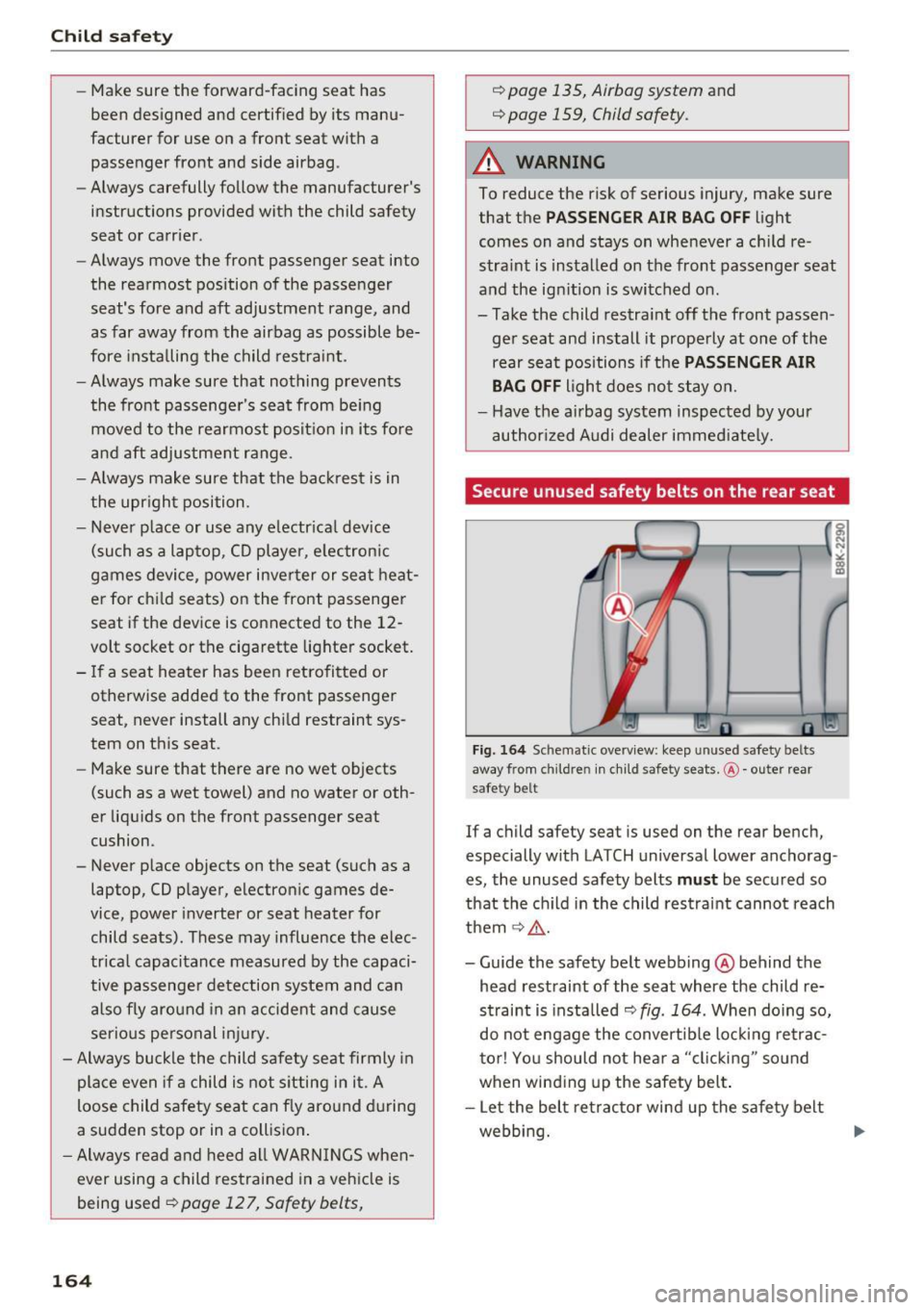
Secure unused safety belts on the rear seat
~ - --,..---.-- --,,. N
Fig. 16 4 Schem ati c overv iew: keep unused safety belts
away from child re n in c hild safety seats. @· ou te r rear
s afety belt
"' ~
If a child safety seat is used on the rear bench,
especially with LATCH universal lower anchorag
es, the unused safety belts
must be sec ured so
that the c hild in the child rest raint cannot reach
them
c::> _&. .
- Guide the safety belt webbing @ behind the
head rest raint of the seat where the child re
st raint is installed
c::> fig . 164. When doing so,
do not engage the convert ib le loc king re trac·
to r! Yo u should not he ar a "cl icking " so und
when winding up the safety bel t.
- Let the belt retracto r wind up the safety belt
webbing.
Page 167 of 282
_& WARNING
A child in a child safety seat installed with the
LATCH lower anchorages or with the standard
safety belt or a child in a booster seat on the
rear seat could play with unused rear seat
safety belts and become entangled. This
could cause the child serious personal injury
and even death.
- Always secure unused rear seat safety belts
out of reach of children in child seats such
as by properly routing them around the head restraint of the seat where the child
restraint is installed .
- Never activate the convertible locking re tractor when routing the safety belts around
the head restraints.
Child seats
Infant seats
Babies and infants up to about one year old and
20 lbs. or 9 kg need special rearward-facing
child restraints that support the bock, neck and
head in a crash .
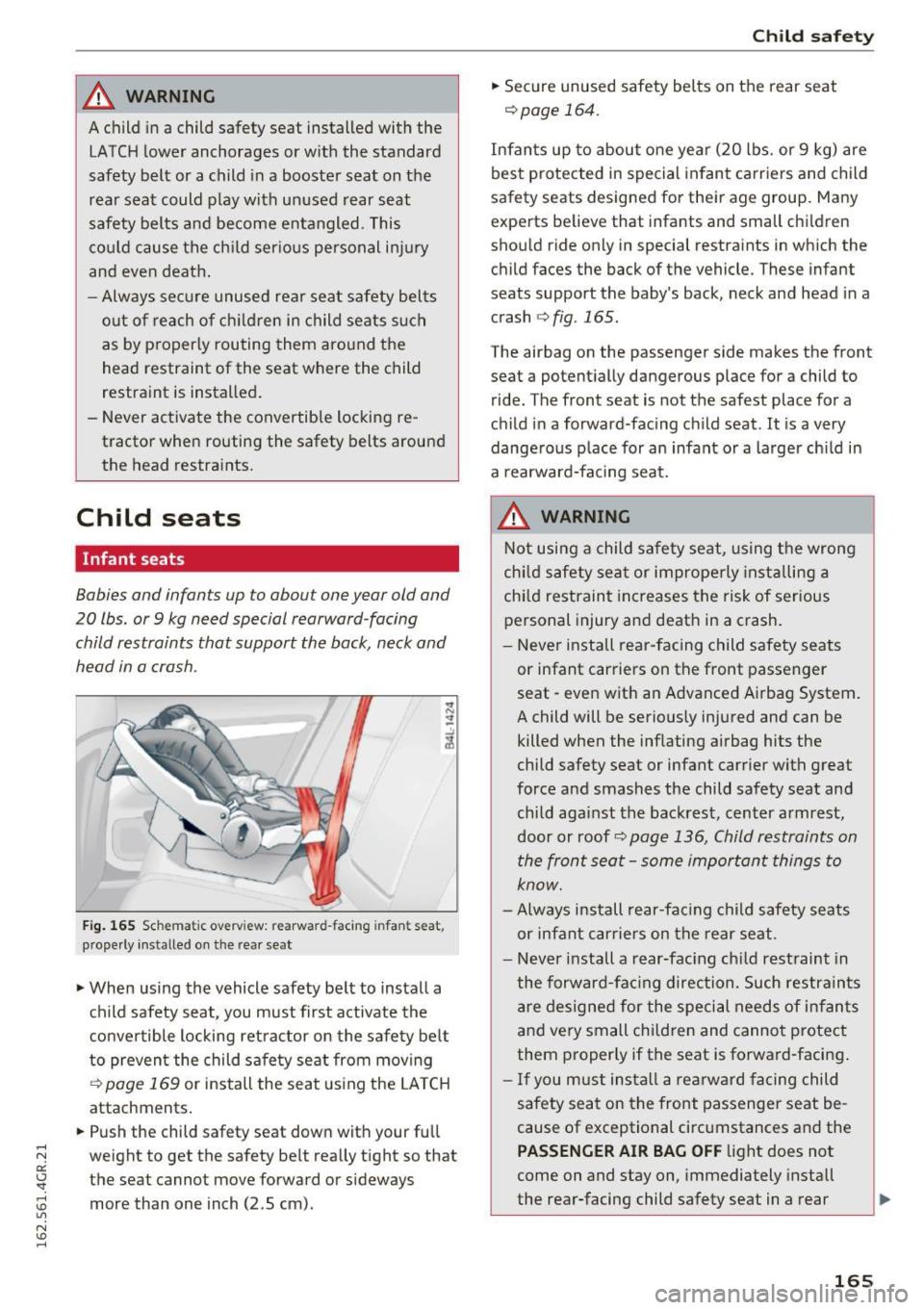
Fig. 165 Schemat ic overview: rearwa rd-facing infant seat,
properly installed on the rear seat
"'When using the vehicle safety belt to install a
child safety seat, you must first activate the
convertible locking retractor on the safety belt
to prevent the child safety seat from moving
~ page 169 or install the seat using the LATCH
attachments.
"'Push the child safety seat down with your full
weight to get the safety belt really tight so that
the seat cannot move forward or sideways
more than one inch (2.S cm).
Child safety
"' Secure unused safety belts on the rear seat
¢page 164.
Infants up to about one year (20 lbs. or 9 kg) are
best protected in special infant carriers and child
safety seats designed for their age group. Many
experts believe that infants and small children
should ride only in special restraints in which the
child faces the back of the vehicle. These infant
seats support the baby's back, neck and head in a
crash
¢fi g. 165.
The airbag on the passenger side makes the front
seat a potentially dangerous place for a child to
ride. The front seat is not the safest place for a
child in a forward -facing child seat . It is a very
dangerous place for an infant or a larger child in
a rearward-facin g seat.
_& WARNING
Not using a child safety seat, using the wrong
child safety seat or improperly installing a
child restraint increases the risk of serious
personal injury and death in a crash.
- Never install rear-facing child safety seats
or infant carriers on the front passenger
seat -even with an Advanced Airbag System.
A child will be seriously injured and can be
killed when the inflating airbag hits the
child safety seat or infant carrier with great
force and smashes the child safety seat and child against the backrest, center armrest,
door or roof¢
page 136, Child restraints on
the front seat -some important things to
know.
- Always install rear-fac ing child safety seats
or infant carriers on the rear seat.
- Never install a rear-facing child restraint in
the forward -facing direction. Such restraints
are designed for the special needs of infants
and very small children and cannot protect
them properly if the seat is forward-facing.
- If you must install a rearward facing child
safety seat on the front passenger seat be
cause of exceptional circumstances and the
PASSENGER AIR BAG OFF light does not
come on and stay on, immedia tely install
the rear-facing child safety seat in a rear
165
Page 168 of 282
Child safety
seating position and have the airbag system inspected by your Audi dealer.
- Never place
or use any electrical device
(such as a laptop, CD player, electronic
games device, power inverter or seat heater
for child seats) on the front passenger seat
if the device is connected to the 12-volt
socket or the cigarette lighter socket.
- If a seat heater has been retrofitted or oth
erwise added to the front passenger seat,
never install any child restraint system on
this seat .
- Make sure that there are no wet objects
(such as a wet towel) and no water or other
liquids on the front passenge r seat cushion .
- Never place objects on the seat (such as a
laptop, CD player, electronic games dev ice,
power inverter or seat heater for child
seats). These may influence the e lectr ical
capacitance measured by the capacitive pas
senger detection system and can also fly
around in an accident and cause serious per
sonal in jury .
- Always read and heed all WARNINGS when
ever using a child restrained in a vehicle is
being used
c:;, page 12 7, Safety belts,
c:;, page 135 , Airbag system
and
c:;, page 159, Important information.
Convertible child safety seats
Properly used convertible child safety seats can
help protect toddlers and children over age one
who weigh between 20 and 40 lbs. (9 and 18 kg)
in a crash.
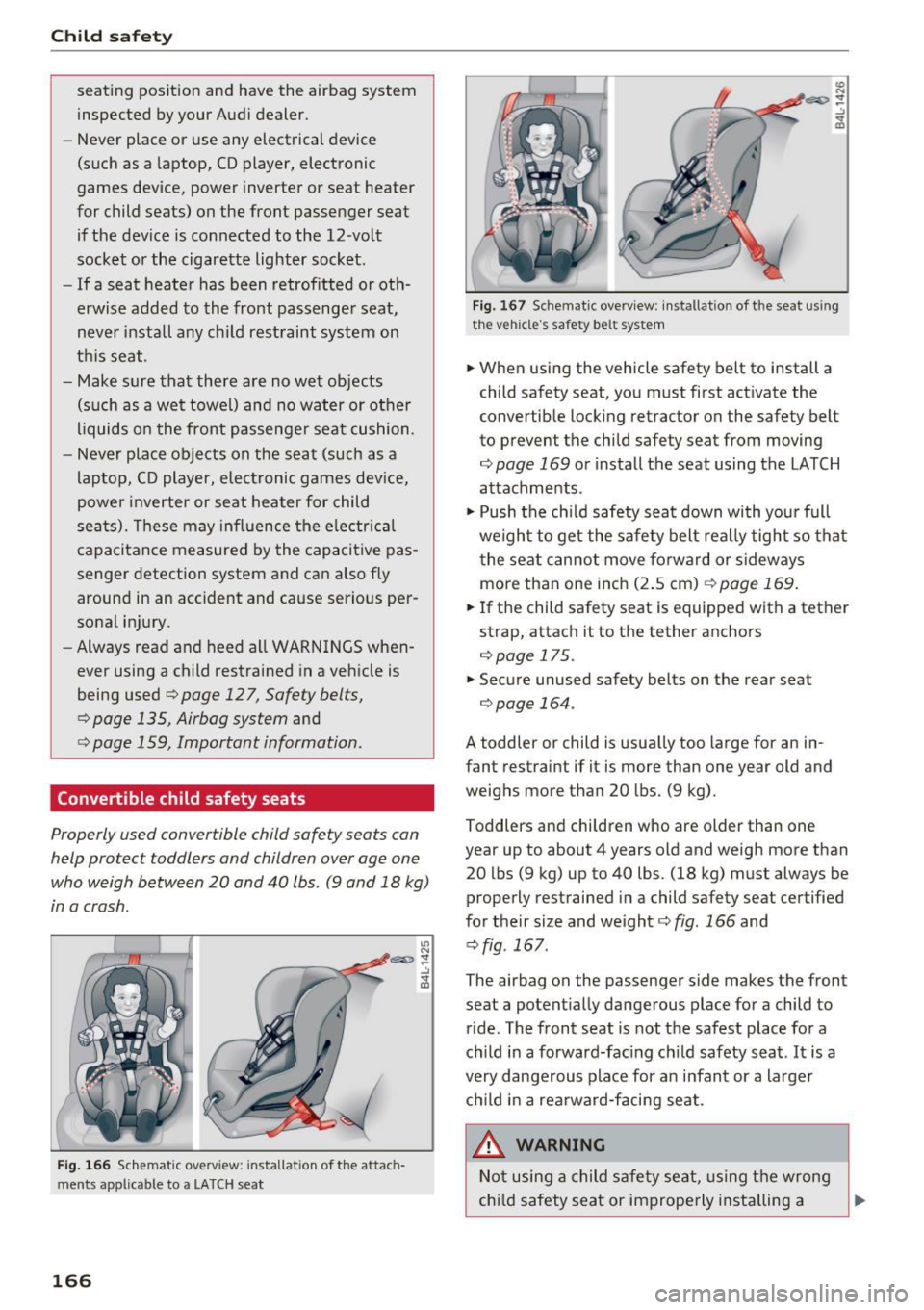
Fig. 166 Schemat ic ov erv iew : in stallat ion of the at tac h
m ents app licabl e to a LATCH seat
166
Fig. 167 Schem at ic ove rv iew: installat ion of t he seat usin g
t he vehicle's sa fety bel t system
.,. When using the vehicle safety belt to install a
child safety seat, you must first activate the
convertible locking retractor on the safety belt
to prevent the child safety seat from moving
c:;, page 169 or install the seat using the LATCH
attachments .
.,. Push the child safety sea t down with your full
weight to get the safety belt really tight so that
the seat cannot move forward or sideways
more than one inch (2 .5 cm)
¢ page 169.
.,. If the child safety seat is equipped with a tether
strap, attach it to the tether anchors
c:;, page 175.
.,. Secure unused safety belts on the rear seat
c:;, page 164.
A toddler o r child is usually too large for an in
fant restraint if it is more than one year old and
weighs more than 20 lbs. (9 kg).
Toddlers and children who are older than one
year up to about 4 years old and weigh more than
20 lbs (9 kg) up to 40 lbs. (18 kg) must always be
properly restrained in a child safety seat certified
for their size and we ight
c:;, fig . 166 and
¢ fig. 167.
The airbag on the passenger side makes the front
seat a potent ially dangerous place for a child to
ride . The front seat is not the safest place for a
ch ild in a forward-fac ing ch ild safety seat .
It is a
very dangerous place for an infant or a larger
child in a rearward-facing seat .
& WARNING
Not using a child safety seat, using the wrong
chi ld safety seat or improperly insta lling a ..,.
Page 170 of 282
Child safety
seating position on the rear seat and have
the airbag system inspected by your author
ized Audi dealer.
- Take the child restraint off the front passen
ger seat and install it properly at one of the
rear seat positions if the
P A SSEN GER AIR
BAG OFF
light does not stay on whenever
the ignition is switched on.
Booster seats and safety belts
Properly used booster sea ts can help protect
children weighing between about 40 lbs . and 80
lbs . (18 kg and 36 kg) who are less than
4 ft. 9
in . (57 inches/1.45 meters) tall .
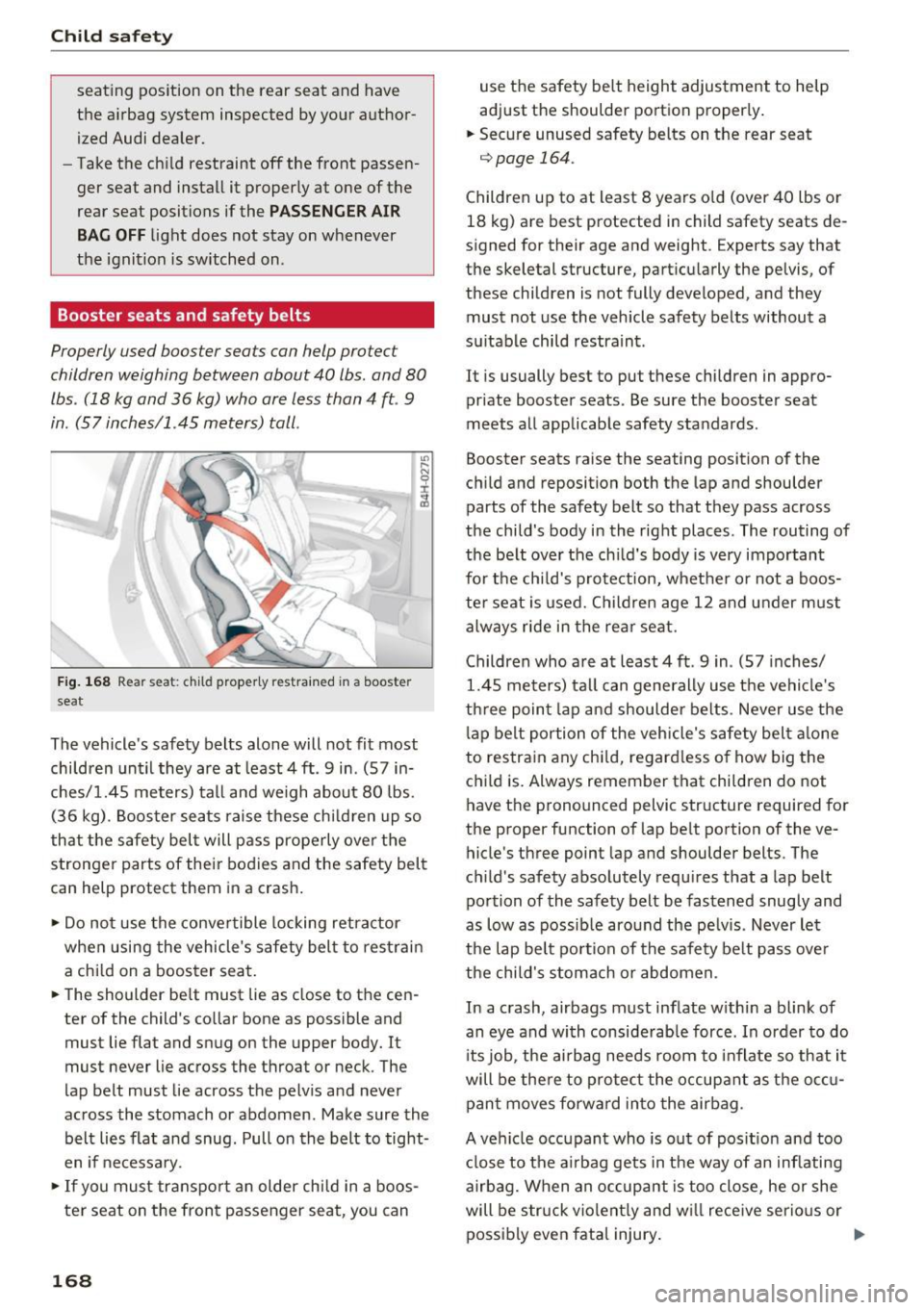
Fig . 1 68 Rea r seat : chi ld proper ly restrain ed in a booster
seat
The vehicle's safety belts alone will not fit most
chi ldren until they are at least 4 ft. 9 in . (57 in
ches/1.45 meters) tall and weigh about 80 lbs.
(36 kg). Booster seats raise these chi ldren up so
that the safety belt will pass properly over the
stronge r parts of their bodies and the safety belt
can help protect them in a crash.
• Do no t use the conve rtible locking retractor
whe n using the vehicle's safety belt to restrain
a chi ld on a booster seat.
• The shoulder be lt must lie as close to the cen
ter of the child's collar bone as possible and
must lie flat and snug on the upper body. It
must never lie across the throat or neck. The
lap belt must lie across the pelv is and never
across the stomach or abdomen . Make sure the
belt lies flat and snug. Pull on the belt to tight
en if necessa ry .
• If you must transpo rt an older chi ld in a boos
ter seat on the front passenger seat , you can
168
use the safety belt height adjustment to help
adjust the shoulder portion properly.
• Secure unused safety belts on the rear seat
c::, page 164.
Children up to at least 8 years o ld (over 40 lbs or
18 kg) are best protected in child safety seats de
signed for their age and weight. Experts say that
the skeletal structure, part icularly the pelvis, of
these children is not fully developed, and they
must not use the vehicle safety belts without a
su itable child restraint .
It is usually best to put these children in appro
priate booster seats . Be sure the booster seat
meets all applicable safety sta ndards .
Booster seats raise the seating position of the
ch ild and reposition both the lap and shoulder
parts of the safety belt so that they pass across
the child's body in the right places. The routing of
the be lt over the ch ild's body is very important
fo r the ch ild's protect ion, whet her or not a boos
te r seat is used. C hildren age 12 a nd under m ust
always ride in the re ar seat.
Children who a re at least 4 ft. 9 in . (5 7 inches/
1.45 meters) tal l can generally use t he vehicle's
th ree poin t lap a nd shoulder belts . Never use the
l ap belt portion of the veh icle's safety bel t alone
to restrain any chi ld, regard less o f how big the
ch ild is. Always remember that children do not
have the pronounced pelvic structure required for
the proper function of lap be lt portion of the ve
hicle's three point lap and shoulder belts. The
c hi ld's safety absolutely requ ires that a lap belt
portion of the safety belt be fastened snugly and
as low as possib le around the pe lvis . Never le t
the lap belt po rtion of the safety be lt pass ove r
the child's stomach or abdomen.
In a crash, airbags must inflate w ithi n a blink of
an eye and with considerab le force. In order to do
i ts job, the airbag needs room to inflate so that i t
will be there to protect the occup ant as the occ u
pan t moves forw ard in to the airbag.
A vehicle occupan t who is out of pos it ion and too
cl ose to the a irbag gets in the way of an inflating
airbag. When an occupant is too close, he or she
will be struck vio lent ly and w ill rece ive serio us or
possib ly even fatal injury.
II>
Page 171 of 282
In o rder for the airbag to offer protection, it is
important that all vehicle occupants, especia lly
any children, who must be in the front seat be
cause of exceptional circumstances, be properly restrained and as far away from the airbag as
possible . By keeping room between the child's
body and the front of the passenger compart
ment, the airbag can inflate comp letely and pro
vide supp lemental protect ion in certain frontal
coll is ions.
A WARNING
Not using a booster seat, using the booster
seat improperly, incorrectly insta lling a boos
ter seat or using the vehicle safety belt im
properly increases the risk of serious personal
injury and death in a collision or other emer
gency situat ion. To help reduce the risk of se
r ious personal injury and/or death:
- The shoulder belt must lie as close to the
center of the child's collar bone as possible
and must lie flat and snug on the upper
body .
It must neve r lie across the throat or
neck. The lap belt must lie across the pelv is
and never across the stomac h or abdomen.
Make sure tha t the belt lies fla t and sn ug.
Pull on the belt to tighten if necessary.
- Failure to p roperly route safety belts over a
child 's body will cause severe injuries in an
accident or other emergency situation
¢ page 127.
-The rear side of the child sa fety seat should
be pos itioned as close as possible to the
backrest on the vehicle seat .
- For adjustable head restraints: adjust or re
move the rear seat head restraint if it is dif
ficult to install the child seat with the head
restra int in place ¢
page 56. Install the
head restraint again immediately once the
child seat is removed. Driving w ithout head
restra ints or w ith head restraints that are
not properly adjusted increases the risk of
serious o r fa ta l neck injury d ramatically.
- Children on the front seat of any car, even
with Advanced Ai rbags, can be se riously in
jured or even killed when a n ai rbag inflates.
- Never let a child stand or knee l on any seat,
for example the front seat.
-
Ch ild safety
-Never let a chi ld ride in the cargo area of
your veh icle.
- Always remember that a chi ld leaning for
ward, sitting sideways or out of position in any way du ring an accident can be struck by
a dep loying airbag. Th is w ill result in serious
personal injury or death .
- If you must install a booster seat on the
front passenger seat because of exceptiona l
circumstances the
PASSENGE R AIR BAG
OFF
li ght must come on and stay on, when
eve r the ignit ion is switched on.
- If the PASSENGER AIR BAG OFF light does
not come on and stay on, perfo rm the
checks desc ribed ¢
page 146, Monitoring
the Advanced Airbag System.
- Take the child restra int off the front passen
ge r seat an d install it prope rly at one of the
rear seat positions if the
PASSENGER AIR
BAG OFF
light does not stay on whenever
the ignition is switched on .
- Always read and heed all WARNINGS when
ever using a chi ld restrained in a vehicle is
be ing used
¢ page 12 7, Safety belts,
¢ page 135, Airbag system and
¢ page 159, Important information.
Securing child seats
Securing a child safety seat using a safety
belt
Safety belts for the rear seats and the front pas
senger can be locked with the convertible locking
retractor to properly secure child safety seats .
The safety belts emergen cy loc king retractors for
the rear seats safety be lts and fo r th e front pas
senger's sea t sa fe ty be lt have a conve rtible lock
ing retractor for child restraints . The safety be lt
must be locked so that be lt webbing cannot un
ree l. The retractor can be activated to lock the
safety belt and prevent the safety belt webbing
from loosening up dur ing norma l driving. A ch ild
safety seat can on ly be properly installed when
the safety belt is locked so that the ch ild and
child safety seat will stay in place.
Always remember : Even though your veh icle is
equipped with an Advanced Airbag system, all
169
Page 172 of 282
Child safety
children, especially those 12 years and younger,
should always ride in the back seat properly re
strained for their age and size.
.&_ WARNING
-
Improperly installed child safety seats in
crease the risk of serious personal injury and
death in a collision.
- Always make sure that the safety belt re
tractor is locked when installing a child
safety seat . An unlocked safety belt retrac
tor cannot hold the child safety seat in place during normal driving or in a crash.
-Always buckle the child safety seat firmly in
place even if a child is not sitting in it . A
loose child safety seat can fly around during
a sudden stop or in a collision.
- If the rear set backrest is not securely latch
ed, the child and the child restraint will be
thrown forward together with the backrest and will strike parts of the vehicle interior.
The child can be seriously injured or killed.
- Never install rear-facing child safety seats
or infant carriers on the front passenger
seat. A child will be seriously injured and
can be killed when the passenger airbag in
flates.
- The inflating airbag will hit the child safety
seat or infant carrier with great force and
will smash the child safety seat and child against the backrest, center armrest, door
or roof .
- Always install rear-facing child safety seats
or infant carriers on the rear seat.
- Forward-facing child safety seats or infant
carriers installed on the front passenger's
seat may interfere with the deployment of
the airbag and cause serious injury to the child.
- It is safer to install a forward-facing child
safety seat on the rear seat .
- Always read and heed all WARNINGS when
ever using a child restrained in a vehicle is
being used~
page 159. Special precautions
apply when installing a child safety seat on
the front passenger seat~
page 136, Child
restraints on the front seat -some impor
tant things to know.
170
.&_ WARNING , .
Always take special precautions if you must
install a forward or rearward-facing child re
straint on the front passenger's seat in excep
tional situations:
- Whenever a forward or rearward-facing child restraint is installed on the front pas
senger seat, the
PASSENGER AIR BAG OFF
light must come on and stay on whenever
the ignition is switched on.
- If the PASSENGER AIR BAG OFF light does
not come on and stay on, perform the
checks described
~ page 146, Monitoring
the Advanced Airbag System.
- Take the child restraint off the front passen
ger seat and install it properly at one of the
rear seat positions if the
PASSENGER AIR
BAG OFF
light does not stay on whenever
the ignition is switched on.
- Improper installation of child restraints can
reduce their effectiveness or even prevent
them from providing any protection.
- An improperly installed child restraint can
interfere with the airbag as it deploys and
seriously injure or even kill the child.
- Always carefully follow the manufacturer's
instructions provided with the child safety
seat or carrier .
- After checking to make sure that the child
restraint is properly installed, make certain
that the child restraint is correctly recog nized by the capacitive passenger detection
system in the front passenger seat and that
the
PASSENGER AIR BAG OFF light signals
the correct front passenger frontal airbag
status.
.&_ WARNING
Forward-facing child restraints:
- Always make sure the forward-facing seat
has been designed and certified by its man
ufacturer for use on a front seat with a pas
senger front and side airbag.
- Never put the forward-facing child restraint
up, against or very near the instrument pan-
-
el. .... ....._ ______________ _J~