ignition AUDI S7 2012 Workshop Manual
[x] Cancel search | Manufacturer: AUDI, Model Year: 2012, Model line: S7, Model: AUDI S7 2012Pages: 294, PDF Size: 73.33 MB
Page 192 of 294

190 Intelligent technology
increase in en gine spee d as with a fro nt
whee l d rive vehicle. A lways drive at
speeds wh ic h are suited to the road con
ditions -risk of crash.
Energy management
Starting ability is optimized
Energy management controls the distribution
of electrical energy and thus optimi zes the
availability of electrical energy for starting
the engine.
I f a vehicle w ith a conventional e nergy system
is not driven for a long pe riod of time, the bat
tery is d isch arged by idling c urrent cons umers
(e .g. immobilizer) . In ce rtain circumstances it
can result in there being i nsu fficient ene rgy
avai lab le to start the engine .
I n tell igent energy m anagement i n your veh i
cle hand les the d istribu tion of elec trical ener
gy . Starting abi lity is marked ly imp roved and
the life of the battery is extended.
B asically , energy m anagement consists o f
battery diagnosis , idling current manage
ment
and dynamic energy management.
Battery diagnosis
B att ery d iagnosis con tinuously dete rm ines
the st ate of t he battery. Senso rs determ ine
battery vo ltage, batte ry cur rent and battery
tempera ture. This dete rmines the current
state of charge and the powe r of the battery .
Idling current management
Idling current ma nagemen t red uces energy
consum ption wh ile the veh icle is stand ing.
W ith the igni tion swi tched off, i t con tro ls the
energy s upply to the va rious e lectrica l compo
nents. Data from battery diagnosis is consid
ered.
D epending on the battery's s ta te of charge,
individua l consumers are gra dually t urned off
to p revent excessive discha rge of the battery
and thus ma inta in start ing capability.
Dynamic energy management
W hile t he vehi cle is being driven, dynamic e n
ergy ma nagement dis tributes the energy gen
erated according to the needs of the indiv idu
al components.
It r egulates consumption, so
that more electrical energy is not being used
t h an is being generated and ensures an opti
mal state of c ha rge fo r the battery.
(!) Tips
- But even ene rgy management cann ot
negate the limits of physics. Consider
that the powe r and life of a battery are
limited.
- If start ing ability is threatened, the indi
cator light
(•i appears c> page 16.
What you should know
The highest priority is given to maintaining
starting capability.
The battery is severe ly taxed in short -d istance
driv ing, in city traff ic and during the cold time
o f year. Abundant electrical energy is re
quired , but on ly a little is ge nerated . It is also
c ritical if the engi ne is not r unning and electri
ca l components are tu rned on. In this in
sta nce ene rgy is be ing consumed bu t none is
b eing gene ra ted .
It is in precisely these s ituations t hat yo u will
notice ene rgy management active ly regu lat
i ng t he d istribu tion of ene rgy.
Vehicle stands for an extended period
If y ou do not drive your vehicle over a period
of several days o r weeks, e lectr ica l compo
nen ts a re g radually cut back or sw itched off .
T h is reduces energy consumption and ma in
ta in s start ing ca pabili ty over a longer pe riod .
Some of the convenience func tion s may not
opera te, such as t he interior ligh ts or the
power seat adjustment. The convenience
funct ions wi ll be available again when yo u
switch on the ignition and start the eng ine . .,.
Page 212 of 294

210 Cleaning and protection
-When cleaning your safety belts, inspect
them for damage.
If you discover dam
age, see your Audi dealer .
- Always read and heed all WARNINGS and
other information
c> page 200.
Engine compartment
Be especially careful when cleaning the en
gine compartment.
Always switch off the ignition before clean
ing the engine
c> .&..
Plenum panel
Remove leaves from the plenum pane l in front
of the windsh ield under the engine compart
ment. This prevents the water dra in ho les
from becoming blocked, and it prevents de
bris from entering the vehicle interior through
the heating and venti lation ducts .
Corrosion protection
The engine compartment and transmission
have been corrosion -protected at the factory.
Good ant i-corrosion treatment is very impor
tant, particularly in the winter. If the veh icle
is frequent ly driven on salt treated roads , the
enti re engine compartment and plenum panel
should be thoroughly cleaned at the end of
winter and retreated to prevent sa lt damage.
At the same time, the underside of the vehicle
should be washed as we ll.
If the engine compartment is cleaned at any
time with grease removing solutions
1l, or if
you have the engine washed, the anti-corro sion treatment is a lmost always removed as
well. It is therefore essential to have a long lasting corrosion protection reapplied to all
surfaces, seams, joints and components in the
engine compartment .
1l Use o nly the co rrect cle anin g so lu ti on s. Ne ver use gas
o lin e or d ie se l fuel.
A WARNING
Be aware: The eng ine compartment of any
motor vehicle is a potentially hazardous
area .
- Before work ing in the engine compart
ment, be sure to read the information
c> page 216.
-Before reach ing into the front panel, al
ways sw itch off the ignition . Otherwise,
the windshield wiper system could unin
tentionally be switched on, possibly
causing personal injury from the moving
wiper linkage .
- Never reach into the area around or
touch the radiator fan. The auxiliary fan
is temperature controlled and can sw itch
on suddenly -even when the ignition is
off.
- Do not wash, wax or dry the engine with
the engine running . Moving or hot parts
could injure you.
- Do not clean the underside of the chas
sis, fenders, wheel covers, or other hard
to reach parts without protecting your hands and arms . You may cut yourself on
sharp-edged metal parts.
-Always read and heed all WARNINGS and
other information
c> page 200.
Page 215 of 294

transport fuel to use for your lawn mower,
snow blower, etc., be very careful and al
ways observe local and state laws regard
ing the use, transportation and storage of
such fuel containers. Make certain the con
tainer meets industry standards (ANSI/
ASTM F8S2 -86) .
@ Note
Never drive your vehicle until the fuel tank
is completely empty. The irregular supply
of fuel can cause misfiring. Gasoline could
enter the exhaust system and damage the
catalyt ic converter.
Refuelling
Fig. 163 Right rear vehicle s ide: Opening the fuel filler
flap
Fig. 164 Fuel filler flap with attached fuel cap
When activating the central locking, the fuel
f ill er flap is automatically un locked or locked.
Refuel the vehicle with the ignition switched
off.
Taking the fuel cap off
• Press the left side of the fuel filler flap to
open it¢
fig. 163 -arrow-.
• Unscrew fuel filler cap counter-clockwise
and hang it on the fuel filler flap
~ fig. 164 .
Fuel supply and filling your fuel tank 213
Refuelling procedure
• Insert the fuel nozzle from the gasoline
pump into the fuel filler neck as far as it will
go.
• Select a medium refuelling rate so that the
nozzle switches off automatically when the
tank is full.
Putting the fuel cap back on
• After filling your tank, twist the fuel filler
cap clockwise as far as it will go.
• Close the fuel filler flap.
To avoid fuel spill ing or evaporating from the
fuel tank always close fuel filler cap proper ly
and completely. An improperly closed fuel fill
er cap may also cause the MIL lamp ¢
page 2 7
to come on.
A WARNING
Improper refueling or handling of fuel can
cause fire, explosion and severe burns.
- Fuel is highly flammable and can cause
severe burns and other injuries.
- Failure to shut the engine off while refu
eling and/or to insert the pump nozzle
fully into the fuel filler neck could cause
fue l to spray out of filler neck or to over
flow. Fuel spray and overflowing fuel can
cause a fire.
- Never use a cellular telephone while re
fue ling. The electromagnet ic radiation
can cause sparks that can ignite fuel va
pors and cause a fire.
- Never get back into your vehicle while re
fueling.
If in exceptional circumstances
you must get back in your vehicle while
refueling, make certain that you close
the door and touch metal to discharge static electricity before touching the fill
er nozzle again. Static electricity can
cause sparks that can ignite fuel vapors
released during refueling.
- Never smoke or have an open flame any
where in or near your vehicle when refu
eling or filling a portable fue l container.
- For your safety, we strongly recommend
that you do not travel with a portable
Page 218 of 294
216 Checking and filling
Checking and filling Engine hood
Releasing the engine hood
The engine hood is released from inside the
vehicle .
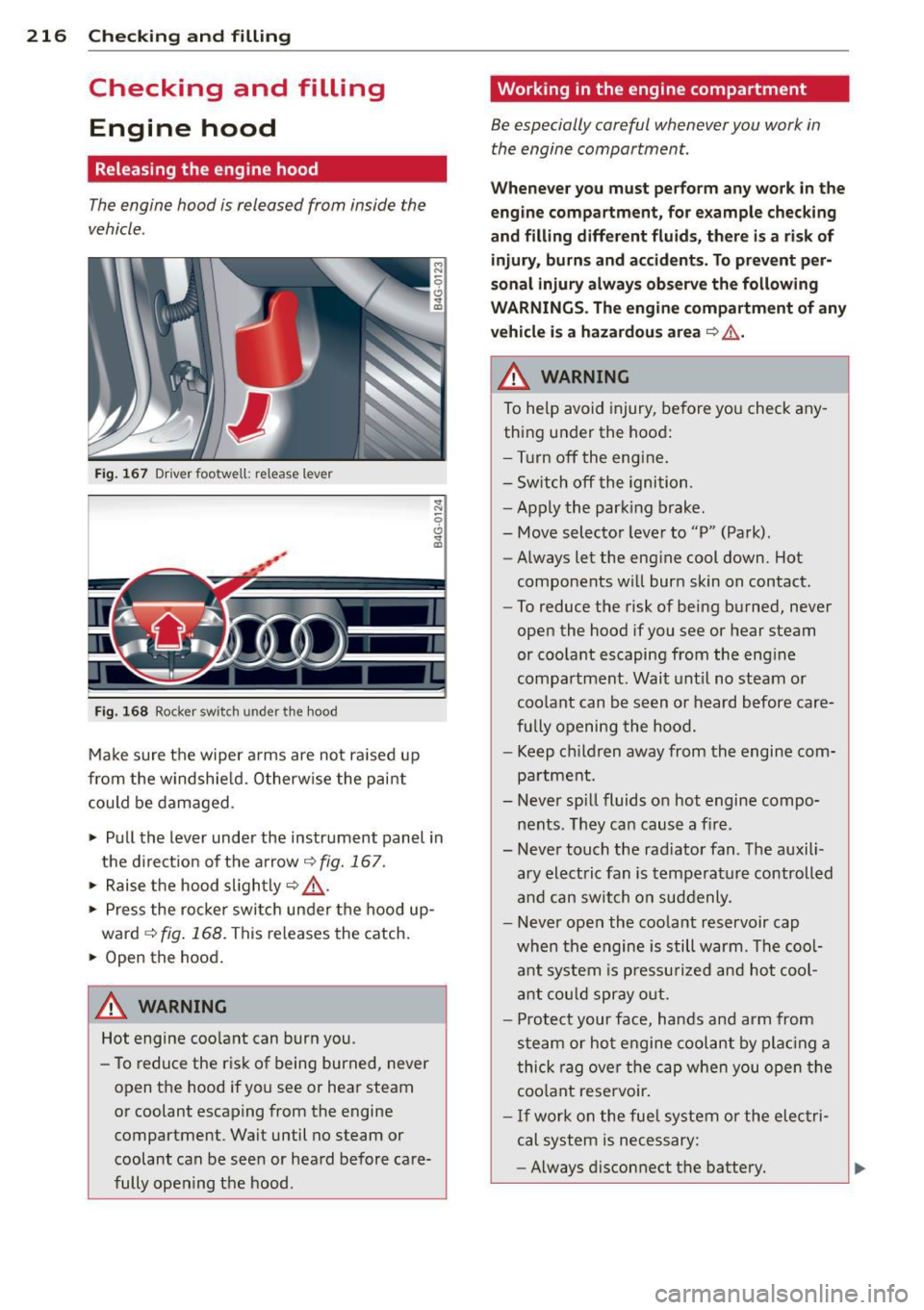
Fig. 167 Driver foo twell: release lever
Fig. 168 Rocker switch un der the hood
Make sure the wiper arms are not raised up
from the windshield. Otherwise the paint
could be damaged.
.,. Pull the lever under the instrument panel in
the direction of the arrow
~ fig. 167.
.,. Raise the hood slightly~.&_ .
... Press the rocker switch under the hood up
ward
~ fig. 168. This releases the catch.
... Open the hood.
&_ WARNING
Hot engine coolant can burn you.
- To reduce the risk of being burned, never
open the hood if you see or hear steam
or coolant escaping from the engine compartment . Wait until no steam or
coolant can be seen or heard before care
fully opening the hood .
' Working in the engine compartment
Be especially careful whenever you work in
the engine compartment.
Whenever you must perform any work in the
engine compartment, for example checking
and filling different fluids, there is a risk of injury, burns and accidents. To prevent per
sonal injury always observe the following
WARNINGS. The engine compartment of any
vehicle is a hazardous area
~ ,&. .
/n.. WARNING
To help avoid injury, before you check any
thing under the hood:
- Turn off the engine.
- Switch off the ignition .
- Apply the parking brake.
- Move selector lever to "P" (Park) .
- Always let the engine cool down. Hot
components will burn skin on contact.
- To reduce the risk of being burned, never
open the hood if you see or hear steam
or coolant escaping from the engine
compartment. Wait until no steam or
coolant can be seen or heard before care
fully opening the hood.
- Keep children away from the engine com
partment.
- Never spill fluids on hot engine compo
nents . They can cause a fire .
- Never touch the radiator fan. The auxili
ary electric fan is temperature controlled
and can switch on suddenly .
- Never open the coolant reservoir cap
when the engine is still warm . The cool
ant system is pressurized and hot cool
ant could spray out.
- Protect your face, hands and arm from
steam or hot engine coolant by placing a
thick rag over the cap when you open the
coolant reservoir.
- If work on the fuel system or the electri
cal system is necessary:
- Always disconnect the battery.
Page 219 of 294
-Never smoke or work near heate rs or
open flames. Fluids in the engine com
partment could start a fire.
- Keep an approved fire extinguisher im
mediately ava ilable.
- To avoid electrical shock and persona l in
jury while the engine is running or be ing
started, never touch:
- I gnition cables
- Other components of the high voltage
electronic ignition system.
- If you must pe rform a check or repa ir
with the engine running:
- F irst, fully apply the parking brake,
move selector lever to "P" (Park) .
- Always use extreme caution to prevent
clothing, jewelry, or long hai r from get
ting caught in the radiator fan, V-belts
or other moving parts, or from contact ing hot parts. T ie back hair before
starting, and do not wear cloth ing that
will hang or droop into the eng ine.
- Min imize exposure to emission and
chemical hazards
c:> &,.
A WARNING
California Propos ition 65 Warning:
- Engine exhaust, some of its constituents,
and certai n veh icle components co nta in
or em it chemicals known to the State of
Californ ia to cause cancer a nd b irth d e
fects a nd rep roduct ive ha rm. In addi tion,
c e rta in fluids cont ained in vehicle s and
certain p rod ucts of component wear con
tain or emit chemicals known to the
State of Ca lifo rnia to cause cancer and
birth defects or other reproductive harm.
- Battery posts, terminals and re lated ac
cessories contain lead and lead com-
Checkin g and fillin g 217
pounds, c hemicals known to the State of
California to cause cancer and reproduc
tive harms. Wash hands after handling.
([) Note
When adding fluids, always make su re that
they are poured into the p roper conta iner
or fi ller opening, otherwise serious dam
age to vehicle systems w ill occur .
@ For the sake of the environment
To detect lea ks in time, inspect the vehicle
floor pan from underneath regular ly. If
you see spots from oil or other veh icle flu
i ds, have you r vehicle inspected by an au
thorized Audi dea ler.
Closing the engine hood
.. Pull the hood down until the pressure from
t he st ruts is reduced.
.. Let the hoo d
drop down and latc h in p lace.
Do not try to push it shut; it may fail to en
gage 9 A_ .
A WARNING
-
A hood that is not completely latched
could fly up and b lock your view while dr iv
ing.
- When you close the engine hood, check it to make sure t he safety catch has prope r
ly engaged. The hood shou ld be flush
with the surround ing vehicle body parts .
- If you notice while driv ing that the hood
is not secured prope rly, stop at once and
close it. •
•
Page 223 of 294

Checking the engine oil level
Fig . 170 D is p la y : o il level indi ca tor
• Park your vehicle on a lev el surfac e.
• Shut the engine off when it is warm.
• Switch only the ignition b ack on.
• W ait approxima tely two minutes .
• Se lect :
ICARI function button > Car s ystem s
control button > Servicing & ch eck s > Oil
level.
• Check the o il leve l in the display ¢ fig. 170.
Add engine oil if the bar of the oil level indi
cator is near "min "
¢page 221.
Depending on the way the veh icle is driven
and the operating conditions, oil consumpt ion
can be up to 1/2 q uart per 600 m iles (0.5 li ter
pe r 1,000 km) . Consumption may be higher
within the f irst 3 ,000 miles (5,000 km).
(D Tips
The oi l level indicator in the MMI Dis play is
only an in format ion disp lay . If the oil leve l
is low, a minimum oi l warning appears in
the instrument cluster. Add oi l
¢page 221. If the hood has been opened,
the curre nt oil level is shown in the instru
ment cluste r the next time the ign ition is
sw itched on .
Checkin g and fillin g 221
Adding engine oil 'i=:1:
Fig. 171 Engin e compa rtm en t: co ve r on the engine o il
filler n eck
Before you check anything in the eng ine com
partment ,
alw ay s re ad and he ed all WARN
INGS ¢&.
in Working in the engine compart
ment on page 216.
• Uns crew the cap~ to the eng ine oi l filling
hole
¢ fig . 171.
• Caref ully top off with the appropr iate oil in
0.5 liter doses .
• Check t he oil level aga in after two minutes
¢ page 221 .
• Top off the o il aga in, if necessary .
• Screw the cap back on the filling hole .
A WARNING
-Wh ile topping off, the o il must not come
i n contact w ith hot engine parts -fi re
hazard!
- The oi l filler cap must be p roperly se
cured to prevent oil from bei ng sprayed
on the hot engine and exhaust system
when the engine is runn ing -fire ha zard!
- I f your ski n has come in contact with the
engine o il, you mus t subse quently
cleanse it thoroughly.
(D Note
- Check the oil level using the MMI. If the
message
Please reduce oil level appe ars,
c ontact yo ur a uth ori zed Aud i dea ler o r
ot her qualified workshop to have excess
oil ext racted if necessary.
- Audi d oes not re commend the u se of oil
additiv es. They m ay damage the engine
1111-
Page 225 of 294
Engine cooling system
Coolant
The engine coolant performs two functions: it
keeps the engine from overheating and it pro
tects the engine from freezing in the winter .
The cooling system is sealed and generally re
quires little attention .
The cooling system has been filled at the fac
tory with a permanent coolant which does not
need to be changed. The coolant consists of a
mixture of water and the manufacturer's gly
col-based coolant additive G12++ antifreeze
with anticorrosion additives (50% for USA
models; 60% for Canadian models). This mix
ture both assures the necessary frost protec
tion and protects metal components in the
engine's cooling system from corrosion and
scaling. It also raises the boiling point of the
coolant.
Do not reduce the concentration of the cool
ant in the summer by adding plain water.
The
proportion of coolant additive must be at
least 50% but not more than 60%
to main
tain antifree ze protection and cooling efficien
cy. If the coolant frost protection is too low,
the coolant could freeze and damage the vehi
cle heating and engine cooling system.
For year-round driving, antifreeze is added at
the factory for temperatures down to:
- -31 °F ( -3 5 °C) USA
- -40 °F ( - 40 °C) Canada.
You can mix the G12 ++ coolant additive with
other additives (G12+ or G12). Always check
with your authorized Audi dealer.
& WARNING
Before you check anything in the engine
compartment, always read and heed all
WARNINGS
~ .&. in Working in the engine
compartment on page 216.
(D Note
- Before winter sets in, have the coolant
checked to see if the coolant additive in
Checking and filling 223
your vehicle is sufficient to meet the cli
mate conditions. This is especially impor
tant if you live in a region where the win
ter is extremely cold. If necessary, in
crease the proportion of coolant additive
to 60% .
- When adding coolant additive to your
cooling system, remember :
- We recommend using only coolant ad
ditive G12++ (check the label) for your
vehicle. This coolant additive is availa
ble at authorized Audi dealers. Other
types of antifreeze can significantly re
duce corrosion protection. The result
ing corrosion can cause a loss of cool
ant and serious engine damage.
- Do not add any type of radiator leak seal
ant to your vehicle's engine coolant.
Adding radiator repair fluid may adverse
ly affect the function and performance of
your cooling system and could result in
damage not covered by your New Vehicle
Limited Warranty.
Checking the engine coolant level
The engine coolant level can be checked with
a quick glance.
M AX f
MINf
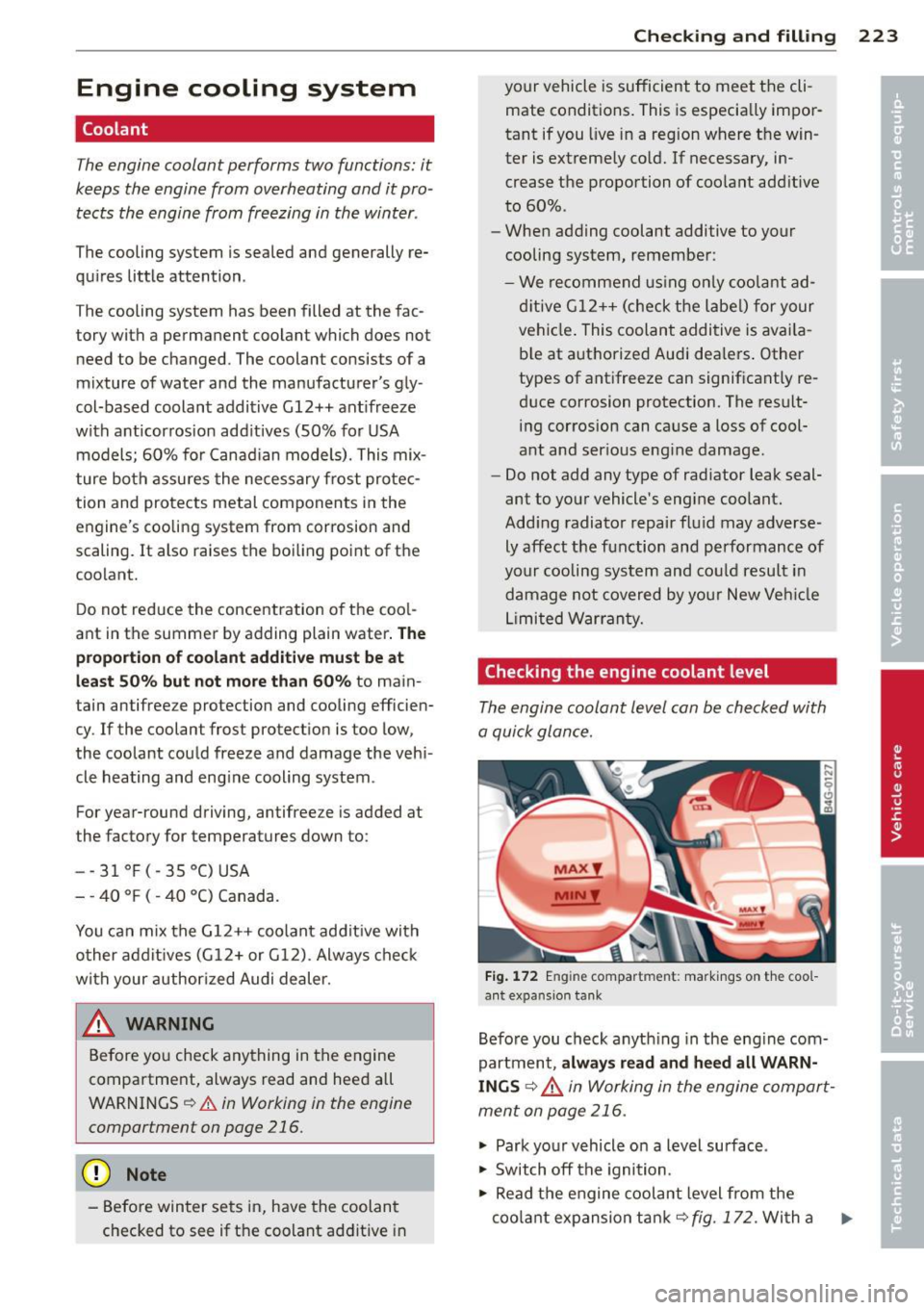
Fig. 172 Engine compar tment: markings on the coo l
an t expa nsion tank
Before you check anything in the engine com
partment,
always read and heed all WARN
INGS ¢.&, in Working in the engine compart
ment on page 216 .
"' Park your vehicle on a level surface .
"' Switch off the ignition.
"' Read the engine coolant level from the
coolant expansion tank~
fig. 172. With a
Page 227 of 294
_& WARNING
-The cooling system is under pressure and
can get very hot. Reduce the risk of
scald ing from hot coolant by following
these steps.
- Turn
off the engine and a llow itto cool
down.
- Protect your face, hands and arms from
escaping fluid and steam by covering
the cap with a large, thick rag.
- Turn the cap slow ly and very carefully
in a counter-clockwise direction while
applying light, downward pressure on
the top of the cap.
- To avoid being burned, do not spi ll an
tifreeze or coolant on the exhaust sys
tem or hot engine parts . Under certain
conditions, the ethylene glycol in en
g ine coolant can catch fire .
- Antifreeze is poisonous. Always store an
tifreeze in its or iginal containe r and we ll
out of the reach of children.
- If you drain the coolant, it must be
caught and safely stored in a proper con
tainer clearly marked "poison".
(D Note
- Coolant pollutes the env ironment and
could cause an engine fire. Excess cool
ant will be forced out through the pres
su re relief valve in the cap when the en
gine becomes hot.
- If, in an emergency, only water can be
added, the cor rect ratio between water
and antifreeze ¢
page 223 must be re
stored as soon as possib le.
@ For the sake of the environment
Drained coolant should not be reused . A l
ways dispose of used coolant while obse rv
ing all environmental reg ulations.
Checkin g and fillin g 225
Radiator fan
The radiator fan switches on automatically by
itself.
An auxiliary electric radiator fan switches on
and
off depending on coolant temperature
and other vehicle operat ing cond it ions .
After you switch the engine
off, the auxiliary
fan can continue running for up to 10 minutes
- even with the ignition
off. It can even switch
on again later by itself ¢&. , if
- the temperature of the engine coo lant rises
due to the heat build-up from the engine in
the engine compartment, or
- the engine compartment heats up because
the vehicle is parked in intense sunlight.
_& WARNING
-To reduce the risk of personal injury nev
er touch the radiator fan .
- The auxiliary electric fan is temperature
controlled and can sw itch on suddenly
even when the engine is not running.
- The a uxiliary radiator fan sw itches on au
tomatically when the engine coo lant
reaches a certa in temperature and will
continue to ru n until the coolant temper
ature drops.
Brake fluid
Checking brake fluid level
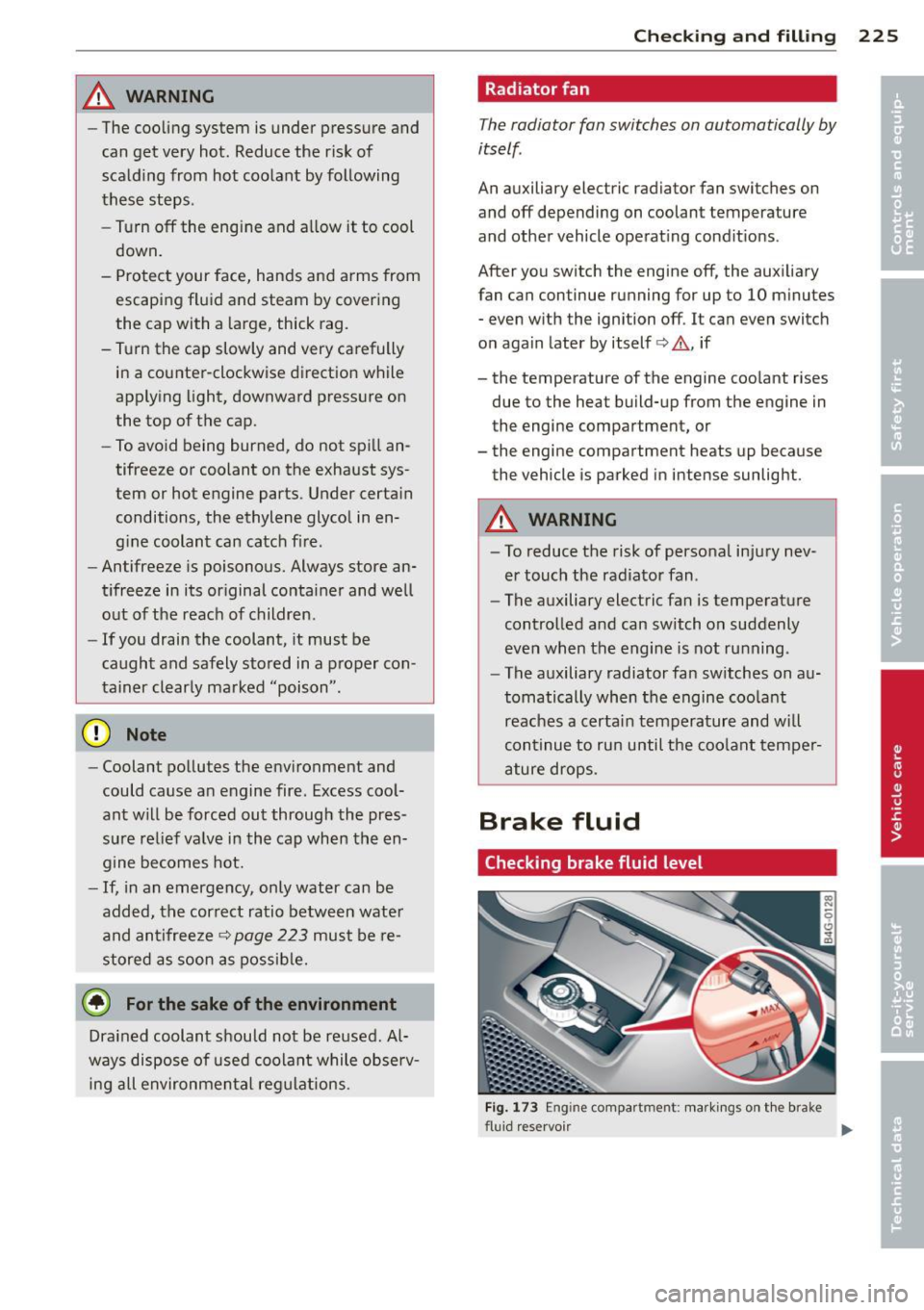
Fig. 173 En gin e compartment: mark ings on th e brake
fluid rese rvoir
Page 229 of 294
Have the battery checked when you take your
vehicle in for service. Yo u are well advised to
replace a battery that is older than 5 years.
W ith certa in types o f airbag deployment, the
battery is disconnec ted from the vehicle elec
trica l system for safety reasons
c::> &. in Re
pair, care and disposal of the airbags on
page 153.
Di sconn ecting the battery t erminal s
Some vehicle functions (power w indow regu
l ators, for example) are lost if the battery ter
minals are disconnected . These functions have
to be re learned after the battery terminals are
connec ted again. To prevent this, the battery
should only be disconnected from the vehicle
e lectrical system when absolutely necessary
for repairs .
Vehicl es not driven for long p eriod s
If you do not drive your vehicle over a period
of several days or weeks, electrical compo
nents are gradually cu t back or switched off .
This reduces energy consumption and main
tains starting capability over a longer per iod
c::> page 190. Some of the convenience func
tions may not operate, s uch as the inte rior
lights o r power seat adjus tme nt. The conven
ience functions will be ava ilable again when
you switch on the ignition and start the en gine.
Winter operation
During the winter months, ba ttery capaci ty
t ends to decrease as tempe rat ures d rop . This
is because more powe r is also consumed while
starting , and the headlights, rear window de
fogger, etc., are used more often.
Avoid unnecessary power cons umption, par
ticularly in c ity t ra ff ic or when t raveling on ly
short distances. Let your a uthorized Audi
dealer check the capac ity of the vehicle bat
tery before winter sets in
c> page 229. A well
charged battery w ill not only prevent starting
problems whe n the weather is cold, but will
also last longer .
Checkin g and fillin g 22 7
(D Tips
If your vehicle is left standing for seve ral
weeks at extremely low temperatures, the
vehicle battery shou ld be removed and
stored where it w ill not freeze. This will
prevent it from be ing damaged and having
to be replaced .
Working on the battery
Be especially careful when working on or near
the battery.
The battery is located in the l uggage compart
ment under the floor. Before you check any
th ing in the luggage compartment,
read and
h eed all WARNINGS
c> &_ .
Always heed the safety warnings , when work
ing on the vehicle battery or the vehicle e lec
trical system to prevent injury.
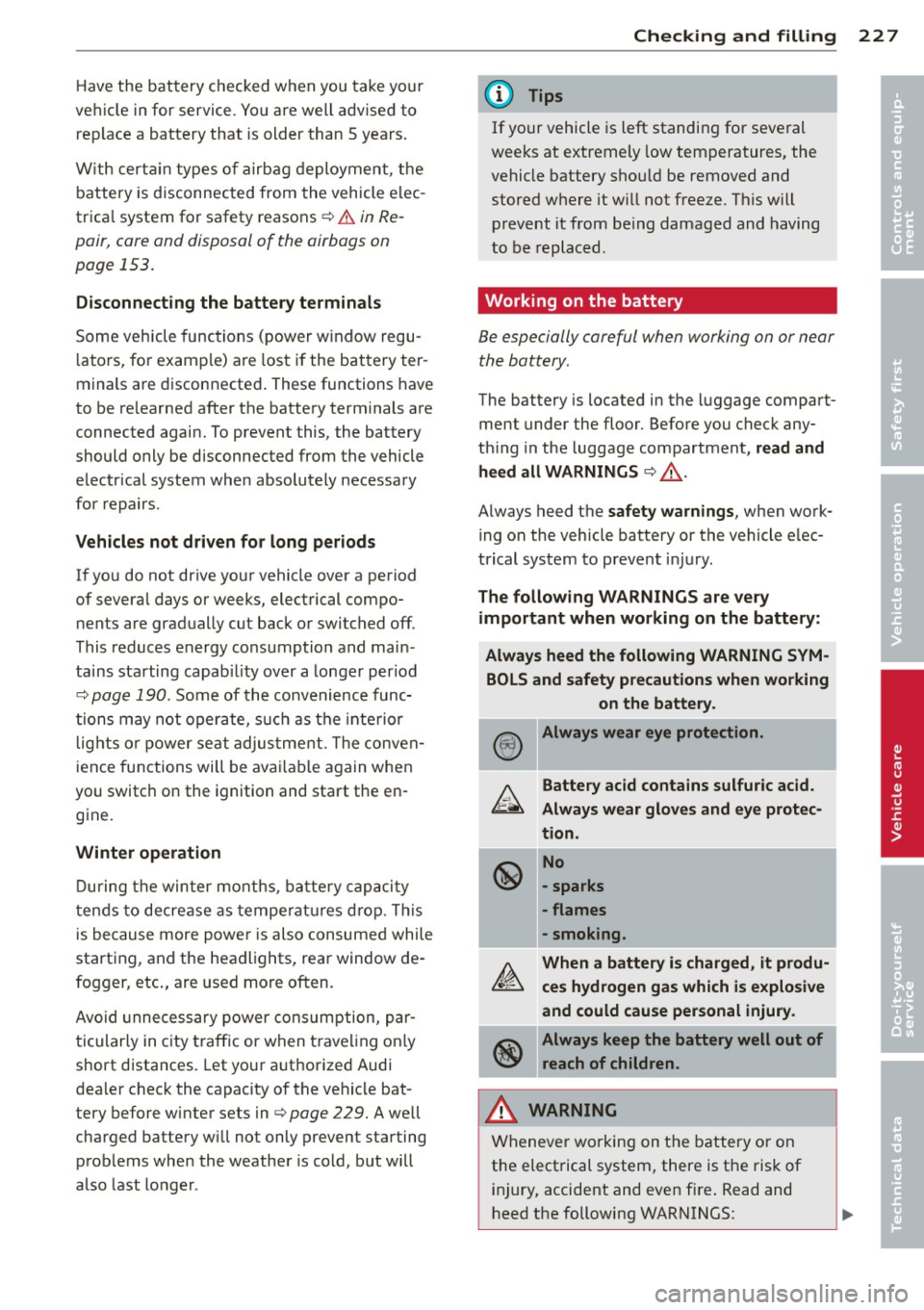
The following WARNINGS are very
important when working on the battery:
Al way s heed the follo wing WARNING SYM
BOLS and safety precautions when working on the battery.
@
®
Always wear eye protection.
Battery acid contains sulfuric acid.
Always w ear glove s and eye prot ec
tion .
No
- sparks
-flames
- smoking .
When a battery i s charged, it produ
ce s hydrogen gas wh ich i s ex plosive
and could cause per sonal injury .
Always keep the battery well out of ]
reach of children .
_& WARNING ~
Whenever working on the battery o r on
the electrical system, there is the risk of injury, accident and even fire . Read and
heed the following WARNINGS:
•
•
Page 230 of 294
228 Check ing and filling
- Always wear eye protection. Do not let
battery acid or any lead particles get on
your sk in or cloth ing . Sh ield your eyes .
Explosive gases can cause blindness or
other injury .
- Battery acid contains sulfur ic acid . Sulfu
ric acid can cause blindness and severe
burns .
- Always wear gloves and eye protection.
Do not t ilt the battery because acid
could leak out of the venti lation open
ings.
- If you get battery acid in yo ur eyes or
on your skin, immediately rinse with
cold water for severa l m inutes and get
medical attention .
- If you should ingest any battery acid,
seek medical attention immediately.
- Do not expose the battery to an open
flame, electric sparks or an open light.
- Do not smoke.
- Do not interchange the posi tive and neg -
ative cab les.
= When wo rking on the battery , be sure
not to short -circuit the termina ls with
tools or other metal objects . This would
cause the battery to heat up very quickly,
which could lead to damage or explosion
and personal injury.
- When a battery is charged, it produces hydrogen gas which is explosive and
cou ld cause personal injury .
- Always keep the battery well out of the
reach of chi ldren .
- Before work is done on the e lectrica l sys
tem, disconnect the negative ground ca ble .
- Before perform ing any work on the elec
trical system, sw itch
off the engine and
ignition as well as any electrical equip
ment . The negative cable on the batte ry
must be disconnected . If you are just go
ing to rep lace a light bu lb, then it is
enough to sw itch
off the ligh ts.
- Before disconnect ing the battery, switc h
off the anti-theft alarm sys tem! Othe r
wise you will set off the alarm. -
When disconnecting the battery, first
disconnect the negat ive cab le and then
the posit ive cab le.
- Before reconnecting the battery, make
sure all e lectr ical consumers are sw itch
ed off. Reconnect the pos it ive cable first
and then the negative cable . Never inter
cha nge the cables - this could start a fi re!
- Never charge a frozen or a thawed-out
battery .
It could explode! If a battery has
frozen , then it must be replaced . A dis
charged batte ry can free ze over at 32 °F
(0 °C) .
-Make sure the vent hose is a lways attach
ed to the opening on the s ide of the ba t
tery .
- Never use batteries which a re damaged.
There is the danger of an explosion! Al
ways rep lace a damaged b attery.
A WARNING
Ca lifornia Proposi tion 6S Warning:
- Battery posts, te rminals and related ac
cesso ries cont ain lead and lead com
pounds, chemica ls known to the Sta te of
California to cause cancer and reproduc
tive problems. Wash hands after han
dling.
(D Note
- Do not disconnect the vehicle battery
when the ignit ion is on or when the en
gine is run ning, otherwise , you will dam
age electronic components in the electr i
cal system.
- If your vehicle is going to stand for a
long period of time without be ing driven,
protect the battery from "freezing", oth
erw ise it will be damaged and will then
have to be replaced .
- When open ing the doors, the windows
lower approximately 10 mm automati
cally. This function is not ava ilable when
the battery is disconnected, which
means there is a risk that the door sea l
o r the window could be damaged.