door lock AUDI S8 2014 Owner's Manual
[x] Cancel search | Manufacturer: AUDI, Model Year: 2014, Model line: S8, Model: AUDI S8 2014Pages: 314, PDF Size: 78.47 MB
Page 78 of 314

76 Seats and stor age
Addit ional storage
There are a variety of storage compartments
and fasteners in various places in the vehicle.
- Storage compartments in the doors
- Net in the front passenger footwell
- Eyeglasses compartment in the headliner (near the rearview mirror)
- Storage compartments under the center
armrests
- Compartments* on the back of the front
seat backrests
- Garment hooks over the rear doors
- Compartment in the center console with
pass-through)* (rear)
- Compartment behind the rear center arm
rest (in vehicles without the pass-through*
or cooler*)
- Bag hooks in the luggage compartment
A WARNING
-When driving, do not leave any hard ob
jects on the rear window shelf or allow
your pet to sit on the shelf. They could
become a hazard for vehicle occupants in
the event of sudden braking or a crash .
- Always remove objects from the instru
ment panel. Any items not stored could
slide around inside the vehicle while driv
ing or when accelerating or when apply
ing the brakes or when driving around a
corner.
- When you are driving make sure that
anything you may have placed in the cen
ter console or other storage locat ions
cannot fall out into the footwells. In case
of sudden braking you would not be able
to brake or accelerate.
- Any articles of clothing that you have
hung up must not interfere with the driv
er's view. The coat hooks are designed
only for lightweight clothing. Never hang
any clothing with hard, pointed or heavy
objects in the pockets on the coat hooks.
During sudden braking or in an accident -
especially if the airbag is deployed - these objects could injure any passen
gers
inside the vehicle.
- To reduce the risk of personal injury in an
accident or sudden stop, always keep the
glove compartment closed while driving.
- Read and follow all WARNINGS
c:> page 173, Important safety instruc
tions on the side airbag system.
- Hang clothes in such a way that they do
not impair the driver's vision.
- The coat hooks must only be used for
lightweight clothing. Do not leave any
heavy or sharp edged objects in the pock
ets which may interfere with the side cur
tain airbag deployment and can cause personal injury in a crash.
- Do not use coat hangers for hanging clothing on the coat hooks as this can in
terfere with proper deployment of the
side curta in airbags in an acc ident.
- Do not hang heavy objects on the coat
hooks, as they could cause personal in
jury in a sudden stop.
@ Note
Objects located on the rear shelf that rub
against the rear window could damage the
heating wires for the rear window defog
ger .
(D Tips
-A vent slot is located between the shelf
and the rear window. Do not block the
vent with any items you may place on the
rear window she lf.
- Do not place bulky items on the rear win
dow shelf as they could restrict or block
the driver's vision in the rear view mirror.
Cooler
Introduction
App lies to vehicles: wit h coo ler
Please clean the cooler before using it for the
first time
c:> table on page 218 .
You can only switch on the cooler if ...
Page 87 of 314
Stee ring lock
The stee ring locks when you t urn the engine
off us ing the
I S TAR T ENGINE STOP! button
and open the driver 's door . The locked steer
i ng he lps pr event ve hicle theft.
E mergenc y off
If necessary , the eng ine can be sw itched off
with the selector leve r in the R, Dor S pos i
tions . The engine stops i f you press the
I S TART ENGINE STOP! button at speeds below
6 mph (10 km/h) .
.&_ WARNING
- Never turn off the eng ine before the ve
hicle has come to a complete stop. The
full function of the brake booster and the power steering is not quaranteed. You
must use mo re force to turn or brake if
necessary. Because you cannot steer and
brake as you usua lly would, this could
lead to crashes and serious injur ies.
- For safety reasons, you shou ld always
par k your vehicle with the se lector lever
in P. Otherwise, the veh icle co uld inad
vertent ly roll away .
- After the engine has been switched off,
the radiator fan can continue to r un for
up to 10 mi nutes -even with the ignition
switched off.
It can a lso switch on aga in
after some time if the coolant tempera
ture rises as the result of a heat buildup
or if the engine is hot and the engine
compartment is addit ionally heated by
the sun's rays .
0 Note
Do not stop the engine immed iate ly after
hard or extended dr iving . Keep the engine
r u nning for approximately two minutes to
prevent excessive heat build-up.
Driver message in the instrument
cluster display
Turn off ignition before leaving car
On th e ro ad 85
This message appears and a warning tone
sounds if you open the driver's door when the
ignition is sw itched on.
Pre ss brak e pedal t o sta rt engine
This message appears if yo u press the
I STAR T ENG IN E S TOP I button to start the en
gine and do not dep ress the br ake pedal. The
engine can only be s tarte d if the brake pedal
is depressed.
I!! I s key in th e vehi cle?
If the indicator light turns on and the mes
sage appears, the remote control key was re
moved from the vehicle whi le the engine was
run ning . If the ignition key is not in the veh i
cl e you will not be able to swi tch on the igni
tion or res tart the engine after i t has been
switched off. You will a lso not be able to lock
the ve hicle from the outsid e.
Shift to P, oth erwi se v ehicle can roll aw ay.
Do ors d o n ot lo ck if lever is not in P .
This dr iver message appears for safety rea
sons if the transmission has not bee n shifted
to the P position when you switc h the ign ition
off . Move the selec to r l ever to the P posi tion .
Otherwise the vehicle is not protected from
ro lling and cannot be locked.
fl Key is not r ecognized. Hold back of key
again st marked area . See ow ner' s m anu al.
If the indicato r light turns on and this mes
sage appea rs, there is a malfunct ion
~ page 86.
Turn off ign ition before lea ving ca r. Battery
is d is c harging
This message appears if the driver's door is
opened wh ile the ignition is switched on . Al
ways switch off the ign it ion if you a re leav ing
the ve hicle . See also
Q page 90 .
Shift to P and turn off ignition before lea v
ing car, otherwi se v ehicle can roll away
T his messag e app ears if the driver's door is
opened wh ile the ignition is switched on and
the selector lever is not in the P posit ion. Shift
the selecto r lever into the P pos ition and .,..
Page 89 of 314

Emergency brake function
An emergency brake ensures that the vehicle
can be slowed down even if the
normal brakes
fail
c::> page 88, Emergency broking.
Ind icator light s
-If the par king b rake is closed w ith the igni
t ion
s wit ched on the indicator lights come
on - (USA models)/ . (Canada models)
in the instrument cluster and in the switch.
- If the par king brake is closed w ith the igni
tion
s witc hed off the indicator lights come
on - (USA models)/ . (Canada models)
in the instr ument cluster and in the switch
for about 20 seconds.
A WARNING
Do not press the accelerator peda l inadver
tently if the vehicle is stat ionary but the
eng ine is running and a gear is selected.
Otherw ise the vehicle will start to move
immediately and cou ld result in a crash.
(D Note
If the symbol . in the display or the ind i
cato r light
1111 (USA models) . (Cana
da models) in the instrument cluster flash
es, the re is a malfunction in the bra ke sys
tem. Please refer to t he detai led descr ip
t ion of the indicator lights¢
page 14.
- If the indicato r light - (USA mod-
els) . (Canada mode ls) or
IIJ t ur ns
on, there may be a malfunction in the
parking brake
r=> poge 15.
@ Tips
-You can apply the pa rking brake at any
time -even w ith the ignition swi tched
off. The ignition must be on and the
brake pedal must be pressed in order to
release the parking brake.
- Occasiona l noises when the parking
brake is applied and re leased are norma l
and are not a ca use for concern.
- When the vehicle is parked, the parking
brake goes through a se lf-test cycle at
On th e ro ad 87
regular inte rva ls. Any associated noises
are normal.
· Parking
.. Press the brake pedal to stop the veh icle.
.. Pull the switch(®) to set the parking brake.
.. Select the P selector lever posit io n
c::> poge 116.
.. Tu rn the engine off c::> .&_ .
.,. When on inclines o r declines, tur n the steer
ing wheel so that your veh icle w ill ro ll into
t he c urb if it beg ins to move.
A WARNING
-==
- When you leave your vehicle -even if on-
ly briefly -always take the ignition key
with you. This applies particularly when
children remain in the vehicle. Otherwise
the children cou ld start the engine, re
lease the parking brake or operate elec
trical equipment (e.g. powe r wi ndows).
T here is the r is k of an accident.
- When the veh icle is locked, no one -par
ticularly not children should rema in in
the vehicle. Locked doors ma ke i t mo re
diff icult for emergency wo rke rs to ge t in
to the veh icle -putt ing lives at risk.
Starting from rest
The starting assist function ensures that the
parking broke is released automatically upon starting.
Stopping and applying park ing brake
.. Pull the sw itch(®) to apply the parking
brake .
Starting and automatic ally releasing the
parking brake
.. When you sta rt to dr ive as usual, the park
ing brake is automatically released and your
veh icle begi ns to move.
When stopping at a traffic signal or stopping in city traff ic, the parking brake can be ap-
plied . The vehicle does not have to be he ld
IJ>-
Page 92 of 314
90 On the road
Engine will not swit ch off
Before each stop phase, the system checks i f
certain cond itions have been met. For exam
p le, the engine will
n ot be switched off in the
following situations:
- T he eng ine has not reached the minimum
required temperature for Start -Stop-mode .
- The inter io r temperature selec ted by the A/C
system has not been reached .
- T he outs ide temperature is extremely h igh/
low .
- T he w indshield is being defrosted
¢page 82.
-The parking system* is switched on.
- The battery charge level is too low .
- The steering wheel is sharply turned or
there is a steering movement.
- After engaging the reverse gear.
- On sharp inclines.
The
tiij indica to r light appears in the informa
tion line in the ins trument cluster disp lay
<=:>fig . 89 .
Engine automatically restarts
The stop phase is interrupted in the following
situations, for examp le. The engine restar ts
witho ut any act ion by the driver.
- T he interio r temperature varies from the
temperature selected in the A/C system .
- The w indshield is being defrosted
<=:> page 82.
- The brake pedal is pressed several times i n a
row .
- The battery charge level becomes too low .
- High power consumption.
Sw itching the ignition automatically
To prevent the battery from d raining, the igni
tion will switc h off
automat ically when a ll of
the following conditions have been met:
- T he veh icle has already been driven.
- T he eng ine has been tu rned off by the Star t-
Stop-System*.
- The driver's door is opened.
- The driver's seat belt is removed.
- The brake pedal is not pressed dow n. -
The vehicle is stationa ry .
In this case, the activated low beam will be re
placed by the side ma rke r lights. The s ide
marker lights w ill switch off after approxi
mately 30 minutes or when you lock the vehi
cle .
If the Star t-Stop System h as n ot turned off
the engine or if you have sw itched the Start
Stop system off man ua lly, the ignition will
not
be automatica lly switched off and the engine
will continue to ru n ¢ ,& .
A WARNING
=
Never allow the engine to run in confined
spaces -danger of asphyxiation.
(D Tips
If you shift into the D, Nor S posit ions af
ter sh ifting into reverse, the vehicle must
be driven faster tha n 6 mph (10 km/h) in
order for the engine to sw itch off again.
Switching the Start-Stop -System on/off
manually
App lies to vehicles: wi th Start-Stop -System
If you do not wish to use the system, you con
switch it off manually.
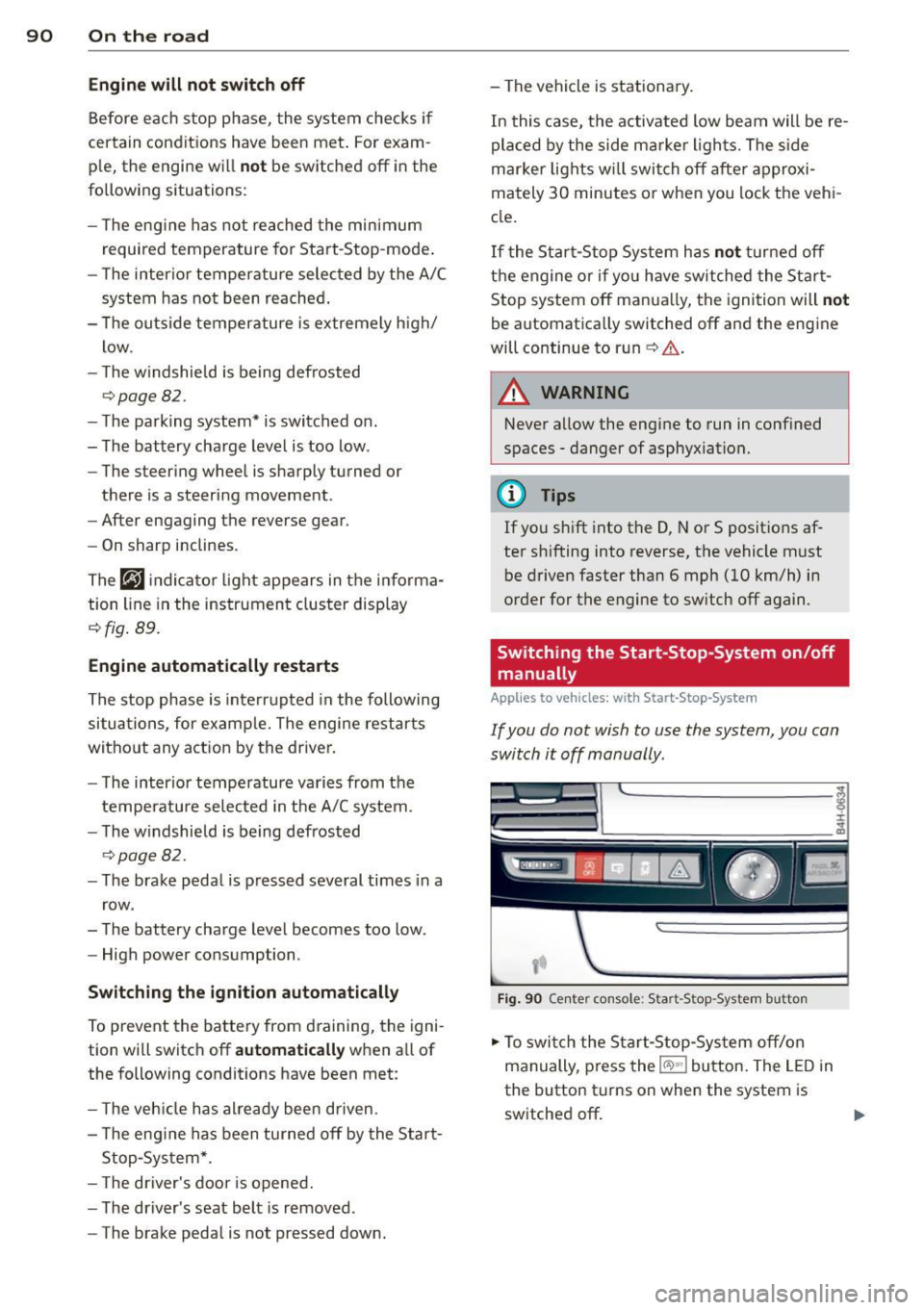
F ig . 90 Ce nter console: Start-Stop -System button
.,. To swi tch the Start-Stop-Sys tem off/on
manually, p ress the
l(A) ~·I button. The L ED in
the button turns on when the system is
switched off .
Page 120 of 314
118 Automatic Transm iss ion
& WARNING
-Never e ngag e R or P w hile driving. It
could cause a crash .
-
-Power is sti ll t ransmitted to the whee ls
when the engine is r unning at idle . To
prevent the vehicle from "creeping", you
must keep your foot on the brake in all
selector lever positions except P and N
when the eng ine is running. Do not inad
vertent ly press the accelerator pedal
when the veh icle is stationary . Otherwise
the vehicle will s tart to move immediate
ly. This cou ld h appen even if the parking
brake is activa ted .
- Be fore opening the hood, select the P se
le ctor lever position and set the par king
brake. This red uces the risk of a crash. Al
ways read and follow the applicable
wa rnings
<=)page 231.
-Never get out of the driver's seat when
the engine is running.
- If you mus t get out of the vehicle, move
the se lector lever securely into the P po
sit ion an d apply the park ing brake .
(D Tips
-If you u nin ten tio nally shift into the N se
l ector lever posi tion while dr iv ing, ta ke
your foot off the acce lerator pedal and
wait for the e ngine to slow down until it
i s idling before you shift into Dor S.
Driving tips
The gears shi~ automatically .
Starting from a stop
"" Press and ho ld the brake pedal.
"" Sta rt the eng ine
c:> page 8 4.
"" Press the but ton on the se lector lever and
select the D, S or R selecto r leve r pos it ion
c:> page 116 .
""Wait a moment until the transmission
shifts. You w ill not ice a slight movement
when the gear engages .
"" Re lease the brake pedal and press the accel
erator pedal¢ ,& .
Stopping temporarily
""Press the brake pedal to s top the ve hicle, for
examp le a t a traffic light . Do not press the
accelerato r peda l when doing this.
"" To prevent the vehicle from ro lling when yo u
start dr iving, set the parking brake when
stopping on large incl ines
c:> ,& .
"" The parking brake will release automat ica lly
and the vehicle will start mov ing once you
press the acce lerator pedal.
Parking
If the se lector lever is not in the P position
whe n you open the driver's door, the ve hicle
could roll. The message
Transmission: Car
may roll! Shift to park!
appears .
"" Press and hold the brake pedal¢ ,& .
"" Set the park ing brake.
"" To engage the P se lector lever position,
press the button on the selector leve r and
shift into the P posit ion
c:> page 116 .
Under certa in conditions suc h as dr iv ing in the
mountains or when towing a trailer, it may be
helpful to switch to manual mode tempo rari ly
to shift
manually to adapt to the driving con
di tions
c:> page 119.
On slopes, activate the parki ng bra ke first and
then move the selecto r leve r to the P position .
T his prevents too much st ress from be ing
pla ced o n the locking mec hanism.
& WARNING
R ead an d fol low all WAR NING S ¢.&. in Se
lecting a selector lever position on
page 118.
- The vehicle can also roll when the engine
is stopped.
- Do not press t he acceler ator pe dal when
chan ging the se lector leve r posi tion
while the veh icle is stationary and t he
engine is running . This cou ld result in a
crash.
- Never engage R o r P while driving .
It
could cause a crash.
- Power is still transmitted to the wheels
when the engine is runn ing at idle. To
IJJ,,
Page 144 of 314
142 Driving Safely
-Always distribute the load as evenly as
possible.
- Place heavy objects as far forward in
the luggage compartment as possible.
- Never exceed the Gross Axle Weight Rat
ing or the Gross Vehicle Weight Rating
specified on the safety compliance stick
er on the left door jamb. Exceeding per
missible weight standards can cause the
vehicle to slide and handle differently.
- Please observe information on safe driv
ing
q page 135.
A WARNING
-
To help prevent poisonous exhaust gas
from being drawn into the vehicle, always keep the rear lid closed while driving.
- Never transport objects larger than those fitting completely into the luggage
area because the rear lid cannot be fully
closed.
- If you absolutely must drive with the rear
lid open , observe the following notes to
reduce the risk of poisoning:
- Close all windows,
- Close the power roof,
- Open all air outlets in the instrument
panel,
- Switch off the air recirculation,
- Set the fresh air fan to the highest
speed.
A WARNING
Always make sure that the doors, all win
dows, the power roof and the rear lid are
securely closed and locked to reduce the
risk of injury when the vehicle is not being
used.
- After closing the rear lid, always make
sure that it is properly closed and locked.
- Never leave your vehicle unattended es pecially with the rear lid left open. A
child could crawl into the vehicle through
the luggage compartment and close the
rear lid becoming trapped and unable to
get out . Being trapped in a vehicle can
Lead to serious personal injury .
-
-Never let children play in or around the
vehicle.
- Never let passengers ride in the luggage
compartment. Vehicle occupants must
always be properly restrained in one of
the vehicle's seating positions .
(D Tips
-Air circulation helps to reduce window
fogging. Stale air escapes to the outside
through vents in the trim panel, on the
Left side of the Luggage compartment.
Be sure to keep these slots free and
open .
- The tire pressure must correspond to the
load . The tire pressure is shown on the
tire pressure label. The tire pressure la
bel is located on the driver's side B-pillar.
The tire pressure Label lists the recom
mended cold tire inflation pressures for
the vehicle at its maximum capacity
weight and the tires that were on your
vehicle at the time it was manufactured.
For recommended tire pressures for nor
mal Load conditions, please see chapter
<=> page 252 .
Tie -downs
The luggage compartmen t is equipped wi th
four tie-downs to secure luggage and o ther
items.
Use the tie-downs to secure your cargo p rop
erly
c> page 141, Loading the luggage com
partment.
In a collision, the laws of physics mean that
even smaller items that are loose in the vehi
cle will become heavy missiles that can cause
serious injury. Items in the vehicle possess en
ergy which vary with vehicle speed and the
weight of the item. Vehicle speed is the most significant factor.
For example, in a frontal collision at a speed
of 30 mph (48 km/h), the forces acting on a 10-lb (4 .5 kg) object are about 20 times the
normal weight of the item. This means that
the weight of the item would suddenly be
Page 167 of 314

-the weight registered on the front passen
ger seat is equa l to or less than the com
bined weight of a typical 1 year -old restrain
ed in one of the rear-fac ing or forward
facing infant restraints listed in Federal Mo
tor Vehicle Safety Standard 208 with which
the Advanced Airbag System in your vehicle
was certified .
If the front passenger seat is not occupied,
the front airbag will not deploy, and the
PAS
SENGER AIR BAG OFF
light will stay on . Nev
er insta ll a rearward-facing child restra int on
the front passenger seat, the safest place for
a child in any kind of child restraint is at one
of the seating positions on the rear seat
¢ page 155, Child restraints on the front seat
- some important things to know
and
¢ page 177, Child Safety.
If the PASSENGER AIR BAG OFF light comes
on
when one of the conditions listed above is
met, be sure to check the light regularly to
make certa in that the
PASSENGER AIR BAG
OFF
light stays on cont inuously whenever the
ignit ion is on. If the
PASSENGER AIR BAG
OFF light does not appear on and does not
stay on all the time, stop as soon as it is safe
to do so and
- react ivate the system by switching the igni
t ion off and then switch ing it on again;
- remove and reinstall the child restraint .
Make sure that the child restraint is properly
installed and that the safety belt for the
front passenger seat has been correct ly
routed through the child rest raint as descri
bed in the child restrai nt manufactu rer's i n
str ucti ons;
- make sure that the conver tible locking fea
ture on the safety belt for the front passen
ger seat has been activated and that the
safety belt has been pulled tight. The belt
must not be loose or have loops of slack so
that the sensor below the safety belt latch
on the seat can do its job
¢ page 187.
- make sure that things that may increase the
weight of the chi ld and child seat are not be
ing transported on the front passenger seat;
Airbag system 165
-make sure that the safety belt tension sen
sor is not blocked. Shake the safety belt
latch on the front passenger seatback and
forth;
- If a strap or tether is being used to tie the
child seat to the front passenger seat, make
sure that it is not so t ight that it causes the
weight-sensing mat to measure more
weight than is actually on the seat .
If the PASSENGER AIR BAG OFF light still
does not come on
and does not stay on con
ti nu ously (when the ignition is switched on),
- take the child restraint off the front passen -
ger seat and install it properly at one of the
rear seat positions. Have the airbag system
inspected by your Audi dealer immed iately.
- move the ch ild to a rear seat position and
make sure that the child is properly restra in
ed in a ch ild restra int that is appropriate for
its size and age .
The
PASSENGER AIR BAG OFF light should
NOT come on when t he ignition is on and an
adult is sitting in a proper seating position on
the front passenger seat. If the PASSENGER
AIR BAG OFF
light comes on and stays on or
flashes fo r about 5 seconds wh ile d riving, un
der these circumstances , make sure that:
- the adult on the front passenge r seat is
prope rly seated on the center of the seat
cushion with his or her back up against the
backrest and the backrest is not re clin ed
¢ page 136, Proper occupant seating posi
tions,
- the adult is not taking weight off the seat by
holding on to the passenger assist handle
above the front passenger door or support
ing their weight on the armrest,
- the safety belt is being properly worn and
that there is not a lot of s lack in the safety
be lt webbing,
- accessory seat covers or cushions or other
things that may cause an incorrect reading
or impression on the weight-sensing mat
under the upho lstery of the seat have been
removed from the front passenger seat, ..,.
•
•
Page 185 of 314
Child safety seats
Infant seats
Babies and infants up to about one year old
and 20 lbs. or 9 kg need special rearward -fac
ing child restraints that support the back,
neck and head in a crash.
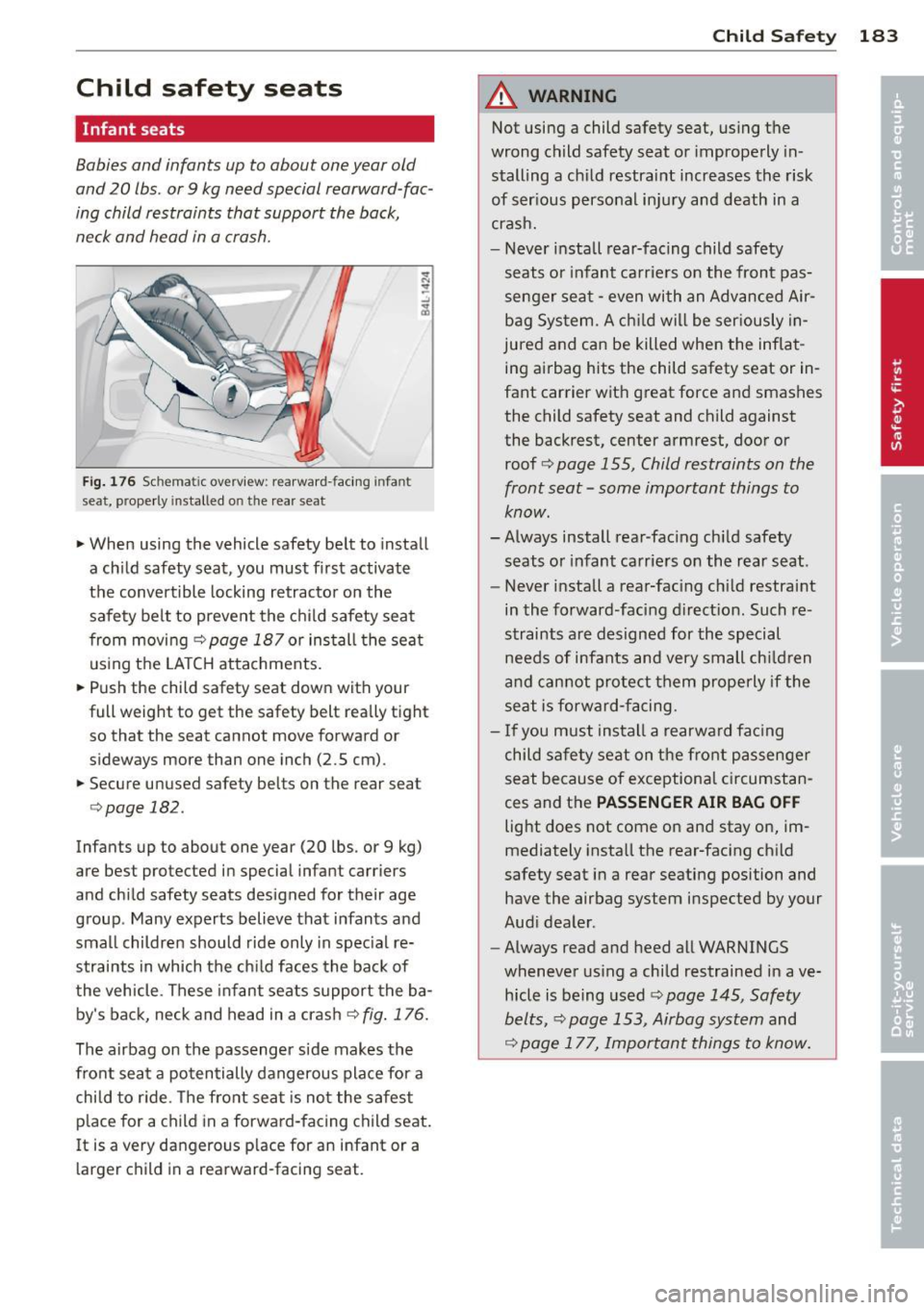
Fig . 176 Sche matic overv iew: rearward-fac ing infant
seat, properly installed o n the rear seat
.,. When using the vehicle safety belt to install
a ch ild safety seat, you must first activate
the convertible locking retracto r on the
safety be lt to prevent the child safety seat
from moving
¢ page 187 or install the seat
using the LA T CH attachments.
.,. Push the child safety seat down with your
full weight to get the safety belt rea lly tight
so that the seat cannot move forward or
sideways more than one inch (2.5 cm).
.,. Secure unused safety belts on the rear seat
¢page 182.
Infants up to about one year (20 lbs. or 9 kg)
are best protected in special infan t carriers
and child safety seats designed for their age
group . Many experts believe that infants and
small children should ride only in spec ial re
straints in which the ch ild faces the back of
the vehicle. These infant seats support the ba
by's back, neck and head in a crash ¢
fig. 176.
The airbag on the passenger side makes the
front seat a po tentially dangerous place for a
child to r ide . The front seat is not the safest
p lace for a child in a forward -facing child seat.
It is a very dangerous p lace for an infant or a
l arger ch ild in a rearward-facing seat.
Child Safety 183
A WARNING
Not using a child safety seat, using t he
wrong child safety seat or improperly in
stall ing a ch ild restraint increases the risk
of ser ious personal injury and death in a
crash.
- Never install rear-facing child safety
seats or infant ca rr ie rs on the front pas
senger seat -even with an Advanced Air
bag Sys tem. A ch ild will be ser iously in
jured and ca n be killed when the inflat
ing airbag hits the child safety seat or in
fant carrier with great force and smashes the child safety seat and child against
the backrest, center armrest, door or
roof ¢
page 155, Child restraints on the
front seat- some important things to
know .
-Always install rear-fac ing ch ild safety
seats or infant carriers on the rear seat .
- Never install a rear-fac ing ch ild restraint
in the forward-fac ing d irect ion. Such re
straints are designed for the special needs of infants and very small ch ild ren
and cannot prote ct them properly if the
seat is forward- facing.
- If you mus t insta ll a rearward fac ing
child sa fety seat on the fro nt passenger
seat because of exceptiona l circumstan
ces and t he
PASSENGER AIR BAG OFF
light does not come on and stay on, im
mediately insta ll the rear -fac ing ch ild
safety seat in a rear seating position and
have the airbag system inspected by your
Aud i dea ler .
- Always read and heed all WARNINGS
wheneve r us ing a child restrained in ave
hicle is being used¢
page 145 , Safety
belts, ¢ page 153, Airbag system
and
¢ page 177, Important things to know.
Page 186 of 314
184 Child Safet y
Convertible child safety seats
Properly used convertible child safety seats
can help protect toddlers and children over
age one who weigh between
20 and 40 lbs. (9
and 18 kg) in a crash.
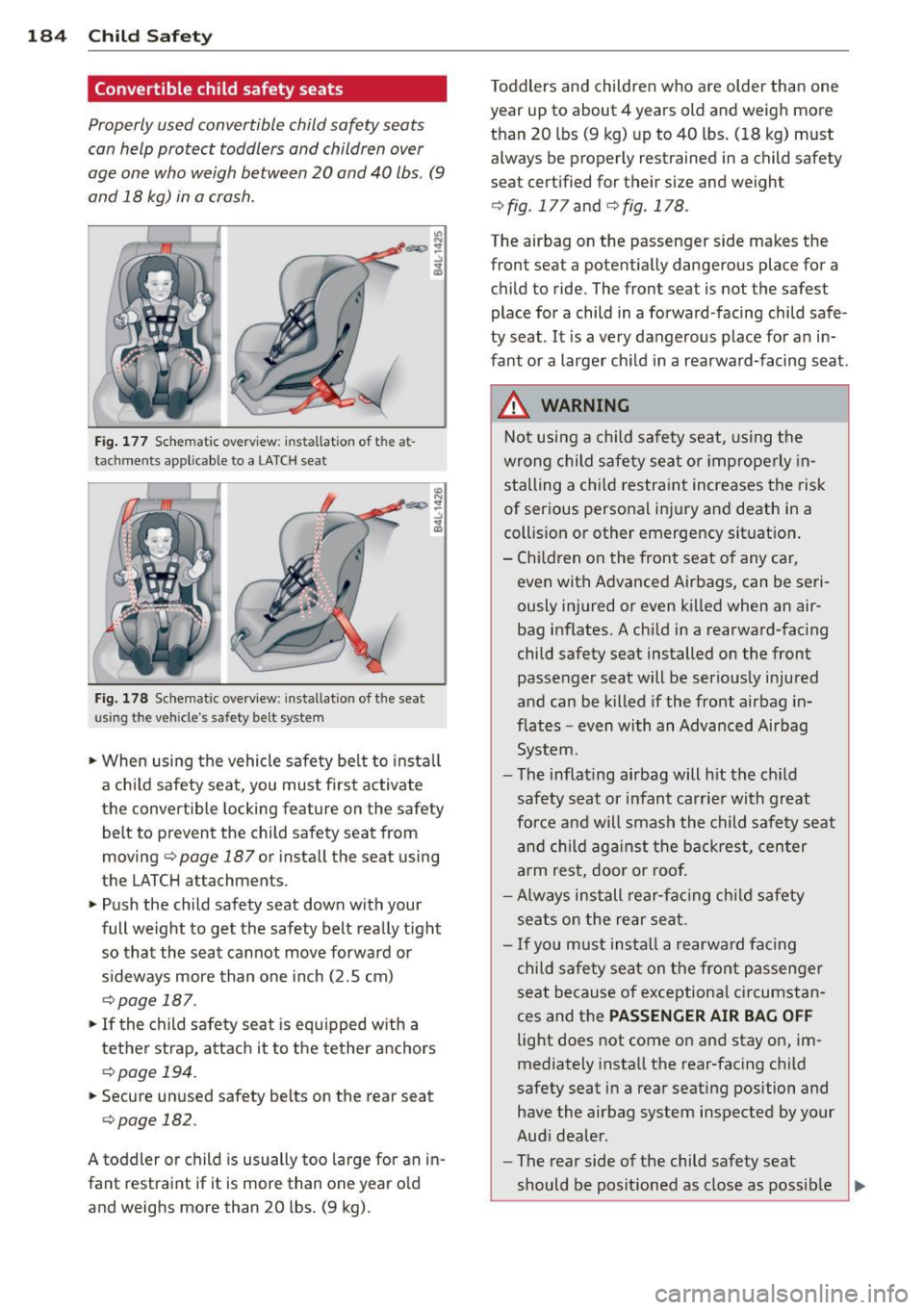
Fig . 177 Schematic overv iew: installat ion of the at
t a chments appl icable to a LATCH seat
Fig. 178 Schematic overview: in stalla tion of t he sea t
using the vehicle's safety be lt system
.. When using the vehicle safety be lt to insta ll
a chi ld safety seat, you must f irst activate
the convertible locking feature on the safety
belt to prevent the child safety seat from
moving
c::> page 187 or insta ll the seat using
the LATCH attachments.
.. Push the child safety seat down with your
full weight to get the safety belt really t ight
so that the seat cannot move forward or s ideways more than one inch (2.5 cm)
c::>page 187.
.. If the child safety seat is eq uipped w ith a
tether strap, attach it to the tether anchors
¢page 194.
.. Secure unused safety belts on the rear seat
c::> page 182.
A toddler or child is usually too large for an in
fant restra int if it is more than one year o ld
and weighs more than 20 lbs. (9 kg) . T
oddlers and children who are older than one
year up to about 4 years old and weigh more
than 20 lbs (9 kg) up to 40 lbs. ( 18 kg) must
always be properly restrained in a child safety
seat certified for their size and weight
c::> fig. 177 and c::> fig . 178 .
The airbag on the passenger side makes the
front seat a potentia lly dangerous place for a
child to ride. The front seat is not the safest
place for a child in a forward-facing child safe
ty seat . It is a very dangerous place for a n in
fant or a larger ch ild in a rearward-facing seat.
_&. WARNING
No t using a child safety seat, us ing t he
wrong child safety seat o r imprope rly in
stalling a chi ld restraint increases the risk
of serious personal injury and death in a
collision or other emergency situat ion .
- Chi ld ren on the front seat of any ca r,
-
even with Advanced Airbags, can be seri
ously injured or even killed when an air
bag inflates . A ch ild in a rearward-facing
child safety seat installed on the front
passenger seat will be serious ly injured
and can be killed if the front airbag in
f lates -even with an Advanced Airbag
System .
- The inflating airbag will h it the ch ild
safety seat or infant carrie r with great
force and will smash the child safety seat and child aga inst the back rest, center
a rm rest, door or roo f.
- Always ins tall rear-fa cing ch ild safety
seats on the rear seat .
- If you must insta ll a rearwa rd fa cing
child safe ty seat on the fro nt passenger
seat because of exceptiona l circumstan
ces and the
PA SSENGER AIR BAG OFF
light does not come on and stay on, im
mediately insta ll the rear-fac ing child
safety seat in a rear seating position and
have the airbag system inspected by your
Aud i deale r.
- The rear side of the child safety seat
should be pos itioned as close as possib le ..,.
Page 227 of 314
container meets industry standards (ANSI/
ASTM F852 -86).
(D Note
Never drive yo ur vehicle unt il the fuel tank
is complete ly empty. The irregular supply
of fuel can cause misfiring . Gasoline could
enter the exhaust system and damage the
catalyt ic converter.
Refuelling
•
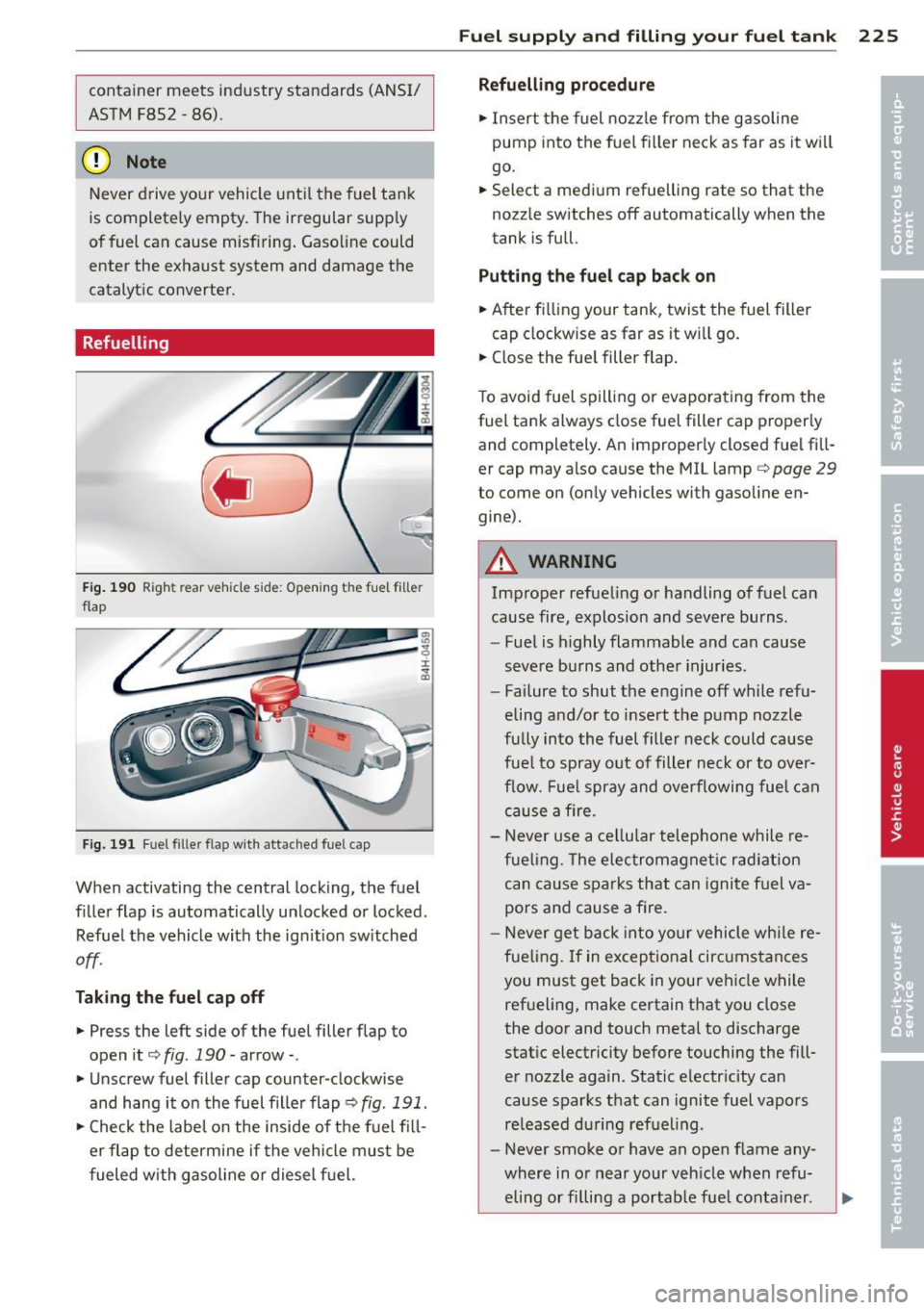
F ig. 190 Righ t rear vehicle side: Opening th e fue l fill er
flap
F ig. 191 Fu el filler flap wit h at tached fue l cap
When activating the central locking, the fuel
filler flap is automatically unlocked or locked.
Refuel the vehicle with the ign ition switched
off.
Tak ing the fuel c ap off
.,. Press the left side of the fuel filler flap to
open it ¢
fig . 190 -arrow -.
.,. Unscrew fuel filler cap counter-clockwise
and hang it on the fuel fille r flap ¢
fig. 191.
.,. Check the label on the inside of the fuel fi ll
er flap to determine if the vehicle must be
fueled with gasoline or diesel f uel.
Fuel suppl y and filli ng your fuel t ank 225
Refuelling proce dur e
.,. Insert the fuel nozzle from the gasoline
pump into the fuel fi ller neck as far as it wi ll
go .
.,. Select a medium refuelling rate so that the
nozz le switches off automatically when the
tank is full.
Pu tting th e fuel cap bac k on
.,. After filling your tank, twist the fuel filler
cap clockwise as far as it wi ll go.
.,. Close the fue l filler flap.
T o avoid fuel spill ing or evaporating from the
fuel tank always close fuel filler cap properly
and completely . An improperly closed fuel fill
er cap may also cause the MIL lamp¢
page 29
to come on (only vehicles with gasoline en
gine).
A WARNING
Improper refue ling or handling of fuel can
cause fire, explosion and severe burns.
- Fuel is highly flammable and can cause
severe burns and other injur ies.
- Failure to shut the engine off wh ile refu
eling and/or to insert the pump nozzle
fully into the fuel filler neck could cause
fue l to spray out of filler neck or to over
f low. Fue l spray and overflowing fue l can
cause a fire.
- Never use a ce ll ular telephone while re
fueling. The electromagnet ic rad iation
can cause sparks that can ignite fuel va
pors and cause a fire.
- Never get back into yo ur vehicle whi le re
fueling. If in exceptional circumstances
you must get back in your vehicle while
refueling, make certain that you close
the door and touch metal to discharge
stat ic electricity before touching the fill
er nozzle again. Static e lectr icity can
cause sparks that can ignite fuel vapors re leased du ring refuel ing .
- Never smoke or have an open flame any
where in or near your veh icle when refu-
eling or fi lling a portab le fue l conta iner.
ll>