warning AUDI TT COUPE 2017 Owners Manual
[x] Cancel search | Manufacturer: AUDI, Model Year: 2017, Model line: TT COUPE, Model: AUDI TT COUPE 2017Pages: 322, PDF Size: 79.73 MB
Page 253 of 322
CD
CD
.... N
" N .... 0
0
Ill co
Audi dealer or authorized Audi Service Facility
and have the cooling system inspected. If the
cooling system is not leaking, a loss can come
from the coolant boiling through overheating
and being pushed out of the cooling system.
A WARNING
The cooling system is pressurized and can be
come very hot . To reduce the risk of burns
from hot coolant:
- Do not open the coolant expansion tank cap when the eng ine is hot. This increases the
risk of burns.
- Stop the engine and allow it to cool.
- Protect your face, hands and arms from es-
caping coolant and steam by covering the
coolant tank cap with a large, thick cloth .
- Turn the coolant tank cap counterclockwise
slowly and keep light pressure on the cap .
- To reduce the risk of burns, do not allow any
antifreeze or coolant to drip onto the ex
haust system or hot engine components .
The ethylene g lycol in engine coolant can
catch fire under certain circumstances.
- The coolant add itive and the coolant can be
dangerous to your health. For this reason,
keep the coolant in the original container
and away from children. There is a risk of
poisoning.
- When working in the engine compartment,
remember that the radiator fan can sw itch
on even if the ignition is switched off, which
increases the risk of injury.
(D Note
Do not add coolant if the expansion tank is
empty . Air could enter the cooling system and
damage the engine. If this is the case, do not
cont inue driving. See an authorized Audi deal
er or authorized Audi Service Facility for assis
tance.
Checking and Filling
Brake fluid
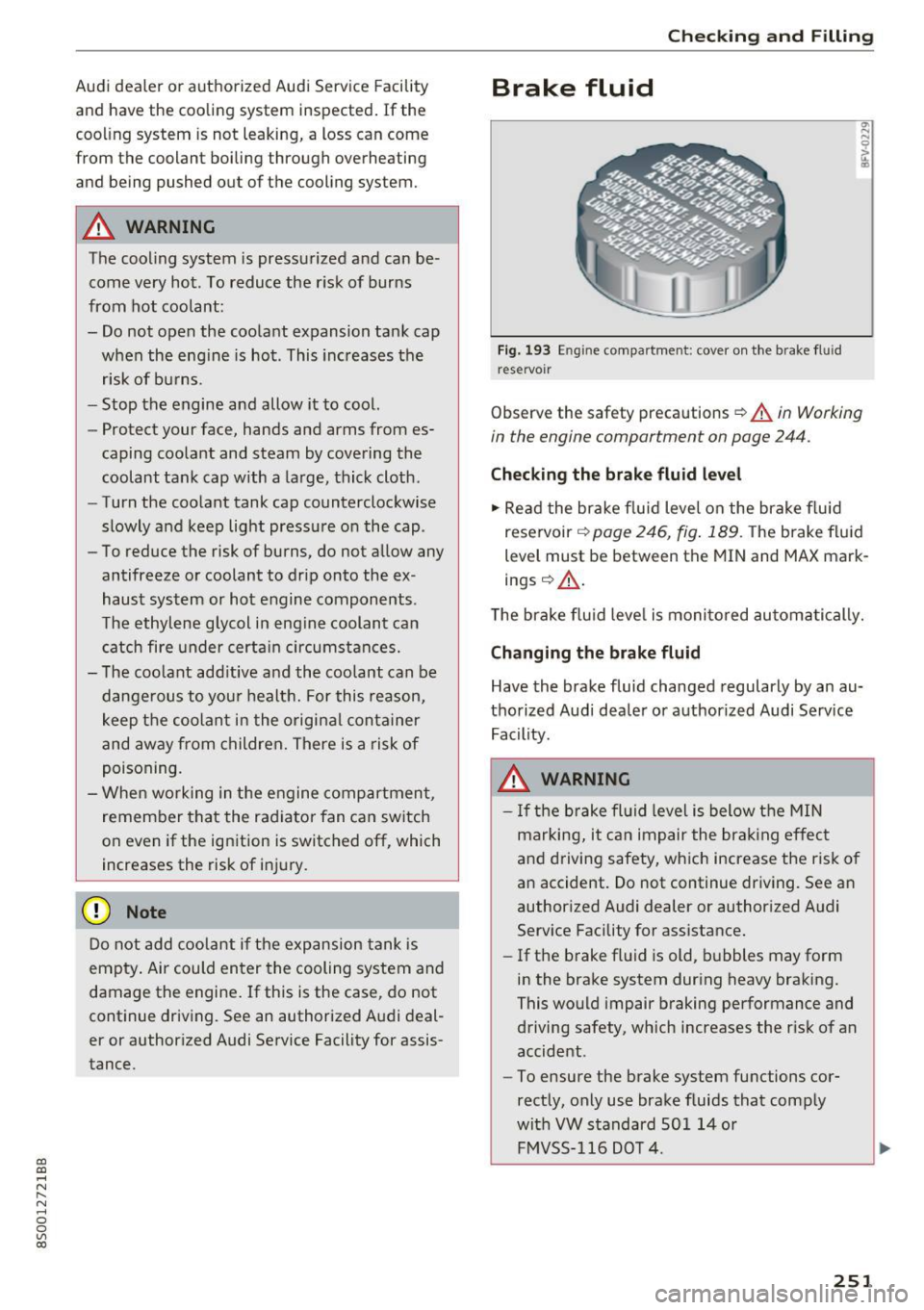
Fig. 193 En gi ne compartment: cover on the b rake fluid
rese rvoir
Observe the safety precautions QA in Working
in the engine compartment on page 244 .
Checking the brake fluid level
.,. Read the brake f luid level on the brake fluid
reservoir
Q page 246, fig . 189. The brake fluid
level must be between the MIN and MAX mark
ings
Q A .
The brake fluid level is monitored automatically.
Changing the brake fluid
Have the brake fluid changed regularly by an au
thorized Audi dealer or authorized Audi Service Facility.
.&_ WARNING
- If the brake fluid level is below the MIN
marking, it can impair the brak ing effect
and driving safety, which increase the risk of
an accident. Do not continue driving. See an
authorized Audi dealer or authorized Audi
Serv ice Facility for assistance.
- If the brake fluid is old, bubbles may form
in the brake system during heavy braking.
This would impair braking performance and
driving safety, which increases the risk of an
accident .
- To ensure the brake system functions cor
rectly, only use brake fluids that comply
with VW standard 501 14 or
FMVSS-116 DOT 4.
251
Page 254 of 322
Check ing and F illing
CJ) Note
- If the brake fluid level is above the MAX
mark ing, brake fluid may leak out over the
edge of the reservoir and result in damage
to the veh icle.
- Do not get any brake fluid on the vehicle paint, because it will corrode the paint.
Battery
General warn ings about batteries
All of the ba tteries in yo ur vehicle a re pr actically
maintenance-free and are checked dur ing a ve hi
cle inspection . Because of the complex power
supp ly, all wo rk on batter ies such as d isconnect
ing, replacing, etc. should
only be performed by
an author ized Audi dealer or authorized Audi
Serv ice Facility
c::> .&. .
The te rm "vehicle battery" refers to the 12 Vo lt
battery in your vehicle.
Detailed warning s for the vehicle battery:
®
W ear eye p rotection .
~
Battery acid is high ly co rrosive. We ar p ro-
tective gloves and eye pro tection.
@
Fire, sparks, open flame and smok ing a re
forb idden.
~
A highly explosive mixtu re of gases can
form when charging batteries.
®
Keep c hildre n away from battery acid and
ba tteries.
8_ WARNING
-All work on the ba tte ry o r electrica l sys tem in
your vehicle can result in injuries, chemical
burns, accidents o r burns. Because of this, a ll
work m ust be perfo rmed
only by an a uthor
ized Aud i dea le r or aut horized Audi Serv ice
Facility .
8_ WARNING
California P roposit ion 65 Warning:
- Battery posts, termina ls and re lated acces
so ries contain lead and lead compounds,
252
chemicals known to the State of California
to cause cancer and reproductive problems.
Wash hands after handling.
(D Note
Protect the vehicle battery aga inst freezing if
the veh icle wi ll be par ke d for long periods of
time so that it is not destroyed by "free zing"
c::> page253.
Vehicle battery
The term "vehicle battery" refers to the 12 Volt
ba ttery in your vehicle.
Not running the vehicle for long periods of
time
If you do not d rive your vehicle for severa l days o r
weeks, e lectrical equ ipment is g radually sca led
back or sw itched off. Th is reduces energy use and
ensures the vehicle will be ab le to start after long
per iods of t ime
c::> page 93. Some convenience
funct ions, such as interio r light ing o r power seat
adjustment, may no t be avai lab le unde r ce rtain
c ir cu ms tances . These co nvenience func tions will
be available again once you switch t he igni tion on
and sta rt the eng ine .
E ven when elect rical eq uipmen t is switched off,
t h e eq uipme nt can still drai n the vehicle ba tte ry
if the ve hicle is not dr iven for long periods of
time . Deep drai ning results in a chem ica l reaction
that destroys the i nside of the vehicle batte ry.
The vehicle battery must be charged every month
to reduce the risk of this happening
c::> page 253.
Contact an authori zed Aud i dea ler or authori zed
Audi Service Facility for more information.
Winter operat ion
Co ld weather places higher demands on the vehi
cle battery. Th is res ults in reduced starting abili
ty. Have the vehicle batte ry checked by an au
thorized Audi dea ler or authorized Audi Service
Fac ility befo re t he cold time of year .
Page 255 of 322
CD
CD
.... N
" N ...... 0
0
Ill co
Charging the vehicle battery
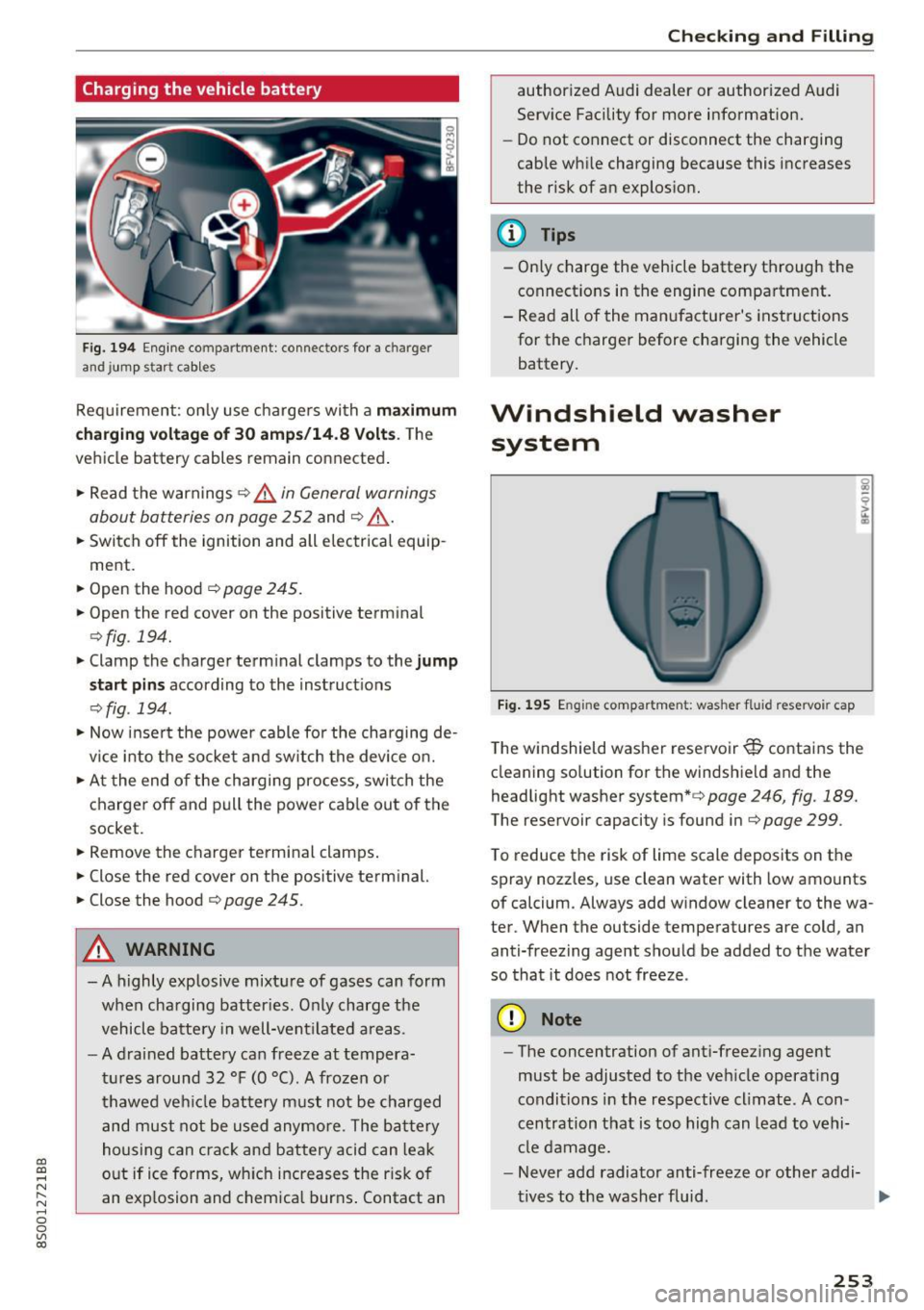
Fig. 194 Engine compartment: connectors for a charger
and jump start cables
Requirement: only use chargers with a maximum
charging voltage of 30 amps/14.8 Volts.
The
vehicle battery cables remain connected .
.,. Read the warn ings¢
& in General warnings
about batteries on page 252
and ¢ ,& .
.,. Switch off the ignition and all electrical equip
ment .
.,. Open the hood¢
page 245 .
.,. Open the red cover on the positive terminal
¢fig. 194 .
.,. Clamp the charger terminal clamps to the jump
start pins
according to the instructions
¢fig. 194 .
.,. Now insert the power cable for the charging de
vice into the socket and sw itch the device on.
.,. At the end of the charging process, switch the
charger off and pull the power cable out of the
socket .
.,. Remove the charger terminal clamps.
.,. Close the red cover on the positive terminal.
.,. Close the hood¢
page 245.
A WARNING
-A highly explosive mixture of gases can form
when charging batteries. Only charge the
vehicle battery in well-ventilated areas.
- A drained battery can freeze at tempera
tures around 32 °F (0 °C). A frozen or
thawed vehicle battery must not be charged
and must not be used anymore. The battery
housing can crack and battery acid can leak
out if ice forms, which increases the risk of
an explosion and chemical burns . Contact an
Checking and Filling
authorized Audi dealer or authorized Audi
Service Facility for more information.
- Do not connect or disconnect the charging
cable while charging because this increases
the risk of an explosion.
@ Tips
- Only charge the vehicle battery through the
connections in the engine compartment.
- Read all of the manufacturer's instructions
for the charger before charging the vehicle
battery.
Windshield washer system
Fig. 19S Engine compartment: washer fluid reservoir cap
The windshield washer reservoir{!} contains the
cleaning solution for the windshield and the
headlight washer system*¢
page 246, fig. 189.
The reservoir capacity is found in ¢ page 299.
To reduce the risk of lime scale deposits on the
spray nozzles, use clean water with low amounts
of calcium. Always add window cleaner to the wa
ter. When the outside temperatures are cold, an
ant i-freezing agent should be added to the water
so that it does not freeze.
(D Note
-The concentration of anti-freezing agent
must be adjusted to the vehicle operating
conditions in the respective cl imate. A con
centration that is too high can lead to vehi-
cle damage.
- Never add radiator anti-freeze or other addi-
tives to the washer fluid. .,.
253
Page 265 of 322
"'
"' ....
N
" N .... 0 0
"' CX)
circumference as the regular
tires .
8,_ WARNING , -
-Only use tire/rim combina-
tions and suitable wheel bolts
that have been approved by
Audi. Otherwise, damage to
the vehicle and an accident
could result.
-For technical reasons, it is not possible to use tires from oth
er vehicles -in some cases,
you cannot even use tires from
the same vehicle model.
-Make sure that the tires you select have enough clearance
to the vehicle. Replacement
tires should not be chosen simply based on the nominal
size, because tires with a dif
ferent construction can differ greatly even if they are the
same size. If there is not
enough clearance, the tires or
the vehicle can be damaged
and this can reduce driving
safety and increase the risk of
an accident.
-Only use tires that are more
than six years old when abso
lutely necessary and drive
carefully when doing so.
Wheels
-Do not use run-flat tires on
your vehicle. Using them when
not permitted can lead to ve hicle damage or accidents.
-If you install wheel covers on
the vehicle, make sure they al
low enough air circulation to
cool the brake system. If they
do not, this could increase the
risk of an accident.
Tire wear/damage
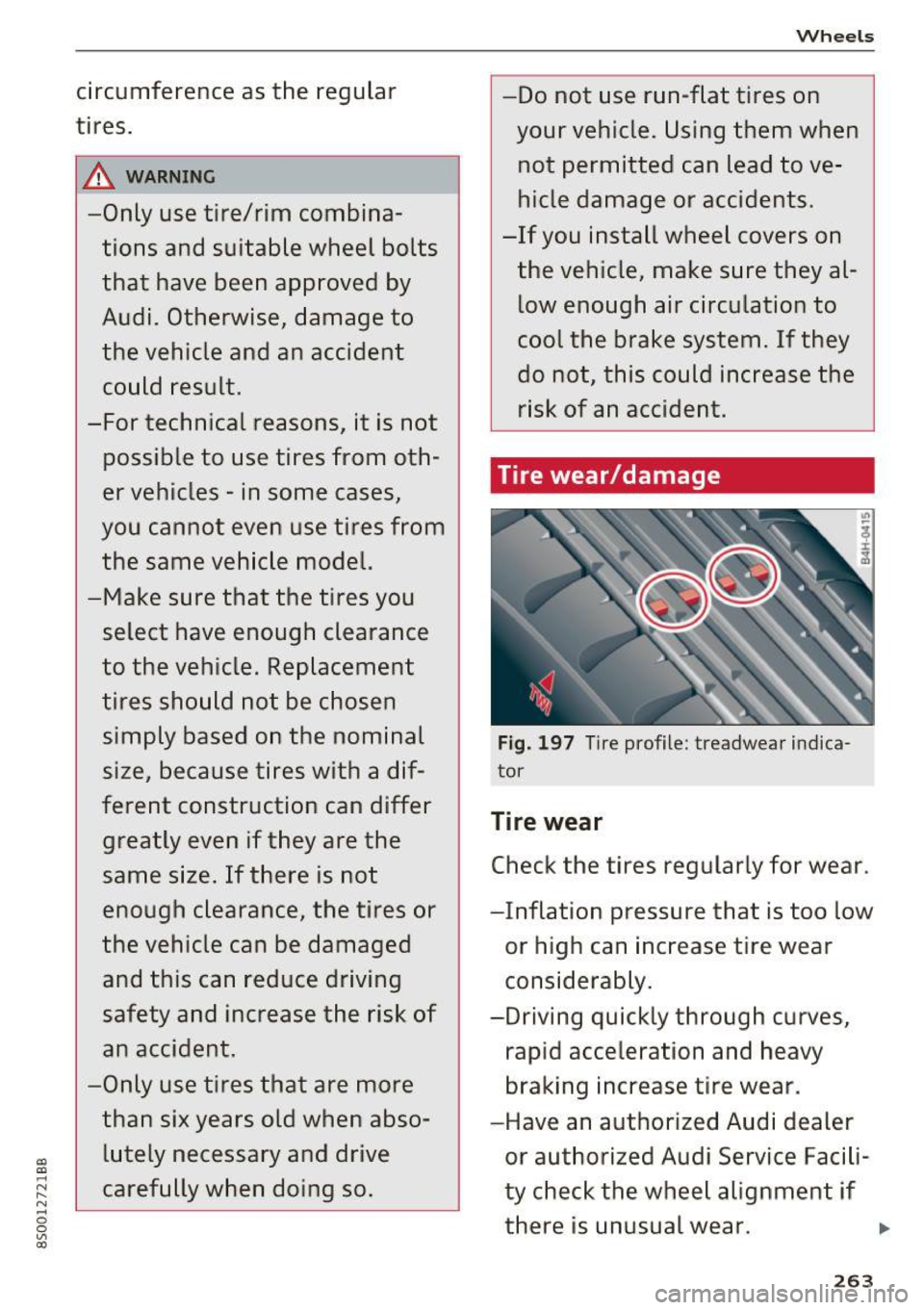
Fig. 197 Tire profile : treadwear indica
tor
Tire wear
Check the tires regularly for wear .
-Inflation pressure that is too low
or high can increase tire wear
considerably.
-Driving quickly through curves, rapid acceleration and heavy
braking increase tire wear .
-Have an authorized Audi dealer
or authorized Audi Service Facili
ty check the wheel alignment if
there is unusual wear.
263
..
Page 266 of 322
Wheels
-Have the wheels rebalanced if an imbalance is causing noticeable
vibration in the steering wheel.
If you do not, the tires and other
vehicle components could wear
more quickly.
Treadwear indicator
Original equipment tires contain
treadwear indicators in the tread
pattern, which are bars that are
1/16 in (1.6 mm) high and are
spaced evenly around the tire per pendicular to the running direc
tion¢
fig . 197 . The letters "TWI"
or triangles on the tire sidewall indicate the location of the tread
wear indicators.
The tires have reached the mini mum tread depth
l) when they
have worn down to the tread wear
indicators . Replace the tires with
new ones ¢A.
Tire rotation
Rotating the tires regularly is rec
ommended to ensure the tires
wear evenly. To rotate the tires,
install the t ires from the rear axle
on the front axle and vice versa .
This will allow the tires to have
1> Obey any applicable regulations in your
country.
264
approximately the same length of
service life.
For unidirectional tires, make
sure the tires are installed accord
ing to the running direction indi
cated on the tire sidewall
¢page 286.
Hidden damage
Damage to tires and rims can of
ten occur in locations that are hidden. Unusual vibrations in the
vehicle or pulling to one side may indicate that there is tire damage.
Reduce your speed immediately.
Check the tires for damage . If no
damage is visible from the out
side, drive slowly and carefully to
the nearest authorized Audi deal er or authorized Audi Service Fa
cility to have the vehicle inspect
ed.
8_ WARNING
Tread that has worn too low or different tread depths on the
tires can reduce driving safety.
This can especially have a nega
tive effect on handling, on the risk aquaplaning when driving
through water, when driving ,..
Page 267 of 322
al
al
.... N
" N .... 0
0
V'l al
through curves and when braking, which increases the risk of
an accident.
Tire pressure
Fig. 198 Driver's sid e B-pillar : tir e pres
sure label
"' -
-~-------------------,£
tM£. IIZl COLO tlllf fllllESSt.lW. PNfU Nl:4fN$IOM$ "IIISaoN OE$ PMEU$ A FROID
-AYIJff -KPA, a PSI
Fig. 199 Tire pressure label
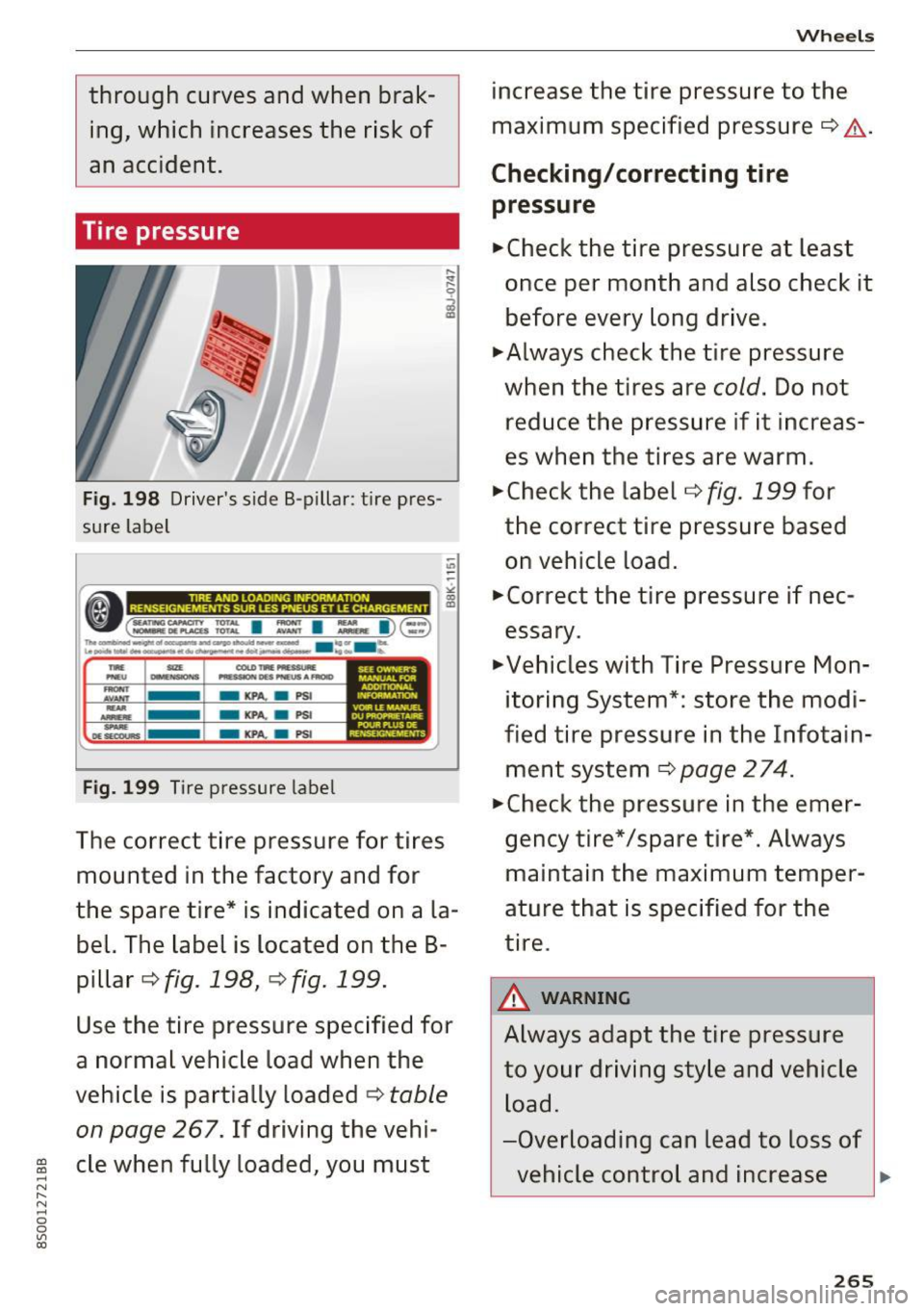
The correct tire pressure for tires
mounted in the factory and for
the spare t ire* is indicated on a la
bel. The label is located on the B
pillar ¢
fig. 198, ¢ fig. 199.
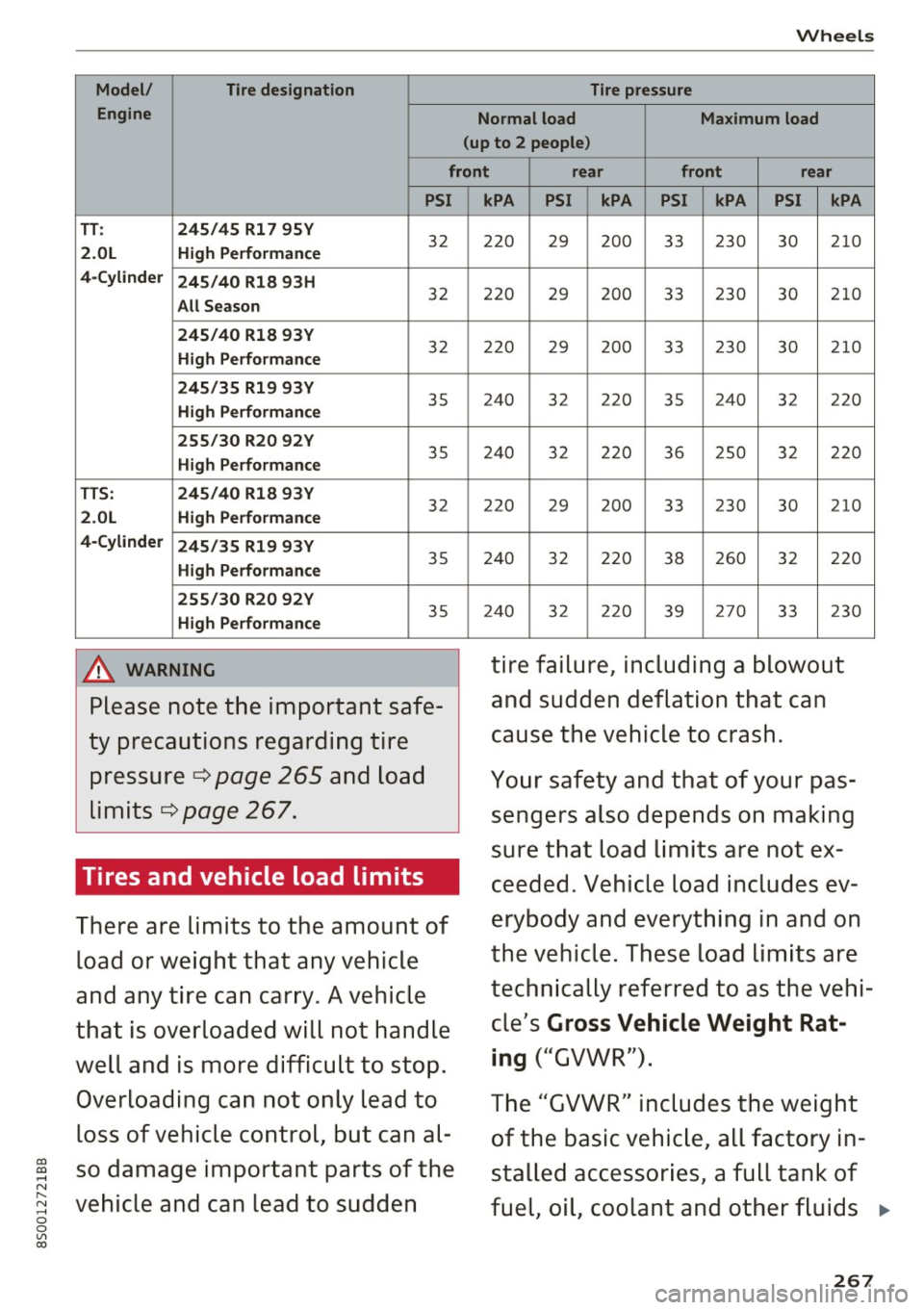
Use the tire pressure specified for
a normal vehicle load when the
vehicle is partially loaded¢
table
on page
267. If driving the vehi
cle when ful ly loaded, you must
Wheels
increase the tire pressure to the
maximum specified pressure¢&.-
Checking/correcting tire
pressure
.,,.Check the tire pressure at least
once per month and also check it before every long drive .
.,,.Always check the tire pressure
when the tires are
cold. Do not
reduce the pressure if it increas
es when the tires are warm .
... check the label ¢
fig. 199 for
the correct tire pressure based on vehicle load.
.,,.Correct the tire pressure if nec
essary.
... vehicles with Tire Pressure Mon
itoring System*: store the modi
fied tire pressure in the Infotain
ment system
¢page 274.
.,,.Check the pressure in the emer
gency tire*/spare t ire*. Always
maintain the maximum temper
ature that is specified for the
tire .
_& WARNING
Always adapt the tire pressure
to your driving style and vehicle
load.
-Overloading can lead to loss of vehicle control and increase ...
265
Page 269 of 322
co
co
.... N
" N .... 0
0
Vl c:o
Wheels
Model/ Tire designation Tire pressure
Engine Normal load Maximum load
(up to 2 people)
front rear front rear
PSI
TT: 245/45 R17 95V
32 2.0L High Performance
4-Cylinder 245/40 R18 93H
All Season
32
245/40 R18 93V 32 High Performance
245/35 R19 93V
35 High Performance
255/30 R20 92V
35 High Performance
TTS: 245/40 R18 93V
32
2.0L High Performance
4-Cylinder 245/35 R19 93V
High Performance
35
255/30 R20 92V
35 High Performance
A WARNING
Please note the important safe
ty precautions regarding tire pressure
¢ page 265 and load
limits
¢ page 267.
Tires and vehicle load limits
There are limits to the amount of
load or weight that any vehicle
and any tire can carry. A vehicle
that is overloaded will not handle
well and is more difficult to stop. Overloading can not only lead to
loss of vehicle control, but can al
so damage important parts of the
vehicle and can lead to sudden
kPA PSI kPA PSI kPA PSI kPA
220 29 200 33 230 30 210
220 29 200 33 230 30 210
220 29 200 33 230 30 210
240
32 220 35 240
32 220
240 32 220 36 250 32 220
220 29 200 33 230
30 210
240 32 220 38 260 32 220
240 32 220 39 270 33 230
tire failure, including a blowout
and sudden deflation that can
cause the vehicle to crash.
Your safety and that of your pas
sengers also depends on making
sure that load limits are not ex
ceeded. Vehicle load includes ev
erybody and everything in and on
the vehicle. These load limits are
technically referred to as the vehi cle 's
Gross Vehicle Weight Rat
ing
("GVWR").
The "GVWR" includes the weight of the basic vehicle, all factory in
stalled accessories, a full tank of
fuel, oil, coolant and other fluids ..
267
Page 270 of 322
Wheels
plus maximum load. The maxi
mum load includes the number of
passengers that the vehicle is in
tended to carry ("seating capaci
ty") with an assumed weight of 150 lbs (68 kg) for each passen
ger at a designated seating posi
tion and the total weight of any luggage in the vehicle.
The
Gross Axle Weight Rating
("GAWR") is the maximum load
that can be applied at each of the
vehicle's two axles.
The fact that there is an upper limit to your vehicle's Gross Vehi
cle Weight Rating means that the
total weight of whatever is being
carried in the vehicle is limited.
The more passengers in the vehi cle or passengers who are heavier
than the standard weights as
sumed mean that less weight can
be carried as luggage.
The Gross Vehicle Weight Rating and the Gross Axle Weight Rating
are listed on the safety compli
ance sticker label located on the
driver's side B-pillar
c::> page 265,
fig. 198.
A WARNING
Overloading a vehicle can cause
loss of vehicle control, a crash
268
or other accident, serious per
sonal injury, and even death.
-Carrying more weight than your vehicle was designed to carry will prevent the vehicle
from handling properly and
increase the risk of the loss of
vehicle control.
-The brakes on a vehicle that has been overloaded may not
be able to stop the vehicle
within a safe distance.
-Tires on a vehicle that has been overloaded can fail sud
denly, including a blowout and
sudden deflation, causing loss
of control and a crash.
-Always make sure that the to
tal load being transported does not make the vehicle
heavier than the vehicle's
Gross Vehicle Weight Rating.
Determining correct load
limit
Use the example below to calcu
late the total weight of the pas
sengers and luggage or other
things that you plan to transport
so that you can make sure that
your vehicle will not be overload- ed . ..
Page 271 of 322
co
co
.... N
" N .... 0
0
Vl c:o
Steps for Determining Correct Load Limit
1 . Locate the stat em ent "THE
COMBINED WEIGHT OF OCCU PANTS AND CARGO SHOULD
NEVER EXCEED XXX KG OR X XX
LBS "on your vehi cle 's pla card
(tire inflation pr essure l abel)
¢ pag e 265 , fig. 198.
2 . Determine the combined
weight of the dri ver and pa s
sengers that will be riding in
your vehicle.
3. Subtract the comb ined weight
of the driver and passengers
from
" XXX " kilograms or "XXX "
pounds shown on the sticker
¢ page 265, fig. 198 .
4. The resulting figure equals the
available amount of cargo and
luggage load ca pac ity. For ex
ample, if the
"X XX" amount
equals 1400 lbs and there w ill
be five 150 lbs passengers in
your vehicle , the amount of
available cargo and luggage
load capacity is 650 lb s
(1400- 750 (5
X 150) = 650 lbs)
5. Determine the combined weight of luggage and cargo being loaded on the vehicle.
Th at weight ma y not safely ex
ceed the a vailable cargo and
Wheels
luggage load capa cit y ca lc ulat
e d in Step 4.
6. If your vehicle will be towing a trailer, load f rom your trail er
will b e tran sferred to your ve
hicle . Con sult thi s manual to
det ermine how this reduces
the a vailable cargo and lug
gage load c apacity of your vehi
c le.
.,,.Check the tire sidewall
(¢ p age 255 , fig. 196) to deter
mine th e designated lo ad rating
for a spe cifi c tire .
Wheel bolts and rims
Wheel bolts
Whee l bo lts must be clean and loosen/tig hte n
easily.
Rims
Rims with a bo lted r im ring* or with bolted w heel
cove rs* cons ist of mult iple p ieces . These compo
nents were bolted togethe r using spec ial bolts
and a spe cial pro ced ure. Yo u m ust no t repai r or
disasse mble them
c::> ,&. .
_& WARNING ~ -
Wheel bo lt s th at are tightene d or rep aired in
cor rect ly can become loose and resu lt in loss
of vehicle co ntro l, w hich increases the risk of
an accident. For t he cor rect tighten ing speci fi
cation, see
c::> page 286, Finishing .
-Always keep the wheel bolts and the
threads in the wheel h ub clean and free of
grease.
- Onl y use wheel bolts that fit the rim.
- Always have damage d rims repaire d by an
author ized Audi dealer or author ized Audi
Serv ice Facility . Never repair o r disassemb le .,,.
269
Page 272 of 322
Wheels
rims yourse lf, because this increases the risk
of an accident.
Winter tires
W inter tire s significan tly improve the vehicle 's
handling when driving in w inter condi tions. Be
cause of the ir construction (width, compound,
tread pattern) , summe r tires p rovide less trac
tion o n ice and snow.
.. Use w inter t ires o n all four wheels .
.. Only use w inter t ires that are approved for your
vehicle .
.. Please note that the maximum permitted
speed may be lower with winter tires
¢ & -An
a utho riz ed Aud i dea le r o r authorized Audi Serv
ice Facility can inform you about the maximum
permitted speed fo r you r tires.
.. Check the tire pr essu re after installing whee ls
¢ page 265.
The effectiveness of winter tires is reduced great
ly whe n the tread is wor n down to a depth of
0 .157 in (4 mm). The character istics of winter
tires also decrease great ly as the tire ages, re
gardless of the remaining tread.
A WARNING
- Never dr ive faste r than the maxim um per
mitted speed for your t ires . This cou ld cause
the tires to heat up too much. This increases
t h e risk of an a cciden t be ca use i t can c ause
t h e tire to burst.
- Always adapt yo ur driv ing to t he r oad and
t ra ffic conditions. Drive ca refully and red uce
yo ur sp eed on icy or slippery roads. Even
winte r tires can lose traction on black ice .
@ For the sake of the environment
Reinstall su mme r tir es at the approp ria te
t ime, because they provide bet ter ha ndling
when ro ads are free of snow a nd ice. S ummer
t ires cause less road noise, ti re wea r and fuel
consumption.
270
(D Tips
You can also use a ll season tires instea d of
winter tires . Please note that in some coun
tries where winter tires are required, on ly
winter tires w it h the
& symbol may be per
mitted.
' Snow chains
S now cha ins not on ly improve the driv ing in win
te r road cond it io ns, but a lso the b raking .
.. On ly install snow chai ns on the front wheels .
T his applies also to vehicles with all wheel
dr ive*.
.. Check and co rrect t he seating of the snow
chains after driving a few feet, if nece ssary. Fol
low t he inst ructions from the m anufac turer.
.. Note the max imum speed of 3 0 mph (50 km/
h). Note the local regulations.
U se of snow c hains is only permitte d wit h cert ain
rim/ tire comb inat ions due to technical reasons.
Check with a n authorized Audi dealer or author
i zed Audi Service Facility to see if you may use
snow chains.
You m ust remove the snow chains on roads wi th
out snow . Otherwise, you co uld impair driving
ability and damage the t ires .
A WARNING
Using incor rect snow chains or installing snow
cha ins incor rectly can result in loss of vehicle
control, which increases the risk of an acci
dent .
(D Note
-Snow chains can damage the rims/wheel
covers* if the c hains come into direct con
tact with them. Remove the w heel covers *
first . Use coated snow cha ins .
- Us ing snow c hains that add more tha n 0.53
in (13,5 mm) of height can seve rely damage
the whee l housings and o ther vehicle com
ponents .