tire pressure AUDI TT COUPE 2017 User Guide
[x] Cancel search | Manufacturer: AUDI, Model Year: 2017, Model line: TT COUPE, Model: AUDI TT COUPE 2017Pages: 322, PDF Size: 79.73 MB
Page 267 of 322
al
al
.... N
" N .... 0
0
V'l al
through curves and when braking, which increases the risk of
an accident.
Tire pressure
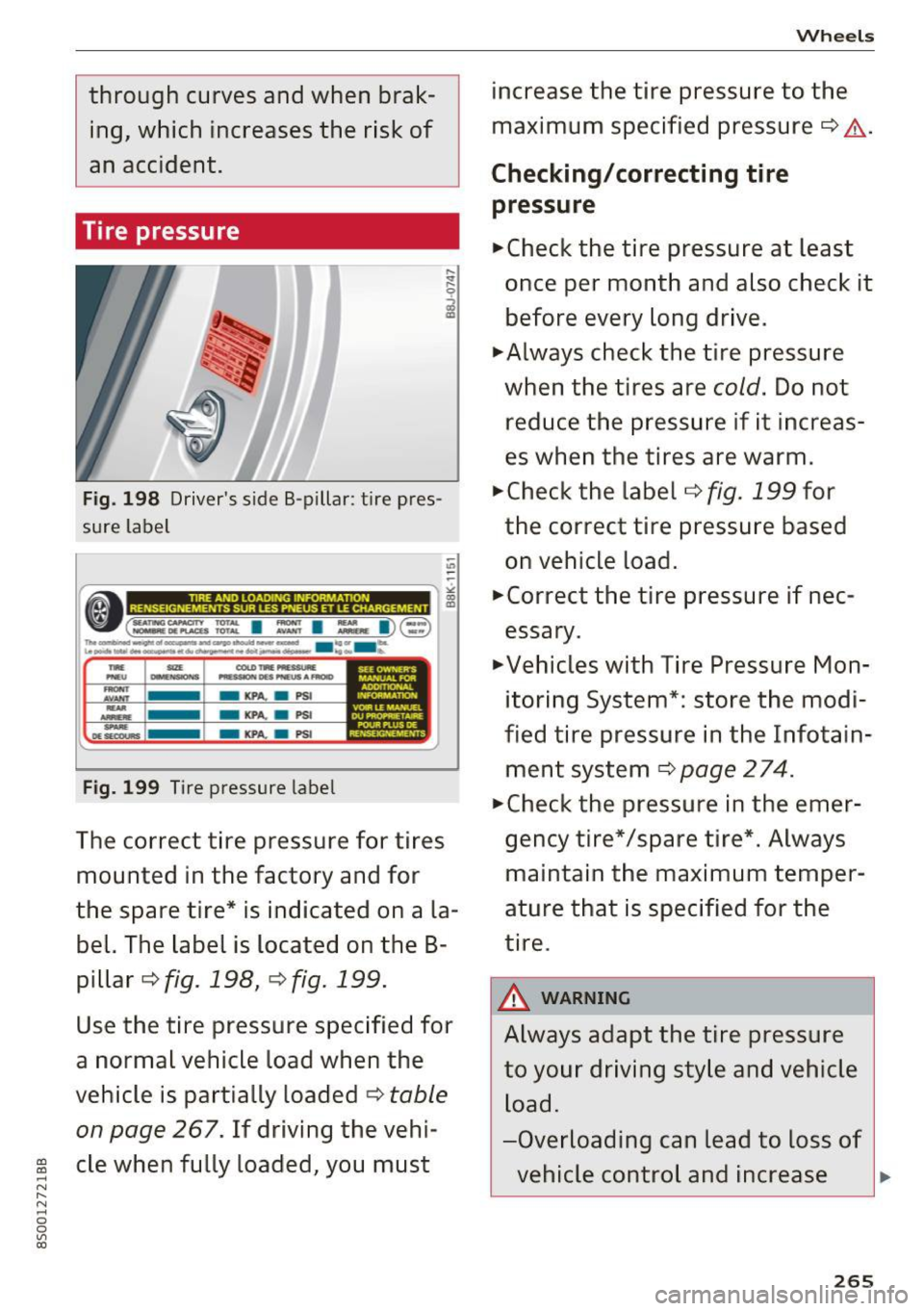
Fig. 198 Driver's sid e B-pillar : tir e pres
sure label
"' -
-~-------------------,£
tM£. IIZl COLO tlllf fllllESSt.lW. PNfU Nl:4fN$IOM$ "IIISaoN OE$ PMEU$ A FROID
-AYIJff -KPA, a PSI
Fig. 199 Tire pressure label
The correct tire pressure for tires
mounted in the factory and for
the spare t ire* is indicated on a la
bel. The label is located on the B
pillar ¢
fig. 198, ¢ fig. 199.
Use the tire pressure specified for
a normal vehicle load when the
vehicle is partially loaded¢
table
on page
267. If driving the vehi
cle when ful ly loaded, you must
Wheels
increase the tire pressure to the
maximum specified pressure¢&.-
Checking/correcting tire
pressure
.,,.Check the tire pressure at least
once per month and also check it before every long drive .
.,,.Always check the tire pressure
when the tires are
cold. Do not
reduce the pressure if it increas
es when the tires are warm .
... check the label ¢
fig. 199 for
the correct tire pressure based on vehicle load.
.,,.Correct the tire pressure if nec
essary.
... vehicles with Tire Pressure Mon
itoring System*: store the modi
fied tire pressure in the Infotain
ment system
¢page 274.
.,,.Check the pressure in the emer
gency tire*/spare t ire*. Always
maintain the maximum temper
ature that is specified for the
tire .
_& WARNING
Always adapt the tire pressure
to your driving style and vehicle
load.
-Overloading can lead to loss of vehicle control and increase ...
265
Page 268 of 322
Wheels
the risk of an accident. Read and follow the important safe
ty precautions in ¢ page 267,
Tires and vehicle load limits.
-The tire must flex more if the tire pressure is too low or if
the vehicle speed or load are
too high. This heats the tire up
too much. This increases the risk of an accident because it
can cause the tire to burst and
result in loss of vehicle con
trol.
- Incorrect tire pressure in
creases tire wear and has a
negative effect on driving and
Tire pressure table
Please note that the information
contained in the following table
was correct at the time of print ing, and the information is sub
ject to change. If there are differ
ences between this information
and the tire pressures specified
on the label on the driver's side B
p illar, always follow the spec ifica
tion on the B-pillar label
¢ page 265, fig. 198.
266
braking behavior, which in
creases the risk of an accident.
(D Note
Replace lost valve caps to re
duce the risk of damage to the
tire valves.
@ For the sake of the environment
Tire pressure that is too low in
creases fuel consumption.
(D Tips
Audi recommends using the
tire pressure specified for a normal load
¢ table on
page 267
or for a full load
when the vehicle is partially
loaded.
Make sure that the tire designa
tion on your tire matches the des
ignation on the tire pressure label
and the tire pressure table.
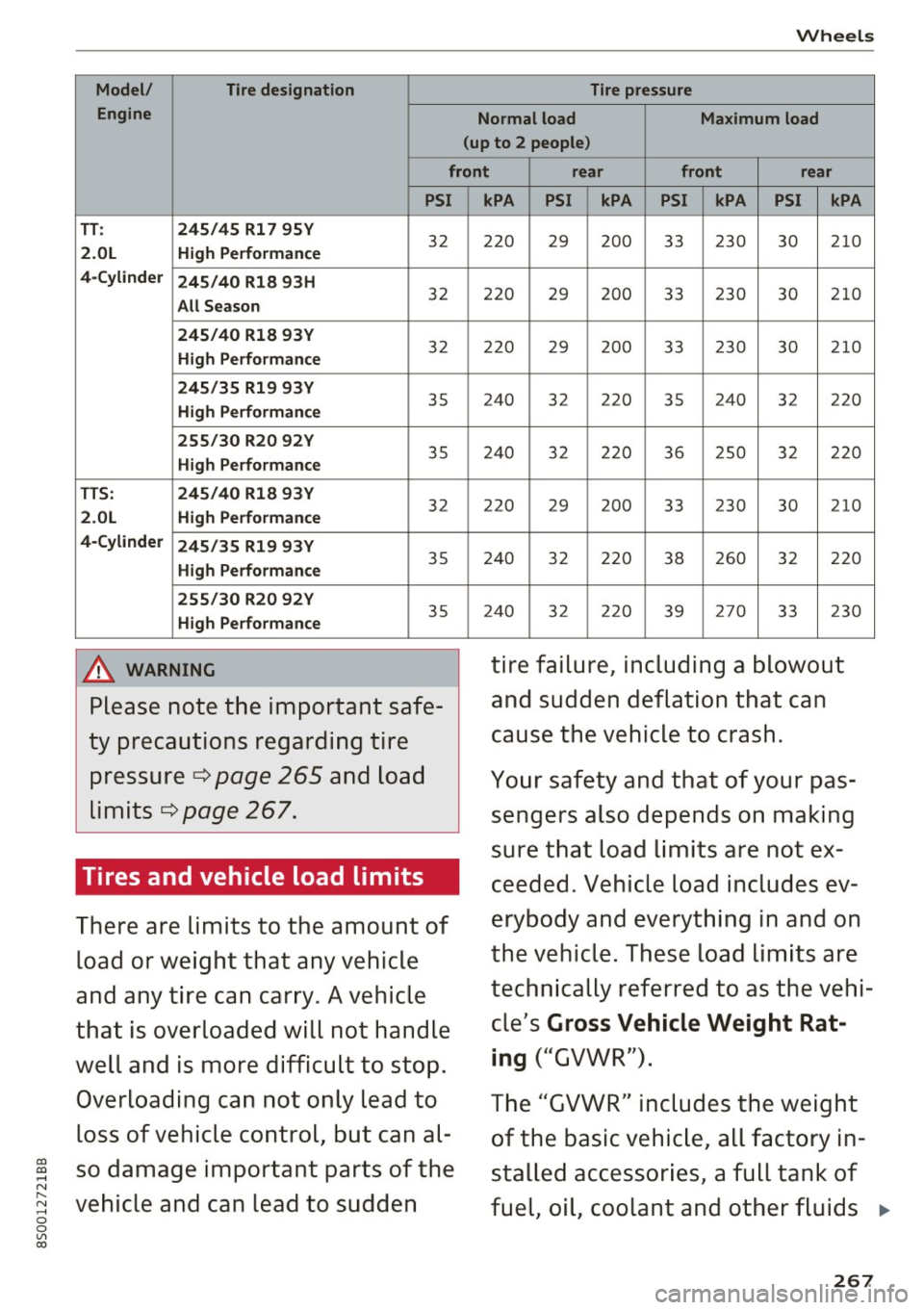
The following table lists recom
mended tire pressures in cold
tires according to the load and
the size of the tires installed.
Page 269 of 322
co
co
.... N
" N .... 0
0
Vl c:o
Wheels
Model/ Tire designation Tire pressure
Engine Normal load Maximum load
(up to 2 people)
front rear front rear
PSI
TT: 245/45 R17 95V
32 2.0L High Performance
4-Cylinder 245/40 R18 93H
All Season
32
245/40 R18 93V 32 High Performance
245/35 R19 93V
35 High Performance
255/30 R20 92V
35 High Performance
TTS: 245/40 R18 93V
32
2.0L High Performance
4-Cylinder 245/35 R19 93V
High Performance
35
255/30 R20 92V
35 High Performance
A WARNING
Please note the important safe
ty precautions regarding tire pressure
¢ page 265 and load
limits
¢ page 267.
Tires and vehicle load limits
There are limits to the amount of
load or weight that any vehicle
and any tire can carry. A vehicle
that is overloaded will not handle
well and is more difficult to stop. Overloading can not only lead to
loss of vehicle control, but can al
so damage important parts of the
vehicle and can lead to sudden
kPA PSI kPA PSI kPA PSI kPA
220 29 200 33 230 30 210
220 29 200 33 230 30 210
220 29 200 33 230 30 210
240
32 220 35 240
32 220
240 32 220 36 250 32 220
220 29 200 33 230
30 210
240 32 220 38 260 32 220
240 32 220 39 270 33 230
tire failure, including a blowout
and sudden deflation that can
cause the vehicle to crash.
Your safety and that of your pas
sengers also depends on making
sure that load limits are not ex
ceeded. Vehicle load includes ev
erybody and everything in and on
the vehicle. These load limits are
technically referred to as the vehi cle 's
Gross Vehicle Weight Rat
ing
("GVWR").
The "GVWR" includes the weight of the basic vehicle, all factory in
stalled accessories, a full tank of
fuel, oil, coolant and other fluids ..
267
Page 273 of 322
co
co
.... N
" N .... 0
0
Vl c:o
@ Tips
When using snow chains, it may be useful to
switch on sport mode¢
page 89.
Low aspect ratio tires
Your Aud i is factory-equipped with low aspect ra
tio tires. These t ires have been thoroughly tested
and been selected specifically for your model for
their supe rb performance, road feel and handling
u nder a va riety of d riving conditions. As k your au
thor ized Audi dealer for mo re details.
The low aspect ratio of these t ires is indicated by
a numeral of
55 or l ess in the tire's size designa
tion. The numera l rep resents the rat io of the
tire's sidewall he igh t in relat io n to its tread w idth
expressed in pe rcen tage. Conventional t ires have
a height/w idth rat io of 60 or more .
The performan ce of low -a spe ct-ratio tire s is par
ticular ly sen sit iv e to improper inflation pre s
s ur e. It i s therefore import ant that low a spect
ratio tire s are infl ate d to the specified pre ssure
and that the inflation pre ssure i s regularl y
c hecked and mai nta ined . Tir e pre ssure s should
b e che cked at least once a month and alw ay s
before a long tri p ¢
page 265.
What you can do to avoid tire and rim
damage
Low aspect ratio tires can be damaged more easi
ly by impact with potholes, curbs, gullies or
ridges on the road, particularly if the t ire is un
derinflated .
In order to minimize the occurrence of impact
damage to the tires of your vehicle, we recom
mend that you observe the follow ing precau
tions:
- Always maintain recommended inflation pres
sures. Check your tire pressure every 2,000
miles (3,000 km) and add a ir if necessary .
- Drive carefully on roads with potho les, deep
gul lies or ridges. The impact from driving
t h rough or ove r such obstacles can damage
you r tires. Impact w ith a curb may also cause
damage to your tires.
Wh eel s
- After any impac t, immed iate ly inspect your
tires or have them inspected by the nearest au thorized A udi dealer. Replace a damaged tire as
soon as possible.
- Inspect your tires every 2,000 mi les (3,000 km)
for damage and wear. Damage is not a lways
easy to see. Damage can lead to loss of air and
underinflation, wh ic h could eventually cause
tire fa ilure . If you believe that a t ire may have
been damaged, replace the tire as soon as pos
sible.
- These tires may wear more quickly than others.
- Please also remember that, while these tires
delive r responsive handling, they may ride less
comfortably and make mo re noise than other
choices.
Reduced pe rfo rmance in winter /cold season
conditions
All t ires are des igned for certai n purposes. The
low aspect ratio, ultra h igh performance tires
o rigi na lly installed o n your vehicle are intended
fo r m aximum d ry and wet road per formance and
handling . They are not sui table for co ld, snowy or
icy weather conditions . If you drive under those
circumstances, you should equip yo ur vehicle
with all-season or winter tires, which offer better
tract ion under those conditions. We suggest you
use the recommended snow or all-season tires
specified for your veh icle, or their equivalent.
Refer to¢
page 2 70 for more detailed informa
t ion regarding winter tires.
Uniform tire quality grading
-T read wear
- Traction AA A 8 C
- Temperature ABC
Quali ty g rades can be fo und whe re applicable o n
the tire side wall between tread sho ulder and
maximum section width
¢page 255, fig. 196 .
For exampl e: Tread wear 200, Traction AA, Tem
peratu re
A .
All passenger car t ires must conform to Fede ral
Safety Req uirements i n addit io n to these grades . .,,_
271
Page 274 of 322
Wheels
Tread wear
The
tread wear grade is a compara tive ra ting
based on the wear rate of the t ire when tes ted
under contro lled conditions on a specified gov
ernment test course.
F or examp le, a tire graded 150 would wear one
and one half (11/2) t imes as well on the govern
ment course as a tire graded 100 .
The rela tive perfo rman ce of t ires depe nds upon
t he act ua l condi tions of their use, howeve r, and
may depart signif icant ly from the norm due to
variations in d riving hab its, service practices and
d ifferences in road characteristics and climate .
T raction
The
tra ction g rades, from highes t to lowes t, are
AA, A, Band
C. T hose gr ades represen t the t ire's
ab ility to stop on wet pavement as meas ured un
der controlled conditions on specified govern m ent test sur faces of asphalt and conc ret e. A tire
marked C may have poor traction performance
¢ &, .
Temperature The
temperature grades are A (the highest), B,
and C, representing the tire's resistance to the
generation of heat and its ability to d iss ipate
heat when tested under controlled conditions on
a specified indoor laboratory test wheel.
Sustained high temperature can cause the mate
rial of the tire to degenerate and red uce tire life,
and excess ive temperature can lead to sudden
tire failure ¢&, .
The gra de C corresponds to a leve l of perform
ance which a ll passenger ca r tires must meet un
der the Federa l Moto r Vehicle Safety Standard
No. 109. Grades Band A represent higher leve ls
of performance on the laborato ry test wheel than
the m in imum required by law .
A WARNING
-
The traction grade ass igned to this tire is
based on straight -ahe ad braking t ract ion
t e sts, and does not include a ccele rat ion, cor
nering, hydrop laning o r peak tract ion charac
teristics .
272
A WARNING
--
The temperat ure grade for th is tire is estab
lished for a tire that is properly inflated and
n ot overloaded . Excessive speed, underinfla
tion, o r excessive load ing, either separately or
in comb ina tion, can ca use hea t bu ildu p and
possib le tire f ailure.
A WARNING
Tempe rature g rades apply to tire s th at are
p rope rly inflated and not over o r underinfla t
e d.
-
Tire pressure monitoring
system
ill General notes
E ach tire, including the spare (if p rov ided),
shou ld be checked monthly when cold and in flat
ed to the inflat ion press ure recommended by the
vehicle manufacturer on the vehicle placard or
tire inflation pressure labe l. (If your veh icle has
tires of a different size than the size ind icated on
the ve hicle placard or tire inflat ion press ure la
bel, you sho uld dete rm ine the proper t ire infla
tion press ure for those tires).
As a n added safety feature, your vehicle has been
equipped with a tire pressure mon itor ing system
(TPMS) that illuminates a low tire p ressure tell
ta le when o ne or mo re of your tires is s ignificant
l y unde r-inflated. According ly, w hen the low t ire
pressure tell tale illum ina tes, you sho uld stop and
c h ec k yo ur t ires as soon as possib le, and inf late
t h em to the proper p ressure . Dr iving on a sign ifi
cant ly under-inflated tire ca uses the tire to over
heat and can lead to tire fa ilure. Und er- inflation
also red uces fue l eff iciency and tire tread life,
and may affect the vehicle's handling and stop
ping ability .
P lease note that the TPMS is not a s ubstitute fo r
proper tire maintenance, and it is the dr iver 's re
spons ibility to main tain correct t ire pressure,
even if under -in flat io n has not reached the level
to trigge r illumination of the TPM S low t ire pres-
su re te lltale . .,.
Page 275 of 322

co
co
.... N
" N .... 0
0
Vl c:o
Your vehicle has also been equipped with a TPMS
malfunction indicator to indicate when the sys
tem is not operating properly. The TPMS mal
function indicator is combined with the low tire pressure telltale. When the system detects a
malfunction, the telltale will flash for approxi
mately one minute and then remain continuously
illuminated . This sequence will continue upon
subsequent vehicle start-ups as long as the mal
function exists .
When the malfunction indicator is illuminated,
the system may not be able to detect or signal low tire pressure as intended. TPMS malfunctions
may occur for a variety of reasons, including the
installation of replacement or alternate tires or
wheels on the vehicle that prevent the TPMS
from functioning properly . Always check the
TPMS malfunction telltale after replacing one or
more tires or wheels on your vehicle to ensure
that the replacement or alternate tires and
wheels allow the TPMS to continue to function properly.
If the Tire Pressure Monitoring System
indicator appears
The tire pressure indicator in the instrument
cluster informs you if the tire pressure is too low
or if there is a system malfunction .
Using the ABS sensors, the tire pressure monitor
ing system compares the tire tread circumfer
ence and vibration characteristics of the individu
al tires. If the pressure changes in one or more
tires, this is indicated in the Infotainment system
display w ith an indicator light
RE and a message.
If only one tire is affected, the location of that
tire will be indicated.
The tire pressures must be stored in the Infotain
ment system again each time the pressures
change (switching between partial and full load
pressure) or after changing or replacing a tire on
your vehicle
c::;, page 274 . The tire pressure moni
toring system only monitors the tire pressure you have stored. Refer to the tire pressure label for
the recommended tire pressure for your vehicle
¢ page 265, fig. 199.
Wheels
Tire tread circumference and vibration character
istics can change and cause a tire pressure warn
ing if :
- the tire pressure in one or more tires is too low.
- the tire has structural damage.
- the tire was replaced or the tire pressure was
changed and it was not stored
c::;, page 274.
- the spare tire* is installed .
Indicator lights
RE-Loss of pressure in at least one tire c::;, &,.
Check the tires and replace or repair if necessary.
Check/correct the pressures of all four tires and
store the pressure again in the Infotainment sys
tem
¢ page 274.
mm (Tire Pressure Monitoring System) Tire
pressure: malfunction! See owner's manual -If
mm appears after switching on the ignition or
while driving and then the indicator light
RE in
the instrument cluster also starts to blink for
about one minute and then stays on permanent
ly, there is a system malfunction. Try to store the
correct tire pressures
c::;, page 2 74 . If the indica
tor light does turn off or turns on again after a short period of time, drive to an authorized Audi
dealer or authorized Audi Service Facility immedi
ately to have the malfunction corrected.
A WARNING
..-
- If the tire pressure indicator appears in the
display, reduce your speed immediately and
avoid any hard steering or braking maneu
vers. Stop as soon as possible and check the
tires and their pressure.
- The driver is responsible for maintaining the
correct tire pressures . You must check the
tire pressures regularly .
- Under certain conditions (such as a sporty
driving style, winter conditions or unpaved
roads), the pressure monitor indicator may
be delayed.
- Do not use run-flat tires on your vehicle . Us
ing them when not permitted can lead to
vehicle damage or accidents.
273
Page 276 of 322
Wheels
(D Tips
- The tire pressure monitoring system can al
so stop work ing when there is an ESC mal
funct ion.
- Using snow chains may result in a system
malfunction.
- The tires with the identification "AO"
¢ page 262 have been matched with your
A udi tire pressure monitoring system. We
r ecommend t hat you use these t ires.
Storing tire pressures
If the tire pressure changes or a tire is replaced, it must be confirmed in the Infotainment system .
... Make s ure before storing that the tire p ressures
of all fo ur t ires meet the specified val ues and
are adapted to the load
¢page 263 .
.,. Switc h on the ignition .
.,. Se lect in the In fota inment system: the
I MENU I
button > Vehicle > left contro l bu tton > Service
& checks > Tire pressure monitoring .
@ Tips
Do not store the tire press ures if snow chains
are i nsta lied.
274
Page 277 of 322
Care and cleaning
General information
Regular, proper care helps to maintain your vehi
cle's value.
It can a lso be a requirement when
submitting warranty claims for corrosion damage
and paint defects on the body.
The necessary care products can be obtained
from an authorized Audi dealer or authorized
Audi Service Facility . Read and follow the instruc
tions for use on the packaging.
A WARNING
- Us ing clean ing and care products incorrectly
can be dangerous to your health.
- Always store clean ing and care products out
of reach of children to reduce the r isk of po i
son ing .
@ For the sake of the environment
- Preferably purchase env ironmenta lly-friend
l y cleaning products.
- Do not d ispose of leftover cleaning and care
products with household trash.
Car washes
T he longer that deposits remain on the vehicle,
the more the surface may be damaged. High
temperatures such as those caused by sunlight
increase the damag ing effect.
Befor e washing, rinse
off heavy depos its with
p lenty of water.
S tubborn depos its such as bird droppings or tree
sap are best removed with plenty of water and a
microfiber cloth.
A lso, wash t he un derside of yo ur vehicle once
road sa lt stops being used for the season .
Pressure washers
When washi ng your ve hicles w ith a pressure
washer, always follow t he ope rating inst ructions
~ p rovided w ith the pressure washe r. This is espe -
;:::: cially important in regard to the pressu re and
" ~ sp raying distance. Do not d irect the stream of 0
~ water directly onto seals for the side windows, c:o
Ca re and cleaning
doo rs, luggage compartment lid or hood or onto
the tires, rubber hoses, insulating materia l, sen
sors * or camera lenses*. Keep a distance of at
l east 16 in (40 cm).
Do not remove snow and ice with a pressure
washer.
Never use cone nozz les o r high press ure nozzles .
T he water temperatu re must not be above 140 °F
(60 °().
Automatic car washes
Spray off the vehicle before washing.
Make s ure that the windows are closed and the
windshield wipers a re
off. F o llow instructions
f rom the car wash operator, espec ia lly if there
are accessories attached to your veh icle.
If possible, use car washes that do not have
brushes .
Washing
by hand
Clean the ve hicl e starting from the top and wor k
i ng down using a soft sponge o r cleaning br ush.
U se solven t-free cleaning produ cts.
Washing vehicles with matte finish paint
by
hand
T o avo id damag ing the pa int w hen washi ng, fi rst
remove dust and large pa rticl es from you r vehi
cle . Insects, grease spots and fingerprints are
best removed w ith a special cleaner for matte
finish paint.
Apply t he product using a microf iber cloth . To
avoid damaging the paint surface, do not use too
much pressure.
Rinse the ve hicl e thoroug hly w ith wate r. Then
cl ean usi ng a neutral shampoo and a soft micro
fiber cloth .
Rinse the ve hicl e thorough ly aga in and let it air
dry. Remove any wate r residue using a chamois .
WARNING
- On ly wash the vehicle when the ign ition is
off and follow the instr uctions from the car
275
Page 284 of 322
Emergency assistance
Using the tire mobility kit
Applies to: vehicles with tire mobility kit
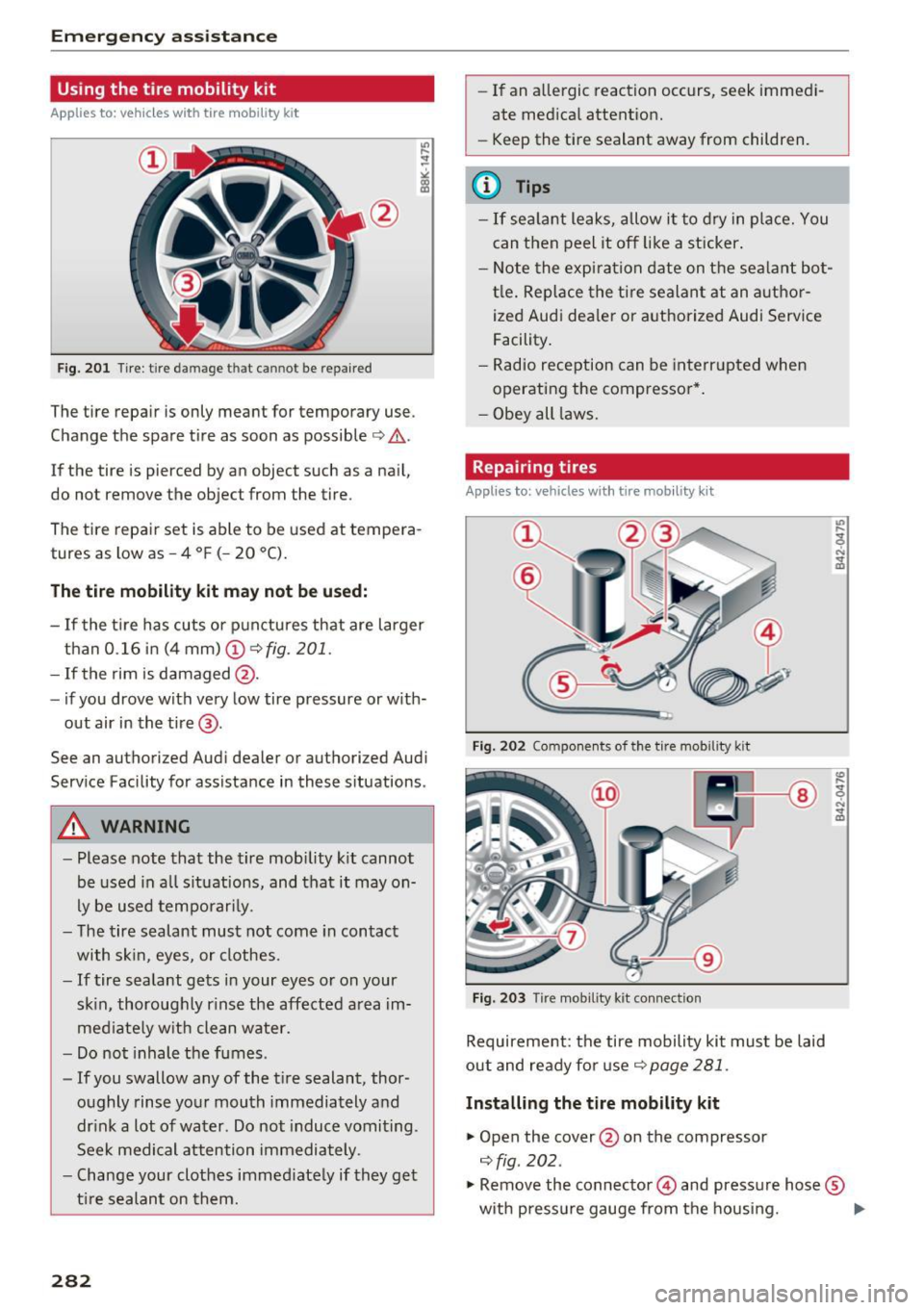
Fig. 201 Tire: tire damag e that cann ot be rep air ed
The tire repair is only meant for temporary use .
Change the spare tire as soon as possible~
fr..
If the ti re is pie rced by an object such as a nail,
do not remove the objec t from the tire .
The tire repair set is able to be used at tempera
tures as low as -4 °F ( -20 °C).
The tire mobility kit may not be used:
-If the tire has cuts or punctures that are larger
than 0.16 in (4 mm) @~
fig. 201 .
-If the rim is damaged@.
- if you drove with very low tire pressure or w ith-
out air in the tire@.
See an author ized Aud i dealer or authori zed Aud i
Service Facility for assistance in these s ituations .
A WARNING
-Please note that the tire mob ility kit cannot
be used in a ll situations, and that it may on
ly be used temporarily.
- The tire sealant must not come in contact
with sk in, eyes, or clothes.
- If tire sealant gets in your eyes or on your
sk in, thoroughly r inse the affected area im
med iately w ith clean water.
- Do not inhale the fumes .
- If you swallow any of the t i re sealant, thor -
oughly rinse your mouth immediately and
dr ink a lot of water . Do not induce vomiting.
Seek medical attention immediately.
- Change your clothes immed iately if they get
tire sealant on them.
282
-If an allergic reaction occurs, seek immedi·
ate med ical attent ion.
- Keep the tire sealant away from children.
(1} Tips
- If sea lant leaks, allow it to dry in place. You
can then peel it off like a sticker.
- Note the expiration date on the sealant bot
tle. Replace the ti re sealant at an author
ized Audi dea ler or authorized Audi Service
Facility.
- Radio reception can be interr upted when
operating the compressor*.
- Obey all laws.
Repairing tires
Applies to: vehicles with tire mob ility kit
Fig. 202 Co mponent s of the t ire mob ility kit
Fig. 203 Tir e mobil ity kit connec tion
Requireme nt: the tire mobility kit must be laid
out and ready fo r use
c:::> page 281 .
Installing the tire mobility kit
.. Open the cover @on the compressor
c:::> fig. 202 .
.. Remove the connector © and pressure hose®
with press ure gauge from the housing. ...,_
Page 285 of 322
co
co
.... N
" N .... 0
0
Vl c:o
~ Install the compressor pressure hose® onto
the flange @ on the tire sea lant bottle @.
~ Insert the sealant bottle with the flange at the
bottom into the opening @ on the compressor
cover.
~ Remove the valve cap from the faulty t ire .
~ Install the filler hose @on the valve (J)
¢fig . 203 .
~ Connect the plug@¢ fig. 202 to a socket in
the vehicle.
~ Switch on the ignition.
Inflating a tire
~ Move the switch @¢ fig. 203 on the compres
sor into posit ion
I.
~ Inflate the t ire to between 29 psi (200 kPA)
and 36 psi (250 kPA) and read the p ressure on
the gauge.
~ If this tire pressure is not reached, remove the
filler hose. Drive s lowly approximately 33 ft (10
m) forward or in reverse so that the sealant can
be distributed in the tire. Pump up the tire
again¢ .&.,.
A WARNING
-Read and follow the manufacturer's safety
precautions on the compressor and in the
instructions on the bottle of sealant.
- If a tire pressure of 29 ps i (200 kPA) cannot
reached afte r inflating for 6 minutes, then
the tire is too severely damaged. Do not
contin ue driving.
- If the t ire cannot be repaired with the tire
sealan t, see an authorized A udi dealer or au
thorized Aud i Serv ice Facility for ass istance .
Do not operate the compressor for mo re than
six m inu tes continuously, or it can overheat.
Once the compressor has coo led, you can con
tinue to use it .
Completing
Appl ies to: ve hicles with tire m obility kit
~ Adhere the sticker that says "max. 50 mph
(max . 80 km/h)" that is provided with the tire
mobility kit within the driver's fie ld of vision.
Em ergenc y ass is tanc e
~ Stop the vehicle a fter driving for about 10 mi
nutes and check the tire pressure.
~ If the tire pressure is lower than 19 psi (130
kPA), then the tire is too severely damaged. Do
not continue dr iving.
A WARNING
Pay attention to the following afte r repa iring
the tire:
- Do not dr ive faster than 50 mph (80 km/h) .
- Avoid hard acceleration, braking sharply,
and fast cornering.
- The vehicle may become more difficult to
control.
- If the tire is too severe ly damaged, see an
authorized Audi dealer or authorized Audi
Serv ice Facility for assistance.
® For the sake of the environment
You can give the used tire sealant bottle to an
authorized Audi dea ler or authorized Audi
Service Fac ility for disposal.
(D Tips
Remember to obtain a new bott le of sealant
from an authorized Audi dealer or authorized
Audi Service Fac ility after repairing a tire.
Replacing wheels
Preparation
You must complete the preparation before
changing a tire.
~ Read and follow the important safety precau-
tions¢
page 281, General information.
~ Set the park ing brake.
~ Select the P selec to r lever posit ion.
~ Lay out t he vehicle too l kit¢ page 281 and the
spare tire~
page 287 .
A WARNING ~ -
If you are changing a tire on a steep hill, use a
b lock or similar object to b lock the opposite
wheel to prevent the vehicle from moving.
283