seats NISSAN ARMADA PLATINUM 2017 User Guide
[x] Cancel search | Manufacturer: NISSAN, Model Year: 2017, Model line: ARMADA PLATINUM, Model: NISSAN ARMADA PLATINUM 2017Pages: 2472, PDF Size: 2.55 MB
Page 545 of 2472

FRONT SEATS
Front power seat adjustment
Operating tips:
.The power seat motor has an auto-reset
overload protection circuit. If the motor
stops during operation, wait 30 seconds,
then reactivate the switch.
. Do not operate the power seat switch for a
long period of time when the engine is off.
This will discharge the battery.
See “Automatic drive positioner” (P.3-33) for the
seat position memory function.
Page 550 of 2472

SSS1116
Power seat adjustment (if so equipped)
The 3rd row power folding seat controls are
located behind the 2nd row seat (both the
driver’s and front passenger’s side) on the 3rd
row cup holder console
*1. There are also
controls located on the rear quarter trim panel
behind the 3rd row seats (passenger’s side)
*2.
Before operating the 3rd row seats:
. Make sure the 2nd row seatback is not
reclined.
. Lower the 3rd row head restraint to the full
down position. .
Disconnect and secure the center seat belt
and tongues into the retractor base. See
“3rd row center seat belt” (P.1-24) .
— Always reconnect the center seat belt
when the seat is returned to the upright
position
. Make sure that there are no objects on the
seatback cushion.
Page 569 of 2472

SSS0896
Shoulder belt height adjustment (for front
seats and 2nd row seats)
The shoulder belt anchor height should be
adjusted to the position best for you. (See
“Precautions on seat belt usage” (P.1-18) .)
To adjust, push the button
*A, and then move
the shoulder belt anchor to the desired position,
so that the belt passes over the center of the
shoulder. The belt should be away from your
face and neck, but not falling off of your
shoulder. Release the adjustment button to lock
the shoulder belt anchor into position.
Page 571 of 2472

rear-facing child restraints and are at least 1
year old. Booster seats are used to help position
a vehicle lap/shoulder belt on a child who can no
longer use a forward-facing child restraint.
Page 575 of 2472

SSS1113
LATCH system lower anchor locations - captain’s seats
Page 591 of 2472
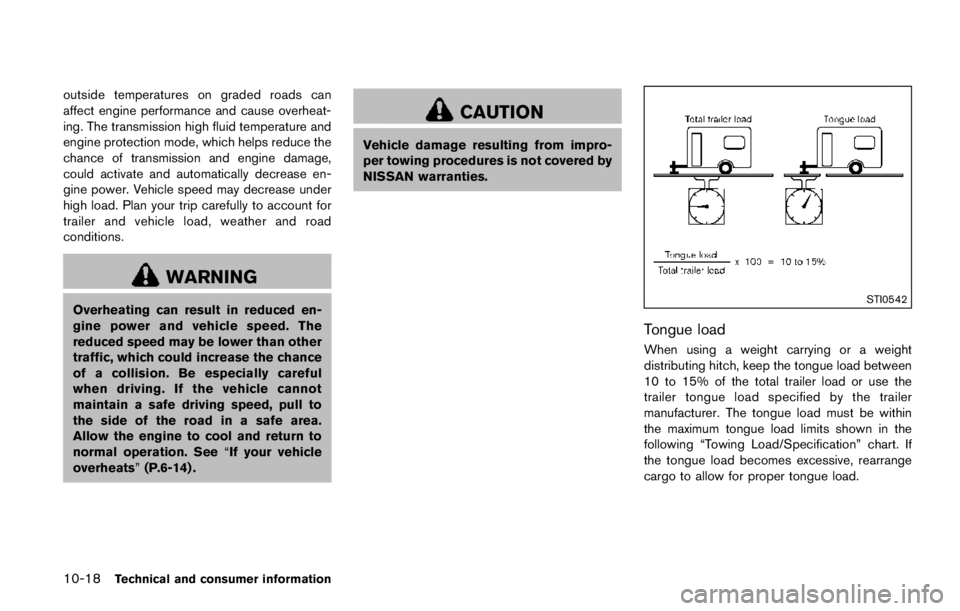
LRS0455
Booster seats of various sizes are offered by
several manufacturers. When selecting any
booster seat, keep the following points in mind:
.Choose only a booster seat with a label
certifying that it complies with Federal Motor
Vehicle Safety Standard 213 or Canadian
Motor Vehicle Safety Standard 213.
. Check the booster seat in your vehicle to be
sure it is compatible with the vehicle’s seat
and seat belt system.
Page 592 of 2472

when using a booster seat with the seat
belts.
Refer to all Warnings and Cautions in the “Child
safety”, “Child restraints” and “Booster seats”
sections earlier in this section before installing a
child restraint.
Follow these steps to install a booster seat in the
rear seat or in the front passenger seat:
Page 599 of 2472

.The curtain air bags ordinarily will
not inflate in the event of a front
impact, rear impact, or lower sever-
ity side collision. Always wear your
seat belts to help reduce the risk or
severity of injury in various kinds of
accidents.
. The seat belts, the side air bags and
curtain air bags are most effective
when you are sitting well back and
upright in the seat. The side air bags
and curtain air bags inflate with
great force. Do not allow anyone to
place their hand, leg or face near the
side air bags on the side of the
seatback of the front seat or near
the side roof rails. Do not allow
anyone sitting in the front seats or
rear outboard seats to extend their
hand out of the window or lean
against the door. Some examples of
dangerous riding positions are
shown in the previous illustrations.
. When sitting in the rear seat, do not
hold onto the seatback of the front
seat. If the side air bag inflates, you
may be seriously injured. Be espe-
cially careful with children, who
should always be properly re- strained. Some examples of danger-
ous riding positions are shown in
the illustrations.
. Do not use seat covers on the front
seatbacks. They may interfere with
side air bags inflation.
Safety — seats, seat belts and supplemental restraint system1-57
Page 600 of 2472
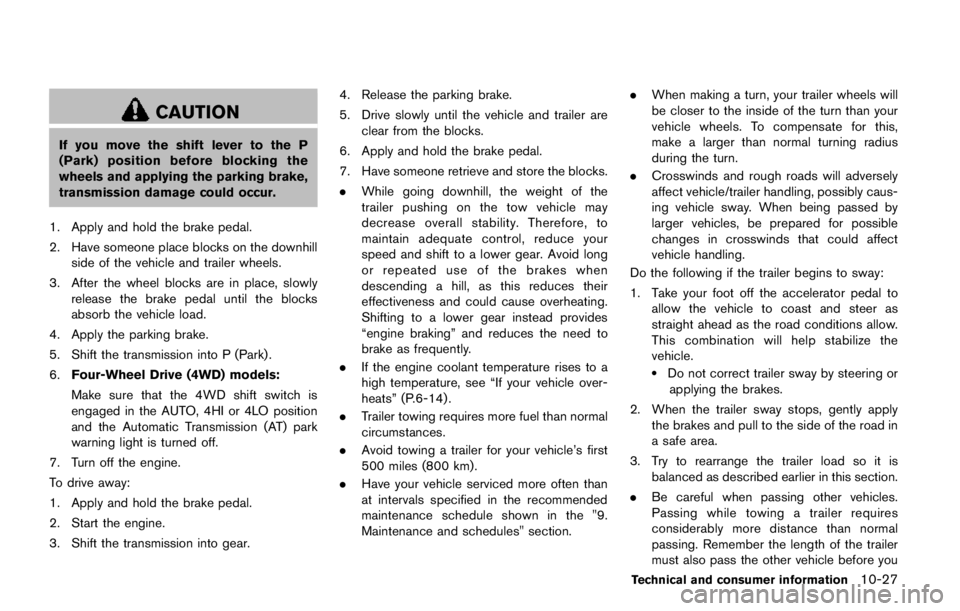
JVR0399X
1. Crash zone sensor
2. Supplemental front-impact air bag modules(NISSAN Advanced Air Bags)
3. Roof-mounted curtain side-impact and rollover supplemental air bag inflators
4. Front seat-mounted side-impact supplemental air bag modules 5. Roof-mounted curtain side-impact and rollover
supplemental air bags
6. Door satellite sensors
7. Seat belt pretensioners
8. Satellite sensors
9. Diagnosis sensor unit
10. Occupant classification sensors (weight sen- sors) 11. Occupant classification system control unit
NISSAN ADVANCED AIR BAG SYS-
TEM (front seats)
Page 601 of 2472

.If a forward facing child restraint is
installed in the front passenger
seat, do not position the front
passenger seat so the child restraint
contacts the instrument panel. If the
child restraint does contact the in-
strument panel, the system may
determine the seat is occupied and
the passenger air bag may deploy in
a collision. Also the front passenger
air bag status light may not illumi-
nate. See “Child restraints” (P.1-31)
for information about installing and
using child restraints.
. Confirm the operating condition
with the front passenger air bag
status light.
. If you notice that the front passen-
ger air bag status light is not
operating as described in this sec-
tion, it is recommended you visit a
NISSAN dealer to check the passen-
ger seat Advanced Air Bag System.
. Until you have confirmed with your
dealer that your passenger seat
advanced air bag is working prop-
erly, position the occupants in the
rear seating positions. This vehicle is equipped with the NISSAN
Advanced Air Bag System for the driver and
front passenger seats. This system is designed
to meet certification requirements under U.S.
regulations. It is also permitted in Canada.
All of
the information, cautions and warnings in
this manual apply and must be followed.
The driver supplemental front-impact air bag is
located in the center of the steering wheel. The
passenger supplemental front-impact air bag is
mounted in the instrument panel above the glove
box. The front air bags are designed to inflate in
higher severity frontal collisions, although they
may inflate if the forces in another type of
collision are similar to those of a higher severity
frontal impact. They may not inflate in certain
frontal collisions. Vehicle damage (or lack of it) is
not always an indication of proper front air bag
operation.
The NISSAN Advanced Air Bag System moni-
tors information from the Air bag Control Unit
(ACU) , seat belt buckle sensors and the
occupant classification sensors (weight sen-
sors) . Inflator operation is based on the severity
of a collision and seat belt usage for the driver.
For the front passenger, the occupant classifi-
cation sensors are also monitored. Based on
information from the sensors, only one front air
bag may inflate in a crash, depending on the
crash severity and whether the front occupants are belted or unbelted. Additionally, the front
passenger air bag may be automatically turned
OFF under some conditions, depending on the
information provided by the occupant classifica-
tion sensors. If the front passenger air bag is
OFF, the front passenger air bag status light will
be illuminated (if the seat is unoccupied, the
light will not be illuminated, but the air bag will
be off) . (See “Front passenger air bag and
status light” (P.1-60) for further details.) One
front air bag inflating does not indicate improper
performance of the system.
If you have any questions about your air bag
system, it is recommended you visit a NISSAN
dealer to obtain information about the system. If
you are considering modification of your vehicle
due to a disability, you may also contact
NISSAN. Contact information is contained in
the front of this Owner’s Manual.
When a front air bag inflates, a fairly loud noise
may be heard, followed by release of smoke.
This smoke is not harmful and does not indicate
a fire. Care should be taken not to inhale it, as it
may cause irritation and choking. Those with a
history of a breathing condition should get fresh
air promptly.
Front air bags, along with the use of seat belts,
help to cushion the impact force on the head
and chest of the front occupants. They can help
Safety — seats, seat belts and supplemental restraint system1-59