fog light Seat Mii 2013 Owner's manual
[x] Cancel search | Manufacturer: SEAT, Model Year: 2013, Model line: Mii, Model: Seat Mii 2013Pages: 306, PDF Size: 4.3 MB
Page 9 of 306
7
Exterior views
Front view
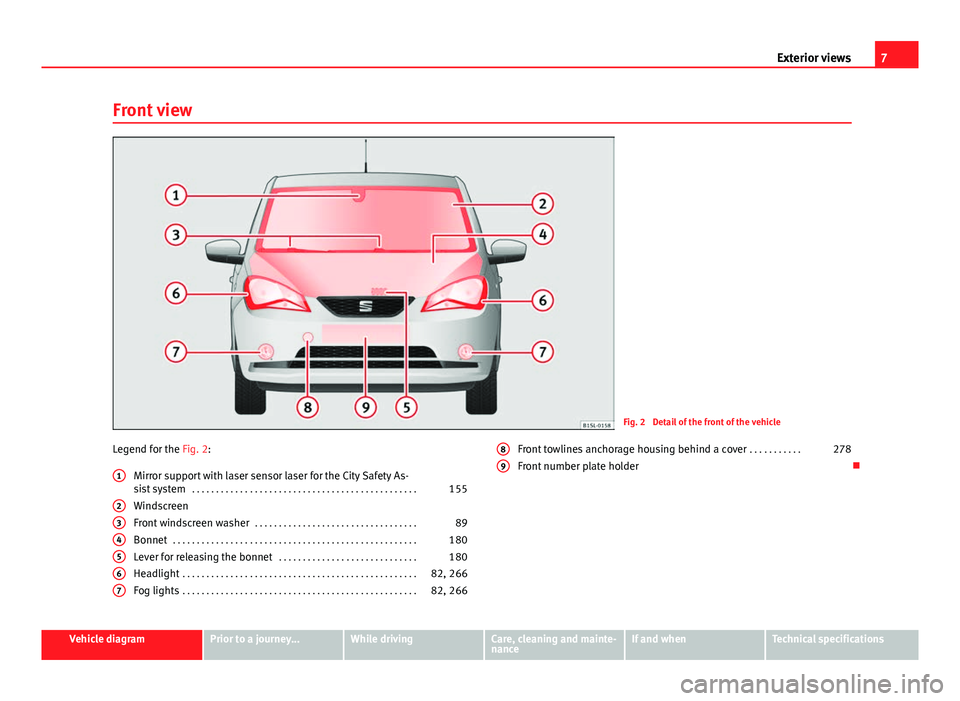
Fig. 2 Detail of the front of the vehicle
Legend for the Fig. 2: Mirror support with laser sensor laser for the City Safety As-
sist system . . . . . . . . . . . . . . . . . . . . . . . . . . . . . . . . . . . . . . . . . . . . . . . 155
Windscreen
Front windscreen washer . . . . . . . . . . . . . . . . . . . . . . . . . . . . . . . . . . 89
Bonnet . . . . . . . . . . . . . . . . . . . . . . . . . . . . . . . . . . . . . . . . . . . . . . . . . . . 180
Lever for releasing the bonnet . . . . . . . . . . . . . . . . . . . . . . . . . . . . . 180
Headlight . . . . . . . . . . . . . . . . . . . . . . . . . . . . . . . . . . . . . . . . . . . . . . . . . 82, 266
Fog lights . . . . . . . . . . . . . . . . . . . . . . . . . . . . . . . . . . . . . . . . . . . . . . . . . 82, 266
1
234567
Front towlines anchorage housing behind a cover
. . . . . . . . . . .278
Front number plate holder 89
Vehicle diagramPrior to a journey...While drivingCare, cleaning and mainte-
nanceIf and whenTechnical specifications
Page 13 of 306
11
Vehicle interior
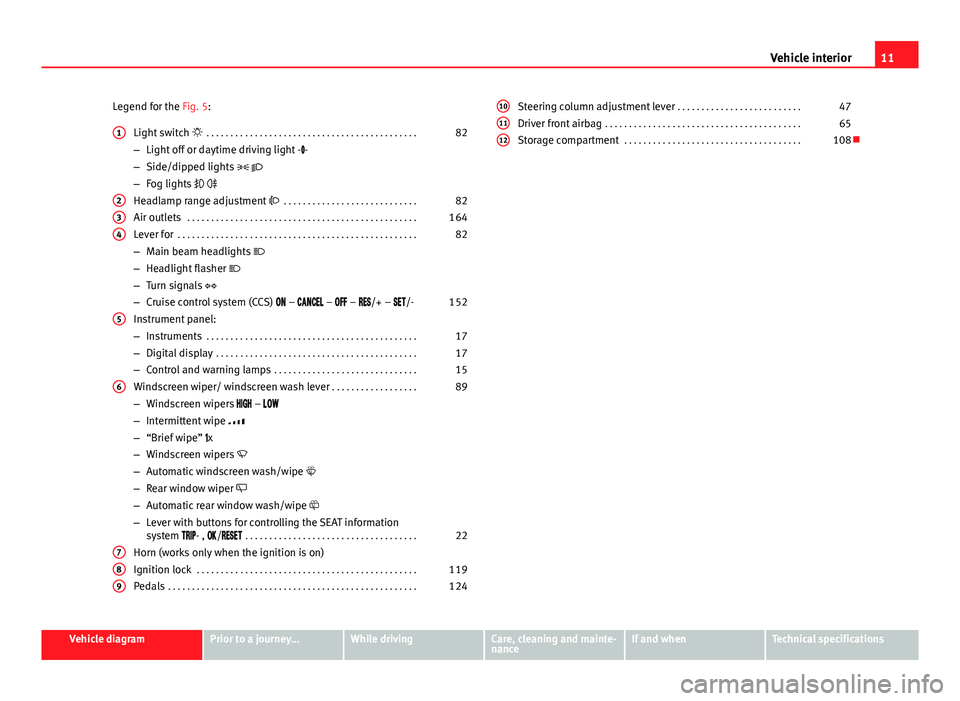
Legend for the Fig. 5: Light switch . . . . . . . . . . . . . . . . . . . . . . . . . . . . . . . . . . . . . . . . . . . . 82
– Light off or daytime driving light - -
– Side/dipped lights
– Fog lights
Headlamp range adjustment . . . . . . . . . . . . . . . . . . . . . . . . . . . . 82
Air outlets . . . . . . . . . . . . . . . . . . . . . . . . . . . . . . . . . . . . . . . . . . . . . . . . 164
Lever for . . . . . . . . . . . . . . . . . . . . . . . . . . . . . . . . . . . . . . . . . . . . . . . . . . 82
– Main beam headlights
– Headlight flasher
– Turn signals
– Cruise control system (CCS) – – – /+ – /- 152
Instrument panel:
– Instruments . . . . . . . . . . . . . . . . . . . . . . . . . . . . . . . . . . . . . . . . . . . . 17
– Digital display . . . . . . . . . . . . . . . . . . . . . . . . . . . . . . . . . . . . . . . . . . 17
– Control and warning lamps . . . . . . . . . . . . . . . . . . . . . . . . . . . . . . 15
Windscreen wiper/ windscreen wash lever . . . . . . . . . . . . . . . . . .89
– Windscreen wipers –
– Intermittent wipe
– “Brief wipe” x
– Windscreen wipers
– Automatic windscreen wash/wipe
– Rear window wiper
– Automatic rear window wash/wipe
– Lever with buttons for controlling the SEAT information
system - , / . . . . . . . . . . . . . . . . . . . . . . . . . . . . . . . . . . . . 22
Horn (works only when the ignition is on)
Ignition lock . . . . . . . . . . . . . . . . . . . . . . . . . . . . . . . . . . . . . . . . . . . . . . 119
Pedals . . . . . . . . . . . . . . . . . . . . . . . . . . . . . . . . . . . . . . . . . . . . . . . . . . . . 124
1
234
5
6
789
Steering column adjustment lever
. . . . . . . . . . . . . . . . . . . . . . . . . . 47
Driver front airbag . . . . . . . . . . . . . . . . . . . . . . . . . . . . . . . . . . . . . . . . . 65
Storage compartment . . . . . . . . . . . . . . . . . . . . . . . . . . . . . . . . . . . . . 108101112
Vehicle diagramPrior to a journey...While drivingCare, cleaning and mainte-
nanceIf and whenTechnical specifications
Page 18 of 306
16Instrument panel
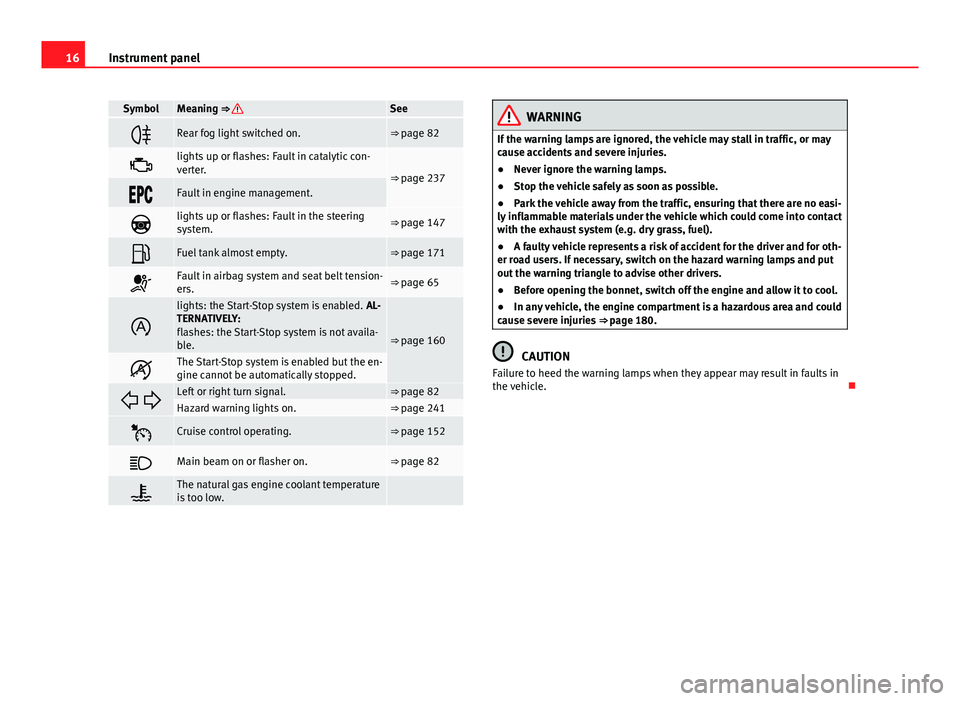
SymbolMeaning ⇒ See
Rear fog light switched on.⇒ page 82
lights up or flashes: Fault in catalytic con-
verter.
⇒ page 237
Fault in engine management.
lights up or flashes: Fault in the steering
system.⇒ page 147
Fuel tank almost empty.⇒ page 171
Fault in airbag system and seat belt tension-
ers.⇒ page 65
lights: the Start-Stop system is enabled. AL-
TERNATIVELY:
flashes: the Start-Stop system is not availa-
ble.
⇒ page 160
The Start-Stop system is enabled but the en-
gine cannot be automatically stopped.
Left or right turn signal.⇒ page 82Hazard warning lights on.⇒ page 241
Cruise control operating.⇒ page 152
Main beam on or flasher on.⇒ page 82
The natural gas engine coolant temperature
is too low.
WARNING
If the warning lamps are ignored, the vehicle may stall in traffic, or may
cause accidents and severe injuries.
● Never ignore the warning lamps.
● Stop the vehicle safely as soon as possible.
● Park the vehicle away from the traffic, ensuring that there are no easi-
ly inflammable materials under the vehicle which could come into contact
with the exhaust system (e.g. dry grass, fuel).
● A faulty vehicle represents a risk of accident for the driver and for oth-
er road users. If necessary, switch on the hazard warning lamps and put
out the warning triangle to advise other drivers.
● Before opening the bonnet, switch off the engine and allow it to cool.
● In any vehicle, the engine compartment is a hazardous area and could
cause severe injuries ⇒ page 180.
CAUTION
Failure to heed the warning lamps when they appear may result in faults in
the vehicle.
Page 84 of 306
82Lights and visibility
Lights and visibility
Lights Introduction
The legal requirements regarding the use of vehicle lights in each country
must be observed.
The driver is personally responsible for the correct use and adjustment of
the lights in all situations.
Additional information and warnings:
● Exterior detail ⇒ page 6
● SEAT information system ⇒ page 22
● Changing bulbs ⇒ page 266
WARNING
If the headlights are set too high and the main beam is not used correct-
ly, there is a risk of dazzling or distracting other road users. This could
result in a serious accident.
● Always make sure that the headlights are correctly adjusted.
● Never use the main beam or flashed headlamps as this could dazzle
other drivers.
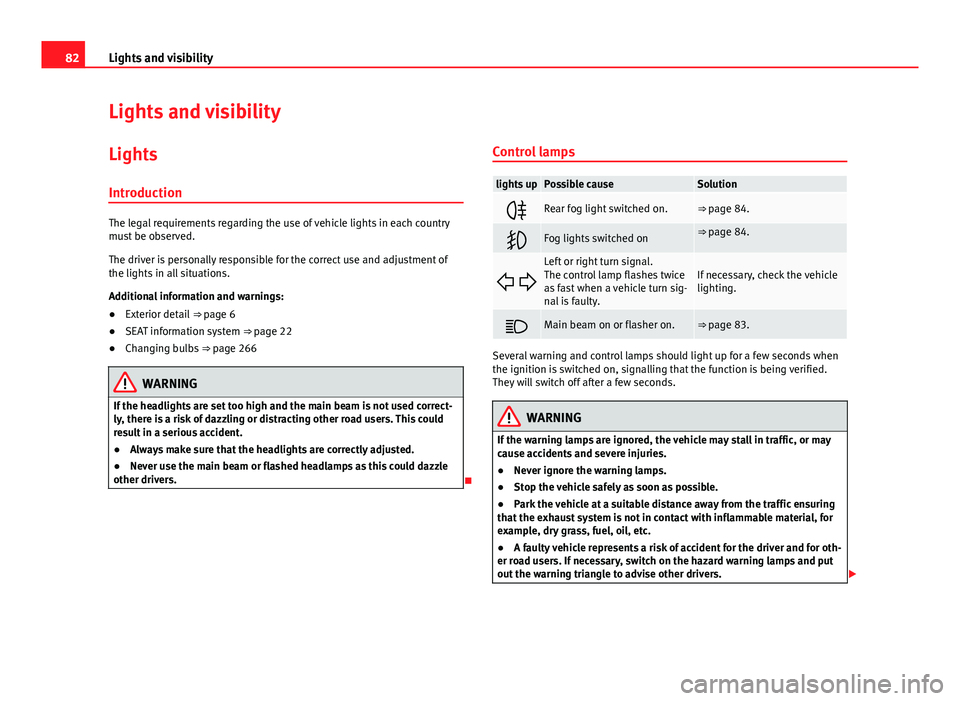
Control lamps
lights upPossible causeSolution
Rear fog light switched on.⇒ page 84.
Fog lights switched on⇒ page 84.
Left or right turn signal.
The control lamp flashes twice
as fast when a vehicle turn sig-
nal is faulty.If necessary, check the vehicle
lighting.
Main beam on or flasher on.⇒ page 83.
Several warning and control lamps should light up for a few seconds when
the ignition is switched on, signalling that the function is being verified.
They will switch off after a few seconds.
WARNING
If the warning lamps are ignored, the vehicle may stall in traffic, or may
cause accidents and severe injuries.
● Never ignore the warning lamps.
● Stop the vehicle safely as soon as possible.
● Park the vehicle at a suitable distance away from the traffic ensuring
that the exhaust system is not in contact with inflammable material, for
example, dry grass, fuel, oil, etc.
● A faulty vehicle represents a risk of accident for the driver and for oth-
er road users. If necessary, switch on the hazard warning lamps and put
out the warning triangle to advise other drivers.
Page 86 of 306
84Lights and visibility
Turning on and off lights
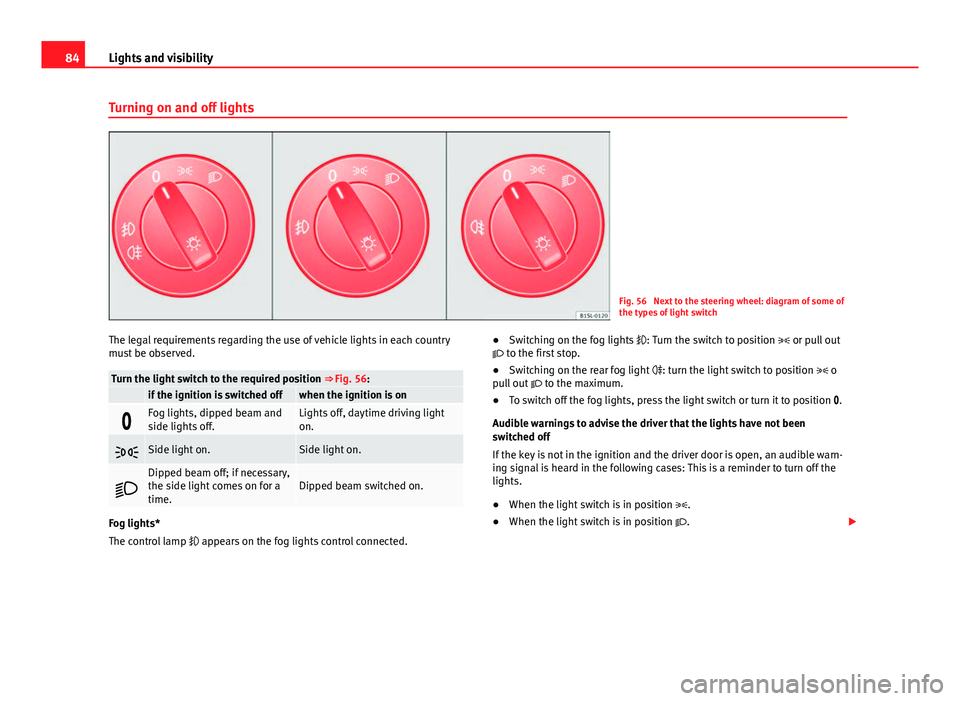
Fig. 56 Next to the steering wheel: diagram of some of
the types of light switch
The legal requirements regarding the use of vehicle lights in each country
must be observed.
Turn the light switch to the required position ⇒ Fig. 56: if the ignition is switched offwhen the ignition is on
Fog lights, dipped beam and
side lights off.Lights off, daytime driving light
on.
Side light on.Side light on.
Dipped beam off; if necessary,
the side light comes on for a
time.Dipped beam switched on.
Fog lights*
The control lamp appears on the fog lights control connected. ●
Switching on the fog lights : Turn the switch to position or pull out
to the first stop.
● Switching on the rear fog light : turn the light switch to position o
pull out to the maximum.
● To switch off the fog lights, press the light switch or turn it to position .
Audible warnings to advise the driver that the lights have not been
switched off
If the key is not in the ignition and the driver door is open, an audible warn-
ing signal is heard in the following cases: This is a reminder to turn off the
lights.
● When the light switch is in position .
● When the light switch is in position .
Page 162 of 306
160Driver assistance systems
Malfunction in the laser sensor
If the laser sensor operation is impaired, for example due to heavy rain,
spray, snow or dirt, the City Safety Assist system function is temporarily
switched off. On the instrument panel display the control lamp flashes.
When the fault in the laser sensor has been rectified, the City Safety Assist
system function automatically becomes available. The control lamp
switches off.
The following conditions could prevent the City Safety Assist system from
functioning:
● Tight bends.
● Accelerator pressed all the way down to the floor.
● If the City Safety Assist system is switched off or there is a fault
⇒ page 156.
● If the laser sensor is dirty, covered or overheated ⇒ page 157.
● In the event of snow, heavy rain or dense fog.
● If there are vehicles in front.
● Vehicles changing lanes.
● Vehicles moving in the opposite direction in the same lane.
● Very dirty vehicles with a low degree of reflection.
● Presence of thick dust.
Hill hold
Introduction
Additional information and warnings:
● SEAT information system ⇒ page 22
● Braking, stopping and parking ⇒ page 134 ●
Vehicle battery ⇒ page 193
● Wheels and tyres ⇒ page 210
● Accessories, parts replacement, repairs and modifications ⇒ page 222
● Jump starting ⇒ page 275
WARNING
The smart technology included in the hill hold cannot change the laws of
physics. Do not let the extra convenience afforded by the hill hold tempt
you into taking any risks when driving.
● Any accidental movement of the vehicle could result in serious injury.
● The hill hold is not a replacement for driver awareness.
● Adjust your speed and driving style to visibility, weather, road and
traffic conditions.
● The hill hold cannot always keep the vehicle at a standstill on a slope
or brake sufficiently when travelling downhill (e.g. on slippery or frozen
surfaces).
Warning lamps
lights upPossible causeSolution
The Start-Stop system is ena-
bled.
The Start-Stop system is ena-
bled but the engine cannot be
automatically stopped.Contact a specialised
workshop.
The Start-Stop system cannot
start the engine.Start the engine by hand
using the vehicle's key
⇒ page 120.
There is a fault in the alternator.⇒ page 193
Page 167 of 306
165
Air conditioning
Note
When the cooling system is turned off, air coming from the outside will not
be dried. To avoid fogging up the windows, SEAT recommends leaving the
cooler (compressor) on. To do this, press the AC
button. The button lamp
should light up.
Note
The maximum heat output required to defrost windows as quickly as possi-
ble is only available when the engine has reached its normal running tem-
perature.
Note
Keep the air intake slots in front of the windscreen free of snow, ice and
leaves to ensure heating and cooling are not impaired, and to prevent the
windows from misting over.
Vehicle diagramPrior to a journey...While drivingCare, cleaning and mainte-
nanceIf and whenTechnical specifications
Page 178 of 306
176At the filling station
Note
● The filling nozzles of natural gas pumps can differ in the way they are
operated. If you are unacquainted with the pump, it is advisable that a
member of staff of the service station performs the refuelling operation.
● Noises heard when refuelling are normal and do not indicate the pres-
ence of a fault in the system.
● The vehicle natural gas system is prepared both for refuelling with a
small compressor (slow refuel) and a large compressor (fast refuel) in natu-
ral gas service stations.
Refilling precautions
Checklist
Never work on the engine or in the engine compartment if you are not famil-
iar with the operations to be carried out, the applicable safety standards
and if you do not have the instruments, liquids and tools necessary
⇒ page 180, Working in the engine compartment ! In such a case, have any
work carried out by a Specialised workshop. Check the following regularly,
preferably when you refuel:
Windscreen washer fluid level
⇒ page 89
Engine oil level
⇒ page 185
Engine coolant level
⇒ page 189
Brake fluid level
⇒ page 134
Tyre pressure ⇒ page 210
Vehicle lighting required to guarantee road safety:
– Turn signals
– Side lights, dipped beam headlights and main beam headlights
– Rear lights
– Brake lights
– Rear fog light ⇒ page 82
Information on bulb replacement ⇒ page 266.
Page 268 of 306
266Practical information
Changing bulbs
Introduction
Changing bulbs requires a certain amount of manual skill. If you are unsure,
SEAT recommends that you consult a Technical Service or request assis-
tance from a specialist. In general a specialist is needed if, in addition to
the bulbs, other vehicle components require removal.
You should store spare light bulbs in the vehicle for safety-relevant lights.
Spare bulbs may be obtained from the Technical Services. In some coun-
tries, it is a legal requirement to carry spare bulbs in the vehicle.
Driving with faults and blown bulbs on the vehicle exterior lighting is
against the law.
Additional bulb specifications
The specifications of some headlamp bulbs and bulbs for the tail lamps fit-
ted at the factory may be different to those of conventional bulbs. Bulb in-
formation is displayed on the bulb socket or on the bulb itself.
Additional information and warnings:
● Exterior detail ⇒ page 6
● Lights and visibility ⇒ page 82
● Working in the engine compartment ⇒ page 180
● Vehicle tools ⇒ page 247
● Fuses ⇒ page 263
WARNING
If the road is not well-lit and the vehicle is not clearly visible to other
drivers, there is a risk of accident.
WARNING
Failure to replace bulbs correctly may cause serious accidents.
● Before carrying out any work in the engine compartment please read
and observe the warnings ⇒ page 180. In any vehicle, the engine com-
partment is a hazardous area and could cause severe injury.
● The bulbs H4, HB4 and H7 are pressurised and might explode on
changing them.
● Only replace the bulbs concerned when they have cooled.
● Never replace bulbs alone if you are not familiar with the operations
necessary. If you are not sure about procedures then visit a specialised
workshop to carry out the necessary work.
● Never touch the bulb glass directly. Fingerprints will be evaporated by
the heat of the operating bulb thus “fogging” up the reflector.
● The headlamp frameworks in the engine compartment and the tail
lamps contain sharp elements. Always protect your hands when chang-
ing bulbs.
CAUTION
After changing a bulb, if the rubber covers are not replaced correctly on the
headlamp framework, the electrical installation may be damaged, especial-
ly if water is allowed to enter.
Page 296 of 306
Exterior mirrors . . . . . . . . . . . . . . . . . . . . . . . . . . 93Controlling function . . . . . . . . . . . . . . . . . . . 94
folding . . . . . . . . . . . . . . . . . . . . . . . . . . . . . . 93
Vehicle care . . . . . . . . . . . . . . . . . . . . . . . . 200
Exterior views . . . . . . . . . . . . . . . . . . . . . . . . . . . . 6
F
FAQs . . . . . . . . . . . . . . . . . . . . . . . . . . . . . . . . . 239
Fault Parking distance warning system . . . . . . . 150
Fault finding . . . . . . . . . . . . . . . . . . . . . . . . . . . 239
Fault memory Connector . . . . . . . . . . . . . . . . . . . . . . . . . . 227
Faults . . . . . . . . . . . . . . . . . . . . . . . . . . . . . . . . 239 Air conditioner . . . . . . . . . . . . . . . . . . . . . . 168
Filling the tank . . . . . . . . . . . . . . . . . . . . . . . . . 171 Refilling precautions . . . . . . . . . . . . . . . . . 176
Fire extinguisher . . . . . . . . . . . . . . . . . . . . . . . . 243
First-aid kit Storage . . . . . . . . . . . . . . . . . . . . . . . . . . . . 243
First aid kit . . . . . . . . . . . . . . . . . . . . . . . . . . . . 243 see First aid kit . . . . . . . . . . . . . . . . . . . . . . 243
Floor mats . . . . . . . . . . . . . . . . . . . . . . . . . . . . . 127
Fluids . . . . . . . . . . . . . . . . . . . . . . . . . . . . . . . . 224
Fog lights . . . . . . . . . . . . . . . . . . . . . . . . . . . . . . 84
Frequently asked questions . . . . . . . . . . . . . . 239
Front airbags See "Airbag system" . . . . . . . . . . . . . . . . . . 70
Front passenger front airbag Deactivating using the key switch . . . . . . . . 71
See "Airbag system" . . . . . . . . . . . . . . . . . . 65 Fuel . . . . . . . . . . . . . . . . . . . . . . . . . . . . . . . . . . 177
Information on consumption . . . . . . . . . . . 284
Petrol . . . . . . . . . . . . . . . . . . . . . . . . . . . . . . 177
Type of fuel . . . . . . . . . . . . . . . . . . . . . . . . . 177
Fuel consumption Economic driving . . . . . . . . . . . . . . . . . . . . 144
¿Why does it increase? . . . . . . . . . . . . . . . . 237
Fuel gauge . . . . . . . . . . . . . . . . . . . . . . . . . . . . 172 Control lamp . . . . . . . . . . . . . . . . . . . . . . . . 172
Fuel . . . . . . . . . . . . . . . . . . . . . . . . . . . . . . . 172
Refuelling . . . . . . . . . . . . . . . . . . . . . . . . . . 172
Fuel tank flap close . . . . . . . . . . . . . . . . . . . . . . . . . . . . . . 174
open . . . . . . . . . . . . . . . . . . . . . . . . . . . . . . 174
Petrol . . . . . . . . . . . . . . . . . . . . . . . . . . . . . . 174
Fuses . . . . . . . . . . . . . . . . . . . . . . . . . . . . . . . . . 263 Fuse box . . . . . . . . . . . . . . . . . . . . . . . . . . . 264
Identifying blown fuses . . . . . . . . . . . . . . . 265
Identifying by colours . . . . . . . . . . . . . . . . 264
Preparation before replacing . . . . . . . . . . . 265
Replacement . . . . . . . . . . . . . . . . . . . . . . . . 265
G
General instrument panel Turn signal and headlight lever . . . . . . . . . . 83
Glove compartment see Compartments . . . . . . . . . . . . . . . 110, 111
H
Handbrake . . . . . . . . . . . . . . . . . . . . . . . . . . . . 136
Hazard warning lights . . . . . . . . . . . . . . . . . . . 241 Headlamp range adjustment . . . . . . . . . . . . . . . 11
Headlight lever . . . . . . . . . . . . . . . . . . . . . . . . . . 83
Headlight range control . . . . . . . . . . . . . . . . . . . 86
Headlights
Driving abroad . . . . . . . . . . . . . . . . . . . . . . . 85
Headlight washers . . . . . . . . . . . . . . . . . . . . 90
Heated rear window . . . . . . . . . . . . . . . . . . . . . 167
Heated seats . . . . . . . . . . . . . . . . . . . . . . . . . . . . 54
Heating and ventilation system Controls . . . . . . . . . . . . . . . . . . . . . . . . . . . . 166
see also Air conditioning system . . . . . . . 164
High pressure cleaning apparatus . . . . . . . . . 199
Hill driving assistant . . . . . . . . . . . . . . . . . . . . 162
Hill hold . . . . . . . . . . . . . . . . . . . . . . . . . . . . . . 160 Control lamp . . . . . . . . . . . . . . . . . . . . . . . . 160
Start-Stop system . . . . . . . . . . . . . . . . . . . . 161
Warning lamp . . . . . . . . . . . . . . . . . . . . . . . 160
Horn . . . . . . . . . . . . . . . . . . . . . . . . . . . . . . . . . . 11
I
Identification number . . . . . . . . . . . . . . . . . . . 283
Identification plate . . . . . . . . . . . . . . . . . . . . . . 283
Ignition See "Engine and ignition" . . . . . . . . . . . . . 119
Ignition key see vehicle key . . . . . . . . . . . . . . . . . . . . 29, 30
Ignition lock . . . . . . . . . . . . . . . . . . . . . . . . . . . 120 Safety interlock . . . . . . . . . . . . . . . . . . . . . . 121
Unauthorised vehicle key . . . . . . . . . . . . . 120
Immobiliser . . . . . . . . . . . . . . . . . . . . . . . . . . . . 122
294 Index