Speed VOLKSWAGEN PASSAT CC 2013 1.G User Guide
[x] Cancel search | Manufacturer: VOLKSWAGEN, Model Year: 2013, Model line: PASSAT CC, Model: VOLKSWAGEN PASSAT CC 2013 1.GPages: 353, PDF Size: 5.56 MB
Page 114 of 353

NOTICE
To help prevent damage to the wiper blades and the wiper motor when it is cold outside,
always make sure that blades are not frozen to the windshield before operating the wipers.
Using the service position can be helpful in cold weather so the wipers do not freeze to the
windshield
x If the ignition is switched off while the wipers are running, the wipers will continue at the
same wiping speed when the ignition is switched on again. Frost, ice, snow, leaves, and other
objects on the windshield can damage the wipers and the wiper motor.
x Remove snow and ice from the wipers before you begin driving.
x If the wiper blades freeze to the windshield, loosen them carefully. Volkswagen
recommends using a deicing spray.
NOTICE
Never switch on the windshield wipers when the windshield is dry because the windshield can
be scratched.
The windshield wipers work only if the ignition is switched on and the engine hood is closed. The
windshield wipers turn off automatically when the engine hood is opened.
The intermittent wiping for the front windshield depends on the driving speed. The higher the
speed, the faster the wipers move.
If the wiper blades freeze to the windshield, loosen them carefully. Volkswagen recommends
using a deicing spray.
Windshield wiper functions
Page 117 of 353
Possible reasons for changes in the way the rain sensor works
The rain sensor may misread what is happening in the detection zone of its sensitive rain-sensor
surface ⇒ fig. 82 (arrow) and not work for a number of reasons, which include:
x Worn out wiper blades: Worn out wiper blades may leave a film of water or wiping streaks; this can
cause the wipers to run longer, to wipe more often, or to wipe continuously at high speed.
x Insects: Insects hitting the sensor may trigger the wipers.
x Salt streaks: Salt streaks on the windshield from winter driving can cause wiping more often or
continuously on glass that is almost dry.
x Dirt: Caked-on dust, wax, any other buildup on the windshield (lotus effect), or car-wash detergent
residue can lower the rain sensor's sensitivity and cause it to react too slowly or not at all.
x Crack or chip in the windshield: If a stone hits and chips the windshield while the rain sensor is on,
this will trigger a wiper cycle. After that, the rain sensor will recognize the change and recalibrate itself
to respond to the sensitive surface's reduced detection zone. Depending on the size of the chip, the
sensor's reaction pattern may or may not change.
WARNING
The rain sensor cannot always recognize rain and activate the wipers.
x Switch the wipers on manually when water on the windshield reduces visibility.
Clean the rain sensor's sensitive surface (arrow) regularly and check the wiper blades for wear or
damage.
To remove wax and coats of polish safely, we recommend using an alcohol-based windshield
cleaner.
Checking and refilling windshield washer fluid
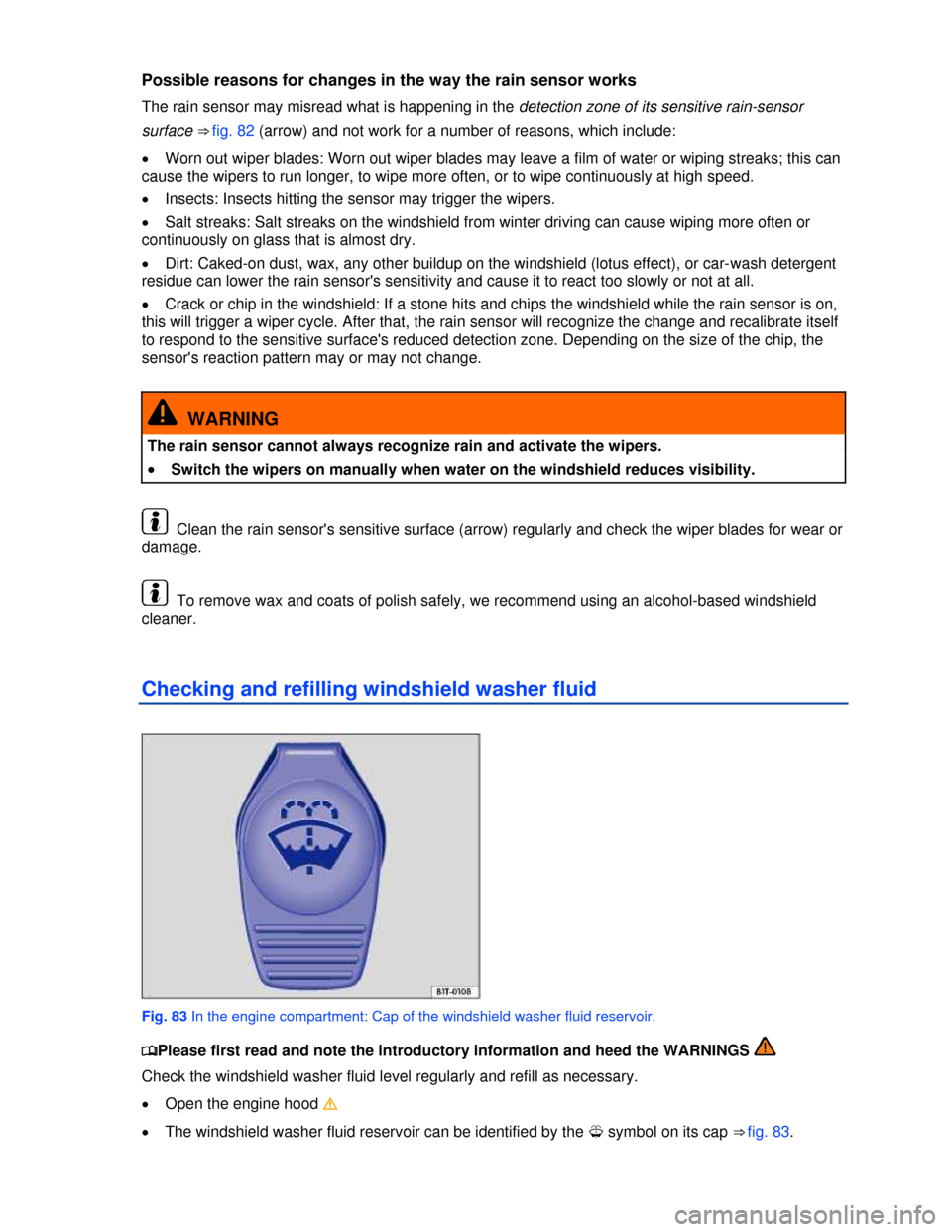
Fig. 83 In the engine compartment: Cap of the windshield washer fluid reservoir.
Page 125 of 353
WARNING
Heavy loads will influence the way your vehicle handles and increase stopping distances.
Heavy loads that are not properly stowed or secured can cause loss of control and serious
injury.
x Secure the load properly to keep it from shifting.
x Always remember when transporting heavy objects that a change in the center of gravity
also changes the way your vehicle handles:
– Always distribute the load as evenly as possible.
– Secure heavy objects properly as far forward in the luggage compartment as possible.
– Always tie down heavy items securely with suitable straps using the tie-downs in the
luggage compartment.
x Securely latch the rear seat backrest in the upright position.
x Never exceed the Gross Axle Weight Rating or the Gross Vehicle Weight Rating on the
safety compliance sticker on the left door jamb. Exceeding permissible weight can cause the
vehicle to skid and handle differently.
x Always adapt your speed and driving to the heavier load and the weight distribution in the
vehicle. Take road, weather, traffic, and visibility conditions into account as well.
x Always accelerate gently and avoid sudden braking and driving maneuvers.
x Always brake earlier than you would if you were not driving a loaded vehicle.
Stowing luggage
Page 126 of 353
Driving with an open luggage compartment lid can lead to serious personal injury. If you have to drive
with an open luggage compartment lid, make sure that all objects and the lid itself are properly
secured and take appropriate measures to keep toxic exhaust fumes from entering the vehicle.
WARNING
Driving with an unlatched or open luggage compartment lid can lead to serious personal
injury.
x Never transport objects larger than those that fit completely in the luggage compartment,
because the luggage compartment lid cannot be fully closed properly.
x After closing the lid, always pull up on it to make sure that it is properly closed and cannot
open suddenly when the vehicle is moving.
x Always stow all objects securely in the luggage compartment. Loose objects can fall out
of the luggage compartment and injure others on the road behind you.
x Drive carefully; anticipate what other drivers will do.
x Avoid abrupt or sudden acceleration, steering, or braking, because the unlatched luggage
compartment lid can move suddenly.
x Always mark objects sticking out from the luggage compartment clearly for others to see.
Obey all applicable legal requirements.
x Never use the luggage compartment lid to “clamp” or “hold” objects that stick out of the
luggage compartment.
x Always remove any luggage rack or other rack mounted on the luggage compartment lid
(along with any luggage on the rack) before driving with an open luggage compartment lid.
WARNING
Driving with an open luggage compartment lid can cause poisonous carbon monoxide in the
engine exhaust to get into the passenger compartment.
x Carbon monoxide causes drowsiness, inattentiveness, poisoning, and loss of
consciousness. It can lead to accidents and severe personal injuries.
x Always keep the luggage compartment lid closed while driving to help keep poisonous
exhaust fumes from being drawn into the vehicle.
x Never transport objects that are too large to fit completely into the luggage area, because
then the luggage compartment lid cannot be fully closed.
x If you absolutely must drive with an open luggage compartment lid, do the following to
reduce the risk of carbon monoxide poisoning:
– Close all windows and the power sunroof.
– Switch off the climate control system's air recirculation feature.
– Open all air vents in the instrument panel.
– Set the fresh air fan to the highest speed.
NOTICE
The open luggage compartment lid changes the vehicle height.
Driving a loaded vehicle
Page 127 of 353

For good handling when driving a loaded vehicle, please observe the following:
x Securely stow all luggage
x Drive especially carefully and accelerate gently.
x Avoid sudden braking and driving maneuvers.
x Brake earlier than you would if you were not driving a loaded vehicle.
x If applicable, observe information about driving with a trailer
x If applicable, observe information about driving with a roof rack
WARNING
Heavy loads can change the way your vehicle handles and increase stopping distances.
Heavy loads that are not properly stowed or secured can shift suddenly, causing loss of
control and serious injury.
x Secure the load properly to keep it from shifting.
x Always remember when transporting heavy objects that they change the vehicle's center
of gravity and also the way it handles.
– Always distribute the load as evenly as possible.
– Secure heavy objects as far forward in the luggage compartment as possible.
– Use your vehicle's luggage compartment tie-downs with suitable straps.
x Always tie down heavy items securely with suitable straps.
x Securely latch the rear seat backrest in the upright position.
x Never exceed the Gross Axle Weight Rating or the Gross Vehicle Weight Rating on the
safety compliance sticker on the left door jamb. Exceeding permissible weight can cause the
vehicle to skid and handle differently.
x Always adapt speed and driving to the heavier load and the weight distribution in the
vehicle. Take road, weather, traffic, and visibility conditions into account as well.
x Always accelerate gently and avoid sudden braking and driving maneuvers.
x Always brake earlier than you would if you were not driving a loaded vehicle.
Weights and axle weights
Page 128 of 353

x Roof load including the roof rack system.
x Factory-installed or retrofitted accessories.
x Hitch weight and tongue weight for trailer towing.
Please refer to the Gross Vehicle Weight Rating (GVWR) and the Gross front and rear Axle Weight
Ratings (GAWR) for your vehicle, which are printed on the vehicle's Safety Compliance Certification
Label on the driver door jamb.
WARNING
Exceeding maximum permissible weight ratings can result in vehicle damage, accidents, and
serious personal injury.
x Never let the actual weights at the front and rear axles exceed the permissible Gross Axle
Weight Rating. Also, never let the total of these actual weights exceed the Gross Vehicle
Weight Rating.
x Always remember that the vehicle's handling and braking will be affected by extra load
and the distribution of this load. Adjust your speed accordingly.
NOTICE
x Always distribute the load evenly and as low as possible in the vehicle. The vehicle capacity
weight figures apply when the load is distributed evenly in the vehicle (passengers and
luggage).
x When transporting a heavy load in the luggage compartment, carry the load as close to the
rear axle (as far forward) as possible so that the vehicle's handling and braking are affected as
little as possible.
Page 130 of 353

WARNING
Unsecured or incorrectly stowed items can fly through the vehicle, causing serious personal
injury during hard braking or sharp steering or in an accident. Loose items can also be struck
and thrown through the passenger compartment by the front airbags if they inflate. To help
reduce the risk of serious personal injury:
x Always stow all objects securely in the vehicle. Always put luggage and heavy items in the
luggage compartment.
x Always secure objects in the passenger compartment properly with suitable straps so that
they cannot move into the deployment zone of a side or front airbag during sudden braking,
in a sudden maneuver, or in a collision.
x Always keep storage compartments closed while driving.
x Never stow hard, heavy, or sharp objects in the vehicle's open storage compartments, on
the shelf behind the rear seat bench, or on the top of the instrument panel.
x Always remove hard, heavy, or sharp objects from clothing and bags in the vehicle
interior and stow them securely in the luggage compartment.
WARNING
Transporting heavy objects causes the handling characteristics of the vehicle to change and
increases braking distances. Heavy loads which are not properly stowed or secured in the
vehicle can lead to a loss of vehicle control and cause serious personal injury.
x Transporting heavy items causes the handling characteristics of the vehicle to change by
shifting the vehicle's center of gravity.
x Always distribute luggage evenly and as low as possible within the vehicle. The vehicle
capacity weight figures apply when the load is distributed evenly in the vehicle (passengers
and luggage).
x Always stow luggage and heavy items in the luggage compartment as far forward of the
rear axle as possible and secure them with appropriate straps to the tie-downs provided.
x Never exceed the vehicle's Gross Vehicle Weight Rating or Gross Axle Weight Ratings,
which are printed on the Safety Compliance Certification Label located on the door jamb of
the driver door. Exceeding the permissible weight can cause the vehicle to skid and behave
differently.
x Always adapt your speed and driving style to accommodate your payload and its weight
distribution within your vehicle.
x Be especially cautious and gentle when stepping on the accelerator pedal and avoid
sudden braking and other maneuvers.
x Brake earlier than you would if you were not driving a loaded vehicle.
NOTICE
The defroster heating wires or antenna in the rear window can be damaged by objects that rub
against them.
The ventilation slots between the rear window and the shelf behind the rear seat backrest must
not be blocked so that stale air can escape from the vehicle.
Page 141 of 353

WARNING
Improper use of the trailer hitch can cause accidents and injuries. An improperly installed,
incorrect, or damaged trailer hitch can cause the trailer to separate from the towing vehicle
and cause serious personal injuries.
x Only use an undamaged, properly mounted trailer hitch.
x Never repair or modify the trailer hitch.
x To reduce the risk of injury in rear-end collisions, and the risk to pedestrians and cyclists
when the vehicle is parked, always remove the ball mount when you are not towing a trailer.
x Never install a “weight distributing” or “load equalizing” trailer hitch on your vehicle. The
vehicle was not designed for these kinds of trailer hitches. The trailer hitch attachment can
fail, causing the trailer to tear loose from the vehicle.
WARNING
Improper trailer towing can cause loss of vehicle control and serious personal injury.
x Driving with a trailer and carrying heavy or large things can change the way the vehicle
handles, increase the distance it needs to stop safely, and cause accidents.
x Always secure the load properly with suitable and undamaged straps so that the load will
not shift.
x Always adapt your speed and driving to the heavier load and the weight distribution in the
vehicle. Take road, weather, traffic, and visibility conditions into account as well.
x Reduce your speed even more than you otherwise would when going downhill and under
unfavorable load, weather, or wind conditions.
x Trailers with a high center of gravity tip more easily than trailers with a low center of
gravity.
x Always avoid sudden maneuvers and hard braking.
x Be especially careful when passing other vehicles.
x Reduce speed immediately if the trailer shows the slightest sign of swaying.
x Never try to stop the swaying by accelerating.
x Always obey speed limits. In some areas, the speed limits for vehicles towing trailers are
lower than for vehicles without trailers. Never drive faster than 50 mph (80 km/h; under
exceptional circumstances 60 mph - 100 km/h) when towing a trailer. This applies even if the
local speed limit is higher.
If you are driving a new vehicle or a vehicle with a new or rebuilt engine, do not tow a trailer
during the break-in period, about 600 miles (1000 km)
If you tow a trailer, your vehicle may need maintenance more often because of the extra load it
has to move.
When you are not towing, remove the trailer hitch ball. This helps keep the trailer hitch from
causing damage to your vehicle and to others if your vehicle is hit from behind.
Some models need a trailer hitch to tow or tow-start other vehicles. You may want to always
carry the ball mount in the vehicle after it has been removed. Be sure to stow it securely.
Page 146 of 353
WARNING
Improper trailer towing can cause loss of vehicle control and serious personal injury.
x Driving with a trailer and carrying heavy or bulky items changes the way the vehicle
handles and increases the distance it needs to stop safely.
x Always watch what is happening up ahead and around you. Brake earlier than you would
if you were not towing a trailer.
x Always adapt your speed and driving to the heavier load and the weight distribution in the
vehicle. Take road, weather, traffic, and visibility conditions into account as well.
x Reduce your speed even more than you otherwise would when going downhill and under
unfavorable load, weather, or wind conditions.
x Drive especially carefully and accelerate gently. Always avoid sudden maneuvers and
hard braking.
x Be especially careful when passing other vehicles.
x Reduce speed immediately if the trailer shows even the slightest sign of swaying.
x Never try to stop the swaying by accelerating.
x Always obey speed limits. In some areas speed limits for vehicles towing trailers are lower
than for vehicles without trailers.
Ball mount
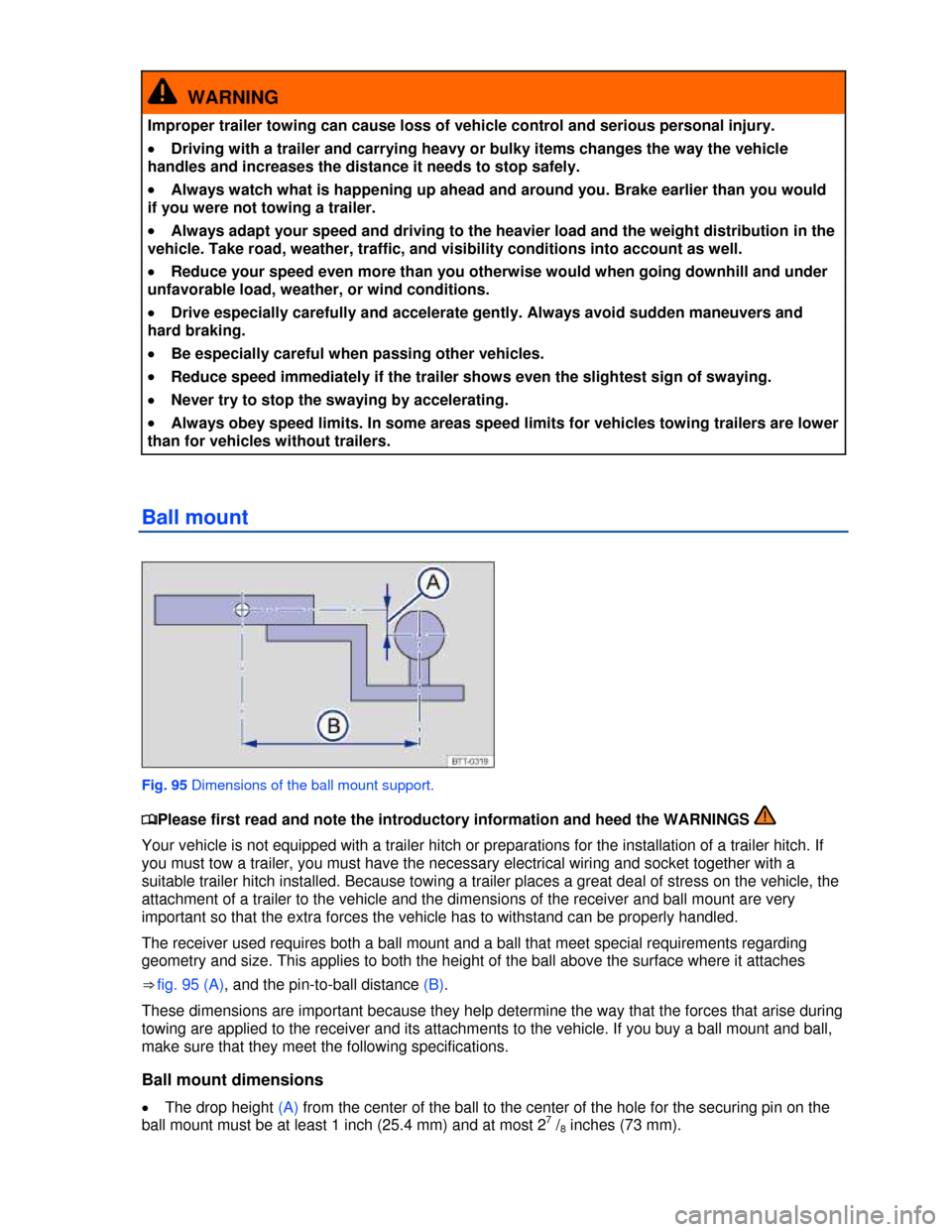
Fig. 95 Dimensions of the ball mount support.
Page 170 of 353
WARNING
Never leave the vehicle unattended while the engine is running. The vehicle could move
suddenly, especially when the vehicle is in gear, resulting in accidents and personal injury.
WARNING
“Starting fluids” can explode and can cause a “run-away” vehicle condition.
x Never use starting assist fluids.
NOTICE
x You can damage the starter or the engine if you try to start the engine when the vehicle is
still moving, or if you try to restart the engine right after switching it off.
x Avoid high engine speeds, full throttle acceleration, and heavy engine loads when the
engine is cold.
x Do not try to start the engine by pushing or towing the vehicle. Unburned fuel can get into
the catalytic converter and damage it. The steering column may also be locked.
Do not let your vehicle warm up while standing; instead, start driving right away after making sure
that you have good visibility through all windows. This will help the engine reach operating
temperature faster and keep down emissions.
Major consumers of electricity are temporarily switched off when the engine is being started.
After starting a cold engine, there may be increased operating noises for a few seconds. This is
normal and harmless.
Stopping the engine