sensor VOLKSWAGEN POLO 2015 Owner´s Manual
[x] Cancel search | Manufacturer: VOLKSWAGEN, Model Year: 2015, Model line: POLO, Model: VOLKSWAGEN POLO 2015Pages: 100, PDF Size: 4.14 MB
Page 5 of 100
Downloaded from www.Manualslib.com manuals search engine 12/29/2015Bedienungsanleitung < Service & Zubehör < Volkswagen Deutschland
2/32
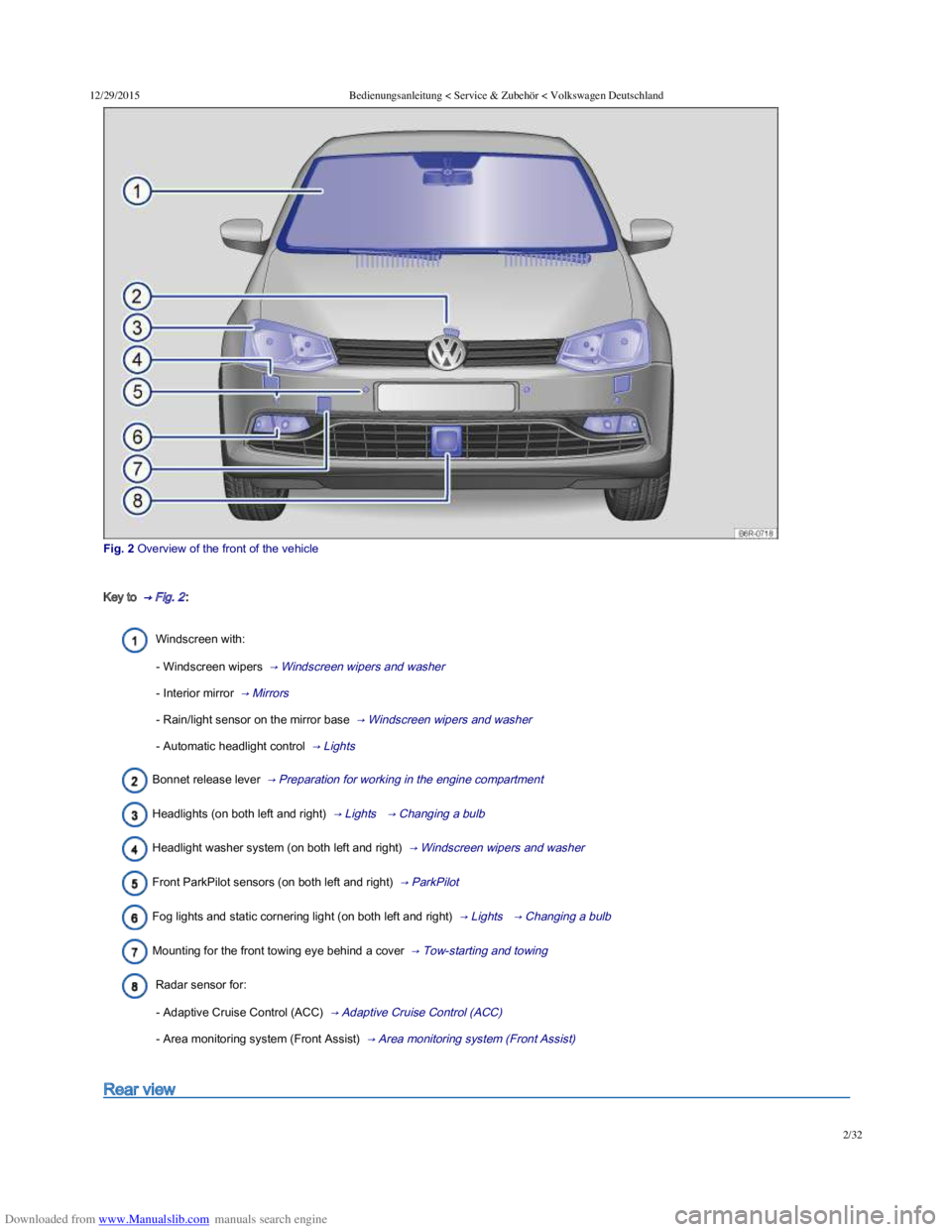
Fig. 2 Overview of the front of the vehicle
Key to → Fig. 2 :
Windscreen with:
- Windscreen wipers → Windscreen wipers and washer
- Interior mirror → Mirrors
- Rain/light sensor on the mirror base → Windscreen wipers and washer
- Automatic headlight control → Lights
Bonnet release lever → Preparation for working in the engine compartment
Headlights (on both left and right) → Lights → Changing a bulb
Headlight washer system (on both left and right) → Windscreen wipers and washer
Front ParkPilot sensors (on both left and right) → ParkPilot
Fog lights and static cornering light (on both left and right) → Lights → Changing a bulb
Mounting for the front towing eye behind a cover → Tow-starting and towing
Radar sensor for:
- Adaptive Cruise Control (ACC) → Adaptive Cruise Control (ACC)
- Area monitoring system (Front Assist) → Area monitoring system (Front Assist)
Rear view
Page 6 of 100
Downloaded from www.Manualslib.com manuals search engine 12/29/2015Bedienungsanleitung < Service & Zubehör < Volkswagen Deutschland
3/32
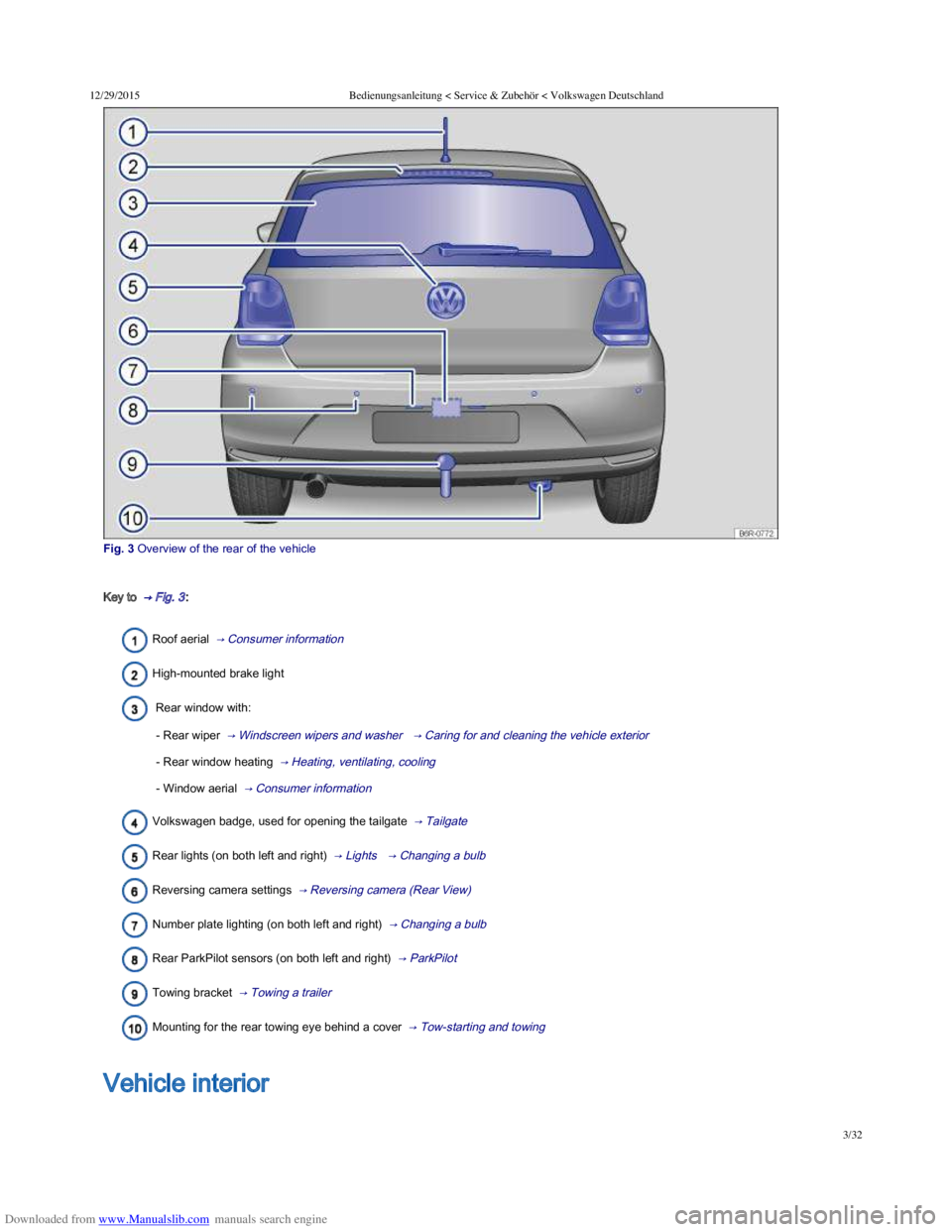
Fig. 3 Overview of the rear of the vehicle
Key to → Fig. 3 :
Roof aerial → Consumer information
High-mounted brake light
Rear window with:
- Rear wiper → Windscreen wipers and washer → Caring for and cleaning the vehicle exterior
- Rear window heating → Heating, ventilating, cooling
- Window aerial → Consumer information
Volkswagen badge, used for opening the tailgate → Tailgate
Rear lights (on both left and right) → Lights → Changing a bulb
Reversing camera settings → Reversing camera (Rear View)
Number plate lighting (on both left and right) → Changing a bulb
Rear ParkPilot sensors (on both left and right) → ParkPilot
Towing bracket → Towing a trailer
Mounting for the rear towing eye behind a cover → Tow-starting and towing
Overview of the driver door
Vehicle interior
Page 9 of 100
Downloaded from www.Manualslib.com manuals search engine 12/29/2015Bedienungsanleitung < Service & Zubehör < Volkswagen Deutschland
6/32
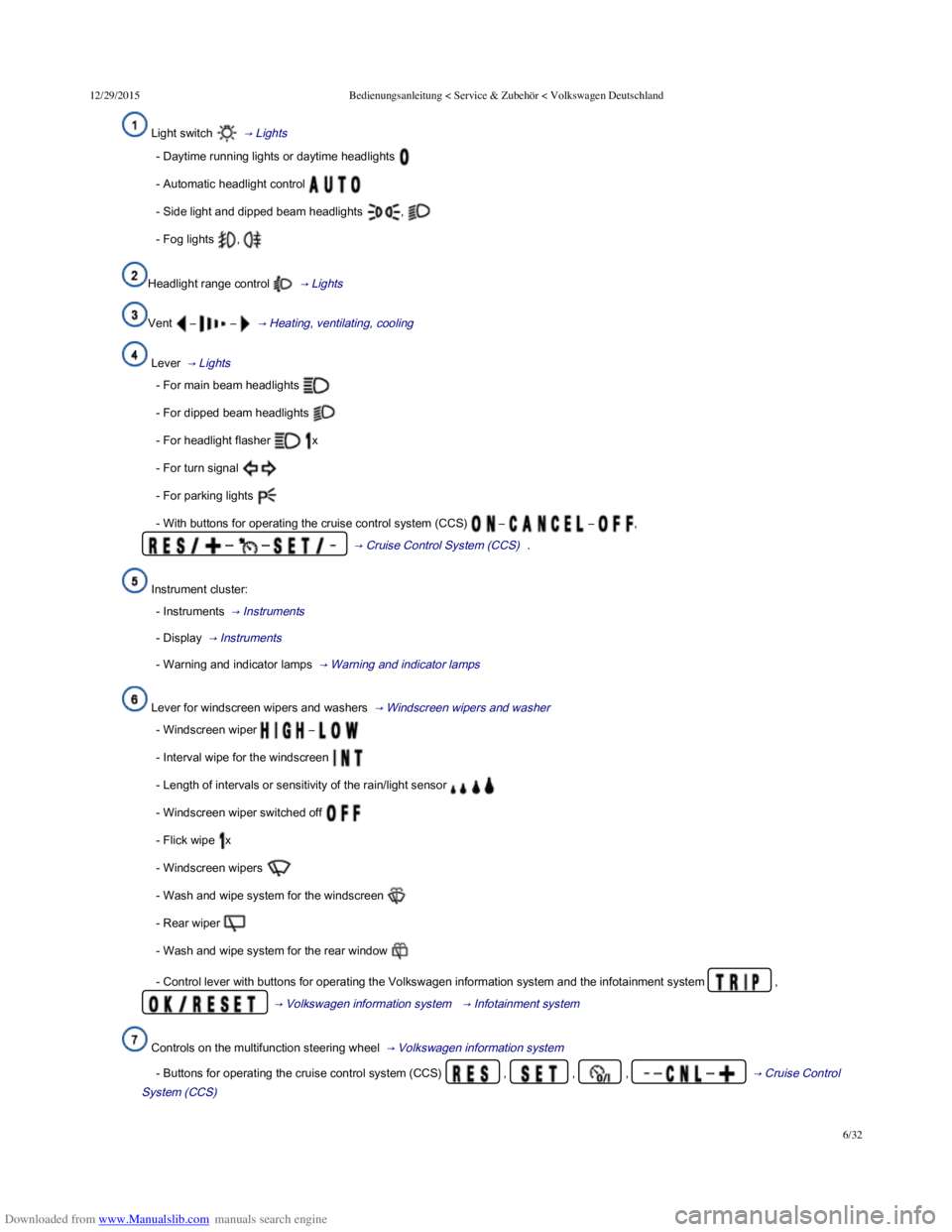
Light switch → Lights
- Daytime running lights or daytime headlights
- Automatic headlight control
- Side light and dipped beam headlights ,
- Fog lights ,
Headlight range control → Lights
Vent – – → Heating, ventilating, cooling
Lever → Lights
- For main beam headlights
- For dipped beam headlights
- For headlight flasher x
- For turn signal
- For parking lights
- With buttons for operating the cruise control system (CCS) – – ,
– – → Cruise Control System (CCS) .
Instrument cluster:
- Instruments → Instruments
- Display → Instruments
- Warning and indicator lamps → Warning and indicator lamps
Lever for windscreen wipers and washers → Windscreen wipers and washer
- Windscreen wiper –
- Interval wipe for the windscreen
- Length of intervals or sensitivity of the rain/light sensor
- Windscreen wiper switched off
- Flick wipe x
- Windscreen wipers
- Wash and wipe system for the windscreen
- Rear wiper
- Wash and wipe system for the rear window
- Control lever with buttons for operating the Volkswagen information system and the infotainment system ,
→ Volkswagen information system → Infotainment system
Controls on the multifunction steering wheel → Volkswagen information system
- Buttons for operating the cruise control system (CCS) , , , – – → Cruise Control
System (CCS)
Page 54 of 100
Downloaded from www.Manualslib.com manuals search engine 12/29/2015Bedienungsanleitung < Service & Zubehör < Volkswagen Deutschland
19/136
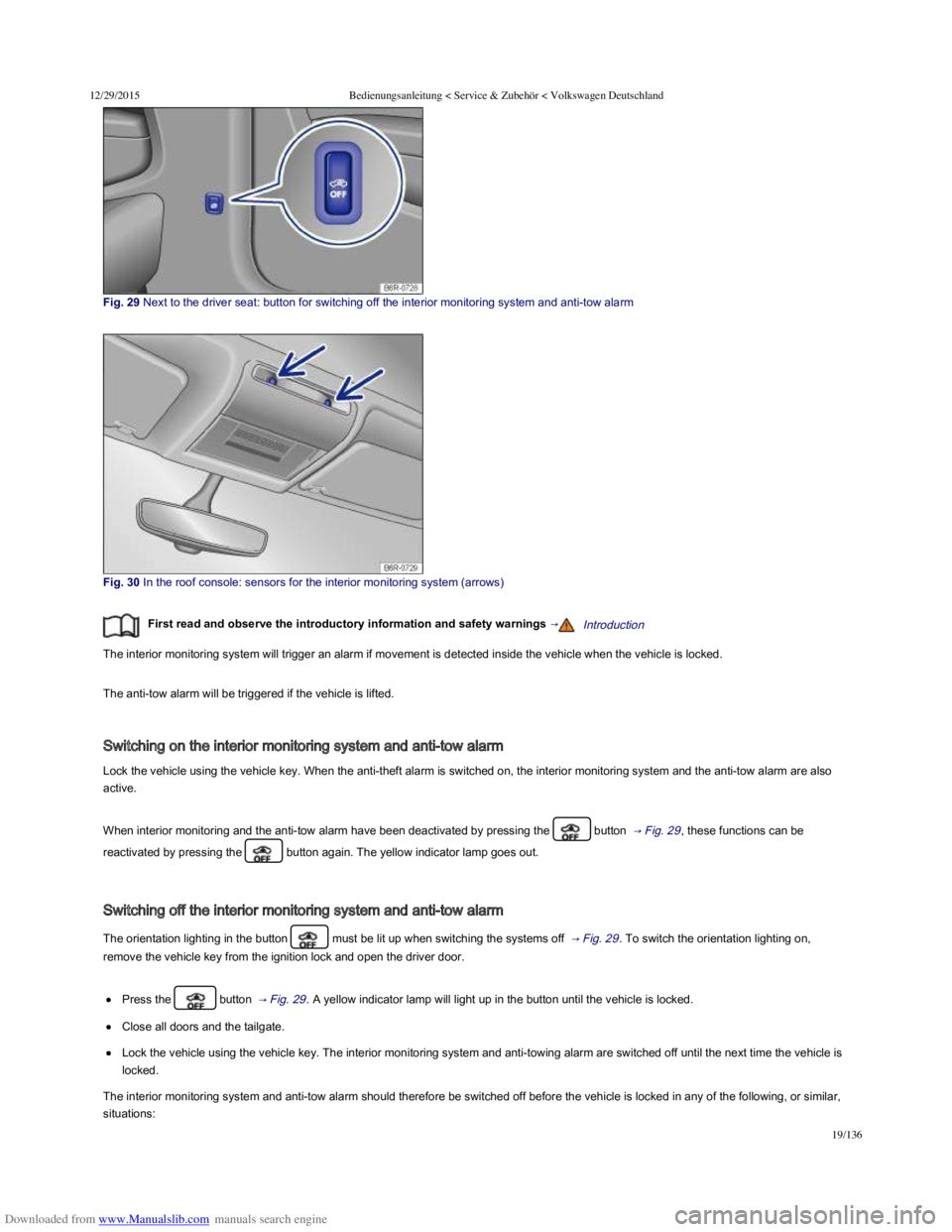
Fig. 29 Next to the driver seat: button for switching off the interior monitoring system and antitow alarm
Fig. 30 In the roof console: sensors for the interior monitoring system (arrows)
First read and observe the introductory information and safety warnings →Introduction
The interior monitoring system will trigger an alarm if movement is detected inside the vehicle when the vehicle is locked.
The anti-tow alarm will be triggered if the vehicle is lifted.
Switching on the interior monitoring system and anti-tow alarm
Lock the vehicle using the vehicle key. When the anti-theft alarm is switched on, the interior monitoring system and the anti-tow alarm are also
active.
When interior monitoring and the anti-tow alarm have been deactivated by pressing the button → Fig. 29 , these functions can be
reactivated by pressing the button again. The yellow indicator lamp goes out.
Switching off the interior monitoring system and anti-tow alarm
The orientation lighting in the button must be lit up when switching the systems off → Fig. 29 . To switch the orientation lighting on,
remove the vehicle key from the ignition lock and open the driver door.
Press the button → Fig. 29 . A yellow indicator lamp will light up in the button until the vehicle is locked.
Close all doors and the tailgate.
Lock the vehicle using the vehicle key. The interior monitoring system and anti-towing alarm are switched off until the next time the vehicle is
locked.
The interior monitoring system and anti-tow alarm should therefore be switched off before the vehicle is locked in any of the following, or similar,
situations:
Page 88 of 100
Downloaded from www.Manualslib.com manuals search engine 12/29/2015Bedienungsanleitung < Service & Zubehör < Volkswagen Deutschland
53/136
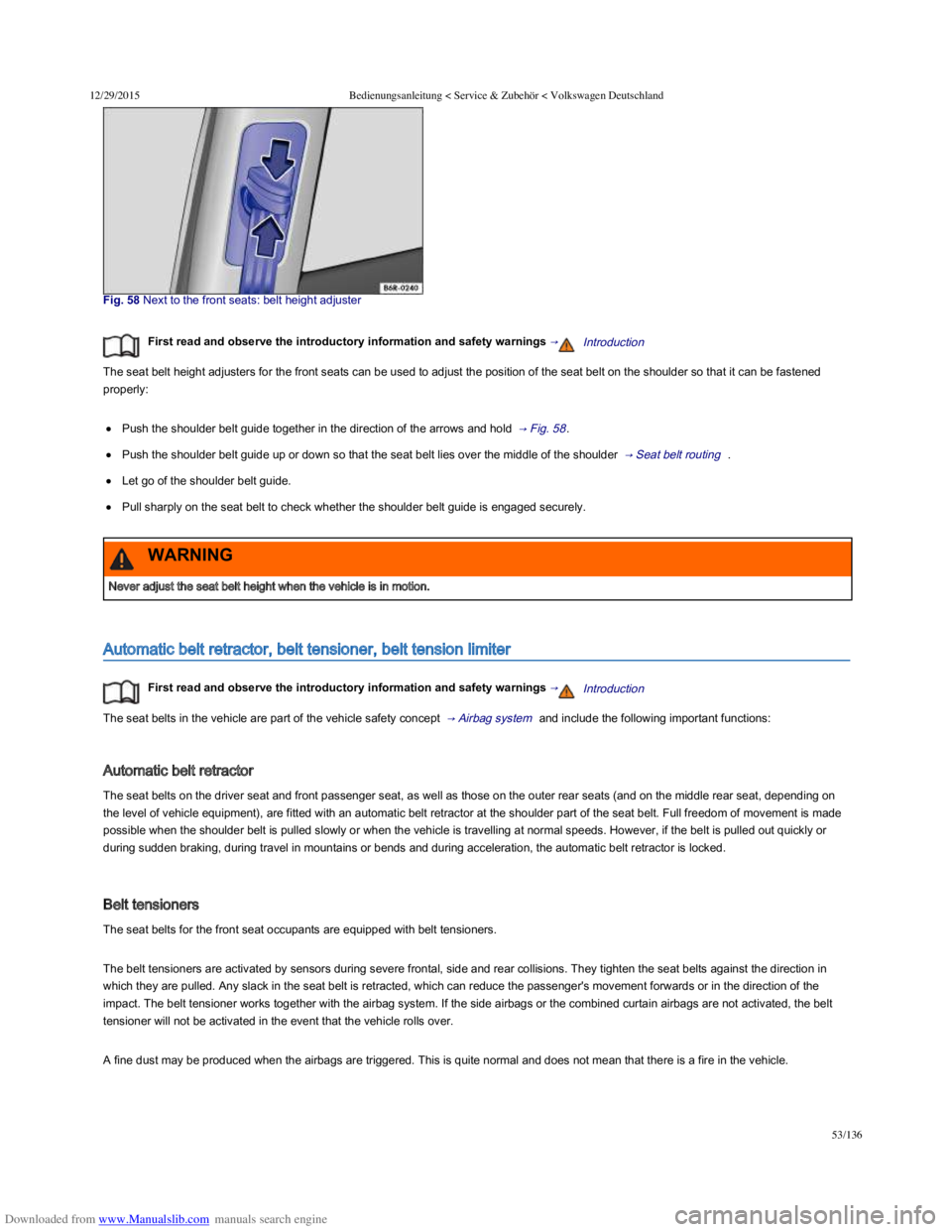
Fig. 58 Next to the front seats: belt height adjuster
First read and observe the introductory information and safety warnings →Introduction
The seat belt height adjusters for the front seats can be used to adjust the position of the seat belt on the shoulder so that it can be fastened
properly:
Push the shoulder belt guide together in the direction of the arrows and hold → Fig. 58 .
Push the shoulder belt guide up or down so that the seat belt lies over the middle of the shoulder → Seat belt routing .
Let go of the shoulder belt guide.
Pull sharply on the seat belt to check whether the shoulder belt guide is engaged securely.
Automatic belt retractor, belt tensioner, belt tension limiter
First read and observe the introductory information and safety warnings →Introduction
The seat belts in the vehicle are part of the vehicle safety concept → Airbag system and include the following important functions:
Automatic belt retractor
The seat belts on the driver seat and front passenger seat, as well as those on the outer rear seats (and on the middle rear seat, depending on
the level of vehicle equipment), are fitted with an automatic belt retractor at the shoulder part of the seat belt. Full freedom of movement is made
possible when the shoulder belt is pulled slowly or when the vehicle is travelling at normal speeds. However, if the belt is pulled out quickly or
during sudden braking, during travel in mountains or bends and during acceleration, the automatic belt retractor is locked.
Belt tensioners
The seat belts for the front seat occupants are equipped with belt tensioners.
The belt tensioners are activated by sensors during severe frontal, side and rear collisions. They tighten the seat belts against the direction in
which they are pulled. Any slack in the seat belt is retracted, which can reduce the passenger's movement forwards or in the direction of the
impact. The belt tensioner works together with the airbag system. If the side airbags or the combined curtain airbags are not activated, the belt
tensioner will not be activated in the event that the vehicle rolls over.
A fine dust may be produced when the airbags are triggered. This is quite normal and does not mean that there is a fire in the vehicle.
Never adjust the seat belt height when the vehicle is in motion.
WARNING
Page 93 of 100
Downloaded from www.Manualslib.com manuals search engine 12/29/2015Bedienungsanleitung < Service & Zubehör < Volkswagen Deutschland
58/136
their deployment zones within milliseconds. Once a vehicle occupant wearing a seat belt starts to sink into the inflated airbag, the gas inside the
airbag starts to escape to cushion the occupant and slow down their movement. This can reduce the risk of severe and fatal injuries. A triggered
airbag will not always prevent other injuries from occurring, such as swelling, bruising, burning and grazing.
Airbags provide no protection for the arms or lower body.
The most important factors for triggering the airbag are the type of accident, the angle of impact, the vehicle speed and the type of object with
which the vehicle collides. Therefore, visible damage to the vehicle does not always mean that the airbag should have been triggered.
Whether or not the airbag triggers is determined by the vehicle deceleration rate caused by the collision and registered by the electronic control
unit. If this rate is below the reference value programmed into the control unit, the airbags will not be triggered, even though the vehicle may be
badly damaged as a result of the collision. Vehicle damage, repair costs or even the lack of vehicle damage in an accident do not necessarily
give an indication of whether an airbag should inflate or not. It is not possible to define a range of vehicle speeds and reference values, since the
circumstances will vary considerably between one collision and another. It is therefore impossible to cover every possible kind and angle of
impact that would trigger the airbags. Important factors in the triggering of the airbag include the nature (hard or soft) of the object that the vehicle
hits, the angle of impact, and the vehicle speed.
Airbags only serve as a supplement to the three-point seat belt in some accident situations when the vehicle braking is sufficient to trigger the
airbags. Airbags can only be triggered once and only in certain situations. The seat belts are always there to provide protection in situations in
which the airbags are not triggered or have already been triggered. For example, if the vehicle collides with a further vehicle following the initial
collision, or is hit by another vehicle.
The airbag system is part of the vehicle's overall passive safety concept. The airbag system can only work effectively when the occupants are
wearing their seat belts correctly and have assumed a proper sitting position → Adjusting the seat position .
Components of the vehicle safety concept
The following vehicle safety equipment makes up the vehicle's safety concept to reduce the risk of severe and fatal injuries. Some of this
equipment may not be fitted in your particular vehicle. It may not be available at all in some countries.
Optimised seat belts for all seats.
Belt tensioners for driver and front passenger.
Belt tension limiter for the driver, front passenger and, if applicable, for the rear outer seats.
Belt height adjuster for the front seats.
Warning lamp .
Front airbags for driver and front passenger.
Combined curtain and side airbags for the driver and front passenger.
Curtain airbags on the right and left.
Airbag indicator lamp .
PASSENGER AIR BAG Indicator lamp in top area of the centre console.
Control units and sensors.
Height-adjustable head restraints optimised for rear impact.
Adjustable steering column.
If fitted, ISOFIX anchor points for child seats on the rear outer seats.
If applicable, securing points for the top tether for child seats.
Situations when the front, side, head or combined curtain and side airbags will not be triggered:
If the ignition is switched off during a collision.