cooling VOLKSWAGEN T-ROC 2021 Owner´s Manual
[x] Cancel search | Manufacturer: VOLKSWAGEN, Model Year: 2021, Model line: T-ROC, Model: VOLKSWAGEN T-ROC 2021Pages: 502, PDF Size: 9.42 MB
Page 369 of 502
-original containers as
people finding these containers could drink them.
es.
-ventilated
area.
r or other volatile fluids for vehicle care.
These substances are toxic and highly flammable. They could cause fires and explosions.
NOTICE
this can result in serious malfunctions and engine damage.
-on parts in front of the air intake reduce the cooling effect of the
coolant. The engine may overheat at high ambient temperatures and high engine loads.
Leaking service fluids can pollute the environment. Spilt service fluids must be collected in suitable
containers and disposed of properly and with respect for the environment.
Washer fluid
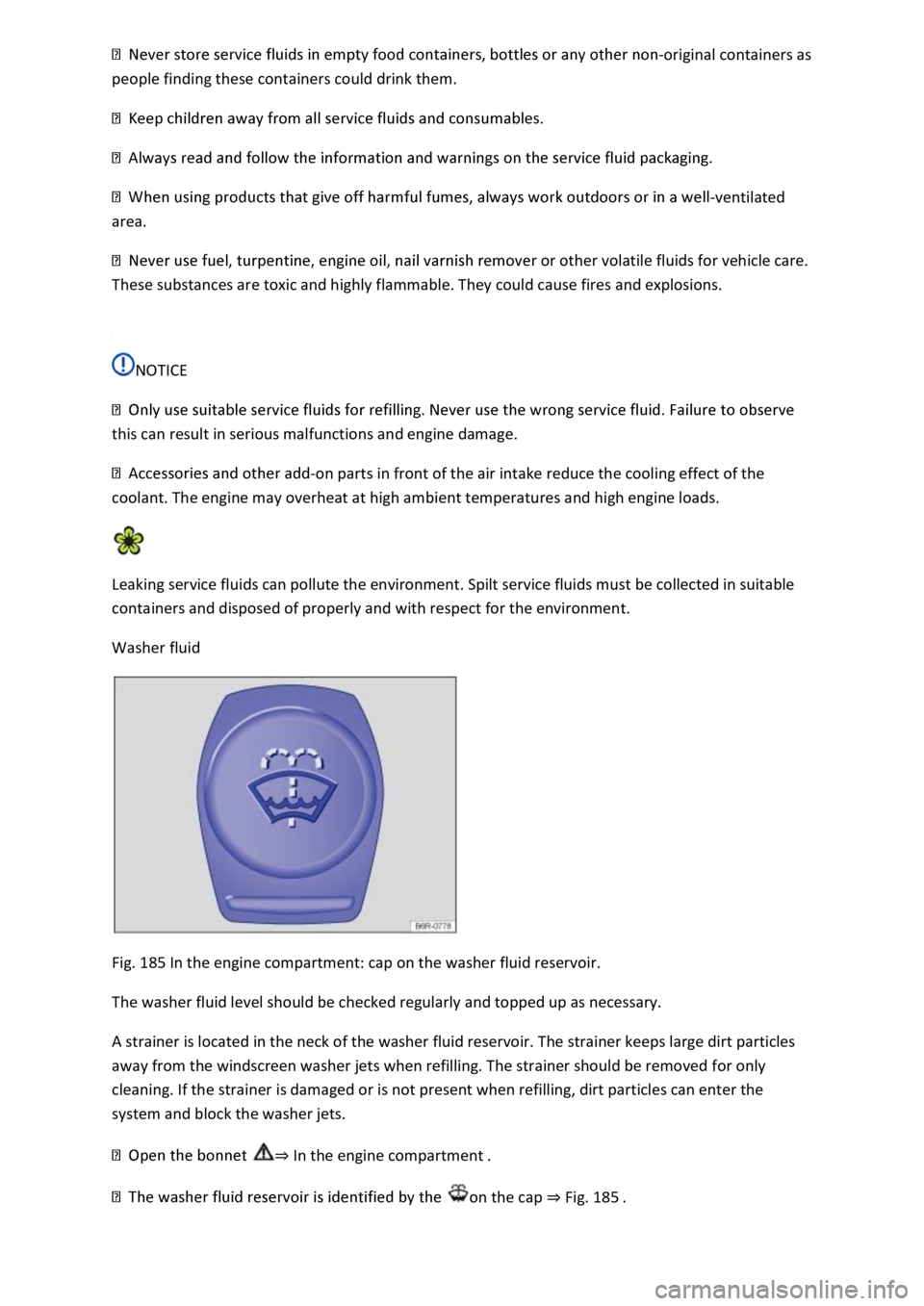
Fig. 185 In the engine compartment: cap on the washer fluid reservoir.
The washer fluid level should be checked regularly and topped up as necessary.
A strainer is located in the neck of the washer fluid reservoir. The strainer keeps large dirt particles
away from the windscreen washer jets when refilling. The strainer should be removed for only
cleaning. If the strainer is damaged or is not present when refilling, dirt particles can enter the
system and block the washer jets.
⇒ In the engine compartment .
on the cap ⇒ Fig. 185 .
Page 378 of 502

Coolant
Introduction
This chapter contains information on the followingsubjects:
⇒ Coolant specification
⇒ Checking the coolant level and refilling coolant
Do not work on the cooling system unless you are familiar with the task, aware of the general safety
procedures and have the correct equipment, service fluids and suitable tools. Serious injuries can be
caused by carrying out work incorrectly ⇒ . The work should be carried out by a qualified
workshop if you are uncertain. Volkswagen recommends using a Volkswagen dealership for this
purpose.
WARNING
Coolant is toxic.
ce.
-original containers as
people finding these containers may then drink the coolant.
ct coolant additive used must be sufficient for the lowest
ambient temperature that you expect the vehicle to be exposed to.
Vehicle occupants with inadequate winter clothing could then freeze to death as the heating will
also no longer function.
Coolant and coolant additives can pollute the environment. Spilt service fluids must be collected
then disposed of properly and in an environmentally responsible way.
Coolant specification
First read and observe the introductoryinformation and safety warnings⇒Introduction
The cooling system is filled at the factory with a mixture of specially prepared water and at least 40%
coolant additive G 13 (TL-VW 774 J).
The proportion of engine coolant additive must always be at least 40% to protect the cooling system.
If greater frost protection is required in very cold climates, the proportion of anti-freeze additive can
be increased. However, the percentage of coolant additive should not exceed 60%, as this would
reduce the frost protection again and the cooling effect.
Page 379 of 502

The coolant additive is dyed purple. The mixture of water and a coolant additive offers anti-freeze
protection down to -25°C (-13°F), protects the alloy parts in the cooling system against corrosion,
prevents limescale deposits and significantly increases the boiling point of the coolant.
When refilling the coolant, a mixture of distilled water and at least 40% coolant additive - G 13 - or -
G 12 plus-plus - (TL-VW 774 G) (both of which are dyed purple) must be used in order to obtain the
optimum corrosion protection ⇒ .
Mixing - G 13 - with the coolant additives - G 12 plus - (TL-VW 774 F), - G 12 - (dyed red) or - G 11 -
(dyed blue-green) will significantly decrease the level of corrosion protection and should therefore
be avoided ⇒ .
WARNING
Insufficient anti-freeze in the coolant system can cause the engine to break down and cause serious
injuries.
ive used must be sufficient for the lowest
ambient temperature that you expect the vehicle to be exposed to.
Vehicle occupants with inadequate winter clothing could then freeze to death as the heating will
also no longer function.
NOTICE
Never mix genuine coolant additives with other coolants that have not been approved by
Volkswagen.
ts from mixing the purple
coolant additive with distilled water) but for example, brown instead of purple, - G 13 - has been
mixed with an unsuitable coolant additive. The coolant must be changed as soon as possible if this is
the case. Failure to observe this warning can result in serious malfunctions or damage to the engine
and cooling system.
Coolant and coolant additives can pollute the environment. Spilt service fluids must be collected and
then disposed of properly and in an environmentally responsible way.
Checking the coolant level and refilling coolant
Page 382 of 502
Refill only with distilled water. All other types of water can cause corrosion in the engine due to
the chemical components contained in the water. This can also lead to engine failure. If any other
type of water apart from distilled water has been refilled, the fluid in the cooling system should be
completely replaced immediately by a qualified workshop.
⇒ Fig. 188 . Otherwise the excess coolant will
be forced out of the cooling system when the engine is hot and could cause damage.
completely. Heavy coolant loss is an indication of leaks in the cooling system. The cooling system
should be checked by a qualified workshop as soon as possible. Failure to do so can result in engine
damage.
have entered the cooling system. Do not drive on! Seek expert assistance. Failure to do so can result
in engine damage.
correct openings. The use of incorrect service fluids could result in serious malfunctions and engine
damage.
Brake fluid
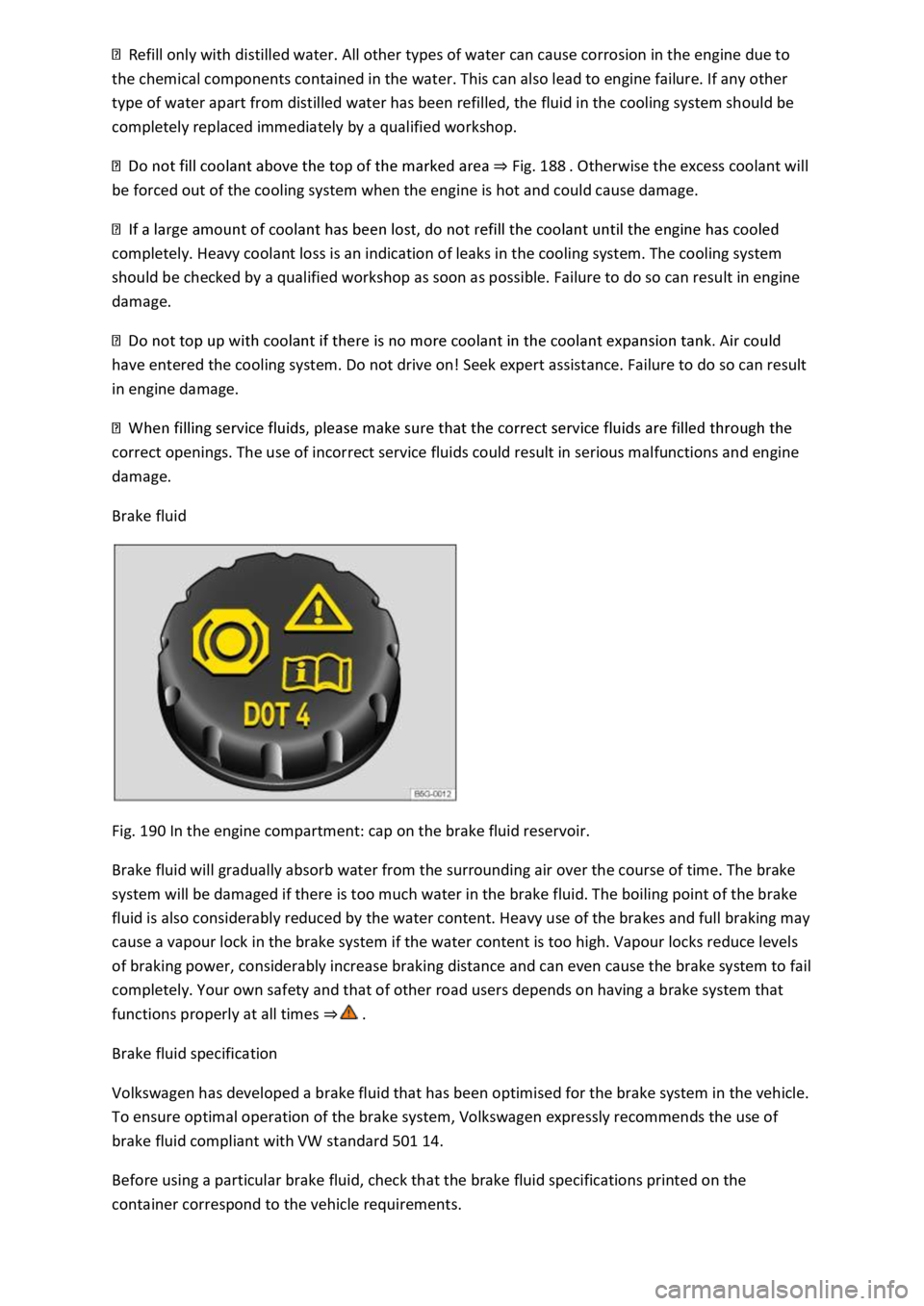
Fig. 190 In the engine compartment: cap on the brake fluid reservoir.
Brake fluid will gradually absorb water from the surrounding air over the course of time. The brake
system will be damaged if there is too much water in the brake fluid. The boiling point of the brake
fluid is also considerably reduced by the water content. Heavy use of the brakes and full braking may
cause a vapour lock in the brake system if the water content is too high. Vapour locks reduce levels
of braking power, considerably increase braking distance and can even cause the brake system to fail
completely. Your own safety and that of other road users depends on having a brake system that
functions properly at all times ⇒ .
Brake fluid specification
Volkswagen has developed a brake fluid that has been optimised for the brake system in the vehicle.
To ensure optimal operation of the brake system, Volkswagen expressly recommends the use of
brake fluid compliant with VW standard 501 14.
Before using a particular brake fluid, check that the brake fluid specifications printed on the
container correspond to the vehicle requirements.