brake light VOLKSWAGEN TIGUAN 2017 Owner´s Manual
[x] Cancel search | Manufacturer: VOLKSWAGEN, Model Year: 2017, Model line: TIGUAN, Model: VOLKSWAGEN TIGUAN 2017Pages: 341, PDF Size: 9.14 MB
Page 261 of 341
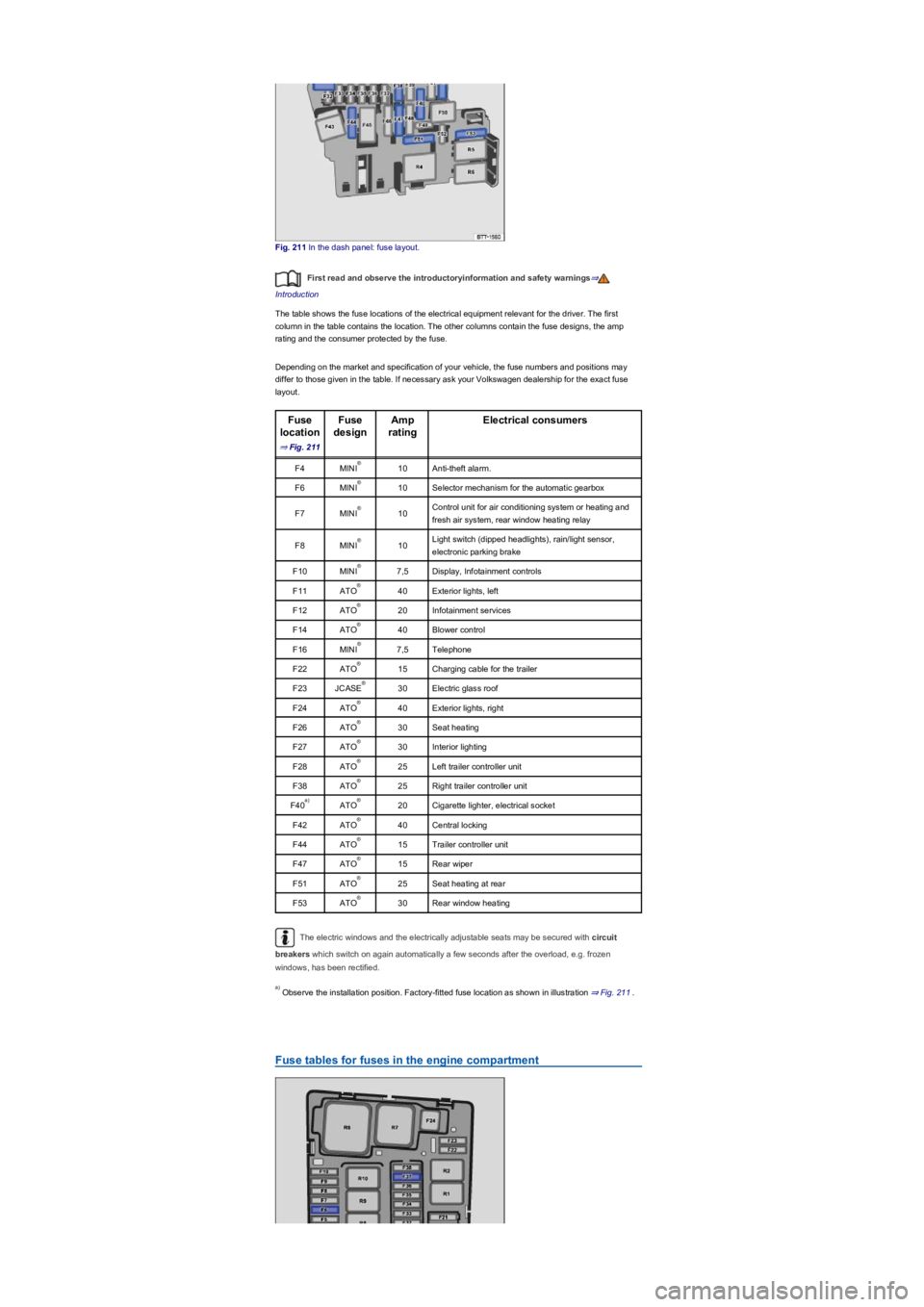
Fig. 211 In the dash panel: fuse layout.
First read and observe the introductoryinformation and safety warnings⇒
Introduction
The table shows the fuse locations of the electrical equipment relevant for the driver. The first
column in the table contains the location. The other columns contain the fuse designs, the amp
rating and the consumer protected by the fuse.
Depending on the market and specification of your vehicle, the fuse numbers and positions may
differ to those given in the table. If necessary ask your Volkswagen dealership for the exact fuse
layout.
Fuse
location
⇒ Fig. 211
Fuse
design
Amp
rating
Electrical consumers
F4MINI10Anti-theft alarm.
F6MINI10Selector mechanism for the automatic gearbox
F7MINI10Control unit for air conditioning system or heating and
fresh air system, rear window heating relay
F8MINI10Light switch (dipped headlights), rain/light sensor,
electronic parking brake
F10MINI7,5Display, Infotainment controls
F11ATO40Exterior lights, left
F12ATO20Infotainment services
F14ATO40Blower control
F16MINI7,5Telephone
F22ATO15Charging cable for the trailer
F23JCASE30Electric glass roof
F24ATO40Exterior lights, right
F26ATO30Seat heating
F27ATO30Interior lighting
F28ATO25Left trailer controller unit
F38ATO25Right trailer controller unit
F40ATO20Cigarette lighter, electrical socket
F42ATO40Central locking
F44ATO15Trailer controller unit
F47ATO15Rear wiper
F51ATO25Seat heating at rear
F53ATO30Rear window heating
The electric windows and the electrically adjustable seats may be secured with circuit
breakers which switch on again automatically a few seconds after the overload, e.g. frozen
windows, has been rectified.
Observe the installation position. Factory-fitted fuse location as shown in illustration ⇒ Fig. 211.
Fuse tables for fuses in the engine compartment
®
®
®
®
®
®
®
®
®
®
®
®
®
®
®
®
a)®
®
®
®
®
®
a)
Page 262 of 341
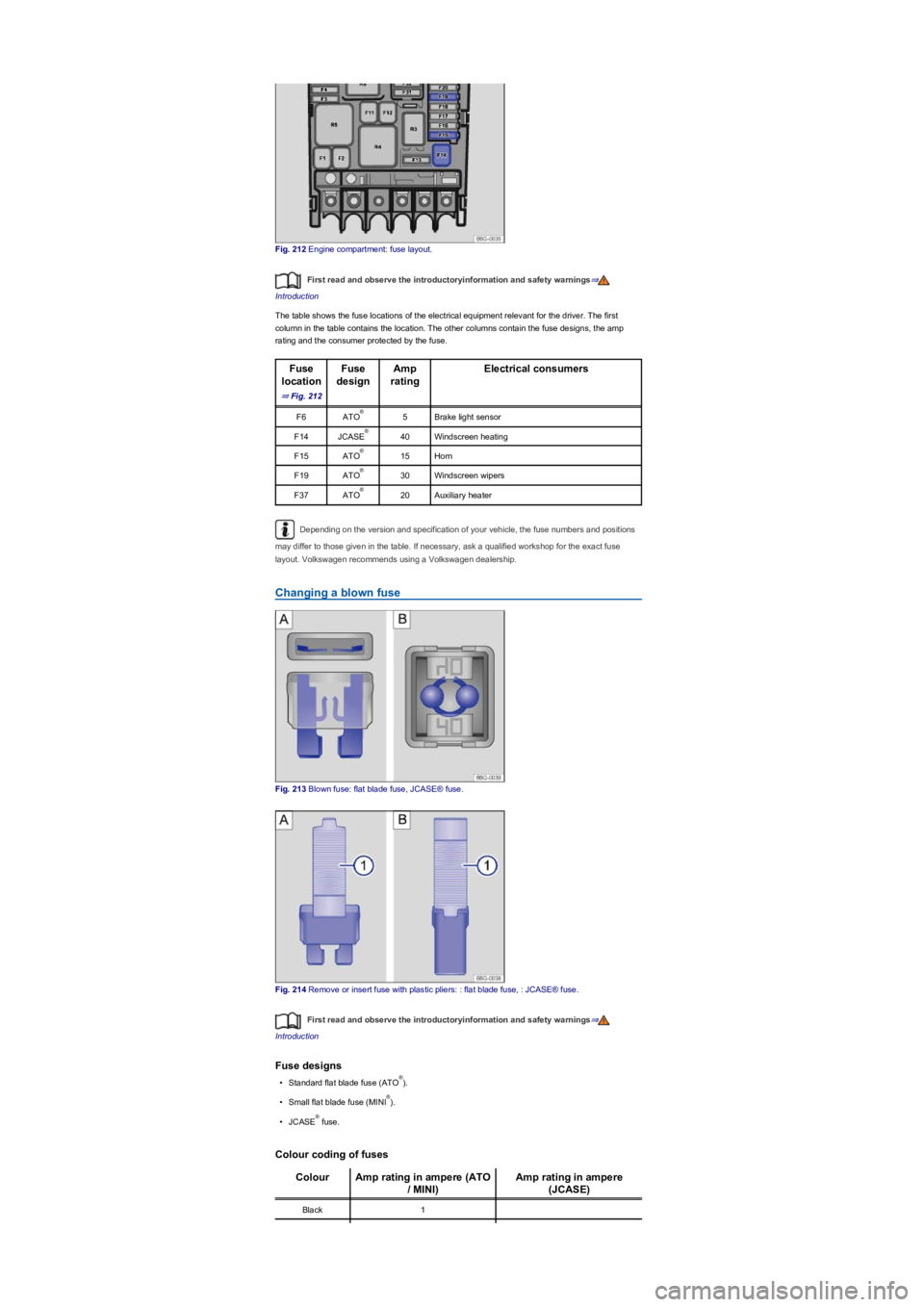
Fig. 212 Engine compartment: fuse layout.
First read and observe the introductoryinformation and safety warnings⇒
Introduction
The table shows the fuse locations of the electrical equipment relevant for the driver. The first
column in the table contains the location. The other columns contain the fuse designs, the amp
rating and the consumer protected by the fuse.
Fuse
location
⇒ Fig. 212
Fuse
design
Amp
rating
Electrical consumers
F6ATO5Brake light sensor
F14JCASE40Windscreen heating
F15ATO15Horn
F19ATO30Windscreen wipers
F37ATO20Auxiliary heater
Depending on the version and specification of your vehicle, the fuse numbers and positions
may differ to those given in the table. If necessary, ask a qualified workshop for the exact fuse
layout. Volkswagen recommends using a Volkswagen dealership.
Changing a blown fuse
Fig. 213 Blown fuse: flat blade fuse, JCASE® fuse.
Fig. 214 Remove or insert fuse with plastic pliers: : flat blade fuse, : JCASE® fuse.
First read and observe the introductoryinformation and safety warnings⇒
Introduction
Fuse designs
•Standard flat blade fuse (ATO).
•Small flat blade fuse (MINI).
•JCASE fuse.
Colour coding of fuses
ColourAmp rating in ampere (ATO
/ MINI)
Amp rating in ampere
(JCASE)
Black1
®
®
®
®
®
®
®
®
Page 267 of 341
Tow-starting or towing
Introduction
This chapter contains information on the followingsubjects:
⇒ Notes on tow-starting and towing
⇒ Fitting the rear towing eye
⇒ Fitting the front towing eye
⇒ Fitting the front towing eye (R-Line)
⇒ Driving notes when towing
Tow-starting is where a vehicle is started from it being set in motion by a vehicle that is hitched up
to it.
Towing is where a vehicle that cannot be driven is pulled away with the aid of another vehicle.
Observe any legal requirements when towing or tow-starting.
For technical reasons, vehicles with a discharged 12-volt battery must not be towed.⇒ Jump
starting
Vehicles with Keyless Access must only be towed with the ignition switched on.
Towing a vehicle when the engine is switched off and the ignition is switched on discharges the 12-
volt vehicle battery. Depending on the charge level of the 12-volt vehicle battery, the drop in voltage
can be large enough after just a few minutes that electrical consumers in the vehicle will no longer
function, e.g. the hazard warning lights.
Jump starting the vehicle incorrectly can cause the 12-volt vehicle battery to explode,
which can lead to serious injuries. Please observe the following in order to reduce the risk
of the 12-volt vehicle battery exploding:
•All work on the 12-volt vehicle battery and the electrical system can cause serious
chemical burns, fire or electric shocks. Always read the warnings and safety
information before carrying out any kind of work on the 12-volt vehicle battery ⇒ 12-
volt vehicle battery.
•Always wear suitable eye protection and gloves and never lean over the 12-volt vehicle
battery.
•Attach the connector cables in the correct order – the positive cable first, followed by
the negative.
•Never connect the negative cable to parts of the fuel system or to the brake lines.
•The non-insulated parts of the battery clamps must not be allowed to touch. The jump
lead attached to the positive terminal on the 12-volt vehicle battery must not touch
electrically conductive parts of the vehicle.
•m/k/a995MK Vehicles with battery in the engine compartment: check the battery
window on the 12-volt vehicle battery. Use a torch for this if necessary. If the display is
light yellow or colourless, do not jump start the vehicle. Seek expert assistance.
•Avoid electrostatic discharge in the vicinity of the 12-volt vehicle battery. The explosive
gas emitted from the 12-volt vehicle battery could be ignited by sparks.
•Do not carry out jump starting if the 12-volt vehicle battery is damaged or if it is or has
ever been frozen.
WARNING
Once the vehicle has been successfully jump-started, go to a qualified workshop and have
the 12-volt vehicle battery checked.
NOTICE
Page 268 of 341
Notes on tow-starting and towing
First read and observe the introductoryinformation and safety warnings⇒
Introduction
Tow rope, tow bar
It is easier and safer to tow a vehicle with a tow bar. Only use a tow rope if you do not have a tow
bar.
The tow rope should be slightly elastic to reduce the strain on both vehicles. It is advisable to use a
tow rope made of synthetic fibre or similarly elastic material.
Only attach the tow rope or tow bar to the specially provided towing eyes or to the towing bracket.
Vehicles with a factory-fitted towing bracket must only use tow bars that are specially designed
to fit a ball head ⇒ Trailer towing.
Tow-starting
Vehicles should not be tow-started wherever possible. Instead have the vehicle jump-started
⇒ Jump starting or collected by a recovery vehicle.
However, if the vehicle still has to be tow-started:
•Engage second or third gear.
•Keep the clutch pressed down.
•Switch on the ignition and the hazard warning lights.
•Once both vehicles are in motion, release the clutch.
•As soon as the engine starts, press the clutch and put the gear into neutral. This helps to
prevent driving into the towing vehicle.
When should your vehicle not be towed?
•The vehicle gearbox is damaged or does not contain any lubricant.
•The 12-volt vehicle battery is discharged. The steering system is still locked and the electronic
parking brake and electronic steering column lock, if applied, cannot be released.
•The distance to be towed is further than 50 km.
Never tow a vehicle that has no power supply.
•Never remove the vehicle key from the ignition or switch off the ignition using the
starter button during towing. This could cause the mechanical steering column lock
(steering lock) or the electronic steering column lock to engage suddenly. You will no
longer be able to steer the vehicle. This can lead to a loss of control of the vehicle,
accidents and serious injuries.
•If the power supply to the towed vehicle is disconnected, stop towing immediately and
seek expert assistance.
WARNING
If a vehicle is being towed, the vehicle handling and braking effect will change
significantly. Please note the following in order to reduce the risk of an accident or serious
injuries:
•Notes for the driver of the towed vehicle:
- You will need to depress the brake pedal more vigorously than normal as the
brake servo is not working. Always be careful not to drive into the vehicle that is
pulling your vehicle.
- You will need to turn the steering wheel more vigorously as the power-assisted
steering function is not working.
•Notes for the driver of the towing vehicle
- Accelerate carefully and gently.
- Avoid sudden braking and driving manoeuvres.
- Brake earlier than normal by pressing lightly on the brake pedal.
WARNING
•Remove and install the cover and the towing eye carefully so as to avoid damage to the
vehicle, e.g. the paintwork.
•Unburnt fuel can enter the catalytic converter and damage it while the vehicle is being
towed.
NOTICE
Page 269 of 341
•The steering function or the operating clearance of the wheels cannot be ensured after an
accident.
If your own vehicle has to be towed:
•Switch on the ignition.
•Select the neutral position or move the selector lever to N⇒ DSG dual clutch gearbox.
•Do not allow the vehicle to be towed at speeds faster than 50 km/h (30 mph).
•Do not allow the vehicle to be towed further than 50 km.
•Vehicles with a DSG dual clutch gearbox may only be towed by the breakdown truck with the
front wheels raised.
Towing vehicles with four-wheel drive (4MOTION)
Vehicles with four-wheel drive (4MOTION) may be towed with a tow bar or tow rope. If the vehicle
is towed with the rear or front axle raised, the engine must be switched off otherwise the drive train
could be damaged.
Please comply with the following when towing another vehicle:
•Comply with legal regulations.
•Comply with the information on towing contained in the owner's manual for the other vehicle.
The vehicle can only be towed when the electronic parking brake is switched off and, if
applicable, when the electronic steering column lock is released. If the power supply fails or if there
are faults in the electrical system, you may need to use jump leads to start the engine to release the
electronic parking brake and the electronic steering column lock.
Fitting the rear towing eye
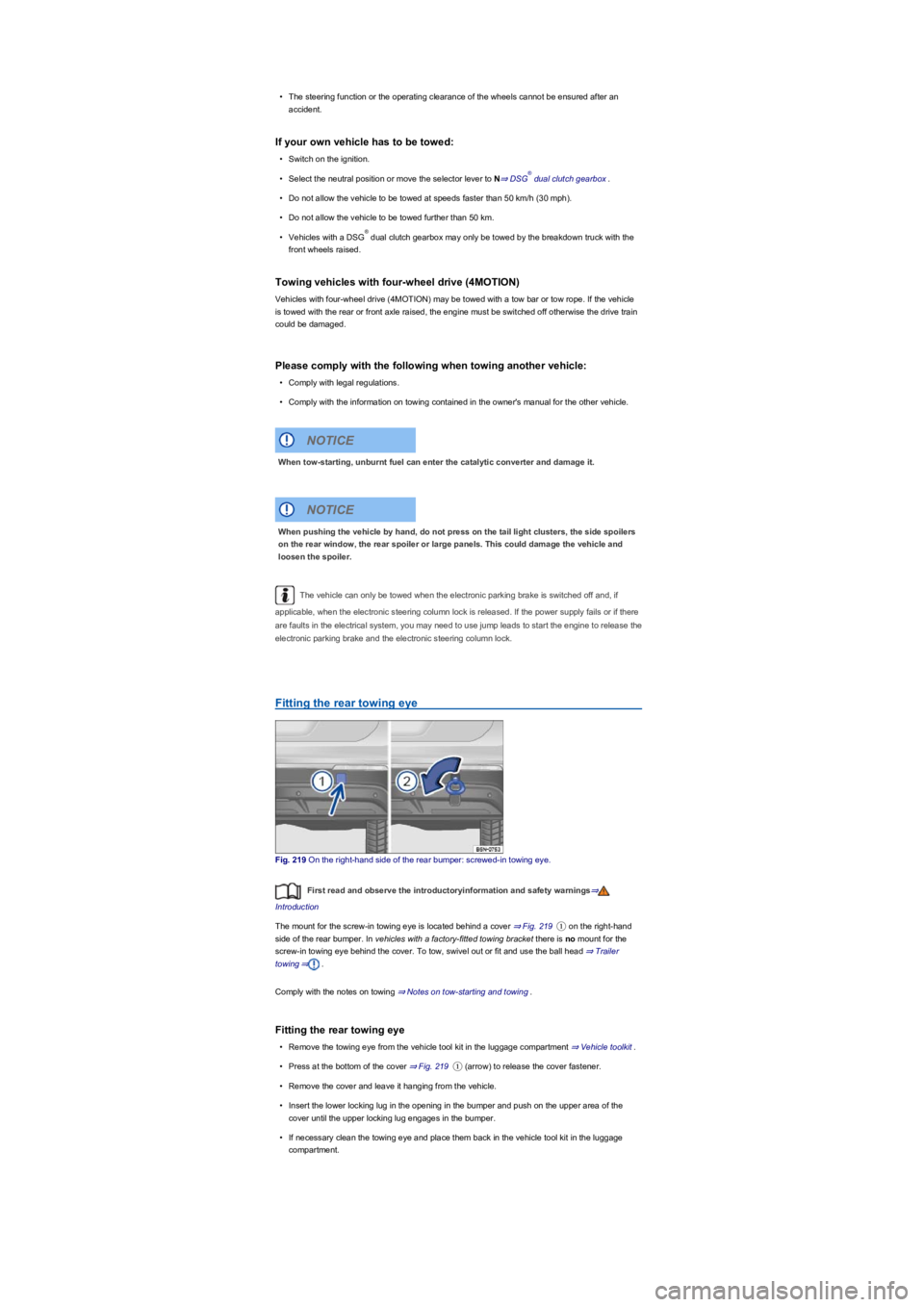
Fig. 219 On the right-hand side of the rear bumper: screwed-in towing eye.
First read and observe the introductoryinformation and safety warnings⇒
Introduction
The mount for the screw-in towing eye is located behind a cover ⇒ Fig. 219① on the right-hand
side of the rear bumper. In vehicles with a factory-fitted towing bracket there is no mount for the
screw-in towing eye behind the cover. To tow, swivel out or fit and use the ball head ⇒ Trailer
towing⇒.
Comply with the notes on towing ⇒ Notes on tow-starting and towing.
Fitting the rear towing eye
•Remove the towing eye from the vehicle tool kit in the luggage compartment ⇒ Vehicle toolkit.
•Press at the bottom of the cover ⇒ Fig. 219① (arrow) to release the cover fastener.
•Remove the cover and leave it hanging from the vehicle.
•Insert the lower locking lug in the opening in the bumper and push on the upper area of the
cover until the upper locking lug engages in the bumper.
•If necessary clean the towing eye and place them back in the vehicle tool kit in the luggage
compartment.
®
®
When tow-starting, unburnt fuel can enter the catalytic converter and damage it.
NOTICE
When pushing the vehicle by hand, do not press on the tail light clusters, the side spoilers
on the rear window, the rear spoiler or large panels. This could damage the vehicle and
loosen the spoiler.
NOTICE
Page 271 of 341
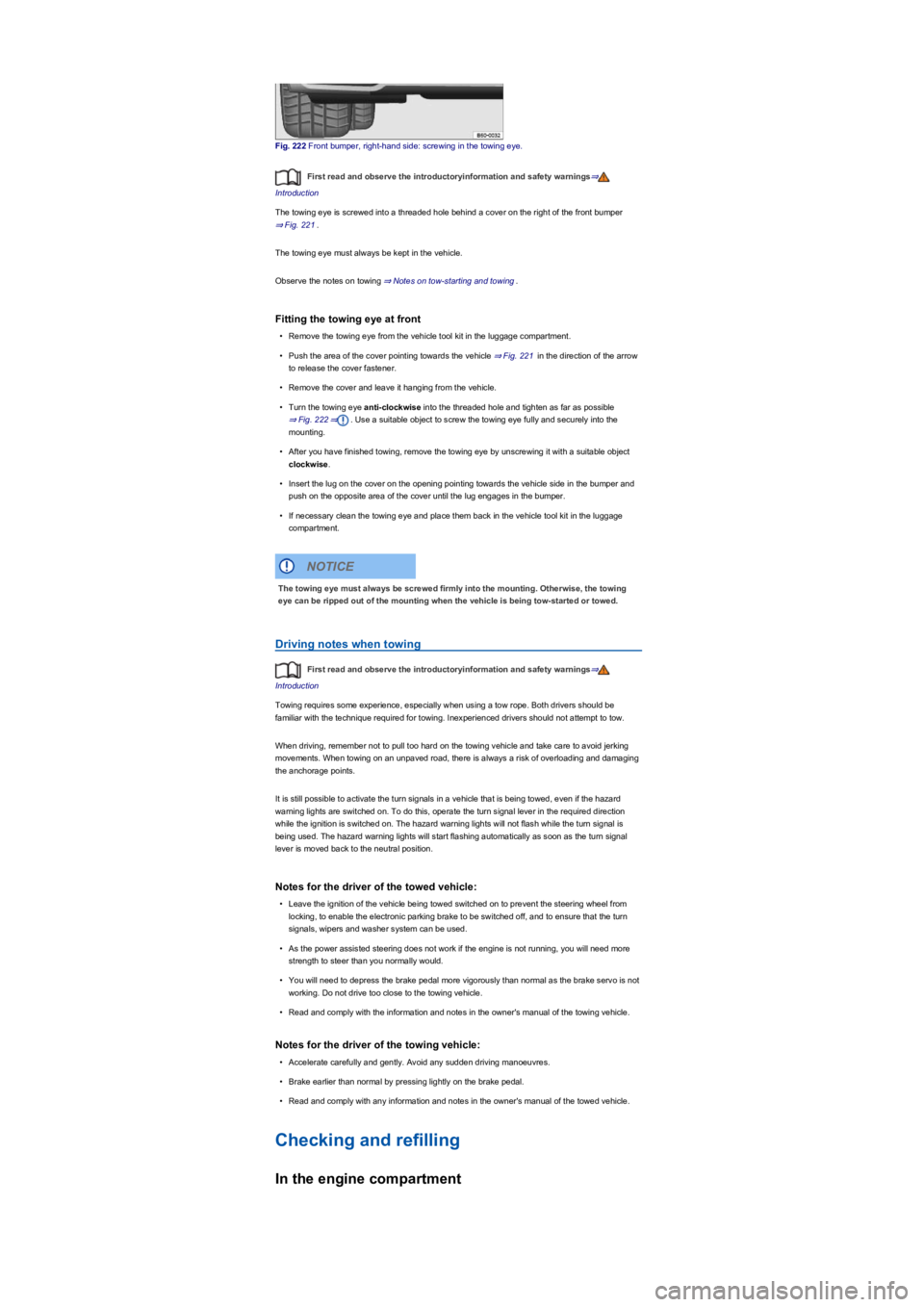
Fig. 222 Front bumper, right-hand side: screwing in the towing eye.
First read and observe the introductoryinformation and safety warnings⇒
Introduction
The towing eye is screwed into a threaded hole behind a cover on the right of the front bumper
⇒ Fig. 221.
The towing eye must always be kept in the vehicle.
Observe the notes on towing ⇒ Notes on tow-starting and towing.
Fitting the towing eye at front
•Remove the towing eye from the vehicle tool kit in the luggage compartment.
•Push the area of the cover pointing towards the vehicle ⇒ Fig. 221 in the direction of the arrow
to release the cover fastener.
•Remove the cover and leave it hanging from the vehicle.
•Turn the towing eye anti-clockwise into the threaded hole and tighten as far as possible
⇒ Fig. 222⇒. Use a suitable object to screw the towing eye fully and securely into the
mounting.
•After you have finished towing, remove the towing eye by unscrewing it with a suitable object
clockwise.
•Insert the lug on the cover on the opening pointing towards the vehicle side in the bumper and
push on the opposite area of the cover until the lug engages in the bumper.
•If necessary clean the towing eye and place them back in the vehicle tool kit in the luggage
compartment.
Driving notes when towing
First read and observe the introductoryinformation and safety warnings⇒
Introduction
Towing requires some experience, especially when using a tow rope. Both drivers should be
familiar with the technique required for towing. Inexperienced drivers should not attempt to tow.
When driving, remember not to pull too hard on the towing vehicle and take care to avoid jerking
movements. When towing on an unpaved road, there is always a risk of overloading and damaging
the anchorage points.
It is still possible to activate the turn signals in a vehicle that is being towed, even if the hazard
warning lights are switched on. To do this, operate the turn signal lever in the required direction
while the ignition is switched on. The hazard warning lights will not flash while the turn signal is
being used. The hazard warning lights will start flashing automatically as soon as the turn signal
lever is moved back to the neutral position.
Notes for the driver of the towed vehicle:
•Leave the ignition of the vehicle being towed switched on to prevent the steering wheel from
locking, to enable the electronic parking brake to be switched off, and to ensure that the turn
signals, wipers and washer system can be used.
•As the power assisted steering does not work if the engine is not running, you will need more
strength to steer than you normally would.
•You will need to depress the brake pedal more vigorously than normal as the brake servo is not
working. Do not drive too close to the towing vehicle.
•Read and comply with the information and notes in the owner's manual of the towing vehicle.
Notes for the driver of the towing vehicle:
•Accelerate carefully and gently. Avoid any sudden driving manoeuvres.
•Brake earlier than normal by pressing lightly on the brake pedal.
•Read and comply with any information and notes in the owner's manual of the towed vehicle.
Checking and refilling
In the engine compartment
The towing eye must always be screwed firmly into the mounting. Otherwise, the towing
eye can be ripped out of the mounting when the vehicle is being tow-started or towed.
NOTICE
Page 284 of 341
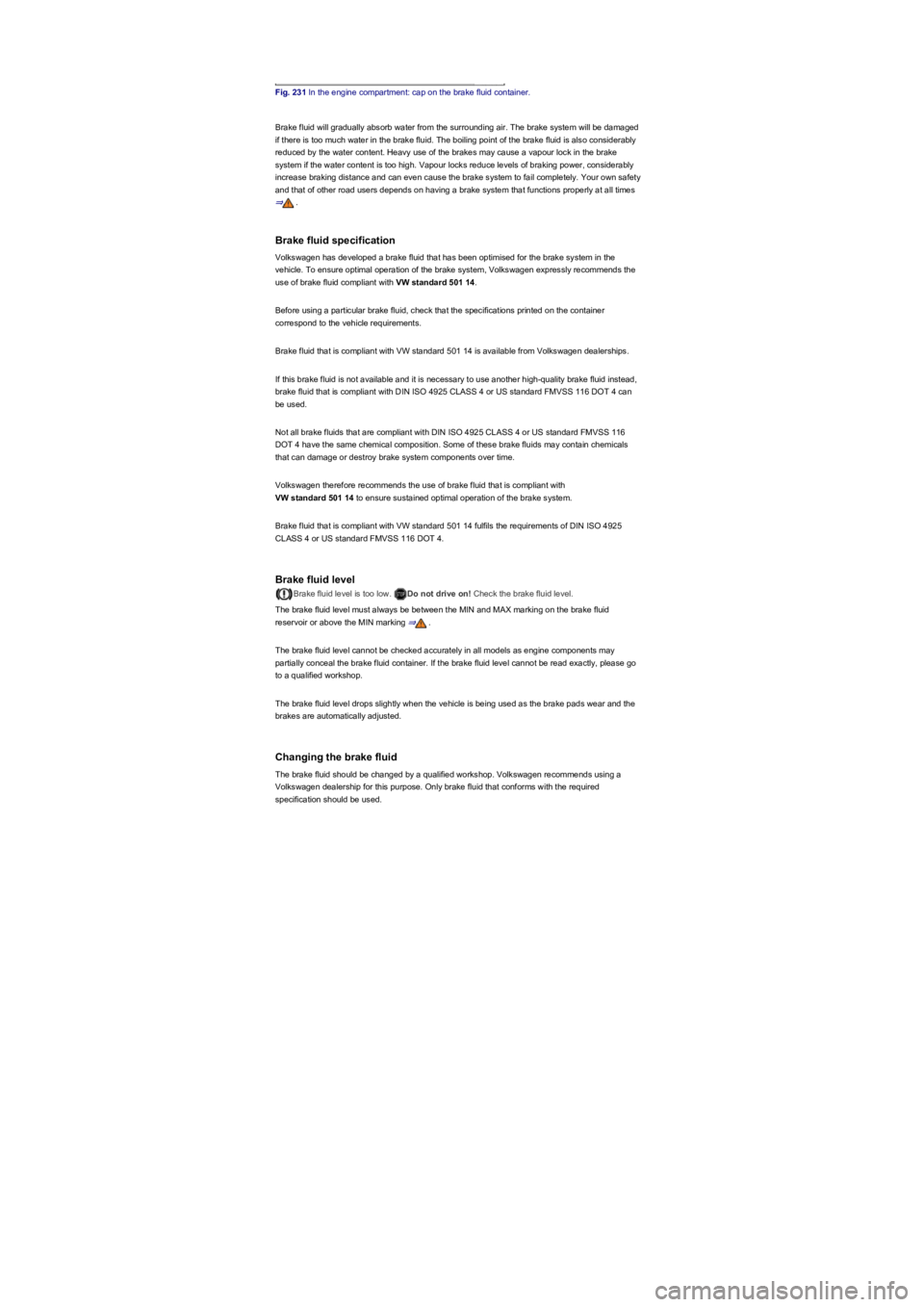
Fig. 231 In the engine compartment: cap on the brake fluid container.
Brake fluid will gradually absorb water from the surrounding air. The brake system will be damaged
if there is too much water in the brake fluid. The boiling point of the brake fluid is also considerably
reduced by the water content. Heavy use of the brakes may cause a vapour lock in the brake
system if the water content is too high. Vapour locks reduce levels of braking power, considerably
increase braking distance and can even cause the brake system to fail completely. Your own safety
and that of other road users depends on having a brake system that functions properly at all times
⇒.
Brake fluid specification
Volkswagen has developed a brake fluid that has been optimised for the brake system in the
vehicle. To ensure optimal operation of the brake system, Volkswagen expressly recommends the
use of brake fluid compliant with VW standard 501 14.
Before using a particular brake fluid, check that the specifications printed on the container
correspond to the vehicle requirements.
Brake fluid that is compliant with VW standard 501 14 is available from Volkswagen dealerships.
If this brake fluid is not available and it is necessary to use another high-quality brake fluid instead,
brake fluid that is compliant with DIN ISO 4925 CLASS 4 or US standard FMVSS 116 DOT 4 can
be used.
Not all brake fluids that are compliant with DIN ISO 4925 CLASS 4 or US standard FMVSS 116
DOT 4 have the same chemical composition. Some of these brake fluids may contain chemicals
that can damage or destroy brake system components over time.
Volkswagen therefore recommends the use of brake fluid that is compliant with
VW standard 501 14 to ensure sustained optimal operation of the brake system.
Brake fluid that is compliant with VW standard 501 14 fulfils the requirements of DIN ISO 4925
CLASS 4 or US standard FMVSS 116 DOT 4.
Brake fluid level
Brake fluid level is too low. Do not drive on! Check the brake fluid level.
The brake fluid level must always be between the MIN and MAX marking on the brake fluid
reservoir or above the MIN marking ⇒.
The brake fluid level cannot be checked accurately in all models as engine components may
partially conceal the brake fluid container. If the brake fluid level cannot be read exactly, please go
to a qualified workshop.
The brake fluid level drops slightly when the vehicle is being used as the brake pads wear and the
brakes are automatically adjusted.
Changing the brake fluid
The brake fluid should be changed by a qualified workshop. Volkswagen recommends using a
Volkswagen dealership for this purpose. Only brake fluid that conforms with the required
specification should be used.
Page 285 of 341
Brake fluid can pollute the environment. Any spilt service fluids must be cleaned up and
disposed of properly.
12-volt vehicle battery
Introduction
This chapter contains information on the followingsubjects:
⇒ Checking the electrolyte level of the 12-volt vehicle battery
⇒ Charging, replacing, disconnecting and connecting the 12-volt vehicle battery
⇒ Troubleshooting
The 12-volt vehicle battery is a component of the electrical system and serves to supply power in
the vehicle.
You should only carry out work on the electrical system if you know exactly how to perform the
required tasks, are aware of the general safety procedures and have access to the correct
equipment, service fluids and suitable tools. Failing to carry out work correctly can cause serious
injuries ⇒. All work should be carried out by a qualified workshop. Volkswagen recommends
using a Volkswagen dealership for this purpose.
Location of the 12-volt vehicle battery
Depending on the vehicle equipment level, the 12-volt vehicle battery may be located in the engine
compartment or in the luggage compartment under the luggage compartment floor.
Explanation of the warnings on the 12-volt vehicle battery
m/k/n948MKAlways wear eye protection!m/k/n947MKElectrolyte is very corrosive
and caustic. Always wear protective gloves and eye protection!m/k/n944MKNo fires,
sparks, naked lights or smoking!m/k/n946MKA highly explosive mixture of gases is given
off when the 12-volt vehicle battery is charging!m/k/n945MKAlways keep children away
from battery acid and the 12-volt vehicle battery!m/k/n949MKAlways observe the owner's
manual!
Brake failure or reduced braking effect can be caused by the brake fluid level being too
low or by brake fluid that is too old or unsuitable.
•The brake system and brake fluid level must be checked regularly.
•The brake fluid should be changed regularly.
•Heavy use of the brakes may cause a vapour lock if the brake fluid is left in the system
for too long. Vapour locks reduce levels of braking power, considerably increase
braking distance and can cause the brake system to fail completely.
•Please ensure that the correct brake fluid is used. Only use brake fluid that is explicitly
compliant with VW standard 501 14.
•Any other brake fluid or a low-quality one can affect the functioning of the brakes and
reduce their effectiveness.
•If a brake fluid compliant with VW standard 501 14 is not available, use a high-quality
brake fluid compliant with DIN ISO 4925 CLASS 4 or the US standard FMVSS 116 DOT
4, but only in exceptional circumstances.
•The refilled brake fluid must be new.
WARNING
Brake fluid is toxic.
•In order to reduce the risk of poisoning, never use bottles or other containers to store
brake fluid. There is always a risk of someone drinking from such containers, even if
they are labelled appropriately.
•Brake fluid must always be stored in its original sealed container and kept out of the
reach of children.
WARNING
Brake fluid that has leaked or been spilt can damage the vehicle paintwork, plastic parts
and tyres. Wipe off brake fluid that has leaked or been spilled immediately from all parts of
the vehicle.
NOTICE
Page 291 of 341
•Open the Vehicle settings menu in the Infotainment system.
•Touch the Tyres function button.
•Touch the SET function button.
•When all four tyre pressures correspond to the required values, touch the Confirm function
button.
After an extended driving time with driving at different speeds, the system will automatically learn
the new values and monitor them.
•If the tyre pressures have been changed.
•If one or more wheels have been changed.
•If the wheels have been swapped round, e.g. from front to rear ⇒ Rotating wheels front to rear.
The Tyre Pressure Loss Indicator stops working if there is a fault in the ESC or ABS ⇒ Brake
support systems.
After a warning about the tyre pressure being too low, switch the ignition off and then back
on again. The Tyre Pressure Loss Indicator can only then be re-synchronised.
Tyre Pressure Monitoring System
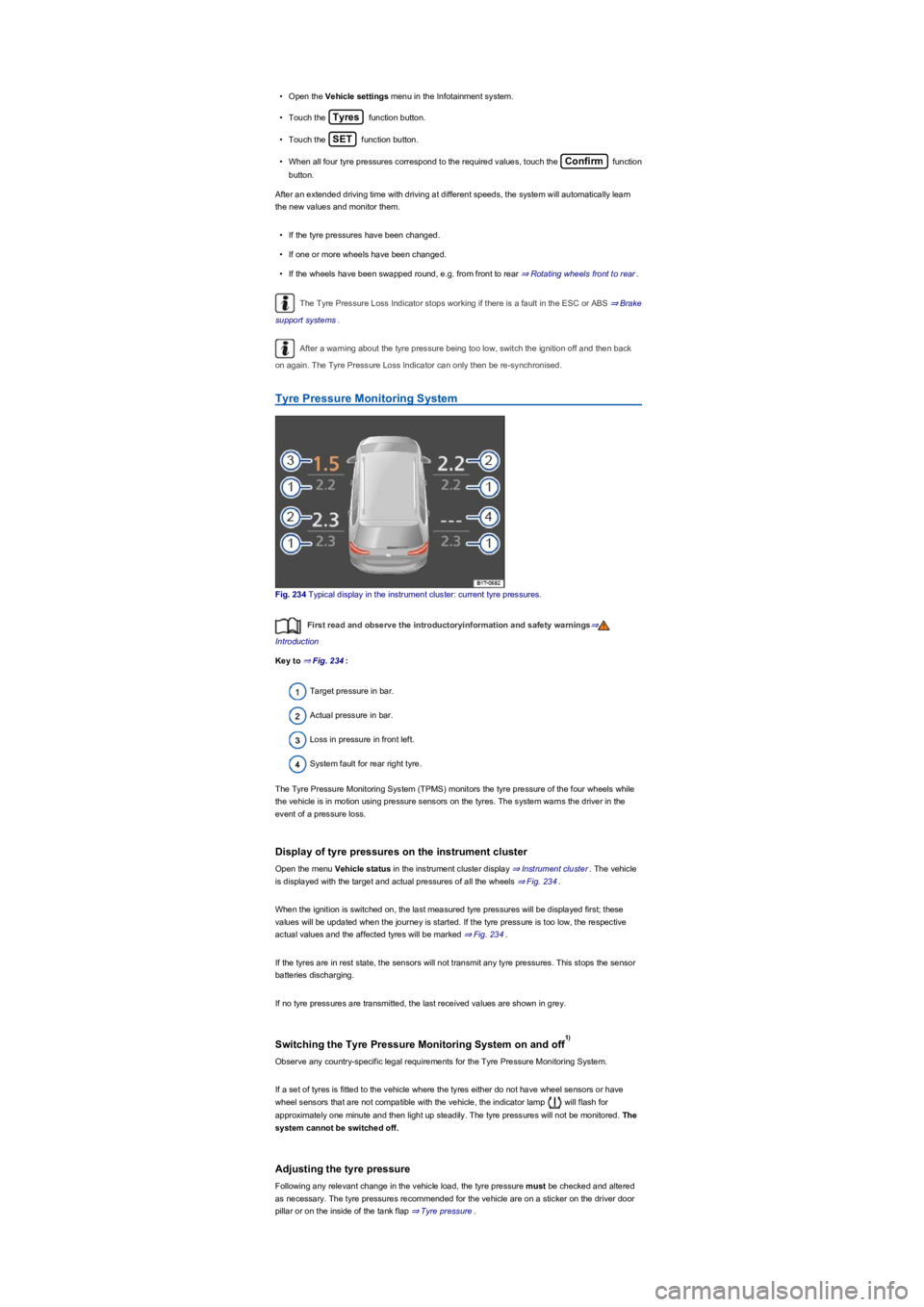
Fig. 234 Typical display in the instrument cluster: current tyre pressures.
First read and observe the introductoryinformation and safety warnings⇒
Introduction
Key to ⇒ Fig. 234:
Target pressure in bar.
Actual pressure in bar.
Loss in pressure in front left.
System fault for rear right tyre.
The Tyre Pressure Monitoring System (TPMS) monitors the tyre pressure of the four wheels while
the vehicle is in motion using pressure sensors on the tyres. The system warns the driver in the
event of a pressure loss.
Display of tyre pressures on the instrument cluster
Open the menu Vehicle status in the instrument cluster display ⇒ Instrument cluster. The vehicle
is displayed with the target and actual pressures of all the wheels ⇒ Fig. 234.
When the ignition is switched on, the last measured tyre pressures will be displayed first; these
values will be updated when the journey is started. If the tyre pressure is too low, the respective
actual values and the affected tyres will be marked ⇒ Fig. 234.
If the tyres are in rest state, the sensors will not transmit any tyre pressures. This stops the sensor
batteries discharging.
If no tyre pressures are transmitted, the last received values are shown in grey.
Switching the Tyre Pressure Monitoring System on and off
Observe any country-specific legal requirements for the Tyre Pressure Monitoring System.
If a set of tyres is fitted to the vehicle where the tyres either do not have wheel sensors or have
wheel sensors that are not compatible with the vehicle, the indicator lamp will flash for
approximately one minute and then light up steadily. The tyre pressures will not be monitored. The
system cannot be switched off.
Adjusting the tyre pressure
Following any relevant change in the vehicle load, the tyre pressure must be checked and altered
as necessary. The tyre pressures recommended for the vehicle are on a sticker on the driver door
pillar or on the inside of the tank flap ⇒ Tyre pressure.
1)
Page 307 of 341
If your vehicle has a flat tyre, park the vehicle on a firm and level surface at a safe distance
from moving traffic.
Switch on the electronic parking brake Parking and manoeuvring.
With a DSG® dual clutch gearbox, move the selector lever to position P DSG® dual clutch
gearbox.
Stop the engine and remove the key from the ignition Starting and stopping the engine.
Manual gearbox: select a gear Manual gearbox: selecting a gear.
First read and observe the introductoryinformation and safety warnings⇒
Introduction
The caps protect the wheel bolts and should be placed fully back in position after changing the
wheel.
Removing and fitting the caps
•Removing: take the wire hook from the vehicle tool kit ⇒ Vehicle toolkit.
•Insert the wire hook through the opening in the cap ⇒ Fig. 243 and pull off in the direction of
the arrow.
•Fitting: press the caps on the bolts as far as they will go.
The anti-theft wheel bolt has a separate cap. It only fits onto the anti-theft wheel bolts and not
onto conventional wheel bolts.
Changing a wheel
Introduction
This chapter contains information on the followingsubjects:
⇒ Preparations for changing a wheel
⇒ Wheel bolts
⇒ Lifting the vehicle with the jack
⇒ Changing a wheel
⇒ After changing a wheel
Some models are delivered from the factory without a jack or box spanner. If this is the case, the
wheel should be changed by a qualified workshop.
The vehicle jack supplied with the vehicle is only designed for changing a wheel when one vehicle
tyre is damaged and has to be replaced. If both tyres on one side of the vehicle, both tyres on one
axle, or all tyres are damaged, seek expert assistance.
Preparations for changing a wheel
First read and observe the introductoryinformation and safety warnings⇒
Introduction
Checklist
The following actions must always be carried out in the given order in preparation for
changing the wheel ⇒:
Changing a wheel can be dangerous, especially when carried out at the side of a road.
Please note the following steps in order to reduce the risk of serious injuries:
•Stop the vehicle as soon as it is possible and safe to do so. Park the vehicle at a safe
distance from moving traffic in order to carry out the wheel change.
•All passengers and children in particular must be at a safe distance and away from
your area of work during the wheel change.
•Switch on the hazard warning lights to warn other road users.
•Check that the surface the vehicle is parked on is level and firm. If necessary use a
large, strong board or similar support for the vehicle jack.
•Only change the wheel yourself if you feel confident carrying out the procedure. If not,
seek expert assistance.
•Always use suitable and undamaged tools to change the wheel.
•Always switch off the engine, switch on the electronic parking brake and move the
selector lever to the position P or select a gear on a manual gearbox in order to reduce
the risk of unintended vehicle movement.
•The wheel bolt tightening torque should be checked with a torque wrench immediately
after changing a wheel.
•In the case of vehicles with a Tyre Pressure Loss Indicator, the system must be re-
synchronised immediately after new tyres are fitted ⇒ Tyre monitoring systems.
WARNING