seats VOLKSWAGEN UP! 2021 Owner´s Manual
[x] Cancel search | Manufacturer: VOLKSWAGEN, Model Year: 2021, Model line: UP!, Model: VOLKSWAGEN UP! 2021Pages: 211, PDF Size: 5.98 MB
Page 56 of 211
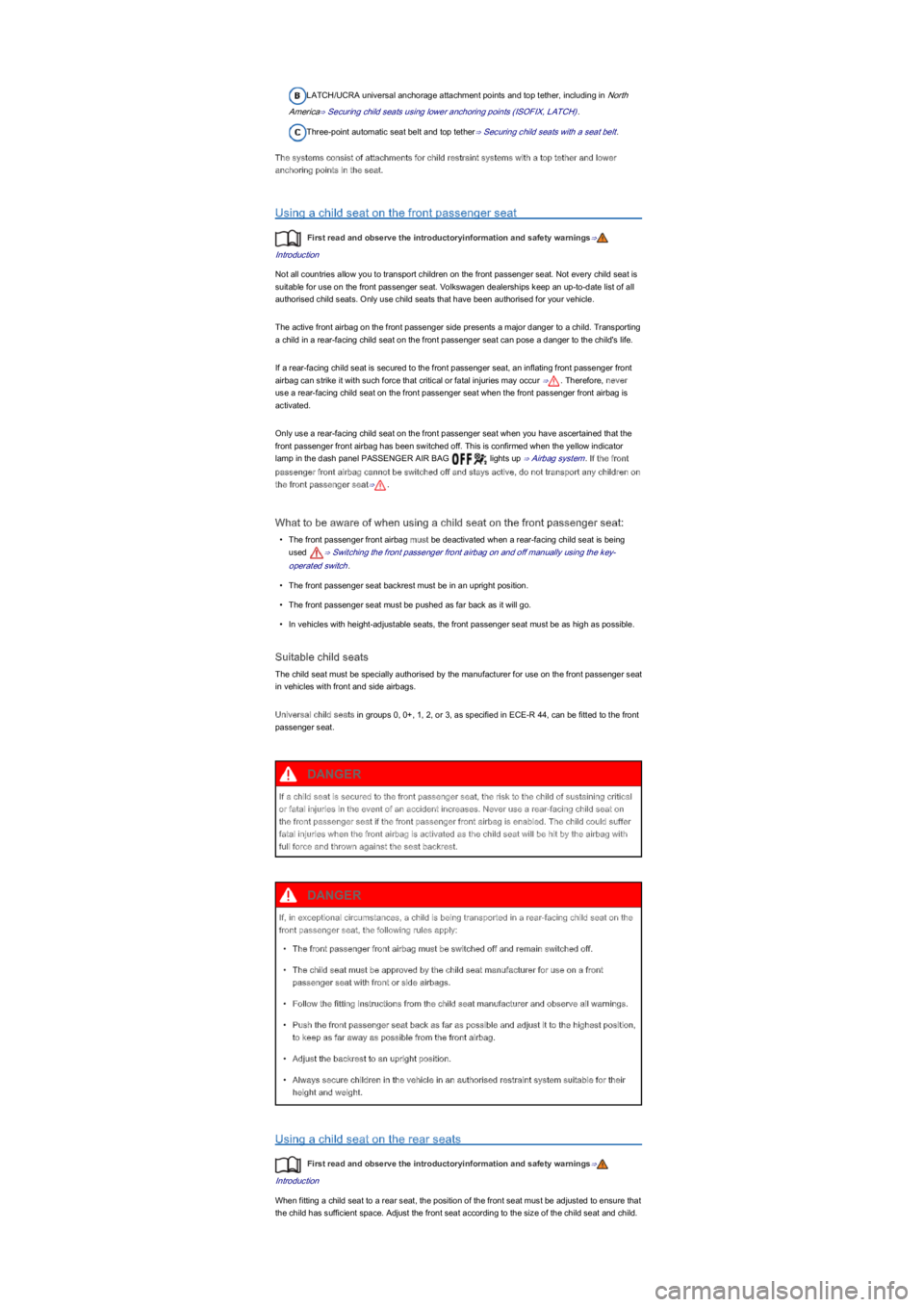
LATCH/UCRA universal anchorage attachment points and top tether, including in North
America⇒ Securing child seats using lower anchoring points (ISOFIX, LATCH).
Three-point automatic seat belt and top tether⇒ Securing child seats with a seat belt.
The systems consist of attachments for child restraint systems with a top tether and lower
anchoring points in the seat.
Using a child seat on the front passenger seat
First read and observe the introductoryinformation and safety warnings⇒
Introduction
Not all countries allow you to transport children on the front passenger seat. Not every child seat is
suitable for use on the front passenger seat. Volkswagen dealerships keep an up-to-date list of all
authorised child seats. Only use child seats that have been authorised for your vehicle.
The active front airbag on the front passenger side presents a major danger to a child. Transporting
a child in a rear-facing child seat on the front passenger seat can pose a danger to the child's life.
If a rear-facing child seat is secured to the front passenger seat, an inflating front passenger front
airbag can strike it with such force that critical or fatal injuries may occur ⇒. Therefore, never
use a rear-facing child seat on the front passenger seat when the front passenger front airbag is
activated.
Only use a rear-facing child seat on the front passenger seat when you have ascertained that the
front passenger front airbag has been switched off. This is confirmed when the yellow indicator
lamp in the dash panel PASSENGER AIR BAG lights up ⇒ Airbag system. If the front
passenger front airbag cannot be switched off and stays active, do not transport any children on
the front passenger seat⇒.
What to be aware of when using a child seat on the front passenger seat:
•The front passenger front airbag must be deactivated when a rear-facing child seat is being
used ⇒ Switching the front passenger front airbag on and off manually using the key-
operated switch.
•The front passenger seat backrest must be in an upright position.
•The front passenger seat must be pushed as far back as it will go.
•In vehicles with height-adjustable seats, the front passenger seat must be as high as possible.
Suitable child seats
The child seat must be specially authorised by the manufacturer for use on the front passenger seat
in vehicles with front and side airbags.
Universal child seats in groups 0, 0+, 1, 2, or 3, as specified in ECE-R 44, can be fitted to the front
passenger seat.
Using a child seat on the rear seats
First read and observe the introductoryinformation and safety warnings⇒
Introduction
When fitting a child seat to a rear seat, the position of the front seat must be adjusted to ensure that
the child has sufficient space. Adjust the front seat according to the size of the child seat and child.
If a child seat is secured to the front passenger seat, the risk to the child of sustaining critical
or fatal injuries in the event of an accident increases. Never use a rear-facing child seat on
the front passenger seat if the front passenger front airbag is enabled. The child could suffer
fatal injuries when the front airbag is activated as the child seat will be hit by the airbag with
full force and thrown against the seat backrest.
DANGER
If, in exceptional circumstances, a child is being transported in a rear-facing child seat on the
front passenger seat, the following rules apply:
•The front passenger front airbag must be switched off and remain switched off.
•The child seat must be approved by the child seat manufacturer for use on a front
passenger seat with front or side airbags.
•Follow the fitting instructions from the child seat manufacturer and observe all warnings.
•Push the front passenger seat back as far as possible and adjust it to the highest position,
to keep as far away as possible from the front airbag.
•Adjust the backrest to an upright position.
•Always secure children in the vehicle in an authorised restraint system suitable for their
height and weight.
DANGER
Page 57 of 211
Ensure that the front passenger can still maintain a correct sitting position ⇒ Adjusting the seat
position.
Suitable child seats
The child seat must have been approved by the manufacturer for use on the rear bench seat with
side airbag.
Universal child seats in groups 0, 0+, 1, 2, or 3 as specified in ECE-R 44 can be fitted to the rear
seats.
The seats are suitable for child seats with the ISOFIX system that are specially approved for this
vehicle type by ECE-R 44.
ISOFIX child seats approved for use on rear seats
There are different categories of ISOFIX child seats: universal, semi-universal and vehicle-specific.
•If the ISOFIX child seat has universal approval, the child seat must be fastened with the lower
anchoring points and the top tether.
•If ISOFIX child seats have semi-universal or vehicle-specific approval, a check must be made
prior to use in order to find out whether the child seat has been approved for the vehicle. For
this purpose, the child-seat manufacturer supplies the ISOFIX child seat with a list of vehicles
for which the respective ISOFIX child seat has been approved. If necessary, contact the child
seat manufacturer for an up-to-date list of vehicles.
Securing child seats with a seat belt
First read and observe the introductoryinformation and safety warnings⇒
Introduction
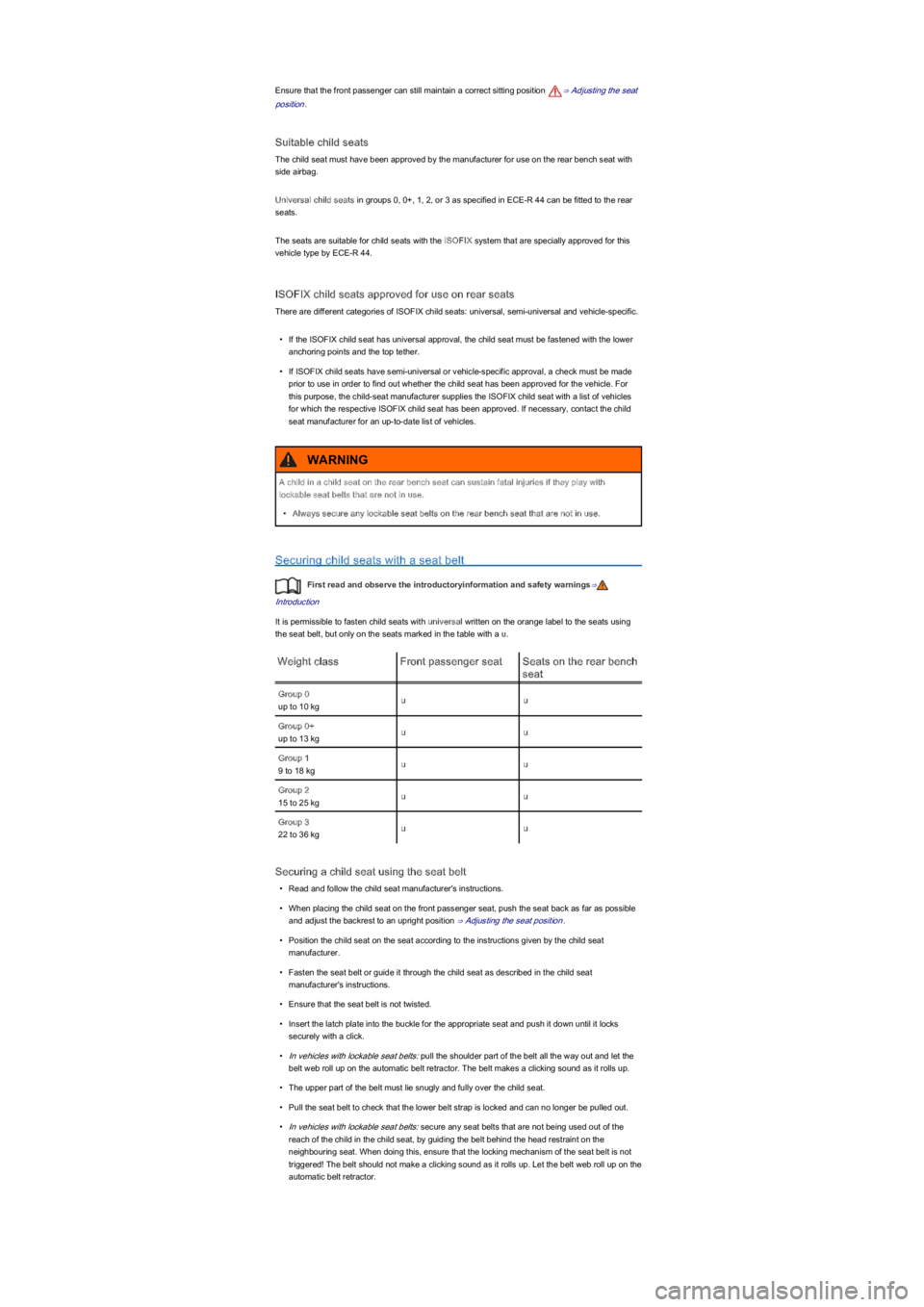
It is permissible to fasten child seats with universal written on the orange label to the seats using
the seat belt, but only on the seats marked in the table with a u.
Weight classFront passenger seatSeats on the rear bench
seat
Group 0
up to 10 kguu
Group 0+
up to 13 kguu
Group 1
9 to 18 kguu
Group 2
15 to 25 kguu
Group 3
22 to 36 kguu
Securing a child seat using the seat belt
•Read and follow the child seat manufacturer's instructions.
•When placing the child seat on the front passenger seat, push the seat back as far as possible
and adjust the backrest to an upright position ⇒ Adjusting the seat position.
•Position the child seat on the seat according to the instructions given by the child seat
manufacturer.
•Fasten the seat belt or guide it through the child seat as described in the child seat
manufacturer's instructions.
•Ensure that the seat belt is not twisted.
•Insert the latch plate into the buckle for the appropriate seat and push it down until it locks
securely with a click.
•In vehicles with lockable seat belts: pull the shoulder part of the belt all the way out and let the
belt web roll up on the automatic belt retractor. The belt makes a clicking sound as it rolls up.
•The upper part of the belt must lie snugly and fully over the child seat.
•Pull the seat belt to check that the lower belt strap is locked and can no longer be pulled out.
•In vehicles with lockable seat belts: secure any seat belts that are not being used out of the
reach of the child in the child seat, by guiding the belt behind the head restraint on the
neighbouring seat. When doing this, ensure that the locking mechanism of the seat belt is not
triggered! The belt should not make a clicking sound as it rolls up. Let the belt web roll up on the
automatic belt retractor.
A child in a child seat on the rear bench seat can sustain fatal injuries if they play with
lockable seat belts that are not in use.
•Always secure any lockable seat belts on the rear bench seat that are not in use.
WARNING
Page 58 of 211
Removing child seats
Unfasten seat belts only when the vehicle is stationary ⇒.
•Press the red button in the buckle. The latch plate is released and springs out.
•Guide the belt back by hand so that it rolls up easily, without twisting the seat belt and without
damaging the trim.
•Remove the child seat from the vehicle.
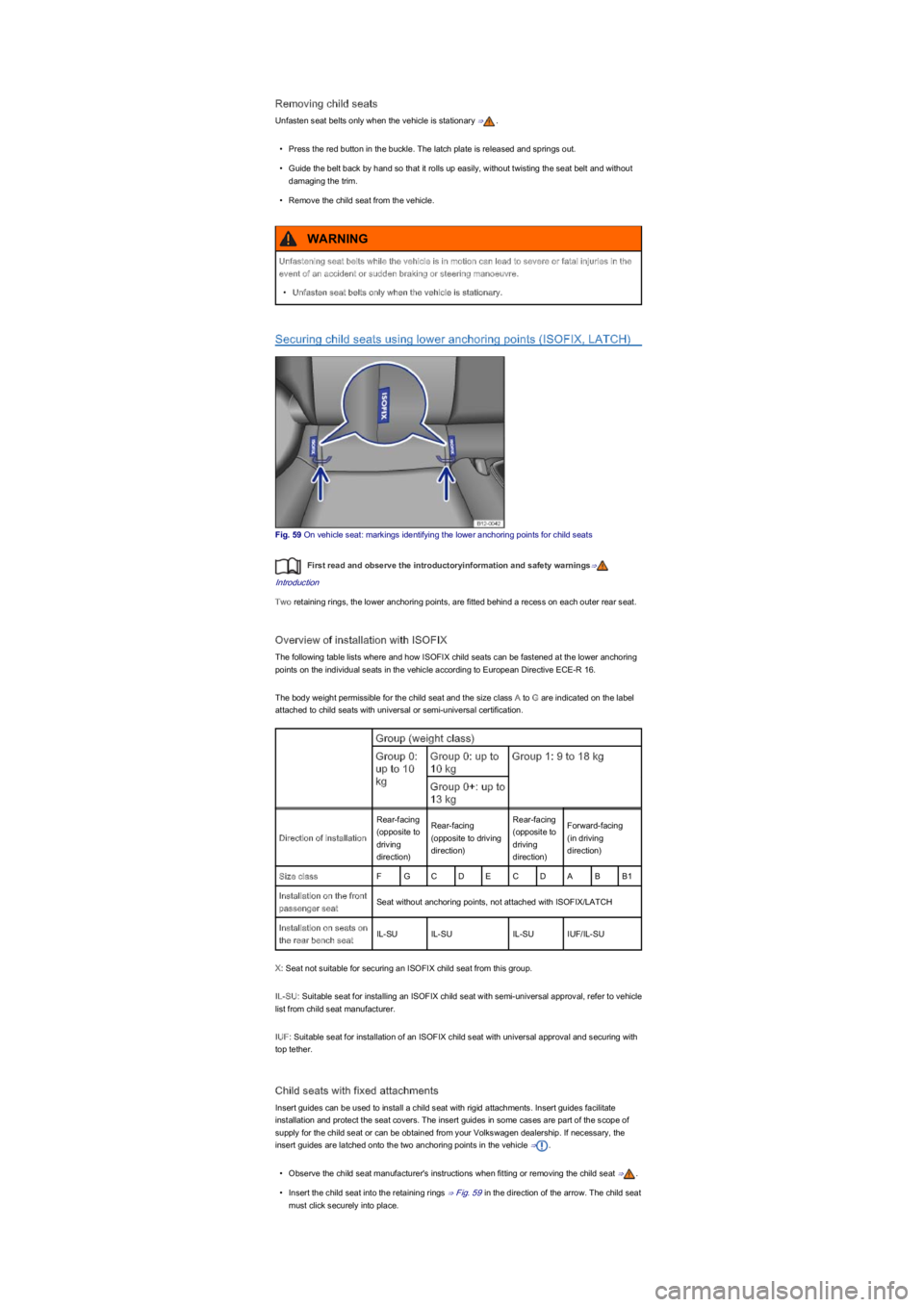
Securing child seats using lower anchoring points (ISOFIX, LATCH)
Fig. 59 On vehicle seat: markings identifying the lower anchoring points for child seats
First read and observe the introductoryinformation and safety warnings⇒
Introduction
Two retaining rings, the lower anchoring points, are fitted behind a recess on each outer rear seat.
Overview of installation with ISOFIX
The following table lists where and how ISOFIX child seats can be fastened at the lower anchoring
points on the individual seats in the vehicle according to European Directive ECE-R 16.
The body weight permissible for the child seat and the size class A to G are indicated on the label
attached to child seats with universal or semi-universal certification.
Group (weight class)
Group 0:
up to 10
kg
Group 0: up to
10 kg
Group 1: 9 to 18 kg
Group 0+: up to
13 kg
Direction of installation
Rear-facing
(opposite to
driving
direction)
Rear-facing
(opposite to driving
direction)
Rear-facing
(opposite to
driving
direction)
Forward-facing
(in driving
direction)
Size classFGCDECDABB1
Installation on the front
passenger seatSeat without anchoring points, not attached with ISOFIX/LATCH
Installation on seats on
the rear bench seatIL-SUIL-SUIL-SUIUF/IL-SU
X: Seat not suitable for securing an ISOFIX child seat from this group.
IL-SU: Suitable seat for installing an ISOFIX child seat with semi-universal approval, refer to vehicle
list from child seat manufacturer.
IUF: Suitable seat for installation of an ISOFIX child seat with universal approval and securing with
top tether.
Child seats with fixed attachments
Insert guides can be used to install a child seat with rigid attachments. Insert guides facilitate
installation and protect the seat covers. The insert guides in some cases are part of the scope of
supply for the child seat or can be obtained from your Volkswagen dealership. If necessary, the
insert guides are latched onto the two anchoring points in the vehicle ⇒.
•Observe the child seat manufacturer's instructions when fitting or removing the child seat ⇒.
•Insert the child seat into the retaining rings ⇒ Fig. 59 in the direction of the arrow. The child seat
must click securely into place.
Unfastening seat belts while the vehicle is in motion can lead to severe or fatal injuries in the
event of an accident or sudden braking or steering manoeuvre.
•Unfasten seat belts only when the vehicle is stationary.
WARNING
Page 59 of 211
•Pull on both sides of the child seat.
Child seats with adjustable attachment belts
•Observe the child seat manufacturer's instructions when fitting or removing the child seat ⇒.
•Position the child seat on the seat cushion and attach the hooks from the attachment belts onto
the retaining rings ⇒ Fig. 59.
•Pull the attachment belts to ensure that they are equally taut. The child seat must fit snugly to
the vehicle seat.
•Pull on both sides of the child seat.
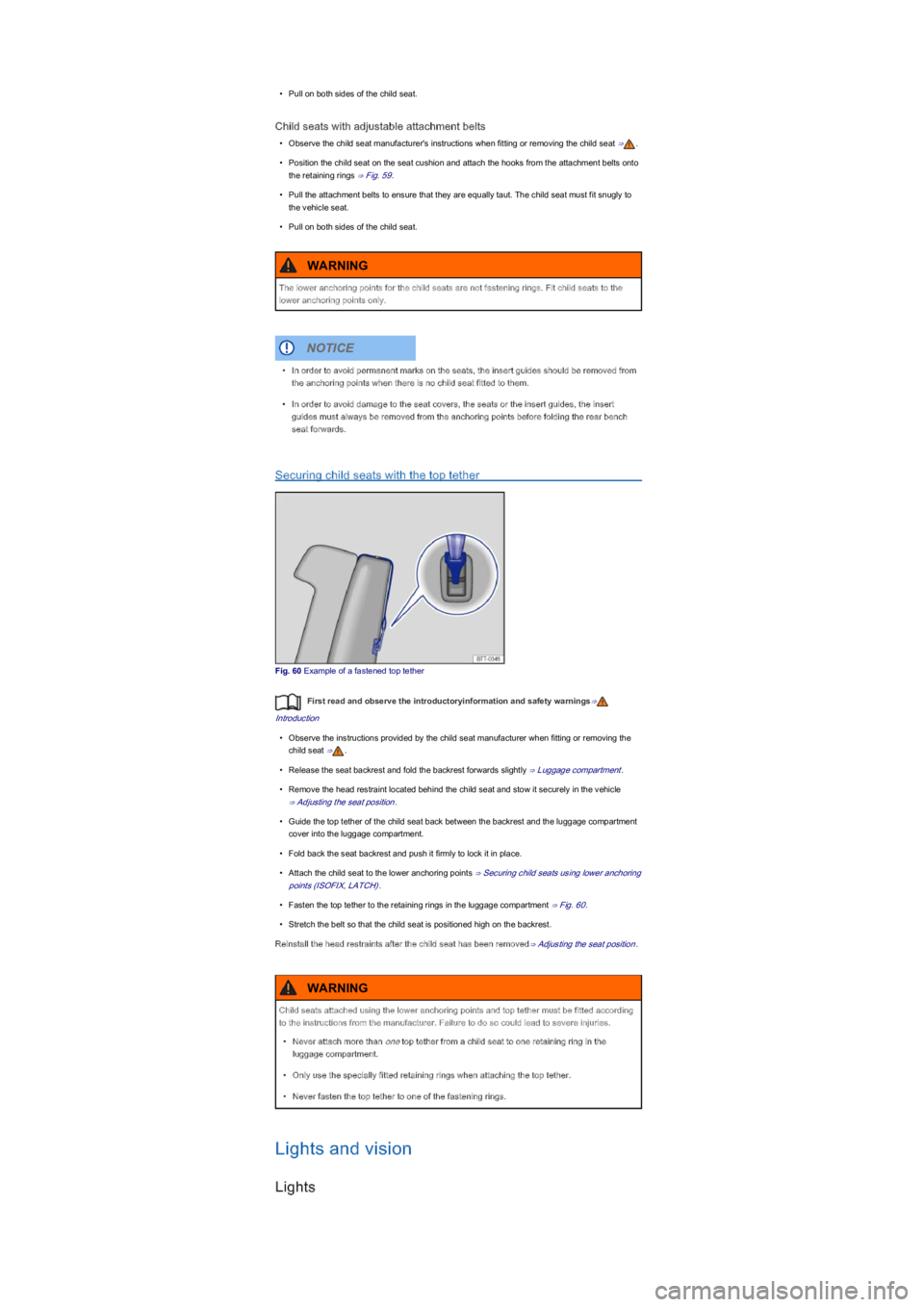
Securing child seats with the top tether
Fig. 60 Example of a fastened top tether
First read and observe the introductoryinformation and safety warnings⇒
Introduction
•Observe the instructions provided by the child seat manufacturer when fitting or removing the
child seat ⇒.
•Release the seat backrest and fold the backrest forwards slightly ⇒ Luggage compartment.
•Remove the head restraint located behind the child seat and stow it securely in the vehicle
⇒ Adjusting the seat position.
•Guide the top tether of the child seat back between the backrest and the luggage compartment
cover into the luggage compartment.
•Fold back the seat backrest and push it firmly to lock it in place.
•Attach the child seat to the lower anchoring points ⇒ Securing child seats using lower anchoring
points (ISOFIX, LATCH).
•Fasten the top tether to the retaining rings in the luggage compartment ⇒ Fig. 60.
•Stretch the belt so that the child seat is positioned high on the backrest.
Reinstall the head restraints after the child seat has been removed⇒ Adjusting the seat position.
Lights and vision
Lights
The lower anchoring points for the child seats are not fastening rings. Fit child seats to the
lower anchoring points only.
WARNING
•In order to avoid permanent marks on the seats, the insert guides should be removed from
the anchoring points when there is no child seat fitted to them.
•In order to avoid damage to the seat covers, the seats or the insert guides, the insert
guides must always be removed from the anchoring points before folding the rear bench
seat forwards.
NOTICE
Child seats attached using the lower anchoring points and top tether must be fitted according
to the instructions from the manufacturer. Failure to do so could lead to severe injuries.
•Never attach more than one top tether from a child seat to one retaining ring in the
luggage compartment.
•Only use the specially fitted retaining rings when attaching the top tether.
•Never fasten the top tether to one of the fastening rings.
WARNING
Page 63 of 211
If you have to drive a right-hand drive vehicle in a left-hand drive country, or vice versa, the
asymmetric dipped beam headlights may dazzle oncoming traffic.
Therefore you may have to apply stickers to certain parts of the headlight lenses if you are driving
abroad. A qualified workshop can provide you with further information. Volkswagen recommends
using a Volkswagen dealership for this purpose.
Stickers may only be used on the headlights for a limited period. Please contact a qualified
workshop for a permanent alteration. Volkswagen recommends using a Volkswagen dealership for
this purpose.
Headlight range control, instrument and switch lighting
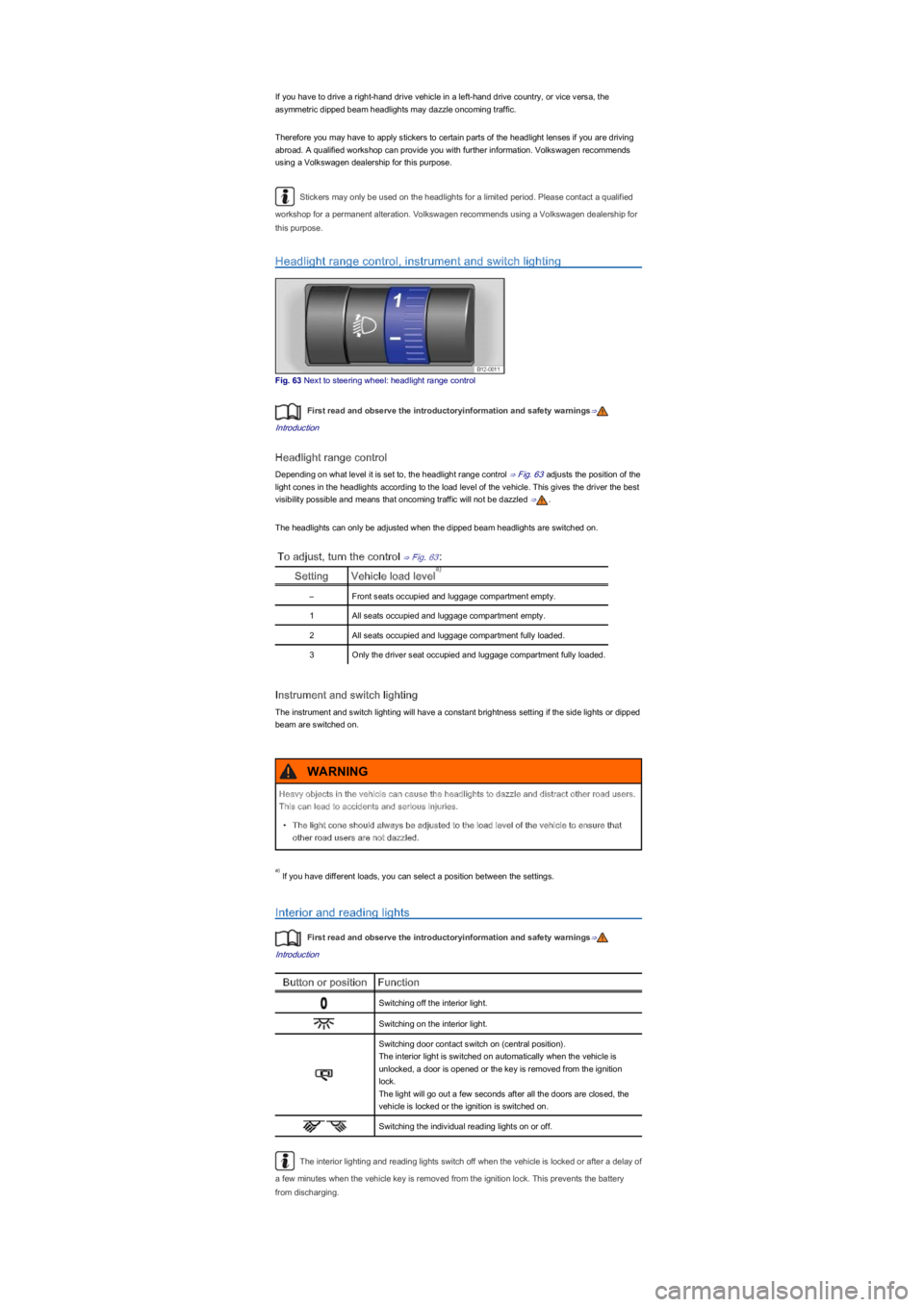
Fig. 63 Next to steering wheel: headlight range control
First read and observe the introductoryinformation and safety warnings⇒
Introduction
Headlight range control
Depending on what level it is set to, the headlight range control ⇒ Fig. 63 adjusts the position of the
light cones in the headlights according to the load level of the vehicle. This gives the driver the best
visibility possible and means that oncoming traffic will not be dazzled ⇒.
The headlights can only be adjusted when the dipped beam headlights are switched on.
To adjust, turn the control ⇒ Fig. 63:
SettingVehicle load level
–Front seats occupied and luggage compartment empty.
1All seats occupied and luggage compartment empty.
2All seats occupied and luggage compartment fully loaded.
3Only the driver seat occupied and luggage compartment fully loaded.
Instrument and switch lighting
The instrument and switch lighting will have a constant brightness setting if the side lights or dipped
beam are switched on.
If you have different loads, you can select a position between the settings.
Interior and reading lights
First read and observe the introductoryinformation and safety warnings⇒
Introduction
Button or positionFunction
Switching off the interior light.
Switching on the interior light.
Switching door contact switch on (central position).
The interior light is switched on automatically when the vehicle is
unlocked, a door is opened or the key is removed from the ignition
lock.
The light will go out a few seconds after all the doors are closed, the
vehicle is locked or the ignition is switched on.
Switching the individual reading lights on or off.
The interior lighting and reading lights switch off when the vehicle is locked or after a delay of
a few minutes when the vehicle key is removed from the ignition lock. This prevents the battery
from discharging.
a)
Heavy objects in the vehicle can cause the headlights to dazzle and distract other road users.
This can lead to accidents and serious injuries.
•The light cone should always be adjusted to the load level of the vehicle to ensure that
other road users are not dazzled.
WARNING
a)
Page 74 of 211
•The rear seat backrest is unlocked when you can see a red marking in the button ⇒ Fig. 72Ⓑ.
•Passengers (adults and children) must not use seats if the backrest is folded forwards.
Folding the rear seat backrest backwards
•Fold back the rear backrest and push it firmly into the lock until it clicks securely into place ⇒
.
•The red marking on the release button ⇒ Fig. 72Ⓑ should no longer be visible.
•The rear seat backrest must always be securely engaged.
•If necessary, fit the head restraints and adjust to the correct position ⇒ Sitting correctly and
safely.
Luggage compartment cover
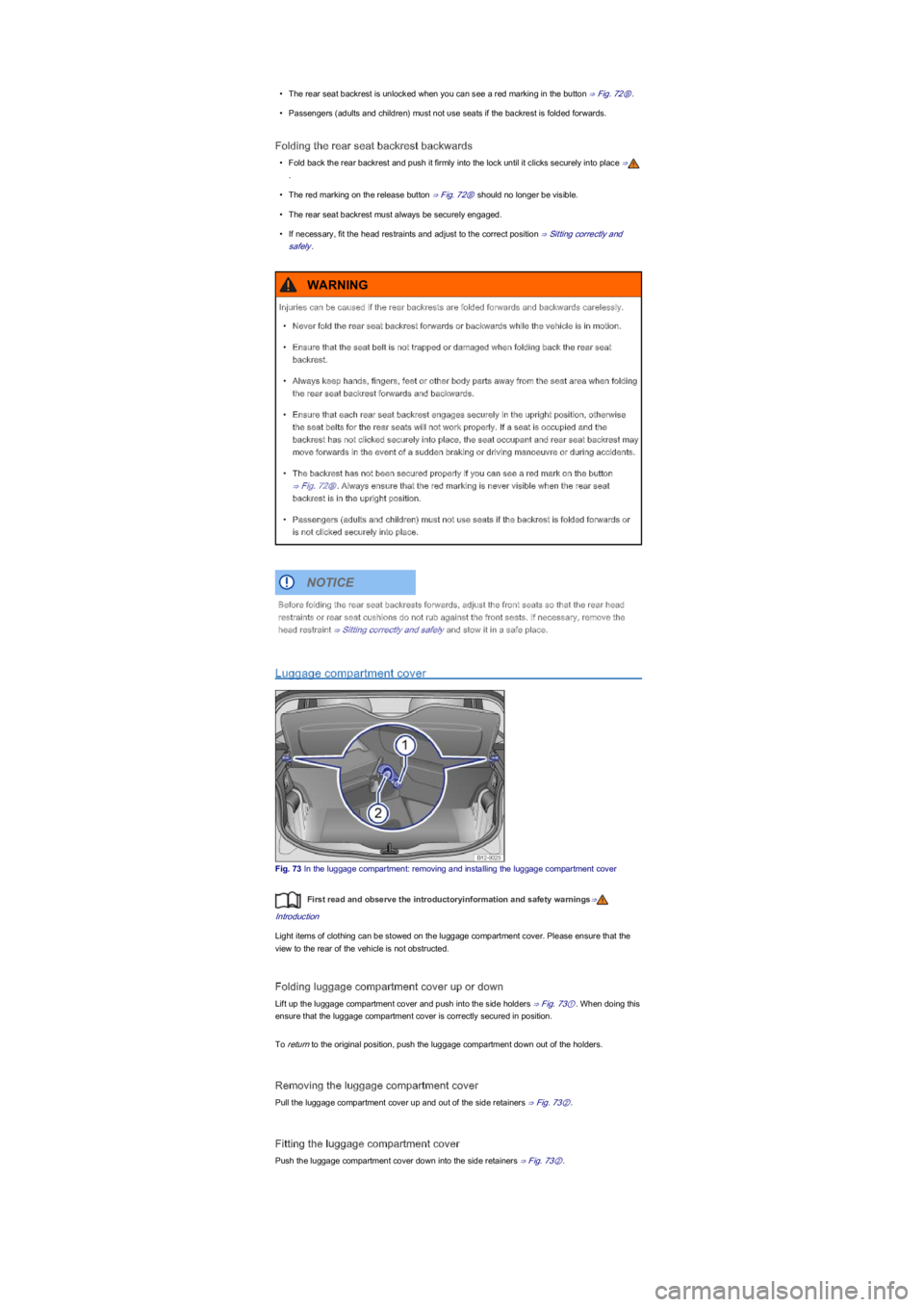
Fig. 73 In the luggage compartment: removing and installing the luggage compartment cover
First read and observe the introductoryinformation and safety warnings⇒
Introduction
Light items of clothing can be stowed on the luggage compartment cover. Please ensure that the
view to the rear of the vehicle is not obstructed.
Folding luggage compartment cover up or down
Lift up the luggage compartment cover and push into the side holders ⇒ Fig. 73①. When doing this
ensure that the luggage compartment cover is correctly secured in position.
To return to the original position, push the luggage compartment down out of the holders.
Removing the luggage compartment cover
Pull the luggage compartment cover up and out of the side retainers ⇒ Fig. 73②.
Fitting the luggage compartment cover
Push the luggage compartment cover down into the side retainers ⇒ Fig. 73②.
Injuries can be caused if the rear backrests are folded forwards and backwards carelessly.
•Never fold the rear seat backrest forwards or backwards while the vehicle is in motion.
•Ensure that the seat belt is not trapped or damaged when folding back the rear seat
backrest.
•Always keep hands, fingers, feet or other body parts away from the seat area when folding
the rear seat backrest forwards and backwards.
•Ensure that each rear seat backrest engages securely in the upright position, otherwise
the seat belts for the rear seats will not work properly. If a seat is occupied and the
backrest has not clicked securely into place, the seat occupant and rear seat backrest may
move forwards in the event of a sudden braking or driving manoeuvre or during accidents.
•The backrest has not been secured properly if you can see a red mark on the button
⇒ Fig. 72Ⓑ. Always ensure that the red marking is never visible when the rear seat
backrest is in the upright position.
•Passengers (adults and children) must not use seats if the backrest is folded forwards or
is not clicked securely into place.
WARNING
Before folding the rear seat backrests forwards, adjust the front seats so that the rear head
restraints or rear seat cushions do not rub against the front seats. If necessary, remove the
head restraint ⇒ Sitting correctly and safely and stow it in a safe place.
NOTICE
Page 80 of 211
The ventilation openings between the rear window and the luggage compartment cover must
not be covered as this would prevent stale air escaping from the vehicle.
Stowage compartment on the driver side
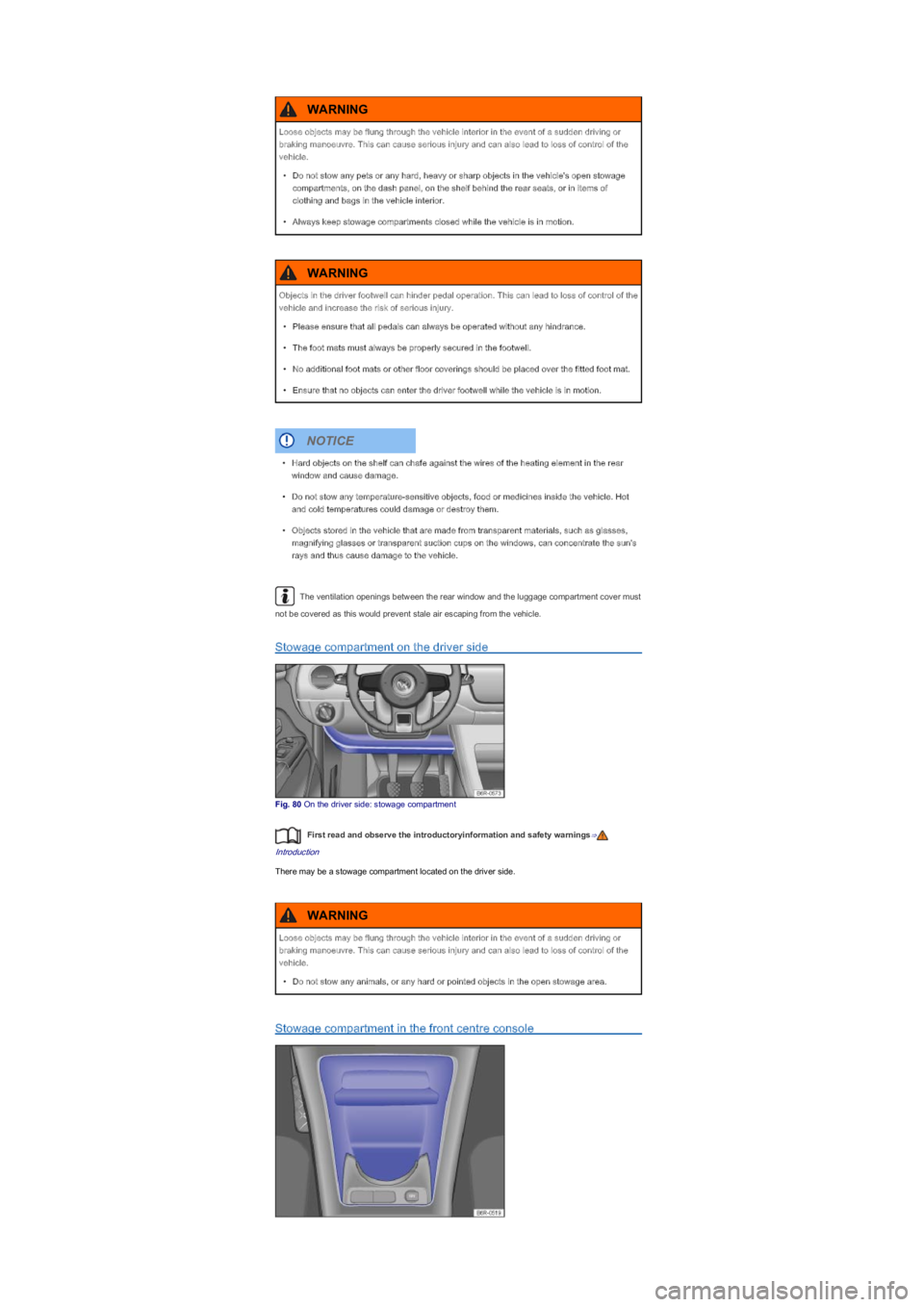
Fig. 80 On the driver side: stowage compartment
First read and observe the introductoryinformation and safety warnings⇒
Introduction
There may be a stowage compartment located on the driver side.
Stowage compartment in the front centre console
Loose objects may be flung through the vehicle interior in the event of a sudden driving or
braking manoeuvre. This can cause serious injury and can also lead to loss of control of the
vehicle.
•Do not stow any pets or any hard, heavy or sharp objects in the vehicle's open stowage
compartments, on the dash panel, on the shelf behind the rear seats, or in items of
clothing and bags in the vehicle interior.
•Always keep stowage compartments closed while the vehicle is in motion.
WARNING
Objects in the driver footwell can hinder pedal operation. This can lead to loss of control of the
vehicle and increase the risk of serious injury.
•Please ensure that all pedals can always be operated without any hindrance.
•The foot mats must always be properly secured in the footwell.
•No additional foot mats or other floor coverings should be placed over the fitted foot mat.
•Ensure that no objects can enter the driver footwell while the vehicle is in motion.
WARNING
•Hard objects on the shelf can chafe against the wires of the heating element in the rear
window and cause damage.
•Do not stow any temperature-sensitive objects, food or medicines inside the vehicle. Hot
and cold temperatures could damage or destroy them.
•Objects stored in the vehicle that are made from transparent materials, such as glasses,
magnifying glasses or transparent suction cups on the windows, can concentrate the sun's
rays and thus cause damage to the vehicle.
NOTICE
Loose objects may be flung through the vehicle interior in the event of a sudden driving or
braking manoeuvre. This can cause serious injury and can also lead to loss of control of the
vehicle.
•Do not stow any animals, or any hard or pointed objects in the open stowage area.
WARNING
Page 82 of 211
Open stowage compartment on the front passenger side
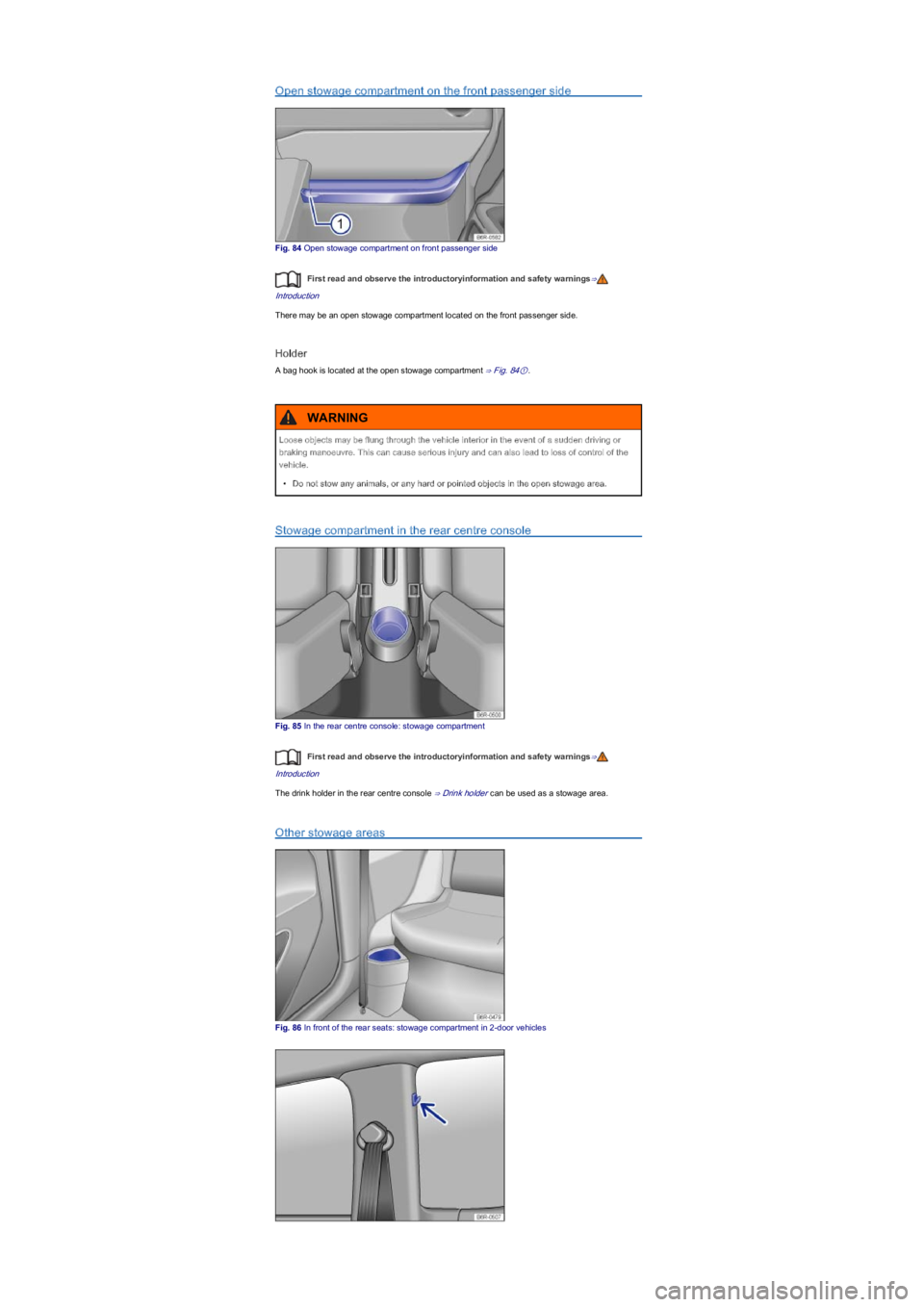
Fig. 84 Open stowage compartment on front passenger side
First read and observe the introductoryinformation and safety warnings⇒
Introduction
There may be an open stowage compartment located on the front passenger side.
Holder
A bag hook is located at the open stowage compartment ⇒ Fig. 84①.
Stowage compartment in the rear centre console
Fig. 85 In the rear centre console: stowage compartment
First read and observe the introductoryinformation and safety warnings⇒
Introduction
The drink holder in the rear centre console ⇒ Drink holder can be used as a stowage area.
Other stowage areas
Fig. 86 In front of the rear seats: stowage compartment in 2-door vehicles
Loose objects may be flung through the vehicle interior in the event of a sudden driving or
braking manoeuvre. This can cause serious injury and can also lead to loss of control of the
vehicle.
•Do not stow any animals, or any hard or pointed objects in the open stowage area.
WARNING
Page 83 of 211
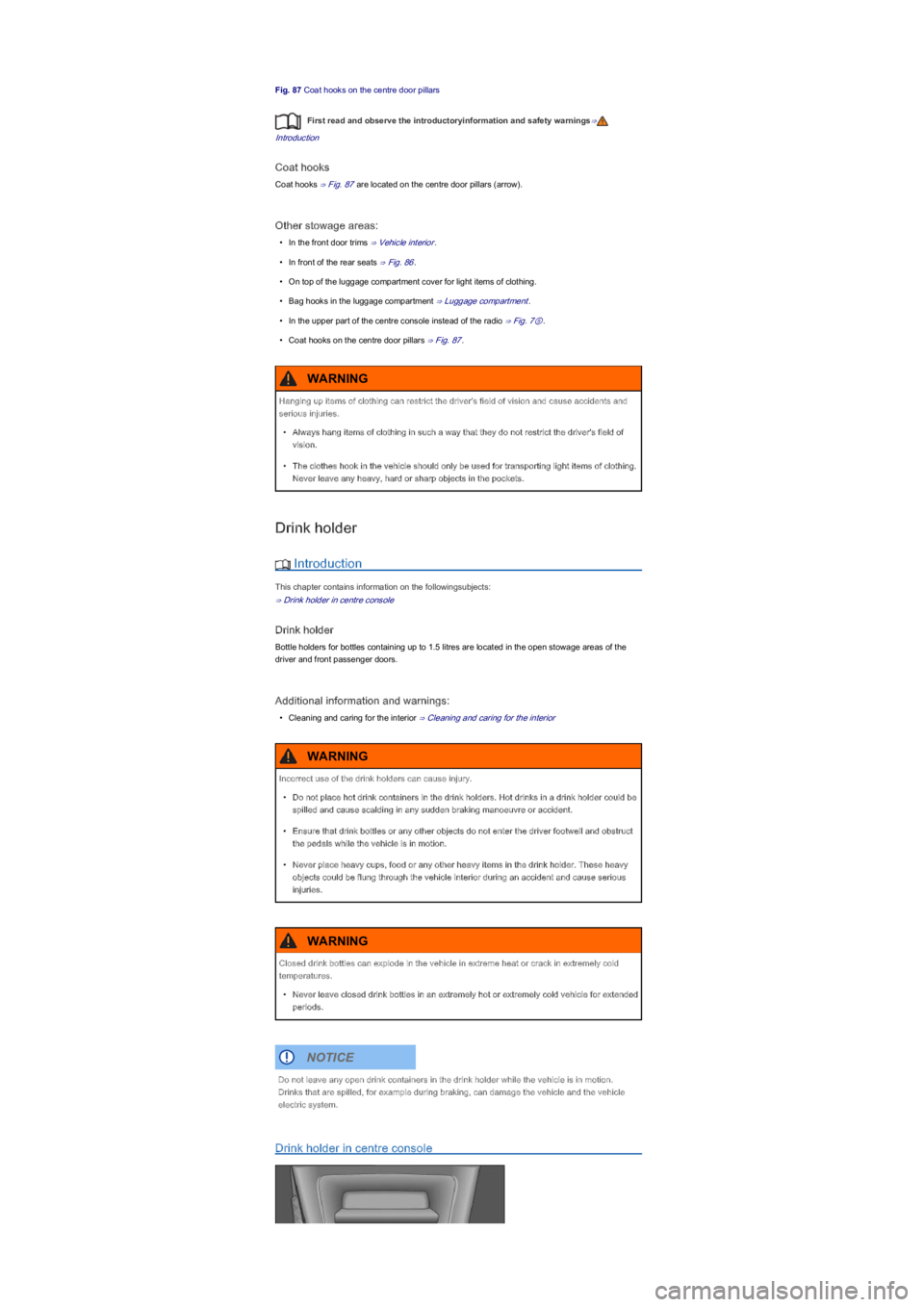
Fig. 87 Coat hooks on the centre door pillars
First read and observe the introductoryinformation and safety warnings⇒
Introduction
Coat hooks
Coat hooks ⇒ Fig. 87 are located on the centre door pillars (arrow).
Other stowage areas:
•In the front door trims ⇒ Vehicle interior.
•In front of the rear seats ⇒ Fig. 86.
•On top of the luggage compartment cover for light items of clothing.
•Bag hooks in the luggage compartment ⇒ Luggage compartment.
•In the upper part of the centre console instead of the radio ⇒ Fig. 7⑤.
•Coat hooks on the centre door pillars ⇒ Fig. 87.
Drink holder
Introduction
This chapter contains information on the followingsubjects:
⇒ Drink holder in centre console
Drink holder
Bottle holders for bottles containing up to 1.5 litres are located in the open stowage areas of the
driver and front passenger doors.
Additional information and warnings:
•Cleaning and caring for the interior ⇒ Cleaning and caring for the interior
Drink holder in centre console
Hanging up items of clothing can restrict the driver's field of vision and cause accidents and
serious injuries.
•Always hang items of clothing in such a way that they do not restrict the driver's field of
vision.
•The clothes hook in the vehicle should only be used for transporting light items of clothing.
Never leave any heavy, hard or sharp objects in the pockets.
WARNING
Incorrect use of the drink holders can cause injury.
•Do not place hot drink containers in the drink holders. Hot drinks in a drink holder could be
spilled and cause scalding in any sudden braking manoeuvre or accident.
•Ensure that drink bottles or any other objects do not enter the driver footwell and obstruct
the pedals while the vehicle is in motion.
•Never place heavy cups, food or any other heavy items in the drink holder. These heavy
objects could be flung through the vehicle interior during an accident and cause serious
injuries.
WARNING
Closed drink bottles can explode in the vehicle in extreme heat or crack in extremely cold
temperatures.
•Never leave closed drink bottles in an extremely hot or extremely cold vehicle for extended
periods.
WARNING
Do not leave any open drink containers in the drink holder while the vehicle is in motion.
Drinks that are spilled, for example during braking, can damage the vehicle and the vehicle
electric system.
NOTICE
Page 99 of 211
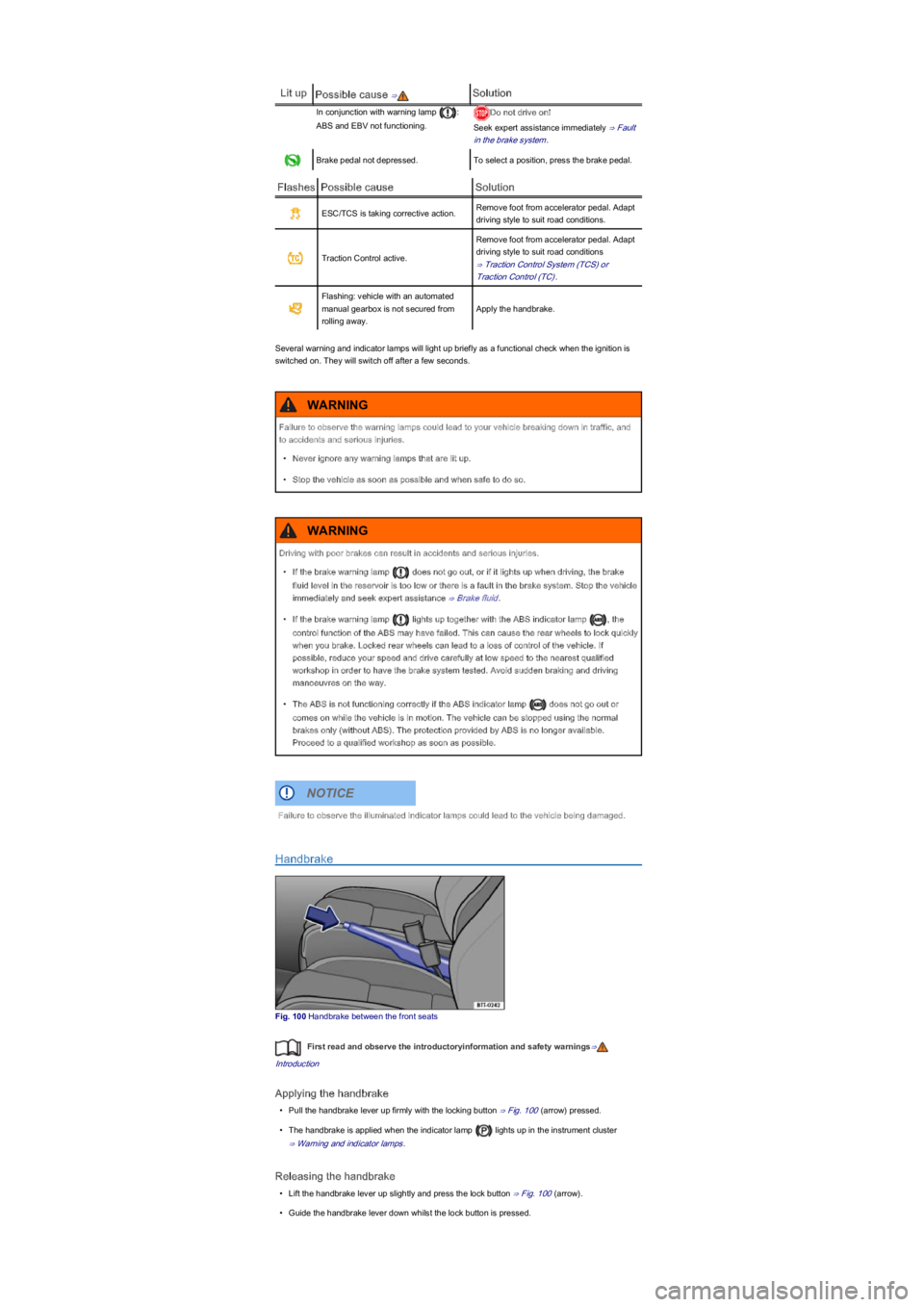
Lit upPossible cause ⇒Solution
In conjunction with warning lamp :
ABS and EBV not functioning.
Do not drive on!
Seek expert assistance immediately ⇒ Fault
in the brake system.
Brake pedal not depressed.To select a position, press the brake pedal.
FlashesPossible causeSolution
ESC/TCS is taking corrective action.Remove foot from accelerator pedal. Adapt
driving style to suit road conditions.
Traction Control active.
Remove foot from accelerator pedal. Adapt
driving style to suit road conditions
⇒ Traction Control System (TCS) or
Traction Control (TC).
Flashing: vehicle with an automated
manual gearbox is not secured from
rolling away.
Apply the handbrake.
Several warning and indicator lamps will light up briefly as a functional check when the ignition is
switched on. They will switch off after a few seconds.
Handbrake
Fig. 100 Handbrake between the front seats
First read and observe the introductoryinformation and safety warnings⇒
Introduction
Applying the handbrake
•Pull the handbrake lever up firmly with the locking button ⇒ Fig. 100 (arrow) pressed.
•The handbrake is applied when the indicator lamp lights up in the instrument cluster
⇒ Warning and indicator lamps.
Releasing the handbrake
•Lift the handbrake lever up slightly and press the lock button ⇒ Fig. 100 (arrow).
•Guide the handbrake lever down whilst the lock button is pressed.
Failure to observe the warning lamps could lead to your vehicle breaking down in traffic, and
to accidents and serious injuries.
•Never ignore any warning lamps that are lit up.
•Stop the vehicle as soon as possible and when safe to do so.
WARNING
Driving with poor brakes can result in accidents and serious injuries.
•If the brake warning lamp does not go out, or if it lights up when driving, the brake
fluid level in the reservoir is too low or there is a fault in the brake system. Stop the vehicle
immediately and seek expert assistance ⇒ Brake fluid.
•If the brake warning lamp lights up together with the ABS indicator lamp , the
control function of the ABS may have failed. This can cause the rear wheels to lock quickly
when you brake. Locked rear wheels can lead to a loss of control of the vehicle. If
possible, reduce your speed and drive carefully at low speed to the nearest qualified
workshop in order to have the brake system tested. Avoid sudden braking and driving
manoeuvres on the way.
•The ABS is not functioning correctly if the ABS indicator lamp does not go out or
comes on while the vehicle is in motion. The vehicle can be stopped using the normal
brakes only (without ABS). The protection provided by ABS is no longer available.
Proceed to a qualified workshop as soon as possible.
WARNING
Failure to observe the illuminated indicator lamps could lead to the vehicle being damaged.
NOTICE