ESP AUDI A3 SEDAN 2018 Manual PDF
[x] Cancel search | Manufacturer: AUDI, Model Year: 2018, Model line: A3 SEDAN, Model: AUDI A3 SEDAN 2018Pages: 404, PDF Size: 62.3 MB
Page 285 of 404
u. 00 .-< N l' N .-< 0 N > 00
-take the child restraint off the front passenger seat and install it properly at one of the rear
seat positions. Have the a irbag system inspect
ed by your Audi dealer immediately .
-move the child to a rear seat position and make
sure that the child is proper ly restrained in a
child restraint that is appropriate for its size
and age.
Th e PASSENGER AIR BAG light should NOT
come on ...
The PASS ENGER AIR B AG OFF light shou ld NOT
come on whe n the ignition is on and an adult is
sitting in a proper seating position on the front passenger seat . If the
P A SSENGER AIR B AG OFF
light comes on and stays on or flashes for about
S seconds while d rivi ng, under these c ir c umstan
ces, make s ure that:
- the adult on the front passenger seat is proper
ly seated on the center of the seat cushion with
his or her back up aga inst the bac krest and the
back rest is not recl ined,
-the ad u Lt is not ta king weig ht off t he seat by
hold ing on to the passenger
assist handle
above t he fron t passenger door o r su pporting
their weight on the armrest,
-the safety be lt is be ing properly wo rn and that
there is not a lot of slack in the sa fety be lt web
bing,
-there are no aftermar ket seat covers or c ush
ions or other things (such as blankets) on the
front passenger seat that might cause the ca
pacitive passenger detection system to miscal
cu late electrical capac itance.
Important safety instructions on
monitoring the Advanced Airbag System
.&_ WARNING
-If the status of the Adv a need Airbag System
has changed while the vehicle is moving, the
PA SSENGER AIR BAG OFF light blinks for
about S seconds to catch the driver's atten
t ion. If th is happens, a lways stop as soon as
it is safe to do so and check the steps descri
bed above.
-
Airbag syste m
- If the PASSENGER AIR BAG OFF light does
not go off when an adult who is not very
small is sitting on the front passenger seat
after taking the steps described above,
make sure the adu lt is properly seated and
rest rained at one of the rear seating posi
tions. Have the a irbag system inspected by
your author ized Audi dealer befo re t rans
port ing anyone on the front passenger seat .
.&_ WARNING
= -
An airbag system that is not functioning prop
erly cannot provide supplemental protection in a fronta l crash .
-If the ai rbag ind icator light ~page 26
comes when the vehicle is being used, have
the system inspected immediately by your
author ized Audi dealer. It is possib le that
the airbag will inflate when it is not sup
posed to, or w ill not inflate when it should.
.&_ WARNING
--If the front a irbag inflates, a ch ild witho ut a
chi ld restraint, or in a rearward-facing child
safety seat, or in a forward-fac ing child re
stra int that has not been properly insta lled
will be serious ly injured and can be killed.
- Even though you r vehicle is equipped with
an Advanced A irbag System, make certain
that all children, espec ially 12 years and
younger, always ride on the back seat prop
erly restrained for their age and size.
-Always install fo rwa rd or rea r-f acing child
seats on the rear seat -even w ith an Ad
vanced Airbag System.
-If you must install a rearward-facing child
seat on the front passenger seat because of
exceptional circumstances an d the
PASSEN
GER AIR BAG OFF
light does not appear and
stay on, immed iate ly install the rea r-facing
child seat in a rear seat ing pos ition and have
the airbag system inspected by your Audi
deale r.
- If, in exceptional circumstances, you must
install a forward-facing child restraint on
the front passenge r seat, always move the
283
Page 286 of 404
Airbag syste m
seat into its rearmost position in the seat's
fore and aft adjustment range, as far away
from the airbag as possible. The backrest must be adjusted to an upright posit ion .
Make sure that the
P A SSEN GER AIR BAG
OFF
light comes on and stays on all the t ime
whenever the ignition is sw itched on.
A WARNING
- If the PASSENGER AIR BAG OFF light does
not go o ut w hen an ad ult is sitting on the
front passenger seat after taking the steps
described above, make sure the adu lt is
properly seated and restrained at one of the
rear seating positions .
- Have the airbag system inspected by your
Audi dealer before transporting anyone on
the front passenger seat .
(D Tips
If the capacitive passenge r detection system
determines that the front passenger seat is
empty, the fronta l airbag on the passenger
side w ill be turned off, and the
PA SSE NGER
AIR BAG OFF light will stay on.
Repair , care and disposal of the airbags
Parts of the a irbag system are installed at many
d ifferent places on your Aud i. Install ing , remov
ing, servic ing or repa iring a part in an area of the
ve hicle can damage a pa rt of an airbag system
and p revent that system from working properly
in a co llision .
There are some important th ings you have to
know to make sure that the effect iveness of the
system w ill not be impaired and th at discarded
components do not cause injury or pollute the
environment .
A WARNING
Improper care, servicing and repair proce
dures can increase the r isk of personal injury
and death by preventing an airbag from de
ploying when needed or dep loying an airbag
unexpectedly:
284
-
- Never cover, obstruct, or change the steer
ing wheel horn pad or airbag cover or the in
strument panel or modify them in any way.
- Never attach any objects such as cup ho lders
or telephone mountings to the surfaces cov
ering the a irbag un its .
- For cleaning the horn pad or instrument panel, use only a soft, dry cloth or one mois
tened w it h plai n water . Solvents or cleaners
could damage the airbag cover or change
the st iffness or strength of the material so
that the ai rbag cannot deploy and p rotect
p roperly.
- Never repair, ad just, o r change any parts of
the airbag system.
- All work on the steer ing wheel, inst rument
pa nel, front seats o r electr ica l system ( in
cl uding the insta llation of a udio eq uipment,
cell ular te lephones and CB radios, etc.)
m ust be performed by a qualified techn ician
who has the training and specia l equipment
necessary.
- For any work on the airbag system, we
strong ly recommend that you see yo ur a u
thorized A udi dealer or qualified workshop .
- Never modify the front b umper or parts of
the vehicle body.
-Always make sure that the side airbag can inf late wit hout interference:
- Never install seat covers or replacement upholstery ove r the front seatbacks that
have not bee n specifica lly approved by
A udi .
- Never use additional seat c ushi ons that
cover the areas where the side airbags in
flate.
- Damage to the orig inal seat cove rs or to
t h e seam in the area of the s ide a irbag
module mus t always be repai red immedi
ate ly by an authorized Aud i dealer.
- The airba g sys tem can deploy o nly on ce. Af
t er an airbag has been dep loyed, i t m ust be
replaced with new replaceme nt parts de
signed and approved especia lly for your
Aud i mode l version . Rep lacement of com
plete airbag systems or airbag components
must be performed by qua lified workshops
only . Make sure t hat any airbag service
Page 289 of 404
LL co .... N
" N .... 0 N > co
occupant safety that nothing should be in their
way when they deploy.
Fully inflated airbags in combination with proper
ly worn safety belts slow down and limit the oc
cupant's forward movement and help to reduce
the risk of injury.
Important safety instructions on the knee
airbag system
A ppl ies to: ve hicles with knee a ir b ags
Airbags are only supplemental restraints. Always
wear safety belts correctly and ride in a proper
seating position.
There is a lot that you and your passengers must
know and do to help the safety belts and airbags
to provide supplemental protection .
A WARNING
An inflating knee airbag can cause serious in
jury . Wearing safety belts incorrectly and im
proper seating posit ions increase the r isk of
serious personal injury and death whenever a
vehicle is being used .
- The knee airbag system cannot protect you
properly if you are seated too close to any of
the airbag locations. When adjusting their
seat positions, it is important that both the
driver and the front passenger keep their
upper bodies and knees at the following
minimum safe distances :
- at least 10 inches (25 cm) between the
chest and the steering wheel/instrument
panel.
- at least 4 inches (10 cm) between the
knees and the lower part of the instru
ment panel.
- The risk of persona l injury increases if you
lean forward or to the side, or if the seat is
improperly positioned and you are not wear
ing your safety belt. The risk increases even
more should the airbag deploy.
- Always make sure that the knee airbag can
inflate without interference. Objects be
tween you and the airbag can increase the risk of injury in an accident by interfering
-
Airbag system
with the way the airbag deploys or by being
pushed into you as the airbag deploys.
- Never let anybody, especially children or
animals ride in the footwell in front of the
passenger seat. If the airbag deploys, this
can result in serious or fatal injuries.
- Never carry objects of any kind in the foot
well area in front of the driver's or pas
senger's seat . Bulky objects (shopping
bags, for example) can interfere with or
prevent proper deployment of the airbag.
Small objects can be thrown through the
vehicle if the airbag deploys and injure you
or your passengers.
- Make sure there are no cracks, deep scratch
es or other damage in the area of the instru
ment panel where the knee airbags are lo
cated.
- If children are incorrectly seated, their risk
of injury increases in a collision
<=> page 294, Child safety .
Side airbags
Description of side airbags
The airbag system can provide supplemental
protection to properly restrained occupants .
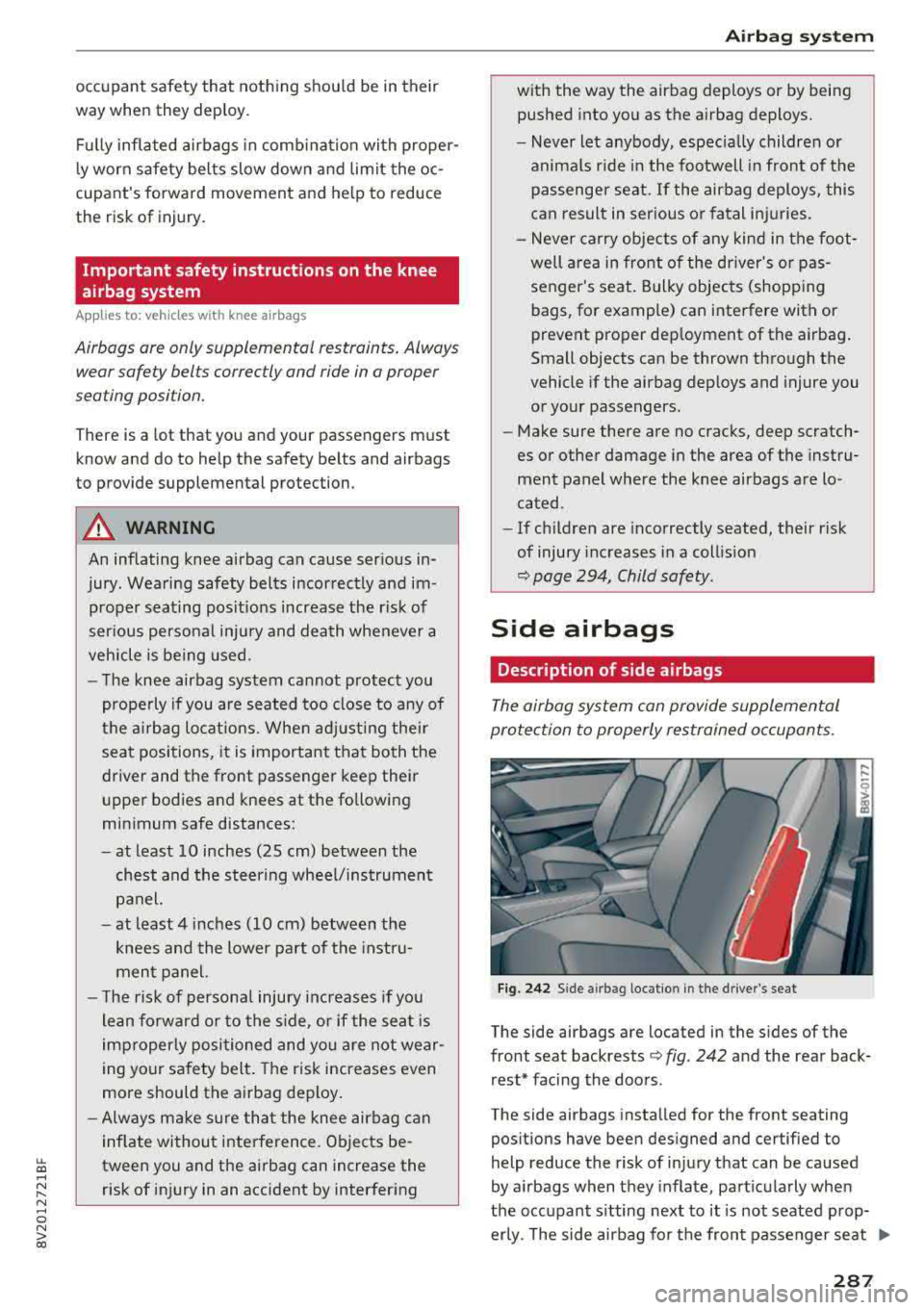
Fig. 242 Side airbag loc atio n in the driver's se at
The side airbags are located in the sides of the
front seat backrests
<=> fig . 242 and the rear back
rest* facing the doors.
The side airbags installed for the front seating
positions have been designed and certified to
help reduce the risk of injury that can be caused
by airbags when they inflate, particularly when
the occupant sitting next to it is not seated prop
erly . The side airbag for the front passenger seat
.,.
287
Page 291 of 404
LL co .... N
" N .... 0 N > co
How supplemental side airbags work
Side airbags deploy instantly and can help reduce the risk of upper torso injuries for occu
pants who are properly restrained.
App lies to: vehicles wi thout power to p
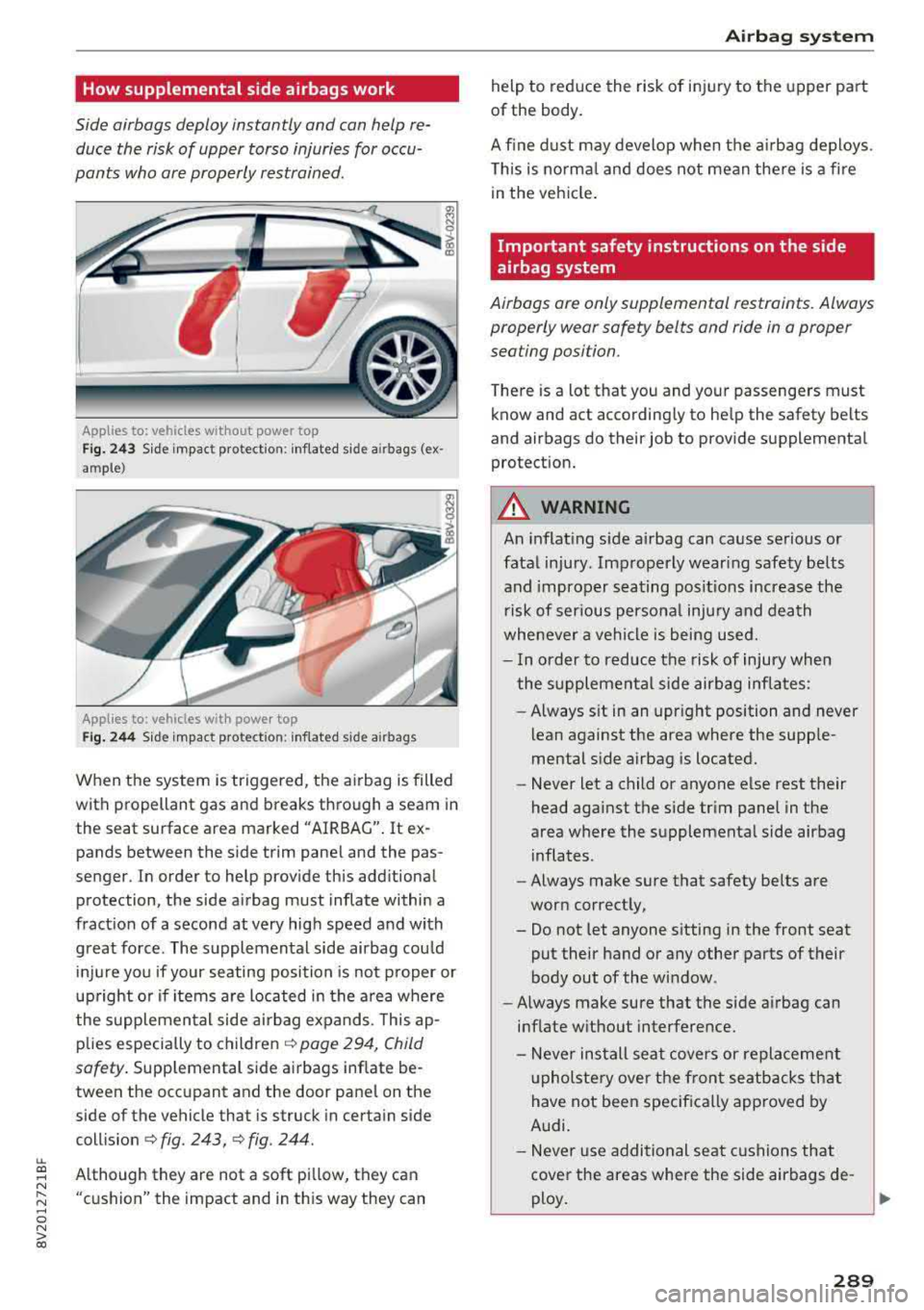
Fig . 2 43 Side impac t protection: inflated side a irbags (ex ·
ample)
Applies to: vehicles wit h powe r top
Fig. 244 Side impact protect ion: inf lated side a irbags
When the system is triggered, the airbag is filled
with propellant gas and breaks through a seam in
the seat surface area marked "AIRBAG" . It ex
pands between the s ide trim pane l and the pas
senger. In order to help prov ide this add itional
protection, the side airbag must inflate within a
fract ion of a second at very high speed and with
g reat force. The supplemental side airbag cou ld
i njure you if your seating position is not p roper or
upright o r if items a re located in the area where
the supplemen tal side airbag expands . This ap
plies especially to children
c::> page 294, Child
safety.
Supp lemental side airbags inflate be
tween the occ upant and the door pane l on the
side of the vehicle that is struck in certa in side
collis ion
c::> fig. 243, c::> fig. 244.
Although they are not a soft pi llow, they can
"cushion" the impact and in th is way they can
Airbag system
help to reduce the risk of injury to the up per pa rt
of the body.
A fine dust may develop when the a irbag deploys.
Th is is no rma l and does not mean the re is a fi re
in the vehicle .
Important safety instructions on the side
airbag system
Airbags are only supplemental restraints. Always
properly wear safety belts and ride in a proper seating position .
There is a lot that you and yo ur passengers must
know and act according ly to he lp the safety belts
and airbags do their job to provide supplementa l
protection.
..&. WARNING
-
An inflating s ide a irbag can cause serious or
fatal injury. Improperly wearing safety belts and improper seating posit ions increase the
r isk of ser ious perso na l inju ry and death
whenever a vehicle is being used.
- In order to reduce the risk of injury when
the supplemental side airbag inflates:
- Always s it in an upr ight position and never
lean against the area where the supp le
mental side airbag is located.
- Never let a child or anyone e lse rest their
head against the side trim panel in the
area where the supplementa l side airbag
inflates.
- Always make sure that safety belts are
worn correctly,
- Do not let anyone sitting in the front seat put their hand or any other parts of their
body out of the window .
- Always make sure that the side airbag can
inflate w ithout interference.
- Never install seat covers or repla ceme nt
u pholste ry ove r the front seatbacks that
have not been specif ica lly approved by
Audi.
- Never use additional seat c ushions that
cover the areas where the side airbags de-
.
ploy . Ill>
289
Page 294 of 404
Airbag system
How side curtain a irbags work
A pplies to: ve hicles w ith s ide curta in a irbags
Side curtain airbags can work together with side
airbags to help reduce the risk of head and upper torso injuries for occupants who are properly re
strained.
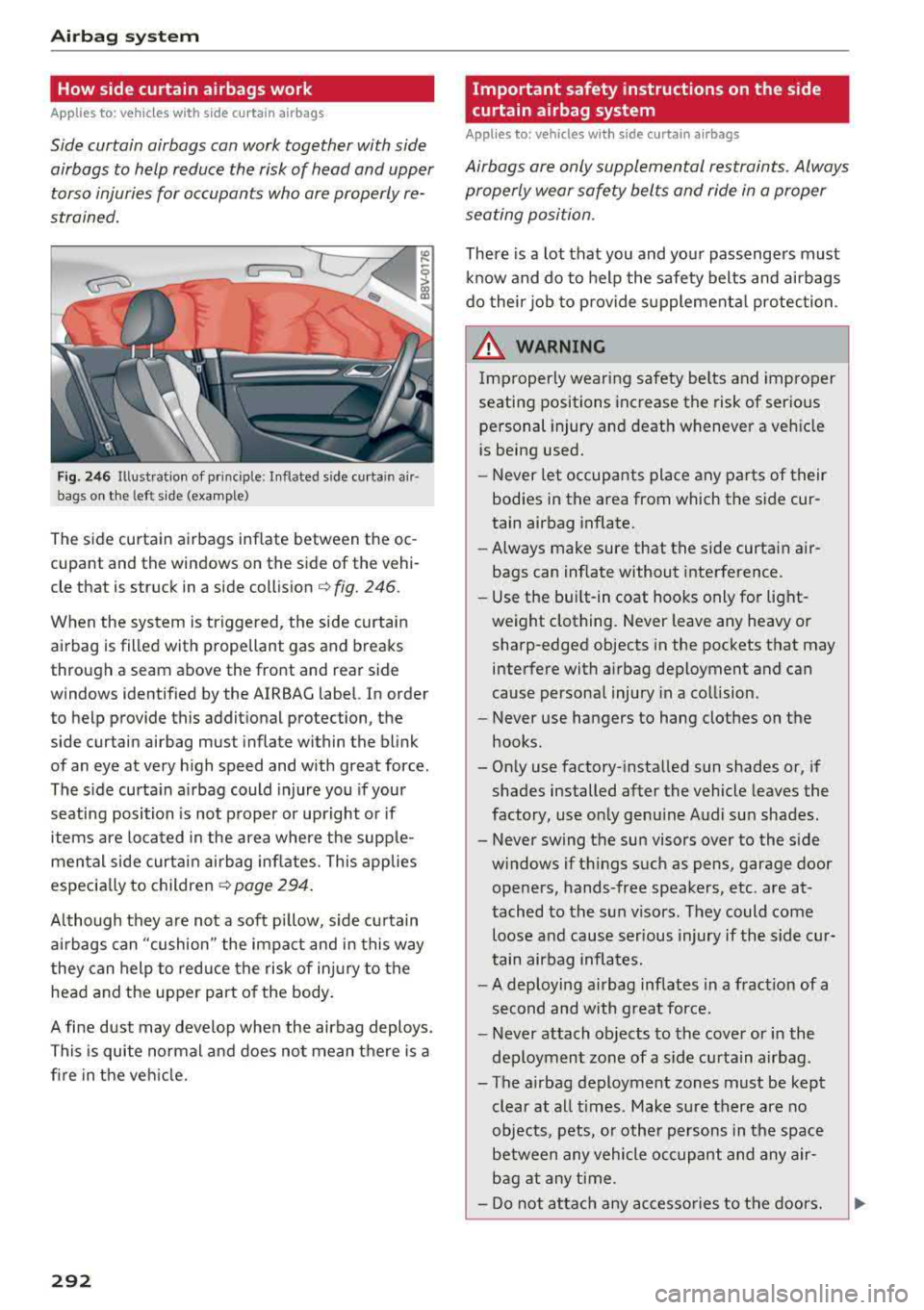
F ig . 246 Ill ustrat ion of pr inciple : In flated s ide curta in air ·
bags on the left side (example)
The side curtain airbags inflate between the oc
cupant and the windows on the side of the vehi
cle that is struck in a side collision
c::> fig. 246 .
When the system is triggered, the side curtain
airbag is filled with propellant gas and breaks
through a seam above the front and rear side
windows identified by the AIRBAG label. In order
to help provide this additional protection, the
side curtain airbag must inflate within the blink
of an eye at very high speed and with great force .
The s ide curtain airbag could injure you if your
seating position is not proper or upright or if
items are located in the area where the supple
mental side curtain a irbag inflates . This applies
especially to children
c::> page 294.
Although they are not a soft pi llow, s ide curtain
airbags can "cushion" the impact and in this way
they can help to reduce the risk of injury to the
head and the upper part of the body.
A fine dust may develop when the airbag deploys.
This is quite normal and does not mean there is a
fire in the vehicle.
292
Important safety instructions on the side
c urtain airbag system
Appl ies to : vehicles wi th side curtain airbags
Airbags are only supplemental restraints . Always
properly wear safety belts and ride in a proper
seating position .
There is a lot that you and your passengers must
know and do to help the safety belts and airbags
do their job to provide supplemental protection.
A WARNING
-Improperly wearing safety belts and improper
seating positions increase the risk of serious
personal injury and death whenever a vehicle
is being used.
- Never let occupants place any parts of their
bodies in the area from which the side cur
tain airbag inflate.
- Always make sure that the side curtain air
bags can inflate without interference.
- Use the bu ilt-in coat hooks only for light
weight clothing. Never leave any heavy or
sharp-edged objects in the pockets that may
interfere with airbag deployment and can
cause personal injury in a collision.
- Never use hangers to hang clothes on the
hooks.
- On ly use factory-installed sun shades or, if
shades installed after the vehicle leaves the
factory, use only genu ine Audi sun shades.
- Never swing the sun visors over to the side
windows if things such as pens, garage door
openers, hands-free speakers, etc . are at
tached to the sun visors. They could come
loose and cause serious injury if the side cur
tain airbag inflates.
- A deploying airbag inflates in a fract ion of a
second and with great force.
- Never attach objects to the cover or in the
deployment zone of a side curtain airbag .
- The airbag deployment zones must be kept clear at al l times. Make sure there are no
objects, pets, or other persons in the space
between any vehicle occupant and any air
bag at any time .
- Do not attach any accessories to the doors.
Page 296 of 404
Child safety
Child safety
Important information
Introduction
The rear seat is generally the safest place in a
collision .
The physical principles of what happens when
your vehicle is in a crash apply also to children
¢ page 261, What happens to occupants not
wearing safety belts? .
But unlike adults and
teenagers, their muscles and bones are not fully
developed. In many respects children are at
g reater r isk of serious injury in crashes than
adults .
Because children's bodies are not fully devel
oped, they require restraint systems especially
designed for their size, weight, and body struc
ture. Many countries and all states of the United
States and provinces of Canada have laws requir
ing the use of approved child restraint systems
for infants and small children .
I n a frontal crash at a speed of 20-35 mph
(30 -56 km/h) the forces acting on a 13-pound
(6 kg) infant will be more than 20 times the
weight of the child. This means the weight of the
child would suddenly be more than 260 pounds
(120 kg) . Under these conditions, only an appro
priate child restraint properly used can reduce
the risk of serious injury. Child restraints, like
adu lt safety belts, must be used properly to be
effect ive. Used improperly, they can increase the
risk of serious injury in an accident.
All ch ildren, especially those 12 years and young
er must always ride in the back seat properly re
strained for their age and size. If you must insta ll
a child restra int on the front passenger seat in
exceptional circumstances, be sure to read and
heed the important information and warnings
¢ page 270. Infants and other chi ldren who are
properly restrained in an appropriate child re
straint that is for their si ze and age can benefit
from the protection that supplemental side air
bags provide in some kinds of crashes .
For more information please see information
provided by the:
294
- National Highway Traffic Safety Administration
(NHTSA), currently at: http://www.safe
rcar.gov (for the USA)
- Tr ansport Canada Information Centre, current-
ly at: http ://www.tc .gc.ca (for Canada)
Consult the child safety seat manufacturer's in
structions in o rder to be sure the seat is right fo r
your c hild's
size ¢ page 298, Important safety
instructions for using child safety seats .
Please
be sure to read and heed all of the important in
format ion and WARNINGS about child safety,
Advanced Airbags, and the installation of child
restraints in this chapter .
T here is a lot you need to know about the Ad
vanced Airbags in your veh icle and how they work
when infants and children in child res traints are
on the front passenger seat . Because of the large
amount of important informat ion, we cannot re
peat it all he re . We urge you to read the detailed
info rmat ion in this owner's manual about airbags
and the Advanced Airbag System in your vehicle
and the very important information about trans
porting children on the front passenger seat.
P lease be sure to heed the WARNINGS -they are
extremely important for your safety and the safe
ty of your passengers, especially infants and
small children .
A WARNING
-Accident statistics have shown that children
are generally safer in the rear seat area than
in the front seating position. Always restrain
any child age 12 and under in the rear.
- All vehicle occupants and especially children
must be restrained properly whenever riding
in a vehicle. An unrestrained or improperly
restrained child could be injured by striking
the interior or by being ejected from the ve
hicle during a sudden maneuver or impact.
An unrestrained or improperly restrained
child is a lso at greater r isk of injury or death
through contact w ith an inflating airbag.
- A suitable ch ild restraint properly installed
and used at one of the rear seating positions
provides the highest degree of protection
for infants and small children in most acci
dent situat ions.
Page 298 of 404
Child safety
-Always make sure that the PASSENGER
AIR BAG OFF
light comes on and stays on
all the time whenever the ignit ion is
sw itched on.
- If the
PASSENGER AIR BAG OFF light
does not come on and stay on, immediate
ly install the forward-facing child seat in a
rear seating posit ion and have the airbag
system inspected by your authorized Aud i
dea le r.
- Always buckle the child seat firmly in
place even if a child is not sitt ing in it. A
loose child seat can fly around during a
sudden stop o r in a collision.
- Always read and heed all WARNINGS
wheneve r using a child restraint in a vehi
cle ~ page 260, Safety belts, ~ page 269,
Airbag system
and ~ page 294, Impor
tant information .
(D Tips
Always replace child restraints that were in
stalled in a vehicle during a crash . Damage to
a child restraint that is not visib le could cause
it to fail in another collision situation .
Advanced front airbag system and children
Your veh icle is equipped with a front "Advanced
Airbag System" in compliance w ith United States
Federal Motor Vehicle Safety Standard (FMVSS)
208, as well as Canada Motor Vehicle Safety
Standard (CMVSS) 208 as applicable at the time
your ve hicle was manufactured.
The Advanced Airbag system in your veh icle has
been cert ified to meet the "low-risk" require
ments for 3- and 6-year old children on the pas
senger s ide and small adults on the driver side.
The low risk deployment cr iteria are intended to
reduce the risk of injury through interaction with
the airbag that can occur, for examp le, by being
too close to the steering whee l and instrument
panel when the airbag inflates. In addition, the
system has been certified to comply with the
"suppress ion" requ irements of the Safety Stand
ard, to turn off the front airbag for infants up to
12 months who are restrained on the front pas-
296
senger seat in child restraints t hat are listed in
the Standard.
Even though your vehicle is eq uipped w it h an Ad
vanced Airbag system, all childr en, especially
those 12 years and younger, shou ld always ride
in the back seat properly restrained for their age
and s ize. The airbag on the passenger side makes
the front seat a potentially dangerous p lace for a
ch ild to ride. The front seat is not the safest place
for a ch ild in a forward -facing ch ild safety seat . It
can be a very dangerous place for an infant or a
larger child in a rearward-facing seat.
The vehicle's Advanced Airbag System has a ca pacit ive passenger detection system in the front
passenger seat cushion that can detect the pres
ence of a baby or a ch ild in a child restraint sys
tem on this seat.
The capacitive passenger detection system regis
ters the changes that result in an electrical field
when a child, a chi ld restra int, and a baby b lanket
are on the front passenger seat. The change in
the measured capacitance due to the presence of
a chi ld, a child restraint, and a baby blanket on
the front passenger seat is related to the child
restraint system resting on the seat. The meas
ured capacitance of a child restraint system var
i es depending on the type of system and specific
make and model.
The electrical capacitance of the various types, makes, and models of child restraints specified
by the U.S. National Highway Traffic Safety Ad
ministration (NHTSA) in the relevant safety
standard are stored in the Advanced Airbag Sys
tem control unit together with the capacitances
typ ica l of infants and a 1-year old ch ild. When a
child restraint is used on the front passenger
seat with a typical 1 year-old infant, the Ad
vanced Airbag System compares the capacitance
measured by the capacitive passenger detection
system with the data stored in the e lectronic con
tro l unit .
Page 300 of 404
Child sa fety
- Take the chi ld restraint off the front passen
ger seat and insta ll it proper ly at one of the
rear seat positions if the
PA SSEN GER AIR
BA G OFF
light does not stay on.
- Have the airbag system inspected by your
authorized Aud i dealer immediately.
(D Tips
The chi ld seats listed in categories A to C have
been statica lly tested by Aud i only for the Ad
vanced Airbag function.
Important safety instructions for using
child safety seats
Correct use of child safety seats substantially re
duces the risk of injury in an accident!
As the driver, you are responsible for the safety
of everybody in the vehicle, especially chi ldren:
~ A lways use the right chi ld safety seat for each
c h ild and a lways use it properly
c::> page 300.
~ Always carefully follow the child safety seat
manufacturer's instructions on how to route
the safety belt properly through the child safe
ty seat .
~ When using the vehicle safety be lt to insta ll a
c hi ld safety seat , you must first activate the
conve rtible locking retractor on the safety be lt
to prevent the child safety seat from mov ing
c::> page 305 .
~ Push the child safety seat down wit h your fu ll
weight to get the safety be lt really tight so that
the seat cannot move forward or sideways
more than one inch (2.5 cm).
~ Secure unused safety belts on the rear seat
c::> page 300 .
Always remember: Even though your vehicle is
equ ipped w ith an Advanced Airbag system, all
children, especially those 12 years and younger,
should always r ide in the back seat prope rly re
stra ined fo r th eir age and size.
_& WARNING
N ot using a c hild safety seat, usi ng the w rong
c hild safety seat or imp roper ly installing a
298
chi ld restraint increases t he risk of serious
personal injury and death.
- All vehicle occ upants and especially children
must be restra ined properly whenever rid ing
in a vehicle. An unrestrained or improperly
restrained child cou ld be injured by strik ing
the inter ior or by being ejected from the ve
h icle dur ing a sudden maneuve r o r i mpact.
An unrest rained or imprope rly rest rai ned
child is a lso at g rea ter r is k of inj ury o r death
through con ta ct w it h an infl ati ng a irbag.
- Commerc ia lly availab le child safety seats
a re requ ired to comply with U.S. Federal
Motor Vehicle S afety Standard ( FMVSS) 2 13
(in Canada CMVSS 213).
- When buying a child restra int, select one
that fits your chi ld and the vehicle .
- Only use child restra int systems that fully
contact the flat port ion of the seat cush
i o n. The ch ild restraint must not tip or
lean to e ither side . Audi does not recom
mend using child safety seats that rest on
l egs or tube -like frames. They do not p ro
v ide adequate cont act wi th t he seat.
- Always heed all lega l req uirements per
ta in ing to the inst allation and use of child
sa fe ty seats and caref ully follow the in
str uctions provided by the manufact urer
of the seat you are using .
- Never a llow children under 5 7 inc hes
( 1. 45 meters) to wear a normal safety be lt.
They must a lways be restrained by a proper
child restraint system. Otherwise, they
could sustain injuries to t he abdomen and
neck areas dur ing sudden brak ing maneu
vers or accidents .
- Never let more than one c hild occupy a chi ld
safety seat.
- Never let babies or o lder ch ildren ride in a
ve hicle w hile sitting on the lap of a nother
passenger.
- Holding a c hild in your a rms is never a s ub
stitute fo r a ch ild restraint system .
- The s tronges t person cou ld no t hold the
c hil d with the forces tha t exist in an acc i
dent. The c hild will strike the inte rior of
the ve hicle and can also be struck by the
passenger.
Page 302 of 404
Child safety
-Take the child restraint off the front passenger seat and install it properly at one of the
rear seat positions if the
PASSENGER AIR
BAG OFF
light does not stay on.
-Have the airbag system inspected by your
authorized Audi dealer immediately.
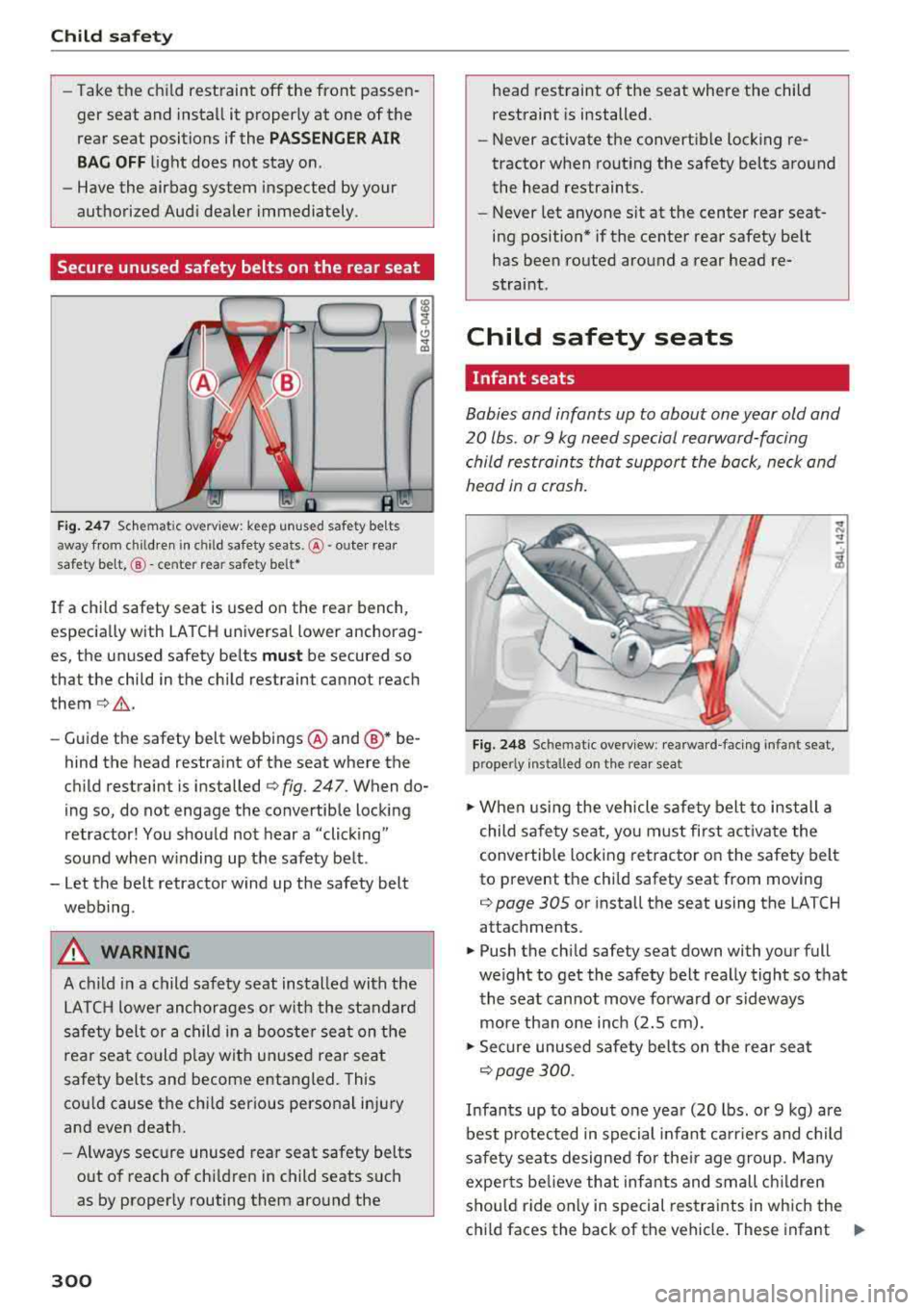
Secure unused safety belts on the rear seat
l8 , ,.,_ _ g
---0
Fig. 247 Schematic overv iew: keep unu sed safety belts
away from chi ldren in chil d safety seats. @-outer rear
safety belt,@- center rear safety belt*
~
If a child safety seat is used on the rear bench,
especially with LATCH universal lower anchorag
es, the unused safety belts
must be secured so
that the child in the child restraint cannot reach
them
c::> ,&. .
-Guide the safety belt webbings @and ®* be
hind the head restraint of the seat where the
c hild restraint is installed
c::>fig. 247. When do
ing so, do not engage the convertible locking
retractor! You should not hear a "clicking"
sound when winding up the safety belt .
-Let the belt retractor wind up the safety belt
webbing .
A WARNING
A child in a child safety seat installed with the
LATCH lower anchorages or with the standard
safety belt or a child in a booster seat on the
rear seat could play with unused rear seat
safety belts and become entangled. This
could cause the child serious personal injury
and even death.
-Always secure unused rear seat safety belts out of reach of children in child seats such
as by properly routing them around the
300 head restraint of the seat where the child
restraint is installed .
- Never activate the convertible locking re
tractor when routing the safety belts around
the head restraints.
-Never let anyone sit at the center rear seat
ing position* if the center rear safety belt
has been routed around a rear head re
straint.
Child safety seats
Infant seats
Babies and infants up to about one year old and
20 lbs. or
9 kg need special rearward-facing
child restraints that support the back, neck and
head in a crash.
Fig. 248 Sc hema tic ove rview : re arward -facing infan t seat ,
prope rly installed on th e rear seat
.,. When using the vehicle safety belt to install a
child safety seat, you must first activate the
convertible locking retractor on the safety belt
to prevent the child safety seat from moving
c::> page 305 or install the seat using the LA TCH
attachments .
.,. Push the child safety seat down with your full
weight to get the safety belt really tight so that
the seat cannot move forward or sideways more than one inch (2.5 cm) .
.,. Secure unused safety belts on the rear seat
c::> page 300 .
Infants up to about one year (20 lbs. or 9 kg) are
best protected in special infant carriers and child
safety seats designed for their age group. Many
experts believe that infants and small ch ildren
should ride only in special restraints in which the
child faces the back of the vehicle. These infant
Ill-
Page 306 of 404
Child sa fet y
Booster seats and safety belts
Properly used booster seats can help protect
children weighing between about 40 lbs . and 80
lbs. (18 kg and 36 kg) who are less than 4
ft. 9
in. (57 inches/1.45 meters) tall .
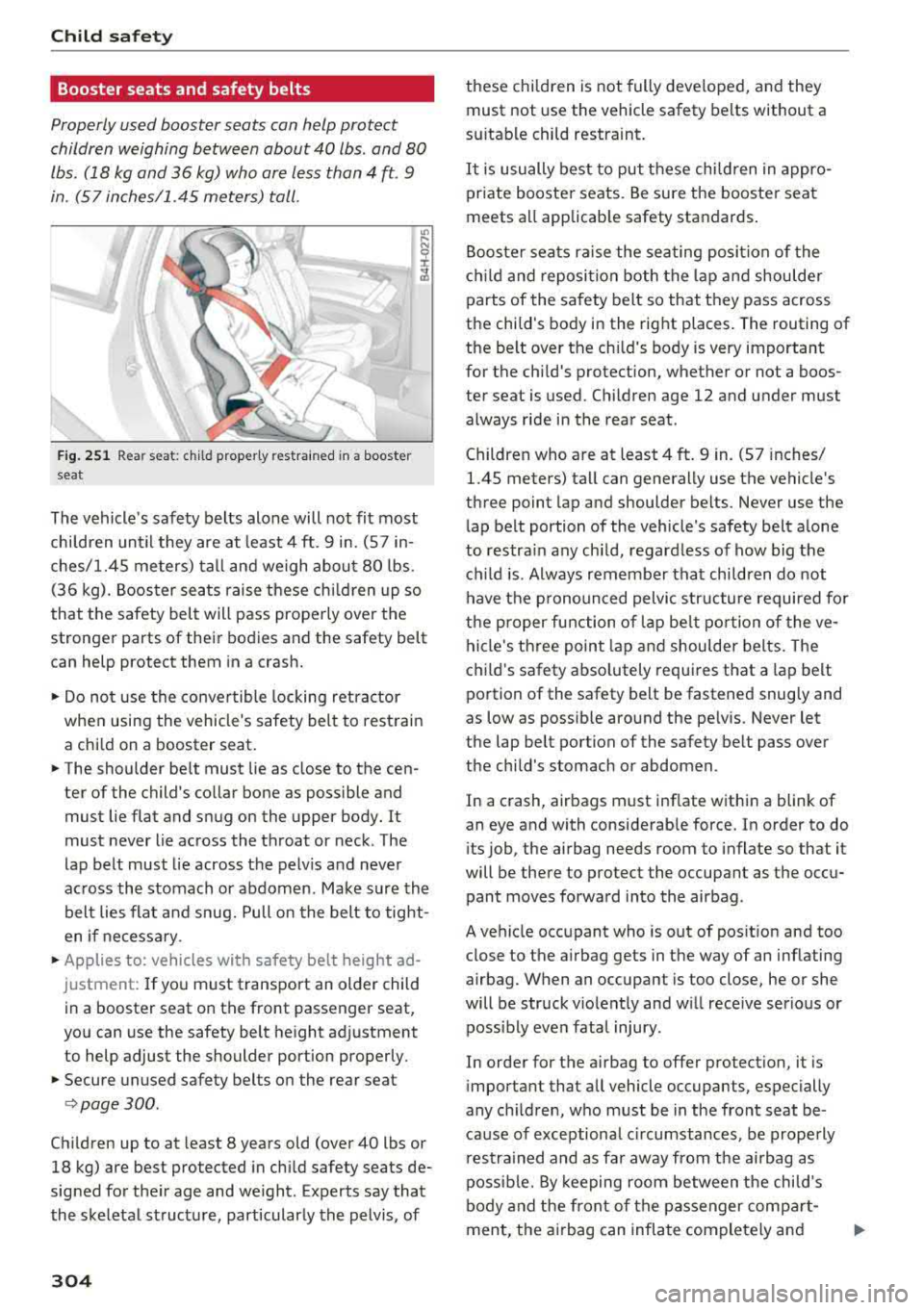
Fig . 2 51 Rea r seat: c hild proper ly restra ined in a booster
seat
The vehicle's safety belts alone will not fi t most
chi ldren un til they are at least 4 ft. 9 in. (57 in
ches/1. 45 meters) ta ll and weigh about 80 lbs.
(36 kg). Boos ter sea ts raise these chi ld ren up so
that t he safety bel t will pass properly over the
stronger parts of their bodies and the safety belt
can help protect them in a crash.
.. Do no t use the conve rtible locking retra ctor
when using the vehicle's safety belt to rest rai n
a chi ld on a booster seat.
.. The shoulder be lt must lie as close to the cen
ter of the child's collar bone as possible and must lie flat and s nug on the upper body. It
must never lie across the throat or neck . The
lap belt must lie across the pelv is and never
ac ross the stomach or abdomen . Make sure the
belt lies flat and snug. Pull on the belt to tight
en if ne cessa ry .
.. Applies to: vehicles with safety be lt height ad
justment: If yo u must t ransport an older child
in a booster seat on the front passenger seat,
yo u can use the safety belt he ight adjustment
to help adjust the shoulder portion properly.
.. Secure unused safety belts o n the rear seat
¢ page 300.
Ch ild ren up to at least 8 years old (over 40 lbs or
18 kg) are best protected in ch ild safety seats de
signed fo r thei r age and we ight . Experts say that
the skeleta l struct ure, particularly the pelvis, of
304 t
h ese children is not fully developed, and they
must not use the vehicle safety belts without a
s ui tab le child restraint .
It is usually best to put t hese chi ld ren in appro
priate booste r seats. Be sure the booste r seat
meets a ll applicab le safety standards .
Booster sea ts raise the seating posi tion of the
c hi ld a nd reposi tion both the lap and shoulde r
parts of the safety belt so that t hey pass across
the child 's body in the rig ht places. The routing of
the be lt over the ch ild's body is very important
for the chi ld's protection, whether o r not a boos
ter seat is used. C hildren age 12 and under must
always ride in the rear seat .
Children who are at least 4 ft. 9 in. (57 inches/
1.45 meters) tall can generally use the vehicle 's
three point lap and shoulder belts. Never use the
l ap belt portion of the veh icle's safety belt a lone
to restra in any ch ild, regard less of how big t he
c hil d is . Always remember that chi ldren do not
h ave t he p ronounced pelvic str ucture required fo r
the p roper function of lap be lt po rtion of the ve
hicle's three point la p and shoulder belts. The
c hil d's safety abso lutely requi res that a lap belt
portion of the safety belt be fastened snug ly and
as low as possib le aro und the pe lvis. Never let
the lap belt portion of the safety be lt pass over
the child's stomach or abdomen .
In a crash, airbags must inflate within a blink of
an eye and with considerab le force. In order to do
its job , the airbag needs room to inflate so that it
will be there to protect the occupant as the occu pant moves forward into the airbag .
A vehicle occupant who is out of pos it ion and too
close to the a irbag gets in the way of an inflating
airbag. When an occupant is too close, he or she
will be struck vio lent ly and w ill rece ive serio us or
possibly eve n fatal injury .
In order for the a irbag to offer protect ion, it is
importa nt that all vehicle occupants, especially
any ch ildren, who must be in the front seat be
cause of exceptiona l cir cumstances, be prope rly
r estra ined and as far aw ay from the a irbag as
poss ible. By keeping room between the chi ld's
body and the fron t of the passenger compa rt-
ment, the a irbag can inflate completely and
..,.