roof AUDI A5 COUPE 2014 User Guide
[x] Cancel search | Manufacturer: AUDI, Model Year: 2014, Model line: A5 COUPE, Model: AUDI A5 COUPE 2014Pages: 286, PDF Size: 70.99 MB
Page 69 of 286
Warm and cold Climate controls
Description
Th e climate control sy stem warms, cools and
adds humidity to the a ir in the veh icle inter io r.
It is the most effect ive when the windows and
sunroof are closed . If the re is a build-up of
h eat inside the vehicle, ventilation can help to
speed up the cooling process .
I n all he ating mode functions except
defrost,
the blower on ly switches to a higher speed
once the engine coolant has reached a certain
temperature.
Condensat ion from the cooling sys tem can
d rip and form a puddle of water under the ve
h icle. This is normal and does not mean there
is a leak .
Pollutant filter
The po llutant filte r removes po llutants such
as dus t and pollen from the air.
The air pollutants filte r must be changed at
the intervals spec ified in you r Wa rra nty
&
M aintenance book let, so tha t the air condi
tioner can prope rly work .
If you drive your vehicle in an area w ith h igh
a ir po llution, the fi lter may need to be
changed more frequent ly than specified in
your Aud i Warranty
& Ma intenance bookle t. If
in doubt, ask your authorized A udi Service Ad
v isor for advice .
Key coded settings
The clima te control sett ings are automat ically
stored and assigned to the remote co ntro l key
that is in use.
WARNING
Reduced vis ibili ty is dangero us and can
cause accidents.
Warm and c old 67
-For safe driving it is very important that
all windows be free of ice, snow and con
densat ion.
- Comp letely fam iliarize yourse lf with the
proper use and funct ion of the heat ing
and ve nti lation system and especially
how to defog and defrost the w indows.
- Never use the windshield wiper/washer
system in freez ing weather unt il you
have warmed the w indshield first, using
the heating and ventilation system. The
washer sol ution may free ze o n the wind
shie ld an d red uce visib ility.
(D Note
- If you suspect that the air conditioner has been damaged, switch the system
off to avoid furt her damage and have it
i n spected by a q ua lified dea lership.
- Repairs to the Audi air condition er re
quire specia l techni cal know ledge and
speci al tools. Contact an autho rized Aud i
dealer fo r ass istance.
@ For the sake of the environment
B y reduci ng the amou nt of f uel you use,
you also re duce the amount of pollu tan ts
emitted in to the a ir.
(D Tips
- Keep the air intake s lo ts ( in fro nt of the
w indshield) free from ice, snow and de
br is in order to maintai n the proper f unc
tion of the climate control system.
- T he energy m anagement system may
switch the seat heating* or rear window
defroster off temporar ily . These systems
are available again as soon as the energy
balance has been restored.
- Air escapes through vents under the rear
window. When placing items of clothing
on the luggage compartment cover, en
sure that the openings are not covered.
Page 128 of 286
126 Driving Safely
-Never transport objects larger than
those fitting completely into the luggage
area because the rear lid cannot be fully
closed.
- If you absolutely must drive with the rear
lid open, observe the following notes to
reduce the risk of poisoning:
- Close all windows,
- Close the sunroof,
- Open all air outlets in the instrument
panel,
- Switch off the air recirculation,
- Set the fresh air fan to the highest
speed.
A WARNING
Always make sure that the doors, all win dows, the sunroof and the rear lid are se
curely closed and locked to reduce the risk
of injury when the vehicle is not being
used.
- After closing the rear lid, always make
sure that it is properly closed and locked.
- Never leave your vehicle unattended es
pecially with the rear lid left open. A
child could crawl into the vehicle through
the luggage compartment and close the
rear lid becoming trapped and unable to
get out. Being trapped in a vehicle can
lead to serious personal injury.
- Nev er let children play in or around the
vehicle.
- Never let passengers ride in the luggage
compartment. Vehicle occupants must
always be properly restrained in one of
the vehicle's seating positions.
@ Tips
- Air circulation helps to reduce window
fogging. Stale air escapes to the outside
through vents in the trim panel. Be sure
to keep these slots free and open.
- The tire pressure must correspond to the
load. The tire pressure is shown on the
tire pressure label. The tire pressure la
bel is located on the driver's side B-pillar.
The tire pressure label lists the recom-
-
mended cold tire inflation pressures for
the vehicle at its maximum capacity
weight and the tires that were on your
vehicle at the time it was manufactured.
For recommended tire pressures for nor
mal load conditions, please see chapter
r=>poge 226 .
. Tie-downs
App lies to veh icles : w ith tie -downs
The luggage comportment is equipped with
four tie-downs to secure luggage and other
items.
Use the t ie-downs to secure your cargo prop
erly
c> page 12 5, Loading the luggage com
portment.
In a collision, the laws of physics mean that
even smaller items that are loose in the vehi
cle will become heavy missiles that can cause
serious injury. Items in the vehicle possess en
ergy which vary with vehicle speed and the
weight of the item. Vehicle speed is the most
significant factor.
For example, in a frontal collision at a speed
of 30 mph (48 km/h), the forces acting on a 10-lb (4.5 kg) object are about 20 times the
normal weight of the item. This means that
the weight of the item would suddenly be about 200 lbs. (90 kg). You can imagine the
injuries that a 200 lbs. (90 kg) item flying
freely through the passenger compartment
could cause in a collision like this.
A WARNING
-Weak, damaged or improper straps used
to secure items to tie-downs can fail dur
ing hard braking or in a collision and cause
serious personal injury.
- Always use suitable mounting straps and properly secure items to the tie-downs in
the luggage compartment to help pre
vent items from shifting or flying for ward as dangerous missiles.
- When the rear seat backrest is folded
down, always use suitable mounting
straps and properly secure items to the
Page 142 of 286
140 Airbag sys tem
For this reason, and because t he bac k seat is
the safest place for children - when prop erly
restra ined according to their age and size - we
strongly recommend that children always sit in the back seat
Q page 161, Child Safety.
A WARNING
-
A child in a rearward-facing child safety
seat installed on the front passenger seat
w ill be seriously injured and can be k illed if
t he front a irbag inflates - even wit h an Ad
v a nced Airb ag System.
- T he inflating a irbag will hit the child
safety seat or infant carrier with g reat
force and w ill smash the ch ild safety sea t
and child against the backrest, center
armrest, door or roof .
- Always install rear-facing child safety
seats on the rear seat .
-If you mus t inst all a rearwar d fa cing
child safety seat on the front passenger
seat because of exceptional circ umstan
ces and the
PASSENGER AIR BAG OFF
light does not come on and stay on , im
med iately install the rear-facing child
safety seat in a rear seating position and
have the a irbag system inspected by you r
au thorized Audi dealer .
- Forward-fac ing ch ild safety seats instal
led on the front passenger's seat may in
terfer e wi th the deployment of the air
bag and cause se rious personal injury to
the ch ild.
A WARNING
If, in exceptional c ircumstances, you mus t
install a forwa rd-facing child restra int on
the front passenger's seat:
- Always m ake su re the forw ard-fa cing
sea t has been des igned and certified by
its manufact urer for use on a front seat
with a passenger front and side airbag.
- Never put the forward -facing child re
st raint up aga inst or very near the inst ru
ment pane l.
- Always move the passenger seat into its
rearmost position in the seat's fore and aft ad
justment range, as fa r away from
the airbag as possible before installing
the forward-fac ing ch ild restra int. The
backrest must be ad justed to an upright
position .
- Make sure that the
PASSENGER AIR BAG
OFF
li ght comes on and stays on all the
time wheneve r the ignit ion is switched
on.
A WARNING
To reduce the risk of serious inju ry, ma ke
sure that the
PASSENGER AIR BAG OFF
lig ht w ill be displayed whenever a child re
straint is insta lled on the front passenger
seat and the ignition is switched on .
- If the
PASSENGER AIR BAG OFF light
does not stay on, per form the checks de
scribed
Q page 147, Monitoring the Ad
vanced Airbag System.
- Take the chi ld restraint off the front pas
senger seat and install it properly at one
of the rear seat positions if the
PASSEN
GER AIR BAG OFF light does not stay on.
-Have the airbag system inspected by
your author ized Audi dealer immed iate
ly.
- Always carefully follow instr uctions from
child restraint manufacture rs when in
stalling ch ild restra ints.
A WARNING
-If, in except iona l circumstances, you must
i nstall a forward or rearwa rd -facing child
r estra int on t he front passenger's seat :
- Improper installation of ch ild restra ints
can reduce their effectiveness o r even
p revent them from providing any protec
tion.
- An improperly installed ch il d restra int
can inter fere with the airbag as it de
p loys and seriously injure o r even kill the
child -even with an Advance d Airbag
System.
- Always caref ully follow the m anu factur
er 's ins truc tio ns p rov ided with the ch ild
safety sea t or carrier .
Page 145 of 286
Fo r exa mple, the airbag may depl oy if:
- a small child that is heavier than a typical 1
year-o ld child is on the front passenger seat
(regardless of whether the child is in one of
the chi ld safety seats listed
¢ page 163),
-a ch ild who has outgrown child rest raints is
on the front passenger seat.
I f the front passenger airbag is turned off , the
PA SSENGER AIR B AG OFF light in the center
of the inst rument panel w il l come on and stay
on.
The front a irbag on the passenger side may
not deploy (the PASSENGER AIR BAG OFF
light does not illuminate and stay lit) if:
- a small adult or teenager is on the front pas
senger seat
- a passenger who is not sitt ing upr ight w ith
their back against a non-reclined backrest
with their feet on the veh icle floo r in front
of the sea t is on the front passenge r seat.
If the front passenger airbag deploys, the
Federal Standard requires the airbag to meet
the " low risk " deployment criteria to help re
duce the risk of inj ury through in teraction
with the airbag . "Low risk" deployment occurs
in those crashes that take place at lower de
celerations as defined in the electronic control unit.
¢ page 147
Alway s remember : Even though you r vehicle
is equipped with Advanced Airbags, the safest
p lace for children is properly restrained on the
back seat . Please be sure to read the impor
tant information in the sect ions that follow
and be sure to heed all of the WARNINGS.
_&. WARNING
To reduce the risk of injury when an airbag
inflates, always wear safety belts properly .
- If you are unrestrained, lean ing forward,
sitting sideways or out of position in any
way, your risk of injury is much highe r.
- You w ill also receive serious injuries and
could even be killed if you are up against
the a irbag or too close to it when it in-
A irbag system 143
flates - even with an Advanced Ai rbag
¢page 137.
_&. WARNING
A child in a rearward-fac ing ch ild safety
seat installed on the front passenger seat
will be ser ious ly injured and can be killed if
the front airbag inflates - even with an Ad
vanced A irbag System .
-Although the Advanced Airbag System in your veh icle is designed to turn off the
front airbag when a rearward-facing child restraint has been instal led on the
front passenge r seat, nobody can abso
lutely guaran tee that dep loymen t is im
possible in all conceivable situations that
may happen during the usefu l life of your
veh icle.
- The inflating airbag will hit the child
safety seat or infant carrier with great
force and will smash the child safety seat
and child against the backrest, center
armrest, door, or roof .
-Always install rearward -facing chi ld re
straints in the back seat.
- If you must install a rearward fac ing
child safety seat on the front passenger
seat because of exceptional c ircumstan
ces and the
PASSENGER AIR BAG OFF
light does not come on and stay on, im
mediately insta ll the rear-fa cing ch ild
safety seat in a rear seating position and
have the airbag system inspected by your
author ized Audi dealer .
A WARNING
-=
If, in exceptiona l circumstances, you must
install a forward-facing child restraint on
the front passenger's seat:
- Always make s ure the forward-facing
seat has been designed and certified by its manufacturer for use on a front seat
with a passenger front and s ide a irbag.
- Never put the forward-facing child re
straint up against or very near the instru-
ment panel.
~
•
•
Page 149 of 286
-Occ upan ts who are unbelte d, ou t of p osi
t ion or too close to the airbag can be
seriously injured by an airbag as it un
folds with great force in the blink of an
eye
¢ page 138 .
A WARNING
-
A child in a rearward-facing child safety
seat insta lled on the front passenger seat
w ill be seriously injured and can be k illed if
the front a irbag inflates - even with an Ad
vanced Airbag System .
- The inflating a irbag w il l hit the child
sa fety sea t or infant carrier w ith g reat
f orce and w ill smash the ch ild safety seat
and child against the backrest , cente r
armrest, door or roof .
- Always install rear -facing child sa fety
seats on the rear seat .
- If you mus t install a rearward facing
child safety seat on the front passenger
seat because of exceptional circ umstan
ces and the
PASSENGER AIR BAG OFF
light does not come on and stay on, im
med iately install the rear-facing child
safety seat in a rear seating position a nd
have the a irbag system inspected by you r
authori zed Au di dealer .
A WARNING
Objects betwee n you and t he a irbag will
increase the risk of in jury in a crash by in
t erfering wi th the way the air bag un folds
or by being pushed into you as the a irbag
inflates.
- Never hold th ings in your hands or on
yo ur lap when the vehicle is in use.
- Never transport i tems on or in the area
of the front passenge r seat . Objects
cou ld move into the area of the front air
bags dur ing braking or other s udden ma
neuver and become dangerous projec
t il es that can cause serious personal in
jury if the airbags inflate .
- Never place or attach accessories or oth
er objects (such as cupholders, te le
phone brackets, large, heavy or b ulky ob -
-
Airbag system 147
jects) on the doors, ove r o r near the area
marked "AIRBAG" on the steering wheel,
instrument panel, seat backrests or be
tween those areas and yourself . These
objects could cause in ju ry in a c rash , es
pecia lly when the airbags infla te .
- Never recline the front passenger 's sea t
to transport objects. Items can a lso
move into the area of the s ide a irbag or
the front a irbag du ring bra king or in a
sudden maneuve r. O bje cts ne ar the air
bags can become projec tiles and cause
in jur y, partic ula rly when the seat is re
clined .
A WARNING
The fine dust create d when air bags deploy
can cause breathing prob lems for people
with a history of asthma or other breath ing cond itions .
- To reduce the risk of breath ing problems,
those with asthma or other respiratory conditions shou ld get fresh air r ight
away by getting o ut o f the veh icle or
open ing windows or doors.
- If you are in a collision in which airbags
deploy, was h your hands and face with
mild soap and wate r before ea ting.
- Be ca reful not to get the dust into your
eyes, o r into any c uts or sc ratches .
- If the resid ue should get into your eyes,
f lush them w ith wate r.
Monitoring the
Advanced Airbag
System
Airbag monitoring indicator light
T wo separate indicators monitor the function
of the Advanced Airbag System: the airbag
monitoring indicator light and the
PASSEN·
GER AIR BAG OFF
light.
T he Advanced A irbag System ( incl uding the
electron ic co ntro l unit , se nsor circu its and sys
tem wir ing) is mo nitore d continuously to
m ake su re that it i s fu nc tioni ng properly •
•
Page 160 of 286
158 Airbag sys te m
The side curtain airbags are located on both
sides of the interior above the front and rear
side windows ~
fig. 140. They are ident ified
by the word "AIRBAG" on the windshie ld
frame and the center roof pillar.
The side curtain airbag system supp lements
the safety belts and can help to reduce the
risk of injury for occupants ' heads and upper
torso on the side of the vehicle that is struck in a side co llision . The side curtain airbag in
flates in s ide impacts and only when the veh i
cle acce lerat ion reg istered by the contro l unit
is high enoug h. If th is rate is below the refe r
ence va lue programmed into the control un it,
the side airbags will not be t riggered, even
though the ca r may be badly damaged as a re
sult of the collision . It is not possible to de
fine an a irbag tr igger ing range that will cover
every possible angle of impact, since the cir
cumstances will vary considerably between
one co llision and another . Important factors
i nclude, for example, the natu re (hard or soft)
of the impacting object, the ang le of impact ,
ve hicl e speed, etc.~
page 159, How side cur
tain airbags work.
As ide from the ir no rmal safety function, safe
ty belts work to he lp keep the driver or front
passenger in position in the event of a co lli
sion so tha t the side curta in airbags can pro
vide protection.
The airbag system is not a subst itute for you r
safety belt. Rathe r, it is pa rt of the overall oc
cupa nt res traint system in your ve hicle. Al
ways remember that the airbag system can
only help to protect you if you are wearing
your safety be lt and wearing it properly. This
is another reason why you sho uld a lways wear
your safety belts, not just beca use the law re
qu ires you to do so
Q page 129, General
notes.
It is important to remember that while the
side curta in a irbag system is designed to help
reduce the likelihood of serious injuries, other
injuries, fo r example , swell ing, bruisi ng, and
minor abras io ns can also be associated w it h
these airbags. Remembe r too, these a irbags
will dep loy only once and only in cer tain kinds of accidents
-your safety belts are always
there to offer protection.
The side curtain airbag system basically
con sists of:
- The e lectronic control module and external
side impact sensors
- The side curtain airbags above the fron t and
rear side windows
- The a irb ag ind icator light in the inst rument
panel
T he airbag syste m is mon itored e lectronically
to make ce rtain it is functioning prope rly at all
t imes. Each t ime yo u turn on t he igni tion, the
airbag system indicator light wi ll come on for
a few seconds (self diagnostics) .
The side curtain airbag is not activated:
-if the ignition is tur ned off,
- in side collisions when the accele ration
measured by the sensor is too low,
- in rear-end col lisions,
- in rollovers.
A WARNING '"--
-Safety belts and the airbag system will
only provide protection when occupa nts
are in th e prop er seating position
Q page 53, Seats and storage.
- If the ai rbag ind icator light Q page 20
comes when the veh icle is being used,
h ave the system inspected immedia tely
by your au thori zed A udi dealer.
It is pos
sible tha t the airbag will inflate when i t
is not supposed to, or will not inflate
when it should.
Page 167 of 286
A WARNING 1-=
Not using a child safety seat, using the
wrong child safety seat or improperly in
stalling a child restraint increases the risk
of serious personal injury and death .
-All vehicle occupants and especially chil dren must always be restrained properly
whenever riding in a vehicle.
~
- An unrestrained or improperly restrain
ed child can be injured or killed by be
ing thrown against the inside of the ve
hicle or by being ejected from it during
a sudden maneuver or impact.
- An unrestrained or improperly restrain
ed child is at much greater risk of injury
or death by being struck by an inflating
airbag.
- Commercially available child safety seats
are required to comply with U.S . Federal
Motor Vehicle Safety Standard (FMVSS)
213 (in Canada CMVSS 213).
- When buying a child restraint, select
one that fits your child and the vehicle.
- Only use child restraint systems that
fully contact the flat portion of the
seat cushion. The child restraint must
not tip or lean to either side. Audi does
not recommend using child safety
seats that rest on legs or tube-like
frames . They do not provide adequate
contact with the seat.
-Always heed all legal requirements per
taining to the installation and use of
child safety seats and carefully follow
the instructions provided by the manu
facturer of the seat you are using.
- Never allow children under 57 inches
(1.45 meters) to wear a normal safety
belt. They must always be restrained by a
proper child restraint system. Otherwise,
they could sustain injuries to the abdo
men and neck areas during sudden brak
ing maneuvers or accidents.
- Never let more than one child occupy a
child safety seat.
Child Safety 165
- Never let babies or older children ride in
a vehicle while sitting on the lap of an
other passenger.
- Holding a child in your arms is never a
substitute for a child restraint system .
- The strongest person could not hold
the child with the forces that exist in
an accident. The child will strike the in
terior of the vehicle and can also be
struck by the passenger.
- The child and the passenger can also
injure each other in an accident.
- Never install rearward-facing child safety
seats or infant carriers on the front pas
senger seat. A child will be seriously in
jured and can be killed when the passen
ger airbag inflates -even with an Ad
vanced Airbag System .
- The inflating airbag will hit the child
safety seat or infant carrier with great
force and will smash the child safety
seat and child against the backrest,
center arm rest, door or roof.
-Always install rearward-facing child
safety seats or infant carriers on the
rear seat.
- Forward-facing child safety seats instal
led on the front passenger's seat can in
terfere with the airbag when it inflates
and cause serious injury to the child. Al
ways install forward-facing child safety seats on the rear seat .
- If exceptional circumstances require the
use of a forward-facing child restraint on
the front passenger's seat, the child's
safety and well-being require that the
following special precautions be taken:
- Make sure the forward-facing seat has
been designed and certified by its man
ufacturer for use on a front seat with a
passenger front and side airbag .
- Always carefully follow the manufac
turer's instructions provided with the
child safety seat or carrier.
- Always move the front passenger seat into the rearmost position of the pas-
senger seat's fore and aft adjustment
~
•
•
Page 169 of 286
Child safety seats
Infant seats
Babies and infants up to about one year old
and 20 lbs. or 9 kg need special rearward -fac
ing child restraints that support the back,
neck and head in a crash.
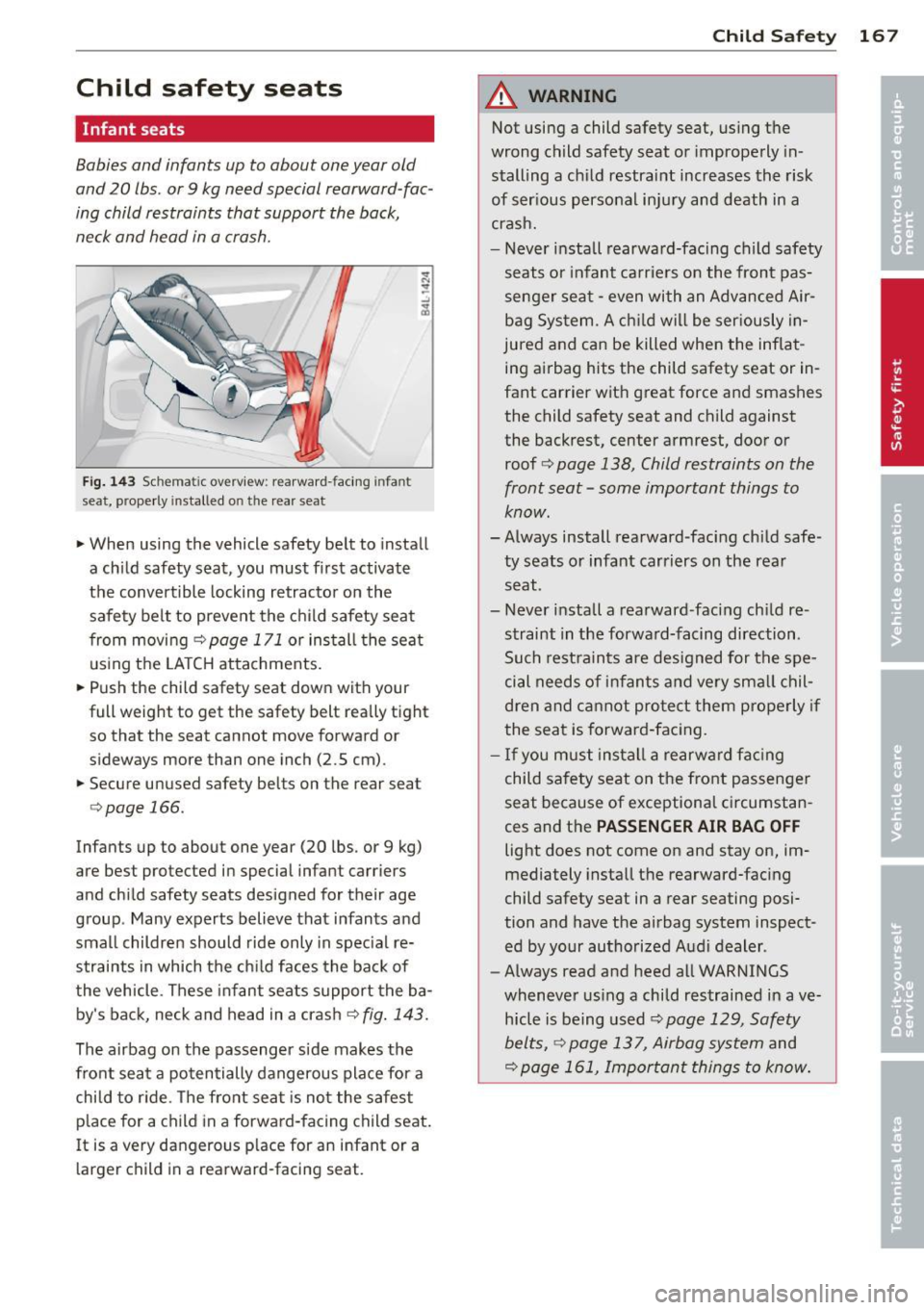
Fig . 143 Sche matic overv iew: rearward-fac ing infant
seat, properly installed o n the rear seat
.,. When using the vehicle safety belt to install
a child safety seat, you must first activate
the convertible locking retractor on the
safety belt to prevent the child safety seat
from moving
¢ page 171 or install the seat
using the LA T CH attachments.
.,. Push the child safety seat down with your
full weight to get the safety belt rea lly tight
so that the seat cannot move forward or
sideways more than one inch (2.5 cm).
.,. Secure unused safety belts on the rear seat
¢page 166.
Infants up to about one year (20 lbs . or 9 kg)
are best protected in special infan t carriers
and child safety seats designed for their age
group . Many experts believe that infants and
small children should ride only in spec ial re
straints in which the ch ild faces the back of
the vehicle. These infant seats support the ba
by's back, neck and head in a crash
¢ fig . 143.
The airbag on the passenger side makes the
front seat a po tentially dangerous place for a
child to r ide . The front seat is not the safest
p lace for a child in a forward -facing child seat.
It is a very dangerous p lace for an infant or a
l arger child in a rearward-facing seat.
Child Safety 16 7
A WARNING
Not using a child safety seat, using the
wrong child safety seat or improperly in
stall ing a ch ild restraint increases the risk
of ser ious personal injury and death in a
crash.
- Never install rearwa rd-facing child safety
seats or infant ca rrie rs on the front pas
senger seat -even with an Advanced Air
bag Sys tem. A ch ild will be ser iously in
jured and can be killed when the inflat
ing airbag hits the child safety seat or in
fant carrier with great force and smashes the child safety seat and child against
the backrest, center armrest, door or
roof ¢
page 138, Child restraints on the
front seat- some important things to
know .
-Always install rearward -facing chi ld safe
ty seats or infant carriers on the rear seat .
- Never install a rearward -facing ch ild re
straint in the forward-facing direction .
Such rest ra ints are designed for the spe
cial needs of infants and ve ry sma ll chil
dren and cannot pro tect them properly if
the seat is forward -facing.
- If you must insta ll a rearwa rd fac ing
child safety seat on the front passenger
seat because of exceptional c ircumstan
ces and the
PASSENGER AIR BAG OFF
light does not come on and stay on, im
mediately install th e rearward-facing
child safety seat in a rear seating posi
tion and have the airbag system inspect ed by your authorized Audi dealer .
- Always read and heed all WARNINGS
wheneve r us ing a child restrained in ave
h icle is being used ¢
page 129, Safety
belts,
Q page 13 7, Airbag system and
¢ page 161, Impor tan t things to know .
Page 170 of 286
168 Child Safet y
Convertible child safety seats
Properly used convertible child safety seats
can help protect toddlers and children over
age one who weigh between
20 and 40 lbs. (9
and 18 kg) in a crash.
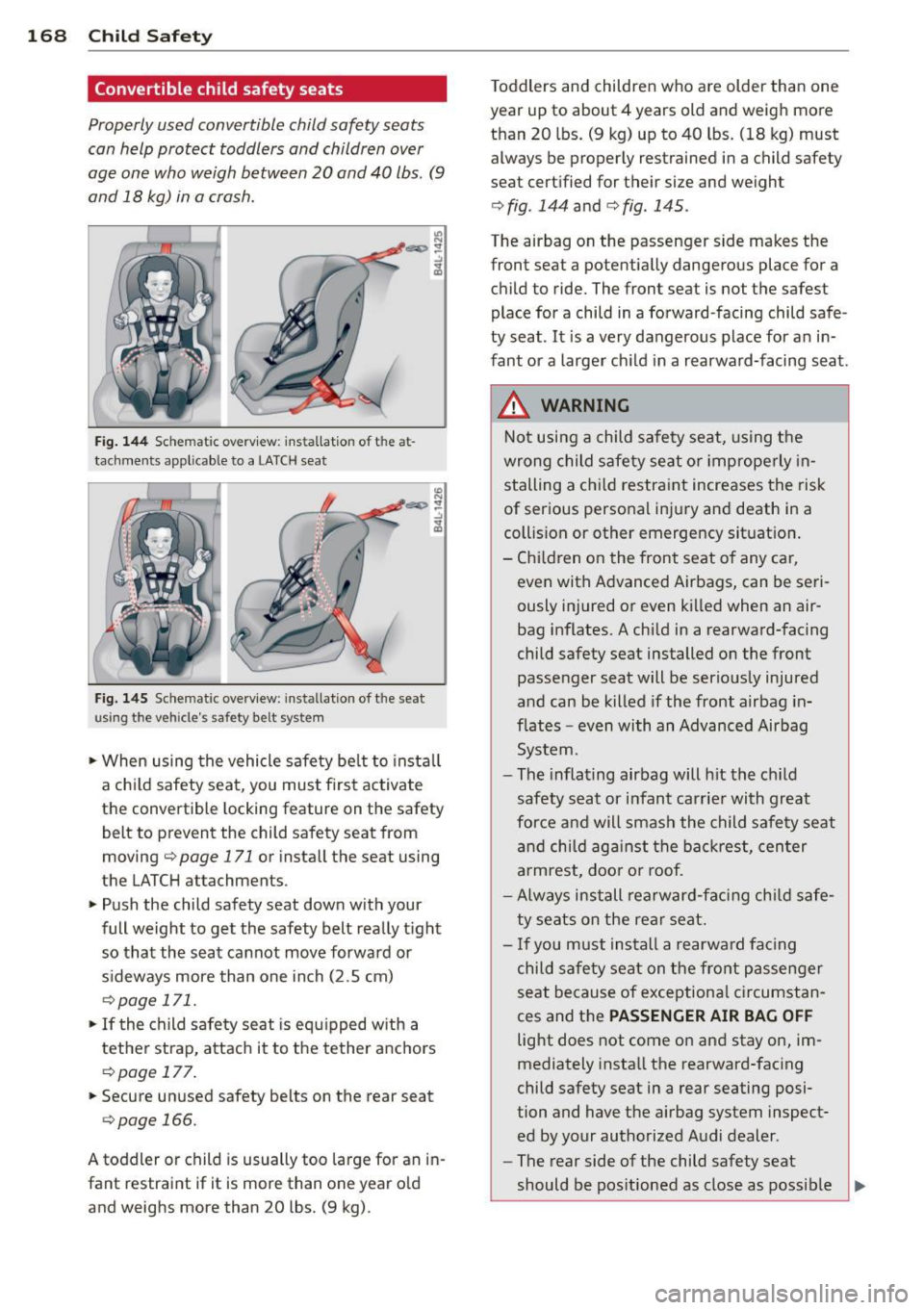
Fig . 144 Schematic overv iew: installat ion of the at
t a chments appl icable to a LA TCH seat
Fig. 145 Schematic overview: in stalla tion of t he sea t
using the vehicle's safety be lt system
.. When using the vehicle safety be lt to insta ll
a chi ld safety seat, you must f irst activate
the convertible locking feature on the safety
belt to prevent the child safety seat from
moving
c::> page 171 or insta ll the seat using
the LATCH attachments.
.. Push the child safety seat down with your
full weight to get the safety belt really t ight
so that the seat cannot move forwa rd or
s ideways more than one inch (2.5 cm)
c::> page 171.
.. If the child safety seat is eq uipped w ith a
tether strap, attach it to the tether anchors
¢ page 177.
.. Secure unused safety belts on the rear seat
c::> page 166.
A toddler or child is usually too large for an in
fant restra int if it is more than one year o ld
and weighs more than 20 lbs. (9 kg) . T
oddlers and children who are older than one
year up to about 4 years old and weig h more
than 20 lbs. (9 kg) up to 40 lbs. (18 kg) must
always be properly restrained in a child safety
seat certified for their size and weight
c::>fig . 144 and c::> fig . 145 .
The airbag on the passenger side makes the
front seat a potentia lly dangerous place for a
child to ride. The front seat is not the safest
place for a child in a forward-facing child safe
ty seat . It is a very dangerous place for a n in
fant or a larger ch ild in a rearward-facing seat.
_&. WARNING
No t using a child safety seat, us ing t he
wrong child safety seat o r imprope rly in
stalling a chi ld restraint increases the risk
of serious personal injury and death in a
collision or other emergency situat ion .
- Chi ldren on the front seat of any ca r,
-
even with Advanced Airbags, can be seri
ously injured or even killed when an air
bag inflates . A ch ild in a rearward-facing
child safety seat installed on the front
passenger seat will be serious ly injured
and can be killed if the front airbag in
f lates -even with an Advanced Airbag
System .
- The inflating airbag will h it the ch ild
safety seat or infant carrie r with great
force and will smash the child safety seat and child aga inst the backrest, center
armrest, doo r or roof.
- Always ins tall rearward-fac ing ch ild safe
ty seats on the rear seat.
- If you must insta ll a rearwa rd fa cing
child safe ty seat on the fro nt passenger
seat because of exceptiona l circumstan
ces and the
PA SSENGER AIR BAG OFF
light does not come on and stay on, im
mediately insta ll the rearward-facing
child safety seat in a rear seating posi
tion and have the airbag system inspect
ed by your authorized Audi dealer .
- The rear side of the child safety seat
should be pos itioned as close as possib le ..,.
Page 173 of 286
-Never let a child ride in the cargo area of
your vehicle.
- Always remember that a chi ld leaning
forward, sitting sideways or out of posi
t ion in any way during an acc ident can be
struck by a deploying airbag. This will re
sult in serious personal injury or death.
- If you must install a booster seat on the
front passenger seat because of excep
t ional circumstances the
PASSENGER
AIR BAG OFF
light must come on and
stay on, whenever the ignition is switch
ed on.
- If the
PASSENGER AIR BAG OFF light
does not come on and stay on, perform
the checks described
¢ page 147, Moni
toring the Advanced Airbag System.
- Ta ke the child rest rain t off the fron t pas
senger seat and ins tall it proper ly a t one
of the rear seat posi tions if the
PASSEN
GER AIR BAG OFF
light does not stay on
whenever the ignition is switched on .
- Always read and heed all WARNINGS
whenever using a child restrained in ave
hicle is being used
¢page 129, Safety
belts,¢ page 137, Airbag system
and
¢ page 161, Important things to know.
Installing a child safety
seat
Securing a child safety seat using a
safety belt
Safety belts for the rear seats and the front
passenger's seat can be locked with the con
vertible locking retractor to properly secure
child safety seats .
The safety belts emergency lock ing retractors
for the rear seats safety belts and for the
fro nt passenger's seat safety belt have a con
vertible locking retracto r fo r child restra ints .
The safety belt must be locked so that belt
webbi ng cannot unreel. The retracto r can be
activ ated to lock t he safety be lt and p revent
t he safe ty belt webbing from loosening up
d uring normal driving . A child sa fety seat can
only be properly installed when the safety belt
Child Sa fet y 1 71
is loc ked so that the chi ld and child sa fety
seat wi ll stay in place.
A lw ays remember: Even tho ugh yo ur vehicle is
equipped with an Advanced Airbag system, all
c hi ldren, especially those 12 years and young
er, sho uld always ride in the back seat prope r
l y restrained for the ir age and we ight .
A WARNING
Imp roperly installed chi ld safety seats in
crease the risk of serious personal injury
and deat h in a co llision.
- Always make sure that the safety belt re
tracto r is locked when insta lling a child
safety seat. An unlocked safety belt re
trac to r cannot hold the child safety seat
in place dur ing norma l dr iving o r in a
crash.
- Always buckle the child safety seat firmly
in place even if a ch ild i s not si tt ing in it.
A loose child safe ty seat can fly aroun d
du ring a sudden stop or in a collision.
- If the backrest is not securely la tched,
the child and the child re5traint will be
thrown forward togethe r with the bac k
rest and will strike parts of the vehicle
interior. The child can be se riously in
jured or killed.
- Never install rearwa rd-facing child safety
seats or infant ca rrie rs on the front pas
senger seat. A child will be serio usly in
jured and can be killed when the passen
ge r airbag inflates .
- The inflating airbag will h it the ch ild
safety seat or infant carrie r with great
force and will smash the child safety seat and child against the bac krest, center
armrest, doo r or roof.
- Always install rearward-facing chi ld safe
ty seats or infant carriers on the rea r
s eat .
- Forwa rd-facing child safety seats o r in
fa nt car riers installed on the front pas
s enger's seat may in terfere with the de
ployme nt of t he ai rb ag and cause serious
in jury to the child. ..,_ •
•