ECU AUDI A8 2015 Owner's Manual
[x] Cancel search | Manufacturer: AUDI, Model Year: 2015, Model line: A8, Model: AUDI A8 2015Pages: 312, PDF Size: 79.18 MB
Page 149 of 312

To provide maximum protection, safety belts
must always be positio ned correctly on the
wearer's body .
... Adjus t the front seat and head restraint
properly
c::> page 58, General recommenda
tions .
... Hold the be lt by the tongue and pull it even
ly across the chest and pelvis
c::> &,. .
... Insert the tongue into the correct buckle of
you r seat until you hear it latch securely
c::> fig. 161.
... Pull on the belt to make su re that it is se-
c u rely latched in the buckle .
Automatic safety belt retractor s
Every safety belt is equipped with an automat
ic belt retractor on the shoulder belt. Th is fea
ture locks the belt when the belt is pulled out
fast, dur ing hard braking and in an accident .
The belt may also lo ck when you drive up or
down a steep hill or through a sharp curve .
D uring normal driving the belt le ts you move
freely.
Safety belt pretensione rs
The safety belts are equipped with a belt pre
tensioner that helps to t igh ten the safety belt
and remove s lack when the pretensione r is ac
tivated
c::> page 149. The function of the pre
tensioner is monitored by a warning light
c::> page 18 .
Switchable locking feature
Every safety belt except the one on the driver
seat is eq uipped w ith a switchab le locking fea
ture that
mu st be used when the safety belt is
used to attach a child seat. Be sure to read the important information about this feature
<=>page 184.
A WARNING
Improperly positioned safety belts can
cause serious injury in an accident
c::> page 147, Safety belt position .
-Safety belts offer optimum protection
only when the seatback is upright and
belts are properly positioned on the
body.
-
Safety belts 14 7
-Never attach the safety belt to the buck
le for another seat. Attaching the belt to
the wrong buckle will reduce safety belt effectiveness and can cause serious per
sonal injury .
- A passenger who is not properly restrain
ed can be seriously injured by the safety
be lt itself when it moves from the stron
ge r parts of the body into critical ar eas
like the abdomen.
- Always lock the convertible locking re
tracto r when you are secu ring a child
se at in the veh icle
c::>page 186.
@ Tips
For informat ion on safety belt pretension
e rs, refer to
c::> page 149 .
Safety belt position
Correct belt position is the key to getting
maximum protection from safety belts .
Fig. 1 62 Safety belt pos it ion
Use the heig ht adjus tment to change the posi
tion o f the shoulder belt of the front safety
belts.
A WARNING '-
Improperly positioned safety be lts can
cause ser ious persona l injury in an acc i
dent.
-
- The shou lder belt should lie as close to
the center of the collar bone as possible
and should fit well on the body. Hold the
be lt above the latch tongue and pull it
eve nly across the chest so that it sits as
low as possible on the pelv is and there is
no pressure on the ab domen. The belt .,_
Page 150 of 312
148 Safety belts
should always fit snugly¢ fig. 162. Pull
on the belt to tighten if necessary.
- A loose-fitting safety belt can cause seri
ous injuries by shifting its position on
your body from the strong bones to more
vulnerable, soft tissue and cause serious injury .
- Always read and heed all WARNINGS and
other important information
¢ page 146 .
Pregnant women must also be correctly
restrained
The best way to protect the fetus is to make
sure that expectant mothers always wear
safety belts correctly -throughout the preg
nancy.
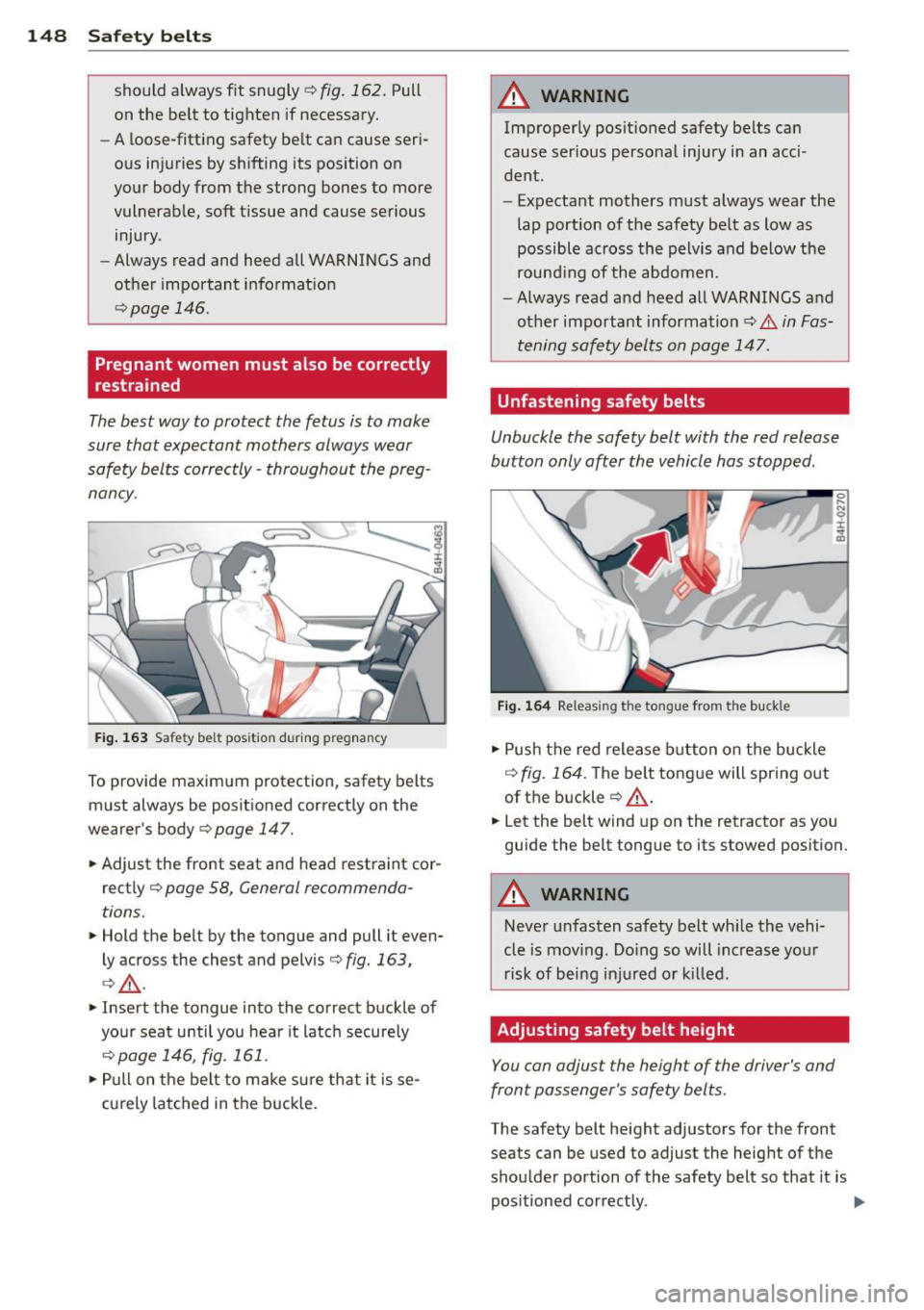
Fig . 163 Safe ty be lt pos it io n durin g pregnancy
To provide maximum protection, safety belts
must always be positioned correctly on the
wearer's body ¢
page 147.
• Adjust the front seat and head restraint cor
rectly ¢
page 58, General recommenda
tions.
• Hold the belt by the tongue and pull it even
ly across the chest and pelvis
¢ fig. 163,
¢ Li). .
• Insert the tongue into the correct buckle of
your seat until you hear it latch securely
¢page 146, fig. 161.
•Pullon the belt to make sure that it is se
curely latched in the buckle .
A WARNING ,-
Improperly positioned safety belts can
cause serious personal injury in an acc i
dent.
- Expectant mothers must always wear the
lap portion of the safety belt as low as
possible across the pelvis and below the
rounding of the abdomen.
- Always read and heed all WARNINGS and
other important information¢
& in Fas
tening safety belts on page 147.
Unfastening safety belts
Unbuckle the safety belt with the red release
button only after the vehicle has stopped.
Fig. 164 Releas ing the ton gue from the buck le
• Push the red release button on the buckle
¢ fig. 164. The belt tongue will spring out
of the buckle
¢ _& .
0
" N 0 ±
~
• Let the belt wind up on the retractor as you
guide the belt tongue to its stowed position.
A WARNING
Never unfasten safety belt while the vehi
cle is moving . Doing so will increase your
risk of being injured or killed.
Adjusting safety belt height
You can adjust the height of the driver's and
front passenger's safety belts.
The safety belt height adjusters for the front
seats can be used to adjust the height of the
shoulder portion of the safety belt so that it is
positioned correctly .
1J>-
Page 179 of 312

,....,
N ,....,
N
0 J:
'SI: ,...., \!) 1.1'1 ,...., 1.1'1 ,....,
Model Manufactured on or
after
Evenflo First Choice December 1, 1999
204
Graco Infant 8457 December 1, 1999
Graco Snugride September 25, 2007
Peg Perego Primo Vi- September 25, 2007
aggio SIP IMUN00US
Subpart C - Forward-facing and
convertible child restraints
Model Manufactured on or
after
Britax Roundabout September 25, 2007
E9L02xx
Cosco Touriva 02519 December 1, 1999
Cosco Summit Deluxe September 25, 2007
H igh Back Booster
22-262
Cosco High Back September 25, 2007
Booster 22-209
Evenflo Tribute V September 25, 2007
379xxxx
Evenflo Medallion December 1, 1999
254
Evenflo Generations September 25, 2007
352xxxx
Graco Comfo rtSport September 25, 2007
Graco Toddler Safety September 25, 2007
Seat Step 2
Graco Platinum Cargo September 25, 2007
A WARNING
To reduce the risk of serious injury, make
sure that the
PASSENGER AIR BAG OFF
light comes on and stays on whenever a
child restraint is installed on the front pas
senger seat and the ignition is switched
on.
- Take the child restraint off the front pas
senger seat and install it properly at one
of the rear seat positions if the
PASSEN
GER AIR BAG OFF
light does not stay on.
Child Safety 177
-Have the airbag system inspected by
your author ized Audi dealer immed iate
ly.
@ Tips
The child seats listed in categories A to C
have been statically tested by Audi on ly for
the Advanced Airbag function.
Important safety instructions for using
child safety seats
Correct use of child safety seats substantially
reduces the risk of injury in an accident!
As the driver, you are responsib le for the safe
ty of everybody in the veh icle, especially ch il
dren:
... Always use the right chi ld safety seat for
each child and always use it properly
¢page 180.
... Always carefully follow the child safety seat
manufacturer's instruct ions on how to route
the safety belt properly through the child
safety sea t .
... When using the vehicle safety belt to install
a child safety seat, you must first activate
t he convertible locking retractor on the
safety belt to prevent the child safety seat
from moving
¢ page 184.
... Push the ch ild safety seat down with yo ur
full weight to get the safety belt really tight
so that the seat cannot move forward or
sideways more than one inch (2 .5 cm) .
... If a strap or tether is be ing used to tie the
child safety seat to the front passenger
seat, make sure that it is not so tight that it
causes the weight-sens ing mat to measure
more weight than is actually on the seat.
... Secure unused safety belts on the rear seat
¢page 179.
Always remember: Even though your vehicle is
equipped with an Advanced Airbag system, all
c hild ren, especially those 12 years and young
er, shou ld always r ide in the back seat proper-
ly restrained for the ir age and size. ..,. •
•
Page 181 of 312

as possible before installing the child
restraint.
- Always make sure that nothing pre
vents the front passenger's seat from
be ing moved to the rearmost position
in its fore and aft adjustment range.
- Always make sure that the backrest is
in the upr ight position.
- Always buck le the child safety seat firmly
in place even if a child is not sitting in it.
A loose ch ild safety seat can fly around
dur ing a sudden stop or in a col lision .
- Always read and heed all WARNINGS
whenever using a child restrained in ave
hicle is being used
c::> page 143, Safety
belts,
c::> page 151, Airbag system and
c::> page 17 4, Child Safety.
A WARNING
T o reduce t he ris k of serious injury, make
sure that the
PASSENGER AIR BAG OFF
light comes on and stays on whenever a
child rest raint is installed on the front pas
senger seat and the ignition is switc hed
on.
- Take the child restraint off t he fro nt pas
senger seat and install it properly at one
of the rear seat positions if the
PASSEN ·
GER AIR BAG OFF
light does not stay on.
- Have the airbag system inspected by
your authorized Aud i dealer immediate
ly.
Secure unused safety belts on the rear
seat
F ig. 175 Schematic overv iew: keep un used safety belts
away from children in child safety seats.@-oute r rear
safety belt,
@ -center rear safety belt
Child S afety 1 79
If a child safety seat is used on the rea r bench,
especially with LATCH universal lower ancho
rages, the unused safety belts
must be se
cured so that the child in the child restraint
cannot reach them
c::> &.
-Guide the safety belt webbing behind the
head restra int of the ad jacent seat
c::> fig. 175. When doing so, do not engage
the switchable locking retractor! You shou ld
not hear a "click ing" sound when wind ing up
the safety belt .
- Let the belt retractor wind up the safety belt
webbing.
A WARNING
A child in a chi ld safety seat installed with
the LA TCH lower anc horages or with the
standa rd safety be lt or a child in a booster
se at o n the rea r seat co uld play with un
used rear seat safety belts and become en
tang led . This cou ld cause the chi ld ser ious
personal injury and even death.
-A lways secure unused rear seat sa fe ty
be lts out of reach of children in child
seats such as by proper ly rout ing them
around the head restraint of the seat
where the ch ild restraint is installed.
- Never activate the switchable locking re
tracto r when routing the safety belts
around the head restraints.
- Never let anyone s it at the center rear
seating position if the center rear safety
be lt has been routed around a rear head
restra int .
Page 182 of 312
180 Child Safet y
Child safety seats
Infant seats
Babies and infants up to about one year old
and 20 lbs. or 9 kg need special rearward-fac
ing child restraints that support the back,
neck and head in a crash.
-- /
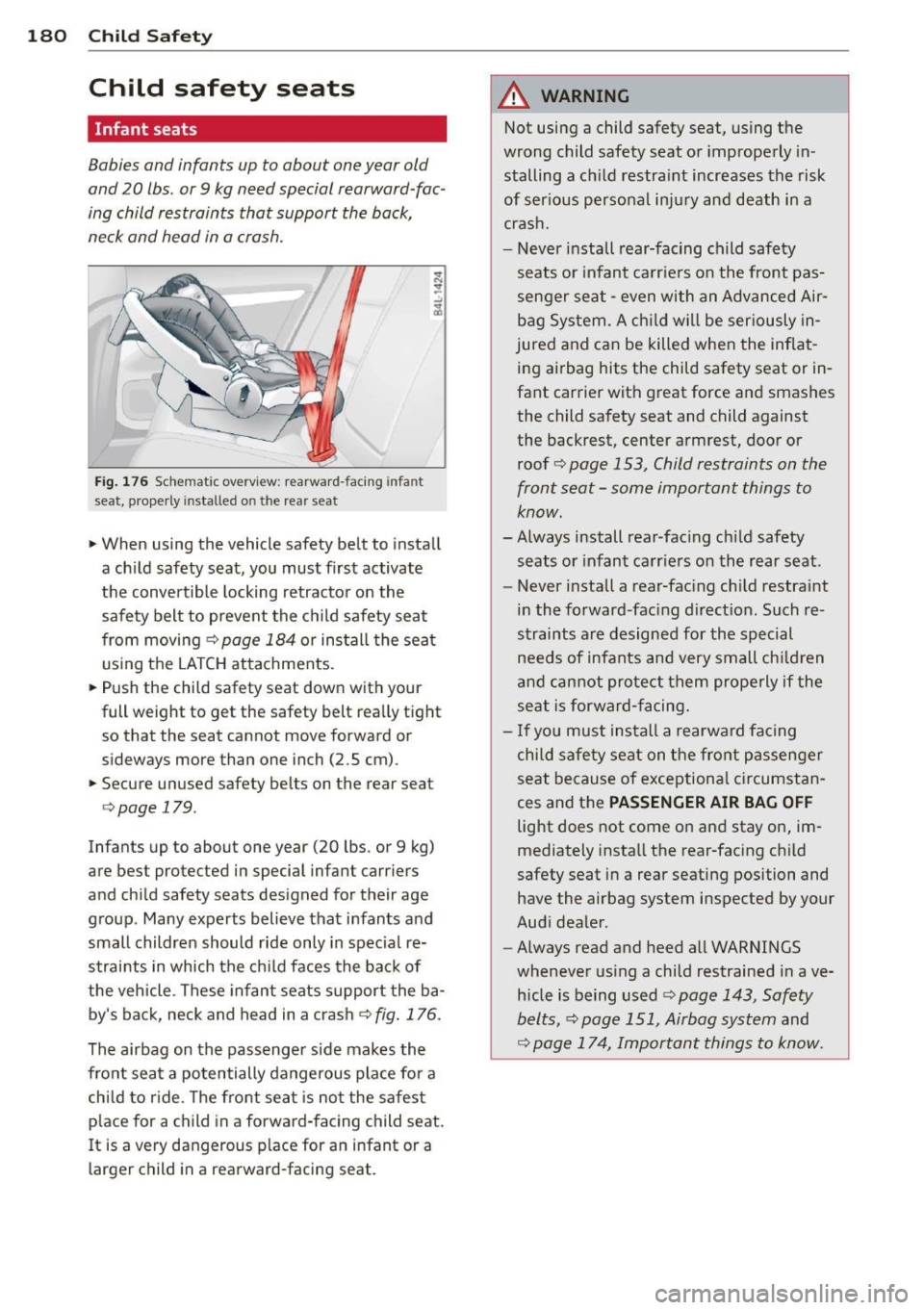
Fig . 176 Sche matic overview: rearward- facing infant
seat, properly installed o n the rear seat
> When using the vehicle safety belt to install
a ch ild safety seat, you must first activate
the convertible locking retractor on the
safety belt to prevent the child safety seat
from moving ¢
page 184 or install the seat
using the LATCH attachments.
> Push the child safety seat down with your
full weight to get the safety belt rea lly tight
so that the seat cannot move forward or
sideways more than one inch (2.5 cm).
> Secure unused safety belts on the rear seat
¢page 179.
Infants up to about one year (20 lbs. or 9 kg)
are best protected in special infant carriers
and child safety seats designed for their age
group . Many experts believe that infants and
small children should ride only in spec ial re
straints in which the chi ld faces the back of
the vehicle . These infant seats support the ba
by's back, neck and head in a crash ¢
fig. 176.
The airbag on the passenger side makes the
fro nt seat a potentially dangerous place for a
child to r ide . The front seat is not the safest
p lace for a child in a forwa rd-facing child seat.
I t is a very dangerous p lace for an infant or a
larger child in a rearward-facing seat.
A WARNING
-Not using a child safety seat, using the
wrong child safety seat or improperly in
stalling a ch ild restra int increases the risk
of ser ious personal in ju ry and death in a
crash.
- Never install rear-facing child safety
seats or infant ca rr ie rs on the front pas
senger sea t -even with an Advanced Air
bag Sys tem. A c hild will be ser iously in
jured and can be killed whe n the inflat
ing ai rbag hits the child safety seat or in
fant carrier with great force and smashes the child safety seat and child against
the backrest, center armrest, door or
roof ¢
page 153, Child restraints on the
front seat -some important things to
know.
- Always install rear-facing ch ild safety
seats or infant ca rr ie rs on the rear seat .
- Never install a rear-fac ing ch ild restra int
in the forward-fac ing direct ion. Such re
straints are designed for the special needs of infants and very small ch ild ren
a nd cannot protect them prope rly if the
seat is forward- facing.
- If you m ust insta ll a rearwa rd fa cing
child safety seat on the fro nt passenger
seat because of exceptiona l circumstan
ces and the
PASSENGER AIR BAG OFF
light does not come o n and stay on, im
mediately insta ll the rear-fac ing child
safety seat in a rear seating position and
have the airbag system inspected by your
Aud i deale r.
- Always read and heed all WARNINGS
whenever us ing a child restrained in ave
h icle is being used
¢ page 143, Safety
belts,
~ page 151, Airbag system and
c::> page 174, Important things to know.
Page 183 of 312

Convertible child safety seats
Properly used convertible child safety seats
can help protect toddlers and children over
age one who weigh between 20 and 40 lbs. (9
and 18 kg) in a crash.
F ig . 177 Sche mati c overvi ew : ins tallat ion o f the at
tachments appl icable to a LA TCH seat
F ig. 178 Schem atic overview: installat ion of t he seat
u sing the ve hicle' s safety b elt sy stem
.. When using the vehicle safety be lt to insta ll
a chi ld safety seat, you must f irst activate
the convertible locking feature on the safety
belt to prevent the child safety seat from
moving
c::> page 184 or install the seat using
the LATCH attachments .
.,. Push the child safety seat down with your
full weight to get the safety belt really t ight
so that the seat cannot
move forward or
s ideways more than one inch (2.5 cm)
c:;, page 184.
.,. If the child safety seat is equ ipped with a
tet her strap, attach it to the tether anchors
c:;, page 191 .
.. Secure unused safety belts on the rear seat
c:;, page 179.
A toddler or child is usually too large for an in
fant restraint if it is more than one year o ld
and weighs more than 20 lbs. (9 kg) .
Child Safety 181
Toddlers and children who are older than one
year up to about 4 years old and weigh more
than 20 lbs (9 kg) up to 40 lbs. (18 kg) must
always be properly restrained in a child safety
seat cert ified for their si ze and weight
c:;, fig . 177 and c:;, fig. 178 .
The airbag on the passenger side makes the
front seat a potentially dangerous place for a
child to ride . The front sea t is not the sa fest
place for a child in a forward -facing child safe
ty seat .
It is a very dangerous place for a n in
fant or a large r ch ild in a rearward-facing seat .
.&_ WARNING
Not using a child safety seat, using the
wrong child s afety seat o r imprope rly in
stalling a chi ld restraint increases the risk
of serious personal injury and death in a
collision or other emergency situation .
- Ch ildren on the front seat o f any car,
even with Advanced Airbags, can be se ri
ously injured or
even killed when an air
bag inflates. A chi ld in a rearward-facing
child safety seat installed o n the front
passenger seat will be serious ly injured
and can be k illed if the front airbag in
flates -
even with an Advanced Airbag
System .
- The inflating airbag will h it the ch ild
safety seat or infant carrier with great
force a nd will smash the child safety seat
and child against the ba ckrest, center
a rm rest, door or roof.
- Always install rear-fac ing ch ild safety
seats o n the rear seat .
- If you must install a rearwa rd fac ing
child safety seat on the fro nt passenger
seat because of exceptiona l circumstan
ces and t he
PASSENGER AIR BAG OFF
light does not come on and stay on, im
mediately insta ll the rear -fac ing chi ld
safety seat in a rear seating position and have the airbag system inspected by your
Aud i dea ler .
- The rear side of the child safety seat
should be pos itioned as close as poss ib le
~
Page 184 of 312

182 Child Safet y
to the backrest on the veh icle seat. Ad
just the rear seat head restraint if it is difficult to install the child seat w ith the
head restraint in place <=>
page 137. Driv
ing with head restraints that are not
properly ad justed increases the risk of
serious o r fa tal neck injury dramatically.
- Always read and heed all WARNINGS
whenev er using a child restrained in ave
hicle is being use d
¢page 143, Safety
belts, ¢ page 151, Airbag sys tem
and
¢ page 174, Importan t things to know.
_& WARNING
If exce ptional circumstances requ ire the
use of a forwa rd-facing child restraint on
the front passenger's seat, the ch ild's safe
ty and well-being require that the follow ing special precautions be taken :
- Make sure the forward-facing seat has
been designed and certif ied by its manu
facturer for use on a front seat with a
passenger front and side a irbag.
- Always follow the man ufacturer's in
struct io ns provided with the child safety
seat or infant car rier .
- Always move t he front passenger seat in
to the rearmost posit ion of the passen
ger seat's fore and aft ad justment range,
and as far away from th e airbag as possi
ble before ins tall ing the child res traint .
- Always make su re that noth ing prevents
the front passenger's seat from bei ng
moved to the rearmost posi tion in its
fore and aft adjus tme nt r an ge.
- Alw ay s make su re the backres t is in an
upr igh t position .
- Make su re that the
PASSENGER AIR BAG
OFF
light comes o n an d stays on all the
t ime whenever the ignition is switc hed
on.
- If the ligh t does no t st ay on, pe rform the
che cks¢
page 161, Monitoring the Ad
vanced Airbag System.
- Ta ke the child restrain t off t he fr ont p as
senger seat and install it properly at one
of the rear seat positions if the
PASSEN· GER AIR BAG OFF
light does not stay on
whenever the ignit ion is switched on.
Booster seats and safety belts
Properly used booster seats can help protect
children weighing between about 40 lbs . and
80 lbs. (18 kg and 36 kg) who are less than 4
ft. 9 in . (57 in ches/1.45 meters) tall.
:e N 0 ±
i'il
F ig. 179 Rea r seat: c hild p rope rly rest rai ned in a boos
ter se at
T he vehicle 's safety belts a lone will not fit
most children until t hey are at least 4 ft. 9 in .
(57 inches/1.45 meters) tall and weigh about
80 lbs. (36 kg). Booster seats raise these chi l
dren up so that the safety belt w ill pass prop
erly over the stronger parts of the ir bodies
and the safety be lt can he lp protect them in a
c rash .
.,. Do not use the convert ible lock ing retractor
when us ing the vehicle's safety belt to re
strain a ch ild on a booster seat .
.. The s hou lde r belt must lie as close to the
center of the ch ild's collar bone as possib le
and m ust lie flat and snug on the upper
body. It must never lie across the throat or neck. The lap be lt must lie across the pelvis
and never across the stomach or abdomen .
Make sure the belt lies flat and snug. Pull on
the belt to tighten if necessary .
.,. If you must transport an o lder child in a
booster seat on the front passenger seat,
you ca n use the safety be lt height adjust
ment to help adj ust the shou lde r portion
properly .
.,. Secure unused safety belts on the rear seat
¢ page 179. ...,.
Page 186 of 312

184 Child Saf ety
- Never let a child ride in the cargo area of
your vehicle .
- Always remember that a chi ld leaning
forward, sitt ing s ideways or out of posi
t ion in any way during an acc ident can be
struck by a deploying airbag . This will re
sult in serious personal injury or death .
- If you must install a booster seat on the
front passenger seat because of excep
t ional circumstances the
PASSENGER
AIR BAG OFF
light must come on and
stay on, whenever the ignition is sw itch
ed on.
- If the PASSENGER AIR BAG OFF light
does not come on and s tay on, perform
the chec ks described
¢ page 161, Moni
toring the Advanced Airbag System.
- T ake the child rest raint off the front p as
senger seat and install it properly at one
of the rea r seat positions if the
PASS EN·
GER AIR BAG OFF
light does not stay on
whenever the ignition is switched on .
- Always read and heed all WARNINGS whenever using a child rest rained in ave
hicle is being used
¢ page 143, Safety
belts,¢ page 151, Airbag system
and
¢ page 174, Important things to know.
Installing a child safety
seat
Securing a child safety seat using a
safety belt
Safety belts for the rear seats and the front
passenger can be locked with the convertible
locking re tractor to properly secure child
safety seats.
The safety belts emergency locking retractors
for the rear seats safety belts and for the
fro nt passenger's seat safety belt have a con
vertible locking retracto r for child restra ints .
The safety belt must be locke d so that belt
webbing can not unreel. The ret ractor ca n be
activ ated to lock the safety be lt and p revent
the safety belt webbing from loosening up
d ur ing normal driv ing . A child sa fe ty seat can
on ly be proper ly installed whe n the safety belt is loc
ked so that the chi ld and child sa fety
seat wi ll stay in place.
Alw ays remember: Even tho ugh yo ur vehicle is
equipped wi th an A dvan ced Airbag system, all
c hi ldren, especially those 1 2 years and young
er, sho uld always ride in the back seat prope r
l y restra ined fo r the ir age and size.
A WARNING
Improperly installed ch ild safety seats in
crease the risk of serious personal injury
and death in a co llision.
- Always make sure that the safety belt re
tractor is locked when insta lling a child
safety seat. A n un locked safety belt re
trac to r cannot hold the child safety seat
in place dur ing norma l driving o r in a
crash.
- Always buckle the child safety seat firmly
in place even if a ch ild is not si tt ing in it.
A loose child sa fe ty se at can fly aroun d
du ring a s udden stop or in a collision .
- Always make sure that the rear seat
backres t to wh ich the center rear safety
belt is attached is securely latched when
eve r the rea r center safety belt is being
used to secure a ch il d restra int .
- If the backrest is not securely la tc h ed,
the child and the child restraint will be
thrown forward together with the back
rest and will strike parts of the vehicle
interior. The child can be seriously in
jured or killed.
- Never install rear-facing child safety
seats or infant ca rr ie rs o n the front pas
senger seat . A child will be serious ly in
jured and can be killed when the passen
ge r airbag inflates.
- The infla ting airbag will h it the ch ild
safety seat or infant carrie r w ith gr eat
for ce and will smas h the child safe ty seat
a nd child ag ai nst t he back res t, cen ter
a rmrest, doo r or roof.
- Always inst all rear-fa cing ch ild safety
se ats or in fa nt c arrie rs on the re ar se at.
Page 188 of 312

186 Child Safety
though an adult were on the seat and deploy the Advanced Airbag when it must
be suppressed causing serious or even
fatal injury to the child .
- Make sure that the
PASSENGER AIR BAG
OFF
light comes on and stays on all the
time whenever the ignition is switched
on.
- If the
PASSENGER AIR BAG OFF light
does not come on and stay on, immedi
ately install the rear-facing child safety
seat in a rear seating position and have
the airbag system inspected by your Audi dealer.
Activating the convertible locking retractor
Use the convertible locking retractor to se
cure a child restraint.
Always heed the child safety seat manufactur
er's instructions when installing a child re
straint in your vehicle. To activate the conver
tible locking retractor:
"" Place the child restraint on a seat, prefera
bly on the rear seat.
""Slowly pull the belt
all the way out.
""Route it around or through the child re
straint belt path¢&_ .
"" Push the child safety seat down with your
full weight to get the safety belt really tight.
"" Insert the belt tongue into the buckle for
that seating position.
""Guide the safety belt back into the retractor
until the belt lies flat and snug on the child
safety seat.
""You should hear a "clicking" noise as the
belt winds back into the inertia reel. Test the
convertible locking retractor by pulling on
the belt. You should no longer be able to
pull the belt out of the retractor. The con
vertible locking retractor is now activated.
"" Make sure that the red release button is fac
ing away from the child restraint so that it
can be unbuckled quickly .
""Pull on the belt to make sure the safety belt
is properly tight and fastened so that the seat cannot move forward or sideways more
than one inch (2.5 cm).
A WARNING ....__ -
Using the wrong child restraint or an im
properly installed child restraint can cause
serious personal injury or death in a crash.
- Always make sure that the safety belt re- tractor is locked when installing a child
safety seat. An unlocked safety belt re
tractor cannot hold the child safety seat
in place during normal driving or in a
crash.
- Always buckle the child safety seat firmly
in place even if a child is not sitting in it.
A loose child safety seat can fly around
during a sudden stop or in a crash.
- Always make sure the seat backrest to
which the child restraint is installed is in
an upright position and securely latched
into place and cannot fold forward. Oth
erwise, the seatback with the child safety
seat attached to it could fly forward in
the event of an accident or other emer
gency situation.
- Always read and heed all WARNINGS whenever using a child restrained in ave
hicle is being used
¢ page 174. Special
precautions apply when installing a child
safety seat on the front passenger seat
¢ page 153, Child restraints on the front
seat -some important things to know.
Deactivating the convertible locking
retractor
The convertible locking retractor for child re
straints will be deactivated automatically when the belt is wound all the way back into
the retractor.
"" Press the red button on the safety belt buck
le. The belt tongue will pop out of the buck
le.
""Guide the safety belt all the way back into
its stowed position .
Always let the safety belt retract completely
into its stowed position. The safety belt can
1J1-
Page 189 of 312

,....,
N ,....,
N
0 J:
'SI: ,...., \!) 1.1'1 ,...., 1.1'1 ,....,
now be used as an ordinary safety belt with
out the convertible locking retractor for chi ld
restra ints.
I f the convertible locking retractor shou ld be
activated inadvertently, the safety belt must
be unfastened and guided completely back in
to its stowed position to deactivate this fea
ture.
If the convertib le locking retractor is not
deactivated, the safety belt will gradually be
come tighter and uncomfortable to wear .
A WARNING
Improperly installed child safety seats in
crease the risk of ser ious personal injury
and death in a collision.
- Never unfasten the safety belt to deacti
vate the convert ible lock ing ret ractor for
c hild restraints while the veh icle is mov
ing. You would not be restrained and
cou ld be ser iously injured in an accident.
- Always read and heed all WARN INGS
whenever using a child rest rained in ave
hicle is being used
¢ page 174. Special
precautions apply when installing a chi ld
safety seat on the front passenger seat
¢ page 153, Child restraints on the front
seat -some important things to know.
LATCH Lower
anchorages and tethers
for children
Child Restraint System anchors and how
are they related to child safety
To provide a s imp le r and more pract icable way
to attach the ch ild res traint on the veh icle
seat, Federa l regu lations require specia l lower
anchorages in vehicles and devices on new
chi ld restraints to attach to the vehicle ancho
rages.
The combination of the tether anchorages and the lower anchorages is now generally called
the
LA TCH system fo r "L ower Anchorages and
T ethers for Children."
F orward- facing child restraints manufactured
after September 1, 1999, are required by U .S.
Child Sa fet y 187
federa l reg ulations to comply with new child
head movement performance req uirements.
These new performance req uirements make a
tether necessary on most new child seats.
Installing a ch ild restra int that requires a top
tethe r without one can seriously impair the
performance of the c hild restra int and its abil
ity to protect the child in a coll is ion. Insta lling
a child res traint tha t requires a top tether
without the top tether may be a violat ion of
state law.
Child restraint manufacturers offer LATCH
lower anchorages on their child seats w ith
hook -on or push-on connectors attached to
adjustable straps .
In add ition to the LATCH lower anchorages,
these child restraint systems usually require
the use of tether straps to he lp keep the ch ild
restraint firmly in place .
A WARNING
Improper installat ion of child restra ints
will increase the r isk of injury a nd death in
a cr ash.
- Always follow the instr uctions provided
by the manufa cture r of the child re
s traint yo u intend to install in your vehi
cle.
- Never inst all a child restraint withou t a
properly attached top tether strap if the
child restraint manufacturer's instruc
tions require the top tether strap to be
used.
- Improper use of child rest raint LATCH
lowe r ancho rage points can lead to injury
in a collision . The LATCH lower anchorage
points are designed to withstand on ly
those loads imposed by correctly fitted
child restraints .
- Never mount two child restra int systems
on one LATC H lower anchorage point.
- Never secure or attach any luggage or
other item to the LATCH lower anchorag-
-
es . Ill-
•
•