roof AUDI Q3 2015 User Guide
[x] Cancel search | Manufacturer: AUDI, Model Year: 2015, Model line: Q3, Model: AUDI Q3 2015Pages: 258, PDF Size: 64.9 MB
Page 120 of 258
118 Airbag sys te m
restrained in one of the rear -facing or for
ward -facing infant restraints (listed in Federal
Motor Vehicle Safety Standard 208 with which
the Advanced Airbag System in your vehicle
was certified), the front airbag on the passen
ger side may or may not dep loy .
The
PASSENGER AIR BAG OFF light comes on
when the electronic control unit detects a to
tal weight on the front passenger seat that re
quires the front airbag to be turned off . If the
P A SSENGER AIR BAG OFF light does not
come on, the front airbag on the passenger
side has not been turned off by the control
un it and can deploy if the contro l unit senses
an impact that meets the conditions stored in
its memory .
I f the total we ight on the front passenger
seat is more than that of a typical
1 year-o ld,
but less than the weight of a small adu lt, the
front airbag on the passenger side may deploy
(the
PAS SENGER AIR BAG OFF light does not
come on).
F o r e xample , th e ai rbag m ay depl oy if:
-a small child that is heavier than a typical 1
year-o ld child is on the front passenger seat
(regardless of whether the ch ild is in one of
the chi ld safety seats listed
¢ page 135),
-a ch ild who has o utgrown child rest raints is
on the front passenger seat.
If the front passenger airbag is turned off, the
PA SSENGER AIR BAG OFF light in the center
of the instrument pa nel w il l come on and stay
on.
The front a irbag on the passenger side may
not deploy (the PAS SENGER AIR BAG OFF
light does not ill uminate and stay lit) if:
- a small adult or teenager is on the front pas
senger seat
- a passenger who is not sitt ing upright with
their back against a non-reclined backrest
with their feet on the veh icle floo r in front
of the seat is on the fro nt passenger seat.
If the front passenger airbag deploys, the Federal Standard requires the airbag to meet
the "low risk" deployment cr iteria to help re- duce the risk o
f injury through interaction
with the airbag . "Low risk" deployment occurs
in those crashes that take place at lower de
ce lerat ions as defined in the electronic control
unit.¢
page 123
Alw ays remembe r: Even though your vehicle
is equ ipped w ith Advanced A irbags, the safest
place for ch ildren is properly restrained on the
back seat . Please be sure to read the impor
tant information in the sections that follow and be su re to heed all of the WARNINGS.
A WARNING ,.__
To reduce the risk of in jury when an a irbag
i nflates, always wear safety be lts p roperly.
- If you are unrestra ined, leaning forward,
sitt ing s ideways or out of pos ition in any
way, your risk of injury is m uch h igher.
- You will a lso receive serious injuries and
could even be killed if you a re up aga inst
the airbag o r too close to it when it in
f lates - even with an Advanced A irbag
¢ page 112.
A WARNING
= -
A child in a rearward -facing chi ld safety
seat installed on the front passenger seat
will be serious ly injured and can be killed if
the front airbag inflates -even with an Ad
vanced A irbag System.
-Altho ugh the Advanced Airbag System in
your veh icle is designed to turn off the
front airbag when a rearward-facing
child restraint has been installed on the
front passenge r seat, nobody can abso
lutely g uarantee that dep loyment is im
possible in all con ceivable situations that
may happen dur ing the usefu l life of your
vehicle .
- The infla ting airbag will h it the c hild
safety seat or infant carrier wi th great
force and will smash the child safety seat and child against the backrest, center
armrest, door, or roof.
- Always install rearward-facing chi ld re
straints in the back seat .
Page 124 of 258
122 Airbag sys te m
Th e front p assenger airbag will als o not
d eploy:
- when the front passenger seat is not occu
pied,
- when the weight on the front passenger
seat as sensed by the Advanced Airbag Sys
tem indicates that the front airbag on the passenger side has to be turned off by the
electronic control unit (the
PA SSE NGER AIR
BA G OFF
light comes on and stays on) .
A WARNING
Sitting in the wrong position can increase
the risk of serious inju ry in crashes.
- To reduce the r isk of injury when the air
bags inflate, the driver and passengers
must always sit in an upright position,
must not lean against o r place any part
of their body too close to the area where
the airbags are located .
- Occ upants who a re unbelted, out of posi
tion or too close to the airbag can be se
riously injured by an airbag as it unfolds
with great force in the blink of an eye
9page 114.
A WARNING
A child in a rearward-facing child safety seat installed on the front passenger seat
w ill be seriously injured and can be k illed if
the front a irbag inflates -even with an Ad
vanced Airbag System.
- The inflating a irbag will hit the child
safety seat or infant carrier with great
force and w ill smash the ch ild safety seat
and child against the backrest, cente r
armrest, door or roof.
- Always install rear-facing child safety
seats on the rear seat.
- If you must install a rearward facing
child safety seat on the front passenger
sea t because of exceptional circ umstan
ces and the
PA SSENGER AIR BAG OFF
light does not come on and stay on, im
mediately install the rear-facing child
safety seat in a rear seating position and have the airbag system inspected by your
author ized Audi dealer.
A WARNING
-
Objects between you and the airbag will
i ncrease the r isk of injury in a crash by in
terfering with the way the airbag unfolds
or by be ing pushed into you as the airbag
i nflates.
- Never hold things in your hands or on your lap when the veh icle is in use.
- Never transport items on or in the area
of the front passenger seat. Objects
could move into the a rea of the front air
bags du ring bra king or other sudden ma
neuver and become dangerous p rojec
tiles that can cause ser ious personal in
jury if the airbags inf late.
- Never p lace or attach accessories or oth
er objects (such as cupholders, tele
phone brackets, large, heavy or bulky ob
jects) on the doors, over or near the area
marked "AIRBAG" on the steering whee l,
instr ument panel, seat backrests or be ·
tween those areas and yourself. These
objects could cause in ju ry in a crash, es
pecially when the airbags inflate.
- Never recline the front passenger's seat
to transport objects. Items can also move into the area of the s ide airbag or
the front airbag du ring bra king or in a
sudden maneuver. Objects near the air
bags can become projectiles and cause inj ury, par tic ularly when the seat is re
clined .
A WARNING
The fine dust created when airbags deploy
can cause breathing prob lems for people
with a history of asthma or other breath i ng cond itions.
- To reduce the risk of breath ing problems,
those with asthma or other respiratory conditions shou ld get fresh air right
away by getting o ut of the veh icle or
open ing windows or doors .
Page 132 of 258
130 Airbag system
-Damage (cracks , deep scratches etc .) to
the original seat covers or to the seam in the area of the side airbag module must
always be repaired immediately by an au
thorized Aud i deale r.
- If children are seated improperly, their
risk of injury increases in the case of an
acc ident ~
page 133, Child Safety .
-Never attempt to modify any compo
nents of the airbag system in any way .
- In a side collision, s ide a irbags will not
function properly if sensors cannot cor
rectly measure increasing air pressu re in
side the doors when air escapes thro ugh
larger, unclosed openings in the door
pane l.
- Never drive with inter ior door trim pan
els removed.
- Never drive when parts have been re
moved from the ins ide door panel and
the openings they leave have not been
properly closed.
- Never drive when loudspeakers in the
doors have been removed unless the
speaker holes have been properly
closed .
- Always make certa in that openings are
covered or filled if additional speake rs
or other equ ipment is installed in the
ins ide door panels.
- Always have work on the doors done by
an author ized Audi dealer or qualif ied
wo rkshop.
Side curtain airbags
Description of side curtain airbags
The side curtain airbag system can provide
supplemental protection to properly restrain
ed occupants.
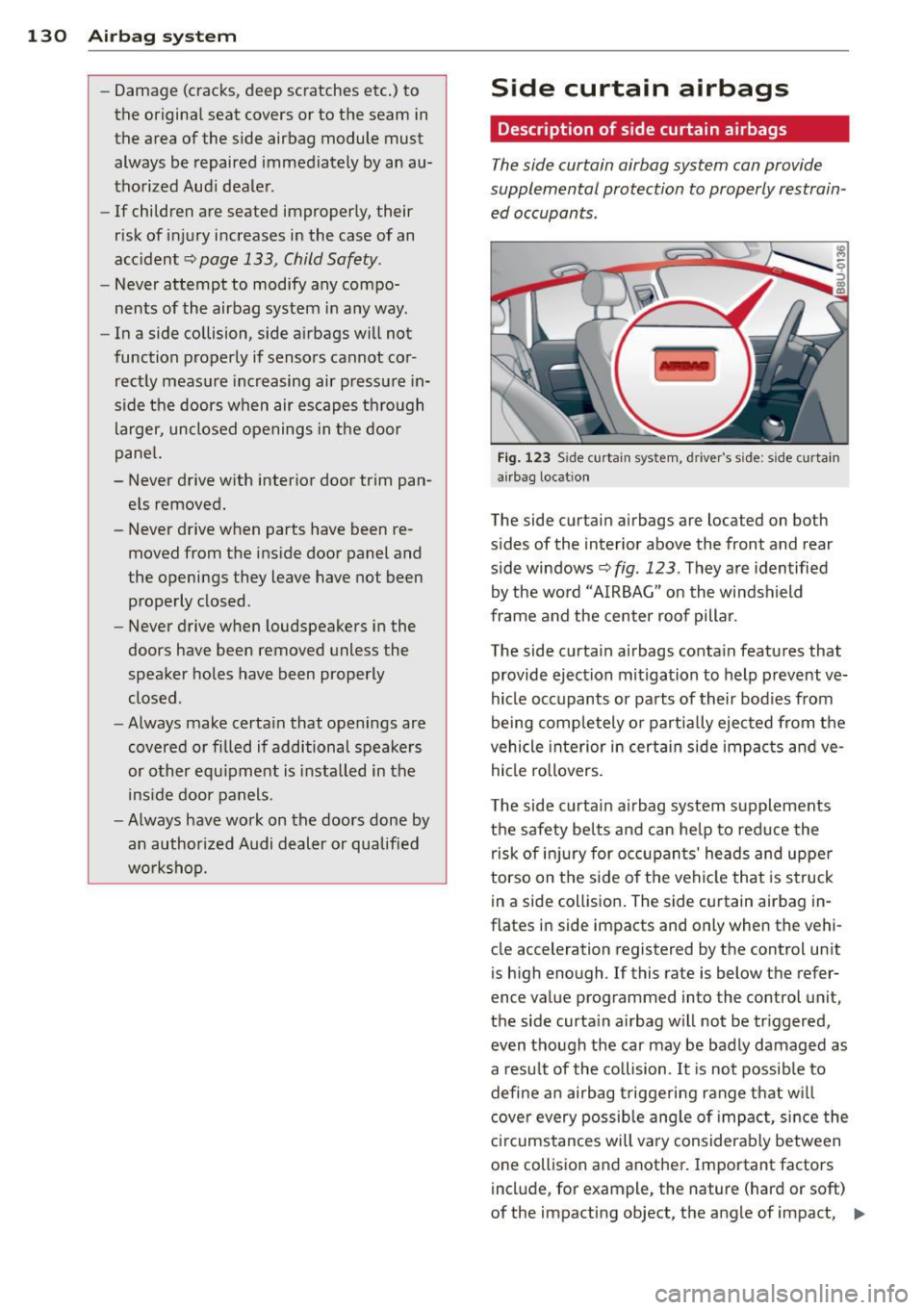
Fig . 123 S ide curta in s ystem, d river 's s ide: side curt ain
airbag locat io n
The side curta in airbags are located on both
s ides of the interior above the front and rear
s ide windows ~
fig. 123. They are identified
by the word "AIRBAG" on the windshield
frame and the center roof pillar .
The side curta in airbags conta in featu res that
provide ejection mitigation to help prevent ve
hicle occupants or parts of their bod ies from
being comp letely o r partia lly ejected from the
vehicle interior in certai n side impa cts and ve
hicle rollovers.
The side curtain airbag system supplements
the safety belts and can help to red uce the
risk of in jury for occ upants ' heads and uppe r
torso on the side of the vehicle that is struck
in a side collision. The side curtain a irbag in
flates in side impacts and only when the vehi cle acceleration registered by the control unit
is h igh enough . If this rate is below the refer
ence value programmed into the con trol unit,
the side curta in a irbag w ill not be tr iggered,
even though the car may be badly damaged as
a resu lt of the co llision .
It is not possib le to
define an airbag triggering range that w ill
cover every possib le ang le o f impac t, since the
c ircumstances will va ry considerably between
one collision and another. Important factors
incl ude, for example, the nature (hard or soft)
of the impacting object, the angle of impact, ""
Page 139 of 258
M N
M N
0 ::i co ,...., \!) 1.1'1 ,...., 1.1'1 ,....,
A WARNING 1-=
Not using a child safety seat, using the
wrong child safety seat or improperly in
stalling a child restraint increases the risk
of serious personal injury and death .
-All vehicle occupants and especially chil dren must be restrained properly when
ever riding in a vehicle. An unrestrained
or improperly restrained child could be
injured by striking the interior or by be
ing ejected from the vehicle during a
sudden maneuver or impact. An unre
strained or improperly restrained child is
also at greater risk of injury or death
through contact with an inflating airbag.
- Commercially available child safety seats
are required to comply with U.S. Federal
Motor Vehicle Safety Standard (FMVSS)
213 (in Canada CMVSS 213) .
- When buying a child restraint, select
one that fits your child and the vehicle.
- Only use child restraint systems that
fully contact the flat portion of the seat cushion . The child restraint must
not tip or lean to either side . Audi does
not recommend using child safety
seats that rest on legs or tube-like
frames . They do not provide adequate
contact with the seat.
- Always heed all legal requirements per
taining to the installation and use of child safety seats and carefully follow
the instructions provided by the manu facturer of the seat you are using.
- Never allow children under S7 inches
(1.45 meters) to wear a normal safety
belt. They must always be restrained by a
proper child restraint system. Otherwise,
they could sustain injuries to the abdo
men and neck areas during sudden brak
ing maneuvers or accidents.
- Never let more than one child occupy a
child safety seat.
- Never let babies or older children ride in
a vehicle while sitting on the lap of an
other passenger.
Child Safety 137
- Holding a child in your arms is never a
substitute for a child restraint system .
- The strongest person could not hold
the child with the forces that exist in
an accident. The child will strike the in
terior of the vehicle and can also be
struck by the passenger.
- The child and the passenger can also
injure each other in an accident .
- Never install rear-facing child safety
seats or infant carriers on the front pas
senger seat. A child will be seriously in
jured and can be killed when the passen ger airbag inflates -even with an Ad
vanced Airbag System.
- The inflating airbag will hit the child
safety seat or infant carrier with great
force and will smash the child safety seat
and child against the backrest, center
armrest, door or roof.
- Always install rear-facing child safety
seats or infant carriers on the rear seat.
- Forward-facing child safety seats instal
led on the front passenger's seat can in
terfere with the airbag when it inflates
and cause serious injury to the child. Al
ways install forward-facing child safety seats on the rear seat .
- If exceptional circumstances require the
use of a forward-facing child restraint on
the front passenger's seat, the child's
safety and well-being require that the
following special precautions be taken:
- Make sure the forward-facing seat has
been designed and certified by its man
ufacturer for use on a front seat with a
passenger front and side airbag.
- Always carefully follow the manufac turer's instructions provided with the
child safety seat or carrier.
- Always
move the front passenger seat
into the rearmost position of the pas
senger seat's fore and aft adjustment
range, and as far away from the airbag
as possible before installing the child restraint.
.___ ____________ _J ...
•
•
Page 141 of 258
M N M N
0 :::i co
rl I.O
"' rl
"' rl
Child safety seats
Infant seats
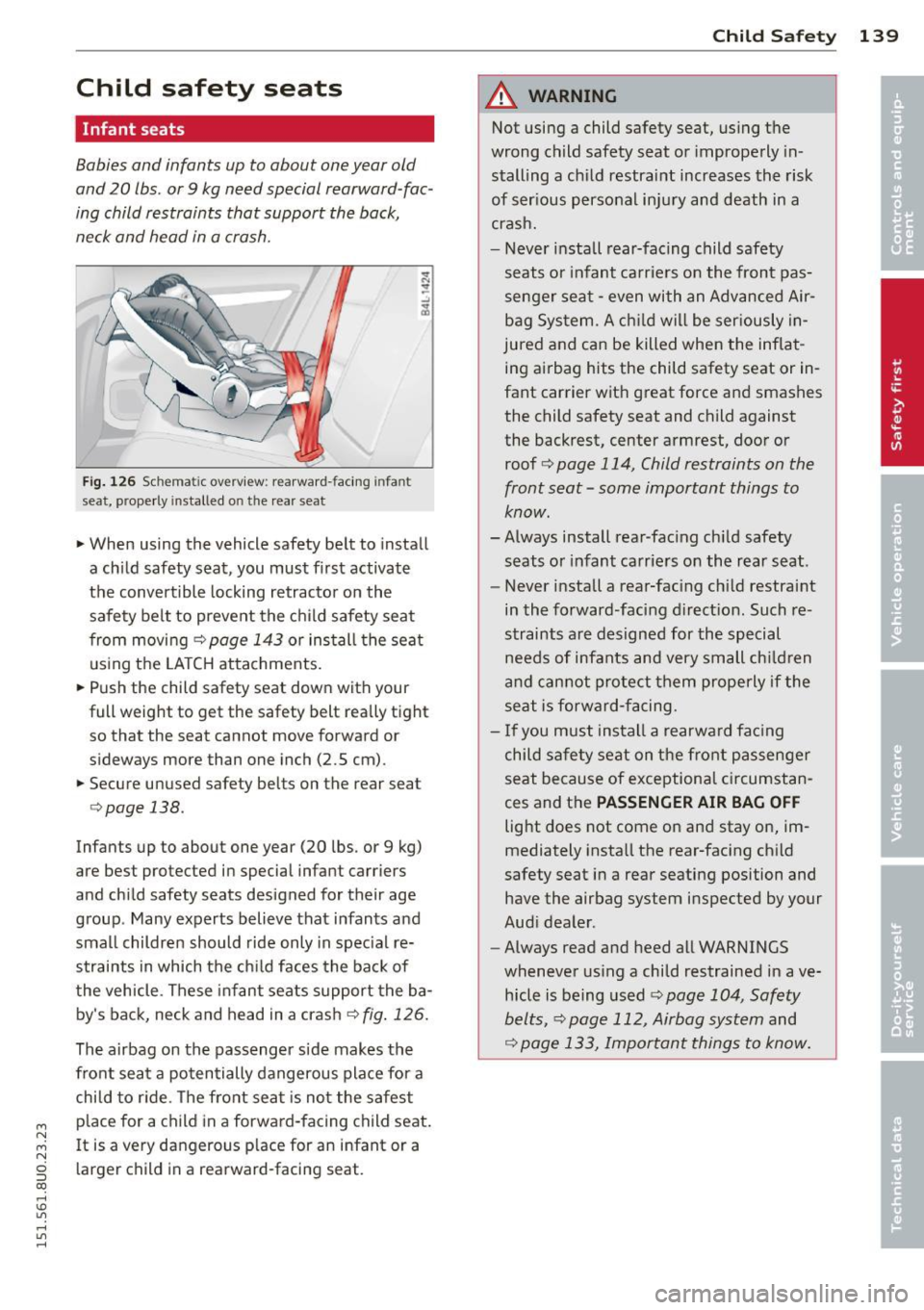
Babies and infants up to about one year old
and 20 lbs. or 9 kg need special rearward -fac
ing child restraints that support the back,
neck and head in a crash.
Fig . 126 Sche mati c overv iew: rearward-fac ing infa nt
seat, p roperly installed o n th e rear seat
.,. When using the vehicle safety belt to install
a ch ild safety seat , you must first activate
the convertible locking retracto r on the
safety be lt to prevent the child safety seat
from moving
r=;, page 143 or install the seat
using the LA T CH attachments.
.,. Push the child safety seat down with your
full weight to get the safety belt rea lly tight
so that the seat cannot move forward or
sideways more than one inch (2.5 cm) .
.,. Secure unused safety belts on the rear seat
¢ page 138.
Infants up to about one year (20 lbs . or 9 kg)
are best protected in special infan t carriers
and child safety seats designed for their age
group . Many experts believe that infants and
small children should ride only in spec ial re
straints in which the ch ild faces the back of
the vehicle. These infant seats support the ba
by's back, neck and head in a crash
¢ fig . 126.
The airbag on the passenger side makes the
front seat a po tentially dangerous place for a
child to r ide . The front seat is not the safest
p lace for a child in a forward -facing child seat.
It is a very dangerous p lace for an infant or a
l arger ch ild in a rearward-facing seat.
Child S afety 139
A WARNING
Not using a child safety seat, using t he
wrong child safety seat or improperly in
stall ing a ch ild restraint increases the risk
of ser ious personal injury and death in a
crash.
- Never install rear-facing child safety
seats or infant ca rr ie rs on the front pas
senger seat -even with an Advanced Air
bag Sys tem. A c hild will be ser iously in
jured and ca n be killed when the inflat
ing airbag hits the child safety seat or in
fant carrier with great force and smashes the child safety seat and child against
the backrest, center armrest, door or
roof
r=;, page 114, Child restraints on the
front seat- some important things to
know .
-Always install rear-fac ing ch ild safety
seats or infant carriers on the rear seat .
- Never install a rear-fac ing ch ild restraint
in the forward-fac ing d irect ion. Such re
straints are designed for the special needs of infants and very small ch ild ren
and can not prote ct them properly if the
seat is forward- facing.
- If you mus t insta ll a rearward fa cing
child sa fety seat on the fro nt passenger
seat because of exceptiona l circumstan
ces and t he
PASSENGER AIR BAG OFF
light does not come on and stay on, im
mediately insta ll the rear -fac ing ch ild
safety seat in a rear seating position and have the airbag system inspected by your
Aud i dea ler .
- Always read and heed all WARNINGS
wheneve r us ing a child restrained in ave
hicle is being used
r=;, page 104 , Safety
belts, ,=;,page 112, Airbag system
and
r=;, page 133, Important things to know.
Page 142 of 258
140 Child Safety
Convertible child safety seats
Properly used convertible child safety seats
can help protect toddlers and children over
age one who weigh between
20 and 40 lbs. (9
and 18 kg) in a crash.
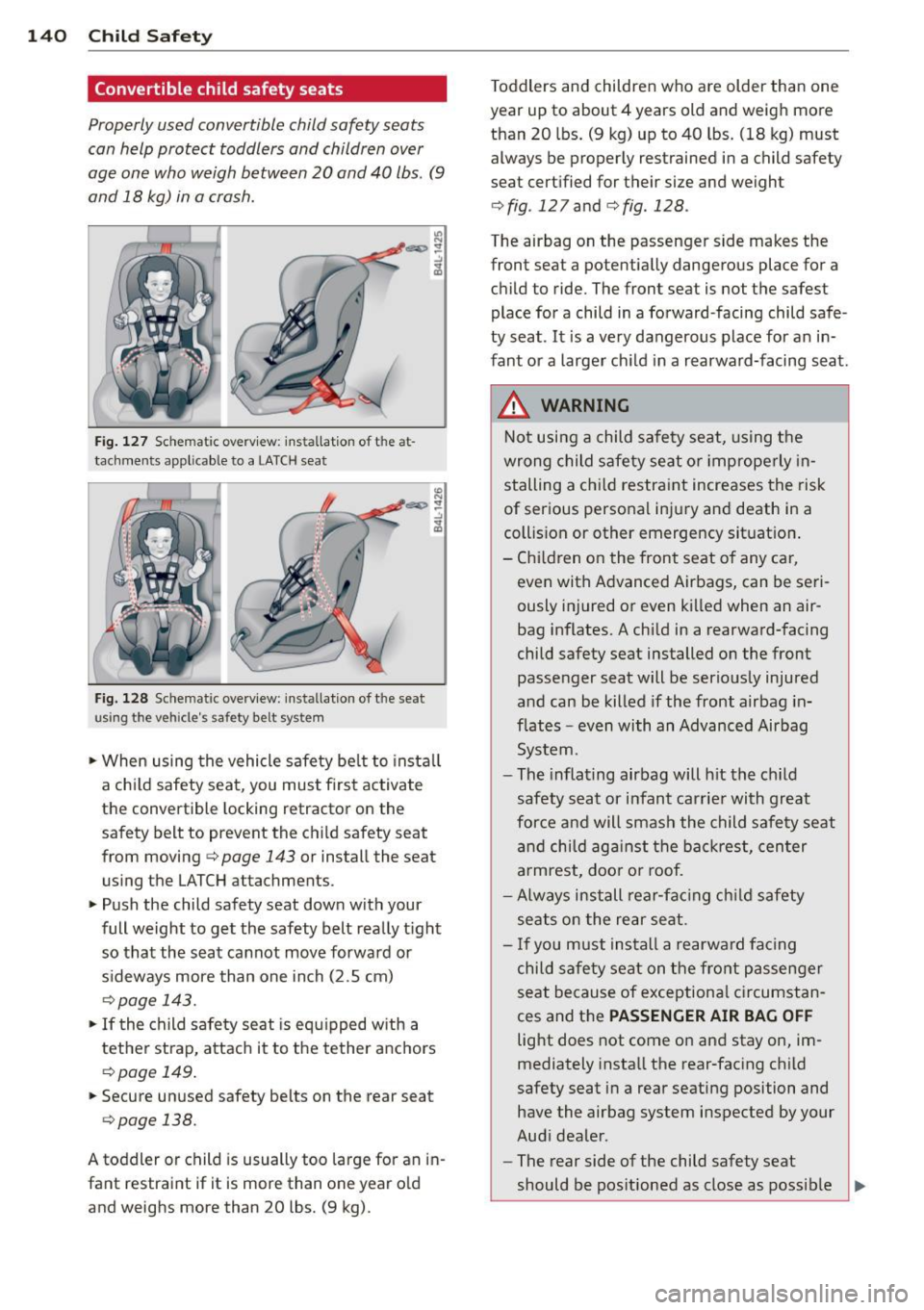
Fig. 127 Schematic overv iew : ins tallat ion of t he at
ta chments applicable to a LATCH seat
Fig. 128 Schematic overview: insta llation of th e seat
us ing t he veh icle's safety belt system
.. When using the vehicle safety be lt to install
a child safety seat, you must first activate
the convertible locking retractor on the
safety belt to prevent the child safety seat
from moving
c:> page 143 or install the seat
using the LATCH attachments .
.. Push the child safety seat down with your
full weight to get the safety belt really tight
so that the seat cannot move forward or sideways more than one inch (2.5 cm)
c:>page 143.
.. If the child safety seat is equ ipped with a
tether strap, attach it to the tether anchors
c:> page 149.
.. Secure unused safety belts on the rear seat
c:> page 138.
A toddler or child is usually too large for an in
fant restraint if it is more than one year old
and weighs more than 20 lbs. (9 kg) . Toddlers and
children who are older than one
year up to about 4 years old and weigh more
than 20 lbs. (9 kg) up to 40 lbs. (18 kg) must
always be properly restrained in a child safety
seat certified for their size and weight
c:> fig . 12 7 and c:> fig . 128 .
The airbag on the passenger side makes the
front seat a potentially dangerous place for a
child to ride. The front seat is not the safest
place for a child in a forward -facing child safe
ty seat . It is a very dangerous place for an in
fant or a larger child in a rearward-facing seat.
_&. WARNING
Not using a child safety seat, using the
wrong child safety seat or improp erly in
stalling a child restraint increases the risk
of serious personal injury and death in a
collision or other emergency situation .
- Children on the front seat of any car,
-
even with Advanced Airbags, can be seri
ously injured or even killed when an air bag inflates . A child in a rearward-facing
child safety seat installed on the front passenger seat will be seriously injured
and can be killed if the front airbag in
f la tes -even with an Advanced Airbag
System .
- The inflating airbag will hit the child
safety seat or infant carrier with great
force and will smash the child safety seat
and child against the backrest, center
armrest, door or roof.
- Always install rear-facing child safety
seats on the rear seat .
- If you must install a rearward facing
child safety seat on the front passenger
seat because of exceptiona l circumstan
ces and the
PASSENGER AIR BAG OFF
light does not come on and stay on, im
mediately install the rear-facing child
safety seat in a rear seating position and
have the airbag system inspected by your
Audi dealer.
- The rear side of the child safety seat
should be positioned as close as possible ..,.
Page 146 of 258
144 Child Safety
and child against the backrest, center
armrest, door or roof.
- Always install rear-facing child safety
seats or infant carriers on the rear seat.
- Forward-facing child safety seats or in
fant carriers installed on the front pas
senger's seat may interfere with the de
ployment of the airbag and cause serious
injury to the child.
- It is safer to install a forward-facing
child safety seat on the rear seat.
- Always read and heed all WARNINGS whenever using a child restrained in ave
hicle is being used
c;,page 133. Special
precautions apply when installing a child
safety seat on the front passenger seat
¢ page 114, Child restraints on the front
seat -some important things to know.
A WARNING
Always take special precautions if you
must install a forward or rearward-facing
child restraint on the front passenger's
seat in exceptional situations:
- Whenever a forward or rearward-facing
child restraint is installed on the front
passenger seat, the
PASSENGER AIR
BAG OFF
light must come on and stay on
whenever the ignition is switched on.
- If the
PASSENGER AIR BAG OFF light
does not come on and stay on, perform
the checks described
c;, page 123, Moni
toring the Advanced Airbag System.
- Take the child restraint off the front pas
senger seat and install it properly at one
of the rear seat positions if the
PASSEN
GER AIR BAG OFF
light does not stay on
whenever the ignition is switched on.
- Improper installation of child restraints
can reduce their effectiveness or even
prevent them from providing any protec
tion.
- An improperly installed child restraint
can interfere with the airbag as it de
ploys and seriously injure or even kill the
child. -
Always carefully follow the manufactur
er's instructions provided with the child
safety seat or carrier.
- Never place additional items on the seat
that can increase the total weight regis
tered by the weight-sensing mat and can
cause injury in a crash .
A WARNING
-Forward-facing child restraints:
- Always make sure the forward-facing
seat has been designed and certified by its manufacturer for use on a front seat
with a passenger front and side airbag .
- Never put the forward-facing child re straint up, against or very near the in
strument panel.
- Always move the passenger seat into its
rearmost position in the seat's fore and
aft adjustment range, as far away from
the airbag as possible before installing
the forward-facing child restraint. The
backrest must be adjusted to an upright
position.
- Make sure that the PASSENGER AIR BAG
OFF
light comes on and stays on all the
time whenever the ignition is switched
on .
A WARNING
Rearward-facing child restraints:
- A child in a rearward-facing child safety
seat installed on the front passenger
seat will be seriously injured and can be killed if the front airbag inflates -even
with an Advanced Airbag System .
- The inflating airbag will hit the child
safety seat or infant carrier with great
force and will smash the child safety seat
and child against the backrest, center
armrest, door or roof.
- Always be especially careful if you must
install a rearward facing child safety seat
on the front passenger seat in exception-
al circumstances.
~
Page 164 of 258

162 Driving and en vironm ent
The cata lytic converter is an efficient "clean
up" device built into the exhaust system of
the veh icle. The catalytic converter burns
many of the pollutants in the exhaust gas be
fore they are released into the atmosphere.
The exclusive use of unleaded fuel is critically
important for the life of the catalytic convert
er and proper functioning of the engine.
A WARNING
-The temperature of the exhaust system
is high, both when driv ing and after stop
ping the engine.
- Never touch the exhaust tail p ipes once
they have become hot. This could result
in burns .
- Do not park or operate the veh icle in
areas where the hot exhaust system may
come in contact with dry grass, brush,
fuel spill or other material which can
c ause a fi re.
- Do not apply additional undercoating or
rustproofing on o r near the exhaust
man ifold, exhaus t pipes, catalytic con
verte r o r heat shie lds. D uring driving, the
substance used for undercoating cou ld
overheat and cause a fire.
(D Note
- Be aware th at just one tank fi lling with
leaded fue l will already seriously de
grade the performance of the catalytic
conve rter .
- Do not exceed the correc t engine oil leve l
~page 184.
-Do not drive un til the fue l tank becomes
completely empty . The engine could mis
fire. Unburned f uel could a lso get into
the exhaust system and this could cause
the catalyt ic converter to overheat.
- Do not turn off the ignit ion while the ve
hicle is moving.
- Do not continue to operate yo ur vehicle
u nder these conditions , as otherw ise fuel
can reac h the catalytic converter. This
could result in overheat ing of the con
verter, requ iring its replacement. -
To assu re efficient operation of the Emis
sion Control System :
- Have your vehicle maintained properly and in accordance w ith the service rec
ommendat ions in your Warranty &
M ain tenance book let.
- L ack of prope r maintenance as we ll as
i mproper use of t he vehicle wi ll impair
the function of the em ission cont ro l
sys tem an d could lea d to damage.
~ For the sake of the environment
Eve n when the Emiss io n Control System is
ope rat ing proper ly, the exha ust gas c an
have a sul fur- like ex haust gas smell under
some ope rat ing states . This depends on
the sulfur content of the fuel being used. Using a different brand of fue l may help,
or f illing the tank with lead-free super
grade gasoline.
Shutting down vehicle
If you would like your vehicle to remain inop
erative for a longer per iod of time, contact an
Audi or other specialized dealer. They can ad
vise you on necessary precautions e .g . corro
s ion p revention, maintenance and sto rage .
Pay attent ion to additional info rmat io n con
ce rn in g the battery. Refe r to~
page 190.
Operate your vehicle
economically and
minimize pollution
Gene ral
Your personal style of driving will determine
the economy of your vehicle, as well as ex
haust and noise levels .
Fuel economy, e nvir onme nta l impact, and
we ar on your eng ine, b rakes and tires la rgely
depend on three fac to rs:
- your personal driving style
- operati ng conditions
- technical limitations
Page 172 of 258
170 Vehicle care and cleaning
Vehicle care and
cleaning
General information
Regular, proper care helps to maintain your
ve hicle 's value. It can also be a requirement
when subm itting warranty claims for corro
sion damage and paint defects on the body .
The required cleaning and care prod ucts can
be obtained from your authorized Audi dea ler
or qualified workshop . Read and follow t he in
structions fo r use on the pac kaging .
A WARNING
-Us ing cleaning and care products incor
rect ly can be dange rous to your he alth .
- Always store cleaning and care products
o ut of rea ch of children to redu ce the r is k
of po ison ing.
@ For the sake of the environment
- Preferably use environmentally-friendly
products when buying cleaning agents .
- Do not d ispose of leftover cleaning and
ca re p rod ucts with household trash .
Car washes
-
The longer that depos its suc h as insects, bird
d roppings , tree sap o r road salt rema in on the
ve hicl e, the more the su rface can be dam
aged. High tempe ra tur es such as those
c a used by s unligh t incr ease the damag ing e f
fect.
B efore was hing, wet heavy deposits w ith p le n
ty of water.
Stubbor n depos its suc h as bird dropp ings or
tree sap are b est r emoved with plenty of wa
ter a nd a m icrofiber cloth.
A lso, was h the underside of your vehicle once
road salt stops be ing used fo r th e season .
Pressure wa shers
When washing your ve hicles w ith a pressure
washer, always follow the operating instruc -t
ions provided with the pressure washer. This
is especia lly important in regard to the pres
s ur e and spraying distance. Do not a im the
spray direct ly at sea ls on side windows, doors,
t h e hood, the rear lid or the sunroof* or at
t ires, rubber hoses, insu lating material, sen
so rs* o r camera lenses*. Keep a d ista nce of at
l east 16 inches (40 cm) .
Do not remove snow and ice with a pressure
washer .
Never use rotary nozzles or high pressure noz
z les.
T he wate r temperature m ust not be above
140
°F (60 °().
Automatic car washes
Sp ray off t h e ve hicle befo re washing.
Make sure that the w indows and roof* are
closed and the winds hield wipers a re off. Fo l
low instructions from the ca r wash operator,
espe cially if there are ac cesso ries attached to
yo ur vehicle.
If possible, use car wash es that do not have
brushes .
Washing by hand
Clean the ve hicle starting from the top and
worki ng down using a soft sponge or cleaning
brush . Use solvent -free clea ning products .
Washing vehicle s with matte finish paint
by hand
To avoid damaging the paint when washing,
first remove dust and large particles from
you r vehicle . Insects, grease spots and fi nger
pri nts are best remov ed w ith a special cleane r
fo r matte finish paint .
Apply t he prod uct us ing a microfiber cloth . To
avo id damaging the pa int surface, do not use
too much pressure .
Rinse the ve hicle thoroughly wi th water. Then
clean usi ng a neutral shampoo and a soft mi -
c rofiber cloth . .,.
Page 185 of 258
M N
M N
0 ::i co ,...., \!) ..,.,
,...., ..,., ,....,
temperatures stay below freezing point for l ong periods.
Detergent add itives in the o il w il l make fresh
oil look dark after the eng ine has been run
ning fo r a short time . This is norma l and is not
a reason to change the oi l more often than
recommended.
D am ag e or m alfun ction s due to lack of
ma intenanc e
It is essential that you change your oil at the
r ecommended inte rva ls using only engine o il
t hat complies wi th A udi oi l standard
VW 502 00 . Your Limited New Vehicle War
ranty does not cover damage or malfunctions
d ue to fa ilure to fo llow recommended mainte
nance and use requ irements as set forth in
the Audi Owner's Manua l and Warranty
&
Maintenance book let . Your dea ler will have to
deny warranty coverage u nless you present to
the dea ler p roof in the fo rm of Serv ice or Re
pa ir Orde rs that all s chedu led maintenance
wa s pe rformed in a t imely manner .
Engine oil consumption
The engine in your vehicle dep ends on an ade
quate amount of oil to lubricate and cool all
of its moving parts.
In o rder to provide effective lubrication and
cool ing of i nternal engine components, a ll in
ternal comb ustion eng ines consume a cert ain
amo unt of o il. Oil cons umption varies from
engine to engine and may change significantly
over the life of the engine. Typ ica lly, engines
with a specified break-in per iod (see
c::;, page 161) consume more oil during the
break-in per iod than they consume after oil
consumption has stabilized.
Under norma l conditions, the rate of oil con
sumpt ion depends on the quality and viscosity
of the oil, the RPM (revo lutions per m inute) at
which the engine is operated, the amb ient
temperature and road condit ions. Furthe r fac
tors ar e the amount of o il d ilution from wate r
condensation or fuel residue and the ox ida
tion level of the oi l. As any engine is s ubje ct to
Checkin g and fillin g 183
wear as m ileage builds up, the oil consump
tion may increase over time until replacement
of worn components may become necessary.
Wi th a ll these variab les coming into p lay, no
standard rate of oil consumpt ion can be es
tablished or specified. There is no alternative
to regular and frequent check ing of the o il lev
el, see
Note .
If the yellow engine oil leve l warning symbo l
E\I in the instrument cl uster lights up, you
sho uld check the oil leve l as soon as possib le
c::;, page 184. Top off the oil at your earliest
convenience
c::;, page 184.
A WARNING
Before you c heck anythi ng i n the engine
com partment, always read a nd heed all
WARNINGS
c::;, .&. in Working in th e engine
c ompartment on page 179.
(D Note
D riving w ith an insufficient o il level is like
ly to cause sever e damage to the engine .
(D Tips
- The oil pressure warning display. is
not an indicator of the oil le vel. Do not
re ly on it. In stead, check the oil level in
your engine at regular intervals, pref erably ea ch time you refuel, and alway s
before going on a long trip .
-If you have the impression you r engi ne
c ons umes ex ce ss ive amoun ts of o il, we
recommend that you consu lt an author
ized Aud i dea ler to have the cause of
your concern properly d iagnosed. Keep in
m ind that the accurate measu rement of
oil consumption requ ires great care and
may take some t ime. An authorized Aud i
dealer has instructions about how to
measu re oil consumption accurately.
-
•
•