weight AUDI Q3 2015 Owner's Guide
[x] Cancel search | Manufacturer: AUDI, Model Year: 2015, Model line: Q3, Model: AUDI Q3 2015Pages: 258, PDF Size: 64.9 MB
Page 142 of 258
140 Child Safety
Convertible child safety seats
Properly used convertible child safety seats
can help protect toddlers and children over
age one who weigh between
20 and 40 lbs. (9
and 18 kg) in a crash.
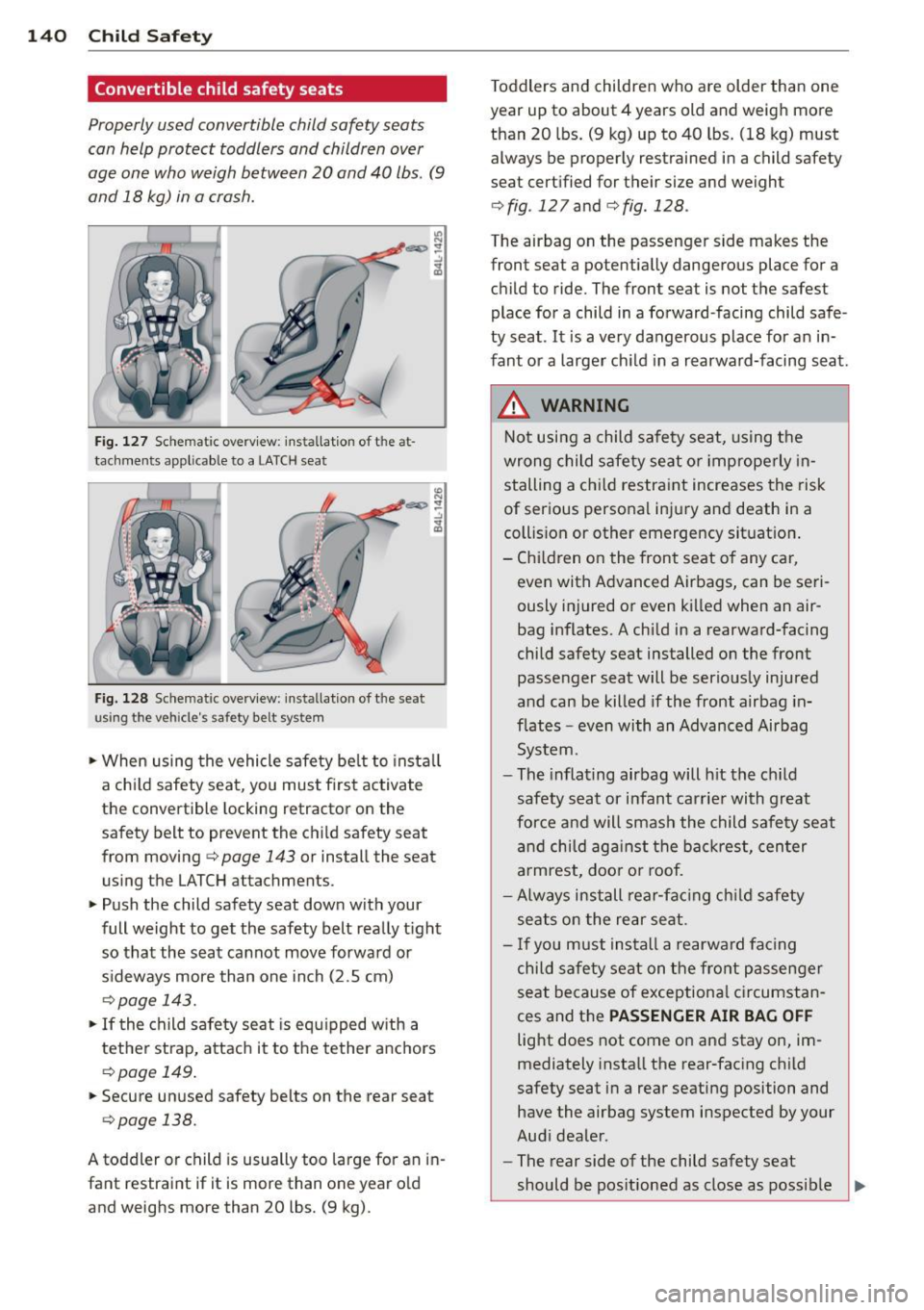
Fig. 127 Schematic overv iew : ins tallat ion of t he at
ta chments applicable to a LATCH seat
Fig. 128 Schematic overview: insta llation of th e seat
us ing t he veh icle's safety belt system
.. When using the vehicle safety be lt to install
a child safety seat, you must first activate
the convertible locking retractor on the
safety belt to prevent the child safety seat
from moving
c:> page 143 or install the seat
using the LATCH attachments .
.. Push the child safety seat down with your
full weight to get the safety belt really tight
so that the seat cannot move forward or sideways more than one inch (2.5 cm)
c:>page 143.
.. If the child safety seat is equ ipped with a
tether strap, attach it to the tether anchors
c:> page 149.
.. Secure unused safety belts on the rear seat
c:> page 138.
A toddler or child is usually too large for an in
fant restraint if it is more than one year old
and weighs more than 20 lbs. (9 kg) . Toddlers and
children who are older than one
year up to about 4 years old and weigh more
than 20 lbs. (9 kg) up to 40 lbs. (18 kg) must
always be properly restrained in a child safety
seat certified for their size and weight
c:> fig . 12 7 and c:> fig . 128 .
The airbag on the passenger side makes the
front seat a potentially dangerous place for a
child to ride. The front seat is not the safest
place for a child in a forward -facing child safe
ty seat . It is a very dangerous place for an in
fant or a larger child in a rearward-facing seat.
_&. WARNING
Not using a child safety seat, using the
wrong child safety seat or improp erly in
stalling a child restraint increases the risk
of serious personal injury and death in a
collision or other emergency situation .
- Children on the front seat of any car,
-
even with Advanced Airbags, can be seri
ously injured or even killed when an air bag inflates . A child in a rearward-facing
child safety seat installed on the front passenger seat will be seriously injured
and can be killed if the front airbag in
f la tes -even with an Advanced Airbag
System .
- The inflating airbag will hit the child
safety seat or infant carrier with great
force and will smash the child safety seat
and child against the backrest, center
armrest, door or roof.
- Always install rear-facing child safety
seats on the rear seat .
- If you must install a rearward facing
child safety seat on the front passenger
seat because of exceptiona l circumstan
ces and the
PASSENGER AIR BAG OFF
light does not come on and stay on, im
mediately install the rear-facing child
safety seat in a rear seating position and
have the airbag system inspected by your
Audi dealer.
- The rear side of the child safety seat
should be positioned as close as possible ..,.
Page 144 of 258
142 Child Saf ety
• Secure unused safety belts on the rear seat
9 page 138 .
Children up to at least 8 years old (over 40
l bs. or 18 kg) are best protected in chi ld safe
ty seats designed for their age and weight. Ex perts say that the ske leta l structure, particu
larly the pelvis, of these chi ldren is not fully
developed, and they must not use the vehicle
safety belts w ithout a su itable child restraint .
It is us ually best to put these children in ap
propriate booster seats. Be sure the booster
seat meets all applicab le safety standards.
Booster seats raise the seating position of the
child and reposition bot h the lap and shou lder
parts of the safety belt so that they pass
across the child 's body in the right places. The
routing of the belt over the child 's body is very
important for the ch ild's protection, whether
or not a booster seat is used . Children age 12
and under must always ride in the rear seat.
Ch ildren who are at least 4
ft . 9 in. (S7 in
ches/1.4S meters) tall can generally use the
vehicle's three po int lap and shoulder be lts .
Neve r use the lap belt portion of the veh icle's
safety be lt alone to restrain any child, regard
l ess of how b ig the child is. Always remembe r
that c hildren do not have the pronounced pe l
vic structure required for the proper function
of lap belt portion of the vehicle's thre e point
lap and shoulder be lts. The child's safety ab
solutely requires that a lap be lt portion of the
safety belt be fastened snugly and as low as
possible around the pelvis . Never let the lap
be lt po rtion of the safety belt pass over the
chi ld's stomach or abdomen.
In a crash, airbags must inflate within a blink
of an eye and with cons iderable force . In order
to do its job, the airbag needs room to inflate
so t hat it will be there to p rotect the occupant
as the occupant moves forw ard into the air
bag.
A vehicle occupant who is out of position and
too close to the airbag gets in the way of an
i n flat ing airb ag. When an occupant is too
close, he or she wi ll be struc k violen tly and will
receive se rious or possib ly even fatal in
jury .
In orde r fo r the ai rb ag to offer protect ion, i t is
i mportan t that a ll vehicle occupants, espe cial
ly any children, who m ust be in the front seat
because of exceptiona l circumstances , be
proper ly restrained and as far away from the
airbag as possible . By keeping room between
the child 's body and the front of the passen
ger compartment, the airbag can inflate com
pletely and prov ide supplemental protection
in certain frontal collisions .
.&, WARNING
Not using a booste r seat, using the boos
ter seat improperly, in co rrectly installing a
boos ter seat or using the vehicle sa fety
belt imp roperly increases the risk of seri
ous persona l injury and death in a collision
or other emergency situat ion. To he lp re
d uce the risk of serio us personal injury
and/or death:
- The shou lder belt must lie as close to the
center of the ch ild's collar bone as possi
b le and must lie flat and snug on the up
per body . It must neve r lie across the
throat or neck . The lap belt must lie
across the pe lvis and neve r ac ross t he
s tomach o r abdomen. Make sure t he belt
liesflat and snug.Pullon thebelt to
tighten if necessary.
- Failure to p roperly ro ute s afe ty belts
over a child's body wi ll ca use seve re inj u
ries in an accident o r other emergency
situation
¢ page 104 .
-The rear side o f the child sa fety seat
should be pos itioned as close as possib le
to the backrest on the vehicle seat. Ad
just or remove the rear seat head re straint if it is diffic ult to install the ch ild
seat with the head restraint in p lace
c::> page 52 . Install t he head rest raint
aga in immediately once the ch ild seat is
removed . D riving without head restraints
or w ith head restra ints th at ar e not prop
erly a djusted increases the risk of serious
.
or fatal neck in jury drama tically . ""
Page 146 of 258
144 Child Safety
and child against the backrest, center
armrest, door or roof.
- Always install rear-facing child safety
seats or infant carriers on the rear seat.
- Forward-facing child safety seats or in
fant carriers installed on the front pas
senger's seat may interfere with the de
ployment of the airbag and cause serious
injury to the child.
- It is safer to install a forward-facing
child safety seat on the rear seat.
- Always read and heed all WARNINGS whenever using a child restrained in ave
hicle is being used
c;,page 133. Special
precautions apply when installing a child
safety seat on the front passenger seat
¢ page 114, Child restraints on the front
seat -some important things to know.
A WARNING
Always take special precautions if you
must install a forward or rearward-facing
child restraint on the front passenger's
seat in exceptional situations:
- Whenever a forward or rearward-facing
child restraint is installed on the front
passenger seat, the
PASSENGER AIR
BAG OFF
light must come on and stay on
whenever the ignition is switched on.
- If the
PASSENGER AIR BAG OFF light
does not come on and stay on, perform
the checks described
c;, page 123, Moni
toring the Advanced Airbag System.
- Take the child restraint off the front pas
senger seat and install it properly at one
of the rear seat positions if the
PASSEN
GER AIR BAG OFF
light does not stay on
whenever the ignition is switched on.
- Improper installation of child restraints
can reduce their effectiveness or even
prevent them from providing any protec
tion.
- An improperly installed child restraint
can interfere with the airbag as it de
ploys and seriously injure or even kill the
child. -
Always carefully follow the manufactur
er's instructions provided with the child
safety seat or carrier.
- Never place additional items on the seat
that can increase the total weight regis
tered by the weight-sensing mat and can
cause injury in a crash .
A WARNING
-Forward-facing child restraints:
- Always make sure the forward-facing
seat has been designed and certified by its manufacturer for use on a front seat
with a passenger front and side airbag .
- Never put the forward-facing child re straint up, against or very near the in
strument panel.
- Always move the passenger seat into its
rearmost position in the seat's fore and
aft adjustment range, as far away from
the airbag as possible before installing
the forward-facing child restraint. The
backrest must be adjusted to an upright
position.
- Make sure that the PASSENGER AIR BAG
OFF
light comes on and stays on all the
time whenever the ignition is switched
on .
A WARNING
Rearward-facing child restraints:
- A child in a rearward-facing child safety
seat installed on the front passenger
seat will be seriously injured and can be killed if the front airbag inflates -even
with an Advanced Airbag System .
- The inflating airbag will hit the child
safety seat or infant carrier with great
force and will smash the child safety seat
and child against the backrest, center
armrest, door or roof.
- Always be especially careful if you must
install a rearward facing child safety seat
on the front passenger seat in exception-
al circumstances.
~
Page 147 of 258
M N
M N
0 ::i co ,...., \!) 1.1'1 ,...., 1.1'1 ,....,
-A tight tether strap on a rearward-facing
child restraint attached to the front pas
senger seat can put too much pressure on the weight-mat in the seat and regis
ter a heavier weight in the Advanced Air
bag System . The heavier weight regis
tered can make the system work as
though an adult were on the seat and de
ploy the Advanced Airbag when it must
be suppressed causing serious or even
fatal injury to the child .
- Make sure that the
PASSENGER AIR BAG
OFF
light comes on and stays on all the
time whenever the ignition is switched
on.
- If the
PASSENGER AIR BAG OFF light
does not come on and stay on, immedi
ately install the rear-facing child safety
seat in a rear seating position and have
the airbag system inspected by your Audi dealer.
Activating the convertible locking
retractor
Use the convertible locking retractor to se
cure a child restraint.
Always heed the child safety seat manufactur
er's instructions when installing a child re
straint in your vehicle . To activate the conver
tible locking retractor :
.. Place the child restraint on a seat, prefera
bly on the rear seat.
.. Slowly pull the belt
all the way out .
.. Route it around or through the child re
straint belt path~&_ .
.. Push the child safety seat down with your
full weight to get the safety belt really tight.
.. Insert the belt tongue into the buckle for
that seating position .
.. Guide the safety belt back into the retractor
until the belt lies flat and snug on the child
safety seat .
.. You should hear a "clicking " noise as the
belt winds back into the inertia reel. Test the
convertible locking retractor by pulling on
the belt . You should no longer be able to
Child Safety 145
pull the belt out of the retractor. The con
vertible locking retractor is now activated.
.. Make sure that the red release button is fac
ing away from the child restraint so that it
can be unbuckled quickly.
.. Pull on the belt to make sure the safety belt
is properly tight and fastened so that the
seat cannot move forward or sideways more
than one inch (2.5 cm).
_&. WARNING
Using the wrong child restraint or an im
properly installed child restraint can cause
serious personal injury or death in a crash.
- Always make sure that the safety belt re-
tractor is locked when installing a child
safety seat. An unlocked safety belt re
tractor cannot hold the child safety seat
in place during normal driving or in a
crash.
-Always buckle the child safety seat firmly in place even if a child is not sitting in it.
A loose child safety seat can fly around
during a sudden stop or in a crash.
- Always make sure the seat backrest to
which the child restraint is installed is in
an upright position and securely latched
into place and cannot fold forward . Oth
erwise, the seatback with the child safety
seat attached to it could fly forward in
the event of an accident or other emer
gency situation .
- Always read and heed all WARNINGS
whenever using a child restrained in ave
hicle is being used¢
page 133. Special
precautions apply when installing a child
safety seat on the front passenger seat
¢ page 114, Child restraints on the front
seat -some important things to know .
-
•
•
Page 151 of 258
M N M N
0 ::i co
rl I.O
"' rl
"' rl
Tether anchors and tether straps
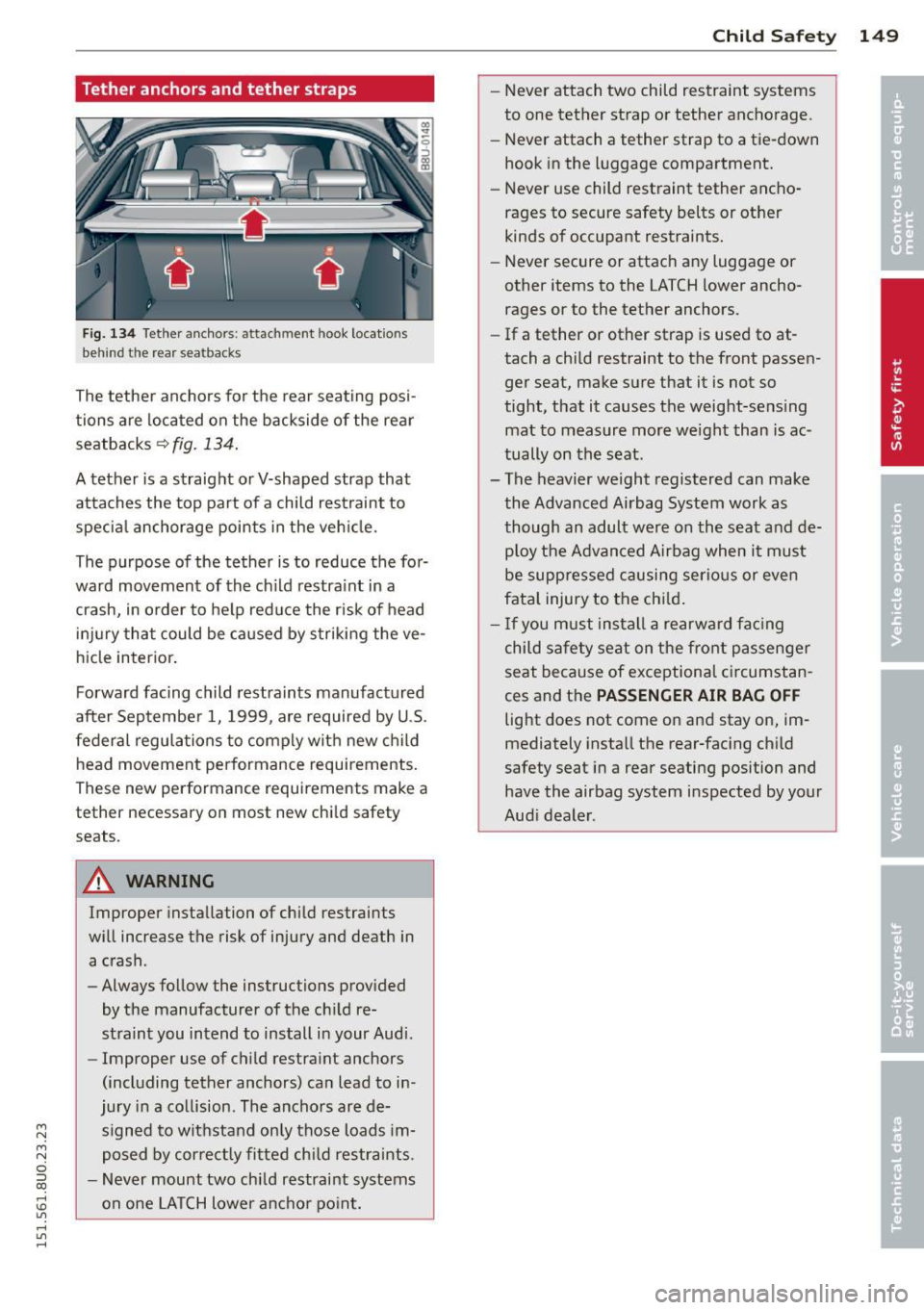
Fig. 134 Tether ancho rs: atta chment hook loc atio ns
behin d the rear s ea tb acks
The tethe r anchors for the rear seating posi
tions are located on the backside of the rear seatbacks
q fig. 134.
A tether is a straight or V-sha ped strap that
attaches the top part of a child restraint to
specia l anchorage points in the veh icle.
The purpose of the tether is to reduce the for
ward movement of the ch ild restra int in a
crash, in o rder to he lp red uce the risk of head
i nj ury that could be ca used by striki ng the ve
hicle interior.
Forward facing child restraints manufactured
after September 1, 1999, a re required by U .S.
federal regulations to comply with new c hild
head movement performance requirements.
Thes e new performance requirements mak e a
tethe r necessary on most new child safety
s eats.
A WARNING
Improper installation of child restraints
will increase the risk of injury and death in a crash .
- Always follow the instructions prov ided
by the manufacturer of the ch ild re
straint you intend to install in your Audi.
- Improper use of ch ild restra int anchors
(including tether anchors) ca n lead to in
jury in a collision. The ancho rs are de
signed to withstand only those loads im posed by correctly fitted ch ild restraints.
- Never mount two chi ld restraint systems
on one LA TCH lower ancho r po int.
Child S afety 149
-Never attach two child restraint systems
to one tether strap or tether anchorage .
- Never attach a tether strap to a tie-down
hook in the luggage compartment.
- Never use child restraint tether a ncho
rages to secure safety belts or other
kinds of occupant restraints.
- Never secure or attach any luggage or
other items to the LATCH lower ancho
rages or to the tether anchors .
- If a tether or oth er strap is used to at
tach a chi ld restraint to the front passen
ger seat, make sure that it is not so
tight, that it causes the weight-sens ing
mat to measure more we ight than is ac
tually on the seat .
- The heavier weight registered can make
the Advanced Airbag System work as
though an adult were on the seat and dep loy the Advanced Airbag when it must
be suppressed causing serious or even
fatal injury to the child .
- I f you must instal l a rearwa rd fa cing
child safety seat on the fro nt passenger
seat because of exceptional circumstan
ces and the
PASSENGER AIR BAG OF F
light does not come on and stay on, im
mediately insta ll the rear -fac ing child
safety seat in a rear seating position and have the airbag system inspected by your
Aud i dealer .
Page 152 of 258
150 Child S afe ty
Installing the upper tether strap on the
anchorage
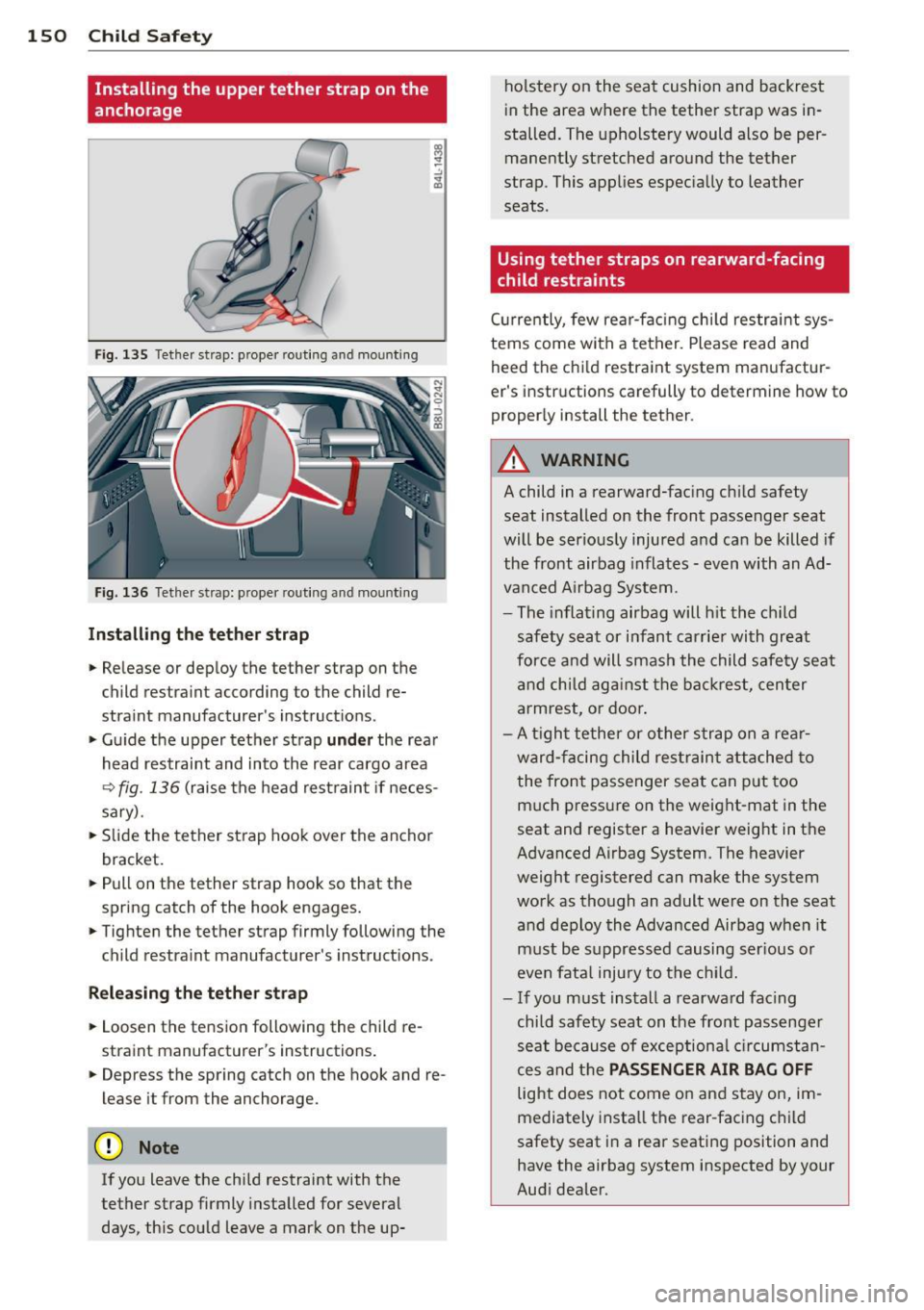
Fig. 135 T ether strap: proper routing and mounting
Fig. 136 Tether strap: proper rou ting and moun ting
In sta ll ing the te th er strap
• Release or deploy the tether strap on the
child restraint according to the child re
stra int manufacturer's instructions .
• Gu ide the upper tether strap
und er the rear
head restraint and into the rear cargo area
Q fig. 136 (raise the head restraint if neces
sary).
• Slide the tether strap hoo k over the anchor
bracket.
• Pull on the tether strap hook so that the
spring catch of the hook engages.
• Tighten the tether strap firmly following the
child restra int manufacturer's instruct ions .
Releasin g the t ethe r stra p
• Loosen the tens ion following the child re
straint manufacturer's instructions .
• Depress the spring catch on the hook and re
lease it from the anchorage.
@ Note
If you leave the child restraint with the
tether strap firmly installed for several
days, this could leave a mark on the up- ho
lstery on the seat cushion and backrest
in the area where the tether strap was in
stalled. The upholstery would also be per
manently stretched around the tether
strap. This applies espec ia lly to leather
seats.
Using tether straps on rearward-facing
, child restraints
Currently, few rear-fac ing ch ild restrai nt sys
tems come with a tether. Please read and
heed the child restraint system manufactur
er 's instructions carefully to determine how to
proper ly install the tether.
A WARNING
= -A child in a rearward-fac ing ch ild safety
seat installed on the front passenger seat
will be seriously injured and can be killed if
the front airbag inflates -even with an Ad
vanced A irbag System.
- The inflating airbag will h it the ch ild
safety seat or infant carrie r with great
force and will smash the child safety seat and child aga inst the ba ckrest, center
armrest, or door .
- A t ight tethe r or other strap on a rear
ward-facing child restraint attached to
the front passenger seat can p ut too
much pressure on the weight-mat in the
seat and register a heavier weight in the
Advanced Airbag System. The heavier
weight registered can make the system
work as though an adult were on the seat
and deploy the Advanced Airbag when it
must be suppressed causing ser ious or
even fata l inju ry to the ch ild.
- If you must install a rearward fac ing
child safety seat on the front passenger
seat because of exceptiona l circumstan
ces and the
PASSENGER AIR BAG OFF
light does not come on and s tay on, im
mediately insta ll the rear-facing c hild
safety seat in a rear seating position and have the airbag system inspected by your
Aud i dealer.
Page 157 of 258
M N M N
0 ::i co
rl I.O
"' ,....,
"' rl
Intelligent technolog y 155
Switching on /off
ESC turns on automatically when you start the engine .
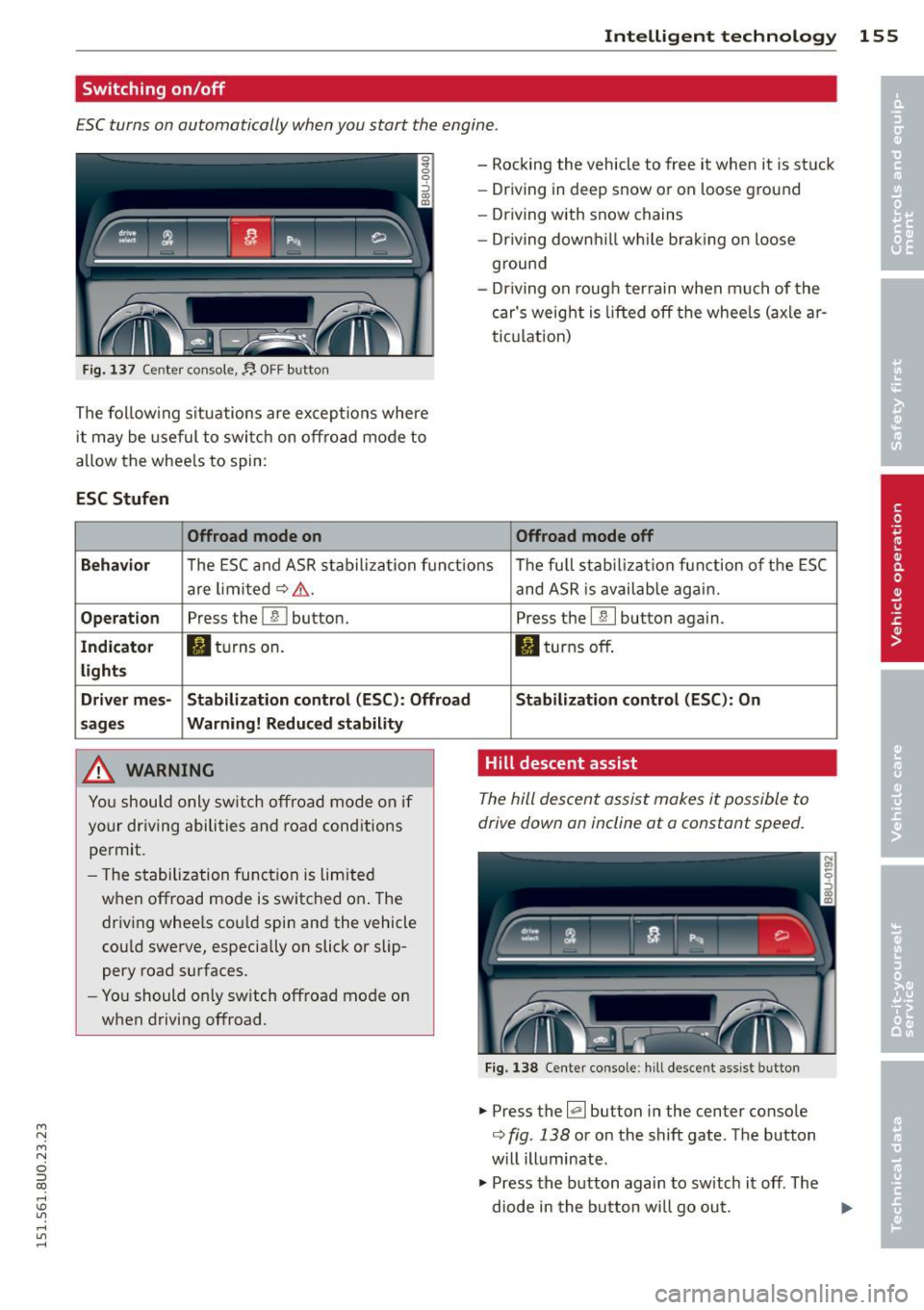
Fig. 137 Center console,~ OFF button
The follow ing s ituations are excep tions where
it may be useful to switch on offroad mode to
allow the whee ls to spin:
E SC Stufen
Offroad mode on
-Rocking the vehicle to free it when it is stuck
- Driving in deep snow or on loose ground
- Driving with snow chains
- Dr iving downh il l wh ile brak ing on loose
ground
- Dr iving on rough terrain when much of the
car's weight is lifted off the whee ls (axle ar
tic ulat ion)
Offro ad mode off
Beha vio r
The ESC and ASR stabiliza tion funct ions The fu ll stab iliza tion f unction of the ESC
are limited¢ &..
Op erat ion Press the W button.
Indicat or Bturns on.
light s
Dr ive r m es- Sta biliza tion control (ESC ): Offroad
s age s Warning! Redu ced stab ilit y
_& WARNING
Yo u should only sw itch offroad mode on if
your driving abilities and road conditions
permit.
- T he stabilization function is limited
when offroad mode is switched on . The
driving whee ls cou ld spin and the vehicle
cou ld swerve, especially on slick or slip
pery road surfaces.
- You should on ly sw itch offroad mode on
when driving offroad. and ASR
is available again.
Press the
W button again.
II turns off .
Stabilization contr ol (ESC ): On
Hill descent assist
The hill descent assist makes it possible to
drive down an incline at a constant speed.
Fig. 138 Cente r console : hill desce nt assist button
.,. Press the [el button in the center conso le
¢ fig. 138 or on the shift gate. The button
w ill illuminate.
.,. Press the button again to switch it off. The
diode in the button will go out.
IJi,,-
Page 168 of 258
166 Trailer towing
Trailer towing Driving with a trailer
General information
Your Audi was designed primarily for passen
ger transportation .
If you plan to tow a trai ler, p lease remember
that the additional load will affect durability,
economy and performance .
Trailer towing not on ly places more stress on
the vehicle, it also calls for more concentra
tion from the driver.
For this reason, always fo llow the operating
and driving instructions provided and use
common sense.
Technical requirements
Tr aile r hitch
Use a weight-carrying hitch conforming to the
gross trailer weight. The hitch must be suita
ble for your vehicle and trailer and mu st be
mounted securely on the veh icle's chassis at a
technically sound location. Use only a trailer
h itch with a removab le ball mount. A lways
check with the trai ler h itch manufact urer to
make sure that you are using the correct
hitch.
Do not use a bumper hi tch .
The hitch must be installed in such a way that
it does not interfere with the impact-absorb
ing bumper system . No modifications should
be made to the vehicle exhaust and brake sys
tems . From t ime to time, check that all hitch
mounting bo lts remain securely fastened.
When you are not towing a trailer, remove the
trailer h itch ball mount. This prevents the
h itch from causing damage should your veh i
cle be struck from behind
¢ A .
Traile r brak es
If your tra iler is equipped w ith a braking sys
tem, check to be sure that it conforms to a ll
regulat ions . The trailer hydraulic brake system must not be
direct ly connected to the vehicle's hydraulic
brake system
~ A .
Saf ety ch ain s
Always use safety chains between your veh icle
and the trai le r.
Trail er light s
Trailer lights must meet all regulations. Be
sure to check w ith your authorized Audi dealer
for correct wi ring, switches, and relays.
Mirrors
If you are unable to see the traffic behind you
us ing the regular outside mirrors, then you
must install extended mirrors .
It is important
that you always have clea r vis io n to the rear.
,8. WARNING
- I f a trai ler has electrical brakes p lease
note that these brakes are not activated
by the factory -fitted control unit -risk of
accident!
- Afte r removing the trailer hitch, do not
store it in your vehicle. In case of sudden
braking, the hitch could fly forward and
injure you or your passengers.
- Never install a "weight distributing" or
"load equalizing" trailer hitch on your ve
h icle. The vehicle was not designed for
these kinds of trailer h itches. The h itch
attachment can fail, caus ing the trailer
to tear loose from the veh icle.
- The Gross Vehicle Weight Rating for your
veh icle, found on the safety compliance
label on the driver's s ide B-pillar, must
never be exceeded under any c ircumstan
ces. Exceeding the Gross Vehicle Weight
Rating of yo ur vehicle is likely to damage
your vehicle, and such damage will not
be covered by yo ur Limited New Ve hicle
Warranty . Exceeding the Gross Vehicle
Weight Rating will a lso change the per
formance and handling characteristics of
your veh icle, wh ich could cause a crash
resulting in serious injury or death.
-
Page 169 of 258
M N
M N
0 ::i co ,...., \!) ..,.,
,...., ..,., ,....,
Operating instructions
6"
~ ~
I 1,2 ..
-{ }
l::_
-
2
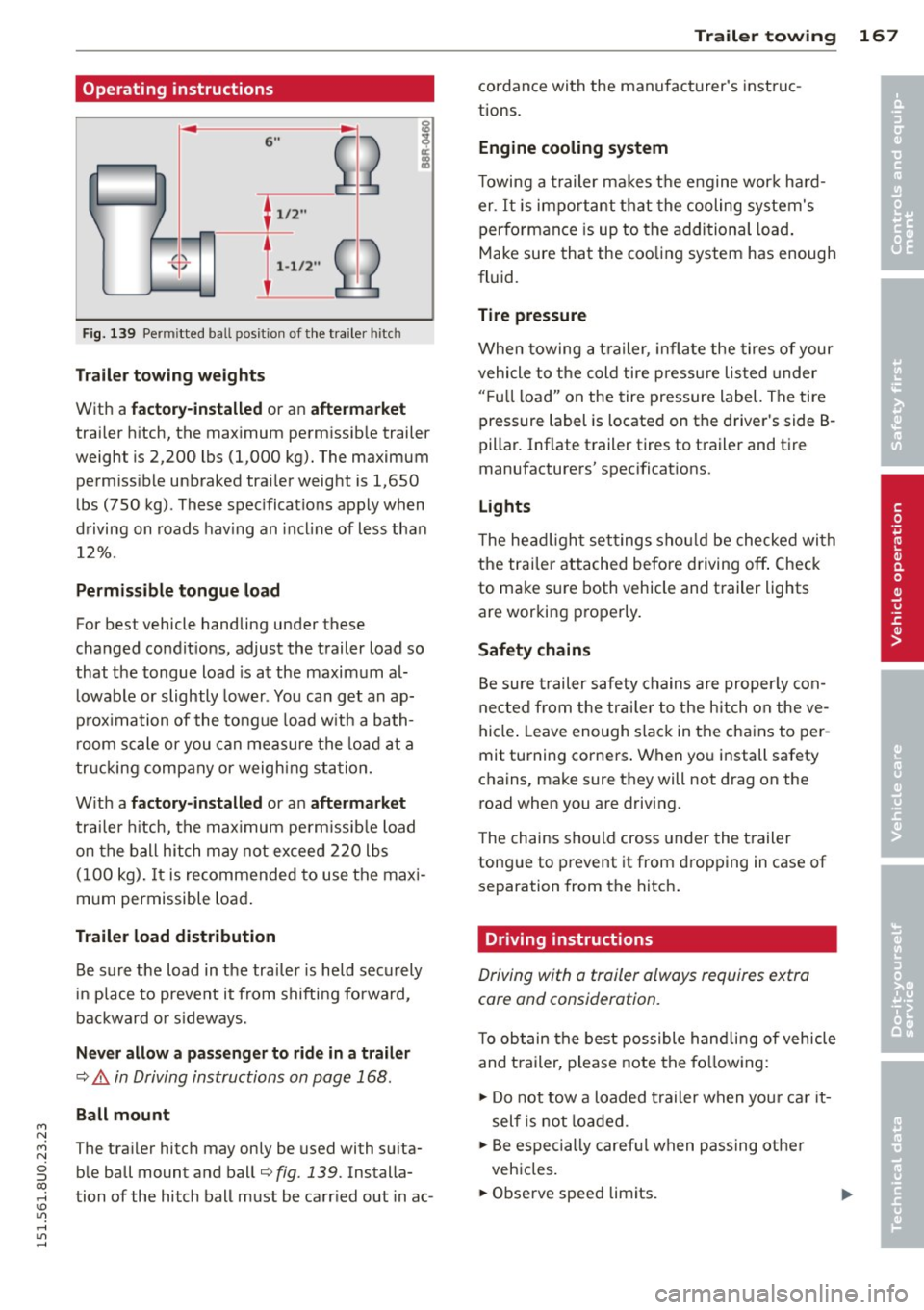
Fig. 139 Permit ted ball position of the trailer hitch
Trailer towing weights
With a factory-installed or an aftermarket
trailer hitch, the maximum permissible trailer
weight is 2,200 lbs (1,000 kg). The maximum permissible unbraked trailer weight is 1,650
lbs (750 kg) . These specifications apply when
driving on roads having an incline of less than
12%.
Permissible tongue load
For best vehicle handling under these
changed conditions, adjust the trailer load so
that the tongue load is at the maximum al
lowable or slightly lower . You can get an ap
proximation of the tongue load with a bath
room scale or you can measure the load at a
trucking company or weighing station.
With a
factory-installed or an aftermarket
trailer hitch, the maximum permissible load
on the ball hitch may not exceed 220 lbs
(100 kg).
It is recommended to use the maxi
mum permissible load.
Trailer load distribution
Be sure the load in the trailer is held securely
in place to prevent it from shifting forward,
backward or sideways.
Never allow a passenger to ride in a trailer
¢.&. in Driving instructions on page 168.
Ball mount
The trailer hitch may only be used with suita
ble ball mount and ball¢
fig. 139. Installa
tion of the hitch ball must be carried out in ac-
Trailer towing 167
cordance with the manufacturer's instruc
tions.
Engine cooling system
Towing a trailer makes the engine work hard
er .
It is important that the cooling system's
performance is up to the additional load.
Make sure that the cooling system has enough
fluid.
Tire pressure
When towing a trailer, inflate the tires of your
vehicle to the cold tire pressure listed under
"Full load" on the tire pressure label. The tire
pressure label is located on the driver's side B
pillar. Inflate trailer tires to trailer and tire
manufacturers' specifications .
Lights
The headlight settings should be checked with
the trailer attached before driving off. Check
to make sure both vehicle and trailer lights
are working properly.
Safety chains
Be sure trailer safety chains are properly con
nected from the trailer to the hitch on the ve
hicle. Leave enough slack in the chains to per
mit turning corners. When you install safety
chains, make sure they will not drag on the
road when you are driving.
The chains should cross under the trailer
tongue to prevent it from dropping in case of
separation from the hitch.
Driving instructions
Driving with a trailer always requires extra
core and consideration.
To obtain the best possible handling of vehicle
and trailer, please note the following :
.,. Do not tow a loaded trailer when your car it
self is not loaded.
.,. Be especially careful when passing other
vehicles.
.,. Observe speed limits.
•
•
Page 170 of 258
168 Trailer towing
• Do not drive at the maximum permissible
speed.
• Always apply brakes early.
• Monitor the temperature gauge.
Weight distribution
Towing a loaded trailer with an empty car re
sults in a highly unstable distribution of
weight. If this cannot be avoided, drive at very low speeds only to avoid the risk of losing
steering control.
A "balanced" rig is easier to operate and con
trol. This means that the tow vehicle should
be loaded to the extent possible and permissi
ble, while keeping the trailer as light as possi
ble under the circumstances. Whenever possi
ble, transfer some cargo to the luggage com
partment of the tow vehicle while observing
tongue load requirements and vehicle loading
considerations .
Speed
The higher the speed, the more difficult it be
comes for the driver to control the rig . Do not
drive at the maximum permissible speed. Re
duce your speed even more if load, weather or
wind conditions are unfavorable -particularly
when going downhill.
Reduce vehicle speed
immediately if the trail
er shows the slightest sign of swaying.
Do not
try to stop the swaying by accelerating.
Observe speed limits . In some areas, speeds
for vehicles towing trailers are lower than for
regular vehicles.
Always apply brakes early. When driving
downhill, shift into a lower gear to use the en
gine braking effect to slow the vehicle. Use of
the brakes alone can cause them to overheat
and fail.
Coolant temperature
The coolant temperature gauge c:> page 10
must be observed carefully . If the needle
moves close to the upper end of the scale, re
duce speed immediately and/or turn off the
air conditioner. If the coolant temperature warning light in
the instrument cluster starts flashing., pull
off the road, stop and let the engine
idle for
about two minutes to prevent heat build-up.
A WARNING
Anyone not properly restrained in a mov
ing vehicle is at a much greater risk in an
accident . Never let anyone ride in your car
who is not properly wearing the restraints
provided by Audi.
Trailer towing tips
Important to know
Your vehicle handles differently when towing
-
a trailer because of the additional weight and
different weight distribution. Safety, perform
ance and economy will greatly depend on how carefully you load your trailer and operate
your rig.
Before you actually tow your trailer, practice
turning, stopping and backing up in an area
away from traffic. Keep practicing until you
have become completely familiar with the way
your vehicle-trailer combination behaves and
responds.
Backing up is difficult and requires practice.
Backing up with a trailer generally requires
steering action opposite to that when backing
up your vehicle without a trailer.
Maintain a greater distance between your ve
hicle and the one in front of you. You will need
more room to stop. To compensate for the
trailer, you will need a larger than normal
turning radius.
When passing, remember that you cannot ac
celerate as fast as you normally would be
cause of the added load. Make sure you have
enough room to pass. After passing, allow
plenty of room for your trailer before chang
ing lanes again.
Avoid jerky starts, sharp turns or rapid lane
changes.