warning light AUDI Q3 2016 Workshop Manual
[x] Cancel search | Manufacturer: AUDI, Model Year: 2016, Model line: Q3, Model: AUDI Q3 2016Pages: 252, PDF Size: 62.81 MB
Page 129 of 252
.... N
c:i ::J CX)
.... I.Cl U"I
N I.Cl ......
for example, the nature (hard or soft) of the im
pacting object, the angle of impact, vehicle
speed, etc.
¢ page 128, Important safety in
structions on the side airbag system.
Aside from their normal safety function, safety
be lts work to he lp keep the driver or front pas
senger in posit ion in the event of a side collision
so that the side airbags can provide protection.
The airbag system is
not a substitute for your
safety belt. Rather, it is part of the overall occu
pant restraint system in your veh icle. Always re
member that the side airbag system can only
help to protect you if you are wearing your safety
belt and wearing it properly . This is another rea
son why you should always wear your safety be lts, not just because the law requires you to do
so
¢ page 104, General information.
It is important to remember that while the sup
p lem ental side airbag system is designed to re
duce the likelihood of serious injur ies, other inju
ries , fo r example, swell ing, bruising, and minor
abrasions can also be associated with deployed
side airbags. Remember too, side airbags wi ll de
ploy only once and only in certain kinds of acci
dents· your safety belts are always there to offer
protection.
Vehicle damage, repair costs or even the lack of
ve hicl e damage are not necessarily an indication
of over-sensitive or failed airbag activation. In
some col lisions, both front and side a irbags may
inflate. Remember too, that airbags will deploy
only once and only in certain kinds of coll isions -
your safety belts are always there to offer protec ·
tion in those acc idents in which a irbags are not
supposed to deploy or when they have already
deployed.
The side airbag system will not deploy:
-when the ign ition is turned off
- in side collisions when the acceleration meas-
ured by the sensor is too low
- in front-end collisions
- in rear-end collisions
- in rollovers.
Airbag system
In some types of accidents the front airbags, side
curtain airbags and side airbags may be triggered
together.
A WARNING
=
- Safety belts and the airbag system will only
provide protection when occupants are in
the proper seat ing pos ition¢
page 128.
- If the airbag ind icator light Q page 16
comes when the veh icle is being used, have
the system inspected immediately by your
author ized Audi dealer. It is possible that
the airbag will inflate when it is not sup
posed to, or will not inflate when it should.
How supplemental side airbags work
Side airbags deploy instantly and can help re·
duce the risk of upper torso injuries for occu
pants who are properly restrained.
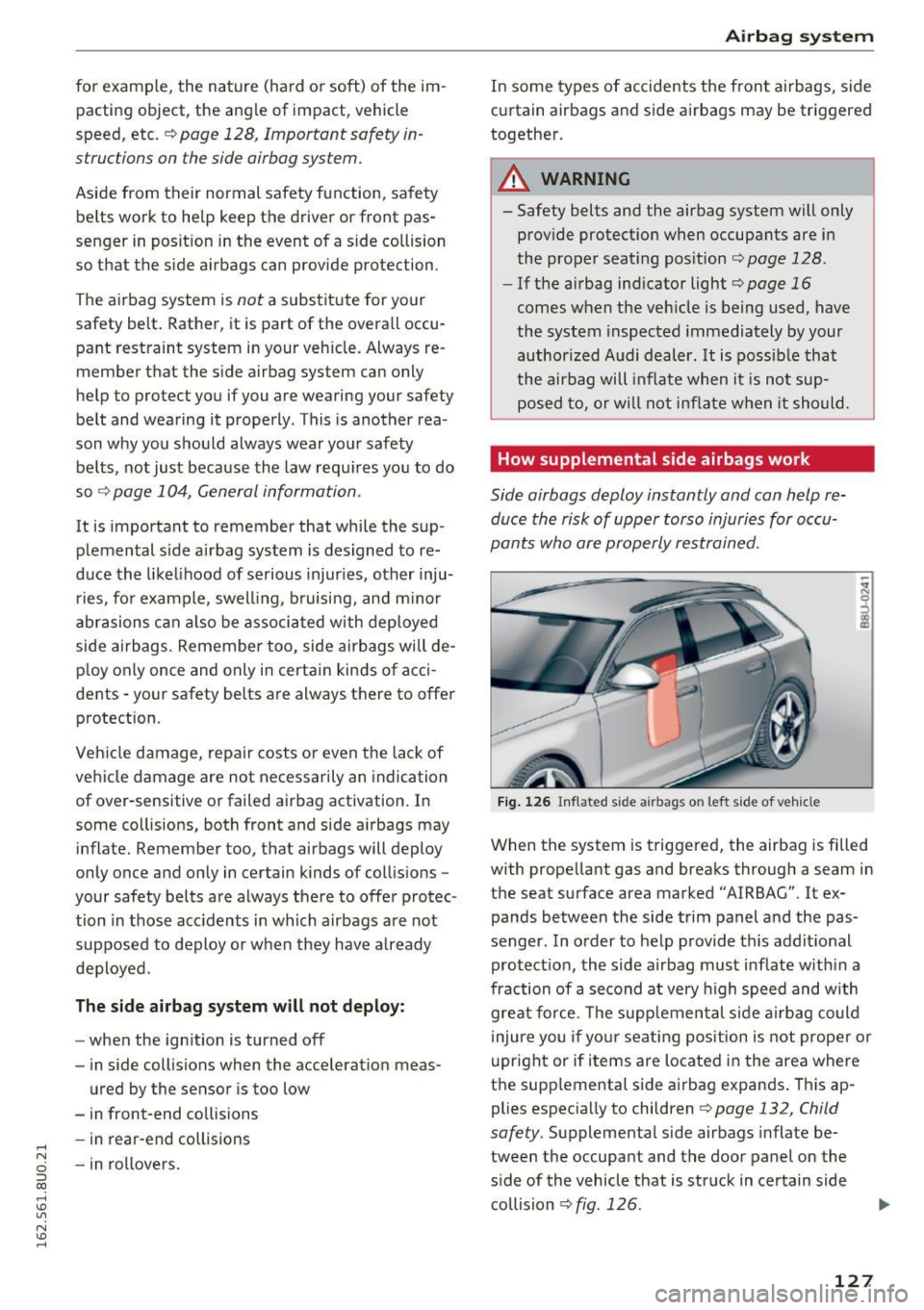
Fig. 126 Inflated side a irbags on left side of vehicle
When the system is triggered, the airbag is filled
with propellant gas and breaks through a seam in
the seat surface area marked "AIRB AG". It ex
pands between the side trim panel and the pas·
senger . In order to help provide this addit ional
protect ion, the side airbag must inflate w ith in a
fraction of a second at very high speed and with
great force. Th e supplemental side airbag could
injure you if you r seating position is not proper or
upright or if items are located in the area where
the supp lemental side a irbag expands. This ap
plies especially to children¢
page 132, Child
safety.
Supplemental side airbags inflate be
tween the occupant and the door panel on the
s ide of the vehicle that is struck in certain side
collision ¢
fig. 126. .,.
127
Page 130 of 252
Airbag syste m
Although they are not a soft pillow, they can
"cushion" the impact and in this way they can
he lp to reduce the risk of injury to the upper part
of the body.
A fine dust may develop when the airbag deploys.
This is normal and does not mean there is a fire in the vehicle.
Important safety instructions on the side
airbag system
Airbags are only supplemental restraints. Always
properly wear safety belts and ride in a proper
seating position.
There is a lot that you and your passengers must
know and act accordingly to help the safety belts
and a irbags do the ir job to provide supplemental
protection .
A WARNING
An inflating side airbag can cause ser ious or
fatal injury. Improperly wea ring safety belts
and improper seating positions increase the
r is k of serious personal injury and death
whenever a vehicle is being used.
- In order to red uce the risk of injury when
the supplemental side airbag inflates :
- Always sit in an upright position and never
lean aga inst the area where the supple-
mental side airbag is located.
- Never let a chi ld or anyone else rest the ir
head against the side trim panel in the
area where the supplemental s ide a irbag
inflates.
- Always make sure that safety belts are
worn correctly,
- Do not let anyone sitting in the front seat
put their hand or any other parts of t he ir
body out of the window.
- Always make sure that the side airbag can
inflate without interference.
- Never install seat covers o r rep lacemen t
upho lstery over the front seatbacks that
have not been specifically approved by
Aud i.
128
- Never use additional seat c ushions that
cover the areas where the side airbags de
ploy.
- Damage to the orig inal seat covers or to
the seam in the area of the s ide airbag
module must a lways be repaired immedi
ate ly by an autho rized Aud i dealer .
- Objects between you and the airbag can in
crease the r isk of injury in an acc ident by in
terfering with the way the airbag unfolds or
by being pushed into you as the airbag in
flates.
- Never place or attach accessor ies or other
ob jects (s uch as c upholders, telephone
brackets, or even large, b ulky objects) on
the doors, over or near the area marked "AIRBAG" on the seat backrests.
- Such objects and accessories can become
dangero us projecti les and cause injury
when the supplemental side airbag de ploys.
- Never carry any objects or pets in the de
ployment space between them and the
airbags or allow children or other passe n
gers to trave l in this position .
- Always use the b uilt-in coat hooks only fo r
lightweight clo thing. Never leave any heavy
or sharp-edged objec ts in the po ckets that
may i nterfere wi th s ide airb ag deployment
and can cause persona l injury in an accident.
- Always prevent the side ai rbags from being
damaged by heavy objec ts knocking against
or hit ting the sides of the seatbacks.
- The a irb ag sys tem can only be triggere d
once. If the airbag has been triggered, the
system must be replaced by an authorized
Audi dea lership .
- Damage (cracks, deep scratches etc.) to the
original seat covers or to the seam in the
area of the side airbag module must always
be repaired immediately by an authorized
Aud i dea ler .
- If ch ildren are seated improperly, their risk
of injury increases in the case of an accident
c::;, page 132, Child safety.
- Never attempt to mod ify any components of
the airbag system in any way.
Page 132 of 252
Airbag system
The side curtain airbag system basically
consists of:
- The electronic control module and external side
impact sensors
- The side curta in airbags above the front and
rear side windows with ejection mitigation fea
tures
- The airbag indicator light in the instrument
panel
The airbag system is monitored electronically to
make certain it is functioning properly at all
times. Each time you turn on the ignition, the air
bag system indicator light will come on for a few
seconds (self diagnostics).
The side curtain airbag is not activated:
-if the ignition is turned off,
-in side collisions when the acceleration meas-
ured by the sensor is too low,
- in rear-end collisions.
,&. WARNING
-Safety belts and the airbag system will only
provide protection when occupants are in
the proper seating position
¢ page 50,
Front seats.
-If the airbag indicator light ¢page 16
comes when the vehicle is being used, have
the system inspected immediately by your
authorized Audi dealer . It is possible that
the airbag will inflate when it is not sup
posed to, or will not inflate when it should.
130
How side curtain airbags work
Side curtain airbags can work together with side
airbags to help reduce the risk of head and upper
torso injuries for occupants who are properly re
strained.
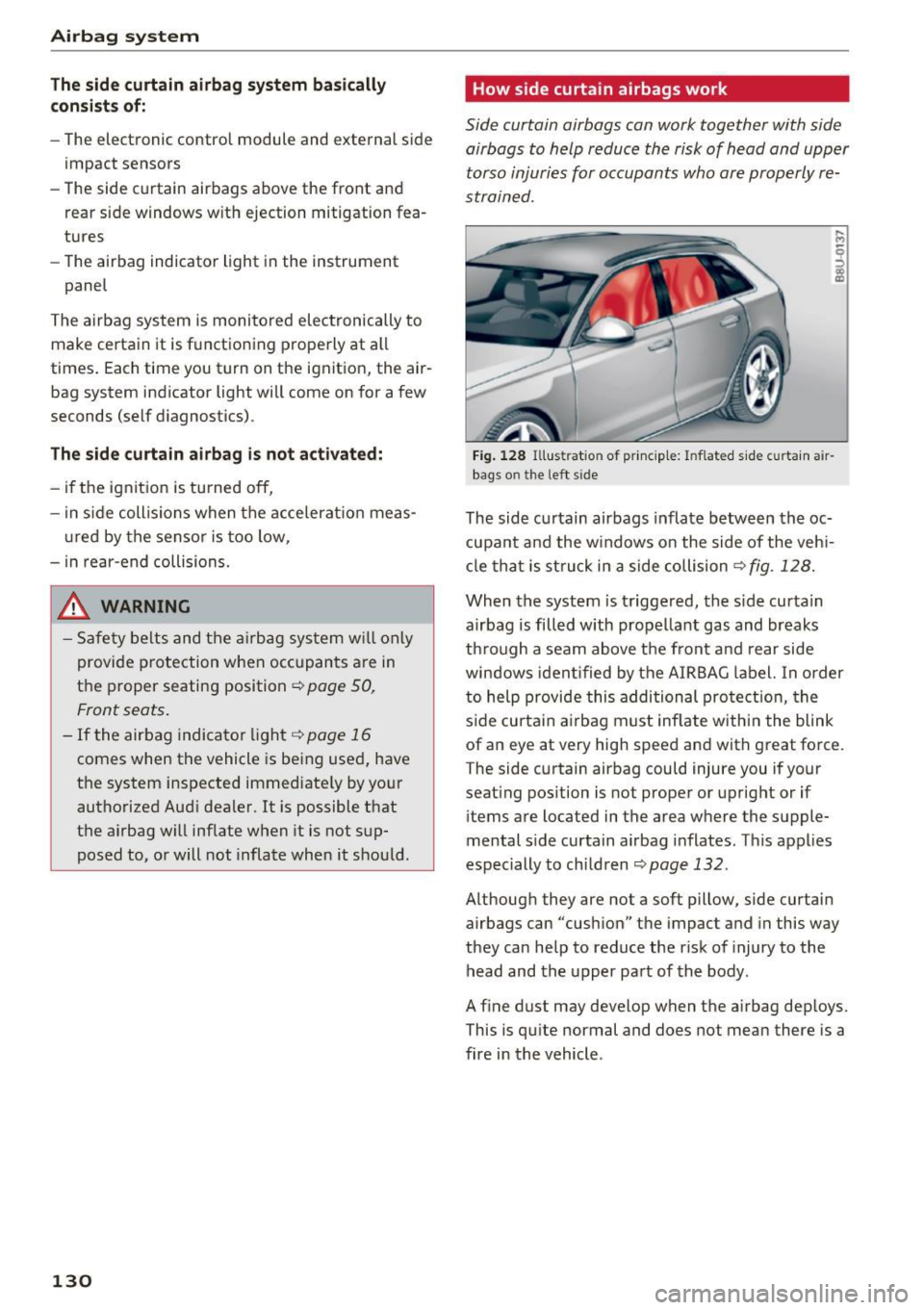
Fig. 128 Illus tratio n of principle: I nflated side curtain a ir
bag s on t he left s ide
The side curtain airbags inflate between the oc
cupant and the windows on the side of the vehi
cle that is struck in a side collision
~ fig. 128.
When the system is triggered, the side curtain
airbag is filled with propellant gas and breaks
through a seam above the front and rear side
windows identified by the AIRBAG label. In order
to help provide this additional protection, the
side curtain airbag must inflate within the blink
of an eye at very high speed and with great force.
The side curtain airbag could injure you if your
seating position is not proper or upright or if
items are located in the area where the supple
mental side curtain airbag inflates. This applies
especially to children~
page 132.
Although they are not a soft pillow, side curtain
airbags can "cushion" the impact and in this way
they can help to reduce the risk of injury to the
head and the upper part of the body.
A fine dust may develop when the airbag deploys .
This is quite normal and does not mean there is a
fire in the vehicle .
Page 133 of 252
Important safety instructions on the side
curtain airbag system
Airbags are only supplemental restraints. Always
properly wear safety belts and ride in a proper
seating position.
There is a lot that you and your passengers must
know and do to help the safety belts and airbags
do their job to provide supplemental protection.
_& WARNING
-
Improperly wearing safety belts and improper
seating positions increase the risk of serious
personal injury and death whenever a vehicle
is being used.
- Never let occupants place any parts of their
bodies in the area from which the side cur
tain airbags inflate.
- Always make sure that the side curtain air
bags can inflate without interference. Un
suitable accessories fitted inside the expan
sion range of a head airbag can dangerously
interfere with its function. A deploying head
airbag develops enough force to catapult
any piece of add-on component out of its
path of inflation and into the passenger
compartment. An occupant hit by such a
projectile can suffer serious injury or death
¢ page 234, Technical Modifications.
- Do not swivel the sun visors to the side if
you have any objects clipped onto them (for
example pens). If the airbag should deploy,
you could be injured by these objects.
- Use the built-in coat hooks only for light
weight clothing. Never leave any heavy or
sharp-edged objects in the pockets that may
interfere with airbag deployment and can
cause personal injury in an accident.
- Never use hangers to hang clothing from the hooks.
- Only use factory-installed sun shades or, in
the case of shades installed after the vehicle
leaves the factory, only Audi roll-up
sunscreens may be used
¢ page 234, Addi
tional accessories and parts replacement.
- Always sit in proper seating position and
wear safety belts while traveling so that the
Airbag system
side curtain airbags can help provide protec
tion.
- The airbag system can only be triggered
once. If the airbag has been triggered, the
system must be replaced by an authorized
Audi dealer or qualified workshop.
-Always have work involving the side curtain
airbag system, removal and installation of
the airbag components, or other repairs performed by an authorized Audi dealer or
qualified workshop. Otherwise the airbag
system may not work correctly.
- Never attempt to modify any components of
the airbag system in any way.
131
Page 135 of 252
exceptional circumstances and the
PASS ENGER AIR BAG OFF light does not
come on and stay on, immed iately install
the rear-fac ing ch ild safety seat in a rear
seating pos it ion and have the airbag system
inspected immediately by your Audi dealer .
A WARNING
If, in exceptio nal circumstances, you must in
stall a forward-facing chi ld restraint on the
front passenger's seat:
- Always make sure the forward-fac ing seat
has been designed and ce rtified by its man
ufact urer fo r use on a front seat with a pas
senger front and side airbag .
- Always follow the manufact urer's instruc
tions prov ided with the ch ild safety seat or
carrier.
- Always move the passenger seat into its
rearmost position in the seat's fore and aft
adjustment range, as far away from the air
bag as possib le before installing the child
restraint. The backrest must be adjusted to
an upr ight position.
- Always make sure that the
PA SSENGER AIR
BAG OFF
light comes on and stays on all the
t ime whenever the ignition is switched on.
{D) Tips
Always replace chi ld restraints that were in
stalled in a vehicle dur ing a crash . Damage to
a child restraint that is not visible could cause
it to fail in another collision situation.
Advanced front airbag system and children
Your veh icle is equipped with a front "Advanced
Airbag System " in compliance w ith United States
F edera l Moto r Vehicle Safety Standard (FMVSS)
208, as well as Canada Motor Ve hicle Safe ty
Stand ard (CMVSS) 208 as appli cable at the t ime
your vehicle was manufactured .
The Advanced Airbag system in your ve hicle has
been ce rtified to meet the "low-risk " requ ire
ments for 3 -and 6-year old children on the pas
senger side and small adults on the driver side .
The low risk deployment criteria are intended to
Ch ild safety
reduce the risk of injury through interaction with
the airbag that can occur, for example, by being
too close to the steering wheel and instr ument
panel when the airbag inflates. In addition, the
system has been cert ified to comply with the
"suppression" requirements of the Safety Stand
ard, to turn off the front airbag for infants up to
12 months who are restrained on the front pas
senger seat in ch ild rest raints that are lis ted in
the S tanda rd .
Even thoug h your veh icle is equipped with an Ad
vanced Airbag system, all ch ildren, especially
those 12 yea rs and younger, sho uld a lways ride
i n the back seat properly restra ined for their age
and size . The airbag on the passenger side makes
the front seat a potentia lly dangerous p lace for a
child to ride. The front seat is not the safest place
for a ch ild in a forward-fac ing ch ild safety seat. It
can be a very dangerous place for an infant or a
larger ch ild in a rearward-facing seat .
Advanced Airbags and the weight -sensing
mat in the front seat
T he Advanced A irbag System in you r vehicle de
tects the presence of a n in fan t or child in a ch ild
restra int on the front passenger seat using the
weight-sensing mat in the seat cushion and the sensor below the safety belt latch on the front
passenger seat that measures the tension on the
safety belt.
The weight-sensing mat measures total weight
of the child and the chi ld safety seat and a child
blanket on the front passenger seat. The weight
on the front passenger seat is related to the de
s ign of the child restra int and its "footprint" , the
s ize and shape of the bottom of the c hild re
straint as it s its on the seat. The weight of a chi ld
r estra int and its "footprint " va ry for different
k inds of child restra ints and for the different
models of the same kind of ch ild rest raint of
fered by child restraint manufacturers.
T he weight ranges for the individ ual types,
makes and mode ls of chi ld restrain ts that the
N HT SA has spec ified in the Safety Standard to
gether with the weight ranges o f typical infants
and typical 1 year-old chi ld have been stored in .,.
133
Page 137 of 252
Model Manufactured on or
after
Cosco Summit Deluxe September 25, 2007
High Back Booster
22-262
Cosco High Back Boos -
September 25, 200 7
ter 22-209
Evenflo Tr ibute V September 25, 2007
379xxxx
Evenflo Medallion 254 December 1, 1999
Evenflo Generations September 25, 2007
352xxxx
Graco ComfortSport September 25, 2007
Graco Toddler Safety September 25, 2007
Seat Step 2
Graco Platinum Cargo September 25, 2007
.&_ WARNING
To reduce the risk of serious inju ry, make sure
that the
P ASS ENGER AIR BAG OFF light
comes on and stays on whenever a child re
straint is installed on the front passenger seat
and the ignition is switched on.
- Take the child restraint off the front passen
ger seat and install it properly at one of the
rear seat positions if the
P A SSEN GER AIR
BAG OFF
light does not stay on.
- Have the airbag system inspected by your
authorized Audi dealer immediately.
(D Tips
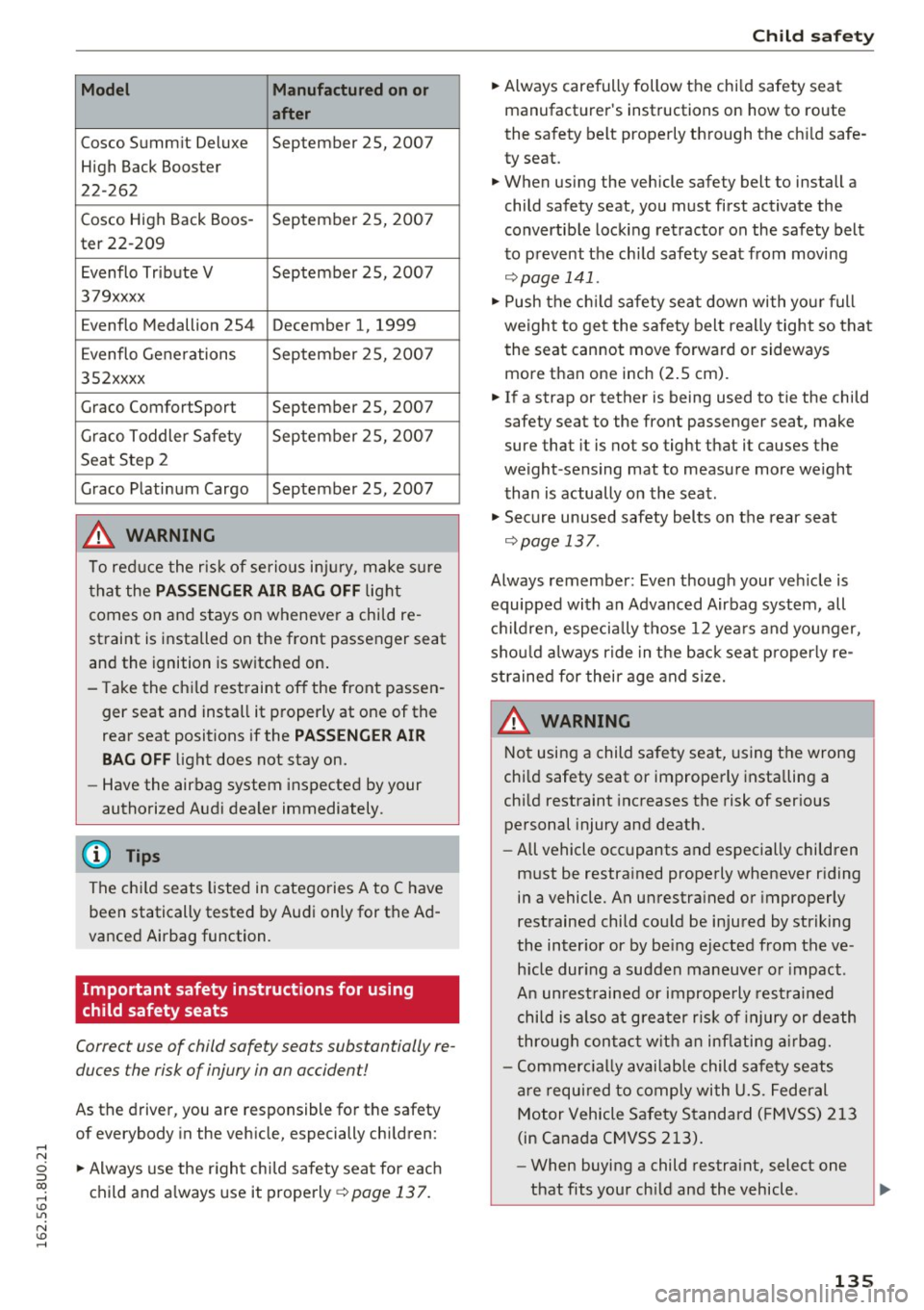
The chi ld seats listed in categories A to C have
been statically tested by Audi only for the Ad
vanced Airbag function.
Important safety instructions for using
child safety seats
Correct use of child safety seats substantially re
duces the risk of injury in an accident!
As the driver, you are responsible for the safety
of everybody in the veh icle, especially chi ldren:
.,. Always use the r ight child safety seat for each
child and a lways use it properly
q page 137.
Child safety
.,. Always carefully follow the chi ld safety seat
manufacturer's instructions on how to route
the safety belt properly through the ch ild safe
ty seat.
.,. When using the vehicle safety belt to install a
child safety seat, you must first activate the
convertible locking retractor on the safety belt
to prevent the chi ld safety seat from moving
q page 141.
.,. Push the ch ild safety seat down with your full
weight to get the safety belt really tight so that the seat cannot move forward or sideways
more than one inch (2.5 cm).
.,. If a strap or tether is being used to tie the child
safety seat to the front passenger seat, make
sure that it is not so tight that it causes the
weight -sensing mat to measure more weight
than is actually on the seat .
.,. Secure unused safety belts on the rear seat
q page 137.
Always remember: Even though your veh icle is
equipped with an Advanced Airbag system, all
ch ildren, especia lly those 12 years and younger,
sho uld a lways ride in the back seat proper ly re·
strained for their age and s ize.
.&_ WARNING
=
Not using a child safety seat, using the wrong
chi ld safety seat or improperly insta lling a
chi ld restraint increases the risk of serious
personal injury and death.
- All vehicle occupants and especially children
must be restrained properly whenever riding
in a vehicle. An unrestra ined or improperly
restrained child could be injured by striking
the inter ior or by be ing ejected from the ve
h icle dur ing a sudden maneuve r or impact .
An unrest rained or imprope rly restrained
child is a lso at greater r isk of injury or death
through contact w ith an inflating a irbag.
- Commerc ially availab le child safety seats
are required to comply with U.S. Federal
Motor Vehicle Safety Standard (FMVSS) 213
(in Canada CMVSS 213).
- When buying a child restra int, select one
that fits your ch ild and the vehicle.
135
Page 138 of 252
Child safety
-Only use child restraint systems that fully
contact the flat portion of the seat cush
ion. The child restraint must not tip or
lean to either side . Audi does not recom
mend using child safety seats that rest on
legs or tube-like frames. They do not pro
vide adequate contact with the seat.
-Always heed all legal requirements per
taining to the installation and use of child
safety seats and carefully follow the in
structions provided by the manufacturer
of the seat you are using.
- Never allow children under 57 inches
(1.45 meters) to wear a normal safety belt.
They must always be restrained by a proper
child restraint system. Otherwise, they
could sustain injuries to the abdomen and
neck areas during sudden braking maneu
vers or accidents.
- Never let more than one child occupy a child safety seat.
- Never let babies or older children ride in a
vehicle while sitting on the lap of another
passenger.
- Holding a child in your arms is never a sub
stitute for a child restraint system.
- The strongest person could not hold the
child with the forces that exist in an acci
dent. The child will strike the interior of
the vehicle and can also be struck by the
passenger.
- The child and the passenger can also in
jure each other in an accident.
- Never install rear-facing child safety seats
or infant carriers on the front passenger
seat. A child will be seriously injured and can be killed when the passenger airbag in
flates -even with an Advanced Airbag Sys
tem .
- The inflating airbag will hit the child safety
seat or infant carrier with great force and
will smash the child safety seat and child
against the backrest, center armrest, door
or roof.
- Always install rear-facing child safety seats
or infant carriers on the rear seat .
- Forward-facing child safety seats installed
on the front passenger's seat can interfere
136
with the airbag when it inflates and cause
serious injury to the child. Always install for
ward-facing child safety seats on the rear seat .
- If exceptional circumstances require the use
of a forward-facing child restraint on the
front passenger's seat, the child's safety and well-being require that the following
special precautions be taken:
- Make sure the forward-facing seat has
been designed and certified by its manu
facturer for use on a front seat with a pas
senger front and side airbag.
- Always carefully follow the manufacturer's
instructions provided with the child safety
seat or carrier.
-Always move the front passenger seat into
the rearmost position of the passenger
seat's fore and aft adjustment range, and
as far away from the airbag as possible be
fore installing the child restraint.
- Always make sure that nothing prevents
the front passenger's seat from being
moved to the rearmost position in its fore
and aft adjustment range.
-Always make sure that the backrest is in
the upright position.
-Always buckle the child safety seat firmly in
place even if a child is not sitting in it. A
loose child safety seat can fly around during
a sudden stop or in a collision.
-Always read and heed all WARNINGS when
ever using a child restrained in a vehicle is
being used~
page 104, Safety belts,
~ page 112, Airbag system and
~ page 132, Child safety.
_&. WARNING
To reduce the risk of serious injury, make sure
that the
PASSENGER AIR BAG OFF light
comes on and stays on whenever a child re
straint is installed on the front passenger seat
and the ignition is switched on.
- Take the child restraint off the front passen
ger seat and install it properly at one of the rear seat positions if the
PASSENGER AIR
BAG OFF
light does not stay on. ~
Page 140 of 252
Child safety
child in a forward -facing child seat. It is a very
dangerous place for an infant or a larger child in
a rearward-facing seat.
A WARNING
Not using a child safety seat, using the wrong
child safety seat or improper ly installing a
child restra int increases the r isk of serious
personal injury and death in a crash .
- Never install rear-facing child safety seats
or infant carr iers on the front passenger
seat -even with an Advanced Airbag System.
A ch ild w ill be seriously injured and ca n be
k illed when the infla ting airbag hits the
child safety seat or infant carr ier with great
force and smashes the child safety seat and
child against the backrest, center armrest,
door or roof
Q page 113, Child restraints on
the front seat- some important things to
know .
-Always install rear-facing child safety seats
or infant carr iers on the rear seat.
- Never install a rear-facing child restraint in
the forward-facing direction. Such restraints are designed for the spec ial needs of infants
and very small children and cannot protect
them properly if the seat is forward -facing .
- If you must install a rearward fac ing ch ild
safety seat on the front passenger seat be
ca use of exceptional circumstances and the
PASSENGER AIR BAG OFF light does not
c ome on and stay on, immed iate ly install
the rear-fa cing ch ild safety seat in a rear
seating pos ition and have the airbag system
inspected by your Audi dealer.
- Always read a nd heed all WARN INGS when
ever using a child restrained in a vehicle is
being used¢
page 104, Safety belts,
¢ page 112, Airbag system
and
¢ page 132 , Important information.
138
Convertible child safety seats
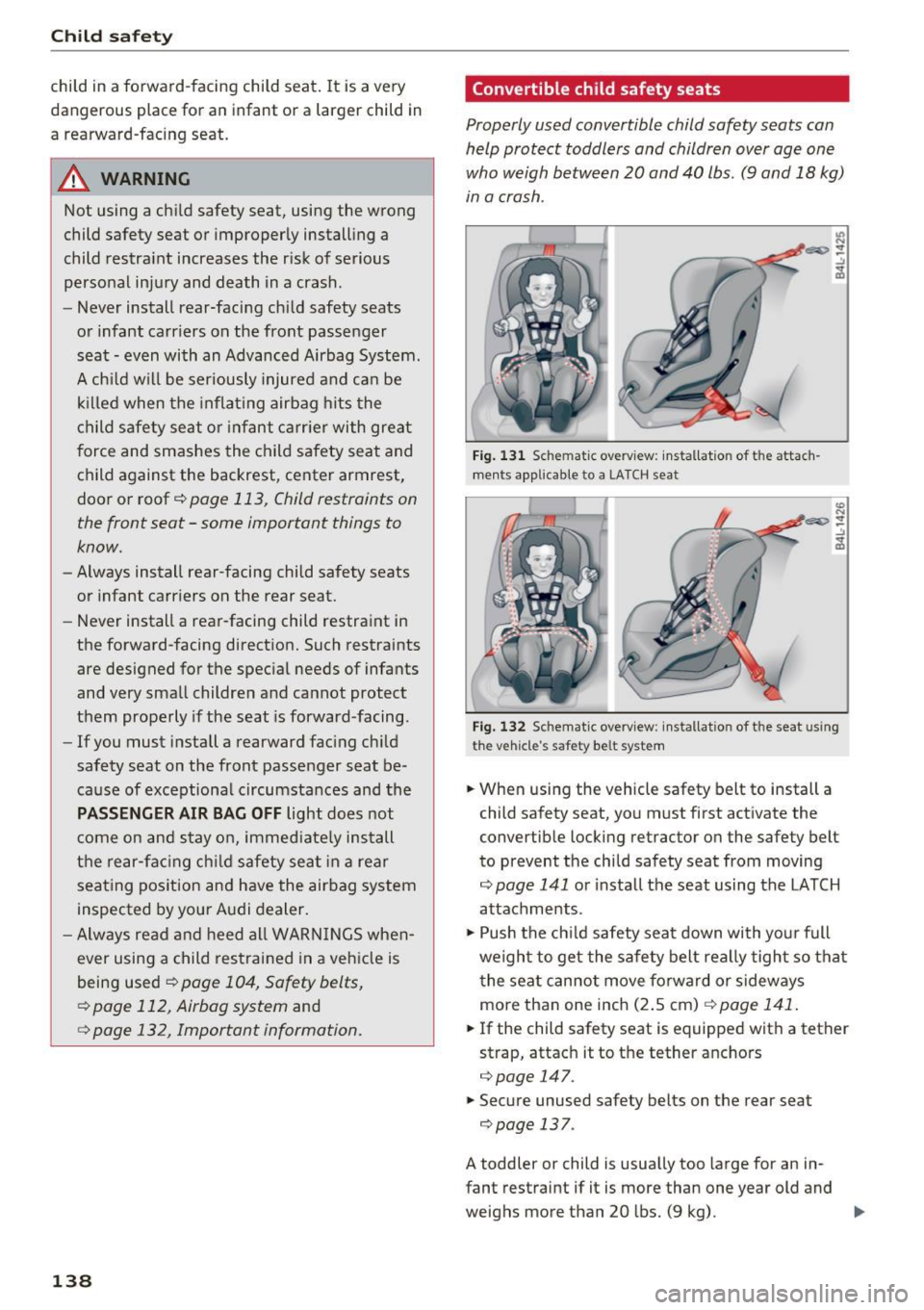
Properly used convertible child safety seats can
help protect toddlers and children over age one
who weigh between 20 and 40 lbs. (9 and 18 kg)
in a crash .
Fig. 131 Sc hem at ic overv iew : installat ion of t he attach
ment s applicable to a LA TCH seat
Fig. 132 Sc hemat ic overv iew : installat ion of t he seat using
the vehicle's sa fety bel t system
.. When using the vehicle safety belt to install a
child safety seat, you must first activate the
convertib le locking retractor on the safety belt
to prevent the child safety seat from moving
¢page 141 or install the seat using the LATCH
attachments .
.. Push the chi ld safety seat down wi th your full
we igh t to get the safe ty belt really tight so that
the seat cannot move forward or sideways
more than one inch (2 .S cm)
<=> page 141 .
.. If the child safety seat is equipped with a tether
strap, attach it to the tether anchors
¢ page 147 .
.. Secure unused safety belts on the rear seat
Q page 137.
A toddler or child is usually too large for an in
fant restraint if it is more than one year old and
weighs more than 20 lbs. (9 kg).
ll>-
Page 141 of 252
Toddlers and children who are older than one
year up to about 4 years o ld and weigh more than
20 lbs. (9 kg) up to 40 lbs. (18 kg) must always
be properly restrained in a child safety seat certi
fied for their size and weight¢
fig. 131 and
¢fig. 132.
The airbag on the passenger side makes the front
seat a potentially dangerous p lace for a child to
ride. The front seat is not the safest place for a
child in a forward-facing child safety seat .
It is a
very dangerous place for an infa nt or a larger
child in a rearward-facing seat .
A WARNING
Not using a child safety seat, using the wrong
child safety seat or improperly installing a
child restraint increases the risk of serious
personal injury and death in a collision or oth
er emergency situation.
- Children on the front seat of any car, even with Advanced Airbags, can be seriously in
jured or even killed when an airbag inf lates.
A ch ild in a rearward-facing child safety seat
installed on the front passenger seat will be
seriously injured and can be killed if the
front airbag inflates -even with an Ad
vanced Airbag System.
- The inflating a irbag w ill hit the child safety
seat or infant carrier with great force and
will smash the ch ild safety seat and chi ld
against the bac krest, center armrest, door
or roof.
- Always install rear-facing child safety seats
on the rear seat.
- If you must install a rearward fac ing ch ild
safety seat on the front passenger seat be
cause of exceptiona l circumstances and the
PASSENGER AIR BAG OFF light does not
come on and stay on, immed iate ly install
the rear-facing child safety seat in a rear
seating pos ition and have the airbag system
inspected by your Audi dealer.
- The rear side of the child safety seat should
be pos it ioned as close as poss ible to the
backrest on the vehicle seat. Adjust or re
move the rear seat head restraint if it is d if
ficult to install the child seat with the head
Ch ild safety
restraint in place¢ page 52. Install the
head restraint again immed iately once the
child seat is removed. Driving without head restraints or with head restra ints that are
not properly adjusted increases the r isk of
serious or fatal neck inju ry dramatically.
-Always read and heed all WARNINGS when ever using a child restrained in a vehicle is
be ing used ¢
page 104, Safety belts,
¢page 112, Airbag system
and
¢ page 132, Impor tant information.
A WARNING
If exceptional c ircumstances req uire the use
of a forward -facing ch ild restraint on the
front passenger's seat, the child's safety and
well-being require that the following special
precautions be taken:
- Make sure the forward-facing seat has been
des igned and certified by its manufacturer
for use on a front seat with a passenger
front and side airbag.
- Always follow the manufacturer's instruc
tions provided with the child safety seat or
infant carrier .
-Always move the front passenger seat into the rearmost pos ition of the passenger
seat's fore and aft adjustment range, and as
far away from the airbag as possib le befo re
installing the ch ild rest raint .
- Always make sure that nothing prevents the front passenger's seat from being moved to the rea rmost pos ition in its fore and aft ad
justment range.
- Always make sure the backrest is in an up
right position.
- Make sure that the
PASSENGER AIR BAG
OFF
li ght comes on and stays on a ll the time
wheneve r the ignit ion is switched on.
- I f the light does not stay on, perfo rm the
checks ¢
page 122, Monitoring the Ad
vanced Airbag System.
- Take the child restra int off the front passen
ge r seat and install it prope rly at one of the
rear sea t positions i f the
PASSENGER AIR
BAG OFF
light does not stay on whenever
the ignition is switched on .
139
Page 143 of 252
body and the front of the passenger compart
ment, the airbag can inflate completely and pro
vide supp lemental protect ion in certain frontal
collisions.
& WARNING
Not using a booster seat, using the booster
seat improperly, incorrectly installing a boos
ter seat or using the vehicle safety belt im properly increases the risk of serious personal
injury and dea th in a collision or other emer
gency situat ion. To help red uce the risk of se
rious personal injury and/or death:
- T he shoulder be lt must lie as close to the
center of the child's collar bone as possible
and must lie f lat and snug on the upper
body. It must never lie across the throat or
neck. The lap belt must lie across the pelvis
and never across the stomach or abdomen.
Make sure the belt lies flat and snug. Pull on
the belt to tighten if necessary.
- Failure to properly route safety belts over a
child's body will cause severe injuries in an
accident or other emergency situation
¢page 104.
-The rear side of the child safety seat should
be pos itioned as close as poss ible to the
backrest on the vehicle seat. Adjust or re
move the rear seat head restraint if it is d if
ficult to install the child sea t with the head
restra int in place
¢page 52. Install the
head restraint again immediately once the
child seat is removed. Driving without head
restraints or w ith head restraints that are
not properly adjusted increases the risk of
serious or fatal neck injury dramatically.
- Children on the front seat of any car, even
with Advanced Airbags, can be seriously in
jured or even killed when an airbag inflates.
- Never let a child stand or knee l on any seat,
for example the front seat.
- Never let a child ride in the cargo area of
your vehicle.
-Always remember that a child leaning for
ward, sitting sideways or out of position in
any way during an accident can be struck by a deploying airbag. This will result in ser ious
personal injury or death.
Ch ild safety
-If you must install a booster seat on the
front passenger seat because of exceptiona l
circumstances the
PA SSEN GER AIR BAG
OFF
light must come on and stay on, when
ever the ignit ion is switched on.
- If the
PASS ENGER AIR BAG OFF light does
not come on and stay on, perform the
checks desc ribed¢
page 122, Monitoring
the Advanced Airbag System.
- Take the child restra int off the front passen
ger seat and install it prope rly at one of the
rear seat positions if the
PASSENGER AIR
BAG OFF
light does not stay on whenever
the ignition is switched on.
- Always read and heed all WARNINGS when
eve r using a child restrained in a vehicle is
being used¢
page 104, Safety belts,
¢ page 112, Airbag system and
¢ page 132, Important information .
Securing child seats
Securing a child safety seat using a safety
belt
Safety belts for the rear seats and the front pas
senger can be locked with the convertible locking
retractor to properly secure child safety seats.
The safety belts emergency lock ing retractors for
the rear seats safety be lts and for the front pas
senger's seat safety be lt have a conve rtible lock
ing retractor for child restra ints. The safety be lt
must be locked so t hat be lt webb ing cannot un
ree l. The retractor can be activated to lock the
safety belt and prevent the safety belt webbing
from loosening up during norma l driving. A chi ld
safety seat can on ly be properly installed when
the safety belt is locked so that the child and
child safety seat will stay in place.
Always remember: Even though your vehicle is
equipped with an Advanced Airbag system, all
c h ildren, especially those 12 years and younger,
should always ride in the back seat properly re
strained for their age and size.
14 1