warning light AUDI Q5 2013 Manual PDF
[x] Cancel search | Manufacturer: AUDI, Model Year: 2013, Model line: Q5, Model: AUDI Q5 2013Pages: 316, PDF Size: 78.89 MB
Page 187 of 316
Convertible child safety seats
Properly used convertible child safety seats
can help protect toddlers and children over
age one who weigh between 20 and 40 lbs. (9
and 18 kg) in a crash.
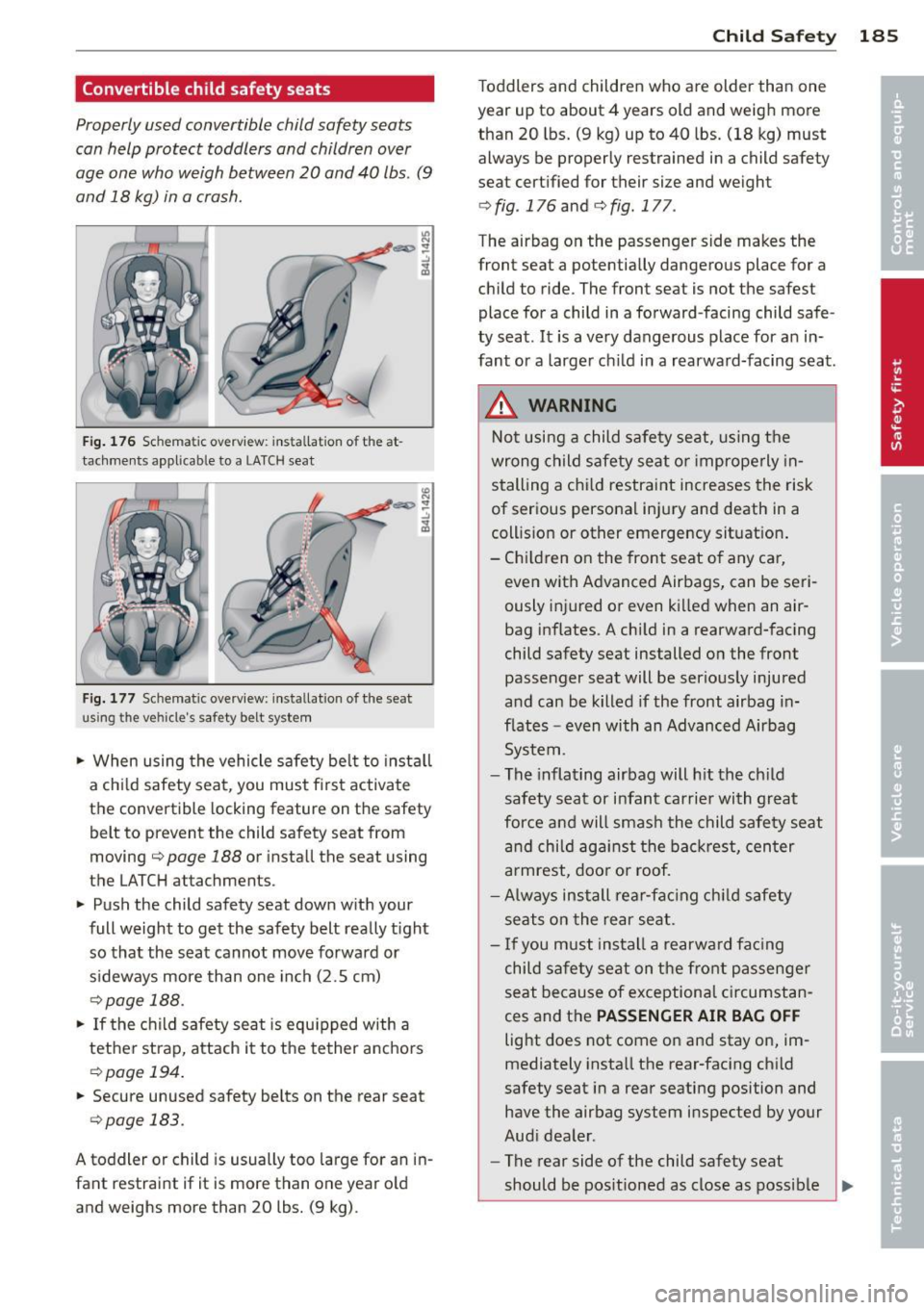
F ig . 176 Sche mati c overvi ew : ins tallat ion o f the at
tachments appl icable to a LA TCH seat
F ig. 177 Schem atic overview: installat ion of t he seat
u sing the ve hicle' s safety b elt sy stem
.. When using the vehicle safety be lt to insta ll
a chi ld safety seat, you must f irst activate
the convertible locking feature on the safety
belt to prevent the child safety seat from
moving
c::> page 188 or install the seat using
the LATCH attachments .
.,. Push the child safety seat down w ith your
full weight to get the safety belt really t ight
so that the seat cannot move forward or s ideways more than one inch (2.5 cm)
c:;, page 188.
.,. If the child safety seat is equ ipped with a
tet her strap, attach it to the tether anchors
c:;, page 194 .
.. Secure unused safety belts on the rear seat
c:;, page 183.
A toddler or child is usually too large for an in
fant restraint if it is more than one year o ld
and weighs more than 20 lbs. (9 kg) . Child S
afety 185
Toddlers and children who are older than one
year up to about 4 years old and weigh more
than 20 lbs. (9 kg) up to 40 lbs. (18 kg) must always be properly restrained in a child safety
seat cert ified for their si ze and weight
c:;, fig . 176 and c:;, fig. 177 .
The airbag on the passenger side makes the
front seat a potentially dangerous place for a
child to ride . The front seat is not the safest
place for a child in a forward -facing child safe
ty seat .
It is a very dangerous place for a n in
fant or a large r ch ild in a rearward-facing seat .
.&_ WARNING
Not using a child safety seat, using the
wrong child s afety seat o r imprope rly in
stalling a chi ld restraint increases the risk
of serious personal injury and death in a
collision or other emergency situation .
- Ch ildren on the front seat o f any car,
even with Advanced Airbags, can be se ri
ously injured or even killed when an air bag inflates. A chi ld in a rearward-facing
child safety seat installed o n the front
passenger seat will be serious ly injured
and can be k illed if the front airbag in
flates -even with an Advanced Airbag
System .
- The inflating airbag will h it the ch ild
safety seat or infant carrier with great
force a nd will smash the child safety seat
and child against the ba ckrest, center
a rmrest, doo r or roof.
- Always install rear-fac ing ch ild safety
seats o n the rear seat .
- If you must install a rearwa rd fac ing
child safety seat on the fro nt passenger
seat because of exceptiona l circumstan
ces and t he
PASSENGER AIR BAG OFF
light does not come on and stay on, im
mediately insta ll the rear -fac ing ch ild
safety seat in a rear seating position and have the airbag system inspected by your
Aud i dea ler .
- The rear side of the child safety seat
should be pos itioned as close as poss ib le
~
Page 188 of 316
186 Child Safety
to the backrest on the vehicle seat. Ad
just or remove the rear seat head restraint if it is difficult to install the
child seat with the head restraint in place
<=> page 65 . Install the head restraint
again immediately once the child seat is
removed. Driving without head restraints
or with head restraints that are not prop
erly adjusted increases the risk of serious
or fatal neck injury dramatically.
- Always read and heed all WARNINGS
whenever using a child restrained in ave
hicle is being used
<=> page 149, Safety
belts,¢ page 157, Airbag system
and
i=> page 178, Important things to know.
A WARNING
If exceptional circumstances require the
use of a forward-facing child restraint on
the front passenger's seat, the child's safe
ty and well-being require that the follow
ing special precautions be taken:
- Make sure the forward-facing seat has been designed and certified by its manu
facturer for use on a front seat with a passenger front and side airbag.
-Always follow the manufacturer's in
structions provided with the child safety
seat or infant carrier.
- Always move the front passenger seat in
to the rearmost position of the passen
ger seat's fore and aft adjustment range,
and as far away from the airbag as possi
ble before installing the child restraint.
- Always make sure that nothing prevents
the front passenger's seat from being
moved to the rearmost position in its
fore and aft adjustment range.
- Always make sure the backrest is in an
upright position.
- Make sure that the
PASSENGER AIR BAG
OFF
light comes on and stays on all the
time whenever the ignition is switched
on.
- If the light does not stay on, perform the
checks
¢ page 168, Monitoring the Ad
vanced Airbag System.
-
- Take the child restraint off the front pas
senger seat and install it properly at one
of the rear seat positions if the
PASSEN
GER AIR BAG OFF
light does not stay on
whenever the ignition is switched on.
Booster seats and safety belts
Properly used booster seats can help protect
children weighing between about 40 lbs. and
80 lbs. (18 kg and 36 kg) who are less than 4
ft. 9 in . (57 inches/1 .45 meters) tall .
"' ....
"' 0 ±
o5
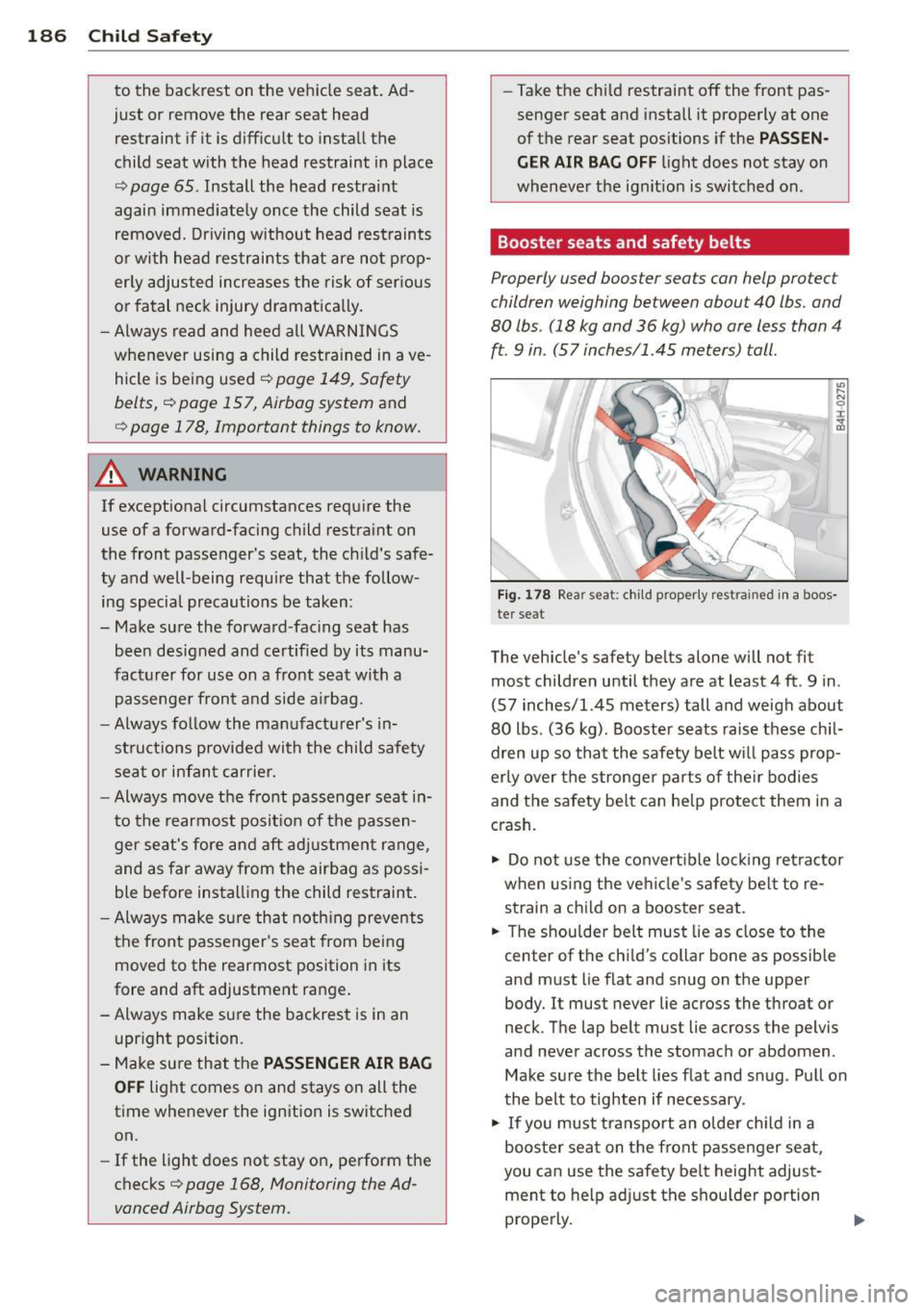
Fig. 178 Rear seat: ch ild properly rest rai ned in a boos
te r seat
The vehicle 's safety belts alone will not fit
most children until they are at least 4 ft . 9 in .
(57 inches/1.45 meters) tall and weigh about
80 lbs. (36 kg). Booster seats raise these chil
dren up so that the safety belt wil l pass prop
erly over the stronger parts of their bodies
and the safety belt can he lp protect them in a
crash.
"' Do not use the convertible locking retractor
when using the vehicle's safety belt to re
strain a child on a booster seat.
"' The shoulder belt must lie as close to the
center of the child's collar bone as possible
and must lie flat and snug on the upper
body. It must never lie across the throat or
neck . The lap belt must lie across the pelvis
and never across the stomach or abdomen .
Make sure the belt lies flat and snug . Pull on
the belt to tighten if necessary .
"' If you must transport an older child in a
booster seat on the front passenger seat,
you can use the safety belt height adjust
ment to help adjust the shoulder portion
properly.
Page 190 of 316
188 Child Saf ety
- Childre n on the front seat of any car,
even w ith Advanced A irbags, can be seri
ous ly injured or even killed when an a ir
bag inflates .
- Never let a child stand or knee l on any
seat, for examp le the front seat.
- Never let a child ride in the cargo area of your vehicle .
- Always remember that a ch ild lean ing
forward, sitt ing s ideways or out of posi
t ion in any way during an acc ident can be
st ruck by a deploying airbag . This will re
sult in serious personal injury o r dea th .
- If you must install a booster seat on the
front passenger seat because of excep
t io nal circumstances the
PASSENGER
AIR BAG OFF
light must come on and
stay on, whenever the igni tion is sw itch
ed on.
- If the
PASSENGER AIR BAG OFF ligh t
doe s not come on and stay on, perform
the chec ks described
¢ page 168, Moni
toring the Advanced Airbag System.
- T ake the child rest rain t off th e fron t pas
senger seat and install it properly at one
of the rea r seat positions if the
PASSEN
GER AIR BAG OFF
light does not stay on
whenever the ignition is switched on.
- Always read and heed all WAR NIN GS
whenever using a child restrained in ave
hicle is being used¢
page 149 , Safety
belts,¢ page 157, Airbag system
and
¢ page 178, Important things to know.
Installing a child safety
seat
Securing a child safety seat using a
safety belt
Safety bel ts for the rear sea ts and the front
passenger can be locked with the conver tible
locking retractor to properly secure child
safety seats .
The safety belts emergency locking retractors
for the rear seats safety belts and for the
front passenge r's seat safety belt have a co n
ve rtible locking retracto r fo r child restra ints . T
he safety belt m ust be locked so that be lt
web bing cannot unree l. The retractor can be
activated to lock the sa fety belt and prevent
the safety belt webbing from loosening up
duri ng norma l dr iving . A chi ld safety seat can
o n ly be prope rly insta lled when t he safety belt
i s loc ked so that the ch ild and child safety
sea t w ill stay in place .
Always remember: Even tho ugh your vehicle is
equipped with an Advanced Airbag system , all
c h ildren, especially thos e 12 years and young
er, sho uld alw ays r ide in the back seat prope r
l y restra ined fo r the ir age and size.
_& WARNING
Im prop erly ins talled ch ild safety sea ts in
crease the risk o f serious pe rsonal injury
and death in a co llision.
- Always make s ure that the sa fe ty bel t re
trac to r i s loc ked w hen insta lling a child
safety seat . An un locke d safety belt re
tracto r cannot hold the child safety seat
in place dur ing no rma l driving o r in a
crash.
- Always buckle the child sa fety seat firmly
in place even if a ch ild is not sitt ing in it .
A loose child safety seat can fly around du ring a s udden stop or in a collision .
- Always make sure that the rear seat
backrest to wh ic h the center rear safety
be lt is attached is securely latched when
eve r the rea r center saf ety belt is being
used to secure a c hild restr aint.
- If the backrest is not securely la tched,
the child and the child res traint will be
throw n forward togethe r with t he back
rest and will strike part s of t he vehi cle
interior. The child can be seriously in
jured or killed.
- Never insta ll re ar-f acing child s afety
seats or in fant ca rrie rs on the front pas
sen ger seat . A child will be serious ly in
jured and can be killed when the passen ge r airbag in flates.
- The inflating air bag will h it the c hild
safety seat or infant carrier with great
force and will smash the child safety seat ..,.
Page 191 of 316
and child against the backrest, center
armrest, door or roof.
- Always install rear-facing child safety
seats or infant carriers on the rear seat.
- Forward-facing child safety seats or in
fant carriers installed on the front pas
senger's seat may interfere with the de
ployment of the airbag and cause serious
injury to the child.
- It is safer to install a forward-facing
child safety seat on the rear seat.
- Always read and heed all WARNINGS whenever using a child restrained in ave
hicle is being used¢
page 178. Special
precautions apply when installing a child
safety seat on the front passenger seat
¢ page 158, Child restraints on the front
seat -some important things to know.
A WARNING
Always take special precautions if you
must install a forward or rearward-facing
child restraint on the front passenger's
seat in exceptional situations:
-Whenever a forward or rearward-facing
child restraint is installed on the front
passenger seat, the
PASSENGER AIR
BAG OFF
light must come on and stay on
whenever the ignition is switched on.
- If the
PASSENGER AIR BAG OFF light
does not come on and stay on, perform
the checks described ¢
page 168, Moni
toring the Advanced Airbag System.
- Take the child restraint off the front pas
senger seat and install it properly at one
of the rear seat positions if the
PASSEN
GER AIR BAG OFF
light does not stay on
whenever the ignition is switched on.
- Improper installation of child restraints
can reduce their effectiveness or even
prevent them from providing any protec
tion.
- An improperly installed child restraint
can interfere with the airbag as it de
ploys and seriously injure or even kill the
child.
Child Safety 189
- Always carefully follow the manufactur
er's instructions provided with the child
safety seat or carrier.
- Never place additional items on the seat
that can increase the total weight regis
tered by the weight-sensing mat and can
cause injury in a crash.
A WARNING
Forward-facing child restraints:
- Always make sure the forward-facing
seat has been designed and certified by its manufacturer for use on a front seat
with a passenger front and side airbag.
- Never put the forward-facing child re straint up, against or very near the in
strument panel.
- Always move the passenger seat into its rearmost position in the seat's fore and
aft adjustment range, as far away from
the airbag as possible before installing
the forward-facing child restraint. The
backrest must be adjusted to an upright
position.
- Make sure that the PASSENGER AIR BAG
OFF
light comes on and stays on all the
time whenever the ignition is switched
on.
A WARNING
Rearward-facing child restraints:
- A child in a rearward-facing child safety
seat installed on the front passenger
seat will be seriously injured and can be killed if the front airbag inflates -even
with an Advanced Airbag System.
- The inflating airbag will hit the child
safety seat or infant carrier with great
force and will smash the child safety seat
and child against the backrest, center
armrest, door or roof.
-Always be especially careful if you must
install a rearward facing child safety seat
on the front passenger seat in exception-
al circumstances. .,.
•
•
Page 192 of 316
190 Child Safety
-A tight tether strap on a rearward-facing
child restraint attached to the front pas
senger seat can put too much pressure on the weight-mat in the seat and regis
ter a heavier weight in the Advanced Air
bag System . The heavier weight regis
tered can make the system work as
though an adult were on the seat and de
ploy the Advanced Airbag when it must
be suppressed causing serious or even
fatal injury to the child.
- Make sure that the
PASSENGER AIR BAG
OFF
light comes on and stays on all the
time whenever the ignition is switched
on.
- If the
PASSENGER AIR BAG OFF light
does not come on and stay on, immedi
ately install the rear-facing child safety
seat in a rear seating position and have
the airbag system inspected by your Audi dealer.
Activating the convertible locking
retractor
Use the convertible locking retractor to se
cure a child restraint.
Always heed the child safety seat manufactur
er's instructions when installing a child re
straint in your vehicle . To activate the conver
tible locking retractor:
• Place the child restraint on a seat, prefera
bly on the rear seat.
• Slowly pull the belt
all the way out .
• Route it around or through the child re
straint belt path¢,& .
• Push the child safety seat down with your
full weight to get the safety belt really tight.
• Insert the belt tongue into the buckle for
that seating position.
• Guide the safety belt back into the retractor
until the belt lies flat and snug on the child
safety seat .
• You should hear a "clicking " noise as the
belt winds back into the inertia reel. Test the
convertible locking retractor by pulling on
the belt. You should no longer be able to pull the belt out of the retractor.
The con
vertible locking retractor is now activated.
• Make sure that the red release button is fac
ing away from the child restraint so that it
can be unbuckled quickly.
• Pull on the belt to make sure the safety belt
is properly tight and fastened so that the
seat cannot move forward or sideways more
than one inch
(2.5 cm).
_&. WARNING
-
Using the wrong child restraint or an im
properly installed child restraint can cause
serious personal injury or death in a crash.
- Always make sure that the safety belt re-
tractor is locked when installing a child
safety seat. An unlocked safety belt re
tractor cannot hold the child safety seat
in place during normal driving or in a
crash.
- Always buckle the child safety seat firmly in place even if a child is not sitting in it.
A loose child safety seat can fly around
during a sudden stop or in a crash.
- Always make sure the seat backrest to
which the child restraint is installed is in
an upright position and securely latched
into place and cannot fold forward . Oth
erwise, the seatback with the child safety
seat attached to it could fly forward in
the event of an accident or other emer
gency situation.
- Always read and heed all WARNINGS
whenever using a child restrained in ave
hicle is being used
~page 178. Special
precautions apply when installing a child
safety seat on the front passenger seat
¢ page 158, Child restraints on the front
seat -some important things to know .
Page 196 of 316
194 Child Safe ty
Tether anchors and tether straps
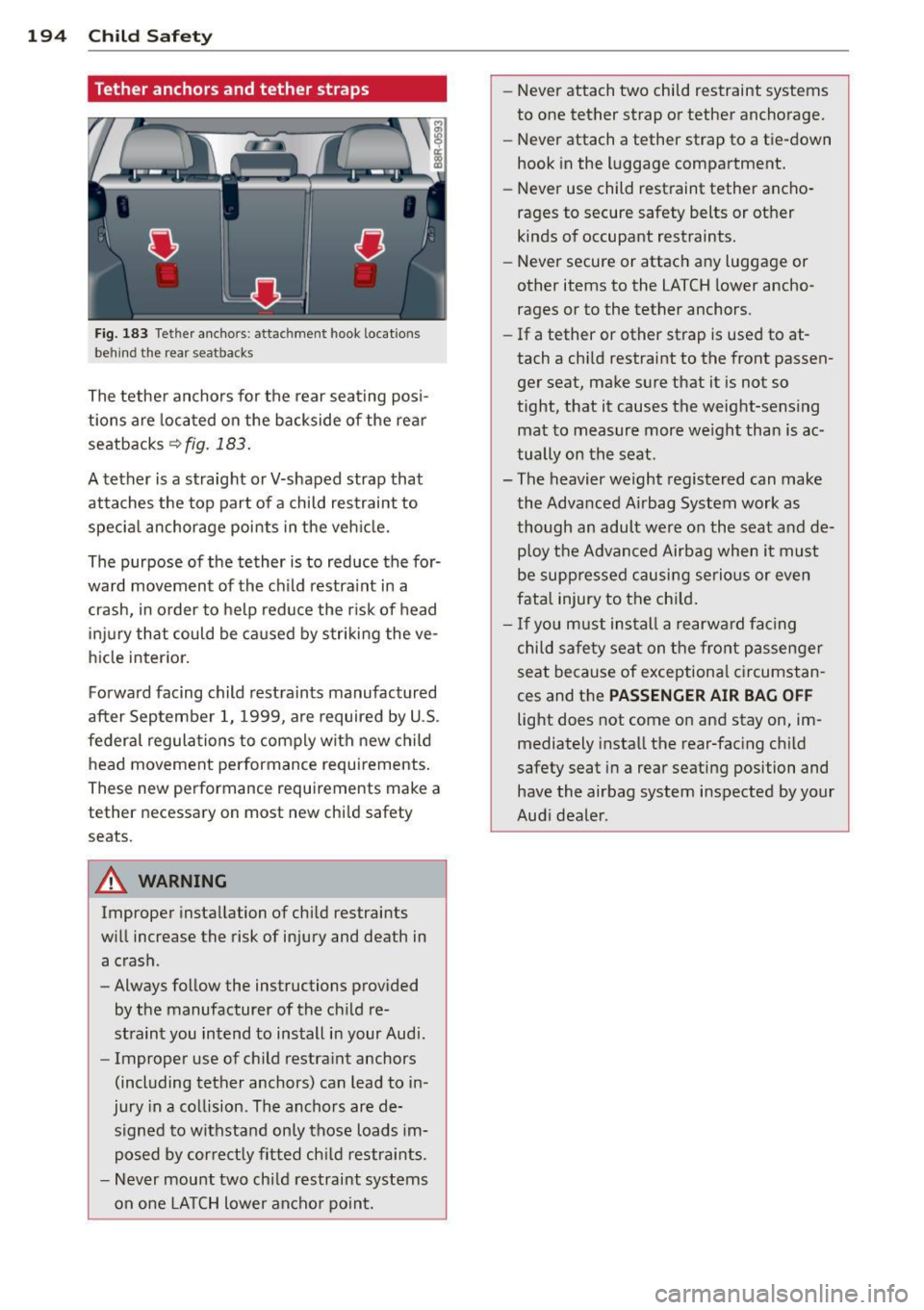
Fig. 183 Tethe r ancho rs: attachment hook locatio ns
behind the rea r sea tbacks
The tether anchors for the rear seating posi
tions are located on the backside of the rea r
seatbacks
~ fig. 183.
A tether is a straight or V-shaped strap that
attaches the top part of a child restraint to
specia l anchorage points in the veh icle.
The purpose of the tether is to reduce the for·
ward movement of the ch ild restra int in a
crash, in order to help reduce the r isk of head
in ju ry that could be ca used by striking the ve
hicle interior.
Forward facing child restra ints manufactured
after September 1, 1999, are required by U .S .
federal regulations to comply with new child
head movement performance requirements.
These new performance requ irements make a
tether necessary on most new chi ld safety
seats.
A WARNING
Improper insta llation of chi ld restraints
w ill increase the risk of injury and death in
a crash.
- Always follow the instructions prov ided
by the manufacturer of the ch ild re
stra int you intend to install in your Audi.
- Improper use of c hild restra int anchors
(including tether anchors) can lead to in ·
jury in a co llision. Th e anchors are de·
sign ed to withstand only those loads im
posed by cor rect ly fi tted ch ild restraints.
- Never mou nt two chi ld restraint systems
on one LA TCH lower anchor po int. -
Never attach two child restraint systems
to one tether strap or tether anchorage .
- Never attach a tether strap to a tie-down
hook in the luggage compartment.
- Never use child restraint tether ancho
rages to secure safety belts or other
kinds of occupant restraints.
- Never secure or attac h any luggage or
other items to the LATCH lower ancho
rages or to the tether anchors.
- If a tether or other strap is used to at
tach a chi ld restraint to the front passen
ger seat, make sure that it is not so
tight, that it causes the weight-sensing mat to measure more we ight than is ac
tually on the seat.
- The heavier weight registered can make the Advanced Airbag System work as
though an adult were o n the seat and de·
p loy the Advanced Airbag when it mus t
be supp ressed causi ng serio us or even
fatal injury to the ch ild .
- If you must ins tall a rearw ard fa cing
c h ild safe ty seat on the fro nt passenger
seat because of exceptiona l circumstan
ces and the
PASSENGER AIR BAG OFF
light does not come on and stay on , im
mediately insta ll the rear-fac ing child
safety seat in a rear seating position and have the airbag system inspected by your
Aud i deale r.
Page 200 of 316
198 Intelligent technology
Dynamic ste ering *
On vehicles with dynamic stee ring* , ES C helps
stabilize the st eering in critical s ituations .
Selective wh eel torque c ontrol
The selective whee l torque control operates
when dr iv ing through curves . T he front wheel
on the inside of the curve or both wheels on
the inside of the curv e are braked selective ly
as needed. This m inimizes sliding in the front
wheels and allows for more pr ecise driving
through curves . T he system may not act ivate
when driving in wet or snowy cond itions .
A WARNING
-ESC, ABS, ASR, EDL dynamic steering"
and the se lective wheel torque control
cannot overcome the laws of physics .
Th is is especially important on slippery
or wet roads.
If the systems begin act ing
to stabilize yo ur vehicle , you sho uld im
med iately change your speed to ma tch
the road and traffic condit ions. Do not
let the increased safety provided by
these systems tempt you to take risks. Do ing so wi ll increase the risk of a loss of
vehicle control, collision and serious per
sonal injuries .
- Always adapt your speed to road, traff ic
and weather condit ions. The risk of Los-
-
ing cont ro l of the veh icle increases when
dr iv ing too fast, especially th rough
c u rves and on slippery o r wet roads, and
when d riving too close to vehi cles up
ahead. ESC, A BS, the brake assis t sys
tem, AS R, EDL, dynamic steering* and
the se lective wheel torque control can
not prevent collis ions.
-Always acce lerate with specia l care on
even, smooth surfaces s uch as those that
are wet or covered with ice and snow.
The drive wheels can spin even with
these ass istance systems that cannot al
ways help to reduce the risk of loss of ve
hicle control.
(D Tips
- ABS and ASR only wo rk correctly when
all four wheels are equipped with identi
cal tires. Different tire si zes can lead to a
reduction in engine power .
- Yo u may hear noises when the systems
described are working.
- If the ind icator light
DJ or E (USA
mode ls)/ m] (Canada models) appears,
there may be a malfunction
q page 15 ,
q page 17.
-When i nstalling a factory -supplied roof
rack system on the roof railing, the ESC
will adapt itse lf to a different center of
gravity .
Switching on/off
ESC turns on automatically when you start
the engine.
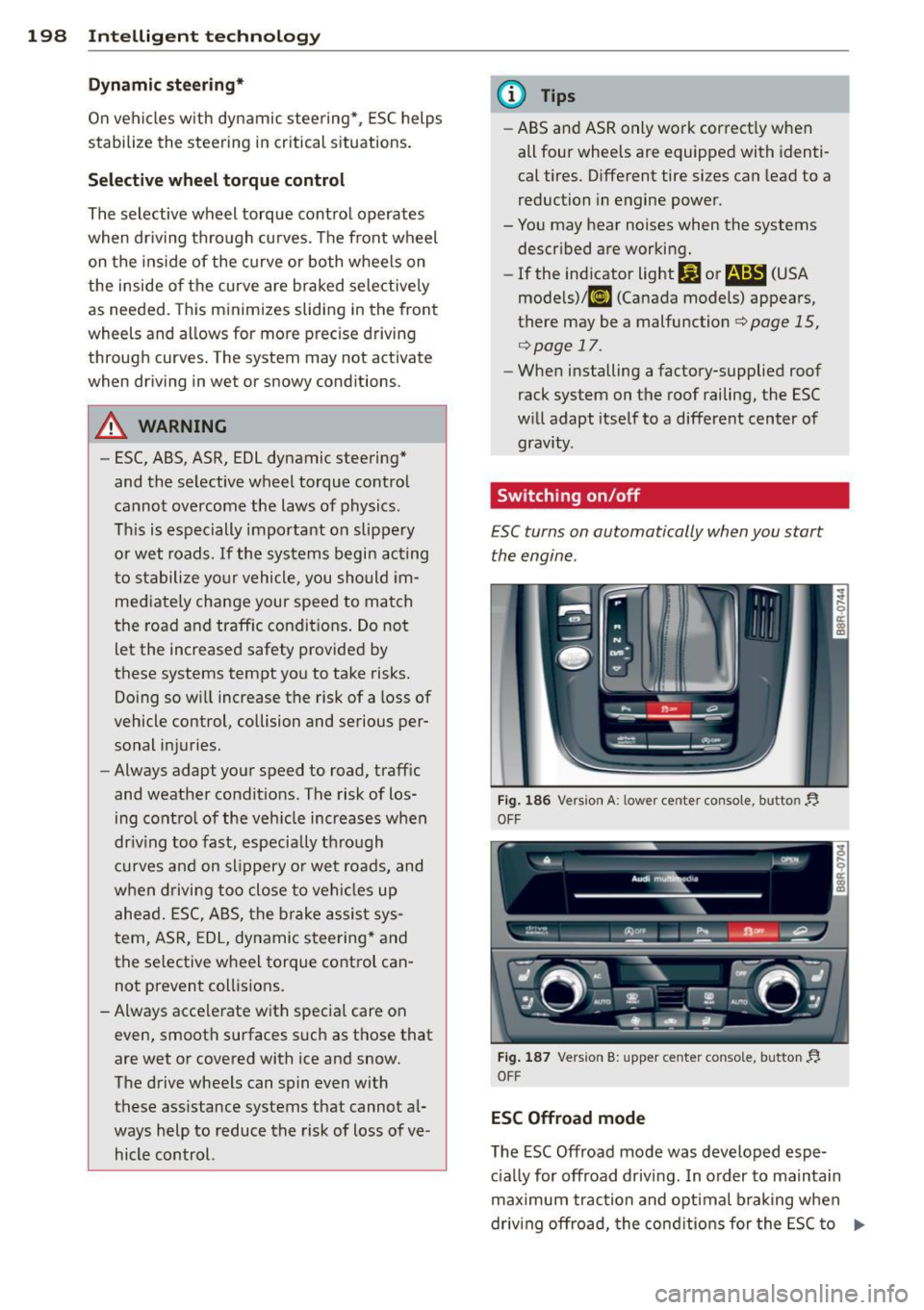
F ig. 1 86 Vers ion A: l owe r ce nte r con so le, butto n YJ
OFF
Fig. 1 87 Version B: upper cente r console, button YJ
OFF
ESC Offroad mode
The ESC Off road mode was developed espe
c ia lly for offroad driving . In o rder to maintain
max imum trac tion and optimal b raking when
driv ing offroad, the cond it ions for the ESC to
IJII,
Page 201 of 316
work are reduced to such a degree , that the
vehicle wheels could start to spin. The stab i
liz ing effects start to work later which results
in lim ited vehicle stability.
The ESC Offroad mode should then be used
under the fo llowing situat ions:
- rock ing the veh icle when it is stuck
- driv ing in deep snow or on loose ground
- dr iv ing on uneven roads w ith the wheel
heavily loaded (axle limitation)
- driv ing with snow chains
- driv ing downh ill wh ile braking on loose
ground
F or your safety, switch off the ESC offroad
mode in advance .
Switching on th e ESC Offroad mode
Press the I~ O FF I bu tton ¢ fig. 186 or
¢ fig . 187 . The indicator light fl illuminates
and
Stabil iz ation cont rol (ESC ): Off road.
W arning! Re stri cted stability
appears in the
driver information system display .
Switching off the ESC Offroad mode
Press 1-~ O FF I button again to switch the ESC
back on. The indicator light
fl goes out and
Stabilization control (ESC ): On appears in
the driver information system display.
A WARNING
- You should switch on the ESC Offroad
mode only when you are driving offroad
o r when driving w ith snow chains .
- Please note that the driving wheels can
spin and the vehicle can swerve when
ESC Offroad mode is switched on .
- Driv ing stability is reduced in the ESC
Offroad mode .
-
Intelligent technolog y 199
Hill descent assist
The hill descent assist makes it possible to
drive down an incline at a constant speed .
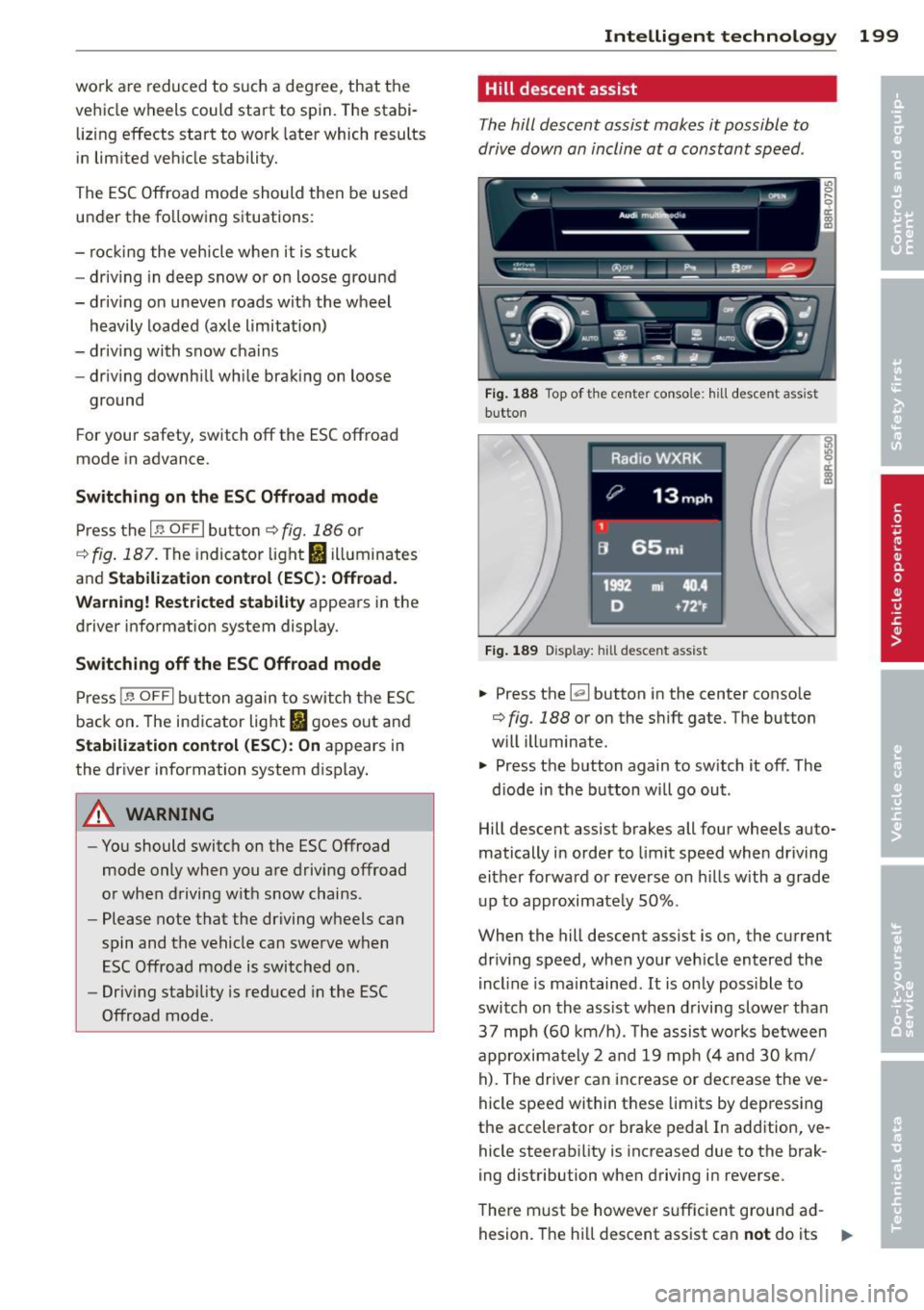
Fig . 1 88 Top of t he center conso le : h ill desce nt ass ist
button
F ig . 1 89 Disp lay: h ill des cent ass ist
.. Press the [el button in the center conso le
¢ fig. 188 or on the shift gate . The button
w ill illuminate .
.. Press the button again to sw itch it off . The
diode in the button wi ll go out .
Hill descent assist brakes all four wheels auto
matically in order to limit speed when driving
either forwa rd or reverse on h il ls with a grade
up to approximate ly 50% .
When the hill descent assist is on, the current
driv ing speed, when your veh icle entered the
i ncl ine is maintained .
It is only possible to
switch on the ass ist when driving slower tha n
37 mp h (60 km/h). The assist wo rks between
approximately 2 and 19 mp h (4 and 30 km/
h). The driver can inc rease or dec rease the ve
hicle speed within these limits by dep ressing
the accelerator or brake pedal In add ition, ve
hicle steerability is increased due to the brak
i ng distribution when driving in reverse .
The re m ust be however s ufficient ground ad
hesion. The h ill descent assist can
not do its "'"
Page 203 of 316
Fa u lts in th e brake sy stem
If you should notice a sudden increase in
brake peda l travel, then one of the two brake
circuits may have failed~.&. .
Low brak e flu id level
Malfunct ions can occur in the brake system if
the brake fl uid leve l is too low . T he b rake fluid
l eve l is monito red electronically .
Brake booster
The brake booster increases the pressure that
you generate w ith the brake pedal.
It only op
e rates while the eng ine is running or with the
i gnit ion sw itched on (hybr id dr ive*) ~.&, .
Brake lining wear statu s
Brake lining wear may be checked by visual in
spection of the condition of the brake pads
through the openings in the whee l. If neces
sa ry, the wheel may be removed for this in
spection
~ page 2 74, Changing a wheel.
.&_ WARNING
=
- You should perform braking maneuvers
for the purpose of clean ing the brake
system on ly if road conditions permit.
Other road users must not be put at risk -
you may cause an acc ident!
- Before descending a steep grade, reduce
speed and shift transmiss ion into a lower
gear or lower driving range . Do not ride
the brakes or hold the pedal down too long or too often . This could cause the
brakes to get hot and dimin ish b raking
efficiency .
- Do not "ride the brakes" by resting your
foot on the pedal when you do not intend
to brake . Th is may cause the b rakes to
overheat, premat ure wear and increased
stopping distance .
- Under certain climat ic and operating
condit ions such as passing through wa
ter , driving in heavy rain or after wash ing
the vehicle, the effectiveness of the brakes can be reduced. In winter, ice can
accumulate on the brake pads, linings,
discs and drums . Carefully apply brakes
Int ellig ent technolog y 201
for a test. Brakes will dry and ice coat
ings w ill be cleaned off after a few care
ful brake applicat ions.
- Driving for an extended period of time on
salt-covered roads without using your
brakes can also affect braking efficiency.
Clean off accumulated salt coating from
brake discs and pads with a few careful
brake applications.
- If you damage the front spoiler, or if you install a different spoiler, be sure the air
f low to the front brakes is not obst ruct
ed. Otherw ise the brake system could
overhea t reducing the effectiveness of
the entire brake system .
- Failure of one brake circuit will impair
the braking capability resulting in an in
creased stopping distance . Avoid driving
the vehicle and have it towed to the near
est a uthori zed Audi dea ler or qualified
workshop.
- Never let the vehicle roll to a stop with
the engine shut off .
- If the brake booster is not working, for
examp le when towing your vehicle, or
because the brake booster has somehow
been damaged, the brake pedal must be
pressed considerably harder to make up
for the lack of booster assistance .
Electromechanical
power assist, Dynamic
steering
The electromechanical power assist helps the
driver when s teering.
Power ste ering adapts electronically based on
the vehicle speed.
Indicator lights an d m ess age s
• Steeri ng defe ctive ! D o n ot dr ive vehi cle!
If this indicator light turns on and stays on
and this message appears, the power steer ing
may have failed .
Stop the vehicle in a safe location as soon as poss ible . Do
no t continue driving . See your ..,.
•
•
Page 204 of 316
202 Intelligent technology
authorized Audi dealer or other qualified re
pair facility for assistance.
'I-ij Dynamic steering: System fault! You can
continue driving
If the indicator light turns on and the mes
sage appears, the steer ing may be more diffi
cul t to move or mo re sensitive than usual. The
steer ing may also be at an angle when driving
straight.
Drive slowly to your author ized Audi dealer or
qualified workshop to have the malfu nction
cor rected.
(;:r,ij Dynamic steering : Initializing
Aud i drive select": if the indicator light blinks
and the driver message appears, the dynam ic
steering* is reinitialized. Once you start the
engine after this is finished, the steering
wheel will be easy to move. Re-initialization might be necessary if the steering wheel was
moved hard to the left and right while the ve
hicle was not moving. The display turns off if
the initialization was successfu l.
(D Tips
-If the . or 'Tj indicator light only stays
on for a short time, yo u may continue
driving.
- The dynamic steering* stability systems
opoge 197 are not ava ilable in the event
of a system malfunction.
- For additional information on dynamic
steering*
o page 120 .
Driving with your
quattro ®
With all-wheel drive, all four wheels are driv
en .
General information
With all-wheel dr ive, power is distributed to
all four wheels. This happens automatically
depending on your dr iving style and the road
conditions at the time . See also ¢
page 197.
A center different ial distr ibutes the dr iv ing
power var iably to the front and rear axle.
It
works together with selective wheel torque
control, which activates when driving through
curves
¢ page 198.
The all-wheel drive concept is des igned for
high engine power. Your veh icle is exception
ally powerfu l and has excellent driving charac
teristics both under normal driving conditions
and on snow and ice. Always read and follow
safety precaut ions¢ &.
Winter tires
When driving in the winter, yo ur vehicle with
all -wheel drive has an advantage, even with
regular tires. In winter road conditions it may
be advisable to mount winter tires (or all-sea
son tires) for improved driveability and brak
ing: these tires must be mounted o n
all four
wheels .
See also¢ page 263, Winter tires.
Tire chains
Where tire chains are mandatory on certain
roads, this normally also app lies to veh icles
with all-wheel drive¢
page 264, Snow
chains.
Replacing wheels/tires
Vehicles with all -wheel drive must always
have tires of the same s ize. A lso avoid tires
with different tread depths. For deta ils see
page
o page 2 59, New tires and replacing
tires and wheels.
A WARNING
-Always adjust your dr iv ing to road and traf-
fic conditions. Do not let the extra safety
afforded by all-wheel drive tempt you into
taking extra risks.
- Altho ugh the all-wheel drive is very ef
fective, always remember that braking
capacity is limited by tire traction. You
should therefore not d rive at excessive
speeds on icy or slippery road surfaces.
- On wet road surfaces, be careful not to
drive too fast because the front wheels
could begin to slide on top of the water
(aquaplaning). If this should occur, you