seats AUDI R8 SPYDER 2015 Owner's Manual
[x] Cancel search | Manufacturer: AUDI, Model Year: 2015, Model line: R8 SPYDER, Model: AUDI R8 SPYDER 2015Pages: 232, PDF Size: 58.36 MB
Page 117 of 232
..... N
r-N "': ..... \!) ..,.,
N ..,., .....
vehicle can damage a part of an airbag system
and prevent that system from working properly
in a co llision.
There are some important things you have to know to make sure that the effectiveness of the
system wi ll not be impaired and that discarded
components do not cause injury or pollute the
environment.
A WARNING
Improper care, servicing and repair proce
dures can increase the risk of personal injury
and death by prevent ing an a irbag from de
ploying when needed or dep loying an airbag
unexpectedly:
- Never cover, obstruct, o r change the steer
ing wheel horn pad or a irbag cover or the in
strument panel or mod ify them in any way.
- Never attach any objects such as cup holders
or te lephone moun tings to the su rfaces cov
er ing the airbag units.
- F or cleaning the ho rn pad or instrument
pane l, use only a soft, d ry cloth or one mois
tened with plain water. Solvents or cleaners
cou ld damage the a irbag cover or change
the stiffness o r strength of the mater ial so
that the airbag cannot dep loy and protect
properly.
- Never repa ir, adjust, or change any parts of
the airbag system.
- All wo rk on the stee ring wheel, inst rument
pane l, front seats or elect rical system (in
cluding the installation of aud io equipment,
cellu lar telep hones and CB radios, etc.)
must be performed by a qualified technician
who has the train ing and special eq uipment
necessary.
- For any work on the airbag system, we
strongly recommend that you see you r au
tho rized Aud i dea le r o r qualified workshop.
- Never mod ify the front bumper or parts of
the vehicle body .
- Always make sure that the side airbag can
inflate without inte rfe rence:
- N ever install seat covers or replacement
up ho lstery over the front seatbacks that
Airbag syste m
have not been specif ically approved by
Audi.
- Never use additional seat c ushions that
cover the areas where the side a irbags in
flate.
- Damage to the orig inal seat cove rs or to
the seam in the area of the side airbag
module must a lways be repaired immedi
ate ly by an authorized Aud i dealer .
- The airbag system can be activated only
once. After an airbag has inflated, it must
be rep laced by an authorized A udi dealer or
qualified technic ian who has the technical
info rmation, t raining and specia l equipment
necessary.
- The airbag system can be deployed only
once. After an airbag has been deployed, it m ust be replaced w ith new repla cemen t
p ar ts des igned and app roved especially for
your Aud i model version . Replacement of
comp lete airbag systems or airbag compo
nents must be perfo rmed by qualified wor k
shops only. Make sure that any airbag serv
ice action is entered in your Audi Warranty
&
Maintenance book let under AIRBAG RE
PLACEMENT RECORD.
- For safety reasons in severe accidents, the
alternator and starte r are separated from
the vehicle batte ry w ith a pyrotechnic circuit
interrupter.
- Work on the pyrotechnic circuit interrupt
er must on ly be performed by a qua lified
dealer - risk of an acc ident!
- If the vehicle or the circuit interr upter is
scrapped, all applicable safety precautions
must be followed.
@ For the sake of the environment
Undeployed airbag modules and pretension
ers might be classified as Perchlorate Material
-specia l hand ling may apply, see
www.dtsc.ca.gov/hazardouswaste/perchlo rate. When the vehicle or parts of the re
stra int system including airbag modules and
safety belts with pretensioners are scrapped,
a ll applicable laws and regulations must be ..,_
115
Page 124 of 232
Child Safety
Child Safety
Important things to
know
Introduction
The physical principles of what happens when
your vehicle is in a crash apply also to children
c::> page 96, What happens to occupants not
wearing safety belts? .
But unlike adults and
teenagers, the ir muscles and bones are not fully
developed . In many respects children are at
greater risk of serious injury in crashes than
adu lts.
Because children 's bod ies are not fully developed,
they require restra int systems especially de
signed for their size, weight, and body structure. Many countr ies and all states of the United
S ta tes and p rov inces of Canada have laws requi r
ing the use of app roved ch ild restra int systems
for in fan ts and small children .
I n a fronta l crash at a speed of 20-35 mph
(30-56 km/ h) the fo rces acting on a 13-pound
(6 kg) infant w ill be more than 20 t imes the
weight of the child. This means the weight of the
chi ld would sudden ly be more than 260 po unds
(120 kg) . Under these conditions, only an appro
priate ch ild restraint properly used can reduce
the risk of serious injury. Ch ild restraints, like
adu lt safety be lts, must be used p roperly to be
effective . Used improperly, they can increase the
ris k of serious injury in an accident.
Consult the child safety seat manufacturer's in
structions in order to be sure the seat is r ight for
your child's size
c::> page 125, Important safety
instructions for using child safety seats .
Please
be sure to read a nd heed all of t he importa nt in
formation and WARNI NGS about c hild safety, Ad
vanced Ai rbags, and the installa tion of child re
s traints in this chapter .
There is a lot you need to know about the Ad
vanced A irbags in yo ur vehicle and how t hey work
when infants and children in child rest rain ts are
on the fron t passenger seat . Because of the large
amo unt of important informat ion, we cannot re
peat it a ll here. We urge you to read the detai led
122
i nformation in this owner 's man ua l about airbags
and the Advanced Airbag System in your vehicle
and the very important information about trans
porting children on the front passenger seat.
Please be sure to heed the WARNINGS - they are
extremely important for your safety and the safe
ty of your passengers, especially infants and
small chi ld ren .
&_ WARNING
All vehicle occupants and especially chi ld ren
must be res trained p roperly whenever r iding
in a vehicle. An unres trained or imprope rly re
strained chi ld could be inj ured by strik ing the
inte rior or by being ejected from the vehicle
during a sudden maneuver or impact. An un restra ined or improperly restrained child is al
so at greater risk of injury or death through
contact w ith an inf lating a irbag.
&_ WARNING
Children on the front seat of any car even with
Advanced Airbags can be ser iously injured or
even killed when an a irbag inflates . A child in
a re arwa rd-facing child safety seat installed
on the front passenger seat will be serio usly
injured and can be kil led if the front air bag in
f lates.
- The infla ting airbag will h it the ch ild safety
seat or in fant ca rrier with great force and
w ill smash the child safety seat and child
aga inst the backrest, door or roof.
- Never install a rearward facin g child safety
seat on the front passenger seat unless the
PASSENGER AIR BAG OFF light comes on
and stays on. If the
PASSENGER AIR BAG
OFF
li ght does not come on and stay on,
have the airbag system inspected immed i
ately by your Au di dealer .
&_ WARNING
If, in exceptiona l circumstances , you must in
stall a forwa rd-fac ing c hild restra int on the
front p assenger's seat:
Page 127 of 232
..... N
r-N "': ..... \!) 1.1'1
N 1.1'1 .....
A WARNING ,~
To reduce the risk of serious injury, make sure
that the
PASSENGER AIR BAG OFF light
comes on and stays on whenever a child re
straint is installed on the front passenger seat
and the ignition is switched on.
- Never install a rearward facing child safety
seat on the front passenger seat unless the
PASSENGER AIR BAG OFF light comes on
and stays on. If the
PASSENGER AIR BAG
OFF
light does not come on and stay on the
inflating airbag will hit the child safety seat
or infant carrier with great force and will
smash the child safety seat and child against the backrest, door or roof. Have the
airbag system inspected immediately by
your authorized Audi dealer.
{!) Tips
The child seats listed in categories A to C have been statically tested by Audi only for the Ad
vanced Airbag function.
Important safety instructions for using
child safety seats
Correct use of child safety seats substantially re
duces the risk of injury in an accident!
As the driver, you are responsible for the safety of
everybody in the vehicle, especially children:
.. Always use the right child safety seat for each
child and always use it properly
c;, page 127.
.. Always carefully follow the child safety seat
manufacturer's instructions on how to route
the safety belt properly through the child safe
ty seat.
.. When using the vehicle safety belt to install a
child safety seat, you must first activate the
convertible locking retractor on the safety belt
to prevent the child safety seat from moving
c;, poge 130.
.. Push the child safety seat down with your full
weight to get the safety belt really tight so that
the seat cannot move forward or sideways more
than one inch (2 .5 cm) .
.. If a strap or tether is being used to tie the child
safety seat to the front passenger seat, make
Child Safety
sure that it is not so tight that it causes the
weight-sensing mat to measure more weight than is actually on the seat.
Always remember: Even though your vehicle is
equipped with an Advanced Airbag system, a
child should always ride in the seat properly re
strained for its age and size.
A WARNING
-Not using a child safety seat, using the wrong
child safety seat or improperly installing a
child restraint increases the risk of serious personal injury and death.
- All vehicle occupants and especially children must always be restrained properly whenev
er riding in a vehicle.
- An unrestrained or improperly restrained
child can be injured or killed by being
thrown against the inside of the vehicle or
by being ejected from it during a sudden
maneuver or impact.
- An unrestrained or improperly restrained
child is at much greater risk of injury or
death by being struck by an inflating air bag .
- Commercially available child safety seats
are required to comply with U.S. Federal Mo
tor Vehicle Safety Standard (FMVSS) 213 (in
Canada CMVSS 213).
- When buying a child restraint, select one
that fits your child and the vehicle .
- Only use child restraint systems that fully
contact the flat portion of the seat cush
ion. The child restraint must not tip or
lean to either side. Audi does not recom
mend using child safety seats that rest on
legs or tube-like frames. They do not pro
vide adequate contact with the seat.
- Always heed all legal requirements per
taining to the installation and use of child
safety seats and carefully follow the in
structions provided by the manufacturer
of the seat you are using.
- Never let more than one child occupy a child
safety seat.
~
125
Page 128 of 232
Child Safety
-Never let babies or older children ride in a
vehicle while sitting on the lap of another
passenger.
- Holding a child in your arms is never a sub
stitute for a child restraint system.
- The strongest person could not hold the
child with the forces that exist in an acci
dent. The child will strike the interior of
the vehicle and can also be struck by the passenger.
- The child and the passenger can also in
jure each another in an accident.
- Never install a rearward facing child safety
seat on the front passenger seat unless the
PASSENGER AIR BAG OFF light comes on
and stays on. If the
PASSENGER AIR BAG
OFF
light does not come on and stay on the
inflating airbag will hit the child safety seat
or infant carrier with great force and will
smash the child safety seat and child
against the backrest, door or roof . Have the
airbag system inspected immediately by
your authorized Audi dealer.
- Forward-facing child safety seats installed
on the front passenger's seat can interfere
with the airbag when it inflates and cause
serious injury to the child.
- If exceptional circumstances require the use
of a forward-facing child restraint on the
front passenger's seat, the child's safety
and well-being require that the following
special precautions be taken:
- Make sure the forward-facing seat has
been designed and certified by its manu
facturer for use on a front seat with a pas senger front and side airbag.
- Always carefully follow the manufacturer's
instructions provided with the child safety
seat or carrier.
- Always move the front passenger seat into
the rearmost position of the passenger
seat's fore and aft adjustment range, and
as far away from the airbag as possible be
fore installing the child restraint.
- Always make sure that nothing prevents
the front passenger's seat from being
moved to the rearmost position in its fore
and aft adjustment range.
126
- Always make sure that the backrest is in
the upright position.
- Always buckle the child safety seat firmly in
place even if a child is not sitting in it. A
loose child safety seat can fly around during
a sudden stop or in a collision .
- Always read and heed all WARNINGS when ever using a child restrained in a vehicle is
being used
c> page 95, Safety belts,
c;:, page 102, Airbag system and
c;:, page 122, Child Safety .
A WARNING
To reduce the risk of serious injury, make sure
that the
PASSENGER AIR BAG OFF light
comes on and stays on whenever a child re
straint is installed on the front passenger seat
and the ignition is switched on.
- Never install a rearward facing child safety
seat on the front passenger seat unless the
PASSENGER AIR BAG OFF light comes on
and stays on.
If the PASSENGER AIR BAG
OFF
light does not come on and stay on the
inflating airbag will hit the child safety seat
or infant carrier with great force and will
smash the child safety seat and child
against the backrest, door or roof. Have the
airbag system inspected immediately by
your authorized Audi dealer.
Page 129 of 232
..... N
l'
N "1: ..... I.O
"' N
"' .....
Child safety seats
Infant seats
Babies and infants up to about one year old and
20 lbs. or 9 kg need special rearward -facing
child restraints that support the back, neck and
head in a crash.
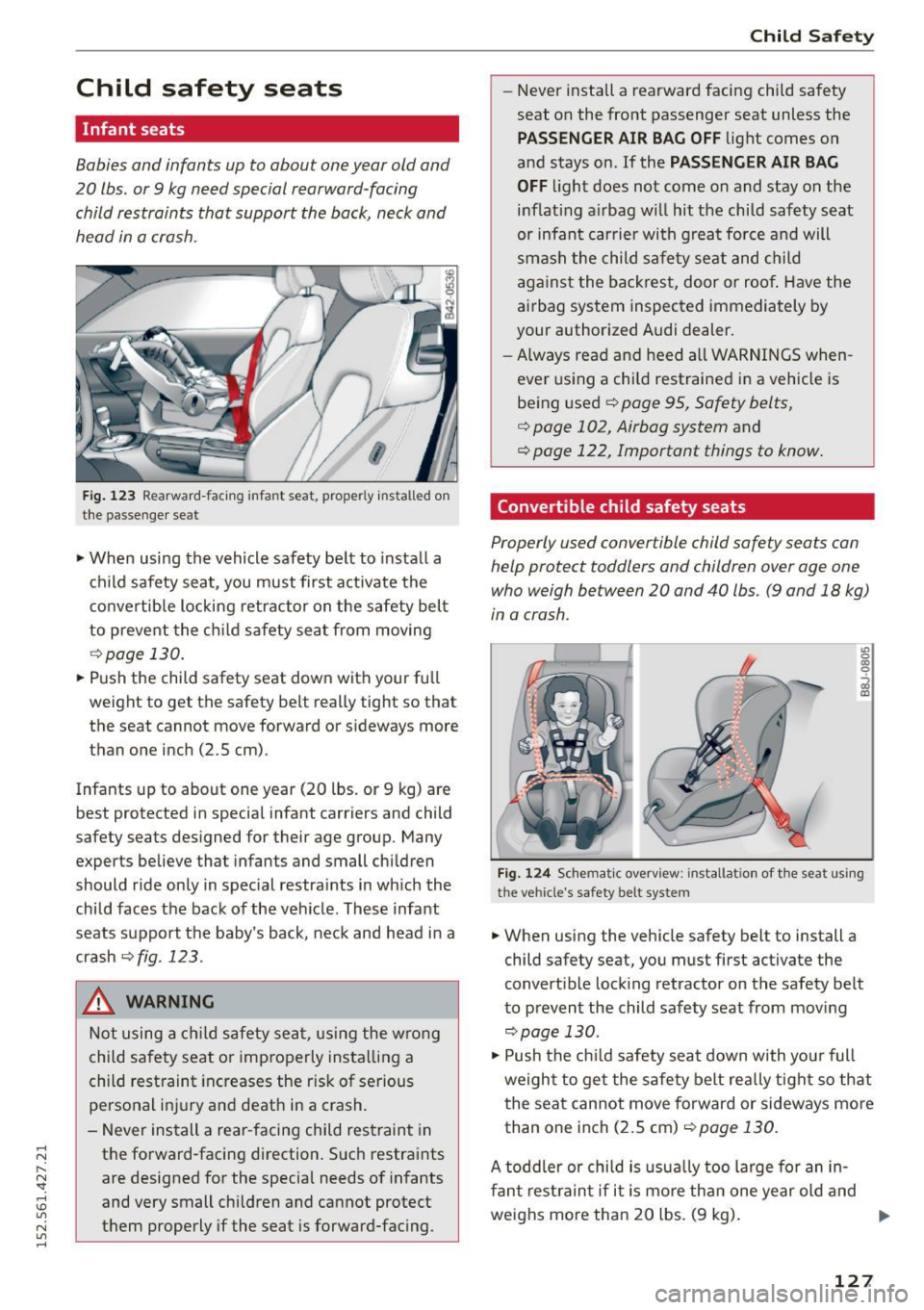
Fig. 123 Rearward-facing infa nt seat, prope rly installed on
the passenger seat
"'W hen using the vehicle safety belt to install a
child safety seat, you must first activate the
convertible locking retractor on the safety belt
to prevent the child safety seat from moving
¢page 130.
"'Push the child safety seat down with your fu ll
weight to get the safety be lt really tight so that
the seat cannot move forward or sideways more
than one inch (2.5 cm) .
Infants up to about one year (20 lbs. or 9 kg) are
best protected in special infant carriers and child
safety seats designed for their age group . Many
experts believe that infants and small children
should ride only in spec ial restra ints in wh ich the
child faces the back of the vehicle. These infant
seats support the baby's back , neck and head in a
crash
¢ fig. 123 .
A WARNING
Not using a child safety seat, using the wrong
child safety seat or improperly installing a
child rest raint increases the risk of serious
personal injury and death in a crash.
- Never install a rear -facing child restraint in
the forward-facing direction. Such restraints
are designed for the special needs of infants
and very small children and cannot protect
them properly if the seat is forward-facing.
Child Safety
- Never install a rearward facing child safety
seat on the front passenger seat unless the
PASSENGER AIR BAG OFF light comes on
and stays on.
If the PASSENGER AIR BAG
OFF
light does not come on and stay on the
inflating a irbag will hit the child safety seat
or infant carrier with great force and will
smash the child safety seat and child
against the backrest, door or roof . Have the
airbag system inspected immediately by
your authorized Audi dealer.
- Always read and heed all WARNINGS when
ever using a child restrained in a vehicle is
being used ¢
page 95, Safety belts,
¢ page 102, Airbag system and
¢ page 122, Important things to know.
Convertible child safety seats
Properly used convertible child safety seats can
help protect toddlers and children over age on e
who weigh between 20 and 40 lbs.
(9 and 18 kg)
in a crash .
.,, 0
~ -', a, m
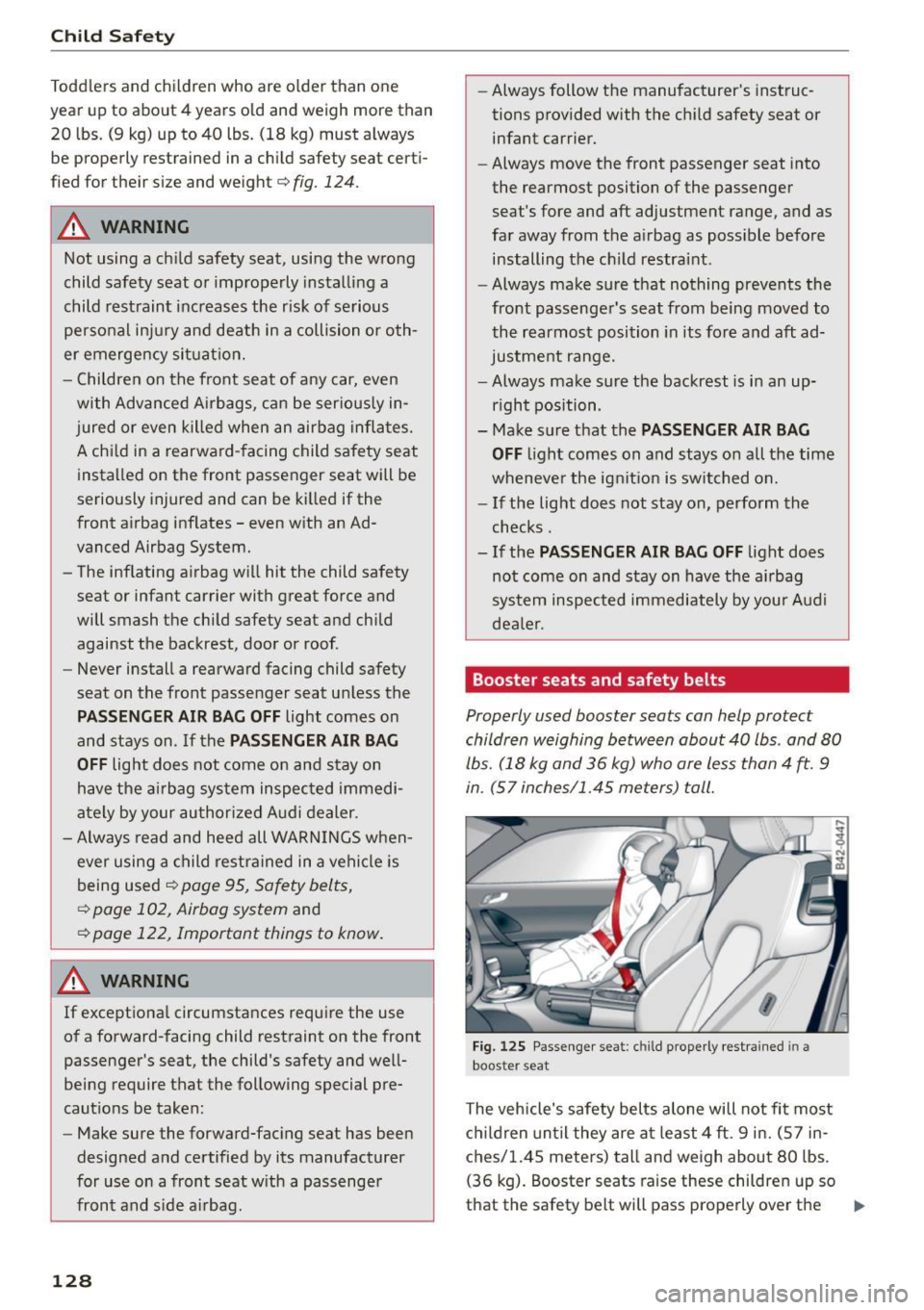
Fig. 124 Schemat ic overv iew: instal lat io n of t he sea t usi ng
t he ve hicle's sa fety belt system
.,. When using the vehicle safety belt to install a
child safety seat, you must first activate the
convertible locking retractor on the safety be lt
to prevent the child safety seat from mov ing
¢ page 130.
"' Push the child safety seat down with your full
weight to get the safety belt really tight so that
the seat cannot move forward or sideways more
than one inch (2.5 cm)¢
page 130.
A toddler or child is usually too large for an in
fant restraint if it is more tha n one year old and
weighs mo re than 20 lbs. (9 kg). .,.
127
Page 130 of 232
Child Safety
Toddlers and children who are older than one
year up to about 4 years old and weigh more than 20 lbs. (9 kg) up to 40 lbs. (18 kg) must always
be properly restrained in a child safety seat certi
fied for their size and weight¢
fig. 124 .
A WARNING
Not using a child safety seat, using the wrong
child safety seat or improperly installing a
child restraint increases the risk of serious
personal injury and death in a collision or oth
er emergency situation.
- Children on the front seat of any car, even
with Advanced Airbags, can be seriously in
jured or even killed when an airbag inflates.
A child in a rearward-facing child safety seat
installed on the front passenger seat will be
seriously injured and can be killed if the
front airbag inflates -even with an Ad
vanced Airbag System.
- The inflating airbag will hit the child safety
seat or infant carrier with great force and
will smash the child safety seat and child
against the backrest, door or roof.
- Never install a rearward facing child safety
seat on the front passenger seat unless the
PASSENGER AIR BAG OFF light comes on
and stays on. If the
PASSENGER AIR BAG
OFF
light does not come on and stay on
have the airbag system inspected immedi
ately by your authorized Audi dealer.
- Always read and heed all WARNINGS when
ever using a child restrained in a vehicle is
being used ¢
page 95, Safety belts,
¢ page 102, Airbag system
and
¢ page 122 , Important things to know.
A WARNING
If exceptional circumstances require the use
of a forward-facing child restraint on the front
passenger's seat, the child's safety and well
being require that the following special pre
cautions be taken:
- Make sure the forward-facing seat has been
designed and certified by its manufacturer
for use on a front seat with a passenger
front and side airbag.
128
- Always follow the manufacturer's instruc
tions provided with the child safety seat or infant carrier.
- Always move the front passenger seat into
the rearmost position of the passenger seat's fore and aft adjustment range, and as
far away from the airbag as possible before installing the child restraint.
- Always make sure that nothing prevents the
front passenger's seat from being moved to
the rearmost position in its fore and aft ad
justment range.
- Always make sure the backrest is in an up
right position .
- Make sure that the
PASSENGER AIR BAG
OFF
light comes on and stays on all the time
whenever the ignition is switched on.
- If the light does not stay on, perform the
checks.
- If the
PASSENGER AIR BAG OFF light does
not come on and stay on have the airbag
system inspected immediately by your Audi
dealer.
Booster seats and safety belts
Properly used booster seats can help protect
children weighing between about 40 lbs . and 80
lbs. (18 kg and 36 kg) who are less than 4 ft. 9
in. (57 inches/1.45 meters) tall.
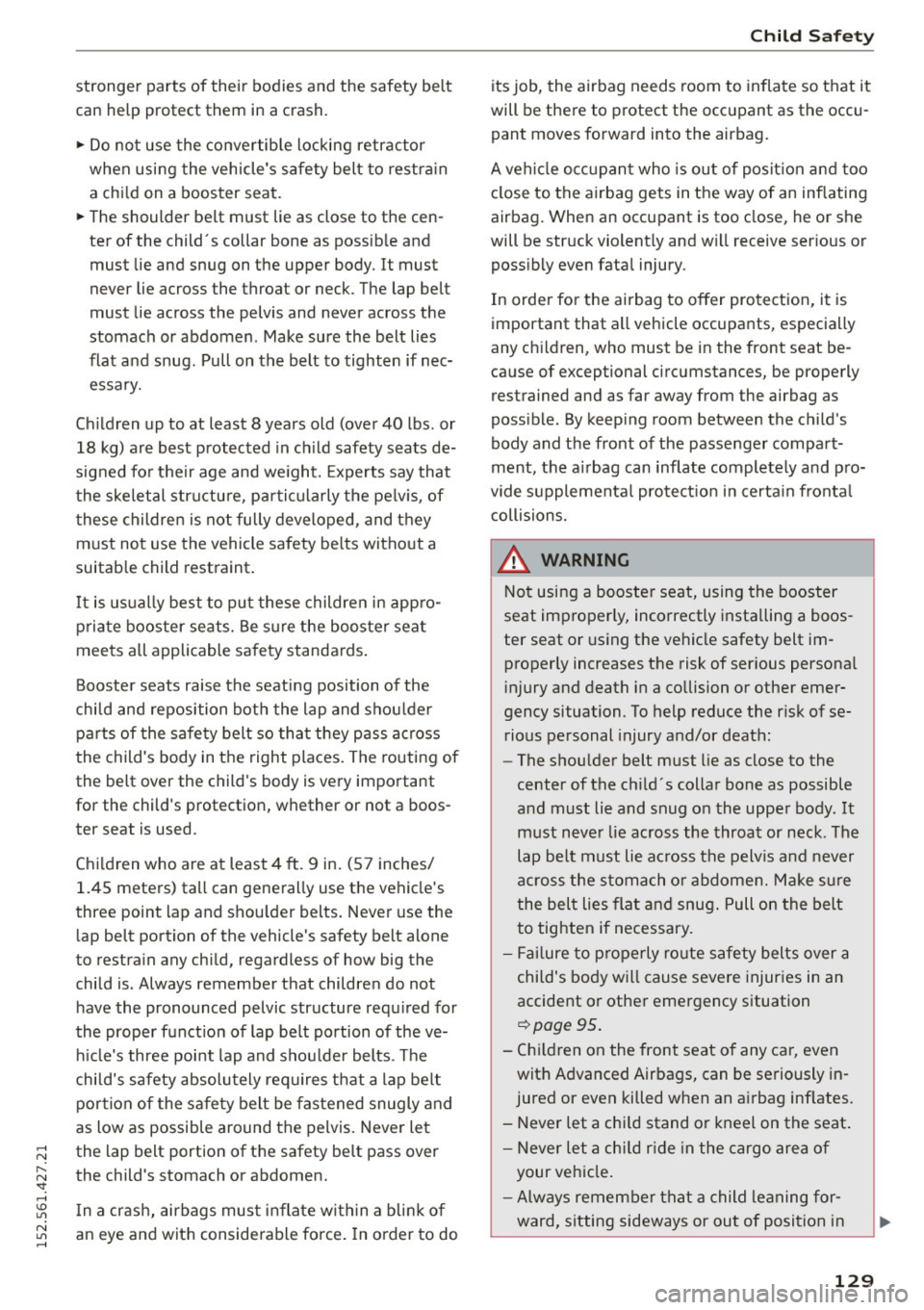
Fig. 125 Passenger seat : chil d properly restrained in a
boo ste r seat
The vehicle's safety belts alone will not fit most
children until they are at least 4 ft. 9 in. (57 in
ches/1.45 meters) tall and weigh about 80 lbs.
(36 kg). Booster seats raise these children up so
that the safety belt will pass properly over the ..,.
Page 131 of 232
..... N
r-N "': ..... \!) 1.1'1
N 1.1'1 .....
stronger parts of their bodies and the safety belt
can help protect them in a crash.
.,. Do not use the convertible locking retractor
when using the vehicle's safety belt to restrain
a child on a booster seat.
... The shoulder belt must lie as close to the cen
ter of the child 's collar bone as possible and
must lie and snug on the upper body. It must
never lie across the throat or neck. The lap belt
must lie across the pelvis and never across the
stomach or abdomen . Make sure the belt lies
flat and snug. Pull on the belt to tighten if nec essary.
Children up to at least 8 years old (over 40 lbs . or
18 kg) are best protected in child safety seats de
signed for their age and weight. Experts say that
the skeletal structure, particularly the pelvis, of
these children is not fully developed, and they
must not use the vehicle safety belts without a
suitable child restraint.
It is usually best to put these children in appro
priate booster seats. Be sure the booster seat
meets all applicable safety standards.
Booster seats raise the seating position of the
child and reposition both the lap and shoulder
parts of the safety belt so that they pass across
the child's body in the right places. The routing of
the belt over the child's body is very important
for the child 's protection, whether or not a boos
ter seat is used.
Children who are at least 4
ft. 9 in. (57 inches/
1.45 meters) tall can generally use the vehicle's
three point lap and shoulder belts. Never use the lap belt portion of the vehicle's safety belt alone
t o re strain any child, regardless of how big the
child is . Always remember that children do not
have the pronounced pelvic structure required for
the proper function of lap belt portion of the ve
hicle's three point lap and shoulder belts . The
child's safety absolutely requires that a lap belt
portion of the safety belt be fastened snugly and
as low as possible around the pelvis. Never let
the lap belt portion of the safety belt pass over
the child's stomach or abdomen.
In a crash, airbags must inflate within a blink of
an eye and with considerable force. In order to do
Child Safety
its job, the airbag needs room to inflate so that it
will be there to protect the occupant as the occu pant moves forward into the airbag .
A vehicle occupant who is out of position and too
close to the airbag gets in the way of an inflating
airbag. When an occupant is too close, he or she
will be struck violently and will receive serious or
possibly even fatal injury.
In order for the airbag to offer protection, it is
important that all vehicle occupants, especially
any chi ldren, who must be in the front seat be
cause of exceptional circumstances, be properly
restrained and as far away from the airbag as
possible. By keeping room between the child's
body and the front of the passenger compart
ment, the airbag can inflate completely and pro
vide supplemental protection in certain frontal
collisions.
A WARNING
-Not using a booster seat, using the booster
seat improperly, incorrectly installing a boos
ter seat or using the vehicle safety belt im
properly increases the risk of serious personal
injury and death in a collision or other emer
gency situation. To help reduce the risk of se
rious personal injury and/or death :
- The shoulder belt must lie as close to the
center of the child's collar bone as possible
and must lie and snug on the upper body .
It
must never lie across the throat or neck . The
lap belt must lie across the pelvis and never
across the stomach or abdomen. Make sure
the belt lies flat and snug. Pull on the belt
to tighten if necessary.
- Fai lure to properly route safety belts over a
child's body w ill cause severe injuries in an
accident or other emergency situation
~ page 95.
- Children on the front seat of any car, even
with Advanced Airbags, can be seriously in
jured or even killed when an airbag inflates.
- Never let a child stand or kneel on the seat.
- Never let a child ride in the cargo area of
your vehicle.
- Always remember that a child leaning for
ward, sitting sideways or out of position in
129
Page 132 of 232
Child Safety
any way during an accident can be struck by
a deploying airbag. This will result in serious personal injury or death.
- If you must install a booster seat on the
front passenger seat because of exceptional
circumstances the
PASSENGER AIR BAG
OFF
light must come on and stay on, when
ever the ignition is switched on .
- If the
PASSENGER AIR BAG OFF light does
not come on and stay on, perform the
checks described .
- If the
PASSENGER AIR BAG OFF light does
not come on and stay on whenever the igni
tion is switched on the inflating airbag will hit the child safety seat or infant carrier
with great force and will smash the child
safety seat and child against the backrest,
door or roof. Have the airbag system in
spected immediately by your Audi dealer.
- Always read and heed all WARNINGS when
ever using a child restrained in a vehicle is
being used
~ page 95, Safety belts,
¢ page 102, Airbag system
and
¢ page 122, Important things to know.
Installing a child safety
seat
Securing a child safety seat using a safety
belt
Safety belts for the front passenger can be
locked with the convertible locking retractor to
properly secure child safety seats .
The safety belts emergency locking retractors for
the front passenger's seat safety belt have a con
vertible locking retractor for child restraints . The
safety belt must be locked so that belt webbing
cannot unreel. The retractor can be activated to
lock the safety belt and prevent the safety belt
webbing from loosening up during normal driv
ing. A child safety seat can only be properly in
stalled when the safety belt is locked so that the
child and child safety seat will stay in place.
Always remember : Even though your vehicle is
equipped with an Advanced Airbag system, a
child should always ride in the seat properly re
strained for its age and size.
130
A WARNING ,.
Improperly installed child safety seats in-
crease the risk of serious personal injury and
death in a collision .
-
-Always make sure that the safety belt re
tractor is locked when installing a child safe
ty seat . An unlocked safety belt retractor
cannot hold the child safety seat in place
during normal driving or in a crash.
-Always buckle the child safety seat firmly in
place even if a child is not sitting in it. A
loose child safety seat can fly around during
a sudden stop or in a collision.
- The inflating airbag will hit the child safety
seat or infant carrier with great force and
will smash the child safety seat and child
against the backrest, door or roof.
- Forward-facing child safety seats or infant
carriers installed on the front passenger's
seat may interfere with the deployment of
the airbag and cause serious injury to the
child.
- Always read and heed all WARNINGS when
ever using a child restrained in a vehicle is being used
¢page 122. Special precautions
apply when installing a child safety seat on
the front passenger seat
¢ page 103, Child
restraints on the front seat -some impor
tant things to know.
A WARNING
Always take special precautions if you must
install a forward or rearward-facing child re
straint on the front passenger's seat in excep
tional situations:
- Whenever a forward or rearward-facing
child restraint is installed on the front pas
senger seat, the
PASSENGER AIR BAG OFF
light must come on and stay on whenever
the ignition is switched on.
- If the
PASSENGER AIR BAG OFF light does
not come on and stay on, perform the
checks described .
- If the
PASSENGER AIR BAG OFF light does
not come on and stay on whenever the igni
tion is switched on the inflating airbag will
hit the child safety seat or infant carrier .,,.
Page 134 of 232
Child Safety
"' You should hear a "clicking" noise as the be lt
winds back into the inertia ree l. Test the con
vertib le lock ing retractor by pulling on the belt .
You should no longer be ab le to pull the be lt
out of the retractor. The convert ible locking re
tractor is now activated.
"' Make sure that the red release button is facing
away from the ch ild restraint so that it can be
unbuckled quic kly.
"' Pull on the be lt to make sure the safety belt is
properly tight and fastened so tha t the seat
cannot move forwa rd or sideways more than
one inc h (2.5 cm).
A WARNING
Us ing the wrong child restra int or an improp
er ly installed ch ild restra int can cause serious
personal injury or death in a crash .
- Always make sure that the safety belt re
tractor is locked when installing a child safe
ty seat . An un locked safety be lt retractor
cannot hold the ch ild safety seat in place
dur ing no rma l driving o r in a crash.
- Always buckle the child safety seat firmly in
place even if a child is not s itting in it . A
loose child safety seat can fly around du ring
a sudden stop or in a crash.
- Always make sure the seat backrest to wh ich
t h e chi ld restraint is insta lled i s in an up
right posi tion. Othe rwise , the seatback wi th
the chi ld safety seat at tached to it could fly
forward in the event of an accident o r other
emergency situation.
- Always read and heed all WARN INGS when
ever using a child restrained in a vehicle is
being used
r::!) page 122. Specia l precautions
apply when installing a child safety seat on
the front passenger seat¢
page 103, Child
restraints on the front seat -some impor
tant things to know .
132
· Deactivating the convertible locking
retractor
The convertible locking retractor for child re
straints will be deactivated automatically when the belt is wound all the way back into the re
tractor.
"' Press the red button on the safety belt buckle.
T he be lt tong ue will pop out of the b uc kle .
"' Guide the safety be lt a ll the way back into its
stowed position .
Always let the safety be lt ret ract completely i nto
i ts stowed pos it ion. The safe ty belt can now be
u sed as an ordina ry safety belt without the con
vertib le locking retractor for child restraints .
If the conve rtib le locking retractor sho uld be ac
tivated inadvertent ly, the sa fety be lt mus t be un
fastened and guided comp letely back into its
stowed position to deactivate this feature .
If the
convertible locking retractor is not deactivated,
the safety belt will gradually become tighter and
uncomfortable to wear.
A WARNING
Improperly installed chi ld safety seats in
crease the risk of serious pe rsonal injury and
death in a co llision.
-
- Never unfasten the safety belt to deactivate
the convertible locki ng retractor for child re
straints while the vehicle is moving. You
wou ld not be restra ined and could be ser i
ously inj ured in an accident.
- Always read and heed all WARNINGS when
eve r using a child res trained in a vehicle is
be ing used
¢page 122. Special precaut ions
apply when installing a child sa fety seat on
the front passenger seat
¢ page 103, Child
restraints on the front seat -some impor
tant things to know.
Additional Information
Sources of information about child
. restraints and their use
There are a number of sources of additiona l infor
mation about child restraint se lection, insta lla
tion and use :
Page 143 of 232
..... N
r-N "': ..... \!) 1.1'1
N 1.1'1 .....
What you should know
The highest priority is given to maintaining start
ing capability .
The battery is severely taxed in short-distance
driving, in city traffic and during the cold time of
year . Abundant electrical energy is required, but
only a little is generated . It is also critical if the
engine is not running and electrical components
are turned on. In this instance energy is being
consumed but none is being generated.
It is in precisely these situations that you w ill no
tice energy management actively regulating the
d istribution of ene rgy.
Vehicle stands for an extended period
If you do not drive your vehicle over a period of
several days or weeks , electr ical components are
gradually cut back or switched off . This reduces
energy consumption and maintains starting ca
pability over a longer pe riod .
Take into consideration that when you unlock
your veh icle, some convenience functions, such
as the remote key or power seat adjustment, may
not be available. The convenience functions will
be available again when you turn on the ignition
and start the engine .
With the engine turned off
If you listen to the radio, for example, with the
engine turned off, the battery is being dis
charged .
If starting capability is jeopardized due to energy
consumption, a message appears in the driver in
formation display .
You have to start the engine to charge the bat
tery .
With the engine running
Although electrical energy is generated when the
vehicle is being driven, the battery can become
discharged. This happens mostly when little en
ergy is be ing generated and a great deal con
sumed and the battery's state of charge is not
optimal.
Intelligent technology
To bring the energy balance back into equilibri
um, consumers which require especially large
amounts of energy are temporar ily cut back or
switched off. Heating systems in part icu lar re
quire a great deal of energy. If you notice, for ex
ample, that the heated seats* or the heated rear
window are not heating, they have been tempo
rarily cut back or switched off . These systems w ill
be available again as soon as the energy balance
has been restored.
You w ill also not ice that engine idle speed has
been increased slightly . This is normal and not a
cause for concern. By incr easing eng ine idle
speed the additional energy required is generated
and the battery is charged.
Driver notification in the instrument
cluster display
If battery power drops in to the range where it
can limit the ability of the engine to start, this is
shown in the instrument cluster display w ith the
following driver message :
[•] low battery charge: battery will be charged
while driving
This notification reminds you that the starting
capability of the engine may be limited. As soon
as you start driving again, the battery will be re
charged and the notificat ion will go out .
Driver notification appears and goes out
again
If this driver notification appears after the igni
tion is turned on or while driv ing and it goes out
again after a while, the battery has been ade
quately recharged .
Driver notification appears and does not go
out again
If this driver notif ication appears after the ign i
t ion is turned on or while dr iv ing and does not go
out again, the battery's state of charge is not in
t h e optimal range. Starting ability is restricted .
Have the battery checked as soon as possible by
an authorized Audi dea le r or qualified workshop.
141