back door AUDI TT COUPE 2016 User Guide
[x] Cancel search | Manufacturer: AUDI, Model Year: 2016, Model line: TT COUPE, Model: AUDI TT COUPE 2016Pages: 322, PDF Size: 52.86 MB
Page 106 of 322
Downloaded from www.Manualslib.com manuals search engine Voice recognition system
Voice recognition system
Operating
Applies to: vehicles with voice recogn ition system
You con operate many Infotainment functions
conveniently by speaking .
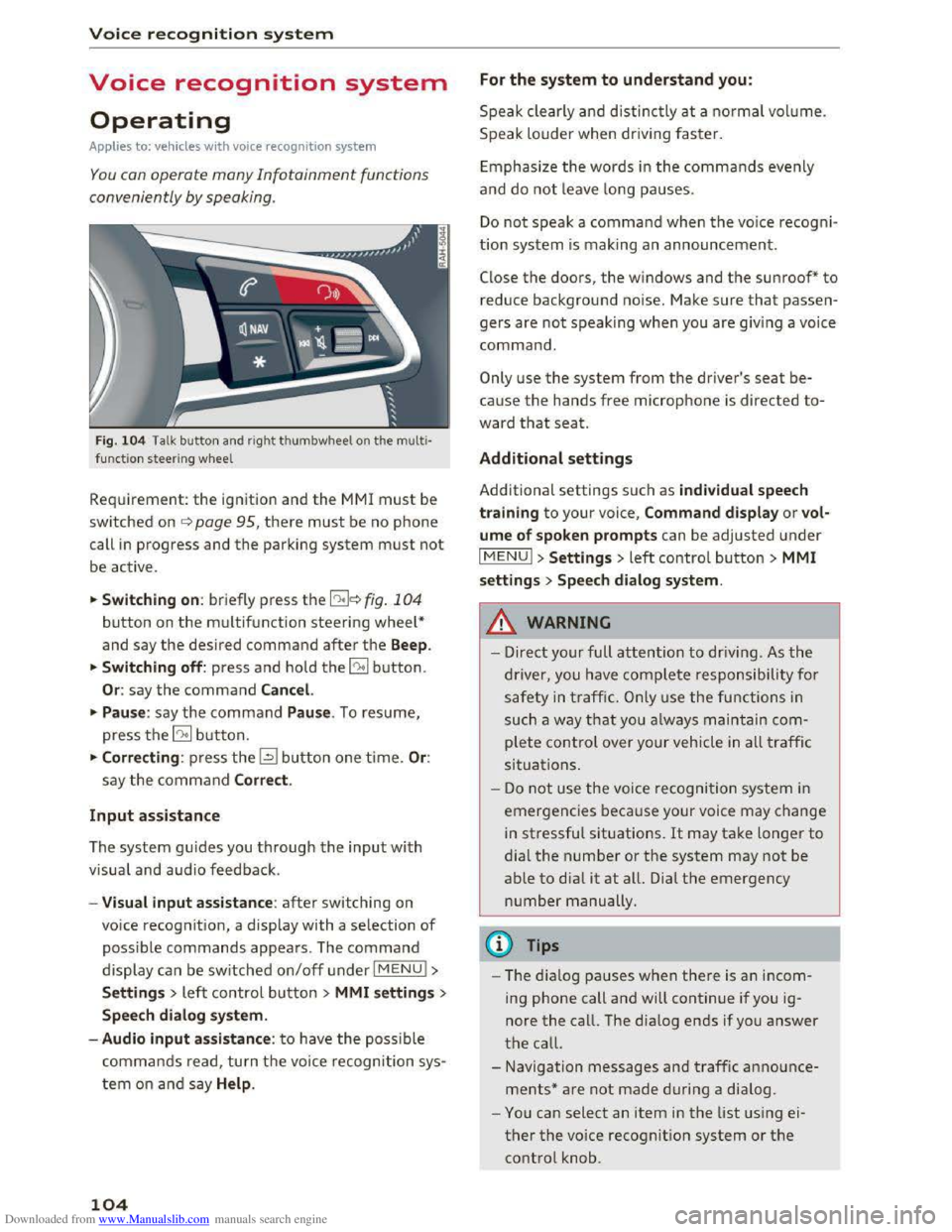
Fig. 10 4 Talk button and right thumbwheel on th e multi·
functi o n steer ing whee l
Requirement: the ignition and the MM! must be
switched on i::> page 95, there must be no phone
call in progress and the parking system must not
be active .
.. S
witching on: briefly press the 12!]c:> fig . 104
button on the multifunction steering wheel*
and say the desired command after the Beep.
..
Switching off: press and hold the 5:1 b utton.
Or : say the command Cancel.
.. Pause: say the command Pause . To resume,
press the 10°1 b utton.
.. Corre cting: press the~ button one time. Or:
say the command Correct.
Input assistance
The system gu ides you through the input with
visual
and audio feedback.
- Visual
input assistance: after switching on
voice
recognition, a display with a selection of
possible commands appears. The command
display can be switched on/off under I MENU!>
S ettings> left control bu tton > MMI settings>
Speech dialog system.
- Audio
input assistance: to have the possible
commands read, turn t h e voice recognition sys
tem on a nd say Help .
104
For the system to understand you:
Speak clearly and distinc tly at a normal vol ume.
Speak louder when driving faster.
E
mphasiz e the words in the commands evenly
and do not leave long pauses.
Do not speak a command when the voice recogni ·
tion system is making an announcement.
Close the doors, the windows and the sunroof* to
reduce background noise. Make sure that passen
gers are not speaking when you are giving a voice
command.
Only use the system from the driver's seat be
cause the hands free microphone is directed to·
ward that seat.
Additional settings
Additional settings such as individual speech
tra ining to your voice, Command display or v ol
ume of spoken prompts can be adjusted under
IMENUI >Settings> left control button> MMI
settings > Speech dialog system .
.&. WARNING
- Direct your full attention to driv ing . As the
driver, you have complete responsibility for
safety in traffic. O nly use the functions in
such a way th
at yo u always maintain com
plete control over your vehicle in all traffic
situations.
-
Do not use the voice recognition system in
emergencies beca use your voice may change
in stressful situations. It may take longer to
dial the number or the system may not be
able to dia l it at all. Dial th e emergency
number manually.
@Tips
- The dia log pauses when ther e is an incom
ing phone call and will continue if you ig
nore the call. The dialog ends if you answer
the call.
- Navigation messages and traffic announce·
ments* are not made during a dialog.
-
You can select an item in the list using ei
ther the voice recognition system or the
control knob.
Page 178 of 322
Downloaded from www.Manualslib.com manuals search engine Safe driving
mats will prevent them from sliding into posi
tions that could interfere with the pedals or im
pair
safe operation of your vehicle in other ways.
&. WARNING
--9
Pedals that cannot move freely can result in a
loss
of vehicle control and increase the risk of
serious personal injury.
- Always make
sure that floor mats are prop
erly
secured.
- Never place or install floor mats or other
floor coverings in the vehicle that cannot be
properly
secured in place to prevent them
from slipping and interfering with the ped
als or the ability to control the vehicle.
- Never place or insta ll floor
mats or other
floor coverings on top of already installed
floor
mats. Additional floor mats and other
coverings will reduce the size of the pedal
area and interfere with the pedals.
- Always properly
reinstall and secure floor
mats that have been taken out for cleaning.
-Always make sure that objects cannot fall
into
the driver footwell while the vehicle is
moving. Objects can become trapped under
the brake pedal and accelerator pedal caus
ing a loss of vehicle control.
Stowing Luggage
Loading the luggage compartment
All luggage and other objects must be properly
stowed and secured in the luggage compart
ment.
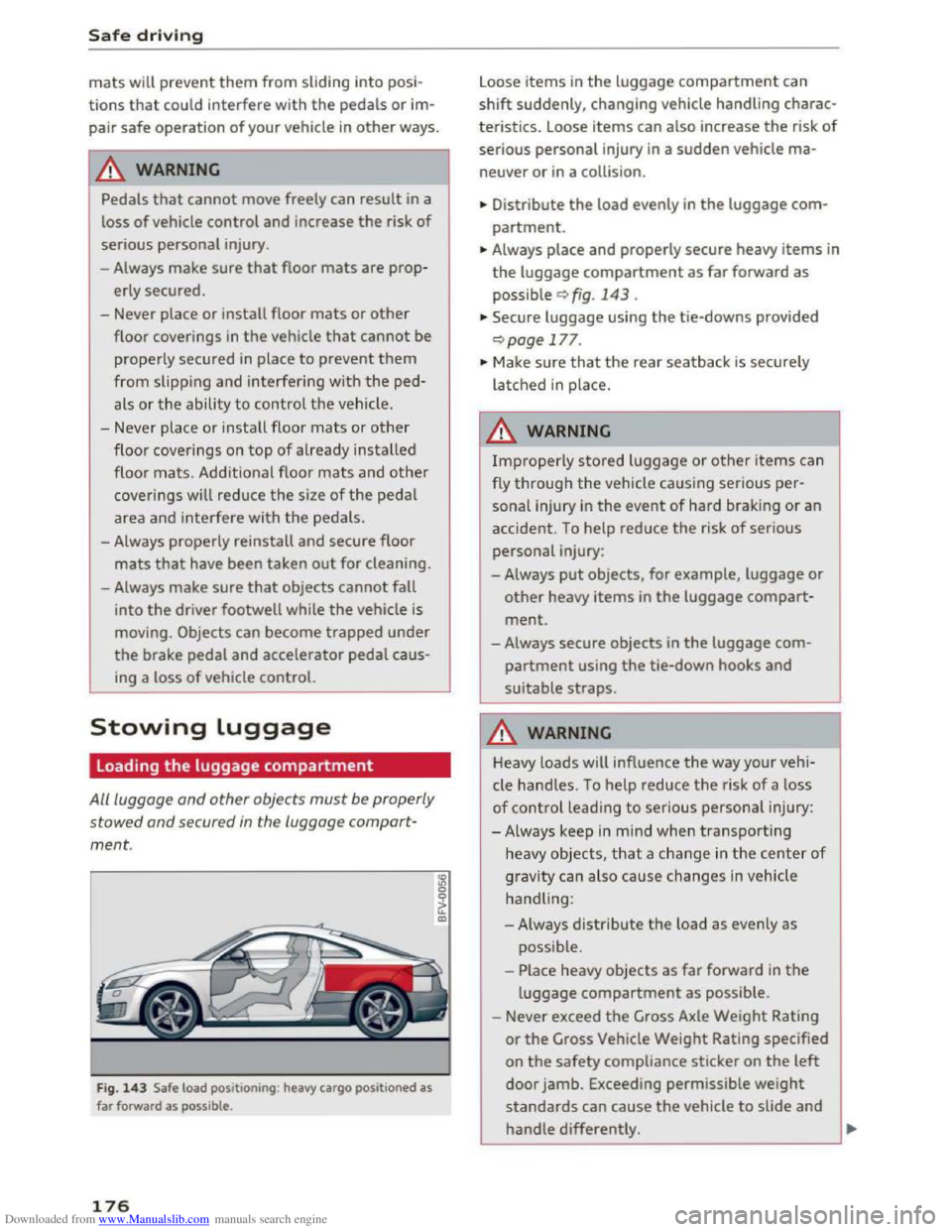
Fig. 143 Safe load posit ioning : heavy cargo positioned as
far forward as possible .
176
"' "' 0 0
it m
Loose items in the luggage compartment can
shift suddenly, changing vehicle handling charac
teristics. Loose
items can also increase the risk of
serious personal injury in a sudden vehicle ma
neuver or in a collision .
• Distribute
the load evenly in the luggage com
partment.
•Always place and properly secure heavy items in
the luggage compartment as far forward as
possible q fig. 143.
•Secure luggage using the tie-downs provided
qpage 177.
•Make sure that the rear seatback is securely
latched in place.
A WARNING
Improperly stored luggage or other items can
fly
through the vehicle causing serious per
sonal injury in the event of hard braking or an
accident. To help reduce the risk of serious
personal injury:
- Always
put objects, for example, luggage or
other heavy items in the luggage compart
ment.
-Always secure objects in the luggage com
partment using the tie-down hooks and
suitable straps.
A WARNING
Heavy loads will influence the way your vehi
cle
handles. To help reduce the risk of a loss
of control leading to serious personal injury:
-Always keep in m ind when transporting
heavy objects,
that a change in the center of
gravity can also cause changes in vehicle
handling:
- Always
distribute the load as evenly as
possible.
- Place heavy
objects as far forward in the
luggage compartment as possible.
- Never exceed
the Gross Axle Weight Rating
or the Gross Vehicle Weight Rating specified
on the safety compliance sticker on the left
door jamb. Exceeding permissible weight
standards can cause the vehicle to slide and
hand le differently. ..,.
Page 193 of 322
Downloaded from www.Manualslib.com manuals search engine For this reason, and because the back seat is the
safest place for children -when properly restrain
ed according
to their age and size -we strongly
recommend that children always sit in the back
seat Q page 212, Child safety.
_&WARNING
A child in a rearward-fac ing child seat instal
led on
the front passenger seat will be seri
ously injured
and can be killed if the front air
bag inflates -even with
an Advanced Airbag
System.
-The inflating airbag will hit the child seat or
infant carrier with great force and will
smash the child seat and child against the
backrest, center armrest, door or roof.
- Always
install rear-facing child seats on the
rear seat.
-If you must install a rearward facing child
seat on the front passenger seat because of
exceptional circumstances and the PASSEN·
GER AIR BAG OFF light does not come on
and stay on, immediately install the rear
facing child
seat in a rear seating position
and have
the airbag system inspected by
your Audi dealer.
- Forward-facing child
seats installed on the
front passenger's seat may interfere with
the deployment of the airbag and cause se·
rious personal injury to the child.
A WARNING
If, in exceptional circumstances, you must in
stall a forward-facing child restraint on the
front passenger's seat:
-Always make sure the forward-facing seat
has been designed and certified by its man
ufacturer for use on a front seat with a pas
senger front and side airbag.
- Never
put the forward-facing child restraint
up against or very near the instrument pan
el.
-Always move the passenger seat into its
rearmost position in the seat's fore and aft
adjustment range, as far away from the air
bag as possible
before installing the for-
Airbag system
ward-facing child restraint. The backrest
must be adjusted to an upright position.
- Make
sure that the PASSEN GER AIR BAG
OFF light comes on and stays on all the time
whenever the ignition is switched on.
A WARNING
To reduce the risk of serious injury, make sure
that the PASSENGER AIR BAG OFF light will
be displayed
whenever a child restraint is in
stalled on the front passenger seat and the
ignition is switched on.
-
If the PAS SENGER AIR BAG OFF light does
not stay on, perform the checks described
~page 199, Monitoring the Advanced Air·
bag System.
-Take the child restraint off the front passen·
ger seat and install it properly at one of the
rear seat positions if the PASSENGER AIR
BAG OFF light does not stay on.
- Have
the airbag system inspected by your
Audi dealer immediately.
- Always carefully follow
instructions from
child restraint manufacturers when instal
ling child restraints.
A WARNING
If, in exceptional circumstances, you must in
stall a forward or rearward-facing child re
straint on the front passenger's seat:
-Improper installation of child restraints can
reduce their effectiveness or even prevent
them from provid ing any protection.
-An improperly installed child restraint can
interfere with the airbag as it deploys and
seriously injure
or even kill the child -even
with an Advanced Airbag System.
-Always carefully follow the manufacturer's
instructions provided with the child seat or
carrier.
-Always make sure that there is nothing on
the front passenger seat that will cause the
capacitive passenger detection system in
the seat to signal to the Airbag System that
the seat is occup ied by a person when it is ~
191
Page 195 of 322
Downloaded from www.Manualslib.com manuals search engine -Objects in the zone of a deploying airbag
can
become projectiles when the airbag de
ploys and cause serious personal injury.
- Never hold
things in your hands or on your
lap
when the vehicle is in use.
-Never place accessories or other objects
(such as cup holders, telephone brackets,
note pads, navigation systems, or things
that are large, heavy, or bulky) on the doors;
never
attach then to the doors or the wind
shield; never place
them over or near or at
tach them to the area marked ,.AIRBAG" on
the steering wheel, instrument panel or the
seat backrests; never place them between
these areas and you or any other person in
the vehicle.
- Never
attach objects to the windshield
above
the passenger front airbag, such as
accessory GPS navigation units or music
players. Such
objects could cause serious in
jury
in a collision, especially when the air
bags inflate.
- Never recline
the front passenger seat to
transport objects. Items can also move into
the deployment area of the side airbags or
the front airbag during breaking or in a sud
den maneuver. Objects near the airbags can
fly dangerously through the passenger com
partment and cause injury, particularly
when the seat is reclined and the airbags in
flate.
A WARNING
A person on the front passenger seat, espe
cially infants and small children, will receive
serious injuries and can even be killed by be
ing
too close to the airbag when it inflates.
- Although
the Advanced Airbag System in
your vehicle is designed to turn off the front
passenger airbag if an infant or a small child
is on
the front passenger seat, nobody can
absolutely guarantee that deployment un
der these special conditions is impossible in
all conceivable situations that may happen
during the useful life of your vehicle.
- The Advanced Airbag
System can deploy in
accordance with the "low risk" option under
-I
Airbag system
the U.S. Federal Standard if a child that is
heavier
than the typical one-year old child is
on
the front passenger seat and the other
conditions for airbag deployment are met.
- Accident statistics have shown that children
are generally safer in the rear seat area than
in the front seating position .
- For
their own safety, all children, especially
12 years and younger, should always ride in
the back properly restrained for their age
and size.
Advanced front airbag system
Your vehicle is equipped with a front Advanced
Airbag
System in compliance with United States
Federal Motor Vehicle Safety Standard 208 asap
plicable at the time your vehicle was manufac
tured.
The front Advanced Airbag System supplements
the safety belts to provide additional protection
for the driver's and front passenger's heads and
upper bodies in frontal crashes. The airbags in
flate only in frontal impacts when the vehicle de
celeration is high enough.
The front Advanced Airbag System for the front
seat occupants is not a substitute for your safety
belts. Rather, it is part of the overall occupant re
straint system in your vehicle. Always remember
that the airbag system can only help to protect
you, if you are sitting upright, wearing your safe
ty belt and wearing it properly. This is why you
and your passengers must always be properly re
strained, not just because the law requires you to
be.
The Advanced Airbag
System in your vehicle has
been certified to meet the "low risk" require-
ments for 3 and 6 year-old children on the pas
senger side and very small adults on the driver
side. The low risk
deployment criteria are intend
ed to help reduce the risk of injury through inter
action with the front airbag that can occur, for
example, by being too close to the steering wheel
and instrument panel when the airbag inflates.
In addition,
the system has been certified to
comply with the "suppression" requirements of .,..
193
Page 197 of 322
Downloaded from www.Manualslib.com manuals search engine smash the child seat and child against the
backrest, center armrest, door, or roof.
- Always
install rearward-facing child re
straints on the rear seat.
-If you must install a rearward facing child
seat on the front passenger seat because of
exceptional circumstances and the PASSEN
GER AIR BAG OFF light does not come on
and stay on, immediately install the rear
facing child
seat in a rear seating position
and have the airbag system inspected by
your Audi dealer.
A WARNING
If, in exceptional circumstances, you must in
stall a forward-fac ing chi ld restraint on the
front passenger's seat:
- Always make sure the forward-fac ing seat
has been designed and cer t ified by its man
ufacturer for use on a fron t seat with a pas
senger front and side airbag .
- Never
put the forward-facing child restraint
up against or very near the instrument pan
el.
-Always move the passenger seat into its
rearmost position in the seat's fore and aft
adjustment range, as far away from the air
bag as possible, before install ing the for
ward-facing child
restraint. The backrest
must be adjusted to an upright positio n.
-Always make sure that there is nothing on
the front passenger seat that will cause the
capacitive passenger detection system in
the seat to signa l to the Airbag System that
the seat is occupied by a person when it is
not, or to signa l that it is occupied by some
one who is heavier than the person actually
sitting on the seat. T he presence of addi
tional objec ts could cause the passenger
fro nt airbag to be turned on when it should
be off, or could cause the airbag to work in a
way
that is different from the way it would
have worked
without the object on the seat.
- Make
sure that the PASSENGER AIR BAG
OFF light comes on and stays on all the time
whenever the ignition is switched on.
Airbag system
Advanced Airbag System components
The front passenger seat in your vehicle has a lo t
of ve ry important parts of the Advan ced Airb ag
System in it. These parts include the capacitive
passenger detection system, wiring, brackets,
and more. The control unit monitors the system
on the front passenger seat when the ignition is
switched on and turns the airbag indicator light
on when a malfunction in the one of the system
components is detected c> page 200. Because
the front passenger seat contai ns important
parts of the Advanced Airbag System, you must
take care to p revent it from being damaged.
Dam age to the seat m ay prevent the Advan ced
Airbag
System for the front passenger seat from
doing its job in a crash.
The front Advanced Airbag System consists
of the following:
-Crash sensors in the front of the ve hicl e tha t
measure vehicle acceleration/deceleration to
prov ide information to the Advanced Airbag
System about the severity of the crash.
-
An electronic control unit, with integrated
crash sensors for front and side impacts. The
control un it "decides" whether to f ir e the front
airbags based on the information rece ived from
the crash sensors. The control unit also "de
cides" whether the safety belt pretensioners
should be activated.
-
An Advanced Airbag with gas generator for the
driver inside the steering wheel hub .
-
An Adva nced Airbag with gas generator inside
the instrument panel for the front passenger.
- A
capacitive passenger detection system under
neath the front passenger seat cove r. This sys
tem measures the electrica l capacitance of the
pe rson in the seat. The information registered
is sent continuous ly to the electronic control
u
nit to reg ulate deployment of t he front Ad
vanced Airbag on
the passenger side.
-
An airbag monitori ng system and ind ic a tor
ligh t in t he i nstrument cl us ter c>poge 199.
-A sensor in each front seat registers t he d is
tance between the respective seat and the
steering wheel or ins trument panel. The infor-
mation registered is sent continuousl y to the ...
195
Page 200 of 322
Downloaded from www.Manualslib.com manuals search engine Airbag sy ste m
When an airbag deploys, fine dust is released.
This is normal and is not caused by a fire in the
vehicle. This dust is made up mostly of a powder
used to lubricate the airbags as they deploy. It
could irritate skin.
It is important to remember that while the sup
plemental airbag system is designed to reduce
the likelihood of serious injuries, other injuries,
for example swelling , bruising and minor abra
sions, can also happen when airbags inflate. Air
bags do not protect the arms or the lower parts
of the body. Front airbags supplement the three
point safety belts only in some frontal collisions
in which the vehicle deceleration is high enough
to deploy the airbags.
Front airbag s will not deploy:
-ifthe ignit ion is switched off when a crash oc-
curs,
-in side collisions,
-
in rear-end collisions,
-
in rollovers,
-
when the crash deceleration measured by the
airbag system is less than the minimum thresh
old needed for airbag deployment as registered
by the electronic control unit.
The front passenge r airbag will also not
deploy:
-when the front passenger seat is not occupied,
-
when the electrical capacitance measured by
the capacitive passenger detection system for
the front passenger seat indicates that the pas
senger side frontal airbag must be switc hed off
by the electronic control unit (the PASSENGER
AIR
BAG OFF light Q page 200 and how they
work comes on and stays on).
A WARNING
Sitting in the wrong position can increase the
risk of serious injury in crashes.
-To reduce the risk of injury when the airbags
inflate, the driver and passengers must al
ways
sit in an upright position, must not
lean against or place any part of their body
too close to the area where the airbags are
located.
198
-Occupants who are unbelted, out of position
or too close to the airbag can be seriously
injured
by an airbag as it unfolds with great
force in the blink of an eye Q page 189.
A WARNING
A child in a rearward-facing child seat instal
led
on the front passenger seat will be seri
ously injured
and can be killed if the front air
bag inflates -even with an Advanced Airbag
System.
-The inflating airbag will hit the child seat or
infant carrier with great force and will
smash the child seat and child against the
backrest, center armrest, door or roof.
- Always install rear-facing
child seats on the
rear seat.
- If you must install a rearward facing child
seat on the front passenger seat because of
exceptional circumstances and the PASSEN
GER AIR BAG OFF light does not come on
and stay on, immediately install the rear
facing child seat in a rear seating position
and have the airbag system inspected by
your Audi dealer.
A WARNING
Objects between you and the airbag will in
crease the risk of injury in a crash by interfer
ing with the way the airbag unfolds or by be
ing pushed into you as the airbag inflates.
- Never hold
things in your hands or on your
lap when the vehicle is in use.
-
-Never transport items on or in the area of
the front passenger seat. Objects could
move in
to the area of the front airbags dur
ing braking or other sudden maneuver and
become dangerous projectiles that can
cause serious personal injury if the airbags
inflate.
- Never place
or attach accessories or other
objects (such as cup holders, telephone
brackets, large, heavy or bulky objects) on
the doors, over or near the area marked
"AIRBAG" on the steering wheel, instru
ment panel, seat backrests or between
Page 201 of 322
Downloaded from www.Manualslib.com manuals search engine those areas and yourself. These objects
could cause injury in a crash, especially
when the airbags inflate.
- Never recline
the front passenger's seat to
transport objects. Items can also move into
the area of the side airbag or the front air
bag during braking or in a sudden maneu
ver. Objects near the airbags can become
projectiles and cause injury, particularly
when the seat is reclined.
- Never place
or transport objects on the
front passenger seat. Objects on the front
passenger seat could cause the capac itive
sensor in the seat to signal to airbag system
that the seat is occup ied by a person when it
in fact is not, or that the person on the seat
is heavier than he or she actually is. The
change in electric capacitance because of
such objects can cause the passenger front
airbag to be turned on when it should be
off, or can cause the a irbag to work in a way
that is diffe rent from the way it would have
worked without objects on the seat.
- Always make sure that there is nothing on
the front passenger seat that will cause the
capaciti ve passenger detection system in
the seat to signal to the Airbag System tha t
the seat is occupied by a person when it is
not, or to signa l that it is occupied by some
one who is heavier than the person actually
sitting on
the seat. The presence of an ob
ject could cause the passenger front airbag
to be turned on when it should be off, or
cou ld cause the air bag to work in a way that
is different from the way it wou ld have
worked witho ut the object on the seat.
- Never tilt the front passenger seat backrest
forward when the vehicle is moving. An in
flating airbag will force the backrest back
ward and can injure rear seat occupants.
_&WARNING
The fine dust created when airbags deploy can
cause breathing problems for people w ith a
history
of asthma or other breathing condi
tions.
Airba g system
- To reduce the ris k of breathing problems,
those with asthma or other respiratory con
ditions should get fresh a ir right away by
getting out of the vehicle or opening win
dows or doors.
-
If you are i n a collision in which airbags de
p loy, wash your hands and face with mild
soap and water before eating.
-
Be carefu l not to get the dust into your eyes,
or into any cuts or scratches.
-Ifthe residue should get into your eyes,
f lush
them w ith water.
Monitoring the
Advanced Airbag System
t~~ Airbag monitoring indicator light
Two separate indicators monitor the function of
the Advanced Airbag System: the airbag moni
toring indicator light and the PASSENGER AIR
BAG OFF light.
The Advanced Airbag System as well as the side
airbags and side curta in airbags with ejection
mitigation features (including the electronic con
trol unit, sensors and system wiring) are all
monitored continuously to make sure that they
are functioning properly whenever the ignition is
on. Every time you turn on the ign ition, the a ir
bag system indica to r light II will come on for a
few
seconds ( function check).
The system must be inspected when the
indicator light II:
-does not come on when the ignition is sw itched
on,
-
does not go out a few seconds after you have
switched on the igni tion, or
-comes on while driving .
If an airbag system malfunction is detected, the
indicator light will first start flashing to catch the
driver's attention and then stay on continuously
to serve as a constant rem inder to have the sys
tem inspected immediately.
If a malfunction occurs that turns the front air-
bag on
the passenger side off, the PASSENGER ..,.
199
Page 203 of 322
Downloaded from www.Manualslib.com manuals search engine .....
the combined capacitance of a typical l year
old
infant and one of the rearward-facing or
forward-facing child restraints listed in Federal
Motor Vehicle
Safety Standard 208 with which
the Advanced Airbag System in your vehicle was
certified.
If the front passenger seat is not occupied, the
front airbag will not deploy, and the PASSENGER
AIR BAG OFF light will stay on. Never install a
rearward -facing child
restraint on the front pas
senger seat, the safest place for a child in any
kind
of child restraint is at one of the seating po
sitions on
the rear seat ~page 189, Child re
straints on the front
seat -some important
things to know
and ~page 212, Child safety.
If the PASSENGER AIR BAG light comes
on ...
If the PASSENGER AIR BAG OFF light comes on
when one of the conditions listed above is met,
be sure to check the light regularly to make cer
tain that the PASSENGER AIR BAG OFF light
stays on continuously whenever the ignition is
on. If the PASSENGER AIR BAG OFF light does
n
ot appea r on and does not stay on all the time,
stop as soo n as it is safe to do so and
- reactivate
the system by turning the ignition
off for more than 4 seconds and then turning it
on again;
- remove and reinstall
the child restraint. Make
sure that the child restraint is properly instal
led and
that the safety belt for the front pas
senger seat has been correctly routed through
the child restrain t as described in th e child re
straint manufacturer's instructions;
- make
sure that the convertible locking retrac
tor on the safety belt for the front passenger
seat has been activated and that the safety belt
has been pulled tight.
-make sure that no electrical device (such as a
laptop,
CD player, electron ic games device,
power inverter
or seat heater for child seats) is
placed or used on the front passenger seat if
the device is connected to the 12-volt socket or
~ the cigarette lighter socket;
co -make sure that no seat heater has been retro-...
~ fitted or otherwise added to the front passen-
..... :::: ger seat;
Airbag system
-make sure that nothing can interfere with the
safety belt buckles and that they are not ob
structed;
-make sure that there are no wet objects (such
as a wet towel) and no water or other liquids on
the front passenger seat cushion.
If the PASSENGER AIR BAG light still does
not come on ...
If the PASSENGER AIR BAG OFF light still does
not come on and does not stay on continuously
(when
the ignition is switched on),
-
take the child restraint off the front passenger
seat and install it properly at one of the rear
seat positions. Have the airbag system inspect
ed
by your Audi dealer immediately.
-move the child to a rear seat position and make
sure that the child is properl y restrained in a
child
restraint that is appropriate for its size
and age.
The PASSENGER AIR BAG light should NOT
come on ...
The PASSENGER AIR BAG OFF light should NOT
come on when the ignition is on and an adult is
sitting in a prope r seating position on the front
passenger seat. If the PASSENGER AIR BAG OFF
light comes on and stays on or flashes for about
5 seconds while driving, under these circumstan
ces,
make sure that:
-the adult on the front passenger seat is proper
ly seated on the center of the seat cu sh ion wit h
his or
her back up against the backrest and the
backrest is not reclined,
-
the adult is not taking weight off the seat by
holding on to the passenger assist handle
above
the front passenger door or supporting
their weight on the armrest,
-the safety belt is being properly worn and that
there is not a lot of slack in the safety belt web
bing,
-
there are no aftermarket seat covers or cush
ions or
other things (such as blankets) on the
front passenger seat that might cause the ca
pacitive passenger detection system to miscal
culate electrical capacitance.
201
Page 208 of 322
Downloaded from www.Manualslib.com manuals search engine Airbag system
-at least 10 in (25 cm) between the chest
and the steering wheel/instrument panel.
-
at least 4 in (10 cm) between the knees
and the lower part of the instrument pan
el.
- The risk
of personal injury increases if you
lean forward
or to the side, or if the seat is
improperly positioned and you are not wear
ing your safety belt. The risk increases even
more should the airbag deploy.
- Always
make sure that the knee airbag can
inflate without interference. Objects be
tween you and the airbag can increase the
risk of injury in an accident by interfering
with
the way the airbag deploys or by being
pushed into you as the airbag deploys.
- Never
let anybody, especially children or
animals ride in the footwell in front of the
passenger seat. If the airbag deploys, this
can result in serious or fatal injuries.
- Never carry
objects of any kind in the foot
well area in front of the driver's or pas
senger's seat. Bulky objects (shopping
bags, for example) can interfere with or
prevent proper deployment of the airbag.
Small objects can be thrown through the
vehicle if the airbag deploys and injure you
or your passengers.
-Make sure there are no cracks, deep scratch
es or other damage in the area of the instru
ment panel where the knee airbags are lo
cated.
-If children are incorrectly seated, their risk
of injury increases in a collision
~page 212, Child safety.
206
Side airbags
Description of side airbags
The airbag system can provide supplemental
protection to properly restrained front
seat occu
pants .
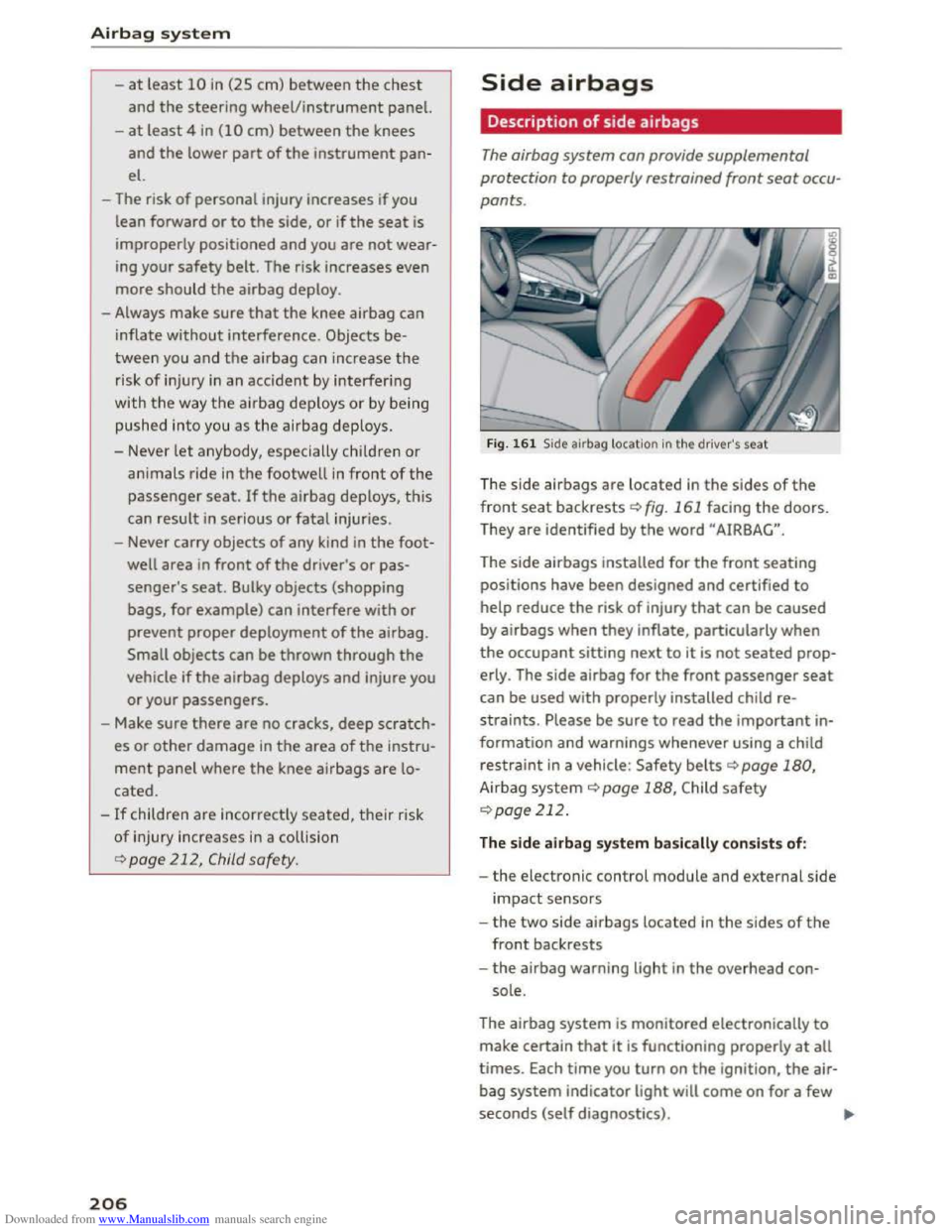
Fig . 161 Side airbag location in the driver's seat
The side airbags are located in the sides of the
front seat backrests Q fig. 161 facing the doors.
They
are identified by the word "AIRBAG".
The side airbags installed for the front seating
positions have been designed and certified to
help reduce the risk of injury that can be caused
by airbags when they inflate, particularly when
the occupant sitting next to it is not seated prop
erly. The
side airbag for the front passenger seat
can be used with properly installed child re
straints. Please be sure to read the important in
formation and warnings whenever using a child
restraint in a vehicle: Safety belts Q page 180,
Airbag system Q page 188, Child safety
¢page 212.
The side airbag syste m b asica lly consist s o f:
-
the electronic control module and external side
impact sensors
-the two side airbags Located in the sides of the
front backrests
-the airbag warning light in the overhead con
sole.
The airbag system is monitored electronically to
make certain that it is functioning properly at all
times. Each time you turn on the ignition, the air
bag system indicator light will come on for a few
seconds (self diagnostics). Iii>
Page 210 of 322
Downloaded from www.Manualslib.com manuals search engine Airbag sy ste m
passenger. In order to help provide this addition
al protection, the side airbag must inflate within
a
fraction of a second at very high speed and with
great force . The supplemental side airbag could
injure you if
your seating position is not proper or
upright or if items are located in the area where
the supplemental side airbag expands. This ap
plies especially to children Q page 212, Child
safety.
Supplemental side airbags inflate be
tween the occupant and the door panel on the
side of the vehicle that is struck in certain side
collision Qfig. 162.
Although they are not a soft pillow, they can
"cushion" the impact and in this way they can
he lp
to reduce the risk of injury to the upper part
of the body.
A fine
dust may develop when the airbag deploys.
This is
normal and does not mean there is a fire
in the vehicle.
Important safety instructions on the side
airbag
system
Airbags ore only supplemental restraints. Always
properly wear safety belts and ride in a proper
seating posit ion.
There is a lot that you and your passengers must
know and act accordingly to help the safety belts
and airbags do their job to provide supplemental
protection.
A WARNING
An inflating side airbag can cause serious or
fatal injury. Improperly wearing safety belts
and improper seating positions increase the
r isk of serious personal injury and death
whenever a vehicle is being used.
-In order to reduce the risk of injury when
the supplemental side airbag inflates:
-Always sit in an upright position and never
lean against the area where the supple-
mental side airbag is located.
-Never let a child or anyone else rest their
head against the side trim panel in the
area where the supplemental side airbag
inflates.
208
-Always make sure that safety belts are
worn correctly,
-
Do not let anyone sitting in the front seat
put their hand or any other parts of their
body out of the window.
- Always
make sure that the side airbag can
inflate without interference.
- Never install seat covers or replacement
upholstery over the front seatbacks that
have not been specifically approved by
Audi.
- Never
use additional seat cushions that
cover the areas where the side airbags de
ploy.
-
Damage to the original seat covers or to
the seam in the area of the s ide airbag
module must always be repaired immedi
ately by an
authorized Audi dealer.
-Objects between you and the airbag can in
crease the risk of injury in an accident by in
terfering with the way the airbag unfolds or
by being pushed into you as the airbag in
flates.
-Never place or attach accessories or other
objects (such as cup holders, telephone
brackets, or even large, bulky objects) on
the doors, over or near the area marked
"AIRBAG" on the seat backrests.
-Such objects and accessories can become
dangerous projectiles and cause injury
when the supplemental side airbag de
ploys.
- Never carry any
objects or pets in the de
ployment space between them and the
airbags or allow children or other passen
gers to travel in this position.
- Always
use the built-in coat hooks only for
lightweight clothing. Never leave any heavy
or sharp-edged objects in the pockets that
may interfere with side airbag deployment
and can cause personal injury in an accident.
- Always
prevent the side airbags from being
damaged by heavy objects knocking against
or hitting the sides of the seatbacks.
-The airbag system can only be triggered
once. If the airbag has been triggered, the
system must be replaced by an authorized
Audi dealership. ~