warning AUDI TT ROADSTER 2016 Owners Manual
[x] Cancel search | Manufacturer: AUDI, Model Year: 2016, Model line: TT ROADSTER, Model: AUDI TT ROADSTER 2016Pages: 306, PDF Size: 31.82 MB
Page 244 of 306
Downloaded from www.Manualslib.com manuals search engine Checking
and topping up fluids
months so that you can continue to operate your
vehicle reliably. Ask at your filling station wheth
er the diesel fuel available there is suitable for
the current conditions and for the temperatures
which could potentially occur.
CD CAUTION
- Never use FAME fuels (biodiesel), petrol,
heating oil, thinners or any other fuels or
additives, as these could cause serious dam
age to the fuel system and the engine.
- Never start the engine if you fill up with the
wrong type of fuel, as this could damage
the fuel system and the engine. Obtain pro
fessional assistance.
Filling the tank
Procedure for filling the tank
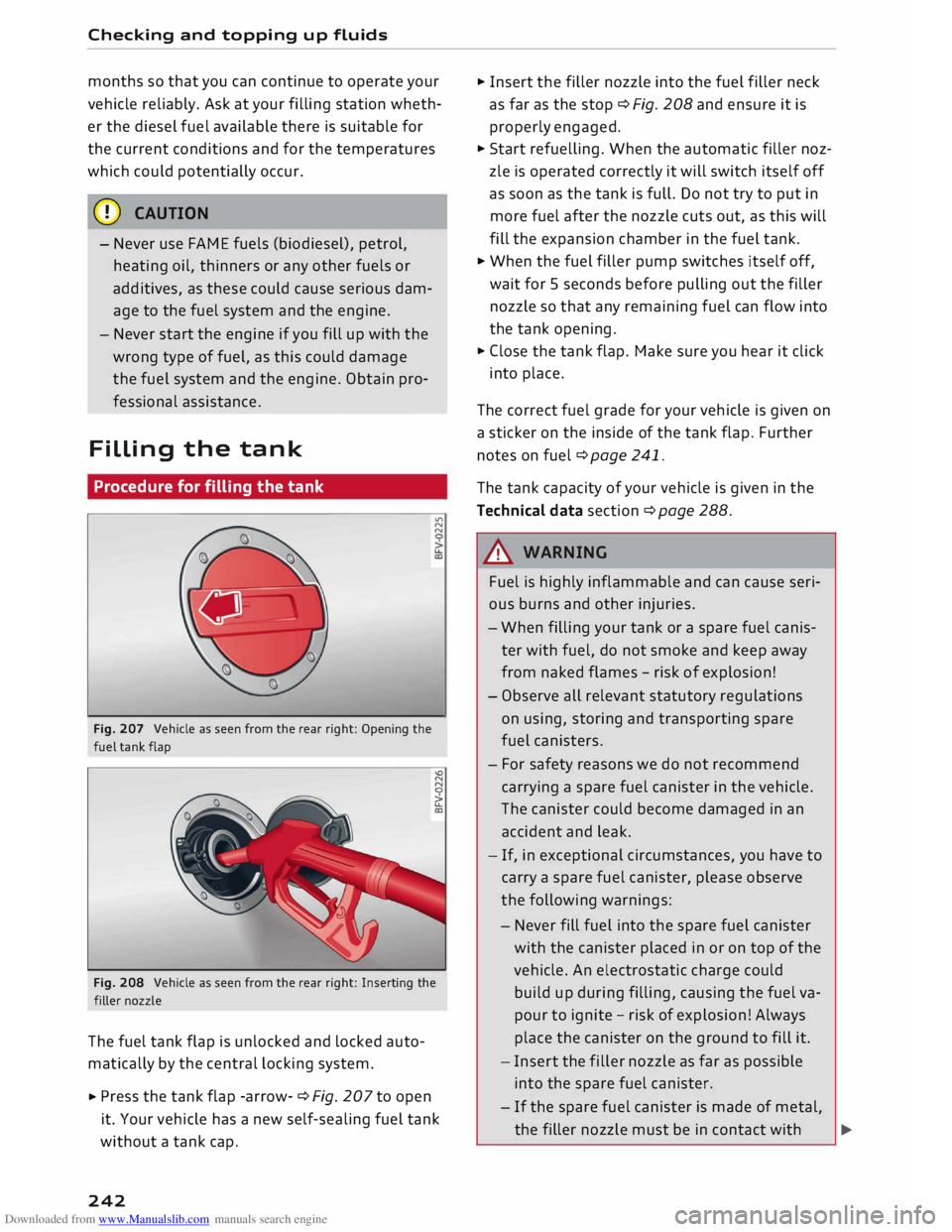
Fig. 207 Vehicle as seen from the rear right: Opening the
fuel tank flap .,..
N
N
u..
a,
Fig. 208 Vehicle as seen from the rear right: Inserting the
filler nozzle
The fuel tank flap is unlocked and Locked auto
matically by the central Locking system.
... Press
the tank flap -arrow- ¢ Fig. 207 to open
it. Your vehicle has a new self-sealing fuel tank
without a tank cap.
242 ...
Insert the filler nozzle into the fuel filler neck
as far as the stop ¢ Fig. 208 and ensure it is
properly engaged .
... Start refuelling. When the automatic filler noz
zle is operated correctly it will switch itself off
as soon as the tank is full. Do not try to put in
more fuel after the nozzle cuts out, as this will
fill the expansion chamber in the fuel tank.
.., When the fuel filler pump switches itself off,
wait for 5 seconds before pulling out the filler
nozzle so that any remaining fuel can flow into
the tank opening.
... Close the tank flap. Make sure you hear it click
into place.
The correct fuel grade for your vehicle is given on
a sticker on the inside of the tank flap. Further
notes on fuel ¢ page 241.
The tank capacity of your vehicle is given in the
Technical data section ¢ page 288 .
A WARNING
Fuel is highly inflammable and can cause seri
ous burns and other injuries.
- When filling your tank or a spare fuel canis
ter with fuel, do not smoke and keep away
from naked flames -risk of explosion!
- Observe all relevant statutory regulations
on using, storing and transporting spare
fuel canisters.
- For safety reasons we do not recommend
carrying a spare fuel canister in the vehicle.
The canister could become damaged in an
accident and Leak.
- If, in exceptional circumstances, you have to
carry a spare fuel canister, please observe
the following warnings:
- Never fill fuel into the spare fuel canister
with the canister placed in or on top of the
vehicle. An electrostatic charge could
build up during filling, causing the fuel va
pour to ignite -risk of explosion! Always
place the canister on the ground to fill it.
- Insert the filler nozzle as far as possible
into the spare fuel canister .
- If the spare fuel canister is made of metal,
the filler nozzle must be in contact with �
Page 246 of 306
Downloaded from www.Manualslib.com manuals search engine Checking
and topping up fluids
... After fuelling, remove the funnel and close the
fuel tank flap so that it locks in place.
CD CAUTION
Remove any fuel spills from the paintwork im
mediately.
Releasing the tank flap manually
The tank flap can be released manually if the
tank unlocking system should fail to operate.
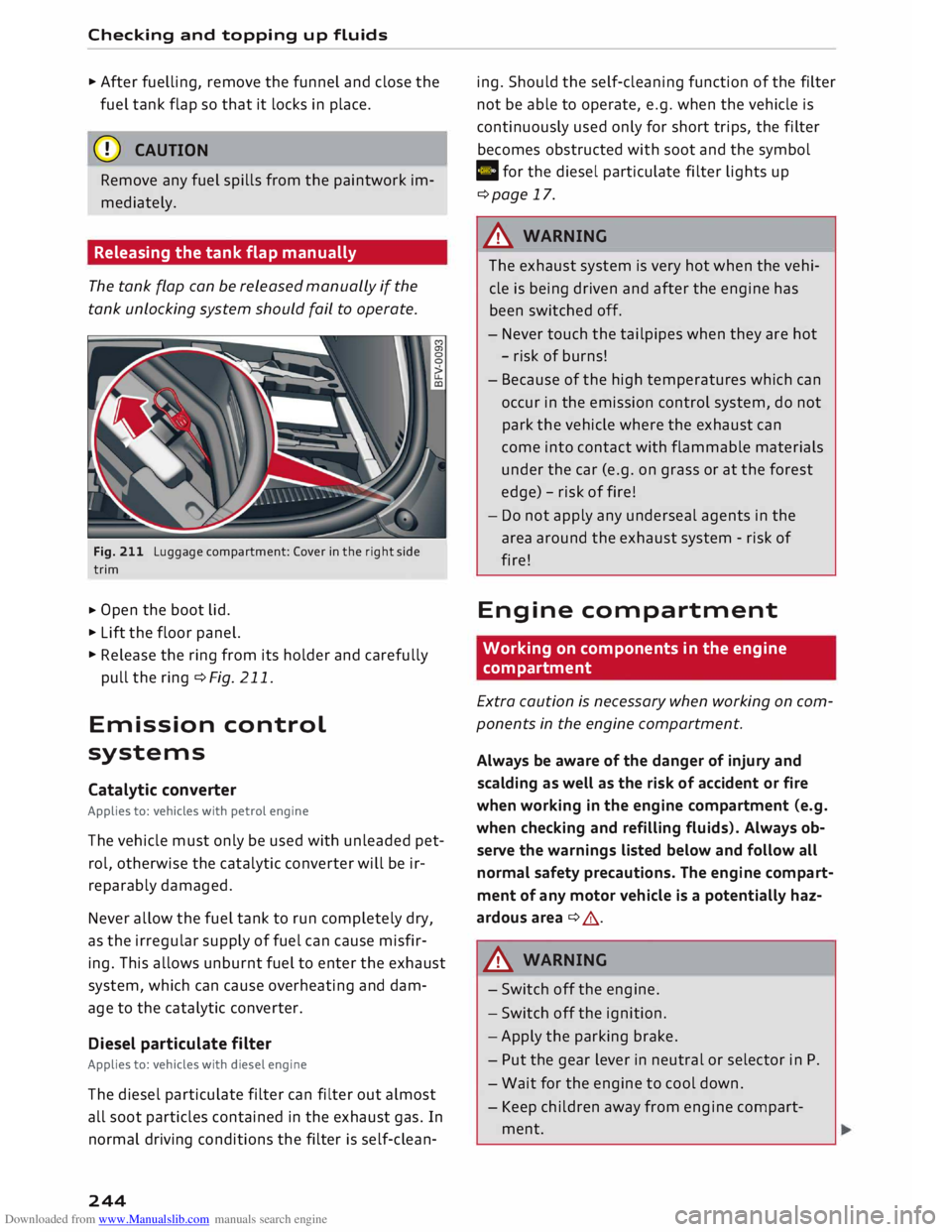
Fig. 211 Luggage compartment: Cover in the right side
trim
... Open
the boot lid .
... Lift the floor panel.
... Release the ring from its holder and carefully
pull the ring ¢Fig. 211.
Emission control
systems
Catalytic converter
Applies to: vehicles with petrol engine
The vehicle must only be used with unleaded pet
rol, otherwise the catalytic converter will be ir
reparably damaged.
Never allow the fuel tank to run completely dry,
as the irregular supply of fuel can cause misfir
ing. This allows unburnt fuel to enter the exhaust
system, which can cause overheating and dam
age to the catalytic converter.
Diesel particulate filter
Applies to: vehicles with diesel engine
The diesel particulate filter can filter out almost
all soot particles contained in the exhaust gas. In
normal driving conditions the filter is self-clean-
244 ing.
Should the self-cleaning function of the filter
not be able to operate, e.g. when the vehicle is
continuously used only for short trips, the filter
becomes obstructed with soot and the symbol
C for the diesel particulate filter lights up
¢page 17.
A WARNING
The exhaust system is very hot when the vehi
cle is being driven and after the engine has
been switched off.
- Never touch the tailpipes when they are hot
- risk of burns!
- Because of the high temperatures which can
occur in the emission control system, do not
park the vehicle where the exhaust can
come into contact with flammable materials
under the car (e.g. on grass or at the forest
edge) -risk of fire!
- Do not apply any underseal agents in the
area around the exhaust system -risk of
fire!
Engine compartment
Working on components in the engine
compartment
Extra caution is necessary when working on com
ponents in the engine compartment.
Always be aware of the danger of injury and
scalding as well as the risk of accident or fire
when working in the engine compartment (e.g.
when checking and refilling fluids). Always ob
serve the warnings listed below and follow all
normal safety precautions. The engine compart
ment of any motor vehicle is a potentially haz
ardous area ¢ A .
A WARNING
- Switch off the engine.
- Switch off the ignition.
- Apply the parking brake.
- Put the gear lever in neutral or selector in P.
- Wait for the engine to cool down.
- Keep children away from engine compart-
ment.
Page 247 of 306
Downloaded from www.Manualslib.com manuals search engine 0
N
,.....
N
......
0
,.....
Vl
CX) -
Never spill fluids on a hot engine. These flu
ids can cause a fire (e.g. radiator anti
freeze).
- Take care not to cause short circuits in the
electrical system, especially when working
on the battery.
- When working in the engine compartment
be aware that the radiator fan may start
running suddenly, even if the ignition is
switched off -risk of injury!
- Do not unscrew the cap on the expansion
tank when the engine is hot. The cooling
system is under pressure.
- Protect face, hands and arms by covering
the cap with a large, thick rag to protect
against escaping coolant and steam.
- Never remove the engine cover panel -risk
of burns!
- If any tests have to be performed with the
engine running, there is an extra safety risk
from the rotating parts, such as the drive
belts, alternator and radiator fan, etc., and
from the high-voltage ignition system.
- Vehicles with automatic gearbox: Never
open the throttle inadvertently (for instance
by hand from the engine compartment) if a
gear is engaged while the vehicle is station
ary with the engine running. The vehicle will
otherwise start moving immediately and
could cause an accident.
- Observe the following additional warnings if
work on the fuel system or the electrical
system is necessary:
- Do not smoke.
- Never work near naked flames.
- Always keep an approved fire extinguisher
immediately available.
- Any work on the batteries and electrical sys
tem in your vehicle entails a risk of injury
and chemical burns in addition to danger of
accident or fire. For this reason, you must
have the work carried out by a qualified
workshop.
CD CAUTION
When topping up fluids make sure the correct
fluid is put into the correct filler opening. This Checking
and topping up fluids
can otherwise cause serious malfunctions or
engine damage.
@ For the sake of the environment
Inspect the ground underneath your vehicle
regularly so that any leaks are detected at an
early stage. If you find spots of oil or other
fluids, have your vehicle inspected in the
workshop.
i Note
On right-hand drive vehicles* some of the
containers/ reservoirs mentioned below are
located on the other side of the engine com
partment.
Opening/closing bonnet
The bonnet is released from inside the vehicle.
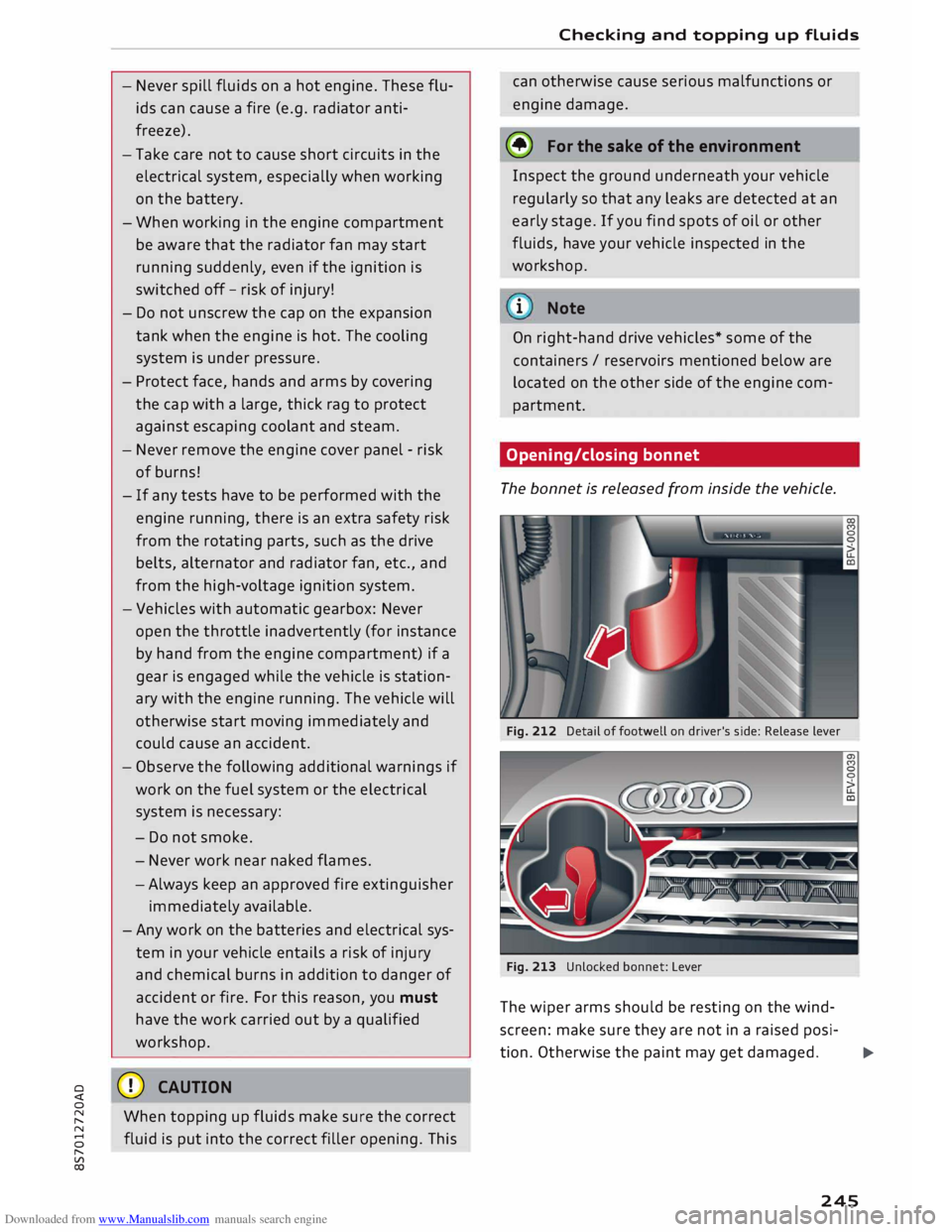
Fig. 212 Detail of footwell on driver's side: Release lever
Fig. 213 Unlocked bonnet: Lever
The wiper arms should be resting on the wind
screen: make sure they are not in a raised posi-
tion. Otherwise the paint may get damaged.
..,..
245
Page 248 of 306
Downloaded from www.Manualslib.com manuals search engine Checking
and topping up fluids
Opening the bonnet
� With the driver's door open, pull the Lever un
der the dashboard in the direction indicated
(arrow) ¢Fig. 212.
� Lift the bonnet slightly¢,&.
� Press the release Lever ¢Fig. 213 in the direc
tion indicated (arrow). This will release the ar
rester hooks.
� Open the bonnet.
Closing the bonnet
� To close the bonnet, pull it down to overcome
the spring pressure.
� Then Let it drop into the catches; do not press
down ¢,&.
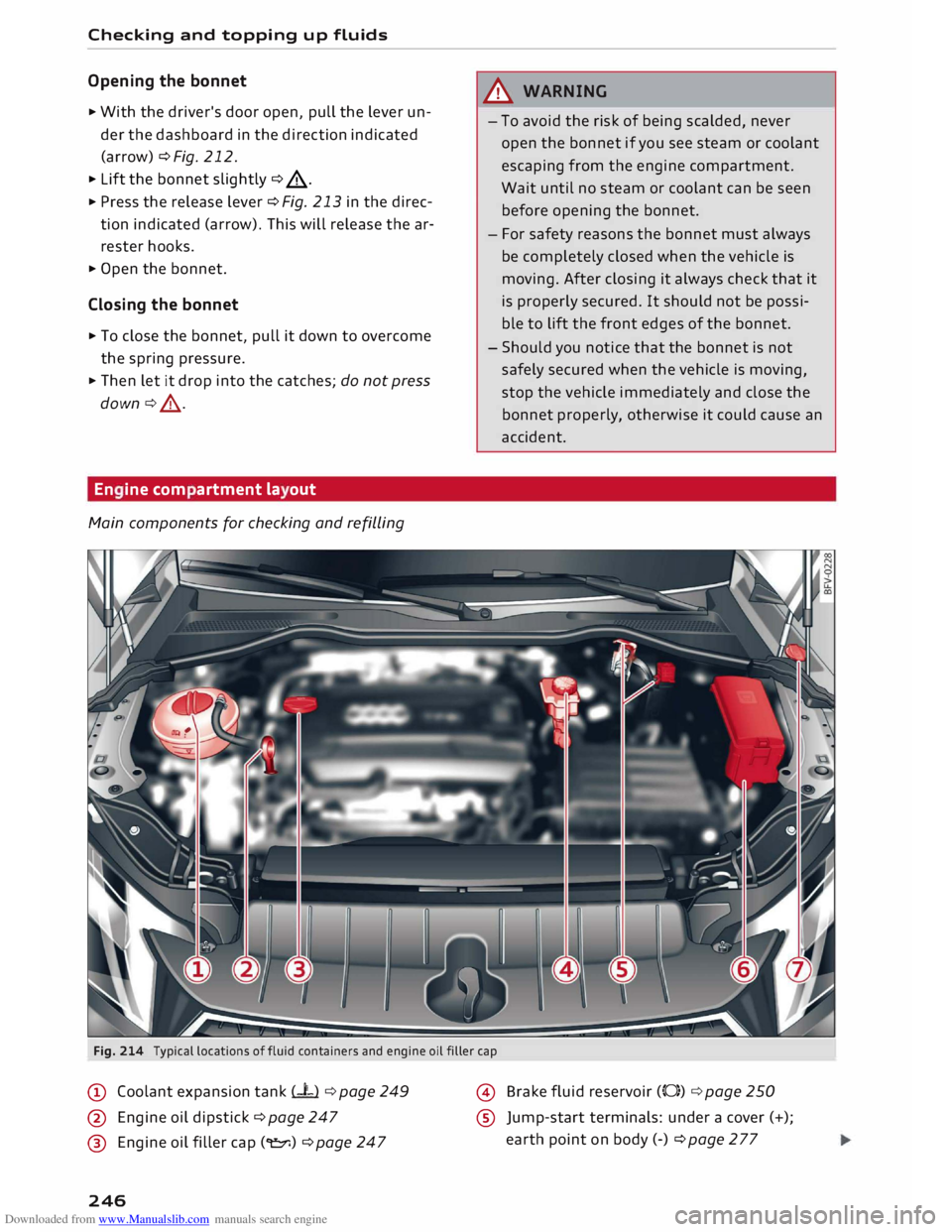
En ine com artment la out
Main components for checking and refilling A
WARNING
- To avoid the risk of being scalded, never
open the bonnet if you see steam or coolant
escaping from the engine compartment.
Wait until no steam or coolant can be seen
before opening the bonnet.
- For safety reasons the bonnet must always
be completely closed when the vehicle is
moving. After closing it always check that it
is properly secured. It should not be possi
ble to Lift the front edges of the bonnet.
- Should you notice that the bonnet is not
safely secured when the vehicle is moving,
stop the vehicle immediately and close the
bonnet properly, otherwise it could cause an
accident.
Fig. 214 Typical locations offluid containers and engine oil filler cap
@ Coolant expansion tank (-L) ¢ page 249
@ Engine oil dipstick ¢ page 247
@ Engine oil filler cap(�) ¢ page 247
246 @
Brake fluid reservoir (0)) ¢ page 250
® Jump-start terminals: under a cover (+);
earth point on body (-) ¢page277
Page 250 of 306
Downloaded from www.Manualslib.com manuals search engine Checking
and topping up fluids
- Switch off the warm engine. Wait for a few mi
nutes for the oil to drain back into the sump.
- Open the bonnet ¢page 245.
- Pull out the oil dipstick ¢page 246, Fig. 214,
wipe it with a clean cloth and insert it again,
pushing it in as far as it will go.
- Then pull the dipstick out again and check the
oil level ¢table on page 248.
- If the oil level is too low, add more engine oil.
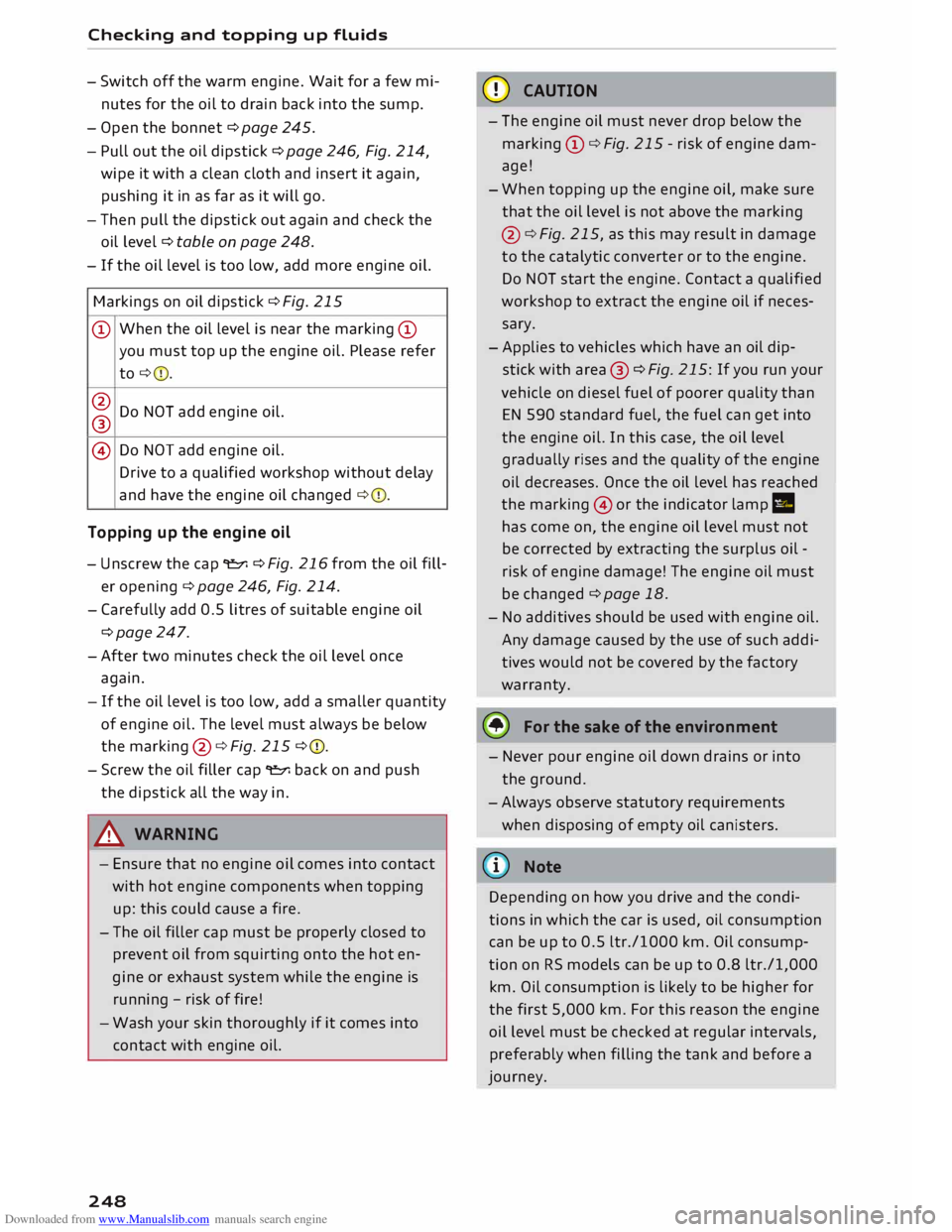
Markings on oil dipstick ¢ Fig. 215
@ When
the oil Level is near the marking @
you must top up the engine oil. Please refer
to ¢ 0.
@ Do NOT add engine oil.
®
@ Do
NOT add engine oil.
Drive to a qualified workshop without delay
and have the engine oil changed ¢0.
Topping up the engine oil
- Unscrew the cap "E::71 ¢Fig. 216from the oil fill
er opening ¢ page 246, Fig. 214.
- Carefully add 0.5 litres of suitable engine oil
¢page 247.
-After two minutes check the oil level once
again.
- If the oil level is too low, add a smaller quantity
of engine oil. The level must always be below
the marking @¢Fig. 215 ¢0.
- Screw the oil filler cap "E::71 back on and push
the dipstick all the way in.
A WARNING
- Ensure that no engine oil comes into contact
with hot engine components when topping
up: this could cause a fire.
- The oil filler cap must be properly closed to
prevent oil from squirting onto the hot en
gine or exhaust system while the engine is
running -risk of fire!
- Wash your skin thoroughly if it comes into
contact with engine oil.
248 CD
CAUTION
- The engine oil must never drop below the
marking (!)¢ Fig. 215 -risk of engine dam
age!
- When topping up the engine oil, make sure
that the oil level is not above the marking
@ ¢Fig. 215, as this may result in damage
to the catalytic converter or to the engine.
Do NOT start the engine. Contact a qualified
workshop to extract the engine oil if neces
sary.
- Applies to vehicles which have an oil dip
stick with area® ¢Fig. 215: If you run your
vehicle on diesel fuel of poorer quality than
EN 590 standard fuel, the fuel can get into
the engine oil. In this case, the oil Level
gradually rises and the quality of the engine
oil decreases. Once the oil level has reached
the marking @or the indicator lamp II
has come on, the engine oil level must not
be corrected by extracting the surplus oil -
risk of engine damage! The engine oil must
be changed ¢ page 18.
- No additives should be used with engine oil.
Any damage caused by the use of such addi
tives would not be covered by the factory
warranty.
® For the sake of the environment
- Never pour engine oil down drains or into
the ground.
-Always observe statutory requirements
when disposing of empty oil canisters.
@ Note
Depending on how you drive and the condi
tions in which the car is used, oil consumption
can be up to 0.5 Ltr./1000 km. Oil consump
tion on RS models can be up to 0.8 ltr./1,000
km. Oil consumption is likely to be higher for
the first 5,000 km. For this reason the engine
oil level must be checked at regular intervals,
preferably when filling the tank and before a
journey.
Page 251 of 306
Downloaded from www.Manualslib.com manuals search engine 0
N
,.....
N
......
0
,.....
Vl
CX) Cooling
system
Coolant
The engine cooling system is filled at the factory
with a mixture of conditioned water and coolant
additive. This coolant must not be changed.
The coolant level is monitored by a warning lamp
• ¢page 14. However, we recommend that it
should be checked occasionally.
If you do need to top up the coolant, use a mix
ture of water and coolant additive. We recom
mend mixing coolant additive with distilled wa
ter.
Coolant additive
The coolant additive contains anti-freeze and cor
rosion protection agent. Only use one of the fol
lowing coolant additives. It is possible to mix
these additives.
Coolant additive Specification
G13 TL 774
J
G12++ TL 774 G
The amount of coolant additive which needs to
be mixed with the water depends on the temper
atures to be expected in the winter season. If the
anti-freeze concentration is too low, the coolant
can freeze and cause engine damage.
Cool ant addi· Frost protec-
tive tion
Hot regions min. 40%,
min. -25 °C
max. 45%
Cold regions
min. 50%, max. -40 °C
max. 55%
CD CAUTION
- Have your qualified workshop check the
cooling system before the winter season to
make sure that the anti-freeze concentra
tion is adequate for the conditions to be ex
pected. This applies particularly if you drive
into a colder climate zone.
- To prevent damage to the engine, do not
use a different type of anti-freeze additive if
the approved type of additive is not availa- Checking
and topping up fluids
ble. In this case use only water and bring
the coolant concentration back up to the
correct level as soon as possible by putting
in the specified additive.
-Always top up with fresh, unused coolant.
- Radiator sealants must not be added to the
coolant.
Topping up coolant
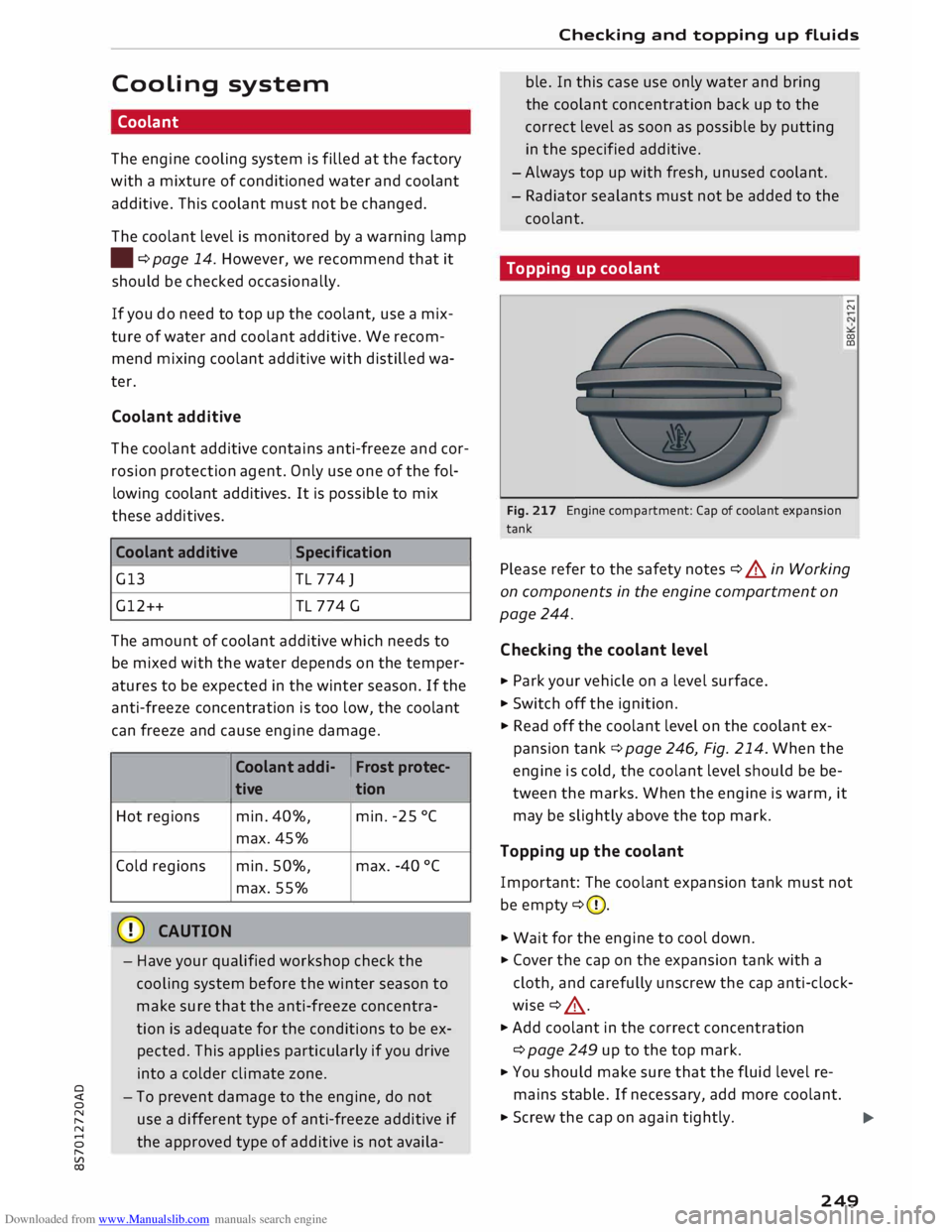
Fig. 217 Engine compartment: Cap of coolant expansion
tank ;:::;
co
CD
Please refer to the safety notes ¢ A in Working
on components in the engine compartment on
page 244.
Checking the coolant level
... Park your vehicle on a level surface.
.,.. Switch off the ignition.
.,.. Read
off the coolant level on the coolant ex
pansion tank¢ page 246, Fig. 214. When the
engine is cold, the coolant level should be be
tween the marks. When the engine is warm, it
may be slightly above the top mark.
Topping up the coolant
Important: The coolant expansion tank must not
be empty ¢(D.
.,.. Wait for the engine to cool down .
.,.. Cover the cap on the expansion tank with a
cloth, and carefully unscrew the cap anti-clock
wise ¢ ,& .
.,.. Add coolant in the correct concentration
¢ page 249 up to the top mark.
... You should make sure that the fluid level re
mains stable. If necessary, add more coolant.
... Screw the cap on again tightly.
IJi-
249
Page 252 of 306
Downloaded from www.Manualslib.com manuals search engine Checking
and topping up fluids
Any loss of coolant normally indicates a leak in
the cooling system. Drive to a qualified workshop
without delay and have the cooling system
checked. If there are no leaks in the system, a
loss of coolant can only occur if the coolant boils
and is forced out of the system as a result of
overheating.
A WARNING
- The cooling system is under pressure. Do
not unscrew the cap on the expansion tank
when the engine is hot: you could be scal
ded by escaping steam.
- The coolant and coolant additive can be a
health hazard. Store the coolant additive in
the original container in a safe place out of
reach of children -risk of poisoning.
- When working in the engine compartment
be aware that the radiator fan may start
running suddenly, even if the ignition is
switched off- risk of injury!
CD CAUTION
Do not add coolant if the expansion tank is
empty. Air could have got into the cooling
system -risk of engine damage! In this case,
do NOT drive on. Obtain professional assis
tance.
Brake fluid
&
8cm DOT 4 �
0
0
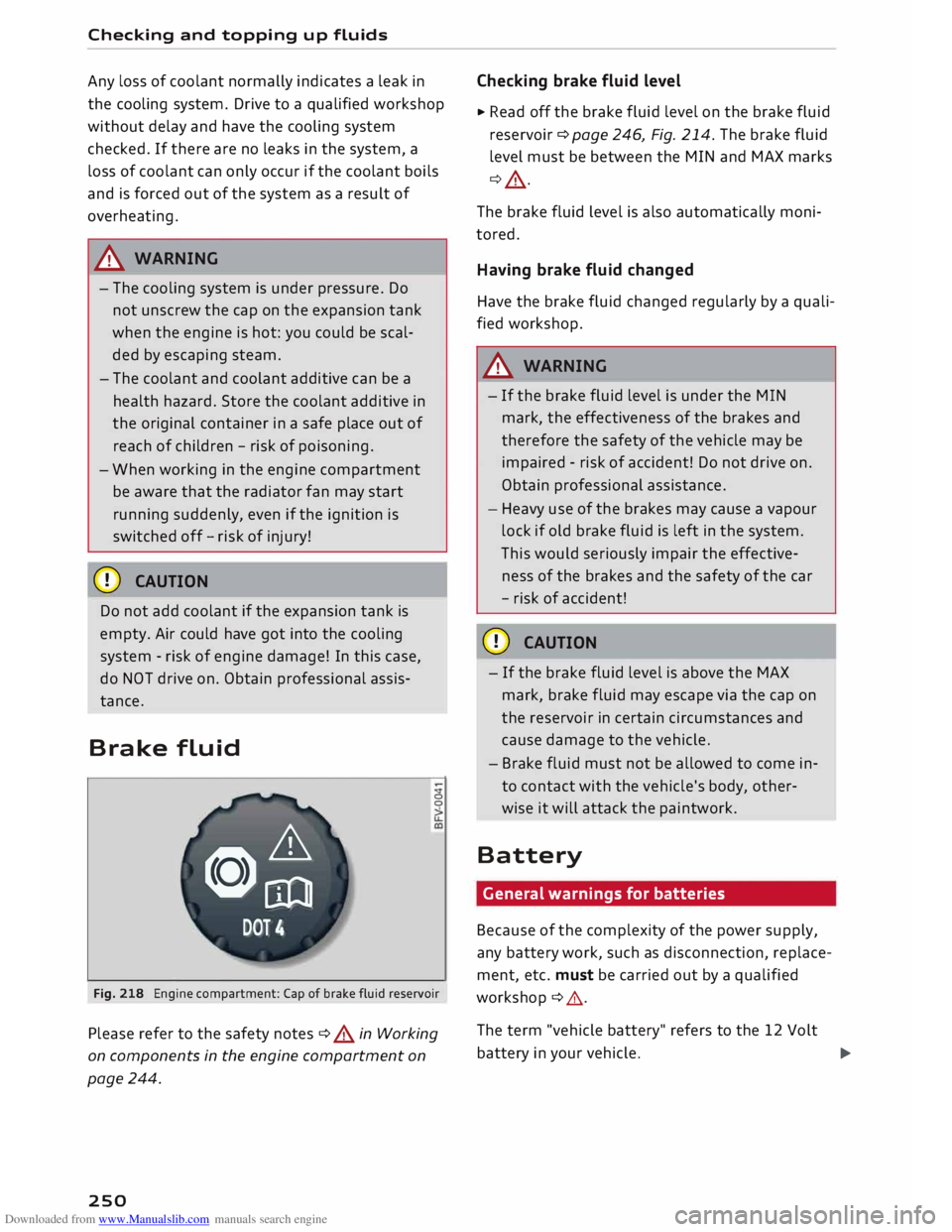
Fig. 218 Engine compartment: Cap of brake fluid reservoir
Please refer to the safety notes ¢ A in Working
on components in the engine compartment on
page 244.
250 Checking
brake fluid level
� Read off the brake fluid level on the brake fluid
reservoir ¢page 246, Fig. 214. The brake fluid
level must be between the MIN and MAX marks
¢_A.
The brake fluid level is also automatically moni
tored.
Having brake fluid changed
Have the brake fluid changed regularly by a quali
fied workshop.
A WARNING
- If the brake fluid level is under the MIN
mark, the effectiveness of the brakes and
therefore the safety of the vehicle may be
impaired -risk of accident! Do not drive on.
Obtain professional assistance.
- Heavy use of the brakes may cause a vapour
lock if old brake fluid is left in the system.
This would seriously impair the effective
ness of the brakes and the safety of the car
- risk of accident!
CD CAUTION
- If the brake fluid level is above the MAX
mark, brake fluid may escape via the cap on
the reservoir in certain circumstances and
cause damage to the vehicle.
- Brake fluid must not be allowed to come in
to contact with the vehicle's body, other
wise it will attack the paintwork.
Battery General warnings for batteries
Because of the complexity of the power supply,
any battery work, such as disconnection, replace
ment, etc. must be carried out by a qualified
workshop ¢ ,& .
The term "vehicle battery" refers to the 12 Volt
battery in your vehicle.
�
Page 253 of 306
Downloaded from www.Manualslib.com manuals search engine 0
N
,.....
N
......
0
,.....
Vl
CX) Explanation
of warnings on vehicle battery:
® Wear safety
glasses!
A Battery
acid is extremely corrosive. Wear
protective gloves and safety glasses.
@ Keep
open flames, sparks, uncovered
Lights and Lit cigarettes away from the
battery!
� A
highly explosive mixture of gases may
be given off when the battery is under
charge!
® Keep children
away from batteries and
battery acid.
.&_ WARNING
Any work on the batteries and electrical sys
tem in your vehicle entails a risk of injury and
chemical burns in addition to danger of acci
dent or fire. For this reason, you must have
the work carried out by a qualified workshop.
CD CAUTION
If the car is left standing for Long periods,
protect the battery from frost. The battery
will be damaged irreparably if it is allowed to
freeze <=> page 2 51.
@ For the sake of the environment
'8 Batteries contain toxic substances including
sulphuric acid and Lead. Please contact a
qualified workshop if you have any questions.
Vehicle battery
The term "vehicle battery" refers to the 12 Volt
battery in your vehicle.
If the vehicle is not used for long periods
If you do not drive your vehicle for a period of
several days or weeks, the power management
will gradually shut off the on-board systems one
by one, or reduce the amount of current they are
using. This Limits the amount of power consumed
and helps to ensure reliable starting even after a
Long period <=> page 118. Certain convenience fea
tures, such as interior Lighting or electric seat ad
justment, may not be available. These functions Checking
and topping up fluids
will be restored when you switch on the ignition
and start the engine.
Even though some systems are deactivated auto
matically, certain electrical equipment continues
to draw current even when the ignition is off. If
the vehicle is Left standing for Long periods, this
can result in total battery discharge. If the vehi
cle battery is allowed to discharge completely, an
internal chemical reaction damages the battery
irreparably. To avoid this, the vehicle battery
should be recharged at Least once a month
<=> page 251. Please contact a qualified workshop
if you have any questions.
Winter conditions
Cold weather is very hard on the vehicle battery.
The starting capacity may be reduced as a result.
For this reason, you should have the vehicle bat
tery checked by a qualified workshop before the
start of winter.
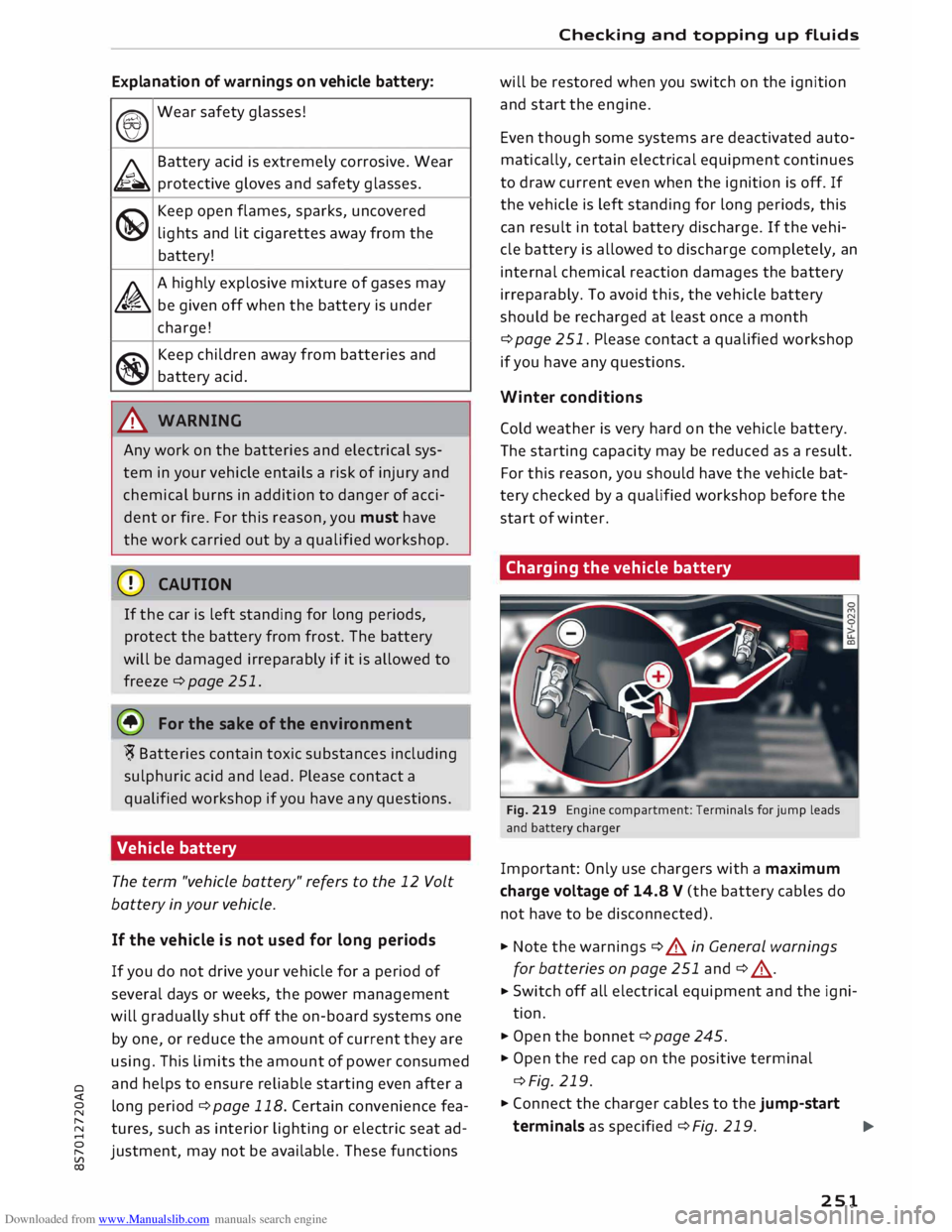
Charging the vehicle battery
Fig. 219 Engine compartment: Terminals for jump leads
and battery charger
Important: Only use chargers with a maximum
charge voltage of 14.8 V (the battery cables do
not have to be disconnected).
� Note the warnings c:> A in General warnings
for batteries on page 251 and<=> A_ .
� Switch
off all electrical equipment and the igni
tion.
� Open the bonnet<=> page 245.
� Open the red cap on the positive terminal
<=>Fig. 219.
� Connect the charger cables to the jump-start
terminals as specified <=> Fig. 219.
�
251
Page 254 of 306
Downloaded from www.Manualslib.com manuals search engine Checking
and topping up fluids
... Now connect the battery charger to the mains
and switch on.
... After charging the battery: switch off the bat-
tery charger and disconnect the mains cable .
... Detach the charger cables from the terminals.
... Refit
the red cap onto the positive terminal.
... Close the bonnet ¢page 245.
A WARNING
- A highly explosive mixture of gases may be
given off when the battery is under charge.
Only charge the vehicle battery in a well
ventilated area.
- When it is discharged the vehicle battery
can freeze at temperatures around 0°
(. You
must not use a vehicle battery which has
frozen, even after it has thawed, because
the ice may have cracked the battery casing
and allowed the battery acid to escape -risk
of explosion and chemical burns! Please
contact a qualified workshop if you have any
questions.
- Do not connect or disconnect the charging
cables during the charging process -risk of
explosion!
1 Note
- Use only the terminals in the engine com
partment to charge the vehicle battery.
- Before you charge the vehicle battery, al
ways read and follow the manufacturer's in
structions for using the battery charger.
Windscreen washer
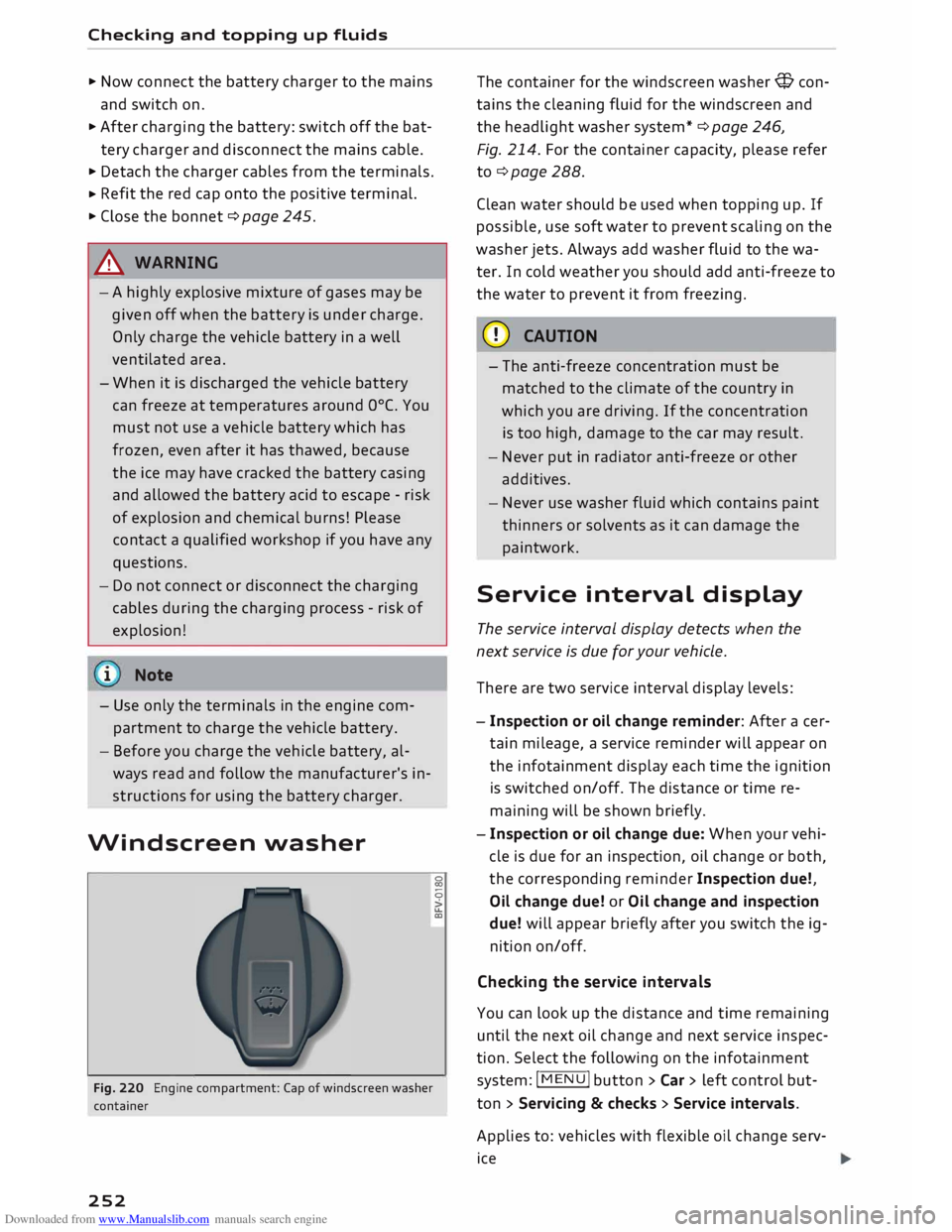
Fig. 220 Engine compartment: Cap of windscreen washer
container
252 �
0
>
u..
co The
container for the windscreen washer@ con
tains the cleaning fluid for the windscreen and
the headlight washer system* ¢ page 246,
Fig. 214. For the container capacity, please refer
to¢ page 288 .
Clean water should be used when topping up. If
possible, use soft water to prevent scaling on the
washer jets. Always add washer fluid to the wa
ter. In cold weather you should add anti-freeze to
the water to prevent it from freezing.
CD CAUTION
- The anti-freeze concentration must be
matched to the climate of the country in
which you are driving. If the concentration
is too high, damage to the car may result.
- Never put in radiator anti-freeze or other
additives.
- Never use washer fluid which contains paint
thinners or solvents as it can damage the
paintwork.
Service interval display
The service interval display detects when the
next service is due for your vehicle .
There are two service interval display levels:
- Inspection or oil change reminder: After a cer
tain mileage, a service reminder will appear on
the infotainment display each time the ignition
is switched on/off. The distance or time re
maining will be shown briefly.
- Inspection or oil change due: When your vehi
cle is due for an inspection, oil change or both,
the corresponding reminder Inspection due!,
Oil change due! or Oil change and inspection
due! will appear briefly after you switch the ig
nition on/off.
Checking the service intervals
You can look up the distance and time remaining
until the next oil change and next service inspec
tion. Select the following on the infotainment
system: IM EN u I button > Car > left control but
ton > Servicing & checks > Service intervals.
Applies to: vehicles with flexible oil change serv
ice
Page 257 of 306
Downloaded from www.Manualslib.com manuals search engine 0
N
,.....
N
......
0
,.....
Vl
CX) DOT
... 2216 ...
means, for example, that the tyre was produced
in the 22nd week of 2016.
Audi Genuine Tyres
Audi Genuine Tyres with the marking "AO" are
specially matched to your Audi. When used prop
erly, these tyres meet the highest standards in
safety and handling. Your specialist retailer will
be glad to provide more information.
_& WARNING
- Use only tyre/rim combinations and match
ing wheel bolts approved by Audi. Otherwise
damage to the vehicle and an accident could
result.
- For technical reasons, it is not possible to
use wheels from other vehicles. In certain
cases, it is not even possible to use wheels
from another vehicle of the same model.
- It is very important to ensure that the tyres
you have chosen have adequate clearance.
When selecting replacement tyres, do not
rely entirely on the nominal tyre size
marked on the tyre; with some makes of
tyre the effective tyre size can differ signifi
cantly from the nominal dimensions, even
though the tyres have the same size desig
nation. Inadequate tyre clearance can result
in damage to the tyres or the vehicle, caus
ing a serious safety risk.
-Avoid running the car on tyres that are more
than 6 years old. If you have no alternative,
you should drive slowly and with extra care
at all times.
- The use of run-flat tyres on your vehicle is
NOT authorised! Unauthorised use can cause
an accident or damage your vehicle.
- If wheel trims are fitted after the car is pur
chased, ensure that there is an adequate
flow of air for cooling the brakes -risk of ac
cident!
1} Please observe the applicable regulations in the country in
which you are travelling. Wheels
Tyre wear / damage
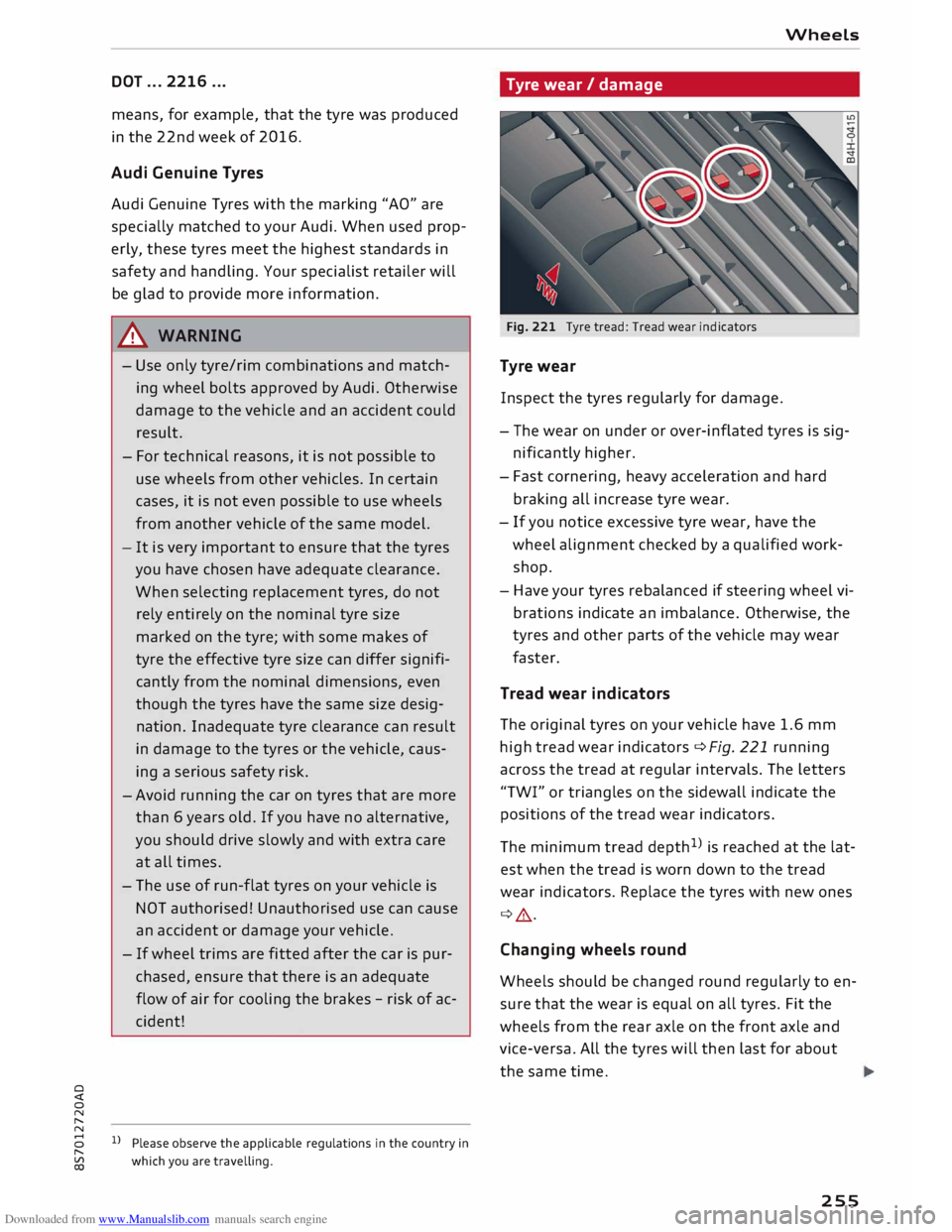
Fig. 221 Tyre tread: Tread wear indicators
Tyre wear
Inspect the tyres regularly for damage.
- The wear on under or over-inflated tyres is sig
nificantly higher.
- Fast cornering, heavy acceleration and hard
braking all increase tyre wear.
- If you notice excessive tyre wear, have the
wheel alignment checked by a qualified work
shop.
- Have your tyres rebalanced if steering wheel vi
brations indicate an imbalance. Otherwise, the
tyres and other parts of the vehicle may wear
faster.
Tread wear indicators
The original tyres on your vehicle have 1.6 mm
high tread wear indicators
¢ Fig.
221 running
across the tread at regular intervals. The letters
"TWI" or triangles on the sidewall indicate the
positions of the tread wear indicators.
The minimum tread depth 1
) is reached at the lat
est when the tread is worn down to the tread
wear indicators. Replace the tyres with new ones
¢ _8..
Changing wheels round
Wheels should be changed round regularly to en
sure that the wear is equal on all tyres. Fit the
wheels from the rear axle on the front axle and
vice-versa. All the tyres will then last for about
the same time.
255