roof AUDI TT ROADSTER 2017 Owners Manual
[x] Cancel search | Manufacturer: AUDI, Model Year: 2017, Model line: TT ROADSTER, Model: AUDI TT ROADSTER 2017Pages: 314, PDF Size: 76.54 MB
Page 36 of 314
Power top
Power top
Power top
General information
The power top opens and closes automatically .
When open, the power top is stored completely
in the power top compartment. The power top
can be opened or closed at speeds up to 30 mph
(SO km/h).
Under normal conditions, the power top is wind
and waterproof. In rare cases, small droplets of
water may form under extreme weather condi
tions such as torrential or prolonged rain. That is
normal and no cause for concern.
Follow the care instructions to keep the power
top free of leaks and to maintain its appearance
~ page 266, Core and cleaning. Also observe the
following:
- Open and stow the power top only when it is
clean and dry . Sharp-edged dirt particles can
cause damage to the rear window and the pow
er top . Stowing the power top when it is damp
can create imprints in it, and if it is left that
way for long periods of time, mildew and other
damage can form .
- Do not leave the power top open for several weeks or the creases in it may become discol
ored.
- Remove ice and snow before opening the power
top. Do not use any sharp edged objects to re move ice and snow or the power top could be
scratched or damaged . The rear window may be
cleared with a standard ice scraper .
- Do not open the power top when the tempera
ture is below 32 °F (0 °C). The fabric in the
power top loses elasticity in sub-zero tempera
tu res .
34
Opening and closing the power top
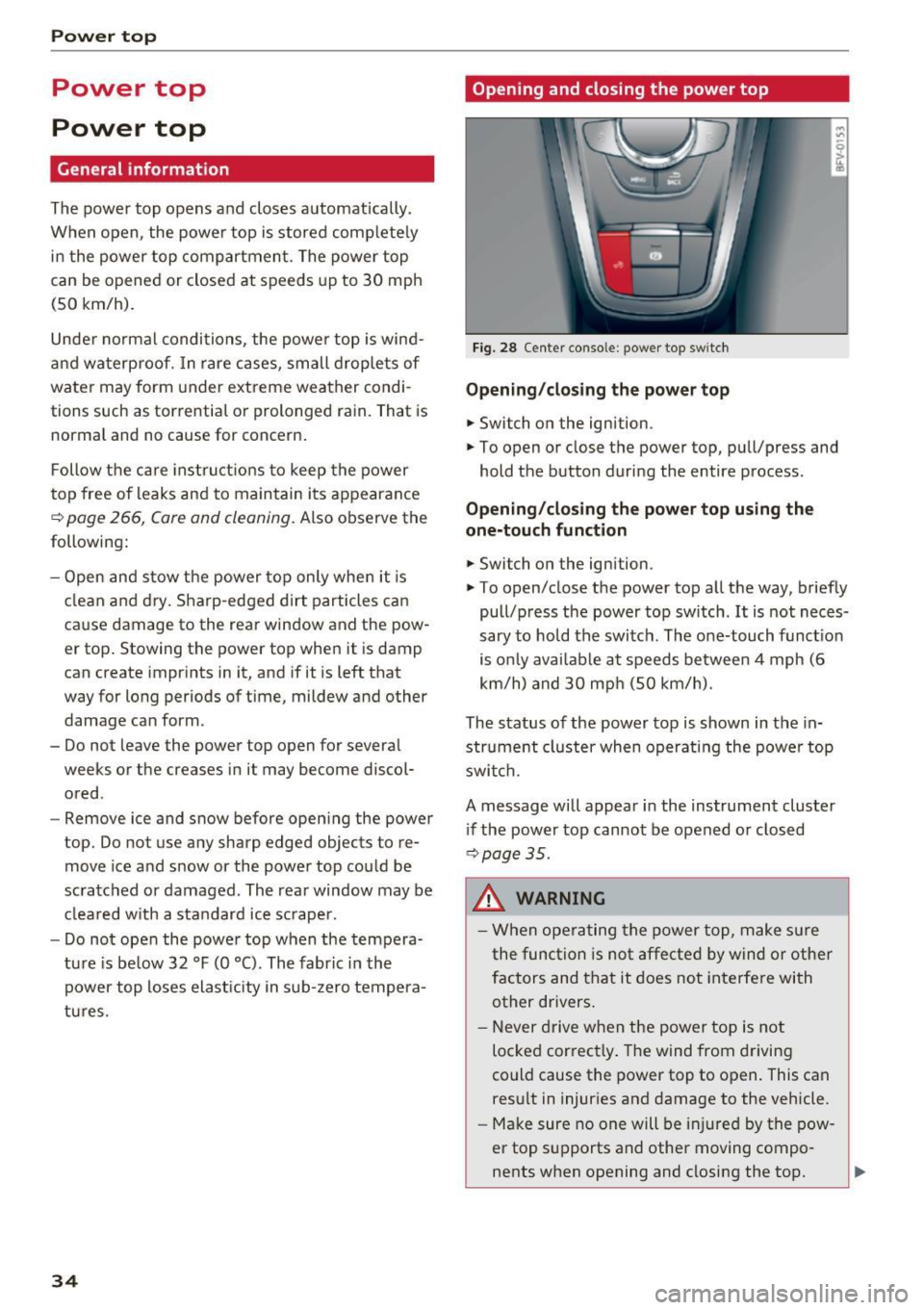
Fig. 28 Center conso le: power top sw itch
Opening/closing the power top
.,. Switch on the ignition.
.,. To open or close the power top, pull/press and
hold the button during the entire process.
Opening/closing the power top using the
one-touch function
.,. Switch on the ignition .
.,. To open/close the power top all the way, briefly
pull/press the power top switch. It is not neces
sary to hold the switch. The one-touch function
is only available at speeds between 4 mph (6
km/h) and 30 mph (SO km/h).
The status of the power top is shown in the in
strument cluster when operating the power top
switch.
A message will appear in the instrument cluster
if the power top cannot be opened or closed
~ page 35.
A WARNING
-When operating the power top, make sure
the function is not affected by wind or other
factors and that it does not interfere with
other drivers.
- Never drive when the power top is not
locked correctly. The wind from driving
could cause the power top to open. This can
result in injuries and damage to the vehicle .
- Make sure no one will be injured by the pow
er top supports and other moving compo
nents when opening and closing the top.
Page 110 of 314
Voice recognition system
Voice recognition system Operating
Applies to: vehicles with vo ice recognition system
You con operate many Infotainment functions
conveniently by speaking.
Req uirement: the ignition and the MMI must be
sw itched on, there m ust be no p hone call in p rog
ress and the park ing system must not be active .
... Switching on : briefly press the~ but ton @
¢page 21, fig. 10 on the mu ltifunction stee r
ing whee l an d say the desired command after
the
Beep .
... Switching off :
press and hold the l2!J button.
Or: say the command C ancel.
.., Pause :
say the command Pause . To resume,
press the
l2!I button .
... Corre cting : press the ~ button one t ime
@ ¢
page 20, fig. 8. Or: say the command Cor
r ec tion .
Input assistance
The system gu ides you through the input with
visual and audio feedback .
-Visual input assistance : after switching on
vo ice recognit ion, a display with a se lection of
poss ible commands appea rs. The command
display can be sw itched on/off under
I M ENU !>
Setting s> left control bu tton > MMI setting s>
Speech dialog sy stem .
-Audio input as sistance :
to have the poss ible
comma nds read, press the
10, I button on the
mul tifunction steering wheel briefly and say
Help .
For the syst em to understand you:
Speak clearly and dist inctly at a normal volume .
Speak louder when d riving faster .
Emphasize the words in the commands evenly
and do not leave long pauses .
Do not speak a command when the voice recogni
tion system is making an announcement .
Close the doors, the windows and the sunroof* to reduce bac kground noise. Make sure t hat passen-
108
gers are not speaking when you are giv ing a voice
command .
Do no t direc t the air ve nts toward the handsfree
micropho ne, which is nea r the fron t interior
li ghts on the roof headliner/on thedriver's safety
belt*. For additional information on the safety
belt m icrophone, see ¢
page 125.
Only use the system from the dr ive r's seat be
ca use the hands free microphone is directed to
ward that seat .
Additional settings
See ¢ page 180, Voice recognition system.
.&_ WARNING
-Dire ct yo ur full attention to dr iv ing . As the
driver, you have complete responsibility fo r
safety in traffic. Only use the functions in
such a way that yo u always maintain com
plete contro l over your vehicle in a ll traffic
situations.
- Do not use the voice recognition system in
emergencies beca use your voice may change
in stressful s ituations. It may take longer to
dia l the number or the system may not be
ab le to dial it at all. Dial the emergency
number manually .
(D Tips
-The d ialog pauses when there is an incom
ing phone call and will continue if you ig
nore the call. The dia log ends if you answer
the ca ll.
- There are no navigation prompts* when a di alog is act ive .
- You can select an item in the list using ei
ther the vo ice recognit ion system or the
control knob .
Command overview
information
Appl ies to: vehicles with voice recognition system
The following overv iews describe the comma nds
that can be used to operate the MMI using the
voice recognition system. ..,.
Page 127 of 314
CD
CD
.... N
" N ...... 0
" V, co
Import contact s
See c:> page 123, Importing and exporting con
tacts .
Export contacts
See c:> page 123, Importing and exporting con
tacts.
Download directory
To upd ate the contacts in the MMI, you can man
ually download your cell phone contacts . De
pending on the cell phone , the Bluetooth connec
tion may need to be disconnected and reconnect ed to update the contacts.
Hide contacts w ithout phone number
W hen th is function is sw itched on~, contacts
that do not have any numbers ass igned to them
will be grayed out in the d irectory .
Safety belt microphone
Applies to: vehicles with telephone or voice recognitio n sys
tem
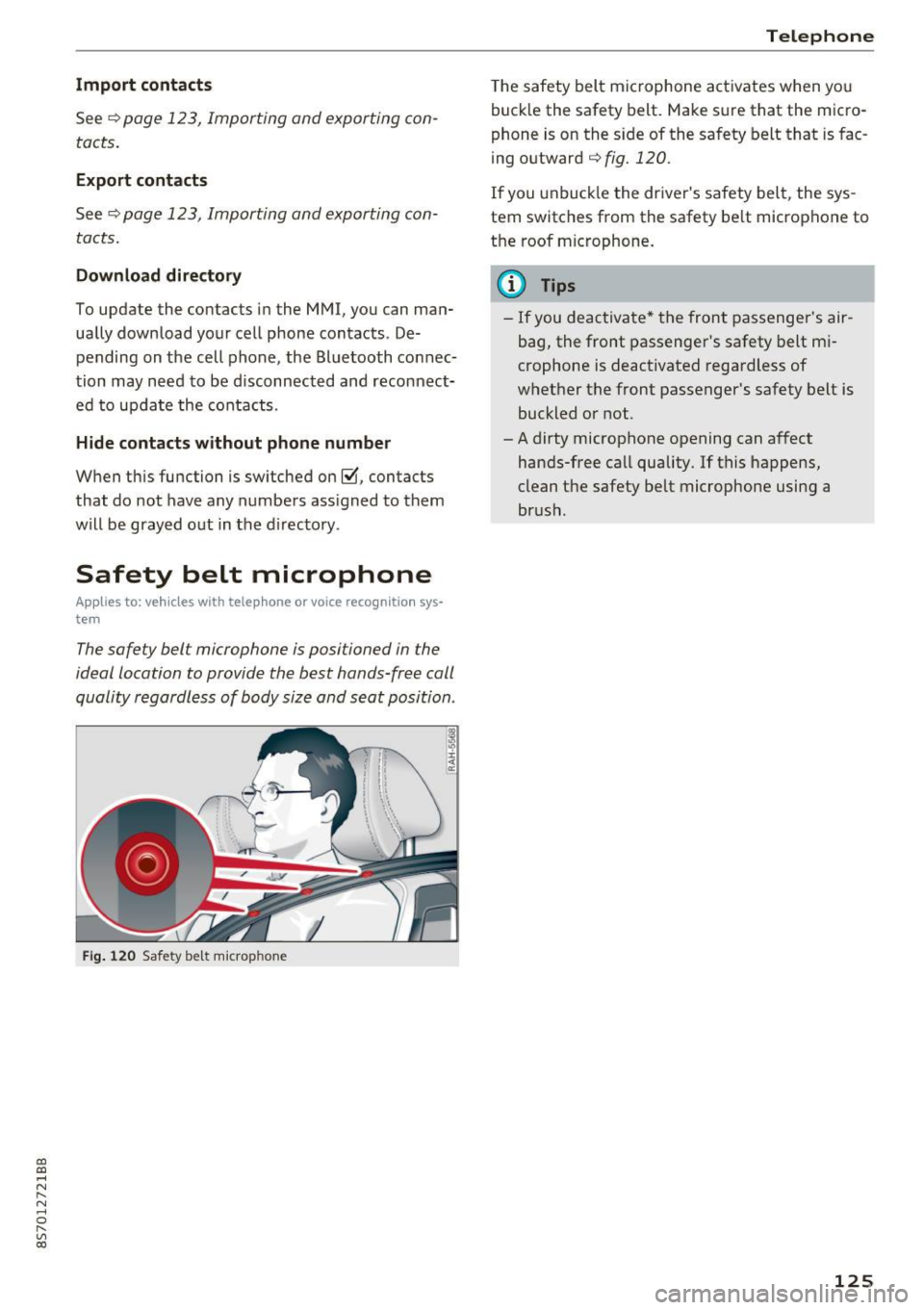
The safety belt microphone is positioned in the
ideal location to provide the best hands-free call
quality regardless of body size and seat position .
Fig. 12 0 Safety bel t mic rop hone
Teleph one
The safety belt mic rophone activates when yo u
buck le the safety belt. Make sure that the micro
phone is on the s ide of the sa fety belt that is fac
ing outward
c:> fig. 120 .
If you unbuck le the dr iver's safety belt, the sys
tem switches from the safety be lt microphone to
the roof microphone.
(D Tips
- If you deactivate * the front passenger's air
bag, the front passenger 's safety belt mi
crophone is deactivated regardless of
whet her the front passenger's safety belt is
buckled or not.
- A dirty microphone opening can affect
hands-free call quality. If this happens,
clean the safety belt microphone using a
br ush .
125
Page 153 of 314
Radio
Opening the radio
The radio supports the FM , A M and SiriusXM *
(satellite radio) bands. Using the HO Radio re
ceiver also allows you to receive radio stations
on the FM and AM bands in digital format.
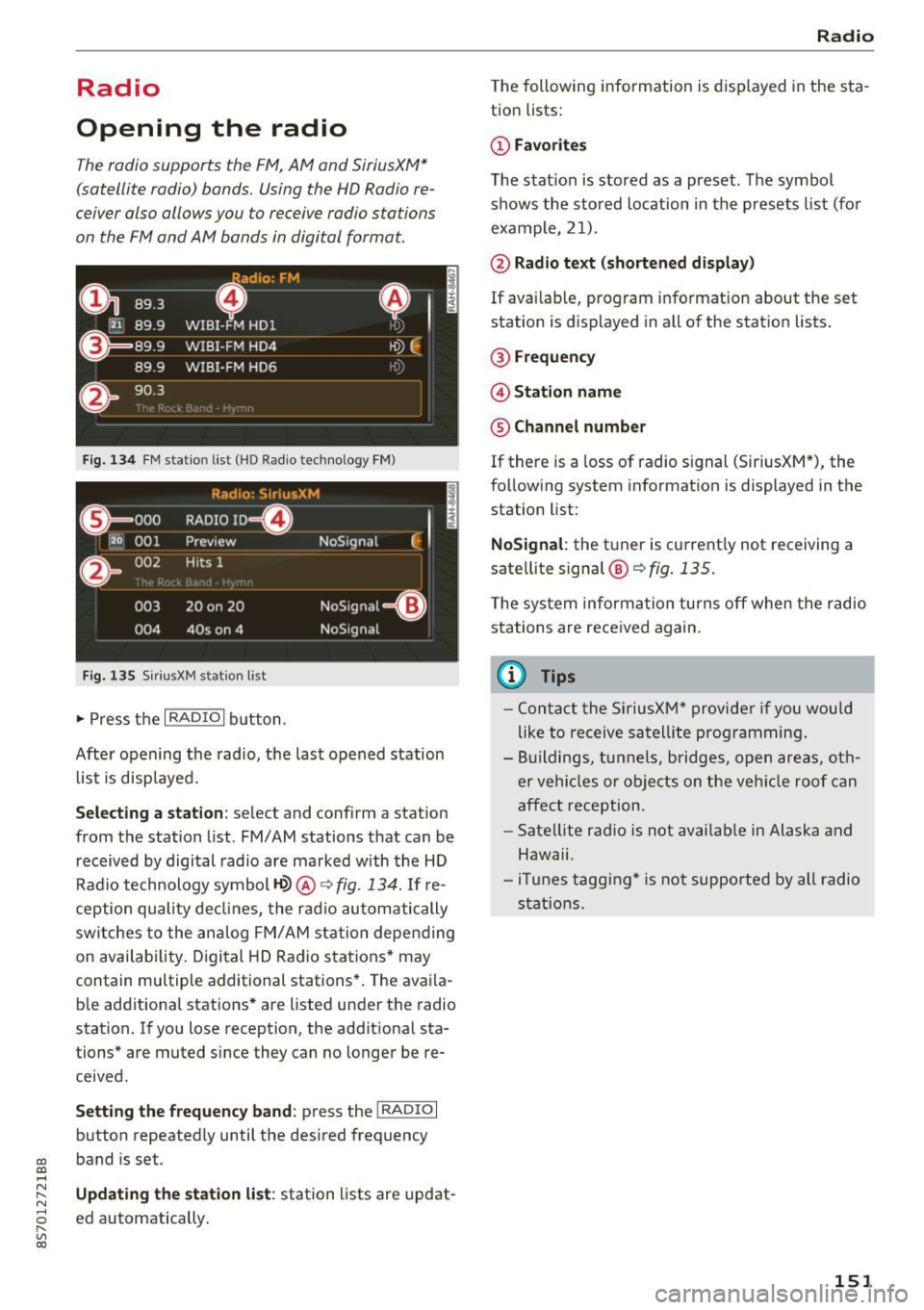
Fig . 134 FM stat ion list ( HO Ra dio tec hn ology FM)
Radio: SiriusXM
ti
~ .. . 000 RADIO 10 D
120 001
Preview NoSignal
&
002 H
its 1
003 20 on 20
NoSignal=8
004 40s on 4 NoSignal
Fig. 135 S iri usXM station list
.. Press the I RAD IO I bu tton.
Afte r opening the rad io, t he last opened station
lis t is disp laye d.
.
I
Selecting a station : select and confirm a stat io n
from the station list . FM/ AM stations t hat can be
received by digital rad io are ma rked w ith the HD
R adio technology symbol
tQ> @ ~ fig. 13 4. If re
ception quality decl ines, the r adio automatically
switches to the analog FM/AM station depe nding
on availability . D igi tal HD Radio s ta tions * may
contain multiple additional stations* . The ava ila
b le add itiona l stations* are listed under the radio
station. I f you lose reception, the add it iona l sta
tions* are muted since they can no longer be re
ceived.
Setting the frequency band : press the I RADIO I
button repeated ly until the desired frequency
CD band is set. CD ....
~ Updat ing the station li st : station lists are updat -.....,
8 ed automatically. r--. V, co
Radio
The following information is displayed in the s ta
tion lists:
(D Favorites
The s tat io n is stored as a preset . The symbo l
shows the s to red location in the p resets list (fo r
example, 21).
@ Rad io text (shortened display )
If availab le, program info rmat ion about the set
station is d isplayed in a ll of the stat ion lists.
@ Frequenc y
@ Station name
® Channel number
If there is a loss of radio signal (Sir iusXM*), the
f o llow ing system in format ion is displayed in the
station list:
NoSignal : the tu ner is cu rrent ly not receiving a
sate llite signal @~
fig. 135.
The system inform ation turns off when the radio
st ations are rece ived again.
(D Tips
- Con tact the SiriusXM" provider if you would
like to receive sa tel lit e programming .
- B uilding s, tu nnels, b ridges, ope n area s, oth
er veh icles or objects o n the veh icle roof can
affect reception.
- Sate llite ra dio is not availab le in Alaska and
Hawaii.
- iT unes tagg ing* is not supporte d by all radio
sta tio ns.
151
Page 201 of 314
co
co
.... N
" N .... 0
" "' c:o
smash the child seat and child against the
backrest, center armrest, door or roof.
- Forward-facing child seats installed on the
front passenger's seat may interfere with
the deployment of the airbag and cause se
rious personal injury to the child.
A WARNING
If, in exceptional circumstances, you must in
stall a forward-facing child restraint on the
front passenger's seat:
- Always make sure the forward-facing seat
has been designed and certified by its man
ufacturer for use on a front seat with a pas
senger front and side airbag.
- Never put the forward-facing child restraint
up against or very near the instrument pan
el.
- Always move the front passenger seat to
the highest position in the up and down ad
justment range and move it back to the
rearmost position in the seat's fore and aft
adjustment range, as far away from the air
bag as possible, before installing the for·
ward-facing child restraint.
- Always make sure that the safety belt upper
anchorage is behind the child restraint and
not next to or in front of the child restraint
so that the safety belt will be properly posi
tioned.
- Make sure that the
PASSENGER AIR BAG
OFF~;
light comes on and stays on all the
time whenever the ignition is switched on.
A WARNING
To reduce the risk of serious injury, make sure
that the
PASSENGER AIR BAG OFF~; light
will be displayed whenever a child restraint is
installed on the front passenger seat and the
ignition is switched on.
- If the PASSENGER AIR BAG OFF~; light
does not stay on, perform the checks descri
bed
Q page 20 7, Monitoring the Advanced
Airbag System.
- Have the airbag system inspected by your
Audi dealer immediately.
Airbag system
-Always carefully follow instructions from
child restraint manufacturers when instal
ling child restraints.
A WARNING
If, in exceptional circumstances, you must in
stall a forward or rearward-facing child re
straint on the front passenger's seat:
- Improper installation of child restraints can
reduce their effectiveness or even prevent
them from providing any protection.
- An improperly installed child restraint can
interfere with the airbag as it deploys and
seriously injure or even kill the child -even
with an Advanced Airbag System.
- Always carefully follow the manufacturer's
instructions provided with the child seat or
earner.
-Always make sure that there is nothing on
the front passenger seat that will cause the
capacitive passenger detection system in
the seat to signal to the Airbag System that
the seat is occupied by a person when it is
not, or to signal that it is occupied by some ·
one who is heavier than the person actually
sitting on the seat. The presence of addi
tional objects could cause the passenger
front airbag to be turned on when it should
be off, or could cause the airbag to work in a
way that is different from the way it would have worked without the object on the seat.
199
Page 204 of 314
Airbag syste m
of the rear -facing or forward-facing infant re
straints (listed in Federal Motor Vehicle Safety
Standard 208 with wh ich the Advanced Airbag
System in your vehicle was certified), the front a irbag on the passenger side may or may not
deploy .
The
P A SSENGER AIR BAG OFF ~ ; light comes on
when the e lectron ic control un it detects a total
electrical capacitance on the front passenger seat
that requires the front airbag to be turned off. If
the
PASSEN GER AIR BA G OFF ~; light does not
come on, the front airbag on the passenger side has not been turned off by the control u nit and
can dep loy if t he con trol unit senses an impact
that meets the conditions stored in its memory.
If the tota l electrical capac itance registered on
the front passenger seat is more than that of a
typical 1 year-old, but less than the weigh t of a
small adu lt, the front airbag on the passenger
side may deploy (the
PASSENGER AIR BAG OFF
~ ; light does not come on) .
For example, the airbag may deploy if :
- a small child that is heavier than a typical 1
year-old ch ild is on the front passe nger seat
( r ega rdless of whether the child is in one of the
c hi ld se ats l isted
q page 220),
- a chi ld who has outg rown child restraints is on
t h e front passenger seat.
If the front passenger airbag is turned off, the
PASSENGER A IR BA G OFF ~; light in the head
line r will come on and stay on .
If the front passenger airbag deploys, the Feder
al Standard requires the airbag to meet the "low
risk " deployment criteria to help reduce the risk
of injury through inte raction with the airbag.
" Low risk" deployment occu rs in those c rashes
t hat take place at lower dece le rations as defined
in the electronic control unit
q page 207.
Alway s rememb er: Please be su re to read the im
portant information in the sections that follow
and be sure to heed all of t he WARNINGS.
A WARNING
To red uce the risk of inj ury when an airbag in
flates, a lways wear safety belts properly .
202
-If you are un restrained, leaning forward, sit
ting sideways or out of position in any way,
your risk of injury is much higher.
- You will a lso receive ser ious injuries and
could even be killed if you are up against the
airbag or too close to it when it inflates -
even with an Advanced Airbag
¢ page 196 .
A WARNING
A child in a rearward -facing child seat instal
led on the front passenger seat will be seri
ously injured and can be killed if the front air
bag inflates -even with an Advanced Airbag
Sys tem.
- Although the Advanced Airbag System in
your veh icle is designed to turn off the front
airbag when a rearwar d-fac ing ch ild re
straint has been installed on the front pas
senger seat, nobody can absolutely guaran
tee that dep loyment is impossib le in all con
ceivab le situat ions that may happen du ring
the useful life of your vehicle.
- The inflating airbag will h it the ch ild seat or
infant carrier with great force and will
smash the child seat and child against the
backrest, center armrest, doo r, or roof .
- If you must install a rearward facing child
safety seat on the front passenger seat be
cause of excep tional circumstances and the
PASSENGER AIR BAG OFF~; light does not
come on and stay on have the a irbag system
inspected by your Audi dealer.
A WARNING
I f, in ex ceptional ci rcums tances, you must in
stall a forward-facing child restraint on the
front passenger's seat:
- Always make sure the forward-facing sea t
has been des igned and certified by its man
ufacturer for use on a front seat with a pas
senger front and side airbag.
- Never put the forward -facing child restraint
up against or very nea r the instrument pan
el.
- Always move the front passenger seat to
the highest position in the up and down ad
justment range and move it back to the
Page 208 of 314
Airbag syste m
Front airbag s will not deploy:
- if the ignit ion is switched off when a crash oc -
curs,
- in s ide collisions,
- in rear-end collisions,
- in rollovers,
- when the crash deceleration measured by the
airbag system is less than the minimum thresh
old needed for airbag deployment as registered
by the electronic contro l unit.
Th e front p asse nger airb ag w ill also not
depl oy:
- when the front passenger seat is not occupied,
- when the electrical capacitance measured by
the capacitive passenger detect ion system for
the front passenger seat indicates that the pas
senger side frontal airbag must be switched off
by the electronic contro l unit (the
PASSENGER
AIR B AG OFF ~;
light~ page 208 and how
they work comes on and stays on) .
A WARNING
Sitting in the wrong position can increase the
risk of serious injury in crashes.
- To reduce the risk of injury when the airbags inflate, the driver and passengers must al
ways sit in an upright position, must not
lean against or place any part of their body
too close to the area where the airbags are
located.
- Occupants who are unbelted, out of position
or too close to the a irbag can be seriously
injured by an airbag as it unfolds with great
force in the blin k of an eye~
page 197.
A WARNING
A child in a rearward-facing chi ld seat insta l
led on the front passenger seat will be ser i
ously inju red and can be killed if the front air
bag inf lates - even with an Advanced Airbag
System.
- T he inflating a irbag w il l hit the child seat or
infant carrier with great force and will
smash the chi ld seat and child against the
backrest, center armrest, door or roof.
206
-
- Never install a rearward facing chi ld safety
seat on the front passenger seat unless the
PAS SEN GER AIR BA G OFF ~; light comes
on and stays on . If the
PA SSE NGER AIR
BAG OFF~;
light does not come on and stay
on, the inflat ing airbag will hit the chi ld
safety seat or infant carrie r with great force
and will smash the child safety seat and
child against the bac krest, door or roof.
Have the airbag system inspected immedi
ately by your authorized Audi dealer .
A WARNING
Objects between you and the airbag will in
crease the risk of injury in a crash by interfer
ing with the way the airbag unfolds or by be
ing pushed into you as the airbag inflates.
- Never hold things in your hands or on your
lap when the vehicle is in use.
- Never transport items on or in the area of
the front passenger seat. Objects could
move into the area of the front airbags dur
ing braking or other sudden maneuver and
become dangerous projectiles that can
cause serious persona l injury if the airbags
inflate.
- Never place or attach accessories o r other
objects (such as cup holders, telephone
brackets, large, heavy or bulky objects) on
the doo rs, ove r or near the area ma rked
"AIRBAG" on the steering wheel, instru
ment panel, seat backrests or between
those areas and yourself. These objects
could cause injury in a crash, especially
when the a irbags inf late.
- Never recline the front passenger's seat to
transport objects. Items can also move into
the area of the side a irbag or the front air
bag during brak ing or in a sudden maneu
ver . Objects near the airbags can become
projecti les and cause injury, part icularly
when the seat is reclined.
- Never p lace or t ransport objects on the
-
front passenger sea t. Objects on the front
p assenger sea t could ca use the capaci tive
sensor in the seat to signal to ai rbag system
that the seat is occ upied by a person when it ..,
Page 224 of 314
Child safety
"'Push the child safety seat down with your full
weight to get the safety belt really tight so that
the seat cannot move forward and sideways
more than 1 in (2.5 cm).
Always remember: Even though your vehicle is
equipped with an Advanced Airbag system, a
child should always ride in the seat properly re
strained for its age and si ze.
A WARNING
Not using a child safety seat, using the wrong
child safety seat or improperly installing a
child restraint increases the risk of serious
personal injury and death.
-All vehicle occupants and especially children
must be restrained properly whenever riding
in a vehicle. An unrestrained or improperly
restrained child could be injured by striking
the interior or by being ejected from the ve
hicle during a sudden maneuver or impact.
An unrestrained or improperly restrained
child is also at greater risk of injury or death
through contact with an inflating airbag.
- Commercially available child safety seats
are required to comply with U .S. Federal
Motor Vehicle Safety Standard (FMVSS) 213
(in Canada CMVSS 213).
- When buying a child restraint, select one
that fits your child and the vehicle.
- Only use child restraint systems that fully
contact the flat portion of the seat cush
ion. The child restraint must not tip or
lean to either side. Audi does not recom
mend using child safety seats that rest on
legs or tube-like frames. They do not pro
vide adequate contact with the seat.
- Always heed all legal requirements per
taining to the installation and use of child
safety seats and carefully follow the in
structions provided by the manufacturer
of the seat you are using .
- Never let more than one child occupy a child
safety seat .
- Never let babies or older children ride in a
vehicle while sitting on the lap of another
passenger .
222
-Holding a child in your arms is never a sub
stitute for a child restraint system.
- The strongest person could not hold the
child with the forces that exist in an acci
dent. The child will strike the interior of
the vehicle and can also be struck by the passenger.
- The child and the passenger can also in
jure each other in an accident.
- Never install rear-facing child safety seats
or infant carriers on the front passenger
seat . A child will be seriously injured and
can be killed when the passenger airbag in
flates -even with an Advanced Airbag Sys
tem.
- The inflating airbag will hit the child safety
seat or infant carrier with great force and
will smash the child safety seat and child
against the backrest, center armrest, door
or roof.
- If exceptional circumstances require the use
of a forward-facing child restraint on the
front passenger's seat, the child's safety
and well-being require that the following
special precautions be taken:
- Make sure the forward-facing seat has
been designed and certified by its manu
facturer for use on a front seat with a pas
senger front and side airbag.
- Always carefully follow the manufacturer's
instructions provided with the child safety
seat or carrier.
- Always move the front passenger seat into
the rearmost position of the passenger
seat's fore and aft adjustment range, and
as far away from the airbag as possible be
fore installing the child restraint.
- Always make sure that nothing prevents
the front passenger's seat from being
moved to the rearmost position in its fore
and aft adjustment range.
- Always make sure that the backrest is in
the upright position.
- Never place or use any electrical device
(such as a laptop, CD player, electronic
games device, power inverter or seat heat-
er for child seats) on the front passenger ..,.
Page 226 of 314
Child safety
-Never install a rearward facing child safety
seat on the front passenger seat unless the
PASSE NGER AIR BAG OFF,;; light comes
on and stays on. If the
PA SSEN GE R AIR
BAG OFF ,;;
light does not come on and stay
on the inf lating airbag w ill hit the child safe
ty seat or infant ca rr ier with great force and
will smash the chi ld safety seat and chi ld
against the backrest, center armrest, door
or roof. Have the airbag system inspected
immediately by your Audi dealer.
- Never place or use any electrical device
(such as a laptop, CD player, electronic
games device, power inverter or seat heater
for child seats) on the front passenger seat
if the device is connected to the 12-volt
socket or the cigarette lighter socket.
- If a seat heater has been retrof itted or oth
erwise added to the front passenger seat,
never install any ch ild restraint system on
this seat .
- Make sure that there are no wet objects
(such as a wet towel) and no water or other
liquids on the front passenger seat cushion.
- Never place objects on the seat (such as a
laptop, CD player, electronic games dev ice,
power inverter or seat heater for child
seats). T hese may influence the e lectr ica l
capacitance measured by the capaci tive pas
senger detection system and can also fly
around in an accident and ca use serious per
sonal injury.
- Always read and heed all WARN INGS when
ever using a child restrained in a vehicle is
being used
Q page 189, Safety belts,
¢ page 196, Airbag system
and
¢ page 218, Important information.
224
Convertible child safety seats
Properly used convertible child safety seats con
help protect toddlers and children over age one who weigh between 20 and 40 lbs (9 and 18 kg)
in a crash .
.... a,
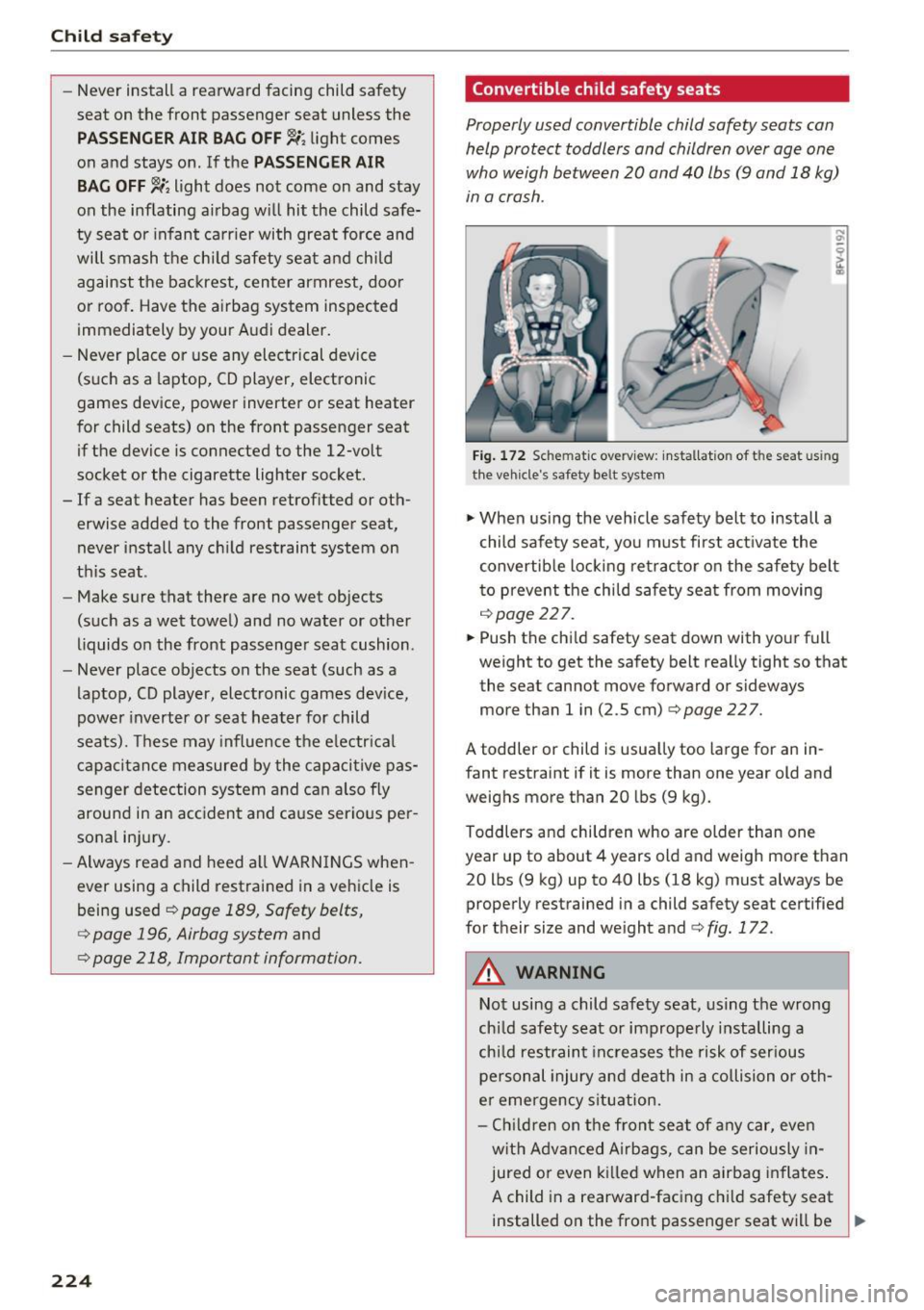
Fig. 1 72 Sche matic overv iew : installat ion of t he seat using
the vehicle's safety belt system
""When using the vehicle safety belt to install a
child safety seat, yo u must first act ivate the
convertib le locking retractor on the safety belt
t o prevent the chi ld safety seat from moving
¢ page 227.
"" Push the chi ld safety seat down with your full
weight to get the safety belt really tight so that
the seat cannot move forward or sideways
more than 1 in (2.S cm)¢
page 227.
A toddler or child is usua lly too large for an in
fant restraint if it is more than one year old and
weighs more than 20 lbs (9 kg).
Toddlers and children who are older than one
year up to about 4 years old and weigh more than 20 lbs (9 kg) up to 40 lbs (18 kg) must always be
properly restrained in a child safety seat certified
for their size and we ight and ¢
fig. 172 .
A WARNING
Not using a child safety seat, using the wrong
chi ld safety seat or imprope rly installing a
chi ld restrain t inc reases the risk of ser ious
personal injury an d death in a co llision or oth
e r emergency s ituation.
- Ch ild ren on t he front seat of a ny car, eve n
w it h Advanced Airbags, can be seriously in
jured or even kill ed when an airbag inflates .
A child in a rearward-facing ch ild safety seat
installed on the front passenger seat will be .,.
Page 227 of 314
CD
CD
.... N
" N ...... 0 r--. V, co
seriously injured and can be killed if the
front airbag inflates -even with an Ad
vanced Airbag System.
- The inflating airbag will hit the child safety
seat or infant carrier with great force and
will smash the child safety seat and child
against the backrest, center arm rest, door
or roof.
- Never install a rearward facing child safety
seat on the front passenger seat unless the
PASSENGER AIR BAG OFF~; light comes
on and stays on.
If the PASSENGER AIR
BAG OFF ~;
light does not come on and stay
on have the airbag system inspected imme
diately by your Audi dealer.
- The rear side of the child safety seat should
be positioned as close as possible to the
backrest on the vehicle seat.
- Always read and heed all WARNINGS when
ever using a child restrained in a vehicle is
being used¢
page 189, Safety belts,
¢ page 196, Airbag system and
cc> page 218, Important information.
&_ WARNING
If exceptional circumstances require the use
of a forward-facing child restraint on the
front passenger's seat, the child's safety and
well-being require that the following special precautions be taken:
- Make sure the forward-facing seat has been designed and certified by its manufacturer
for use on a front seat with a passenger
front and side airbag .
-Always follow the manufacturer's instruc
tions provided with the child safety seat or
infant carrier.
- Always move the front passenger seat into
the rearmost position of the passenger seat's fore and aft adjustment range, and as
far away from the airbag as possible before
installing the child restraint.
- Always make sure that nothing prevents the
front passenger's seat from being
moved to
the rearmost position in its fore and aft ad
justment range.
Child safety
- Always make sure the backrest is in an up
right position.
- Never place or use any electrical device
(such as a laptop, CD player, electronic
games device, power inverter or seat heater
for child seats) on the front passenger seat
if the device is connected to the 12-vott
socket or the cigarette lighter socket.
- If a seat heater has been retrofitted or oth
erwise added to the front passenger seat, never install any child restraint system on
this seat.
- Make sure that there are no wet objects
(such as a wet towel) and no water or other
liquids on the front passenger seat cushion.
- Never place objects on the seat (such as a
laptop, CD player, electronic games device,
power inverter or seat heater for child
seats). These may influence the electrical
capacitance measured by the capacitive pas
senger detection system and can also fly
around in an accident and cause serious per
sonal injury.
- Make sure that the
PASSENGER AIR BAG
OFF
IJ,;; light comes on and stays on all the
time whenever the ignition is switched on.
- If the
PASSENGER AIR BAG OFF ,,,; light
does not come on and stay on have the air
bag system inspected by your authorized
Audi dealer .
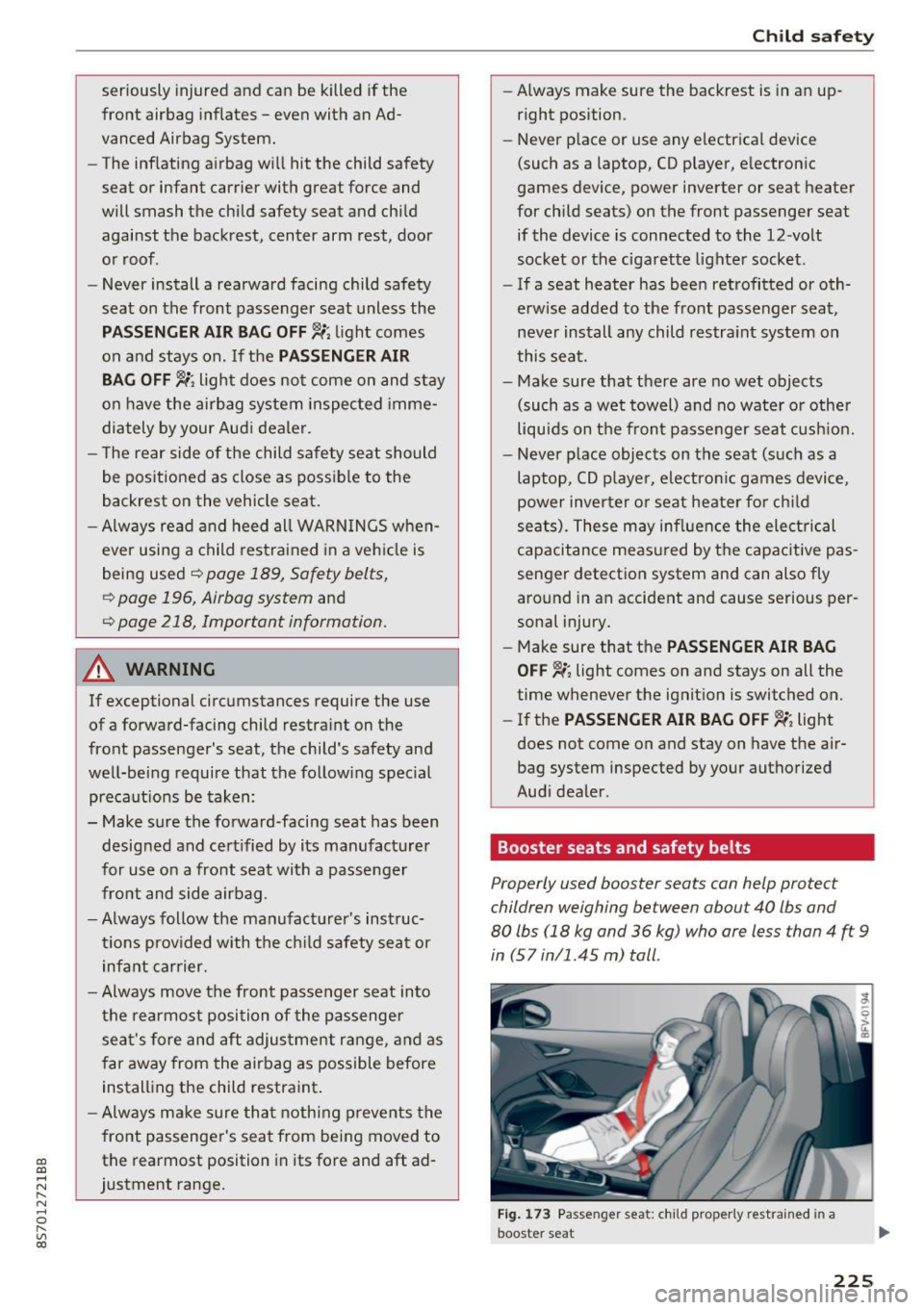
Booster seats and safety belts
Properly used booster seats can help protect
children weighing between about 40 lbs and
80 lbs (18 kg and 36 kg) who are less than 4 ft
9
in (57 in/1.45 m) tall.
Fig. 173 Passenger seat: chil d properly restrained in a
booster seat
225