seats AUDI TT ROADSTER 2018 Owner's Manual
[x] Cancel search | Manufacturer: AUDI, Model Year: 2018, Model line: TT ROADSTER, Model: AUDI TT ROADSTER 2018Pages: 310, PDF Size: 46.95 MB
Page 210 of 310
Airbag syste m
the system inspected immediately by your
authorized Aud i dealer. It is possible that
the a irbag will inflate when it is not sup
posed to, or will not inflate when it should.
A WARNING
If the front airbag inflates, a child without a
child restra int, or in a rearward-facing child
safety seat, or in a forward-facing child re
st raint that has not been p roperly installed
w ill be seriously injured and can be killed.
- If you must install a rearward-fac ing child
seat on the front passenger seat because of
exceptional c ircumstances and the
PA SSEN
GER AIR BAG
OFF ,;; light does not appear
and stay on, have the airbag system inspect
ed by your Audi dealer.
- If, in exceptiona l circumstances, you must
install a forward-facing chi ld restraint on
the front passenger seat, always move the
seat into its rearmost pos ition in the seat's
fore and aft adjustment range, as far away
from the airbag as possible. The backrest
must be adjusted to an upright posit ion .
Make sure that the PASSENGER AIR BAG
OFF ,;; light comes on and stays on a ll the
t ime whenever the ignition is switched on.
A WARNING
If the PASSENGER AIR BAG OFF ~; ligh t does
not go o ut when an adult is s itting on the
front passenger seat after taking the steps described above, have the airbag system in
spected by your Audi dealer before transport
ing anyone on the front passenger seat.
(D Tips
If the capacitive passenger detection system
determines that the front passenger seat is
empty, the frontal airbag on the passenger
side w ill be turned off, and the
PA SSENGER
AIR BAG
OFF ~; light will stay on.
Repair , care and disposal of the airbags
Parts of the a irbag system are installed at many
d ifferent p laces on your Aud i. Insta lling, remov-
208
ing, servicing or repair ing a part in an area of the
vehicle can damage a part of an airbag system
and prevent that system from work ing properly
i n a coll is ion.
There are some important things you have to know to make sure that the effectiveness of the
system will not be impaired and that discarded
components do not cause injury or pollute the
environment .
A WARNING
Improper care, servicing and repair proce
du res can increase the risk of personal in jury
and death by p reventing an airbag from de
p loying when needed or deploy ing an a irbag
unexpectedly:
-
- Never cover, obstruct, or change the steer
ing wheel ho rn pad or airbag cover or the in
s trumen t panel or modify them in any way.
- Never attach any objects s uch as c up ho lde rs
or telephone mountings to the surfaces cov
ering the a irbag un its.
- For cleaning the horn p ad or instr ument
panel, use only a soft, dry doth or one mois
tened w ith plain water . Solvents or cleaners
could damage the airbag cover or change
the stiffness o r strength of the material so
that the airbag cannot deploy and protect properly.
- Never repair, ad just, or change any parts o f
the airbag system.
- All work on the steering wheel, instrument
panel, front seats or e lectr ica l system ( in
cluding the installation of a udio eq uipment,
cellular te lephones and CB radios, etc.)
m ust be performed by a qualified techn ician
who has the training and spec ial equipment
necessary.
- For any work on the airbag system, we
strong ly recommend tha t you see you r au
thori zed A udi dealer or qualified wo rkshop.
- Never modify the front bumper or pa rts of
the vehicle body.
- Always make sure that the side a irbag can
inflate w ithout interfe rence:
Page 218 of 310
Child safety
Child safety
Important information
Introduction
The physical princip les of what happens when
your veh icle is in a cras h apply also to childr en
¢ page 188, What happens to occupants not
wearing safety belts?.
But unlike adults and
teenagers, their muscles and bones are not fully
developed. In many respects children are at
greater risk of serious injury in crashes than
adu lts.
Because children's bodies are not fu lly devel
oped, they require restraint systems especially
designed for their size, weight, and body struc
ture. Many countries and all states of the United
States and provinces of Canada have laws requir
ing the use of approved child restraint systems
for infants and small children .
In a frontal crash at a speed of 20-35 mph (30-56 km/h) the forces acting on a 13 lbs (6 kg)
infant will be more than 20 times the we ight of
the child . This means the weight of the child
wou ld suddenly be more than 260 lbs ( 120 k g).
Under th ese conditions, only an appropriate child
rest raint properly used can reduce the r isk of se
rio us injury. Child restraints, like adult safety
be lts, must be used properly to be effective.
Used improperly, they can increase the risk of se
rious inj ury in an accident.
If you must install a child restraint on the front
passenger seat in exceptional circumstances, be
sure to read and heed the important information
and warn ings
¢ page 195. Infants and other ch il
dren who are properly restrained in an appropri
ate child restraint that is for their size and age
can benefit from the protection that supplemen
tal side airbags provide in some kinds of crashes .
For more information please see information
provided by the:
- Nationa l Highway Traffic Safety Administration
(NHTSA), current ly at: http:/ /www .safe
rcar.gov (for the USA)
- Transport Canada Information Centre, current
ly at: http://www.tc .gc.ca (for Canada)
216
Consult the child safety seat manufacturer's in
structions in order to be sure the seat is right for
your ch ild's s ize
¢ page 219, Important safety
instructions for using child safety seats.
Please
be sure to read and heed all of the important in
format ion and WARNINGS about child safety,
Advanced Airbags, and the installation of child
restraints in this chapter.
There is a lot you need to know about the Ad
vanced Airbags in your veh icle and how they work
when infants and children in ch ild restraints are
on the front passenger seat . Because of the large
amount of impo rtant informat ion, we ca nnot re
peat it all he re. We urge you to read the detailed
inf ormation in this owner's manual about airbags
and the Advanced Airbag System in your vehicle
and the very important information about trans
porting children on the front passenger seat.
Please be sure to heed the WARNINGS
-they are
extremely important for your safety and the safe
ty of your passengers, especially infants and
small children .
.&_ WARNING
All vehicle occupants and especially child re n
must be restrained properly whenever riding
in a vehicle. An unrestrained or improperly re
stra ined child could be injured by striking the
interior or by being ejected from the vehicle
during a sudden maneuver or impact . An un
restrained or improperly restrained child is al
so at greater r isk of injury or death through
contact w ith an inflating airbag.
A WARNING
Children on the front seat of any car even with
Advanced Airbags can be seriously injured or
even killed when an airbag inflates. A ch ild in
a rearward-fac ing child safety seat installed
on the front passenger seat will be seriously
in ju red and can be killed if the front airbag in
flates.
- The inflat ing airbag will hit the child safety
seat or infa nt carrier with great force and
will smash the child safety seat and child
against the backrest, center armrest, or
door.
Page 219 of 310
Cl 00 .-< N r-N .-< 0 r-Vl 00
-Never install a rearward facing child safety
seat on the front passenger seat if the
PA S·
SEN GER AIR B AG
OFF,;; light does not
turn on and stay on. Have the system in
spected immediately by an authorized Audi
dealer or author ized Audi Service Facility .
A WARNING
-Forward-fac ing ch ild seats insta lled on the
front passenge r seat may inte rfere with the
deployment of the a irbag and cause serious
persona l inju ry to the child .
- If except ional circumstances require the use
of a forward-facing child res traint on the
front passenger's seat, the child's safety
and well-being require the following special
precautions to be taken:
- Always make sure that the forward-facing seat has been designed and cert ified by its
manufacture r fo r u se on a front passenger
seat with a front and s ide a irb ag.
- Always carefully follow the manufacturer's
instr uctions provided with the child seat
or i nfan t ca rrier.
- Never p ut the fo rward-facing child re
s tra int up against o r very near the instru
men t panel.
- Always move the front passenger seat to
the highest posit ion in the up and down
ad justment range and move it back to the
rearmost position in the seat's fore and
aft adjustment range, as far away from
the airbag as possible, before installing
the forward-fac ing ch ild restraint.
- Always make sure that the safety be lt up
pe r anchorage is behind the child restra int
and not next to o r in front of the child re
stra int so that the safety belt will be prop
erly positioned.
- Always make sure that nothing prevents
the front passenger's seat from be ing
moved to the rearmost posit ion in its fore
and aft adjustment range .
- Never place objects on the seat (such as a
laptop, CD p laye r, electronic games de
vice, powe r inverter or seat heater for
child se ats). These m ay influence the ele c-
Ch ild saf ety
trical capacitance measu red by the capac i
tive passenger detection system and can also fly around in an acc ident and cause
serious personal injury .
- Never place or use any electrical device
(such as a laptop, CD player, electronic
games device, powe r inverter or seat heat
er for child seats) on the front passenger
seat if the device is connected to the 12-
vo lt socke t or the cigarette lighter so cket.
- If a seat heate r has been retrofitted or
othe rw ise added to t he front passenger
seat, neve r insta ll any child res traint sys
tem on this seat.
- Make su re that there a re no wet objects
(s uch as a we t towe l) and no w ater or oth
er liquids on the front passenger seat
cushion .
- Always make sure tha t the
PASSENGER
AIR BAG
OFF ,;; light comes on and stays
on all the time whenever the ignition is
switched on .
- Never install a forward -facing chi ld safety
seat on the front passenger seat if the
PASSENGER AIR BAG OFF ~; light does
not turn on and stay on. Have the system
inspected immediately by an author ized
Audi dealer or authorized Audi Service Fa
c ility .
- Always buck le the child seat firmly in
place even if a child is not s itting in it . A
loose child seat can fly aro und during a
sudden stop or in a collision.
- Always read and heed all WARNINGS
whenever using a child rest raint in a vehi
cl e
~page 187, Safety bel ts, ~page 194,
Airbag sy stem
and ~ page 216, Impor
tant information.
(D Tips
A lways replace child restraints that were in
stalled in a vehicle du ring a c rash . Damage to
a child restrain t that is not v is ible could cause
i t to fai l in another co llision sit uat ion .
217
Page 221 of 310
Cl 00 ... N r-N ... 0 r-Vl 00
For this reason, the United States National High
way Traffic Safety Administration has published a list of specific type, makes and models of child
restraints that must be used to cert ify compli
ance of the Advanced Airbag System in your vehi
cle with the suppression requ irements of Federal
Motor Vehicle Safety Standard 208 . These child
restraints are:
Subp art A - C ar bed child re str aint s
Model Manufactured on or
after
Angel Guard Angel September 25, 2007 Ride AA2403FOF
Subp art B -Re ar-f acing child restr aint s
Model Manufactured on or
aft er
Century Sma rtFit 4543 December 1, 1999
Cosco Arriva September 25, 2007
22-013PAW and base
22-999WHO
Evenflo Discovery Ad -December 1, 1999
just Right 2 12
Evenflo F irst Cho ice December 1, 1999
204
Grace Infant 8457 December 1, 1999
G race Snug ride September 25, 2007
Peg Perego Primo Viag- September 25, 2007
gio SIP IMUNOOUS
Subp art C - Forward-facing and con vertibl e
child res traints
Model Manufactured on or
after
B ritax Roundabout September 25, 2007
E 9 L02xx
Cosco Tour iva 02519 December 1, 1999
Cosco S umm it Deluxe September 25, 2007
High Back Booster
22-262
Cosco High Back Boos- September 25, 2007
te r 22-209
Evenflo Tribute V September 25, 2007
379xxxx
Ch ild saf ety
Model Manufactured on or
after
Evenflo Meda llion 254 December 1, 1999
E venflo Generat io ns September 25 , 200 7
352xxxx
Graco ComfortSport September 25, 2007
Graco Todd le r Safety September 25, 2007
Seat Step 2
Graco Plat inum Cargo September 25, 2007
_&. WARNING
To reduce the risk of serious injury, ma ke sure
t hat the
PASSENGER AIR BAG OFF '-1; light
comes on and stays on whenever a child re
straint is installed on the front passenger seat
and the ign it ion is switched on.
- Never install a reward facing child safety
seat on the front passenger seat if the
PAS
S ENGER AIR BAG
OFF '-1; light does not
turn on and stay on.
- Have the ai rbag system inspected by your
author ized Audi dealer immed iate ly.
(D Tips
The child seats listed in categor ies A to C have
been statically tested by Audi only for the Ad
vanced Airbag f unction.
Important safety instructions for using
child safety seats
Correct use of child safety seats substantially re
duces the risk of injury in an accident!
As the driver, you are responsib le for the safety
of everybody in the vehicle, especia lly children:
.. Always use the right child safety seat for each
child and always use it properly ¢
page 221.
.. Always carefully follow the chi ld safety seat
manufacturer's instructions on how to route
the safety belt properly through the ch ild safe
ty seat.
.. When us ing the veh icle safety belt to install a
child safety seat, you must first activate the
convertib le loc king ret racto r on the safety belt
to p revent the ch ild safety seat from moving
q page 225 . ..,
219
Page 222 of 310
Child sa fety
~ Push the child sa fety seat down with your fu ll
weight to get the safety be lt really tight so that
the seat cannot move forward and s ideways
more than 1 in (2.5 cm).
A lways remember: Even though your vehicle is
equipped with an Advanced Airbag system, a
child should always ride in the seat properly re
stra ined for its age and size.
A WARNING
Not using a ch ild safety seat, using the wrong
child safety seat or improperly install ing a
child restra int increases the r isk of se rious
personal inju ry and death.
- All veh icle occupants and especially children
must be rest rained p roperly whenever riding
in a vehicle. An unrestrained or imprope rly
restra ined child could be injured by s tri king
the interior or by being ejected from the ve
hicle d uring a sudden maneuver or impact .
An unrestrained or improperly restrained
child is also at greater risk of injury or death
through contact with an inflating airbag.
-Commercially available chi ld safety seats
are required to comply with U.S. Federa l
Motor Vehicle Safety Standard (FMVSS) 213
(in Canada CMVSS 213).
-When b uying a ch ild rest raint, se lect one
that fits your child and the vehicle .
-Only use child rest raint systems that fully
con tact the flat portion o f the seat cush
ion. The child restraint must not tip or
lean to either side . Audi does not recom
mend using child safety seats that rest on
legs or tube-like frames. They do not pro
vide adequate contact with the seat.
-Always heed a ll legal requirements per
taining to the installat ion and use of child
safety seats and carefully follow the in
structions provided by the manufacturer
of the seat you a re us ing .
-Never let more than one child occupy a child
safety seat.
-Never let babies or older children ride in a
vehicle while sitting on the lap of another passenge r.
220
-Holding a child in your arms is never a sub
stitute fo r a child restraint system.
-The strongest person cou ld not hold the
ch ild with the forces that exist in an acc i
dent. The child will strike the interior of
the veh icle and can also be struck by the
passenger.
-The child and the passenger can also in
ju re each other in an accident.
-Never install rear-facing child safety seats
or infant carriers on the front passenger
seat. A child will be seriously injured and
can be k illed when the passenger a irbag in
flates -even with an Advanced Airbag Sys
tem.
-The inflating airbag will h it the ch ild safety
seat o r infant ca rr ier with great force and
will sm ash the child s afety seat and child
aga inst the ba ckres t, center armres t, door
or roof.
-I f exceptional ci rcums tances requi re the use
of a forward-f acing child restrain t on the
front passenger's seat, the chi ld's safety
and well-being require that the following
special precautions be taken:
-Make su re the forwa rd-facing seat has
been designed and ce rtified by its manu
fa ctu rer for use on a front se at with a pas
senger front and side ai rb ag.
-Always ca refully follow the man ufa ctu rer 's
i nst ru ct ions prov ided with t he ch ild sa fety
seat or carrier.
-Always move the fron t passenger seat into
the rearmost posit ion of the passenger
seat's fo re and aft adjustment range, and
as far away from the airbag as possib le be
fore installing the child restraint .
-Always make sure that nothing prevents
the front passenger's seat from being
moved to the rearmost position in its fore
and aft adjustment range.
-Always make s ure t hat the backrest is in
the up right pos ition.
-Never place or use any elect rical device
(such as a laptop, CD p layer, electronic
games device, powe r inverter or seat heat-
er for child seats) on the front passenger
~
Page 223 of 310
Cl co ..... N ,....
N ..... 0 ,....
Vl co
seat if the device is connected to the 12·
volt socket or the cigarette lighter socket.
-If a seat heater has been retrofitted or
otherwise added to the front passenger
seat, never install any chi ld restraint sys
tem on this seat.
-Make sure that there are no wet objects
(such as a wet towel) and no water or oth
er liqu ids on the front passenger seat
cushion.
-Never place objects on the seat (such as a
laptop, CD player, electronic games de
vice, power inverter or seat heater for
child seats). These may influence the elec
tr ica l capacitance measured by the capaci
tive passenge r de tection system and can
also fly around in an accident and cause
serio us personal i njury.
- Always buckle the child sa fe ty seat firmly in
place even if a child is not sitting in it. A
loose child safety seat can fly around during
a sudden stop or in a collision .
-Always read and heed all WARNINGS when
ever using a child restrained in a veh icle is
being
used¢ page 187, Safety belts,
¢page 194, Airbag system and
¢ page 216, Child safety.
A WARNING
To reduce the risk of serious injury, make sure
that the
PASSENGER AIR BAG OFF ~; light
comes on and stays on whenever a child re
st rai nt is ins talled on the front passenger seat
and the ignition is sw itched on.
- Never install a reward facing ch ild safety
seat on the front passenger seat if the
PAS ·
SENGER AIR BAG
OFF ~; light does no t
t u rn on and stay on.
- Have the airbag system inspected by your
authorized Audi dealer i mmediately.
Ch ild s afe ty
Child safety seats
Infant seats
Babies and infants up to about one year old and
20 lbs or
9 kg need special rearward-facing child
restraints that support the back, neck and head
in a crash .
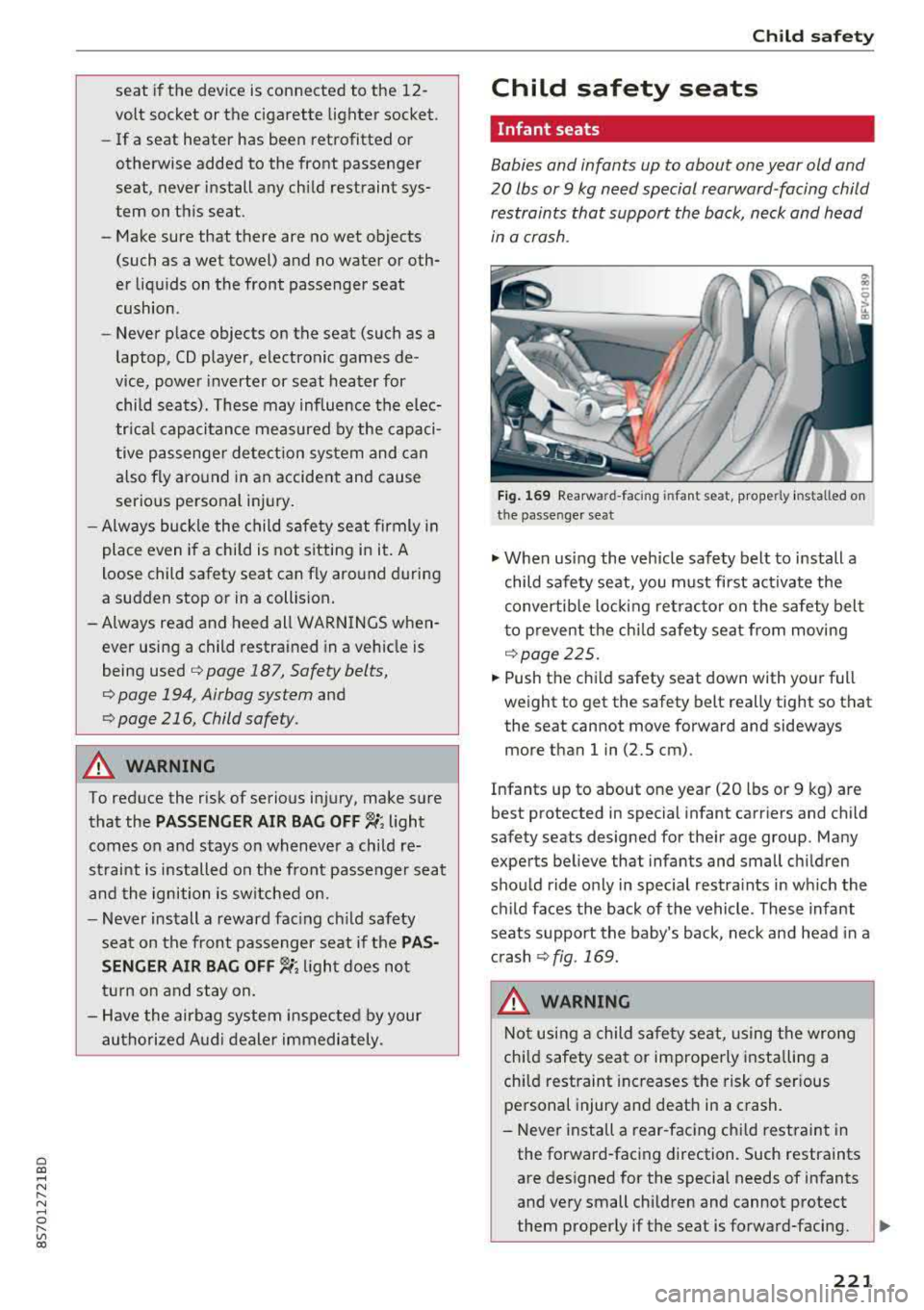
Fig. 1 69 Rearwa rd-facing infant seat, prope rly installed on
the passenger seat
.,. When using the vehicle safety belt to install a
child safety seat, yo u m ust fi rst ac tivate the
convertib le lo ckin g re trac tor on the safety belt
t o p revent t he ch ild safety seat from moving
¢ page 225 .
.,. Push the ch ild safety seat down with your full
weight to get the safety belt really tight so that
the seat cannot move forward and sideways
more than 1 in (2.S cm).
Infants up to about one yea r (20 lbs or 9 kg) are
best protected in special infant carr iers and child
safety seats designed for their age group. Many
experts be lieve that infants and small ch ildren
should ride only in special restra ints in wh ich the
child faces the back of the vehicle. These infant
seats support the baby's back, neck and head in a
cr ash
¢fig. 169.
A WARNING
No t using a child safe ty seat, using t he wrong
chi ld safety seat or imprope rly insta lli n g a
chi ld restraint increases the risk of ser ious
personal injury an d death in a crash.
-Never install a rear -fac ing ch ild restraint in
the forward-facing direction. Such restraints
are designed for the special needs of infants
and very small children and cannot protect
them proper ly if the seat is forward-facing.
221
Page 224 of 310
Child safety
-Never install a rearward facing child safety
seat on the front passenger seat unless the
PASSENGER AIR BAG OFF,;; light comes
on and stays on . If the
PASSENGER AIR
BAG OFF
~; light does not come on and stay
on the inflating airbag will hit the child safe
ty seat or infant carrier with great force and
will smash the child safety seat and child
against the backrest, center armrest, door
or roof. Have the airbag system inspected
immediately by your Audi dealer.
-Never place or use any electrical device
(such as a laptop, CD player, electronic
games device, power inverter or seat heater
for child seats) on the front passenger seat
if the device is connected to the 12-volt
socket or the cigarette lighter socket .
-If a seat heater has been retrofitted or oth·
erwise added to the front passenger seat,
never install any child restraint system on
this seat .
-Make sure that there are no wet objects
(such as a wet towel) and no water or other
liquids on the front passenger seat cushion .
-Never place objects on the seat (such as a
laptop, CD player, electronic games device,
power inverter or seat heater for child
seats). These may influence the electrical
capacitance measured by the capacitive pas
senger detection system and can also fly
around in an accident and cause serious per
sonal injury .
-Always read and heed all WARNINGS when
ever using a child restrained in a vehicle is
being used
r=> page 187, Safety belts,
¢ page 194, Airbag system and
¢ page 216, Important information.
222
Convertible child safety seats
Properly used convertible child safety seats con
help protect toddlers and children over age one
who weigh between 20 and 40 lbs (9 and 18 kg)
in a crash .
.... a,
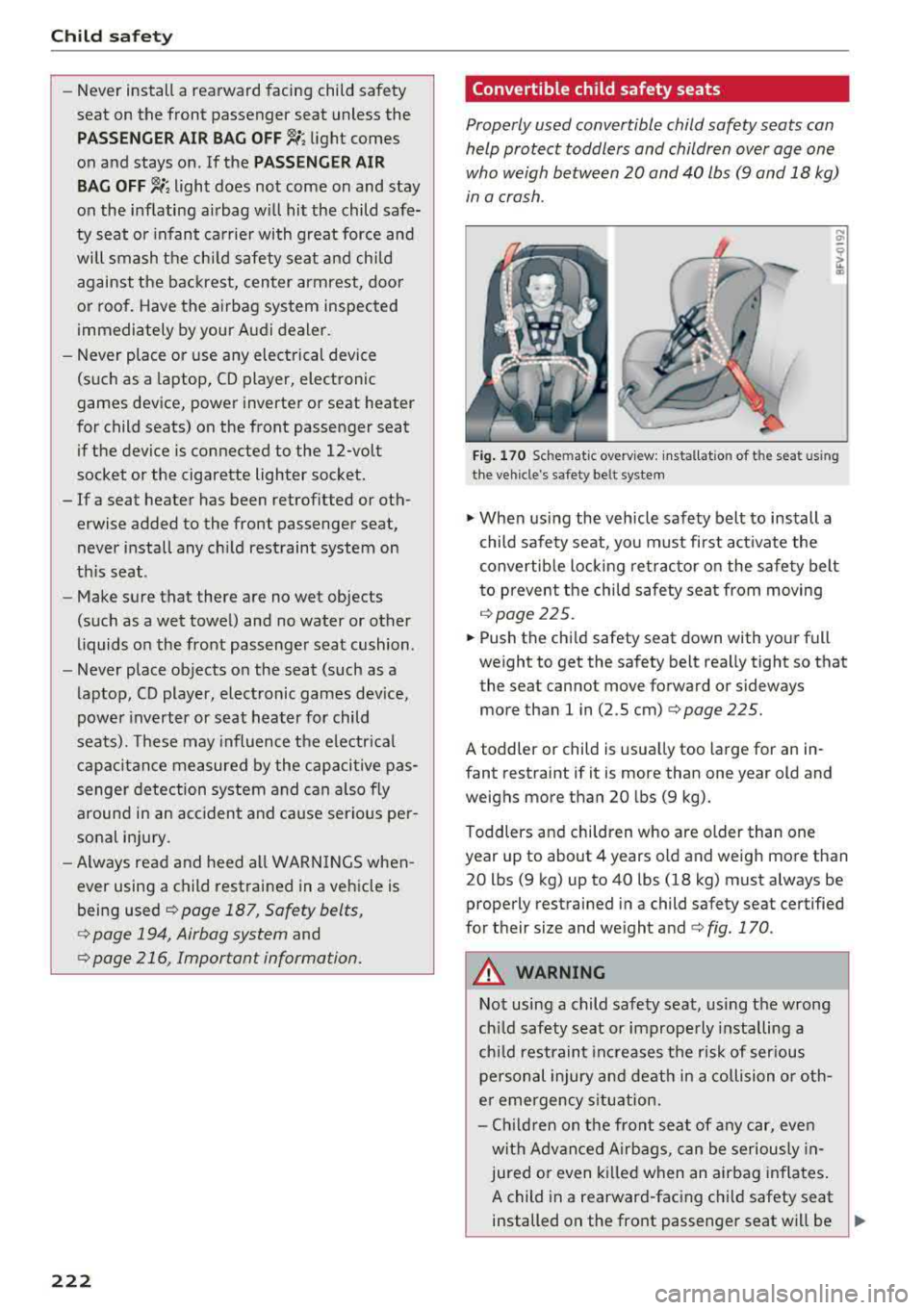
Fig. 170 Schem atic ov erview: ins tallation of t he se at us ing
the vehi cle's safety belt system
""When using the vehicle safety belt to install a
child safety seat, you must first activate the
convertible locking retractor on the safety belt
to prevent the child safety seat from moving
r=>page225.
"" Push the child safety seat down with your full
weight to get the safety belt really tight so that
the seat cannot move forward or sideways
more than 1 in (2.S
cm) ¢ page 225.
A toddler or child is usually too large for an in·
fant restraint if it is more than one year old and
weighs more than 20 lbs (9 kg).
Toddlers and children who are older than one
year up to about 4 years old and weigh more than
20 lbs (9 kg) up to 40 lbs (18 kg) must always be
properly restrained in a child safety seat certified
for their size and weight and
r=> fig. 170 .
A WARNING
Not using a child safety seat, using the wrong
child safety seat or improperly installing a
child restraint increases the risk of serious
personal injury and death in a collision or oth
er emergency situation.
- Children on the front seat of any car, even
with Advanced Airbags, can be seriously in
jured or even killed when an airbag inflates.
A child in a rearward-facing child safety seat
installed on the front passenger seat will be
~
Page 225 of 310
Cl co .... N ,....
N ...... 0 ,....
Vl co
seriously injured and can be killed if the
front airbag inflates
-even with an Ad
vanced Airbag System.
- The inflating airbag will hit the child safety
seat or infant carrier with great force and
will smash the child safety seat and child against the backrest, center arm rest, door
or roof.
- Never install a rearward facing child safety
seat on the front passenger seat unless the
PASSENGER AIR BAG OFF~; light comes
on and stays on. If the
PASSENGER AIR
BAG OFF
~ ; light does not come on and stay
on have the airbag system inspected imme
diately by your Audi dealer.
- The rear side of the child safety seat should
be positioned as close as possible to the
backrest on the vehicle seat.
- Always read and heed all WARNINGS when
ever using a child restrained in a vehicle is
being used ¢
page 187, Safety belts,
¢ page 194, Airbag system and
c> page 216, Important information.
A WARNING
If exceptional circumstances require the use
of a forward-facing child restraint on the
front passenger's seat, the child's safety and
well-being require that the following special precautions be taken:
- Make sure the forward -facing seat has been
designed and certified by its manufacturer
for use on a front seat with a passenger
front and side airbag .
- Always follow the manufacturer's instruc
tions provided with the child safety seat or
infant carrier.
- Always move the front passenger seat into
the rearmost position of the passenger
seat's fore and aft adjustment range, and as
far away from the airbag as possible before
installing the child restraint.
- Always make sure that nothing prevents the
front passenger's seat from being moved to
the rearmost position in its fore and aft ad
justment range.
Child safety
- Always make sure the backrest is in an up
right position .
- Never place or use any electrical device
(such as a laptop, CD player, electronic
games device , power inverter or seat heater
for child seats) on the front passenger seat if the device is connected to the 12-volt
socket or the cigarette lighter socket.
- If a seat heater has been retrofitted or oth
erwise added to the front passenger seat,
never install any child restraint system on
this seat.
- Make sure that there are no wet objects
(such as a wet towel) and no water or other
liquids on the front passenger seat cushion.
- Never place objects on the seat (such as a
laptop, CD player, electronic games device ,
power inverter or seat heater for child
seats). These may influence the electrical
capacitance measured by the capacitive pas
senger detection system and can also fly
around in an accident and cause serious per
sonal injury.
- Make sure that the
PASSENGER AIR BAG
OFF
'1; light comes on and stays on all the
time whenever the ignition is switched on.
- If the
PASSENGER AIR BAG OFF '1; light
does not come on and stay on have the air
bag system inspected by your authorized
Audi dealer .
Booster seats and safety belts
Properly used booster seats con help protect
children weighing between abou t 40 lbs and
80 lbs (18 kg and 36 kg) who are less than 4 ft
9
in (5 7 in/1.45 m) tall .
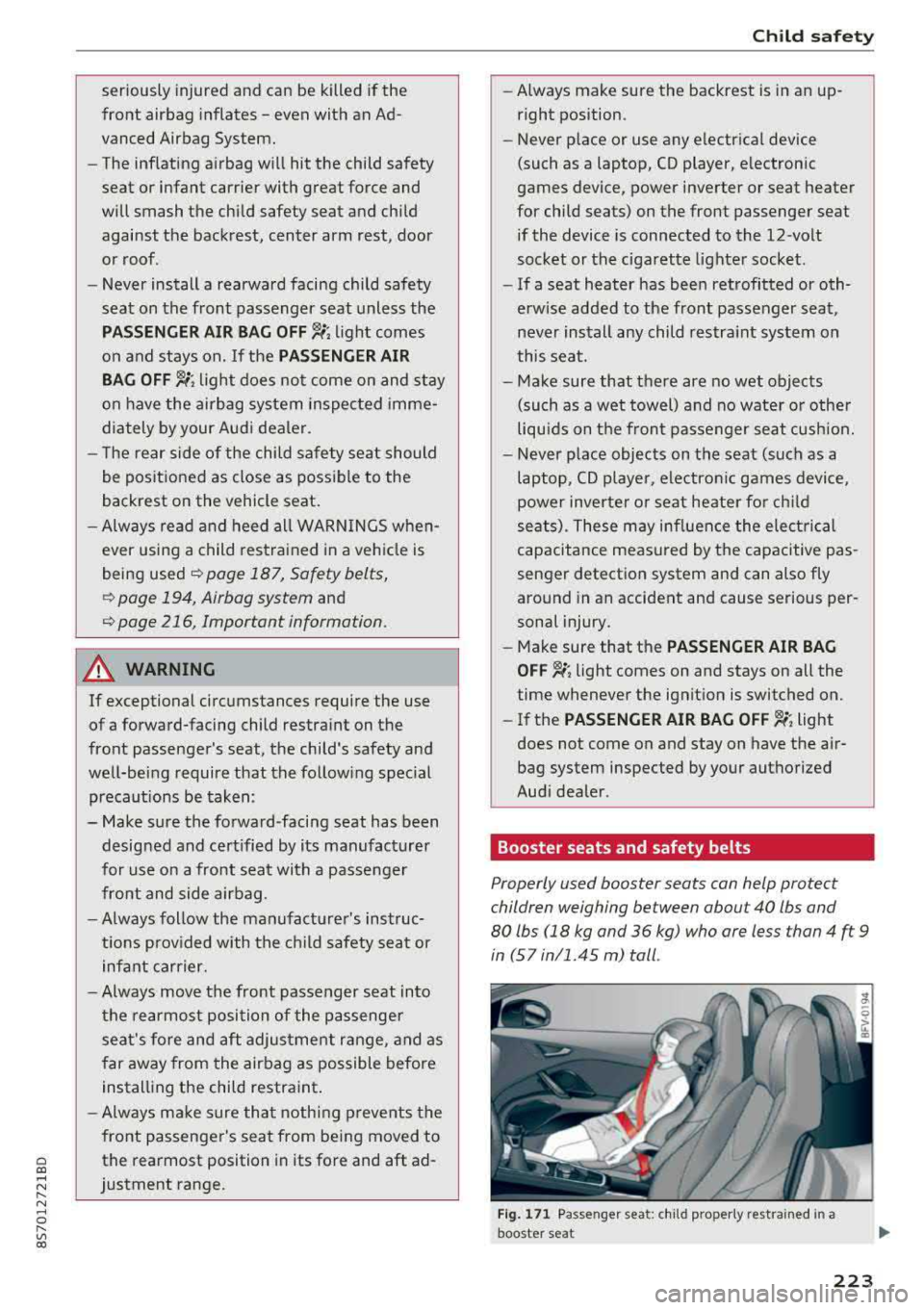
Fig. 171 Passenger sea t: child properly restrained in a
booste r se at
223
Page 226 of 310
Child safety
The vehicle 's safety belts alone will not fit most
chi ldren until they are at least 4
ft 9 in (57 in/
1.45 m) tall and weigh about 80 lbs (36 kg) .
Booster seats raise these children up so that the
safety belt will pass properly over the stronger
parts of their bodies and the safety belt can help
protect them in a crash .
.. Do not use the convertible locking retractor
when using the vehicle 's safety belt to restrain
a child on a booster seat .
.. The shoulder belt must lie as close to the cen
ter of the child's collar bone as poss ible and
must lie flat and s nug on the upper body. It
must never lie across the throat or neck. The
lap belt must lie across the pelvis and never
across the stomach or abdomen . Make sure the
belt lies flat and snug . Pull on the belt to tight
en if necessary .
Chi ldren up to at least 8 years old (over 40 lbs or
18 kg) are best protected in chi ld safety seats de
signed for their age and weight . Experts say that
the skeleta l structure, particularly the pelvis, of
these children is not fully developed, and they
must not use the vehicle safety belts without a
suitable child restraint.
It is usually best to put these children in appro
priate booster seats. Be sure the booster seat
meets all applicable safety standards .
Booster seats raise the seating position of the
child and repos ition both the lap and shoulder
parts of the safety be lt so that they pass across
the child's body in the right places. The rout ing of
the belt over the child's body is very important
for the child's protection, whether or not a boos
ter seat is used.
Never use the lap belt portion of the vehicle's
safety belt alone to restrain any child, regardless
of how big the child is. Always remember that
chi ldren do not have th e pronounced pelvic struc
ture required fo r the proper function of lap belt
port ion of the vehicle's three point lap and
shoulder belts. The child's safety absolute ly re
quires that a lap belt portion of the safety belt be
fastened snugly and as low as possible around the pelvis . Never let the lap belt portion of the
224
safety belt pass ove r the child's stomach or abdo
men .
In a crash, airbags must inflate w ith in a blink of
an eye and with considerable force. In order to do
its job, the airbag needs room to inflate so that it
will be there to protect the occupant as the occu
pant moves forward into the airbag .
A ve hicle occ upant who is o ut of pos it io n and too
close to the airbag gets in the way of an inflating
airbag . When an occupant is too close, he or she
will be struck vio lent ly and w ill rece ive serious or
possibly even fatal injury.
In order for the airbag to offer protection, it is
important that all vehicle occupants, especially
any ch ildren, who m ust be in the front seat be
cause of exceptional c ircumstances, be properly
restrained and as far away from the airbag as
possible . By keeping room between the child 's
body and the front of the passenger compart
ment, the a irbag can inflate completely and pro
v ide supplementa l protection in certa in frontal
collisions.
_& WARNING
Not using a booster seat, using the booster
seat improperly, incorrect ly installing a boos
ter seat or using the ve hicle safety belt im
properly increases the r isk of serious personal
injury and death in a collision or other emer
gency situation. To he lp reduce the risk of se
rious personal injury and/or death:
- The shou lder belt must lie as close to the
center of the child' s collar bone as possible
and must lie flat and snug on the upper
body. It must never lie across the throat or
neck. The lap belt must lie across the pelvis
and never across the stomach or abdomen.
Make sure that the belt lies flat and snug .
P ull on the belt to tighten if necessary .
- Failur e to properly route safety belts over a
child's body will cause severe injuries in an
accident or other emergency situation
¢page 187.
- The rear side of the child safety seat should
be positioned as close as possible to the
backrest on the ve hicle seat .
-
Page 227 of 310
Cl 00 .-< N r--N .-< 0 r--Vl 00
-Children on the front seat of any car, even
with Advance d Airbags, can be seriously in
jured or even killed when an airbag inflates.
- Never let a child stand or knee l on the seat .
- Never let a child ride in the cargo area of
your vehicle.
-Always remember that a child leaning for
ward, sitting sideways or out of position in any way during an accident can be struck by
a deploying airbag . This will result in ser ious
personal injury or death.
- If you must install a booster seat on the front passenger seat because of exceptional c ircumstances the
PA SSENGER AIR BAG
OFF ~; light must come on and stay on,
whenever the ignition is switched on .
- If the PASSENGER AIR BAG OFF~; light
does not come on and stay on, perform the
checks descr ibed
¢ page 205, Monitoring
the Advan ced Airbag System.
- If the PASSENGER AIR BAG OFF ~; light
does not come on and stay on wheneve r the
ignition is switched on the infla ting airbag
will hit the child safety sea t or i nfant ca rr ier
with great force and will smash the child
safety seat and child against the bac krest,
center armrest, doo r or roof . Have the ai r
bag system inspected immediately by your
Audi dealer.
- Always read and heed all WARNINGS when
ever using a child restrained in a veh icle is
being
used¢ page 187, Safety belts,
¢ page 194, Airbag system and
¢page 216, Important information .
Securing child safety
seats
Securing a child safety seat using a safety
belt
Safe ty belts for the front passenger can be
locked with the convertible locking retractor to
properly secure child safety seats .
The safety belt emergency locking ret ractor fo r
the fro nt passenger's seat safety belt have a con
ve rt ible lock ing retractor for child restra ints . The
safety belt must be locked so t hat belt webb ing
Ch ild saf ety
cannot unreel. The retractor can be activated to
l ock the safety belt and p revent the safety be lt
webb ing from loosening up dur ing no rma l driv
ing . A chi ld safety seat can only be properly in
stalled when the safety belt is locked so that the
c hi ld and ch ild safety seat will stay in p lace .
Always remembe r: Even thoug h your ve hicle is
equipped with an Advanced Airbag system, a
c hi ld shou ld always r ide in the seat proper ly re
strained for its age and s ize .
A WARNING
-
Imp roperly installed child safety seats in
crease the ris k of serious personal injury and
d eat h in a co llision.
- Always make sure that the safety be lt re
tractor is locked w hen installing a child
safety sea t. An unlo cked safe ty be lt retra c
tor cannot hold t he ch ild sa fety sea t in place
du ring normal driving or in a crash.
- Always buckle the child safety seat fi rmly in
place even if a ch ild is not si tt ing in it . A
loose child safety seat can fly a round dur ing
a sudden s to p or in a co llision .
- If the backrest is not se curely latched, the
child and the ch ild restraint will be thrown
forward togethe r with the backrest and w ill
strike parts o f the veh icle inter ior. The child
can be seriously injured or killed.
- The inflating airbag will h it the ch ild safety
seat o r infant ca rrier with great force and
will smash the child safety seat and child
aga inst the backrest, center a rmrest, door
or roof.
- Forward-facing child safety seats o r infant
car riers installed on the front passenger's
seat may in terfere w ith the deployment o f
the airbag and ca use serio us in ju ry to t he
child.
- Always read and hee d all WARNINGS when
eve r using a child restrained in a vehicle is
be ing used
¢ page 216. Spe cial precautions
apply w hen ins tall ing a child safety seat on
the front passenge r seat
r=;, page 195, Child
restraints on the front seat
-some impor-
tant things to know .
~
225