head CHEVROLET CAMARO 1982 Repair Guide
[x] Cancel search | Manufacturer: CHEVROLET, Model Year: 1982, Model line: CAMARO, Model: CHEVROLET CAMARO 1982Pages: 875, PDF Size: 88.64 MB
Page 414 of 875
GM – CAMARO 1982-1992 – Repair Guide (Checked by WxMax) 414
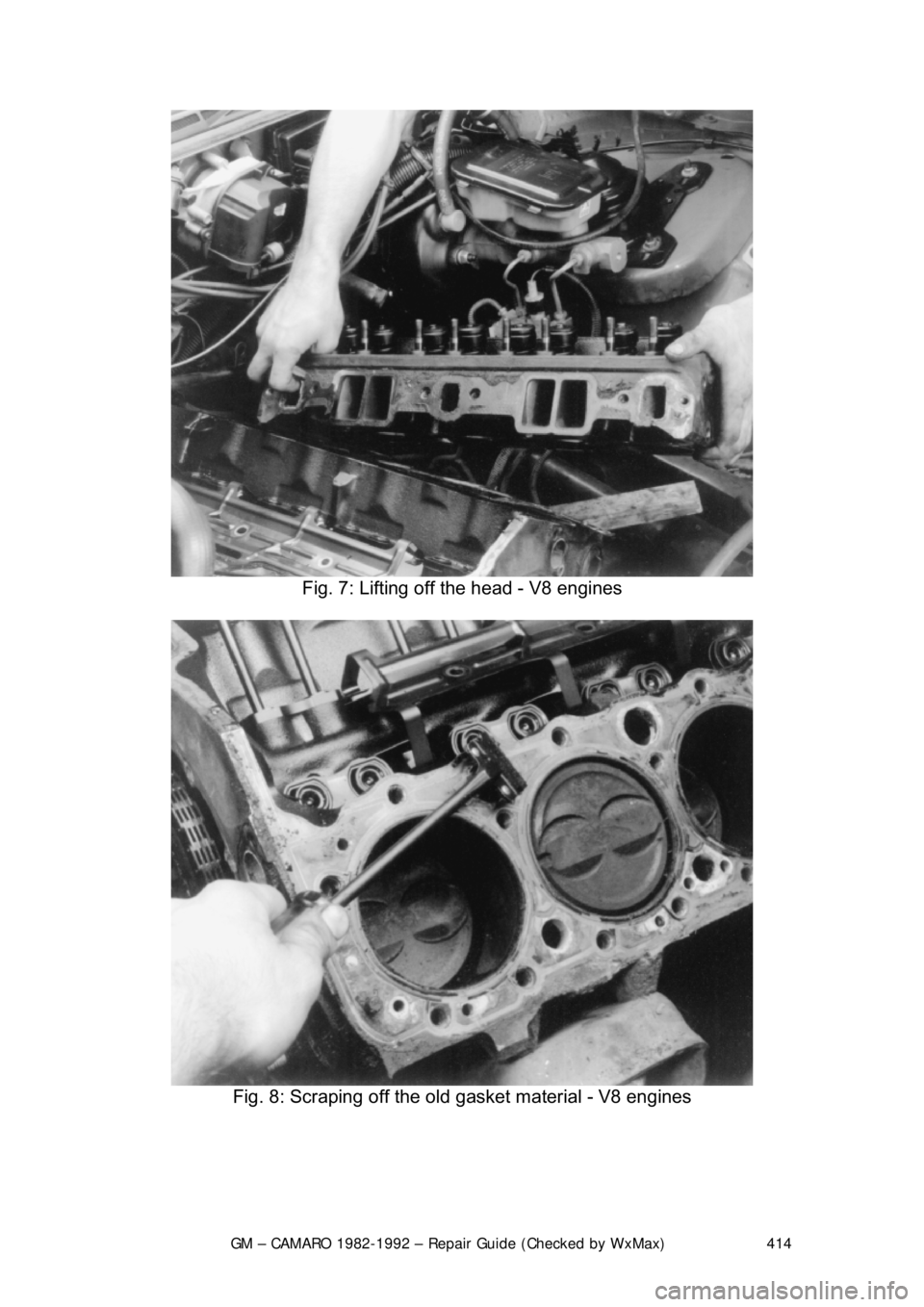
Fig. 7: Lifting off the head - V8 engines
Fig. 8: Scraping off the old gasket material - V8 engines
Page 415 of 875
GM – CAMARO 1982-1992 – Repair Guide (Checked by WxMax) 415
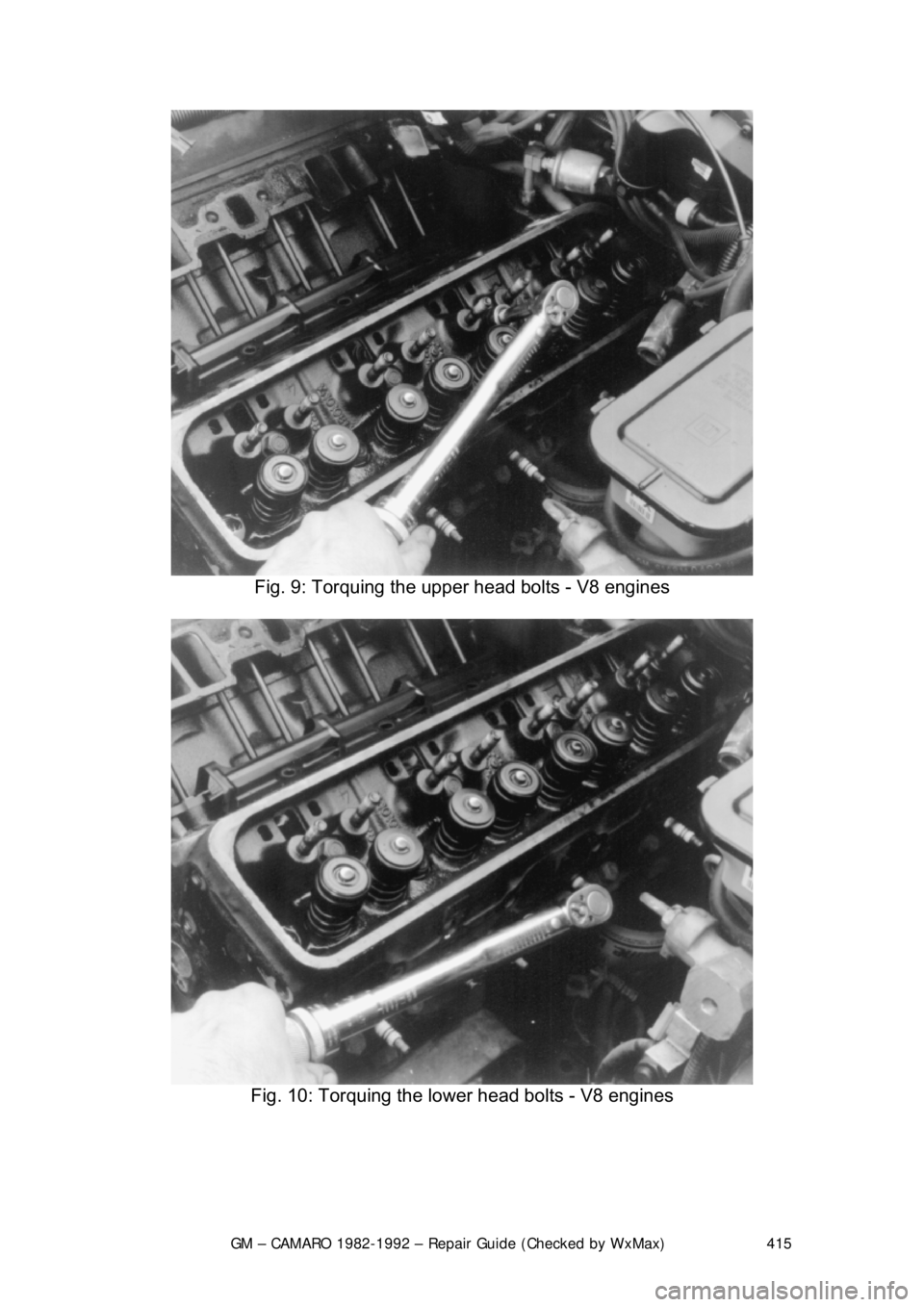
Fig. 9: Torquing the upper head bolts - V8 engines
Fig. 10: Torquing the lower head bolts - V8 engines
Page 416 of 875
GM – CAMARO 1982-1992 – Repair Guide (Checked by WxMax) 416
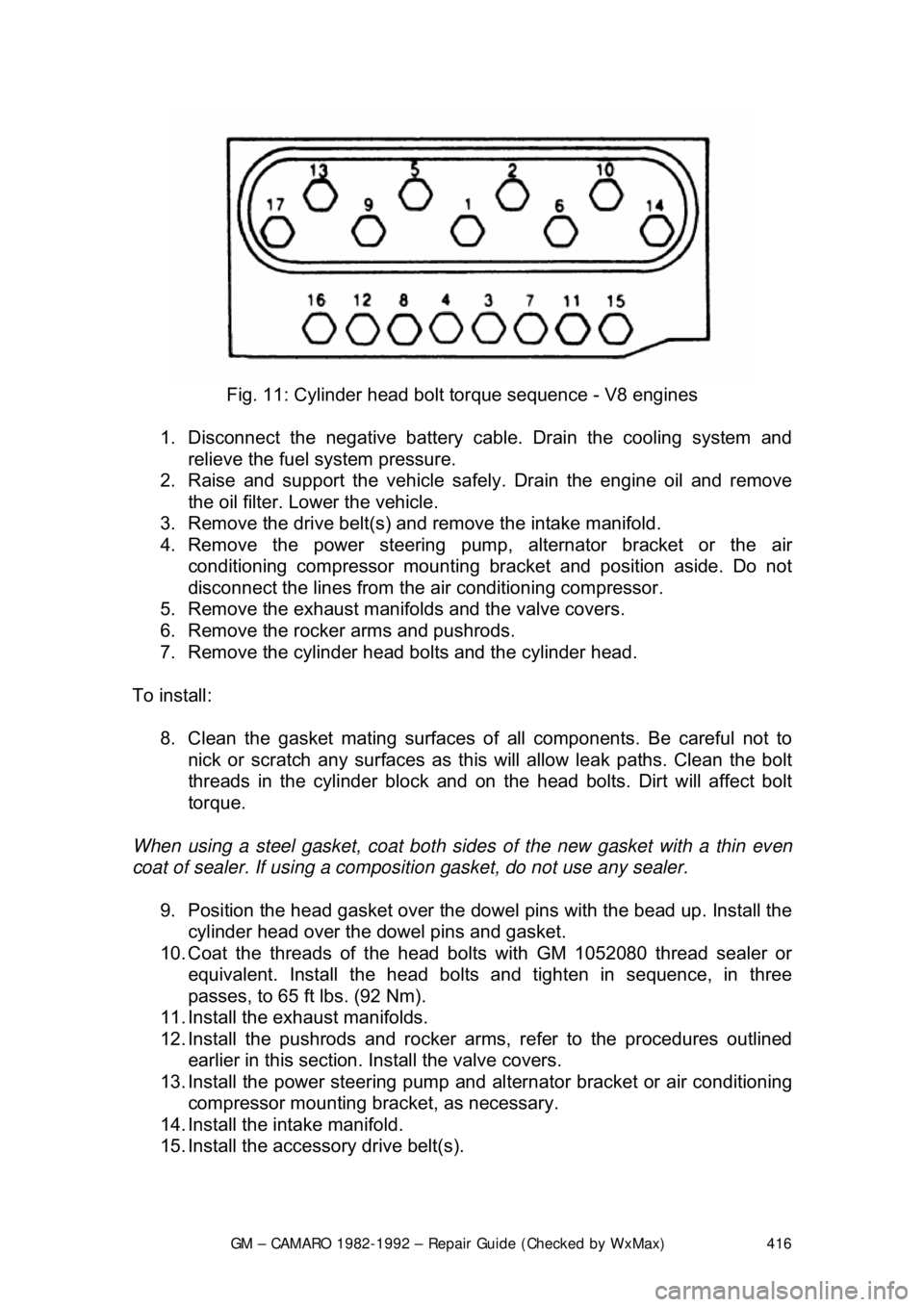
Fig. 11: Cylinder head bolt torque sequence - V8 engines
1. Disconnect the negative battery c able. Drain the cooling system and
relieve the fuel system pressure.
2. Raise and support the vehicle safe ly. Drain the engine oil and remove
the oil filter. Lower the vehicle.
3. Remove the drive belt(s) and remove the intake manifold.
4. Remove the power steering pump, alternator bracket or the air
conditioning compressor mounting br acket and position aside. Do not
disconnect the lines from the air conditioning compressor.
5. Remove the exhaust manifolds and the valve covers.
6. Remove the rocker arms and pushrods.
7. Remove the cylinder head bolts and the cylinder head.
To install: 8. Clean the gasket mating surfaces of all components. Be careful not to
nick or scratch any surfaces as this will allow leak paths. Clean the bolt
threads in the cylinder bl ock and on the head bolts. Dirt will affect bolt
torque.
When using a steel gasket, coat both sides of the new gasket with a thin even
coat of sealer. If using a compos ition gasket, do not use any sealer.
9. Position the head gasket over the dow el pins with the bead up. Install the
cylinder head over the dowel pins and gasket.
10. Coat the threads of the head bo lts with GM 1052080 thread sealer or
equivalent. Install the head bolts and tighten in sequence, in three
passes, to 65 ft lbs. (92 Nm).
11. Install the exhaust manifolds.
12. Install the pushrods and rocker arms, refer to the procedures outlined earlier in this section. Install the valve covers.
13. Install the power steering pump and al ternator bracket or air conditioning
compressor mounting bra cket, as necessary.
14. Install the intake manifold.
15. Install the accessory drive belt(s).
Page 442 of 875

GM – CAMARO 1982-1992 – Repair Guide (Checked by WxMax) 442
To install:
7. Lubricate all parts. Slide the ca mshaft onto the camshaft bearings.
8. Install the fuel pump and fuel pump pushrod.
9. Install the distributor and align all matchmarks.
10. Install the oil pump drive.
11. Install the valve lifters, pushrods and rocker arms.
12. Install the intake manifold and valve covers.
13. Install the timing and timing chain cover.
14. Install the radiator.
15. Fill the cooling syst em, start the engine and check for leaks.
BEARING
REMOVAL & INSTALLATION
It is recommended for a machine shop to perform these procedures.
To remove the camshaft bearings, the ca mshaft lifters, flywheel, rear camshaft
expansion plug, and cranks haft must be removed.
Camshaft bearings can be replaced wi th engine completely or partially
disassembled. To replace bearings without complete disassembly remove the
camshaft and crankshaft leaving cylinder heads attached and pistons in place.
Before removing crankshaft, tape threads of connecting rod bolts to prevent
damage to crankshaft. Fasten connecting rods against sides of engine so they
will not be in the way while replacing camshaft bearings.
If excessive wear is indicated, or if the engine is being completely rebuilt,
camshaft bearings should be replaced as follows: Drive the camshaft rear plug
from the block. Assemble the removal puller with its shoulder on the bearing to
be removed. Gradually tighten the puller nut until bearing is removed. Remove
remaining bearings, leaving the front and rear for last. To remove front and rear
bearings, reverse position of the tool, so as to pull the bearings in toward the
center of the block. Leave the tool in th is position, pilot the new front and rear
bearings on the installer, and pull them into position as follows:
• 4 cylinder engines: Ensure oil holes are properly aligned.
• V6 engines: Ensure the rear and intermediate bearing oil holes are
aligned between the 2 and 3 o'clock po sitions and the front bearing oil
holes are at 1:00 and between 2 and 3 o'clock positions.
• V8 engines: Ensure the No. 1 (f ront) camshaft bearing holes are an
equal distance from the 6 o'clock pos ition. The No. 2 through 4 inner
bearing holes must be posit ioned at the 5 o'clock position towards the left
side (drivers) of the engine, even wit h the bottom of the cylinder bore.
The No. 5 bearing oil holes must be positioned at 12 o'clock.
Return the tool to its original position and pull remaining bearings into position.
Page 458 of 875
GM – CAMARO 1982-1992 – Repair Guide (Checked by WxMax) 458
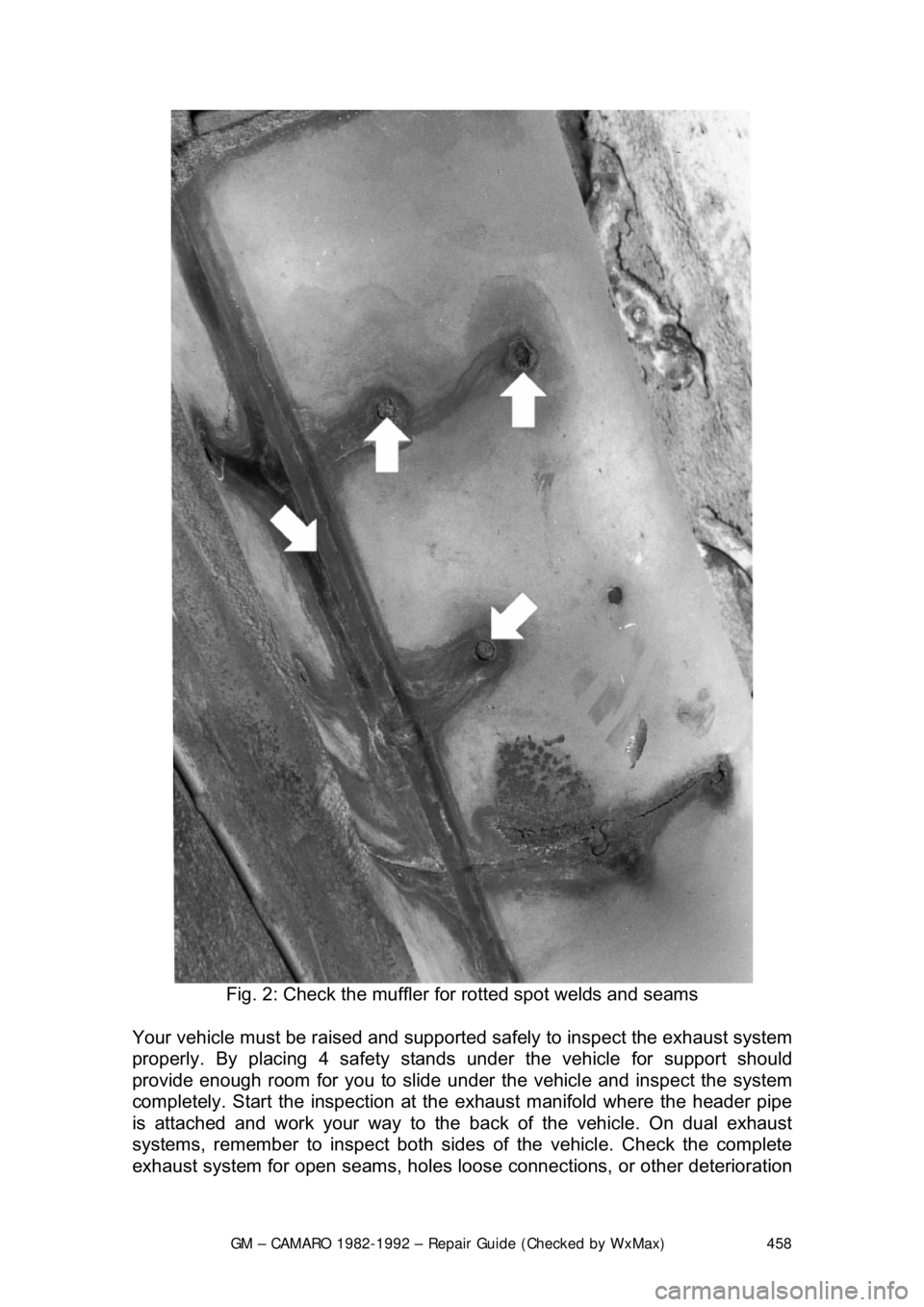
Fig. 2: Check the muffler fo r rotted spot welds and seams
Your vehicle must be rais ed and supported safely to inspect the exhaust system
properly. By placing 4 safety stands under the vehicle for support shoul\
d
provide enough room for you to slide u nder the vehicle and inspect the system
completely. Start the inspection at t he exhaust manifold where the header pipe
is attached and work your way to the back of the vehicle. On dual exhaust
systems, remember to inspect both sides of the vehicle. Check the complete
exhaust system for open seam s, holes loose connections, or other deterioration
Page 463 of 875
GM – CAMARO 1982-1992 – Repair Guide (Checked by WxMax) 463
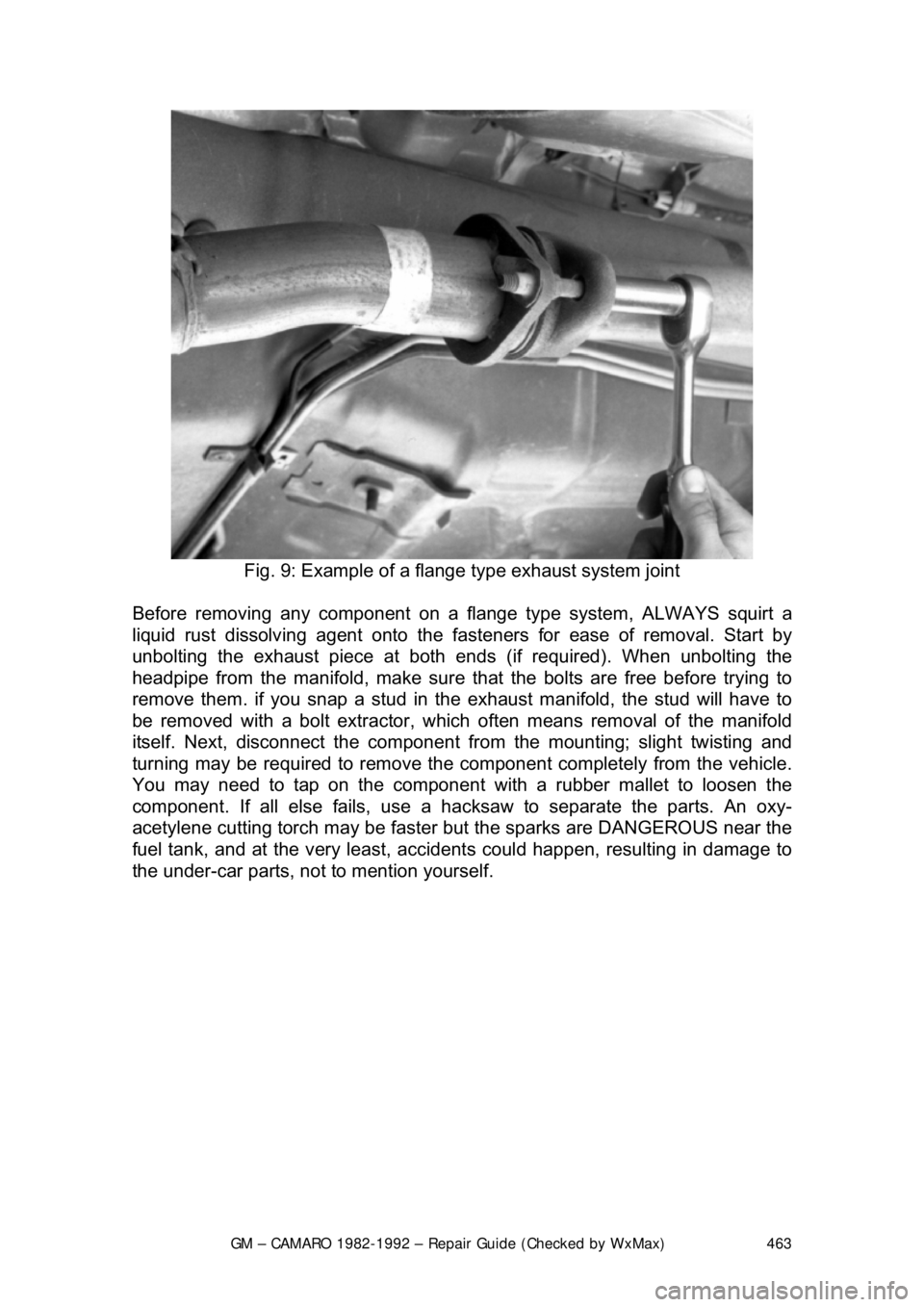
Fig. 9: Example of a fl ange type exhaust system joint
Before removing any component on a fl ange type system, ALWAYS squirt a
liquid rust dissolving agent onto the fast eners for ease of removal. Start by
unbolting the exhaust piece at both ends (if required). When unbolting the
headpipe from the manifold, make sure that the bolts are free before trying to
remove them. if you snap a stud in t he exhaust manifold, the stud will have to
be removed with a bolt extractor, which often means removal of the manifold
itself. Next, disconnect the component fr om the mounting; slight twisting and
turning may be required to remove the co mponent completely from the vehicle.
You may need to tap on the component wit h a rubber mallet to loosen the
component. If all else fails, use a hacksaw to separate the parts. An oxy-
acetylene cutting torch may be faster but the sparks are DANGEROUS near the
fuel tank, and at the very least, accident s could happen, resulting in damage to
the under-car parts, not to mention yourself.
Page 464 of 875
GM – CAMARO 1982-1992 – Repair Guide (Checked by WxMax) 464
SLIP JOINT TYPE
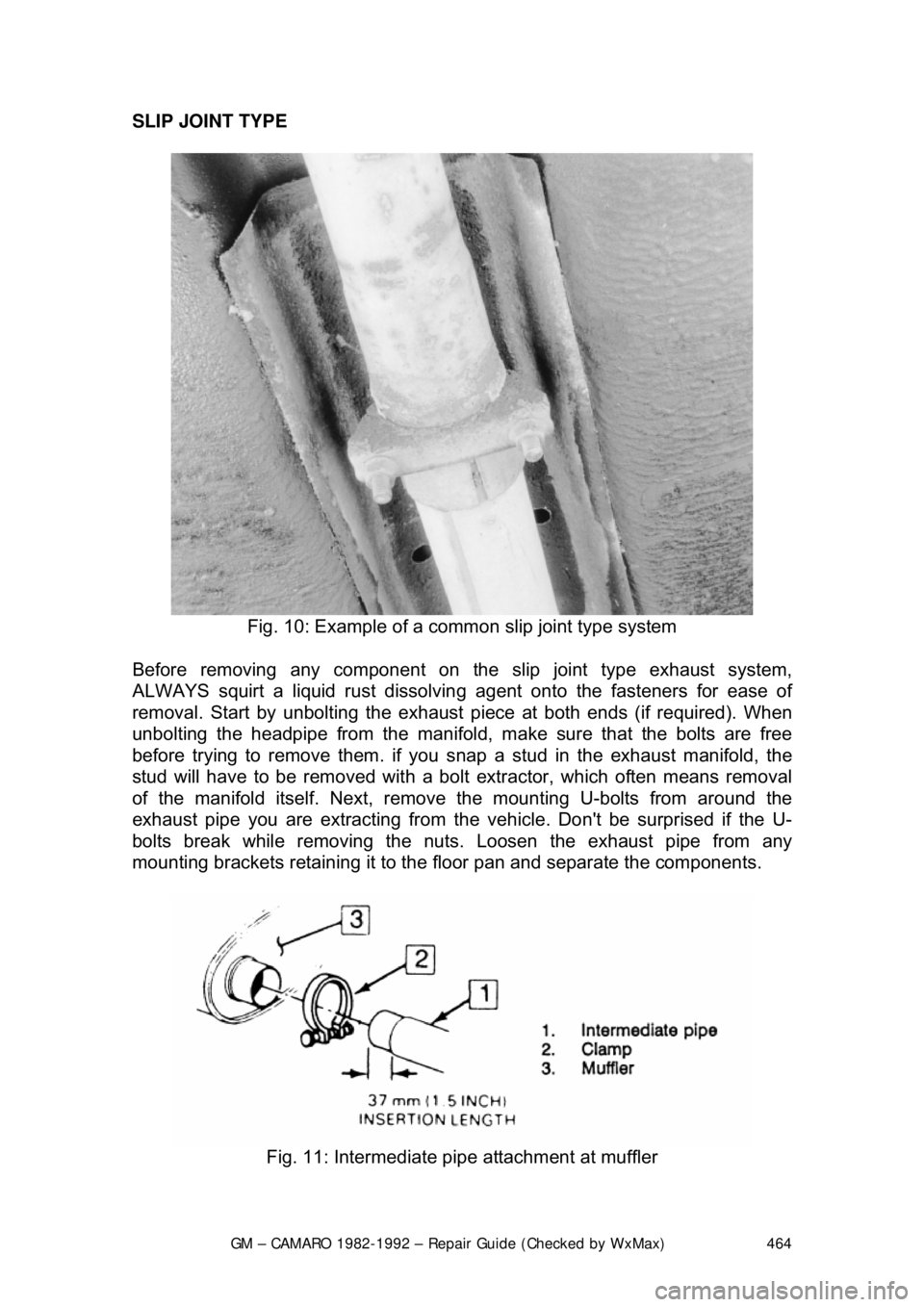
Fig. 10: Example of a co mmon slip joint type system
Before removing any component on the slip joint type exhaust system,
ALWAYS squirt a liquid rust dissolvin g agent onto the fasteners for ease of
removal. Start by unbolting the exhaust piece at both ends (if required). When
unbolting the headpipe from the manifold, ma ke sure that the bolts are free
before trying to remove them. if you s nap a stud in the exhaust manifold, the
stud will have to be removed with a bolt extractor, which often means removal
of the manifold itself. Next, remove the mounting U-bolts from around the
exhaust pipe you are extracti ng from the vehicle. Don't be surprised if the U-
bolts break while removing the nuts. Loosen the exhaust pipe from any
mounting brackets retaining it to t he floor pan and separate the components.
Fig. 11: Intermediate pipe attachment at muffler
Page 465 of 875
GM – CAMARO 1982-1992 – Repair Guide (Checked by WxMax) 465
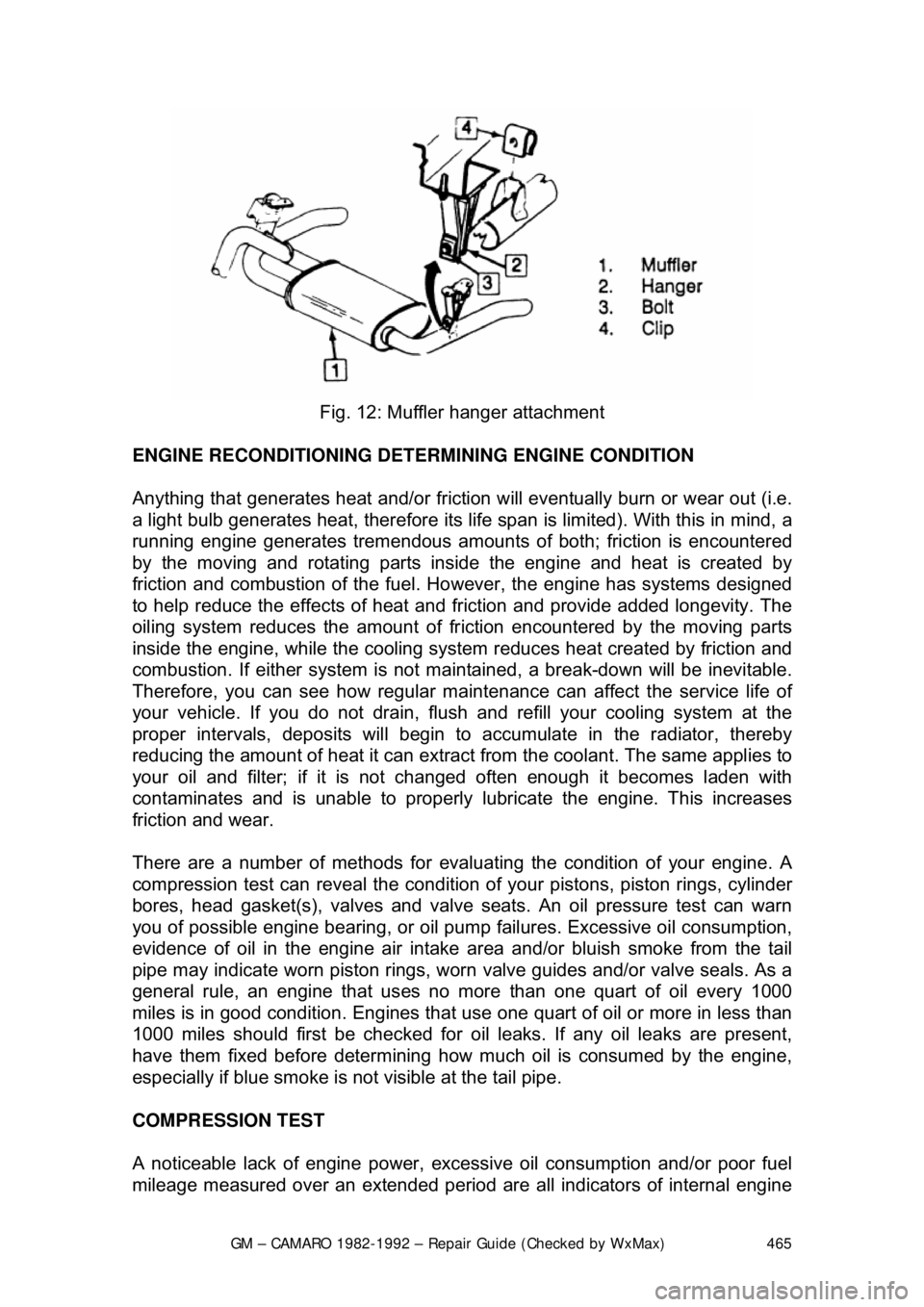
Fig. 12: Muffler hanger attachment
ENGINE RECONDITIONING DETE RMINING ENGINE CONDITION
Anything that generates heat and/or friction will eventually burn or wear out (i.e.
a light bulb generates heat, therefore its life span is limited). With this in mind, a
running engine generates trem endous amounts of both; friction is encountered
by the moving and rotating parts inside the engine and heat is created b\
y
friction and combustion of the fuel. Ho wever, the engine has systems designed
to help reduce the effects of heat and fr iction and provide added longevity. The
oiling system reduces the amount of fr iction encountered by the moving parts
inside the engine, while the cooling system reduces heat created by friction and
combustion. If either system is not main tained, a break-down will be inevitable.
Therefore, you can see how regular main tenance can affect the service life of
your vehicle. If you do not drain, flush and refill your cooling system at the
proper intervals, deposits will begin to accumulate in the radiator, thereby
reducing the amount of heat it can extrac t from the coolant. The same applies to
your oil and filter; if it is not changed often enoug h it becomes laden with
contaminates and is unable to properly lubricate the engine. This increases
friction and wear.
There are a number of methods for evaluat ing the condition of your engine. A
compression test can reveal the condition of your pistons, piston rings, cylinder
bores, head gasket(s), valves and valve seat s. An oil pressure test can warn
you of possible engine bearing, or oil pump failures. Excessive oil consumption,
evidence of oil in the engine air intake area and/or bluish smoke from the tail
pipe may indicate worn piston rings, worn valve guides and/or valve seals. As a
general rule, an engine that uses no more than one quart of oil every 1000
miles is in good condi tion. Engines that use one quart of oil or more in less than
1000 miles should first be checked for oil leaks. If any oil leaks are present,
have them fixed before dete rmining how much oil is consumed by the engine,
especially if blue smoke is not visible at the tail pipe.
COMPRESSION TEST
A noticeable lack of engine power, excessive oil consumption and/or poor fuel
mileage measured over an extended period are all indicators of internal engine
Page 466 of 875
GM – CAMARO 1982-1992 – Repair Guide (Checked by WxMax) 466
wear. Worn piston rings, scored or wo
rn cylinder bores, blown head gaskets,
sticking or burnt valves, and worn valve seats are all possible culprits. A check
of each cylinder's compression will help locate the problem.
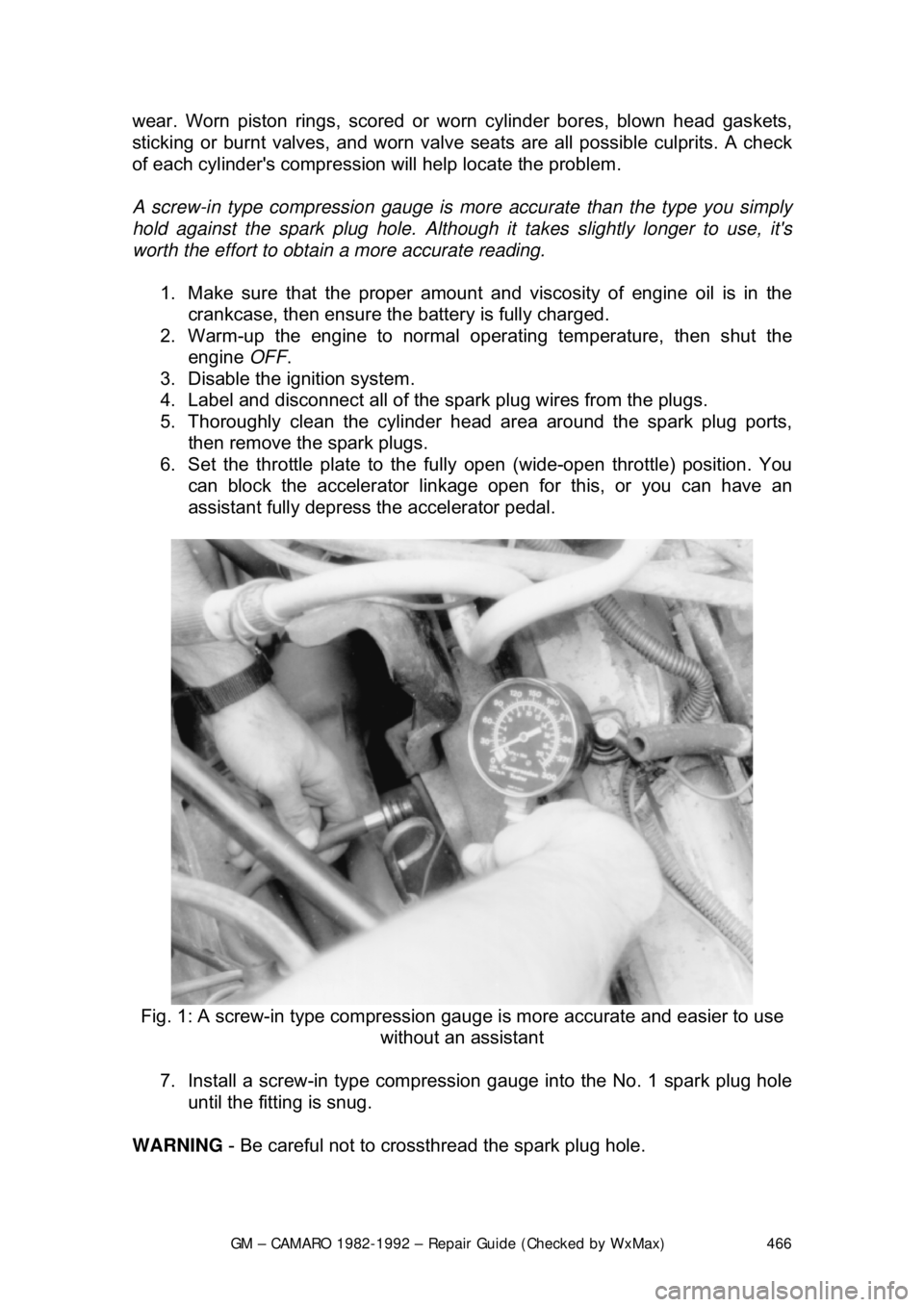
A screw-in type compression gauge is more accurate than the type you simply
hold against the spark plug hole. Although it takes slightly longer to use, it's
worth the effort to obtain a more accurate reading.
1. Make sure that the proper amount and viscosity of engine oil is in the
crankcase, then ensure the battery is fully charged.
2. Warm-up the engine to normal operat ing temperature, then shut the
engine OFF.
3. Disable the ignition system.
4. Label and disconnect all of the spark plug wires from the plugs.
5. Thoroughly clean the cylinder h ead area around the spark plug ports,
then remove the spark plugs.
6. Set the throttle plate to the fully open (wide-open throttle) position. You
can block the accelerator linkage open for this, or you can have an
assistant fully depress the accelerator pedal.
Fig. 1: A screw-in type compression gauge is more accurate and easier to use
without an assistant
7. Install a screw-in type compression gauge into the No. 1 spark plug hole
until the fitting is snug.
WARNING - Be careful not to crossthread the spark plug hole.
Page 467 of 875

GM – CAMARO 1982-1992 – Repair Guide (Checked by WxMax) 467
8. According to the tool manufacture
r's instructions, connect a remote
starting switch to the starting circuit.
9. With the ignition switch in the OFF position, use the remote starting
switch to crank the engine through at least five compression strokes
(approximately 5 seconds of cranking) and record the highest reading on
the gauge.
10. Repeat the test on each cylinder, cranking the engine approximately the
same number of compression stroke s and/or time as the first.
11. Compare the highest readi ngs from each cylinder to that of the others.
The indicated compression pre ssures are considered within
specifications if the lo west reading cylinder is within 75 percent of the
pressure recorded for the highest readi ng cylinder. For example, if your
highest reading cylinder pressure was 150 psi (1034 kPa), then 75
percent of that would be 113 psi (779 kPa). So the lowest reading
cylinder should be no less than 113 psi (779 kPa).
12. If a cylinder exhibits an unusually low compression reading, pour a
tablespoon of clean engine oil into the cylinder through the spark plug
hole and repeat the compression tes t. If the compression rises after
adding oil, it means that the cylinder's piston rings and/or cylinder bore
are damaged or worn. If the pressure re mains low, the valves may not be
seating properly (a valve job is needed), or the head gasket may be
blown near that cylinder. If compressi on in any two adjacent cylinders is
low, and if the addition of oil doesn' t help raise compression, there is
leakage past the head gasket. Oil and coolant in the combustion
chamber, combined with blue or const ant white smoke from the tail pipe,
are symptoms of this pr oblem. However, don't be alarmed by the normal
white smoke emitted from the tail pipe during engine warm-up or from
cold weather driving. There may be evidence of water droplets on the
engine dipstick and/or oil droplets in the cooling system if a head gasket
is blown.
OIL PRESSURE TEST
Check for proper oil pressu re at the sending unit passage with an externally
mounted mechanical oil pressure gauge (a s opposed to relying on a factory
installed dash-mounted gauge). A tachom eter may also be needed, as some
specifications may require running the engine at a specific rpm.
1. With the engine cold, locate and remo ve the oil pressure sending unit.
2. Following the manufacturer's inst ructions, connect a mechanical oil
pressure gauge and, if necessary, a tachometer to the engine.
3. Start the engine and allow it to idle.
4. Check the oil pressure reading when cold and record the number. You
may need to run the engine at a specified rpm, so check the
specifications chart located earlier in this section.
5. Run the engine until normal operati ng temperature is reached (upper
radiator hose will feel warm).
6. Check the oil pressure reading agai n with the engine hot and record the
number. Turn the engine OFF.